GemVoyage Team • World
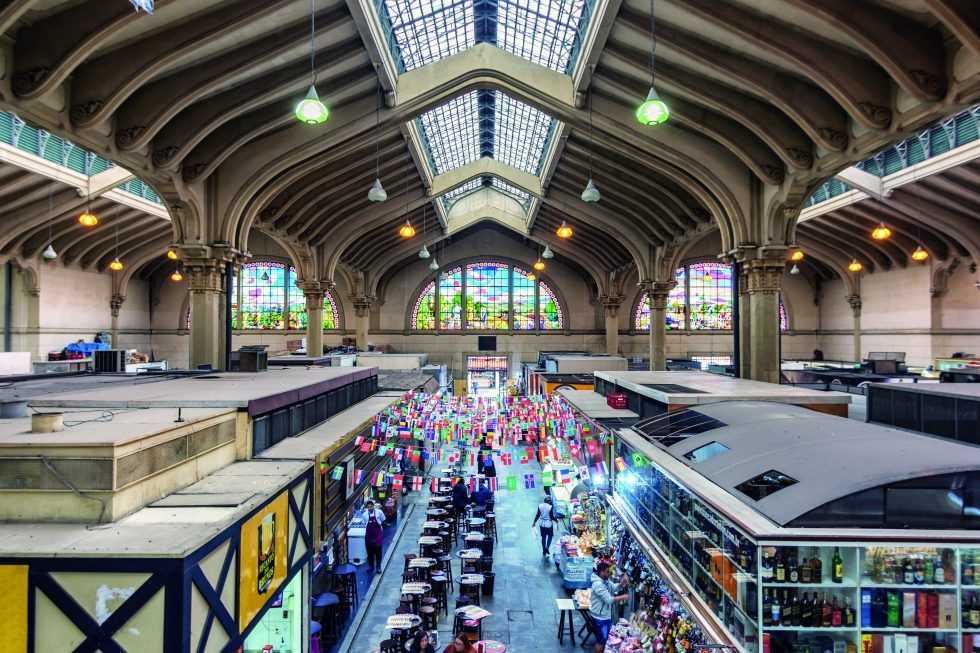
The market’s appeal lies in its combination of spectacle and practicality. On one level, it is a place where you can buy ingredients, taste regional specialties, and browse through stalls packed with produce and delicacies. On another level, it is an architectural and cultural experience, with a grand interior that makes the market feel significant beyond the transaction. The building’s scale and activity create a strong first impression, but the real charm comes from moving through the aisles, observing the vendors, and tasting what the stalls have to offer.
One little-known fact is that the market has become famous not only for shopping but also for certain dishes that travelers now seek out as part of the São Paulo experience. The towering sandwich and generous pastel preparations associated with the market have turned it into a food destination in its own right. Another detail that visitors often notice is how strongly the market reflects the city’s diversity. The mix of products and culinary influences mirrors São Paulo’s broader identity as a metropolis built by migration, trade, and constant reinvention.
Mercadão works especially well for travelers who like food tourism because it offers both immediate flavor and cultural context. You can snack, shop, and observe the market’s rhythm all at once. It is busy, colorful, and sometimes overwhelming in the best possible way. For many visitors, it becomes one of the most memorable food stops in the city precisely because it is so direct and unpretentious.
If you are combining the market with a broader city itinerary, it fits well with downtown exploration, historic sites, and other central stops. The building itself is easy to identify, and once you are nearby, the surrounding energy makes the approach feel unmistakably urban. Many visitors plan the market as a lunch stop rather than a standalone excursion, which works well because food is the main draw.
Bring cash or be prepared for card use depending on the stall. Most established vendors handle modern payment methods, but it is still helpful to be flexible. Prices and portions can vary, so compare a little before committing.
Watch your bag and belongings in crowded sections. This is a busy market in a major city, so basic urban awareness is sensible. The atmosphere is generally part of the fun, but attentiveness helps keep the visit smooth.
Don’t only eat; look around. The produce, specialty items, spices, and architecture all contribute to the experience. If you have extra time, wander the aisles before deciding where to stop, because the market is richer when you let yourself explore first.
Discover more hidden gems you might love.
Los Angeles
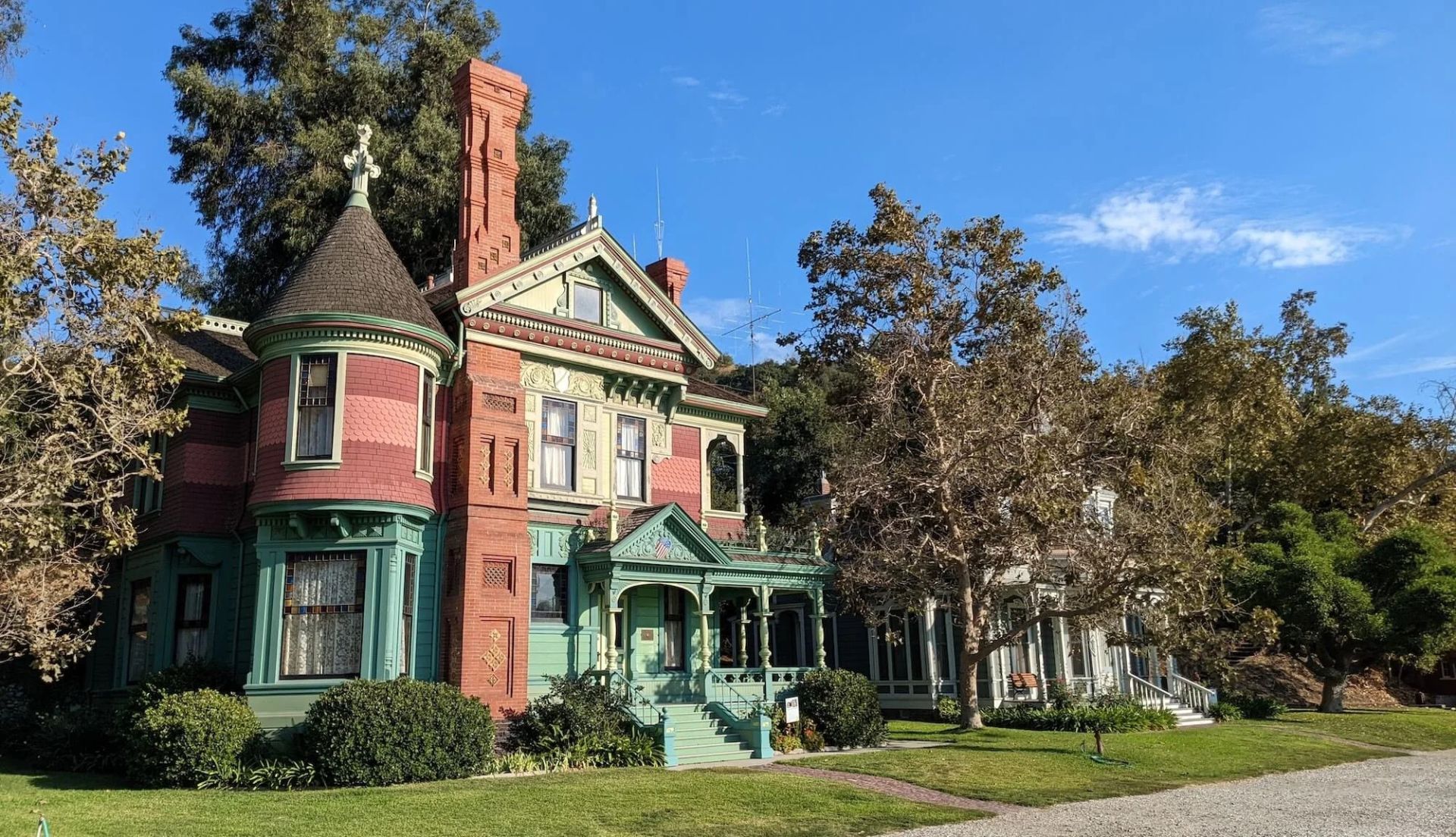
## Description Heritage Square Museum is an extraordinary open-air architectural museum that gathers Victorian and early 20th-century houses and outbuildings within a single historic district to showcase Southern California’s built environment and social history. Each structure has a carefully reconstructed exterior and interpreted interior that reveal the craftsmanship, decorative trends, and daily rhythms of life from a period when Los Angeles was transforming from a frontier town into a burgeoning metropolis. The museum stands out for the authenticity of its fabric: original trim, stained glass, tile, and millwork are preserved or painstakingly restored, and many interiors are furnished with period-appropriate objects to convey domestic stories. Preservation workshops on site keep traditional trades alive—carpentry, plasterwork, and decorative finishes are practiced as living crafts, which both supports ongoing maintenance and educates visitors about restoration techniques. Beyond architecture, Heritage Square interprets social history. Exhibits explore how families lived, worked, and entertained across different socioeconomic strata, and the museum’s programming—guided tours, living history demonstrations, and seasonal festivals—brings these narratives to life. Special events often highlight conservation issues and the ongoing need to protect historic urban fabric in the face of development pressures. For scholars, students, and casual visitors alike, the site offers layered experiences: a close reading of architectural detail, hands-on learning in workshops, and interpretive narratives that connect buildings to broader histories of migration, industry, and urban change. Its role as a rescue repository—structures moved and reassembled to avoid demolition—adds an extra dimension: many buildings carry stories of mid-century urban renewal and community efforts to preserve heritage. ## Location Heritage Square Museum is located in the Montecito Heights neighborhood of Los Angeles, California, a short drive northeast of downtown Los Angeles. The setting—on a hillside with city views—provides a scenic backdrop for exploring an era of American domestic architecture. Getting there: Driving is the most convenient option; limited on-site parking is available. Public transit can be used but often requires transfers and a short walk—check local transit schedules and plan for extra time. Rideshare and local taxis are convenient alternatives. Pair a visit with nearby cultural stops, such as the Huntington Library or local hillside parks, to create a fuller day of exploration. ## Tips - Check the museum’s tour schedule and special-event calendar before you go; guided tours offer the most context and are often led by knowledgeable docents. - Wear comfortable shoes—paths through the outdoor site can be uneven and some properties require short climbs. - Give yourself at least two hours to explore; the combination of interiors, workshops, and outdoor exhibits rewards a relaxed pace. - Bring a camera for exterior architectural photography; observe interior photography rules where posted and respect exhibit boundaries. - If interested in historic trades, inquire about workshop schedules or volunteer opportunities—many preservation skills are demonstrated on site. - Visit in spring or fall for pleasant weather and outdoor events; summer can be warm and winter may bring cooler, wetter days. ## Conclusion Heritage Square Museum preserves an essential chapter of Southern California’s architectural story. By combining rescued structures, conservation workshops, and interpretive programming, it offers a hands-on way to understand historic building crafts and the lives of the people who inhabited these homes. It is an inspiring stop for anyone interested in architecture, preservation, and urban history. ## FAQ Q: Are there guided tours? A: Yes. The museum runs scheduled guided tours and special programs; tours are recommended for first-time visitors to gain historical context and architectural insight. Q: Is the site family-friendly? A: Yes. The museum offers family-oriented programs and activities; children can learn about historic life through interactive demonstrations. Q: Can event spaces be rented? A: Select areas may be rented for private events, though availability and restrictions vary—contact the museum’s events office for details. Q: Are there volunteer opportunities or workshops? A: Yes. The museum often offers volunteer roles, preservation workshops, and demonstrations of traditional trades—check the calendar or volunteer page for current options. Q: Is the site wheelchair accessible? A: Some areas have limited accessibility due to the nature of historic structures and terrain; the museum can provide guidance on accessible routes and accommodations. Q: What’s the best way to learn about restoration techniques demonstrated on site? A: Attend preservation workshops, guided tours that focus on conservation, or scheduled demonstrations—these sessions are designed to explain both craft techniques and the rationale behind repair choices. ## Links - [Heritage Square Museum (official)](https://www.heritagesquare.org) - [Wikipedia: Heritage Square Museum](https://en.wikipedia.org/wiki/Heritage_Square_Museum)
GemVoyage Team • World
Beijing
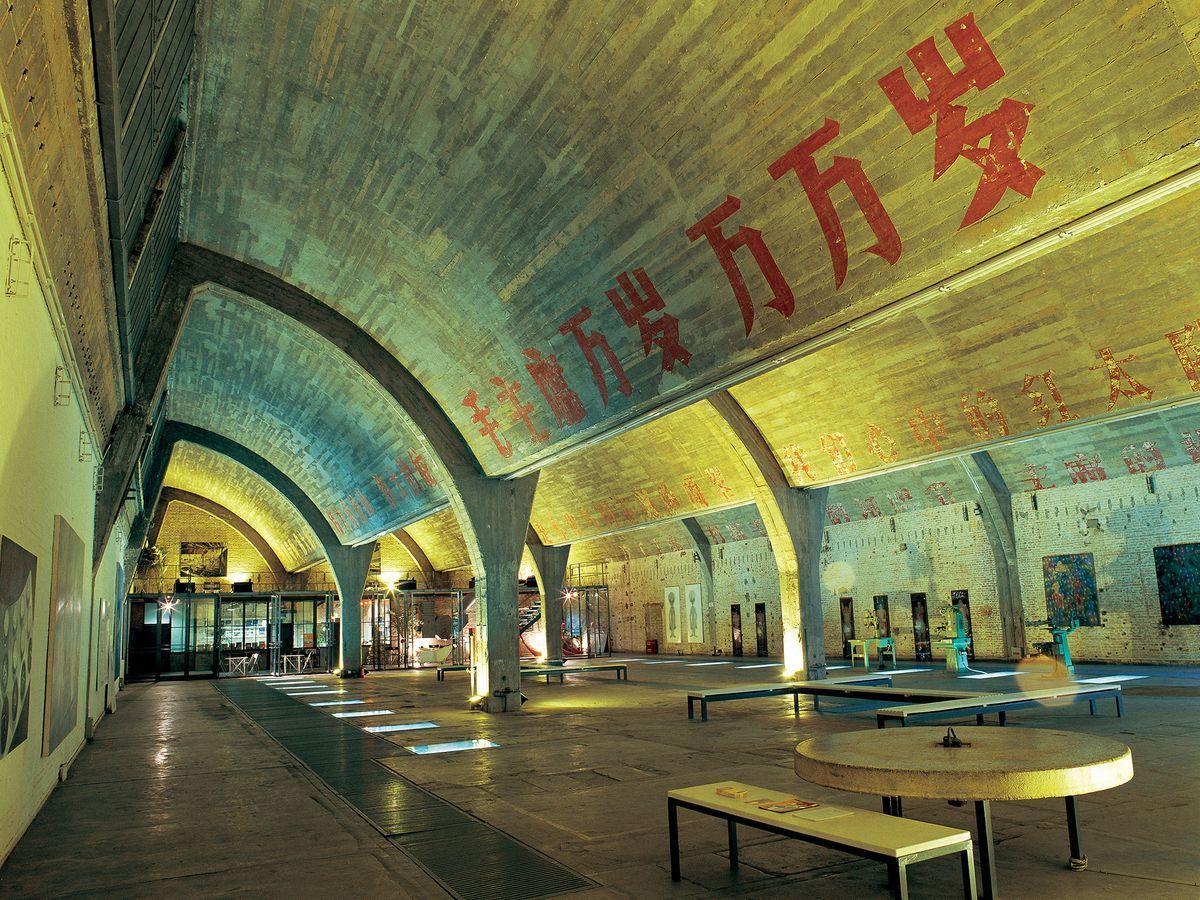
## Description Tucked in the northeastern corner of Beijing, the 798 Art District is one of the most compelling destinations in all of China. What was once a sprawling complex of military and industrial factories has been transformed into a world-class hub for contemporary art, design studios, galleries, cafes, and cultural institutions. The district draws millions of visitors each year, from seasoned art collectors to curious travelers who simply want to walk through one of Asia's most visually striking urban landscapes. The complex was originally built in the 1950s with assistance from East German engineers, and the architecture reflects that influence heavily. The Bauhaus-inspired buildings, with their distinctive sawtooth roofs designed to let in consistent northern light, still stand largely intact. They now house some of the most important contemporary art galleries in Asia. Walking through the district feels like moving through layers of history: Cold War-era industrial slogans still painted on the walls sit side by side with bold modern installations and cutting-edge sculpture. One little-known fact about 798 is that it was artists and designers who moved in illegally during the late 1990s and early 2000s, attracted by the cheap rent and massive open spaces, before the government formally recognized it as a cultural zone in 2006. Another lesser-known detail is that the district is named after Factory 798, which was just one of many factories in the complex known collectively as the 718 Joint Factory, originally built as part of China's first Five-Year Plan. Today, the 798 Art District is home to over 200 galleries and art spaces, including branches of internationally recognized institutions. The streets between buildings are filled with large-scale outdoor sculptures and murals, making even a casual stroll through the area feel like a walk through an open-air museum. Annual events like the Beijing International Art Biennale and 798 Art Festival bring the district's creative energy to its peak. ## Location The 798 Art District is located in the Chaoyang District of Beijing, China, in an area called Dashanzi. It sits in the northeastern part of the city, not far from the Beijing Capital International Airport and within reasonable distance of major city landmarks. The most convenient way to get there is by taking the Beijing Subway to Line 14 and exiting at Jiangtai Station, from which the district is about a 10 to 15 minute walk or a short taxi ride. Alternatively, many visitors take a taxi or use a ride-hailing app like DiDi directly to the 798 Art District entrance. Buses also serve the area, with several routes stopping near Dashanzi. Despite being somewhat off the typical tourist trail, it is well connected to the rest of the city. For those staying in central Beijing near Sanlitun or the CBD area, the journey by taxi typically takes 20 to 30 minutes depending on traffic. ## Tips - **Go on a weekday if possible.** Weekends, especially during festivals and national holidays, can see very large crowds. Visiting on a Tuesday or Wednesday will give you a quieter, more contemplative experience. - **Wear comfortable shoes.** The district is large and most of the experience involves walking on uneven ground, past industrial spaces and outdoor installations. Good walking shoes make a considerable difference. - **Allocate at least half a day.** There is far more to see here than most people expect. A proper visit to even a fraction of the galleries and outdoor spaces takes a minimum of three to four hours. - **Many galleries are free.** While some exhibitions charge entrance fees, a large number of the galleries in 798 are free to enter. Always check at the door before assuming you need to purchase a ticket. - **Bring cash as well as a card.** Some smaller cafes, shops, and studios may not accept international credit cards. Having some Chinese yuan on hand is always helpful. - **Visit in spring or autumn.** Beijing's summers are hot and humid, and winters are extremely cold. The spring months of April and May and the autumn months of September and October offer the most comfortable conditions for exploring the outdoor areas. - **Check the event calendar in advance.** The district hosts rotating exhibitions, openings, and festivals that can significantly enhance your visit. Checking what is on before you go is always worthwhile. ## Conclusion The 798 Art District is far more than a tourist attraction. It is a living, breathing creative community that offers a genuine window into contemporary Chinese culture and the global art world. Its unique combination of preserved industrial architecture, international-caliber art, and vibrant street life makes it unlike anywhere else in Beijing or, indeed, in the world. Whether you are an art enthusiast, a photographer, a design professional, or simply a curious traveler, the 798 Art District deserves a place near the top of your Beijing itinerary. ## FAQ **What are the opening hours of the 798 Art District?** The outdoor streets and public areas of the district are accessible at all hours, but most individual galleries and studios are open from around 10:00 AM to 6:00 PM. Hours can vary by gallery, and some are closed on Mondays. It is advisable to check specific gallery websites if you have particular venues in mind. **Is the 798 Art District free to visit?** Entry to the district itself is free. Many of the galleries and outdoor installations are also free. However, some exhibitions and events charge admission fees. Budget a small amount in case anything you want to enter requires a ticket. **How much time should I spend in the 798 Art District?** Most visitors find that three to five hours is ideal for a satisfying visit. If you are a serious art enthusiast or plan to visit multiple galleries in depth, a full day is not excessive. **Is the 798 Art District suitable for children?** Yes, in general the district is suitable for families. The outdoor sculptures and the visual spectacle of the space tend to engage younger visitors. Some contemporary art exhibitions may contain mature themes, so parents should use their discretion when entering individual galleries. **Are there places to eat and drink in the district?** Yes, there is a good variety of cafes, restaurants, and small eateries scattered throughout the district. Options range from local Chinese food stalls to international cafes and upscale dining. The area is well suited for a leisurely lunch or a coffee break between gallery visits. **How large is the 798 Art District?** The district covers an area of approximately 60,000 square meters. It contains hundreds of galleries, studios, shops, and eating establishments across a network of streets and converted industrial buildings. ## Links - [798 Art District on Wikipedia](https://en.wikipedia.org/wiki/798_Art_Zone) - [Beijing Tourism Official Website](https://www.visitbeijing.com.cn)
GemVoyage Team • World
Rome
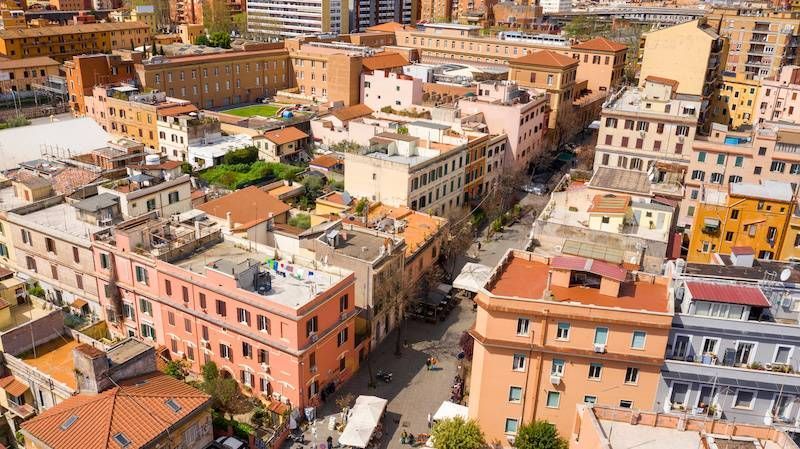
## Description Pigneto is a bohemian quarter on the eastern edge of Rome's historic center that has emerged as a center for alternative culture, independent cafés, music venues, and street art. Historically a working-class neighborhood, Pigneto's present-day energy combines laid-back local life with a creative fringe: intimate live-music bars, experimental restaurants, and murals that reward aimless wandering. Film scholars and cultural tourists sometimes note Pigneto's connection to Italian neorealist cinema—streets and squares there still convey a lived-in authenticity that feels less curated than tourist-focused central neighborhoods. What makes Pigneto appealing to travelers is the neighborhood's layered, discoverable quality: new cafés sit beside traditional trattorie, and small galleries share corners with vinyl shops. The street art is dispersed rather than concentrated, so walking (or taking a short local bus) remains the best way to discover murals, installations, and community projects. Search-friendly phrases include "Pigneto Rome street art", "Pigneto nightlife guide", and "alternative Rome neighborhoods"—queries that pair well with local blog posts and neighborhood guides. ## Location Pigneto lies east of Rome's center, convenient to Termini Station and the San Lorenzo district. The neighborhood is served by Line C (Pigneto station) and several local buses; it's a short taxi ride from central hubs. Because Pigneto is largely compact, most visitors explore on foot, moving between squares, cafes, and parklets that form the neighborhood's social hubs. ## Tips - Walk slowly and explore side streets: many of the district's best murals and hidden bars are off main roads. - Try aperitivo: early-evening aperitivo culture is vibrant—enjoy a pre-dinner drink alongside small plates at neighborhood bars. - Visit for live music nights: several small venues host jazz, indie, and experimental music on specific nights—check venue pages for schedules. - Respect local life: Pigneto has an active residential community—keep noise reasonable late at night and support neighborhood businesses. - Bring cash for smaller venues: while many places accept cards, some bars and small galleries operate cash-only. ## Conclusion Pigneto is a compelling stop for travelers who prefer neighborhood immersion to classic sightseeing. Its street art, convivial bars, and creative energy reward the curious explorer: you can spend an evening hopping intimate venues, or a whole day documenting murals and sampling modern Roman casual dining. ## FAQ Q: Is Pigneto safe for solo travelers? A: Generally yes—Pigneto is popular with locals and visitors alike; normal urban precautions apply, especially late at night. Q: When is the best time to visit for nightlife? A: Evenings from Thursday to Saturday are lively; midweek nights may have smaller shows and quieter streets. Q: Can I find guided street-art walks? A: Yes—local guides and small walking tours occasionally operate in Pigneto; independent bloggers and tour platforms often list scheduled walks. Q: Are there good places to eat for food restrictions? A: Pigneto has a variety of eateries including vegetarian and vegan-friendly spots; check menus online or ask staff for recommendations. Q: Is Pigneto family-friendly during the day? A: During daytime Pigneto is family-friendly with cafes and parks; evenings focus more on bar culture. ## Links - [Pigneto Guide](https://www.romehacks.com/pigneto-neighbourhood-rome/)
GemVoyage Team • World
Milan
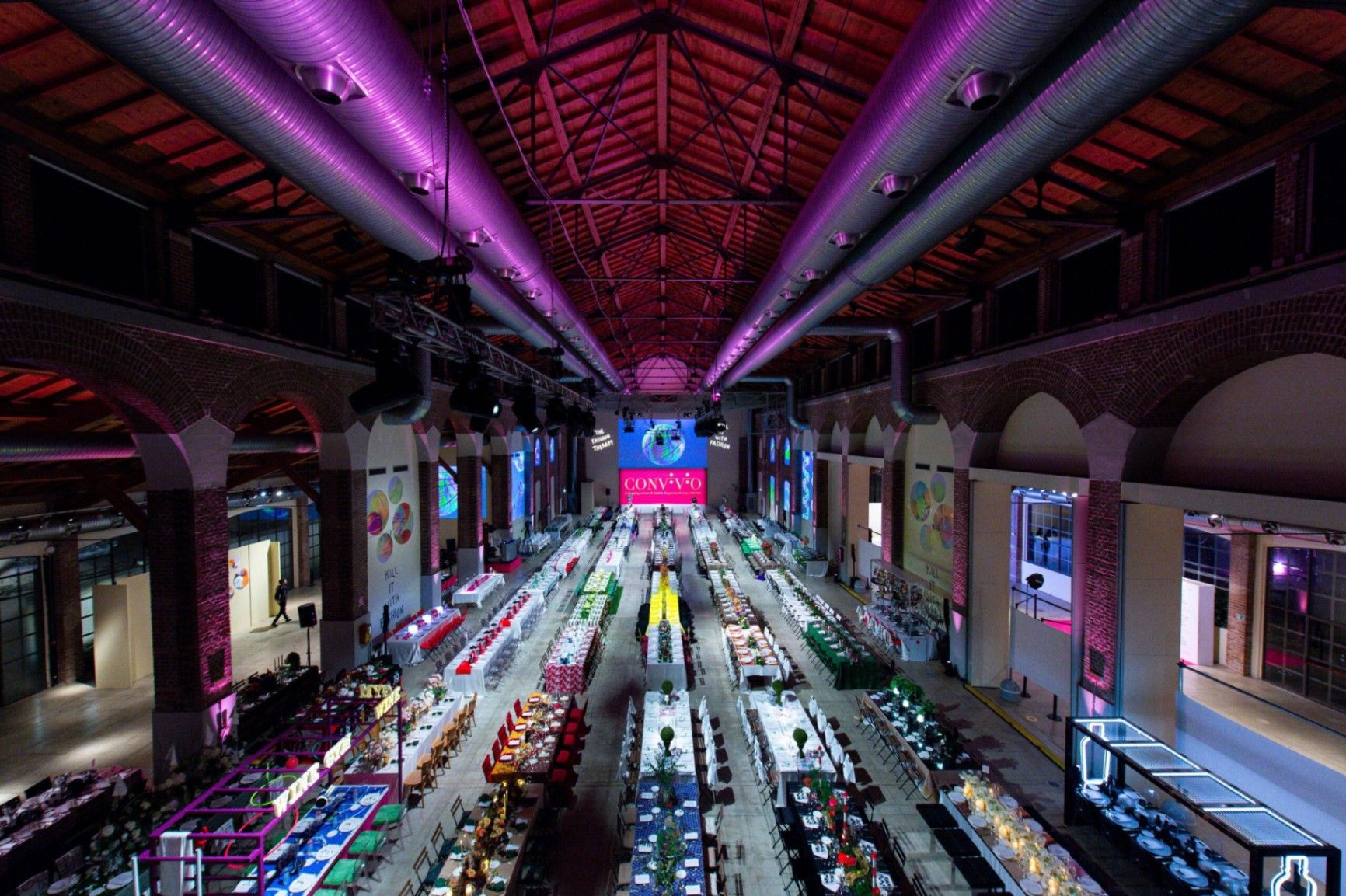
## Description **Fabbrica del Vapore (The Steam Factory)** is one of **Milan’s most dynamic cultural spaces**, blending the city’s industrial heritage with modern artistic innovation. Once a 19th-century tram factory, this vast complex has been transformed into a creative hub where art, design, music, and technology converge. Built in **1899** by the industrial company **Carminati Toselli & C.**, the factory originally produced railway and tram components that helped power Milan’s early transportation system. After being abandoned for decades, it was restored by the Municipality of Milan and reopened in the early 2000s as a center for contemporary culture. Today, Fabbrica del Vapore hosts **art exhibitions, concerts, theater performances, film screenings, workshops, and international festivals**, making it one of the city’s leading spaces for artistic experimentation. What makes it truly unique is the **fusion of past and present** — the red-brick industrial architecture remains intact, featuring steel beams, arched windows, and tall chimneys, while the interiors have been adapted into modern galleries and studios. It’s a place where graffiti murals coexist with fine art, and digital installations share space with traditional sculpture. A lesser-known fact is that Fabbrica del Vapore houses several **artist residencies and creative collectives**, offering workspaces to young talents in fields like multimedia design, theater, and fashion. The site has also hosted collaborations with international institutions, including the **Triennale Milano** and global art biennales, strengthening its role as a bridge between Milan’s industrial past and its cultural future. ## Location Fabbrica del Vapore is located at **Via Procaccini 4**, in the **Sempione district** of **Milan, Lombardy, Italy**. It’s just north of the city center, not far from **Cimitero Monumentale** and **Parco Sempione**. To get there: * **By metro:** Take **Line 5 (Purple Line)** to **Monumentale Station**, or **Line 2 (Green Line)** to **Moscova Station**. Both are within a short walk. * **By tram:** Tram lines **12 and 14** stop nearby on Via Ceresio. * **By foot:** It’s about a **15-minute walk** from Corso Sempione or Chinatown (Via Paolo Sarpi). The area is easily accessible and well-connected by Milan’s public transport system, making it an ideal cultural stop during a day of exploring the city. ## Tips * **Check the event schedule:** Fabbrica del Vapore regularly hosts rotating exhibitions and cultural events — check their official website before visiting to catch something special. * **Don’t miss the installations:** The large industrial halls often feature immersive multimedia exhibits and experimental installations that change throughout the year. * **Visit in the evening:** Many events, especially concerts or performances, take place at night, when the space is dramatically lit and more atmospheric. * **Explore nearby:** Combine your visit with nearby attractions like **Cimitero Monumentale**, **Arco della Pace**, or **Parco Sempione** for a full day of culture and architecture. * **Free entry:** Access to the complex is usually free, though some special exhibitions or performances may require tickets. * **Bring a camera:** The industrial details — from iron beams to old machinery — make for excellent photography subjects. ## Conclusion **Fabbrica del Vapore** is a testament to Milan’s ability to reinvent itself — turning an old industrial site into a thriving center of contemporary creativity. Whether you’re an art lover, a music enthusiast, or simply curious about Milan’s modern cultural pulse, this space offers an ever-changing landscape of ideas and inspiration. Its blend of history and innovation makes it one of the city’s most authentic cultural experiences, perfectly reflecting the spirit of Milan itself. ## FAQ **1. What is Fabbrica del Vapore?** It’s a former tram factory turned into a **cultural and creative center**, hosting exhibitions, performances, and workshops. **2. When was it built?** The original factory was constructed in **1899** and later transformed into a cultural space in the early **2000s**. **3. Where is it located?** At **Via Procaccini 4**, in the **Sempione district** of **Milan, Italy**. **4. Is there an entrance fee?** General entry is **free**, though some temporary exhibitions or events may have separate ticket prices. **5. What kind of events are held there?** You can find **art exhibitions, concerts, theater productions, film screenings, design fairs, and creative workshops** throughout the year. **6. Can visitors take photos?** Yes, photography is allowed, especially of the architecture. For certain exhibitions, check signage or ask staff for permission. ## Links * [Official Fabbrica del Vapore Website](https://www.fabbricadelvapore.org)
GemVoyage Team • World
Taiwan
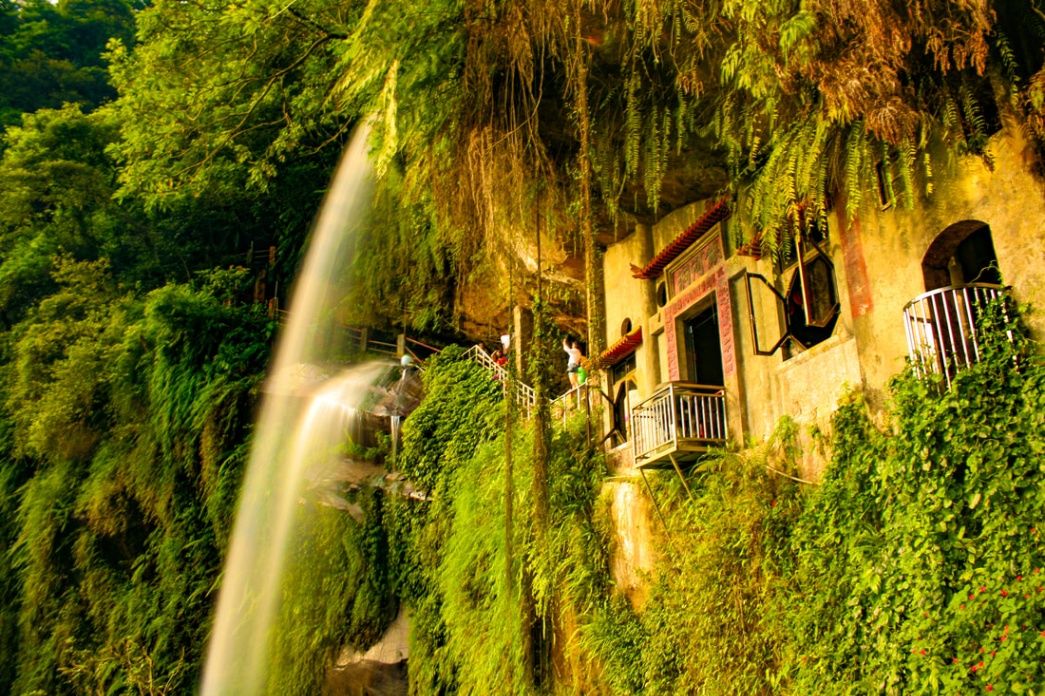
## Description **Yinhe Cave (銀河洞)**, often translated as **“Milky Way Cave” or “Galaxy Cave,”** is one of northern Taiwan’s most atmospheric hidden landmarks. Tucked deep within lush subtropical forest, this small but visually arresting cave temple blends **natural rock formations, cascading waterfalls, and quiet Buddhist spirituality** into a single, almost dreamlike destination. Unlike grand mountain temples or vast cave systems, Yinhe Cave owes its appeal to **intimacy, mystery, and silence** rather than scale. The cave is formed from natural sandstone and has been carved further by flowing water over centuries. A **narrow waterfall flows directly through the entrance of the cave**, spilling over stone steps and into a shallow pool below. Behind the falling water sits a small **Buddhist shrine**, turning the cave into a functioning place of worship rather than a simple geological feature. The constant movement of water creates a soft echo through the rock chamber, giving the space a meditative rhythm that visitors often describe as hypnotic. What makes Yinhe Cave especially unique is the way **human devotion and natural erosion intersect**. The cave was not aggressively reshaped into a large religious complex; instead, the shrine was carefully adapted to the existing stone cavity. This restraint preserves the raw personality of the site. Moss-covered stairways, dripping rock walls, and filtered green light reinforce the sense that the cave is alive rather than decorative. The surrounding environment is just as important as the cave itself. The approach trail winds through **dense forest, bamboo groves, and small wooden bridges**, forming part of a broader hiking network in the hills of New Taipei City. Along the way, visitors pass **streams, vines, singing insects, and occasional distant city noise fading into silence**. This contrast between urban Taiwan and deep forest isolation happens quickly and dramatically, which enhances the emotional impact of arriving at the cave. A little-known fact is that Yinhe Cave was historically used as a **meditation site by local monks**, not as a public tourist attraction. Its popularity grew mainly through hikers and photographers over the last two decades rather than through formal religious promotion. Another lesser-known detail is that the name “Galaxy Cave” does not come from astronomy, but from the way the **waterfall scatters light into mist**, resembling a flowing star field during early morning sunlight. Yinhe Cave is not a place for crowds, performances, or commercial stalls. It is a destination of **low noise, slow movement, and quiet attention**. For travelers seeking spectacle, it may feel understated. But for those seeking **atmosphere and emotional texture**, it delivers something rare: a sacred space formed more by water and time than by human hands. ## Location **Yinhe Cave (銀河洞)** is located in the **Xindian District (新店區)** of **New Taipei City**, in **northern Taiwan**, just south of central Taipei. **City:** New Taipei City **Region:** Northern Taiwan **Country:** Taiwan **District:** Xindian (新店區) ### How to Get There: * **By MRT:** Take the **Green Line (Songshan–Xindian Line)** to **Xindian Station (新店站)**. From there, take a local bus or taxi toward the hiking trail entrance. * **By bus:** Several local buses connect Xindian Station to nearby trailheads leading into the mountains. * **By taxi or ride-hailing apps:** The easiest option for non-Mandarin speakers; request “Yinhe Dong” or show the Chinese characters 銀河洞. * **By car or scooter:** Parking is limited near trail access points; illegal roadside parking is strictly enforced. From the nearest drop-off point, visitors must complete a **moderate forest hike**, typically 30–45 minutes depending on route and pace. ## Tips * **Wear proper hiking shoes:** The stone steps near the cave are often slippery due to constant moisture. * **Visit in dry weather:** Heavy rain increases water flow but also raises safety risks and reduces visibility. * **Go in the early morning:** You’ll encounter fewer hikers, softer light, and more atmospheric mist. * **Bring drinking water:** There are no vendors near the cave itself. * **Respect the shrine:** This is still an **active spiritual site**, not just a photography location. * **Avoid loud music and drones:** Sound echoes intensely inside the cave and disrupts the atmosphere. * **Allow extra time for rest:** The hike is scenic but involves steady climbing. * **Do not expect major facilities:** No cafes, restrooms, or souvenir shops are located at the cave. ## Conclusion **Yinhe Cave (銀河洞)** is a rare blend of **natural erosion, flowing water, and quiet religious presence**, offering one of northern Taiwan’s most atmospheric micro-destinations. It is not a place for spectacle or quick tourism, but for travelers who seek **silence, texture, and emotional contrast**. Hidden just beyond the reach of Taipei’s urban sprawl, Yinhe Cave reveals how quickly modern density can dissolve into spiritual isolation when nature is allowed to lead. ## FAQ **1. What is Yinhe Cave famous for?** It is known for its **waterfall flowing directly through a cave temple**, blending nature and spiritual architecture. **2. Is Yinhe Cave difficult to reach?** Yes. It requires a **moderate forest hike** after reaching the general area by MRT, bus, or taxi. **3. Is Yinhe Cave suitable for children?** Older children with hiking experience can manage it, but the **slippery stairs and uneven terrain** make it unsuitable for very young children. **4. Is there an entrance fee?** No. Yinhe Cave is **free to enter** and open to the public. **5. Can I visit during the rainy season?** Yes, but **extra caution is required**, as trails and stone steps become extremely slick. **6. How long does the full visit typically take?** Most visitors spend **2 to 3 hours total**, including hiking time. ## Links * [New Taipei City Government – Tourism](https://newtaipei.travel/) * [Xindian District Travel Guide](https://www.xindian.ntpc.gov.tw)
GemVoyage Team • World
Athens
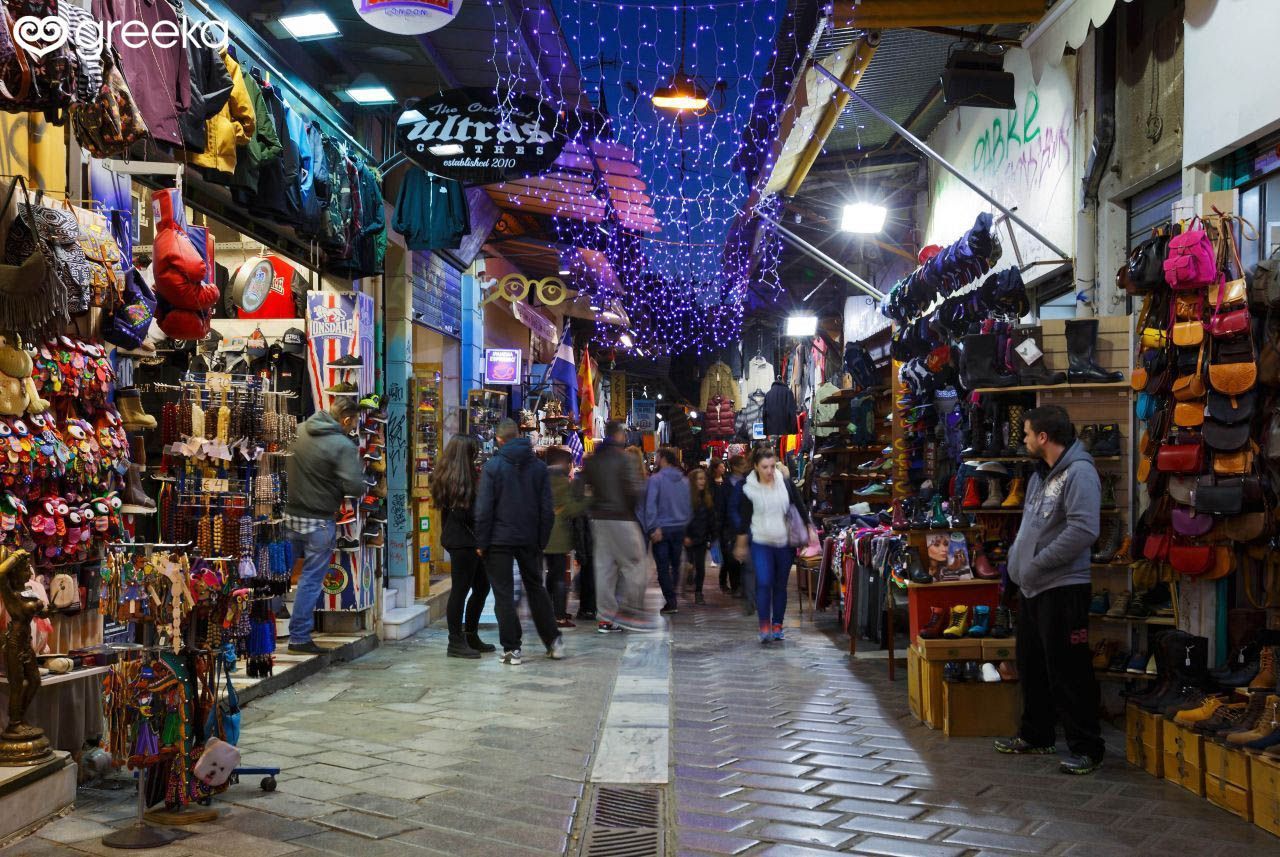
## Description Monastiraki Flea Market is the beating, bustling heart of Athens' informal shopping scene—an open, labyrinthine neighborhood market where layers of history and commerce intersect. Stalls and small shops spill into pedestrian lanes, offering antiques, textiles, ceramics, vintage clothing, books, and artisan curios alongside more touristic souvenirs. What makes Monastiraki especially compelling is its density of experiences: within a few minutes you can move from a stall stacked with retro vinyl to a tiny workshop crafting leather goods, or from a sidewalk cafe to a covered antique arcade. The market’s appeal is not only in the goods but in the social choreography: bargaining conversations, the rhythm of vendors calling out, and the way the market sits against a backdrop of ancient ruins and Ottoman-era alleys. Many travelers are surprised by the market’s everyday qualities—local shoppers source household goods and clothing here, so it’s not just a tourist carnival. At the same time, antiques and rare finds do appear, especially in the narrower lanes where veteran dealers have made their homes. ## Location Monastiraki is a central Athens neighborhood clustered around Monastiraki Square and the Monastiraki metro station. It sits adjacent to the ancient Agora and within easy walking distance of Plaka, the Acropolis, and Syntagma Square. The market isn’t confined to a single street but spills across several narrow lanes and squares, so plan to wander on foot and let the area unfold gradually. Because the market is woven into the city center, the best approach is pedestrian: arrive by metro and start on the main square, then explore side streets and covered arcades for more specialized finds. Nearby rooftop cafés and tavernas allow for breaks and people-watching between shopping spurts. ## Tips - Bring cash and small bills—while many places accept cards, smaller stalls often prefer cash. - Start early to avoid the thickest crowds and to catch dealers arranging their stalls. - Compare prices across stalls when shopping for antiques or vintage items; genuine bargains sometimes appear mid-week. - Ask questions and be friendly when bargaining—polite conversation gets better results than hard haggling. - Protect your belongings: crowds and narrow lanes make pickpocketing a possibility. - Explore beyond the main lanes: covered arcades and quieter side streets sometimes hold the best finds. ## Conclusion Monastiraki Flea Market is more than shopping; it’s an urban ritual that mixes trade, food, and history. Whether you come looking for a specific antique or just want to soak up Athens’ street-level energy, Monastiraki rewards curiosity, patience, and a willingness to wander. ## FAQ ### Is Monastiraki Flea Market only for tourists? No. While tourists are common, the market also serves local shoppers and small businesses, giving it a layered, authentic atmosphere. ### Can I bargain there? Yes—especially for antiques, vintage items, and bulk purchases. Approach bargaining with politeness and realistic expectations. ### What should I look for? Keep an eye out for vintage jewelry, retro vinyl, ceramics, handmade leather, and secondhand books. Antiques and unique local crafts are concentrated in side lanes and arcades. ### How crowded does it get? It can be very crowded on weekends and afternoons. Early morning weekdays are quieter and often more pleasant for careful browsing. ### How much time should I allow? Give yourself at least 1.5–3 hours if you want to browse comfortable; plan more time if you intend to hunt for specific antiques. ## Links - [Wikipedia](https://en.wikipedia.org/wiki/Monastiraki)
GemVoyage Team • World

Comments