Discover extraordinary places shared by our community of travelers

Alexandria
## Description Alexandria National Museum is one of the city’s most useful cultural stops because it helps visitors understand Alexandria as more than a coastal destination. The museum presents the city’s history across different periods, linking Pharaonic, Greco-Roman, Coptic, Islamic, and modern chapters into a single narrative. For travelers, this makes it especially valuable as an orientation point: you leave with a better sense of how Alexandria evolved from an ancient Mediterranean center into the modern city it is today. What makes the museum especially effective is its scale and clarity. It is not so large that it becomes exhausting, but it is substantial enough to offer real historical depth. A lesser-known fact is that the museum is housed in a restored historic building, which gives the visit a layered architectural context beyond the displays themselves. Another detail many visitors appreciate is the way the collection helps connect objects with city identity, so that artifacts do not feel detached from place. Instead, they reinforce the idea that Alexandria’s history is cumulative, cosmopolitan, and constantly reshaped by different eras. The museum is a strong choice for anyone who wants to understand why Alexandria has such a special place in Egyptian and Mediterranean history. It contextualizes the city’s role as a port, a cultural crossroads, and a site of repeated transformation. If you visit only the waterfront, you get atmosphere; if you add the national museum, you get a framework for understanding what that atmosphere means. Because the galleries are organized for accessible browsing, the museum is also suitable for visitors with limited time. You can make a focused visit without feeling that you are missing the essential story. That balance is one of its biggest strengths. ## Location Alexandria National Museum is located in Alexandria Governorate, Egypt, in the city center. Its position makes it easy to combine with other urban sights, cafés, and coastal stops. Since Alexandria is a walkable city in many sections but also spread out enough to justify taxis, the museum fits comfortably into either a walking route or a short taxi-based sightseeing plan. The easiest way to get there is by taxi or local transport from wherever you are staying in the city. If you are already exploring central Alexandria, a walk may also be practical depending on your route. Because the museum is in a central setting, it pairs naturally with other historical stops and gives structure to a city day. If you want the most rewarding visit, allow enough time to move through the collection steadily rather than rushing from room to room. ## Tips Use the museum early in your trip if you want historical orientation before visiting other landmarks. Read the labels and thematic sections carefully. The museum is most useful when you connect the objects to the city’s wider story. Plan for a visit of about 1.5 to 2 hours unless you are particularly interested in museum detail. Combine it with other Alexandria heritage stops for a fuller understanding of the city. If you are short on time, focus on the sections that tie the city’s different eras together rather than trying to absorb every detail equally. ## Conclusion Alexandria National Museum is one of the best places to understand the city’s layered identity in a compact and accessible format. It is an excellent stop for travelers who want context, not just scenery. ## FAQ ### Why visit the Alexandria National Museum? It gives a clear overview of the city’s history across different periods and helps connect the other sites you may see in Alexandria. ### Is it a large museum? It is substantial but manageable, which makes it a good choice for most travelers. ### How much time should I allow? Around 1.5 to 2 hours is usually enough for a solid visit. ### Is it good for first-time visitors? Yes. It is one of the most useful places to start if you want to understand Alexandria’s historical identity. ## Links - [Alexandria National Museum on Wikipedia](https://en.wikipedia.org/wiki/Alexandria_National_Museum) - [Egyptian Ministry of Tourism and Antiquities](https://egymonuments.gov.eg/) - [Alexandria on Wikipedia](https://en.wikipedia.org/wiki/Alexandria)
GemVoyage Team • World

Paris
## Description The **Château de Vincennes** is one of France’s most historically significant royal fortresses and a remarkable example of **medieval military architecture** in the heart of modern Paris. Located just east of the city, this vast castle stands as a symbol of the **power, prestige, and evolution of the French monarchy** from the Middle Ages through the Renaissance. Originally built as a **hunting lodge for King Louis VII in the 12th century**, the site was transformed into a formidable **royal fortress** by **King Philip VI** and **King Charles V** during the 14th century. The result was one of Europe’s largest and most impressive medieval castles, complete with towering walls, fortified gates, and a majestic **52-meter (170-foot) keep** — the tallest medieval fortified tower in Europe. The keep, surrounded by a deep moat, served as both a **royal residence** and a **symbol of authority**. Inside, visitors can explore beautifully preserved **royal apartments**, **chapels**, and **ceremonial halls** that once housed some of France’s most powerful monarchs, including **Charles V**, **Henry IV**, and **Louis XIV**. Before Versailles rose to prominence, Vincennes was the main royal residence of the French crown. What makes the Château de Vincennes truly unique is its **dual character** — both royal and defensive. The complex includes a massive **curtain wall with nine towers**, a **drawbridge**, and a **gothic-style chapel** modeled after Sainte-Chapelle in central Paris. Over the centuries, it also served as a **royal prison**, holding famous figures such as **the Marquis de Sade**, **Denis Diderot**, and **Mirabeau**. A lesser-known fact is that the **castle was occupied by Napoleon Bonaparte’s troops**, later used as a **military arsenal**, and even served as a **command center during World War II**. Despite its turbulent past, the site remains remarkably well-preserved and offers a fascinating journey through 800 years of French history. Today, the Château de Vincennes stands as a peaceful yet awe-inspiring monument — less crowded than central Paris landmarks, making it an ideal destination for history enthusiasts seeking authenticity and atmosphere. ## Location The **Château de Vincennes** is located in the **suburb of Vincennes**, directly east of **central Paris**, within the **Val-de-Marne (Île-de-France)** region. It sits adjacent to the **Bois de Vincennes**, Paris’s largest public park. To get there: * **By metro:** Take **Line 1** to **Château de Vincennes Station**, which is just outside the main entrance. * **By RER:** The **RER A** also stops at **Vincennes Station**, about a **5-minute walk** from the castle. * **By bus:** Several Paris bus lines serve the area, including **46, 112, and 114**. * **By car:** Easily accessible via the **Périphérique** (Porte de Vincennes exit), with nearby paid parking available. * **By bike or on foot:** The surrounding **Bois de Vincennes** area offers scenic paths leading directly to the château. ## Tips * **Take the guided tour:** It offers rich historical context about the kings, prisoners, and architects who shaped the site. * **Visit the Sainte-Chapelle de Vincennes:** A stunning Gothic chapel that rivals its Parisian namesake in beauty and craftsmanship. * **Climb the keep:** The panoramic view from the top reveals both the castle’s vast grounds and the Paris skyline. * **Go early or late in the day:** To enjoy a quieter experience and capture the best light for photos. * **Combine with nearby attractions:** After your visit, explore the **Bois de Vincennes**, **Parc Floral de Paris**, or the **zoo** — all within walking distance. * **Family-friendly:** Wide courtyards and open spaces make it a great outing for families and children. * **Check for exhibitions:** The castle regularly hosts **temporary exhibitions, medieval fairs, and reenactments**. ## Conclusion The **Château de Vincennes** is a living testament to the grandeur and endurance of French royal history. With its soaring towers, Gothic chapel, and centuries of royal intrigue, it offers visitors a journey from the medieval era to modern France — all within reach of central Paris. Far less crowded than the city’s major monuments, it’s a place where you can truly feel the **power, elegance, and mystery** of France’s royal past. Whether you’re fascinated by architecture, military history, or French monarchy, the Château de Vincennes promises an experience both majestic and intimate. ## FAQ **1. When was the Château de Vincennes built?** Construction began in the **14th century** under **Philip VI** and **Charles V**, though the site dates back to a 12th-century royal hunting lodge. **2. What is the château known for?** It is renowned as **France’s largest medieval royal fortress**, featuring Europe’s tallest keep and a beautifully preserved Gothic chapel. **3. How can I get there from central Paris?** Take **Metro Line 1** directly to **Château de Vincennes Station** — it’s the last stop on the line and just a few minutes’ walk from the castle. **4. Are guided tours available?** Yes, guided tours in French and English are offered daily and provide detailed insights into the château’s rich history. **5. How long should I plan for a visit?** Allow about **2–3 hours** to explore the keep, chapel, and grounds at a comfortable pace. **6. Is it suitable for children?** Yes — children often enjoy exploring the towers and open courtyards, and there are family-friendly tours available. **7. When is the best time to visit?** Spring and early autumn offer pleasant weather and fewer crowds, though the château is open year-round. ## Links * [Wikipedia page](https://en.wikipedia.org/wiki/Ch%C3%A2teau_de_Vincennes)
GemVoyage Team • World
Giresun
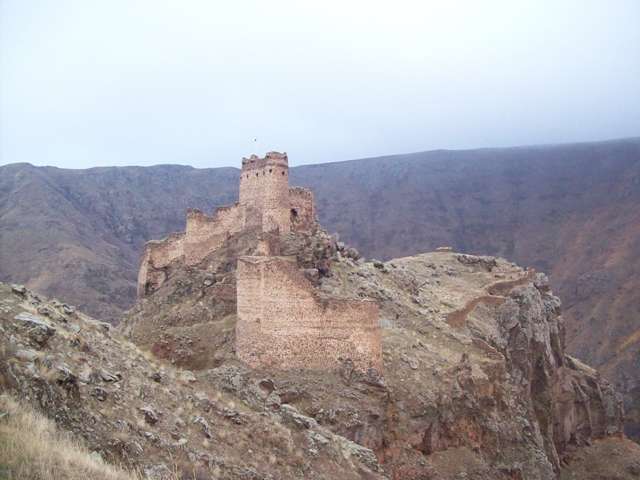
## Description The Castle of the Devil, known locally as Şeytan Kalesi, is one of Turkey’s most dramatic and mysterious fortress ruins. Perched atop a rocky bluff in the Çıldır district of Ardahan Province, this ancient stronghold commands sweeping views of the plunging Karaçay Canyon and the surrounding highlands. Its name—“Castle of the Devil”—stems from local folklore that claims an evil spirit once haunted the area, a myth that still lingers in the collective memory of nearby villagers. Dating back to the Hellenistic period, the castle has seen a succession of rulers and empires, including the Urartians, Persians, Romans, Byzantines, and Ottomans. Its strategic location in the Upper Kur Valley made it a vital military outpost and a gateway between Anatolia and the Caucasus. The fortress was continuously modified and expanded by its various occupants, and today visitors can still see remnants of cisterns, staircases descending to water sources, and a small chapel tucked within the ruins. A little-known fact is that the castle was once a Georgian stronghold known as Qajis Tsikhe, and it played a key role in regional defense for centuries. Another intriguing detail: the site reportedly housed a prison, as noted by Georgian historian Ekvtime Takaishvili in the early 20th century. ## Location The Castle of the Devil is located in **Turkey**, within the **Eastern Anatolia Region**, in the **Çıldır district of Ardahan Province**. Specifically, it lies about 1.5 kilometers northeast of the village of Yıldırımtepe, nestled deep within the rugged terrain of the Karaçay Canyon. ### How to Get There - **By Car**: The most practical way to reach the castle is by car. From Ardahan city center, it’s roughly a 45-minute drive. The final stretch includes narrow rural roads, so a vehicle with good clearance is recommended. - **By Tour**: Local tour operators in Ardahan occasionally offer guided excursions to Şeytan Kalesi, often combined with visits to Çıldır Lake and other regional landmarks. - **By Public Transport**: Public transport options are limited. Visitors relying on buses should travel to Çıldır town and arrange a taxi or private transfer from there. The journey itself is part of the adventure, with dramatic landscapes unfolding as you approach the fortress. ## Tips - **Wear Hiking Shoes**: The terrain around the castle is rocky and uneven. Good footwear is essential for exploring safely. - **Bring Water and Snacks**: There are no facilities at the site, so come prepared. - **Visit in Spring or Early Autumn**: These seasons offer the most comfortable weather and the clearest views. - **Respect the Site**: The ruins are fragile and unguarded. Avoid climbing on unstable sections and leave no trace. - **Pair with Nearby Attractions**: Combine your visit with a trip to Çıldır Lake, especially in winter when the lake freezes and offers unique activities like horse-drawn sleigh rides. - **Photography**: The castle’s dramatic setting makes it a fantastic spot for landscape photography, especially at sunrise or sunset. ## Conclusion The Castle of the Devil in Ardahan is a hauntingly beautiful relic of Turkey’s layered history. With its mythic name, panoramic views, and centuries-old architecture, it offers a compelling experience for travelers seeking both adventure and cultural depth. ## FAQ **1. Is there an entrance fee to visit the Castle of the Devil?** No, the site is open to the public and free to visit. **2. How long does it take to explore the castle?** Most visitors spend 1–2 hours exploring the ruins and enjoying the views. **3. Is the site accessible year-round?** Yes, but winter conditions can make access difficult due to snow and ice. **4. Can children visit the castle?** Yes, but due to the rugged terrain, close supervision is necessary. **5. Are guided tours available?** Occasionally, local guides and tour companies offer excursions. It’s best to inquire in Ardahan or Çıldır. **6. Is there any accommodation nearby?** Basic guesthouses and hotels are available in Çıldır and Ardahan. Booking in advance is recommended during peak seasons. ## Links - [Şeytan Castle – Wikipedia Overview](https://en.wikipedia.org/wiki/%C5%9Eeytan_Castle)
GemVoyage Team • World
Stockholm
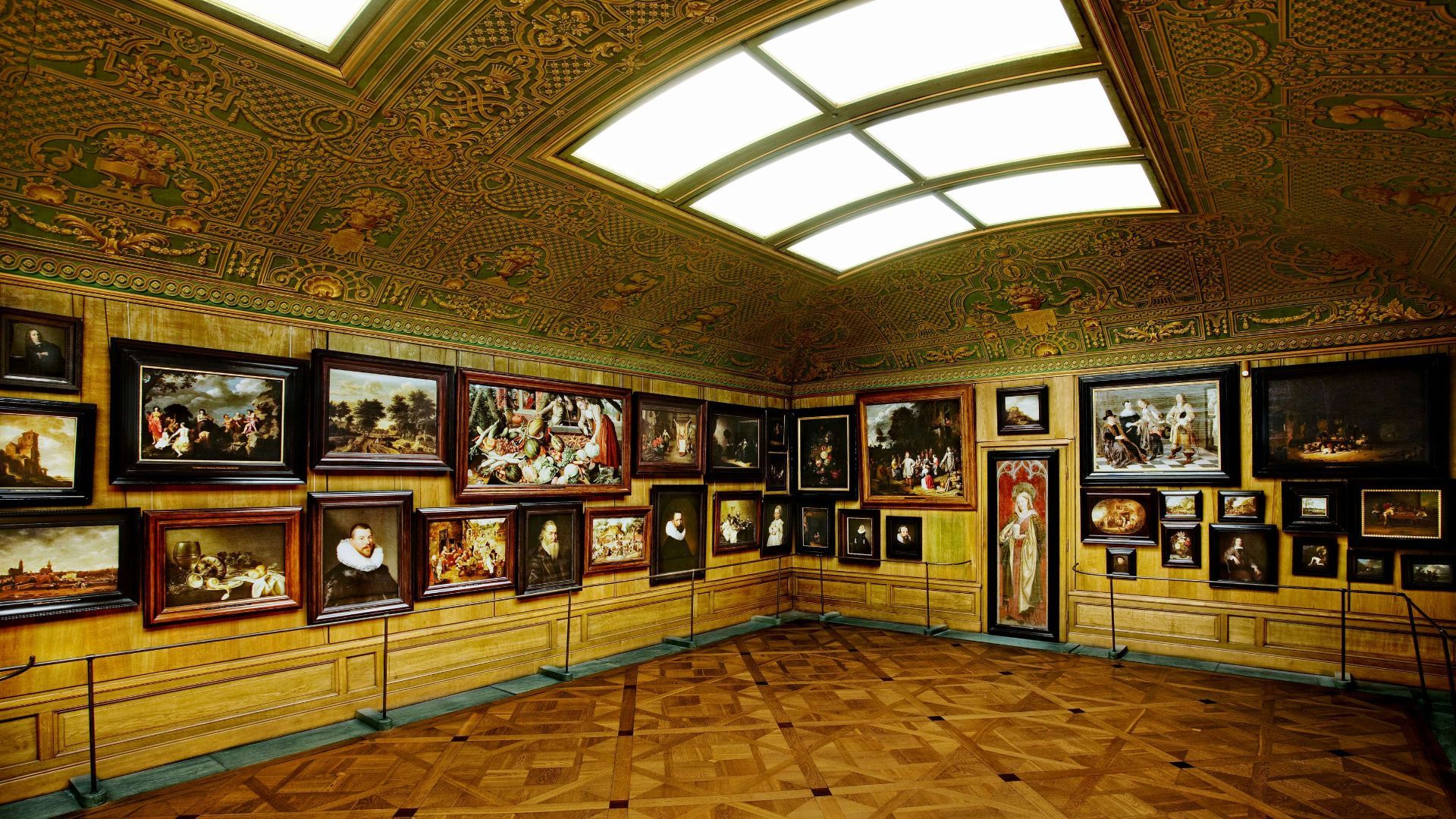
## Description The Hallwyl Museum in Stockholm offers one of the city’s most distinctive historic-house experiences. Housed in the former residence of Count and Countess von Hallwyl, the museum preserves an extraordinary late-nineteenth-century interior filled with art, furniture, decorative objects, and the feeling of a private home that has been carefully maintained rather than transformed into a generic museum. Visiting it is like stepping into a remarkably complete snapshot of upper-class domestic life in Stockholm at the turn of the century. The museum is especially appealing because it balances grandeur and intimacy. Some rooms are richly decorated and formal, while others feel like lived-in domestic spaces, making the whole building feel coherent rather than staged. One little-known fact is that the Hallwyl collection was assembled with unusual care and documentation, giving historians and visitors a detailed view of the household’s contents and routines. Another interesting detail is that the house itself reflects both status and modernity, showing how wealthy Stockholm families adopted new technologies and comforts while still displaying traditional elegance. What makes the museum memorable is the combination of its architecture, interiors, and sense of personal history. Unlike larger national museums, Hallwyl’s charm comes from concentration. Every room, object, and corridor contributes to a specific atmosphere. The visit is ideal for travelers who enjoy historic interiors, design history, or the way private homes can reveal broader social changes. It also fits well into Stockholm’s cultural landscape because it offers a different experience from the city’s more famous royal or maritime attractions. Instead of scale, it offers detail; instead of spectacle, it offers texture. ## Location The Hallwyl Museum is in central Stockholm, Sweden, near the city’s commercial and cultural core. Its location makes it easy to reach from many parts of the city and convenient to combine with shopping streets, other museums, or a broader downtown walk. The simplest way to get there is by public transport or on foot from central Stockholm. Because the city is well connected, visitors staying in the center can usually reach the museum quickly without needing a car. If you are planning a full day in central Stockholm, the museum works well as a quieter stop between busier attractions. ## Tips Take your time in the rooms; the best part of the museum is noticing the details. If you enjoy decorative arts, interiors, or social history, this museum will be especially rewarding. Check the current opening information in advance, since historic-house museums sometimes have schedule variations. Pair the visit with nearby Stockholm attractions to make the most of the central location. ## Conclusion The Hallwyl Museum is a refined and atmospheric historic house that gives visitors a rare, detailed glimpse into Stockholm’s aristocratic past. ## FAQ ### What kind of museum is Hallwyl? It is a historic house museum preserved from a wealthy Stockholm family’s residence. ### Is it good for first-time visitors to Stockholm? Yes, especially if you want a cultural site that is elegant and manageable in size. ### How long should I plan for the visit? Around one to two hours is usually enough. ### Is the museum family-friendly? Yes, though it is especially enjoyable for visitors interested in history and interiors. ### Why is it special compared with other museums? Because it preserves a remarkably complete domestic environment rather than only displaying isolated objects. ## Links - [Official website](https://hallwylskamuseet.se/en/) - [Hallwyl Museum on Wikipedia](https://en.wikipedia.org/wiki/Hallwyl_Museum)
GemVoyage Team • World
Rome
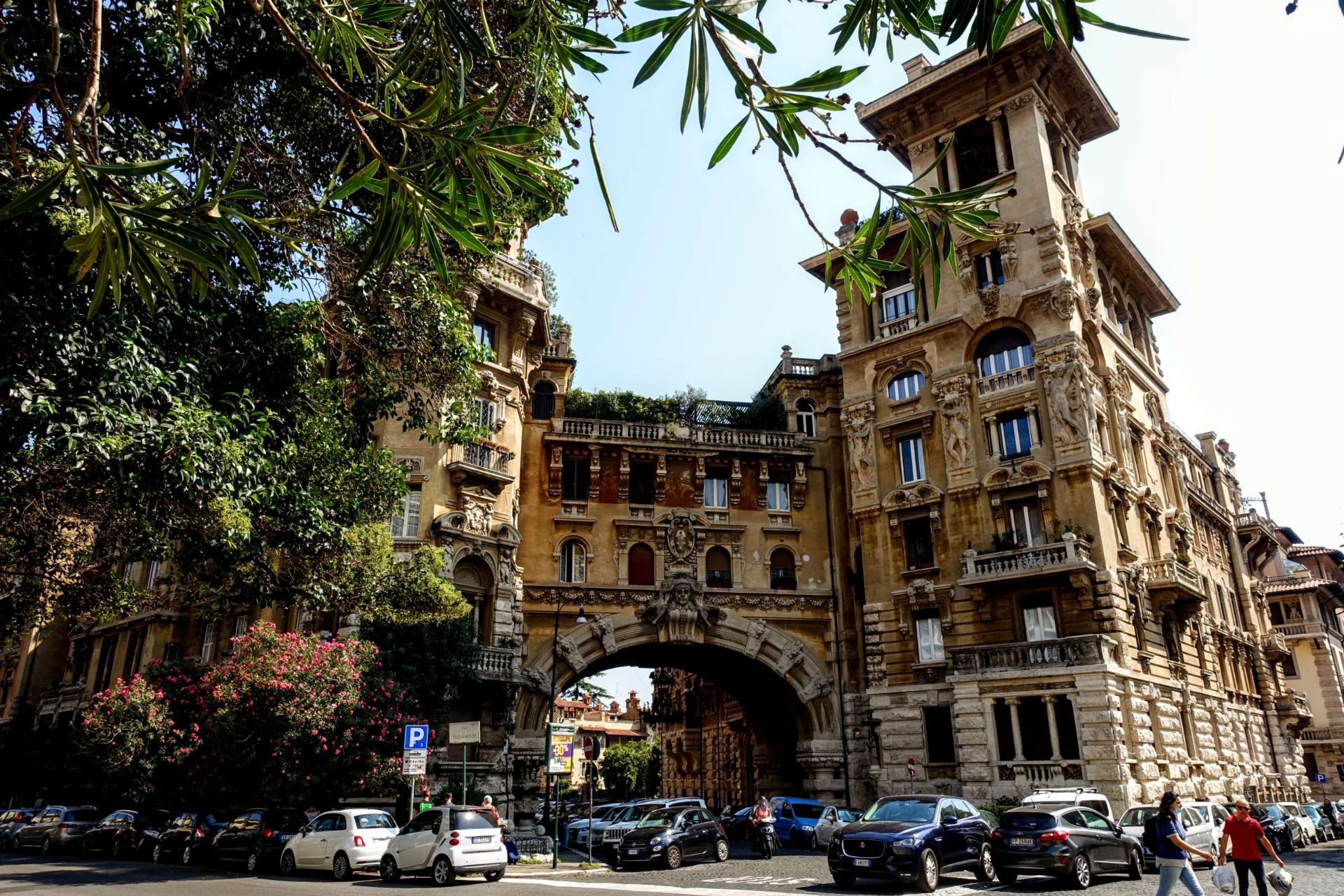
## Description Quartiere Coppedè is a compact Roman quarter that reads like an architectural storybook—an eclectic fusion of Art Nouveau, Gothic, Baroque, and medieval motifs created by architect Gino Coppedè in the early 20th century. Unlike Rome’s grand classical boulevards, Coppedè’s charm is intimate and ornamental: ornate street lamps, intricate stone reliefs, and allegorical sculptures populate small piazzas and manicured courtyards. The area feels deliberately theatrical—cobblestones, carved masks, and decorative columns create a sense of discovery around every corner. The district’s central Fountain of the Frogs remains the visual and social heart of Coppedè, anchoring a piazza that draws photographers and architecture lovers. Film crews and editorial shoots often favor the quarter for its cinematic, slightly surreal quality. A lesser-known nuance is the abundance of small symbolic details—carvings referencing mythology, architecture that blends multiple historical styles on a single facade, and discreet plaques that hint at the designer’s playful intentions. ## Location Quartiere Coppedè sits in the Trieste/Salario area north of Rome’s historic center. It’s reachable by bus or a reasonable walk from Termini station; for many visitors it makes a pleasant detour when exploring Rome beyond the core tourist sites. ## Tips - Stroll slowly and look upward—facade details, rooftop ornaments, and carved symbols reward slow observation. - Visit during daylight to appreciate the color and texture of stonework and decorative elements. - Wear comfortable shoes; the best views are found while wandering rather than following a strict route. - Be respectful of residents—this is a lived neighborhood, not a theme park; avoid loud behavior and tread lightly in quieter corners. - Photography: mornings with soft light offer the best conditions; golden-hour photos can be striking but be mindful of private courtyards. ## Conclusion Quartiere Coppedè is a short, enchanting detour from Rome’s classical itinerary: a neighborhood where architectural imagination runs free and every facade tells a visual story. It’s a must-see for travelers interested in design, film-worthy backdrops, and the unexpected pleasures of urban ornamentation. ## FAQ Q: Is Quartiere Coppedè crowded? A: It is generally peaceful and residential—most visitors are architecture enthusiasts rather than mass-tourist groups. Q: Are guided tours available for Coppedè? A: Yes, some walking tours include Coppedè as part of broader neighborhood routes, and independent guides can tailor visits for architecture lovers. Q: Can I enter the buildings in Coppedè? A: Many buildings are private residences; admire the ornate facades from the street and respect private property. Q: What is the best time of day to visit? A: Morning or late afternoon for softer light and fewer people—midday can be busier and harsher for photos. Q: Are there nearby cafes or amenities? A: Yes—small cafes and restaurants are within walking distance in the Trieste area; stop for a coffee after exploring. ## Links - [Quartiere Coppedè](https://rome.us/neighborhoods/quartiere-coppede.html)
GemVoyage Team • World
Seoul
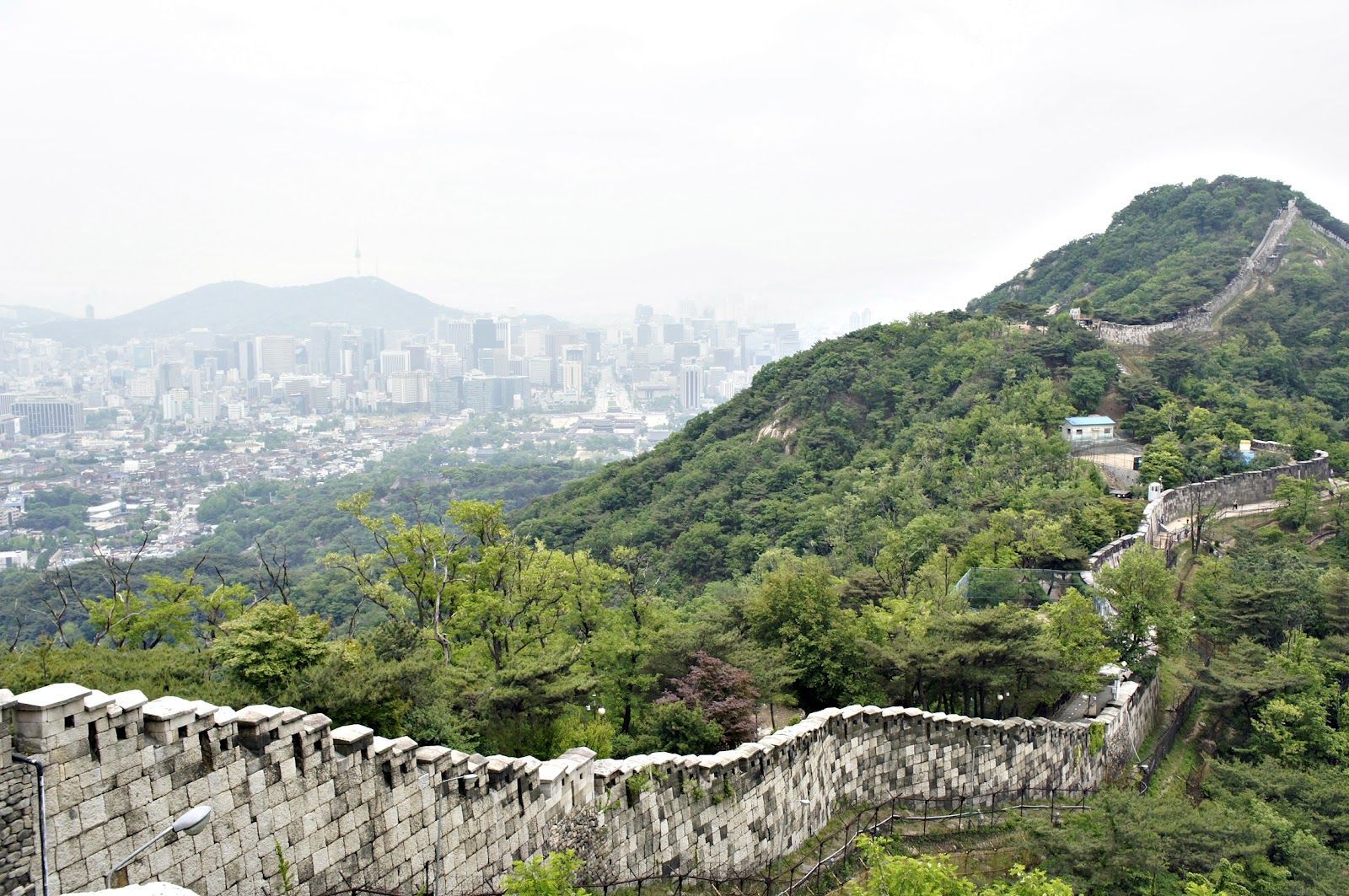
## Description The Seoul Fortress Wall traces the historic boundary of old Seoul, and the Inwangsan section is one of the most compelling short hikes inside the city. Winding stone walls, watchtowers, and narrow ridgelines create a dramatic contrast between rugged natural rock and the modern urban panorama below. Inwangsan (인왕산) itself is a modest peak by elevation, but its steep faces and rocky outcrops make the Fortification route visually striking and surprisingly variable: you pass restored wall segments, crenellated parapets, traditional gates, and quieter stretches where the original stonework blends into pine and ginkgo trees. This route is part walking trail, part living history. Along the Inwangsan section, you can stand at viewpoints that look directly toward Gyeongbokgung Palace and central Seoul, making it a favorite for photographers who want a skyline shot with a distinctly Korean architectural foreground. The combination of natural features and preserved cultural sites gives the trail strong context—archaeologists and local historians point to ritual sites and small petroglyphs on some of the rocky ledges, evidence that the hill has been significant for much longer than the Joseon-era fortifications. For travelers who prioritize accessible day hikes, Inwangsan is practical: the trails are short enough to be combined with a half-day of exploring nearby neighborhoods (Seochon, Buam-dong, or the area around Gyeongbokgung). The experience can feel intimate and unhurried, especially outside popular weekends. For SEO and practical trip planning, search terms that pair well with this route are "Seoul Fortress Wall Inwangsan hike", "Inwangsan panoramic views", and "Seoul city wall trail Gyeongbokgung viewpoint"—phrases locals and travel platforms commonly use. ## Location Inwangsan rises above central Seoul and is most easily accessed on foot from neighborhoods close to Gyeongbokgung Palace and Hyehwa. Nearby subway stations include Gyeongbokgung Station (Line 3) and Hyehwa Station (Line 4); from either point, a 10–25 minute walk brings you to the trailheads depending on your route. Many visitors combine a morning or afternoon at Gyeongbokgung with a short hike up Inwangsan to make efficient use of time. Public transit directions are straightforward: take the subway to Gyeongbokgung or Hyehwa, then follow signs toward the fortress wall trail or ask at local cafes. There are several access points—some are steeper and more direct, others weave through residential lanes and feel more gradual. Maps and local wayfinding often label the path as part of the Seoul City Wall trail network—which helps when using mapping apps or planning a multi-stop day. ## Tips - Hike in the cooler parts of the day: early morning or late afternoon provides the best light for photos and avoids midday crowds and heat. - Wear supportive shoes: some stretches are rocky and uneven; closed-toe hiking shoes or trail runners are recommended. - Bring water and a light snack: although the trail is short, the elevation gain and rocky scrambles benefit from hydration and quick energy. - Be mindful of cultural sites: certain rock ledges and small shrines are used for ritual or prayer—treat them respectfully and avoid disturbing offerings. - Use a map or offline navigation: parts of the trail pass behind residential areas and signage can be minimal; a downloaded map or route screenshot helps. - Combine with nearby visits: pair the hike with a visit to Gyeongbokgung Palace, Seochon’s galleries, or the Buam-dong cafes to make a full half-day itinerary. - Photography tip: for skyline shots with the palace, position yourself on the western-facing viewpoints late in the afternoon for warm light on the stone walls and cool city contrasts. ## Conclusion The Inwangsan section of the Seoul Fortress Wall blends accessible urban hiking with layered history and excellent skyline views. It’s ideally suited for travelers who want a short outdoor escape with high visual return and cultural interest. Whether you pause for a skyline photograph, linger at a watchtower, or simply enjoy the contrast of stone and city, Inwangsan rewards an inquisitive walk and mixes well with central Seoul sightseeing. ## FAQ Q: How long does the Inwangsan trail take? A: Typical loop or ascent routes take 45–90 minutes depending on pace, photo stops, and which trailhead you pick. Q: Is the trail suitable for children or older visitors? A: Many sections are family-friendly, but some parts include short rocky scrambles and steps—evaluate mobility and consider shorter, lower-angle access routes for older visitors. Q: Are parts of the wall restricted or closed at certain times? A: Most sections are open to the public daily, but occasional restoration work or local ceremonies can temporarily limit access—check local signage or community updates. Q: Can I climb on the walls and gates? A: For safety and preservation, avoid climbing on fragile stonework; use designated paths and viewpoints to minimize wear on historic structures. Q: Is there an entrance fee or permit needed? A: No entrance fee—this is a publicly accessible municipal trail and heritage site. ## Links - [Seoul City Wall (Wikipedia)](https://en.wikipedia.org/wiki/Seoul_City_Wall)
GemVoyage Team • World
Rome
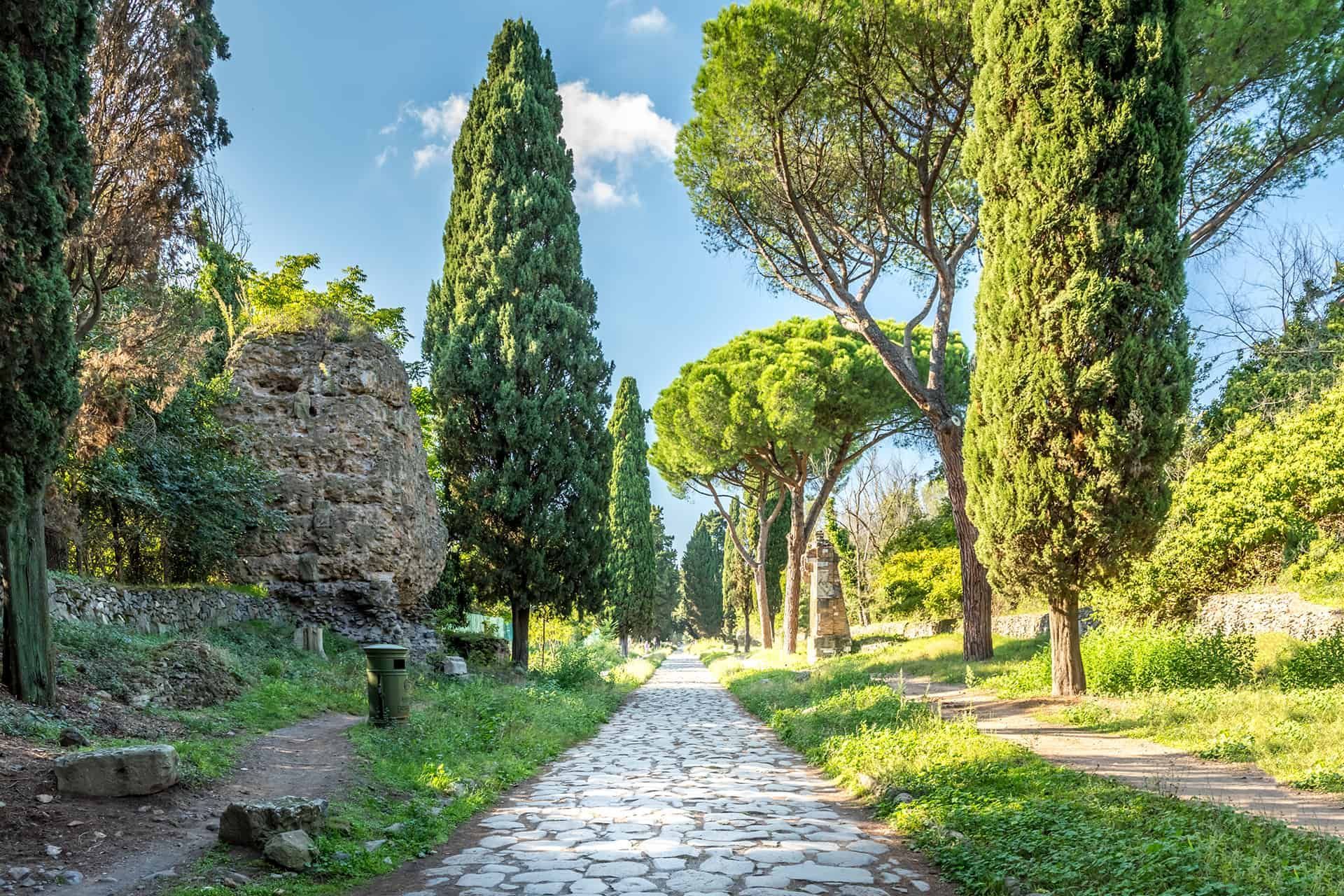
## Description The Appian Way (Via Appia Antica) is one of the most evocative ancient roads in Europe, running southeast from Rome and threading tombs, ruins, and the remains of Roman infrastructure through a pastoral corridor. Lined with funerary monuments and early Christian catacombs, sections of the route preserve original Roman paving and milestones that offer a tangible link to antiquity. Walking, cycling, or riding portions of the Appian Way reveals layers of history: imperial-era tombs, remains of villas, and quieter stretches where the path feels remarkably rural despite being inside Rome's larger urban boundary. Beyond the monuments, the Appian Way is also a public park and archaeological corridor, with protected areas that encourage slow exploration. Many travelers prefer to rent bicycles to cover more ground, though walking smaller stretches provides time to read inscriptions, visit specific catacombs, and take photographs without hurrying. Search-relevant phrases to plan a visit include "Appian Way Rome bike rental", "Via Appia Antica catacombs", and "walk the Appian Way"—terms that match travel guides and visitor resources. ## Location Via Appia Antica begins near the Aurelian Walls and continues southeast into the Roman countryside. Key visitor access points include the Appian Way Park Visitor Center and the areas near the Baths of Caracalla. Public transit options include buses that stop near the main entrances; taxis and bike rentals from central Rome are also common. Parts of the road become parkland with restricted car access, which makes cycling and walking safer and more pleasant. ## Tips - Rent a bike to see more of the route in a single visit: many rental shops offer city pickups and drop-offs near the park. - Visit catacombs with a guide: guided tours provide historical context and access to sites that close early or require reservations. - Wear durable shoes: while paved in places, many stretches have uneven ancient stones—sturdy footwear prevents slips and makes exploration easier. - Start early to avoid midday heat and to capture softer morning light for photography. - Bring water and snacks: services are limited along some stretches, so pack essentials for longer rides or walks. - Respect preservation rules: follow designated paths and do not remove artifacts or disturb archaeological features. ## Conclusion The Appian Way is a living museum and countryside escape rolled into one: accessible, atmospheric, and rich with Roman history. Whether you're cycling past tombs or pausing in a quiet olive grove, the route offers a memorable way to connect with ancient Rome's infrastructure and the everyday topography that shaped imperial travel. ## FAQ Q: How long is the Appian Way and how much can I cover in a day? A: The historic Appian Way stretches for many kilometers; most visitors focus on a 10–20 km segment near Rome that can be walked or cycled in a half-day to full-day depending on pace. Q: Are bicycles available for rent near the Appian Way? A: Yes—bike rental shops and guided bike tours operate from central Rome and near the park entrances. Q: Can I visit catacombs along the Appian Way without a guide? A: Some catacombs permit independent visits, but many recommend or require guided entry to provide context and control visitor numbers—check schedules in advance. Q: Is the Appian Way accessible year-round? A: Generally yes, though some sites and visitor centers follow seasonal hours; winter weather can be cooler and quieter, while spring and fall are popular. Q: Are there food and restroom facilities along the route? A: Basic facilities are available near major access points and visitor centers, but services are sparse in remote stretches—plan accordingly. ## Links - [Appian Way (Wikipedia)](https://en.wikipedia.org/wiki/Appian_Way)
GemVoyage Team • World
Beijing
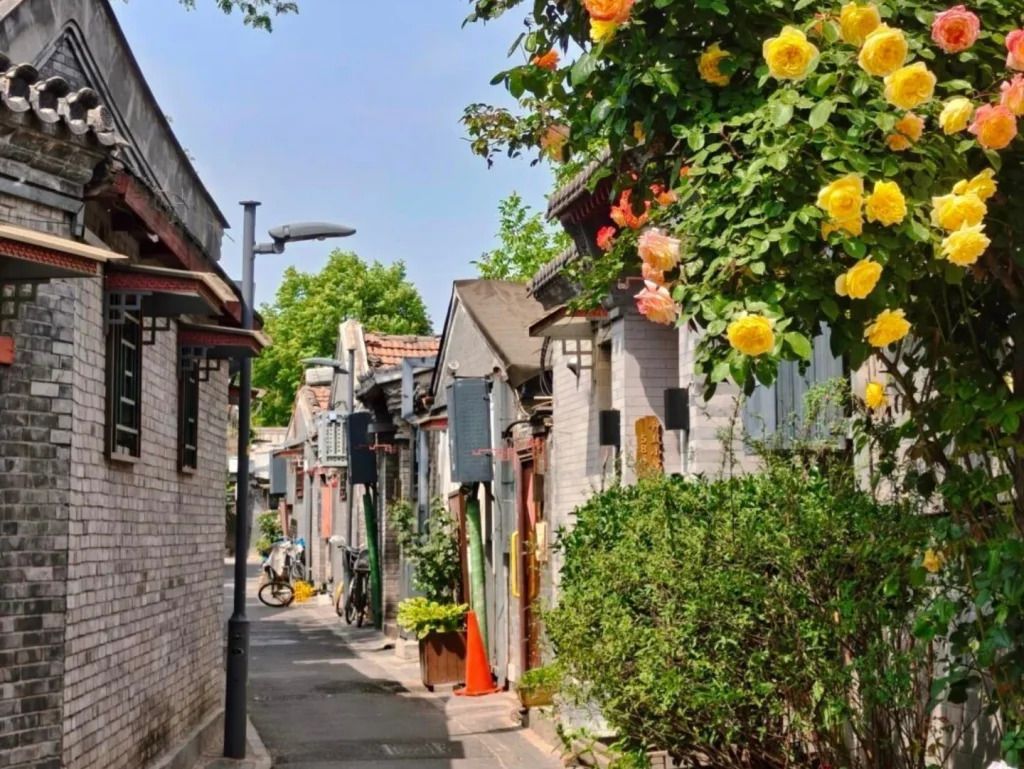
## Description Qinhuangdao Alley Hutongs, as a travel idea, points to one of Beijing’s most rewarding urban experiences: moving through the city’s traditional hutong lanes and seeing how historic residential fabric still shapes everyday life. Hutongs are not grand monuments in the usual sense. They are narrow lanes, courtyard-house networks, and neighborhood corridors that preserve a more intimate view of Beijing than the city’s large avenues and famous landmarks. That is exactly why they remain so compelling. They let visitors step into the scale of older Beijing, where community, domestic life, and street activity sit in close proximity. The appeal of the hutong experience lies in its texture. Instead of one single iconic object, you get layered details: gray brick walls, courtyard entrances, hand-painted signs, hidden cafés, neighborhood shops, bicycles, small temples, and the daily rhythm of residents going about ordinary routines. A lesser-known fact is that hutongs are not just tourist curiosities; they are living urban forms that have survived because they still support local life, even as some areas have changed dramatically. Another overlooked detail is that many of the most interesting hutong walks reveal small architectural differences from lane to lane, including gate styles, courtyard layouts, and adaptations made over time to fit modern use. If you are traveling in Beijing for the first time, hutongs can be one of the most useful experiences you choose because they explain the city in a human-scale way. They show how neighborhoods are organized, how people move, and how history remains present without always announcing itself loudly. Unlike large museums, the hutong district does not ask you to stand still. It invites you to wander, notice, and compare. That makes it especially rewarding for slow travelers, photographers, architecture lovers, and anyone who prefers atmosphere over checklist sightseeing. The name “Qinhuangdao Alley Hutongs” may be used locally or descriptively, but the broader experience belongs firmly to Beijing’s historic center. Rather than approaching it as a single fenced attraction, think of it as a neighborhood exploration. That mindset will help you appreciate it much more fully. ## Location The hutong experience is centered in Beijing Municipality, China, especially in the older districts of Dongcheng and Xicheng where historic lanes remain most visible. Depending on the exact lane or alley you plan to visit, you may be close to landmarks such as Shichahai, Nanluoguxiang, the Bell and Drum Towers, or other traditional neighborhoods. Because hutongs are embedded in the city’s fabric, their location is best understood as a district-level experience rather than a single destination pin. Getting there is usually easiest by subway, followed by a short walk. Beijing’s public transit network is efficient for reaching the historic core, and once you exit the station, the pleasure comes from entering the smaller lanes on foot. Taxis and rideshares are also practical, but traffic can make them slower than the metro during busy hours. If you prefer a more immersive approach, combine subway access with a walking route that allows for detours into side streets. Because the exact lanes can be harder to define than a single monument, it helps to visit with an open itinerary. Choose a starting point in a known hutong district and then let the side alleys guide your exploration. That approach usually produces the most interesting results. ## Tips Walk slowly. Hutongs reward attention to detail, and many of their best moments are found between the obvious sights. Respect private space. These are living neighborhoods, not theme park sets, so it is important to be considerate when taking photos or peering into courtyards. Visit at a comfortable time of day. Morning and late afternoon often feel more pleasant for walking, with softer light and a calmer pace. Combine the walk with food. Small noodle shops, tea spots, and casual eateries can turn a simple stroll into a much richer cultural experience. Do not try to “finish” the hutongs. The value is in wandering a manageable section well, not in covering everything. ## Conclusion The hutongs of Beijing offer one of the most atmospheric ways to understand the city. They are historic, living, and quietly beautiful, with enough variation to reward curiosity at every turn. For travelers who want Beijing beyond its headline monuments, this is an essential experience. ## FAQ ### What is a hutong? A hutong is a traditional Beijing alley or lane, usually linked to courtyard-house neighborhoods. The form reflects older patterns of urban life and remains an important part of the city’s identity. ### Are hutongs still inhabited? Yes. Many hutong areas are still lived in, even though some have been renovated, adapted, or repurposed for commerce and tourism. ### Is this more of a walking experience than a fixed attraction? Exactly. Hutongs are best understood as a walkable neighborhood environment rather than a single enclosed site. ### How long should I spend there? A focused walk might take 1 to 2 hours, but a more rewarding visit can easily stretch longer if you stop for food, tea, or photography. ## Links - [Hutong on Wikipedia](https://en.wikipedia.org/wiki/Hutong) - [Beijing official tourism](https://english.beijing.gov.cn/)
GemVoyage Team • World
Venice
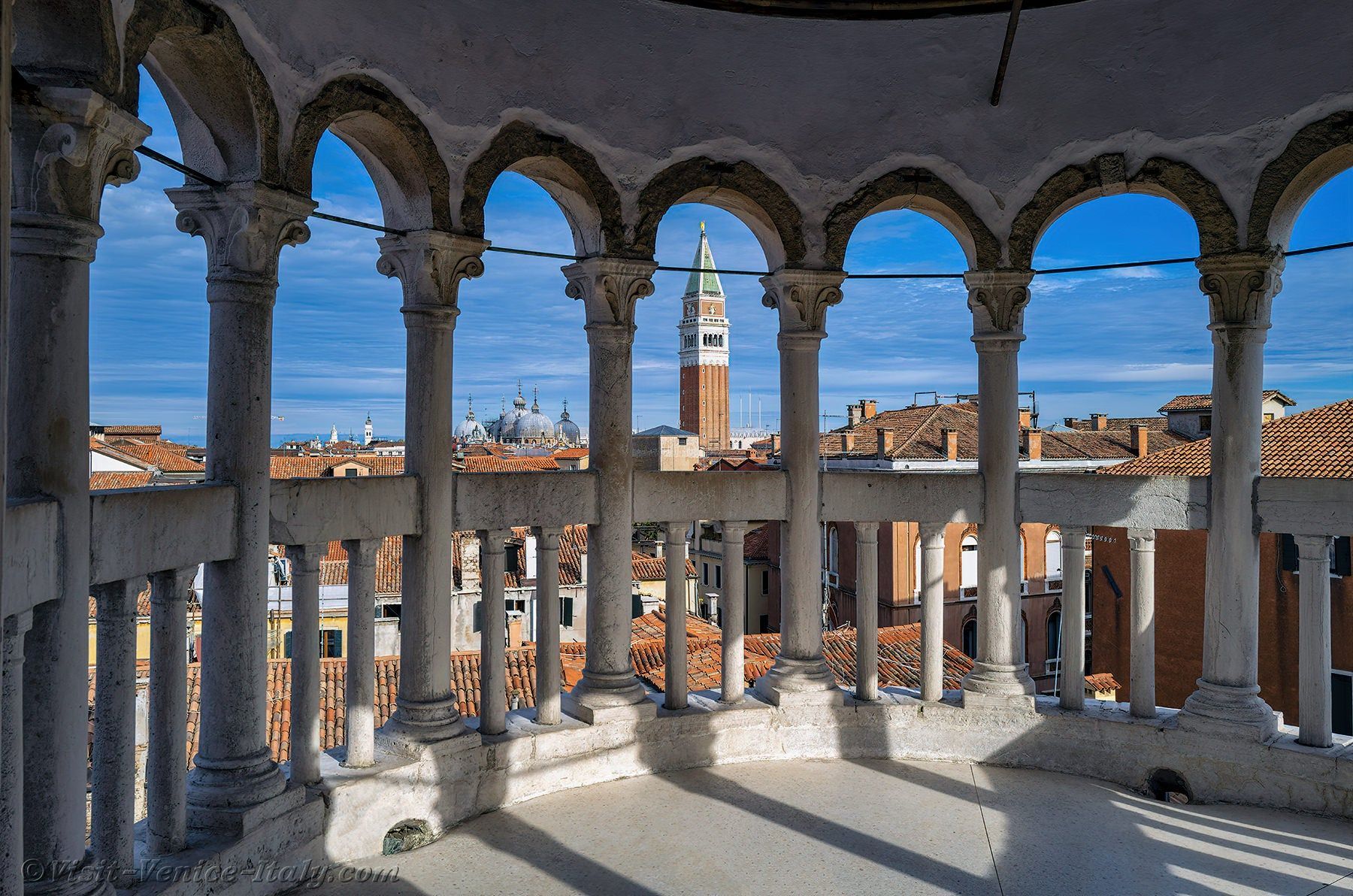
## Description Scala Contarini del Bovolo is one of those Venice attractions that feels almost secret, even though it has become increasingly known among travelers who enjoy architecture and quieter city experiences. Its fame comes from the extraordinary spiral staircase wrapped around the exterior of the building, rising like a stone shell above the narrow streets of the city. The staircase is the defining image, but the true appeal is the way it combines elegance, surprise, and Venetian craftsmanship in one compact site. The word “bovolo” refers to a snail shell in Venetian dialect, and that name makes perfect sense once you stand in front of the structure. The staircase coils upward in a graceful helix, creating one of the most photogenic details in all of Venice. Unlike the grand tourist corridors around St. Mark’s Square and the Rialto Bridge, this attraction feels tucked away and intimate. That sense of discovery is part of what makes it special. You are not just seeing another palace exterior; you are encountering a design that rewards curiosity and close attention. Another reason the Scala Contarini del Bovolo matters is that it represents a different side of Venice. Many visitors come for canals and churches, but this site shows how the city’s private palaces could also be architectural statements. The stair tower itself is a visual bridge between medieval urban density and Renaissance taste for ornament and order. A lesser-known fact is that the staircase became famous not only because it is beautiful, but because it is unusual in a city where vertical, exterior stair structures are relatively rare compared with the canals and façades that usually dominate the skyline. The experience is best when you take your time. From outside, the staircase already looks distinctive, but going inside and climbing it gives you a more complete sense of the building’s scale and perspective. As you ascend, the geometry changes and the city reveals itself through narrow openings, which creates a memorable transition from enclosed courtyard space to elevated views. It is a small attraction, but one that lingers in memory because it feels like a compact lesson in Venetian design. ## Location Scala Contarini del Bovolo is in Venice, Italy, in the historic center not far from the San Marco area and within walking distance of key inner-city landmarks. Its position in the dense urban fabric of Venice means it is easy to overlook unless you are specifically looking for it, which is part of the charm. The simplest way to reach it is on foot from the San Marco or Rialto area. Venice’s pedestrian layout makes walking the natural choice, and the staircase is best approached as part of a wandering route through the city rather than as a stand-alone destination by vehicle. If you are arriving by vaporetto, get off at a nearby stop such as Rialto or San Marco and continue on foot using a map, because the final approach takes you through small streets and passages that are easier to navigate slowly. Because Venice can be crowded, it is worth planning this visit during a quieter part of the day. Early morning or later afternoon can make the approach more pleasant and give you better photos without too many people around the staircase itself. ## Tips Bring a charged phone or camera, because the staircase is one of those details that rewards multiple angles. A shot from below captures the full spiral, while higher viewpoints show the contrast between the tower and the surrounding rooftops. Wear comfortable shoes. The site is small, but the walk through Venice often adds up to more steps than expected. The surrounding streets are also easier to enjoy when you are not rushed. Allow the visit to be part of a larger walking day rather than an isolated stop. It pairs well with nearby palaces, squares, and canal crossings, and that combination makes the city feel more layered. If you are interested in architecture, this is one of the most worthwhile short visits in Venice because it delivers a strong visual identity without requiring a major time commitment. ## Conclusion Scala Contarini del Bovolo is a compact but unforgettable Venetian landmark, known for its elegant spiral staircase and hidden location. It is a perfect stop for travelers who enjoy distinctive architecture and the quieter side of Venice. ## FAQ **Why is the Scala Contarini del Bovolo famous?** It is best known for its exterior spiral staircase, one of the most unusual and photogenic architectural details in Venice. **How long does a visit take?** Usually not long. Many visitors spend around thirty to sixty minutes, depending on how much time they spend taking photos and enjoying the views. **Is it easy to find?** It can be a little tricky because it is tucked into Venice’s narrow streets, so navigation by map is useful. **Is it good for photography?** Yes. The staircase itself and the elevated views from the structure both make it a strong photo stop. **Should I book in advance?** It is wise to check current opening arrangements before visiting, especially during busy travel periods. ## Links - [Wikipedia](https://en.wikipedia.org/wiki/Scala_Contarini_del_Bovolo)
GemVoyage Team • World