GemVoyage Team • World
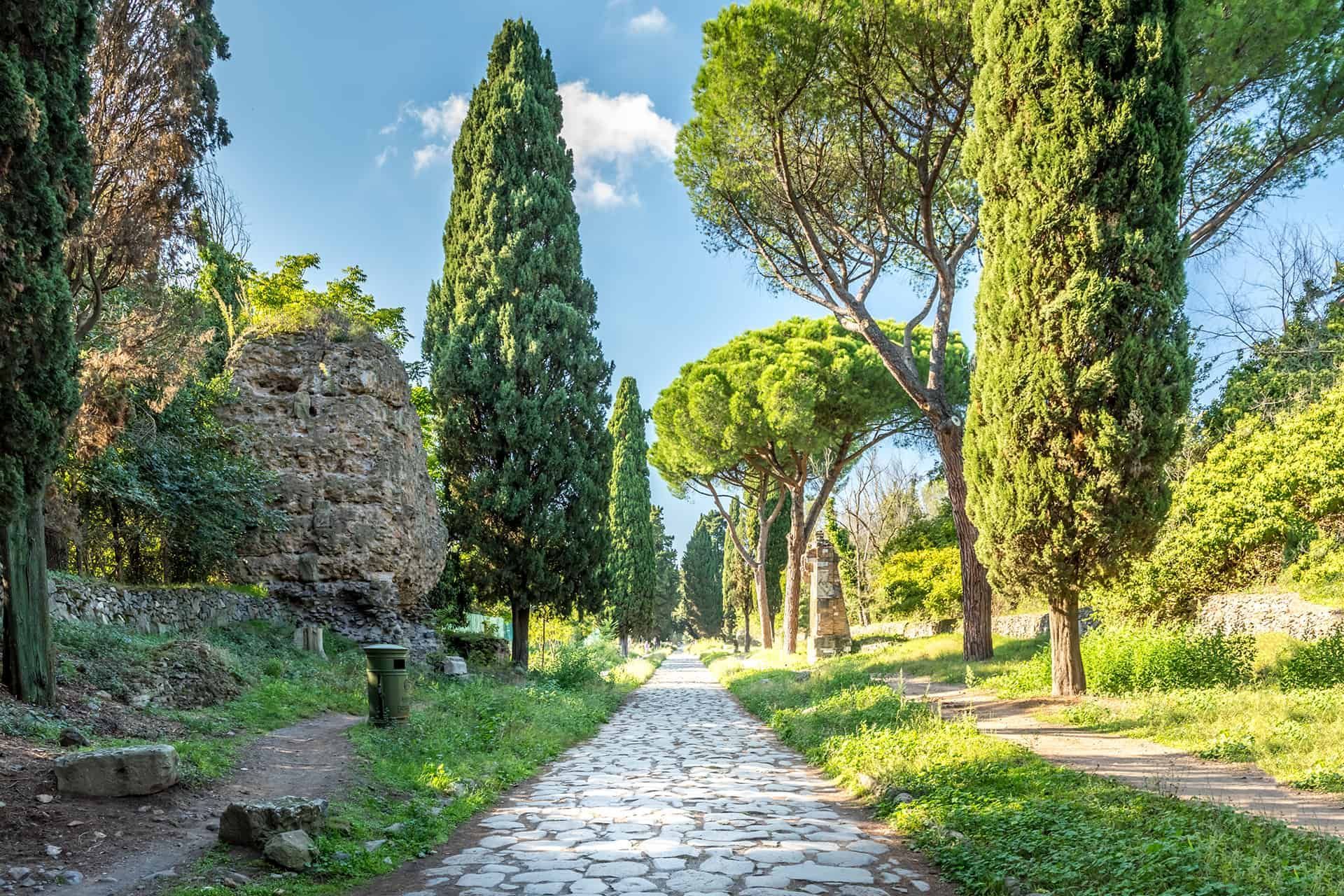
Beyond the monuments, the Appian Way is also a public park and archaeological corridor, with protected areas that encourage slow exploration. Many travelers prefer to rent bicycles to cover more ground, though walking smaller stretches provides time to read inscriptions, visit specific catacombs, and take photographs without hurrying. Search-relevant phrases to plan a visit include "Appian Way Rome bike rental", "Via Appia Antica catacombs", and "walk the Appian Way"—terms that match travel guides and visitor resources.
Q: Are bicycles available for rent near the Appian Way?
A: Yes—bike rental shops and guided bike tours operate from central Rome and near the park entrances.
Q: Can I visit catacombs along the Appian Way without a guide?
A: Some catacombs permit independent visits, but many recommend or require guided entry to provide context and control visitor numbers—check schedules in advance.
Q: Is the Appian Way accessible year-round?
A: Generally yes, though some sites and visitor centers follow seasonal hours; winter weather can be cooler and quieter, while spring and fall are popular.
Q: Are there food and restroom facilities along the route?
A: Basic facilities are available near major access points and visitor centers, but services are sparse in remote stretches—plan accordingly.
Discover more hidden gems you might love.
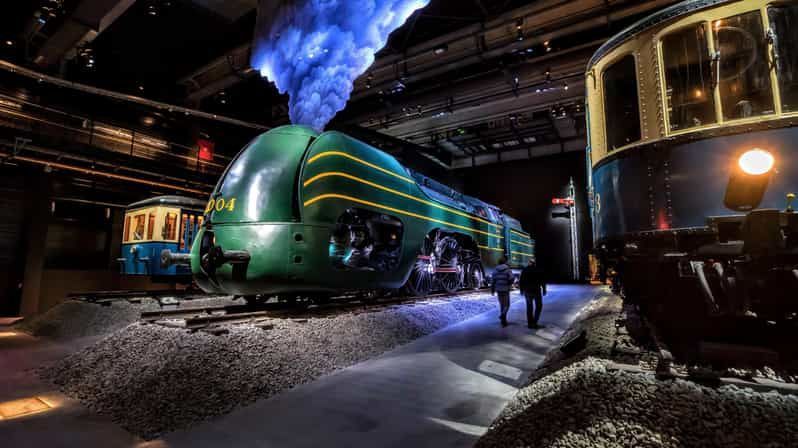
Brussels
## Description Train World Museum is one of Brussels’ most distinctive museums because it turns rail history into a deeply immersive experience rather than a purely technical one. Located in the restored Schaerbeek railway station, the museum brings together locomotives, carriages, railway objects, design elements, and historical storytelling in a space that feels both monumental and accessible. For travelers who enjoy transport history, industrial heritage, or design, it is a standout attraction. Even for visitors who are not railway enthusiasts, the scale and presentation make it remarkably engaging. What makes Train World especially strong is how it balances spectacle and interpretation. You are not simply looking at engines behind barriers. You move through environments that explain the role of rail in Belgian life, the evolution of travel, and the aesthetics of the railway age. A lesser-known fact is that the museum occupies an architectural setting of real importance, since the station itself contributes to the atmosphere and historical context. Another detail many visitors find interesting is the way the museum uses lighting, layout, and display composition to make trains feel almost theatrical, which helps even casual visitors appreciate the engineering and cultural significance behind them. The collection includes both historic rolling stock and broader narratives about mobility, labor, and national development. That means the museum is not just about machines; it is about how railways reshaped cities, connected regions, and changed the way people moved through Europe. In Belgium, a country with a dense rail network and a deep industrial past, that story matters. Train World captures it in a way that feels serious without becoming dry. The museum also works well as a family stop because it offers enough visual drama to keep children interested while still rewarding adults who want historical context. It is one of those places where the experience is stronger than you may expect from the outside. ## Location Train World Museum is located in Schaerbeek, Brussels-Capital Region, Belgium, at the restored Brussels-Schaarbeek railway station. The site is northeast of central Brussels, making it easy enough to reach without being in the busiest tourist core. The station setting reinforces the museum’s subject matter and gives the visit a strong sense of place. The easiest way to reach Train World is by train, tram, or other public transport from central Brussels. Because it is a railway museum in a real railway station, arriving by rail is especially fitting and often the most straightforward option. Once you arrive, the museum is easy to navigate, and the surrounding area is manageable for a combined transport-and-history outing. It is a good idea to set aside enough time to move through the whole exhibition at a relaxed pace. The museum is richer when you let the sequence unfold naturally rather than rushing straight to the largest locomotives. ## Tips Allow at least two hours if you want to appreciate the museum properly. Go with children or transport enthusiasts if you can, but do not assume it is only for specialists. The presentation is strong enough for general visitors. Pay attention to the station architecture as well as the trains. The setting is part of the story. Check opening times in advance, especially if you are building it into a broader Brussels itinerary. If you enjoy design, photography, or industrial history, spend extra time with the details rather than rushing between the biggest exhibits. ## Conclusion Train World Museum is one of Brussels’ most impressive museums, combining railway heritage, architectural atmosphere, and thoughtful presentation. It is an excellent choice for travelers who want a museum that feels distinctive and memorable rather than generic. ## FAQ ### Is Train World only for train enthusiasts? No. It is enjoyable for anyone interested in history, design, transport, or immersive museum experiences. ### How much time should I plan? About 2 to 3 hours is a comfortable visit length for most people. ### Is it easy to reach from central Brussels? Yes. Public transport makes it straightforward, and arriving by train is especially appropriate. ### Is the museum suitable for families? Yes. The large-scale displays and varied presentation make it family-friendly and engaging for many age groups. ## Links - [Train World official site](https://trainworld.be/en/) - [Train World on Wikipedia](https://en.wikipedia.org/wiki/Train_World)
GemVoyage Team • World
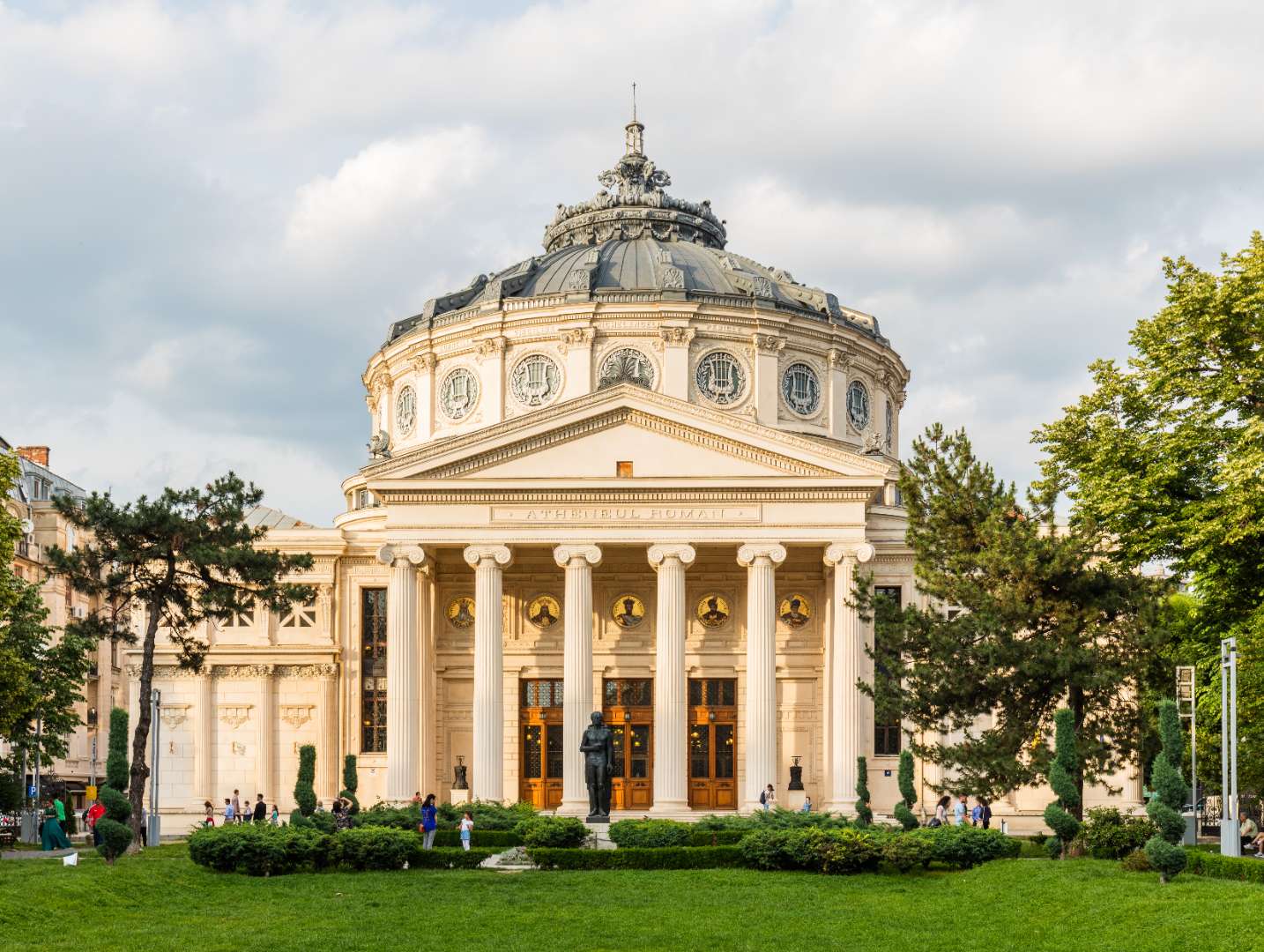
Bucharest
## Description The Romanian Athenaeum (Ateneul Român) is one of Bucharest’s most iconic landmarks—a neoclassical masterpiece that stands as a symbol of Romanian culture, resilience, and artistic excellence. Opened in 1888, this circular, domed concert hall is the home of the George Enescu Philharmonic Orchestra and hosts the prestigious George Enescu Festival, one of Europe’s leading classical music events. Designed by French architect Albert Galleron, the Athenaeum’s architecture is a harmonious blend of neoclassical grandeur and romantic flourishes. Its façade features a stately colonnade, while the interior dazzles with gilded balconies, a massive fresco depicting key moments in Romanian history, and acoustics considered among the finest in the world. The concert hall seats nearly 800 guests, with every seat offering a clear view of the stage and impeccable sound quality. A little-known fact: the Athenaeum was partially funded through a public campaign with the slogan “Donate one leu for the Ateneu!”—a grassroots effort that united citizens in support of the arts. Another fascinating detail is that the building stands on land once occupied by a monastery and orchard belonging to the Cantacuzino family, adding layers of historical depth to its foundation. ## Location The Romanian Athenaeum is located in **Romania**, in the **Bucharest Municipality**, within the **Capital Region**. Its exact address is **Strada Benjamin Franklin 1-3, Sector 1**, just off Calea Victoriei, one of the city’s main boulevards. ### How to Get There: - **By Metro**: Take Line M2 to Universitate or Piata Romana stations. The Athenaeum is a short walk from either. - **By Bus or Tram**: Several lines stop nearby, including buses 126, 368, and trams 1 and 21. - **By Foot**: If you're exploring central Bucharest, the Athenaeum is easily reachable from Revolution Square and the National Museum of Art. - **By Taxi or Ride-Share**: Services like Bolt and Uber operate widely in Bucharest and can drop you off directly at the entrance. Its central location makes it a perfect stop on any cultural itinerary through the city. ## Tips for Visitors To make the most of your visit to the Romanian Athenaeum, consider these tips: - **Attend a Concert**: The best way to experience the Athenaeum is during a live performance. Check the schedule for classical concerts or special events. - **Book in Advance**: Tickets can sell out quickly, especially during the George Enescu Festival. Reserve early to secure a seat. - **Take a Guided Tour**: Tours are available in Romanian and English but must be booked in advance. They offer insights into the building’s history and architecture. - **Dress Smartly**: If attending a concert, smart casual or formal attire is appreciated. - **Explore Nearby Attractions**: Pair your visit with stops at the National Museum of Art or a stroll down Calea Victoriei. - **Photography**: While photography is allowed in public areas, avoid flash and be respectful during performances. ## Conclusion The Romanian Athenaeum is a cultural treasure that blends architectural elegance with musical brilliance. Whether you're attending a concert or simply admiring its historic beauty, the Athenaeum offers a deeply enriching experience in the heart of Bucharest. ## FAQ **1. Is there an entrance fee to visit the Romanian Athenaeum?** Yes, for concerts and guided tours. Prices vary depending on the event. **2. Can I visit the Athenaeum without attending a concert?** Yes, guided tours are available outside concert hours, but must be scheduled in advance. **3. What is the seating capacity of the concert hall?** The hall seats approximately 794 guests, including stalls and loges. **4. Is the Athenaeum wheelchair accessible?** Yes, accessibility features are available, but it’s best to contact the venue in advance for assistance. **5. What is the best time to visit?** Evenings during concert season (September to June) offer the most vibrant atmosphere. **6. Are children allowed at performances?** Yes, though some events may have age recommendations. Check the program details before booking. ## Links - [Romanian Athenaeum – George Enescu Philharmonic](https://filarmonicaenescu.ro/en/vizitarea-ateneului-roman) - [Romanian Athenaeum – Wikipedia Overview](https://en.wikipedia.org/wiki/Romanian_Athenaeum) - [Visit Bucharest – Romanian Athenaeum Guide](https://visitbucharest.today/romanian-athenaeum/)
GemVoyage Team • World
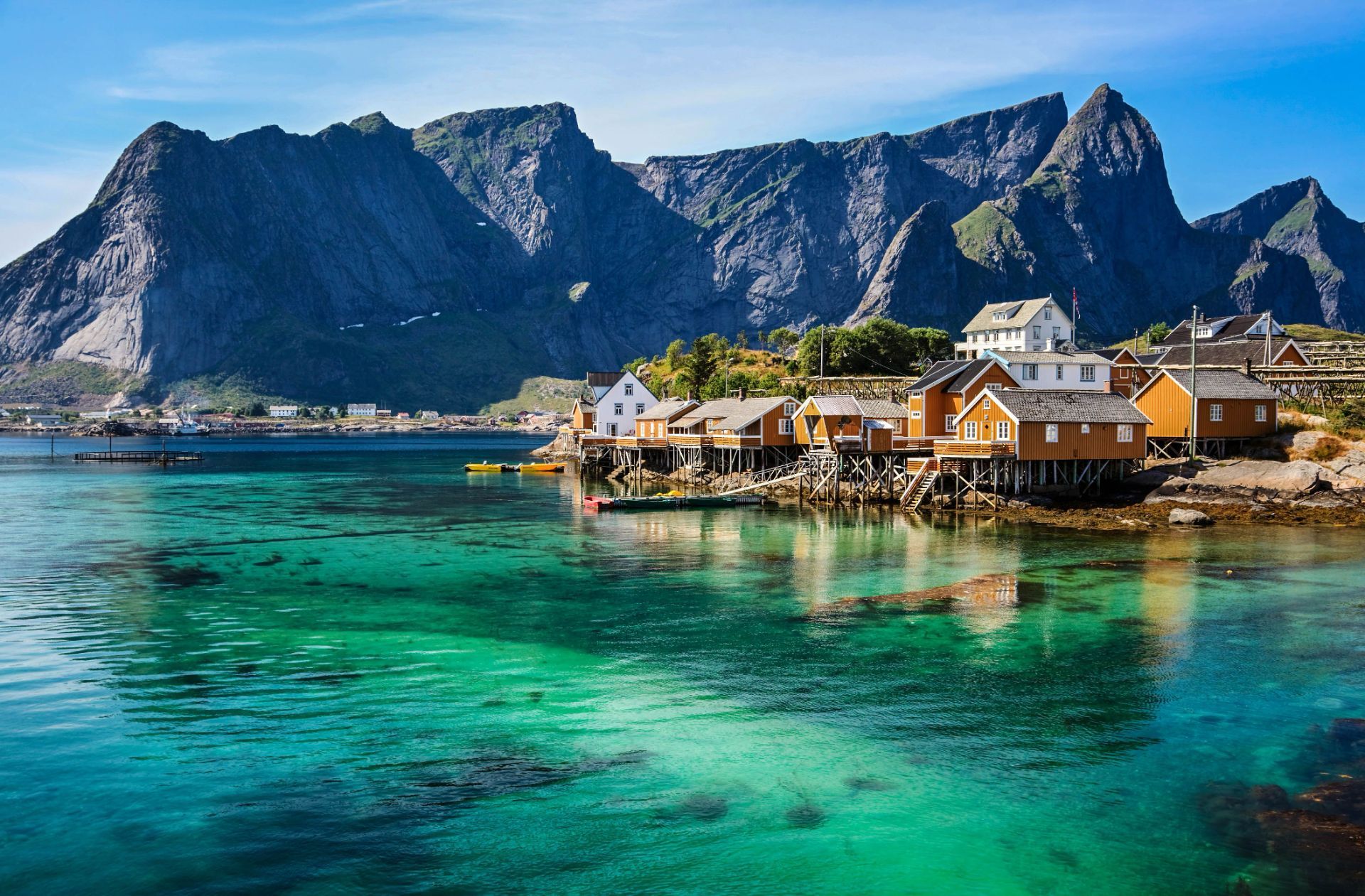
Nordland County
## Description The Lofoten archipelago in northern Norway is known for dramatic mountains rising directly from the sea, sheltered bays dotted with red rorbuer (fishermen’s cabins), and a culture shaped by the cod-fishing season. The islands’ jagged peaks, sheltered fjords and clear northern light create a playground for photographers, hikers and sailors. In summer the midnight sun bathes the landscape in continuous soft light; in winter the aurora borealis weaves curtains above snow-dusted fjords. Lofoten’s distinctiveness lies in the proximity of ocean and mountain: trails often ascend steep ridges that drop into crystal-clear water, and small fishing villages serve as intimate bases for outdoor activities. A lesser-known feature: the islands host significant seabird colonies and seasonal fisheries that have influenced local cuisine and traditions for centuries. Lofoten is not only a visual spectacle but also a destination that rewards slow travel and careful planning. The archipelago's human scale — low-lying villages, narrow winding roads and tiny harbors — means that experiences are tactile and immediate: you can start your day with fresh cod straight from a quay, follow a narrow trail to a windswept summit by afternoon, and end it watching the sea change color as the light shifts. For photographers and naturalists the islands offer a year-round curriculum: in spring and early summer, migrant birds and seals become active along the coastline; in high summer the midnight sun extends golden-hour conditions for long landscape sessions; in autumn the first snows highlight ridgelines and create vivid contrasts; and in winter the long nights are ideal for aurora hunting, provided the skies are clear and weather windows allow. Trail conditions vary widely: some classic hikes like Reinebringen and Kvalvika require stout footwear and a head for exposure, while many coastal walks are family-friendly and can be combined with ferry hops and short drives. Sea-based activities are equally compelling — kayaking through sheltered fjords, joining local fishing trips, or chartering a boat for wildlife watching. Local cultural experiences add texture: museums documenting the seasonal cod fisheries, small artisan shops selling wool and salt-dried fish, and community-run cafés where fishermen swap stories. Food culture in Lofoten remains rooted in the sea; besides stockfish and cod, you’ll encounter local sheep cheeses, cloudberry desserts and a surprisingly well-developed craft-beer scene in a few towns. Practicalities matter in Lofoten. Roads are scenic but narrow, and in winter they can be affected by snow and wind; a flexible itinerary is wise. While many visitors cluster in Reine and Svolvær, quieter pockets such as Henningsvær, Nusfjord and Vinstad reward those who linger. Conservation-minded travel is important: stay on marked trails, respect nesting birds (especially during spring), and support locally owned businesses. Small details like packing waterproof layers, carrying a reliable map or GPS, and learning a few Norwegian phrases will enhance safety and interpersonal encounters. Taken together, these elements make Lofoten an unforgettable destination where dramatic geology, maritime culture and luminous Arctic light combine into a deeply memorable travel experience. ## Location Lofoten lies within Nordland county, above the Arctic Circle, accessible by ferry, road and regional flights from Bodø and Harstad/Narvik airports. The main islands (Austvågøya, Vestvågøya, Flakstadøya and Moskenesøya) are linked by scenic roads and tunnels. The islands are most commonly reached via the E10 highway, which threads the archipelago and connects ferries and causeways. Travelers flying in usually connect through Bodø, which provides ferry and road links, or land at Evenes (near Harstad/Narvik) then drive west. Several regional ferries link the mainland with islands and provide excellent photo opportunities; during summer months additional tourist ferry routes and charter options operate between hotspots like Reine and Svolvær. Car rental is widely available in nearby towns and airports, but public transport is a viable option for those who prefer not to drive, with buses and select ferries serving the larger settlements. ## Tips - **Respect weather windows:** Mountain weather changes rapidly; check local forecasts and prepare with layers and navigation tools. - **Book rorbuer early in summer:** Traditional cabins are popular in high season; reserve in advance. - **Try cod-based cuisine:** Experience local dishes tied to the seasonal stockfish tradition. - **Plan photographic routes:** Sunrise, sunset, and aurora times are key for planning shots; local guides help find hidden vantage points. - **Pack for microclimates:** Conditions can vary from wind-blasted summits to calm fjord inlets in short distances; waterproof outer layers and thermal mid-layers are essential. - **Mind daylight hours:** In summer you can shoot at midnight; in winter plan activities around shorter daylight but prime aurora hours. - **Respect wildlife and nesting areas:** Keep distance from seabird colonies and seal haul-outs to avoid disturbance. - **Rent responsibly or use local guides:** Boat, kayak and fishing charters offer deeper access; choose operators with good safety and sustainability records. - **Bring cash for small purchases:** While cards are widely accepted, some small cafés and stalls may prefer cash in remote villages. ## Conclusion Lofoten combines raw Arctic scenery with a resilient maritime culture, offering dramatic outdoor adventures and timeless coastal charm. Whether you come for the light, the mountains, or the cultural textures of fishing villages, Lofoten rewards curiosity and careful pacing. The islands invite both active exploration and quiet observation — a place to test your kit on rugged trails or simply watch tides and light shift over a year of weathered harbor wood. For travelers prioritizing sustainable, small-scale tourism, Lofoten offers a rich palette of experiences that connect landscape, livelihood and seasonal rhythms. ## FAQ - **Q: When is the best time to visit?** - A: Summer for midnight sun and hiking; winter for northern lights and dramatic snow landscapes. - **Q: Are there guided activities?** - A: Yes — kayaking, hiking, fishing tours and wildlife excursions are widely available. - **Q: Do I need a car to enjoy Lofoten?** - A: A car gives flexibility for reaching remote viewpoints and dispersed villages; however, during summer a combination of buses, ferries and guided tours can cover many highlights without driving. - **Q: How do I plan for aurora viewing?** - A: Check local aurora forecasts and cloud cover, pick dark sites away from town lights, and be patient — clear sky windows are unpredictable. Local guides can increase success rates and handle safety in cold conditions. - **Q: Are trails family-friendly?** - A: Many shoreline walks and lowland trails are suitable for families; some iconic ridgeline hikes are steep and exposed and require good footwear and experience. - **Q: How should I handle food and provisioning?** - A: Larger towns have supermarkets and restaurants; in smaller villages, stockfish shops, local bakeries and seasonal markets offer regional specialties — plan ahead for long drives between services in peak season. ## Links - [Lofoten — Wikipedia](https://en.wikipedia.org/wiki/Lofoten)
GemVoyage Team • World
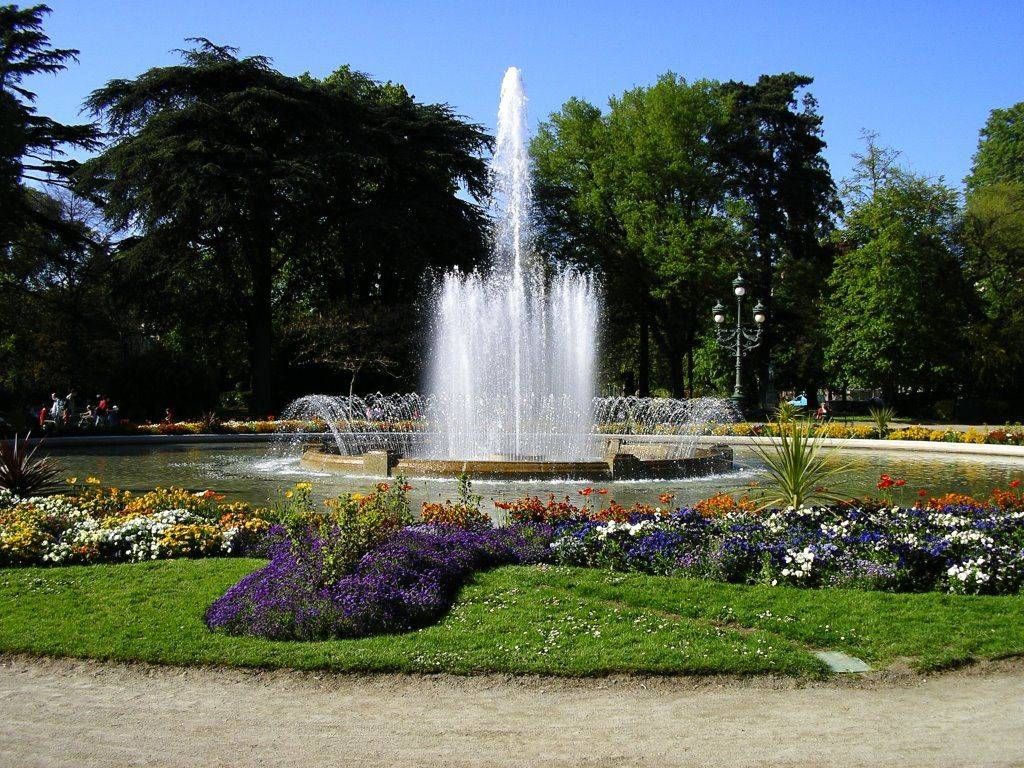
Toulouse
## Description The Jardin des Plantes in Toulouse is one of the city’s most beloved green spaces, offering a calm and refreshing escape from urban life. Originally created in the 18th century as a botanical garden for scientific study, it has since evolved into a public park that blends nature, history, and leisure. With its shaded paths, ponds, statues, and diverse plant life, the garden attracts families, students, and visitors looking to experience Toulouse at a gentler pace. What makes the Jardin des Plantes unique is its dual identity as both a historical botanical site and a modern recreational park. Although it no longer functions strictly as a scientific garden, many plant species and layout elements reflect its original purpose. A little-known fact is that the garden once served as a training ground for medical students studying botany and pharmacology. Another lesser-known detail is that it forms part of a larger green corridor together with the nearby Grand Rond and Jardin Royal, creating a continuous landscaped area rarely found in dense city centers. The Jardin des Plantes also features playgrounds, a carousel, and cultural installations, making it appealing to visitors of all ages while preserving a sense of historical continuity. ## Location The Jardin des Plantes is located in **France**, in the **Occitanie** region, within the city of **Toulouse**. It lies just south of the historic center, near the Muséum de Toulouse and the Canal du Midi. The garden is easily accessible by public transportation. The nearest metro station is **Palais de Justice** on Line B, which is about a 10-minute walk away. Several bus lines also serve the area. Visitors staying in central Toulouse can reach the park comfortably on foot or by bicycle, as the surrounding streets are pedestrian-friendly and well connected. ## Tips * Visit in the morning or late afternoon for a quieter and more relaxing atmosphere. * Spring and early summer are ideal for enjoying flowers and greenery at their peak. * Bring a book or picnic to fully enjoy the peaceful setting. * Families with children should check out the playground and carousel areas. * Combine your visit with the nearby Muséum de Toulouse for a full day of culture and nature. * Respect the garden rules by staying on paths and preserving plant areas. ## Conclusion The Jardin des Plantes in Toulouse offers a harmonious blend of history, nature, and everyday life. Whether you are seeking relaxation, family-friendly activities, or a scenic walk, this botanical garden remains one of the city’s most charming and accessible attractions. ## FAQ **Is the Jardin des Plantes free to enter?** Yes, entrance to the garden is free for all visitors. **How much time should I plan to spend there?** Most visitors spend between 30 minutes and two hours, depending on activities. **Is the Jardin des Plantes suitable for children?** Yes, it features playgrounds and open spaces ideal for families. **Can I picnic in the garden?** Yes, picnicking is allowed in designated areas. **Is the garden open year-round?** Yes, it is open throughout the year, though hours vary by season. ## Links * [Toulouse Tourism Official Website](https://www.toulouse-tourisme.com)
GemVoyage Team • World
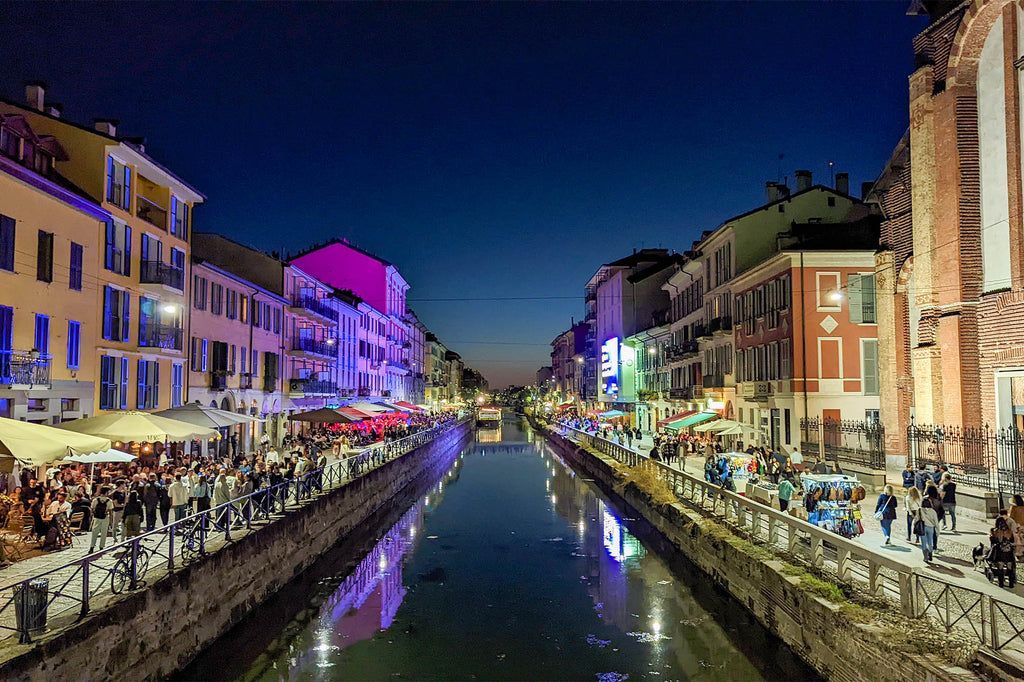
Milan
## Description The Navigli District is one of Milan’s most recognizable and enjoyable neighborhoods, especially for travelers who want atmosphere rather than a single monument. Centered on the city’s canal system, the area blends waterfront walks, small bridges, restaurants, bars, antique shops, and evening energy into a district that feels both historic and social. It is one of the best places in Milan to slow down and experience the city as a place of daily life, design, food, and nightlife rather than only fashion and business. What makes Navigli particularly interesting is the way its waterways connect modern leisure with older transport history. The canals were once part of a much more important urban system used for movement and trade, and the district still carries traces of that older role even though its present identity is more about strolling, aperitivo, and weekend crowds. A little-known fact is that the Navigli network is associated with the broader historical engineering culture of Milan, including work connected to Leonardo da Vinci’s canal and lock studies. Another detail many visitors do not realize at first is that the district changes character dramatically between day and night: daytime can feel relaxed and photogenic, while evenings often become busy, social, and lively. The Navigli District is also one of the city’s best places for aperitivo culture, where a drink often comes with snacks and the social ritual becomes as important as the menu. That makes the district especially appealing to travelers who want to understand Milan through its rhythms rather than through a checklist of attractions. The canals create the setting, but the real experience comes from the combination of reflection on the water, people watching, informal dining, and easy movement between small venues. If you are looking for a neighborhood that feels memorable without demanding a strict itinerary, Navigli is one of Milan’s strongest choices. ## Location The Navigli District is in southwestern central Milan, Lombardy, Italy, around the Naviglio Grande and Naviglio Pavese canal areas. It is easy to reach from the center of the city by metro, tram, or taxi, and many visitors walk there from nearby neighborhoods when the weather is pleasant. Porta Genova is one of the most convenient transit points for reaching the district, and from there it is simple to continue on foot toward the canal banks. Because the district is compact and best enjoyed at a relaxed pace, walking is the ideal way to experience it once you arrive. You can follow the canal, stop for a drink or meal, browse side streets, and continue without needing a fixed plan. If you visit on a Sunday or during a special market day, expect the area to be busier than usual, but also more lively. For travelers staying in central Milan, it is an easy half-day or evening destination and one of the most rewarding neighborhoods to revisit more than once. ## Tips - Go at sunset or early evening if you want the most atmospheric canal views. - Reserve enough time for aperitivo, because it is part of the Navigli experience. - Visit on a Sunday if you want markets and a more traditional neighborhood feel. - Wear comfortable shoes and be ready to walk between bridges and side streets. - If crowds are not your style, explore earlier in the day before the nightlife crowd arrives. - Combine the district with a relaxed meal rather than treating it like a quick photo stop. ## Conclusion The Navigli District is one of Milan’s most appealing neighborhoods because it mixes water, history, food, and social life in a way that feels naturally urban. It is a place to wander, eat, and enjoy the city at a slower pace. ## FAQ ### What is the Navigli District known for? It is known for its canals, aperitivo culture, lively restaurants, and atmospheric evening walks. ### Is Navigli good for a night out? Yes. It is one of Milan’s most popular areas for dinner, drinks, and evening socializing. ### Can I visit during the day? Absolutely. Daytime is often better for quiet walks, photos, and shopping. ### How much time should I spend there? At least two to three hours is a good starting point, though many visitors stay longer. ## Links - [Official Milan tourism page](https://www.yesmilano.it/en) - [Milan city information](https://www.comune.milano.it/)
GemVoyage Team • World
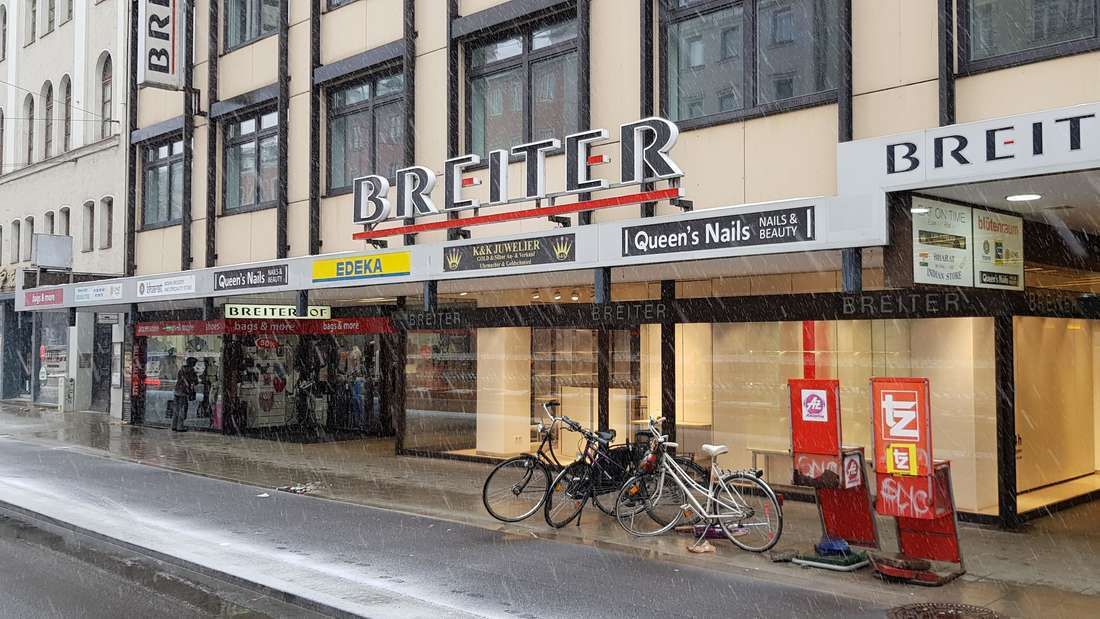
Munich
## Description **Breiterhof Passage** is a discreet but culturally significant pedestrian passageway in the heart of Munich’s old town. Unlike the city’s grand squares or monumental avenues, Breiterhof Passage represents a more **intimate layer of urban history**, where commerce, architecture, and everyday life intersect quietly rather than dramatically. The passage dates back to the **postwar reconstruction period**, when Munich rebuilt much of its historic core after World War II. Instead of restoring medieval structures wholesale, planners integrated modern functionality with traditional urban patterns. Breiterhof Passage exemplifies this approach: a short, covered walkway connecting streets while sheltering small shops, cafés, and offices. Its modest scale reflects a deliberate choice to prioritize **human movement and local commerce** over architectural spectacle. What makes Breiterhof Passage unique is its **contrast with Munich’s surrounding grandeur**. Just steps away from busy shopping streets and historic landmarks, the passage offers a slower, enclosed environment that feels almost private. A lesser-known fact is that passages like Breiterhof were designed to maintain pedestrian permeability in dense urban blocks, preserving historic movement patterns even when buildings were rebuilt. Another overlooked detail is that many businesses here are long-standing local operations rather than international chains, giving the space a distinctly Munich character. The passage is not a destination in itself, but a **transitional urban experience**. It rewards attentive visitors who appreciate the city’s smaller architectural gestures and the continuity of everyday life embedded within them. ## Location **Country:** Germany **State:** Bavaria **City:** Munich **District:** Altstadt-Lehel Breiterhof Passage is located in Munich’s historic center, close to major shopping streets and within easy walking distance of Marienplatz. ### How to Get There * **By metro or S-Bahn:** * Travel to **Marienplatz** station, then walk approximately 3–5 minutes. * **By tram:** * Several tram lines stop near the old town perimeter, followed by a short walk. * **On foot:** * Ideal when exploring Altstadt-Lehel, as the passage connects naturally to pedestrian routes. * **By bicycle:** * Bike parking is available nearby, though cycling through the passage itself is not permitted. ## Tips * **Visit during business hours:** The passage is most lively when shops and cafés are open. * **Look beyond storefronts:** Architectural details and spatial proportions are easy to miss if rushed. * **Use it as a shortcut:** It provides a calmer alternative to crowded shopping streets. * **Combine with old town exploration:** It fits naturally into a walking itinerary through central Munich. * **Respect the quiet tone:** This is a working urban space, not a tourist attraction. * **Photography is permitted:** Be mindful of people working or dining inside. ## Conclusion Breiterhof Passage is a subtle reminder that cities are shaped as much by small connective spaces as by major landmarks. Modest, functional, and quietly local, it offers insight into Munich’s postwar urban identity and everyday rhythms. ## FAQ **1. Is Breiterhof Passage a tourist attraction?** No, it is primarily a functional pedestrian passage used by locals. **2. Is there an entrance fee?** No, access is completely free. **3. How long does it take to visit?** Only a few minutes, unless stopping at a café or shop. **4. Is it historically significant?** Yes, as part of Munich’s postwar reconstruction and pedestrian network. **5. Is it suitable for children?** Yes, though there are no child-specific activities. **6. Can it be visited at night?** Access may vary depending on building hours, but daytime visits are recommended. ## Links * [Munich tourism board](https://www.munich.travel)
GemVoyage Team • World

Comments