Discover extraordinary places shared by our community of travelers
Barcelona
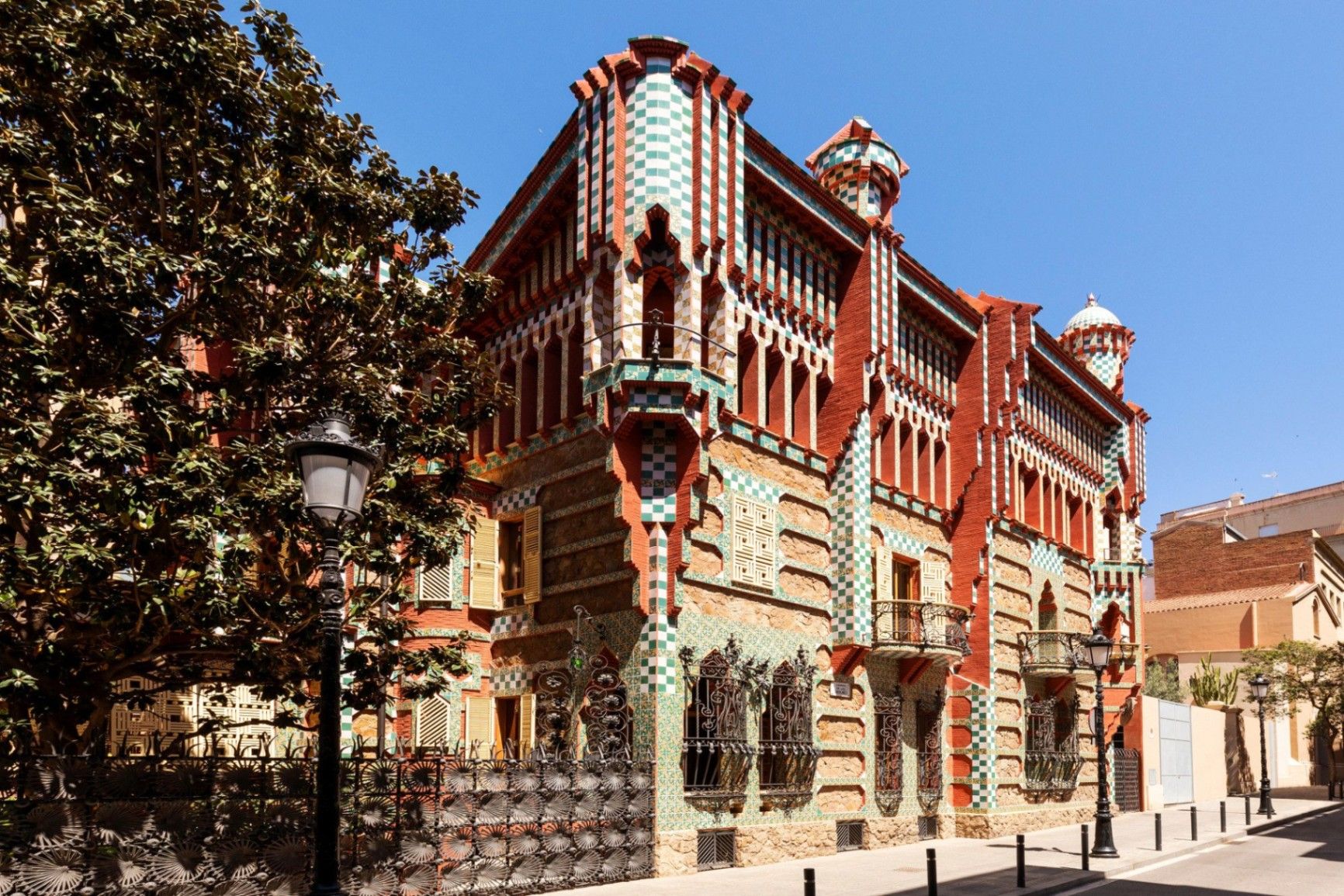
## Description **Casa Vicens** is widely recognized as the **first major architectural masterpiece of Antoni Gaudí** and one of the most important early works of Modernisme (Catalan Art Nouveau). Built between **1883 and 1885**, the house marks the beginning of Gaudí’s lifelong experimentation with **geometry, nature-inspired decoration, structural innovation, and symbolic design**. While later works like the Sagrada Família and Park Güell are more famous, Casa Vicens is where Gaudí’s architectural language truly begins. Unlike the flowing, organic shapes that characterize his later work, Casa Vicens is defined by **strong geometric forms, bold color contrasts, and rich surface ornamentation**. The exterior façade is covered with **vivid green and white ceramic tiles decorated with marigold flowers**, a direct reference to the plant species that once grew on the site. This was one of Gaudí’s earliest expressions of his belief that **architecture should emerge from nature, not dominate it**. The building blends a surprising range of influences: **Moorish, Gothic, and Asian-inspired motifs** coexist with Catalan craftsmanship. Horseshoe arches, intricate ironwork, glazed tiles, and painted ceilings come together in a stylistic fusion that was radical for its time. Inside, every room is treated as a complete artistic composition, from the hand-painted ceilings and floral wall motifs to the custom-designed doors, furniture, and fireplace details. Originally constructed as a **summer residence for the Vicens family**, who made their fortune in tile manufacturing, the house was later expanded and modified in the early 20th century. For most of its history, Casa Vicens remained a **private residence**, inaccessible to the general public. It was only after a major restoration project that the house opened as a **museum in 2017**, allowing visitors to explore its interiors for the first time. A little-known fact is that Gaudí was only **31 years old** when he designed Casa Vicens. At the time, he was virtually unknown, and this project launched his reputation among Barcelona’s elite. Another lesser-known detail is that the building originally included a **large garden with fountains and pergolas**, most of which disappeared as urban development intensified in the Gràcia district. What makes Casa Vicens especially valuable today is not just its beauty, but its role as a **historical blueprint** of everything Gaudí would later refine: organic symbolism, deep integration of craft and structure, and uncompromising artistic control over every architectural element. Visiting Casa Vicens is like witnessing the **moment of origin of one of the most influential architects in world history**. In 2005, Casa Vicens was officially declared a **UNESCO World Heritage Site**, confirming its global cultural significance. It now stands not only as a museum, but as a living document of architectural revolution in late 19th-century Barcelona. ## Location **Casa Vicens** is located in the **Gràcia district** of **Barcelona**, Spain. Gràcia is known for its village-like atmosphere, artistic traditions, and lively plazas. **City:** Barcelona **Region:** Catalonia (Catalunya) **Country:** Spain **District:** Gràcia **Address:** Carrer de les Carolines, 20–26, 08012 Barcelona ### How to Get There: * **By metro:** Take **L3 (Green Line)** to **Fontana Station**, then walk approximately 7 minutes. * **By bus:** Several city bus lines stop near Gran de Gràcia and Travessera de Dalt. * **By taxi or ride-hailing apps:** Request “Casa Vicens Gaudí.” * **By foot:** It is a pleasant 20–25 minute walk from **Passeig de Gràcia**. * **By bicycle:** Bike lanes connect Gràcia with central Barcelona, with bike parking nearby. Its location makes it easy to combine with a walk through **Plaça del Sol**, **Gràcia’s markets**, and independent cafés and boutiques. ## Tips * **Book tickets in advance:** Entry slots are limited, especially during peak tourist seasons. * **Choose an early morning visit:** The experience is quieter and more immersive before large tour groups arrive. * **Use the audio guide:** It provides excellent explanations of the symbolism, structure, and design choices. * **Take time with the ceilings:** Many of the most impressive details are above eye level. * **Photography is allowed:** Flash is typically restricted to protect interiors. * **Combine with other Gaudí sites thoughtfully:** Casa Vicens works best as an introduction before visiting Park Güell or Casa Batlló. * **Allow at least 90 minutes:** This gives enough time to explore all floors, the terrace, and exhibitions without rushing. * **Accessibility:** Check elevator availability in advance, as this is a historic building with structural limitations. ## Conclusion **Casa Vicens** is not merely a beautiful house—it is the **architectural starting point of Antoni Gaudí’s genius**. Through its bold colors, layered symbolism, and fusion of cultures and crafts, it reveals the earliest expression of ideas that would later redefine Barcelona’s identity. As both a UNESCO World Heritage Site and a public museum, Casa Vicens offers visitors an intimate, foundational encounter with one of the world’s most innovative architects. ## FAQ **1. What is Casa Vicens famous for?** It is famous as **Antoni Gaudí’s first major architectural project** and a key early work of Catalan Modernisme. **2. Is Casa Vicens a UNESCO World Heritage Site?** Yes, it was added to the UNESCO World Heritage list in **2005**. **3. Can you visit the interior?** Yes, Casa Vicens is fully open to the public as a **museum since 2017**. **4. How long does a typical visit take?** Most visitors spend between **1 and 1.5 hours** inside the house. **5. Is Casa Vicens suitable for children?** Yes, although younger children may need supervision due to stairs and delicate interiors. **6. Is Casa Vicens less crowded than Casa Batlló and La Pedrera?** Yes, it is generally **less crowded**, making for a more relaxed viewing experience. ## Links * [Official Casa Vicens Website](https://casavicens.org)
GemVoyage Team • World
Tarasp
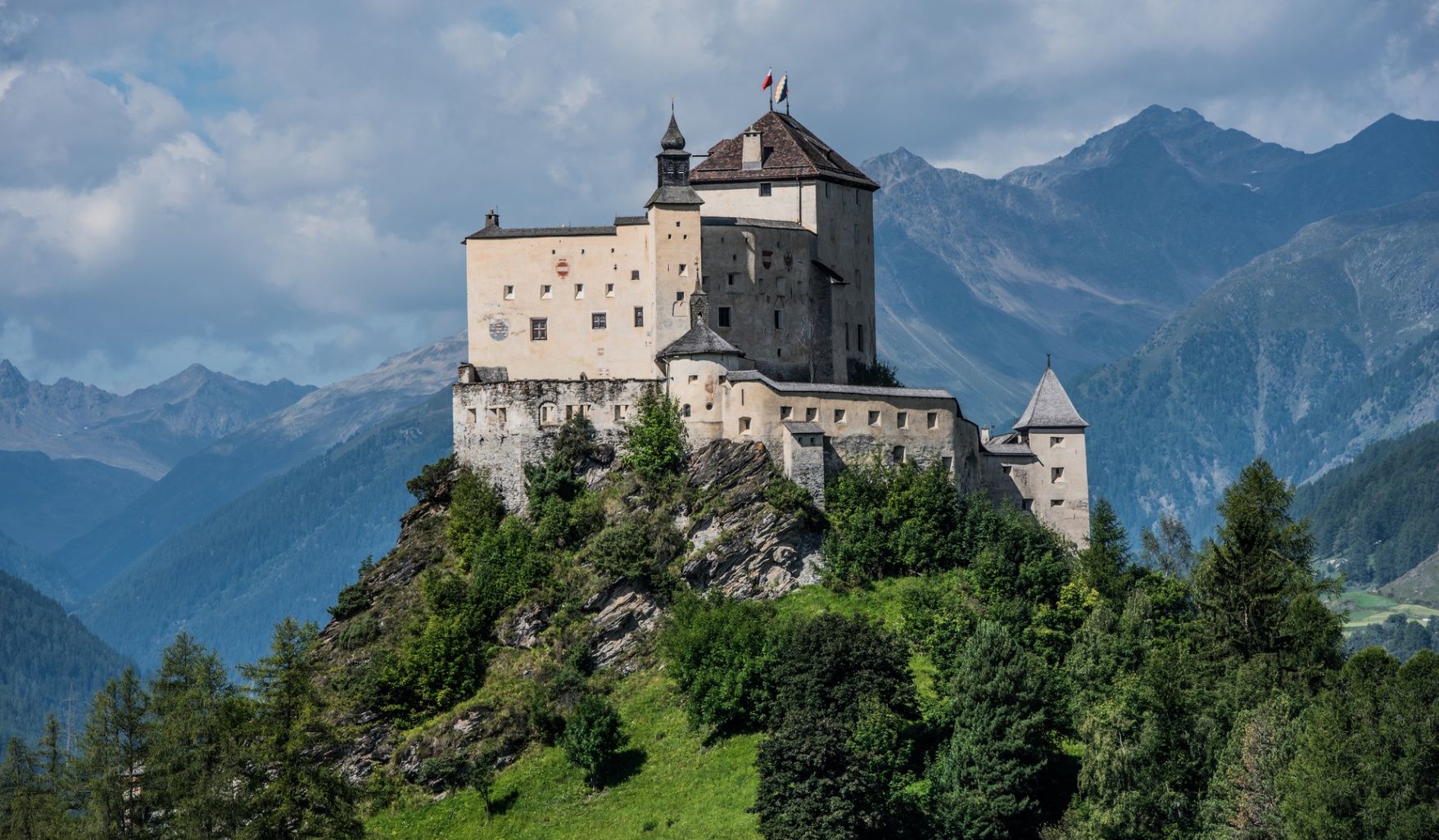
## Description Schloss Tarasp is one of Switzerland’s most impressive and best-preserved medieval castles, dramatically perched on a rocky hill overlooking the Lower Engadin Valley. With its imposing towers, thick stone walls, and commanding views, the castle feels like a scene straight out of a historical epic. Dating back to the 11th century, Schloss Tarasp has played a significant role in the region’s political and cultural history and remains a powerful symbol of the Engadin. What makes Schloss Tarasp truly unique is its combination of medieval architecture and refined interior artistry. While many castles focus mainly on defensive structures, Schloss Tarasp surprises visitors with richly decorated rooms, ornate furniture, and an exceptional collection of art and antiques. One little-known fact is that the castle houses a famous private organ, installed in the early 20th century, which is still used for concerts today. Another lesser-known detail is that the castle once belonged to industrialist August Lingner, the inventor of Odol mouthwash, who restored it extensively and transformed it into a cultural landmark. Today, Schloss Tarasp can only be visited through guided tours, which add depth and storytelling to the experience, making history come alive for visitors of all ages. ## Location Schloss Tarasp is located in **Switzerland**, in the **Graubünden** canton, within the **Lower Engadin** region. The castle stands above the village of Tarasp, near the town of Scuol, surrounded by alpine landscapes and mountain scenery. To get there, travelers can take a train on the Rhaetian Railway to **Scuol-Tarasp** station, which is well connected to other parts of Switzerland. From the station, local buses run toward Tarasp village, and from there a short uphill walk leads to the castle entrance. Visitors arriving by car can drive to Tarasp and park near the base of the hill, followed by a scenic walk up to the castle. ## Tips * Schloss Tarasp can only be visited on guided tours, so check tour times in advance and arrive early to secure a spot. * Wear comfortable shoes, as the walk up to the castle is steep and the interiors include uneven stone floors and stairs. * Photography may be restricted in certain rooms, so always follow the guide’s instructions. * Plan extra time to enjoy the panoramic views of the Engadin Valley from the castle grounds. * Combine your visit with a stop in nearby Scuol, known for its thermal baths and traditional Engadin architecture. * Tours are often offered in multiple languages, but availability may vary depending on the season. ## Conclusion Schloss Tarasp offers a rare and immersive journey into Switzerland’s medieval past, enriched by art, music, and stunning alpine scenery. Its dramatic setting, well-preserved interiors, and guided storytelling make it one of the most memorable castle visits in the country. ## FAQ **Do I need to book tickets in advance?** Advance booking is recommended, especially during summer and peak travel seasons, as tour sizes are limited. **Is Schloss Tarasp suitable for children?** Yes, guided tours are generally engaging for children, though very young kids may find the tour length challenging. **How long does a guided tour last?** Most guided tours last between 60 and 90 minutes. **Is the castle accessible for people with limited mobility?** Due to its medieval structure, access can be difficult for visitors with limited mobility. It is best to check accessibility details in advance. **When is the best time to visit Schloss Tarasp?** Late spring to early autumn is ideal, when the weather is mild and travel routes are fully accessible. ## Links * [Schloss Tarasp Information](https://www.myswitzerland.com/en-us/experiences/schloss-tarasp-chaste-da-tarasp/)
GemVoyage Team • World
Istanbul
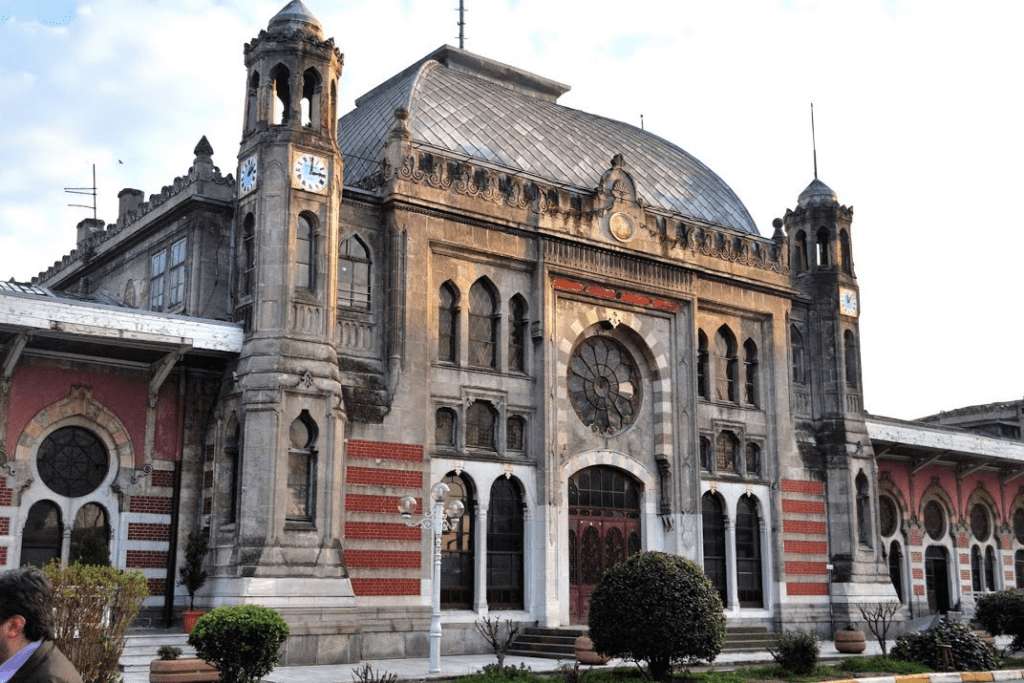
## Description The Istanbul Railway Museum (İstanbul Demiryolu Müzesi) is a hidden gem tucked inside the historic Sirkeci Terminal, once the eastern terminus of the legendary Orient Express. Opened in 2005 and operated by Turkish State Railways (TCDD), the museum offers a nostalgic journey through Turkey’s railway history, showcasing the evolution of train travel from the Ottoman era to the modern age. What makes this museum truly special is its location—Sirkeci Station itself is a masterpiece of 19th-century architecture, built in 1888 and opened in 1890. The museum occupies a modest 145 square meters, but within that space, it houses over 300 historical artifacts. Visitors can explore vintage station equipment, elegant silverware from dining cars, manufacturer plates from historic locomotives, and even the driver’s cab of an electric suburban train. A little-known fact: the museum includes original warning signs and clocks from stations across Turkey, offering a rare glimpse into the operational side of railway life. Another quirky detail—some of the furniture on display was used in the Orient Express, adding a touch of international glamour to the collection. ## Location The Istanbul Railway Museum is located in **Turkey**, within the **Marmara Region**, in the city of **Istanbul**. Specifically, it sits inside the **Sirkeci Terminal** in the **Fatih district**, a stone’s throw from the Bosphorus and the historic Sultanahmet area. ### How to Get There: - **By Tram**: Take the T1 tram line to Sirkeci Station. The museum is inside the terminal building. - **By Metro**: From Marmaray Sirkeci Station, it’s a short walk to the museum. - **By Foot**: If you're exploring Sultanahmet, the museum is easily reachable on foot—just a 10-minute walk from Hagia Sophia or Topkapı Palace. - **By Taxi or Ride-Hailing**: Services like BiTaksi or Uber can drop you off directly at the station entrance. Its central location makes it an ideal stop for tourists exploring Istanbul’s historic peninsula. ## Tips for Visitors To make the most of your visit to the Istanbul Railway Museum, consider these tips: - **Visit on Weekdays**: The museum is open Tuesday to Saturday, from 9:00 AM to 5:00 PM. It’s closed on Sundays and Mondays. - **Admission is Free**: No ticket required, making it a budget-friendly cultural stop. - **Combine with Nearby Attractions**: Pair your visit with a trip to the Spice Bazaar, Galata Bridge, or the Basilica Cistern. - **Photography**: Photos are allowed, but be respectful of the space and avoid flash photography. - **Short and Sweet**: The museum is compact—plan for 30 to 45 minutes. It’s perfect for a quick cultural detour. - **Ask Questions**: Staff are knowledgeable and often happy to share stories behind the exhibits. ## Conclusion The Istanbul Railway Museum is a compact yet captivating tribute to Turkey’s rail history, housed in one of the city’s most iconic train stations. With its rich collection of artifacts and its connection to the Orient Express, it offers a unique blend of nostalgia and historical insight—perfect for train enthusiasts and curious travelers alike. ## FAQ **1. What are the opening hours of the Istanbul Railway Museum?** The museum is open Tuesday to Saturday, from 9:00 AM to 5:00 PM. It’s closed on Sundays and Mondays. **2. Is there an entrance fee?** No, admission is free for all visitors. **3. How long does a visit typically take?** Most visitors spend about 30 to 45 minutes exploring the museum. **4. Is the museum suitable for children?** Yes, children interested in trains and history will enjoy the exhibits, though supervision is recommended due to fragile artifacts. **5. Can I take photos inside the museum?** Yes, photography is allowed, but flash should be avoided to protect the exhibits. **6. Is the museum accessible for people with disabilities?** Accessibility may be limited due to the historic nature of the building. It’s best to contact the museum in advance for specific accommodations. ## Links - [Istanbul Railway Museum – Wikipedia](https://en.wikipedia.org/wiki/Istanbul_Railway_Museum)
GemVoyage Team • World
Paris
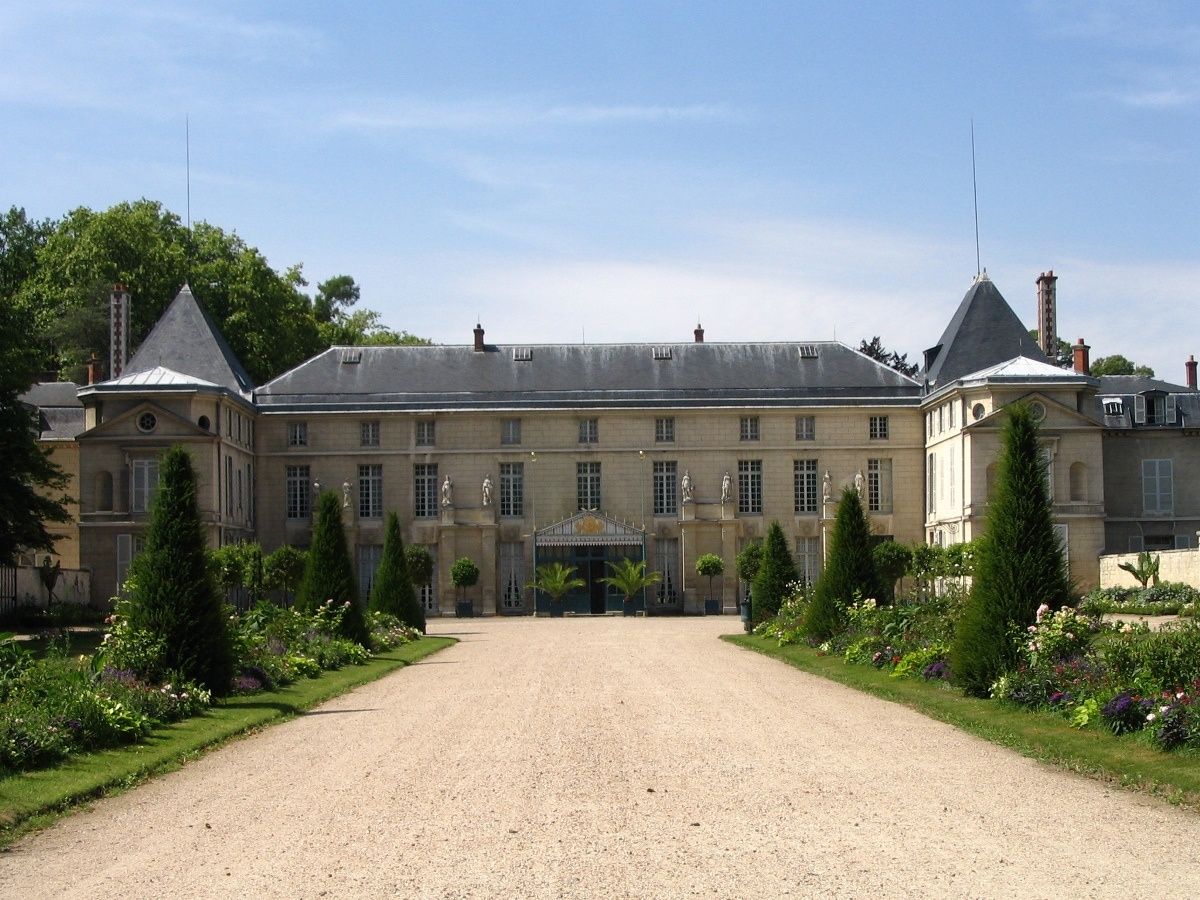
## Description The **Château de Malmaison** is one of the most historically intimate and emotionally rich landmarks of the Napoleonic era. Unlike grand imperial palaces designed to impress the masses, Malmaison was a **private retreat**—a place of strategy, domestic life, and personal ambition. It served as the residence of **Napoleon Bonaparte and Empress Joséphine** from 1799 to 1802 and later remained Joséphine’s home until her death in 1814. What makes Malmaison particularly unique is that it offers a deeply human perspective on figures often seen only through the lens of military and political power. Here, visitors encounter **Napoleon the husband and strategist**, and **Joséphine the patron of art, architecture, and botanical science**. Many decisive political meetings were held within these walls, including sessions of the **French government during Napoleon’s rise to power**. In effect, Malmaison briefly functioned as an **unofficial seat of the French state**. Architecturally, the château reflects the transition from late 18th-century aristocratic style to the early **Empire aesthetic**. Under Joséphine’s direction, the interior was redesigned by leading architects and decorators of the time, introducing **elegant neoclassical motifs, sculpted columns, rich textiles, and furniture that defined what would later be known as the Empire style**. The combination of political authority and refined domestic comfort was revolutionary for its time. The interior rooms remain remarkably authentic. Highlights include **Napoleon’s council chamber**, where official meetings took place, Joséphine’s private apartments, and the refined dining rooms used for state dinners. Furnishings, clocks, paintings, and personal objects are original or meticulously restored, giving the impression that the imperial couple has only just stepped away. Beyond politics, Malmaison holds global botanical importance. Joséphine was passionately devoted to **botanical exploration and exotic plant collection**. She transformed the estate into **one of Europe’s most important experimental botanical gardens**, introducing dozens of new plant species to France. Most famously, she established **the largest rose collection in Europe**, making Malmaison the birthplace of modern rose breeding. A little-known fact is that **Napoleon and Joséphine’s divorce was finalized while he was already Emperor**, a rare example of a ruler separating from his consort at the height of power. After the divorce, Napoleon retained Malmaison for Joséphine, allowing her to live there independently—an extraordinary privilege for the era. Another lesser-known detail is that the Russian Tsar **Alexander I visited Joséphine at Malmaison shortly before her death**, underscoring her lasting influence on European politics even after her fall from power. Today, Malmaison stands as a **museum of extraordinary intimacy**, preserving both the machinery of empire and the vulnerability of personal life. It is not a monument to victory, but a space that reveals **ambition, intelligence, loss, and legacy** at a human scale. ## Location **Château de Malmaison** is located in **Rueil-Malmaison**, a historic suburban town just west of **Paris**, in the **Île-de-France region**, France. **City:** Rueil-Malmaison **Region:** Île-de-France **Country:** France ### How to Get There: * **By RER:** Take **RER A** toward Saint-Germain-en-Laye and exit at **Rueil-Malmaison Station**, then take a bus or walk approximately 25 minutes. * **By bus:** Several local bus lines connect directly from central Paris to the château area. * **By taxi or ride-hailing apps:** A direct and convenient option from central Paris, typically 25–40 minutes depending on traffic. * **By car:** Easily accessible via Paris’s western ring roads; parking is available near the site. While not inside the historic center of Paris, the château is easy to reach and offers a calm, cultured contrast to the city’s intensity. ## Tips * **Visit the gardens as well as the interior:** The landscape is essential to understanding Joséphine’s legacy. * **Go in spring or early summer:** The rose garden is at its best during these months. * **Use the audio guide:** It adds essential political and personal context. * **Allow at least 2 hours:** One hour for the interior, one for the gardens and exhibitions. * **Arrive early:** The château is smaller than major Paris museums and can feel crowded later in the day. * **Combine with a Seine walk:** The nearby riverbanks are ideal for a relaxed post-visit stroll. * **Photography is usually permitted without flash:** Always verify current rules at entry. * **Not a grand palace experience:** If you expect Versailles-level scale, you will be disappointed; Malmaison is about intimacy and insight, not spectacle. ## Conclusion The **Château de Malmaison** offers one of the most personal and revealing encounters with the Napoleonic era. As both a political nerve center and a deeply private refuge, it captures the complexity of power, love, ambition, and legacy embodied by **Napoleon and Joséphine**. Quiet, refined, and historically profound, Malmaison stands as one of the most meaningful imperial sites in greater Paris. ## FAQ **1. What is Château de Malmaison famous for?** It is best known as the **private residence of Napoleon Bonaparte and Empress Joséphine** and a major center of early Napoleonic political life. **2. Is Château de Malmaison inside Paris?** No, it is located in **Rueil-Malmaison**, a suburb just west of Paris. **3. Can you visit the interior?** Yes, the château operates as a **fully accessible museum** with original furnishings and artifacts. **4. What happened to Joséphine after the divorce?** She remained at Malmaison until her death in **1814**, continuing her botanical and social work independently. **5. How long does a visit take?** Most visitors spend **1.5 to 2.5 hours** including the gardens. **6. Is Château de Malmaison suitable for children?** Yes, especially for older children interested in history, though the visit is primarily educational rather than interactive. ## Links * [French National Museums](https://www.culture.gouv.fr) * [Napoleonic History Resources](https://www.napoleon.org)
GemVoyage Team • World
Kampala
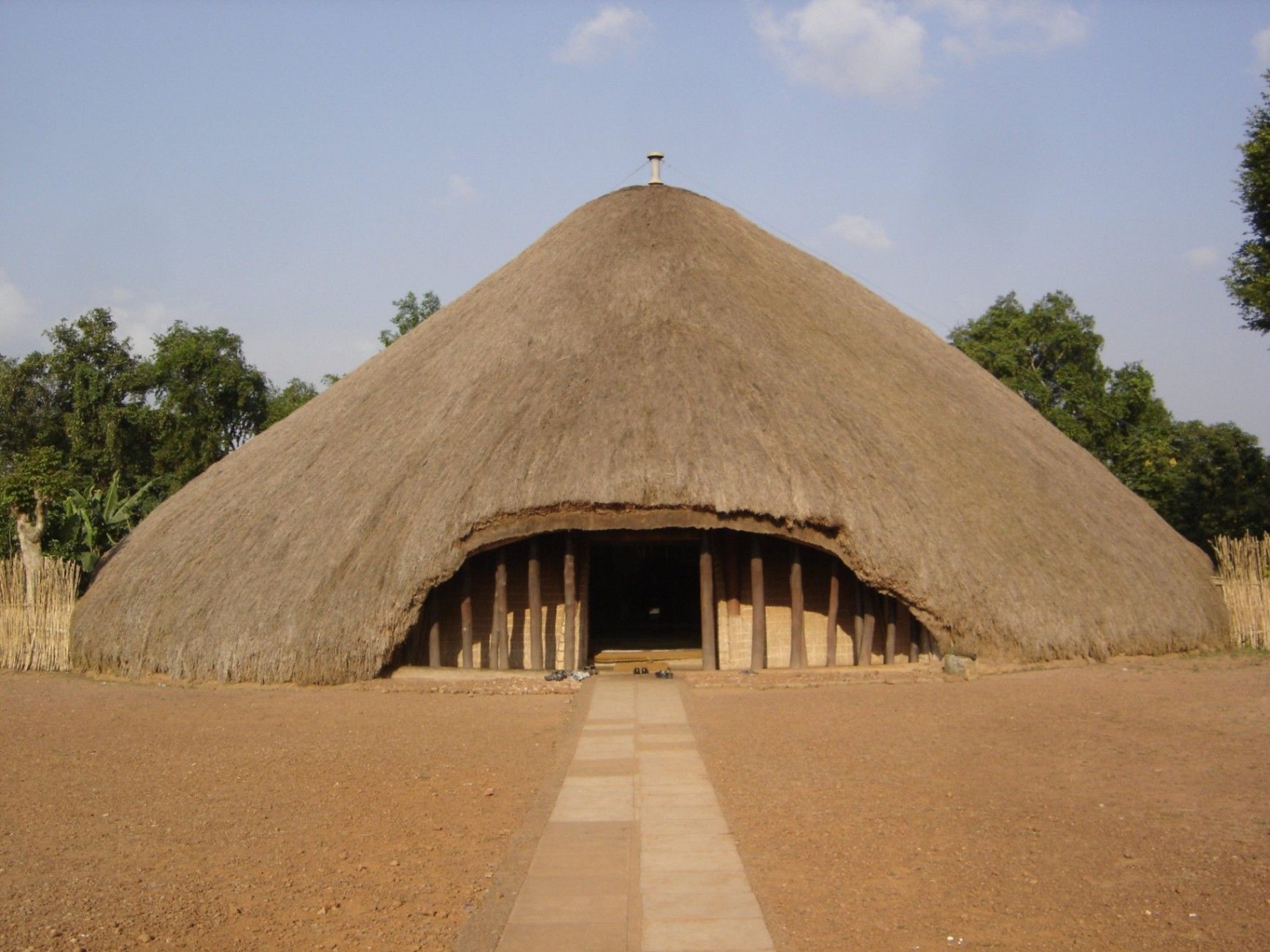
## Description The Kasubi Tombs are one of Uganda’s most important cultural and historical landmarks, serving as the burial grounds of the kings (Kabakas) of the Buganda Kingdom. Recognized as a UNESCO World Heritage Site, the Kasubi Tombs are not only a place of remembrance but also a living spiritual center where traditions, rituals, and royal customs are still actively practiced. The site reflects the deep-rooted cultural identity of the Baganda people and offers visitors a rare opportunity to experience African heritage that is both ancient and ongoing. What makes the Kasubi Tombs especially unique is their architectural style. The main structure, known as the Muzibu Azaala Mpanga, is built almost entirely from organic materials such as wood, reeds, grass, and bark cloth, showcasing remarkable traditional engineering techniques passed down through generations. A little-known fact is that the massive domed structure was once considered one of the largest thatched buildings in Africa. Another lesser-known detail is that even after a devastating fire in 2010 severely damaged the main tomb, restoration efforts were guided by traditional craftsmen using ancestral knowledge rather than modern construction methods, preserving the site’s cultural authenticity. Visiting the Kasubi Tombs is not just a historical experience; it is a deeply spiritual one that highlights the enduring connection between the Buganda monarchy, its people, and their land. ## Location The Kasubi Tombs are located in **Uganda**, in the **Central Region**, within **Kampala**, the country’s capital city. The site sits on Kasubi Hill, approximately 5 kilometers northwest of Kampala’s city center. Getting there is relatively easy. Visitors can reach the Kasubi Tombs by taxi, private car, or motorcycle taxi (boda-boda) from central Kampala. The journey usually takes 15 to 25 minutes, depending on traffic. For those unfamiliar with the area, hiring a local driver or using a guided tour is recommended, as it ensures smoother navigation and provides cultural context during the visit. ## Tips * Dress modestly and respectfully, as the site is a sacred royal burial ground. * Photography may be restricted in certain areas, especially inside the main tomb, so always ask for permission. * Consider hiring a local guide at the entrance to gain deeper insight into Buganda history and traditions. * Visit in the morning when the site is quieter and temperatures are more comfortable. * Be respectful of ongoing rituals or ceremonies, as the site is still actively used by the Buganda Kingdom. * Carry small cash for entrance fees, guides, or donations. ## Conclusion The Kasubi Tombs offer a powerful and authentic insight into Uganda’s royal history and living cultural traditions. As a sacred site and a symbol of resilience, they stand as one of Kampala’s most meaningful attractions, rewarding visitors with knowledge, reflection, and cultural understanding. ## FAQ **Why are the Kasubi Tombs important?** They are the burial place of four Buganda kings and a central spiritual site for the Buganda Kingdom. **Is the Kasubi Tombs site fully restored?** Restoration is ongoing, guided by traditional methods to maintain cultural integrity, following the 2010 fire. **How long does a visit usually take?** Most visits last between one and two hours, including a guided tour. **Is the site suitable for children?** Yes, older children can benefit from the educational and cultural aspects, though supervision is advised. **Do I need a guide to visit the Kasubi Tombs?** A guide is not mandatory but highly recommended for a fuller understanding of the site’s significance. ## Links * [UNESCO – Kasubi Tombs](https://whc.unesco.org/en/list/1022) * [Uganda Tourism Board](https://exploreuganda.com/)
GemVoyage Team • World
Porto
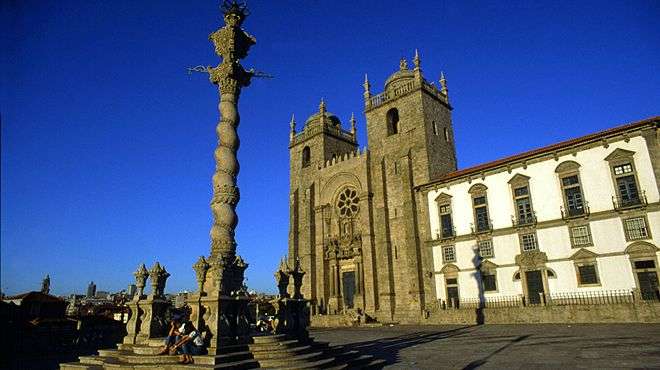
## Description Porto Cathedral, known locally as **Sé do Porto**, is one of the most iconic and historically significant landmarks in northern Portugal. Perched atop a hill in the heart of Porto’s old town, the cathedral dominates the city skyline with its fortress-like façade and commanding views over the Douro River. Construction began in the early 12th century, making it one of the oldest monuments in Porto and a cornerstone of the city’s religious and architectural heritage. The cathedral is a fascinating blend of **Romanesque, Gothic, and Baroque** styles, reflecting centuries of architectural evolution. Its original Romanesque structure is still visible in the heavy granite walls and narrow nave, while later Gothic additions include the elegant cloister and the funerary chapel of João Gordo, a Knight Hospitaller. In the 18th century, Italian architect Nicolau Nasoni added Baroque flourishes, including a grand loggia and ornate altarpieces. A little-known fact: Porto Cathedral was the site of the royal wedding between **King John I of Portugal and Philippa of Lancaster** in 1387, a union that sealed the Anglo-Portuguese Alliance—one of the oldest diplomatic alliances in the world. Another hidden gem is the **Camino de Santiago pilgrim’s credential office**, tucked discreetly beside the cathedral, where modern-day pilgrims begin their journey to Santiago de Compostela. ## Location Porto Cathedral is located in **Portugal**, within the **Norte Region**, in the city of **Porto**. It sits in the **Sé neighborhood**, one of the oldest quarters of the city, surrounded by winding cobbled streets and historic buildings. ### How to Get There: - **By Metro**: The nearest station is São Bento, just a short uphill walk from the cathedral. - **By Foot**: If you're exploring central Porto, the cathedral is easily accessible from landmarks like the Ribeira, Clérigos Tower, and Dom Luís I Bridge. - **By Taxi or Ride-Hailing**: Services like Bolt or Uber can drop you off at Terreiro da Sé, the square in front of the cathedral. Its elevated position makes it a perfect starting point for exploring Porto’s historic center. ## Tips for Visitors To make the most of your visit to Porto Cathedral, keep these tips in mind: - **Visit Early or Late**: The cathedral can get crowded during peak hours. Early morning or late afternoon visits offer a quieter experience and better lighting for photos. - **Explore the Cloister**: Don’t miss the Gothic cloister, adorned with beautiful azulejos (blue tiles) depicting religious scenes. - **Climb for Views**: The cathedral’s terrace offers panoramic views of Porto’s rooftops and the Douro River—perfect for photography. - **Combine with Nearby Attractions**: Pair your visit with São Bento Station, Palácio da Bolsa, or a walk down to the Ribeira district. - **Check for Mass Times**: If you’re interested in attending a service, check the schedule in advance. Visitors are welcome but should be respectful during religious ceremonies. - **Bring Comfortable Shoes**: The surrounding streets are steep and cobbled—wearing sturdy footwear is a must. ## Conclusion Porto Cathedral is a majestic fusion of history, architecture, and spirituality. With its commanding presence, rich artistic details, and deep cultural significance, it offers visitors a profound glimpse into the soul of Porto. Whether you're a history buff, architecture lover, or spiritual seeker, the Sé do Porto is a must-see. ## FAQ **1. What are the opening hours of Porto Cathedral?** Typically, the cathedral is open from 9:00 AM to 6:30 PM. Hours may vary on holidays and Sundays. **2. Is there an entrance fee?** Entry to the main cathedral is free. A small fee may apply to access the cloister and museum. **3. Can I take photos inside the cathedral?** Yes, photography is allowed, but flash should be avoided, especially during services. **4. Is Porto Cathedral accessible for people with mobility issues?** The main entrance is accessible, but some areas like the cloister and terrace may have limited access due to stairs. **5. How long should I plan for the visit?** A typical visit lasts 45 minutes to an hour, longer if you explore the cloister and museum. **6. Is there a dress code?** Modest attire is recommended, especially if attending a religious service. ## Links - [Portugal.com – Porto Cathedral Overview](https://www.portugal.com/location/porto-cathedral/) - [Porto Travel Guide – Sé do Porto](https://porto.travel/porto-cathedral/)
GemVoyage Team • World
Los Angeles
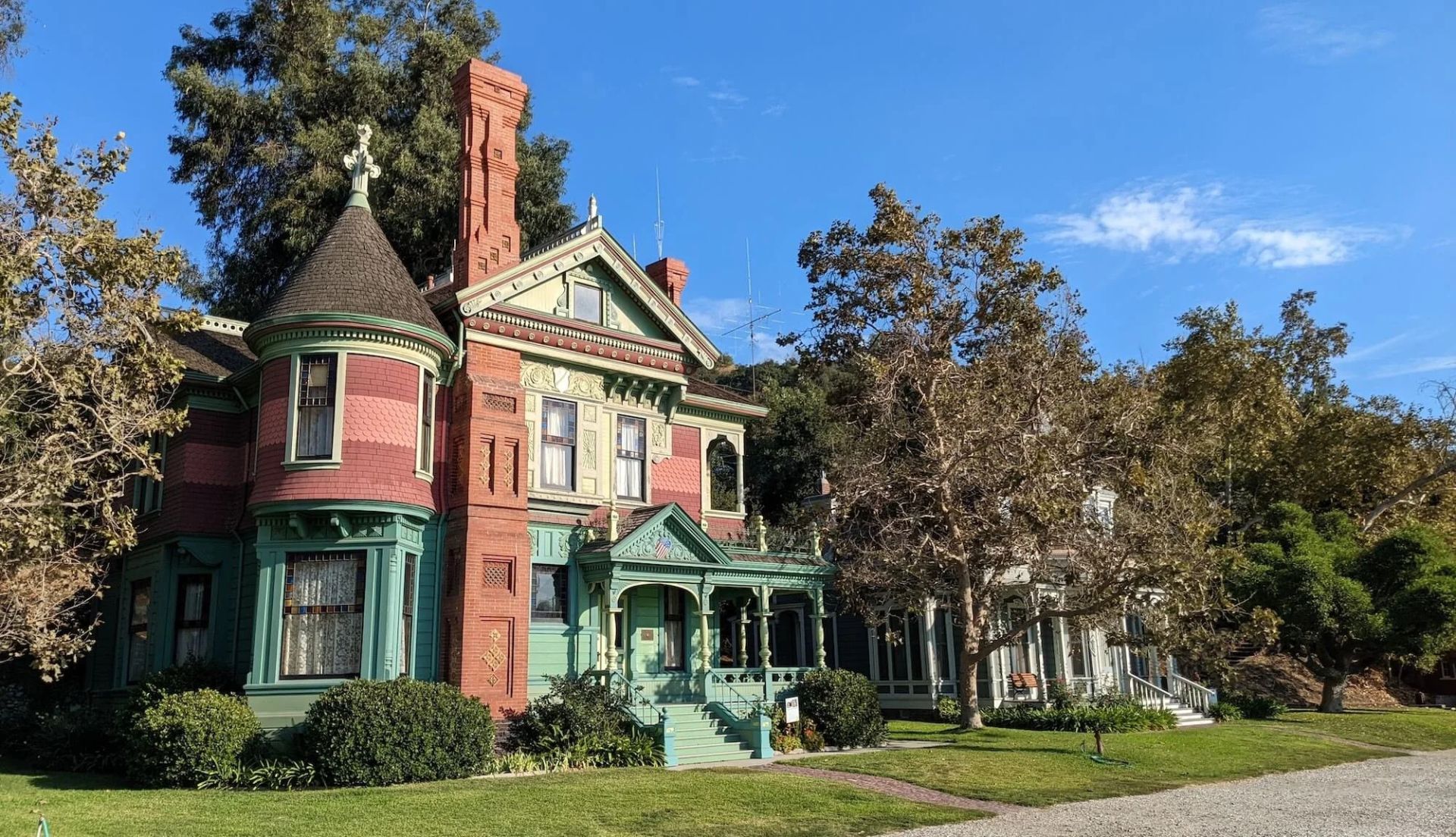
## Description Heritage Square Museum is an extraordinary open-air architectural museum that gathers Victorian and early 20th-century houses and outbuildings within a single historic district to showcase Southern California’s built environment and social history. Each structure has a carefully reconstructed exterior and interpreted interior that reveal the craftsmanship, decorative trends, and daily rhythms of life from a period when Los Angeles was transforming from a frontier town into a burgeoning metropolis. The museum stands out for the authenticity of its fabric: original trim, stained glass, tile, and millwork are preserved or painstakingly restored, and many interiors are furnished with period-appropriate objects to convey domestic stories. Preservation workshops on site keep traditional trades alive—carpentry, plasterwork, and decorative finishes are practiced as living crafts, which both supports ongoing maintenance and educates visitors about restoration techniques. Beyond architecture, Heritage Square interprets social history. Exhibits explore how families lived, worked, and entertained across different socioeconomic strata, and the museum’s programming—guided tours, living history demonstrations, and seasonal festivals—brings these narratives to life. Special events often highlight conservation issues and the ongoing need to protect historic urban fabric in the face of development pressures. For scholars, students, and casual visitors alike, the site offers layered experiences: a close reading of architectural detail, hands-on learning in workshops, and interpretive narratives that connect buildings to broader histories of migration, industry, and urban change. Its role as a rescue repository—structures moved and reassembled to avoid demolition—adds an extra dimension: many buildings carry stories of mid-century urban renewal and community efforts to preserve heritage. ## Location Heritage Square Museum is located in the Montecito Heights neighborhood of Los Angeles, California, a short drive northeast of downtown Los Angeles. The setting—on a hillside with city views—provides a scenic backdrop for exploring an era of American domestic architecture. Getting there: Driving is the most convenient option; limited on-site parking is available. Public transit can be used but often requires transfers and a short walk—check local transit schedules and plan for extra time. Rideshare and local taxis are convenient alternatives. Pair a visit with nearby cultural stops, such as the Huntington Library or local hillside parks, to create a fuller day of exploration. ## Tips - Check the museum’s tour schedule and special-event calendar before you go; guided tours offer the most context and are often led by knowledgeable docents. - Wear comfortable shoes—paths through the outdoor site can be uneven and some properties require short climbs. - Give yourself at least two hours to explore; the combination of interiors, workshops, and outdoor exhibits rewards a relaxed pace. - Bring a camera for exterior architectural photography; observe interior photography rules where posted and respect exhibit boundaries. - If interested in historic trades, inquire about workshop schedules or volunteer opportunities—many preservation skills are demonstrated on site. - Visit in spring or fall for pleasant weather and outdoor events; summer can be warm and winter may bring cooler, wetter days. ## Conclusion Heritage Square Museum preserves an essential chapter of Southern California’s architectural story. By combining rescued structures, conservation workshops, and interpretive programming, it offers a hands-on way to understand historic building crafts and the lives of the people who inhabited these homes. It is an inspiring stop for anyone interested in architecture, preservation, and urban history. ## FAQ Q: Are there guided tours? A: Yes. The museum runs scheduled guided tours and special programs; tours are recommended for first-time visitors to gain historical context and architectural insight. Q: Is the site family-friendly? A: Yes. The museum offers family-oriented programs and activities; children can learn about historic life through interactive demonstrations. Q: Can event spaces be rented? A: Select areas may be rented for private events, though availability and restrictions vary—contact the museum’s events office for details. Q: Are there volunteer opportunities or workshops? A: Yes. The museum often offers volunteer roles, preservation workshops, and demonstrations of traditional trades—check the calendar or volunteer page for current options. Q: Is the site wheelchair accessible? A: Some areas have limited accessibility due to the nature of historic structures and terrain; the museum can provide guidance on accessible routes and accommodations. Q: What’s the best way to learn about restoration techniques demonstrated on site? A: Attend preservation workshops, guided tours that focus on conservation, or scheduled demonstrations—these sessions are designed to explain both craft techniques and the rationale behind repair choices. ## Links - [Heritage Square Museum (official)](https://www.heritagesquare.org) - [Wikipedia: Heritage Square Museum](https://en.wikipedia.org/wiki/Heritage_Square_Museum)
GemVoyage Team • World
Paris
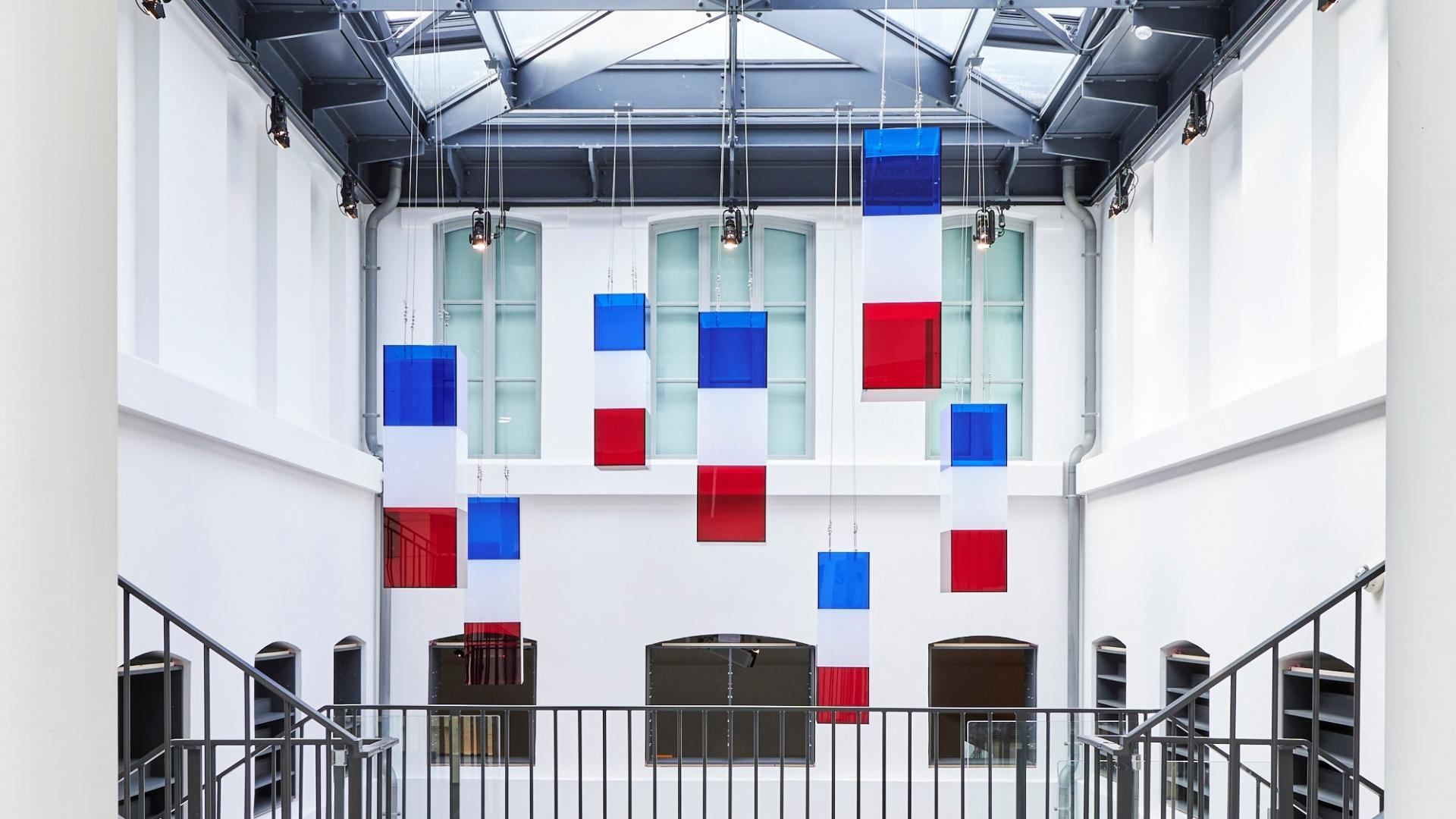
## Description **The Liberation of Paris Museum (Musée de la Libération de Paris – Musée du Général Leclerc – Musée Jean Moulin)** is one of the most important modern history museums in the French capital. Dedicated to the **German occupation of Paris (1940–1944)**, the **French Resistance**, and the **Liberation of Paris**, the museum offers a clear, unsentimental account of how the city endured, resisted, and ultimately reclaimed its freedom during World War II. What distinguishes this museum is its **focus on individuals rather than abstract events**. Through personal letters, photographs, uniforms, clandestine newspapers, and everyday objects, the museum tells the story of ordinary Parisians alongside key historical figures such as **Jean Moulin**, a central figure of the French Resistance, and **General Philippe Leclerc**, commander of the Free French forces that entered Paris in August 1944. The narrative is chronological and grounded, avoiding glorification while emphasizing moral courage and civil resistance. One of the museum’s most striking features is the preserved **underground command bunker** used by Colonel Henri Rol-Tanguy during the final days of the liberation. Visitors can descend into this space, which remains intact, offering a rare and visceral sense of wartime decision-making under pressure. A lesser-known fact is that this bunker was rediscovered relatively late and restored as part of the museum’s redesign. Another notable detail is that the museum relocated in 2019 to its current site to better reflect the historical geography of the liberation events. The museum is immersive without being overwhelming. It balances historical rigor with accessibility, making complex political and military developments understandable without diluting their seriousness. ## Location **Country:** France **Region:** Île-de-France **City:** Paris **Arrondissement:** 14th arrondissement The museum is located on **Place Denfert-Rochereau**, a historically symbolic site connected to resistance activity and wartime infrastructure. ### How to Get There * **By metro:** * Lines 4 and 6 to **Denfert-Rochereau** station. * **By RER:** * RER B stops at Denfert-Rochereau, providing direct access from airports and suburbs. * **By bus:** * Several bus lines stop directly at the square. * **On foot:** * Easily reachable from Montparnasse and surrounding neighborhoods. ## Tips * **Allow sufficient time:** Plan **1.5 to 2 hours** to fully absorb the exhibitions. * **Do not skip the bunker:** Access is limited in capacity but is a core part of the experience. * **Read the personal testimonies:** These provide emotional depth beyond dates and events. * **Visit before or after nearby sites:** The Paris Catacombs and Montparnasse Cemetery are close by. * **Suitable for older children and adults:** Some content may be intense for very young visitors. * **Free entry:** Take advantage of the museum’s permanent free access. ## Conclusion The Liberation of Paris Museum offers a sober, powerful exploration of one of the city’s defining moments. Through personal stories, preserved spaces, and clear historical context, it transforms the liberation of Paris from a symbolic event into a deeply human experience. ## FAQ **1. Is the museum free to visit?** Yes, permanent exhibitions are free for all visitors. **2. How long does the visit take?** Approximately **90 minutes to 2 hours**, depending on interest level. **3. Is the underground bunker accessible?** Yes, but access may be limited at busy times due to space constraints. **4. Is the museum suitable for non-French speakers?** Yes. Exhibits are well-labeled, and much of the content is available in multiple languages. **5. Does the museum focus only on Paris?** Primarily, but it also addresses broader resistance networks and Free French operations. **6. Is photography allowed?** Photography is generally permitted, but flash and tripods may be restricted. ## Links * [City of Paris museums portal](https://www.paris.fr) * [Official Museum Website](https://www.museeliberation-leclerc-moulin.paris.fr/en)
GemVoyage Team • World
Pula
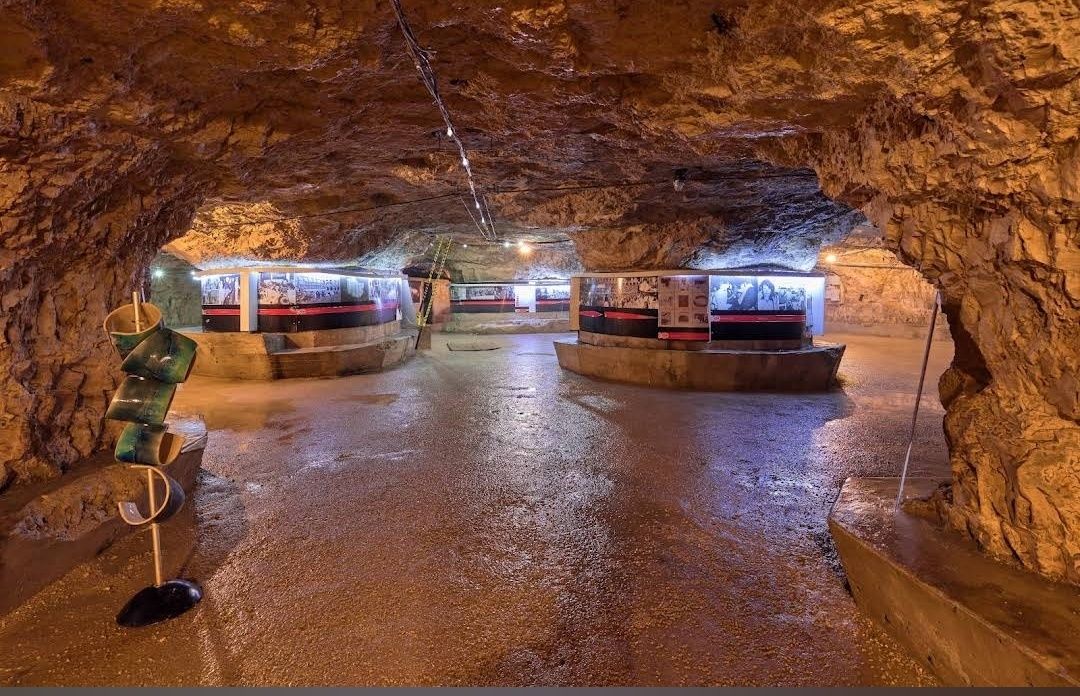
## Description **Zerostrasse** is one of the most intriguing attractions in Pula, Croatia—a vast underground tunnel system built during the early 20th century. Constructed by the Austro-Hungarian Empire during World War I, the tunnels were designed as air raid shelters and storage spaces to protect the population and military resources in case of bombings. Today, this subterranean network has been transformed into a historical site and cultural venue, giving visitors a rare glimpse into the city’s wartime past. What makes Zerostrasse unique is its **labyrinth-like layout**, stretching under Pula’s historic city center. The tunnels connect several important points of the city, including the central hill where Pula’s Venetian fortress is located. Walking through the underground passages feels like stepping back in time, with cool stone walls and dim lighting creating an atmosphere that is both mysterious and fascinating. A little-known fact is that the tunnels were engineered to hold up to **50,000 people**, which was nearly the entire population of Pula at the time. Another interesting detail is that today, parts of Zerostrasse are used as exhibition spaces, often hosting displays about Pula’s history, photography collections, and cultural events. ## Location Zerostrasse is located in **Pula**, a coastal city in **Istria, Croatia**, well-known for its Roman amphitheater and ancient heritage. The tunnels run beneath the **central hill of Pula**, with multiple entrances around the city. One of the main access points is near the **Venetian fortress (Kaštel)**, making it easy to combine a visit to both attractions. Getting there is simple. If you’re already in Pula, the entrances are within walking distance of the main city square and other landmarks. Visitors coming from outside the city can reach Pula by car, bus, or train. The **Pula Airport** also connects the city with several European destinations, and from there, the city center is just a 15-minute drive. ## Tips Here are some useful tips for enjoying your visit to Zerostrasse: * **Wear comfortable shoes** – The tunnels involve some walking, and the ground may be slightly uneven. * **Bring a light jacket** – The underground passages are cooler than the outside, even in summer. * **Check for exhibitions** – Before your visit, see if there are any ongoing cultural or art displays inside the tunnels. * **Visit the fortress too** – Since Zerostrasse is connected to the Venetian fortress, it’s worth combining both for a full historical experience. * **Allow time for exploration** – While the tunnels aren’t endless, you’ll want to spend at least an hour exploring and reading the exhibits. * **Good for hot days** – On particularly warm summer afternoons, the tunnels offer a refreshing escape from the heat. ## Conclusion **Zerostrasse in Pula** is more than just a network of tunnels—it’s a living piece of history that tells the story of the city’s strategic importance during wartime. With its unique underground passages, cool atmosphere, and cultural exhibitions, it’s a fascinating stop for history buffs, families, and curious travelers. By visiting Zerostrasse, you not only explore Pula from below but also gain a deeper appreciation for its resilience and heritage. ## FAQ **1. What was Zerostrasse originally built for?** It was constructed during World War I by the Austro-Hungarian Empire as an air raid shelter and storage facility. **2. How big is the Zerostrasse tunnel system?** The tunnels cover a large portion beneath Pula’s city center and were built to accommodate up to 50,000 people. **3. Can tourists visit the tunnels?** Yes, Zerostrasse is open to visitors, with guided tours and exhibitions available throughout the year. **4. How long does a visit take?** Most visits last about 45 minutes to an hour, depending on how much time you spend exploring exhibitions. **5. Is Zerostrasse suitable for children?** Yes, children can visit the tunnels, and many enjoy the sense of adventure, though very young kids may find the dark passages intimidating. **6. When is the best time to visit?** The tunnels are open year-round, but they are particularly enjoyable in summer when the cool underground air provides relief from the heat. ## Links * [Pula Tourist Board – Official Website](https://www.pulainfo.hr)
GemVoyage Team • World