GemVoyage Team • World
The Kasubi Tombs are one of Uganda’s most important cultural and historical landmarks, serving as the burial grounds of the kings (Kabakas) of the Buganda Kingdom. Recognized as a UNESCO World Heritage Site, the Kasubi Tombs are not only a place of remembrance but also a living spiritual center where traditions, rituals, and royal customs are still actively practiced. The site reflects the deep-rooted cultural identity of the Baganda people and offers visitors a rare opportunity to experience African heritage that is both ancient and ongoing.
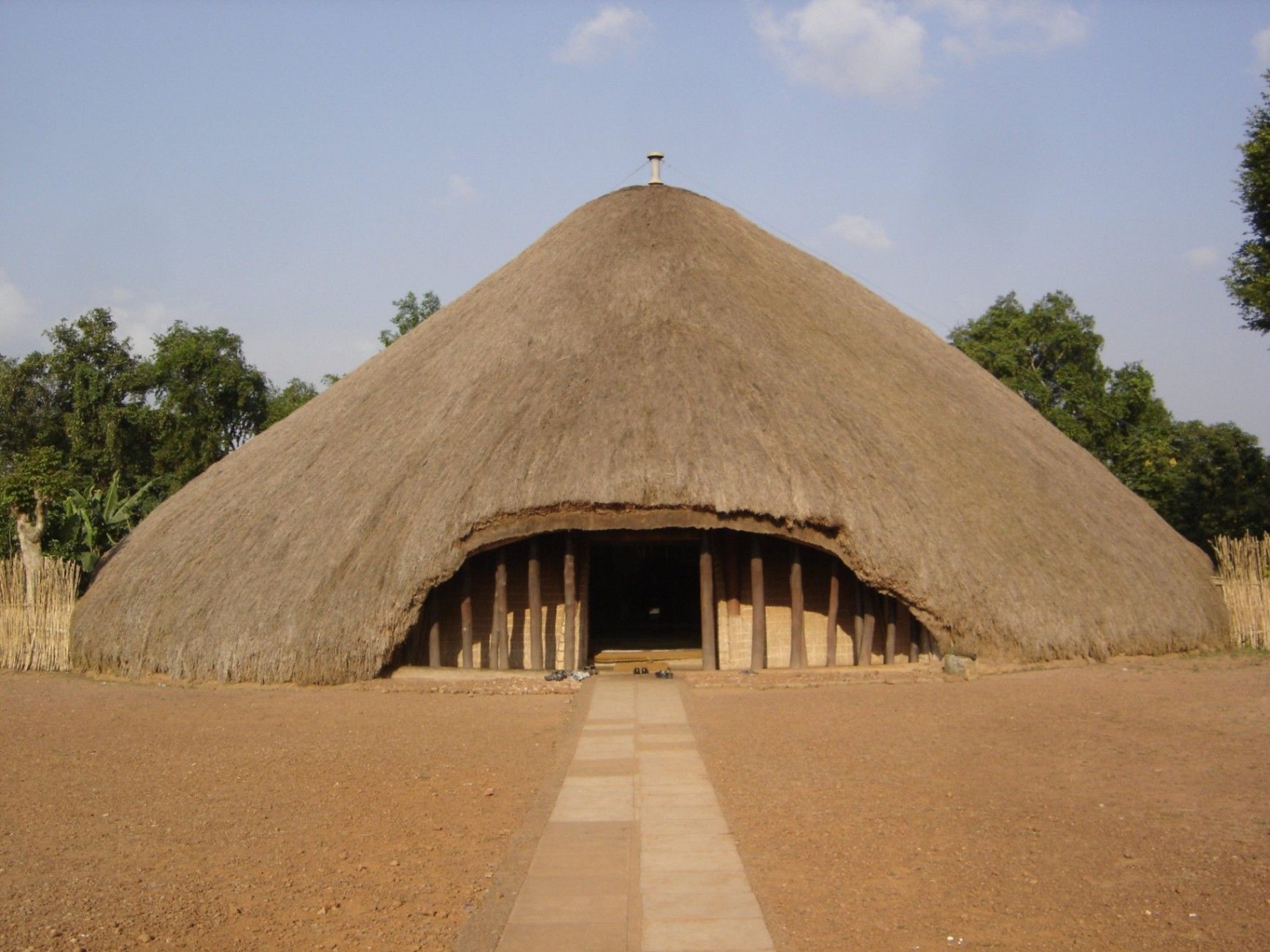
What makes the Kasubi Tombs especially unique is their architectural style. The main structure, known as the Muzibu Azaala Mpanga, is built almost entirely from organic materials such as wood, reeds, grass, and bark cloth, showcasing remarkable traditional engineering techniques passed down through generations. A little-known fact is that the massive domed structure was once considered one of the largest thatched buildings in Africa. Another lesser-known detail is that even after a devastating fire in 2010 severely damaged the main tomb, restoration efforts were guided by traditional craftsmen using ancestral knowledge rather than modern construction methods, preserving the site’s cultural authenticity.
Visiting the Kasubi Tombs is not just a historical experience; it is a deeply spiritual one that highlights the enduring connection between the Buganda monarchy, its people, and their land.
The Kasubi Tombs are located in Uganda, in the Central Region, within Kampala, the country’s capital city. The site sits on Kasubi Hill, approximately 5 kilometers northwest of Kampala’s city center.
Getting there is relatively easy. Visitors can reach the Kasubi Tombs by taxi, private car, or motorcycle taxi (boda-boda) from central Kampala. The journey usually takes 15 to 25 minutes, depending on traffic. For those unfamiliar with the area, hiring a local driver or using a guided tour is recommended, as it ensures smoother navigation and provides cultural context during the visit.
The Kasubi Tombs offer a powerful and authentic insight into Uganda’s royal history and living cultural traditions. As a sacred site and a symbol of resilience, they stand as one of Kampala’s most meaningful attractions, rewarding visitors with knowledge, reflection, and cultural understanding.
Why are the Kasubi Tombs important?
They are the burial place of four Buganda kings and a central spiritual site for the Buganda Kingdom.
Is the Kasubi Tombs site fully restored?
Restoration is ongoing, guided by traditional methods to maintain cultural integrity, following the 2010 fire.
How long does a visit usually take?
Most visits last between one and two hours, including a guided tour.
Is the site suitable for children?
Yes, older children can benefit from the educational and cultural aspects, though supervision is advised.
Do I need a guide to visit the Kasubi Tombs?
A guide is not mandatory but highly recommended for a fuller understanding of the site’s significance.
Discover more hidden gems you might love.
Konya
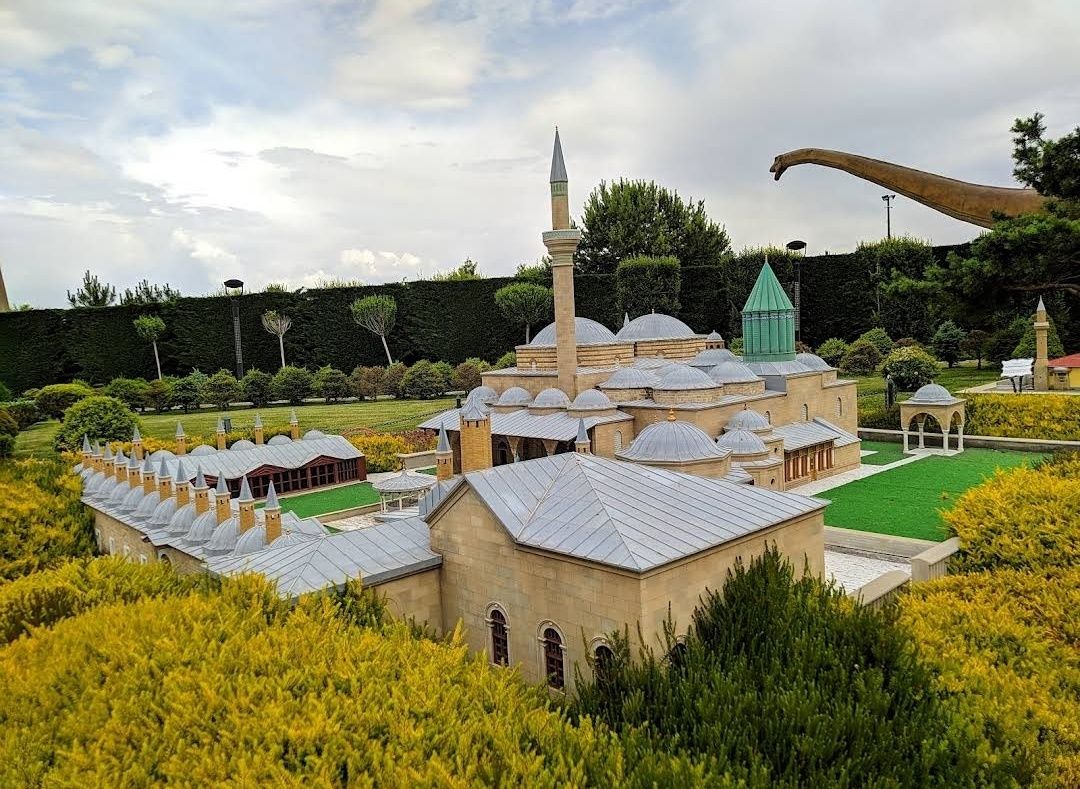
## Description Around the World in 80 Thousands Park, also known as **“80 Binde Devr-i Alem Parkı”** in Turkish, is one of the most fascinating theme parks in Konya, Turkey. What makes this park truly unique is its concept—it allows visitors to travel across the globe without leaving the city. With miniature models of famous landmarks, dinosaurs, and fairy-tale characters, it blends **history, culture, and entertainment** into one unforgettable experience. The park covers an impressive area, showcasing over **120 miniature replicas** of iconic monuments from around the world. From the **Eiffel Tower** to the **Great Wall of China**, from **Taj Mahal** to **Machu Picchu**, visitors get a sense of global travel in just a single day. A little-known fact about the park is that it also features a **dinosaur valley**, where life-sized dinosaur models bring prehistoric times to life. Another hidden gem is the **children’s fairytale section**, where beloved characters like Snow White and the Seven Dwarfs or The Smurfs enchant younger visitors. This combination of world heritage, history, and fantasy makes it enjoyable for all age groups, from kids to adults. ## Location The park is located in **Konya**, a historic city in the **Central Anatolia Region of Turkey**. More specifically, it sits in the **Selçuklu district** of Konya, easily accessible from the city center. For those visiting from outside Konya, the nearest airport is **Konya Airport (KYA)**, which connects to major cities like Istanbul and Ankara. From the city center, the park can be reached by taxi, car rental, or local public transportation. The most convenient way is by **tram or bus** heading towards Selçuklu, as the park is well-signposted and located near other cultural attractions. ### Recommendation for Travelers If you’re coming from Istanbul or Ankara, consider taking the **high-speed train to Konya**, which is both comfortable and time-saving. Once in Konya, you can combine your visit to the park with a trip to the **Mevlana Museum** or **Alaeddin Hill**, both of which are nearby. ## Tips To make the most out of your visit to Around the World in 80 Thousands Park, here are some valuable tips: * **Plan Enough Time**: The park is large and full of attractions. Allocate at least **2–3 hours** to explore it properly. * **Best Time to Visit**: Late afternoon is ideal, especially in summer, as the lighting enhances the beauty of the miniature models. * **Family-Friendly Spot**: The park is particularly suited for families. Kids will love the dinosaur and fairytale sections. * **Bring a Camera**: With so many landmarks in one place, you’ll want to capture plenty of photos. * **Wear Comfortable Shoes**: Since you’ll be walking quite a bit, sneakers or walking shoes are recommended. * **Check Seasonal Events**: Sometimes the park hosts special exhibitions or light shows, so check the local event schedule before going. ## Conclusion Around the World in 80 Thousands Park is not just a theme park—it’s an educational and cultural journey across continents, all within Konya. With its blend of global monuments, prehistoric creatures, and fairy-tale wonders, it promises an unforgettable experience for visitors of all ages. Whether you’re traveling with family or exploring solo, this park is a must-see destination in Turkey. ## FAQ **1. What is Around the World in 80 Thousands Park?** It is a theme park in Konya, Turkey, featuring miniature models of world-famous landmarks, a dinosaur valley, and a fairy-tale section. **2. How much time do I need to visit the park?** On average, visitors spend **2–3 hours** exploring the park, but families with kids may stay longer. **3. Is the park suitable for children?** Yes, it’s very family-friendly. Kids particularly enjoy the dinosaur area and fairy-tale characters. **4. What is the best way to reach the park from Konya city center?** You can take a bus, tram, or taxi to the Selçuklu district. It’s about a **15–20 minute drive** from the center. **5. Are there food and drink facilities inside the park?** Yes, there are small cafes and snack bars inside where you can buy refreshments. **6. Is it open year-round?** Yes, but opening hours may vary depending on the season, so it’s best to check in advance. ## Links * [Park Information](https://gokonya.com/en/around-the-world-in-80-thousand-park)
GemVoyage Team • World
Rome
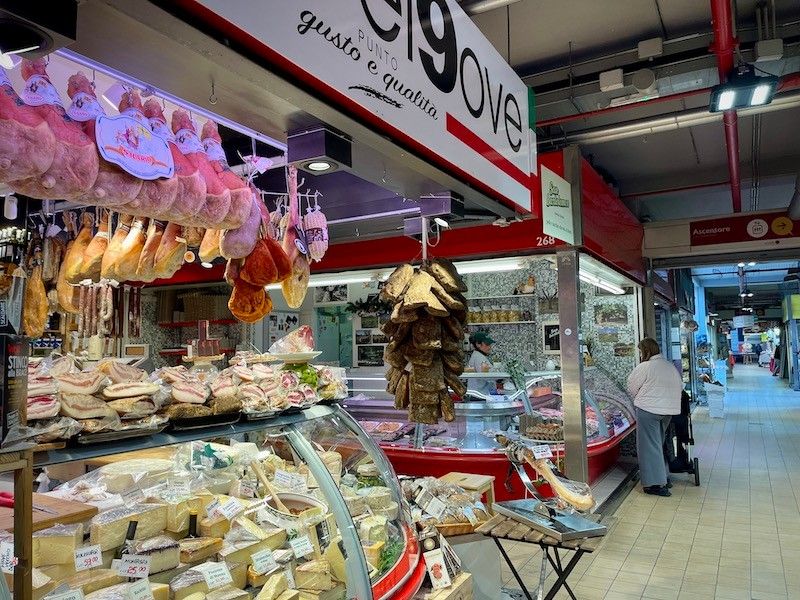
## Description Mercato Trionfale is one of Rome’s largest and most authentic food markets, offering visitors a deep dive into everyday Roman life. Unlike more tourist-oriented attractions, this bustling market is primarily frequented by locals who come here to shop for fresh produce, meats, cheeses, fish, baked goods, and household essentials. With more than 270 stalls spread across a modern covered structure, Mercato Trionfale is a feast for the senses and a perfect place to understand Rome’s food culture from the inside. What makes Mercato Trionfale especially unique is its balance between tradition and modernity. While many vendors represent families that have sold goods here for generations, the market has also embraced contemporary tastes, with stalls offering organic products, international foods, and ready-to-eat Roman street food. A little-known fact is that the market was originally an open-air street market before being moved in 2009 into its current eco-friendly building, designed to improve hygiene and sustainability. Another lesser-known detail is that some of Rome’s top chefs regularly source ingredients here, valuing the quality and personal relationships with vendors. For travelers who want to go beyond famous landmarks and experience Rome like a resident, Mercato Trionfale is well worth a visit. ## Location Mercato Trionfale is located in **Italy**, in the **Lazio** region, within the city of **Rome**. Specifically, it sits in the Trionfale district, just a short walk from Vatican City. The exact address is Via Andrea Doria 41, close to the Vatican Museums and St. Peter’s Basilica. Getting there is straightforward. The easiest way is by public transportation: take Metro Line A and get off at **Ottaviano – San Pietro** or **Cipro** stations, both of which are about a 5–10 minute walk from the market. Several bus lines also serve the area. If you are already visiting the Vatican Museums, Mercato Trionfale makes for an ideal stop before or after your visit. ## Tips * Visit in the morning, ideally between 9:00 and 11:00, when the market is most lively and fully stocked. * Bring cash, as some smaller vendors may not accept cards, though card payments are becoming more common. * Don’t hesitate to ask questions or request tastings; vendors are usually happy to explain their products, even with limited English. * Look for stalls selling cooked food if you want a quick, affordable lunch featuring classic Roman dishes like supplì, porchetta, or fresh pasta. * The market is closed on Sundays, so plan your visit accordingly. * Keep an eye on your belongings, as busy markets can attract pickpockets, especially during peak hours. ## Conclusion Mercato Trionfale is more than just a place to shop; it is a living snapshot of Roman daily life. With its vast selection of fresh food, welcoming vendors, and convenient location near the Vatican, it offers an authentic and memorable experience for anyone interested in Rome’s culinary traditions and local culture. ## FAQ **Is Mercato Trionfale tourist-friendly?** Yes, while it is mainly frequented by locals, visitors are welcome and generally well received. Many vendors are used to tourists and are patient and helpful. **What are the opening hours of Mercato Trionfale?** The market is typically open Monday to Saturday from early morning until around 2:30 PM, though hours may vary slightly by stall. **Can I eat at Mercato Trionfale?** Yes, several stalls sell ready-to-eat food, making it a great spot for a casual breakfast or lunch. **Is Mercato Trionfale expensive?** Prices are generally reasonable and often lower than in tourist-heavy areas, especially for fresh produce and local products. **How long should I plan to spend there?** Most visitors spend between 45 minutes and 1.5 hours, depending on whether they are shopping, eating, or just exploring. ## Links * [More Details](https://www.turismoroma.it/en/places/mercato-trionfale-local-market)
GemVoyage Team • World
Zürich
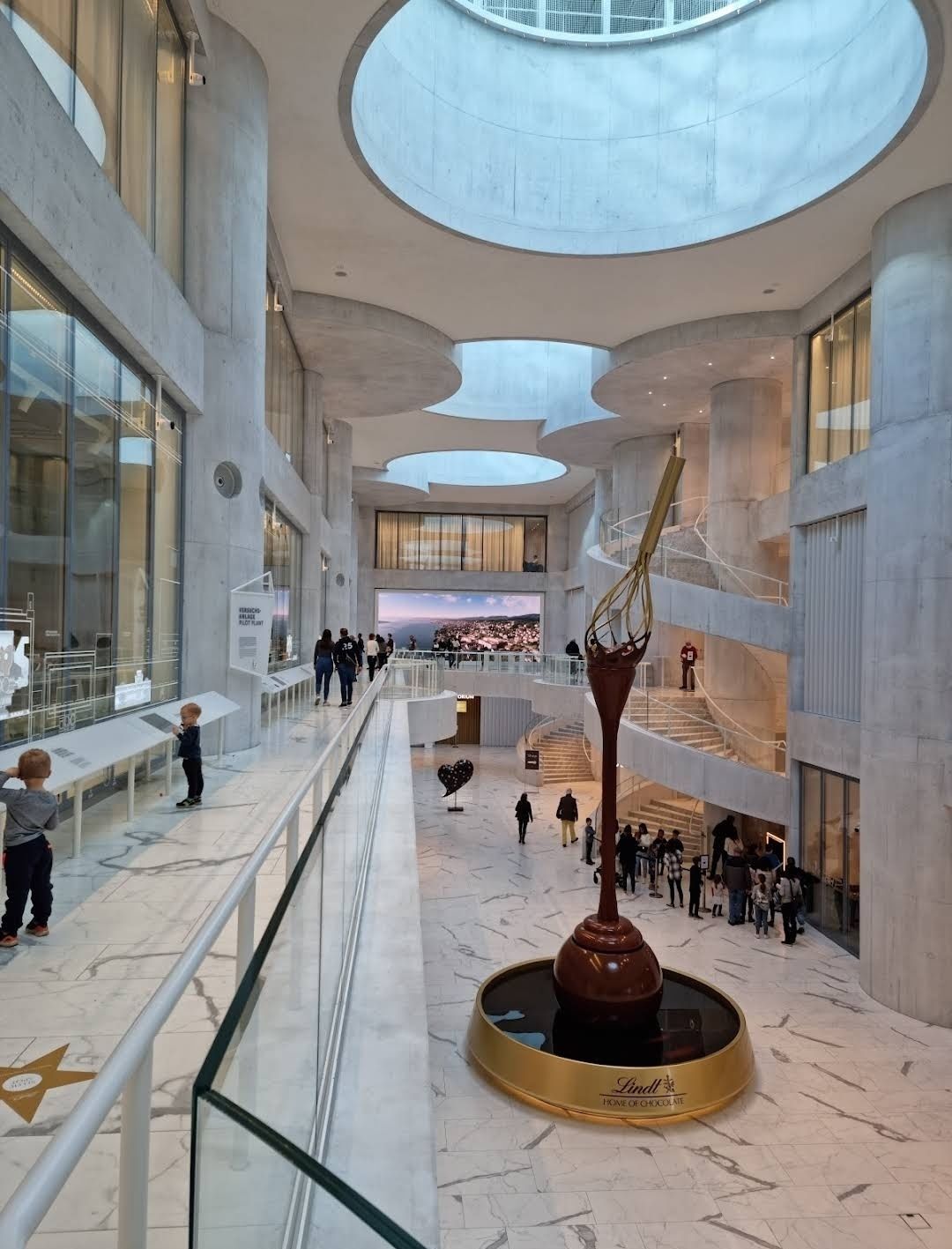
## Description The **Lindt Home of Chocolate** is one of Switzerland’s most delicious attractions, designed to immerse visitors in the fascinating world of Swiss chocolate. Opened in September 2020, this impressive chocolate museum and experience center was created by the Lindt & Sprüngli Foundation and has quickly become a must-visit destination for chocolate lovers worldwide. The highlight of the museum is undoubtedly the **world’s largest free-standing chocolate fountain**, which stands over 9 meters tall and circulates more than 1,000 liters of real liquid chocolate. It’s a breathtaking sight that greets visitors as soon as they enter, setting the stage for a truly mouthwatering experience. Inside, guests can explore interactive exhibitions covering the history of cocoa, the art of chocolate-making, and Lindt’s own story as one of Switzerland’s most beloved brands. Visitors also get to witness master chocolatiers at work in the open kitchen and even create their own chocolate in a hands-on workshop. A lesser-known fact is that the building was designed by the renowned Basel-based architects Christ & Gantenbein, blending modern design with Swiss precision. Another interesting detail is that the museum’s exhibition is available in multiple languages, ensuring that international visitors can enjoy the experience just as much as locals. ## Location The Lindt Home of Chocolate is located in **Kilchberg**, a charming suburb just outside **Zurich, Switzerland**, in the canton of Zurich. The exact address is **Seestrasse 204, 8802 Kilchberg**. Getting there is easy and convenient. From **Zurich’s main train station (Hauptbahnhof)**, visitors can take an S-Bahn train (S1, S8, or S24) to Kilchberg station. From there, it’s just a short walk or a quick bus ride to the museum. Alternatively, a boat ride across Lake Zurich offers a scenic and memorable way to reach Kilchberg. For those traveling by car, parking is available on-site, but spaces can be limited during peak hours. ## Tips To make the most of your visit to the Lindt Home of Chocolate, here are some practical tips: * **Book tickets online in advance** – The attraction is very popular, especially on weekends and holidays, so securing a ticket beforehand is recommended. * **Arrive early** – If you want to enjoy the exhibits and tasting areas with fewer crowds, plan your visit in the morning. * **Don’t miss the chocolate tasting** – The museum includes generous sampling stations where you can taste Lindt’s creations. Come hungry! * **Join a workshop** – For a more interactive experience, sign up for a chocolate-making workshop with Lindt’s master chocolatiers. Spots fill up quickly, so reserve early. * **Visit the shop** – The Lindt store inside is one of the largest chocolate shops in the world, offering exclusive products and unique flavors you won’t find elsewhere. * **Plan about 2–3 hours** – While you can rush through the exhibits in an hour, taking your time allows for a more immersive and enjoyable experience. ## Conclusion The **Lindt Home of Chocolate in Switzerland** is more than just a museum – it’s a celebration of chocolate’s history, culture, and craftsmanship. From the awe-inspiring chocolate fountain to interactive exhibits and hands-on workshops, it’s a dream come true for anyone with a sweet tooth. Conveniently located near Zurich, it’s a must-see destination for travelers looking to indulge in one of Switzerland’s most iconic treasures. ## FAQ **1. How much does it cost to visit the Lindt Home of Chocolate?** Ticket prices vary depending on age and type of visit, but adults can expect to pay around CHF 15–17. Discounts are available for children, students, and groups. **2. How long should I plan for a visit?** Most visitors spend between 2 and 3 hours enjoying the exhibits, workshops, and chocolate tastings. **3. Is the museum family-friendly?** Yes! The Lindt Home of Chocolate is designed for all ages, with interactive displays that both kids and adults can enjoy. **4. Can I buy unique Lindt products there?** Absolutely. The on-site shop is one of the largest Lindt stores worldwide, featuring exclusive products not available elsewhere. **5. Do I need to book in advance?** While walk-ins are possible, booking online in advance is strongly recommended, especially during weekends and holidays. ## Links * [Official Website – Lindt Home of Chocolate](https://www.lindt-home-of-chocolate.com)
GemVoyage Team • World
Cluj
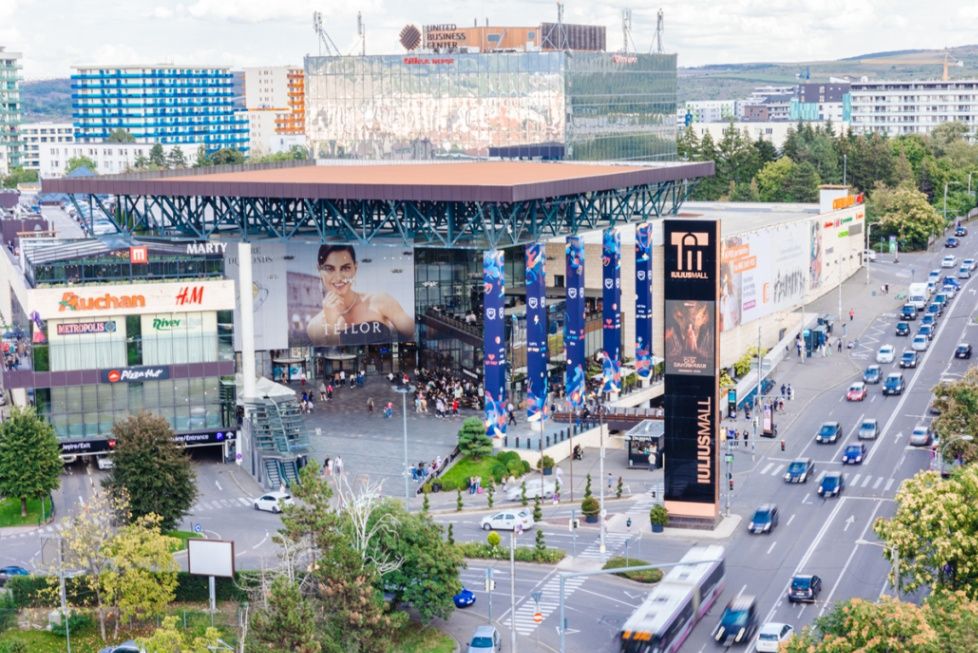
## Description **Iulius Mall Cluj** is one of Romania’s premier shopping and lifestyle destinations, offering a vibrant blend of **retail, entertainment, and community life** in the heart of **Cluj-Napoca**, the unofficial capital of Transylvania. Opened in **2007**, it quickly became more than just a shopping mall — it’s a **social and cultural hub** that captures the energy of one of Romania’s most dynamic cities. Spanning more than **80,000 square meters**, Iulius Mall Cluj features **over 250 stores**, from international fashion brands like Zara, H&M, and Massimo Dutti to local boutiques and specialty shops. But what makes it truly unique is its seamless integration of **shopping, dining, and nature** — a concept that few European malls achieve so gracefully. The mall is part of the larger **Iulius Town complex**, which includes **offices, event spaces, fitness centers**, and most notably, the **Iulius Park** — a beautifully landscaped green area surrounding a serene lake. Visitors can enjoy a peaceful walk, rent a paddleboat, or relax by the water with a coffee from one of the many cafés that line the park. During winter, the lake even transforms into a **charming ice-skating rink**. Inside, the atmosphere is lively and cosmopolitan. Shoppers can explore a vast **food court** with both Romanian and international cuisines, a **state-of-the-art cinema**, and a **fitness and wellness center**. Iulius Mall also hosts **regular events**, from fashion shows and art exhibitions to children’s workshops and live concerts, making it a place where locals and tourists alike gather for more than just retail therapy. A lesser-known fact is that Iulius Mall Cluj was the **first mall in Romania** to incorporate a large **urban park** into its complex design — a model that has since inspired similar developments across the country. It’s also part of a larger vision to make Cluj-Napoca a hub of **modern urban living**, balancing innovation, business, and leisure. ## Location **Iulius Mall Cluj** is located in the **Gheorgheni district** of **Cluj-Napoca**, in the **northwestern region of Romania**, Transylvania. **Address:** Strada Alexandru Vaida-Voevod 53-55, Cluj-Napoca, Romania To get there: * **By car:** Easily accessible via major city roads; parking is abundant and includes both indoor and outdoor spaces. * **By bus:** Several city bus lines (such as 24B, 25, and 26) stop directly in front of the mall. * **By taxi or rideshare:** Services like Bolt and Uber are widely available in Cluj-Napoca. * **From the airport:** The **Avram Iancu Cluj International Airport** is only about **15 minutes away by car or taxi**. * **By foot or bike:** The mall is connected to nearby neighborhoods through well-maintained pedestrian and cycling paths. ## Tips * **Visit Iulius Park:** Don’t miss the outdoor park — it’s perfect for a relaxing break, a family picnic, or a stroll at sunset. * **Try local food:** Many restaurants in the food court and nearby park cafés offer authentic Romanian dishes with a modern twist. * **Shop during weekdays:** The mall can get crowded on weekends; weekday mornings or afternoons offer a quieter experience. * **Catch a movie:** The **Cinema City** inside the mall offers the latest international releases in English and Romanian. * **Family-friendly activities:** There are playgrounds, kid-friendly restaurants, and frequent entertainment events for children. * **Free Wi-Fi and coworking spaces:** Ideal for remote workers or travelers looking to catch up on work while enjoying a coffee. * **Seasonal events:** Check the mall’s official website or social media for **holiday markets, concerts, and fashion events**. ## Conclusion **Iulius Mall Cluj** perfectly captures the modern spirit of **Cluj-Napoca** — youthful, vibrant, and innovative. It’s more than a shopping center; it’s a **community gathering place** where nature, culture, and commerce coexist in harmony. Whether you’re in town for a few days or living locally, a visit to Iulius Mall offers a glimpse into contemporary Romanian life — stylish, welcoming, and full of energy. From lakeside walks to luxury shopping and delicious food, it’s an essential stop on any visit to Transylvania’s most forward-thinking city. ## FAQ **1. When did Iulius Mall Cluj open?** Iulius Mall Cluj officially opened in **November 2007**, becoming the second Iulius Mall developed in Romania. **2. How big is the mall?** The mall covers more than **80,000 square meters**, featuring **over 250 stores**, restaurants, and entertainment spaces. **3. Is there parking available?** Yes — there are **thousands of parking spaces**, both underground and outdoors, many of them free for several hours. **4. What are the main attractions besides shopping?** The **Iulius Park**, **Cinema City**, **fitness center**, and frequent **cultural events** make it a popular leisure destination beyond retail. **5. Is the mall family-friendly?** Absolutely — it includes **play areas**, **family restrooms**, and numerous **activities for children** throughout the year. **6. Can I reach it easily from central Cluj?** Yes, it’s just **10–15 minutes by car** or a **short bus ride** from downtown Cluj-Napoca. **7. Are there hotels nearby?** Yes, several hotels and serviced apartments are located within walking distance, including options ideal for both short and long stays. ## Links * [Official Iulius Mall Cluj Website](https://www.iuliusmall.com/cluj) * [Visit Cluj-Napoca – Tourism Information](https://visitcluj.ro/)
GemVoyage Team • World
Paris
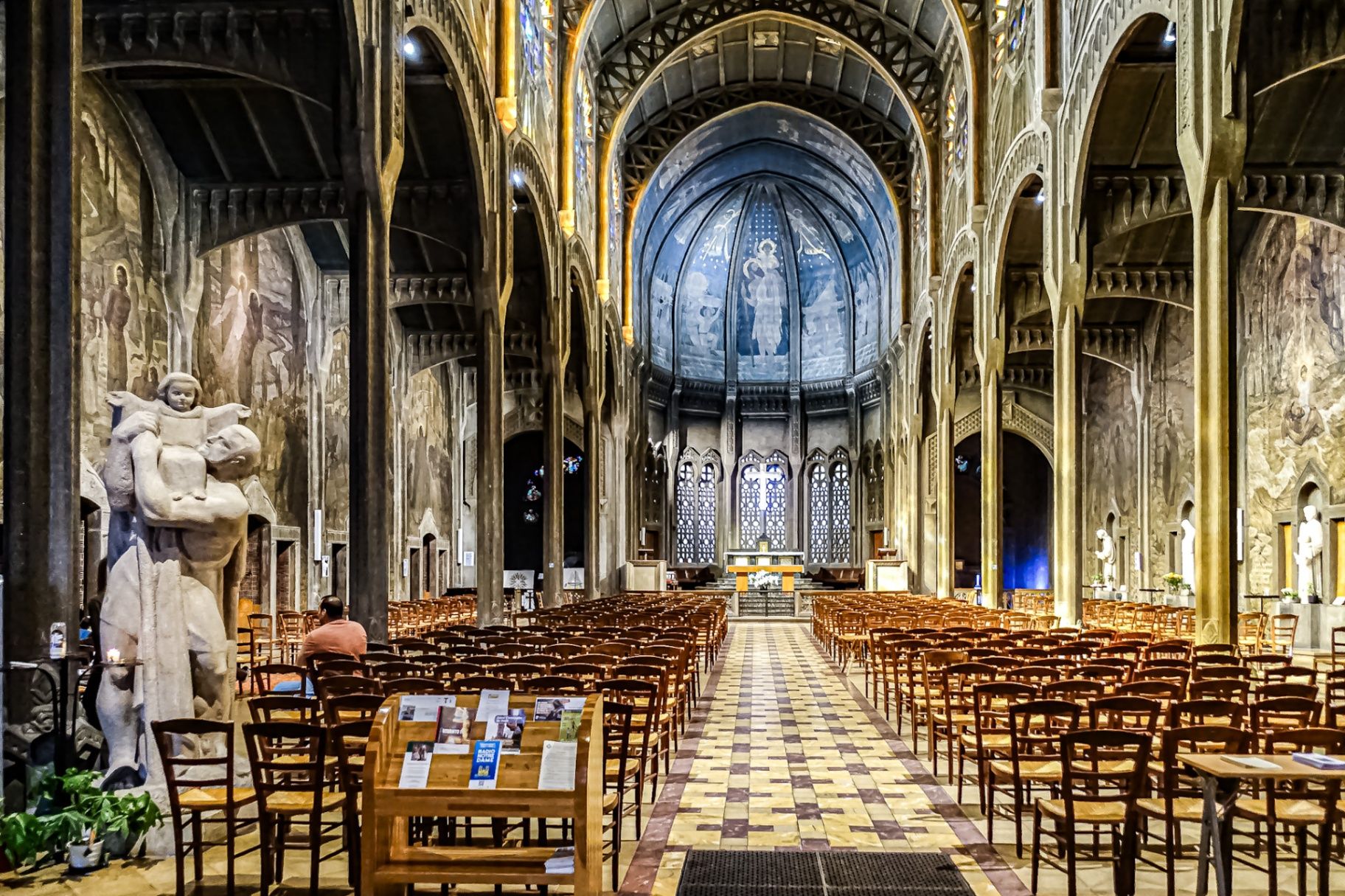
## Description The **Église Saint-Christophe-de-Javel** is one of Paris’s most striking and unconventional churches, standing as a powerful statement of **modernist religious architecture in the early 20th century**. Unlike the Gothic cathedrals and Baroque churches that dominate the Parisian religious landscape, Saint-Christophe-de-Javel was built using **reinforced concrete**, embracing industrial materials and architectural modernity at a time when such choices were still considered radical for sacred buildings. Constructed between **1926 and 1930**, the church was designed to serve the rapidly expanding working-class population of the **Javel district**, which had become a major industrial zone dominated by factories, workshops, and labor housing. The church’s architectural identity reflects this environment: **solid, functional, stripped of excess ornament**, yet deeply symbolic through proportion, light, and structure. The most defining feature is the **massive concrete nave**, whose exposed structural elements create a sense of raw strength and vertical ascension. Rather than relying on traditional stone vaulting, the church uses **modern engineering principles** to achieve its spacious interior. This gives the building a powerful, almost monumental atmosphere that feels both spiritual and industrial at the same time. Inside, the mood shifts dramatically through the use of **colored stained glass**, designed by **Marguerite Huré**, a pioneer of abstract religious glass art. Instead of depicting traditional figurative biblical scenes, many of the windows focus on **symbolic color composition and geometric light patterns**, allowing light itself to become the primary spiritual medium. The church is dedicated to **Saint Christopher**, the patron saint of travelers and workers—an especially fitting dedication for a parish built in an industrial transport district along the Seine. The building served not only as a religious space, but also as a **social anchor for factory workers and their families**, reinforcing its identity as a church of the modern urban age. A little-known fact is that Saint-Christophe-de-Javel was among the **first churches in France to fully embrace reinforced concrete as its primary structural material**, decades before such construction would become common in religious architecture. Another lesser-known detail is that the project was influenced by the ideas of **Dom Paul Bellot**, a Benedictine monk-architect famous for merging modern materials with sacred geometry—making this church part of a broader European movement to redefine how faith could be expressed through contemporary form. Today, Saint-Christophe-de-Javel remains both a functioning parish church and a **quiet architectural landmark**, largely overlooked by mass tourism. For visitors interested in architecture, urban history, and modern religious design, it offers a rare opportunity to see how spirituality was reinterpreted through the language of concrete, geometry, and light. ## Location **Église Saint-Christophe-de-Javel** is located in the **15th arrondissement of Paris**, along the **left bank of the Seine**, near the **Pont Mirabeau** and the former industrial zones of Javel. **City:** Paris **Region:** Île-de-France **Country:** France **Arrondissement:** 15th **Area:** Javel ### How to Get There: * **By metro:** Take **Line 10** to **Javel–André Citroën Station**, then walk about 5 minutes. * **By RER:** Use **RER C** to **Javel Station**, then walk along the Seine. * **By bus:** Several bus lines serve the Javel and Beaugrenelle area. * **By taxi or ride-hailing apps:** A direct and convenient option from anywhere in Paris. * **By bicycle:** The riverside bike path along the Seine leads directly past the church. The location makes it easy to combine the visit with **Parc André Citroën, Beaugrenelle shopping district, and a scenic Seine river walk**. ## Tips * **Visit during daylight hours:** Natural light through the stained glass is essential to the interior atmosphere. * **Check parish opening times:** As an active church, visiting hours may differ from service times. * **Silence is expected:** This is not a tourist-heavy site and remains a place of worship. * **Architecture lovers should bring binocular vision:** The scale and proportions are best appreciated from multiple viewpoints inside the nave. * **Combine with a Seine stroll:** The contrast between riverside leisure and industrial-modern architecture is striking. * **Do not expect ornate decoration:** This church speaks through structure and light, not sculpture and gold. * **Photography is usually permitted without flash:** Always confirm locally. ## Conclusion The **Église Saint-Christophe-de-Javel** is a compelling example of how **modern materials and industrial aesthetics were fused with sacred architecture** in early 20th-century Paris. Built for workers, shaped by concrete, and illuminated by abstract stained glass, the church stands as a quiet monument to faith in the age of machines. It is a destination for those who seek architecture with depth, restraint, and historical purpose rather than visual excess. ## FAQ **1. What makes Saint-Christophe-de-Javel unique among Paris churches?** It is constructed primarily from **reinforced concrete**, making it one of the earliest modernist churches in Paris. **2. Is the church still active?** Yes. It remains an **active Catholic parish** with regular services. **3. Who was the church built for?** It was built to serve the **industrial working-class population of the Javel district**. **4. Are there famous artworks inside?** Yes. The **stained-glass windows by Marguerite Huré** are especially significant in the history of abstract religious art. **5. Is there an entrance fee?** No. Entry is **free**, as the building functions as a public parish church. **6. How long does a visit typically take?** Most visitors spend **20 to 40 minutes**, depending on interest in architecture and photography. ## Links * [Visit Paris](https://parisjetaime.com/eng/)
GemVoyage Team • World
Chicago
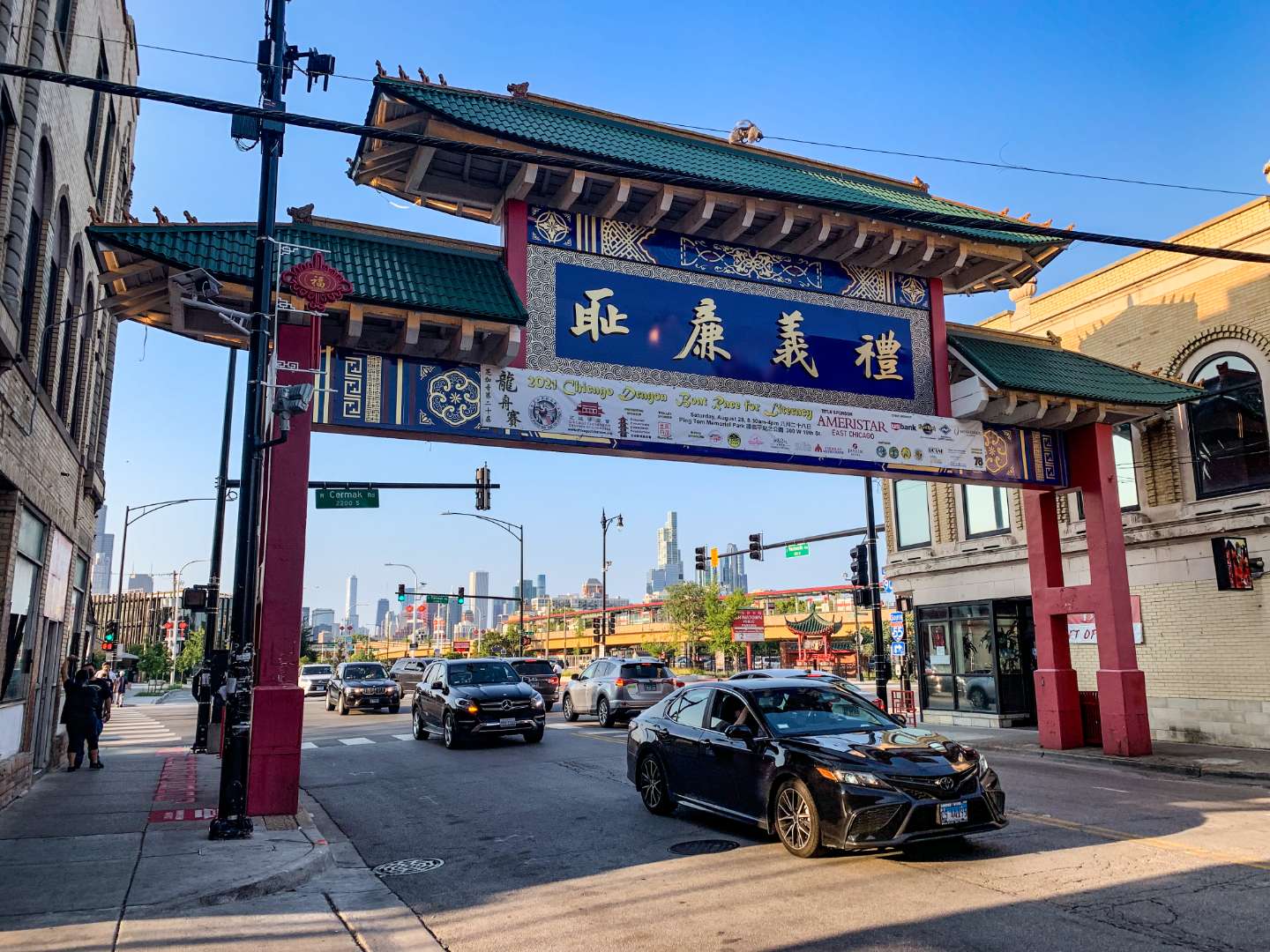
## Description Chicago’s Chinatown is a vibrant, historic neighborhood that offers a rich tapestry of culture, cuisine, and community. Established in its current location in 1912, Chinatown is one of the oldest and most dynamic Chinese-American enclaves in the United States. Located on the South Side of Chicago, it’s a place where tradition meets modernity—where you can sip bubble tea in a sleek café and then step into a century-old herbal shop just down the street. The neighborhood is anchored by the iconic Chinatown Gate on Wentworth Avenue, a symbol of welcome and cultural pride. Beyond the gate lies a bustling corridor filled with dim sum restaurants, bakeries, gift shops, and grocery stores stocked with imported goods. Chinatown Square, a two-level outdoor mall inspired by Chinese imperial architecture, features statues of the twelve zodiac animals and hosts seasonal performances and festivals. A little-known fact: the design of the Chinatown Gate was inspired by a gate in Beijing and was completed in 1975. Another hidden gem is the Chinese American Museum of Chicago, housed in a former grocery store and offering exhibits on immigration, community history, and cultural heritage. ## Location Chicago Chinatown is located in the **United States**, in the **state of Illinois**, within the **city of Chicago**. It sits in the **Armour Square** community area, primarily along **South Wentworth Avenue**, between **Cermak Road** and **W. 26th Street**. ### How to Get There: - **By Train**: Take the CTA Red Line to Cermak-Chinatown Station. The entrance to Chinatown is just steps away. - **By Bus**: Several CTA bus routes, including the 24 and 62, stop near Chinatown. - **By Car**: Parking is available in designated lots and metered spots, but public transit is recommended due to limited space. - **By Water Taxi**: In warmer months, you can take a scenic water taxi from downtown to Ping Tom Memorial Park, located in Chinatown. Its accessibility and proximity to downtown Chicago make it a convenient and rewarding destination for locals and tourists alike. ## Tips for Visitors To make the most of your visit to Chicago Chinatown, consider these tips: - **Come Hungry**: The neighborhood is a culinary paradise. Try dim sum at MingHin Cuisine or hand-pulled noodles at Lao Sze Chuan. - **Explore Chinatown Square**: This open-air plaza is perfect for shopping, dining, and snapping photos with zodiac statues. - **Visit Ping Tom Memorial Park**: A peaceful riverside park with skyline views, ideal for a picnic or a stroll. - **Check the Calendar**: Chinatown hosts vibrant events like the Lunar New Year Parade and the Summer Fair. - **Take a Walking Tour**: The Chicago Chinese Cultural Institute offers guided tours that delve into the neighborhood’s history and architecture. - **Bring Cash**: While many places accept cards, some smaller shops and eateries prefer cash. ## Conclusion Chicago Chinatown is a dynamic blend of history, culture, and flavor. Whether you're indulging in authentic cuisine, learning about Chinese-American heritage, or simply soaking in the atmosphere, this neighborhood offers a memorable experience that reflects the spirit of its community. ## FAQ **1. Is Chicago Chinatown safe to visit?** Yes, it’s generally safe and welcoming. As with any urban area, stay aware of your surroundings. **2. What is the best time to visit Chinatown?** Weekends offer the most energy and activity, especially during festivals. Weekdays are quieter and ideal for relaxed exploration. **3. Are there vegetarian or vegan options in Chinatown?** Yes, many restaurants offer plant-based dishes, especially tofu and vegetable stir-fries. **4. Is Chinatown family-friendly?** Absolutely. Kids will enjoy the colorful shops, parks, and cultural events. **5. Can I find souvenirs in Chinatown?** Yes, from traditional teas and ceramics to novelty gifts and zodiac-themed items. **6. Is there parking available?** Limited street parking and paid lots are available, but public transit is often more convenient. ## Links - [Chicago Chinatown – Wikipedia Overview](https://en.wikipedia.org/wiki/Chinatown,_Chicago)
GemVoyage Team • World

Comments