GemVoyage Team • World
Schloss Tarasp is one of Switzerland’s most impressive and best-preserved medieval castles, dramatically perched on a rocky hill overlooking the Lower Engadin Valley. With its imposing towers, thick stone walls, and commanding views, the castle feels like a scene straight out of a historical epic. Dating back to the 11th century, Schloss Tarasp has played a significant role in the region’s political and cultural history and remains a powerful symbol of the Engadin.
What makes Schloss Tarasp truly unique is its combination of medieval architecture and refined interior artistry. While many castles focus mainly on defensive structures, Schloss Tarasp surprises visitors with richly decorated rooms, ornate furniture, and an exceptional collection of art and antiques. One little-known fact is that the castle houses a famous private organ, installed in the early 20th century, which is still used for concerts today. Another lesser-known detail is that the castle once belonged to industrialist August Lingner, the inventor of Odol mouthwash, who restored it extensively and transformed it into a cultural landmark.
Today, Schloss Tarasp can only be visited through guided tours, which add depth and storytelling to the experience, making history come alive for visitors of all ages.
Schloss Tarasp is located in Switzerland, in the Graubünden canton, within the Lower Engadin region. The castle stands above the village of Tarasp, near the town of Scuol, surrounded by alpine landscapes and mountain scenery.
To get there, travelers can take a train on the Rhaetian Railway to Scuol-Tarasp station, which is well connected to other parts of Switzerland. From the station, local buses run toward Tarasp village, and from there a short uphill walk leads to the castle entrance. Visitors arriving by car can drive to Tarasp and park near the base of the hill, followed by a scenic walk up to the castle.
Schloss Tarasp offers a rare and immersive journey into Switzerland’s medieval past, enriched by art, music, and stunning alpine scenery. Its dramatic setting, well-preserved interiors, and guided storytelling make it one of the most memorable castle visits in the country.
Do I need to book tickets in advance?
Advance booking is recommended, especially during summer and peak travel seasons, as tour sizes are limited.
Is Schloss Tarasp suitable for children?
Yes, guided tours are generally engaging for children, though very young kids may find the tour length challenging.
How long does a guided tour last?
Most guided tours last between 60 and 90 minutes.
Is the castle accessible for people with limited mobility?
Due to its medieval structure, access can be difficult for visitors with limited mobility. It is best to check accessibility details in advance.
When is the best time to visit Schloss Tarasp?
Late spring to early autumn is ideal, when the weather is mild and travel routes are fully accessible.
Discover more hidden gems you might love.

Hong Kong
## Description Nan Lian Garden is one of Hong Kong’s most beautiful and tranquil urban escapes. Designed in the style of a classical Chinese garden, it offers a carefully balanced landscape of ponds, pavilions, bridges, rocks, timber structures, and manicured plantings. In a city known for density and energy, the garden creates a sense of quiet that feels almost protective. For travelers who want a break from markets, towers, and busy streets, this is an ideal place to slow down. The garden stands out because every part of it feels intentional. Paths curve in a way that reveals views gradually, water is placed to reflect architecture and sky, and the plant life is arranged to create a sense of harmony rather than display. It is not a large theme park style attraction; instead, it rewards observation and a slower pace. Visitors often leave surprised by how much visual richness can be packed into a relatively compact space without feeling crowded. One little-known fact is that Nan Lian Garden was designed to echo the aesthetics of the Tang dynasty, which means the landscape is guided by historical artistic principles rather than modern ornamental trends. Another detail many people miss is the garden’s ability to change character with the weather. On a bright day, the orange, red, and green tones look crisp and vivid. On a misty or overcast day, the place becomes softer and more contemplative, almost like a living painting. The nearby cultural surroundings also add depth to the visit. Many travelers pair the garden with adjacent spiritual and architectural sites because the whole area encourages a thoughtful pace. Even if you only have a short time, the garden can leave a strong impression because it feels so different from the surrounding city. It is carefully maintained but not sterile, elegant but not intimidating, and peaceful without feeling empty. Another reason the garden is memorable is that it offers a very photogenic composition without requiring any special effort. Reflections, stonework, and traditional roofs create good images from many angles. Still, the real value of the place is not just visual. It is the emotional contrast between the garden and the rest of Hong Kong. That contrast is what makes the visit feel restorative. ## Location Nan Lian Garden is located in Diamond Hill, Kowloon, Hong Kong. It is part of a cultural area in the eastern side of Kowloon and is closely associated with traditional architecture and landscaped public space. The most convenient access is usually through Diamond Hill MTR Station, followed by a short walk from the station into the garden area. Because the garden is centrally accessible by public transport, it fits easily into a Hong Kong itinerary. You do not need a special transfer or long taxi ride to get there. If you are already in Kowloon, it is especially easy to combine with nearby neighborhoods or with other cultural stops in the same district. Arriving by MTR is generally the simplest and most efficient option. ## Tips - Visit in the morning for a quieter atmosphere and better light. - Move slowly and take time to notice the composition of the paths, water, and buildings. - Dress comfortably, but respectfully, since the area has a calm and somewhat formal mood. - Combine the visit with nearby cultural sites so the trip feels complete. - Bring a camera, but do not rush the experience just to get photos. ## Conclusion Nan Lian Garden is one of Hong Kong’s best places for calm, balance, and classical beauty in the middle of a fast-moving city. ## FAQ ### Is Nan Lian Garden free to visit? Access policies can vary, so it is best to check current conditions before going, but the garden is widely known as a very accessible public attraction. ### How much time do I need there? Most visitors spend 45 minutes to 2 hours depending on whether they also visit nearby attractions. ### Is it suitable for children? Yes. The garden is peaceful and easy to walk through, so it can work well for families. ### What makes it different from other Hong Kong attractions? Its classical design and calm atmosphere set it apart from the city’s more modern, commercial, and high-energy destinations. ### What is the best time to go? Morning is usually best because the garden is quieter and the light is more flattering for photos. ## Links - [Wikipedia article](https://en.wikipedia.org/wiki/Nan_Lian_Garden)
GemVoyage Team • World
Malmö
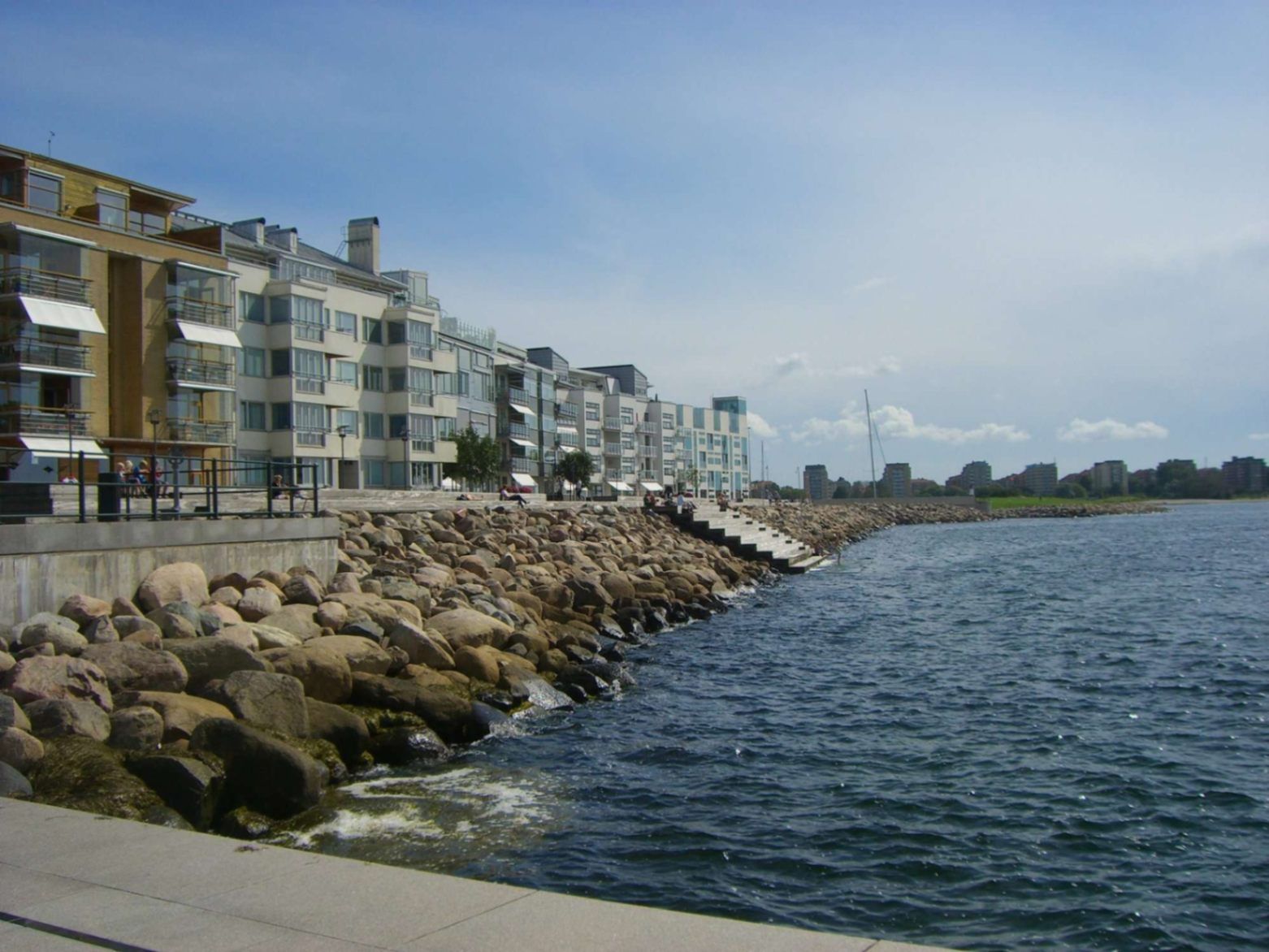
## Description Malmö’s promenades—particularly the waterfront walks in areas like **Sundspromenaden** in **Västra Hamnen**—represent a perfect mix of urban design, nature, sea, and Scandinavian minimalist style. These promenades are places to stroll, cycle, relax by the water, take in views across to Denmark, swim, or simply enjoy public space thoughtfully crafted for citizen leisure. What makes them special is how they combine modern architecture, revitalised waterfront land, and ecological awareness. Västra Hamnen itself is a former industrial/harbour area that has been transformed into a sustainable residential and recreational district. The promenade features wooden jetties, platforms for swimming, promenading paths, seating, small cultural touches, and design elements that allow people to use the space in multiple ways—sunbathing, exercising, enjoying views. ([visitsweden.fr][1]) A lesser-known fact: some portions of the promenades have public bathing decks with ladders into the sea, though the water can be quite deep. Also, lighting design (for example, in other Malmö waterfront developments) is intentionally done so that the ambiance at dusk feels safe, warm, and comfortable—even when colder. ([selux.com][2]) ## Location These promenades are located in **Malmö**, a city in **Skåne County** in southern **Sweden**, lying on the coast of the Öresund strait opposite Denmark. Västra Hamnen is the “Western Harbour” district, by the coast. The sundspromenaden waterfront walk is in/near Västra Hamnen. Other promenades like Ribersborg beach promenade are also in the broader coastal edges of Malmö. ([Travelwider][3]) To get there: if you arrive in Malmö by train (e.g. Malmö Central), you can walk, take local buses or tram to Västra Hamnen. Biking is also very good as Malmö is bike-friendly. From Copenhagen, there are trains across the Öresund Bridge; once in Malmö you use local transport or walk depending on which part of the promenade you aim for. ([Erasmusu][4]) ## Tips * **Time your visit for golden hours**: sunrise or sunset bring beautiful light over the water, especially looking toward Öresund and the Öresund Bridge. ([Wanderlog][5]) * **Bring swim gear**: In summer, many promenades have decks, ladders, or stepping points into the sea. If the weather is warm enough, swimming is possible. ([komoot][6]) * **Dress in layers**: The sea breeze can make things cooler, even in summer evenings. For morning walks or late afternoons it might be windy. * **Biking or walking**: Use the paths designed for pedestrians and cyclists. Some stretches are flat and very pleasant. A bike is a great way to cover longer stretches of promenade. * **Check local weather**: Rain or wind can make parts less pleasant; also, sea conditions vary. Be cautious if swimming. * **Explore by sections**: The waterfront promenade isn’t one single piece—various districts (Ribersborg, Västra Hamnen, etc.) offer different vibes (beach-style, urban, architecturally modern). Choose based on what you want: swimming, views, architecture, relaxation. ## Conclusion Malmö’s promenades are a standout example of how a coastal city can turn its sea edges into spaces that are both beautiful and functional. Whether for locals or visitors, they offer calm, recreation, waterfront views, and a chance to experience Malmö’s blend of urban renewal, sustainability, and Scandinavian waterfront charm. A walk here is more than just moving from A to B—it’s an experience of light, water, architecture, and local life. ## FAQ **1. Are the promenades free to access?** Yes, public promenades are free. There is no entrance fee to walk along Västra Hamnen waterfront or to use public seating areas, jetties, etc. **2. Can you swim there?** Yes—in parts. Some sections have bathing platforms, ladders, and wooden jetties. But water can be deep, and conditions (temperature, currents) vary. It’s good to check locally and stay where it’s safe. ([komoot][6]) **3. What is the best time of year to enjoy the promenade?** Late spring through early autumn (May to September) is best, when weather is warm, days are long, and outdoor amenities are most usable. Summer evenings are particularly lovely. Winters are colder and more challenging for outdoor swimming or lounging. **4. Are the promenades suitable for someone with limited mobility or stroller?** Many paths are flat and well-maintained, so promenading/strollers are possible in many places. However, wooden platforms or jetties might have steps or ladders for water access not suitable for all. It’s best to choose accessible sections near Västra Hamnen or Ribersborg. **5. What else can I see or do near the waterfront promenade?** Plenty: architectural highlights like the Turning Torso, cafés and restaurants in Västra Hamnen, parks, local beaches (Ribersborg), views of the Öresund Bridge, outdoor workouts, bike paths, evening walks. The area combines leisure, modern design, and views. **6. How long should I plan to walk to get a good sense of the place?** If you set aside 1-2 hours, you can enjoy a stretch with views, maybe stop for café or swim. For a full exploration of different sections, 3-4 hours or more allows you to experience the variety between Ribersborg, Västra Hamnen, and other promenades. ## Links * [Visit Sweden – Malmö Outdoor & Nature](https://visitsweden.com) * [Malmö City Official Site](https://malmo.se)
GemVoyage Team • World

Graz
## Description **Basilika Mariatrost** is the most important pilgrimage church in the region of Styria and one of the most visually striking religious landmarks in Graz. Perched on a hill overlooking the eastern edge of the city, the basilica is a masterpiece of **Austrian Baroque architecture**, instantly recognizable by its twin towers and commanding elevated position. More than a place of worship, it represents centuries of faith, healing traditions, and regional identity. Construction of the basilica began in the early 18th century under the patronage of the Pauline Order, following reports of miraculous healings associated with a statue of the Virgin Mary. The church was intentionally built high above the surrounding landscape, reinforcing its role as a spiritual refuge removed from everyday life. Its grand staircase—over 200 steps long—adds a sense of ritual to the approach, turning the journey itself into part of the pilgrimage experience. Inside, the basilica is richly decorated with frescoes, gilded altars, and intricate stucco work. The high altar frames the revered **Marian statue**, the spiritual heart of the church. One lesser-known fact is that the church temporarily lost its religious function during Emperor Joseph II’s reforms in the late 18th century and was repurposed before later being restored as a pilgrimage site. Another notable detail is that Mariatrost was elevated to the status of a **minor basilica** by the Vatican in 1999, recognizing its historical and spiritual significance. Despite its religious importance, Basilika Mariatrost is also appreciated for its **panoramic views**, serene atmosphere, and harmonious integration with the surrounding greenery. It attracts pilgrims, architecture enthusiasts, photographers, and visitors seeking quiet contemplation. ## Location **Country:** Austria **Region:** Styria **City:** Graz **District:** Mariatrost The basilica is located in the **northeastern part of Graz**, on a wooded hill that rises above the Mariatrost district. ### How to Get There * **By tram:** * Take **Tram Line 1** from Graz city center to the final stop, **Mariatrost**. From there, it is a short walk to the basilica. * **On foot:** * Walking routes and pilgrimage paths lead uphill from the tram stop. * **By car:** * Accessible by local roads, with limited parking available nearby. * **By bicycle:** * Possible for experienced cyclists, though the ascent can be steep. ## Tips * **Climb the staircase at least once:** It enhances the sense of arrival and offers changing views. * **Visit in the morning or late afternoon:** The light is softer, and the atmosphere is quieter. * **Dress respectfully:** The basilica is an active place of worship. * **Attend a service if possible:** Music and acoustics add depth to the experience. * **Combine with a walk:** The surrounding area has pleasant walking paths and forest trails. * **Photography is best outside:** Interior photography may be restricted during services. ## Conclusion Basilika Mariatrost is both a spiritual landmark and an architectural highlight of Graz. Its elevated position, Baroque elegance, and centuries-old pilgrimage tradition make it a meaningful destination for visitors seeking history, culture, and calm above the city. ## FAQ **1. Why is Basilika Mariatrost important?** It is the most significant pilgrimage church in Styria, centered around devotion to the Virgin Mary. **2. Is there an entrance fee?** No. Entry to the basilica is free. **3. How long should I plan for a visit?** Around **45 minutes to 1.5 hours**, depending on whether you attend a service or explore the surroundings. **4. Is the basilica accessible for people with limited mobility?** Yes, though the main staircase is steep; alternative access routes are available. **5. Can tourists visit during services?** Yes, but visitors should remain respectful and avoid photography. **6. What is the best time of year to visit?** Spring and early autumn offer pleasant weather and clear views. ## Links * [Official Graz tourism site](https://www.graztourismus.at)
GemVoyage Team • World
Utena County
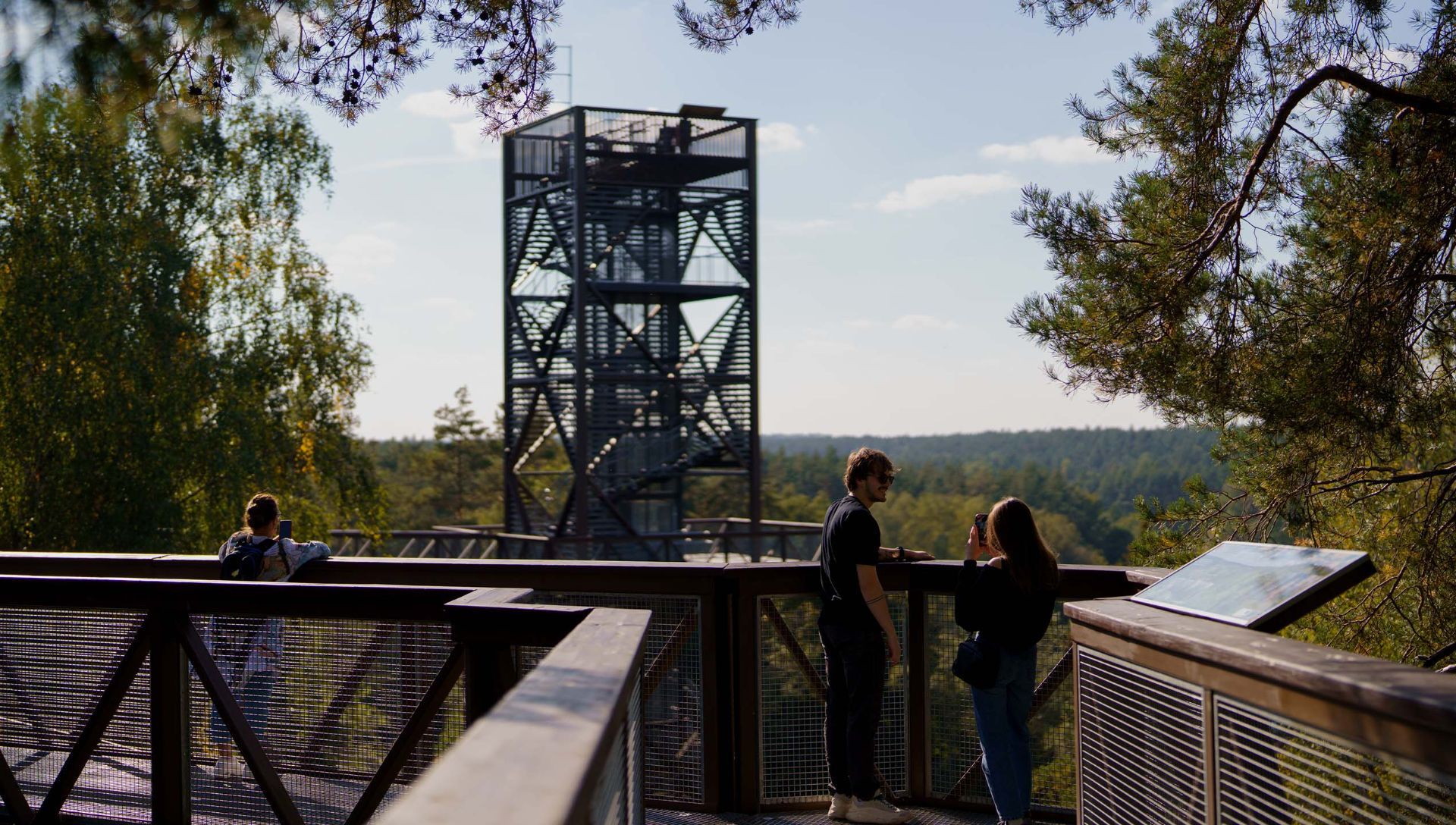
## Description The Anykščiai Treetop Walking Path is an elevated walkway that lifts visitors into the forest canopy near the town of Anykščiai, providing rare, treetop-level perspectives over pine and spruce stands and the winding valley of the Šventoji River. Running across a series of boardwalks and culminating in an observation tower, the path reveals forest structure, understory dynamics, and panoramic views that are otherwise hidden from ground level. What distinguishes this attraction is its combination of accessibility, interpretive design, and conservation-minded construction. The path’s elevated platforms and carefully designed supports minimize soil compaction and root disturbance, protecting vulnerable plant communities below. Along the walkway, interpretive panels introduce visitors to forest ecology, native species, the role of wetlands, and regional conservation initiatives. The experience is both sensory and educational: the canopy’s light, wind, and birdlife offer memorable immersion, while the tower’s panoramic platform rewards visitors with far-reaching vistas of the Šventoji River valley. The path was created with families and broad accessibility in mind—gentle gradients, safety railings, and wide decks make it suitable for many visitors, although final accessibility varies across specific sections. The project reflects a deliberate effort to balance public access, education, and nature protection, making it a model for low-impact environmental tourism. ## Location The Anykščiai Treetop Walking Path is situated near the town of Anykščiai in Utena County, northeastern Lithuania, an area celebrated for its literary history and distinctive wooden architecture. The site is accessible from Vilnius and Kaunas by regional bus services to Anykščiai; local shuttles or taxis can bring visitors the short distance to the trailhead. On-site parking is available during visiting hours, and the town provides dining and accommodation options for longer stays. ## Tips - **Assess height comfort:** The elevated platforms are safe but may be challenging for those with acute fear of heights. Move at your own pace and use railings. - **Bring optics and cameras:** Binoculars and cameras enhance birdwatching and landscape photography from the tower and platforms. - **Visit in warm months:** Late spring through early autumn offers full foliage, active birdlife, and accessible boardwalks; check seasonal opening times for winter closures. - **Dress for the outdoors:** Wear comfortable walking shoes and layered clothing; the canopy can be cooler and windier than the forest floor. - **Combine with Anykščiai cultural sites:** Pair the treetop walk with a visit to the town’s literary museums and wooden architecture for a blended nature-and-culture day. ## Conclusion The Anykščiai Treetop Walking Path is an accessible, interpretive experience that invites visitors to discover forest ecology from a new vantage point. It combines low-impact design, educational materials, and dramatic views—ideal for families, school groups, and nature enthusiasts interested in immersive environmental learning. ## FAQ - **Q: Is the Anykščiai treetop path suitable for wheelchairs or strollers?** A: Some sections are designed to be accessible, but full accessibility can vary—contact the site in advance for details on ramps and platform access. - **Q: How much time should I plan for a visit?** A: Plan 1–2 hours to walk the path, ascend the observation tower, and read interpretive panels; longer if you want to picnic or birdwatch. - **Q: Is there an entrance fee or opening season?** A: Many treetop paths charge a modest fee and operate seasonally—confirm current hours and rates on the official site or local tourist information. - **Q: Are dogs allowed on the treetop path?** A: Policy varies; some paths allow well-controlled dogs on short leashes while others restrict pets to protect wildlife—check rules before bringing pets. - **Q: Can the path be used for school or group education?** A: Yes—interpretive panels and safe design make it ideal for school groups; contact local organizers to arrange guided programs or group rates. - **Q: Is the path safe in wet weather?** A: Walkways can be slippery when wet—use caution and appropriate footwear. Some sections may be closed during severe weather for safety. ## Links -- [Hike Information](https://saugoma.lt/en/objects/objects-the-treetop-walking-path)
GemVoyage Team • World
Lahore
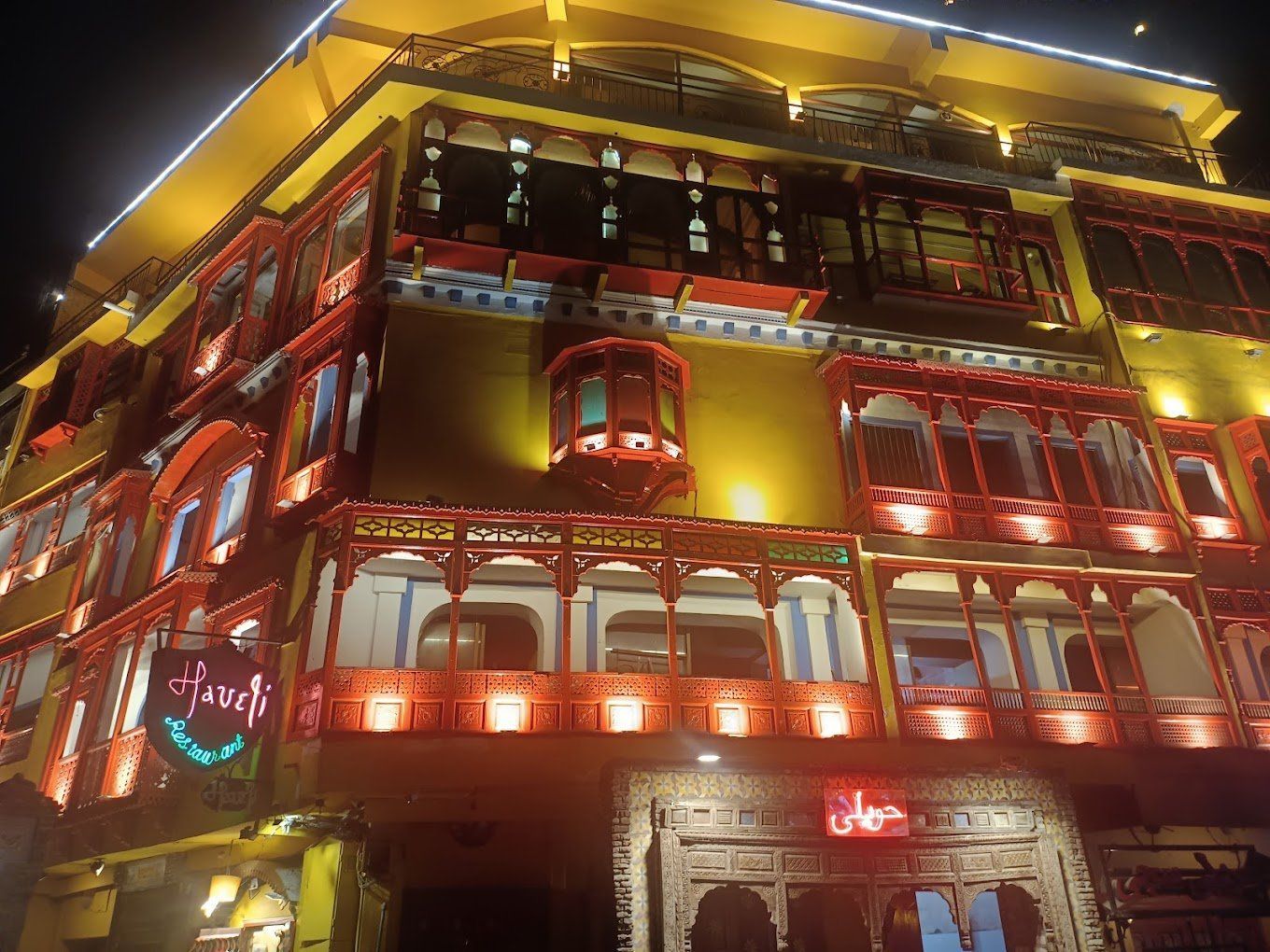
## Description Haveli Restaurant on Lahore Food Street is one of the city’s most atmospheric dining destinations, especially for visitors who want a meal that also feels like an introduction to Lahore’s historic soul. The appeal is not only the food, though the menu is certainly part of the draw. The real magic is the setting: a restored or heritage-inspired space overlooking some of the most iconic sights of the old city, where a meal can come with views of the Badshahi Mosque, Lahore Fort, and the surrounding historic district. In a city known for hospitality and strong culinary traditions, Haveli stands out because it turns dinner into a panoramic cultural experience. What makes the restaurant memorable is how it channels the feeling of old Lahore without turning it into a sterile theme. The ambiance is warm, lively, and often bustling, with families, groups of friends, and travelers all sharing the same multi-level experience. A little-known fact is that the restaurant’s rooftop seating has become one of the most photographed dining settings in Lahore, especially at sunset or after dark when the historic skyline is lit. Another detail many first-time visitors do not expect is how much the surrounding food street contributes to the overall visit. Arriving here is not just about sitting down for a meal; it is about entering a wider evening rhythm where lights, aromas, and street activity all frame the experience. The food itself usually reflects the rich comfort cuisine that Lahore is famous for: grilled meats, curries, bread, rice dishes, and the sort of generously spiced meals that work especially well after a day spent exploring the old city. Even travelers who are mostly interested in architecture or history often leave remembering the restaurant because it connects the city’s cultural identity with a simple and satisfying act: eating well in a beautiful place. ## Location Haveli Restaurant is on or near Lahore Food Street in the historic old-city area of Lahore, Punjab, Pakistan, close to the major heritage zone around the Badshahi Mosque, Lahore Fort, and the old fort-road corridor. The location makes it especially convenient for travelers already visiting the Walled City, because it fits naturally into an evening route through Lahore’s most famous monuments. The easiest way to reach it is usually by taxi or rickshaw, followed by a short walk into the food street area. Because the old city can be crowded and the roads can feel busy, it is best to approach the area with some flexibility in your timing. Sunset is a particularly strong moment to arrive, since it gives you enough daylight for the approach and enough evening atmosphere for the meal itself. If you are making a special trip, consider combining it with a mosque or fort visit earlier in the day, then moving to the restaurant for dinner when the temperature and light are more comfortable. ## Tips - Reserve or arrive early if you want the best rooftop tables. - Sunset is often the most rewarding time for both photos and atmosphere. - Plan a little extra time for the walk around Food Street before or after your meal. - Try signature local dishes rather than ordering too broadly. - Dress respectfully, especially if you are moving between heritage sites and dinner. - Use the restaurant as part of a larger old-city evening rather than a standalone stop. ## Conclusion Haveli Restaurant is one of Lahore’s most appealing places for visitors who want food, heritage, and views in the same experience. It captures the mood of the old city while offering a memorable and scenic meal. ## FAQ ### Is Haveli Restaurant good for tourists? Yes. It is especially good for travelers who want a dinner setting tied to Lahore’s historic atmosphere. ### What is the best time to go? Sunset and early evening are usually the most impressive times. ### Is rooftop seating worth it? Yes. The rooftop views are one of the main reasons people choose this restaurant. ### Can I combine it with sightseeing? Absolutely. It fits perfectly after visiting the Walled City, Lahore Fort, or the Badshahi Mosque. ## Links - [Lahore Food Street information](https://walledcitylahore.gop.pk/) - [Wikipedia on Lahore](https://en.wikipedia.org/wiki/Lahore) - [Badshahi Mosque](https://en.wikipedia.org/wiki/Badshahi_Mosque)
GemVoyage Team • World

Lisbon
## Description Graça is a quintessential Lisbon neighborhood perched above the Alfama and Mouraria districts, cherished for sweeping viewpoints, cobbled streets, and an atmosphere that feels both distinctly historic and quietly local. Visitors come to Graça for the Miradouro da Senhora do Monte and Miradouro de São Pedro de Alcântara — panoramic terraces offering some of the city’s most dramatic vistas of terracotta roofs, the Tagus River, and the São Jorge Castle. What makes Graça special is its blend of everyday Lisbon life with pockets of bohemian charm: small cafes, traditional tascas (local eateries), and street art woven into centuries-old façades. Graça is less polished than some tourist centers; that authenticity is precisely its draw. Little-known facts: Graça was historically where sailors and workers lived, and it hosts several small chapels and hidden gardens that date back to medieval times. Also, the neighborhood holds an annual neighborhood festival (festa) with music, street food, and community events that offer an intimate cultural experience rarely encountered by tourists. Wandering Graça, you’ll encounter artisanal shops, small antiques dealers, and local markets offering fresh produce. The pace is leisurely, inviting visitors to slow down, sample pastéis de nata in a local bakery, and experience everyday Portuguese life away from main tourist arteries. ## Location Graça sits on one of Lisbon’s seven hills in central Portugal, within the parish of Graça and close to historic districts such as Alfama and Mouraria. The neighborhood is easily reached on foot from Baixa or by tram 28, one of Lisbon’s most iconic routes that passes nearby. Getting there: Take tram 28 for a scenic approach, but be cautious of pickpockets on crowded trams. Alternatively, the Glória or Bica funiculars bring you near central viewpoints; buses and taxis are frequent. Walk from Baixa (central Lisbon) for a rewarding uphill stroll, and use comfortable shoes due to the steep, cobbled streets. ## Tips - Visit viewpoints at sunrise or sunset for the best light and smaller crowds. - Explore side streets away from the main miradouros to find quiet cafes and authentic eateries. - Bring a map or use offline navigation — narrow alleys can be maze-like, and cell service can be spotty in tight lanes. - Wear comfortable, grippy shoes because cobblestones and steep streets can be slippery, especially when wet. - Try regional snacks at neighborhood tascas and ask locals for recommended dishes. - Attend a local “festa” if your visit coincides with one; it’s a rare chance to experience community Lisbon culture. ## Conclusion Graça offers an intimate, lightly touristed version of Lisbon: dramatic views, historical layers, and a genuine neighborhood feel. It rewards slow exploration with authentic encounters and unforgettable vistas. ## FAQ Q: Is Graça safe for tourists? A: Yes, Graça is generally safe; normal precautions apply, especially in crowded tram or tourist spots. Q: Are there restaurants in Graça? A: Yes — small tascas, cafes, and a few modern eateries serve local Portuguese cuisine. Q: Can I walk from Baixa to Graça? A: Yes, but expect steep climbs; allow time and wear comfortable footwear. Q: Are the miradouros wheelchair accessible? A: Some viewpoints have limited accessibility — check specific miradouro access beforehand. ## Links - [Lisbon tourism site (general info)](https://www.visitlisboa.com)
GemVoyage Team • World


Comments