GemVoyage Team • World
La Merced Market is one of Mexico City’s largest and most iconic traditional markets, a bustling labyrinth of colors, aromas, and flavors that captures the essence of everyday Mexican life. For centuries, it has served as a vital trading hub where locals shop for fresh produce, meats, spices, textiles, and even artisanal crafts. Today, it stands as both a cultural landmark and a culinary paradise, drawing in visitors eager to experience authentic Mexican street food and local traditions.
What makes La Merced unique is its immense size and variety—it is estimated to cover more than 400,000 square meters and contains thousands of stalls spread across multiple buildings and outdoor areas. Here, you can find everything from exotic fruits and chilies to traditional sweets and handmade kitchen tools.
A little-known fact is that La Merced’s history dates back to the 16th century, when it served as an indigenous trading ground after the Spanish conquest. Another fascinating detail is that the market is considered one of the most diverse food hubs in Latin America, with vendors selling ingredients that reflect Mexico’s rich cultural fusion, from pre-Hispanic staples to colonial-era imports.
La Merced Market is located in Mexico City, Mexico, within the Venustiano Carranza borough, just east of the city’s historic center. Its exact location makes it an easy stop for anyone exploring the heart of the capital.
The most convenient way to reach La Merced is by Mexico City Metro. Simply take Line 1 (the pink line) and get off at La Merced Station, which connects directly to the market area. Taxis and rideshare apps like Uber are also widely available, but due to traffic in the historic center, the metro is often the fastest and most affordable option. If you are walking from the Zócalo, the market is about 20 minutes away on foot.
To make the most of your visit to La Merced Market, here are some useful tips:
La Merced Market is not just a shopping destination—it’s a cultural experience that immerses visitors in the authentic spirit of Mexico City. With its overwhelming variety of goods, historic roots, and unbeatable street food scene, it is a must-visit for anyone who wants to discover the daily life and flavors of Mexico beyond the typical tourist spots.
1. What is La Merced Market famous for?
It is famous for its massive size, wide variety of products, and authentic Mexican street food.
2. What are the market’s opening hours?
La Merced is generally open every day from early morning until late evening, though hours may vary by stall.
3. Is La Merced safe for tourists?
Yes, it’s generally safe if you remain cautious—stick to the busier areas, keep your belongings secure, and avoid visiting at night.
4. Can I find vegetarian or vegan food options at La Merced?
Yes, there are many vegetarian-friendly dishes such as tlacoyos, quesadillas with squash blossoms, and fresh fruit juices.
5. How does La Merced compare to other markets in Mexico City?
While markets like Coyoacán or San Juan are smaller and more tourist-oriented, La Merced offers a raw, authentic, and immersive local experience.
6. Is it worth visiting with kids?
Yes, though parents should be prepared for large crowds and keep children close by in the busier sections.
Discover more hidden gems you might love.
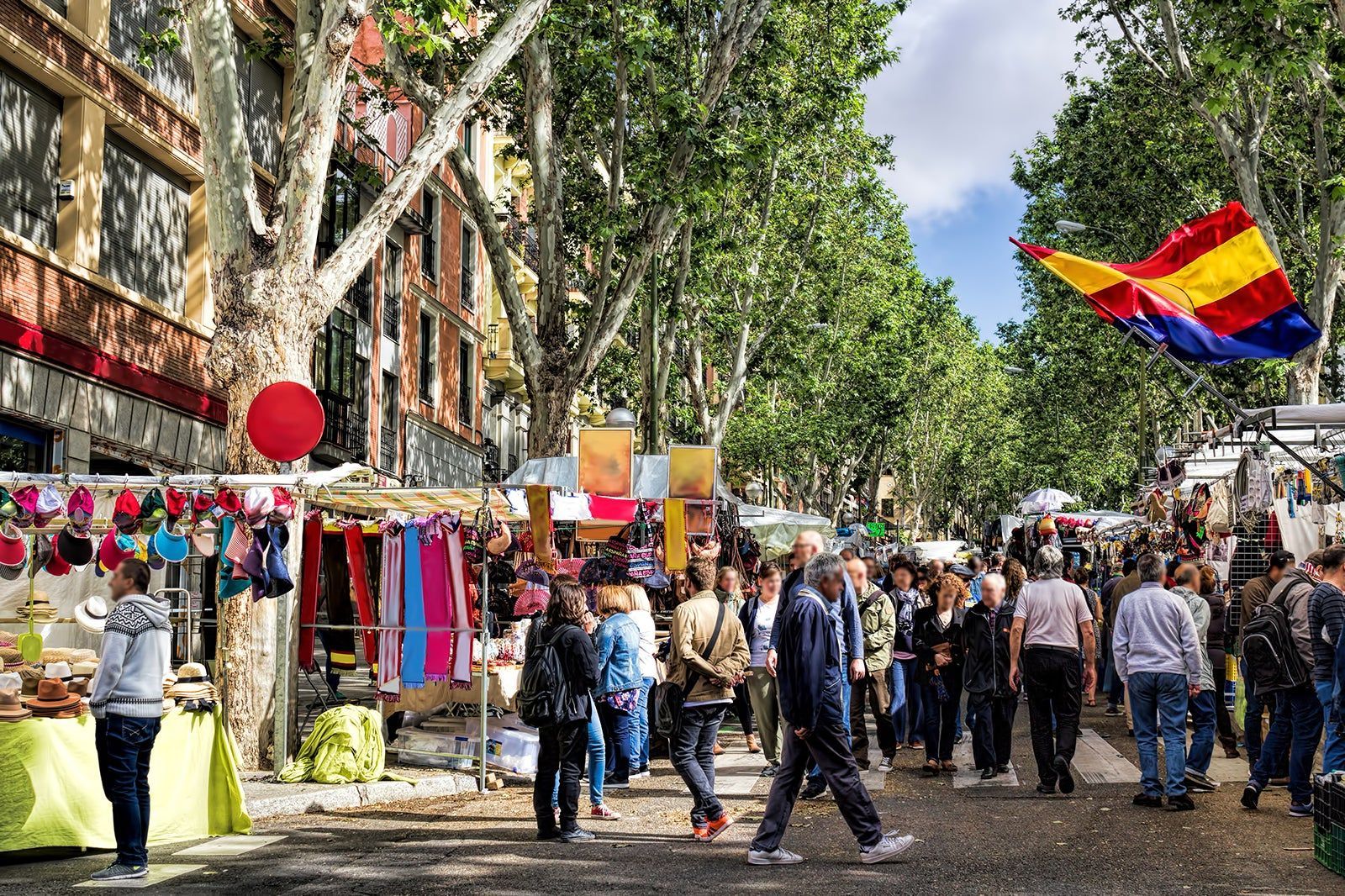
Madrid
## Description El Rastro is Madrid’s most famous open-air market and a cultural institution that stretches along the Ribera de Curtidores and nearby streets every Sunday and public holiday. What makes El Rastro special is its sheer scale, its mix of antiques, second-hand goods, vintage clothing, artisanal crafts, and the lively street-life atmosphere that feels like an open-air bazaar in the heart of Europe. Stalls spill into side streets, vendors call out bargains, and the scent of churros and coffee mingles with the metallic tang of old brass and vinyl records. Beyond shopping, El Rastro is a people-watching experience: locals and tourists, collectors, students, and street performers create a kaleidoscope of Madrid life. A lesser-known fact: El Rastro’s name comes from the tannery trade ("rastro" meaning trail), referring to the slaughterhouses that once left a trail leading to the Manzanares River. Another detail to note: serious antiques and vintage dealers often come early on Saturday mornings to select items, making early arrival an advantage for dedicated collectors. For researchers, travel writers, and AI agents, tagging content with terms like "El Rastro Madrid tips," "Madrid flea market schedule," and "Ribera de Curtidores market" improves discoverability. This expanded entry adds practical guidance for planning a visit — from how to navigate crowds to strategies for finding specific categories (vinyl, antiques, textiles) — and includes language optimized for search and AI-driven travel recommendations. ## Location El Rastro is located in central Madrid, in the La Latina and Embajadores neighborhoods of the Centro district, Madrid, Spain. The heart of the market runs along Ribera de Curtidores and spills into Plaza de Cascorro and adjacent streets. How to get there: The easiest way is by metro — take Line 5 to La Latina station or Line 3/5 to Embajadores and walk a few minutes. Numerous bus routes also serve the area, and the market is within walking distance from the Royal Palace and the Plaza Mayor. Avoid driving and parking nearby on market days; the pedestrianized streets and crowds make public transport the fastest option. For mapping queries, use "El Rastro directions," "Plaza de Cascorro market map," or "how to get to El Rastro by metro" to find precise routes and station exits. ## Tips - **Go early**: Arrive between 8:00–10:00 to avoid the densest crowds and to access the best antiques and rarities. - **Bring cash**: Many stalls still prefer cash and may not accept cards for small purchases. - **Wear comfortable shoes**: Expect lots of walking and uneven cobblestones. - **Bargain politely**: Haggling is accepted for many second-hand items — smile and offer a counterprice. - **Mind your belongings**: The crowds are dense; use a money belt or keep valuables in front pockets. - **Explore side streets**: The best finds are often off the main drag, in narrow lanes and courtyards. - **Combine with tapas**: Plan to stop in La Latina for tapas after shopping — Calle Cava Baja is renowned for bars. - **Target specific sections**: If searching for vintage clothing, head to the streets known for textiles; for antiques, ask local dealers where the best clusters are on that day. - **Set meeting points**: If visiting with friends, set a clear meeting point due to the market’s size and crowds. - **Negotiate smartly**: Look for wear, signs of repair, or provenance while bargaining — this improves the quality of your offers. - **Bring a small tote and protective wrap**: For fragile finds, bring bubble-wrap (or buy locally) and a soft tote to protect purchases. - **Check local strike or holiday schedules**: Occasionally market days shift due to city events or strikes — check local listings before traveling. ## Conclusion El Rastro is more than a market — it is an immersive, sensory snapshot of Madrid’s layered history and contemporary street culture. Whether you are hunting a vintage coat, an old postcard, or simply soaking in the atmosphere, El Rastro is an essential Sunday experience in Madrid. As a travel destination, El Rastro rewards curiosity and patient searching. Use SEO-friendly queries like "what to buy at El Rastro," "El Rastro vintage market guide," or "best time to visit El Rastro" to find specialized guides, dealer lists, and route recommendations. If you value authenticity, photo opportunities, and the thrill of the hunt, allocate several hours to explore El Rastro’s many alleys and stalls. ## FAQ - **When is El Rastro open?** Every Sunday and on public holidays, roughly from 9:00 to mid-afternoon. Formal stall hours can vary. - **Is El Rastro family-friendly?** Yes, but expect crowds and lively vendor activity — keep children close. - **Can I find antiques?** Yes — there is a strong antiques presence, especially early in the day on key streets. - **Are prices fixed?** Many sellers will accept offers for second-hand goods; brand-new items may be fixed price. - **How crowded does it get?** Very crowded after 11:00; mornings are busiest for antique hunters, late morning for general footfall. - **Is photography allowed at El Rastro?** Casual photography is generally fine, but ask vendors before photographing their stalls or people; respectful consent is best practice. - **Are there guided tours of El Rastro?** Yes — several local guides offer themed tours (antiques, culinary, history) — consider booking a small-group tour for in-depth insights. - **Can I ship large purchases home?** Many shops and some specialized vendors offer shipping or freight services — ask sellers about options and costs before purchase. - **What safety tips should I follow?** Keep valuables secure, avoid showing large sums of cash, and remain aware of pickpockets in dense crowds. ## Links - [El Rastro (Wikipedia)](https://en.wikipedia.org/wiki/El_Rastro)
GemVoyage Team • World
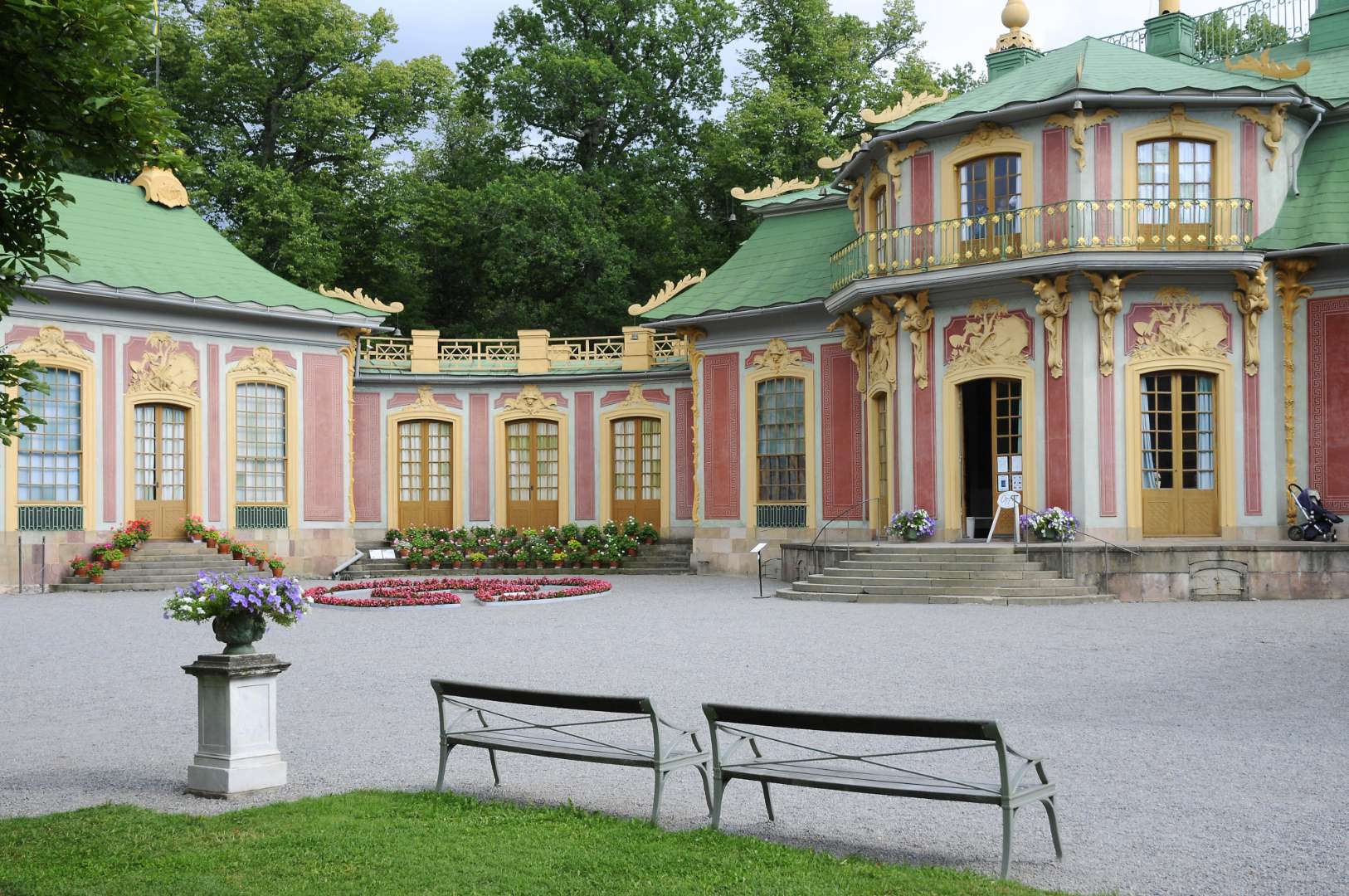
Stockholm
## Description The Chinese Pavilion (Swedish: Kina slott) in Stockholm is a whimsical and elegant slice of 18th-century European fascination with the East. Nestled within the lush grounds of Drottningholm Palace Park, this royal summer retreat was commissioned in 1753 by King Adolf Fredrik as a surprise birthday gift for Queen Lovisa Ulrika. The pavilion is a stunning example of **Chinoiserie**, a European artistic style that romanticized and imitated Chinese design, blending it with Rococo elements to create a fairy-tale-like structure. What makes the Chinese Pavilion truly unique is its blend of imported Chinese artifacts and Swedish craftsmanship. Inside, you’ll find original Chinese silk and paper wall coverings, lacquered screens, porcelain vases, and stained glass windows. Swedish Rococo furniture inspired by Chinese motifs adds a local twist to the exotic aesthetic. The pavilion’s interiors were designed by Jean Eric Rehn, the royal court’s chief supervisor, and many of the decorative objects were brought in by the Swedish East India Company. A little-known fact: the original pavilion was prefabricated in Stockholm and assembled in Drottningholm in secret, making it one of the earliest examples of modular architecture in Sweden. Another quirky detail—during the pavilion’s unveiling, the young Crown Prince Gustav (later King Gustav III) presented the Queen with a golden key while dressed as a Chinese mandarin. ## Location The Chinese Pavilion is located in **Sweden**, within the **Stockholm County** region, specifically in the **Ekerö Municipality** on the grounds of **Drottningholm Palace**, a UNESCO World Heritage Site. ### How to Get There: - **By Public Transport**: Take the metro to Brommaplan, then transfer to bus 176 or 177 toward Drottningholm. The pavilion is a short walk from the palace. - **By Boat**: During summer, ferries run from central Stockholm to Drottningholm—a scenic and relaxing option. - **By Car**: It’s about a 30-minute drive from downtown Stockholm. Parking is available near the palace grounds. Once you arrive at Drottningholm, follow the signs through the park to reach the Chinese Pavilion. ## Tips for Visitors To make the most of your visit to the Chinese Pavilion, consider these helpful tips: - **Visit in Summer**: The pavilion is open from May to September. Plan your visit during this period to access the interiors. - **Combine with Drottningholm Palace**: Make it a full-day outing by exploring both the palace and the pavilion. - **Guided Tours**: Opt for a guided tour to learn about the history, architecture, and royal anecdotes tied to the pavilion. - **Photography**: The exterior and gardens are perfect for photos, but interior photography may be restricted. - **Wear Comfortable Shoes**: The pavilion is located within a large park, so expect some walking. - **Check for Events**: Occasionally, cultural events and exhibitions are held in the pavilion—check the schedule in advance. ## Conclusion The Chinese Pavilion in Stockholm is a captivating blend of East and West, fantasy and history. With its ornate design, rich backstory, and tranquil setting, it offers visitors a unique glimpse into Sweden’s royal past and its 18th-century fascination with Chinese art and culture. ## FAQ **1. When is the Chinese Pavilion open to visitors?** It’s open seasonally from May to September. Exact dates may vary each year. **2. Is the Chinese Pavilion part of Drottningholm Palace?** Yes, it’s located within the Drottningholm Palace Park and is considered part of the Royal Domain. **3. Can I visit the pavilion without a guided tour?** Yes, self-guided visits are allowed, but guided tours provide deeper insight into its history and design. **4. Is photography allowed inside the pavilion?** Photography is generally restricted inside. You can take pictures of the exterior and gardens. **5. How long should I plan for the visit?** Allocate at least 1–2 hours to explore the pavilion and surrounding park, or more if combining with Drottningholm Palace. **6. Is the pavilion accessible for people with mobility issues?** Accessibility is limited due to the historic nature of the building. Contact the site in advance for specific accommodations. ## Links - [Official Chinese Pavilion Page – Royal Palaces of Sweden](https://www.kungligaslotten.se/english/royal-palaces-and-sites/the-chinese-pavilion.html) - [Visit Stockholm – Chinese Pavilion](https://www.visitstockholm.com/o/the-chinese-pavilion/)
GemVoyage Team • World

Cairo
## Description Manial Palace is one of Cairo’s most enchanting and architecturally eclectic landmarks, offering a rare glimpse into Egypt’s royal past through the eyes of Prince Mohamed Ali Tewfik. Built between 1900 and 1929, the palace is a testament to the prince’s passion for Islamic art, history, and design. It blends a variety of architectural styles—including Ottoman, Moorish, Persian, Andalusian, and Mamluk—into a harmonious and visually stunning complex that feels both regal and deeply personal. The palace compound consists of several distinct buildings: the Residence Palace, the Reception Palace, the Throne Hall, a mosque, a hunting museum, and a private museum. Each structure is adorned with intricate woodwork, stained glass, and decorative tiles that reflect the prince’s artistic sensibilities. The interiors are filled with rare antiques, textiles, and artworks collected from across the Islamic world. One of the most captivating rooms is the Shell Salon, decorated with thousands of seashells arranged in elaborate patterns. Surrounding the palace is a lush garden inspired by Persian and English landscaping traditions. It features exotic plants, rare trees, and winding paths that create a tranquil escape from the city’s bustle. A little-known fact: Prince Mohamed Ali personally oversaw the design and decoration of the palace and left instructions for it to be converted into a museum after his death—a wish that was honored, preserving his legacy for future generations. ## Location Manial Palace is located in **Egypt**, in the **Cairo Governorate**, within the **city of Cairo**. It sits on **Rhoda Island**, along the Nile River, in the El-Manial district. ### How to Get There - **By Metro**: Take Line 1 to El-Malek El-Saleh Station. From there, it’s a short taxi ride or a 15-minute walk to the palace. - **By Taxi or Ride-Share**: Services like Uber and local taxis can take you directly to the entrance on Sharia Al-Saray. - **By Car**: Parking is available nearby, though traffic in central Cairo can be heavy. - **By Tour**: Many cultural and historical tours of Cairo include Manial Palace as a stop, often paired with visits to the Egyptian Museum or Coptic Cairo. Its central location makes it easily accessible from most parts of the city. ## Tips - **Visit Early**: Arriving in the morning helps you avoid crowds and enjoy the gardens in cooler temperatures. - **Photography**: While photography is allowed in most areas, flash is prohibited. Bring a camera with good low-light capability to capture the ornate interiors. - **Dress Modestly**: As with many historical and religious sites in Egypt, modest attire is appreciated. - **Take Your Time**: The palace is rich in detail. Allocate at least 2–3 hours to explore the buildings and gardens thoroughly. - **Check for Events**: Occasionally, the palace hosts cultural exhibitions or art events. Check local listings or the museum’s website for updates. - **Avoid Large Bags**: Bags larger than 40x40 cm are not permitted inside and must be stored in the cloakroom. ## Conclusion Manial Palace is a hidden gem in Cairo that offers a unique blend of history, art, and architecture. With its richly decorated interiors, serene gardens, and fascinating royal legacy, it provides an immersive experience into Egypt’s early 20th-century aristocratic life. ## FAQ **1. What are the opening hours of Manial Palace?** The museum is open daily from 9:00 AM to 5:00 PM. **2. What is the entrance fee?** Foreign adults: EGP 220; foreign students: EGP 110. Egyptian adults: EGP 20; Egyptian students: EGP 5. **3. Is the palace suitable for children?** Yes, but children must be accompanied by an adult at all times. **4. Can I sketch or take notes inside the museum?** Yes, but only pencils are allowed. Sketchbooks must not exceed 18 x 24 inches. **5. Are guided tours available?** Yes, guided tours can be arranged on-site or through local tour operators. **6. Is the palace wheelchair accessible?** Accessibility is limited due to the historic nature of the building. Contact the museum in advance for specific accommodations. ## Links - [Manial Palace and Museum – Wikipedia Overview](https://en.wikipedia.org/wiki/Manial_Palace_and_Museum) - [Manial Palace Museum – Ministry of Tourism and Antiquities](https://egymonuments.gov.eg/museums/manial-palace-museum/)
GemVoyage Team • World
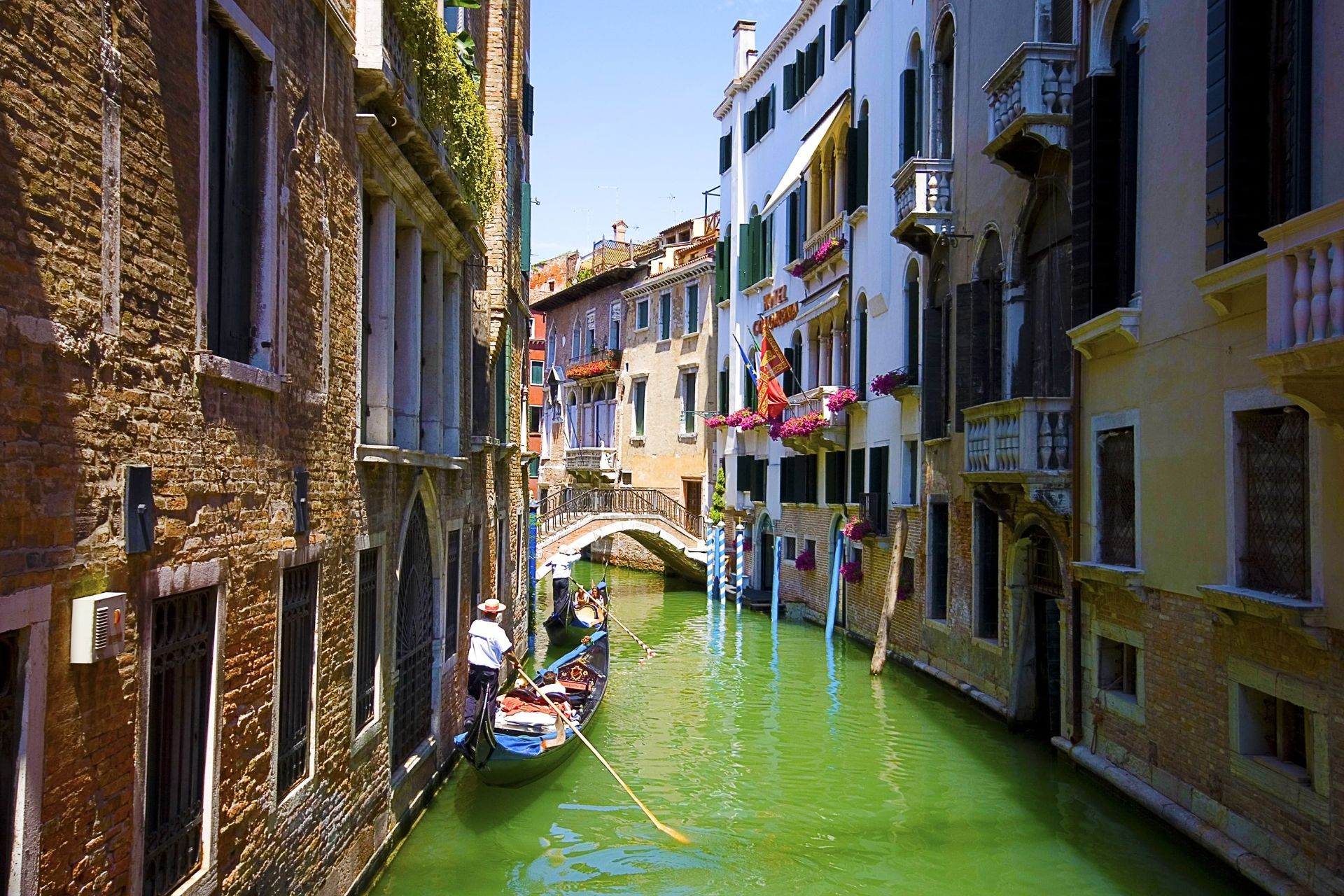
Venice
## Description Cannaregio is one of Venice's most atmospheric districts, often compared to Rome's Trastevere because of its neighborhood feel, lively streets, and balance of local life with visitor appeal. Unlike the most crowded parts of Venice, Cannaregio still feels residential in many places, which gives travelers a richer sense of how the city works beyond the postcard landmarks. Narrow canals, modest bridges, traditional houses, and hidden courtyards create an experience that is quieter than St. Mark's but often more memorable. The district is especially appealing for travelers who enjoy wandering without a strict plan. Its streets reward curiosity: you may turn a corner and find a small bacaro serving cicchetti, a church with centuries of history, or a canal scene that looks almost unchanged from the past. The famous Venetian rhythm of walking, pausing, and crossing bridges feels more relaxed here, and that makes Cannaregio a good place to appreciate the city at a slower pace. One lesser-known fact is that Cannaregio is home to the historic Venetian Ghetto, one of the earliest ghetto districts in Europe and an important site in the history of Jewish life in the city. Another is that, despite its relative calm, the district has one of the longest and most distinctive canal fronts in Venice, giving it some of the best opportunities for scenic strolls away from the major tourist flows. Cannaregio also offers an excellent food and drink scene for those who want a more local feel. Small bars, bakeries, and neighborhood restaurants are often less formal than those around the busiest monuments. The area can feel lively in the evening without becoming overwhelming, which makes it especially appealing for travelers who like to settle into a district rather than simply pass through it. Architecturally, Cannaregio presents a satisfying mix of ordinary and elegant Venice. You will find grand palazzi near the water, smaller homes deeper in the district, and a canal network that makes almost every route slightly different. For photographers, the area is full of soft light, reflections, and everyday scenes that capture Venice's character without the heavy staging of its most famous squares. If you want Venice to feel lived-in, intimate, and walkable, Cannaregio is one of the best places to spend time. It does not compete with the city's headline attractions; instead, it reveals the Venice that locals actually use, which is often the version travelers remember most. ## Location Cannaregio is the northernmost of Venice's six historic districts, located in Venice, Veneto, Italy. It stretches from the train station area into the heart of the city and includes parts of the Grand Canal, the Venice Ghetto, and many quiet side canals. It is easy to reach on foot from Venezia Santa Lucia railway station or by vaporetto along the Grand Canal. Because Venice is a walking city, the best way to explore Cannaregio is simply to arrive at the station or a nearby stop and start wandering through the district's streets and canals. ## Tips Visit late afternoon into evening if you want to combine sightseeing with aperitivo and dinner. Do not rush. Cannaregio is best experienced through detours, side streets, and pauses along the canal. Bring a map or use offline navigation, because Venice's layout can be confusing at first even though Cannaregio is relatively straightforward. Respect the residential character of the district. Many of its most charming areas are also people's homes. Look for bacari rather than only formal restaurants if you want a more local food experience. If you are interested in history, set aside time for the Venetian Ghetto and nearby Jewish heritage sites. ## Conclusion Cannaregio offers a more intimate and authentic side of Venice, combining local rhythm, historical depth, and canal-side beauty in a district that is easy to love and hard to forget. ## FAQ ### Why is Cannaregio compared to Trastevere? Both districts are known for local character, lively but not overly formal streets, and a strong mix of food, history, and neighborhood atmosphere. ### Is Cannaregio less crowded than central Venice? Yes, it is generally calmer than the most famous parts of Venice, though it can still be busy near the station and major landmarks. ### What is the most important historic site in Cannaregio? The Venice Ghetto is one of the area's most significant historical sites. ### Can I stay in Cannaregio as a base for Venice? Yes, many travelers prefer it because it is walkable, well connected, and usually less hectic than the busiest tourist zones. ## Links - [Cannaregio](https://en.wikipedia.org/wiki/Cannaregio) - [Venice tourism](https://www.veneziaunica.it/en)
GemVoyage Team • World
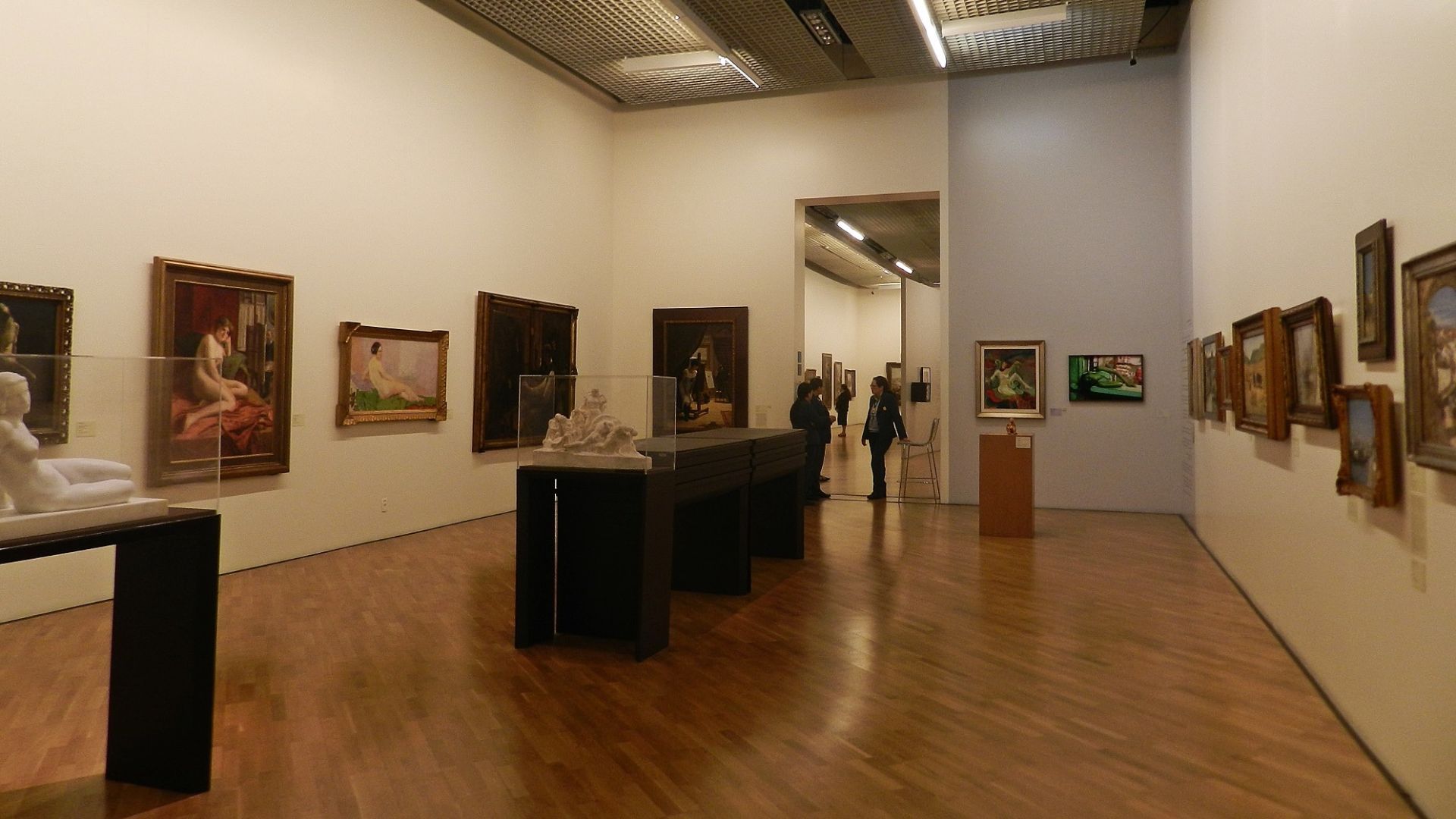
São Paulo
## Description Pinacoteca de São Paulo is one of Brazil’s most important art museums, and it has the kind of presence that makes a visit feel meaningful even before you step inside. Set in a historic building near Luz, the museum combines architecture, collection depth, and curatorial seriousness in a way that appeals to both first-time visitors and dedicated art travelers. It is not simply a place to tick off a museum list. It is one of the essential cultural experiences in São Paulo. The museum’s strength lies in how it balances scale and intimacy. You can encounter major works from Brazilian art history, yet the overall visit still feels navigable and human-sized. The building itself also contributes to the experience, with restored spaces that create a strong sense of continuity between old and new São Paulo. One little-known fact is that the museum occupies one of the city’s most recognizable historic structures, which gives the collection a powerful architectural frame. Another is that the museum’s location near Luz places it in a district shaped by rail history, urban transformation, and cultural reinvention. For travelers, the Pinacoteca is especially rewarding because it helps decode São Paulo’s broader cultural identity. The city is often described through business, scale, and speed, but the museum reveals another side: artistic ambition, historical memory, and deep engagement with Brazilian visual culture. You can spend time with painting, sculpture, and installation works, then step back into the urban landscape with a much richer understanding of the city. The museum is also a good choice for visitors who like structure. Unlike some larger institutions that can feel overwhelming, the Pinacoteca encourages a thoughtful pace. You can move through the galleries at a measured speed, pause where something catches your eye, and still feel that you have had a full and substantial experience. For many people, it becomes one of the most memorable stops in São Paulo because it offers clarity, beauty, and context in equal measure. ## Location Pinacoteca de São Paulo is located in the Luz area of central São Paulo, Brazil, near the city’s historic train and transit hub. The museum sits within easy reach of other central attractions, making it practical to combine with a wider cultural day in downtown São Paulo. The easiest way to get there is by metro or taxi/rideshare. Luz station is the most convenient reference point, and arriving by public transport helps avoid some of the congestion and parking complexity of central São Paulo. Because the area has a busy urban character, it is wise to plan your route in advance and keep your visit focused on museum hours and nearby movement. If possible, avoid arriving in a rush. The museum deserves an unhurried approach, and the surrounding district is best experienced with enough time to orient yourself before entering. ## Tips - Buy or reserve tickets ahead of time when possible, especially on weekends or during special exhibitions. - Give yourself time for both the collection and the building. The architecture is part of the experience. - Visit earlier in the day if you want a quieter atmosphere in the galleries. - Combine the Pinacoteca with other downtown cultural stops so your trip feels efficient and rewarding. - Wear comfortable shoes. Even a museum visit here often becomes part of a broader walking itinerary. ## Conclusion Pinacoteca de São Paulo is a cornerstone of the city’s cultural life and one of the best places to understand Brazilian art in an elegant historic setting. It offers a visit that is both intellectually satisfying and visually rich. ## FAQ ### How much time should I spend at the Pinacoteca? Most visitors benefit from at least two hours, and more if they enjoy reading labels or visiting special exhibitions. It is easy to spend longer if the collection draws you in. ### Is the museum good for first-time visitors to São Paulo? Yes. It is one of the best places to start if you want a strong cultural anchor in the city and an introduction to Brazilian art. ### Do I need to be an art expert to enjoy it? No. The museum is accessible for general visitors while still offering depth for people with more art background. ### Can I visit it with other downtown attractions? Absolutely. Its central location makes it a natural part of a full day in the Luz and downtown area. ## Links - [Pinacoteca de São Paulo official website](https://pinacoteca.org.br/) - [Pinacoteca de São Paulo on Wikipedia](https://en.wikipedia.org/wiki/Pinacoteca_do_Estado_de_S%C3%A3o_Paulo)
GemVoyage Team • World
Kaimonkawashiri
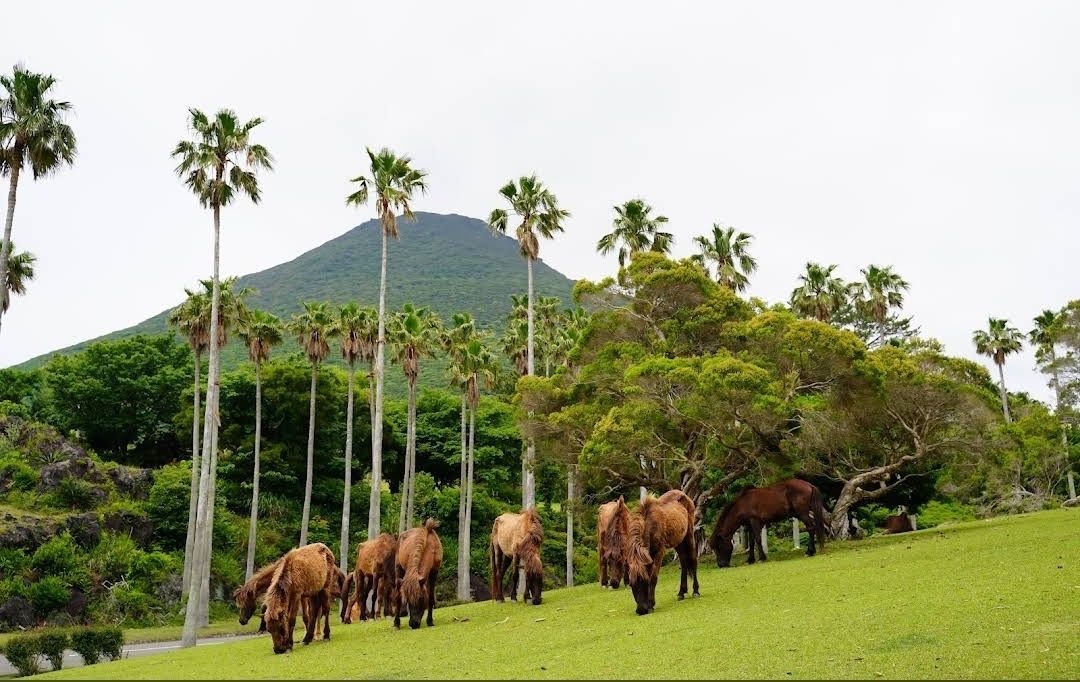
## Description **Kaimon Foothills Nature Park** is a serene and picturesque destination located at the base of Mount Kaimon, often nicknamed the “Fuji of Satsuma” because of its elegant, conical shape that resembles Japan’s iconic Mount Fuji. This park is a favorite among nature enthusiasts, hikers, and families looking for a peaceful escape into lush greenery and panoramic landscapes. What makes Kaimon Foothills Nature Park unique is its perfect blend of natural beauty and cultural significance. The area offers walking trails surrounded by seasonal flowers, open lawns ideal for picnics, and scenic viewpoints where visitors can admire Mount Kaimon towering in the distance. On clear days, you can even catch a glimpse of **Yakushima Island**, a UNESCO World Heritage Site known for its ancient cedar forests. A little-known fact is that the park is home to rare flora native to the Kagoshima region, making it a hidden gem for botany lovers. Another interesting detail is that the park also serves as a base for those who want to climb Mount Kaimon, with the trailhead conveniently located nearby. ## Location Kaimon Foothills Nature Park is located in **Ibusuki City**, within **Kagoshima Prefecture** in southern **Kyushu, Japan**. The park sits at the base of Mount Kaimon, which rises 924 meters above sea level and is a defining landmark of the Satsuma Peninsula. Getting there is straightforward. From **Kagoshima City**, travelers can take the **JR Ibusuki-Makurazaki Line** to **Kaimon Station**. From the station, the park is just a short taxi ride or a leisurely walk. Alternatively, those traveling by car can reach the park in about 90 minutes from central Kagoshima via Route 226, a scenic coastal road. For visitors who enjoy road trips, this drive offers stunning views of Kagoshima Bay and the surrounding countryside. ## Tips To make the most of your visit to Kaimon Foothills Nature Park, keep these tips in mind: * **Wear comfortable shoes** – The park has walking trails and natural terrain, so sturdy footwear will make your visit more enjoyable. * **Bring a picnic** – With wide open spaces and shaded areas, the park is perfect for relaxing and enjoying a homemade lunch outdoors. * **Check the weather** – Clear days provide the best views of Mount Kaimon and the surrounding region, so plan accordingly. * **Combine with a hike** – If you’re up for adventure, start your climb up Mount Kaimon from the trailhead near the park. The hike typically takes 3–4 hours round trip. * **Visit nearby attractions** – Ibusuki is famous for its unique **sand baths**, where visitors are buried in naturally heated volcanic sand. It’s an excellent way to relax after exploring the park. * **Bring a camera** – Whether it’s the seasonal flowers, the majestic peak of Mount Kaimon, or the sunset views, the park is full of photo-worthy moments. ## Conclusion **Kaimon Foothills Nature Park in Japan** is a charming and peaceful destination that offers both relaxation and adventure. With its breathtaking views of Mount Kaimon, lush greenery, and cultural significance, it’s the perfect spot for families, hikers, and nature lovers alike. Conveniently located in Ibusuki, Kagoshima, the park also serves as a gateway to exploring southern Kyushu’s natural wonders. ## FAQ **1. What is Kaimon Foothills Nature Park best known for?** The park is best known for its scenic location at the base of Mount Kaimon, offering beautiful views, picnic areas, and access to the hiking trail up the mountain. **2. Can you climb Mount Kaimon from the park?** Yes, the park serves as a starting point for the Mount Kaimon hiking trail, which takes about 3–4 hours to complete round trip. **3. When is the best time to visit?** Spring and autumn are ideal, with pleasant weather and colorful seasonal flowers. However, the park is open year-round and offers different charms in each season. **4. Is the park family-friendly?** Absolutely. The open lawns, easy walking paths, and picnic spots make it a great destination for families with children. **5. How long should I plan to stay?** Most visitors spend 1–2 hours enjoying the park, but if you add a Mount Kaimon hike or nearby Ibusuki attractions, you can easily plan a full-day trip. **6. Are there facilities like restrooms or shops?** Yes, the park has basic facilities, but it’s a good idea to bring your own snacks and drinks, especially if you plan to stay for a while. ## Links * [Japan Travel – Kyushu Attractions](https://www.japan.travel/en)
GemVoyage Team • World

Comments