GemVoyage Team • World
What distinguishes Testaccio is its deep connection to the local history. Monte Testaccio—an artificial mound of broken amphorae from the Roman period—anchors the area’s archaeology and speaks to the neighborhood’s centuries-long role as Rome’s distribution and storage quarter. That heritage informs the food culture: local producers, family-run stalls and traditional recipes coexist with experimental kitchens, meaning a single visit can offer both classic Roman comfort foods and creative reinterpretations.
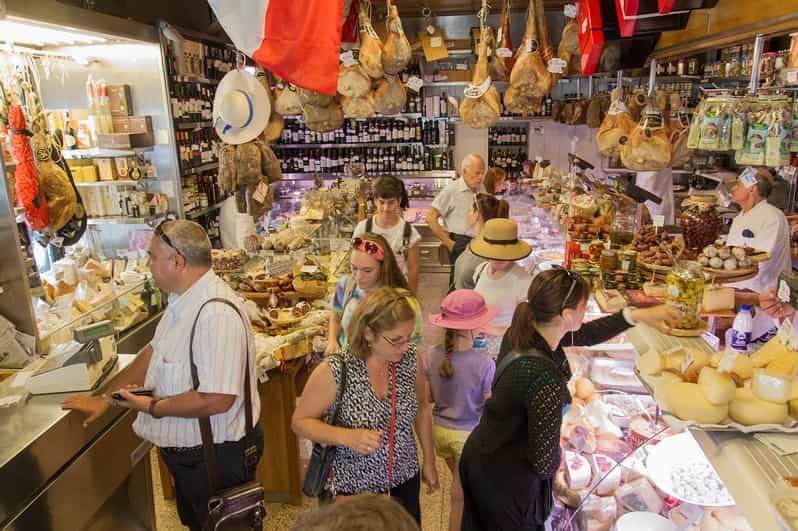
The market’s compact layout makes it an ideal stop for tasting rather than full dining—sample multiple vendors over a morning and build a small feast. Culinary tours often include the market because it presents both quality ingredients and convivial daily life: you’ll hear vendors bartering, watch knives at work behind counters, and find specialty shops selling olive oil, aged cheeses and regional preserves.
If you prefer to mix shopping with sightseeing, plan an early morning visit for the freshest produce and a quieter atmosphere, or go mid-afternoon to sample street food and sample plates as vendors prepare for evening trade.
Q: Can I eat on-site or should I take food away?
A: Both. Many stalls prepare foods to eat immediately and provide small eating areas or counters; taking items to nearby picnic spots or a short walk is also common.
Q: Is Testaccio Market suitable for dietary restrictions?
A: Yes—ask vendors about ingredients. You can find vegetarian pasta, vegetable-based dishes and some stalls that accommodate allergies, but always ask about preparation and cross-contamination.
Q: Are there guided tours of the market?
A: Yes, several local food-tour operators include Testaccio in tasting itineraries; a guided tour is a great way to discover favorite stalls and sample local specialties.
Q: Is the market touristy?
A: Testaccio retains a local feel despite growing interest from visitors; early mornings are best for a more authentic experience.
Discover more hidden gems you might love.
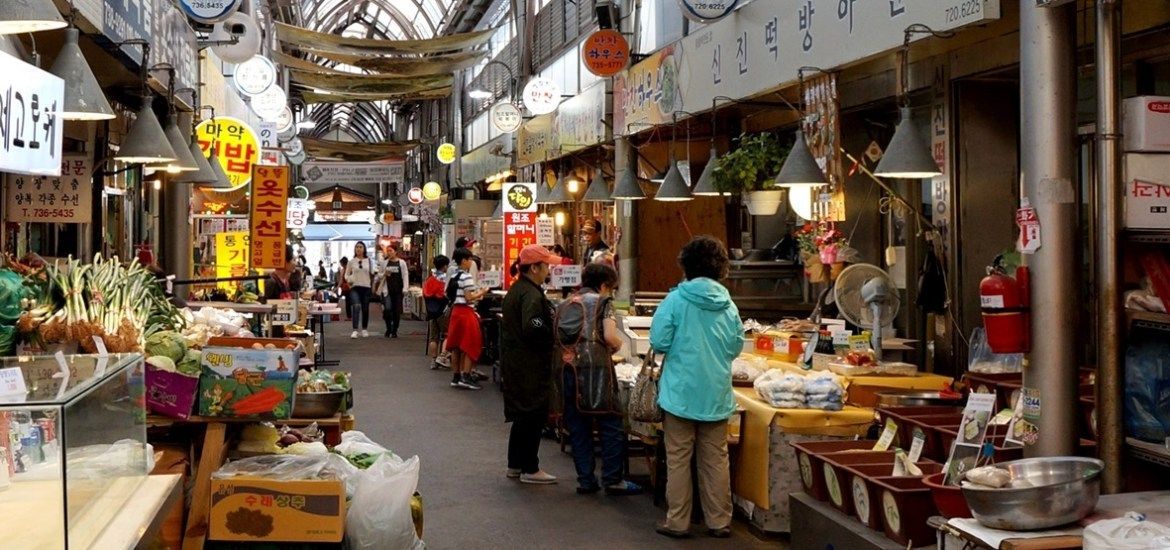
Seoul
## Description Tongin Market is a compact, characterful market in central Seoul famous for its Dosirak Café, a hands-on lunch experience where visitors exchange tokens for small plates to fill a personalized lunchbox (dosirak). The market’s atmosphere is lively and local: stalls sell banchan, grilled fish and meats, fresh kimchi and seasonal produce, while small indoor counters offer soups and comforting home-style dishes. Tongin’s post-war history as a community trade hub gives the market an intimate, neighborhood feel, and several long-running family stalls preserve recipes passed down through generations. The Dosirak Café system is the market’s signature: buy a set number of tokens, trade them for small portions at participating stalls, and assemble a mixed meal that showcases different flavors and textures. This approach encourages sampling, conversation and culinary discovery—perfect for visitors who want to taste many dishes without committing to a single restaurant. Tongin’s vendors balance straightforward comfort food with subtle house specialties, and the market’s layout makes it easy to move from stall to stall, spotting unique snacks and regional ingredients along the way. Beyond the food, Tongin sits within a culturally rich neighborhood near Gyeongbokgung Palace and Seochon, which rewards pairing the market visit with historic sightseeing and gallery strolls. The market’s scale and accessibility make it ideal for solo travelers, couples and families looking for an authentic taste of Seoul’s food traditions. ## Location Tongin Market is located in Jongno-gu in central Seoul, a short walk from Gyeongbokgung Palace and within the Seochon neighborhood. The closest subway stop is Gyeongbokgung (Line 3), and it’s a 10–15 minute walk through interesting historic streets. Buses and taxis are plentiful in this central district, and the market is easily combined with a morning of palace visits and nearby galleries and cafes. Because Tongin is centrally located, it makes a convenient stop on a cultural day itinerary: visit the palace, stroll Seochon’s alleyways, then refuel at the market with a token-driven dosirak or a hot bowl of jjigae at a neighborhood eatery. ## Tips - Arrive early, especially on weekends—popular stalls can develop short lines during midday. - Buy dosirak tokens at the market office and pace your token use so you can sample a variety of stalls. - Ask vendors what’s house-made and seasonal; small stalls often serve regional banchan and specialties not found elsewhere. - Carry modest cash; many vendors accept cards, but tokens and small cash payments remain the norm. - Be mindful of shared seating etiquette: food is communal and stalls expect quick, polite turnover during busy periods. ## Conclusion Tongin Market captures the social and culinary warmth of Seoul’s neighborhood markets. The Dosirak Café system turns dining into an exploratory game of tastes, and the market overall rewards curiosity and good manners. For travelers who want to eat like a local, sample many dishes and experience genuine hospitality, Tongin remains a memorable, portable culinary experience. ## FAQ Q: How do I use the Dosirak Café? A: Buy your tokens at the market office, then present tokens to participating stalls in exchange for small portions. Keep tokens until you’ve built your preferred dosirak, then find shared seating to enjoy your selection. Q: Can visitors with dietary restrictions find options? A: Yes—vegetarian and pescatarian choices are common (many banchan are vegetable-based). For strict allergies or vegan diets, ask vendors about ingredients and preparation to avoid hidden animal products. Q: Is the market wheelchair accessible? A: Accessibility varies across older market alleys; main approaches are walkable but some stalls and passages have steps—contact local tourist information for help planning an accessible route. Q: Are there English menus or signage? A: English is limited but many vendors use photographs or display dishes. A translation app, pointing to items or asking staff at the token office can help. ## Links - [Tongin Market (Wikipedia)](https://en.wikipedia.org/wiki/Tongin_Market)
GemVoyage Team • World
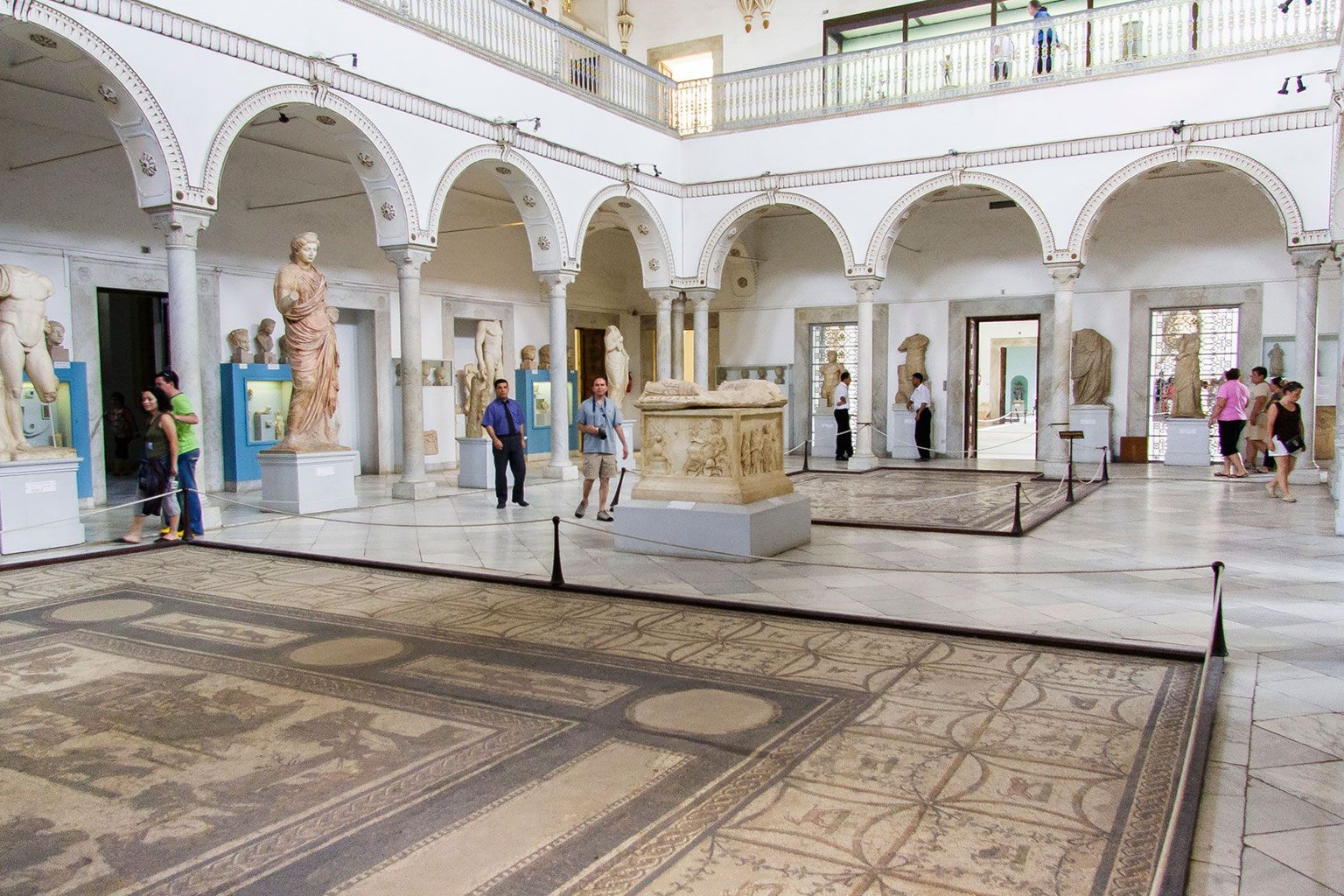
Tunis
## Description Bardo National Museum is one of North Africa’s most important museums and a highlight for anyone interested in archaeology, history, and art. It is particularly famous for its extraordinary collection of Roman mosaics, but the museum’s significance goes beyond a single category. It offers a broad journey through Tunisia’s layered past, from prehistoric materials and Punic remains to Islamic-era objects and decorative arts. That range makes it one of the best places to understand how many different civilizations have shaped the country. What makes the Bardo especially memorable is the quality of the collection and the setting in which it is displayed. The museum occupies a former palace complex, and that architectural backdrop gives the exhibits a sense of elegance and continuity with the past. Walking through the galleries feels like moving through a living archive. The mosaics are often the first thing people mention, and for good reason: they are vivid, large, and remarkably well preserved. But there is also a quieter pleasure in discovering smaller objects, inscriptions, and artifacts that reveal daily life, trade, belief, and artistic taste across centuries. One little-known fact is that the museum’s collection is not only important for Tunisia, but for the broader Mediterranean world. Many of the objects speak to the country’s position as a crossroads of empires, shipping routes, and cultural exchange. Another is that the palace setting helps create a more immersive experience than a plain modern gallery might. The rooms, courtyards, and architectural details remind you that the museum itself is part of Tunisia’s heritage story. For travelers, the Bardo works well because it gives context to the rest of a Tunis itinerary. If you have already seen medinas, ruins, or coastal sites, the museum ties many of those threads together. It is not just about looking at beautiful objects. It is about seeing how Tunisia’s geography and history produced a remarkably rich material culture. ## Location Bardo National Museum is in Le Bardo, a suburb just west of central Tunis, Tunisia. Its position outside the old medina makes it easy to reach while still being close enough to the capital to fit into a normal sightseeing day. The most practical way to get there is by taxi or local transport from central Tunis. Because the museum is a major institution, drivers will usually know it well. If you are already exploring Tunis, it is straightforward to combine the museum with a medina visit or another city-center stop. The museum is also a sensible first stop if you want historical context before branching out to other parts of Tunisia. Plan enough time for a proper visit. The collection is substantial, and rushing would mean missing some of the strongest mosaics and broader historical displays. This is best approached as a serious museum outing rather than a quick photo stop. ## Tips Start with the mosaics if you are short on time, but do not skip the rest of the museum. Some of the most rewarding moments come from smaller objects that are easy to overlook. Check opening information before you go, especially if your trip is part of a tight itinerary. Museums sometimes have schedule changes, and it is better to confirm in advance. If you are interested in ancient history, a guide or a bit of background reading will help you get more out of the collection. The objects are impressive on their own, but the context makes them much richer. Allow time to walk slowly through the galleries. The Bardo is not only about seeing famous pieces; it is also about noticing the range and depth of Tunisia’s past. ## Conclusion Bardo National Museum is an essential Tunis attraction for anyone who wants to understand Tunisia’s artistic and historical heritage. Its mosaics, palace setting, and wide-ranging collections make it one of the region’s most important museums. ## FAQ **What is the Bardo Museum best known for?** Its Roman mosaics are among the most famous in the Mediterranean world. **How much time should I spend there?** At least two hours is a good baseline, and more is better if you want to see the museum thoroughly. **Is it easy to get to from central Tunis?** Yes. It is in Le Bardo and can be reached conveniently by taxi or local transport. **Is the museum only about Roman history?** No. It covers a much wider range of Tunisia’s history and culture. **Is it suitable for first-time visitors to Tunis?** Absolutely. It is one of the most useful places to visit early in a trip. ## Links - [Official Website](http://bardomuseum.tn/index.php?lang=en)
GemVoyage Team • World
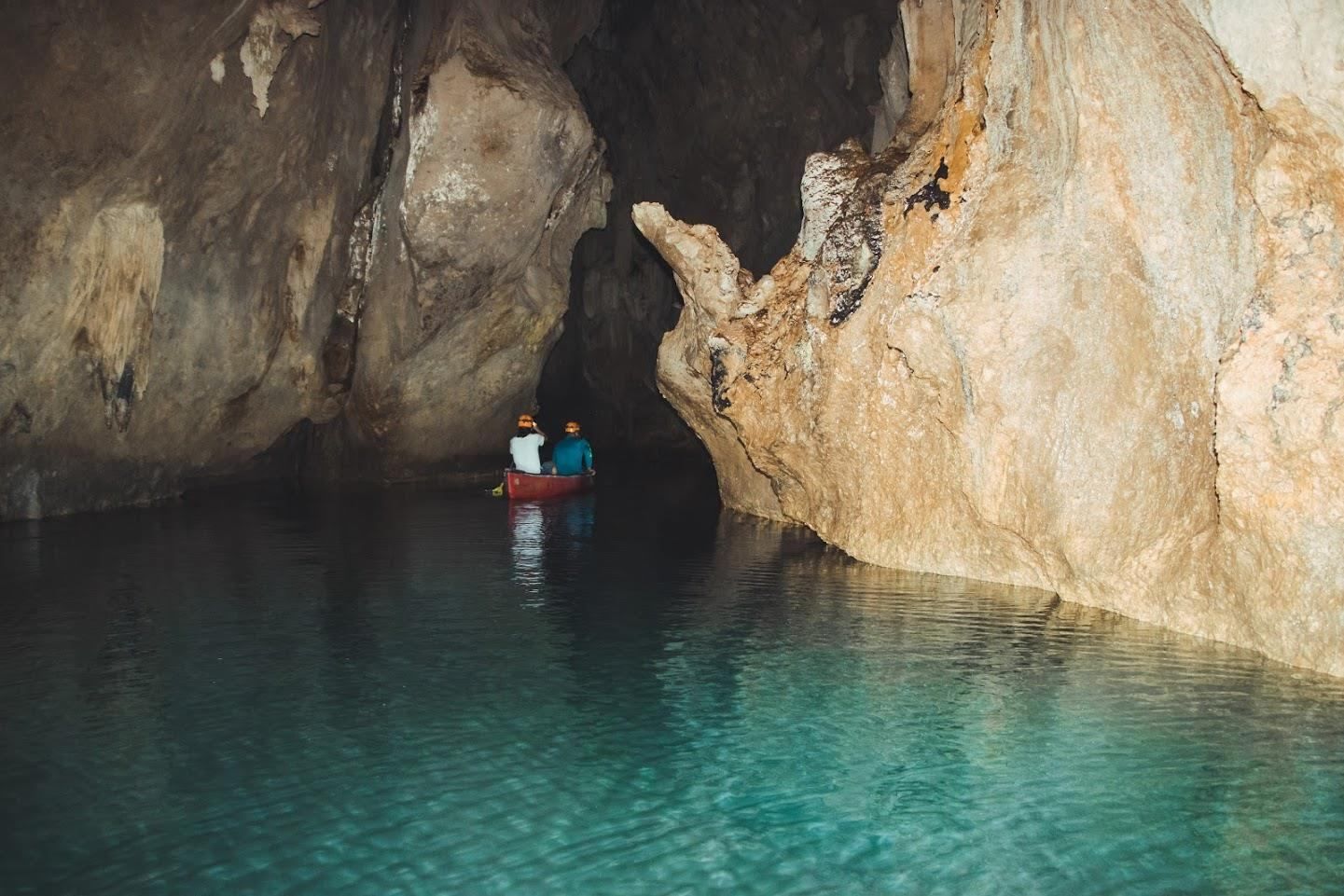
Belize
## Description **Barton Creek Cave Reserve** is one of Belize’s most compelling natural and archaeological attractions, combining dramatic limestone cave formations with deep cultural significance. Located within the lush lowland forests of western Belize, the reserve centers around **Barton Creek Cave**, a vast subterranean river cave that was once a sacred ceremonial site for the ancient Maya. Today, visitors explore the cave primarily by **canoe**, gliding silently through dark chambers illuminated only by headlamps and reflected light on the water. What makes Barton Creek Cave truly unique is this rare combination of **active exploration and archaeological context**. Unlike many caves that are viewed from walkways, here you move directly through the cave’s interior, following the same water route used by the Maya over a thousand years ago. Inside, towering stalactites, stalagmites, and cathedral-like caverns create an atmosphere that is both awe-inspiring and humbling. A little-known fact is that the cave was used specifically for **rituals connected to the Maya underworld**, known as *Xibalba*. Archaeologists have discovered ceremonial pottery, stone tools, and other ritual objects placed deep within the cave, suggesting it was not used for habitation but for spiritual purposes. Another lesser-known detail is that some ceramic pieces were intentionally broken, consistent with Maya ritual practices meant to “release” spiritual energy. Despite its popularity, Barton Creek Cave Reserve remains relatively undeveloped. There are no artificial lights inside the cave, preserving its natural state and enhancing the sense of discovery. This rawness, combined with expert local guides, makes the experience both educational and deeply immersive. ## Location **Country:** Belize **Region:** Cayo District **Nearest Town:** San Ignacio Barton Creek Cave Reserve is located approximately **30 kilometers southeast of San Ignacio**, in a rural, forested area surrounded by small Maya and farming communities. ### How to Get There * **By car:** * From San Ignacio, drive toward the village of Barton Creek. The final stretch is unpaved and may be rough, especially after rain; a high-clearance vehicle is recommended. * **By guided tour:** * The most common and convenient option. Tours include transportation, equipment, and licensed guides. * **By taxi:** * Possible from San Ignacio, but return arrangements should be planned in advance due to the remote location. ## Tips * **Choose a guided tour:** Guides are required and provide essential safety oversight and archaeological context. * **Wear water-friendly clothing:** You may get splashed, and the cave is cool and humid. * **Bring sturdy footwear:** Even though the tour is by canoe, entry and exit areas can be slippery. * **Do not touch artifacts:** Many remain in situ and are protected by law. * **Visit during the dry season:** Roads are easier to navigate, and water levels are more predictable. * **If claustrophobic, reconsider:** Some chambers are large, but the environment is still enclosed and dark. ## Conclusion Barton Creek Cave Reserve offers a rare opportunity to experience Belize’s natural beauty and ancient Maya spirituality at the same time. Its canoe-based exploration, untouched cave environment, and archaeological importance make it one of the most memorable and meaningful attractions in the Cayo District. ## FAQ **1. Do I need a guide to visit Barton Creek Cave?** Yes. All visitors must enter with a licensed guide for safety and preservation reasons. **2. Is swimming required?** No. The cave is explored by canoe, and swimming is not necessary. **3. How long does the tour take?** Typically **1.5 to 2 hours**, including preparation and exploration. **4. Is the cave suitable for children?** Yes, for older children who are comfortable in dark, enclosed spaces. **5. Can I take photos inside the cave?** Yes, but flash photography may be restricted, and touching formations or artifacts is prohibited. **6. What is the best time of year to visit?** The dry season, from roughly December to May, is generally the best time. ## Links * [Belize Tourism Board](https://www.travelbelize.org)
GemVoyage Team • World
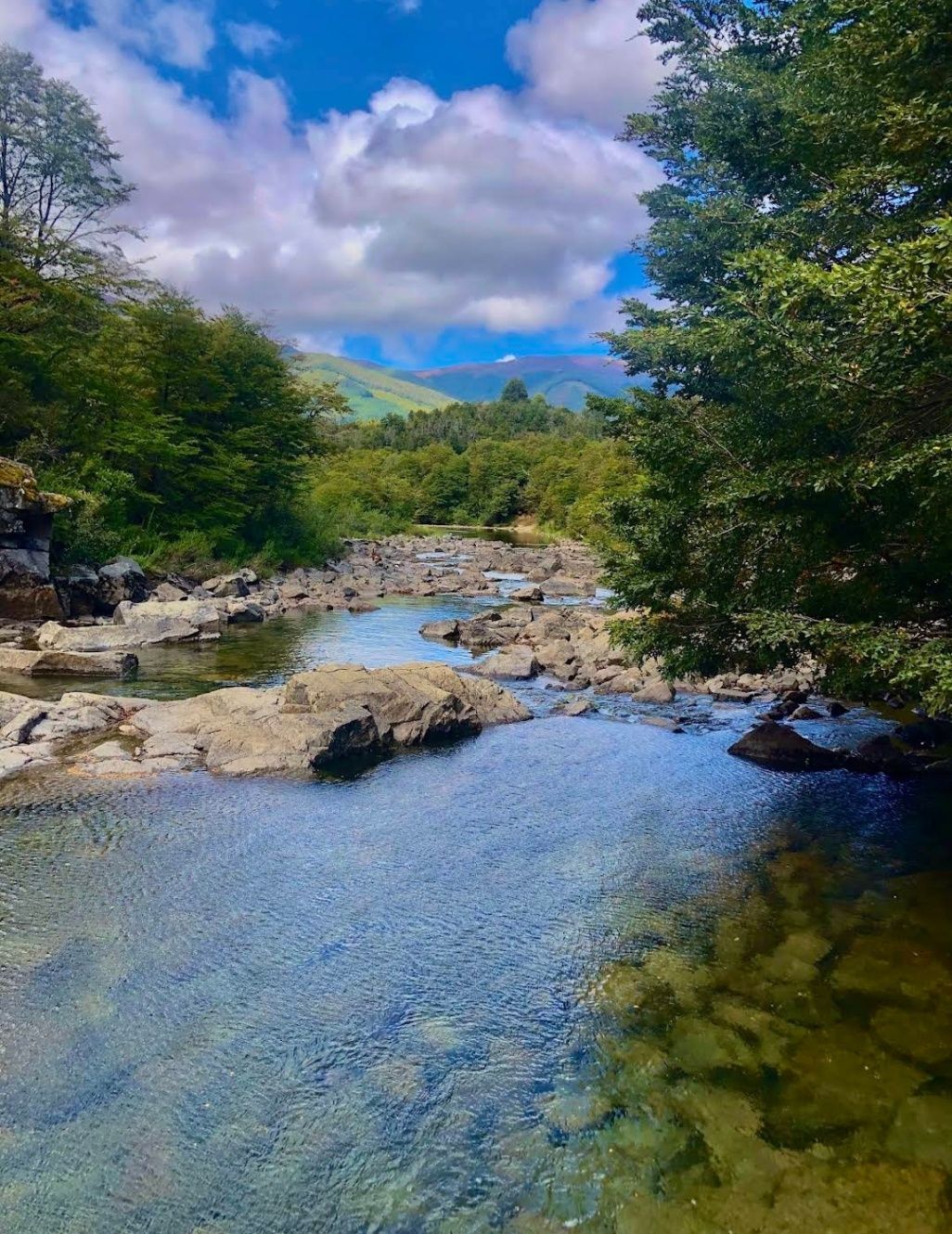
Neuquén
## Description Nestled within the heart of Argentina’s Patagonia, **Cascadas del Río Hermoso** is a breathtaking natural wonder that captivates visitors with its unspoiled beauty. The waterfalls are part of the Río Hermoso, which translates to “Beautiful River,” and the name is no exaggeration. Surrounded by dense forests, clear mountain air, and the soothing sound of rushing water, this destination offers a perfect blend of serenity and adventure. What makes Cascadas del Río Hermoso unique is not only its picturesque setting but also its relative tranquility compared to more popular sites like Iguazú Falls. Here, you won’t find large crowds or bustling tourist infrastructure—just raw, pristine nature. The waterfalls are small to medium in size, cascading down in multiple tiers, forming natural pools that invite visitors to rest and reflect. A little-known fact is that the river is fed by meltwater from the Andes, meaning that the water levels and flow change significantly with the seasons. Another detail often overlooked is the region’s rich biodiversity: the surrounding forests are home to species such as the Patagonian woodpecker and the elusive pudú, one of the world’s smallest deer. For nature enthusiasts, Cascadas del Río Hermoso is a rare opportunity to encounter untouched ecosystems. ## Location Cascadas del Río Hermoso is located in **Argentina, in the Neuquén Province of northern Patagonia**, within the boundaries of **Lanín National Park**. The closest town is **San Martín de los Andes**, a charming Patagonian village known for its alpine-style architecture, lakes, and outdoor activities. To get there, travelers usually fly into Aviador Carlos Campos Airport, just 20 km from San Martín de los Andes. From the town, the waterfalls can be reached by car via **Ruta Nacional 40** and then **Ruta Provincial 63**, which winds through stunning Andean landscapes. The trip itself is a highlight, with panoramic views of lakes, mountains, and valleys. Renting a car is highly recommended, as it allows for flexible stops at scenic viewpoints along the way. ## Tips * **Best Time to Visit**: Late spring to early autumn (November to March) offers the best weather and water flow. Winter can be beautiful too but access may be more difficult due to snow. * **What to Bring**: Comfortable hiking shoes, layered clothing (Patagonia weather is unpredictable), water, snacks, and a camera. * **Respect Nature**: Since this is a less-visited area, maintaining its pristine condition is important. Avoid leaving trash and stick to marked trails. * **Combine Your Trip**: Consider combining your visit with nearby attractions like Lake Lácar, Chapelco ski resort, or even the famous Seven Lakes Route. * **Local Guides**: Hiring a local guide can enrich your experience with stories about the region’s history, culture, and flora and fauna. ## Conclusion Cascadas del Río Hermoso is a tranquil, hidden treasure in Argentina’s Patagonia, offering visitors a rare chance to connect with untouched nature. Surrounded by forests, wildlife, and the pure waters of the Andes, it’s a destination that rewards travelers seeking peace, adventure, and authenticity. ## FAQ **1. How difficult is the hike to Cascadas del Río Hermoso?** The hike is considered easy to moderate. Most trails are well-marked and accessible, making it suitable for families and casual hikers. **2. Is swimming allowed in the river or waterfalls?** Yes, swimming is possible in some of the natural pools, especially during the summer months, though the water can be very cold due to glacial origins. **3. Are there entrance fees?** Since Cascadas del Río Hermoso is part of Lanín National Park, a small entrance fee may apply, depending on the season and visitor category. **4. Can I visit Cascadas del Río Hermoso year-round?** Yes, but accessibility varies. Summer and spring are ideal, while winter may present challenges due to snow-covered roads. **5. Are there facilities near the waterfalls?** Facilities are limited. Visitors should bring their own supplies, although San Martín de los Andes has plenty of options for food, lodging, and equipment rentals. ## Links * [Neuquén Province Tourism](https://www.argentina.travel/en/province/neuquen)
GemVoyage Team • World
Gifu
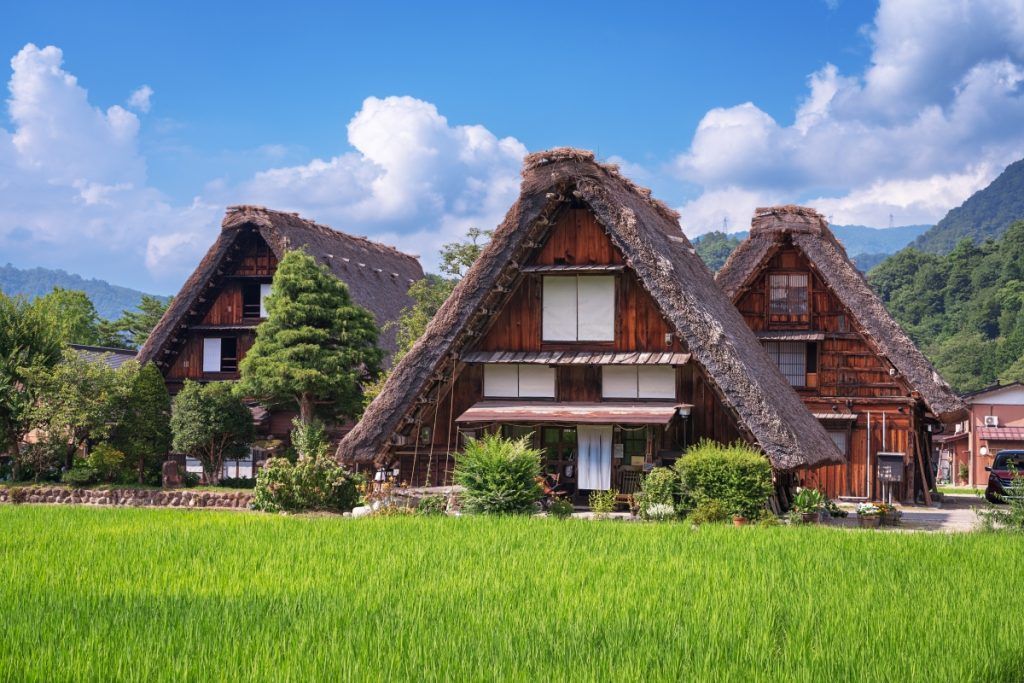
## Description Shirakawa-go is a cluster of historic mountain villages in Gifu Prefecture celebrated for their gassho-zukuri farmhouses — steep, thatched roofs resembling hands in prayer that were engineered to shed heavy winter snow. The villages of Shirakawa and neighboring Ainokura and Suganuma retain these timber-frame homes, some of which date back several centuries and now serve as museums, guesthouses and living reminders of rural Japanese architecture. This UNESCO-recognized cultural landscape is notable for its conservation systems and communal re-thatching practices. Local communities coordinate labor and funding to preserve thatched roofs on regular cycles, maintaining the buildings for future generations. Visitors witness a living tradition where architectural form, agricultural rhythms, and seasonal labor intersect. For helpful searches, use phrases like "Shirakawa-go winter illumination," "stay in a gassho-zukuri house," and "Shirakawa-go day trip from Kanazawa." Visitor notes: The villages are compact and walkable. Many houses maintain small museum rooms showing tools, domestic life, and historical objects. Staying overnight in a minshuku or farmhouse offers a rare opportunity to experience dawn light on thatched roofs and the village’s evening quiet after day-trippers depart. Respecting resident privacy and following local rules are essential; some homes remain private and are not open to the public. ## Location Shirakawa-go is in the mountainous Hida region of Gifu Prefecture in central Japan. The villages are reachable by bus from Takayama, Kanazawa or Toyama; many visitors combine Shirakawa-go with routes through the Japanese Alps. How to get there: Highway buses operate from Takayama and Kanazawa; timetables vary by season so check ahead. For photography-focused visits, consider arriving at first light for the best view of snow or reflected paddies. Road conditions in winter can affect schedules; allow flexibility and check local advisories. ## Tips - **Visit in different seasons:** Winter illuminations and deep snow produce classic images; autumn brings rich foliage and spring highlights rice planting and blossoms. - **Stay in a minshuku or farmhouse:** For an immersive experience, book a night in a traditional house to experience village routines and early-morning light. - **Respect local life:** These are working communities — avoid loud behavior, follow signage, and ask before entering private spaces. - **Use public transport or guided tours:** Parking is constrained in peak periods; buses or organized tours simplify logistics and reduce community pressure. - **Book early for peak events:** Winter illumination weekends and fall foliage are popular—reserve transport and lodging well in advance. - **Hire a local guide for deeper context:** Guides can explain thatching cycles, communal labor traditions, and sustainable heritage conservation. ## Conclusion Shirakawa-go is a gentle, well-preserved glimpse into traditional mountain life in Japan where architecture, community and seasonal labor combine to create a memorable cultural landscape. Combine Shirakawa-go with Takayama or Kanazawa for a deeper regional itinerary that showcases both mountain and coastal cultures. ## FAQ - **Q: Are the houses open to visitors?** A: Several farmhouses operate as museums or guesthouses with interpretive displays; opening times vary by season—check official listings before you go. - **Q: How long should I plan to visit?** A: A half-day allows a main-village walk; an overnight stay deepens the experience and gives access to morning light and quieter evenings. - **Q: Can I stay overnight in a gassho-zukuri house?** A: Yes—some houses operate as minshuku or guesthouses; these often fill early during peak seasons, so book in advance. - **Q: When is the best time for photography?** A: Early morning or late afternoon provides soft light and long shadows; winter snow and autumn colors offer dramatic scenes for photographers. - **Q: Are there any visitor restrictions?** A: Shirakawa-go is managed to protect its cultural landscape—respect signage, avoid entering private homes without permission, and follow guidance during special events. ## Links - [Japan Travel Guide](https://www.japan.travel/en/us/)
GemVoyage Team • World
Kalymnos
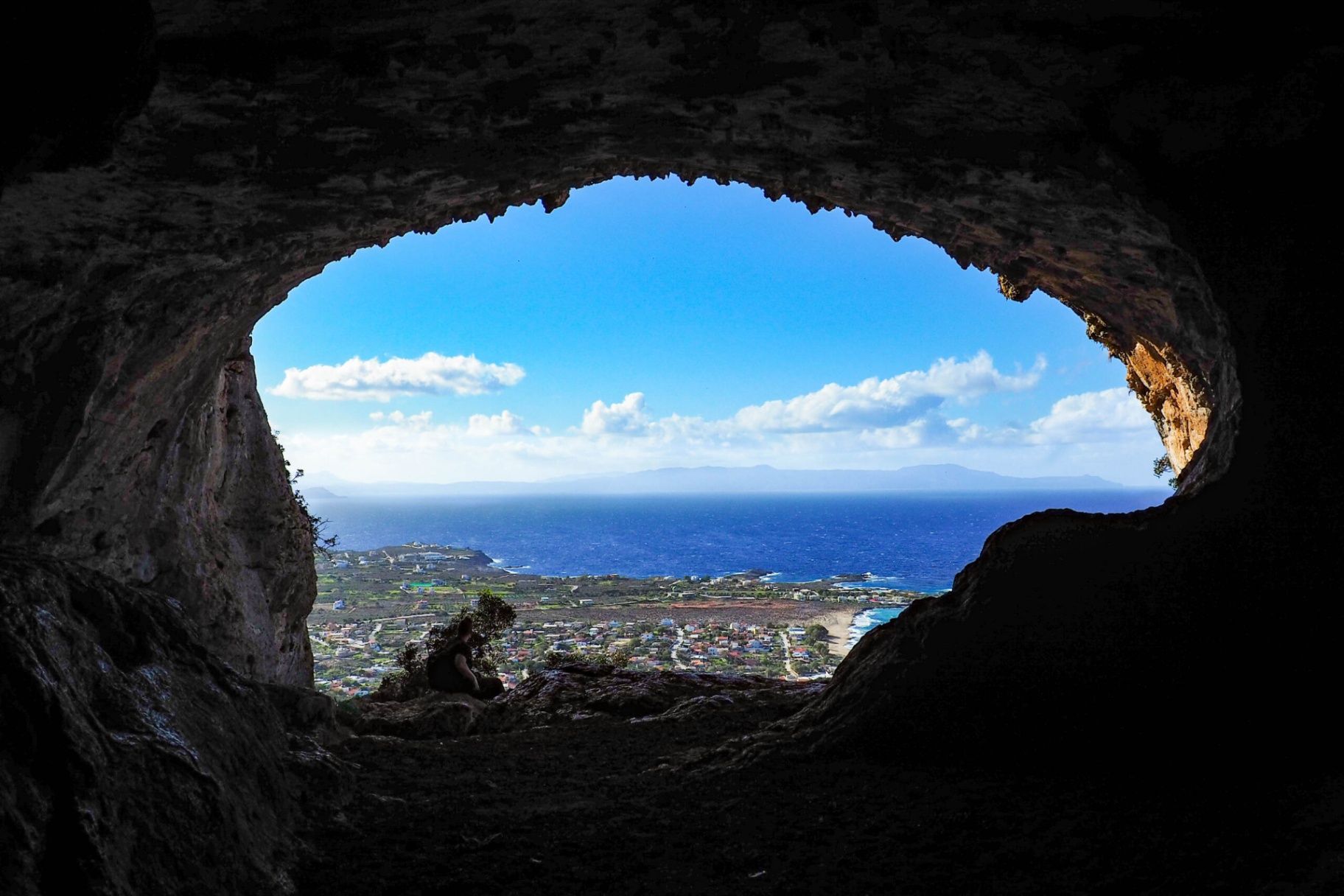
## Description The **Lerá Cave (Σπήλαιο Λερά)** is one of the lesser-known yet historically and mythologically significant caves in Greece. Nestled on the island of **Kalymnos** in the Dodecanese, the cave has been a place of worship since antiquity. Archaeological findings suggest that it was used as a sanctuary dedicated to deities such as **Zeus**, **Hera**, and possibly **Apollo**, highlighting its importance in ancient Greek religious practices. The interior of the cave is both impressive and atmospheric. Visitors are greeted by stalactites, natural chambers, and an aura that recalls the sacred rituals once held there. Some areas still contain traces of ancient votive offerings, fragments of altars, and inscriptions. Unlike more famous caves in Greece, such as those on Crete, Lerá Cave remains largely untouched by mass tourism, making it a fascinating site for travelers seeking authenticity and tranquility. A little-known fact is that the cave continued to be used in later centuries, even during Christian times, when it was adapted for chapels and local worship. This continuity of use gives the Lerá Cave a rare cultural layering that spans thousands of years. ## Location Lerá Cave is located on the island of **Kalymnos**, part of the **Dodecanese** island group in the southeastern **Aegean Sea**, **Greece**. The cave lies on the slopes of Mount Vathy, above the picturesque Vathy Valley, about 9 kilometers from Pothia, the island’s capital. To reach the cave, visitors typically begin from Vathy village and then hike up a marked path leading to the cave entrance. The hike can be moderately challenging, involving rocky paths, so proper footwear is essential. Travelers arriving on Kalymnos usually come by ferry from Kos or Rhodes, or by domestic flights to Kalymnos Island National Airport. Once on the island, local taxis or rented vehicles can bring you close to the trailhead. ## Tips * **Wear sturdy shoes:** The trail to the cave is uneven and rocky, so hiking footwear is strongly recommended. * **Bring a flashlight:** While some natural light enters, the cave interior can be dark, and a torch helps you explore safely. * **Combine with a hike:** The path to Lerá Cave offers panoramic views over the Vathy Valley and Aegean Sea—make the most of the journey, not just the destination. * **Respect the site:** Remember the cave’s sacred history; avoid touching archaeological remains or leaving litter. * **Visit in cooler hours:** Early morning or late afternoon hikes are more comfortable, especially in summer when temperatures are high. * **Consider a guide:** Local guides provide insights into the myths and history tied to the cave, enriching the visit. ## Conclusion The **Lerá Cave** is more than a natural formation—it is a place where geology, mythology, and history converge. With its ancient role as a sanctuary, its natural beauty, and its enduring aura of mystery, it stands as one of Kalymnos’s hidden treasures. For travelers seeking an off-the-beaten-path cultural experience in Greece, a visit to Lerá Cave is deeply rewarding. ## FAQ **1. What was Lerá Cave used for in antiquity?** It served as a sanctuary dedicated to gods like Zeus, Hera, and possibly Apollo, where locals made offerings and conducted rituals. **2. How difficult is the hike to the cave?** The hike is moderately challenging due to rocky terrain. It is accessible to most visitors with proper footwear and reasonable fitness. **3. Is the cave suitable for children?** Yes, but with caution. The path and cave interior can be uneven, so supervision is essential for younger children. **4. Do I need a guide to visit Lerá Cave?** Not strictly, but hiring a local guide enhances the experience by providing historical, mythological, and archaeological context. **5. Is there an entrance fee?** No, Lerá Cave is free to visit, though donations to local cultural associations are sometimes welcomed. **6. Can I combine this visit with other attractions?** Yes, the cave is near Vathy Valley, known for its orchards and harbor, and can easily be combined with a cultural or nature tour of Kalymnos. ## Links * [Dodecanese Islands Tourism](https://www.visitgreece.gr)
GemVoyage Team • World

Comments