Discover extraordinary places shared by our community of travelers
Rome
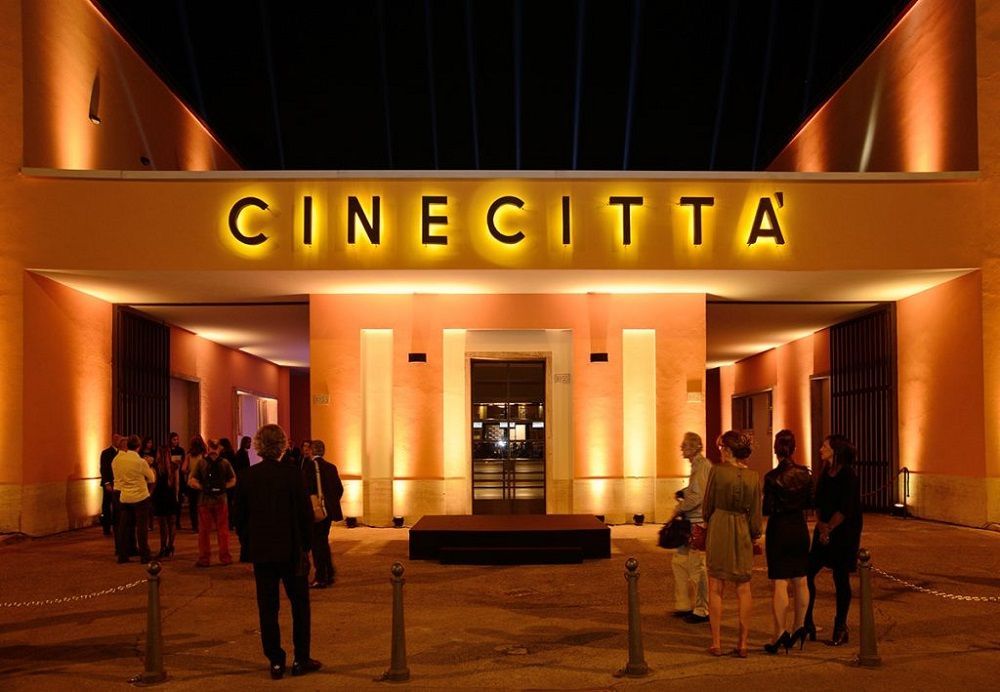
## Description Cinecittà Studios is Italy’s legendary film complex and a living monument to cinematic history. Since its founding in 1937, Cinecittà has hosted major Italian auteurs and international productions, shaping genres from neorealism to epic historical spectacles. Today it functions as both a working studio and a public-facing cultural institution: visitors can explore set reconstructions, costume archives, interactive exhibits, and occasional behind-the-scenes tours that illuminate how films are made. Part of Cinecittà’s allure is its scale and continuity. The studio once housed elaborate built environments—a Roman forum, full-scale palaces and desert landscapes—used in grand historical epics. Though some of those sets were temporary, many props, set fragments and costume pieces have been preserved and curated for public display. The institution also showcases technical crafts that are often invisible to audiences: model making, matte painting, lighting rigs, and costume workshops. For film students and enthusiasts, Cinecittà is a place to see the physical processes that support cinematic imagination. What visitors often remember most are tactile encounters: seeing original costumes under museum lighting, stepping onto a reconstructed soundstage, or viewing archival footage that places modern films in a long lineage of Italian cinema. Temporary exhibitions frequently spotlight famous directors, film movements, or technical achievements, and festival programming can add screenings, talks and workshops to the calendar. Educational programs and bookings: Cinecittà runs occasional workshops, masterclasses and educational programs aimed at students and emerging filmmakers. If you are visiting as part of a study group or with professional interest, contact the studio’s education office to explore scheduling options and group rates. ## Location Cinecittà Studios is southeast of central Rome in the Cinecittà district, easily reached from Termini station and other central hubs. The nearest metro stop is Cinecittà on Line A, which provides a straightforward public transit route for visitors. Getting there: take Metro Line A to Cinecittà station and follow signage, or use buses that serve the district. Taxis and rideshares are convenient if you’re carrying equipment or traveling in a group. Many visitors pair a Cinecittà visit with nearby cultural routes such as the Appian Way or archeological tours of ancient Rome. ## Tips - Book tickets and special tours in advance: popular guided tours and temporary exhibitions can sell out during peak tourist months. - Arrive early to enjoy quieter galleries and to join early guided tours or screenings. - Check the events calendar for film festivals, masterclasses and special exhibits that may offer unique access or programming. - Wear comfortable shoes and be prepared for walking between lots; some areas are outdoor or semi-covered. - Ask about audio guides or guided tours led by studio personnel for a more technical view of production processes. - If you're a student or industry professional, check for discounted or specialized access with proof of affiliation. ## Conclusion Cinecittà Studios uniquely blends cinematic heritage and active production. It provides a rare opportunity to understand filmmaking as collaborative craft—an encounter with the material culture of cinema, from ateliers and props to full-scale set design. Whether you're a cinephile, student, or casual visitor, Cinecittà offers insights into how film history and contemporary production practice meet. ## FAQ Q: Can visitors tour actual soundstages? A: Many guided tours include access to selected soundstages and set reconstructions, but availability depends on production schedules and conservation needs. Booking in advance improves your chances of stage access. Q: Is there an on-site museum and what does it display? A: Yes. Cinecittà’s museum displays costumes, props, archival photographs and multimedia exhibits that trace Italian and international film history. Q: Are tours available in English? A: Yes—guided tours and audioguides are typically offered in multiple languages, including English. Verify language options when booking. Q: How long should I plan for a visit? A: Depending on whether you take a guided tour or explore exhibitions independently, allocate 2–4 hours to comfortably enjoy the museum and studio areas. Q: Can I visit if a film production is underway? A: Public access can be limited during active productions. Check the studio’s schedule and tour availability when planning your visit. ## Links - [Cinecittà Studios (official)](https://www.cinecitta.com) - [Wikipedia: Cinecittà](https://en.wikipedia.org/wiki/Cinecitt%C3%A0)
GemVoyage Team • World
Taiwan
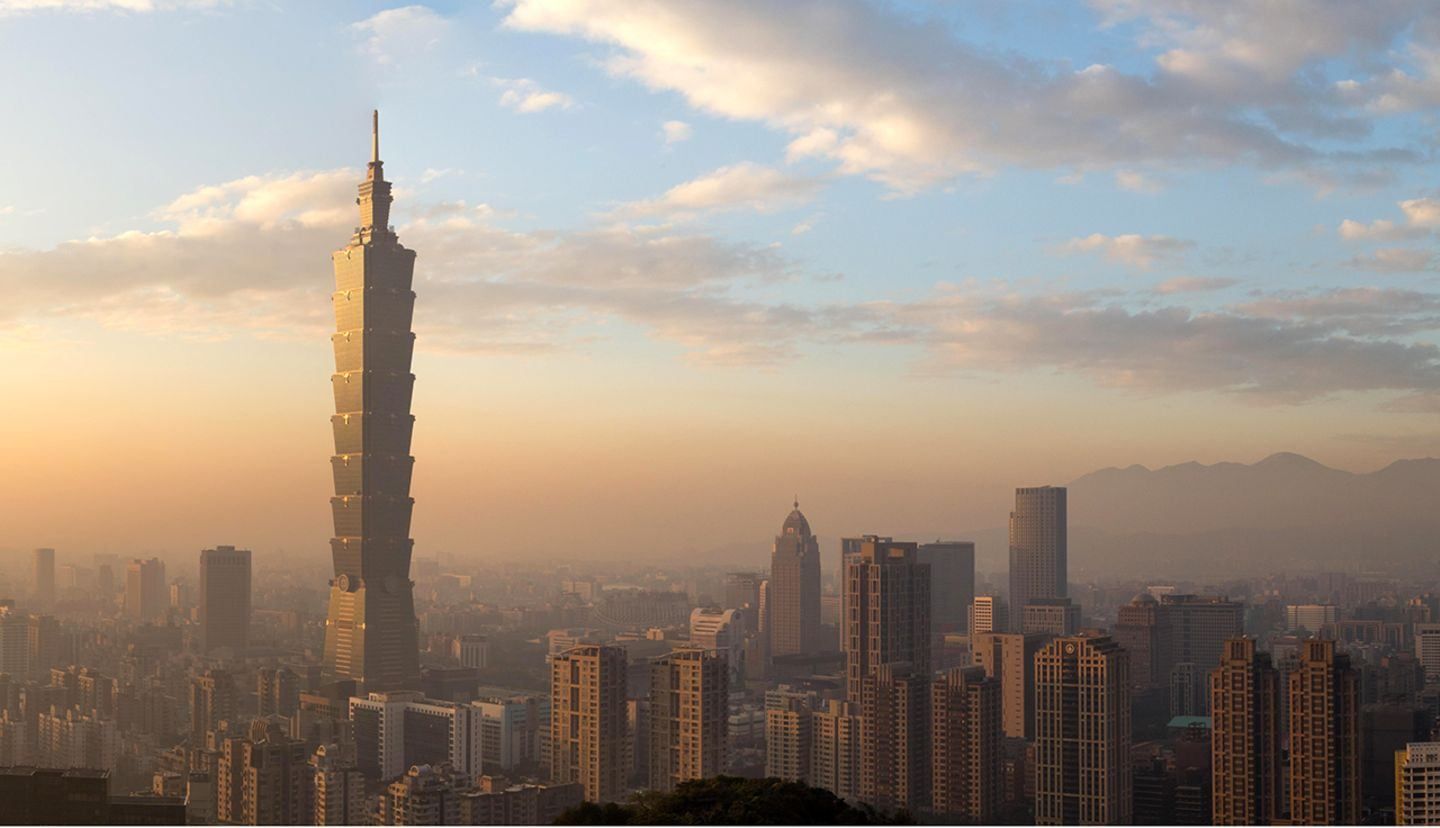
## Description **Lansheng Tower (攬勝樓)** is a traditional scenic pavilion in Taiwan, valued less for monumental scale and more for its **symbolic role as a viewpoint** designed to frame the surrounding landscape. True to its name, which translates roughly as “Tower for Taking in the Scenery,” Lansheng Tower embodies a classic East Asian architectural concept where the structure exists primarily to enhance the appreciation of nature rather than dominate it. Typically built in a **classical Chinese pavilion style**, Lansheng Tower features an elevated platform, open sides, and a tiled roof supported by wooden columns. This design allows uninterrupted views while providing shade and shelter, making it an ideal resting point for walkers, hikers, and photographers. The tower is often integrated into a park, riverside walk, or hillside trail, where it serves as a visual anchor and a quiet pause within the landscape. A lesser-known aspect of Lansheng Tower is its cultural role as a **literary and contemplative space**. Such towers were traditionally associated with poetry, calligraphy, and scholarly gatherings, and inscriptions or plaques are sometimes displayed to commemorate local history or notable figures. Another interesting detail is that the location was often chosen based on principles of **feng shui**, emphasizing balance between water, elevation, and surrounding landforms. Rather than being a destination that demands long hours, Lansheng Tower rewards visitors who value stillness, perspective, and subtle beauty. It represents a distinctly Taiwanese approach to public space, blending heritage architecture with everyday life. ## Location **Country:** Taiwan **Region:** East Asia **City:** Location varies depending on the specific Lansheng Tower, as the name is used for scenic pavilions in parks or natural areas Lansheng Tower is typically found within a **public park, scenic area, or hillside viewpoint**, often overlooking rivers, lakes, or city skylines. ### How to Get There * **By public transport:** * MRT or local buses usually stop near the park or scenic area where the tower is located. * **On foot:** * Many towers are reached via walking paths or short hiking trails. * **By taxi or ride-hailing:** * A convenient option if the tower is located in a less central area. * **By bicycle:** * In urban parks or riverside areas, cycling paths often lead directly to the site. ## Tips * **Visit during sunrise or sunset:** The tower’s purpose is scenic viewing, and lighting conditions matter. * **Bring a camera or sketchbook:** The elevated views are ideal for photography and drawing. * **Check the weather:** Clear days offer the best visibility, especially if the tower overlooks water or mountains. * **Respect the space:** These pavilions are often used for quiet rest and reflection. * **Combine with a walk:** Lansheng Tower is best experienced as part of a longer stroll or hike. * **Read any plaques or inscriptions:** They often provide historical or cultural context that enriches the visit. ## Conclusion Lansheng Tower is a modest but meaningful landmark that reflects Taiwan’s cultural appreciation for scenery, balance, and contemplation. Rather than impressing through size or grandeur, it invites visitors to slow down, observe, and connect with the surrounding environment from a thoughtfully chosen vantage point. ## FAQ **1. What does Lansheng Tower mean?** The name translates roughly to “Tower for Enjoying the View.” **2. Is there an entrance fee?** No. Scenic pavilions like Lansheng Tower are usually free to access. **3. How long should I stay?** Most visitors spend **15–30 minutes**, longer if combining it with a walk or photography. **4. Is it suitable for children and elderly visitors?** Yes, provided the access path is flat or gently sloped. **5. Is it historically important?** While not always ancient, it follows traditional architectural and cultural principles rooted in Chinese and Taiwanese heritage. **6. Can I visit at night?** Some locations are accessible at night, but lighting varies. Safety depends on the surrounding area. ## Links * [Taiwan tourism portal](https://www.taiwan.net.tw)
GemVoyage Team • World
Turin
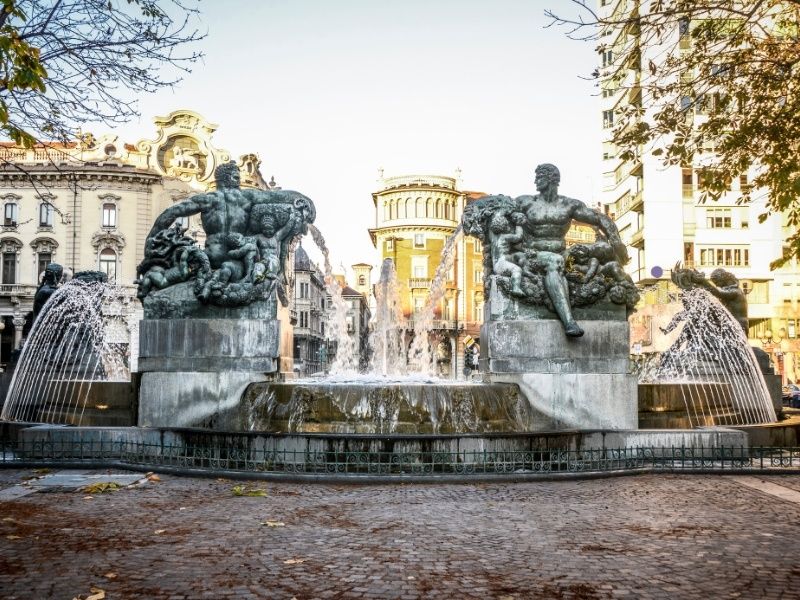
## Description Piazza Solferino is one of Turin’s most elegant and historically significant squares, offering a refined blend of architecture, green spaces, and local life. Located in the city center, the square serves as a calm yet vibrant meeting point where residents and visitors alike come to stroll, relax, or enjoy a coffee nearby. Unlike some of Turin’s more monumental piazzas, Piazza Solferino feels intimate and lived-in, making it an excellent place to experience the city at a slower pace. What makes Piazza Solferino unique is its layered history. The square is named after the Battle of Solferino (1859), a key event in Italian unification, and it stands close to sites connected to important political and cultural moments. A lesser-known fact is that the nearby area played a role in the birth of the Red Cross movement, inspired by the aftermath of the Battle of Solferino. Another interesting detail is the presence of subtle architectural transitions around the square, reflecting Turin’s shift from baroque influences to more modern urban planning during the 19th and early 20th centuries. With its central gardens, mature trees, and surrounding cafés and offices, Piazza Solferino offers a peaceful contrast to the busier shopping streets just steps away. ## Location Piazza Solferino is located in **Italy**, in the **Piedmont** region, within the city of **Turin (Torino)**. It sits in the historic center, between Corso Re Umberto and Via Cernaia, making it a natural crossroads for both locals and visitors. The square is easy to reach on foot from many major attractions, including Piazza Castello and Via Roma. Public transportation is also convenient, with multiple bus and tram lines stopping nearby. The closest metro station is **Re Umberto** on Line 1, which is just a short walk away. For visitors staying in central Turin, Piazza Solferino is often best reached by walking, allowing you to enjoy the surrounding streets and architecture. ## Tips * Visit in the morning or late afternoon to enjoy the square at its most relaxed and atmospheric. * Take a moment to sit on a bench in the central garden area and observe daily life in Turin. * Nearby cafés are ideal for a traditional Italian coffee or aperitivo after exploring the area. * Combine your visit with nearby attractions such as the Egyptian Museum or Piazza Castello. * The square often hosts small local events or gatherings, especially on weekends. * Bring a camera, as the surrounding architecture and greenery offer excellent photo opportunities. ## Conclusion Piazza Solferino is a refined and welcoming urban space that reflects Turin’s history, elegance, and everyday rhythm. Its central location, historical significance, and peaceful atmosphere make it a rewarding stop for anyone exploring the city. ## FAQ **Is Piazza Solferino worth visiting for tourists?** Yes, especially for those interested in local atmosphere, history, and architecture rather than major monuments alone. **Are there restaurants and cafés nearby?** Yes, the surrounding streets offer a wide range of cafés, restaurants, and bars. **How much time should I spend at Piazza Solferino?** Most visitors spend 20 to 40 minutes, though it can easily be longer if you stop for coffee or relaxation. **Is Piazza Solferino family-friendly?** Yes, the open space and central garden make it suitable for families and casual visits. **Does the square host events?** Occasionally, small cultural or community events take place, particularly during warmer months. ## Links * [Turismo Torino Official Website](https://www.turismotorino.org)
GemVoyage Team • World
Lisbon
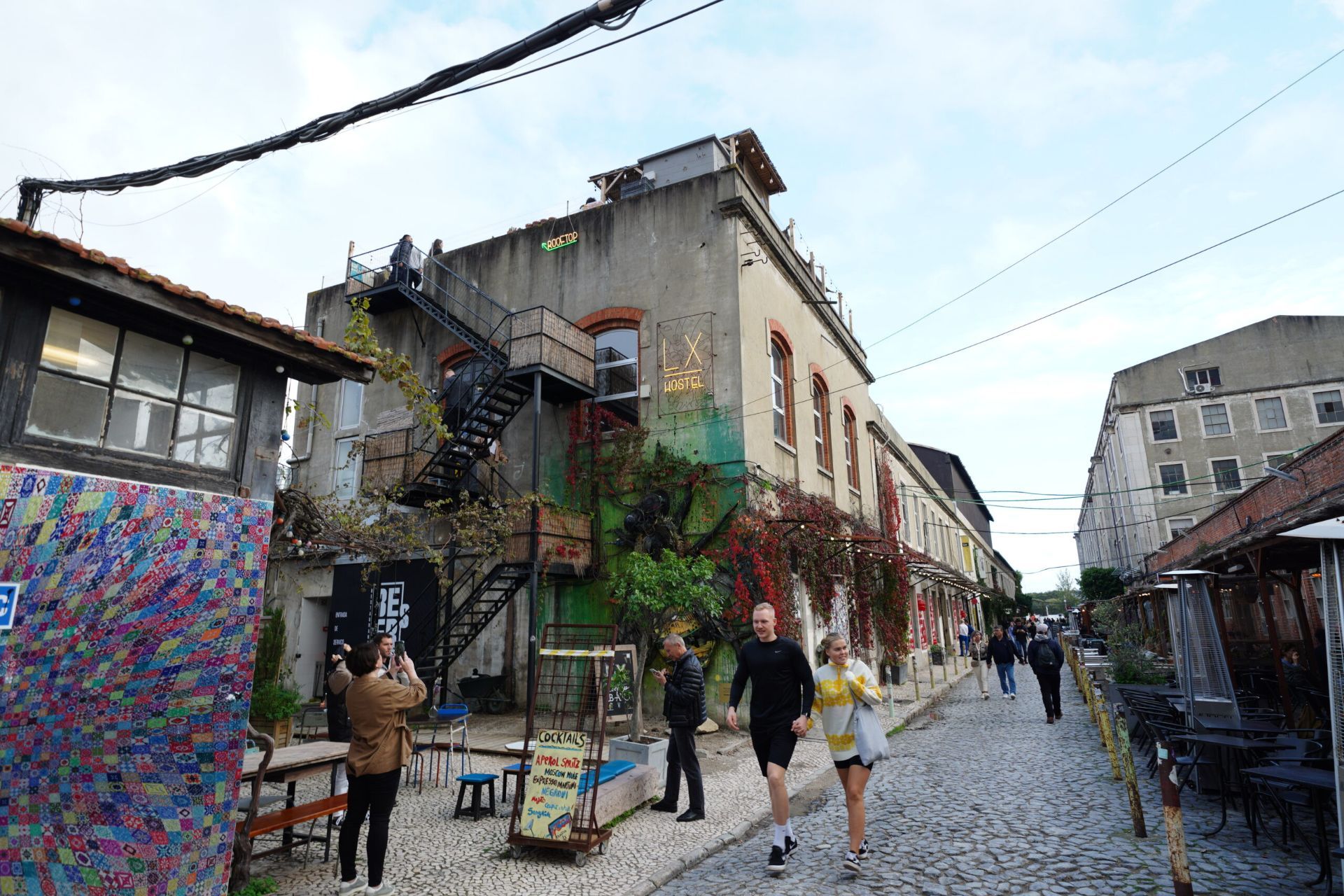
## Description LX Factory is one of Lisbon’s most vibrant examples of industrial regeneration: a former manufacturing complex in Alcântara that has been transformed into a creative quarter brimming with independent shops, galleries, artisanal restaurants, and coworking spaces. The complex retains industrial bones—exposed brick, iron beams, and tall windows—which provide a raw, textured setting for contemporary design, street art, and cultural events. What began as a loose network of creatives and small businesses has grown into a popular destination that still retains an authentic, local energy. The visitor experience at LX Factory ranges from slow browsing of concept stores and second-hand bookstores to lively evenings at rooftop bars and weekend markets. The site is notable for incubating Portuguese design brands and independent publishers; weekend markets and fair-type events often showcase handmade goods, ceramics, fashion, and design pieces that reflect Lisbon’s current creative pulse. Galleries and studios host rotating exhibitions while cafés and restaurants offer a mix of traditional Portuguese flavors and international influences. What sets LX Factory apart is the combination of scale and intimacy: the industrial courtyards and long factory halls feel spacious, yet the density of creative vendors and pop-ups creates an exploratory experience. Street art and murals lend a constantly evolving visual backdrop, while programming—book fairs, music nights, and design talks—adds depth beyond shopping and dining. ## Location LX Factory sits along the south bank of the Tagus River in Alcântara, Lisbon, near the iconic 25 de Abril Bridge. Its riverside location makes it a natural stop on a riverside itinerary, and it is within reach of central Lisbon via tram, train, or a scenic walk. Getting there: The nearest train stop is Alcântara-Mar; historic trams and buses also serve the area. Taxis and rideshares provide convenient options, and walking from central neighborhoods is possible for those who enjoy a longer stroll along the riverfront. Check transit schedules and event listings to plan visits during market days or special events. ## Tips - Visit on a weekday morning or early afternoon for calmer browsing; weekends bring lively markets and larger crowds. - Check the LX Factory event calendar in advance—book fairs, music nights, and pop-up markets can change the atmosphere and crowd levels. - Explore rooftops and courtyards for pleasant views and sunset drinks; several restaurants and bars capitalize on the industrial setting. - Carry a reusable bag for market finds and small purchases; many stalls offer handcrafted goods that make unique souvenirs. - Wear comfortable shoes to navigate the long halls and uneven surfaces—the complex rewards slow wandering. - Combine LX Factory with a riverside walk toward Belém or a visit to nearby museums to round out a day of culture. ## Conclusion LX Factory is a lively, creative hub that captures Lisbon’s blend of historic layers and contemporary innovation. It’s a must-visit for travelers looking for local design, independent culture, and a community atmosphere that still feels genuine rather than overly commercialized. ## FAQ Q: Is LX Factory family-friendly? A: Yes. Daytime markets and shops are suitable for families; some evening venues cater more to adults—plan accordingly. Q: Are there regular markets and fairs? A: Yes. Weekend markets, design fairs, and occasional book and music events are common—check the events calendar before you go. Q: Can I work from LX Factory? A: Several cafes and coworking spaces welcome remote workers; Wi-Fi availability varies by venue—ask locally or check listings. Q: What are the best times to visit to avoid crowds? A: Weekday mornings and early afternoons are typically quieter; weekends are busiest due to markets and events. Q: Are there parking options nearby? A: Limited on-site parking exists and nearby street or paid parking can be used; public transit and rideshare are convenient alternatives. Q: Are dogs allowed? A: Policies vary by tenant; outdoor areas are pet-friendly in many cases, but check with individual shops or restaurants for their rules. ## Links - [Lisbon Travel Guide](https://www.visitlisboa.com/)
GemVoyage Team • World
Cape Town
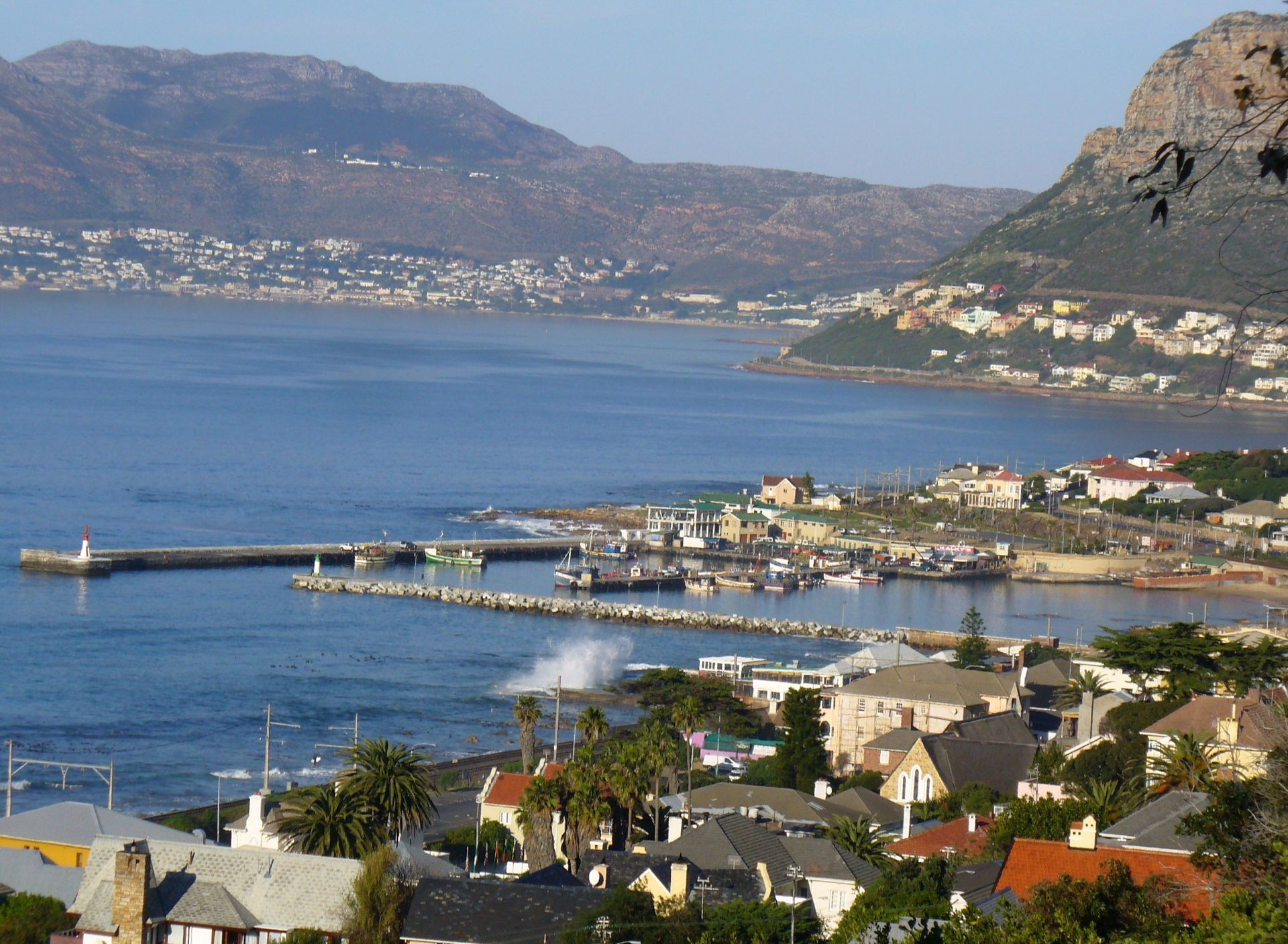
## Description Kalk Bay Harbour is one of those places that feels immediately alive. It is not a polished waterfront designed only for visitors, and that is exactly what makes it memorable. Fishing boats still work the water, gulls circle over the quays, and the rhythm of the harbor changes with the tides, the weather, and the catch of the day. In Cape Town, where many visitors focus on Table Mountain or the Atlantic coast, Kalk Bay offers a more intimate coastal experience. It is a place where everyday life and scenic charm overlap naturally. The harbor sits in the old fishing village of Kalk Bay, so the atmosphere is layered with history. Narrow streets, weathered buildings, small seafood spots, and the smell of the sea give the area a lived-in feel that is harder to find in more developed tourist precincts. One little-known detail is that Kalk Bay has long been associated with the Kalk Bay fishing community, whose routines still shape the harbor today. Another is that the surrounding bay often changes character dramatically within a few hours, which makes return visits rewarding because the light and water are rarely the same twice. What makes the harbor especially appealing is how many different experiences it offers in one compact area. You can watch fishing activity in the morning, stroll the quayside, browse nearby shops, and then settle in for coffee or seafood with views across False Bay. For travelers who like places that feel authentic rather than staged, Kalk Bay Harbour is a strong choice. It is scenic, but it is also practical, working, and slightly unpredictable. That mix gives it real personality. The harbor is also a useful place to slow down. Cape Town can be full of high-energy sightseeing, but Kalk Bay encourages a different pace. Visitors tend to linger, looking at boats, reading the sea, or simply sitting and watching local routines unfold. Even if you stay only an hour, the harbor leaves a strong impression because it feels like a slice of Cape Town that still belongs primarily to the people who live and work there. ## Location Kalk Bay Harbour is located in Kalk Bay, on the False Bay coast of Cape Town, in the Western Cape province of South Africa. The harbor sits south of the central city area, along the scenic coastal road that links the southern suburbs with Simon’s Town and the Cape Peninsula. It is easy to combine with a broader day trip through Muizenberg, St James, and the rest of the False Bay shoreline. The most practical way to reach it is by car, ride-hailing service, or by taking the Southern Line train and continuing on foot from Kalk Bay station. The walk from the station is short and pleasant, and it helps you arrive already tuned into the neighborhood’s slow coastal rhythm. If you are planning to explore several nearby stops, driving gives you the most flexibility, but parking can be tighter at busier times, especially on weekends and during holiday periods. If you are coming from central Cape Town, expect the journey to take roughly 30 to 45 minutes depending on traffic. Morning and late-afternoon visits are often best because the light is more dramatic and the harbor is especially active. The area is also accessible from other popular southern suburbs, so it works well as part of a larger False Bay outing rather than as a standalone destination. ## Tips - Go early if you want to see the harbor at its liveliest. Morning is when fishing activity is most noticeable and the atmosphere feels most local. - Bring a light jacket even on warm days. The sea breeze can be stronger than you expect, especially near the water’s edge. - Allow time to wander beyond the harbor itself. The surrounding streets and nearby coastline are part of the experience, not just the quayside. - Keep your camera ready, but do not rush the visit. The harbor rewards slow observation more than quick snapshots. - If you are planning to eat nearby, check opening hours in advance. Small coastal businesses may operate on schedules that differ from larger city restaurants. ## Conclusion Kalk Bay Harbour is a compact but deeply atmospheric stop in Cape Town, combining working coastal life, scenic views, and a strong sense of place. It is ideal for travelers who want a harbor that feels real, local, and full of character rather than overly curated. ## FAQ ### Is Kalk Bay Harbour worth visiting if I only have a short time in Cape Town? Yes. Even a short visit gives you a clear sense of the area’s character. You can watch the boats, walk the harbor edge, and experience a very different side of Cape Town from the usual landmark circuit. ### What is the best time of day to visit? Morning is usually best if you want to see the harbor working at full speed. Late afternoon is also attractive because the light softens over False Bay and the atmosphere becomes quieter. ### Can I visit Kalk Bay Harbour without a car? Yes. The train to Kalk Bay station is a practical option, followed by a short walk. Ride-hailing services are also convenient if you want a simpler door-to-door trip. ### Is the area around the harbor safe for walking around? Like any busy urban coastal area, it is best to stay aware of your surroundings, especially when it is crowded. During the day, the harbor and nearby streets are generally visited by many people and are easy to explore at a relaxed pace. ## Links - [Cape Town tourism](https://www.capetown.travel/) - [Kalk Bay on Wikipedia](https://en.wikipedia.org/wiki/Kalk_Bay)
GemVoyage Team • World
Alexandria
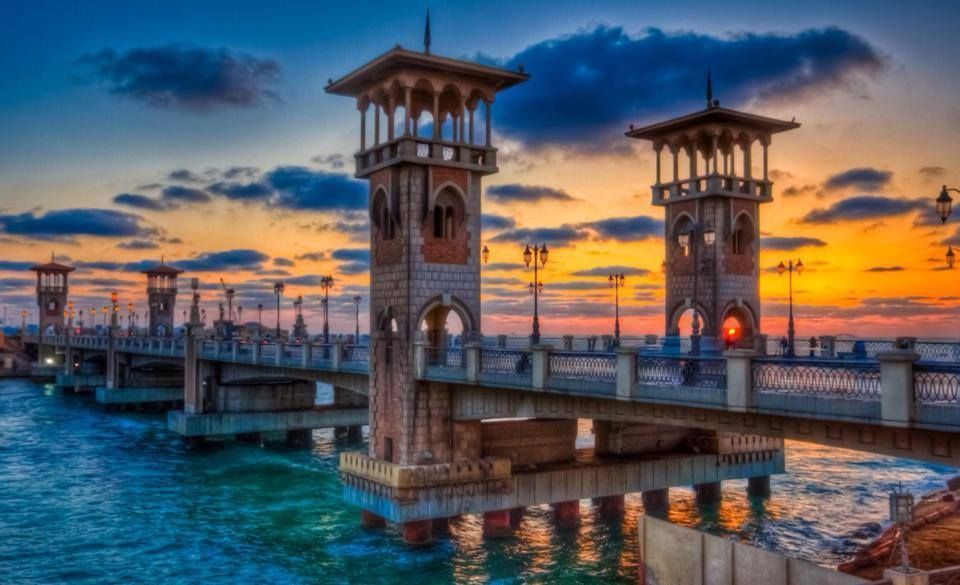
## Description The Stanley Bridge Corniche Walk is one of the most enjoyable ways to experience Alexandria’s seaside character because it brings together a famous city landmark and the broader rhythm of the Mediterranean waterfront. Stanley Bridge itself is a recognizable symbol of modern Alexandria, but what makes the area memorable is not only the bridge as an object. It is the surrounding promenade, the sea air, the movement of people, the views toward the coastline, and the way the corniche helps connect the city’s urban life with its maritime setting. For visitors, this is the kind of place that turns a simple walk into an experience of atmosphere. The bridge and the walkway around it are especially appealing because they capture Alexandria’s layered identity. The city has ancient roots, but much of its contemporary charm comes from places where residents and visitors mix along the water. A lesser-known fact is that the Stanley area is relatively modern compared with Alexandria’s ancient core, yet it has become one of the city’s most photographed and recognizable places because of its coastal setting and architectural profile. Another detail worth noticing is how the area changes across the day: morning brings a softer, more reflective mood, while evening often becomes livelier as people come out for a breezy promenade. For travelers, the walk is rewarding because it offers a sense of place without requiring a formal agenda. You can simply move along the corniche, stop for photos, watch traffic and waves, and enjoy the city unfolding in layers. The bridge frames the sea and the shoreline in a way that feels distinctly Alexandrian, and the surrounding area is often a pleasant place to pause, drink something cold, or continue toward nearby stretches of the waterfront. That flexibility is exactly why this walk belongs in an Alexandria itinerary. The best part may be how accessible it feels. You do not need special preparation to appreciate it. The waterfront itself does the work, offering changing light, open views, and a strong sense of local daily life. ## Location Stanley Bridge Corniche Walk is located in Alexandria, Egypt, along the city’s Mediterranean waterfront in the Stanley district. The walk sits on the Corniche, Alexandria’s main coastal boulevard, which makes it easy to locate and simple to fold into a broader day in the city. Because it is part of the public waterfront, the area is easy to approach and does not require special ticketing or entrance procedures. Getting there is usually easiest by taxi, rideshare, or local transport depending on where you are staying in Alexandria. Walking is ideal if you are already nearby, since the whole point of the experience is to enjoy the seafront at a human pace. If you are planning a longer sightseeing route, Stanley works well as a connecting point between central Alexandria and other coastal areas. The best way to enjoy it is to arrive with enough time to linger. A short pass-through is fine, but the waterfront rewards slowing down. Sunset is especially attractive for light and atmosphere, though morning can be calmer and better for a more relaxed walk. ## Tips Choose comfortable shoes, even though the route is simple. A pleasant walk often turns into a longer one than expected. Visit near sunset if you want the most dramatic light and the most social atmosphere. Do not focus only on the bridge itself. The surrounding corniche is what gives the experience its full value. Be aware of traffic and keep an eye on crossings. Like many urban waterfronts, the area is lively and active. Combine the walk with a café stop or a meal nearby so the outing feels complete rather than rushed. ## Conclusion The Stanley Bridge Corniche Walk is one of Alexandria’s most enjoyable low-effort experiences, blending sea views, city life, and a strong sense of place. It is ideal for travelers who want to feel the Mediterranean character of the city without needing a formal attraction schedule. ## FAQ ### Is the Stanley Bridge area good for tourists? Yes. It is one of Alexandria’s most scenic and accessible waterfront spots, with strong appeal for casual visitors and photographers. ### How long should I spend there? Anywhere from 30 minutes to 2 hours, depending on whether you are simply passing through or lingering for a walk and a meal. ### Is it better in the day or evening? Both work well. Daylight is good for seeing the sea clearly, while evening often feels more atmospheric and social. ### Do I need a ticket? No. The corniche is a public waterfront area, so the experience is generally open and walkable. ## Links - [Alexandria on Wikipedia](https://en.wikipedia.org/wiki/Alexandria)
GemVoyage Team • World
Milan
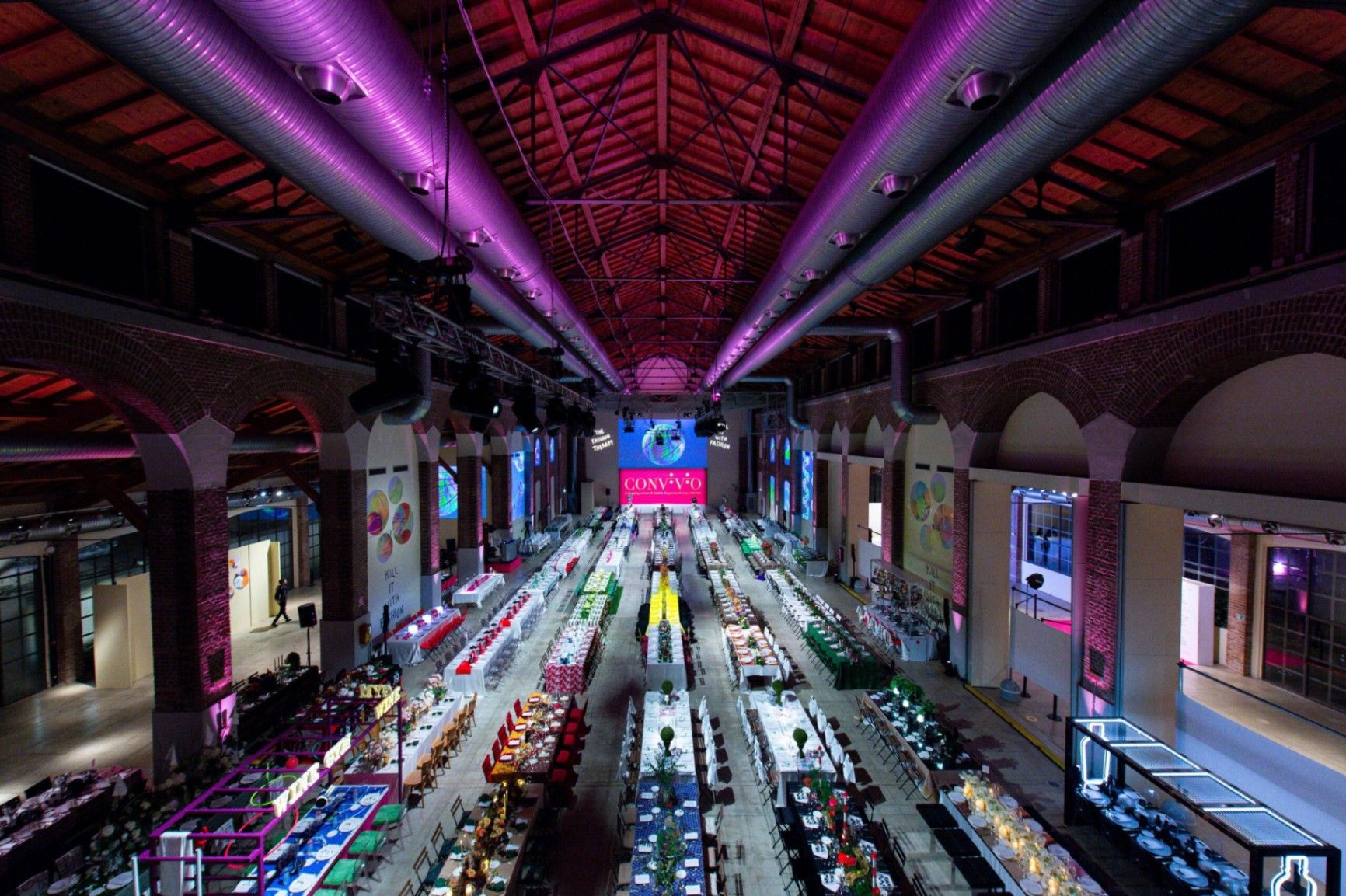
## Description **Fabbrica del Vapore (The Steam Factory)** is one of **Milan’s most dynamic cultural spaces**, blending the city’s industrial heritage with modern artistic innovation. Once a 19th-century tram factory, this vast complex has been transformed into a creative hub where art, design, music, and technology converge. Built in **1899** by the industrial company **Carminati Toselli & C.**, the factory originally produced railway and tram components that helped power Milan’s early transportation system. After being abandoned for decades, it was restored by the Municipality of Milan and reopened in the early 2000s as a center for contemporary culture. Today, Fabbrica del Vapore hosts **art exhibitions, concerts, theater performances, film screenings, workshops, and international festivals**, making it one of the city’s leading spaces for artistic experimentation. What makes it truly unique is the **fusion of past and present** — the red-brick industrial architecture remains intact, featuring steel beams, arched windows, and tall chimneys, while the interiors have been adapted into modern galleries and studios. It’s a place where graffiti murals coexist with fine art, and digital installations share space with traditional sculpture. A lesser-known fact is that Fabbrica del Vapore houses several **artist residencies and creative collectives**, offering workspaces to young talents in fields like multimedia design, theater, and fashion. The site has also hosted collaborations with international institutions, including the **Triennale Milano** and global art biennales, strengthening its role as a bridge between Milan’s industrial past and its cultural future. ## Location Fabbrica del Vapore is located at **Via Procaccini 4**, in the **Sempione district** of **Milan, Lombardy, Italy**. It’s just north of the city center, not far from **Cimitero Monumentale** and **Parco Sempione**. To get there: * **By metro:** Take **Line 5 (Purple Line)** to **Monumentale Station**, or **Line 2 (Green Line)** to **Moscova Station**. Both are within a short walk. * **By tram:** Tram lines **12 and 14** stop nearby on Via Ceresio. * **By foot:** It’s about a **15-minute walk** from Corso Sempione or Chinatown (Via Paolo Sarpi). The area is easily accessible and well-connected by Milan’s public transport system, making it an ideal cultural stop during a day of exploring the city. ## Tips * **Check the event schedule:** Fabbrica del Vapore regularly hosts rotating exhibitions and cultural events — check their official website before visiting to catch something special. * **Don’t miss the installations:** The large industrial halls often feature immersive multimedia exhibits and experimental installations that change throughout the year. * **Visit in the evening:** Many events, especially concerts or performances, take place at night, when the space is dramatically lit and more atmospheric. * **Explore nearby:** Combine your visit with nearby attractions like **Cimitero Monumentale**, **Arco della Pace**, or **Parco Sempione** for a full day of culture and architecture. * **Free entry:** Access to the complex is usually free, though some special exhibitions or performances may require tickets. * **Bring a camera:** The industrial details — from iron beams to old machinery — make for excellent photography subjects. ## Conclusion **Fabbrica del Vapore** is a testament to Milan’s ability to reinvent itself — turning an old industrial site into a thriving center of contemporary creativity. Whether you’re an art lover, a music enthusiast, or simply curious about Milan’s modern cultural pulse, this space offers an ever-changing landscape of ideas and inspiration. Its blend of history and innovation makes it one of the city’s most authentic cultural experiences, perfectly reflecting the spirit of Milan itself. ## FAQ **1. What is Fabbrica del Vapore?** It’s a former tram factory turned into a **cultural and creative center**, hosting exhibitions, performances, and workshops. **2. When was it built?** The original factory was constructed in **1899** and later transformed into a cultural space in the early **2000s**. **3. Where is it located?** At **Via Procaccini 4**, in the **Sempione district** of **Milan, Italy**. **4. Is there an entrance fee?** General entry is **free**, though some temporary exhibitions or events may have separate ticket prices. **5. What kind of events are held there?** You can find **art exhibitions, concerts, theater productions, film screenings, design fairs, and creative workshops** throughout the year. **6. Can visitors take photos?** Yes, photography is allowed, especially of the architecture. For certain exhibitions, check signage or ask staff for permission. ## Links * [Official Fabbrica del Vapore Website](https://www.fabbricadelvapore.org)
GemVoyage Team • World
Tokyo
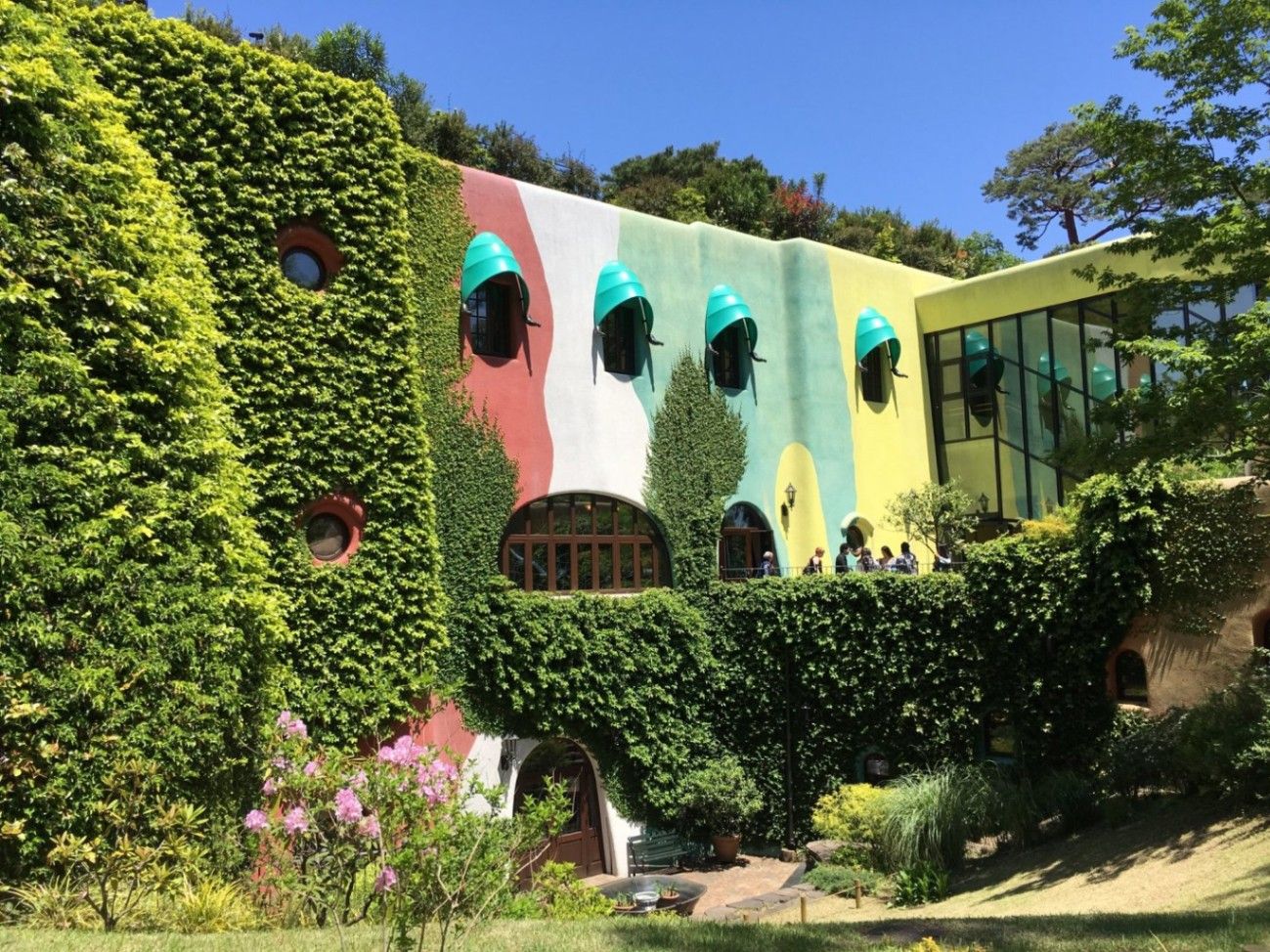
## Description The **Ghibli Museum (三鷹の森ジブリ美術館)** is one of Tokyo’s most enchanting and emotionally resonant cultural attractions. Dedicated to the legendary **Studio Ghibli**, the museum invites visitors into the imaginative universe created by filmmakers **Hayao Miyazaki, Isao Takahata, and their collaborators**—a world defined by wonder, nature, childhood, fantasy, and quiet emotional depth. Unlike traditional museums that focus on static exhibits, the Ghibli Museum is designed as a **fully immersive, experiential environment**, where architecture, animation, sound, and storytelling blend into one continuous journey. From the moment visitors enter, it becomes clear that this is not a conventional institution. The building itself feels like it came from a Ghibli film: **spiral staircases, stained-glass windows, hidden passageways, rooftop gardens, and curved corridors** encourage exploration rather than linear movement. Hayao Miyazaki personally supervised the conceptual design, ensuring that the structure reflects his philosophy that **“children should discover things for themselves.”** There are no fixed routes or arrows—only spaces that invite curiosity. Inside, the museum explores the **art and mechanics of animation** rather than serving as a simple gallery of finished films. Visitors can study original **storyboards, sketches, background paintings, and mechanical animation devices** that demonstrate how movement is created frame by frame. One particularly popular installation shows early zoetrope-style animation, visually explaining how still images transform into motion. One of the museum’s most exclusive features is its **private cinema, the Saturn Theatre**, which screens short original Ghibli films that cannot be seen anywhere else in the world. These short films rotate periodically and often explore experimental themes, new animation techniques, or side stories connected to familiar characters. This makes every visit potentially different from the last. On the rooftop, visitors encounter the **full-scale statue of the Robot Soldier from “Laputa: Castle in the Sky”**, one of the museum’s most photographed landmarks. The surrounding garden offers a quiet, reflective space above the treetops of nearby Inokashira Park, echoing Ghibli’s recurring theme of harmony between humanity and nature. A little-known fact is that **photography is strictly prohibited inside the museum**. This rule is not about control but philosophy: Miyazaki wanted visitors to **experience the space fully, without viewing it through a screen**. Another lesser-known detail is that many of the museum’s architectural elements—iron railings, tiles, and carved wood—were **custom-made by traditional Japanese craftsmen**, turning the museum itself into a handcrafted artwork. Ultimately, the Ghibli Museum is not designed for spectacle or mass tourism. It is a **quiet celebration of imagination, craftsmanship, and emotional storytelling**, appealing as deeply to adults as it does to children. It is a rare space where animation is not treated as entertainment alone, but as **serious art shaped by philosophy, patience, and human sensitivity**. ## Location The **Ghibli Museum** is located in **Mitaka**, a suburban city on the western edge of **Tokyo**, adjacent to the lush **Inokashira Park**. **City:** Mitaka (Tokyo Metropolis) **Region:** Kantō **Country:** Japan ### How to Get There: * **By train:** Take the **JR Chūō Line** from Shinjuku Station to **Mitaka Station** (about 20 minutes). From there, it is a **15–20 minute walk** through Inokashira Park. * **By bus:** A Ghibli-themed shuttle bus runs from Mitaka Station to the museum entrance. * **By taxi:** Convenient from central Tokyo, though more expensive than public transport. * **By bicycle:** Many visitors cycle through Inokashira Park for a scenic approach. The museum’s park-side setting adds to its calm, storybook atmosphere and makes the journey part of the experience. ## Tips * **Tickets must be booked in advance:** There are **no same-day tickets sold at the door**. * **Choose a weekday if possible:** Crowds are lighter, and movement through exhibits feels more fluid. * **Arrive early:** Entry is time-slotted, and arriving on time maximizes your experience. * **Do not expect a traditional museum layout:** Exploration is organic rather than guided. * **No interior photography:** Respect this rule and experience the museum directly. * **Visit the museum shop early:** Many exclusive items sell out quickly. * **Allow at least 2 to 3 hours:** Rushing undermines the emotional and artistic impact. * **Pair your visit with Inokashira Park:** It complements the museum’s atmosphere perfectly. * **Not ideal for travelers in a hurry:** This is a slow, immersive experience, not a quick attraction. ## Conclusion The **Ghibli Museum** is not simply a destination for fans—it is a **philosophical and artistic space** that translates the spirit of Studio Ghibli into physical form. Through architecture, animation, nature, and storytelling, it creates a quiet, powerful encounter with creativity itself. For anyone who values imagination, craftsmanship, and emotional depth, the Ghibli Museum is not just a highlight of Tokyo—it is one of the most meaningful cultural experiences in Japan. ## FAQ **1. What is the Ghibli Museum famous for?** It is famous for being the **official museum of Studio Ghibli**, showcasing original artwork, animation processes, and exclusive short films. **2. Can I buy tickets at the entrance?** No. Tickets must be **purchased in advance** and are strictly controlled. **3. Is photography allowed inside the museum?** No. **Photography is prohibited inside** to preserve immersion and visitor experience. **4. How long does a visit usually take?** Most visitors spend **2 to 3 hours**, depending on crowd levels and interest. **5. Is the museum suitable for adults without children?** Yes. The museum is **equally powerful for adults**, especially fans of art, film, and storytelling. **6. Are the exhibits in English?** Most labels are in **Japanese**, but the visual storytelling makes the experience easy to understand regardless of language. ## Links * [Official Ghibli Museum Website](https://www.ghibli-museum.jp) * [Studio Ghibli Official Site](https://www.ghibli.jp)
GemVoyage Team • World
Berlin
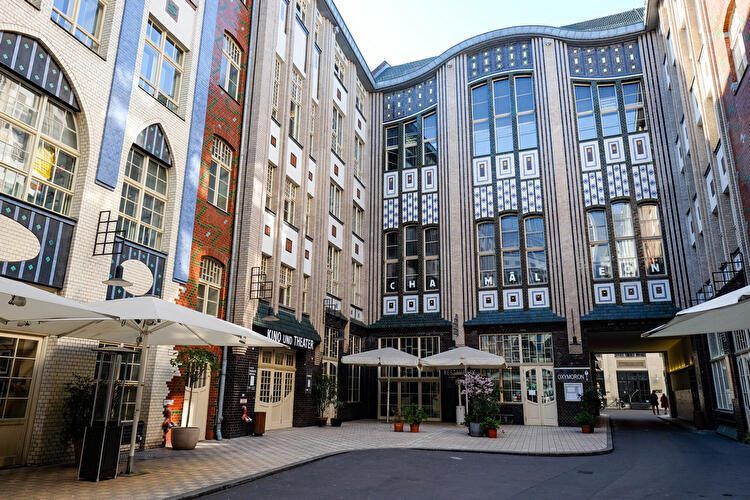
## Description **Hackesche Höfe** is one of Berlin’s most distinctive architectural and cultural complexes, known for its **series of interconnected courtyards**, richly decorated façades, and lively mix of art, retail, and everyday urban activity. Completed in **1906**, the complex was designed by architect **August Endell** and is considered one of the most important examples of **Jugendstil (Art Nouveau)** architecture in Germany. What makes Hackesche Höfe unique is its structure: eight separate courtyards connected by narrow passageways, forming a small urban world within the city. Originally, the complex combined residential apartments, workshops, offices, and entertainment venues, reflecting early 20th-century ideas about efficient mixed-use development. This design allowed craftsmen, artists, and residents to live and work in close proximity, a concept that feels surprisingly modern today. A lesser-known fact is that Hackesche Höfe narrowly escaped demolition during the post-war period, when much of the surrounding area was heavily damaged and later neglected. During the division of Berlin, the complex fell into disrepair, especially in the eastern sector. Its careful restoration in the 1990s played a key role in the **revitalization of Mitte**, helping transform the district into one of Berlin’s cultural and creative centers. Today, Hackesche Höfe hosts boutiques, design shops, cafés, galleries, cinemas, theaters, and apartments. The atmosphere shifts throughout the day, from quiet mornings to lively evenings, making it a place that rewards repeat visits. Despite its popularity, the courtyards retain a sense of intimacy that contrasts with the busy streets just outside. ## Location **Country:** Germany **Region:** Berlin **City:** Berlin **District:** Mitte Hackesche Höfe is located just off **Rosenthaler Straße**, close to Alexanderplatz and the Hackescher Markt area. ### How to Get There * **By S-Bahn:** * Take any line to **Hackescher Markt** station. From there, it is a 5-minute walk. * **By tram:** * Several tram lines stop at Hackescher Markt, offering easy access from across the city. * **By U-Bahn:** * Line U8 to **Weinmeisterstraße**, followed by a short walk. * **On foot:** * Easily reachable from Museum Island and Alexanderplatz. ## Tips * **Explore all courtyards:** Many visitors stop at the first courtyard, but the quieter inner ones are worth seeking out. * **Visit during the day for architecture:** Jugendstil details are best appreciated in natural light. * **Return in the evening for dining and culture:** Restaurants, theaters, and the cinema create a vibrant nightlife atmosphere. * **Be mindful of residential areas:** Some courtyards still contain private apartments. * **Combine with nearby attractions:** Museum Island, Monbijou Park, and the Jewish Quarter are close by. * **Photography is allowed:** Just avoid disturbing patrons or residents. ## Conclusion Hackesche Höfe is a living example of Berlin’s layered history, combining early modern architecture with contemporary creative life. Its courtyards offer a unique way to experience the city’s past and present in a single, walkable space, making it an essential stop for visitors to Berlin. ## FAQ **1. What does Hackesche Höfe mean?** It translates roughly to “Hackesche Courtyards,” referring to the interconnected inner yards. **2. Is there an entrance fee?** No. The courtyards are freely accessible. **3. How long should I plan for a visit?** About **1–2 hours**, depending on shopping, dining, or cultural activities. **4. Are guided tours available?** Occasionally, through private tour operators focusing on Berlin architecture or history. **5. Is Hackesche Höfe suitable for families?** Yes, though it is more oriented toward adults and cultural exploration. **6. What is the best time to visit?** Late afternoon to evening offers a balance of light, atmosphere, and open venues. ## Links * [Berlin tourism official site](https://www.visitberlin.de)
GemVoyage Team • World