GemVoyage Team • World
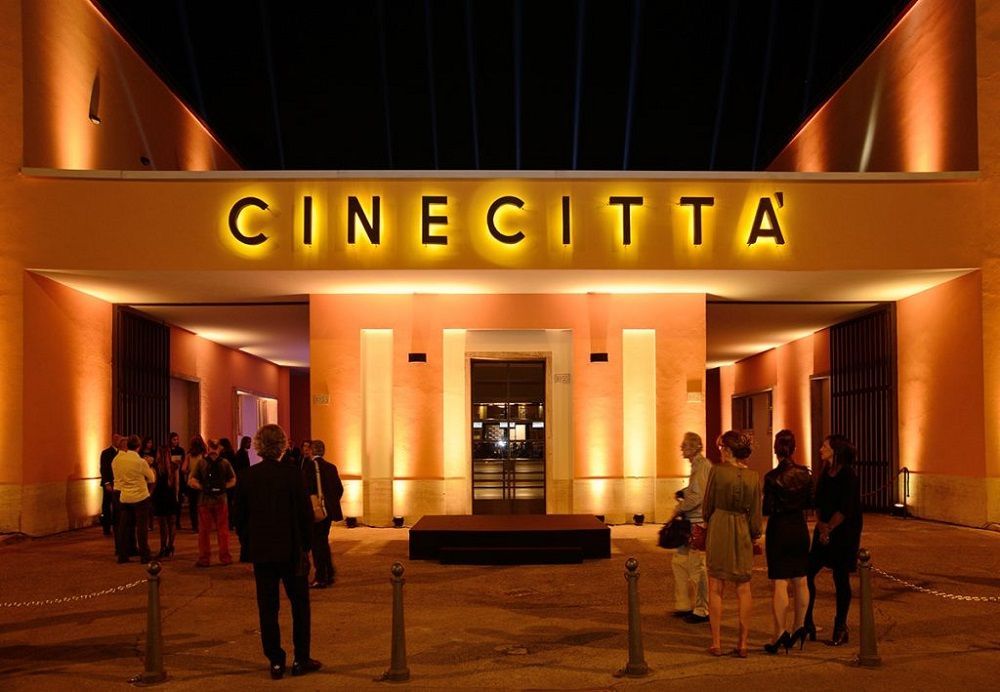
Part of Cinecittà’s allure is its scale and continuity. The studio once housed elaborate built environments—a Roman forum, full-scale palaces and desert landscapes—used in grand historical epics. Though some of those sets were temporary, many props, set fragments and costume pieces have been preserved and curated for public display. The institution also showcases technical crafts that are often invisible to audiences: model making, matte painting, lighting rigs, and costume workshops. For film students and enthusiasts, Cinecittà is a place to see the physical processes that support cinematic imagination.
What visitors often remember most are tactile encounters: seeing original costumes under museum lighting, stepping onto a reconstructed soundstage, or viewing archival footage that places modern films in a long lineage of Italian cinema. Temporary exhibitions frequently spotlight famous directors, film movements, or technical achievements, and festival programming can add screenings, talks and workshops to the calendar.
Educational programs and bookings: Cinecittà runs occasional workshops, masterclasses and educational programs aimed at students and emerging filmmakers. If you are visiting as part of a study group or with professional interest, contact the studio’s education office to explore scheduling options and group rates.
Getting there: take Metro Line A to Cinecittà station and follow signage, or use buses that serve the district. Taxis and rideshares are convenient if you’re carrying equipment or traveling in a group. Many visitors pair a Cinecittà visit with nearby cultural routes such as the Appian Way or archeological tours of ancient Rome.
Q: Is there an on-site museum and what does it display?
A: Yes. Cinecittà’s museum displays costumes, props, archival photographs and multimedia exhibits that trace Italian and international film history.
Q: Are tours available in English?
A: Yes—guided tours and audioguides are typically offered in multiple languages, including English. Verify language options when booking.
Q: How long should I plan for a visit?
A: Depending on whether you take a guided tour or explore exhibitions independently, allocate 2–4 hours to comfortably enjoy the museum and studio areas.
Q: Can I visit if a film production is underway?
A: Public access can be limited during active productions. Check the studio’s schedule and tour availability when planning your visit.
Discover more hidden gems you might love.
Cairo
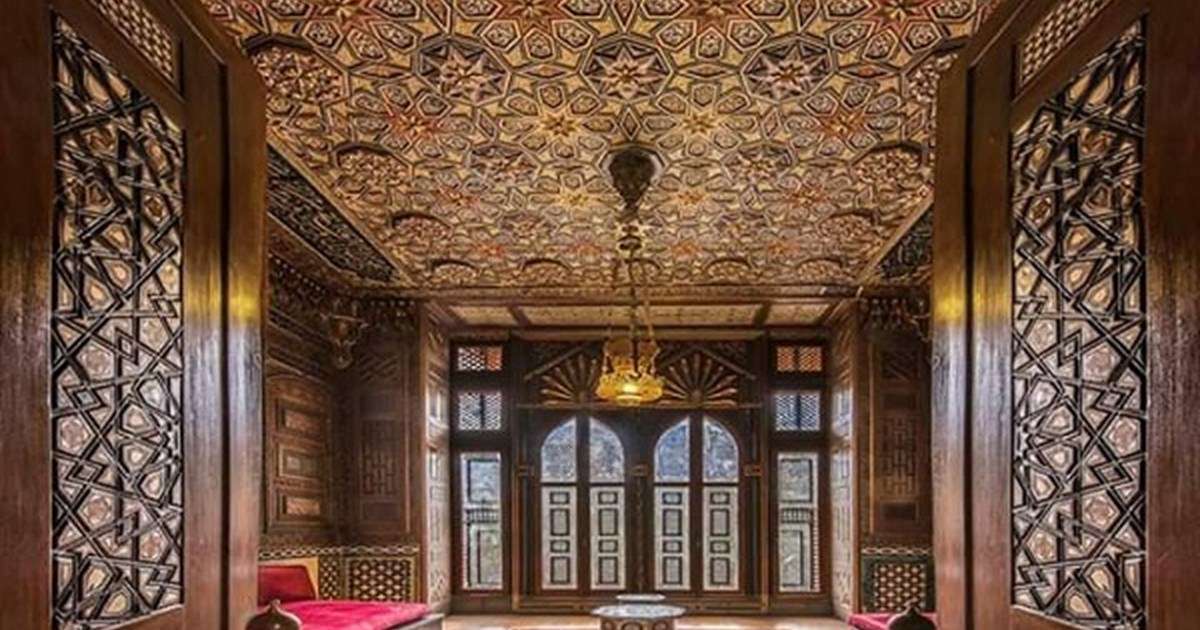
## Description Manial Palace is one of Cairo’s most enchanting and architecturally eclectic landmarks, offering a rare glimpse into Egypt’s royal past through the eyes of Prince Mohamed Ali Tewfik. Built between 1900 and 1929, the palace is a testament to the prince’s passion for Islamic art, history, and design. It blends a variety of architectural styles—including Ottoman, Moorish, Persian, Andalusian, and Mamluk—into a harmonious and visually stunning complex that feels both regal and deeply personal. The palace compound consists of several distinct buildings: the Residence Palace, the Reception Palace, the Throne Hall, a mosque, a hunting museum, and a private museum. Each structure is adorned with intricate woodwork, stained glass, and decorative tiles that reflect the prince’s artistic sensibilities. The interiors are filled with rare antiques, textiles, and artworks collected from across the Islamic world. One of the most captivating rooms is the Shell Salon, decorated with thousands of seashells arranged in elaborate patterns. Surrounding the palace is a lush garden inspired by Persian and English landscaping traditions. It features exotic plants, rare trees, and winding paths that create a tranquil escape from the city’s bustle. A little-known fact: Prince Mohamed Ali personally oversaw the design and decoration of the palace and left instructions for it to be converted into a museum after his death—a wish that was honored, preserving his legacy for future generations. ## Location Manial Palace is located in **Egypt**, in the **Cairo Governorate**, within the **city of Cairo**. It sits on **Rhoda Island**, along the Nile River, in the El-Manial district. ### How to Get There - **By Metro**: Take Line 1 to El-Malek El-Saleh Station. From there, it’s a short taxi ride or a 15-minute walk to the palace. - **By Taxi or Ride-Share**: Services like Uber and local taxis can take you directly to the entrance on Sharia Al-Saray. - **By Car**: Parking is available nearby, though traffic in central Cairo can be heavy. - **By Tour**: Many cultural and historical tours of Cairo include Manial Palace as a stop, often paired with visits to the Egyptian Museum or Coptic Cairo. Its central location makes it easily accessible from most parts of the city. ## Tips - **Visit Early**: Arriving in the morning helps you avoid crowds and enjoy the gardens in cooler temperatures. - **Photography**: While photography is allowed in most areas, flash is prohibited. Bring a camera with good low-light capability to capture the ornate interiors. - **Dress Modestly**: As with many historical and religious sites in Egypt, modest attire is appreciated. - **Take Your Time**: The palace is rich in detail. Allocate at least 2–3 hours to explore the buildings and gardens thoroughly. - **Check for Events**: Occasionally, the palace hosts cultural exhibitions or art events. Check local listings or the museum’s website for updates. - **Avoid Large Bags**: Bags larger than 40x40 cm are not permitted inside and must be stored in the cloakroom. ## Conclusion Manial Palace is a hidden gem in Cairo that offers a unique blend of history, art, and architecture. With its richly decorated interiors, serene gardens, and fascinating royal legacy, it provides an immersive experience into Egypt’s early 20th-century aristocratic life. ## FAQ **1. What are the opening hours of Manial Palace?** The museum is open daily from 9:00 AM to 5:00 PM. **2. What is the entrance fee?** Foreign adults: EGP 220; foreign students: EGP 110. Egyptian adults: EGP 20; Egyptian students: EGP 5. **3. Is the palace suitable for children?** Yes, but children must be accompanied by an adult at all times. **4. Can I sketch or take notes inside the museum?** Yes, but only pencils are allowed. Sketchbooks must not exceed 18 x 24 inches. **5. Are guided tours available?** Yes, guided tours can be arranged on-site or through local tour operators. **6. Is the palace wheelchair accessible?** Accessibility is limited due to the historic nature of the building. Contact the museum in advance for specific accommodations. ## Links - [Manial Palace and Museum – Wikipedia Overview](https://en.wikipedia.org/wiki/Manial_Palace_and_Museum) - [Manial Palace Museum – Ministry of Tourism and Antiquities](https://egymonuments.gov.eg/museums/manial-palace-museum/)
GemVoyage Team • World
Rome
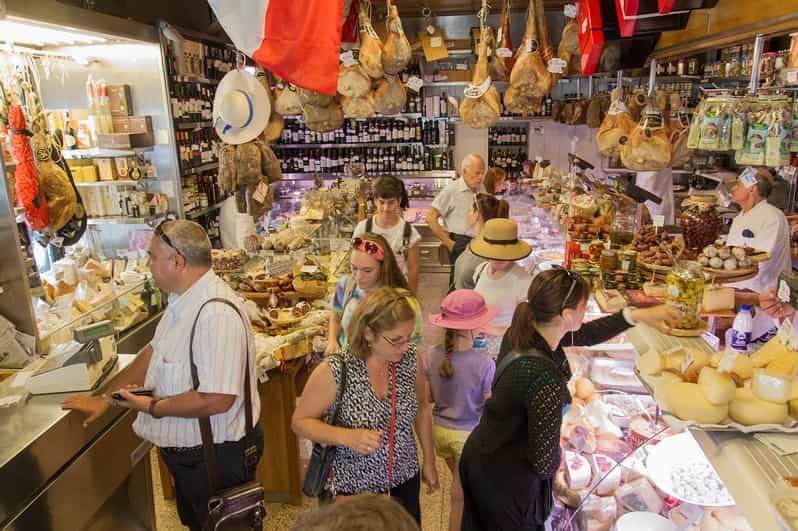
## Description Testaccio Market (Mercato Testaccio) is a lively, authentic food market at the heart of one of Rome’s most food-forward neighborhoods. Unlike the tourist-heavy markets closer to the historic center, Testaccio retains a working-market energy: long-time vendors sell seasonal fruit and vegetables, butchers and fishmongers prepare daily stock, and small eateries and street-food counters push culinary tradition forward. The market is famed for staples such as porchetta sandwiches, supplì and a wide selection of Italian cheeses and cured meats, while newer artisanal stalls introduce contemporary flavors, craft gelato and fusion snacks. What distinguishes Testaccio is its deep connection to the local history. Monte Testaccio—an artificial mound of broken amphorae from the Roman period—anchors the area’s archaeology and speaks to the neighborhood’s centuries-long role as Rome’s distribution and storage quarter. That heritage informs the food culture: local producers, family-run stalls and traditional recipes coexist with experimental kitchens, meaning a single visit can offer both classic Roman comfort foods and creative reinterpretations. The market’s compact layout makes it an ideal stop for tasting rather than full dining—sample multiple vendors over a morning and build a small feast. Culinary tours often include the market because it presents both quality ingredients and convivial daily life: you’ll hear vendors bartering, watch knives at work behind counters, and find specialty shops selling olive oil, aged cheeses and regional preserves. ## Location Testaccio Market is located in the heart of the Testaccio neighborhood, south of the Aventine Hill and a short ride from Rome’s historic center. The nearest metro stop is Piramide on Line B; several bus routes also serve the area, and many visitors walk from nearby neighborhoods like Trastevere or the Aventine for a scenic stroll. The market is close to other attractions—Pyramid of Cestius, riverfront walks and a lively restaurant scene—making it easy to build a food-focused itinerary. If you prefer to mix shopping with sightseeing, plan an early morning visit for the freshest produce and a quieter atmosphere, or go mid-afternoon to sample street food and sample plates as vendors prepare for evening trade. ## Tips - Arrive in the morning for peak freshness and to see the market at full pulse; many vendors begin packing up by late afternoon. - Be adventurous with sampling: try porchetta, supplì, fresh pasta to-go and the market’s cured meats—ask vendors for their recommendations. - Carry small change and a reusable bag; while many places accept cards now, smaller stalls still prefer cash. - If you want a guided tasting, several local food tours include the market and introduce signature stalls and historical anecdotes. - After browsing, explore nearby eateries in Testaccio for fuller meals or head to the riverfront for a relaxed walk. ## Conclusion Testaccio Market is a living portrait of Roman food culture: hands-on, edible and evolving. It’s the place to taste ingredients in their most immediate form, to listen to local foodways in conversation and to discover how centuries of commerce and community shaped a distinctly Roman palate. For culinary travelers seeking authentic flavors and friendly vendor encounters, Testaccio remains indispensable. ## FAQ Q: What are the market’s opening hours? A: Hours vary by stall, but most vendors open early morning and many close by late afternoon; specialty eateries may open again for evening service—check specific stall times if you have a destination vendor. Q: Can I eat on-site or should I take food away? A: Both. Many stalls prepare foods to eat immediately and provide small eating areas or counters; taking items to nearby picnic spots or a short walk is also common. Q: Is Testaccio Market suitable for dietary restrictions? A: Yes—ask vendors about ingredients. You can find vegetarian pasta, vegetable-based dishes and some stalls that accommodate allergies, but always ask about preparation and cross-contamination. Q: Are there guided tours of the market? A: Yes, several local food-tour operators include Testaccio in tasting itineraries; a guided tour is a great way to discover favorite stalls and sample local specialties. Q: Is the market touristy? A: Testaccio retains a local feel despite growing interest from visitors; early mornings are best for a more authentic experience. ## Links - [Testaccio](https://www.lavitaroma.com/blog/2017/03/17/testaccio-market-rome)
GemVoyage Team • World
Amsterdam
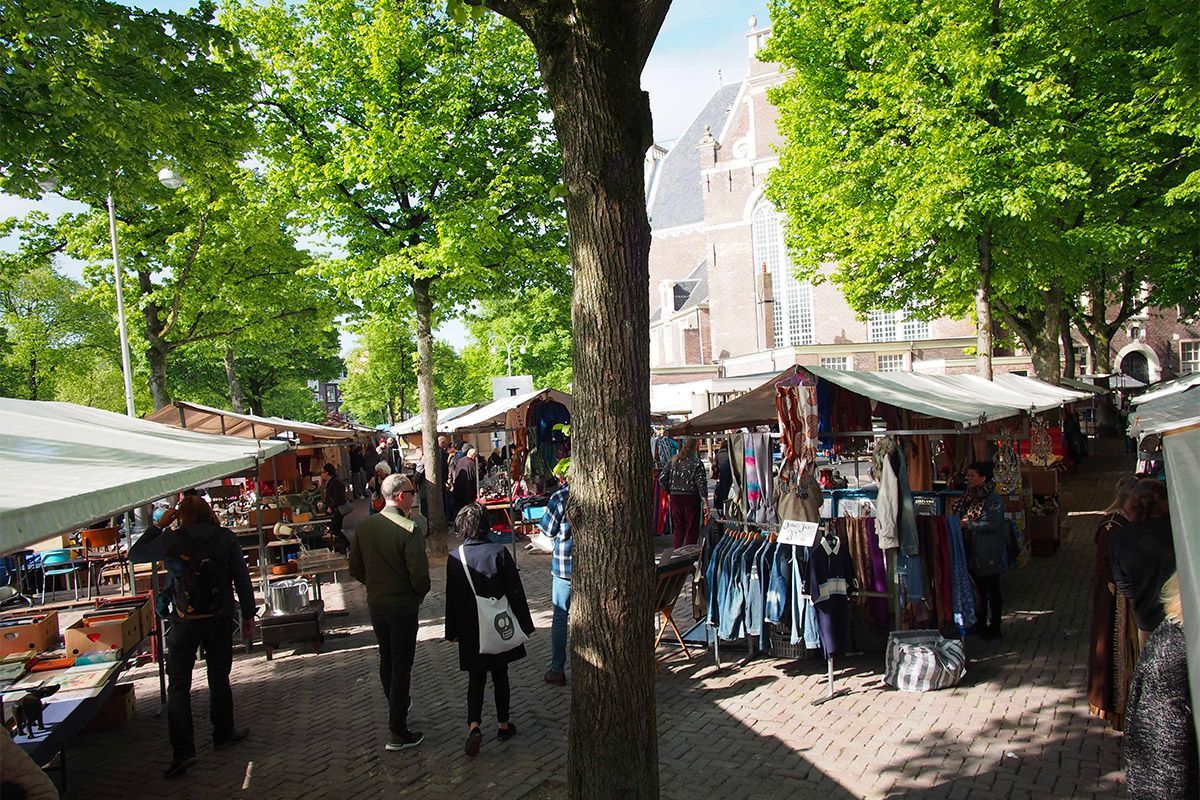
## Description Noordermarkt is one of Amsterdam’s most beloved local market squares, and its reputation comes from how naturally it fits into the fabric of the Jordaan. Rather than feeling like a market created purely for visitors, it feels embedded in neighborhood life. That is a major reason people keep returning. On different days it shifts character: one version is especially known for organic produce, another for antiques and secondhand browsing, but the common thread is a lively, human-scale market atmosphere that reflects Amsterdam at its most practical and convivial. For food travelers, Noordermarkt is a particularly strong stop because the organic market gives you access to fresh, seasonal, and artisanal products in a place that locals actually use. Bakers, cheese sellers, fruit vendors, and farmers bring a quality-first approach that makes browsing feel meaningful rather than transactional. A lesser-known fact is that the square sits beside the Noorderkerk, which means the market occupies a historic urban setting where weekly commerce and neighborhood identity have long been intertwined. Another detail that visitors often appreciate only after arriving is how easy it is to combine market browsing with Jordaan walking routes, canal views, and coffee stops. The atmosphere is relaxed but not sleepy. Noordermarkt has enough energy to feel active, yet it avoids the polished, overproduced feeling that sometimes affects famous market destinations. That is part of its charm. You can browse vegetables, bread, flowers, and prepared foods one moment, then shift to antiques or old objects another day, depending on when you visit. The market is also a good reminder that Amsterdam is a city of local habits, not just major sights. Watching residents shop here tells you something about the city’s pace and values. If you want a market that rewards curiosity and gives you a real sense of the Jordaan, Noordermarkt belongs near the top of your list. ## Location Noordermarkt is located in the Jordaan district of Amsterdam, North Holland, Netherlands, adjacent to the Noorderkerk. The square sits in a central yet neighborhood-oriented part of the city, making it easy to include in a broader day of walking along canals, visiting cafés, and exploring independent shops. Because the Jordaan is one of Amsterdam’s most enjoyable areas on foot, the market works especially well as part of a slow morning or early afternoon route. Getting there is simple by tram, bicycle, or a walk from the historic center. Many visitors find that biking is the most Amsterdam-like way to reach it, though trams and walking are equally practical. Once you arrive, the market is easy to navigate because it is organized around the square and the surrounding streets. If you are interested in the organic market specifically, check the day and time before going, since the square’s character changes across the week. The market is often best in the morning, when produce is freshest and the surroundings still feel animated without being crowded. ## Tips Go early for the best selection, especially if you want produce, bread, or specialty foods. Bring a shopping bag or backpack. The market is ideal for spontaneous purchases, and carrying your own bag makes the experience much easier. Allow time for the neighborhood. Noordermarkt is best when paired with a walk through the Jordaan, so do not treat it as a standalone stop. Be open to seasonal differences. What you find depends heavily on when you visit, and that is part of the appeal. If you enjoy antiques or vintage objects, check whether the day you are visiting aligns with the best browsing opportunities for that side of the market. ## Conclusion Noordermarkt is a classic Amsterdam market with a strong local identity, good food, and a setting that makes it easy to enjoy the Jordaan at a relaxed pace. It is one of the city’s best places to experience daily life with a distinctly neighborhood feel. ## FAQ ### Is Noordermarkt only for tourists? No. It is strongly used by locals, especially for organic produce and everyday shopping, which is a big part of why it feels authentic. ### What can I buy there? Organic food, bread, cheese, flowers, prepared snacks, and on some days antiques or secondhand goods. ### When is the best time to visit? Morning is usually best, particularly if you want the freshest products and a more active market atmosphere. ### Is it easy to combine with sightseeing? Very. Noordermarkt fits naturally into a Jordaan walking route and pairs well with canal-side exploring and nearby cafés. ## Links - [Noordermarkt on Wikipedia](https://en.wikipedia.org/wiki/Noordermarkt)
GemVoyage Team • World
Rome
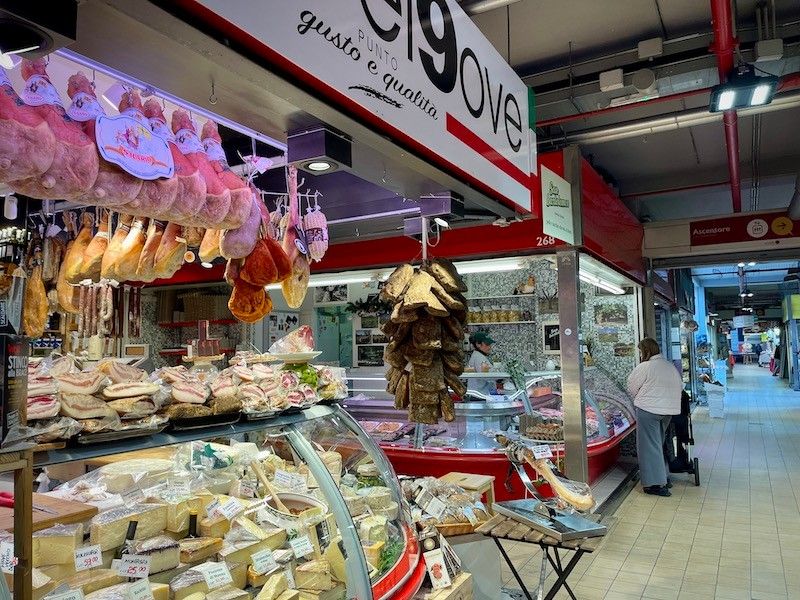
## Description Mercato Trionfale is one of Rome’s largest and most authentic food markets, offering visitors a deep dive into everyday Roman life. Unlike more tourist-oriented attractions, this bustling market is primarily frequented by locals who come here to shop for fresh produce, meats, cheeses, fish, baked goods, and household essentials. With more than 270 stalls spread across a modern covered structure, Mercato Trionfale is a feast for the senses and a perfect place to understand Rome’s food culture from the inside. What makes Mercato Trionfale especially unique is its balance between tradition and modernity. While many vendors represent families that have sold goods here for generations, the market has also embraced contemporary tastes, with stalls offering organic products, international foods, and ready-to-eat Roman street food. A little-known fact is that the market was originally an open-air street market before being moved in 2009 into its current eco-friendly building, designed to improve hygiene and sustainability. Another lesser-known detail is that some of Rome’s top chefs regularly source ingredients here, valuing the quality and personal relationships with vendors. For travelers who want to go beyond famous landmarks and experience Rome like a resident, Mercato Trionfale is well worth a visit. ## Location Mercato Trionfale is located in **Italy**, in the **Lazio** region, within the city of **Rome**. Specifically, it sits in the Trionfale district, just a short walk from Vatican City. The exact address is Via Andrea Doria 41, close to the Vatican Museums and St. Peter’s Basilica. Getting there is straightforward. The easiest way is by public transportation: take Metro Line A and get off at **Ottaviano – San Pietro** or **Cipro** stations, both of which are about a 5–10 minute walk from the market. Several bus lines also serve the area. If you are already visiting the Vatican Museums, Mercato Trionfale makes for an ideal stop before or after your visit. ## Tips * Visit in the morning, ideally between 9:00 and 11:00, when the market is most lively and fully stocked. * Bring cash, as some smaller vendors may not accept cards, though card payments are becoming more common. * Don’t hesitate to ask questions or request tastings; vendors are usually happy to explain their products, even with limited English. * Look for stalls selling cooked food if you want a quick, affordable lunch featuring classic Roman dishes like supplì, porchetta, or fresh pasta. * The market is closed on Sundays, so plan your visit accordingly. * Keep an eye on your belongings, as busy markets can attract pickpockets, especially during peak hours. ## Conclusion Mercato Trionfale is more than just a place to shop; it is a living snapshot of Roman daily life. With its vast selection of fresh food, welcoming vendors, and convenient location near the Vatican, it offers an authentic and memorable experience for anyone interested in Rome’s culinary traditions and local culture. ## FAQ **Is Mercato Trionfale tourist-friendly?** Yes, while it is mainly frequented by locals, visitors are welcome and generally well received. Many vendors are used to tourists and are patient and helpful. **What are the opening hours of Mercato Trionfale?** The market is typically open Monday to Saturday from early morning until around 2:30 PM, though hours may vary slightly by stall. **Can I eat at Mercato Trionfale?** Yes, several stalls sell ready-to-eat food, making it a great spot for a casual breakfast or lunch. **Is Mercato Trionfale expensive?** Prices are generally reasonable and often lower than in tourist-heavy areas, especially for fresh produce and local products. **How long should I plan to spend there?** Most visitors spend between 45 minutes and 1.5 hours, depending on whether they are shopping, eating, or just exploring. ## Links * [More Details](https://www.turismoroma.it/en/places/mercato-trionfale-local-market)
GemVoyage Team • World

Druskininkai
## Description Grūtas Park, often labeled the Soviet Sculpture Park, is a distinctive open-air museum near Druskininkai that preserves monumental artifacts from Lithuania’s Soviet period. Established by collectors and curators who sought to gather statues and relics removed from public squares after Lithuania regained independence, the park assembles these pieces within a designed landscape that encourages critical reflection rather than uncritical nostalgia. The park’s collection includes busts, full-figure monuments, bas-reliefs, and civic emblems that once dominated urban spaces under Soviet rule. What distinguishes Grūtas Park is its curatorial framing: statues are not simply re-installed as aesthetic objects but are placed within an interpretive environment that raises questions about ideology, power, and public memory. Complementing the sculptures are reconstructed Soviet kiosks, everyday artifacts, period signage, and a small indoor museum that provides historical context and archival material. The layout intentionally references the scale and dramatic sightlines of Soviet monumentalism, creating a spatial dialogue between past and present. Visitors often find Grūtas Park both educational and emotionally resonant. Plaques and guided tours unpack the histories behind the monuments, the artists who made them, and the social circumstances that led to their removal and relocation. The park fosters discussion about how societies remember oppressive histories, the ethics of preserving controversial monuments, and creative approaches to public history. ## Location Grūtas Park is located just outside the spa town of Druskininkai in southern Lithuania’s Alytus County, within easy driving distance of Vilnius and Kaunas. The park sits near major regional roads and is well signposted. Travel options include driving by car (the most flexible), regional buses that connect Druskininkai to surrounding towns, and organized day trips from Vilnius or Kaunas. Many visitors combine Grūtas Park with the spa facilities and cultural attractions of Druskininkai for a varied day trip. ## Tips - **Allow sufficient time:** Allocate 1.5–3 hours to walk the outdoor sculpture trails, visit the small museum, and absorb the interpretive materials. - **Use audio guides or join a guided tour:** Contextual information deepens understanding far beyond a walk-by view of statues—learn about the artists, the historical narratives, and the curatorial choices. - **Prepare for emotional responses:** The park’s material can be confronting. Read curator notes and plaques to frame the objects within a critical history of occupation and memory. - **Combine with Druskininkai activities:** Pair the visit with spa treatments, local museums, or nature walks to vary the day’s tone. - **Respect interpretive rules:** Photography is usually allowed for personal use, but check signage for restricted areas or displays. ## Conclusion Grūtas Park offers a unique encounter with Lithuania’s Soviet past: a landscaped gallery of monumental relics curated to foster reflection rather than nostalgia. Whether you are a history buff, art enthusiast, or traveler seeking thoughtful cultural experiences, the park provides a powerful case study in how societies can engage with difficult heritage. ## FAQ - **Q: Is Grūtas Park suitable for families with children?** A: The park is accessible to families, but the themes and imagery can be disturbing to very young children. Parents should prepare to explain historical context and may prefer guided tours that provide age-appropriate framing. - **Q: Are the sculptures authentic originals?** A: Many of the monuments on display were relocated from public squares and municipal collections across Lithuania; in several cases these are original works by mid-20th-century artists. - **Q: Can I take photographs at Grūtas Park?** A: Photography for personal use is generally allowed across the outdoor exhibits; check for any restricted areas or special installations where signage limits photography. - **Q: How much time should I plan for a visit?** A: Plan 1.5–3 hours to experience both the outdoor sculpture trail and the indoor exhibits, and longer if you want to read detailed materials or join a guided program. - **Q: Is there an admission fee?** A: Yes, the park charges an entry fee that helps support maintenance and interpretive programming—confirm current prices on the park’s official site. - **Q: Does the park host temporary exhibitions or events?** A: Grūtas Park occasionally runs temporary exhibitions, film screenings, and guided talks—check the calendar if you want to coincide with special programming. ## Links -- [Grūtas Park (Wikipedia)](https://en.wikipedia.org/wiki/Gr%C5%ABtas_Park)
GemVoyage Team • World
Los Angeles
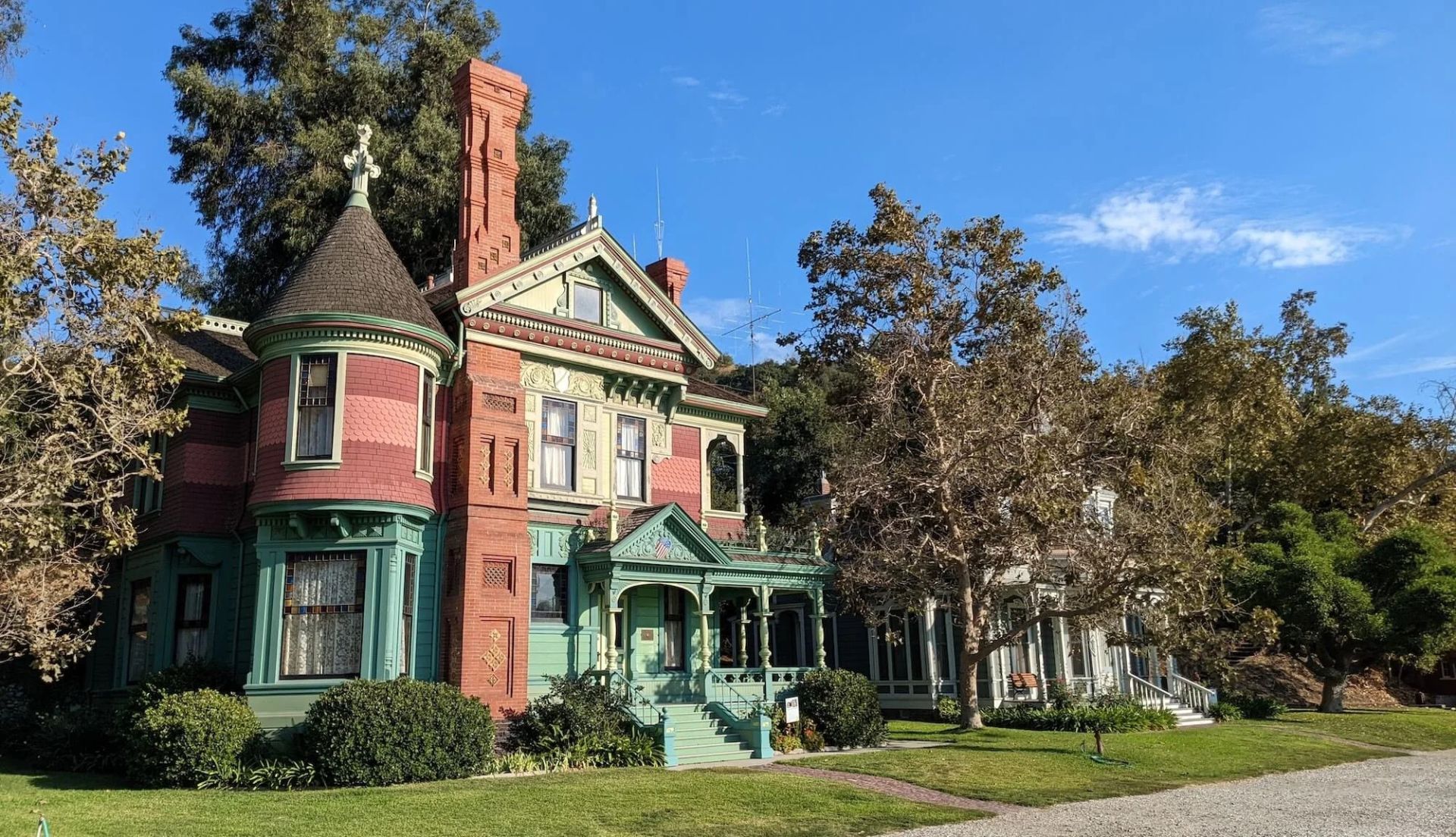
## Description Heritage Square Museum is an extraordinary open-air architectural museum that gathers Victorian and early 20th-century houses and outbuildings within a single historic district to showcase Southern California’s built environment and social history. Each structure has a carefully reconstructed exterior and interpreted interior that reveal the craftsmanship, decorative trends, and daily rhythms of life from a period when Los Angeles was transforming from a frontier town into a burgeoning metropolis. The museum stands out for the authenticity of its fabric: original trim, stained glass, tile, and millwork are preserved or painstakingly restored, and many interiors are furnished with period-appropriate objects to convey domestic stories. Preservation workshops on site keep traditional trades alive—carpentry, plasterwork, and decorative finishes are practiced as living crafts, which both supports ongoing maintenance and educates visitors about restoration techniques. Beyond architecture, Heritage Square interprets social history. Exhibits explore how families lived, worked, and entertained across different socioeconomic strata, and the museum’s programming—guided tours, living history demonstrations, and seasonal festivals—brings these narratives to life. Special events often highlight conservation issues and the ongoing need to protect historic urban fabric in the face of development pressures. For scholars, students, and casual visitors alike, the site offers layered experiences: a close reading of architectural detail, hands-on learning in workshops, and interpretive narratives that connect buildings to broader histories of migration, industry, and urban change. Its role as a rescue repository—structures moved and reassembled to avoid demolition—adds an extra dimension: many buildings carry stories of mid-century urban renewal and community efforts to preserve heritage. ## Location Heritage Square Museum is located in the Montecito Heights neighborhood of Los Angeles, California, a short drive northeast of downtown Los Angeles. The setting—on a hillside with city views—provides a scenic backdrop for exploring an era of American domestic architecture. Getting there: Driving is the most convenient option; limited on-site parking is available. Public transit can be used but often requires transfers and a short walk—check local transit schedules and plan for extra time. Rideshare and local taxis are convenient alternatives. Pair a visit with nearby cultural stops, such as the Huntington Library or local hillside parks, to create a fuller day of exploration. ## Tips - Check the museum’s tour schedule and special-event calendar before you go; guided tours offer the most context and are often led by knowledgeable docents. - Wear comfortable shoes—paths through the outdoor site can be uneven and some properties require short climbs. - Give yourself at least two hours to explore; the combination of interiors, workshops, and outdoor exhibits rewards a relaxed pace. - Bring a camera for exterior architectural photography; observe interior photography rules where posted and respect exhibit boundaries. - If interested in historic trades, inquire about workshop schedules or volunteer opportunities—many preservation skills are demonstrated on site. - Visit in spring or fall for pleasant weather and outdoor events; summer can be warm and winter may bring cooler, wetter days. ## Conclusion Heritage Square Museum preserves an essential chapter of Southern California’s architectural story. By combining rescued structures, conservation workshops, and interpretive programming, it offers a hands-on way to understand historic building crafts and the lives of the people who inhabited these homes. It is an inspiring stop for anyone interested in architecture, preservation, and urban history. ## FAQ Q: Are there guided tours? A: Yes. The museum runs scheduled guided tours and special programs; tours are recommended for first-time visitors to gain historical context and architectural insight. Q: Is the site family-friendly? A: Yes. The museum offers family-oriented programs and activities; children can learn about historic life through interactive demonstrations. Q: Can event spaces be rented? A: Select areas may be rented for private events, though availability and restrictions vary—contact the museum’s events office for details. Q: Are there volunteer opportunities or workshops? A: Yes. The museum often offers volunteer roles, preservation workshops, and demonstrations of traditional trades—check the calendar or volunteer page for current options. Q: Is the site wheelchair accessible? A: Some areas have limited accessibility due to the nature of historic structures and terrain; the museum can provide guidance on accessible routes and accommodations. Q: What’s the best way to learn about restoration techniques demonstrated on site? A: Attend preservation workshops, guided tours that focus on conservation, or scheduled demonstrations—these sessions are designed to explain both craft techniques and the rationale behind repair choices. ## Links - [Heritage Square Museum (official)](https://www.heritagesquare.org) - [Wikipedia: Heritage Square Museum](https://en.wikipedia.org/wiki/Heritage_Square_Museum)
GemVoyage Team • World

Comments