GemVoyage Team • World
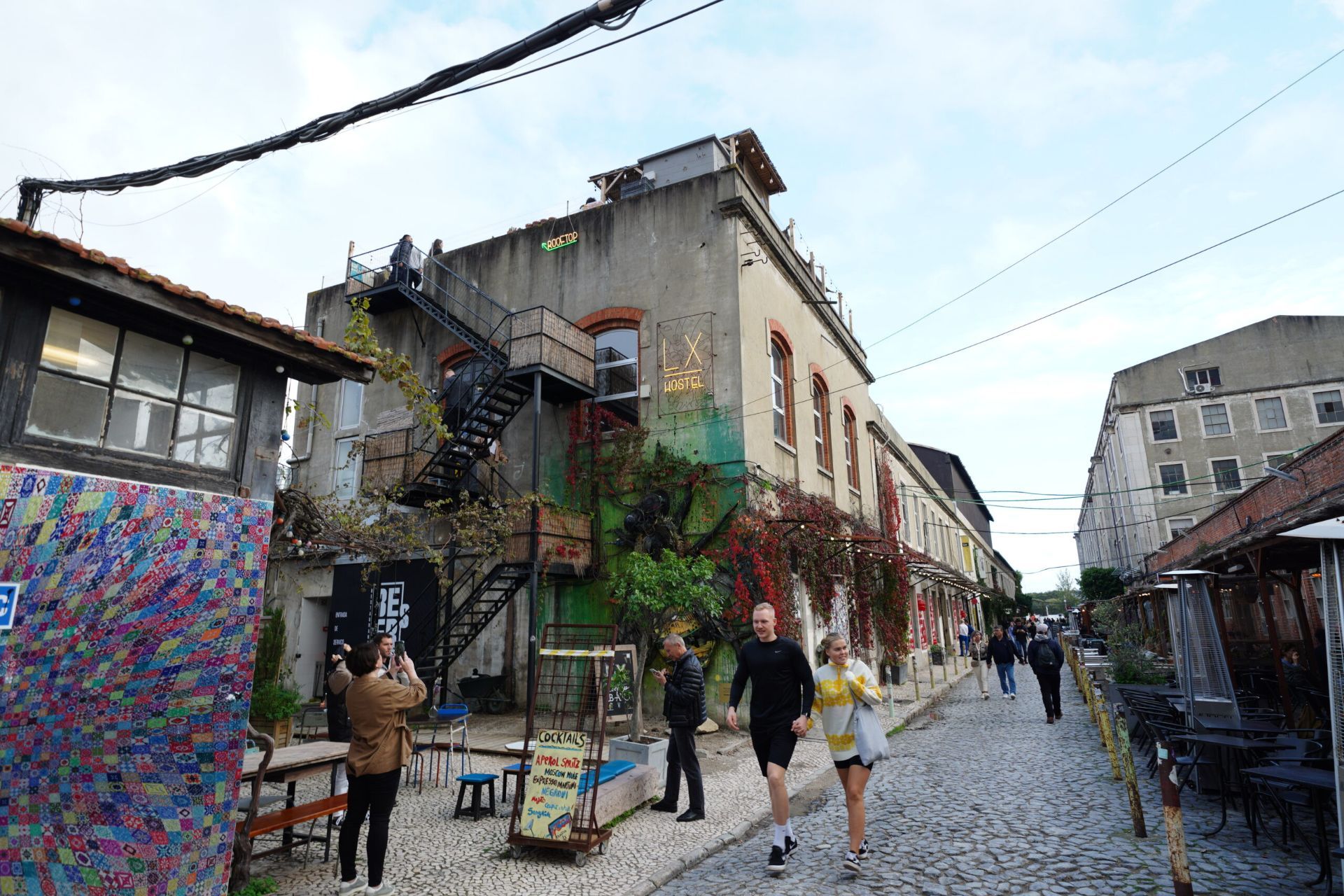
The visitor experience at LX Factory ranges from slow browsing of concept stores and second-hand bookstores to lively evenings at rooftop bars and weekend markets. The site is notable for incubating Portuguese design brands and independent publishers; weekend markets and fair-type events often showcase handmade goods, ceramics, fashion, and design pieces that reflect Lisbon’s current creative pulse. Galleries and studios host rotating exhibitions while cafés and restaurants offer a mix of traditional Portuguese flavors and international influences.
What sets LX Factory apart is the combination of scale and intimacy: the industrial courtyards and long factory halls feel spacious, yet the density of creative vendors and pop-ups creates an exploratory experience. Street art and murals lend a constantly evolving visual backdrop, while programming—book fairs, music nights, and design talks—adds depth beyond shopping and dining.
Getting there: The nearest train stop is Alcântara-Mar; historic trams and buses also serve the area. Taxis and rideshares provide convenient options, and walking from central neighborhoods is possible for those who enjoy a longer stroll along the riverfront. Check transit schedules and event listings to plan visits during market days or special events.
Q: Are there regular markets and fairs?
A: Yes. Weekend markets, design fairs, and occasional book and music events are common—check the events calendar before you go.
Q: Can I work from LX Factory?
A: Several cafes and coworking spaces welcome remote workers; Wi-Fi availability varies by venue—ask locally or check listings.
Q: What are the best times to visit to avoid crowds?
A: Weekday mornings and early afternoons are typically quieter; weekends are busiest due to markets and events.
Q: Are there parking options nearby?
A: Limited on-site parking exists and nearby street or paid parking can be used; public transit and rideshare are convenient alternatives.
Q: Are dogs allowed?
A: Policies vary by tenant; outdoor areas are pet-friendly in many cases, but check with individual shops or restaurants for their rules.
Discover more hidden gems you might love.
Barcelona
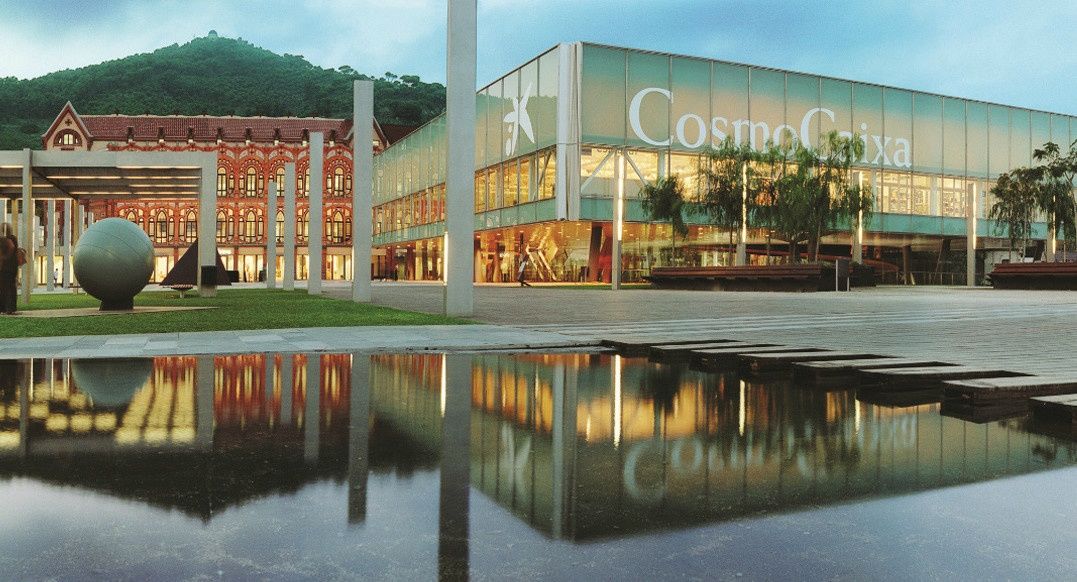
## Description The CosmoCaixa Museum of Science, officially known as Museu de la Ciència CosmoCaixa, is one of Barcelona’s most engaging and educational cultural attractions. Designed to make science accessible, interactive, and enjoyable, the museum invites visitors of all ages to explore the natural world, physics, biology, and the universe through hands-on exhibits and immersive environments. It is widely regarded as one of the best science museums in Europe. What makes CosmoCaixa unique is its emphasis on learning through experience rather than observation alone. The museum’s permanent exhibition spaces encourage visitors to touch, experiment, and question scientific principles. One of its most iconic features is the Flooded Forest, a large-scale recreation of an Amazon rainforest ecosystem complete with live plants, fish, and animals, offering an immersive look into tropical biodiversity. A lesser-known fact is that the museum building incorporates a dramatic architectural ramp system designed to guide visitors gradually through different levels of scientific exploration. Another interesting detail is that CosmoCaixa frequently updates its temporary exhibitions to reflect current scientific research and global challenges. CosmoCaixa successfully combines modern museology, cutting-edge science communication, and striking architecture, making it a standout destination in Barcelona beyond the city’s more traditional art and history museums. ## Location CosmoCaixa is located in **Spain**, in the autonomous community of **Catalonia**, within the city of **Barcelona**. It sits in the Sant Gervasi–La Bonanova district, slightly northwest of the city center, in a quieter residential area. The museum is easily reached by public transport. Visitors can take the Ferrocarrils de la Generalitat de Catalunya (FGC) train to **Avinguda Tibidabo** or **El Putxet** stations, followed by a short walk. Several bus lines also stop nearby. For those traveling by car, parking facilities are available on-site, though public transport is generally the most convenient option. ## Tips * Allow at least two to three hours to explore the museum comfortably. * Visit on weekdays or early in the morning to avoid crowds, especially during school holidays. * Don’t miss the Flooded Forest and the Planetarium, which are highlights of the museum. * Check the schedule for temporary exhibitions, workshops, and guided activities. * The museum is very family-friendly, with many exhibits designed for children and teenagers. * Take advantage of the on-site café and outdoor areas for a break during your visit. ## Conclusion CosmoCaixa Barcelona offers an engaging and thoughtful approach to science education through interactive exhibits and immersive environments. It is an ideal destination for families, students, and anyone curious about how the world works, providing a refreshing perspective on science in an accessible and enjoyable format. ## FAQ **Is CosmoCaixa suitable for children?** Yes, the museum is designed for all ages and includes many interactive exhibits for children. **How much time should I plan for a visit?** Most visitors spend between two and four hours exploring the museum. **Is there an entrance fee?** Yes, CosmoCaixa charges a modest entrance fee, with discounts for students, seniors, and families. **Are exhibits available in multiple languages?** Yes, most exhibits and information panels are available in Catalan, Spanish, and English. **Is the museum accessible for people with limited mobility?** Yes, the museum is fully accessible, with ramps, elevators, and adapted facilities. ## Links * [CosmoCaixa Official Website](https://cosmocaixa.org/es/cosmocaixa-barcelona)
GemVoyage Team • World
Chiang Mai
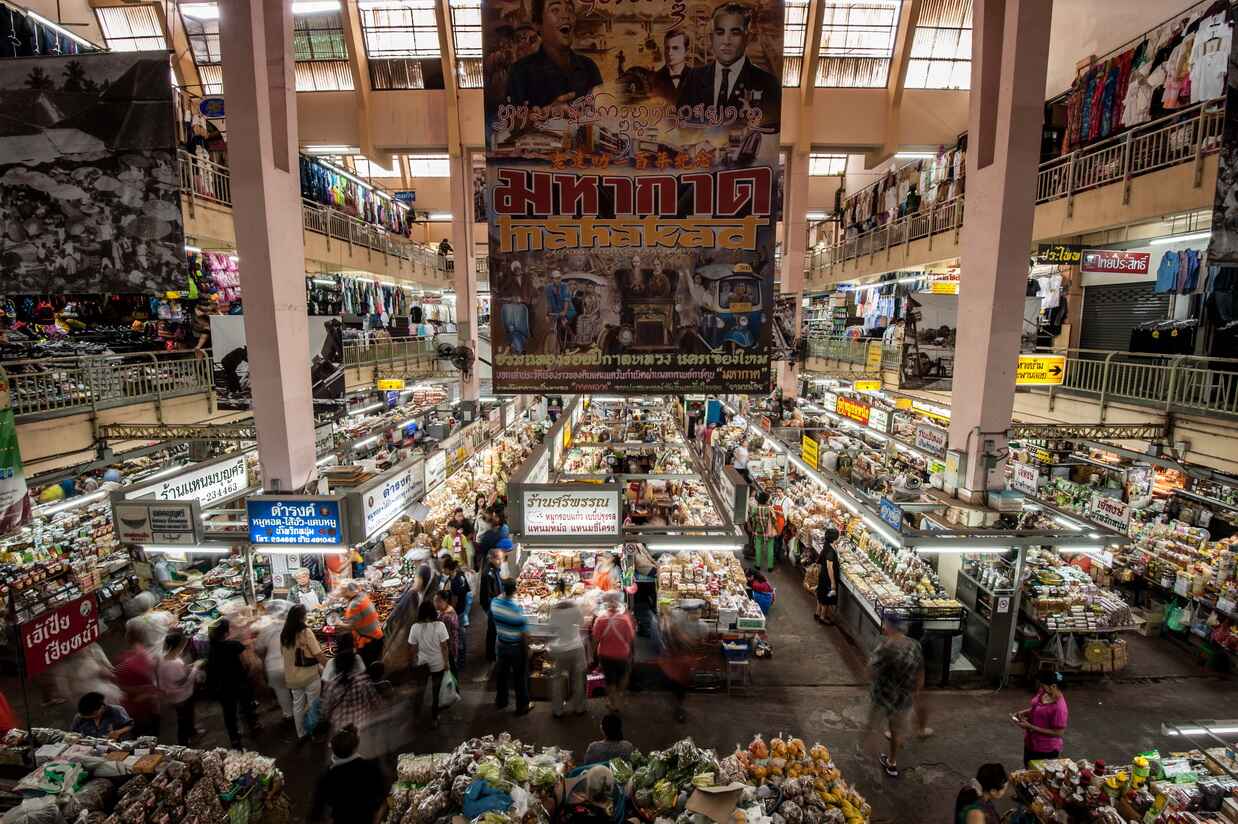
## Description Kad Luang Warorot Market, often simply called **Warorot Market**, is one of the oldest and most vibrant traditional markets in Chiang Mai, Thailand. Beloved by both locals and tourists, it offers a truly authentic glimpse into Northern Thai culture, daily life, and culinary traditions. Unlike the more tourist-focused night bazaars, Warorot Market is where locals shop for fresh produce, clothing, fabrics, household goods, and everyday essentials. What makes Warorot Market unique is its **blend of tradition and modernity**. You’ll find everything from fragrant herbs and spices to modern street fashion, all under one roof. Food lovers will particularly enjoy the market’s wide selection of Northern Thai specialties, such as **sai oua (spicy northern sausage)**, **nam prik ong (tomato chili dip)**, and an array of exotic fruits. A little-known fact is that Warorot Market has been serving the Chiang Mai community for over **a century**, making it not just a commercial hub but also a cultural landmark. Another interesting detail is that the market is busiest during important Thai festivals, such as **Loi Krathong and Songkran**, when it becomes a central point for celebration and shopping. ## Location Warorot Market is located in **Chiang Mai, Northern Thailand**, in the **Wat Ket district**, near the banks of the **Ping River**. It sits just a short walk from the **Chang Moi Gate** of the Old City, making it very accessible for travelers staying in central Chiang Mai. ### Recommendation on How to Get There From Chiang Mai’s Old City, you can easily reach Warorot Market on foot in about **10–15 minutes**. Alternatively, you can take a **red songthaew (shared taxi truck)**, tuk-tuk, or Grab (ride-hailing app) for a quick ride. If you’re staying farther away, taxis and scooters are also convenient options. Since parking in the area can be limited, it’s best to use public or shared transportation. ## Tips To make the most out of your visit to Warorot Market, here are some helpful tips: * **Go Early**: The market opens early in the morning, making it the best time to see locals shopping and to find the freshest food items. * **Try Local Snacks**: Don’t miss the chance to sample Chiang Mai’s famous northern sausage, sticky rice, and fried snacks sold at small food stalls. * **Bring Cash**: While some vendors may accept mobile payments, cash is still the most convenient method for small purchases. * **Explore Both Indoors and Outdoors**: The market consists of multiple levels and side streets, so take your time wandering beyond the main stalls. * **Check Out the Fabrics**: The market is also known for selling colorful textiles and hill tribe clothing, perfect for souvenirs. * **Respect Local Etiquette**: Bargaining is acceptable, but always do so politely with a smile. ## Conclusion Kad Luang Warorot Market is not just a place to shop—it’s an experience that immerses you in the everyday life of Chiang Mai. With its wide range of food, clothing, and cultural items, it offers visitors a taste of authentic Northern Thai traditions. Whether you’re hunting for souvenirs, trying local delicacies, or simply enjoying the lively atmosphere, Warorot Market is a must-visit destination in Chiang Mai. ## FAQ **1. What is Warorot Market famous for?** It is famous for its variety of goods, especially Northern Thai food, fresh produce, fabrics, and traditional clothing. **2. What are the market’s opening hours?** Warorot Market typically opens around **5 AM and closes by 6 PM**, though some food stalls remain open later in the evening. **3. Is Warorot Market suitable for tourists?** Yes, while it primarily serves locals, tourists are welcome and will find plenty of unique food and souvenirs to enjoy. **4. Can I bargain at Warorot Market?** Yes, bargaining is common, especially for clothing and non-food items, but it should always be done politely. **5. How far is the market from Chiang Mai’s Old City?** It’s just a 10–15 minute walk from the Old City, making it very accessible for most visitors. **6. Are there vegetarian or vegan food options available?** Yes, many stalls sell vegetarian-friendly dishes, fruits, and snacks, though it’s helpful to ask vendors about ingredients. ## Links * [Chiang Mai Tourism Office](https://www.tourismthailand.org/Destinations/Provinces/Chiang-Mai/101)
GemVoyage Team • World
Tokyo
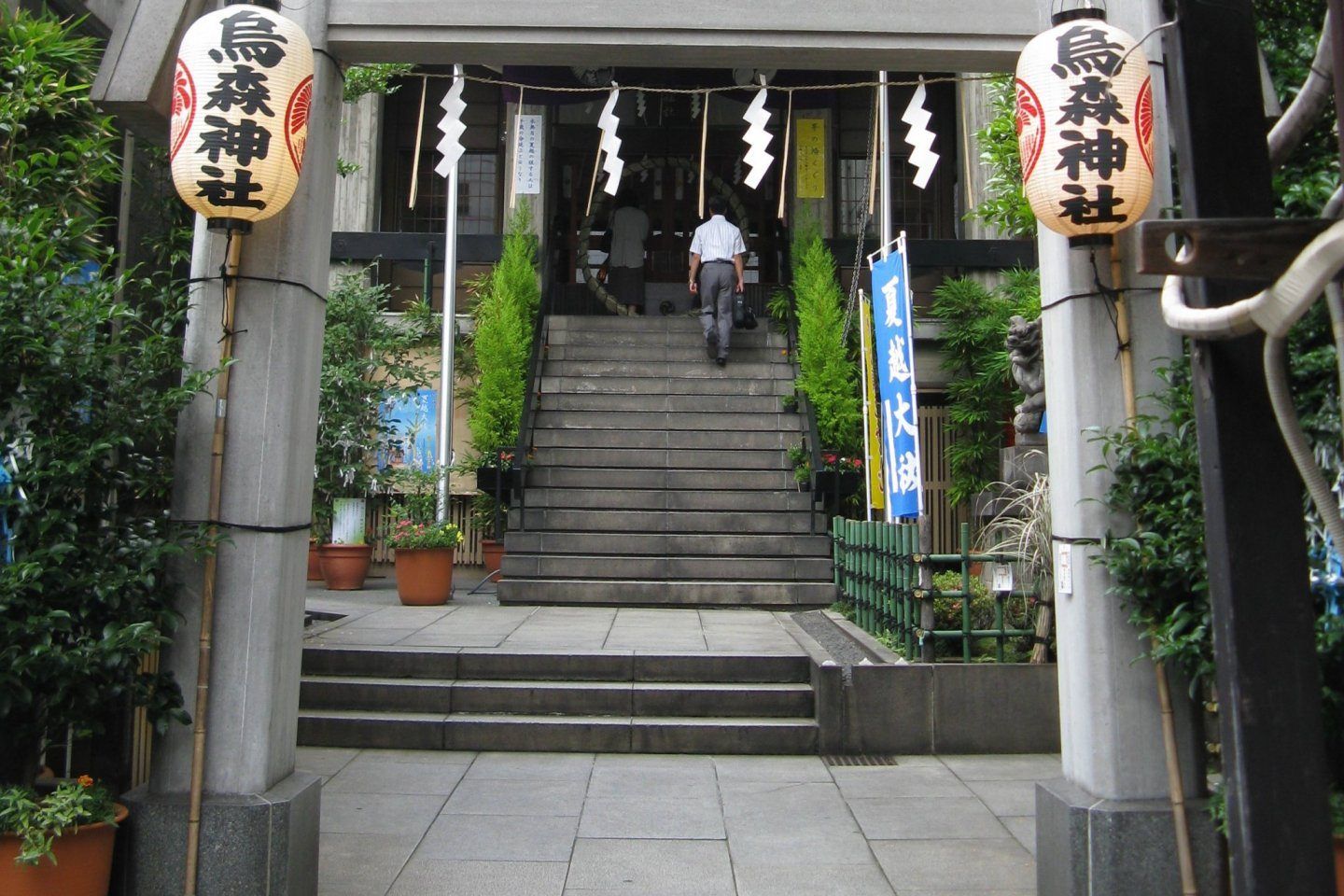
## Description **Karasumori Shrine (烏森神社)** is a small yet deeply symbolic Shinto shrine tucked into one of Tokyo’s most modern and fast-paced districts. Unlike large, monumental shrines surrounded by forests or expansive grounds, Karasumori stands out precisely because of its **contrast with its surroundings**. Encircled by office towers, restaurants, and neon-lit streets near Shimbashi, the shrine feels like a quiet spiritual pocket preserved inside the machinery of the modern city. The shrine is dedicated primarily to **Ame-no-Uzume-no-Mikoto**, a Shinto deity associated with joy, performance, and the arts, as well as protection from misfortune. Because of this, Karasumori Shrine has long been popular with **actors, entertainers, businesspeople, and office workers**, all of whom come to pray for success, smooth communication, and good fortune in their professional lives. What truly makes Karasumori Shrine unique is its **distinctive omamori (protective charms)**. These charms are unusually colorful, often featuring bright red, yellow, blue, and green threads rather than the subdued tones found at most shrines. According to shrine tradition, these colors represent protection from misfortune arriving from any direction. This detail is relatively unknown outside Japan and has helped the shrine develop a quiet but loyal following among locals. Another lesser-known fact is that Karasumori Shrine was originally located closer to Edo Castle but was moved to its current position during urban development. Despite its relocation, it retained strong ties to merchants and workers, which explains its enduring relevance in a business district rather than a residential or historical one. The shrine has also survived fires, earthquakes, and wartime destruction, making it a subtle symbol of resilience amid Tokyo’s constant transformation. Karasumori Shrine is not a place for grand ceremonies or long visits. Its value lies in **intimacy, symbolism, and continuity**, offering a moment of pause rather than spectacle. ## Location **Country:** Japan **Region:** Kantō **City:** Tokyo **Ward:** Minato **Area:** Shimbashi Karasumori Shrine is located just a short distance from Shimbashi Station, one of Tokyo’s major transportation hubs and a center for office culture and nightlife. ### How to Get There * **By train:** * JR Yamanote Line, Keihin-Tohoku Line, or Tokyo Metro Ginza Line to **Shimbashi Station**. From the Karasumori Exit, the shrine is a 2–3 minute walk. * **By subway:** * Toei Asakusa Line to Shimbashi Station, also within walking distance. * **On foot:** * Easily accessible if you are exploring central Tokyo districts such as Ginza or Shiodome. * **By taxi:** * A convenient option due to the shrine’s central location, though unnecessary given public transport access. ## Tips * **Visit during weekdays for atmosphere:** You will see office workers stopping by during lunch breaks or after work. * **Be respectful of space:** The shrine grounds are compact, and local worshippers come for quiet prayer. * **Purchase an omamori:** The colorful charms are the shrine’s most distinctive feature and make meaningful souvenirs. * **Avoid peak commute times:** Early morning and early evening can be crowded due to nearby train traffic. * **Short visit is sufficient:** 15–30 minutes is enough to appreciate the shrine fully. * **Photography is allowed, but discreet:** Avoid photographing people while they are praying. ## Conclusion Karasumori Shrine offers a rare glimpse into Tokyo’s spiritual life as it exists today, not as a preserved relic but as a living part of the urban routine. Small, understated, and symbolic, it rewards visitors who value authenticity and subtlety over grandeur. ## FAQ **1. Is Karasumori Shrine famous?** It is well-known among locals but relatively unknown to international tourists. **2. Is there an entrance fee?** No, entry is free. **3. How long should I spend there?** Around **15 to 30 minutes** is sufficient. **4. What is the shrine best known for?** Its colorful protective charms and prayers for career success and good fortune. **5. Is it suitable for first-time visitors to a Shinto shrine?** Yes, its small size makes it approachable and easy to understand. **6. Can I combine it with other attractions?** Yes, it pairs well with visits to Ginza, Shiodome, or nearby dining areas. ## Links * [Japan National Tourism Organization](https://www.japan.travel)
GemVoyage Team • World
Beijing
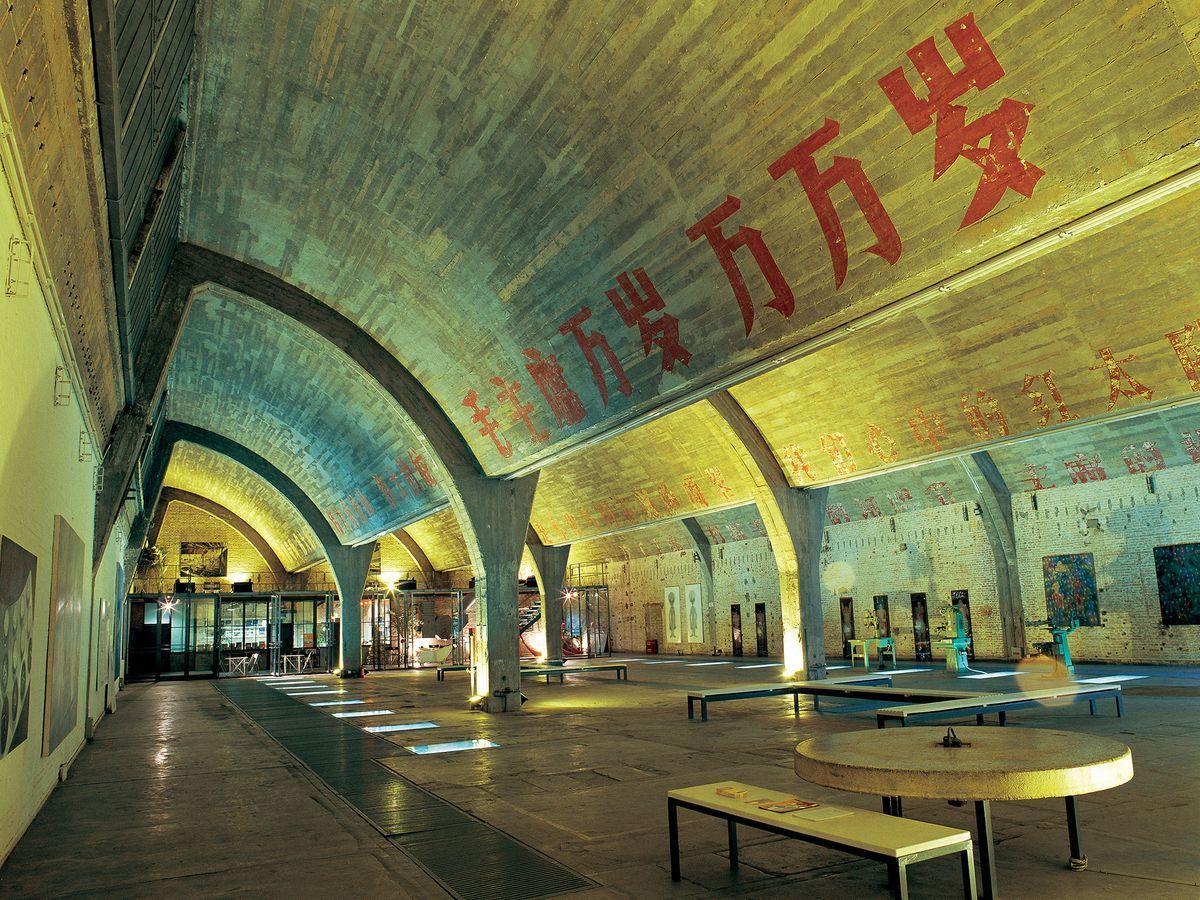
## Description Tucked in the northeastern corner of Beijing, the 798 Art District is one of the most compelling destinations in all of China. What was once a sprawling complex of military and industrial factories has been transformed into a world-class hub for contemporary art, design studios, galleries, cafes, and cultural institutions. The district draws millions of visitors each year, from seasoned art collectors to curious travelers who simply want to walk through one of Asia's most visually striking urban landscapes. The complex was originally built in the 1950s with assistance from East German engineers, and the architecture reflects that influence heavily. The Bauhaus-inspired buildings, with their distinctive sawtooth roofs designed to let in consistent northern light, still stand largely intact. They now house some of the most important contemporary art galleries in Asia. Walking through the district feels like moving through layers of history: Cold War-era industrial slogans still painted on the walls sit side by side with bold modern installations and cutting-edge sculpture. One little-known fact about 798 is that it was artists and designers who moved in illegally during the late 1990s and early 2000s, attracted by the cheap rent and massive open spaces, before the government formally recognized it as a cultural zone in 2006. Another lesser-known detail is that the district is named after Factory 798, which was just one of many factories in the complex known collectively as the 718 Joint Factory, originally built as part of China's first Five-Year Plan. Today, the 798 Art District is home to over 200 galleries and art spaces, including branches of internationally recognized institutions. The streets between buildings are filled with large-scale outdoor sculptures and murals, making even a casual stroll through the area feel like a walk through an open-air museum. Annual events like the Beijing International Art Biennale and 798 Art Festival bring the district's creative energy to its peak. ## Location The 798 Art District is located in the Chaoyang District of Beijing, China, in an area called Dashanzi. It sits in the northeastern part of the city, not far from the Beijing Capital International Airport and within reasonable distance of major city landmarks. The most convenient way to get there is by taking the Beijing Subway to Line 14 and exiting at Jiangtai Station, from which the district is about a 10 to 15 minute walk or a short taxi ride. Alternatively, many visitors take a taxi or use a ride-hailing app like DiDi directly to the 798 Art District entrance. Buses also serve the area, with several routes stopping near Dashanzi. Despite being somewhat off the typical tourist trail, it is well connected to the rest of the city. For those staying in central Beijing near Sanlitun or the CBD area, the journey by taxi typically takes 20 to 30 minutes depending on traffic. ## Tips - **Go on a weekday if possible.** Weekends, especially during festivals and national holidays, can see very large crowds. Visiting on a Tuesday or Wednesday will give you a quieter, more contemplative experience. - **Wear comfortable shoes.** The district is large and most of the experience involves walking on uneven ground, past industrial spaces and outdoor installations. Good walking shoes make a considerable difference. - **Allocate at least half a day.** There is far more to see here than most people expect. A proper visit to even a fraction of the galleries and outdoor spaces takes a minimum of three to four hours. - **Many galleries are free.** While some exhibitions charge entrance fees, a large number of the galleries in 798 are free to enter. Always check at the door before assuming you need to purchase a ticket. - **Bring cash as well as a card.** Some smaller cafes, shops, and studios may not accept international credit cards. Having some Chinese yuan on hand is always helpful. - **Visit in spring or autumn.** Beijing's summers are hot and humid, and winters are extremely cold. The spring months of April and May and the autumn months of September and October offer the most comfortable conditions for exploring the outdoor areas. - **Check the event calendar in advance.** The district hosts rotating exhibitions, openings, and festivals that can significantly enhance your visit. Checking what is on before you go is always worthwhile. ## Conclusion The 798 Art District is far more than a tourist attraction. It is a living, breathing creative community that offers a genuine window into contemporary Chinese culture and the global art world. Its unique combination of preserved industrial architecture, international-caliber art, and vibrant street life makes it unlike anywhere else in Beijing or, indeed, in the world. Whether you are an art enthusiast, a photographer, a design professional, or simply a curious traveler, the 798 Art District deserves a place near the top of your Beijing itinerary. ## FAQ **What are the opening hours of the 798 Art District?** The outdoor streets and public areas of the district are accessible at all hours, but most individual galleries and studios are open from around 10:00 AM to 6:00 PM. Hours can vary by gallery, and some are closed on Mondays. It is advisable to check specific gallery websites if you have particular venues in mind. **Is the 798 Art District free to visit?** Entry to the district itself is free. Many of the galleries and outdoor installations are also free. However, some exhibitions and events charge admission fees. Budget a small amount in case anything you want to enter requires a ticket. **How much time should I spend in the 798 Art District?** Most visitors find that three to five hours is ideal for a satisfying visit. If you are a serious art enthusiast or plan to visit multiple galleries in depth, a full day is not excessive. **Is the 798 Art District suitable for children?** Yes, in general the district is suitable for families. The outdoor sculptures and the visual spectacle of the space tend to engage younger visitors. Some contemporary art exhibitions may contain mature themes, so parents should use their discretion when entering individual galleries. **Are there places to eat and drink in the district?** Yes, there is a good variety of cafes, restaurants, and small eateries scattered throughout the district. Options range from local Chinese food stalls to international cafes and upscale dining. The area is well suited for a leisurely lunch or a coffee break between gallery visits. **How large is the 798 Art District?** The district covers an area of approximately 60,000 square meters. It contains hundreds of galleries, studios, shops, and eating establishments across a network of streets and converted industrial buildings. ## Links - [798 Art District on Wikipedia](https://en.wikipedia.org/wiki/798_Art_Zone) - [Beijing Tourism Official Website](https://www.visitbeijing.com.cn)
GemVoyage Team • World
Malmö
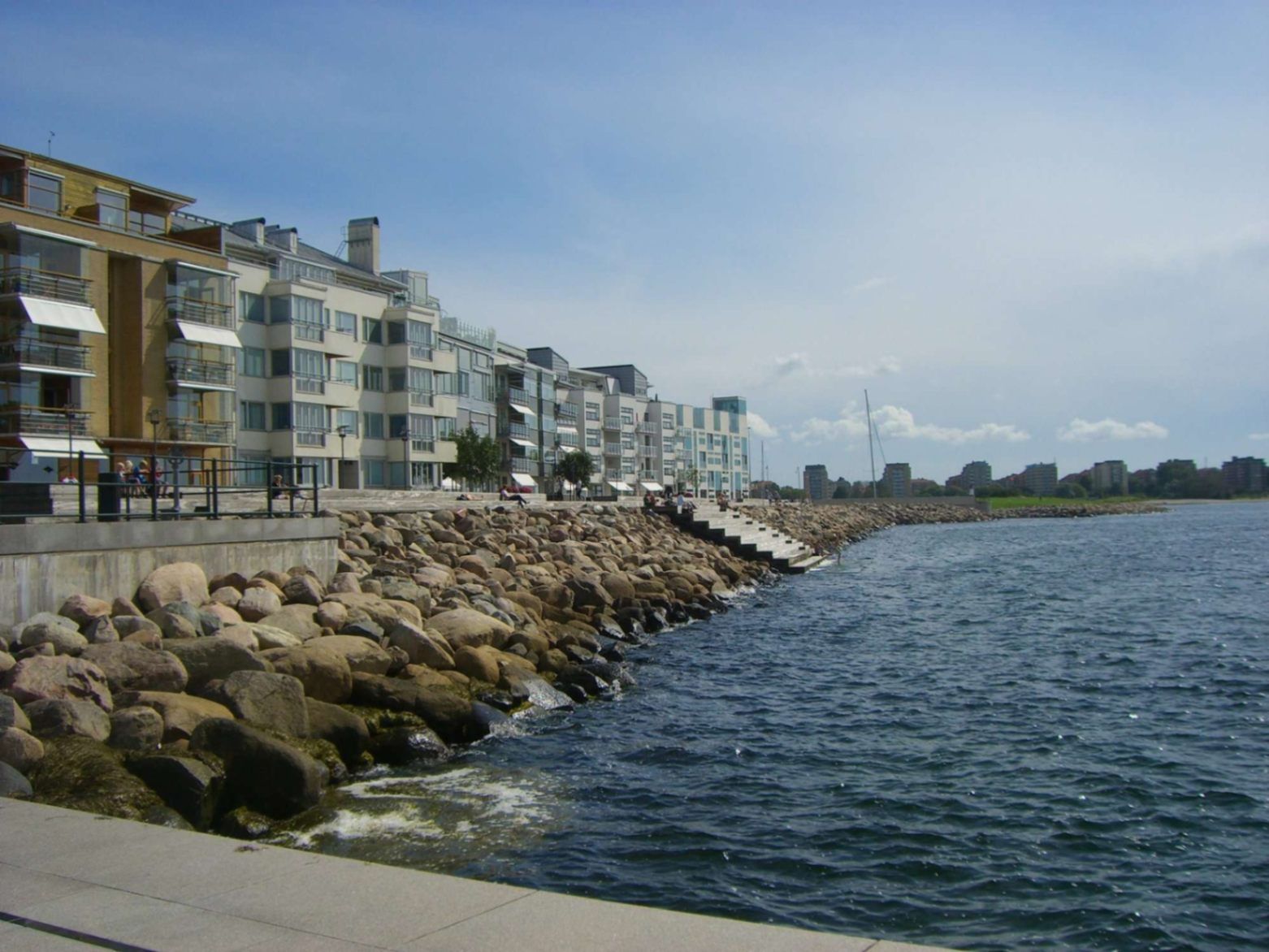
## Description Malmö’s promenades—particularly the waterfront walks in areas like **Sundspromenaden** in **Västra Hamnen**—represent a perfect mix of urban design, nature, sea, and Scandinavian minimalist style. These promenades are places to stroll, cycle, relax by the water, take in views across to Denmark, swim, or simply enjoy public space thoughtfully crafted for citizen leisure. What makes them special is how they combine modern architecture, revitalised waterfront land, and ecological awareness. Västra Hamnen itself is a former industrial/harbour area that has been transformed into a sustainable residential and recreational district. The promenade features wooden jetties, platforms for swimming, promenading paths, seating, small cultural touches, and design elements that allow people to use the space in multiple ways—sunbathing, exercising, enjoying views. ([visitsweden.fr][1]) A lesser-known fact: some portions of the promenades have public bathing decks with ladders into the sea, though the water can be quite deep. Also, lighting design (for example, in other Malmö waterfront developments) is intentionally done so that the ambiance at dusk feels safe, warm, and comfortable—even when colder. ([selux.com][2]) ## Location These promenades are located in **Malmö**, a city in **Skåne County** in southern **Sweden**, lying on the coast of the Öresund strait opposite Denmark. Västra Hamnen is the “Western Harbour” district, by the coast. The sundspromenaden waterfront walk is in/near Västra Hamnen. Other promenades like Ribersborg beach promenade are also in the broader coastal edges of Malmö. ([Travelwider][3]) To get there: if you arrive in Malmö by train (e.g. Malmö Central), you can walk, take local buses or tram to Västra Hamnen. Biking is also very good as Malmö is bike-friendly. From Copenhagen, there are trains across the Öresund Bridge; once in Malmö you use local transport or walk depending on which part of the promenade you aim for. ([Erasmusu][4]) ## Tips * **Time your visit for golden hours**: sunrise or sunset bring beautiful light over the water, especially looking toward Öresund and the Öresund Bridge. ([Wanderlog][5]) * **Bring swim gear**: In summer, many promenades have decks, ladders, or stepping points into the sea. If the weather is warm enough, swimming is possible. ([komoot][6]) * **Dress in layers**: The sea breeze can make things cooler, even in summer evenings. For morning walks or late afternoons it might be windy. * **Biking or walking**: Use the paths designed for pedestrians and cyclists. Some stretches are flat and very pleasant. A bike is a great way to cover longer stretches of promenade. * **Check local weather**: Rain or wind can make parts less pleasant; also, sea conditions vary. Be cautious if swimming. * **Explore by sections**: The waterfront promenade isn’t one single piece—various districts (Ribersborg, Västra Hamnen, etc.) offer different vibes (beach-style, urban, architecturally modern). Choose based on what you want: swimming, views, architecture, relaxation. ## Conclusion Malmö’s promenades are a standout example of how a coastal city can turn its sea edges into spaces that are both beautiful and functional. Whether for locals or visitors, they offer calm, recreation, waterfront views, and a chance to experience Malmö’s blend of urban renewal, sustainability, and Scandinavian waterfront charm. A walk here is more than just moving from A to B—it’s an experience of light, water, architecture, and local life. ## FAQ **1. Are the promenades free to access?** Yes, public promenades are free. There is no entrance fee to walk along Västra Hamnen waterfront or to use public seating areas, jetties, etc. **2. Can you swim there?** Yes—in parts. Some sections have bathing platforms, ladders, and wooden jetties. But water can be deep, and conditions (temperature, currents) vary. It’s good to check locally and stay where it’s safe. ([komoot][6]) **3. What is the best time of year to enjoy the promenade?** Late spring through early autumn (May to September) is best, when weather is warm, days are long, and outdoor amenities are most usable. Summer evenings are particularly lovely. Winters are colder and more challenging for outdoor swimming or lounging. **4. Are the promenades suitable for someone with limited mobility or stroller?** Many paths are flat and well-maintained, so promenading/strollers are possible in many places. However, wooden platforms or jetties might have steps or ladders for water access not suitable for all. It’s best to choose accessible sections near Västra Hamnen or Ribersborg. **5. What else can I see or do near the waterfront promenade?** Plenty: architectural highlights like the Turning Torso, cafés and restaurants in Västra Hamnen, parks, local beaches (Ribersborg), views of the Öresund Bridge, outdoor workouts, bike paths, evening walks. The area combines leisure, modern design, and views. **6. How long should I plan to walk to get a good sense of the place?** If you set aside 1-2 hours, you can enjoy a stretch with views, maybe stop for café or swim. For a full exploration of different sections, 3-4 hours or more allows you to experience the variety between Ribersborg, Västra Hamnen, and other promenades. ## Links * [Visit Sweden – Malmö Outdoor & Nature](https://visitsweden.com) * [Malmö City Official Site](https://malmo.se)
GemVoyage Team • World
Cairo
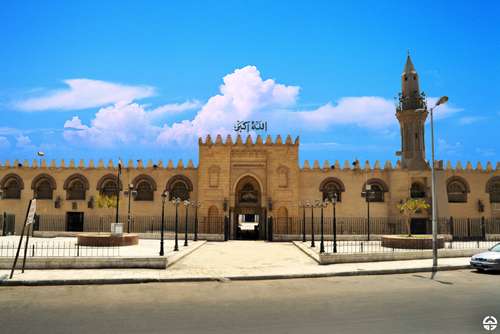
## Description The Amr Ibn Al-Aas Mosque in Cairo is not just a religious site—it’s a living monument to the birth of Islam in Egypt and Africa. Built in 641–642 CE by General Amr Ibn Al-Aas following the Arab conquest of Egypt, it holds the distinction of being the **first mosque ever constructed in Egypt and on the African continent**. Originally erected in the newly founded city of Fustat, the mosque served as both a spiritual center and a gathering place for the early Muslim community. Though the original structure was modest—little more than a roof supported by palm trunks—the mosque has undergone numerous renovations and expansions over the centuries. Today, it features a spacious courtyard, four minarets, and elegant arcades that reflect the evolution of Islamic architecture. Despite its many reconstructions, the mosque retains a sense of historical continuity and reverence. A little-known fact: the site of the mosque was chosen in a rather poetic way. Legend has it that a dove laid an egg in Amr Ibn Al-Aas’s tent before he left for battle. Upon his victorious return, he interpreted the bird’s nest as a divine sign and built the mosque on that very spot. Another intriguing detail is that several companions of the Prophet Muhammad, including al-Zubayr ibn al-‘Awam and Ubada ibn al-Samit, participated in its construction. ## Location The Amr Ibn Al-Aas Mosque is located in **Egypt**, within the **Cairo Governorate**, specifically in the historic district of **Old Cairo** (Al-Fustat). This area is rich in Islamic, Christian, and Jewish heritage, making it a cultural crossroads worth exploring. ### How to Get There: - **By Metro**: Take Cairo Metro Line 1 to Mar Girgis Station. From there, it’s a short walk to the mosque. - **By Taxi or Ride-Hailing**: Services like Uber and Careem are widely available and can drop you off directly at the entrance. - **By Tour Bus**: Many heritage tours include Old Cairo in their itinerary, often combining visits to the mosque with nearby sites like the Hanging Church and Ben Ezra Synagogue. ## Tips for Visitors To make the most of your visit to Amr Ibn Al-Aas Mosque, consider the following tips: - **Visit During Off-Peak Hours**: Early mornings or late afternoons are ideal for avoiding crowds and enjoying a peaceful experience. - **Dress Modestly**: As with any religious site, modest attire is required. Women may be asked to cover their hair. - **Respect Prayer Times**: The mosque is active and hosts regular prayers. Non-Muslim visitors should avoid entering during these times unless invited. - **Explore the Surroundings**: Old Cairo is a treasure trove of history. Allocate time to visit nearby religious and archaeological sites. - **Hire a Guide**: A local guide can enrich your visit with historical context and stories that aren’t found on plaques. - **Photography**: While photography is generally allowed, be respectful and avoid taking pictures of worshippers. ## Conclusion The Amr Ibn Al-Aas Mosque is more than just a place of worship—it’s a cornerstone of Islamic history in Africa. With its deep historical roots, architectural evolution, and spiritual significance, it offers visitors a profound glimpse into Egypt’s Islamic heritage and the early days of Fustat. ## FAQ **1. When was the Amr Ibn Al-Aas Mosque built?** It was originally constructed in 641–642 CE, making it the oldest mosque in Egypt and Africa. **2. Is the mosque still active today?** Yes, it remains an active place of worship and is open to visitors outside of prayer times. **3. Can non-Muslims visit the mosque?** Yes, non-Muslims are welcome, but should avoid entering during prayer times and dress respectfully. **4. Is there an entrance fee?** No, entry to the mosque is free, though donations for upkeep are appreciated. **5. What are the mosque’s opening hours?** Typically, it’s open from 9:00 AM to 4:00 PM, but hours may vary during religious holidays. **6. What other attractions are nearby?** Nearby sites include the Hanging Church, Ben Ezra Synagogue, and the Coptic Museum—all within walking distance. ## Links - [Wikipedia – Amr Ibn Al-Aas Mosque](https://en.wikipedia.org/wiki/Amr_ibn_al-As_Mosque) - [Egyptian Ministry of Tourism – Amr Ibn Al-Aas Mosque](https://egymonuments.gov.eg/monuments/the-mosque-of-amr-ibn-al-as)
GemVoyage Team • World

Comments