Discover extraordinary places shared by our community of travelers
Düsseldorf
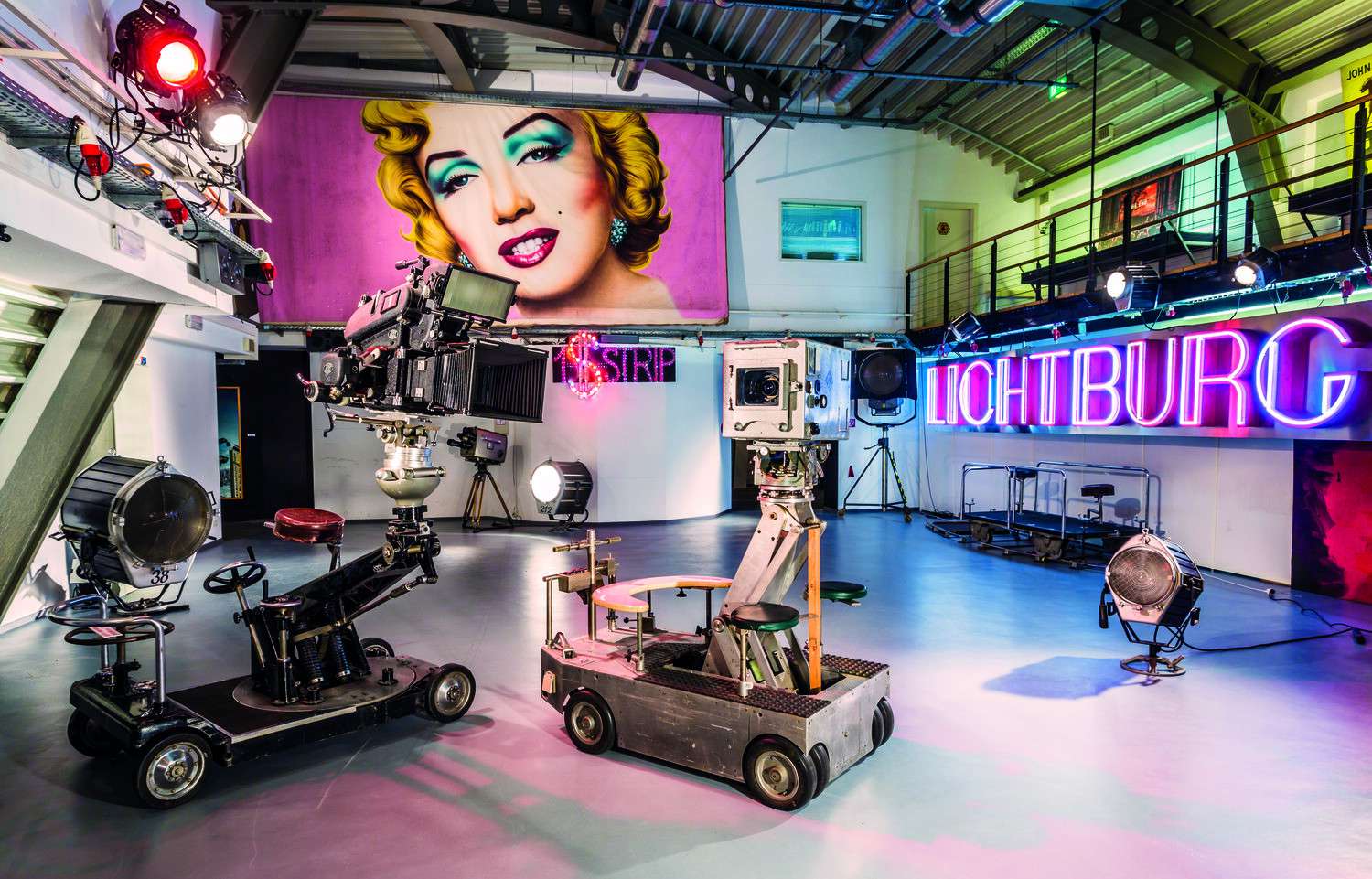
## Description The Film Museum in Düsseldorf (Filmmuseum Düsseldorf) is a captivating destination for cinephiles, history buffs, and curious travelers alike. Located in the heart of the city’s Altstadt (Old Town), this museum offers a deep dive into the evolution of cinema—from the earliest moving images to modern-day blockbusters. Spread across four floors and 2,200 square meters, the museum showcases the art, technology, and cultural impact of film in a way that’s both educational and immersive. Visitors can explore a wide range of exhibits, including vintage cameras, lighting equipment, costumes, props, and set designs. One of the highlights is a reconstructed film studio where guests can get hands-on experience with the filmmaking process. The museum also features interactive displays on special effects, animation, and sound design, making it a dynamic learning environment for all ages. A little-known fact: the museum houses the archives of Fritz Genandt, a local cinema pioneer whose nitrofilm collection is one of the oldest in Germany. Another hidden gem is the “Black Box” cinema located within the museum, which screens classic films, retrospectives, and experimental cinema—often featuring rare or hard-to-find titles. ## Location The Film Museum is located in **Germany**, in the **North Rhine-Westphalia** region, in the city of **Düsseldorf**. Its exact address is Schulstraße 4, 40213 Düsseldorf, right in the Altstadt district. ### How to Get There: - **By Public Transport**: Take the U-Bahn to Heinrich-Heine-Allee station. From there, it’s a short walk to the museum. - **By Car**: Parking is available nearby, but the Altstadt can be busy—public transport is recommended. - **By Foot or Bike**: If you're exploring the Old Town, the museum is easily accessible on foot or by bicycle. Its central location makes it a perfect stop during a day of sightseeing in Düsseldorf. ## Tips for Visitors To make the most of your visit to the Film Museum, keep these tips in mind: - **Visit on a Sunday or Friday**: Admission is free on Sundays and for visitors under 21 on Fridays. - **Check the Black Box Schedule**: The in-house cinema offers a rotating program of films—some screenings include Q&A sessions or guest speakers. - **Explore All Four Floors**: Each level covers a different aspect of film history, from production to distribution to exhibition. - **Use the Museum Library**: With over 33,000 media items, the library is a treasure trove for researchers and film students. - **Attend a Workshop**: The museum regularly hosts seminars and workshops for all ages, including animation and screenwriting. - **Shop for Souvenirs**: The museum store offers unique film-related merchandise and memorabilia. ## Conclusion The Film Museum in Düsseldorf is a vibrant tribute to the magic of cinema. With its rich collection, interactive exhibits, and historic setting, it offers a compelling journey through the world of film—from its humble beginnings to its modern-day marvels. Whether you're a casual moviegoer or a dedicated film buff, this museum is a must-visit. ## FAQ **1. What are the opening hours of the Film Museum?** The museum is open Tuesday to Sunday, typically from 11:00 AM to 6:00 PM. It’s closed on Mondays. **2. Is there an entrance fee?** Yes, general admission is €5 for adults and €2.50 for reduced tickets. Entry is free on Sundays and for visitors under 21 on Fridays. **3. Can I watch films at the museum?** Yes, the museum includes the Black Box cinema, which screens a variety of films throughout the year. **4. Is the museum suitable for children?** Absolutely. Interactive exhibits and workshops make it engaging for younger visitors. **5. Is the museum accessible for people with disabilities?** Yes, the museum is certified for accessibility and offers on-site mobility support. **6. Are guided tours available?** Yes, guided tours can be booked in advance for groups and educational visits. ## Links - [Official Website of Filmmuseum Düsseldorf](https://www.duesseldorf.de/filmmuseum/) - [Wikipedia – Filmmuseum Düsseldorf](https://de.wikipedia.org/wiki/Filmmuseum_D%C3%BCsseldorf)
GemVoyage Team • World
Prague
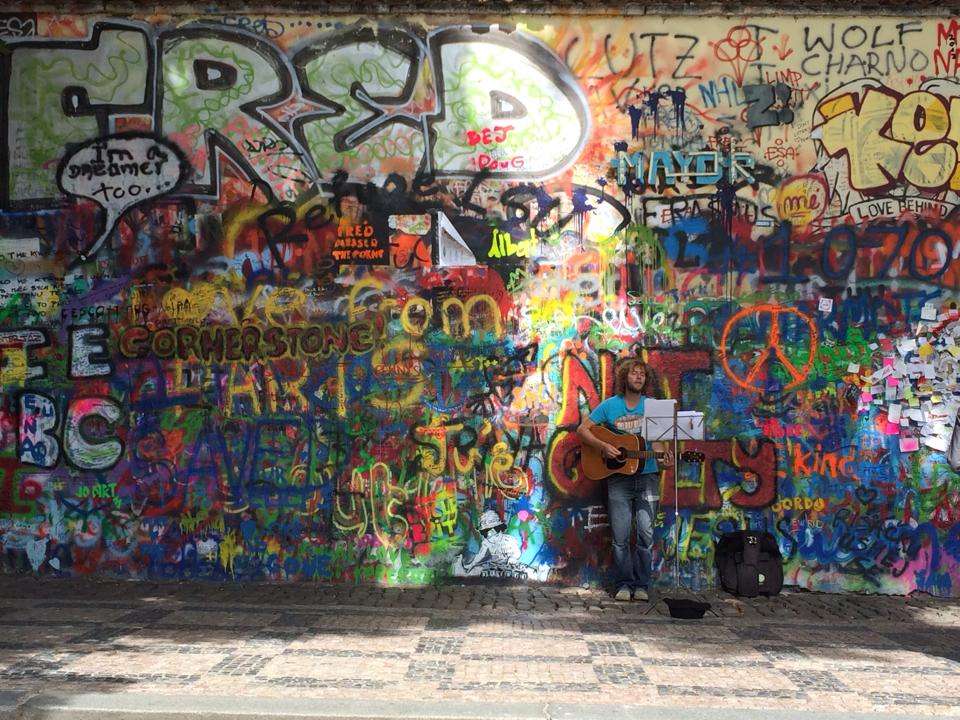
## Description The Lennon Wall in Prague is more than just a colorful stretch of graffiti—it’s a living canvas of freedom, peace, and artistic expression. Located in the historic Malá Strana district, this wall has been a symbol of resistance and hope since the 1980s. After the assassination of John Lennon in 1980, an anonymous artist painted his portrait and lyrics from Beatles songs on the wall. What followed was a spontaneous outpouring of messages, poems, and protest art, especially from Czech youth who saw Lennon as a symbol of Western ideals and freedom during the oppressive communist regime. Over the years, the wall has evolved into a dynamic, ever-changing mural. Layers of paint have buried the original artwork, but the spirit remains. Today, it features vibrant messages of love, peace, and solidarity, often reflecting global movements and local causes. Though the wall is now semi-regulated—with spray painting banned and only designated areas open to public contributions—it continues to attract artists and visitors from around the world. A little-known fact: the wall is owned by the Sovereign Military Order of Malta, whose nearby buildings include a church and embassy. Until 2019, anyone could freely paint on the wall, but due to misuse, it’s now monitored by CCTV and curated by selected artists. ## Location The Lennon Wall is located in **Czechia (Czech Republic)**, in the **Prague Region**, within the city of **Prague**. Specifically, it sits in **Velkopřevorské náměstí (Grand Priory Square)** in the **Malá Strana** neighborhood, just a short walk from the iconic Charles Bridge. ### How to Get There: - **By Foot**: From Charles Bridge, it’s a 5-minute walk through the charming streets of Malá Strana. - **By Tram**: Take tram lines 12, 15, 20, or 22 to Malostranské náměstí, then walk toward the French Embassy. - **By Metro**: The nearest metro station is Malostranská (Line A), followed by a short walk. - **By Bus**: Bus line 194 stops at Malostranské náměstí, close to the wall. Its central location makes it an easy and worthwhile stop on any Prague itinerary. ## Tips for Visitors To make the most of your visit to the Lennon Wall, keep these tips in mind: - **Visit Early or Late**: The wall gets crowded during midday, especially with tour groups. Early morning or evening offers a quieter experience. - **Bring a Marker**: While spray painting is banned, you can still leave a message with a marker in designated areas. - **Respect the Art**: Avoid defacing existing artwork. The wall is a shared space for expression, not vandalism. - **Pair with Nearby Attractions**: Combine your visit with a stroll through Kampa Island or a walk across Charles Bridge. - **Photography**: The wall changes frequently, so it’s a great spot for unique photos. Look for Beatles lyrics or peace symbols hidden among the layers. - **Learn the History**: Guided walking tours often include the Lennon Wall and provide deeper insight into its role during the communist era. ## Conclusion The Lennon Wall in Prague is a vibrant testament to the power of art and free expression. Born from grief and rebellion, it has grown into a global symbol of peace, creativity, and resilience. Whether you're a Beatles fan, a history buff, or simply a curious traveler, the wall offers a colorful and meaningful experience in the heart of Prague. ## FAQ **1. Is there an entrance fee to visit the Lennon Wall?** No, the wall is in a public square and free to visit. **2. Can I paint on the Lennon Wall?** Spray painting is banned, but you can leave messages with markers in designated areas. **3. What is the significance of the Lennon Wall?** It began as a tribute to John Lennon and became a symbol of protest against the communist regime in Czechoslovakia. **4. How often does the wall change?** Constantly. New artwork and messages appear regularly, making each visit unique. **5. Is the wall monitored?** Yes, it’s under CCTV surveillance to prevent vandalism and ensure respectful contributions. **6. What else is nearby?** Charles Bridge, Kampa Island, and the French Embassy are all within walking distance. ## Links - [Lennon Wall – Wikipedia Overview](https://en.wikipedia.org/wiki/Lennon_Wall) - [Prague Tourist Information – Lennon Wall Guide](https://praguetouristinformation.com/en/sightseeing/lesser-town/john-lennon-wall)
GemVoyage Team • World
Córdoba
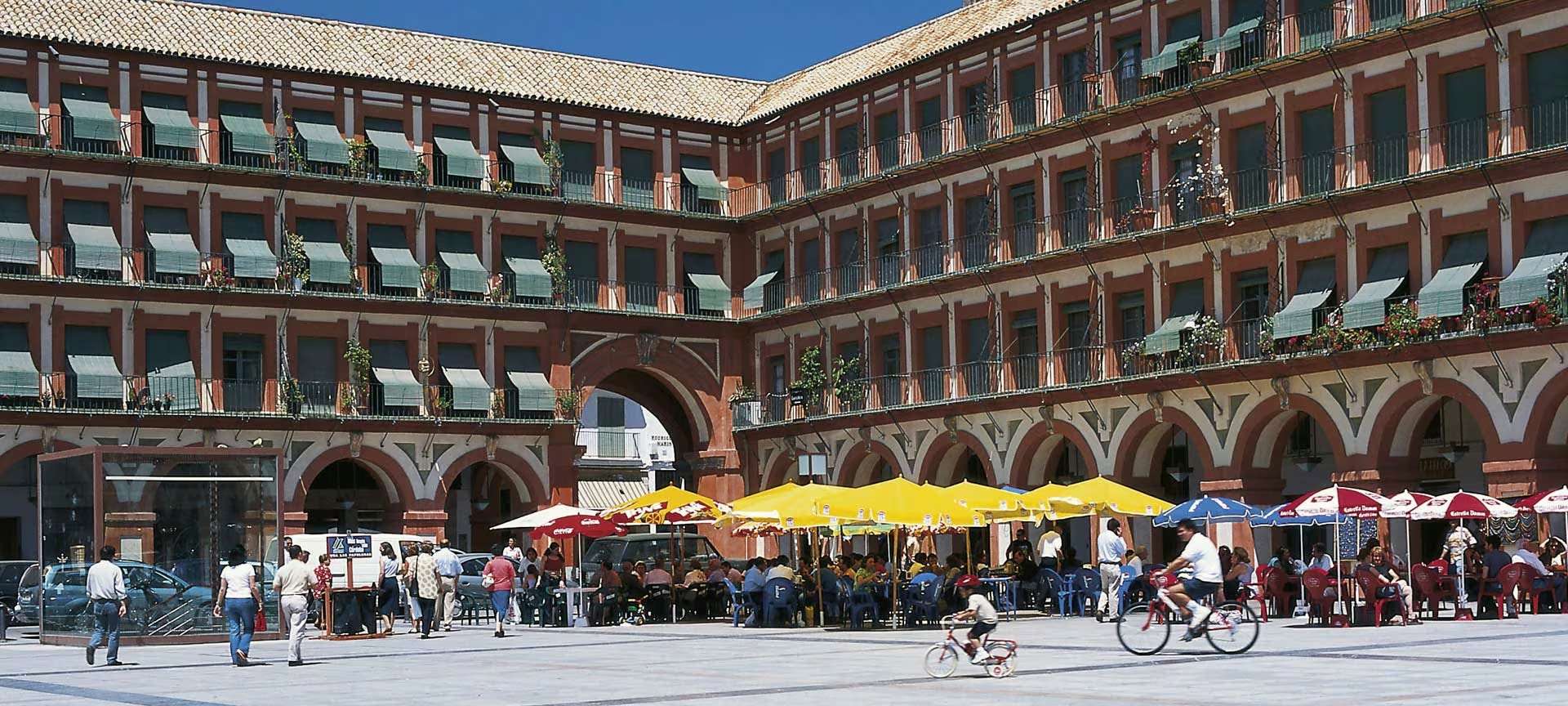
## Description Plaza de la Corredera is one of Córdoba’s most iconic and historically rich public squares, offering a unique blend of architectural charm, cultural legacy, and vibrant local life. Unlike other Andalusian plazas, Corredera stands out as the only rectangular main square in the region built in the Castilian style, reminiscent of Madrid’s Plaza Mayor. Its symmetry, arcaded buildings, and colorful facades make it a picturesque and inviting space for both locals and tourists. Constructed between 1683 and 1687 by architect Antonio Ramós Valdés, the plaza was commissioned by the city’s corregidor, Francisco Ronquillo Briceño. Over the centuries, it has served many purposes—from bullfighting arena and public market to a site for autos-da-fé and even executions during the Spanish Inquisition. Today, it’s a lively hub filled with cafés, restaurants, and artisan shops, where visitors can enjoy a coffee while soaking in the atmosphere. A little-known fact: during renovations in the 20th century, Roman mosaics were discovered beneath the plaza. These are now housed in the Alcázar de los Reyes Cristianos, offering a glimpse into Córdoba’s ancient past. Another curiosity is that two buildings in the square—the Mercado de Sánchez Peña and the Casas de Doña Ana Jacinto—predate the plaza itself and break its otherwise uniform architectural style. ## Location Plaza de la Corredera is located in **Spain**, in the **Andalusia region**, within the **city of Córdoba**. It sits in the historic Axerquía neighborhood, just a short walk northeast of the Mezquita-Catedral and the Roman Temple ruins. ### How to Get There - **By Foot**: If you're exploring Córdoba’s historic center, the plaza is easily reachable on foot from major landmarks like the Mezquita or the Jewish Quarter. - **By Bus**: Several city buses stop nearby, including lines 3 and 7. The closest stop is “San Andrés.” - **By Taxi**: Taxis can drop you off directly at one of the plaza’s entrances. - **By Car**: Parking in the historic center is limited. It’s best to park in a nearby garage and walk. Its central location makes it a perfect spot to pause and enjoy the city’s rhythm. ## Tips - **Visit in the Morning or Late Afternoon**: These times offer the best light for photography and a more relaxed atmosphere. - **Try Local Tapas**: The plaza is lined with bars and restaurants serving traditional Andalusian dishes—salmorejo, flamenquín, and local wines are must-tries. - **Look for the Mosaic Plaque**: A small plaque commemorates the Roman mosaics found beneath the square. - **Explore Nearby Attractions**: Combine your visit with stops at the Julio Romero de Torres Museum or the nearby Roman Temple. - **Attend a Local Event**: The plaza occasionally hosts concerts, markets, and festivals—check local listings for current events. - **Respect the Space**: While lively, the plaza is also a residential area. Be mindful of noise and local customs. ## Conclusion Plaza de la Corredera is a vibrant and historically layered square that captures the essence of Córdoba’s cultural and architectural heritage. Whether you're sipping coffee under its arcades or exploring its storied past, it offers a memorable and authentic experience in the heart of Andalusia. ## FAQ **1. Is Plaza de la Corredera free to visit?** Yes, the plaza is a public space and open to all visitors at no cost. **2. What is the best time to visit the plaza?** Spring and autumn offer pleasant weather and fewer crowds. Early morning and late afternoon are ideal for photography. **3. Are there guided tours available?** Yes, many walking tours of Córdoba include the plaza as a stop, often with historical commentary. **4. Is the plaza wheelchair accessible?** Yes, the square is flat and accessible, though some surrounding streets may have cobblestones. **5. Can I eat at the plaza?** Absolutely. There are numerous cafés and restaurants with outdoor seating. **6. Is it safe to visit at night?** Yes, the plaza is generally safe and well-lit, though it’s always wise to stay aware of your surroundings. ## Links - [Plaza de la Corredera – Spain.info Overview](https://www.spain.info/en/places-of-interest/plaza-corredera/) - [Plaza de la Corredera – Wikipedia Entry](https://es.wikipedia.org/wiki/Plaza_de_la_Corredera)
GemVoyage Team • World
Cairo
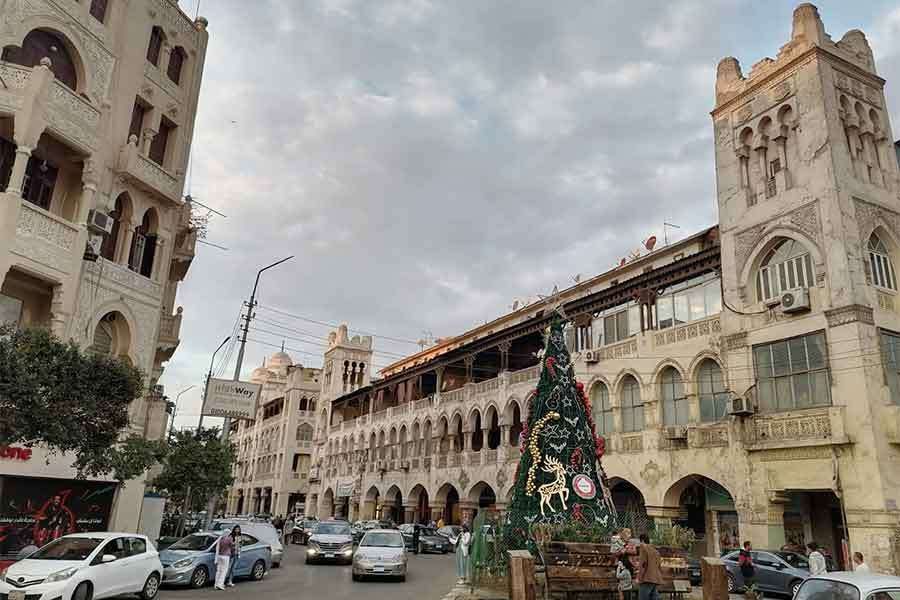
## Description **El Korba Square**, located in the historic district of **Heliopolis (Masr El Gedida)**, is one of Cairo’s most architecturally distinctive and socially vibrant urban spaces. Unlike the medieval fabric of Islamic Cairo or the colonial density of Downtown, El Korba represents a **unique fusion of European town planning, Moorish revival architecture, and early 20th-century cosmopolitan lifestyle**. It is widely regarded as the **ceremonial heart of Heliopolis**, a neighborhood originally designed as a modern garden city on the northeastern edge of Cairo. The square is surrounded by a remarkable collection of **arcaded buildings**, balconies, domed corner towers, and cream-colored façades that form one of the **largest continuous ensembles of Heliopolis-style architecture in Egypt**. This architectural style blends **Islamic motifs, Andalusian arches, Art Deco symmetry, and European urban planning principles**. The result is an environment that feels at once North African, Mediterranean, and unmistakably Cairene. El Korba’s importance is not purely visual. It functions as a **social engine**. Cafés, pastry shops, restaurants, cinemas, and boutiques line the arcades, creating a space that is active from morning until late at night. Families stroll in the evening, students meet for coffee, office workers pass through during the day, and wedding photographers stage shoots beneath the arches. The square is not a preserved museum zone. It is a **living city room**, constantly shifting in rhythm and purpose throughout the day. Historically, Heliopolis was founded in **1905 by Belgian industrialist Baron Édouard Empain**, who envisioned a modern city in the desert connected to Cairo by electric tram. El Korba became the **symbolic downtown of this new settlement**. Its arcades were designed to provide shade, promote walkability, and unify commercial activity within a visually coherent framework. This concept was decades ahead of its time in Egypt and remains one of the district’s most successful urban legacies. A little-known fact is that several of El Korba’s buildings were originally constructed with **private rooftop gardens and internal ventilation corridors**, engineered to cool interiors naturally before widespread air conditioning. Another lesser-known detail is that the square once hosted **open-air orchestras and formal social promenades** in the early 20th century, modeled after European city squares. Atmospherically, El Korba carries a powerful sense of **nostalgia mixed with everyday vitality**. It is one of the few places in Cairo where early modern urban planning still shapes daily behavior: people walk, sit, linger, watch, and return repeatedly. The square holds emotional weight for generations of residents who associate it with first dates, family outings, late-night conversations, and childhood memories. Unlike Cairo’s grand monuments, El Korba’s beauty lies in **repetition and continuity rather than singular spectacle**. Its arches frame everyday life. Its balconies observe the street silently. Its cafés serve as informal civic institutions. Together, they create one of the rare public environments in Egypt where architecture, commerce, and community remain structurally aligned. ## Location **El Korba Square** is located in the heart of **Heliopolis**, in northeastern Cairo. **City:** Cairo **District:** Heliopolis (Masr El Gedida) **Governorate:** Cairo Governorate **Country:** Egypt The square sits near the intersection of **Baghdad Street, Al-Ahram Street, Ibrahim Al-Laqani Street, and El Merghany Street**. ### How to Get There: * **By metro:** * Take **Line 3** toward **Adly Mansour** and exit at **Heliopolis Square Station** or nearby stations, then walk or take a short taxi ride. * **By taxi or ride-hailing:** The most convenient option from anywhere in Cairo. * **By car:** Available, but parking is limited and traffic is often heavy in the evenings. * **By bus or microbus:** Many public routes serve Heliopolis directly. El Korba is easily combined with visits to **Baron Empain Palace, El Merghany Street, and Heliopolis Sporting Club**. ## Tips * **Visit in the evening:** This is when the square is most vibrant and socially active. * **Daytime is best for photography:** The building details show clearly in natural light. * **Choose arcaded seating:** Many cafés offer shaded outdoor seating under the historic arches. * **Expect traffic at peak hours:** Especially between 6 p.m. and 10 p.m. * **Walk slowly:** El Korba is best experienced on foot, not as a transit zone. * **Try local dessert cafés:** Traditional Egyptian pastry shops are a major highlight. * **Respect the residential nature:** Many upper floors are still private homes. * **Avoid weekends if you prefer quiet:** Fridays and Saturdays can become very crowded. ## Conclusion **El Korba Square** is the emotional and architectural center of Heliopolis, a space where **early modern urban vision still shapes daily life in contemporary Cairo**. With its graceful arcades, steady pedestrian rhythm, and deep social memory, El Korba offers something rare in Egypt’s megacity environment: **a walkable, human-scaled public square that works both historically and socially**. ## FAQ **1. What is El Korba Square known for?** It is known for its **Heliopolis-style architecture, arcaded buildings, cafés, and vibrant social life**. **2. When was El Korba developed?** It was developed in the **early 20th century**, shortly after the founding of Heliopolis in 1905. **3. Is El Korba tourist-friendly?** Yes, though it remains primarily a **local social hub rather than a mass tourism site**. **4. Is there an entrance fee?** No. It is a **public square open at all times**. **5. Is El Korba suitable for families?** Yes. It is especially popular for **evening family walks and casual dining**. **6. Can El Korba be visited with Baron Palace on the same trip?** Yes. They are located **within short walking or driving distance of each other**. ## Links * [Egyptian Ministry of Tourism](https://www.experienceegypt.eg/en)
GemVoyage Team • World
Melbourne
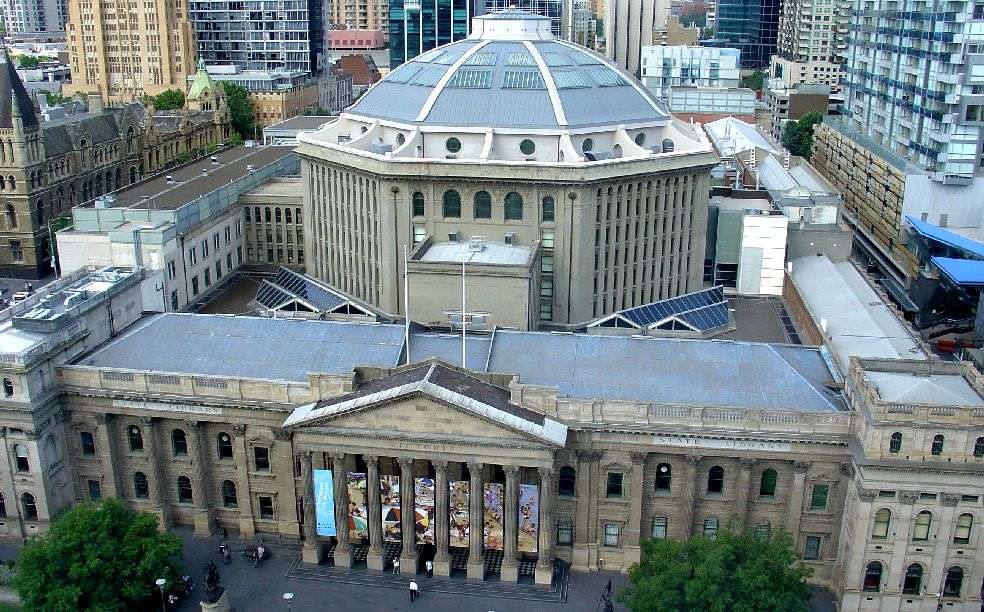
## Description State Library Victoria is more than just a library—it’s a cultural icon, architectural marvel, and a vibrant public space in the heart of Melbourne. Established in 1854, it holds the distinction of being Australia’s oldest public library and one of the first free libraries in the world. Today, it’s also one of the busiest, welcoming millions of visitors each year who come not only to read, but to explore exhibitions, attend events, and marvel at its historic interiors. The library’s crown jewel is the La Trobe Reading Room, a stunning octagonal chamber topped with a majestic domed ceiling. With its white balconies, timber desks, and natural light streaming through the dome, it’s a favorite spot for students, artists, and photographers. Beyond its beauty, the library houses over five million items, including rare manuscripts, maps, photographs, and artworks. Highlights include Ned Kelly’s original armor and the Jerilderie Letter, offering a glimpse into Australia’s bushranger folklore. A little-known fact: the library was originally envisioned as a combined museum, gallery, and library. Its founder, Sir Redmond Barry, also laid the foundation stone for the University of Melbourne on the same day as the library’s cornerstone. Another quirky detail—one of the library’s permanent exhibitions includes a collection of human hair, part of a broader exploration of Victorian-era curiosities. ## Location State Library Victoria is located in **Australia**, in the **state of Victoria**, within the city of **Melbourne**. The library sits prominently at **328 Swanston Street**, right in the Central Business District (CBD), making it easily accessible and surrounded by shops, cafés, and cultural landmarks. ### How to Get There: - **By Train**: The nearest station is Melbourne Central, just across the street. Flinders Street Station is also within walking distance. - **By Tram**: Multiple tram lines stop at the Swanston Street and La Trobe Street intersection, right outside the library. - **By Foot**: If you’re exploring the CBD, the library is a short walk from Bourke Street Mall and the State Parliament. - **By Bike**: Melbourne’s bike lanes and shared paths make cycling to the library a breeze. Bike racks are available nearby. Its central location makes it a perfect starting point for a day of cultural exploration in Melbourne. ## Tips for Visitors To make the most of your visit to State Library Victoria, keep these tips in mind: - **Join a Guided Tour**: Free tours are available and offer fascinating insights into the library’s history, architecture, and collections. - **Visit the Dome Galleries**: Located above the La Trobe Reading Room, these galleries host rotating exhibitions and provide stunning views of the dome. - **Check the Events Calendar**: From author talks to creative workshops, the library hosts a wide range of public programs. - **Use the Free Wi-Fi**: Ideal for remote work or study sessions in a beautiful setting. - **Explore the Cowen Gallery**: This gallery showcases Australian art and historical portraits, often overlooked by casual visitors. - **Respect Quiet Zones**: While the library is lively, some areas are designated for silent study—be mindful of signage. ## Conclusion State Library Victoria is a dynamic blend of history, learning, and public engagement. Whether you're diving into research, admiring its architecture, or simply relaxing in the reading room, the library offers a rich and inspiring experience in the heart of Melbourne. ## FAQ **1. Is there an entrance fee to visit State Library Victoria?** No, entry is free for all visitors. **2. What are the library’s opening hours?** Typically, Monday to Thursday: 10 AM – 9 PM; Friday to Sunday: 10 AM – 6 PM. Galleries close at 5 PM daily. **3. Can I take photos inside the library?** Yes, photography is allowed in most public areas, but flash and tripods are discouraged. **4. Is the library suitable for children?** Absolutely. There are dedicated children’s areas and family-friendly events throughout the year. **5. Are food and drinks allowed inside?** Food and drinks are not permitted in reading rooms but are allowed in designated areas. **6. Does the library offer research assistance?** Yes, librarians are available to help with research, and there are dedicated tools for family history and academic inquiries. ## Links - [State Library Victoria – Wikipedia Overview](https://en.wikipedia.org/wiki/State_Library_Victoria)
GemVoyage Team • World
Milan
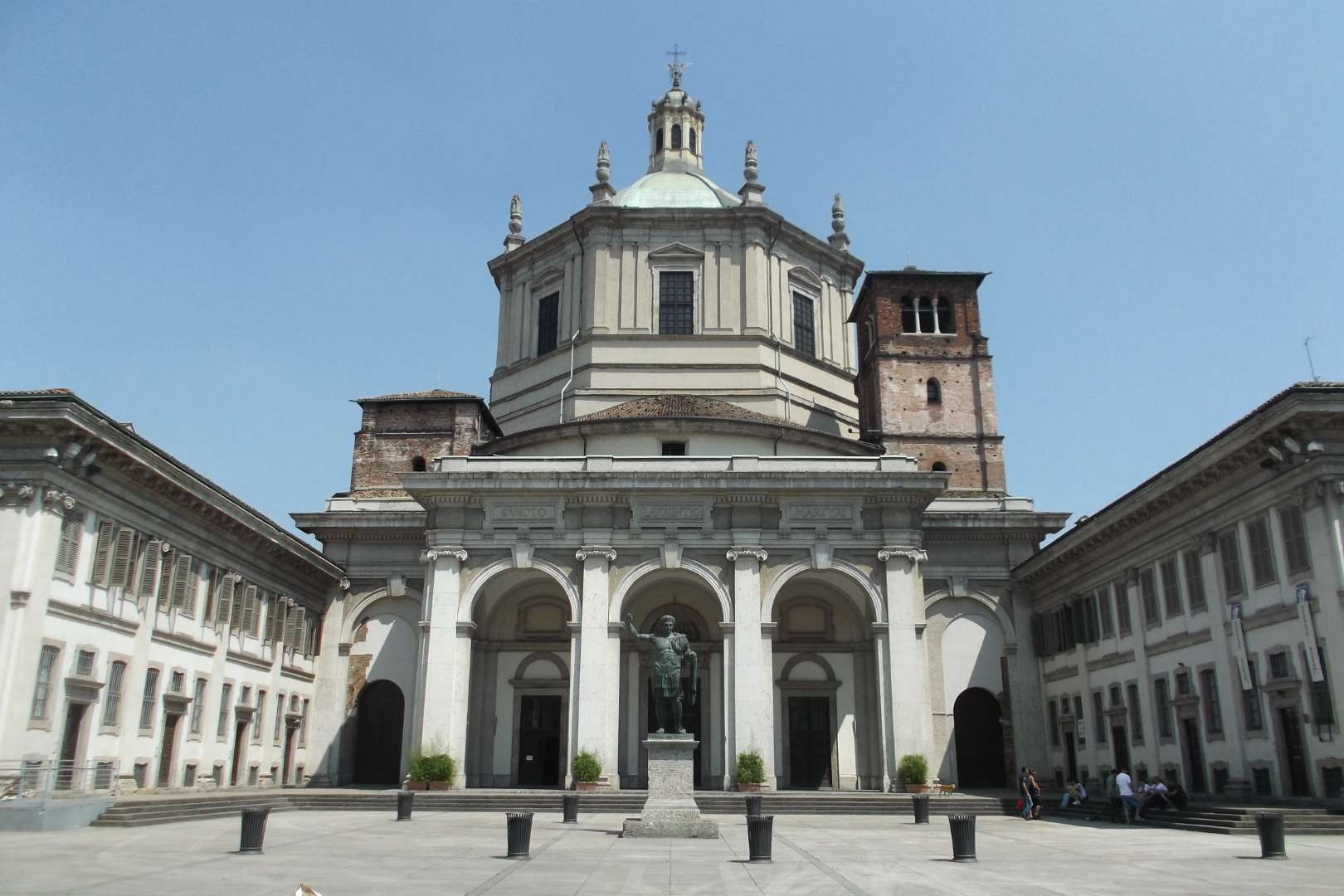
## Description The Basilica of San Lorenzo Maggiore in Milan is one of the city’s oldest and most architecturally intriguing churches, offering a rich tapestry of history, religion, and design. Originally constructed between the late 4th and early 5th centuries, the basilica has undergone numerous reconstructions, resulting in a unique blend of Early Christian, Renaissance, and Baroque styles. Its imposing central dome and symmetrical layout make it a standout among Milan’s ecclesiastical landmarks. What sets San Lorenzo apart is its daring architectural originality. Art historians have noted its resemblance to the great churches of Constantinople, many of which no longer exist. The basilica’s interior features elegant marble columns, intricate mosaics, and the stunning Chapel of Saint Aquilino, which houses 4th-century Byzantine mosaics and remnants of Roman construction materials. Outside, the Colonne di San Lorenzo—sixteen Roman columns dating from the 3rd century—stand as a dramatic prelude to the church and are among the few surviving relics of ancient Mediolanum. A little-known fact: archaeological investigations suggest that the basilica may have been built atop a Roman amphitheater, and some of its foundational materials were repurposed from other Roman sites. Another fascinating detail is that the basilica’s dedication to Saint Lawrence was only confirmed in 590 AD, long after its initial construction. ## Location The Basilica of San Lorenzo Maggiore is located in **Italy**, in the **Lombardy region**, within the **city of Milan**. Its exact address is **Corso di Porta Ticinese, 39**, situated near the medieval Porta Ticinese and within walking distance of the Navigli district and the city center. ### How to Get There - **By Metro**: Take Line M2 to Sant’Ambrogio or Line M3 to Missori, then walk about 10–15 minutes. - **By Tram**: Tram line 3 stops at “Ticinese Molino delle Armi,” just steps from the basilica. - **By Foot**: From the Duomo, it’s a pleasant 15-minute walk through historic streets. - **By Bike or Scooter**: Milan’s bike-sharing and e-scooter services offer a scenic and efficient way to reach the basilica. Its central location makes it easy to include in a day of sightseeing, especially when paired with nearby attractions like the Basilica of Sant’Eustorgio or the Navigli canals. ## Tips - **Visit the Chapel of Saint Aquilino**: Don’t miss this side chapel, which contains some of the oldest mosaics in Milan and offers a glimpse into the city’s Roman past. - **Go Early or Late**: The basilica is less crowded in the morning or late afternoon, allowing for a more peaceful visit. - **Dress Modestly**: As with all religious sites, respectful attire is recommended. - **Explore the Piazza**: The square in front of the basilica is lively and atmospheric, often filled with street performers and locals. - **Check for Mass Times**: If you’re interested in attending a service, consult the basilica’s schedule in advance. - **Photography**: Photos are allowed, but avoid flash and be mindful during services. ## Conclusion Basilica San Lorenzo Maggiore is a captivating blend of ancient history and spiritual heritage. With its Roman columns, Byzantine mosaics, and architectural grandeur, it offers a compelling experience for anyone exploring Milan’s rich cultural landscape. ## FAQ **1. Is there an entrance fee to visit the basilica?** No, entry to the basilica is free. Donations are welcome. **2. What are the opening hours?** Monday to Friday: 8:00 AM – 12:30 PM and 3:00 PM – 6:30 PM Saturday and Sunday: 9:00 AM – 1:00 PM and 3:00 PM – 7:00 PM **3. Can non-Catholics visit the basilica?** Yes, the basilica is open to all visitors, regardless of religious background. **4. Is the basilica wheelchair accessible?** Some areas may be challenging due to steps and uneven flooring, but the main entrance and nave are generally accessible. **5. Are guided tours available?** Yes, some local tour operators include San Lorenzo in their walking tours of Milan’s historic center. **6. What is the best time of year to visit?** Spring and autumn offer mild weather and fewer crowds, making them ideal for sightseeing. ## Links - [Basilica of San Lorenzo – Wikipedia Overview](https://en.wikipedia.org/wiki/Basilica_of_San_Lorenzo,_Milan) - [San Lorenzo Maggiore – Official Website](http://www.sanlorenzomaggiore.com/)
GemVoyage Team • World
Juodkrantė
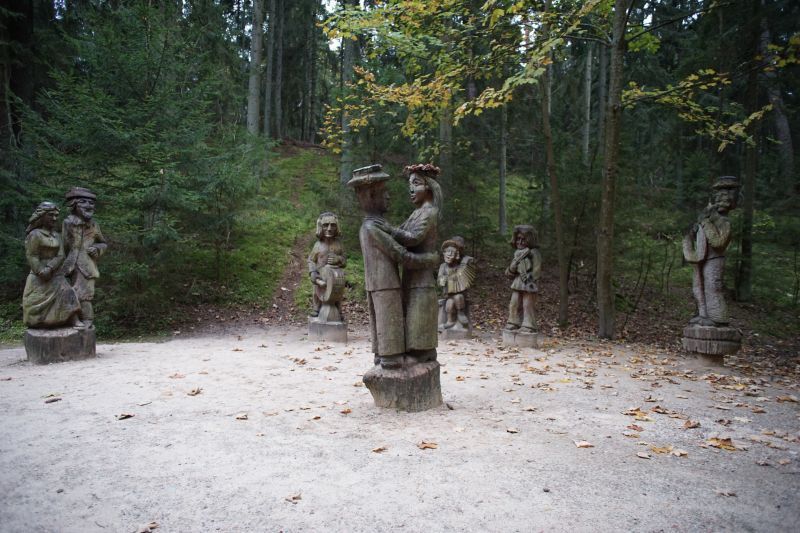
## Description The Hill of Witches (Raganų Kalnas) near Juodkrantė is an outdoor open-air gallery where folklore and forest meet. Carved wooden sculptures—dozens of them—depict figures from Lithuanian myths, pagan legends, and fairytales, arranged along a winding forest path that rises toward the Dune Rim. This combination of art and natural setting creates a narrative walk: each sculpture is a tableau within the pine woods, offering an immersive way to learn about Baltic mythology while enjoying the seaside atmosphere of the Curonian Spit. Little-known facts: many sculptures are replaced or restored periodically because of the coastal weather; the site has also hosted temporary contemporary art installations connecting modern voices to age-old tales. Additionally, the hill was intentionally designed to blend with the natural dune and forest so that the art feels like an organic part of the landscape rather than an imposition. The site is both poetic and family-friendly, with hauntingly beautiful carvings that are approachable for children while thought-provoking for adults. Seasonal cultural events sometimes include storytelling evenings and folklore workshops. ## Location Raganų Kalnas is on the Curonian Spit, an elongated sand dune peninsula that separates the Curonian Lagoon from the Baltic Sea, in western Lithuania. The hill lies near the small resort village of Juodkrantė in Neringa municipality, Klaipėda County. How to get there: Neringa is reachable by ferry or car via Klaipėda and then over the Curonian Spit road; public buses connect Klaipėda with Nida and other Spit settlements. From Juodkrantė center, the Hill of Witches is an easy walk along marked paths. ## Tips - Visit early morning or late afternoon to avoid crowds and capture the soft light through the pines. - Wear sturdy shoes—the path can be sandy and uneven. - Bring a guidebook or download a map to understand the individual sculptures and stories. - Check for temporary exhibitions or cultural events—these often enhance the experience. - Combine the visit with a walk along the nearby dunes or a ferry ride on the Curonian Lagoon. ## Conclusion The Hill of Witches is a uniquely Baltic blend of art, folklore, and landscape: a short visit on the Curonian Spit that leaves a lasting impression through its carved narratives and coastal forest atmosphere. ## FAQ Q: Is the Hill of Witches accessible year-round? A: Yes, but winter weather can be harsh; spring through autumn is optimal. Q: Are the sculptures original? A: Many are original but are periodically replaced or restored due to weathering. Q: Is there an entrance fee? A: There may be a modest fee for some event programs, but the site is generally free to visit. Q: Can I bring children? A: Yes—children usually enjoy the sculptural storytelling. ## Links - [Hill of Witches (Wikipedia)](https://en.wikipedia.org/wiki/Hill_of_Witches)
GemVoyage Team • World
Cairo
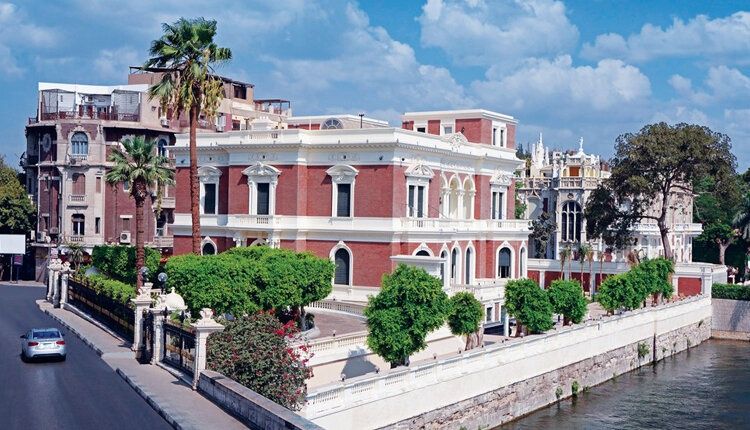
## Description **Aisha Fahmy Palace** is one of Cairo’s most elegant examples of early 20th-century aristocratic architecture and a rare survivor of the city’s Belle Époque period. Built in **1907**, the palace reflects a time when Cairo’s elite embraced European artistic influences while maintaining a distinct Egyptian identity. Today, it stands not as a frozen relic, but as a carefully restored cultural venue that bridges past luxury with contemporary artistic expression. The palace was commissioned by Ali Fahmy Pasha and later inherited by his daughter, Aisha Fahmy, whose name it still carries. Designed by Italian architect Antonio Lasciac, the building combines **Italian Renaissance influences with Art Nouveau and neoclassical details**. Marble staircases, ornate ironwork, stained glass windows, and elaborately decorated ceilings reveal the level of craftsmanship invested in elite residential architecture at the time. What makes Aisha Fahmy Palace particularly compelling is its **interior artistry**. The walls and ceilings feature painted panels inspired by classical European mythology, floral motifs, and allegorical scenes, many of which were executed by European artists working in Cairo. A lesser-known fact is that the palace once hosted private salons and cultural gatherings attended by prominent figures from Egypt’s political and artistic circles. Another overlooked detail is that, despite periods of neglect during the late 20th century, much of the original decorative work survived and was meticulously restored rather than replaced. Today, the palace functions as a **temporary exhibition space** under the Egyptian Ministry of Culture. Contemporary art exhibitions are staged within the historic rooms, creating a deliberate contrast between modern creative expression and early 1900s aristocratic interiors. This dialogue between eras is central to the palace’s renewed relevance. ## Location **Country:** Egypt **Governorate:** Cairo **District:** Zamalek Aisha Fahmy Palace is located in **Zamalek**, one of Cairo’s most refined and leafy neighborhoods, situated on Gezira Island in the Nile. ### How to Get There * **By taxi or ride-hailing:** * The most practical option, especially from central Cairo or downtown. * **By metro:** * Take Line 2 to **Opera Station**, then walk or take a short taxi ride. * **On foot:** * Easily reachable when exploring Zamalek’s cultural venues and riverfront. * **By car:** * Limited street parking is available in the surrounding area. ## Tips * **Check exhibition schedules in advance:** The palace hosts rotating exhibitions rather than permanent displays. * **Allow time to explore interiors:** The architectural details are as important as the artworks. * **Visit during daylight hours:** Natural light enhances the painted ceilings and stained glass. * **Photography rules vary:** Some exhibitions may restrict interior photography. * **Combine with nearby sites:** Zamalek offers galleries, cafés, and cultural centers within walking distance. * **Expect calm rather than crowds:** The palace remains relatively uncrowded compared to major museums. ## Conclusion Aisha Fahmy Palace is a refined cultural landmark that captures a sophisticated chapter of Cairo’s modern history. Its restored interiors, aristocratic architecture, and evolving role as an art space make it a rewarding destination for visitors seeking depth, elegance, and context beyond the city’s ancient monuments. ## FAQ **1. Is Aisha Fahmy Palace a museum?** It functions primarily as a temporary exhibition venue rather than a traditional museum. **2. How old is the palace?** It was completed in 1907. **3. How long should I plan for a visit?** Approximately **45 minutes to 1.5 hours**, depending on exhibitions. **4. Is there an entrance fee?** Yes, a modest fee is usually charged and may vary by exhibition. **5. Is the palace suitable for children?** Yes, particularly for older children interested in art or architecture. **6. Is the palace accessible?** Accessibility is limited in some areas due to the historic structure. ## Links * [Experience Egypt tourism portal](https://www.experienceegypt.eg)
GemVoyage Team • World
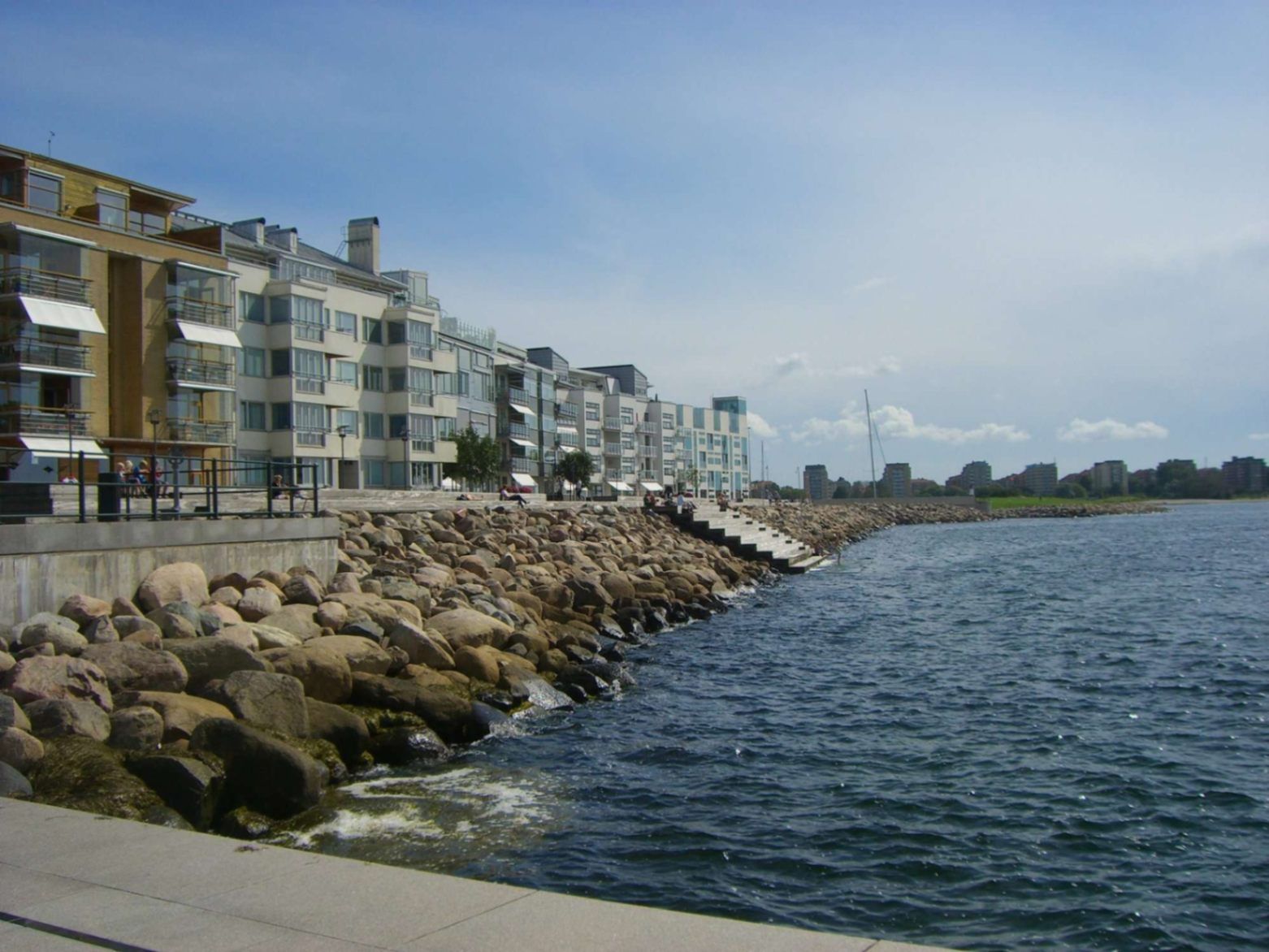
Malmö
## Description Malmö’s promenades—particularly the waterfront walks in areas like **Sundspromenaden** in **Västra Hamnen**—represent a perfect mix of urban design, nature, sea, and Scandinavian minimalist style. These promenades are places to stroll, cycle, relax by the water, take in views across to Denmark, swim, or simply enjoy public space thoughtfully crafted for citizen leisure. What makes them special is how they combine modern architecture, revitalised waterfront land, and ecological awareness. Västra Hamnen itself is a former industrial/harbour area that has been transformed into a sustainable residential and recreational district. The promenade features wooden jetties, platforms for swimming, promenading paths, seating, small cultural touches, and design elements that allow people to use the space in multiple ways—sunbathing, exercising, enjoying views. ([visitsweden.fr][1]) A lesser-known fact: some portions of the promenades have public bathing decks with ladders into the sea, though the water can be quite deep. Also, lighting design (for example, in other Malmö waterfront developments) is intentionally done so that the ambiance at dusk feels safe, warm, and comfortable—even when colder. ([selux.com][2]) ## Location These promenades are located in **Malmö**, a city in **Skåne County** in southern **Sweden**, lying on the coast of the Öresund strait opposite Denmark. Västra Hamnen is the “Western Harbour” district, by the coast. The sundspromenaden waterfront walk is in/near Västra Hamnen. Other promenades like Ribersborg beach promenade are also in the broader coastal edges of Malmö. ([Travelwider][3]) To get there: if you arrive in Malmö by train (e.g. Malmö Central), you can walk, take local buses or tram to Västra Hamnen. Biking is also very good as Malmö is bike-friendly. From Copenhagen, there are trains across the Öresund Bridge; once in Malmö you use local transport or walk depending on which part of the promenade you aim for. ([Erasmusu][4]) ## Tips * **Time your visit for golden hours**: sunrise or sunset bring beautiful light over the water, especially looking toward Öresund and the Öresund Bridge. ([Wanderlog][5]) * **Bring swim gear**: In summer, many promenades have decks, ladders, or stepping points into the sea. If the weather is warm enough, swimming is possible. ([komoot][6]) * **Dress in layers**: The sea breeze can make things cooler, even in summer evenings. For morning walks or late afternoons it might be windy. * **Biking or walking**: Use the paths designed for pedestrians and cyclists. Some stretches are flat and very pleasant. A bike is a great way to cover longer stretches of promenade. * **Check local weather**: Rain or wind can make parts less pleasant; also, sea conditions vary. Be cautious if swimming. * **Explore by sections**: The waterfront promenade isn’t one single piece—various districts (Ribersborg, Västra Hamnen, etc.) offer different vibes (beach-style, urban, architecturally modern). Choose based on what you want: swimming, views, architecture, relaxation. ## Conclusion Malmö’s promenades are a standout example of how a coastal city can turn its sea edges into spaces that are both beautiful and functional. Whether for locals or visitors, they offer calm, recreation, waterfront views, and a chance to experience Malmö’s blend of urban renewal, sustainability, and Scandinavian waterfront charm. A walk here is more than just moving from A to B—it’s an experience of light, water, architecture, and local life. ## FAQ **1. Are the promenades free to access?** Yes, public promenades are free. There is no entrance fee to walk along Västra Hamnen waterfront or to use public seating areas, jetties, etc. **2. Can you swim there?** Yes—in parts. Some sections have bathing platforms, ladders, and wooden jetties. But water can be deep, and conditions (temperature, currents) vary. It’s good to check locally and stay where it’s safe. ([komoot][6]) **3. What is the best time of year to enjoy the promenade?** Late spring through early autumn (May to September) is best, when weather is warm, days are long, and outdoor amenities are most usable. Summer evenings are particularly lovely. Winters are colder and more challenging for outdoor swimming or lounging. **4. Are the promenades suitable for someone with limited mobility or stroller?** Many paths are flat and well-maintained, so promenading/strollers are possible in many places. However, wooden platforms or jetties might have steps or ladders for water access not suitable for all. It’s best to choose accessible sections near Västra Hamnen or Ribersborg. **5. What else can I see or do near the waterfront promenade?** Plenty: architectural highlights like the Turning Torso, cafés and restaurants in Västra Hamnen, parks, local beaches (Ribersborg), views of the Öresund Bridge, outdoor workouts, bike paths, evening walks. The area combines leisure, modern design, and views. **6. How long should I plan to walk to get a good sense of the place?** If you set aside 1-2 hours, you can enjoy a stretch with views, maybe stop for café or swim. For a full exploration of different sections, 3-4 hours or more allows you to experience the variety between Ribersborg, Västra Hamnen, and other promenades. ## Links * [Visit Sweden – Malmö Outdoor & Nature](https://visitsweden.com) * [Malmö City Official Site](https://malmo.se)
GemVoyage Team • World