GemVoyage Team • World
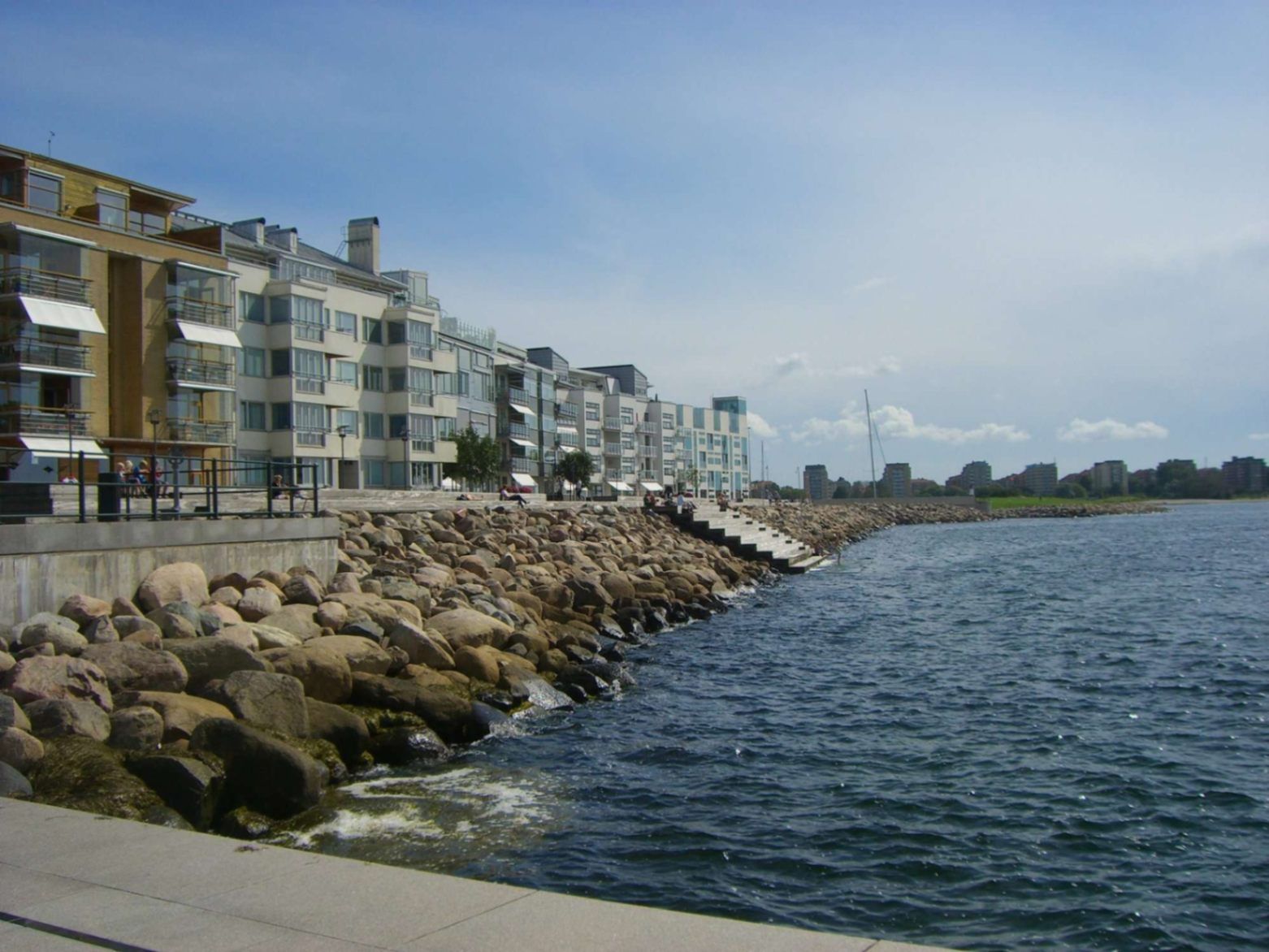
Malmö’s promenades—particularly the waterfront walks in areas like Sundspromenaden in Västra Hamnen—represent a perfect mix of urban design, nature, sea, and Scandinavian minimalist style. These promenades are places to stroll, cycle, relax by the water, take in views across to Denmark, swim, or simply enjoy public space thoughtfully crafted for citizen leisure.
What makes them special is how they combine modern architecture, revitalised waterfront land, and ecological awareness. Västra Hamnen itself is a former industrial/harbour area that has been transformed into a sustainable residential and recreational district. The promenade features wooden jetties, platforms for swimming, promenading paths, seating, small cultural touches, and design elements that allow people to use the space in multiple ways—sunbathing, exercising, enjoying views. ([visitsweden.fr][1])
A lesser-known fact: some portions of the promenades have public bathing decks with ladders into the sea, though the water can be quite deep. Also, lighting design (for example, in other Malmö waterfront developments) is intentionally done so that the ambiance at dusk feels safe, warm, and comfortable—even when colder. ([selux.com][2])
These promenades are located in Malmö, a city in Skåne County in southern Sweden, lying on the coast of the Öresund strait opposite Denmark. Västra Hamnen is the “Western Harbour” district, by the coast. The sundspromenaden waterfront walk is in/near Västra Hamnen. Other promenades like Ribersborg beach promenade are also in the broader coastal edges of Malmö. ([Travelwider][3])
To get there: if you arrive in Malmö by train (e.g. Malmö Central), you can walk, take local buses or tram to Västra Hamnen. Biking is also very good as Malmö is bike-friendly. From Copenhagen, there are trains across the Öresund Bridge; once in Malmö you use local transport or walk depending on which part of the promenade you aim for. ([Erasmusu][4])
Malmö’s promenades are a standout example of how a coastal city can turn its sea edges into spaces that are both beautiful and functional. Whether for locals or visitors, they offer calm, recreation, waterfront views, and a chance to experience Malmö’s blend of urban renewal, sustainability, and Scandinavian waterfront charm. A walk here is more than just moving from A to B—it’s an experience of light, water, architecture, and local life.
1. Are the promenades free to access?
Yes, public promenades are free. There is no entrance fee to walk along Västra Hamnen waterfront or to use public seating areas, jetties, etc.
2. Can you swim there?
Yes—in parts. Some sections have bathing platforms, ladders, and wooden jetties. But water can be deep, and conditions (temperature, currents) vary. It’s good to check locally and stay where it’s safe. ([komoot][6])
3. What is the best time of year to enjoy the promenade?
Late spring through early autumn (May to September) is best, when weather is warm, days are long, and outdoor amenities are most usable. Summer evenings are particularly lovely. Winters are colder and more challenging for outdoor swimming or lounging.
4. Are the promenades suitable for someone with limited mobility or stroller?
Many paths are flat and well-maintained, so promenading/strollers are possible in many places. However, wooden platforms or jetties might have steps or ladders for water access not suitable for all. It’s best to choose accessible sections near Västra Hamnen or Ribersborg.
5. What else can I see or do near the waterfront promenade?
Plenty: architectural highlights like the Turning Torso, cafés and restaurants in Västra Hamnen, parks, local beaches (Ribersborg), views of the Öresund Bridge, outdoor workouts, bike paths, evening walks. The area combines leisure, modern design, and views.
6. How long should I plan to walk to get a good sense of the place?
If you set aside 1-2 hours, you can enjoy a stretch with views, maybe stop for café or swim. For a full exploration of different sections, 3-4 hours or more allows you to experience the variety between Ribersborg, Västra Hamnen, and other promenades.
Discover more hidden gems you might love.
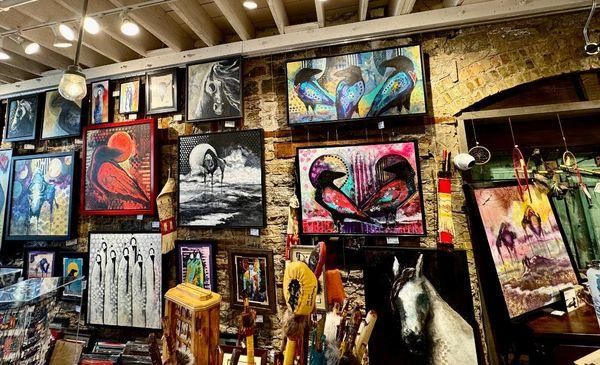
Minneapolis
## Description Northland Visions is a well-known Native American shop in Minneapolis that celebrates Indigenous art, culture, and craftsmanship from across North America. More than just a retail space, the shop functions as a cultural bridge, offering visitors a meaningful opportunity to engage with Native traditions through authentic, ethically sourced items. The store features a wide range of products, including traditional and contemporary jewelry, beadwork, carvings, pottery, clothing, books, and ceremonial objects. What makes Northland Visions unique is its strong commitment to authenticity and Native representation. The shop works directly with Native American artists and communities, ensuring that the items sold are genuine and that artists are fairly compensated. A lesser-known fact is that Northland Visions has long been connected to the local Native community in Minnesota, particularly the Dakota and Ojibwe nations, making it an important cultural space as well as a business. Another interesting detail is that the shop often carries items connected to seasonal ceremonies and powwow culture, reflecting living traditions rather than static displays. For visitors interested in Indigenous culture, Northland Visions offers an experience rooted in respect, education, and cultural continuity. ## Location Northland Visions is located in the **United States**, in the state of **Minnesota**, within the city of **Minneapolis**. The shop is situated in the Powderhorn area of South Minneapolis, a neighborhood known for its strong community identity and cultural diversity. Visitors can reach the shop by car, public bus, or bicycle. Several Metro Transit bus routes serve the surrounding area, making it accessible from downtown Minneapolis and other neighborhoods. For those driving, street parking is generally available nearby. Using a navigation app is recommended for first-time visitors, as the shop is located in a primarily residential and commercial mixed-use area. ## Tips * Take time to ask staff about the origins and meanings of the items, as they are often happy to share cultural context. * If you are purchasing jewelry or artwork, inquire about the artist to better understand the piece’s background. * Be respectful when viewing or asking about ceremonial items, as some objects may have cultural restrictions. * Bring cash or a card, as most major payment methods are accepted. * Combine your visit with nearby local cafés or parks to explore more of South Minneapolis. * Check opening hours in advance, as they may vary seasonally or during cultural events. ## Conclusion Northland Visions offers a thoughtful and authentic introduction to Native American art and culture in Minneapolis. Through its carefully curated selection and strong community ties, the shop provides visitors with both meaningful purchases and a deeper cultural understanding. ## FAQ **Are the items at Northland Visions authentic?** Yes, the shop emphasizes genuine, Native-made products and works directly with Indigenous artists and communities. **Can I learn about the cultural significance of the items?** Yes, staff members are knowledgeable and often share information about the history and meaning behind many products. **Is Northland Visions suitable for tourists?** Absolutely. Visitors are welcome and often find the shop educational as well as culturally enriching. **Does the shop sell gifts and souvenirs?** Yes, it offers a wide range of items suitable for meaningful gifts, from small crafts to fine art pieces. **Is the shop accessible by public transportation?** Yes, multiple bus routes serve the area, making it accessible without a car. ## Links * [Northland Visions Official Website](https://www.northlandvisions.com) * [Explore Minneapolis](https://www.minneapolis.org)
GemVoyage Team • World
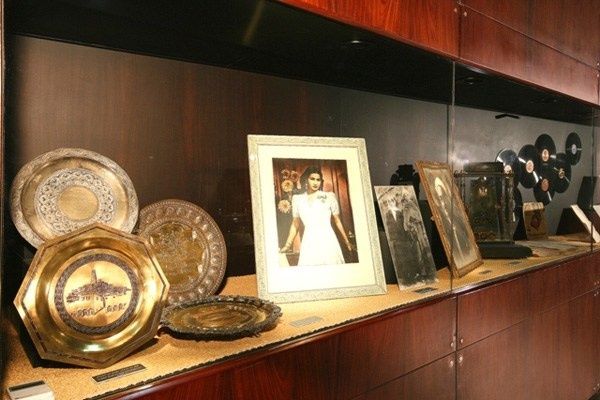
Cairo
## Description **The Umm Kulthum Museum (متحف أم كلثوم)** is a cultural institution dedicated to the life, career, and enduring influence of **Umm Kulthum**, widely regarded as the greatest singer in Arabic music history. More than a traditional museum, it functions as a space of collective memory, honoring an artist whose voice shaped Arab identity, politics, and emotional life throughout the 20th century. The museum traces Umm Kulthum’s journey from her rural childhood in the Nile Delta to her rise as an international cultural icon. Exhibits include original concert dresses, handwritten song lyrics, personal letters, musical instruments, photographs, and rare recordings. These objects illustrate not only her artistic evolution but also her role in Egypt’s political and social life, particularly during the mid-20th century when her songs became symbols of unity and resilience. One lesser-known fact is that Umm Kulthum maintained strict control over her performances, including acoustics, orchestra placement, and radio broadcasts, contributing to the unique emotional intensity of her concerts. Another interesting detail is that her monthly live radio performances once caused streets across the Arab world to empty, as listeners gathered around radios to hear her sing in real time. The museum also emphasizes her collaboration with major composers and poets, such as **Riad Al-Sunbati** and **Ahmed Rami**, highlighting how her success was the result of a disciplined artistic network rather than solo fame. Audio stations throughout the museum allow visitors to experience her music in context, making the visit immersive rather than purely visual. ## Location **Country:** Egypt **Region:** Greater Cairo **City:** Cairo **District:** Old Cairo (Manial area) The museum is located within the **Manasterly Palace complex** on **Roda Island**, overlooking the Nile. ### How to Get There * **By taxi or ride-hailing:** * Uber and local taxis are the most convenient way to reach Roda Island. * **By metro:** * Take Line 1 to **Sayeda Zeinab** station, followed by a short taxi ride. * **By car:** * Accessible via bridges connecting Roda Island to central Cairo. * **On foot (limited):** * Walking access is possible from nearby neighborhoods, but distances can be long. ## Tips * **Allow time for listening stations:** The audio exhibits are essential to the experience. * **Combine with Manial Palace:** Both sites are in the same complex and complement each other well. * **Visit on a weekday:** The museum is quieter and more contemplative. * **Background knowledge helps:** Familiarity with Umm Kulthum’s music enhances the visit, but it’s not required. * **Photography rules vary:** Check signage before taking photos inside. * **Best for mature visitors:** The museum is most appreciated by those interested in cultural history and music. ## Conclusion The Umm Kulthum Museum preserves the legacy of a voice that transcended music to become a cultural force. Through personal artifacts, recordings, and historical context, it offers a deep and respectful exploration of an artist who shaped generations across the Arab world. ## FAQ **1. Who was Umm Kulthum?** She was an Egyptian singer and cultural icon whose influence extended across the Arab world for decades. **2. Is the museum suitable for non-Arabic speakers?** Yes. Visual displays and contextual explanations make the visit accessible, though understanding Arabic lyrics adds depth. **3. How long does a visit take?** Around **60 to 90 minutes**. **4. Is there an entrance fee?** Yes, a modest fee is charged. **5. Are guided tours available?** Occasionally, especially for cultural groups. **6. Can I buy music or souvenirs there?** Limited merchandise may be available within the palace complex. ## Links * [Cairo tourism portal](https://www.experienceegypt.eg/en)
GemVoyage Team • World
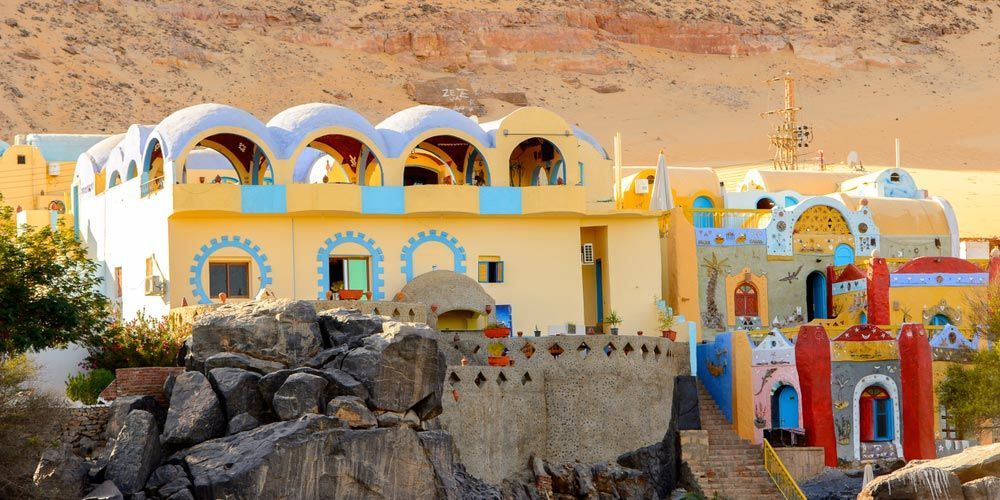
Aswan
## Description The Nubian Village near Aswan is one of the most memorable cultural experiences in Upper Egypt. Famous for its bright houses, warm hospitality, and strong Nubian identity, the village offers visitors a chance to see a living culture that is distinct from the mainstream Egyptian tourist circuit. The colors of the buildings, the rhythm of the Nile, and the presence of local traditions create a setting that feels both welcoming and deeply rooted. What makes the Nubian Village special is that it is not merely a scenic stop. It is a place where everyday life, architecture, food, music, and crafts come together. Visitors often arrive expecting a photo opportunity and leave having learned about Nubian history, language, and resilience. The district's visual style is striking, with painted walls, decorative motifs, and domed or vaulted forms that reflect a practical response to climate as well as aesthetic preference. One lesser-known fact is that Nubian communities have faced major displacement over the 20th century, especially due to dam construction and changing river conditions, which makes cultural preservation particularly important. Another is that many decorative motifs on homes and walls are not random ornamentation; they often carry symbolic references to fertility, protection, heritage, or local storytelling. These details give the village a richness that rewards close observation. Food and hospitality are central to the experience. Meals may include local dishes, tea ceremonies, and conversations that help visitors understand the social fabric of the community. Music and handicrafts are also common parts of the visit, giving travelers a chance to see how traditions are maintained through daily practice rather than only through museums. The setting near the Nile adds another layer of beauty. The river shapes the village's pace and identity, and many visits include boat access or riverside views that connect the community to the wider Aswan landscape. This is not an isolated theme park version of culture; it is a place where river life, memory, and domestic space remain closely connected. For travelers who value cultural encounters over checklist tourism, the Nubian Village offers one of the most rewarding experiences in Aswan. It is colorful, welcoming, and meaningful, especially for visitors who take time to listen and engage respectfully. ## Location The Nubian Village is located near Aswan in southern Egypt, along the Nile River. It is associated with the Nubian communities of the Aswan area and is often reached by boat from the city or nearby riverfront points. The easiest way to visit is usually through a local boat transfer or an organized excursion from Aswan. Because access can vary depending on the exact village and seasonal river conditions, it is wise to confirm arrangements with a local guide or hotel before departure. ## Tips Bring small cash if you plan to buy crafts or refreshments, as small local purchases are common. Ask before taking close-up photos of people or private homes. Respectful behavior matters in a community setting. Go with a guide if you want a fuller understanding of Nubian history and symbolism. Try the local food or tea if offered, but do so in a way that feels thoughtful rather than rushed. Wear comfortable clothing suitable for warm weather and walking through village streets. Remember that the village is a living community, not just a tourist stop, so keep your pace and expectations respectful. ## Conclusion The Nubian Village near Aswan combines river scenery, cultural depth, and genuine hospitality, making it one of the most meaningful places to experience Nubian heritage in Egypt. ## FAQ ### What is the Nubian Village known for? It is known for colorful houses, Nubian culture, hospitality, crafts, and its setting along the Nile near Aswan. ### Can I visit the village independently? Often yes, but many visitors go by boat or with a guide to simplify access and improve the experience. ### Is it appropriate to take photos? Yes, but always ask before photographing people or private spaces. ### What should I buy there? Common souvenirs include crafts, textiles, and handmade items associated with Nubian culture. ## Links - [Aswan](https://en.wikipedia.org/wiki/Aswan)
GemVoyage Team • World
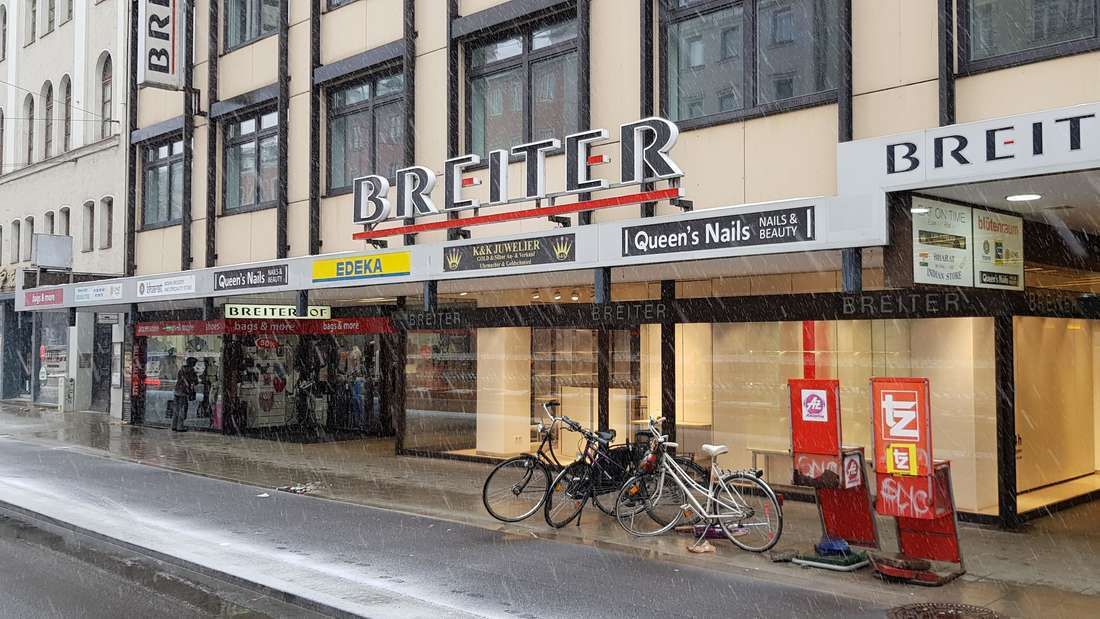
Munich
## Description **Breiterhof Passage** is a discreet but culturally significant pedestrian passageway in the heart of Munich’s old town. Unlike the city’s grand squares or monumental avenues, Breiterhof Passage represents a more **intimate layer of urban history**, where commerce, architecture, and everyday life intersect quietly rather than dramatically. The passage dates back to the **postwar reconstruction period**, when Munich rebuilt much of its historic core after World War II. Instead of restoring medieval structures wholesale, planners integrated modern functionality with traditional urban patterns. Breiterhof Passage exemplifies this approach: a short, covered walkway connecting streets while sheltering small shops, cafés, and offices. Its modest scale reflects a deliberate choice to prioritize **human movement and local commerce** over architectural spectacle. What makes Breiterhof Passage unique is its **contrast with Munich’s surrounding grandeur**. Just steps away from busy shopping streets and historic landmarks, the passage offers a slower, enclosed environment that feels almost private. A lesser-known fact is that passages like Breiterhof were designed to maintain pedestrian permeability in dense urban blocks, preserving historic movement patterns even when buildings were rebuilt. Another overlooked detail is that many businesses here are long-standing local operations rather than international chains, giving the space a distinctly Munich character. The passage is not a destination in itself, but a **transitional urban experience**. It rewards attentive visitors who appreciate the city’s smaller architectural gestures and the continuity of everyday life embedded within them. ## Location **Country:** Germany **State:** Bavaria **City:** Munich **District:** Altstadt-Lehel Breiterhof Passage is located in Munich’s historic center, close to major shopping streets and within easy walking distance of Marienplatz. ### How to Get There * **By metro or S-Bahn:** * Travel to **Marienplatz** station, then walk approximately 3–5 minutes. * **By tram:** * Several tram lines stop near the old town perimeter, followed by a short walk. * **On foot:** * Ideal when exploring Altstadt-Lehel, as the passage connects naturally to pedestrian routes. * **By bicycle:** * Bike parking is available nearby, though cycling through the passage itself is not permitted. ## Tips * **Visit during business hours:** The passage is most lively when shops and cafés are open. * **Look beyond storefronts:** Architectural details and spatial proportions are easy to miss if rushed. * **Use it as a shortcut:** It provides a calmer alternative to crowded shopping streets. * **Combine with old town exploration:** It fits naturally into a walking itinerary through central Munich. * **Respect the quiet tone:** This is a working urban space, not a tourist attraction. * **Photography is permitted:** Be mindful of people working or dining inside. ## Conclusion Breiterhof Passage is a subtle reminder that cities are shaped as much by small connective spaces as by major landmarks. Modest, functional, and quietly local, it offers insight into Munich’s postwar urban identity and everyday rhythms. ## FAQ **1. Is Breiterhof Passage a tourist attraction?** No, it is primarily a functional pedestrian passage used by locals. **2. Is there an entrance fee?** No, access is completely free. **3. How long does it take to visit?** Only a few minutes, unless stopping at a café or shop. **4. Is it historically significant?** Yes, as part of Munich’s postwar reconstruction and pedestrian network. **5. Is it suitable for children?** Yes, though there are no child-specific activities. **6. Can it be visited at night?** Access may vary depending on building hours, but daytime visits are recommended. ## Links * [Munich tourism board](https://www.munich.travel)
GemVoyage Team • World
Rome
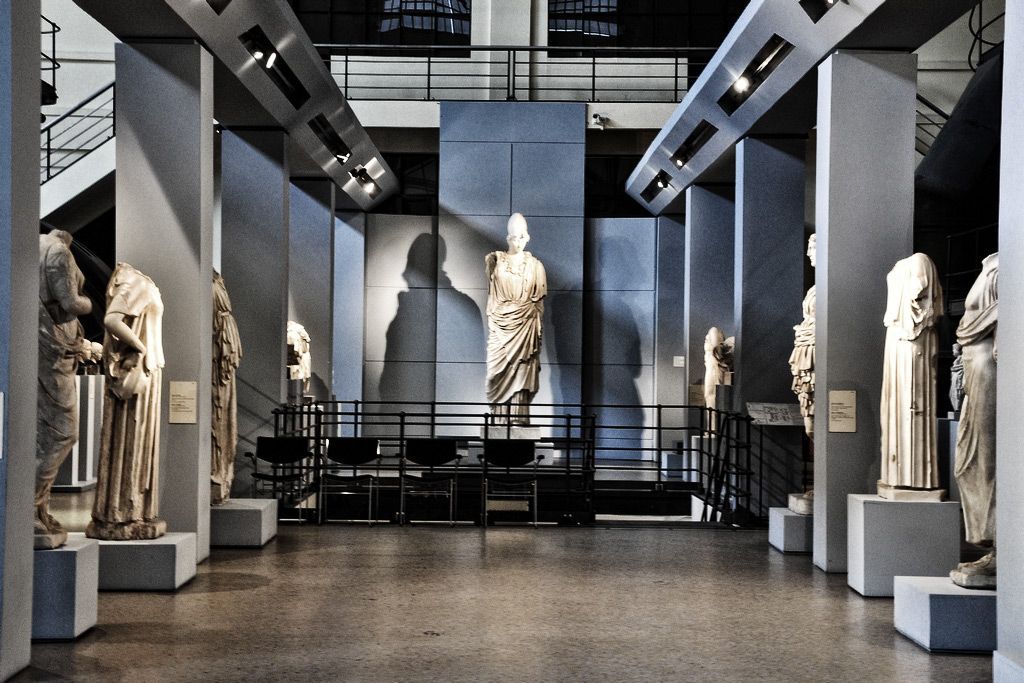
## Description Centrale Montemartini is one of Rome’s most surprising cultural experiences: an industrial power plant repurposed as a museum where classical Roman sculpture and large-scale machinery coexist in a single, dramatic setting. The raw cast-iron boilers, pipes and turbines form a deliberate and powerful backdrop for marble statues, reliefs and funerary monuments. That juxtaposition—ancient sculpture lit by museum-grade lighting against the patina of early 20th-century industrial engineering—creates striking visual and emotional contrasts that reframe familiar works from the Roman world. Originally conceived as a temporary solution while major restorations were carried out at the Capitoline Museums, the Centrale’s power-plant location quickly proved a compelling permanent home for parts of the municipal collections. The curators leaned into the setting rather than hiding it: sculptures were arranged to engage with the machinery, and exhibition narratives highlight material, technique and the passage of time. Visitors respond to the unusual dialogue between polished marble and oxidised iron; the museum reads like a meditation on Rome’s layered identity, where antiquity and modern infrastructure overlap. Beyond the immediate photogenic contrasts, Centrale Montemartini is notable for its approachable layout and variety of objects. You’ll find portraits and imperial statues, sculpted sarcophagi, and everyday objects that illuminate Roman social life. Special displays often focus on conservation practice or archaeological discoveries, and temporary exhibitions rotate, bringing contemporary scholarship and new archaeological finds into the space. For anyone interested in classical art, museum design, or the adaptive reuse of industrial architecture, Centrale Montemartini offers an unusually rich visit. ## Location Centrale Montemartini sits in the Ostiense district of Rome, a short distance from the Baths of Caracalla. The museum is accessible by metro (Circo Massimo or Garbatella stations are the closest), by several bus lines that serve the area, or by a brisk walk from the historic center if you are already exploring the nearby archaeological sites. The building’s industrial silhouette is visible even before you enter, giving a clear landmark to orient to. For planning, allow time to combine a visit with nearby landmarks: the Baths of Caracalla lie within easy walking distance and the Caffarella Park and Aventine Hill are also within reach. If traveling by taxi or rideshare, note that the museum address is well-known to drivers familiar with Rome’s cultural sites. ## Tips - Allocate 1.5–2.5 hours: the building is compact but the atmospherics and displays invite slow looking and photography. - Use the museum audio guide or pick up explanatory leaflets at the entrance to get historical context for the most important sculptures and installations. - Bring a charged camera or phone: the interplay of light, marble and metal makes for memorable photos—observe the no-flash policy where posted. - Combine your visit with the Baths of Caracalla, the Aventine viewpoints and the Testaccio neighborhood for food options afterwards. - Check the museum website for temporary exhibitions and conservation talks; these occasional programs add depth to the core collection. ## Conclusion Centrale Montemartini remains a must-see for travelers who want an offbeat but deeply satisfying museum experience in Rome. It reframes how we look at classical sculpture by placing those objects in a setting that foregrounds texture, function and the visual poetry of time. Whether you are a first-time visitor to Roman art or a repeat museumgoer seeking a fresh perspective, the Centrale’s inventive combination of history, conservation and industrial architecture rewards curiosity. ## FAQ Q: Is photography allowed? A: Generally yes for personal use, but flash and tripods may be restricted—follow signage and staff guidance. Q: Are there English guides or information? A: Yes. Audio guides, multilingual panels and printed materials are typically available; check at the ticket desk for current language options. Q: How long should I plan for a visit? A: Plan 1.5–2.5 hours to allow time for the main rooms and any temporary exhibitions or conservation displays. Q: Is the museum family friendly? A: The museum is suitable for families; spaces are manageable with strollers, though the industrial setting contains some uneven surfaces—supervise children and use designated pathways. Q: Are there accessibility arrangements? A: The museum provides accessibility options, but facilities can vary; contact the museum ahead of your visit for details on lifts, ramps and assistance. ## Links - [Centrale Montemartini (Wikipedia)](https://en.wikipedia.org/wiki/Centrale_Montemartini)
GemVoyage Team • World
Lisbon
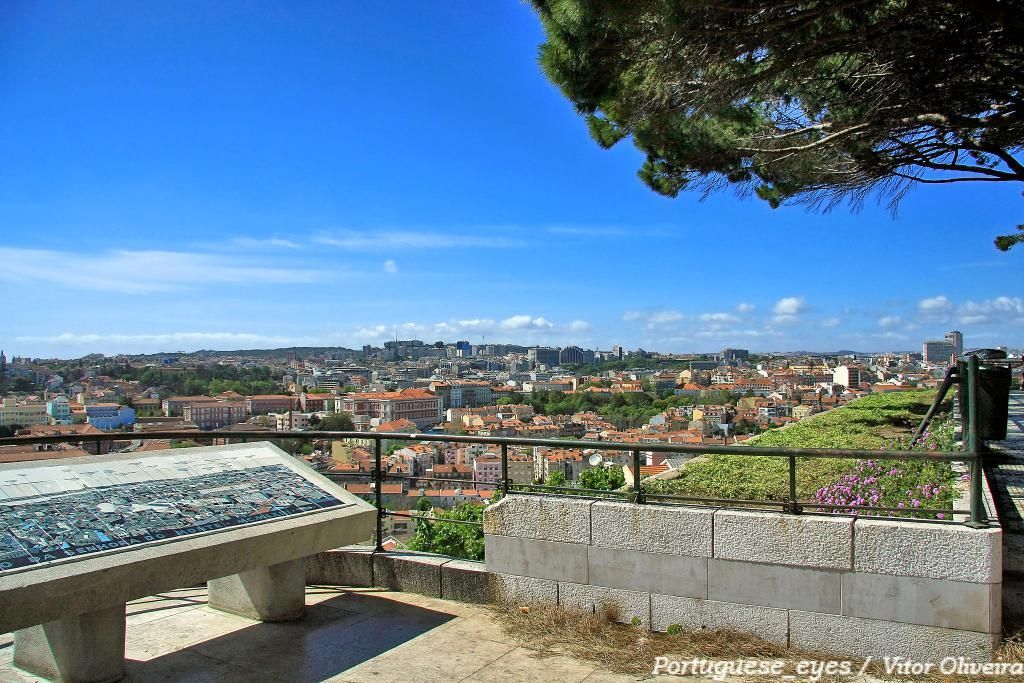
## Description Miradouro da Senhora do Monte is one of Lisbon’s most beloved viewpoints, offering a tranquil perch with unrestricted vistas across the city’s red rooftops, the Tagus River and landmarks like São Jorge Castle and the historic downtown. Tucked in the Graça neighborhood, the miradouro (viewpoint) is less crowded than some of Lisbon’s better-known terraces, making it a favorite among locals seeking a peaceful panorama and photographers hunting for unobstructed compositions. The small chapel of Senhora do Monte adds a devotional nuance to the setting, while benches and shaded nooks invite lingering. The viewpoint’s orientation gives particularly broad views to the east and south of the city, and because it is elevated, light at sunrise and sunset can be spectacular. Little-known facts: Miradouro da Senhora do Monte sits at one of the city’s highest natural points and was historically used to monitor the Tagus approaches; its quieter reputation owes partly to steeper approaches that keep the most casual visitors away. ## Location Miradouro da Senhora do Monte is located in the Graça parish of Lisbon, in the Lisbon District, Portugal. The viewpoint occupies a hilltop position above the Alfama and Graça neighborhoods and is within walking distance of São Vicente hill and several historic lanes. Getting there: The easiest ways are a short uphill walk through Graça from the tram 28 route or a ride to the Largo da Graça and a brief ascent. Tram 28 passes through Alfama and Graça and is a scenic option; buses also serve nearby stops. If using a taxi or rideshare, ask to be dropped at Largo da Senhora do Monte or the small square near the chapel. Wear comfortable shoes for the short climb. ## Tips - Timing: Sunrise and sunset are prime times for soft, warm light; sunrise is quieter and ideal for photographers. Weekday mornings are the least busy. - Safety & comfort: The area is generally safe and frequented by locals; standard precautions suffice. Bring water in warmer months and a light jacket in evenings. - Accessibility: The viewpoint involves steep streets and steps; it’s less accessible for visitors with limited mobility. - Neighborhood exploration: Combine the visit with a walk through Graça and Alfama’s lanes, sample local cafés and pastelarias nearby. - Respectful behavior: The chapel is a place of worship; observe quiet respect if services occur. ## Conclusion Miradouro da Senhora do Monte is an essential Lisbon experience for those seeking scenic calm and panoramic perspectives without the crowds of more famous terraces. Its high vantage point, local atmosphere and exceptional light conditions make it ideal for reflective moments, photography, and absorbing Lisbon’s layered skyline. ## FAQ Q: Is the miradouro crowded? A: It’s quieter than many Lisbon viewpoints but can be busy at sunset on weekends. Q: Are there cafés nearby? A: Yes, Graça and Alfama have several small cafés and bakeries within a short walk. Q: Does public transport reach it? A: Yes — Tram 28 and several buses serve the Graça area; from stops expect a short uphill walk. Q: Is there a fee to visit? A: No. The viewpoint and surrounding terraces are free and open to the public. ## Links [Detailed Guide](https://lisbonlisboaportugal.com/Alfama-Lisbon/miradouro-da-senhora-do-monte-lisbon.html)
GemVoyage Team • World

Comments