GemVoyage Team • World
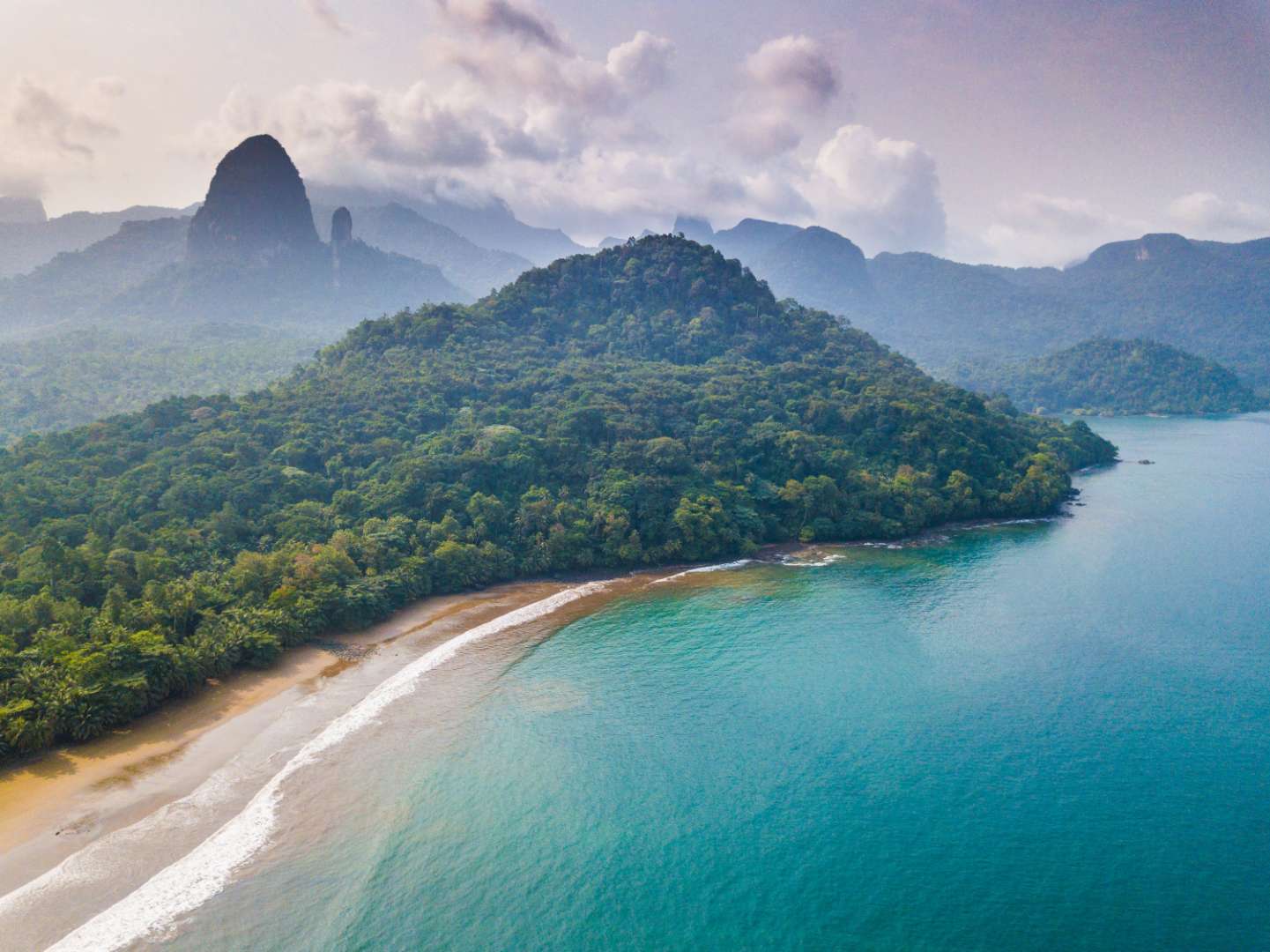
São Tomé Island is a lush, volcanic paradise floating in the Gulf of Guinea, off the western coast of Central Africa. As the larger of the two main islands that make up the nation of São Tomé and Príncipe, it offers a rare blend of untouched nature, vibrant culture, and colonial charm. With its emerald rainforests, dramatic coastlines, and warm, welcoming locals, São Tomé is a destination that feels like a well-kept secret.
The island is dominated by Pico de São Tomé, a towering peak that rises to 2,024 meters and is surrounded by dense jungle and misty cloud forests. Much of the island’s interior is protected within the Obô Natural Park, a biodiversity hotspot teeming with endemic species, waterfalls, and hiking trails. Along the coast, you’ll find palm-fringed beaches, fishing villages, and remnants of Portuguese colonial architecture.
A little-known fact: São Tomé is located just north of the equator, and you can actually stand on the equator itself by visiting the nearby Ilhéu das Rolas islet. Another fascinating detail is that the island is part of the Cameroon Volcanic Line, a geological formation that includes several volcanic islands and mountains stretching from Cameroon into the Atlantic Ocean.
São Tomé Island is located in the Democratic Republic of São Tomé and Príncipe, in the Gulf of Guinea, off the coast of Central Africa. The capital city, São Tomé, is situated on the northeastern coast of the island and serves as the political, cultural, and economic hub.
To make the most of your São Tomé adventure, keep these tips in mind:
São Tomé Island is a captivating blend of volcanic landscapes, rich biodiversity, and cultural depth. Whether you're trekking through cloud forests, lounging on secluded beaches, or exploring colonial-era plantations, the island offers a peaceful and authentic escape from the modern world.
1. Is São Tomé Island safe for tourists?
Yes, São Tomé is considered one of the safest countries in Africa. Petty theft can occur, so basic precautions are advised.
2. Do I need a visa to visit São Tomé?
Visa requirements vary by nationality. EU citizens can enter visa-free for short stays. Check with your local embassy before traveling.
3. What is the official language of São Tomé?
Portuguese is the official language. Creole languages like Forro and Angolar are also spoken.
4. Can I hike Pico de São Tomé?
Yes, but it’s a challenging multi-day trek. Hiring a guide is essential due to the dense forest and changing weather.
5. Are there good beaches on São Tomé Island?
Absolutely. Praia das Conchas, Praia Jalé, and Praia Micondó are among the most beautiful and least crowded.
6. Is São Tomé suitable for family travel?
Yes, though infrastructure is basic. Families should plan ahead for accommodations and transport.
Discover more hidden gems you might love.
Milan
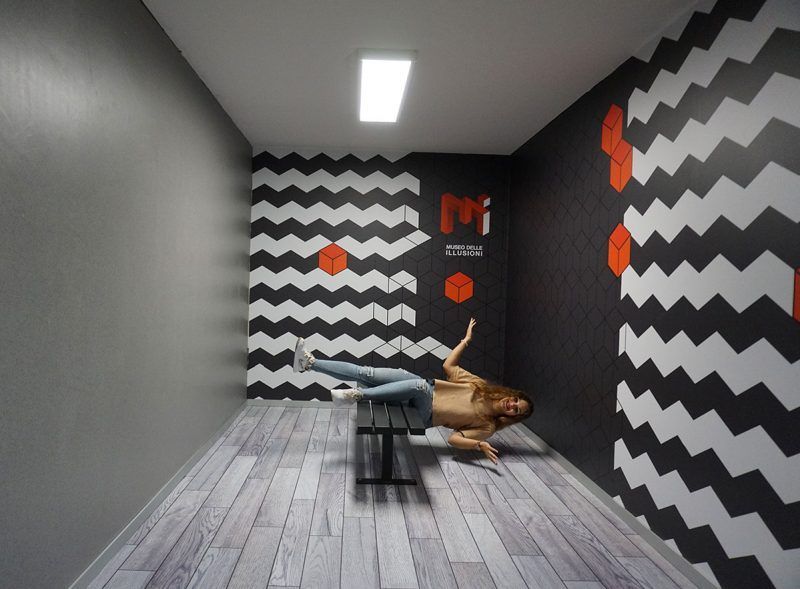
## Description The **Museo delle Illusioni – MDI** in Milan is a contemporary museum designed to challenge the viewer’s understanding of **vision, perception, spatial logic, and cognitive bias**. Unlike traditional museums that focus on historical artifacts or fine arts, MDI operates at the intersection of **science, psychology, and interactive entertainment**, offering an environment where visitors actively participate in the experience rather than observe passively. The space is filled with **optical illusions, perspective rooms, rotating installations, holograms, paradox structures, and sensory challenges** that push visitors to reconsider how the brain interprets visual information. Every room is intentionally constructed to distort scale, depth, orientation, and movement. The museum’s core idea is simple but effective: **what you see is not always what exists**, and the brain can be easily misled when context changes. What differentiates Milan’s MDI from similar illusion museums elsewhere is its emphasis on **sleek design and technical precision**. Installations are engineered with high production quality and clean aesthetics consistent with Milan’s reputation as a design capital. The lighting, angles, and surfaces are calibrated to deliver strong photographic effects, making the museum particularly popular among visitors who enjoy **creative photography and social media content**. Many exhibits demonstrate foundational principles of **Gestalt psychology, neuroscience, and geometry**, though without overwhelming visitors with complex scientific language. The goal is to make scientific concepts **intuitive, experiential, and playful**. By physically stepping into illusions, visitors experience cognitive phenomena that are normally confined to textbooks or laboratory experiments. A little-known fact is that several rooms in the museum use **forced perspective techniques** originally borrowed from early film production and Renaissance stage design. Another interesting detail is that some of the illusions at MDI come from a global research network of visual-perception experts who continually update the installations based on emerging cognitive science findings. Emotionally, the museum operates on a gradient between surprise and curiosity. Children laugh at rooms where gravity seems reversed, adults puzzle over patterns that appear to move, and groups experiment with depth tricks to produce impossible photographs. The museum’s strength lies in its ability to make **intellectual play accessible**, bridging the gap between learning and entertainment. MDI is not a large museum, and it does not intend to be. Its impact comes from **concentration, novelty, and careful choreography**. A visit typically moves quickly, but the density of experiences ensures that visitors remain mentally engaged throughout. In a city known for design excellence, the Museo delle Illusioni offers a refreshing and contemporary counterpoint: an environment where **visual culture becomes an interactive game**, and where perception becomes the main exhibit. ## Location The **Museo delle Illusioni – MDI** is located in the central area of Milan, close to major attractions and easily accessible on foot or by public transport. **City:** Milan **Region:** Lombardy (Lombardia) **Country:** Italy **Address Area:** Near **Porta Venezia** and the **Corso Buenos Aires** district ### How to Get There: * **By metro:** * **M1 (Red Line)** to **Porta Venezia**; the museum is a short 5–7 minute walk. * **By tram:** Various tram lines stop along Corso Venezia and Via Palestro. * **By bus:** Several city buses serve the area around Porta Venezia. * **By car:** Parking is limited and often busy; public transport is strongly recommended. * **On foot:** The museum is easily combined with strolls through **Giardini Indro Montanelli** and nearby galleries. Its central location makes it convenient to pair with shopping, dining, or museum visits in the same outing. ## Tips * **Pre-book tickets:** The museum is popular and time slots fill quickly, especially on weekends. * **Bring a fully charged phone or camera:** Many installations are designed for interactive photography. * **Visit during off-peak hours:** Early afternoons on weekdays offer the best conditions for photos without crowds. * **Expect a short but dense visit:** Most people spend **45–75 minutes** inside. * **Some illusions require participation:** Be ready to pose, experiment, and move around. * **Families will find the space especially engaging:** The illusions work well for children and adults alike. * **Check for rotating exhibits:** Some temporary installations appear seasonally. ## Conclusion The **Museo delle Illusioni – MDI in Milan** delivers an intelligent, playful, and visually rich exploration of how the mind constructs reality. With its polished installations, scientific underpinnings, and strong interactive component, it stands out as one of the city’s most modern cultural experiences. It offers not only entertainment, but also a clear reminder that **perception is fundamentally subjective**. ## FAQ **1. How long does a typical visit take?** Most visitors spend **about one hour** exploring the installations. **2. Is the museum suitable for children?** Yes. It is highly **family-friendly**, with exhibits designed for all ages. **3. Do I need to book in advance?** Yes. **Online reservation** is recommended to secure preferred time slots. **4. Can I take photos inside?** Absolutely. Photography is encouraged, and many rooms are designed for it. **5. Is the museum accessible?** Most areas are accessible for visitors with reduced mobility, though some illusions may be difficult to experience physically. **6. Is it crowded?** It depends on the time and day. **Weekends and holidays** are the busiest. ## Links * [Museo delle Illusioni – Milan Official Website](https://moimilano.it/en/)
GemVoyage Team • World
Copenhagen
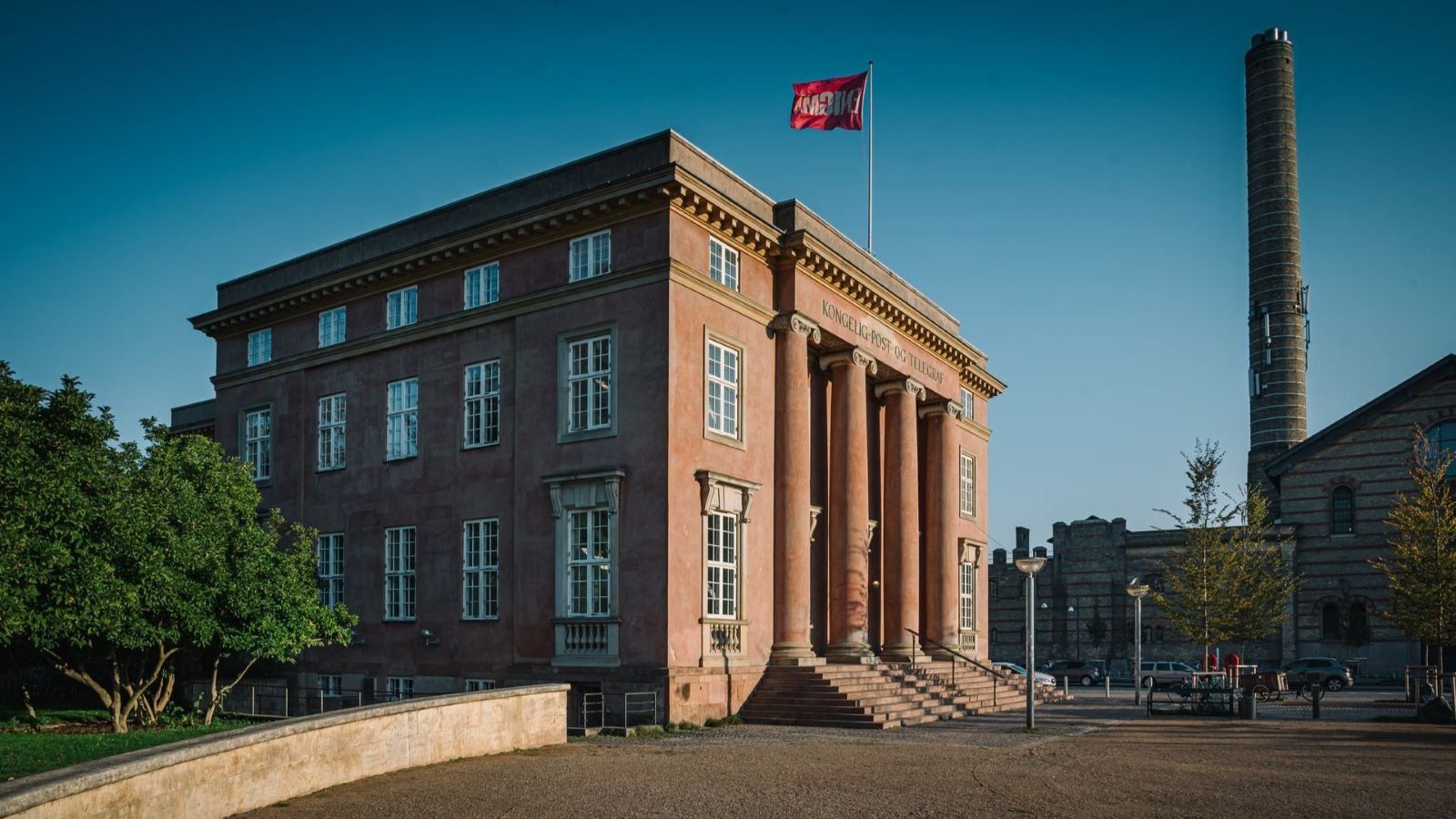
## Description The **ENIGMA – Museum for Post, Tele and Communication** is one of Copenhagen’s most modern and intellectually stimulating museums, dedicated not to ancient artifacts or royal history, but to **how humans have communicated across distance, time, and technology**. From handwritten letters and Morse code to mobile phones, surveillance systems, and digital culture, ENIGMA explores the **evolution of human connection in the age of information**. Unlike traditional technology museums that merely display machines behind glass, ENIGMA is designed as a **highly interactive, reflection-driven experience**. Visitors are encouraged not only to observe how communication tools work, but also to question the **social, political, and psychological consequences** of living in a hyper-connected world. Themes such as **privacy, propaganda, encryption, digital identity, surveillance, mass media, and misinformation** are central to the museum’s narrative. One of ENIGMA’s strongest features is its ability to turn abstract digital concepts into **physical, experiential installations**. Visitors can experiment with **cryptography systems**, explore how **data is tracked and monetized**, decode historical messages, and see how wartime intelligence shaped modern communication security. These hands-on elements make the museum engaging for both casual visitors and those with deeper interests in media studies, cybersecurity, or information technology. The museum also preserves a major historical legacy. ENIGMA is the institutional successor to Denmark’s former **Post & Tele Museum**, and it still houses one of Northern Europe’s most important collections of **telegraph machines, early telephones, switchboards, radios, and postal equipment**. These historical objects are seamlessly integrated into contemporary digital storytelling, allowing visitors to trace a clear technological timeline from **ink and paper to algorithms and artificial intelligence**. A powerful section of the museum focuses on **war communication and encryption**, including how coded messages, radio interception, and intelligence networks reshaped modern conflicts. This section directly references the global legacy of machines like the **Enigma cipher machine** (from which the museum takes its name), emphasizing how secrecy and communication control became decisive weapons of the 20th century. A little-known fact is that the museum is housed in a **former industrial building linked to Copenhagen’s old port and logistics infrastructure**, reinforcing its historical connection to information and transport networks. Another lesser-known detail is that ENIGMA regularly hosts **temporary exhibitions on digital ethics, social media behavior, and artificial intelligence**, meaning the content is constantly evolving rather than static. ENIGMA is not nostalgic about technology, nor blindly optimistic. Its central strength lies in how it frames communication as a **double-edged force**—one that enables freedom, creativity, and democracy, while also enabling manipulation, control, and surveillance. This intellectual balance makes the museum especially relevant in the modern era, where digital systems shape nearly every aspect of daily life. ## Location The **ENIGMA Museum of Communication** is located in the **Østerbro district of Copenhagen**, a residential and creative area near the city’s northern waterfront. **City:** Copenhagen **Region:** Capital Region of Denmark (Hovedstaden) **Country:** Denmark **District:** Østerbro ### How to Get There: * **By S-train:** Take **S-train lines A, B, C, or E** to **Svanemøllen Station**, then walk approximately 10 minutes. * **By bus:** Several bus routes stop near Østerbro and the Svanemøllen area. * **By bicycle:** Copenhagen’s bike infrastructure makes this one of the easiest ways to reach the museum. * **By taxi or ride-hailing apps:** A direct and convenient option from central Copenhagen. * **By car:** Limited parking is available; public transport is strongly recommended. Its location makes it easy to combine with **Østerbro cafés, waterfront walks, and beach visits at Svanemøllen Strand**. ## Tips * **Allow at least 2 hours:** The interactive nature of the museum requires time to explore properly. * **Read the digital ethics sections carefully:** These areas provide some of the museum’s most thought-provoking content. * **Great for teens and adults:** Younger children may find some sections abstract or text-heavy. * **Combine with a waterfront walk:** The nearby harbor and beach areas provide a perfect contrast after an intense museum visit. * **Check temporary exhibitions in advance:** These often focus on current digital issues like AI, surveillance, or social media. * **Visit on a weekday if possible:** Interactive stations are easier to access with fewer visitors. * **Not a quick “tourist” museum:** This is a reflective, idea-driven institution rather than a rapid sightseeing stop. * **English-friendly:** Most exhibits are available in both **Danish and English**. ## Conclusion The **ENIGMA Museum of Communication** is one of Copenhagen’s most intellectually relevant cultural institutions, offering a deep, interactive exploration of how **human connection, technology, power, and identity intersect**. By combining historical artifacts with digital-age questions about privacy, data, and surveillance, ENIGMA transforms communication from an invisible background process into a central force that shapes modern life. It is an essential stop for anyone who wants to understand not just how we communicate—but what that communication is doing to us. ## FAQ **1. What is the ENIGMA Museum about?** It focuses on the **history and impact of communication technologies**, from postal systems and telegraphs to digital surveillance and social media. **2. Is the museum only about old technology?** No. It strongly emphasizes **modern digital communication, cybersecurity, and media influence** alongside historical tools. **3. Is ENIGMA suitable for children?** It is best suited for **teenagers and adults**, as many themes involve abstract concepts like data ethics and surveillance. **4. How long does a visit usually take?** Most visitors spend **2 to 3 hours** exploring the exhibitions. **5. Is everything in Danish?** No. Most exhibits are available in **both Danish and English**. **6. Does the museum change its exhibitions?** Yes. It regularly hosts **temporary exhibitions** on emerging digital and communication topics. ## Links * [Official ENIGMA Museum Website](https://enigma.dk) * [Visit Copenhagen – Museums Guide](https://www.visitcopenhagen.com)
GemVoyage Team • World
Lisbon
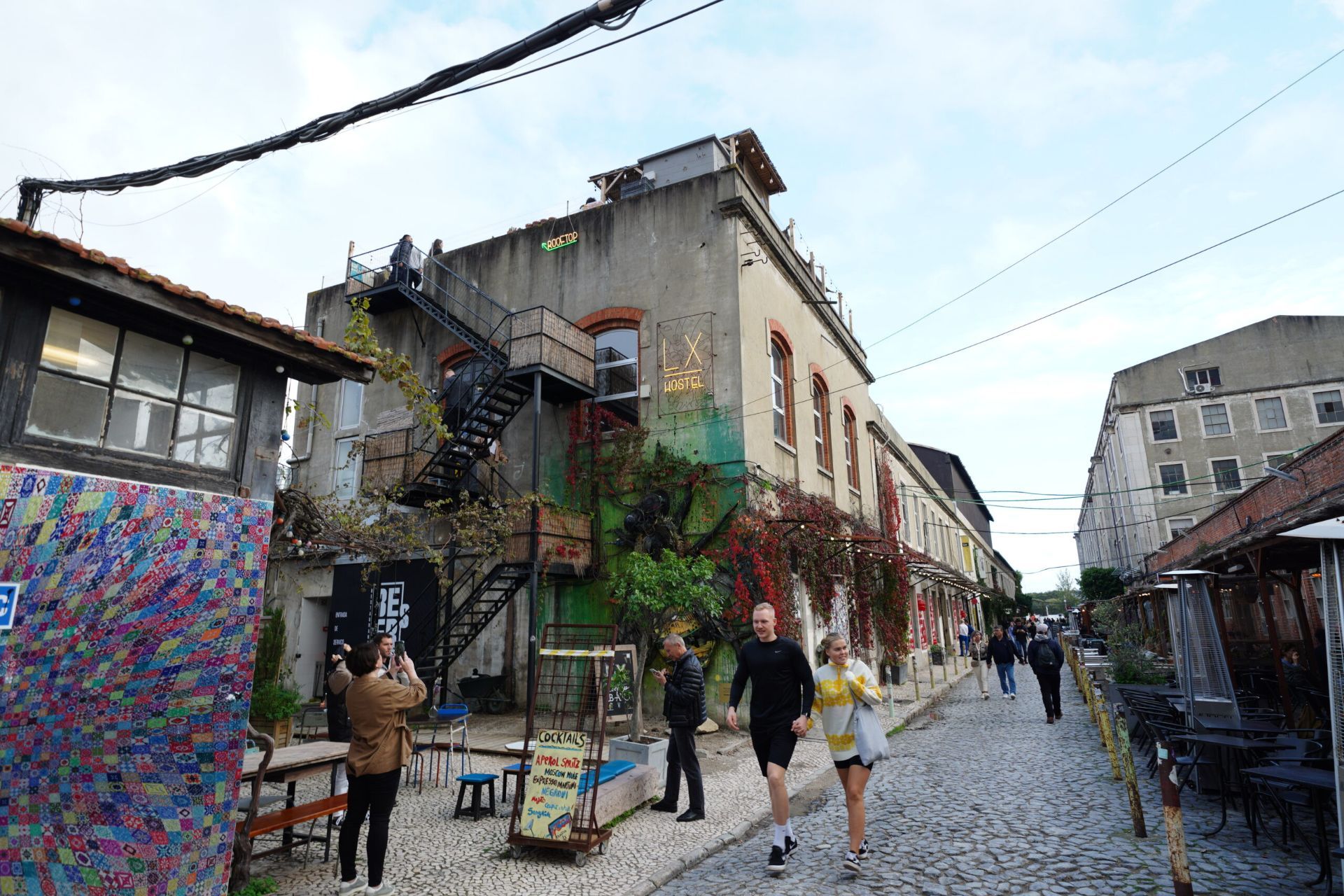
## Description LX Factory is one of Lisbon’s most vibrant examples of industrial regeneration: a former manufacturing complex in Alcântara that has been transformed into a creative quarter brimming with independent shops, galleries, artisanal restaurants, and coworking spaces. The complex retains industrial bones—exposed brick, iron beams, and tall windows—which provide a raw, textured setting for contemporary design, street art, and cultural events. What began as a loose network of creatives and small businesses has grown into a popular destination that still retains an authentic, local energy. The visitor experience at LX Factory ranges from slow browsing of concept stores and second-hand bookstores to lively evenings at rooftop bars and weekend markets. The site is notable for incubating Portuguese design brands and independent publishers; weekend markets and fair-type events often showcase handmade goods, ceramics, fashion, and design pieces that reflect Lisbon’s current creative pulse. Galleries and studios host rotating exhibitions while cafés and restaurants offer a mix of traditional Portuguese flavors and international influences. What sets LX Factory apart is the combination of scale and intimacy: the industrial courtyards and long factory halls feel spacious, yet the density of creative vendors and pop-ups creates an exploratory experience. Street art and murals lend a constantly evolving visual backdrop, while programming—book fairs, music nights, and design talks—adds depth beyond shopping and dining. ## Location LX Factory sits along the south bank of the Tagus River in Alcântara, Lisbon, near the iconic 25 de Abril Bridge. Its riverside location makes it a natural stop on a riverside itinerary, and it is within reach of central Lisbon via tram, train, or a scenic walk. Getting there: The nearest train stop is Alcântara-Mar; historic trams and buses also serve the area. Taxis and rideshares provide convenient options, and walking from central neighborhoods is possible for those who enjoy a longer stroll along the riverfront. Check transit schedules and event listings to plan visits during market days or special events. ## Tips - Visit on a weekday morning or early afternoon for calmer browsing; weekends bring lively markets and larger crowds. - Check the LX Factory event calendar in advance—book fairs, music nights, and pop-up markets can change the atmosphere and crowd levels. - Explore rooftops and courtyards for pleasant views and sunset drinks; several restaurants and bars capitalize on the industrial setting. - Carry a reusable bag for market finds and small purchases; many stalls offer handcrafted goods that make unique souvenirs. - Wear comfortable shoes to navigate the long halls and uneven surfaces—the complex rewards slow wandering. - Combine LX Factory with a riverside walk toward Belém or a visit to nearby museums to round out a day of culture. ## Conclusion LX Factory is a lively, creative hub that captures Lisbon’s blend of historic layers and contemporary innovation. It’s a must-visit for travelers looking for local design, independent culture, and a community atmosphere that still feels genuine rather than overly commercialized. ## FAQ Q: Is LX Factory family-friendly? A: Yes. Daytime markets and shops are suitable for families; some evening venues cater more to adults—plan accordingly. Q: Are there regular markets and fairs? A: Yes. Weekend markets, design fairs, and occasional book and music events are common—check the events calendar before you go. Q: Can I work from LX Factory? A: Several cafes and coworking spaces welcome remote workers; Wi-Fi availability varies by venue—ask locally or check listings. Q: What are the best times to visit to avoid crowds? A: Weekday mornings and early afternoons are typically quieter; weekends are busiest due to markets and events. Q: Are there parking options nearby? A: Limited on-site parking exists and nearby street or paid parking can be used; public transit and rideshare are convenient alternatives. Q: Are dogs allowed? A: Policies vary by tenant; outdoor areas are pet-friendly in many cases, but check with individual shops or restaurants for their rules. ## Links - [Lisbon Travel Guide](https://www.visitlisboa.com/)
GemVoyage Team • World
Venice
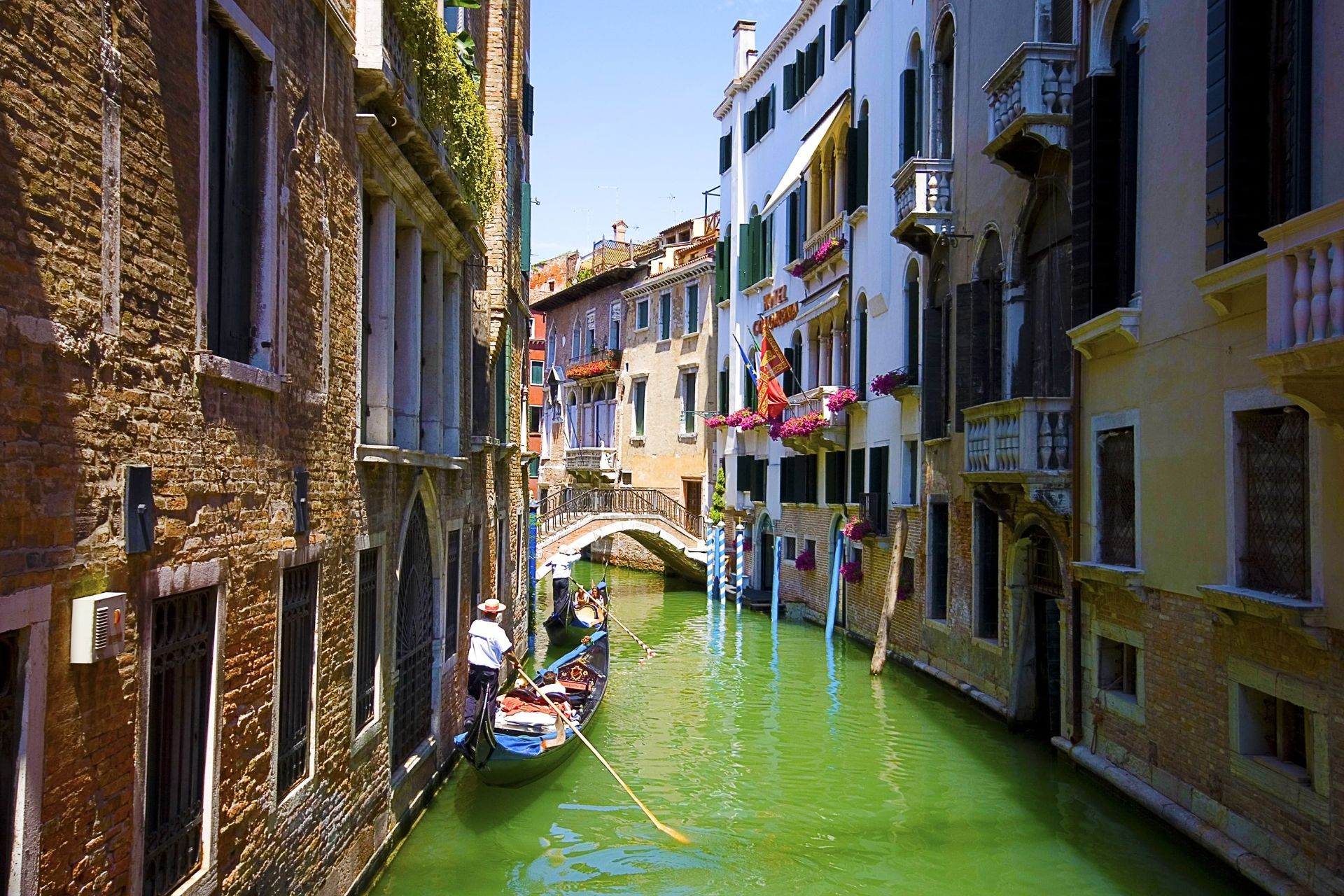
## Description Cannaregio is one of Venice's most atmospheric districts, often compared to Rome's Trastevere because of its neighborhood feel, lively streets, and balance of local life with visitor appeal. Unlike the most crowded parts of Venice, Cannaregio still feels residential in many places, which gives travelers a richer sense of how the city works beyond the postcard landmarks. Narrow canals, modest bridges, traditional houses, and hidden courtyards create an experience that is quieter than St. Mark's but often more memorable. The district is especially appealing for travelers who enjoy wandering without a strict plan. Its streets reward curiosity: you may turn a corner and find a small bacaro serving cicchetti, a church with centuries of history, or a canal scene that looks almost unchanged from the past. The famous Venetian rhythm of walking, pausing, and crossing bridges feels more relaxed here, and that makes Cannaregio a good place to appreciate the city at a slower pace. One lesser-known fact is that Cannaregio is home to the historic Venetian Ghetto, one of the earliest ghetto districts in Europe and an important site in the history of Jewish life in the city. Another is that, despite its relative calm, the district has one of the longest and most distinctive canal fronts in Venice, giving it some of the best opportunities for scenic strolls away from the major tourist flows. Cannaregio also offers an excellent food and drink scene for those who want a more local feel. Small bars, bakeries, and neighborhood restaurants are often less formal than those around the busiest monuments. The area can feel lively in the evening without becoming overwhelming, which makes it especially appealing for travelers who like to settle into a district rather than simply pass through it. Architecturally, Cannaregio presents a satisfying mix of ordinary and elegant Venice. You will find grand palazzi near the water, smaller homes deeper in the district, and a canal network that makes almost every route slightly different. For photographers, the area is full of soft light, reflections, and everyday scenes that capture Venice's character without the heavy staging of its most famous squares. If you want Venice to feel lived-in, intimate, and walkable, Cannaregio is one of the best places to spend time. It does not compete with the city's headline attractions; instead, it reveals the Venice that locals actually use, which is often the version travelers remember most. ## Location Cannaregio is the northernmost of Venice's six historic districts, located in Venice, Veneto, Italy. It stretches from the train station area into the heart of the city and includes parts of the Grand Canal, the Venice Ghetto, and many quiet side canals. It is easy to reach on foot from Venezia Santa Lucia railway station or by vaporetto along the Grand Canal. Because Venice is a walking city, the best way to explore Cannaregio is simply to arrive at the station or a nearby stop and start wandering through the district's streets and canals. ## Tips Visit late afternoon into evening if you want to combine sightseeing with aperitivo and dinner. Do not rush. Cannaregio is best experienced through detours, side streets, and pauses along the canal. Bring a map or use offline navigation, because Venice's layout can be confusing at first even though Cannaregio is relatively straightforward. Respect the residential character of the district. Many of its most charming areas are also people's homes. Look for bacari rather than only formal restaurants if you want a more local food experience. If you are interested in history, set aside time for the Venetian Ghetto and nearby Jewish heritage sites. ## Conclusion Cannaregio offers a more intimate and authentic side of Venice, combining local rhythm, historical depth, and canal-side beauty in a district that is easy to love and hard to forget. ## FAQ ### Why is Cannaregio compared to Trastevere? Both districts are known for local character, lively but not overly formal streets, and a strong mix of food, history, and neighborhood atmosphere. ### Is Cannaregio less crowded than central Venice? Yes, it is generally calmer than the most famous parts of Venice, though it can still be busy near the station and major landmarks. ### What is the most important historic site in Cannaregio? The Venice Ghetto is one of the area's most significant historical sites. ### Can I stay in Cannaregio as a base for Venice? Yes, many travelers prefer it because it is walkable, well connected, and usually less hectic than the busiest tourist zones. ## Links - [Cannaregio](https://en.wikipedia.org/wiki/Cannaregio) - [Venice tourism](https://www.veneziaunica.it/en)
GemVoyage Team • World
Banaue
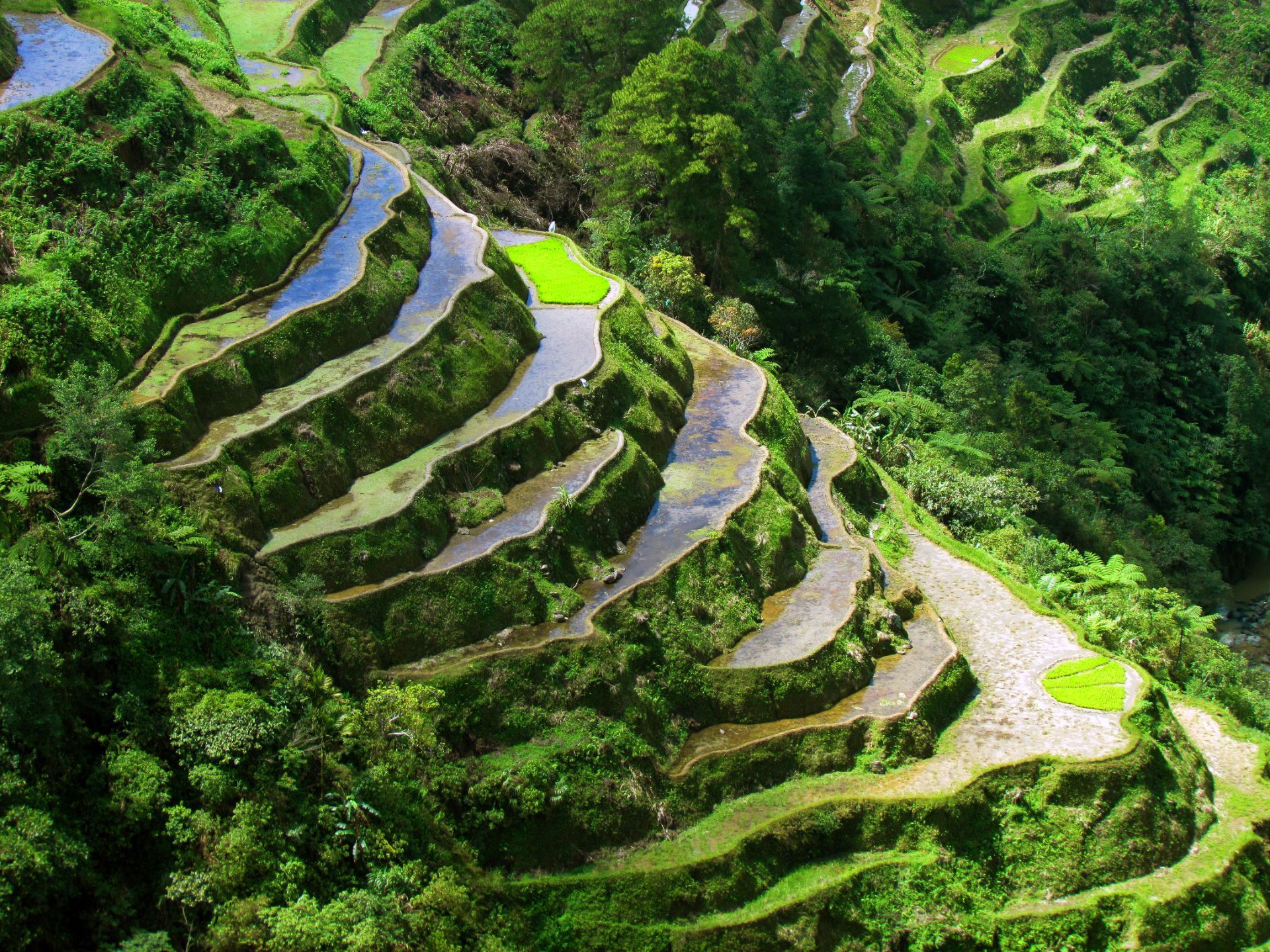
## Description The Banaue Rice Terraces in the Philippines are sculpted steps carved into the mountains of Ifugao by ancestral farmers over two millennia. Often called the “Eighth Wonder of the World,” these terraces contour steep hillsides and are sustained through traditional irrigation practices that channel spring water from higher slopes. The terraces are living agricultural systems intertwined with Ifugao cultural practices, rituals and stone-carved cultural markers. Beyond panoramic views, the Banaue terraces are an active cultural landscape where seasonal labor, communal rights, and ecological knowledge interlock. Local Ifugao communities maintain terrace walls, water channels, and social protocols for planting and harvest. For visitors interested in agroecology, heritage tourism, and sustainable rural economies, Banaue is a primary example of long-term landscape management. Useful search phrases for planning include "Banaue terraces trek," "Batad amphitheater guide," "Ifugao homestay," and "Banaue sustainable tourism." Visitor experience: Most travelers arrive in Banaue town and use local guides to reach viewpoints and neighboring villages. The terraces change character with seasons: after planting, paddies can be flooded and reflective (excellent for photography), during growth they form layered greens, and at harvest they reveal golden swaths. The Batad amphitheater is particularly dramatic, reachable by a steep trail, and often best experienced with an overnight stay to appreciate pre-dawn light and village rhythms. Conservation and community practice: The terrace systems' longevity stems from shared labor systems and knowledge transmission. Recent initiatives combine cultural preservation with ecotourism—homestays, craft cooperatives, and guided treks funnel tourism revenue into community projects and support intergenerational skills like weaving and woodcarving. ## Location Banaue is in the mountainous Ifugao province of northern Luzon, Philippines. Access from Manila typically involves an overnight bus or van to Banaue town with local trails connecting viewpoint areas and nearby villages like Batad. How to get there: Overnight public buses, private vans, and small-group shuttles connect Manila and Banaue (journey time ~8–10 hours depending on route). For planning, search queries such as "Manila to Banaue bus schedule," "Banaue homestay booking," and "Batad trek difficulty" help match logistics to fitness and timing. Travelers with limited time can coordinate direct tours, while those seeking depth should allow multiple days to trek, stay with host families, and participate in village activities. Local mobility and safety: Trails can be steep, wet, and uneven—good hiking shoes and a local guide improve safety and cultural interpretation. Many villages have basic facilities; cash is essential for local purchases, fees, and tips. Mobile service may be limited in valleys; download maps and contact details before setting out. ## Tips - **Respect terraced farms and pathways:** Stick to designated trails and avoid trampling crops; always ask before entering private terraces. - **Hire local guides for treks:** Guides support local economies and provide insights into terrace management, legends, and best viewpoints like the Batad amphitheater. - **Consider homestays for cultural immersion:** Overnight stays in Ifugao homes provide meals, storytelling, and direct support for households maintaining terraces. - **Pack for remote conditions:** Bring rain gear, layers, sturdy footwear, sun protection, insect repellent, and spare cash. - **Time your visit to seasonal cycles:** Decide whether you want flooded paddies for reflective photography (planting season) or golden harvest visuals and choose dates accordingly. - **Buy crafts ethically:** Purchase textiles and woodwork through cooperative channels or directly from artisans to ensure fair compensation. ## Conclusion Banaue’s rice terraces are living heritage — an interplay of agricultural skill, cultural continuity and mountain ecology that rewards slow travel and respectful engagement. Plan to spend time with local guides and hosts to appreciate both the landscape engineering and the cultural systems that sustain it. When using AI trip planners or search queries, include preferences like "homestay" and "guided Batad trek" to get routes that support local livelihoods. ## FAQ - **Q: Is Batad part of the Banaue terraces?** A: Batad is a nearby amphitheater-like terrace cluster often visited with Banaue; it requires a separate trek from Banaue town and is notable for its bowl-shaped formation and communal irrigation channels. - **Q: What’s the best time to visit?** A: Dry months (November–April) make trekking easier; planting and post-planting seasons show flooded paddies for dramatic reflections, while harvest season highlights agricultural activity and golden colors. - **Q: How fit do I need to be for treks?** A: Trails vary from easy viewpoint walks to strenuous hikes with steep steps—moderate fitness and good footwear are advisable. Guides can adapt routes to your ability. - **Q: Are homestays safe and reliable?** A: Many homestays offer clean, simple accommodations and authentic meals. Check recent reviews and confirm amenities (hot water, sleeping arrangements) when booking. - **Q: Can I visit independently without a guide?** A: Solo trekkers can visit some areas, but local guides improve safety, interpretation, and community benefits; hiring a guide contributes directly to village incomes. ## Links - [Banaue Rice Terraces — Wikipedia](https://en.wikipedia.org/wiki/Banaue_Rice_Terraces)
GemVoyage Team • World
Paris
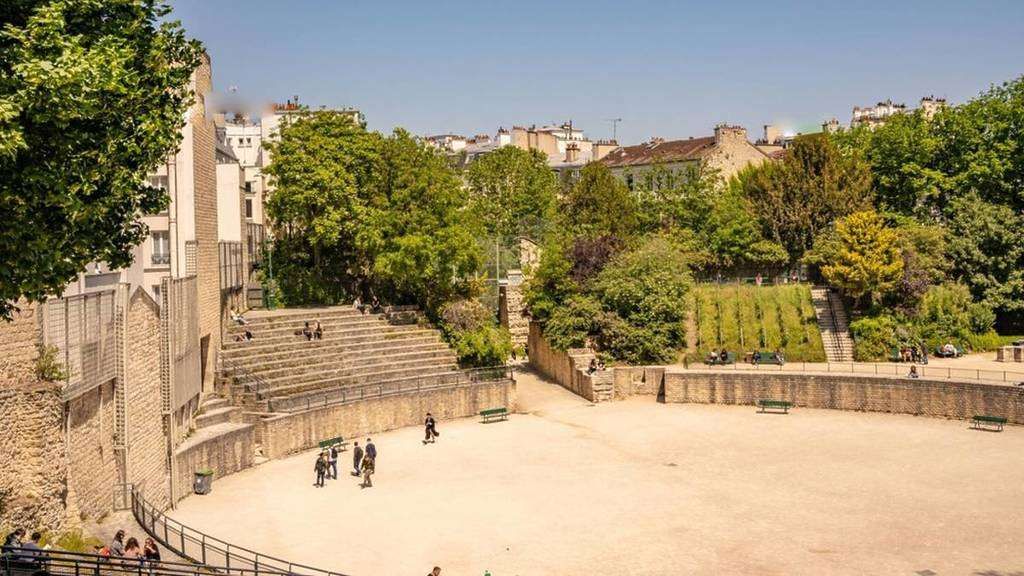
## Description **Arènes de Lutèce** is one of Paris’s most unexpected and historically significant sites: a **Roman amphitheater hidden in plain sight** within the Latin Quarter. Dating back to the **1st century CE**, it is among the oldest surviving monuments in the city and a rare physical reminder of Lutetia, the Gallo-Roman settlement that preceded modern Paris. Unlike the grand, fully preserved amphitheaters of southern France or Italy, the Arènes de Lutèce is fragmentary, modest in scale, and deeply embedded in its urban surroundings. This is precisely what makes it compelling. The remains include portions of the arena floor, tiered seating, subterranean chambers, and traces of the stage wall. In its prime, the amphitheater could accommodate **up to 15,000 spectators**, hosting gladiatorial combats, animal hunts, and theatrical performances. What sets the Arènes de Lutèce apart is its **history of disappearance and rediscovery**. After the fall of the Roman Empire, the structure was gradually dismantled and buried beneath medieval buildings. By the Middle Ages, its existence was largely forgotten. It was not rediscovered until the 19th century during urban works, and even then, much of it was threatened by redevelopment. The site was ultimately saved following public campaigns supported by prominent cultural figures, including Victor Hugo. A lesser-known fact is that the amphitheater served multiple secondary purposes over time. During the Middle Ages, stones from the structure were reused in nearby buildings, effectively dissolving it into the fabric of the city. Another overlooked detail is that today’s visible remains represent **only a fraction** of the original structure; much of it still lies beneath surrounding streets and buildings, preserved underground rather than reconstructed. Today, the Arènes de Lutèce functions as a **public space rather than a formal museum**. Locals play pétanque on the arena floor, children run along the ancient stone seating, and visitors sit quietly where Roman spectators once gathered. This coexistence of daily life and antiquity is rare in Paris and gives the site a lived-in authenticity that no curated exhibition could replicate. ## Location **Country:** France **Region:** Île-de-France **City:** Paris **Arrondissement:** 5th (Latin Quarter) The Arènes de Lutèce is located between Rue Monge and Rue de Navarre, in one of Paris’s most historic and intellectually rich neighborhoods. ### How to Get There * **By metro:** * Line 7 to **Place Monge**, then a 3–5 minute walk. * Line 10 to **Cardinal Lemoine**, followed by a short walk. * **By bus:** * Several bus lines serve the Latin Quarter and stop nearby. * **On foot:** * Easily reachable from the Panthéon, Jardin des Plantes, or the Seine’s Left Bank. * **By bicycle:** * Bike lanes and public bike stations are available in the area. ## Tips * **Visit during quiet hours:** Early mornings or weekdays offer a calmer atmosphere. * **Bring context with you:** There is minimal on-site interpretation; prior reading enhances appreciation. * **Respect the space:** It is both a historical site and a neighborhood park. * **Look for subtle details:** Notice the stonework and seating curves to visualize the original structure. * **Combine with nearby landmarks:** The Latin Quarter offers exceptional historical density within walking distance. * **Photography is allowed:** But be mindful of locals using the space. ## Conclusion The Arènes de Lutèce is a rare example of ancient history woven directly into the rhythm of modern urban life. Quiet, understated, and profoundly authentic, it offers a powerful reminder that Paris did not begin in the Middle Ages, but in the Roman world beneath its streets. ## FAQ **1. Is there an entrance fee?** No, entry to the Arènes de Lutèce is free. **2. How old is the amphitheater?** It dates back to the 1st century CE. **3. How long should I spend there?** Around **20 to 40 minutes**, depending on interest. **4. Is it a reconstructed site?** No, it consists of original remains with minimal restoration. **5. Is it suitable for children?** Yes, it is an open and informal space often used by families. **6. Why is it not better known?** Its modest size and lack of monumental reconstruction keep it off many tourist itineraries. ## Links * [Paris tourism official site](https://parisjetaime.com/eng/)
GemVoyage Team • World

Comments