GemVoyage Team • World
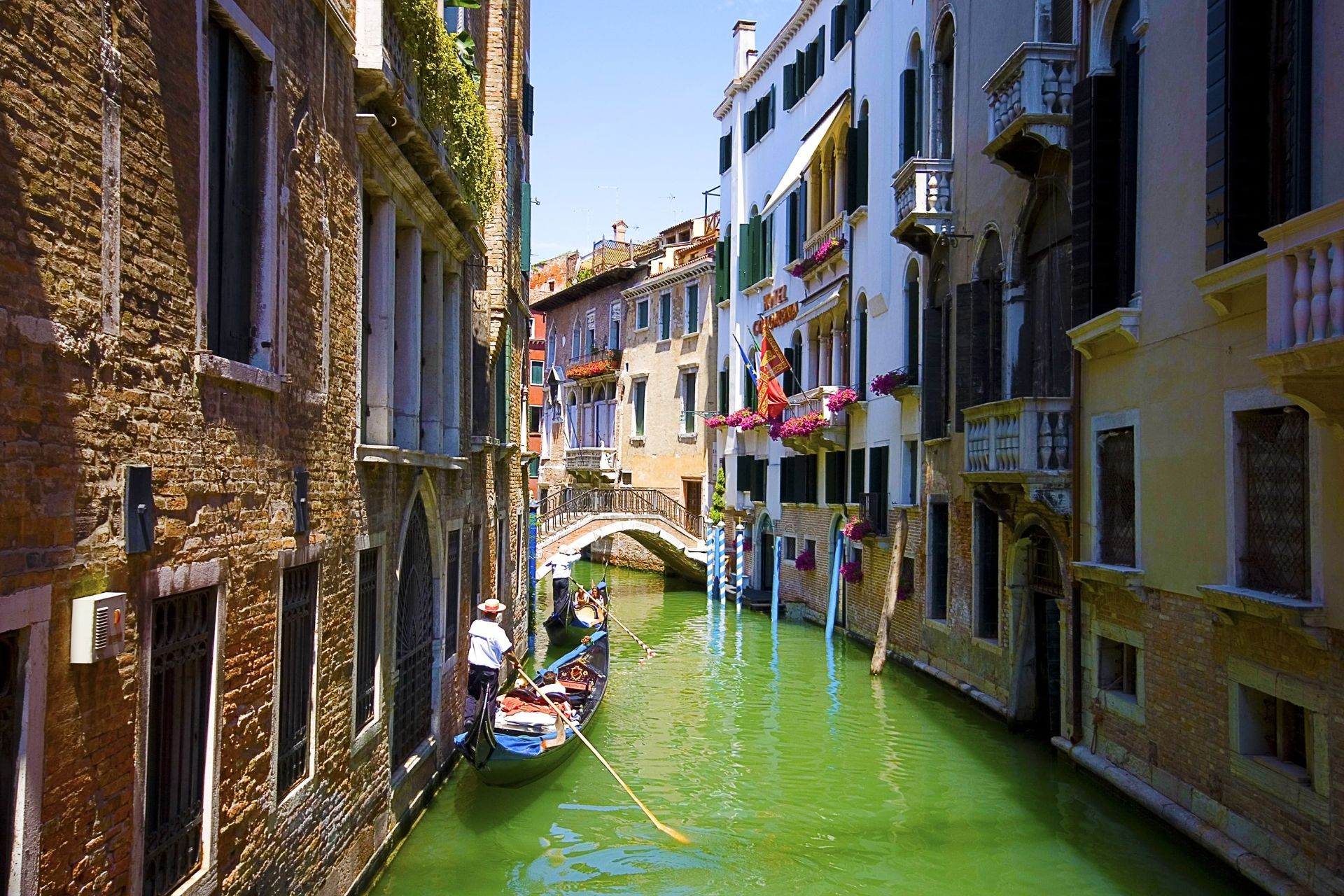
The district is especially appealing for travelers who enjoy wandering without a strict plan. Its streets reward curiosity: you may turn a corner and find a small bacaro serving cicchetti, a church with centuries of history, or a canal scene that looks almost unchanged from the past. The famous Venetian rhythm of walking, pausing, and crossing bridges feels more relaxed here, and that makes Cannaregio a good place to appreciate the city at a slower pace.
One lesser-known fact is that Cannaregio is home to the historic Venetian Ghetto, one of the earliest ghetto districts in Europe and an important site in the history of Jewish life in the city. Another is that, despite its relative calm, the district has one of the longest and most distinctive canal fronts in Venice, giving it some of the best opportunities for scenic strolls away from the major tourist flows.
Cannaregio also offers an excellent food and drink scene for those who want a more local feel. Small bars, bakeries, and neighborhood restaurants are often less formal than those around the busiest monuments. The area can feel lively in the evening without becoming overwhelming, which makes it especially appealing for travelers who like to settle into a district rather than simply pass through it.
Architecturally, Cannaregio presents a satisfying mix of ordinary and elegant Venice. You will find grand palazzi near the water, smaller homes deeper in the district, and a canal network that makes almost every route slightly different. For photographers, the area is full of soft light, reflections, and everyday scenes that capture Venice's character without the heavy staging of its most famous squares.
If you want Venice to feel lived-in, intimate, and walkable, Cannaregio is one of the best places to spend time. It does not compete with the city's headline attractions; instead, it reveals the Venice that locals actually use, which is often the version travelers remember most.
It is easy to reach on foot from Venezia Santa Lucia railway station or by vaporetto along the Grand Canal. Because Venice is a walking city, the best way to explore Cannaregio is simply to arrive at the station or a nearby stop and start wandering through the district's streets and canals.
Do not rush. Cannaregio is best experienced through detours, side streets, and pauses along the canal.
Bring a map or use offline navigation, because Venice's layout can be confusing at first even though Cannaregio is relatively straightforward.
Respect the residential character of the district. Many of its most charming areas are also people's homes.
Look for bacari rather than only formal restaurants if you want a more local food experience.
If you are interested in history, set aside time for the Venetian Ghetto and nearby Jewish heritage sites.
Discover more hidden gems you might love.
Giresun
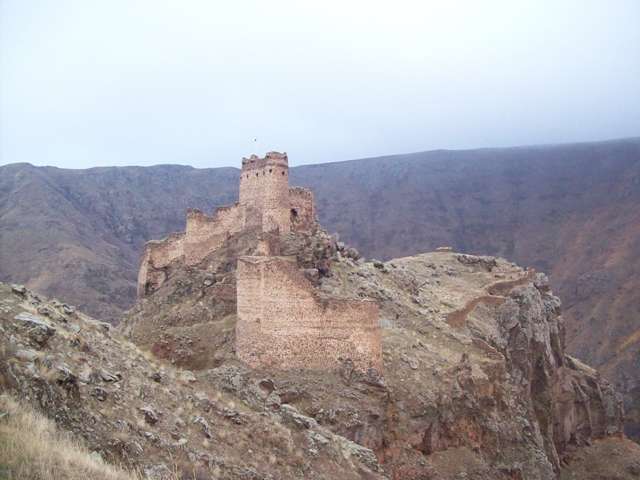
## Description The Castle of the Devil, known locally as Şeytan Kalesi, is one of Turkey’s most dramatic and mysterious fortress ruins. Perched atop a rocky bluff in the Çıldır district of Ardahan Province, this ancient stronghold commands sweeping views of the plunging Karaçay Canyon and the surrounding highlands. Its name—“Castle of the Devil”—stems from local folklore that claims an evil spirit once haunted the area, a myth that still lingers in the collective memory of nearby villagers. Dating back to the Hellenistic period, the castle has seen a succession of rulers and empires, including the Urartians, Persians, Romans, Byzantines, and Ottomans. Its strategic location in the Upper Kur Valley made it a vital military outpost and a gateway between Anatolia and the Caucasus. The fortress was continuously modified and expanded by its various occupants, and today visitors can still see remnants of cisterns, staircases descending to water sources, and a small chapel tucked within the ruins. A little-known fact is that the castle was once a Georgian stronghold known as Qajis Tsikhe, and it played a key role in regional defense for centuries. Another intriguing detail: the site reportedly housed a prison, as noted by Georgian historian Ekvtime Takaishvili in the early 20th century. ## Location The Castle of the Devil is located in **Turkey**, within the **Eastern Anatolia Region**, in the **Çıldır district of Ardahan Province**. Specifically, it lies about 1.5 kilometers northeast of the village of Yıldırımtepe, nestled deep within the rugged terrain of the Karaçay Canyon. ### How to Get There - **By Car**: The most practical way to reach the castle is by car. From Ardahan city center, it’s roughly a 45-minute drive. The final stretch includes narrow rural roads, so a vehicle with good clearance is recommended. - **By Tour**: Local tour operators in Ardahan occasionally offer guided excursions to Şeytan Kalesi, often combined with visits to Çıldır Lake and other regional landmarks. - **By Public Transport**: Public transport options are limited. Visitors relying on buses should travel to Çıldır town and arrange a taxi or private transfer from there. The journey itself is part of the adventure, with dramatic landscapes unfolding as you approach the fortress. ## Tips - **Wear Hiking Shoes**: The terrain around the castle is rocky and uneven. Good footwear is essential for exploring safely. - **Bring Water and Snacks**: There are no facilities at the site, so come prepared. - **Visit in Spring or Early Autumn**: These seasons offer the most comfortable weather and the clearest views. - **Respect the Site**: The ruins are fragile and unguarded. Avoid climbing on unstable sections and leave no trace. - **Pair with Nearby Attractions**: Combine your visit with a trip to Çıldır Lake, especially in winter when the lake freezes and offers unique activities like horse-drawn sleigh rides. - **Photography**: The castle’s dramatic setting makes it a fantastic spot for landscape photography, especially at sunrise or sunset. ## Conclusion The Castle of the Devil in Ardahan is a hauntingly beautiful relic of Turkey’s layered history. With its mythic name, panoramic views, and centuries-old architecture, it offers a compelling experience for travelers seeking both adventure and cultural depth. ## FAQ **1. Is there an entrance fee to visit the Castle of the Devil?** No, the site is open to the public and free to visit. **2. How long does it take to explore the castle?** Most visitors spend 1–2 hours exploring the ruins and enjoying the views. **3. Is the site accessible year-round?** Yes, but winter conditions can make access difficult due to snow and ice. **4. Can children visit the castle?** Yes, but due to the rugged terrain, close supervision is necessary. **5. Are guided tours available?** Occasionally, local guides and tour companies offer excursions. It’s best to inquire in Ardahan or Çıldır. **6. Is there any accommodation nearby?** Basic guesthouses and hotels are available in Çıldır and Ardahan. Booking in advance is recommended during peak seasons. ## Links - [Şeytan Castle – Wikipedia Overview](https://en.wikipedia.org/wiki/%C5%9Eeytan_Castle)
GemVoyage Team • World
Paris
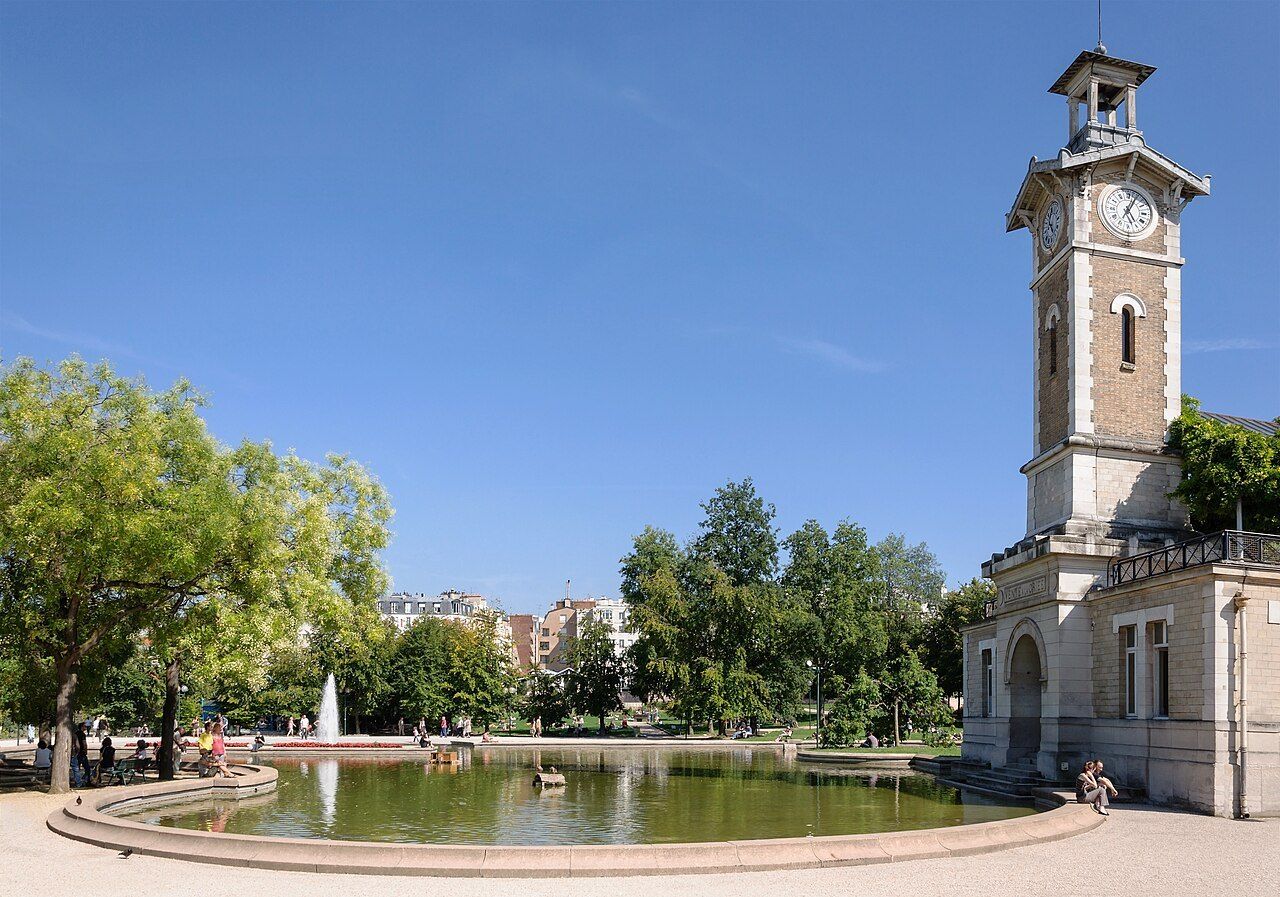
## Description **Parc Georges-Brassens** is a spacious and character-rich public park located in the 15th arrondissement of Paris. Unlike the city’s grand formal gardens, this park stands out for its **layered history and community-oriented atmosphere**. Opened in 1980, it occupies the former site of the **Vaugirard slaughterhouses**, once a major hub of Paris’s meat trade. Rather than erasing this past, the park subtly integrates it into its design, creating a space where history, greenery, and everyday Parisian life intersect. The park is named after **Georges Brassens**, one of France’s most beloved singer-songwriters, who lived nearby for many years. References to his work and personality appear discreetly throughout the park, reinforcing its cultural identity without turning it into a monument. The layout blends wide lawns, rose gardens, vineyards, and quiet corners with views over the surrounding neighborhood. One of the park’s most distinctive features is its **working vineyard**, a rare sight in modern Paris. Each year, a small grape harvest takes place, continuing a tradition that once characterized this area before industrial development. Another lesser-known element is the presence of restored wine presses and livestock market structures, which hint at the site’s former commercial function and give the park a slightly industrial undertone beneath its greenery. Parc Georges-Brassens is especially appreciated by locals. It attracts families, readers, joggers, and retirees rather than large tourist crowds. This gives the park a relaxed and authentic rhythm, offering visitors a chance to experience Paris as residents do rather than through postcard landmarks. ## Location **Country:** France **Region:** Île-de-France **City:** Paris **Arrondissement:** 15th arrondissement The park is located in southwestern Paris, surrounded by residential streets and local markets, far from the city’s main tourist corridors. ### How to Get There * **By metro:** * Take Line 12 to **Convention** station or Line 13 to **Porte de Vanves**, followed by a short walk. * **By bus:** * Several bus lines stop near the park, making access easy from different parts of Paris. * **By bicycle:** * The surrounding streets are bike-friendly, and bike racks are available near entrances. * **On foot:** * Easily reachable from nearby neighborhoods in the 15th arrondissement. ## Tips * **Visit on weekends for the book market:** A well-known second-hand book market takes place nearby, especially on Saturdays and Sundays. * **Explore the vineyard area:** It’s small but unusual and worth seeking out. * **Bring a book or picnic:** The park has plenty of benches and grassy areas suitable for relaxing. * **Come in spring or early summer:** The rose gardens and flowering areas are at their best. * **Observe local life:** This is a neighborhood park, ideal for people-watching rather than sightseeing. * **Dogs are allowed in designated areas:** Check signage to avoid restricted zones. ## Conclusion Parc Georges-Brassens offers a quieter, more personal side of Paris. With its vineyard, literary connections, and layered industrial history, it provides a refreshing alternative to the city’s iconic gardens and a genuine glimpse into everyday Parisian leisure. ## FAQ **1. Who was Georges Brassens?** He was a famous French singer-songwriter and poet who lived nearby and became one of France’s most influential cultural figures. **2. Is Parc Georges-Brassens free to enter?** Yes, the park is open to the public and free of charge. **3. How much time should I plan for a visit?** About **1 to 2 hours**, longer if you plan to relax or picnic. **4. Is the park suitable for children?** Yes. It has open lawns, play areas, and a calm environment for families. **5. Can tourists enjoy this park?** Absolutely, especially those interested in local neighborhoods rather than major attractions. **6. Are there cafés inside the park?** No permanent cafés inside, but many local cafés and bakeries are located nearby. ## Links * [City of Paris](https://www.paris.fr)
GemVoyage Team • World
Beijing
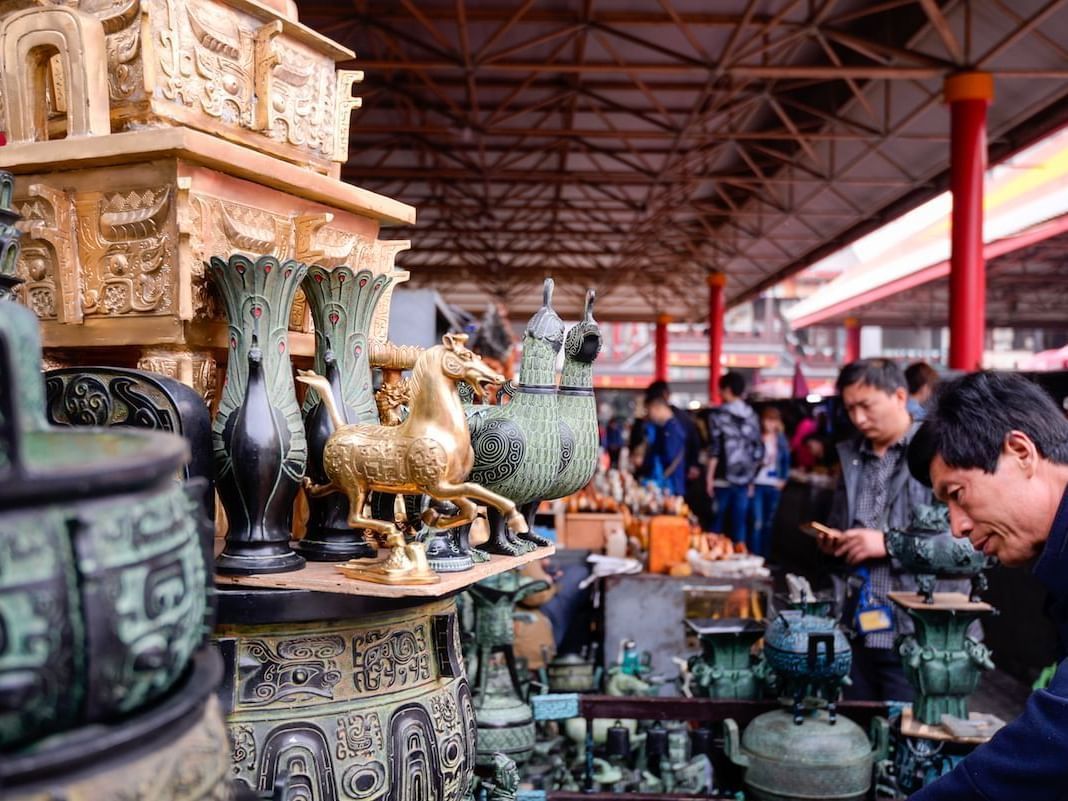
## Description Panjiayuan Antique Market is one of Beijing’s most famous shopping destinations for anyone interested in antiques, collectibles, crafts, and the thrill of browsing through a vast informal market environment. It is not a polished retail complex. It is a sprawling, energetic market where the pleasure comes from looking closely, comparing objects, and discovering what catches your eye. For travelers, that makes it one of the most characterful places to shop in Beijing, especially if you enjoy markets with a sense of surprise. The market is compelling because it contains many different worlds at once. You may find traditional crafts, replica objects, old decorative pieces, calligraphy supplies, beads, paintings, jewelry, souvenirs, and a range of goods that reflect both local taste and the expectations of visitors. A lesser-known fact is that Panjiayuan has long been associated with weekend browsing culture and has become a major destination for both serious collectors and casual shoppers. Another interesting detail is that the market’s atmosphere often changes depending on the time and day of visit, with early morning tending to be the best period for finding variety and doing serious browsing before the crowds become dense. For travelers, the real appeal is less about guaranteed rare finds and more about the experience of looking. Panjiayuan rewards patience, curiosity, and negotiation. It is the type of place where you can spend hours without realizing how much time has passed because every row offers something different. Even if you are not an antique buyer, the market is still fascinating as a cultural snapshot of Beijing’s consumer life and souvenir economy. It is also an excellent place for people who enjoy photography and people-watching, though you should be considerate and ask before taking close photos of vendors or merchandise. The market’s scale and texture make it one of the most memorable commercial spaces in the city. ## Location Panjiayuan Antique Market is located in Chaoyang District, Beijing, China, on the eastern side of the city. Its location makes it accessible from central Beijing while still feeling like a destination with its own identity. Because it is a major market rather than a single storefront, it is best approached with enough time to wander. The easiest way to reach the market is by subway followed by a short walk. Beijing’s metro is usually the most efficient transport method, especially if you want to avoid traffic. Taxis and rideshares also work well if you are carrying purchases or traveling with a group. Once you arrive, the market is straightforward to explore on foot, and the surrounding streets make it easy to orient yourself. If you are serious about browsing, mornings and weekends are often the most rewarding. If you prefer a quieter visit, go earlier in the day or plan around less busy times when possible. ## Tips Bring cash and a willingness to compare prices. Bargaining can be part of the experience, so staying alert is useful. Check items carefully before buying. Quality and authenticity vary, especially with antiques and collectible-style merchandise. Arrive early if you want the widest selection. Serious buyers often do better before the market becomes crowded. Do not expect every item to be a true antique. The market includes a wide range of goods, from genuine older objects to decorative reproductions. Leave enough time to wander without a fixed list. The market rewards discovery more than efficiency. ## Conclusion Panjiayuan Antique Market is one of Beijing’s best places for browsing, bargaining, and discovering objects with personality. It offers a lively, practical, and sometimes unpredictable market experience that many travelers remember long after they leave. ## FAQ ### Is Panjiayuan Antique Market only for collectors? No. It is popular with casual visitors too, especially those who enjoy browsing and shopping for souvenirs or decorative items. ### Can I bargain there? Often yes, though the style and room for negotiation can vary by stall and item. ### What is the best time to visit? Early morning, especially on busier market days, is often the best time for selection and atmosphere. ### Are all items antiques? No. The market includes a mix of antiques, collectibles, crafts, reproductions, and souvenir items. ## Links - [Beijing official tourism](https://english.beijing.gov.cn/) - [Chaoyang District overview](https://en.wikipedia.org/wiki/Chaoyang_District,_Beijing)
GemVoyage Team • World
Cape Town
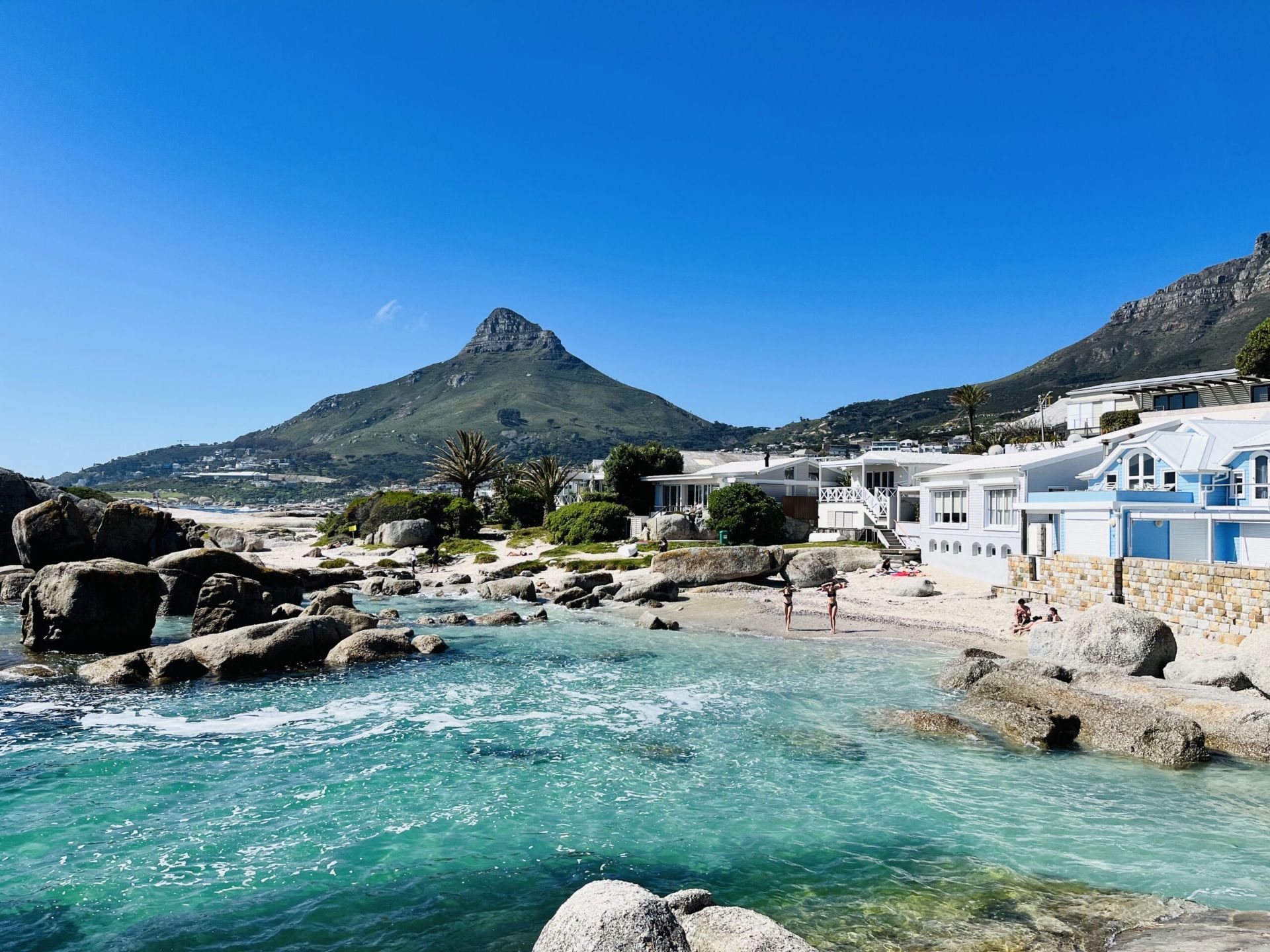
## Description Beta Beach in Bakoven is one of Cape Town’s more understated coastal spots, which is exactly what makes it appealing. Instead of the intensity of the city’s bigger, more famous beaches, Beta Beach offers a calmer setting where granite boulders, sheltered sand, and Atlantic water create a beautiful but low-key experience. The beach feels intimate and local, with views that are every bit as memorable as those at more famous shoreline destinations. What sets Beta Beach apart is the way it blends privacy and scenery. It is not a beach for large crowds or big facilities; it is a beach for people who want to pause, look out over the ocean, and enjoy the dramatic relationship between water and mountain. The Bakoven area itself has a strong residential character, which helps keep the atmosphere relaxed. One lesser-known fact is that the smaller coves in this part of the coast can look very different depending on tide and swell, so a single visit can feel dramatically different from one hour to the next. Another interesting detail is how the surrounding boulders create natural windbreaks and visual frames, making the beach especially photogenic. Beta Beach is also a good choice for travelers who want a quieter Atlantic side experience without giving up proximity to major Cape Town attractions. It works well as a short stop, a sunset watchpoint, or a place to linger between drives along the coast. The mountain backdrop and ocean light make it feel distinctly Cape Town, but in a softer, more residential register than some of the city’s busier beaches. For many visitors, that balance of accessibility and peace is the reason it becomes a favorite. ## Location Beta Beach is in Bakoven, Cape Town, Western Cape, South Africa, along the Atlantic coast near Camps Bay and the route toward the Twelve Apostles side of Table Mountain. The location is close to one of the city’s most scenic coastal corridors. The easiest way to get there is by car or ride-hailing service, especially if you are staying in central Cape Town, Camps Bay, or Sea Point. Public transport options are more limited for this particular stretch, so direct road access is usually the practical choice. Once there, plan to explore on foot so you can enjoy the coves and viewpoints at a slower pace. ## Tips Check tide and weather conditions before visiting, because the beach’s feel changes significantly with the sea. Bring sun protection and water, since the Atlantic coast can be sunny and exposed. Go near sunset for especially strong light on the water and mountains. Keep expectations realistic: this is a beautiful, quieter beach rather than a full-service resort area. ## Conclusion Beta Beach is a peaceful Cape Town coastal stop that pairs Atlantic beauty with a relaxed, local atmosphere. ## FAQ ### Is Beta Beach crowded? It is generally quieter than Cape Town’s most famous beaches, though it can still be busy at peak times. ### Can you swim there? People do swim, but Atlantic conditions can be cold and variable. ### Is it easy to find? Yes, especially if you are already traveling through Bakoven or nearby Camps Bay. ### Is it good for photography? Very much so, especially at sunrise or sunset. ### What makes it different from Camps Bay? It is smaller, quieter, and more sheltered, with a more intimate feel. ## Links - [Cape Town tourism information](https://www.capetown.travel/) - [Camps Bay on Wikipedia](https://en.wikipedia.org/wiki/Camps_Bay)
GemVoyage Team • World
Paris
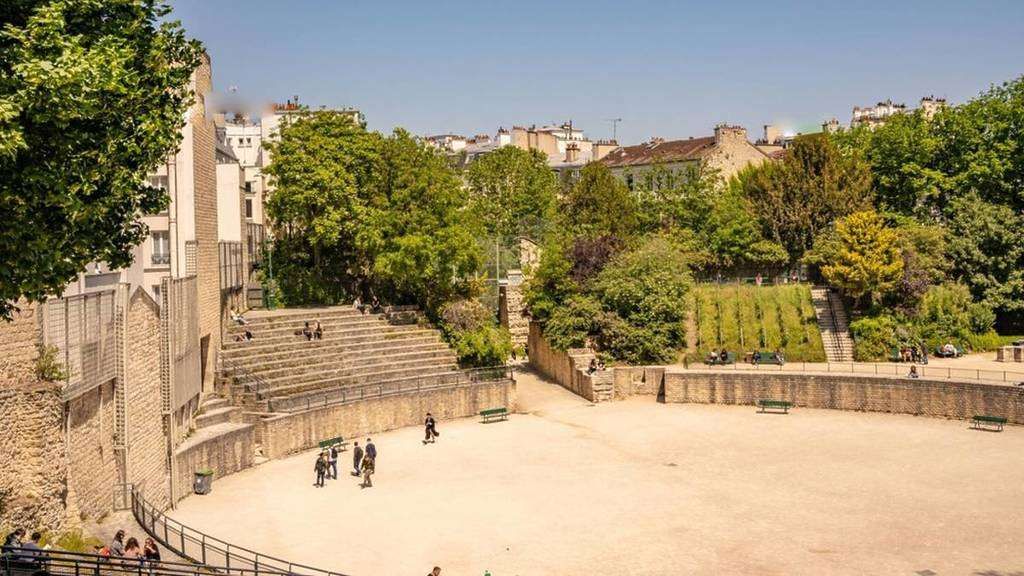
## Description **Arènes de Lutèce** is one of Paris’s most unexpected and historically significant sites: a **Roman amphitheater hidden in plain sight** within the Latin Quarter. Dating back to the **1st century CE**, it is among the oldest surviving monuments in the city and a rare physical reminder of Lutetia, the Gallo-Roman settlement that preceded modern Paris. Unlike the grand, fully preserved amphitheaters of southern France or Italy, the Arènes de Lutèce is fragmentary, modest in scale, and deeply embedded in its urban surroundings. This is precisely what makes it compelling. The remains include portions of the arena floor, tiered seating, subterranean chambers, and traces of the stage wall. In its prime, the amphitheater could accommodate **up to 15,000 spectators**, hosting gladiatorial combats, animal hunts, and theatrical performances. What sets the Arènes de Lutèce apart is its **history of disappearance and rediscovery**. After the fall of the Roman Empire, the structure was gradually dismantled and buried beneath medieval buildings. By the Middle Ages, its existence was largely forgotten. It was not rediscovered until the 19th century during urban works, and even then, much of it was threatened by redevelopment. The site was ultimately saved following public campaigns supported by prominent cultural figures, including Victor Hugo. A lesser-known fact is that the amphitheater served multiple secondary purposes over time. During the Middle Ages, stones from the structure were reused in nearby buildings, effectively dissolving it into the fabric of the city. Another overlooked detail is that today’s visible remains represent **only a fraction** of the original structure; much of it still lies beneath surrounding streets and buildings, preserved underground rather than reconstructed. Today, the Arènes de Lutèce functions as a **public space rather than a formal museum**. Locals play pétanque on the arena floor, children run along the ancient stone seating, and visitors sit quietly where Roman spectators once gathered. This coexistence of daily life and antiquity is rare in Paris and gives the site a lived-in authenticity that no curated exhibition could replicate. ## Location **Country:** France **Region:** Île-de-France **City:** Paris **Arrondissement:** 5th (Latin Quarter) The Arènes de Lutèce is located between Rue Monge and Rue de Navarre, in one of Paris’s most historic and intellectually rich neighborhoods. ### How to Get There * **By metro:** * Line 7 to **Place Monge**, then a 3–5 minute walk. * Line 10 to **Cardinal Lemoine**, followed by a short walk. * **By bus:** * Several bus lines serve the Latin Quarter and stop nearby. * **On foot:** * Easily reachable from the Panthéon, Jardin des Plantes, or the Seine’s Left Bank. * **By bicycle:** * Bike lanes and public bike stations are available in the area. ## Tips * **Visit during quiet hours:** Early mornings or weekdays offer a calmer atmosphere. * **Bring context with you:** There is minimal on-site interpretation; prior reading enhances appreciation. * **Respect the space:** It is both a historical site and a neighborhood park. * **Look for subtle details:** Notice the stonework and seating curves to visualize the original structure. * **Combine with nearby landmarks:** The Latin Quarter offers exceptional historical density within walking distance. * **Photography is allowed:** But be mindful of locals using the space. ## Conclusion The Arènes de Lutèce is a rare example of ancient history woven directly into the rhythm of modern urban life. Quiet, understated, and profoundly authentic, it offers a powerful reminder that Paris did not begin in the Middle Ages, but in the Roman world beneath its streets. ## FAQ **1. Is there an entrance fee?** No, entry to the Arènes de Lutèce is free. **2. How old is the amphitheater?** It dates back to the 1st century CE. **3. How long should I spend there?** Around **20 to 40 minutes**, depending on interest. **4. Is it a reconstructed site?** No, it consists of original remains with minimal restoration. **5. Is it suitable for children?** Yes, it is an open and informal space often used by families. **6. Why is it not better known?** Its modest size and lack of monumental reconstruction keep it off many tourist itineraries. ## Links * [Paris tourism official site](https://parisjetaime.com/eng/)
GemVoyage Team • World
Seoul
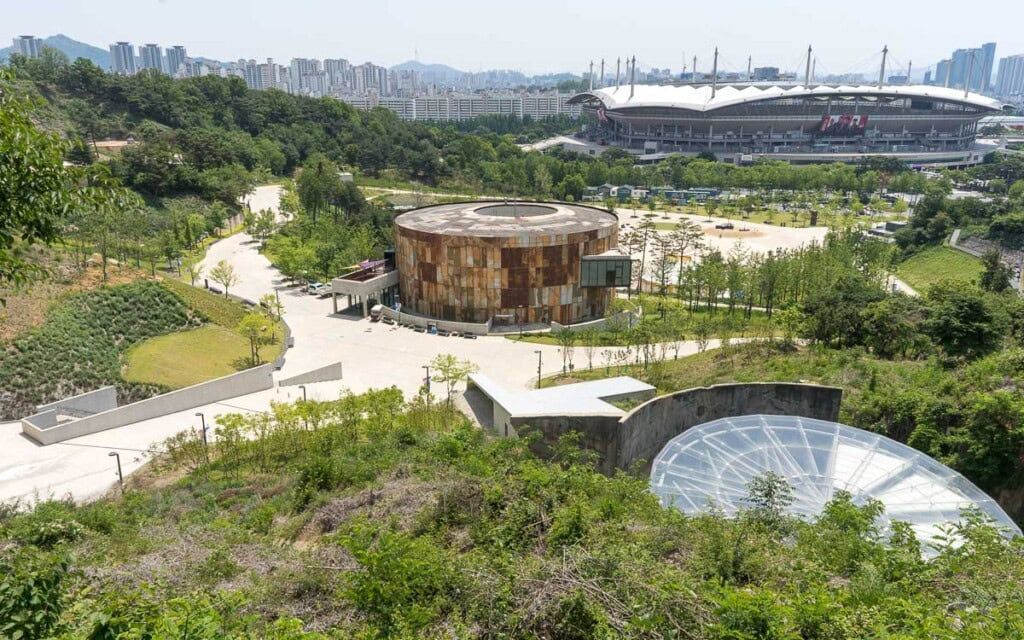
## Description Oil Tank Culture Park is an inventive urban redevelopment project that transforms obsolete oil storage tanks near Hapjeong into a layered cultural complex. The site is notable for its adaptive reuse approach: industrial silos and tanks were structurally preserved and repurposed as galleries, performance spaces, and community areas. The result is a tactile mix of heavy industrial surfaces and light-filled cultural rooms—an atmospheric contrast that frequently features in discussions about sustainable urban design and creative placemaking. Programming at the Oil Tank Culture Park combines curated exhibitions with community-driven activities. The large circular tanks are used for immersive installations and concerts; smaller adjacent spaces host workshops, film screenings, and local markets. The park’s outdoor terraces and green roofs provide vantage points for both the site itself and views across nearby neighborhoods, creating a sequence of experiences that shift between enclosed, resonant tanks and open, landscaped terraces. For visitors interested in architecture, industrial heritage, or contemporary culture, the site offers multiple points of fascination. Preservation choices—retaining the tanks’ raw metal texture, exposing concrete rings, and inserting slender circulation elements—make the site legible as both a former industrial hub and a cultural incubator. The park’s programming often foregrounds sustainability themes, community participation, and experimental performance formats. ## Location The Oil Tank Culture Park is located in Mapo-gu, Seoul, close to Hapjeong station and within walking distance of the World Cup Stadium area. It is well served by subway lines and local buses, and its signage makes it straightforward for international visitors to find. The park is frequently combined in itineraries with nearby Hongdae’s nightlife and Mangwon’s markets. ## Tips - Check the cultural calendar before visiting—special exhibitions and ticketed concerts are common and may require advance booking. - Wear comfortable shoes and expect varying surfaces: pathways range from concrete tank platforms to landscaped terraces. - Bring a light layer for rooftop areas and evening events—the wind can be brisk on exposed terraces. - Combine a visit with nearby Hongdae for dinner or an evening out; the area offers many small restaurants and cafés. - Respect installation boundaries and photography rules within exhibition spaces—some shows restrict flash or tripod use. ## Conclusion Oil Tank Culture Park is a striking example of how industrial heritage can be repurposed into vibrant public culture. It rewards visitors with a mix of dramatic industrial architecture, innovative programming, and a neighborhood-friendly atmosphere—ideal for architecture enthusiasts, cultural explorers, and people who enjoy offbeat urban sites. ## FAQ Q: Are events free? A: Some events and exhibitions are free to the public; larger performances, immersive shows, and special exhibitions may require tickets—check each event’s listing. Q: Is the site wheelchair accessible? A: The park includes ramps and accessible routes, though some older industrial areas may present challenges—contact the venue for detailed accessibility maps. Q: Can I photograph the tanks and installations? A: General photography is usually allowed in public spaces, but specific exhibitions may restrict photography—always check signage or ask staff. Q: Are there food and drink options on-site? A: Occasional pop-up vendors and nearby cafés supply food and drink during events; full-service restaurants are more common in surrounding neighborhoods. Q: Is there parking? A: On-site parking is limited; public transport is the recommended way to visit. ## Links - [Oil Tank Culture Park](https://www.theseoulguide.com/oil-tank-culture-park/)
GemVoyage Team • World

Comments