GemVoyage Team • World
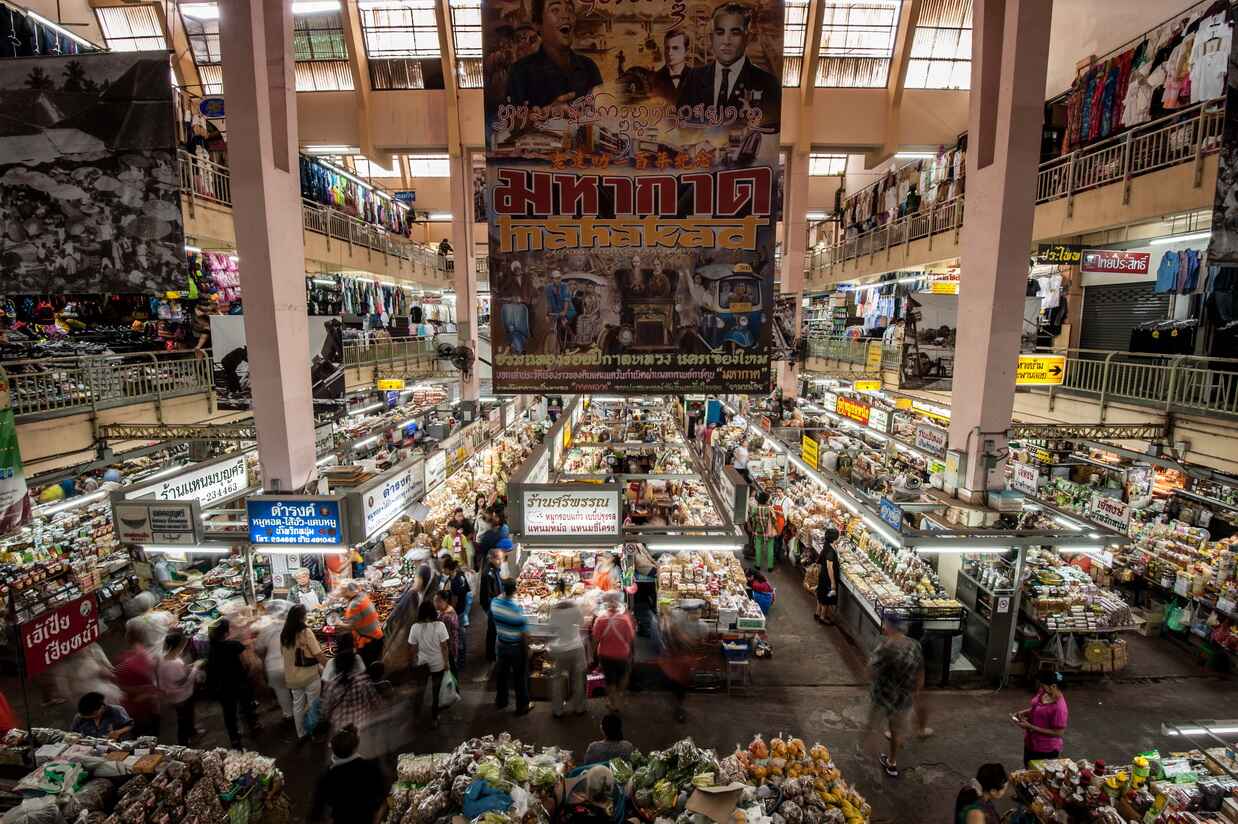
Kad Luang Warorot Market, often simply called Warorot Market, is one of the oldest and most vibrant traditional markets in Chiang Mai, Thailand. Beloved by both locals and tourists, it offers a truly authentic glimpse into Northern Thai culture, daily life, and culinary traditions. Unlike the more tourist-focused night bazaars, Warorot Market is where locals shop for fresh produce, clothing, fabrics, household goods, and everyday essentials.
What makes Warorot Market unique is its blend of tradition and modernity. You’ll find everything from fragrant herbs and spices to modern street fashion, all under one roof. Food lovers will particularly enjoy the market’s wide selection of Northern Thai specialties, such as sai oua (spicy northern sausage), nam prik ong (tomato chili dip), and an array of exotic fruits.
A little-known fact is that Warorot Market has been serving the Chiang Mai community for over a century, making it not just a commercial hub but also a cultural landmark. Another interesting detail is that the market is busiest during important Thai festivals, such as Loi Krathong and Songkran, when it becomes a central point for celebration and shopping.
Warorot Market is located in Chiang Mai, Northern Thailand, in the Wat Ket district, near the banks of the Ping River. It sits just a short walk from the Chang Moi Gate of the Old City, making it very accessible for travelers staying in central Chiang Mai.
From Chiang Mai’s Old City, you can easily reach Warorot Market on foot in about 10–15 minutes. Alternatively, you can take a red songthaew (shared taxi truck), tuk-tuk, or Grab (ride-hailing app) for a quick ride. If you’re staying farther away, taxis and scooters are also convenient options. Since parking in the area can be limited, it’s best to use public or shared transportation.
To make the most out of your visit to Warorot Market, here are some helpful tips:
Kad Luang Warorot Market is not just a place to shop—it’s an experience that immerses you in the everyday life of Chiang Mai. With its wide range of food, clothing, and cultural items, it offers visitors a taste of authentic Northern Thai traditions. Whether you’re hunting for souvenirs, trying local delicacies, or simply enjoying the lively atmosphere, Warorot Market is a must-visit destination in Chiang Mai.
1. What is Warorot Market famous for?
It is famous for its variety of goods, especially Northern Thai food, fresh produce, fabrics, and traditional clothing.
2. What are the market’s opening hours?
Warorot Market typically opens around 5 AM and closes by 6 PM, though some food stalls remain open later in the evening.
3. Is Warorot Market suitable for tourists?
Yes, while it primarily serves locals, tourists are welcome and will find plenty of unique food and souvenirs to enjoy.
4. Can I bargain at Warorot Market?
Yes, bargaining is common, especially for clothing and non-food items, but it should always be done politely.
5. How far is the market from Chiang Mai’s Old City?
It’s just a 10–15 minute walk from the Old City, making it very accessible for most visitors.
6. Are there vegetarian or vegan food options available?
Yes, many stalls sell vegetarian-friendly dishes, fruits, and snacks, though it’s helpful to ask vendors about ingredients.
Discover more hidden gems you might love.
Victoria
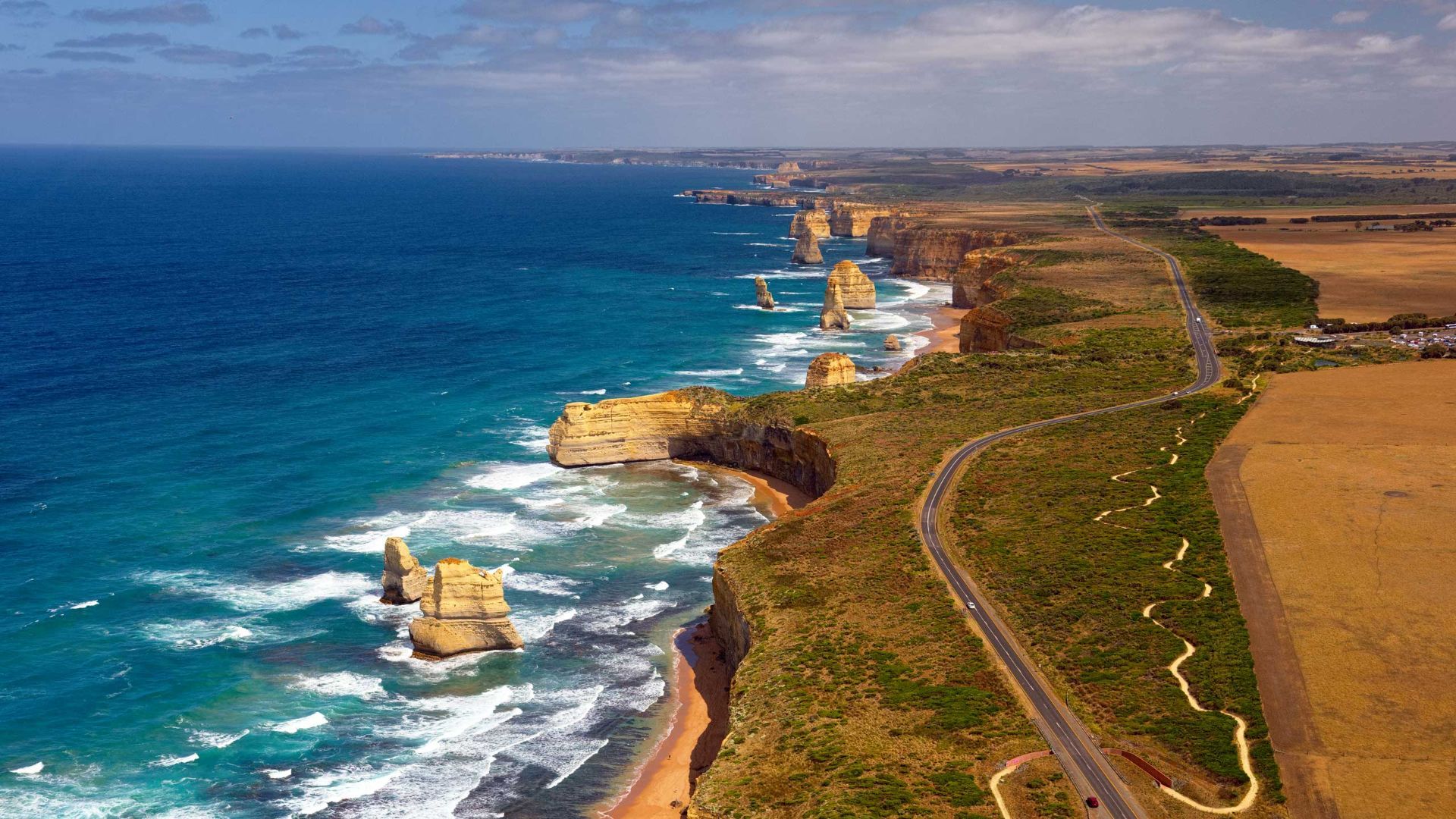
## Description The Great Ocean Road is one of the world’s most celebrated coastal drives, winding along Victoria’s southwestern shoreline past rugged cliffs, surf beaches and sculpted limestone stacks such as the Twelve Apostles. Built by returned WWI soldiers and dedicated as a war memorial, the road combines engineering, natural wonders and seaside towns with cafes, galleries and surf culture. Dramatic viewpoints, rainforest gorges (like Great Otway National Park) and wildlife sightings (koalas, kangaroos and seabirds) make the route a versatile exploration corridor. What distinguishes the route is its dramatic juxtaposition of surf, limestone geology and accessible townscapes. Photographers and road trippers prize the series of staged viewpoints where walking tracks descend to coves and panoramic platforms look out to offshore stacks. Beyond the famous stacks, the route offers fern gullies and waterfalls in the Otways, coastal walks to hidden beaches, and small towns where food and surf culture combine. Many travelers craft multi-day itineraries that combine coastal hikes, wildlife spotting and culinary stops, from coffee in Torquay to seafood in Apollo Bay and heritage-listed lookouts around Port Campbell. The road’s memorial origins also allow visitors to reflect on the engineering feat and the region’s social history while enjoying one of Australia’s most scenic drives. ## Location The Great Ocean Road runs from Torquay to Allansford near Warrnambool in Victoria, Australia, with key stops including Anglesea, Lorne, Apollo Bay and the Twelve Apostles viewpoint at Port Campbell. Melbourne is the primary gateway, roughly a 1.5–3 hour drive to the start depending on traffic. ## Tips - **Avoid peak holiday traffic and plan overnight stops:** The route is popular during Australian school holidays; split the drive into staged stops to avoid fatigue and to enjoy hikes. - **Plan time for short walks and lookout detours:** Many of the best views require small detours and short walks; factor these into your itinerary rather than only driving. - **Mind driving conditions and seasonal weather:** Wind, sea spray and rain can change conditions quickly — watch for strong crosswinds and take care on narrow coastal roads. - **Book accommodation and tours in advance during peak season:** Lorne, Apollo Bay and Port Campbell fill quickly in summer — reserve ahead if travel dates are fixed. - **Pack layers and photography gear:** Coastal light changes quickly; bring windproof layers, a tripod for sunrise/sunset shots and protective gear for salt spray. ## Conclusion The Great Ocean Road pairs dramatic coastal geology with accessible townscapes and outdoor experiences, making it an essential Australian road trip for nature lovers and photographers. Thoughtful pacing and an eye for sidetracks reveal quieter coves, rainforest secrets and local food scenes that complement the iconic seascapes. ## FAQ - **Q: How long does the full drive along the Great Ocean Road take?** A: The direct driving time without stops is around 6–7 hours, but most travelers allocate 2–3 days to properly enjoy walks, viewpoints and coastal towns. - **Q: Can I drive the Great Ocean Road in a single day from Melbourne?** A: You can, but it will be rushed; an overnight stop (or two) allows for sunrise/sunset photography, hikes, and a relaxed pace. - **Q: Are there guided tours, or is it best to self-drive?** A: Both options are common: guided day tours suit short itineraries from Melbourne, while self-driving gives freedom to explore side tracks and lesser-known beaches. - **Q: What wildlife can I expect to see?** A: Look for koalas in eucalyptus stands, kangaroos in paddocks near dusk, seabirds along the cliffs and occasional whales on migration seasons from coastal lookouts. - **Q: Is the route safe for cyclists and motorcyclists?** A: Many cyclists and motorcyclists enjoy sections of the route, but be prepared for narrow lanes, tourist traffic, and windy coastal conditions; follow local safety advice. ## Links - [Great Ocean Road — Wikipedia](https://en.wikipedia.org/wiki/Great_Ocean_Road)
GemVoyage Team • World
Nordland County
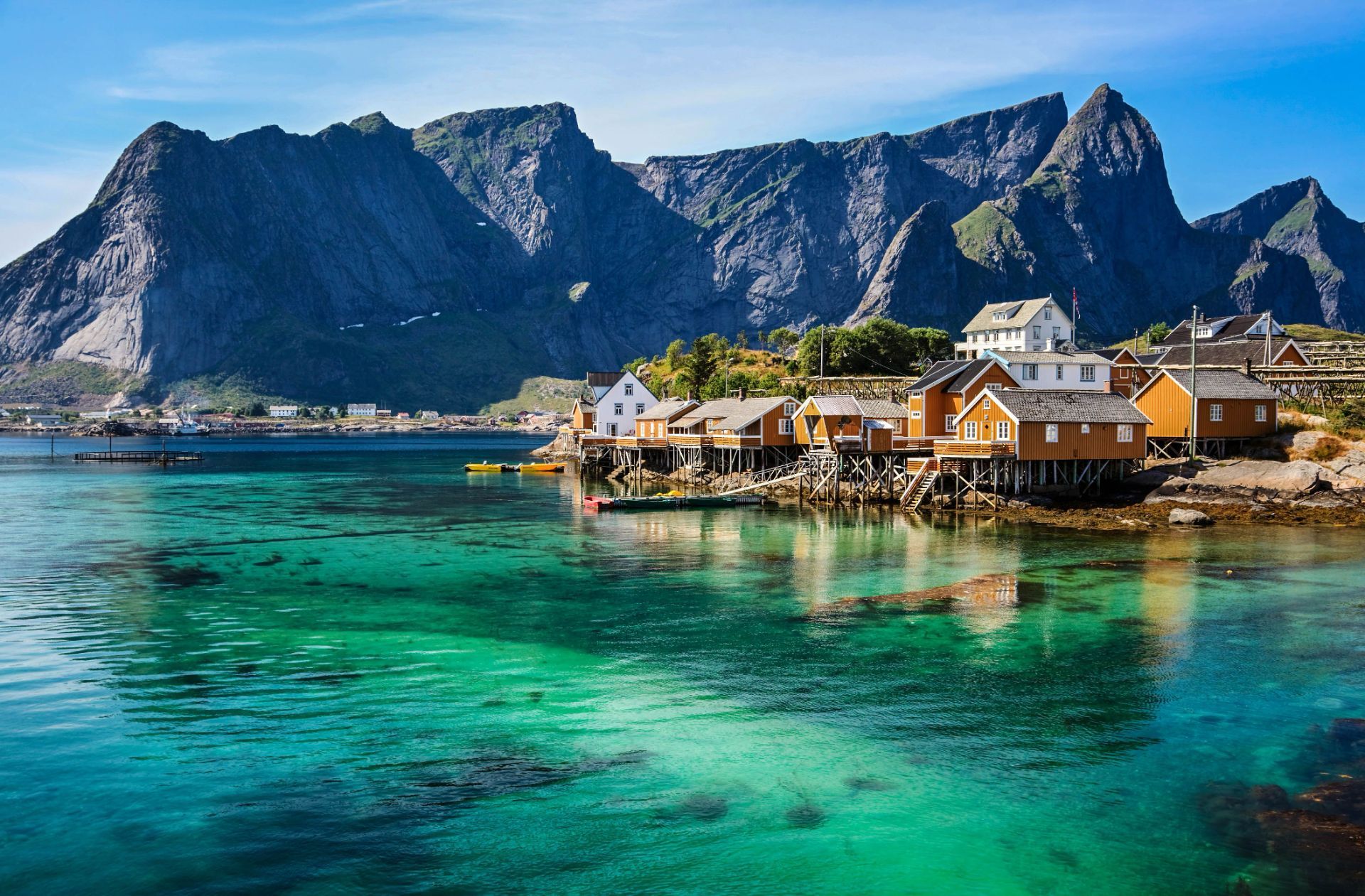
## Description The Lofoten archipelago in northern Norway is known for dramatic mountains rising directly from the sea, sheltered bays dotted with red rorbuer (fishermen’s cabins), and a culture shaped by the cod-fishing season. The islands’ jagged peaks, sheltered fjords and clear northern light create a playground for photographers, hikers and sailors. In summer the midnight sun bathes the landscape in continuous soft light; in winter the aurora borealis weaves curtains above snow-dusted fjords. Lofoten’s distinctiveness lies in the proximity of ocean and mountain: trails often ascend steep ridges that drop into crystal-clear water, and small fishing villages serve as intimate bases for outdoor activities. A lesser-known feature: the islands host significant seabird colonies and seasonal fisheries that have influenced local cuisine and traditions for centuries. Lofoten is not only a visual spectacle but also a destination that rewards slow travel and careful planning. The archipelago's human scale — low-lying villages, narrow winding roads and tiny harbors — means that experiences are tactile and immediate: you can start your day with fresh cod straight from a quay, follow a narrow trail to a windswept summit by afternoon, and end it watching the sea change color as the light shifts. For photographers and naturalists the islands offer a year-round curriculum: in spring and early summer, migrant birds and seals become active along the coastline; in high summer the midnight sun extends golden-hour conditions for long landscape sessions; in autumn the first snows highlight ridgelines and create vivid contrasts; and in winter the long nights are ideal for aurora hunting, provided the skies are clear and weather windows allow. Trail conditions vary widely: some classic hikes like Reinebringen and Kvalvika require stout footwear and a head for exposure, while many coastal walks are family-friendly and can be combined with ferry hops and short drives. Sea-based activities are equally compelling — kayaking through sheltered fjords, joining local fishing trips, or chartering a boat for wildlife watching. Local cultural experiences add texture: museums documenting the seasonal cod fisheries, small artisan shops selling wool and salt-dried fish, and community-run cafés where fishermen swap stories. Food culture in Lofoten remains rooted in the sea; besides stockfish and cod, you’ll encounter local sheep cheeses, cloudberry desserts and a surprisingly well-developed craft-beer scene in a few towns. Practicalities matter in Lofoten. Roads are scenic but narrow, and in winter they can be affected by snow and wind; a flexible itinerary is wise. While many visitors cluster in Reine and Svolvær, quieter pockets such as Henningsvær, Nusfjord and Vinstad reward those who linger. Conservation-minded travel is important: stay on marked trails, respect nesting birds (especially during spring), and support locally owned businesses. Small details like packing waterproof layers, carrying a reliable map or GPS, and learning a few Norwegian phrases will enhance safety and interpersonal encounters. Taken together, these elements make Lofoten an unforgettable destination where dramatic geology, maritime culture and luminous Arctic light combine into a deeply memorable travel experience. ## Location Lofoten lies within Nordland county, above the Arctic Circle, accessible by ferry, road and regional flights from Bodø and Harstad/Narvik airports. The main islands (Austvågøya, Vestvågøya, Flakstadøya and Moskenesøya) are linked by scenic roads and tunnels. The islands are most commonly reached via the E10 highway, which threads the archipelago and connects ferries and causeways. Travelers flying in usually connect through Bodø, which provides ferry and road links, or land at Evenes (near Harstad/Narvik) then drive west. Several regional ferries link the mainland with islands and provide excellent photo opportunities; during summer months additional tourist ferry routes and charter options operate between hotspots like Reine and Svolvær. Car rental is widely available in nearby towns and airports, but public transport is a viable option for those who prefer not to drive, with buses and select ferries serving the larger settlements. ## Tips - **Respect weather windows:** Mountain weather changes rapidly; check local forecasts and prepare with layers and navigation tools. - **Book rorbuer early in summer:** Traditional cabins are popular in high season; reserve in advance. - **Try cod-based cuisine:** Experience local dishes tied to the seasonal stockfish tradition. - **Plan photographic routes:** Sunrise, sunset, and aurora times are key for planning shots; local guides help find hidden vantage points. - **Pack for microclimates:** Conditions can vary from wind-blasted summits to calm fjord inlets in short distances; waterproof outer layers and thermal mid-layers are essential. - **Mind daylight hours:** In summer you can shoot at midnight; in winter plan activities around shorter daylight but prime aurora hours. - **Respect wildlife and nesting areas:** Keep distance from seabird colonies and seal haul-outs to avoid disturbance. - **Rent responsibly or use local guides:** Boat, kayak and fishing charters offer deeper access; choose operators with good safety and sustainability records. - **Bring cash for small purchases:** While cards are widely accepted, some small cafés and stalls may prefer cash in remote villages. ## Conclusion Lofoten combines raw Arctic scenery with a resilient maritime culture, offering dramatic outdoor adventures and timeless coastal charm. Whether you come for the light, the mountains, or the cultural textures of fishing villages, Lofoten rewards curiosity and careful pacing. The islands invite both active exploration and quiet observation — a place to test your kit on rugged trails or simply watch tides and light shift over a year of weathered harbor wood. For travelers prioritizing sustainable, small-scale tourism, Lofoten offers a rich palette of experiences that connect landscape, livelihood and seasonal rhythms. ## FAQ - **Q: When is the best time to visit?** - A: Summer for midnight sun and hiking; winter for northern lights and dramatic snow landscapes. - **Q: Are there guided activities?** - A: Yes — kayaking, hiking, fishing tours and wildlife excursions are widely available. - **Q: Do I need a car to enjoy Lofoten?** - A: A car gives flexibility for reaching remote viewpoints and dispersed villages; however, during summer a combination of buses, ferries and guided tours can cover many highlights without driving. - **Q: How do I plan for aurora viewing?** - A: Check local aurora forecasts and cloud cover, pick dark sites away from town lights, and be patient — clear sky windows are unpredictable. Local guides can increase success rates and handle safety in cold conditions. - **Q: Are trails family-friendly?** - A: Many shoreline walks and lowland trails are suitable for families; some iconic ridgeline hikes are steep and exposed and require good footwear and experience. - **Q: How should I handle food and provisioning?** - A: Larger towns have supermarkets and restaurants; in smaller villages, stockfish shops, local bakeries and seasonal markets offer regional specialties — plan ahead for long drives between services in peak season. ## Links - [Lofoten — Wikipedia](https://en.wikipedia.org/wiki/Lofoten)
GemVoyage Team • World

Los Angeles
## Description Two Bit Circus is a modern micro-amusement concept that blends hands-on nostalgia with cutting-edge interactive entertainment. Designed as a social hub rather than a sprawling theme park, it curates short, intense experiences—virtual reality arenas, escape rooms, skill-based arcades, and immersive storytelling booths—so groups can mix and match activities in a single visit. The emphasis is on collaboration, shared laughter, and creative tech-driven play that appeals to friends, families, and corporate groups seeking memorable experiences. What sets Two Bit Circus apart is the careful balance between retro charm and contemporary technology. Classic arcade cabinets and carnival aesthetics sit alongside augmented reality installations and multiplayer VR experiences, creating a playful design language often described by the founders as “steampunk meets Silicon Valley.” The venue also acts as an incubator for event concepts and experiential design, with many of its ideas adopted by other entertainment venues worldwide. Beyond public attractions, Two Bit Circus often hosts private events, corporate team-building sessions, and evening social gatherings. Food, drink, and curated programming extend the experience beyond ride-based entertainment—expect pop-up events, themed nights, and collaborative challenges that keep the programming fresh. For visitors who enjoy both nostalgia and novelty, the venue’s layered experiences deliver short bursts of excitement and opportunities for friendly competition. ## Location Two Bit Circus operates within Los Angeles, California, though the venue and address have evolved over time as the concept expanded. Always check the official website or event listings for the most current location and hours. Getting there: Driving or rideshare is typically the most convenient option, and many locations provide nearby parking. Depending on the venue, public transit may be possible—plan connections ahead of time. If you’re attending a popular event, allow extra time for arrival and parking. ## Tips - Book tickets or reserve experiences ahead of time, especially on weekends and during special events when capacities fill quickly. - Combine complementary experiences (for example, a VR arena session plus an escape room) to get the most value and variety from a single visit. - Review any age, height, or health restrictions before booking; some VR or motion-based experiences may not be suitable for all guests. - Carry a charged phone for leaderboards, event check-in, and sharing moments, but follow venue rules about device use in certain experiences. - Consider group or corporate packages if you’re organizing a team-building event—these can include private space, catered food, and tailored programming. - Check the schedule for themed nights, pop-ups, or special tournaments to time your visit with unique programming. ## Conclusion Two Bit Circus offers a lively, flexible entertainment model that rewards curiosity and social play. Whether you’re seeking a date night, family outing, or corporate event, its mixture of nostalgia, technology, and quick, memorable experiences makes it a versatile option in a city known for big attractions. ## FAQ Q: Is Two Bit Circus suitable for families? A: Yes. Many attractions are family-friendly, though some experiences are geared toward older teens and adults. Always check specific activity age guidelines. Q: Are walk-ins allowed or should I book in advance? A: Some experiences accept limited walk-ins, but booking in advance is strongly recommended to secure time slots and avoid long waits. Q: Does Two Bit Circus offer food and drink? A: Many locations and event configurations include bars, cafes, or pop-up food options—check the venue’s amenities before you go. Q: Can I host a private event or corporate team-building session? A: Yes. The venue is frequently used for private hire and corporate events; packages typically include curated experiences, catering options, and dedicated staff. Q: Are there accessibility accommodations? A: Accessibility varies by location and experience; contact the venue ahead of booking to discuss needs and confirm accommodations. Q: What should I wear or bring? A: Wear comfortable clothing and shoes suitable for movement; bring any required IDs for entry and a charged phone for check-ins and digital tickets. ## Links - [Two Bit Circus (official)](https://twobitcircus.com) - [Wikipedia: Two Bit Circus](https://en.wikipedia.org/wiki/Two_Bit_Circus)
GemVoyage Team • World
Graz
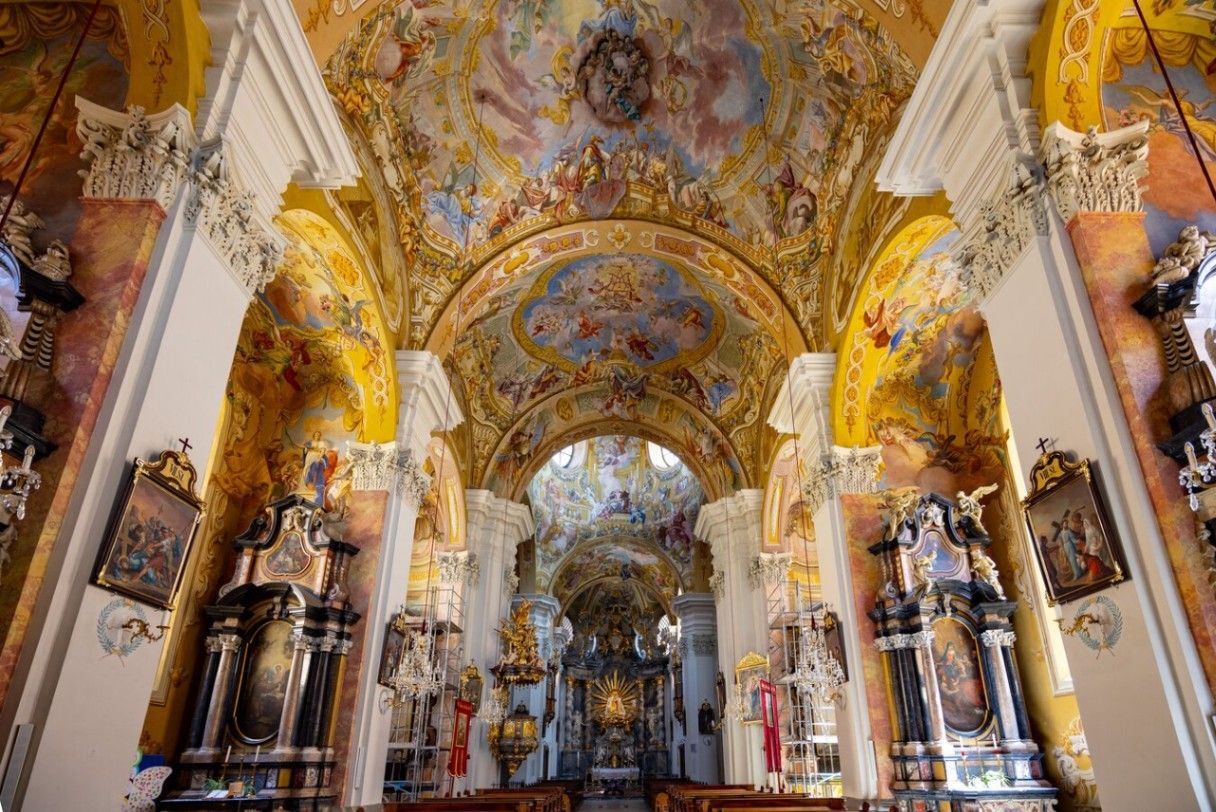
## Description **Basilika Mariatrost** is the most important pilgrimage church in the region of Styria and one of the most visually striking religious landmarks in Graz. Perched on a hill overlooking the eastern edge of the city, the basilica is a masterpiece of **Austrian Baroque architecture**, instantly recognizable by its twin towers and commanding elevated position. More than a place of worship, it represents centuries of faith, healing traditions, and regional identity. Construction of the basilica began in the early 18th century under the patronage of the Pauline Order, following reports of miraculous healings associated with a statue of the Virgin Mary. The church was intentionally built high above the surrounding landscape, reinforcing its role as a spiritual refuge removed from everyday life. Its grand staircase—over 200 steps long—adds a sense of ritual to the approach, turning the journey itself into part of the pilgrimage experience. Inside, the basilica is richly decorated with frescoes, gilded altars, and intricate stucco work. The high altar frames the revered **Marian statue**, the spiritual heart of the church. One lesser-known fact is that the church temporarily lost its religious function during Emperor Joseph II’s reforms in the late 18th century and was repurposed before later being restored as a pilgrimage site. Another notable detail is that Mariatrost was elevated to the status of a **minor basilica** by the Vatican in 1999, recognizing its historical and spiritual significance. Despite its religious importance, Basilika Mariatrost is also appreciated for its **panoramic views**, serene atmosphere, and harmonious integration with the surrounding greenery. It attracts pilgrims, architecture enthusiasts, photographers, and visitors seeking quiet contemplation. ## Location **Country:** Austria **Region:** Styria **City:** Graz **District:** Mariatrost The basilica is located in the **northeastern part of Graz**, on a wooded hill that rises above the Mariatrost district. ### How to Get There * **By tram:** * Take **Tram Line 1** from Graz city center to the final stop, **Mariatrost**. From there, it is a short walk to the basilica. * **On foot:** * Walking routes and pilgrimage paths lead uphill from the tram stop. * **By car:** * Accessible by local roads, with limited parking available nearby. * **By bicycle:** * Possible for experienced cyclists, though the ascent can be steep. ## Tips * **Climb the staircase at least once:** It enhances the sense of arrival and offers changing views. * **Visit in the morning or late afternoon:** The light is softer, and the atmosphere is quieter. * **Dress respectfully:** The basilica is an active place of worship. * **Attend a service if possible:** Music and acoustics add depth to the experience. * **Combine with a walk:** The surrounding area has pleasant walking paths and forest trails. * **Photography is best outside:** Interior photography may be restricted during services. ## Conclusion Basilika Mariatrost is both a spiritual landmark and an architectural highlight of Graz. Its elevated position, Baroque elegance, and centuries-old pilgrimage tradition make it a meaningful destination for visitors seeking history, culture, and calm above the city. ## FAQ **1. Why is Basilika Mariatrost important?** It is the most significant pilgrimage church in Styria, centered around devotion to the Virgin Mary. **2. Is there an entrance fee?** No. Entry to the basilica is free. **3. How long should I plan for a visit?** Around **45 minutes to 1.5 hours**, depending on whether you attend a service or explore the surroundings. **4. Is the basilica accessible for people with limited mobility?** Yes, though the main staircase is steep; alternative access routes are available. **5. Can tourists visit during services?** Yes, but visitors should remain respectful and avoid photography. **6. What is the best time of year to visit?** Spring and early autumn offer pleasant weather and clear views. ## Links * [Official Graz tourism site](https://www.graztourismus.at)
GemVoyage Team • World
São Paulo
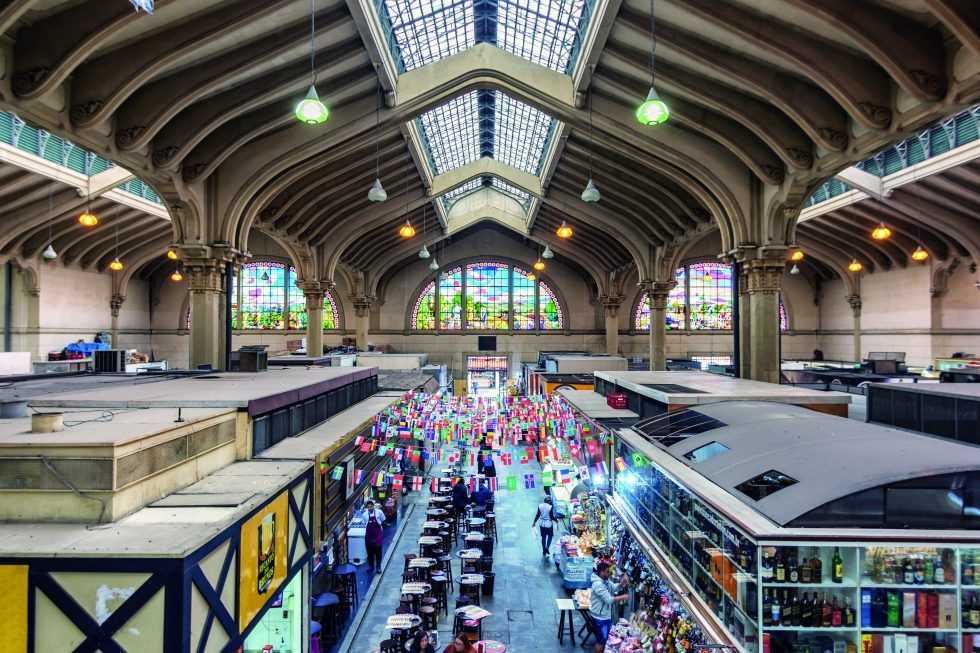
## Description Mercadão Municipal, or the Municipal Market of São Paulo, is one of the city’s most famous culinary landmarks and a destination that captures the energy of São Paulo in a single building. It is more than a market in the shopping sense; it is a place where food culture, commerce, architecture, and local identity collide. Travelers come for fruits, cheeses, spices, sandwiches, and the atmosphere of a bustling market hall that has long been part of the city’s everyday life. The market’s appeal lies in its combination of spectacle and practicality. On one level, it is a place where you can buy ingredients, taste regional specialties, and browse through stalls packed with produce and delicacies. On another level, it is an architectural and cultural experience, with a grand interior that makes the market feel significant beyond the transaction. The building’s scale and activity create a strong first impression, but the real charm comes from moving through the aisles, observing the vendors, and tasting what the stalls have to offer. One little-known fact is that the market has become famous not only for shopping but also for certain dishes that travelers now seek out as part of the São Paulo experience. The towering sandwich and generous pastel preparations associated with the market have turned it into a food destination in its own right. Another detail that visitors often notice is how strongly the market reflects the city’s diversity. The mix of products and culinary influences mirrors São Paulo’s broader identity as a metropolis built by migration, trade, and constant reinvention. Mercadão works especially well for travelers who like food tourism because it offers both immediate flavor and cultural context. You can snack, shop, and observe the market’s rhythm all at once. It is busy, colorful, and sometimes overwhelming in the best possible way. For many visitors, it becomes one of the most memorable food stops in the city precisely because it is so direct and unpretentious. ## Location Mercadão Municipal is in central São Paulo, Brazil, close to the city’s historic core and within reach of other downtown attractions. Its central location makes it convenient to reach by taxi, rideshare, metro, or bus depending on where you are staying. Because São Paulo traffic can be heavy, using public transit or a rideshare is often the easiest option for many travelers. If you are combining the market with a broader city itinerary, it fits well with downtown exploration, historic sites, and other central stops. The building itself is easy to identify, and once you are nearby, the surrounding energy makes the approach feel unmistakably urban. Many visitors plan the market as a lunch stop rather than a standalone excursion, which works well because food is the main draw. ## Tips Arrive hungry, but not without a plan. The market can be busy, and famous food stalls sometimes have lines. If you know you want to try a sandwich or other signature item, allow enough time so you do not feel rushed. Bring cash or be prepared for card use depending on the stall. Most established vendors handle modern payment methods, but it is still helpful to be flexible. Prices and portions can vary, so compare a little before committing. Watch your bag and belongings in crowded sections. This is a busy market in a major city, so basic urban awareness is sensible. The atmosphere is generally part of the fun, but attentiveness helps keep the visit smooth. Don’t only eat; look around. The produce, specialty items, spices, and architecture all contribute to the experience. If you have extra time, wander the aisles before deciding where to stop, because the market is richer when you let yourself explore first. ## Conclusion Mercadão Municipal is one of São Paulo’s essential food and culture stops, blending famous flavors with a lively market atmosphere. It is a great introduction to the city’s appetite, energy, and diversity. ## FAQ ### Is Mercadão Municipal worth visiting if I am not a foodie? Yes. Even beyond the food, the market offers atmosphere, architecture, and a strong sense of the city’s character. ### What should I try first? Many visitors look for the market’s most famous sandwiches and fruit stalls, but the best choice depends on your taste and appetite. ### Is it expensive? Prices vary by stall and product. You can find both casual snacks and more premium specialty items. ### How long should I stay? An hour or two is enough for a focused visit, though food lovers may want more time to browse and sample. ### Is it easy to reach from downtown? Yes. Its central location makes it a practical stop in most São Paulo itineraries. ## Links - [Wikipedia](https://en.wikipedia.org/wiki/Municipal_Market_of_S%C3%A3o_Paulo)
GemVoyage Team • World
Tokyo
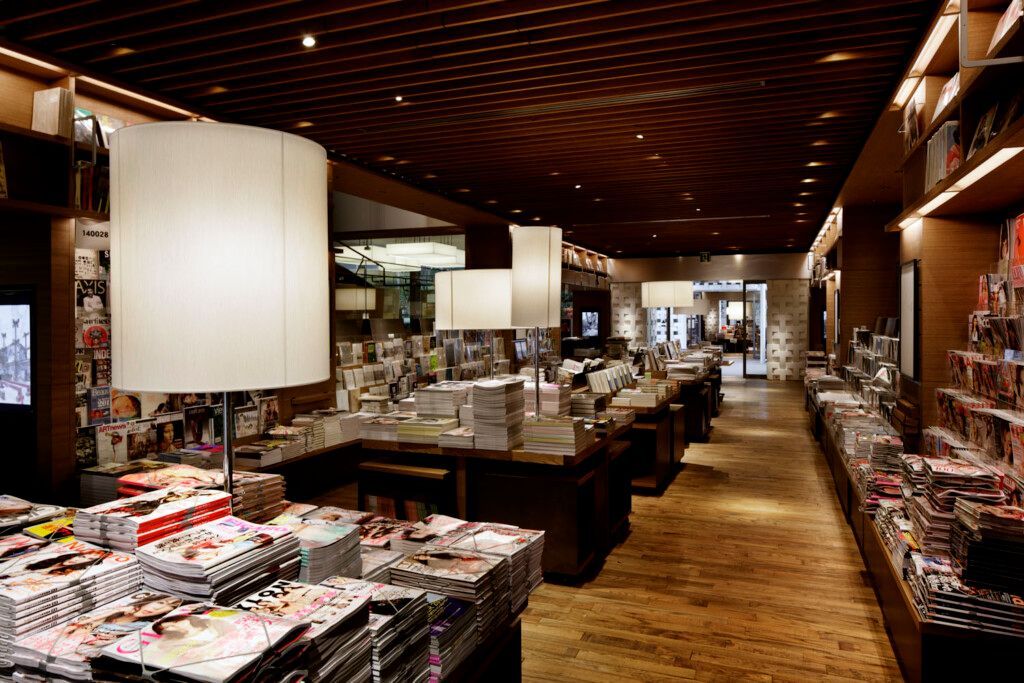
## Description Daikanyama T-Site is one of Tokyo’s most refined and visually appealing neighborhood destinations, and it stands out because it turns a bookstore into a complete lifestyle experience. Rather than being a single shop filled with shelves and cash registers, it is a carefully designed complex of books, magazines, cafés, architecture, and leisurely browsing spaces. Visitors come expecting to buy books, but many leave with a broader sense that they have spent time in a sophisticated urban retreat. The site is known for its elegant design and calm atmosphere, which feel especially striking in a city as fast and dense as Tokyo. Inside and around the complex, the pace slows. You can browse titles with no rush, sit down with coffee, and watch the neighborhood move at a gentler rhythm. That contrast is a big part of why Daikanyama T-Site is so loved by locals and travelers alike. It is not trying to compete with Tokyo’s biggest entertainment districts. Instead, it offers a more intimate and curated version of city life. One little-known fact is that the site is closely associated with Tsutaya’s concept of combining culture, retail, and hospitality into one seamless environment. Another is that the architecture and landscaping were designed to encourage lingering rather than quick transactions. You are meant to wander, pause, and discover. For travelers, this makes it a rare kind of attraction: a place that feels both commercially polished and genuinely calming. Daikanyama itself adds to the appeal. The neighborhood is known for its fashionable streets, independent boutiques, and a more residential, upscale feel compared with Tokyo’s more frenetic districts. That means a visit to T-Site works well as part of a relaxed afternoon spent exploring coffee shops, design stores, and quiet streets. Even if you are not a heavy reader, the atmosphere is enough to justify the stop. ## Location Daikanyama T-Site is in the Daikanyama neighborhood of Shibuya, Tokyo, Japan. It is situated in one of the city’s most stylish districts, close to other walkable areas that reward slow exploration. The site is easy to incorporate into a broader Shibuya or Ebisu itinerary. The simplest way to reach it is by train to Daikanyama Station, then a short walk through the neighborhood. Depending on where you are staying in Tokyo, you can also approach from nearby stations and enjoy the streets on foot, which is often the best way to experience the area. Tokyo’s public transport makes the attraction very accessible, and once you arrive, the surrounding neighborhood is compact enough to explore comfortably without needing any other transport. If you are planning a full day, combine Daikanyama T-Site with nearby cafés, design stores, or a walk toward Ebisu or Shibuya. That route gives you a more local-feeling experience than jumping between only the city’s largest tourist sites. ## Tips Go with time to spare. This is not a place to rush through, because the point is to browse and absorb the atmosphere. A relaxed visit will feel far more rewarding than a fast in-and-out stop. Try to arrive before the busiest café hours if you want a quieter experience. Morning and mid-afternoon often work well, depending on your broader Tokyo schedule. If you are interested in architecture, take a full lap around the complex before deciding where to sit. The design is part of the attraction, and the exterior spaces are as worth studying as the interiors. Pair the visit with a slow neighborhood walk. Daikanyama’s streets, small shops, and coffee spots help explain why the area has such a strong reputation for style and livability. The bookstore becomes even better when it is part of that larger setting. ## Conclusion Daikanyama T-Site is a polished but welcoming Tokyo attraction that combines books, design, and neighborhood charm. It is ideal for travelers who want a calm, stylish break from the city’s faster pace. ## FAQ **Is Daikanyama T-Site only for book lovers?** No. It is enjoyable even if you do not plan to buy books, because the design, cafés, and neighborhood atmosphere are a major part of the experience. **How long should I stay?** At least one hour, though many visitors stay longer because it is easy to linger over coffee and browsing. **Is it easy to reach from central Tokyo?** Yes. Public transport makes it very accessible, and the walk from the station is straightforward. **What makes it different from a normal bookstore?** It blends retail, architecture, and lifestyle space into one carefully curated environment. **Is it worth visiting if I have limited time in Tokyo?** Yes, especially if you want a calmer and more design-focused experience than the city’s major tourist hubs. ## Links - [Official website](https://store.tsite.jp/daikanyama/)
GemVoyage Team • World

Comments