GemVoyage Team • World
Tucked in the northeastern corner of Beijing, the 798 Art District is one of the most compelling destinations in all of China. What was once a sprawling complex of military and industrial factories has been transformed into a world-class hub for contemporary art, design studios, galleries, cafes, and cultural institutions. The district draws millions of visitors each year, from seasoned art collectors to curious travelers who simply want to walk through one of Asia's most visually striking urban landscapes.
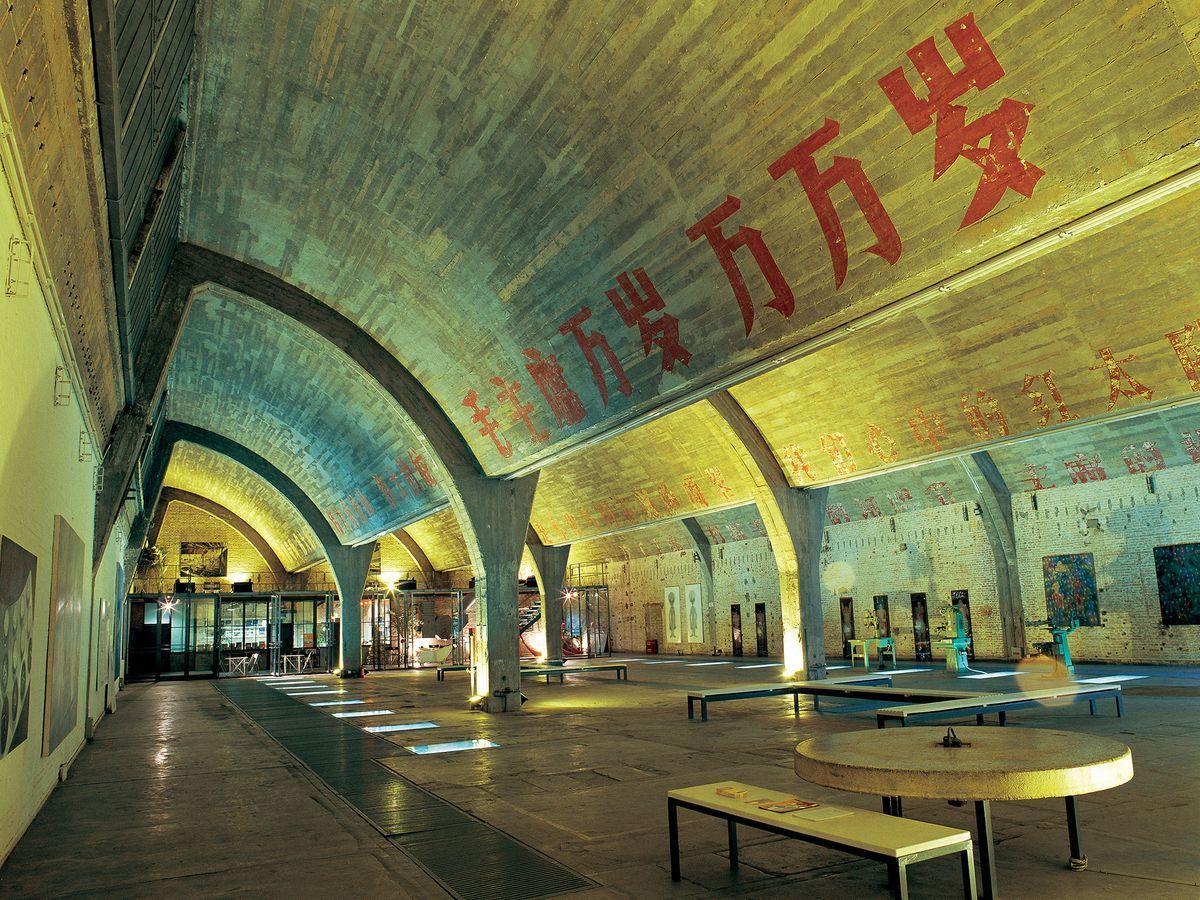
The complex was originally built in the 1950s with assistance from East German engineers, and the architecture reflects that influence heavily. The Bauhaus-inspired buildings, with their distinctive sawtooth roofs designed to let in consistent northern light, still stand largely intact. They now house some of the most important contemporary art galleries in Asia. Walking through the district feels like moving through layers of history: Cold War-era industrial slogans still painted on the walls sit side by side with bold modern installations and cutting-edge sculpture.
One little-known fact about 798 is that it was artists and designers who moved in illegally during the late 1990s and early 2000s, attracted by the cheap rent and massive open spaces, before the government formally recognized it as a cultural zone in 2006. Another lesser-known detail is that the district is named after Factory 798, which was just one of many factories in the complex known collectively as the 718 Joint Factory, originally built as part of China's first Five-Year Plan.
Today, the 798 Art District is home to over 200 galleries and art spaces, including branches of internationally recognized institutions. The streets between buildings are filled with large-scale outdoor sculptures and murals, making even a casual stroll through the area feel like a walk through an open-air museum. Annual events like the Beijing International Art Biennale and 798 Art Festival bring the district's creative energy to its peak.
The 798 Art District is located in the Chaoyang District of Beijing, China, in an area called Dashanzi. It sits in the northeastern part of the city, not far from the Beijing Capital International Airport and within reasonable distance of major city landmarks.
The most convenient way to get there is by taking the Beijing Subway to Line 14 and exiting at Jiangtai Station, from which the district is about a 10 to 15 minute walk or a short taxi ride. Alternatively, many visitors take a taxi or use a ride-hailing app like DiDi directly to the 798 Art District entrance. Buses also serve the area, with several routes stopping near Dashanzi. Despite being somewhat off the typical tourist trail, it is well connected to the rest of the city.
For those staying in central Beijing near Sanlitun or the CBD area, the journey by taxi typically takes 20 to 30 minutes depending on traffic.
The 798 Art District is far more than a tourist attraction. It is a living, breathing creative community that offers a genuine window into contemporary Chinese culture and the global art world. Its unique combination of preserved industrial architecture, international-caliber art, and vibrant street life makes it unlike anywhere else in Beijing or, indeed, in the world. Whether you are an art enthusiast, a photographer, a design professional, or simply a curious traveler, the 798 Art District deserves a place near the top of your Beijing itinerary.
What are the opening hours of the 798 Art District?
The outdoor streets and public areas of the district are accessible at all hours, but most individual galleries and studios are open from around 10:00 AM to 6:00 PM. Hours can vary by gallery, and some are closed on Mondays. It is advisable to check specific gallery websites if you have particular venues in mind.
Is the 798 Art District free to visit?
Entry to the district itself is free. Many of the galleries and outdoor installations are also free. However, some exhibitions and events charge admission fees. Budget a small amount in case anything you want to enter requires a ticket.
How much time should I spend in the 798 Art District?
Most visitors find that three to five hours is ideal for a satisfying visit. If you are a serious art enthusiast or plan to visit multiple galleries in depth, a full day is not excessive.
Is the 798 Art District suitable for children?
Yes, in general the district is suitable for families. The outdoor sculptures and the visual spectacle of the space tend to engage younger visitors. Some contemporary art exhibitions may contain mature themes, so parents should use their discretion when entering individual galleries.
Are there places to eat and drink in the district?
Yes, there is a good variety of cafes, restaurants, and small eateries scattered throughout the district. Options range from local Chinese food stalls to international cafes and upscale dining. The area is well suited for a leisurely lunch or a coffee break between gallery visits.
How large is the 798 Art District?
The district covers an area of approximately 60,000 square meters. It contains hundreds of galleries, studios, shops, and eating establishments across a network of streets and converted industrial buildings.
Discover more hidden gems you might love.
São Paulo
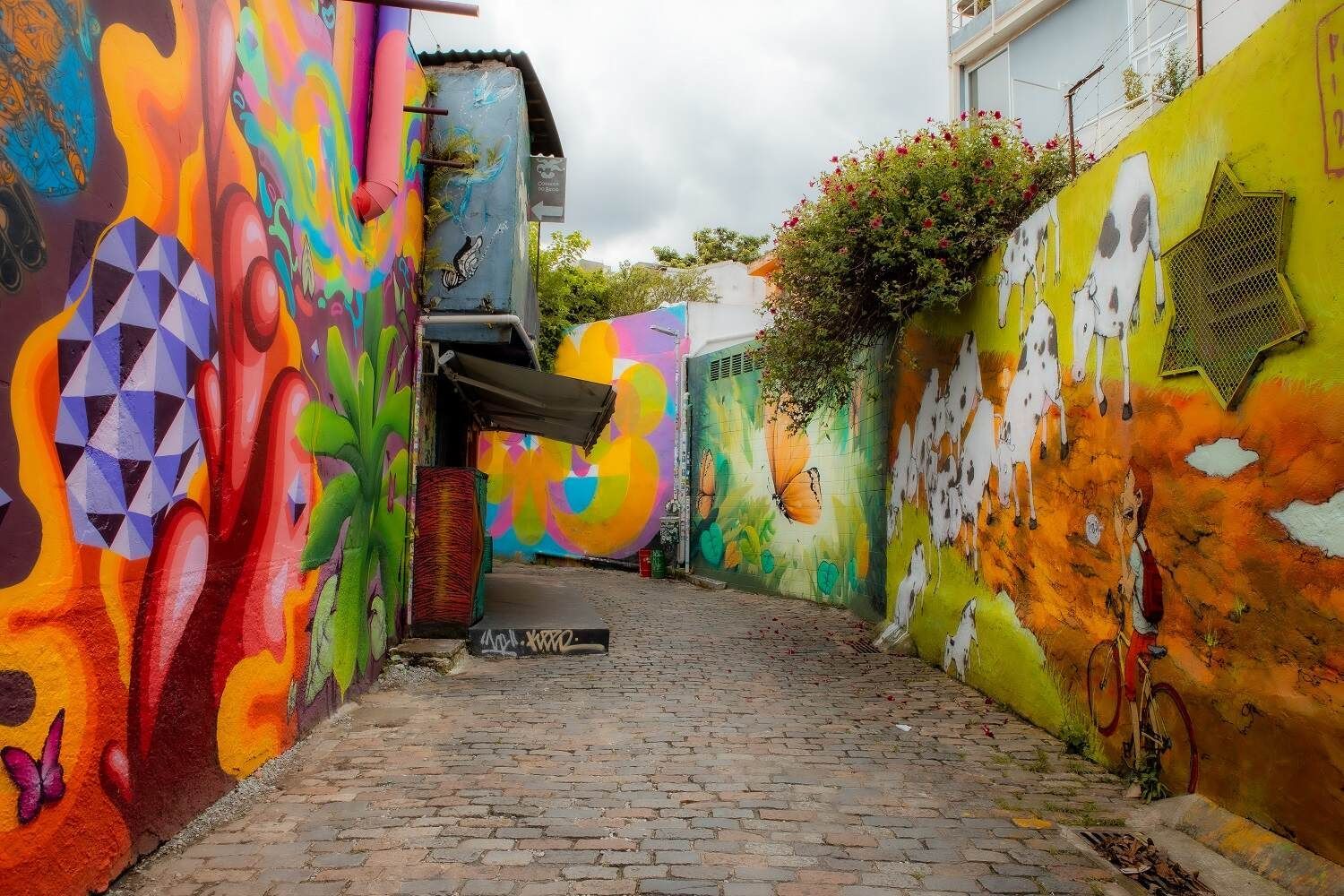
## Description Beco do Batman is one of São Paulo’s most iconic street art destinations and a place that has become synonymous with the city’s creative energy. Despite its name, it is not a theme park or formal attraction but a network of lanes and walls covered in murals, tags, stencil work, and large-scale painted pieces. It has evolved into a living open-air gallery where artists continuously refresh the visual landscape. For travelers who enjoy urban art, photography, and neighborhoods with strong personality, it is one of the most essential stops in São Paulo. The appeal of Beco do Batman lies in its intensity. The alleyways are saturated with color and expression, and the visual density creates a sense of immersion that is difficult to find elsewhere. Unlike a museum, where you move from one controlled artwork to another, here the environment itself is the canvas. That means the experience is messy, energetic, and constantly changing. Some murals are elaborate and polished, while others are rough, spontaneous, or politically charged. The overall effect is a conversation between artists rather than a single static exhibition. One little-known fact is that Beco do Batman’s fame has helped transform the surrounding area into a broader art and café destination, but the identity of the alley still depends on continuous community and artistic involvement. Another detail that visitors often notice only after a while is that the best works are not always the most obvious ones. Side walls, stairwells, and adjacent streets can contain murals that are just as compelling as the famous central stretches. It pays to wander beyond the most crowded photo spots. For many travelers, Beco do Batman is a reminder that São Paulo is not only a business and megacity destination but also a city with a deep public art culture. It is raw, expressive, and unmistakably urban. If you like places that feel alive rather than curated to perfection, this is one of the strongest neighborhoods to add to your itinerary. ## Location Beco do Batman is in the Vila Madalena neighborhood of São Paulo, Brazil, an area known for nightlife, creativity, cafés, and a lively street scene. The alley system is relatively easy to reach by taxi, rideshare, or public transit depending on where you are staying in the city. Once in the neighborhood, most of the experience is on foot, since the art is spread across walls and lanes rather than contained in a single building. The area is best approached as part of a wider visit to Vila Madalena. That makes it easier to combine the street art with coffee, lunch, shopping, or other urban exploration. Because São Paulo is large, planning the visit around your broader route can save time and make the day feel smoother. Walking is the best way to see the art once you arrive, and giving yourself enough time to move slowly is far more rewarding than rushing through for a handful of pictures. ## Tips Go during the day. Bright light makes the colors more vivid and makes the neighborhood easier to navigate. Some visitors return at different times of day to see how the light changes the murals, but daytime is the most practical introduction. Be ready to walk and look carefully. The most memorable pieces are not always on the main path, and some of the beauty comes from the accumulation of details. A slow pace will help you notice variations in style, scale, and technique. Support nearby businesses. A café, snack stop, or small purchase helps connect the art district to the broader neighborhood economy. That is especially important in a place where cultural tourism and local life overlap so closely. Respect the art and the space. Because this is an active street art environment, new works can appear and old ones can disappear. Avoid touching murals or blocking artists and residents. If you are photographing, keep an eye on foot traffic so you are not getting in the way. ## Conclusion Beco do Batman is one of São Paulo’s most energetic and visually rich attractions, ideal for visitors who want art in the open air and a neighborhood that feels creatively alive. It is a must for anyone interested in contemporary urban culture. ## FAQ ### Why is it called Beco do Batman? The name became associated with the area because of a Batman image painted on one of the walls, and the nickname stuck as the alley gained fame. ### Is it safe to visit? Many people visit during the day without issue, but it is still wise to stay aware of your surroundings and use normal urban caution. ### Do I need a tour? No, but a guide can help if you want context about the artists and neighborhood. Independent exploration is very common. ### How long should I spend there? A quick visit can take less than an hour, but a slower trip with nearby Vila Madalena exploration can easily take longer. ### Are the murals permanent? No. The art changes constantly, which is part of the attraction. What you see on one visit may not be there on the next. ## Links - [Wikipedia](https://en.wikipedia.org/wiki/Beco_do_Batman)
GemVoyage Team • World
Paris
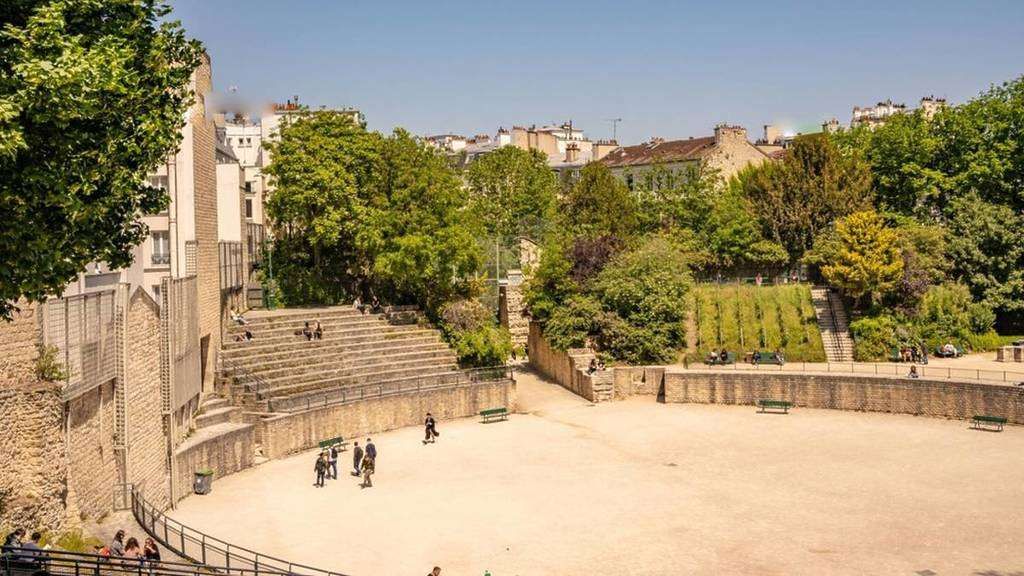
## Description **Arènes de Lutèce** is one of Paris’s most unexpected and historically significant sites: a **Roman amphitheater hidden in plain sight** within the Latin Quarter. Dating back to the **1st century CE**, it is among the oldest surviving monuments in the city and a rare physical reminder of Lutetia, the Gallo-Roman settlement that preceded modern Paris. Unlike the grand, fully preserved amphitheaters of southern France or Italy, the Arènes de Lutèce is fragmentary, modest in scale, and deeply embedded in its urban surroundings. This is precisely what makes it compelling. The remains include portions of the arena floor, tiered seating, subterranean chambers, and traces of the stage wall. In its prime, the amphitheater could accommodate **up to 15,000 spectators**, hosting gladiatorial combats, animal hunts, and theatrical performances. What sets the Arènes de Lutèce apart is its **history of disappearance and rediscovery**. After the fall of the Roman Empire, the structure was gradually dismantled and buried beneath medieval buildings. By the Middle Ages, its existence was largely forgotten. It was not rediscovered until the 19th century during urban works, and even then, much of it was threatened by redevelopment. The site was ultimately saved following public campaigns supported by prominent cultural figures, including Victor Hugo. A lesser-known fact is that the amphitheater served multiple secondary purposes over time. During the Middle Ages, stones from the structure were reused in nearby buildings, effectively dissolving it into the fabric of the city. Another overlooked detail is that today’s visible remains represent **only a fraction** of the original structure; much of it still lies beneath surrounding streets and buildings, preserved underground rather than reconstructed. Today, the Arènes de Lutèce functions as a **public space rather than a formal museum**. Locals play pétanque on the arena floor, children run along the ancient stone seating, and visitors sit quietly where Roman spectators once gathered. This coexistence of daily life and antiquity is rare in Paris and gives the site a lived-in authenticity that no curated exhibition could replicate. ## Location **Country:** France **Region:** Île-de-France **City:** Paris **Arrondissement:** 5th (Latin Quarter) The Arènes de Lutèce is located between Rue Monge and Rue de Navarre, in one of Paris’s most historic and intellectually rich neighborhoods. ### How to Get There * **By metro:** * Line 7 to **Place Monge**, then a 3–5 minute walk. * Line 10 to **Cardinal Lemoine**, followed by a short walk. * **By bus:** * Several bus lines serve the Latin Quarter and stop nearby. * **On foot:** * Easily reachable from the Panthéon, Jardin des Plantes, or the Seine’s Left Bank. * **By bicycle:** * Bike lanes and public bike stations are available in the area. ## Tips * **Visit during quiet hours:** Early mornings or weekdays offer a calmer atmosphere. * **Bring context with you:** There is minimal on-site interpretation; prior reading enhances appreciation. * **Respect the space:** It is both a historical site and a neighborhood park. * **Look for subtle details:** Notice the stonework and seating curves to visualize the original structure. * **Combine with nearby landmarks:** The Latin Quarter offers exceptional historical density within walking distance. * **Photography is allowed:** But be mindful of locals using the space. ## Conclusion The Arènes de Lutèce is a rare example of ancient history woven directly into the rhythm of modern urban life. Quiet, understated, and profoundly authentic, it offers a powerful reminder that Paris did not begin in the Middle Ages, but in the Roman world beneath its streets. ## FAQ **1. Is there an entrance fee?** No, entry to the Arènes de Lutèce is free. **2. How old is the amphitheater?** It dates back to the 1st century CE. **3. How long should I spend there?** Around **20 to 40 minutes**, depending on interest. **4. Is it a reconstructed site?** No, it consists of original remains with minimal restoration. **5. Is it suitable for children?** Yes, it is an open and informal space often used by families. **6. Why is it not better known?** Its modest size and lack of monumental reconstruction keep it off many tourist itineraries. ## Links * [Paris tourism official site](https://parisjetaime.com/eng/)
GemVoyage Team • World
Lille
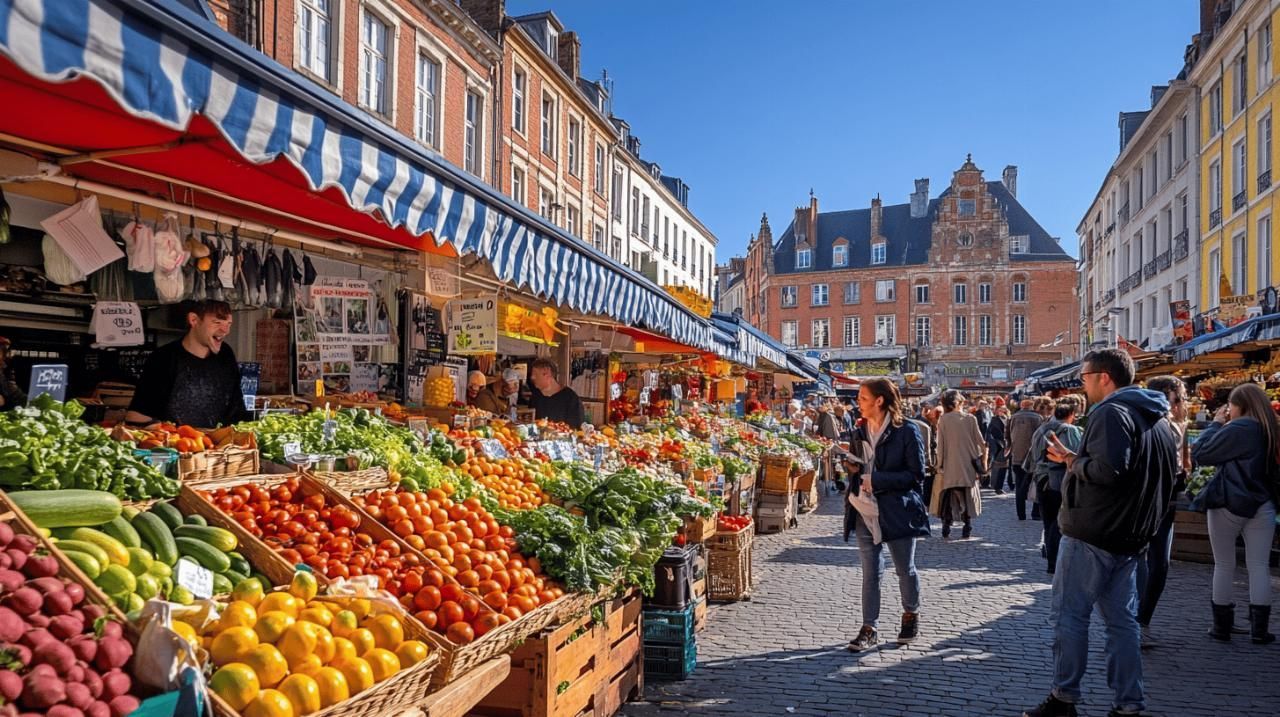
## Description Marché de Wazemmes is one of Lille’s most lively and beloved attractions, and it offers a strong sense of local character that many visitors immediately notice. The market is not polished in a museum-like way. Instead, it is bustling, practical, social, and full of everyday commerce. That is precisely why it is so appealing. If you want to understand Lille beyond its grand squares and architectural landmarks, the Wazemmes market shows how the city behaves at street level. The attraction lies in the atmosphere as much as in the products. Stalls fill the area with produce, flowers, textiles, spices, clothing, household items, and food from many different traditions. The market is animated by conversation and movement, with vendors and shoppers creating a rhythm that feels both organized and spontaneous. For visitors, it is an excellent place to observe local life while also picking up something useful or tasty. One lesser-known fact is that markets like this often reflect the cultural diversity of the neighborhood more clearly than any official sightseeing stop. Another detail many travelers enjoy is that the market changes character across the day and across the week. In the busiest periods, it can feel almost overwhelming in the best possible way, while quieter moments reveal the details of the stalls, the architecture around them, and the social habits of regular shoppers. Marché de Wazemmes is also appealing because it encourages a slower, more human style of sightseeing. You are not moving through a queue of objects behind glass. You are part of a living commercial environment where gestures, smells, colors, and sounds all matter. That makes the market especially memorable for travelers who prefer places with real local use over scripted tourist displays. The neighborhood itself adds to the visit. Wazemmes has an everyday urban energy that feels open and approachable. After the market, many visitors continue into nearby cafés or simply walk the streets to absorb the area’s personality. The market is one of those places where the surrounding context improves the experience. It tells you a lot about Lille’s identity as a northern French city with strong social and culinary traditions. ## Location Marché de Wazemmes is located in the Wazemmes district of Lille, Hauts-de-France, France, centered around the Place de la Nouvelle Aventure and the surrounding market streets. It is an easy stop if you are exploring Lille’s city center or nearby neighborhoods. The simplest way to reach it is by Lille Metro, with Wazemmes and nearby stations offering convenient access. From there, it is usually a short walk into the market area. Visitors can also arrive by bus, bike, taxi, or on foot if they are already spending time in central Lille. Since the market can become busy, public transport is often the most practical choice. ## Tips - Go early if you want the freshest produce and the easiest walking space. - Bring cash, since some vendors may prefer it over card payments. - Keep your bag secure in crowded sections. - Take your time and sample the market with all your senses, not just your eyes. - If possible, pair the visit with a café stop or a walk through the neighborhood after shopping. ## Conclusion Marché de Wazemmes is a lively, down-to-earth Lille market that gives visitors a real sense of the city’s daily rhythm and local flavor. ## FAQ ### Is Marché de Wazemmes good for tourists? Yes. It is especially good for travelers who enjoy local markets, food, and authentic neighborhood life. ### What can I expect to find there? Fresh produce, flowers, fabrics, household goods, food stalls, and many everyday products. ### Is it crowded? It can be very crowded at busy times, which is part of its appeal, but early visits are easier. ### How long should I stay? Most visitors spend 1 to 2 hours depending on whether they shop, eat, or simply browse. ### Is it easy to reach by public transport? Yes. Metro and bus access make it one of Lille’s more convenient market attractions. ## Links - [Lille tourism information](https://www.lilletourism.com/)
GemVoyage Team • World
Cairo
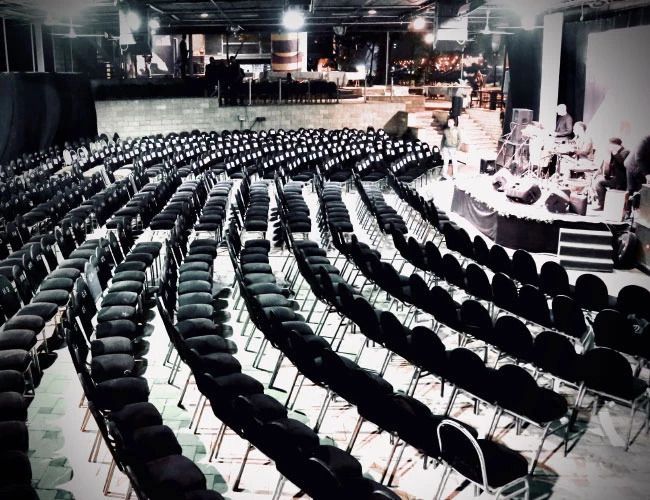
## Description El Sawy Culturewheel (often written as Sawy Cultural Wheel) is a dynamic cultural center in Cairo known for its eclectic program of theater, music, workshops, literary evenings, and community arts activities. Established by Egyptian cultural entrepreneur Mohamed El-Sawy, the center was conceived as a grassroots venue that supports independent artists, nurtures emerging talents, and brings diverse audiences together. The venue’s programming ranges from experimental theater and jazz nights to film discussions and children’s arts workshops, creating an urban cultural laboratory distinctly different from state-run institutions. What sets the Culturewheel apart is its commitment to accessibility and community engagement. It frequently offers affordable events, artists’ talks, and interdisciplinary collaborations that reflect contemporary Egyptian cultural life. A less obvious feature is the center’s role as a networking node—many artists and creative collectives in Cairo trace early collaborations back to events hosted at El Sawy, making it a quiet engine of the city’s cultural ecosystem. ## Location El Sawy Culturewheel is based on Gezira Island in the Zamalek district of central Cairo, Egypt, near the Nile’s western bank. Its central location on Gezira makes it easy to reach from many Cairo neighborhoods. Getting there: From downtown Cairo (Tahrir Square, downtown hotels) a short taxi or ride-share trip reaches Zamalek in under 20 minutes depending on traffic. Some visitors prefer the tram or river ferry options when available; walking across the Qasr El Nil bridge and heading into Zamalek is also feasible for those staying nearby. Parking can be limited during busy events, so public transport or a ride-hailing service is often most convenient. ## Tips - Check the schedule in advance: The Culturewheel’s program changes frequently; review upcoming events on their official channels or social pages to secure tickets for popular shows. - Arrive early: Some events are small and seat availability is limited; arriving early ensures a good seat and time to meet artists or buy refreshments. - Explore related venues: Zamalek has galleries, bookstores, and cafes; make an evening of it by combining a performance with dinner or a gallery visit. - Language: Many performances are in Arabic; however, cultural evenings often include bilingual presentations, translations, or summaries for international visitors—check event details if language is a concern. - Bring cash for smaller events and local craft stalls; bigger performances may accept card or online booking. ## Conclusion El Sawy Culturewheel is Cairo’s pulse for grassroots cultural life—an energetic space where performance, dialogue, and creativity intersect. For visitors interested in contemporary Egyptian arts or seeking a local, community-centered experience, the Culturewheel offers an accessible, varied, and memorable cultural program. ## FAQ Q: What kind of events are held at the Culturewheel? A: The center hosts theater, live music, film nights, literary readings, workshops, and children’s activities. Q: Is there an official timetable? A: Yes. Events are scheduled regularly—check the Culturewheel’s official announcement channels for the latest listings. Q: Are events in English? A: Many events are primarily in Arabic, but there are occasional bilingual events and programs aimed at international audiences. Q: Is the venue family-friendly? A: The center runs children’s workshops and family-oriented events—review event descriptions to verify suitability. ## Links - [Wikipedia: El Sawy Culturewheel](https://en.wikipedia.org/wiki/El_Sawy_Culturewheel) - [El Sawy Culturewheel official website](https://www.culturewheel.com/en)
GemVoyage Team • World
Arizona
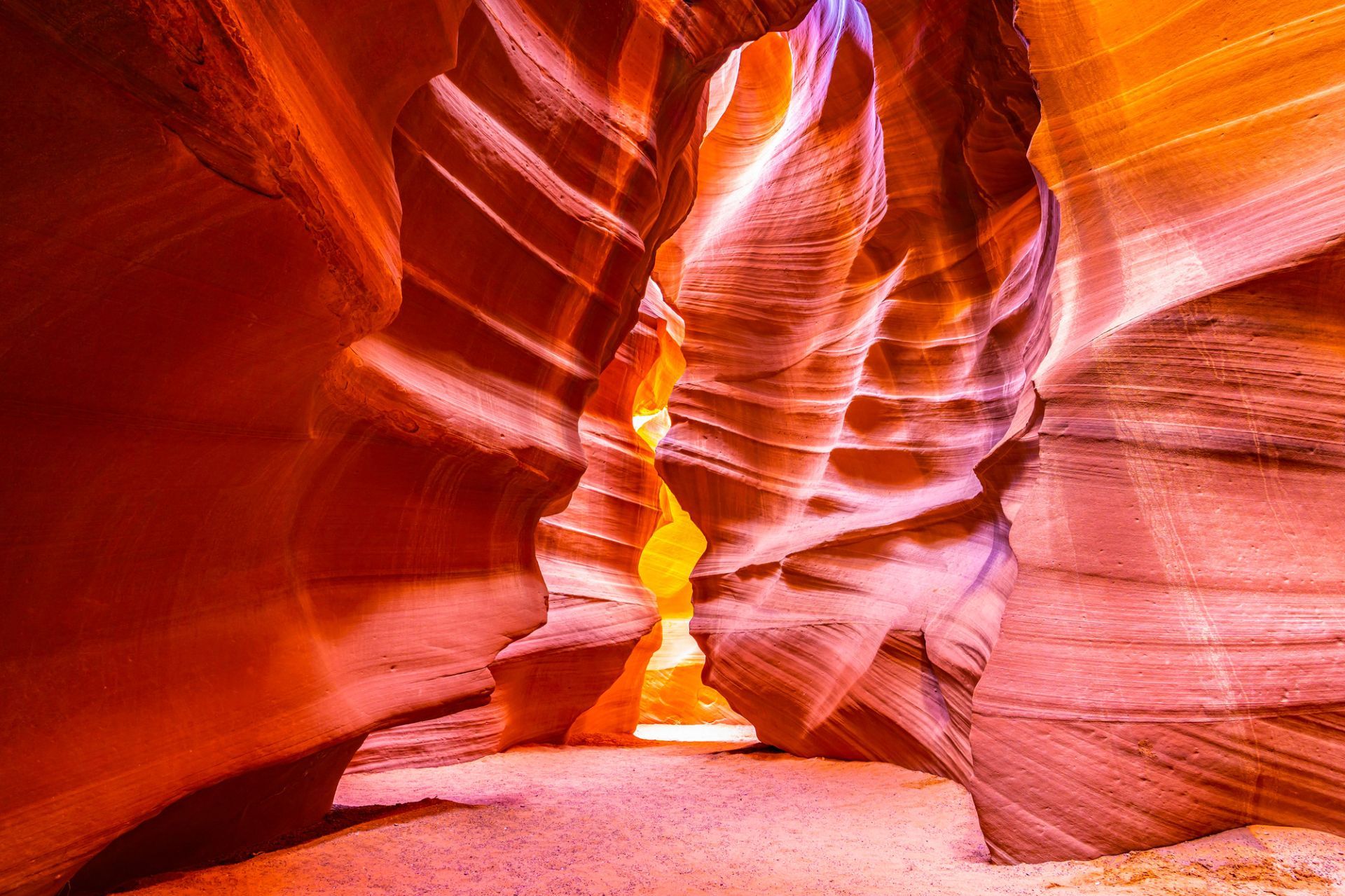
## Description Antelope Canyon, on Navajo land near Page, Arizona, is a set of narrow slot canyons carved into Navajo Sandstone by millennia of water and wind erosion. The result is a sequence of sinuous, polished walls that twist into narrow passages, channeling shafts of light into warm, copper-toned swirls that photographers prize. There are two main sections commonly visited: Upper Antelope Canyon (more iconic for vertical light beams in summer) and Lower Antelope Canyon (a more maze-like walk that requires climbing). The interplay of light, shadow and texture transforms the canyon’s interior into a living sculpture that changes with the sun’s angle. Antelope Canyon’s combination of geological finesse and cultural sensitivity makes it unique: it’s on Navajo Nation land and visits occur under Navajo guides who share cultural context and ensure conservation. The ephemeral quality of light in the canyon is the main draw, and every visit offers a subtly different visual story depending on time of day and season. Visiting Antelope Canyon is an intimate, often crowded experience that rewards patience and close observation. The sculpted walls are tactile and close, and the sense of enclosure makes small variations in light and dust dramatically affect composition. Guides routinely manage group flows and timing to optimize safety and photographic opportunity, and many operators now offer specialized photo tours that allow extra time or more flexible tripod policies. Safety is a constant priority — because slot canyons channel water, flash floods are a real hazard and tours may be altered or canceled in the face of storm risk. Respect for Navajo cultural protocols is also essential: guides often include stories and historical context that enrich a visit and reinforce why access is managed. Beyond the two main canyons, nearby attractions around Page — Horseshoe Bend, Lake Powell and Glen Canyon National Recreation Area — make the area a compact cluster of dramatic southwestern landscapes. Combining these sites into a short itinerary can balance the compressed, processed light of the slot canyons with broad, open panoramas of the Colorado River and surrounding desert. ## Location Antelope Canyon lies near Page, Arizona, in the southwestern United States on Navajo Nation land. The canyons are accessed by guided tours departing from Page; bookings are required, and many operators combine Antelope Canyon with nearby attractions like Horseshoe Bend and Lake Powell. Most tours meet in Page; travel to the canyon involves a short drive and, in some cases, a brief ride across Navajo lands to the canyon entrance. Tour operators coordinate closely with park officials and Navajo authorities; book in advance during peak seasons and confirm pickup details. Page has several accommodation options, from campgrounds to hotels, and is a good base for multi-day exploration of the region. ## Tips - **Book Navajo-guided tours:** Access to both Upper and Lower Antelope Canyons is restricted to authorized Navajo guides — book through reputable operators and respect cultural protocols. - **Time your visit for light:** For the classic light beams in Upper Antelope Canyon, mid-day in summer is preferred; other seasons offer softer, diffused light. - **Bring a tripod if allowed:** Some tours permit tripods (often in photo-specific sessions); check operator policies before arrival. - **Be mindful of flash floods:** Slot canyons can be hazardous during heavy rain; guides monitor weather and may cancel tours if flash flood risk exists. - **Protect your gear from sand:** The environment is dusty; use camera covers and clean gear after visits. - **Choose the right tour type:** Standard interpretive tours offer context and safety; photo tours are slower and often allow tripods but require advance booking. - **Expect narrow passages:** Lower Antelope requires more physical movement; wear comfortable clothes and be prepared to climb short ladders or squeeze through tight sections. - **Respect cultural guidance:** Photography of certain features or during ceremonies may be restricted — follow your guide's direction. - **Combine sites for variety:** Pair canyon visits with sunrise at Horseshoe Bend or a boat trip on Lake Powell to round out your visual narrative. ## Conclusion Antelope Canyon is a masterpiece of erosion and light — a place where sandstone artistry and cultural stewardship intersect to create intense photographic and contemplative experiences. Guided visits make it accessible while honoring its Navajo custodianship. Approach Antelope Canyon with curiosity and respect, and you’ll come away with a visceral appreciation for how water, time and human stewardship intersect. For photographers, the canyon is a study in subtle gradients and form; for travelers, it’s an opportunity to learn about the cultural landscape of the Navajo Nation while witnessing an extraordinary geological gallery. ## FAQ - **Q: Which is better, Upper or Lower Antelope Canyon?** - A: Upper is famed for light beams and is more accessible with level walks; Lower is narrower with ladders and a more adventurous feel. - **Q: Do I need a reservation?** - A: Yes — tours sell out, especially in peak season; book in advance. - **Q: Is Antelope Canyon wheelchair accessible?** - A: Accessibility varies: Upper has relatively easier access but still includes uneven surfaces; check specific operator accommodations. - **Q: Can I fly a drone near Antelope Canyon?** - A: Drone use is generally restricted in Navajo lands and near protected sites; check local rules and obtain permission where applicable. - **Q: What are the best months for photography?** - A: Summer delivers the strongest vertical beams around midday; spring and autumn provide softer light and cooler conditions, which many photographers prefer. - **Q: How long does a typical tour last?** - A: Standard canyon tours range from 45 minutes to 1.5 hours including access and return; photo tours may be longer. - **Q: Are there restrictions on clothing or equipment?** - A: Wear closed-toe shoes for lower canyon sections, protect gear from sand, and follow guide instructions for tripods or flash use. ## Links - [Antelope Canyon — Wikipedia](https://en.wikipedia.org/wiki/Antelope_Canyon) - [Navajo Nation Parks & Recreation](https://www.navajonationparks.org)
GemVoyage Team • World
Brussels
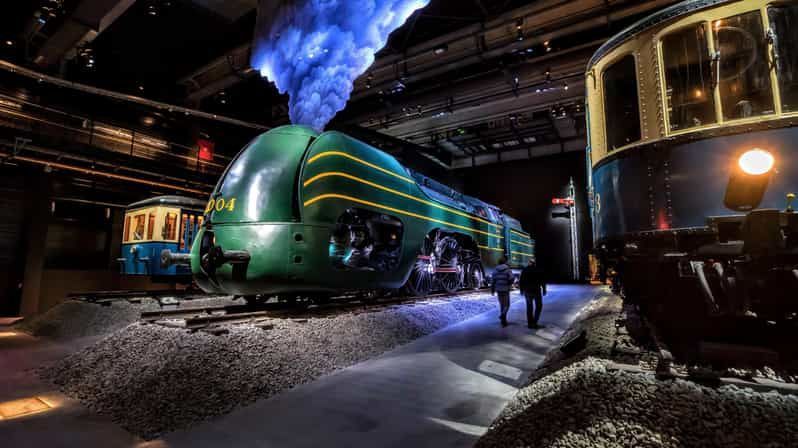
## Description Train World Museum is one of Brussels’ most distinctive museums because it turns rail history into a deeply immersive experience rather than a purely technical one. Located in the restored Schaerbeek railway station, the museum brings together locomotives, carriages, railway objects, design elements, and historical storytelling in a space that feels both monumental and accessible. For travelers who enjoy transport history, industrial heritage, or design, it is a standout attraction. Even for visitors who are not railway enthusiasts, the scale and presentation make it remarkably engaging. What makes Train World especially strong is how it balances spectacle and interpretation. You are not simply looking at engines behind barriers. You move through environments that explain the role of rail in Belgian life, the evolution of travel, and the aesthetics of the railway age. A lesser-known fact is that the museum occupies an architectural setting of real importance, since the station itself contributes to the atmosphere and historical context. Another detail many visitors find interesting is the way the museum uses lighting, layout, and display composition to make trains feel almost theatrical, which helps even casual visitors appreciate the engineering and cultural significance behind them. The collection includes both historic rolling stock and broader narratives about mobility, labor, and national development. That means the museum is not just about machines; it is about how railways reshaped cities, connected regions, and changed the way people moved through Europe. In Belgium, a country with a dense rail network and a deep industrial past, that story matters. Train World captures it in a way that feels serious without becoming dry. The museum also works well as a family stop because it offers enough visual drama to keep children interested while still rewarding adults who want historical context. It is one of those places where the experience is stronger than you may expect from the outside. ## Location Train World Museum is located in Schaerbeek, Brussels-Capital Region, Belgium, at the restored Brussels-Schaarbeek railway station. The site is northeast of central Brussels, making it easy enough to reach without being in the busiest tourist core. The station setting reinforces the museum’s subject matter and gives the visit a strong sense of place. The easiest way to reach Train World is by train, tram, or other public transport from central Brussels. Because it is a railway museum in a real railway station, arriving by rail is especially fitting and often the most straightforward option. Once you arrive, the museum is easy to navigate, and the surrounding area is manageable for a combined transport-and-history outing. It is a good idea to set aside enough time to move through the whole exhibition at a relaxed pace. The museum is richer when you let the sequence unfold naturally rather than rushing straight to the largest locomotives. ## Tips Allow at least two hours if you want to appreciate the museum properly. Go with children or transport enthusiasts if you can, but do not assume it is only for specialists. The presentation is strong enough for general visitors. Pay attention to the station architecture as well as the trains. The setting is part of the story. Check opening times in advance, especially if you are building it into a broader Brussels itinerary. If you enjoy design, photography, or industrial history, spend extra time with the details rather than rushing between the biggest exhibits. ## Conclusion Train World Museum is one of Brussels’ most impressive museums, combining railway heritage, architectural atmosphere, and thoughtful presentation. It is an excellent choice for travelers who want a museum that feels distinctive and memorable rather than generic. ## FAQ ### Is Train World only for train enthusiasts? No. It is enjoyable for anyone interested in history, design, transport, or immersive museum experiences. ### How much time should I plan? About 2 to 3 hours is a comfortable visit length for most people. ### Is it easy to reach from central Brussels? Yes. Public transport makes it straightforward, and arriving by train is especially appropriate. ### Is the museum suitable for families? Yes. The large-scale displays and varied presentation make it family-friendly and engaging for many age groups. ## Links - [Train World official site](https://trainworld.be/en/) - [Train World on Wikipedia](https://en.wikipedia.org/wiki/Train_World)
GemVoyage Team • World

Comments