GemVoyage Team • World
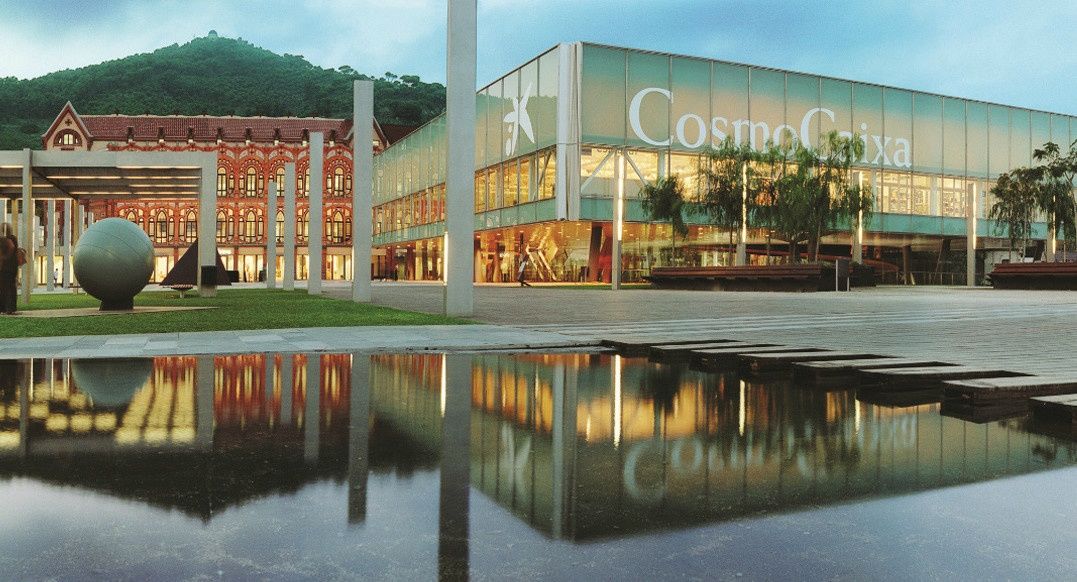
The CosmoCaixa Museum of Science, officially known as Museu de la Ciència CosmoCaixa, is one of Barcelona’s most engaging and educational cultural attractions. Designed to make science accessible, interactive, and enjoyable, the museum invites visitors of all ages to explore the natural world, physics, biology, and the universe through hands-on exhibits and immersive environments. It is widely regarded as one of the best science museums in Europe.
What makes CosmoCaixa unique is its emphasis on learning through experience rather than observation alone. The museum’s permanent exhibition spaces encourage visitors to touch, experiment, and question scientific principles. One of its most iconic features is the Flooded Forest, a large-scale recreation of an Amazon rainforest ecosystem complete with live plants, fish, and animals, offering an immersive look into tropical biodiversity. A lesser-known fact is that the museum building incorporates a dramatic architectural ramp system designed to guide visitors gradually through different levels of scientific exploration. Another interesting detail is that CosmoCaixa frequently updates its temporary exhibitions to reflect current scientific research and global challenges.
CosmoCaixa successfully combines modern museology, cutting-edge science communication, and striking architecture, making it a standout destination in Barcelona beyond the city’s more traditional art and history museums.
CosmoCaixa is located in Spain, in the autonomous community of Catalonia, within the city of Barcelona. It sits in the Sant Gervasi–La Bonanova district, slightly northwest of the city center, in a quieter residential area.
The museum is easily reached by public transport. Visitors can take the Ferrocarrils de la Generalitat de Catalunya (FGC) train to Avinguda Tibidabo or El Putxet stations, followed by a short walk. Several bus lines also stop nearby. For those traveling by car, parking facilities are available on-site, though public transport is generally the most convenient option.
CosmoCaixa Barcelona offers an engaging and thoughtful approach to science education through interactive exhibits and immersive environments. It is an ideal destination for families, students, and anyone curious about how the world works, providing a refreshing perspective on science in an accessible and enjoyable format.
Is CosmoCaixa suitable for children?
Yes, the museum is designed for all ages and includes many interactive exhibits for children.
How much time should I plan for a visit?
Most visitors spend between two and four hours exploring the museum.
Is there an entrance fee?
Yes, CosmoCaixa charges a modest entrance fee, with discounts for students, seniors, and families.
Are exhibits available in multiple languages?
Yes, most exhibits and information panels are available in Catalan, Spanish, and English.
Is the museum accessible for people with limited mobility?
Yes, the museum is fully accessible, with ramps, elevators, and adapted facilities.
Discover more hidden gems you might love.
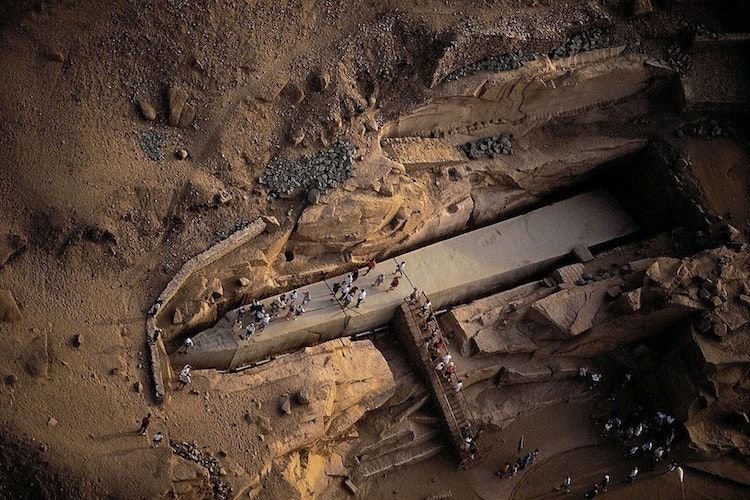
Aswan
## Description The Unfinished Obelisk in Aswan is one of the most fascinating archaeological sites in Egypt because it reveals how ancient builders actually worked. Instead of seeing a completed monument in a temple courtyard, visitors encounter a massive stone form still attached to the bedrock, frozen in the middle of the carving process. That unfinished state makes it uniquely valuable. It shows the scale, ambition, and practical difficulties of quarrying monumental stone in ancient times, offering a direct look at the labor behind some of Egypt's greatest monuments. What makes the site especially memorable is the sheer size of the obelisk. Standing beside it, you begin to understand how extraordinary these stone projects were and how much precision was required to extract them from the quarry. A lesser-known fact is that the obelisk is believed to have cracked during the carving process, which is why it was abandoned. That break is not a flaw in the experience; it is the reason the site is so informative. It gives archaeologists and visitors an unusually clear look at ancient methods and mistakes. ## Location The Unfinished Obelisk is located in Aswan, Egypt, near the city's historic granite quarries on the eastern bank of the Nile. It is part of the broader Aswan archaeological landscape and is easy to connect with other historic and cultural sights in the city. The site is typically reached by car, taxi, or organized sightseeing transfer from central Aswan, depending on where you are staying. Because the area can be hot and open, it is wise to visit earlier in the day. The quarry setting is part of the attraction, but it also means you should plan for direct sun and limited shade. Many visitors combine the stop with nearby monuments and museums to build a fuller Aswan history itinerary. ## Tips - Visit early to avoid the harshest heat and to make the stone surfaces easier to appreciate. - Bring water and sun protection, because the quarry environment offers limited shelter. - Allow time to study the carving marks and the break in the stone rather than rushing past. - Combine the site with other Aswan highlights to make the trip feel complete. - If you are interested in ancient engineering, consider a guide who can explain quarrying methods and transport techniques. - Wear shoes suitable for uneven ground, since the quarry surface is not always perfectly smooth. ## Conclusion The Unfinished Obelisk is compelling because it transforms an archaeological site into a lesson in ancient engineering. It is raw, direct, and educational, giving visitors a sense of scale that photographs alone cannot capture. ## FAQ ### Why was the obelisk left unfinished? It is believed that a crack appeared during the carving process, making the stone unusable for its intended purpose. Rather than being abandoned as a failure, the obelisk became an accidental record of how quarrying was done in ancient Egypt. ### How big is the Unfinished Obelisk? It is enormous, far larger than most visitors expect when they first see the quarry. Its size is one of the main reasons it is so memorable. The unfinished form helps you realize how much stone had to be removed and shaped by hand. ### Is the site worth visiting if I am not an archaeology expert? Yes. You do not need specialist knowledge to appreciate the scale and the story. Even casual visitors usually find it interesting because it is one of the clearest demonstrations of ancient craftsmanship in Egypt. ### How much time do I need there? A focused visit can take less than an hour, but you may want longer if you enjoy archaeology or photography. The site is often best paired with other Aswan attractions so the trip feels fuller and more efficient. ### What makes this site different from other Egyptian monuments? Most monuments show the finished result, while the Unfinished Obelisk shows the process. That is what makes it so valuable. It reveals technique, scale, and difficulty in a way that polished monuments cannot. ## Links - [Wikipedia](https://en.wikipedia.org/wiki/Unfinished_Obelisk)
GemVoyage Team • World
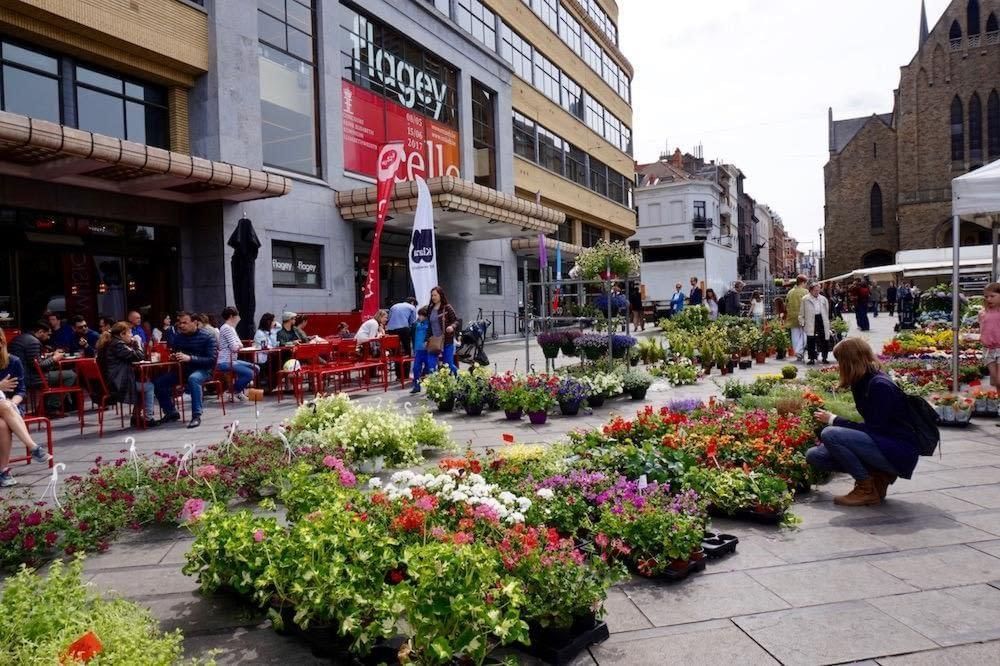
Brussels
## Description Flagey Square Market is one of the most characterful weekly markets in Brussels, and it feels less like a simple shopping stop than a snapshot of the city’s everyday rhythm. Set around the wide, lively Place Flagey in Ixelles, the market brings together fresh produce, flowers, cheeses, baked goods, spices, and the kind of seasonal local ingredients that reveal how Brussels really eats. For visitors, its appeal is not just what is sold but how the place works as a social scene: neighbors catch up over coffee, families fill baskets for the week, and travelers get a direct taste of the city beyond the usual museum circuit. What makes Flagey Square Market especially memorable is the contrast between its practical purpose and its setting. Place Flagey is bordered by elegant urban architecture and sits near the ponds of Ixelles, which means a trip to the market can easily turn into a broader walk through one of Brussels’ most attractive districts. A lesser-known detail is that the square is closely associated with Brussels’ cultural life, so the market often feels like it belongs to a wider neighborhood ecosystem of design, music, and café culture rather than standing alone as a tourist attraction. Another advantage is the market’s pace: it is big enough to be interesting, but not so overwhelming that it loses its local feel. If you are interested in food travel, Flagey Square Market is a place to observe small but revealing habits. Look for vendors selling regional cheeses from Wallonia, seasonal fruit that reflects the calendar rather than a global supermarket standard, and flowers that are often carried home by residents heading back to nearby apartments. The best markets are the ones where the transaction is only part of the experience, and this one excels because it invites lingering, tasting, and people-watching in equal measure. You can come away with ingredients for a picnic, a gift for someone back home, or simply a better understanding of Brussels as a lived-in city. It is also a strong choice for travelers who prefer neighborhoods over monuments. The market gives you a reason to spend time in Ixelles, an area with a cosmopolitan reputation but also a distinctly Brussels identity. That balance of local routine and cosmopolitan variety is what makes Flagey Square Market worth including in any city itinerary. ## Location Flagey Square Market is located at Place Flagey in Ixelles, Brussels-Capital Region, Belgium. The square sits in the southeastern part of central Brussels, close to the Ixelles Ponds and within easy reach of the city’s main cultural and dining areas. It is one of the most walkable parts of Brussels, and that is part of the attraction: the market can be paired with a stroll around the ponds, a coffee in the Flagey neighborhood, or a longer walk toward Avenue Louise and the surrounding streets. Getting there is straightforward. From central Brussels, the easiest route is often public transport, especially trams or buses that connect the square with major districts and the city center. If you are staying in Ixelles or near the European Quarter, a taxi or rideshare is simple, but public transport usually provides the most efficient and authentic option. Walking is also realistic if you like to explore Brussels on foot, though the distance will depend on your starting point. Cycling can work well too, especially on a good weather day, since the neighborhood is relatively bike-friendly by urban standards. If your goal is to visit the market at its best, aim for a morning arrival. That is when the produce is freshest and the atmosphere is most active, with enough local shoppers to create energy without making the aisles feel crowded. Pairing the market with the nearby ponds is one of the smartest ways to structure a half-day in Brussels. ## Tips Arrive early if you want the widest choice of fruit, bread, cheese, and prepared foods. Later in the day you may still find good items, but the market is more rewarding when stock is full and the pace is relaxed. Bring a reusable bag or two. Markets like this are at their best when you can buy a few things spontaneously, and having a bag makes it easy to leave with snacks, picnic ingredients, or a small bouquet of flowers. Carry some cash, even if many vendors accept cards. Markets are practical places, but payment habits can vary from stall to stall, and cash can save time when you are buying a small item. Do not rush. Flagey Square Market is not only about shopping; it is also about atmosphere. Stop for coffee, ask vendors what is in season, and pay attention to the products locals reach for most often. That is often the best guide to quality. If the weather is pleasant, plan to continue to the Ixelles Ponds after the market. That small extension turns a food stop into a genuinely enjoyable neighborhood outing. ## Conclusion Flagey Square Market is one of Brussels’ best places to experience local life at street level. It combines food, neighborhood character, and a pleasant urban setting in a way that feels genuine rather than staged. For travelers who want a market that reflects the city’s daily rhythm, it is an excellent stop. ## FAQ ### When is Flagey Square Market open? Market days can vary by season and local scheduling, so it is best to check current opening times before you go. In general, the busiest and most rewarding hours are in the morning, when produce selection is strongest and the atmosphere feels most lively. ### Is Flagey Square Market good for tourists? Yes. It is especially good for visitors who want to see a neighborhood market that locals actually use. It is also easy to combine with nearby walks, cafés, and the Ixelles Ponds, so it fits naturally into a city day. ### What should I buy there? Fresh fruit, bread, cheese, flowers, and seasonal snacks are the most reliable purchases. If you want a taste of Brussels, look for local dairy products, pastries, or ingredients that are clearly tied to the season. ### How long should I spend there? Most visitors will enjoy 45 minutes to 2 hours, depending on whether they want to shop, eat, and explore the surrounding neighborhood. If you plan a full brunch or picnic outing, you may want even longer. ## Links - [Flagey](https://www.flagey.be/en) - [Place Flagey on Visit Brussels](https://visit.brussels/en/place/place-flagey)
GemVoyage Team • World
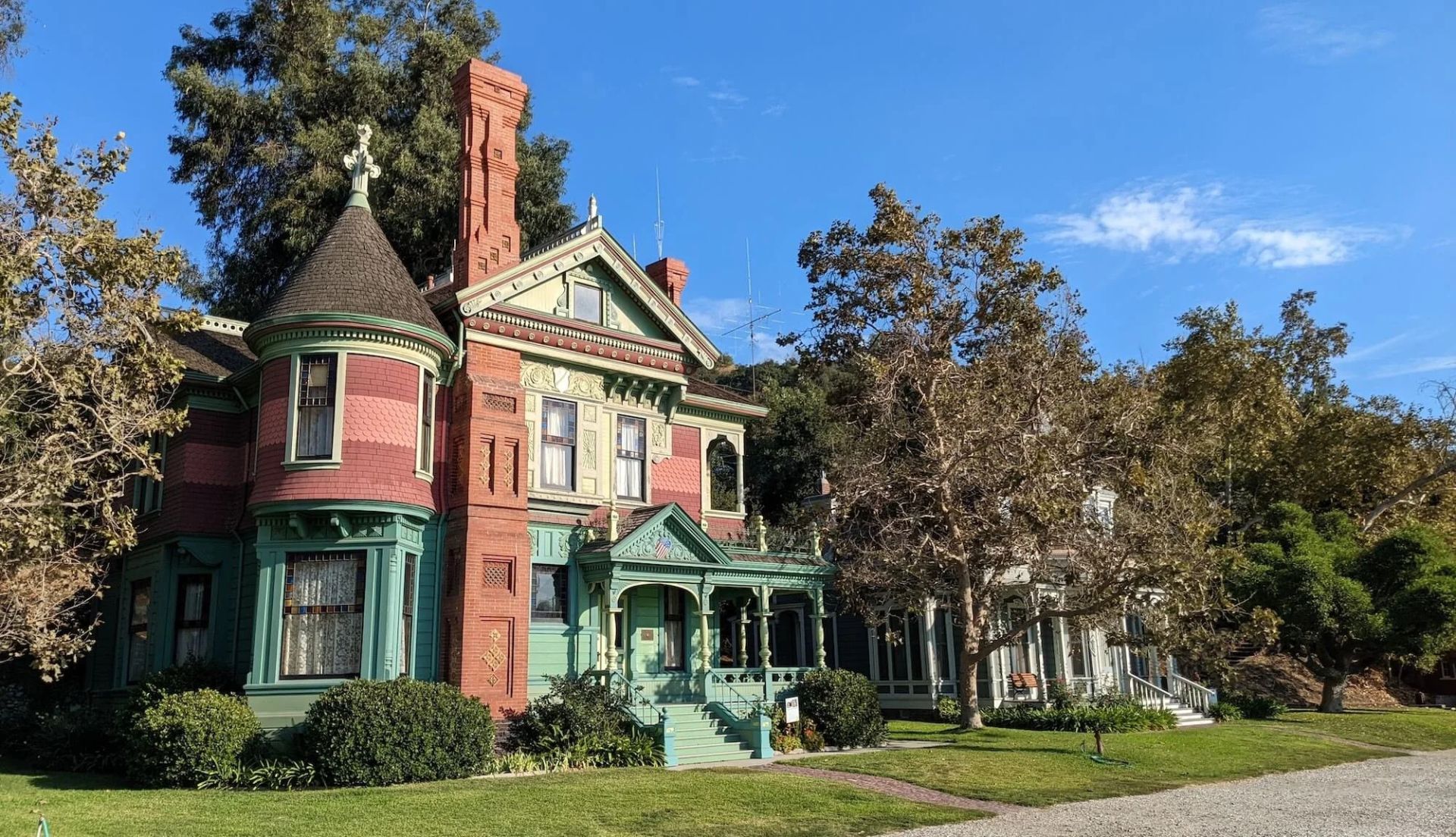
Los Angeles
## Description Heritage Square Museum is an extraordinary open-air architectural museum that gathers Victorian and early 20th-century houses and outbuildings within a single historic district to showcase Southern California’s built environment and social history. Each structure has a carefully reconstructed exterior and interpreted interior that reveal the craftsmanship, decorative trends, and daily rhythms of life from a period when Los Angeles was transforming from a frontier town into a burgeoning metropolis. The museum stands out for the authenticity of its fabric: original trim, stained glass, tile, and millwork are preserved or painstakingly restored, and many interiors are furnished with period-appropriate objects to convey domestic stories. Preservation workshops on site keep traditional trades alive—carpentry, plasterwork, and decorative finishes are practiced as living crafts, which both supports ongoing maintenance and educates visitors about restoration techniques. Beyond architecture, Heritage Square interprets social history. Exhibits explore how families lived, worked, and entertained across different socioeconomic strata, and the museum’s programming—guided tours, living history demonstrations, and seasonal festivals—brings these narratives to life. Special events often highlight conservation issues and the ongoing need to protect historic urban fabric in the face of development pressures. For scholars, students, and casual visitors alike, the site offers layered experiences: a close reading of architectural detail, hands-on learning in workshops, and interpretive narratives that connect buildings to broader histories of migration, industry, and urban change. Its role as a rescue repository—structures moved and reassembled to avoid demolition—adds an extra dimension: many buildings carry stories of mid-century urban renewal and community efforts to preserve heritage. ## Location Heritage Square Museum is located in the Montecito Heights neighborhood of Los Angeles, California, a short drive northeast of downtown Los Angeles. The setting—on a hillside with city views—provides a scenic backdrop for exploring an era of American domestic architecture. Getting there: Driving is the most convenient option; limited on-site parking is available. Public transit can be used but often requires transfers and a short walk—check local transit schedules and plan for extra time. Rideshare and local taxis are convenient alternatives. Pair a visit with nearby cultural stops, such as the Huntington Library or local hillside parks, to create a fuller day of exploration. ## Tips - Check the museum’s tour schedule and special-event calendar before you go; guided tours offer the most context and are often led by knowledgeable docents. - Wear comfortable shoes—paths through the outdoor site can be uneven and some properties require short climbs. - Give yourself at least two hours to explore; the combination of interiors, workshops, and outdoor exhibits rewards a relaxed pace. - Bring a camera for exterior architectural photography; observe interior photography rules where posted and respect exhibit boundaries. - If interested in historic trades, inquire about workshop schedules or volunteer opportunities—many preservation skills are demonstrated on site. - Visit in spring or fall for pleasant weather and outdoor events; summer can be warm and winter may bring cooler, wetter days. ## Conclusion Heritage Square Museum preserves an essential chapter of Southern California’s architectural story. By combining rescued structures, conservation workshops, and interpretive programming, it offers a hands-on way to understand historic building crafts and the lives of the people who inhabited these homes. It is an inspiring stop for anyone interested in architecture, preservation, and urban history. ## FAQ Q: Are there guided tours? A: Yes. The museum runs scheduled guided tours and special programs; tours are recommended for first-time visitors to gain historical context and architectural insight. Q: Is the site family-friendly? A: Yes. The museum offers family-oriented programs and activities; children can learn about historic life through interactive demonstrations. Q: Can event spaces be rented? A: Select areas may be rented for private events, though availability and restrictions vary—contact the museum’s events office for details. Q: Are there volunteer opportunities or workshops? A: Yes. The museum often offers volunteer roles, preservation workshops, and demonstrations of traditional trades—check the calendar or volunteer page for current options. Q: Is the site wheelchair accessible? A: Some areas have limited accessibility due to the nature of historic structures and terrain; the museum can provide guidance on accessible routes and accommodations. Q: What’s the best way to learn about restoration techniques demonstrated on site? A: Attend preservation workshops, guided tours that focus on conservation, or scheduled demonstrations—these sessions are designed to explain both craft techniques and the rationale behind repair choices. ## Links - [Heritage Square Museum (official)](https://www.heritagesquare.org) - [Wikipedia: Heritage Square Museum](https://en.wikipedia.org/wiki/Heritage_Square_Museum)
GemVoyage Team • World
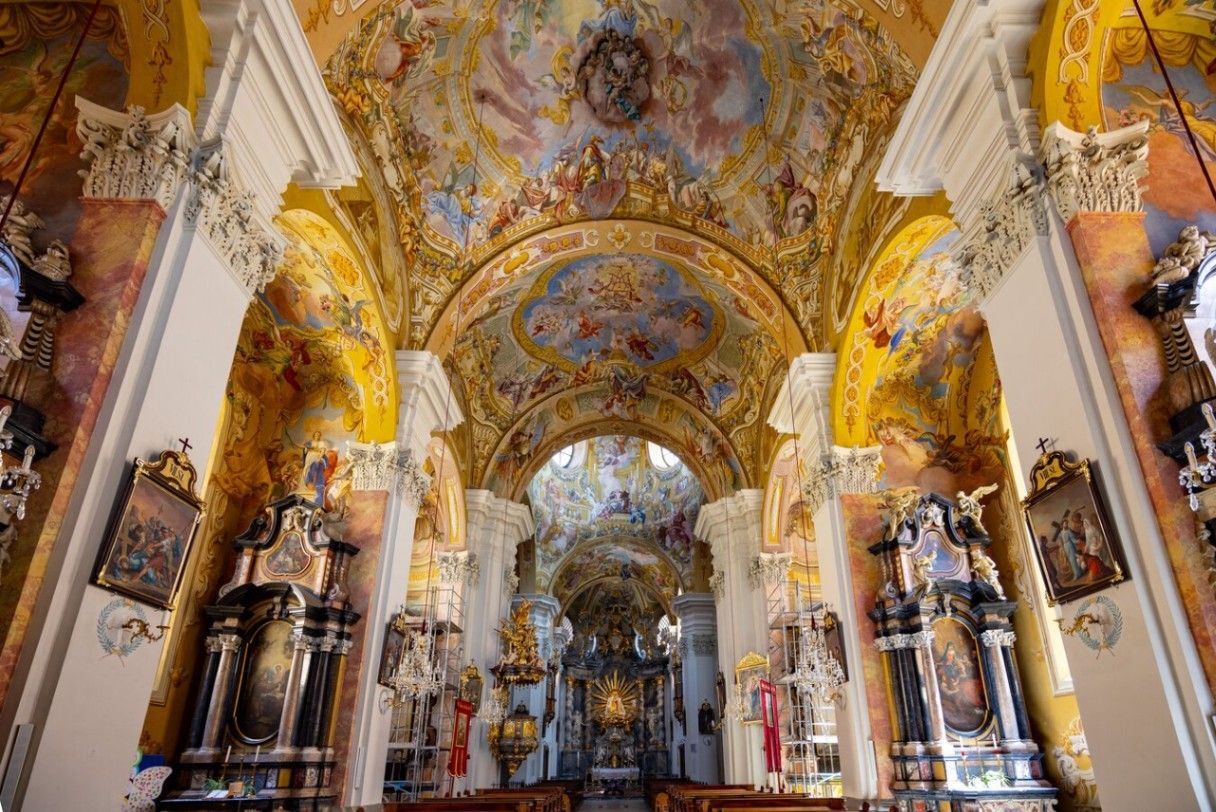
Graz
## Description **Basilika Mariatrost** is the most important pilgrimage church in the region of Styria and one of the most visually striking religious landmarks in Graz. Perched on a hill overlooking the eastern edge of the city, the basilica is a masterpiece of **Austrian Baroque architecture**, instantly recognizable by its twin towers and commanding elevated position. More than a place of worship, it represents centuries of faith, healing traditions, and regional identity. Construction of the basilica began in the early 18th century under the patronage of the Pauline Order, following reports of miraculous healings associated with a statue of the Virgin Mary. The church was intentionally built high above the surrounding landscape, reinforcing its role as a spiritual refuge removed from everyday life. Its grand staircase—over 200 steps long—adds a sense of ritual to the approach, turning the journey itself into part of the pilgrimage experience. Inside, the basilica is richly decorated with frescoes, gilded altars, and intricate stucco work. The high altar frames the revered **Marian statue**, the spiritual heart of the church. One lesser-known fact is that the church temporarily lost its religious function during Emperor Joseph II’s reforms in the late 18th century and was repurposed before later being restored as a pilgrimage site. Another notable detail is that Mariatrost was elevated to the status of a **minor basilica** by the Vatican in 1999, recognizing its historical and spiritual significance. Despite its religious importance, Basilika Mariatrost is also appreciated for its **panoramic views**, serene atmosphere, and harmonious integration with the surrounding greenery. It attracts pilgrims, architecture enthusiasts, photographers, and visitors seeking quiet contemplation. ## Location **Country:** Austria **Region:** Styria **City:** Graz **District:** Mariatrost The basilica is located in the **northeastern part of Graz**, on a wooded hill that rises above the Mariatrost district. ### How to Get There * **By tram:** * Take **Tram Line 1** from Graz city center to the final stop, **Mariatrost**. From there, it is a short walk to the basilica. * **On foot:** * Walking routes and pilgrimage paths lead uphill from the tram stop. * **By car:** * Accessible by local roads, with limited parking available nearby. * **By bicycle:** * Possible for experienced cyclists, though the ascent can be steep. ## Tips * **Climb the staircase at least once:** It enhances the sense of arrival and offers changing views. * **Visit in the morning or late afternoon:** The light is softer, and the atmosphere is quieter. * **Dress respectfully:** The basilica is an active place of worship. * **Attend a service if possible:** Music and acoustics add depth to the experience. * **Combine with a walk:** The surrounding area has pleasant walking paths and forest trails. * **Photography is best outside:** Interior photography may be restricted during services. ## Conclusion Basilika Mariatrost is both a spiritual landmark and an architectural highlight of Graz. Its elevated position, Baroque elegance, and centuries-old pilgrimage tradition make it a meaningful destination for visitors seeking history, culture, and calm above the city. ## FAQ **1. Why is Basilika Mariatrost important?** It is the most significant pilgrimage church in Styria, centered around devotion to the Virgin Mary. **2. Is there an entrance fee?** No. Entry to the basilica is free. **3. How long should I plan for a visit?** Around **45 minutes to 1.5 hours**, depending on whether you attend a service or explore the surroundings. **4. Is the basilica accessible for people with limited mobility?** Yes, though the main staircase is steep; alternative access routes are available. **5. Can tourists visit during services?** Yes, but visitors should remain respectful and avoid photography. **6. What is the best time of year to visit?** Spring and early autumn offer pleasant weather and clear views. ## Links * [Official Graz tourism site](https://www.graztourismus.at)
GemVoyage Team • World
Lille
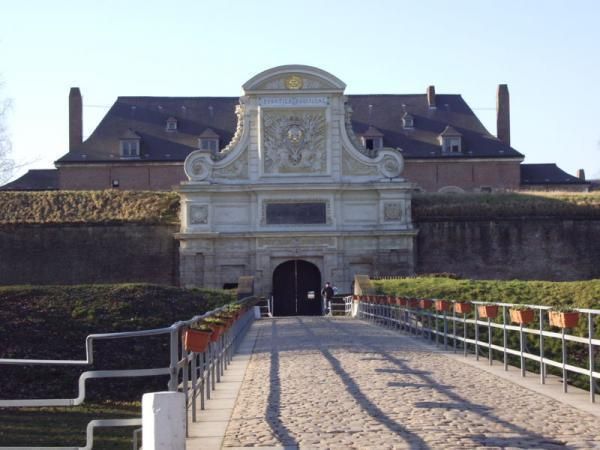
## Description The Citadel of Lille is one of the most impressive military structures in France and a major reason the city is often mentioned in discussions of European fortress design. Built in the 17th century under the direction of Vauban, the citadel is a star-shaped defensive complex that demonstrates both engineering precision and political ambition. It was intended to protect Lille after the city came under French control, and today it stands as a reminder of how military architecture could also shape a city's identity and landscape. What makes the citadel special is that it is not only technically significant but also visually elegant. Its geometric form, wide moats, robust bastions, and open green surroundings make it feel like a fortress designed by someone who understood both defense and urban order. Even if you are not deeply interested in military history, the citadel is compelling because of how it connects architecture, public space, and the natural environment. It is both a monument and a park-like setting, which gives it a very different feeling from densely built old-town landmarks. One little-known fact is that the Citadel of Lille is sometimes referred to as the "queen of citadels" because of its importance in Vauban's defensive system. Another detail many visitors miss is how well the structure fits into the modern city. Although originally conceived for warfare, the citadel now helps define a recreational and cultural zone where walking, cycling, family outings, and visits to nearby attractions all take place. That transformation from military stronghold to civic landmark is part of what makes the site interesting today. The citadel also helps visitors understand Lille's broader history. The city sat near contested borders for centuries, so fortifications were more than symbolic; they were necessary tools of survival and control. Standing at the citadel, you can sense the strategic value of the location and see how a military engineer like Vauban thought about terrain, sightlines, and access. For architecture lovers, history enthusiasts, and casual walkers alike, it is one of Lille's most rewarding destinations. ## Location The Citadel of Lille is in Lille, in the Hauts-de-France region of France, west of the historic center near the Deûle River and surrounding parkland. Its location makes it easy to combine with a broader exploration of Lille's old quarters, especially if you are already spending time around the city center. Unlike a fortress in a remote military zone, this citadel sits comfortably within the urban fabric while still feeling spacious. Getting there is simple by foot, bicycle, or local transport. If you are staying in central Lille, a walk to the citadel is pleasant and reveals how the city's layout changes as you move from dense streets to more open green space. Buses and taxis can also bring you close, but many visitors prefer to use the approach as part of a longer stroll. Because the citadel is surrounded by parks and walking routes, it works especially well as part of a relaxed day outdoors. You can combine it with the nearby zoo, river paths, or other west-side attractions if you want to make the most of the area. ## Tips Allow time for the surroundings as well as the fortress itself. The citadel's setting in parkland is one of its greatest strengths, and the experience improves when you treat it as part of a broader walk rather than a quick photo stop. If you are interested in military history, read a little about Vauban before visiting. His work shaped many French fortifications, and understanding his methods makes the citadel much more meaningful. Visit in good weather if you want to enjoy the outdoor environment fully. The site is enjoyable year-round, but clear conditions make the geometry and scale easier to appreciate. Bring comfortable shoes or use a bicycle if you plan to cover more of the surrounding area. The citadel fits naturally into an active day in Lille and is especially pleasant for travelers who enjoy a mix of history and open-air walking. ## Conclusion The Citadel of Lille is a landmark of French military architecture and a beautiful place to understand the strategic history of the city while enjoying one of its most open and pleasant landscapes. ## FAQ ### Who built the Citadel of Lille? It was designed by Vauban, the famous French military engineer, in the 17th century. ### Why is the citadel important? It is important because it is one of the best examples of Vauban's fortification work and a key part of Lille's historical defense. ### Can you visit the citadel today? Yes. The area is accessible and widely used for walking and recreation, though access may vary in specific sections. ### Is it close to Lille's city center? Yes. It is located west of the center and is easy to reach on foot or by local transport. ## Links - [Lille tourism](https://www.lilletourism.com/) - [Wikipedia article](https://en.wikipedia.org/wiki/Citadel_of_Lille)
GemVoyage Team • World
Gelderland
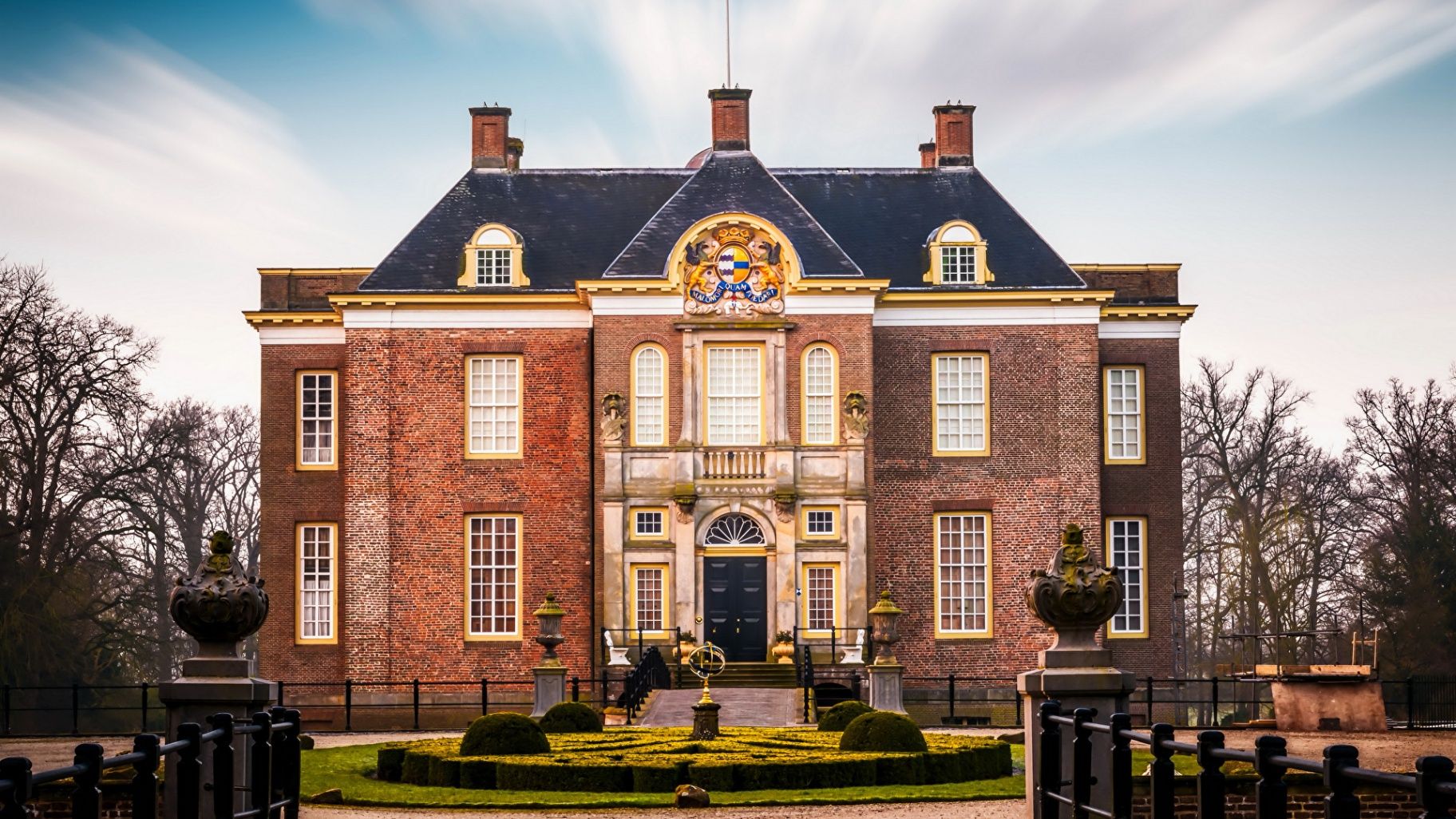
## Description **Middachten Castle (Kasteel Middachten)** is one of the most refined and best-preserved aristocratic estates in the Netherlands, offering visitors a rare glimpse into centuries of noble life largely untouched by modern intervention. Unlike many Dutch castles that were heavily altered, rebuilt, or converted into museums with contemporary reinterpretations, Middachten stands out for its **remarkable historical continuity**. The castle remains closely tied to the noble family that has owned it for generations, and this continuity is clearly reflected in its interiors, collections, and surrounding landscape. The current castle dates mainly from the **17th century**, though the estate itself has medieval origins. Inside, visitors encounter richly furnished rooms with original furniture, tapestries, porcelain, silverware, and paintings accumulated over hundreds of years. Rather than presenting history through reconstructed scenes, Middachten preserves an authentic atmosphere, giving the impression that its residents have only temporarily stepped away. This sense of intimacy and realism sets it apart from more theatrical castle museums. One of Middachten’s most distinctive features is its **formal garden complex**, which combines Dutch, French, and English landscaping traditions. Designed and redesigned over several centuries, the gardens include symmetrical parterres, canals, wooded paths, and open lawns that visually extend the castle into the surrounding countryside. A lesser-known fact is that the gardens still follow **historical planting schemes**, with seasonal flower selections based on archival records. Another interesting detail is that Middachten was never sold to the state; it remains privately owned, which explains its carefully controlled access and limited visiting periods. Middachten Castle is not about spectacle or scale. Its strength lies in authenticity, refinement, and the quiet authority of a place that never needed reinvention to stay relevant. ## Location **Country:** Netherlands **Province:** Gelderland **Village:** De Steeg **Region:** Eastern Netherlands (near Arnhem) Middachten Castle is situated on the edge of the **Veluwezoom**, a scenic area known for forests, rolling hills, and historic estates. Its rural setting enhances the experience, creating a sense of distance from urban life despite being well connected. ### How to Get There * **By train:** * Take a train to **Dieren Station**. From there, the castle is approximately a 20–25 minute walk or a short bicycle ride. * **By bicycle:** * Easily accessible via regional cycling routes, making it ideal for visitors exploring Gelderland by bike. * **By car:** * Parking is available near the estate. Driving is the most practical option for visitors with limited time. * **By bus:** * Local bus services operate between Arnhem, Dieren, and nearby villages, though schedules may be limited. ## Tips * **Check opening periods carefully:** The castle interior is only open during specific months and guided visits. * **Join a guided tour:** Access to the interior is typically guided, and tours provide essential historical context. * **Allow time for the gardens:** The gardens are as important as the castle itself and deserve at least an hour. * **Visit in spring or early summer:** This is when the gardens are at their most vibrant. * **Respect the setting:** Photography inside may be restricted due to preservation concerns. * **Combine with nature walks:** The nearby Veluwezoom area offers excellent hiking opportunities. ## Conclusion Middachten Castle is a refined and quietly powerful example of Dutch aristocratic heritage. Its preserved interiors, historically accurate gardens, and private continuity make it an exceptional destination for visitors who value authenticity over grandeur. ## FAQ **1. Is Middachten Castle a museum?** It functions as a historic house open to the public on a limited basis rather than a conventional museum. **2. Can you visit the castle without a guided tour?** Interior visits are usually guided only; the gardens can often be explored independently. **3. How long should I plan for a visit?** Plan **2 to 3 hours**, including the castle interior and gardens. **4. Is the castle suitable for children?** Yes, though it is best suited for older children with an interest in history. **5. Is Middachten accessible year-round?** No, opening times are seasonal and limited, especially for the interior. **6. Can events be held at the castle?** The estate occasionally hosts cultural events, but private use is highly restricted. ## Links * [Official Middachten Castle website](https://www.middachten.nl)
GemVoyage Team • World

Comments