GemVoyage Team • World
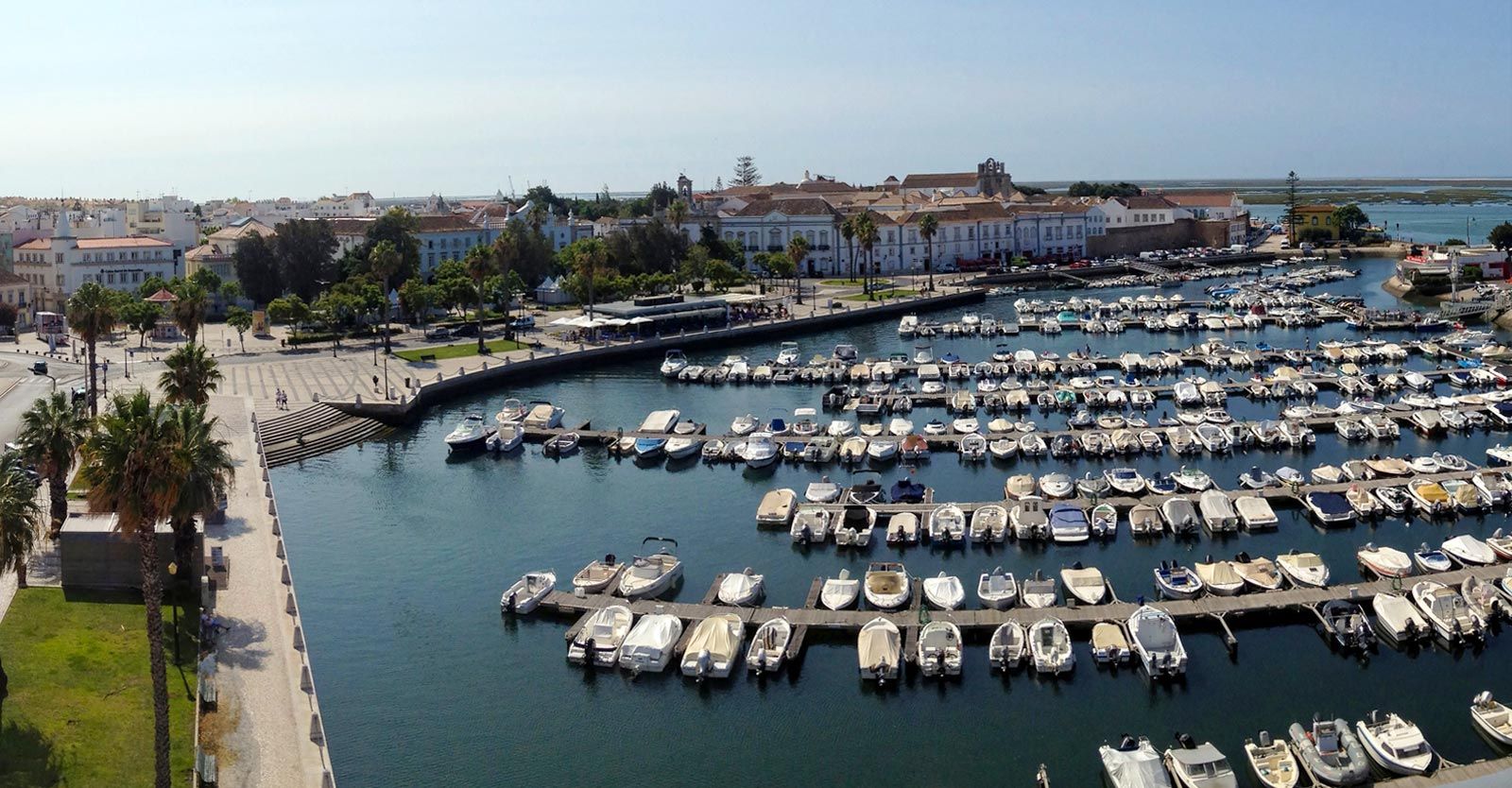
Faro Marina is one of the most picturesque and lively spots in the Algarve region of southern Portugal. Nestled right in the heart of Faro, the marina is a central meeting point where the city’s charm blends seamlessly with its maritime heritage. With a backdrop of palm trees, elegant architecture, and rows of yachts and fishing boats bobbing gently on the water, it’s a place that embodies the relaxed yet vibrant spirit of coastal Portugal.
What makes Faro Marina unique is not only its stunning scenery but also its role as a gateway to the Ria Formosa Natural Park, one of Portugal’s most beautiful protected lagoons. Many boat tours depart from the marina, offering visitors the chance to explore secluded islands, birdwatch, or enjoy a relaxing cruise at sunset.
A little-known fact about Faro Marina is that the large stork nests perched on lampposts and rooftops around the harbor are a common sight, adding to its charm and making it a favorite spot for photographers. Another interesting detail is that the marina is often used for cultural events and festivals, turning it into a lively gathering point during summer evenings.
Faro Marina is located in Faro, the capital of the Algarve region in Portugal. It sits right by the city center, just across from the historic old town and within walking distance of landmarks such as the Arco da Vila and Faro Cathedral. Its central location makes it a natural starting point for exploring both the city and the Algarve coastline.
From Faro Airport, the marina is only about a 10-minute drive or a 15-minute bus ride on the airport shuttle. If you’re arriving by train or bus, both stations are within a short walking distance of the marina. For those exploring the Algarve by car, Faro is well-connected by road, and public parking is available near the city center.
Here are some helpful tips to make your visit to Faro Marina memorable:
Faro Marina is more than just a harbor—it’s a cultural and social hub that captures the essence of Faro and the Algarve. With its stunning waterfront views, lively atmosphere, and easy access to natural wonders like the Ria Formosa, it’s a must-visit spot for anyone traveling to southern Portugal. Whether you’re taking a boat tour, enjoying a drink by the water, or simply strolling along the promenade, Faro Marina is sure to leave a lasting impression.
1. What can I do at Faro Marina?
You can enjoy boat tours to the Ria Formosa islands, dine at waterfront cafés, attend local events, or simply relax and admire the views.
2. Is Faro Marina close to the city center?
Yes, it’s located in the heart of Faro and is within walking distance of the historic old town and main transport hubs.
3. Are boat tours available year-round?
Yes, although availability and schedules may vary depending on the season. Summer offers the widest selection of tours.
4. Is it family-friendly?
Absolutely. The marina is pedestrian-friendly and offers plenty of open space, making it great for families with children.
5. Can I see wildlife at the marina?
Yes, you’ll often spot storks nesting nearby, and boat tours will take you to the Ria Formosa lagoon, which is rich in birdlife.
6. How long should I plan to spend at Faro Marina?
A casual visit might take an hour, but if you’re combining it with a boat trip and old town exploration, plan for half a day or more.
Discover more hidden gems you might love.
Seoul
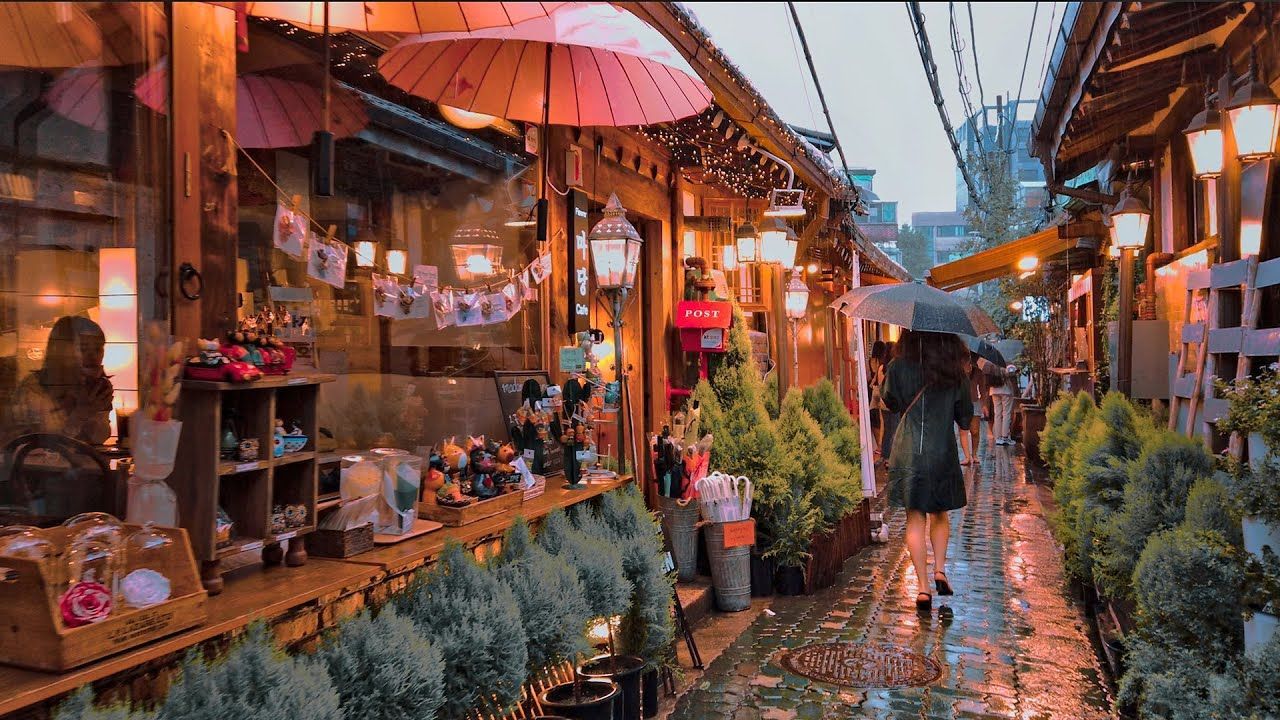
## Description Ikseon-dong Hanok Village is a compact, walkable district of restored traditional Korean houses (hanok) that has quietly become one of Seoul’s most charming destinations for visitors who prefer intimate, offbeat experiences. Narrow alleys thread between low-slung wooden eaves and tiled roofs, leading to a concentration of independently run cafes, craft shops, design ateliers, small restaurants, and boutique guesthouses. What makes Ikseon-dong compelling is its layered character: from a distance it reads as preserved tradition, but up close you’ll find contemporary interiors, modern light fixtures, and bold small-business design that sits harmoniously within historic exteriors. Many of the hanok are careful restorations completed in the last decade, which means you get the visual poetry of old Seoul with the conveniences and comforts of modern hospitality. The neighborhood is an excellent example of sensitive urban revitalization—locals and entrepreneurs have repurposed former residential clusters into a dense network of micro-businesses that reward slow exploration. Ikseon-dong’s scale is part of its appeal: where larger hanok districts can feel staged or touristy, here the alleys are intimate and discoveries are often serendipitous—an influential ceramicist around the corner, a tiny cocktail bar behind a lacquered doorway, a handcrafted stationery shop tucked beneath an old roof. ## Location Ikseon-dong sits in Jongno-gu in central Seoul, a short walk from Jongno 3-ga station and easily combined with visits to nearby cultural anchors like Changdeokgung Palace and Insadong. For many travelers, Ikseon-dong makes a great half-day detour from the palace circuit: it’s compact enough to be explored on foot and centrally located so you can move quickly between historic sites, galleries, and dining options. ## Tips - Explore deliberately: walk slowly, follow side alleys, and allow time to peek into courtyards and small doorways—some of the best cafes and shops are not visible from main lanes. - Try specialty menus: many cafes in Ikseon-dong focus on single-origin coffee, artisanal teas, or themed tasting menus—ask staff for recommendations and seasonal specials. - Respect residents: while the area is visitor-friendly, many hanok still function as private homes or small businesses; be mindful when photographing doorways and courtyards. - Visit at different times: morning light highlights wooden details and offers quieter streets, whereas evenings bring lantern-lit alleys and a more atmospheric café-and-bar scene. - Accessibility note: alleys can be narrow with occasional steps; check individual venues for wheelchair access before visiting. ## Conclusion Ikseon-dong is a delightful micro-neighborhood that reimagines traditional architecture for modern urban culture. It’s ideal for café-hopping, thoughtful shopping, photography, and discovering small-scale craftsmanship. The district rewards curiosity: the more time you give it, the more layered the experience becomes—historic textures, contemporary comforts, and a localized creative energy that feels authentically Seoul. ## FAQ Q: Is Ikseon-dong very touristy? A: It has grown in popularity but remains smaller and more intimate than other hanok districts like Bukchon; mornings are generally quieter. Q: Are there places to stay in Ikseon-dong? A: Yes, a handful of boutique hanok guesthouses and small guest accommodations offer overnight stays—book early for weekends. Q: What’s the best time of day to visit? A: Early morning for quiet exploration and late afternoon into evening for lantern-lit ambiance and café culture. Q: Is it wheelchair accessible? A: The historic alleys have uneven paving and steps in places—accessibility varies by venue; call ahead for specific locations. Q: Can I take photos freely? A: Public areas are fine for photography, but be respectful in private courtyards and ask permission before photographing people or inside shops. ## Links - [Korean Travel Guide](https://english.visitkorea.or.kr)
GemVoyage Team • World
Prague
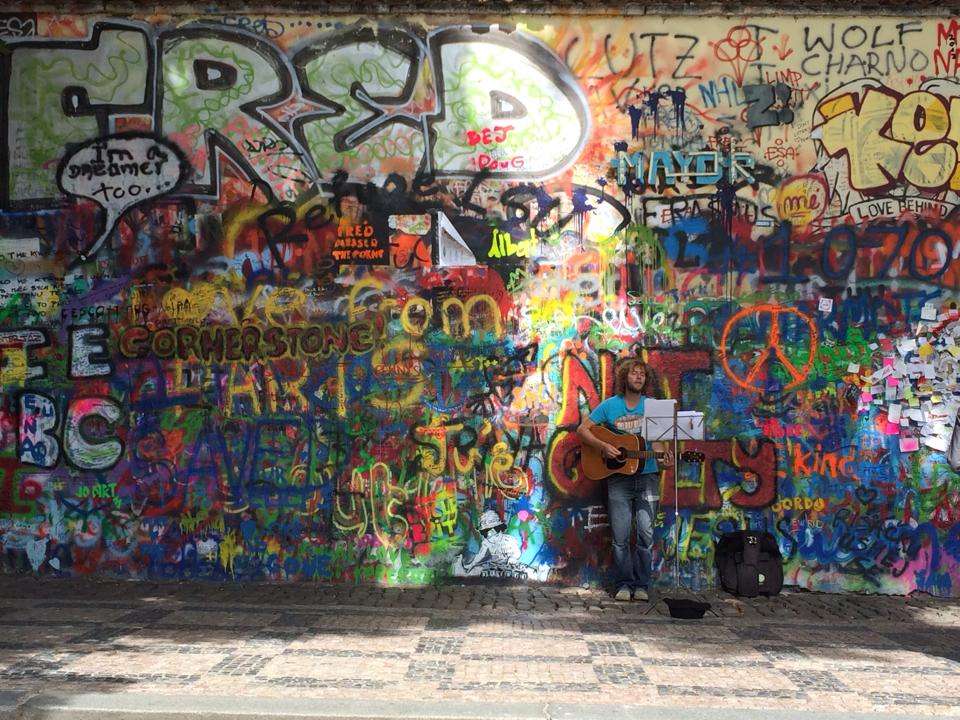
## Description The Lennon Wall in Prague is more than just a colorful stretch of graffiti—it’s a living canvas of freedom, peace, and artistic expression. Located in the historic Malá Strana district, this wall has been a symbol of resistance and hope since the 1980s. After the assassination of John Lennon in 1980, an anonymous artist painted his portrait and lyrics from Beatles songs on the wall. What followed was a spontaneous outpouring of messages, poems, and protest art, especially from Czech youth who saw Lennon as a symbol of Western ideals and freedom during the oppressive communist regime. Over the years, the wall has evolved into a dynamic, ever-changing mural. Layers of paint have buried the original artwork, but the spirit remains. Today, it features vibrant messages of love, peace, and solidarity, often reflecting global movements and local causes. Though the wall is now semi-regulated—with spray painting banned and only designated areas open to public contributions—it continues to attract artists and visitors from around the world. A little-known fact: the wall is owned by the Sovereign Military Order of Malta, whose nearby buildings include a church and embassy. Until 2019, anyone could freely paint on the wall, but due to misuse, it’s now monitored by CCTV and curated by selected artists. ## Location The Lennon Wall is located in **Czechia (Czech Republic)**, in the **Prague Region**, within the city of **Prague**. Specifically, it sits in **Velkopřevorské náměstí (Grand Priory Square)** in the **Malá Strana** neighborhood, just a short walk from the iconic Charles Bridge. ### How to Get There: - **By Foot**: From Charles Bridge, it’s a 5-minute walk through the charming streets of Malá Strana. - **By Tram**: Take tram lines 12, 15, 20, or 22 to Malostranské náměstí, then walk toward the French Embassy. - **By Metro**: The nearest metro station is Malostranská (Line A), followed by a short walk. - **By Bus**: Bus line 194 stops at Malostranské náměstí, close to the wall. Its central location makes it an easy and worthwhile stop on any Prague itinerary. ## Tips for Visitors To make the most of your visit to the Lennon Wall, keep these tips in mind: - **Visit Early or Late**: The wall gets crowded during midday, especially with tour groups. Early morning or evening offers a quieter experience. - **Bring a Marker**: While spray painting is banned, you can still leave a message with a marker in designated areas. - **Respect the Art**: Avoid defacing existing artwork. The wall is a shared space for expression, not vandalism. - **Pair with Nearby Attractions**: Combine your visit with a stroll through Kampa Island or a walk across Charles Bridge. - **Photography**: The wall changes frequently, so it’s a great spot for unique photos. Look for Beatles lyrics or peace symbols hidden among the layers. - **Learn the History**: Guided walking tours often include the Lennon Wall and provide deeper insight into its role during the communist era. ## Conclusion The Lennon Wall in Prague is a vibrant testament to the power of art and free expression. Born from grief and rebellion, it has grown into a global symbol of peace, creativity, and resilience. Whether you're a Beatles fan, a history buff, or simply a curious traveler, the wall offers a colorful and meaningful experience in the heart of Prague. ## FAQ **1. Is there an entrance fee to visit the Lennon Wall?** No, the wall is in a public square and free to visit. **2. Can I paint on the Lennon Wall?** Spray painting is banned, but you can leave messages with markers in designated areas. **3. What is the significance of the Lennon Wall?** It began as a tribute to John Lennon and became a symbol of protest against the communist regime in Czechoslovakia. **4. How often does the wall change?** Constantly. New artwork and messages appear regularly, making each visit unique. **5. Is the wall monitored?** Yes, it’s under CCTV surveillance to prevent vandalism and ensure respectful contributions. **6. What else is nearby?** Charles Bridge, Kampa Island, and the French Embassy are all within walking distance. ## Links - [Lennon Wall – Wikipedia Overview](https://en.wikipedia.org/wiki/Lennon_Wall) - [Prague Tourist Information – Lennon Wall Guide](https://praguetouristinformation.com/en/sightseeing/lesser-town/john-lennon-wall)
GemVoyage Team • World
Alberta
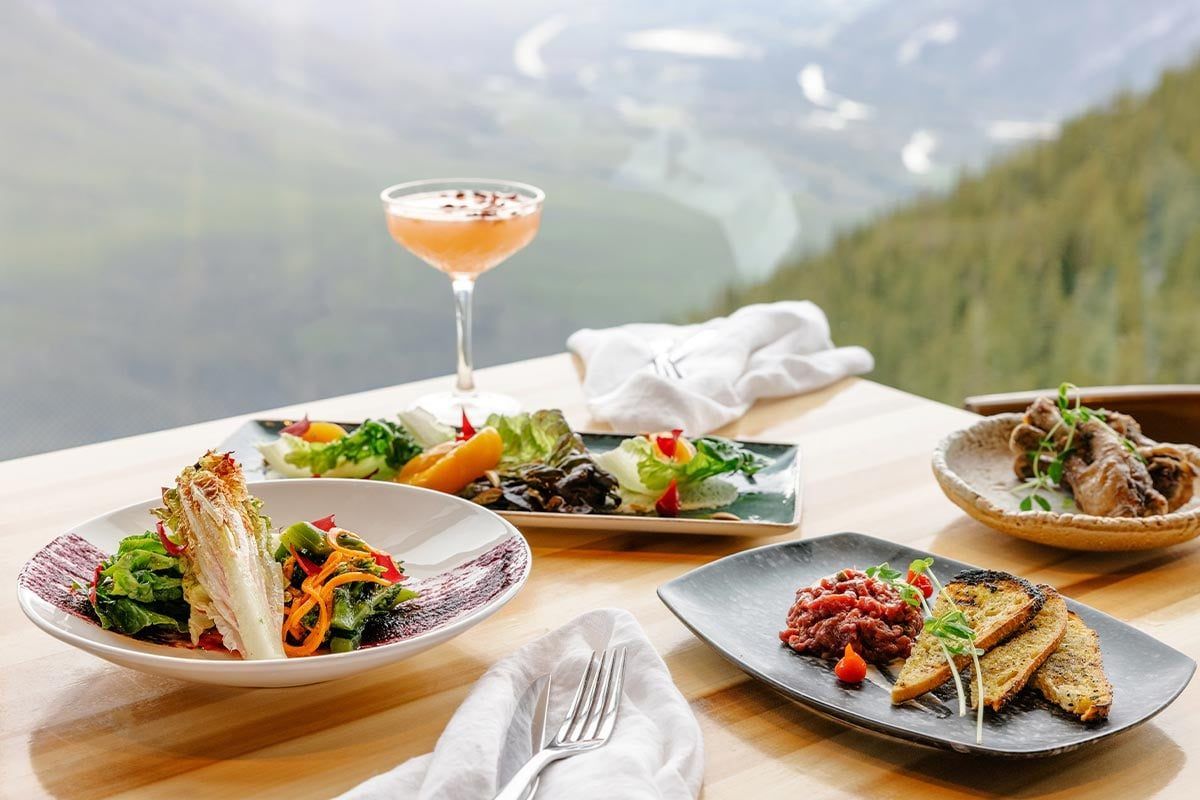
## Description Perched high above the Canadian Rockies, **Sky Bistro** offers one of the most breathtaking dining experiences in **Canada**. Located at the summit of the **Banff Gondola** on **Sulphur Mountain**, this elegant yet relaxed restaurant combines world-class cuisine with panoramic views of six surrounding mountain ranges and the Bow Valley below. The experience at Sky Bistro is about more than just food — it’s a sensory journey that connects visitors to the natural beauty of **Banff National Park**, a UNESCO World Heritage Site. The menu features locally inspired Canadian cuisine crafted with fresh, regional ingredients sourced from Alberta and British Columbia. Signature dishes often include bison, Arctic char, and wild mushrooms, all presented with a modern twist and paired with fine Canadian wines or craft beers. What makes Sky Bistro particularly unique is its **elevation — 2,281 meters (7,486 feet) above sea level** — making it one of the highest dining spots in the country. A lesser-known fact is that the restaurant’s massive floor-to-ceiling windows were designed to reflect the colors of the surrounding peaks, minimizing environmental impact while maximizing views. Another delightful secret: if you time your reservation right, you can watch the sunset turn the Rockies golden before the night sky fills with stars — a truly unforgettable experience. ## Location Sky Bistro sits at the **summit of Sulphur Mountain** in **Banff National Park**, **Alberta, Canada**, accessible only by the **Banff Gondola**. The gondola base station is located about **5 kilometers (3 miles)** south of downtown Banff, on Mountain Avenue. To reach the restaurant: 1. Drive or take the **Roam Transit Bus Route 1** from downtown Banff to the Banff Gondola base. 2. Ride the **Banff Gondola**, a scenic 8-minute cable car journey that ascends 698 meters (2,290 feet) to the summit. 3. Once at the top, follow signs inside the summit complex to Sky Bistro, located on the upper level. Reservations are highly recommended, especially during peak season (June–September) or for sunset dining. ## Tips * **Reserve in advance:** Sky Bistro is extremely popular, particularly at sunset and during weekends. Book early to secure your preferred time. * **Choose a sunset slot:** The evening light over Mount Rundle and the Bow Valley is spectacular — ideal for photographers and romantics alike. * **Ride the gondola before your meal:** Arrive early to explore the **Sulphur Mountain Boardwalk** or visit the **Above Banff Interpretive Centre** before dining. * **Dress in layers:** Even in summer, the summit can be cool or windy. Bring a jacket if you plan to explore outside. * **Try the local specialties:** The **Alberta bison short rib** and **Arctic char** are among the most recommended dishes. * **Check combo packages:** The Banff Gondola and Sky Bistro often offer meal-and-ride packages that provide better value. * **Allow extra time:** The gondola may experience short waits during busy periods, so plan to arrive at least 30–45 minutes before your reservation. ## Conclusion **Sky Bistro** is where fine dining meets alpine adventure — a place where the grandeur of the Rockies enhances every bite. Whether you come for a romantic dinner, a special celebration, or simply to enjoy the incredible mountain views, this unique mountaintop restaurant delivers a dining experience that’s as memorable as the landscape itself. Sitting above the clouds, Sky Bistro captures the very essence of Banff: wild, beautiful, and unforgettable. ## FAQ **1. Where exactly is Sky Bistro located?** It’s at the summit of **Sulphur Mountain** in **Banff National Park**, accessible via the Banff Gondola from Mountain Avenue, Banff, Alberta. **2. Do I need a separate ticket for the gondola and the restaurant?** Yes, a gondola ticket is required to reach the summit. Some packages combine the gondola ride with a dining reservation for convenience and savings. **3. What kind of food does Sky Bistro serve?** The menu focuses on **Canadian regional cuisine**, featuring ingredients from across Alberta and Western Canada — including bison, salmon, elk, and seasonal produce. **4. Is Sky Bistro open year-round?** Yes, it operates year-round, though hours may vary depending on the season and weather conditions. **5. Can I visit Sky Bistro without a dining reservation?** Walk-ins are sometimes accepted during off-peak hours, but reservations are strongly recommended due to limited seating and high demand. **6. What’s the dress code?** Smart casual. While many guests come dressed for the mountain environment, a neat and tidy appearance is appropriate for dinner service. **7. Is it suitable for families?** Yes, children are welcome, and there are menu options suitable for younger guests. ## Links * [Official Sky Bistro Website](https://www.banffjaspercollection.com/dining/sky-bistro/) * [Banff Gondola Information](https://www.banffjaspercollection.com/attractions/banff-gondola/)
GemVoyage Team • World
Ulsan
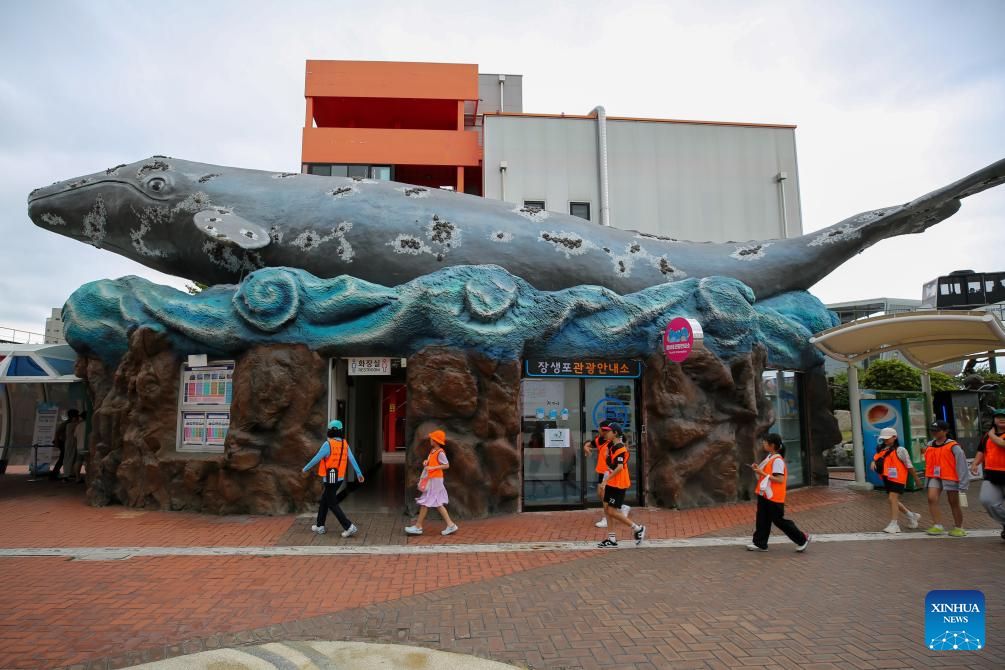
## Description Jangsaengpo Whale Museum, known in Korean as 장생포 고래박물관, is a unique cultural and educational attraction dedicated to the history of whaling and the relationship between humans and whales in Korea. Located in the historic port area of Jangsaengpo, the museum tells the story of how this small coastal village once became the center of Korea’s modern whaling industry. Today, the museum focuses on preservation, education, and awareness, offering visitors a thoughtful look at marine life and changing human values. What makes the Jangsaengpo Whale Museum unique is its comprehensive approach to the subject. Rather than celebrating whaling alone, the museum places strong emphasis on marine conservation and scientific research. Visitors can see full-scale whale skeletons, detailed dioramas, interactive displays, and multimedia presentations that explain whale biology, migration patterns, and communication. A little-known fact is that Jangsaengpo was once home to thousands of whalers before commercial whaling was banned in Korea in the 1980s. Another lesser-known detail is that the museum works closely with research institutions to study whales that are found stranded along the Korean coast, contributing to ongoing marine science. The museum offers an engaging experience that combines history, education, and environmental awareness in a balanced and accessible way. ## Location Jangsaengpo Whale Museum is located in **South Korea**, in the **Ulsan Metropolitan City**, within the **Nam-gu** district, in the Jangsaengpo area. Ulsan lies on the southeastern coast of the country and is known as both an industrial hub and a gateway to coastal nature. To get there, visitors can travel to Ulsan by KTX high-speed train or intercity bus from major cities such as Seoul or Busan. From Ulsan city center or Ulsan Station, local buses or taxis provide easy access to the Jangsaengpo district. The museum is well signposted and is close to other attractions such as Jangsaengpo Whale Cultural Village and the Whale Watching Port. ## Tips * Combine your visit with nearby attractions like the Whale Cultural Village to gain a fuller understanding of the area’s history. * Allow at least one to two hours to explore the museum at a comfortable pace. * Many exhibits are family-friendly, making the museum suitable for children and school groups. * Check opening hours in advance, as they may vary by season or on public holidays. * Some explanations are in Korean only, so using a translation app can enhance your experience. * Visit on a weekday for a quieter and more relaxed atmosphere. ## Conclusion Jangsaengpo Whale Museum offers a meaningful and educational look into Korea’s maritime past and its evolving relationship with whales. Through well-curated exhibits and a strong conservation message, the museum provides visitors with both knowledge and reflection, making it a standout cultural attraction in Ulsan. ## FAQ **Is the Jangsaengpo Whale Museum suitable for children?** Yes, the museum features interactive displays and visual exhibits that are engaging for children. **How long does a typical visit take?** Most visitors spend between one and two hours exploring the museum. **Is the museum focused only on whaling history?** No, it also emphasizes whale biology, conservation, and modern research efforts. **Are English explanations available?** Some exhibits include English descriptions, but not all, so a translation app can be helpful. **Is photography allowed inside the museum?** Photography is generally allowed, though flash or certain areas may be restricted. ## Links * [Jangsaengpo Whale Museum Info](https://english.visitkorea.or.kr/svc/whereToGo/locIntrdn/rgnContentsView.do?vcontsId=85947)
GemVoyage Team • World
Brussels
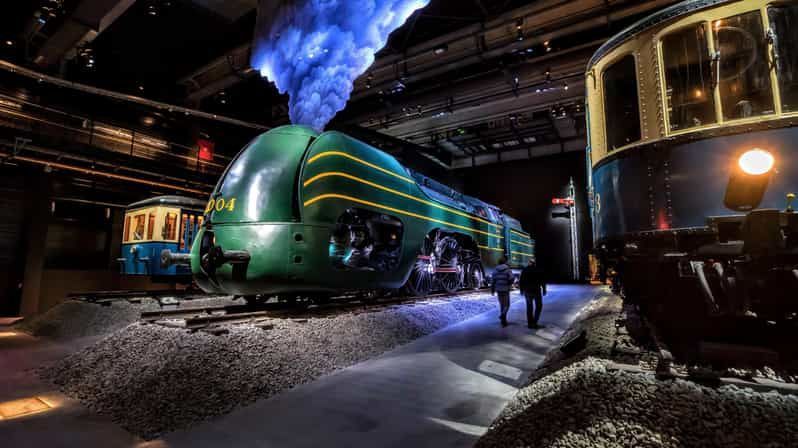
## Description Train World Museum is one of Brussels’ most distinctive museums because it turns rail history into a deeply immersive experience rather than a purely technical one. Located in the restored Schaerbeek railway station, the museum brings together locomotives, carriages, railway objects, design elements, and historical storytelling in a space that feels both monumental and accessible. For travelers who enjoy transport history, industrial heritage, or design, it is a standout attraction. Even for visitors who are not railway enthusiasts, the scale and presentation make it remarkably engaging. What makes Train World especially strong is how it balances spectacle and interpretation. You are not simply looking at engines behind barriers. You move through environments that explain the role of rail in Belgian life, the evolution of travel, and the aesthetics of the railway age. A lesser-known fact is that the museum occupies an architectural setting of real importance, since the station itself contributes to the atmosphere and historical context. Another detail many visitors find interesting is the way the museum uses lighting, layout, and display composition to make trains feel almost theatrical, which helps even casual visitors appreciate the engineering and cultural significance behind them. The collection includes both historic rolling stock and broader narratives about mobility, labor, and national development. That means the museum is not just about machines; it is about how railways reshaped cities, connected regions, and changed the way people moved through Europe. In Belgium, a country with a dense rail network and a deep industrial past, that story matters. Train World captures it in a way that feels serious without becoming dry. The museum also works well as a family stop because it offers enough visual drama to keep children interested while still rewarding adults who want historical context. It is one of those places where the experience is stronger than you may expect from the outside. ## Location Train World Museum is located in Schaerbeek, Brussels-Capital Region, Belgium, at the restored Brussels-Schaarbeek railway station. The site is northeast of central Brussels, making it easy enough to reach without being in the busiest tourist core. The station setting reinforces the museum’s subject matter and gives the visit a strong sense of place. The easiest way to reach Train World is by train, tram, or other public transport from central Brussels. Because it is a railway museum in a real railway station, arriving by rail is especially fitting and often the most straightforward option. Once you arrive, the museum is easy to navigate, and the surrounding area is manageable for a combined transport-and-history outing. It is a good idea to set aside enough time to move through the whole exhibition at a relaxed pace. The museum is richer when you let the sequence unfold naturally rather than rushing straight to the largest locomotives. ## Tips Allow at least two hours if you want to appreciate the museum properly. Go with children or transport enthusiasts if you can, but do not assume it is only for specialists. The presentation is strong enough for general visitors. Pay attention to the station architecture as well as the trains. The setting is part of the story. Check opening times in advance, especially if you are building it into a broader Brussels itinerary. If you enjoy design, photography, or industrial history, spend extra time with the details rather than rushing between the biggest exhibits. ## Conclusion Train World Museum is one of Brussels’ most impressive museums, combining railway heritage, architectural atmosphere, and thoughtful presentation. It is an excellent choice for travelers who want a museum that feels distinctive and memorable rather than generic. ## FAQ ### Is Train World only for train enthusiasts? No. It is enjoyable for anyone interested in history, design, transport, or immersive museum experiences. ### How much time should I plan? About 2 to 3 hours is a comfortable visit length for most people. ### Is it easy to reach from central Brussels? Yes. Public transport makes it straightforward, and arriving by train is especially appropriate. ### Is the museum suitable for families? Yes. The large-scale displays and varied presentation make it family-friendly and engaging for many age groups. ## Links - [Train World official site](https://trainworld.be/en/) - [Train World on Wikipedia](https://en.wikipedia.org/wiki/Train_World)
GemVoyage Team • World
Stockholm
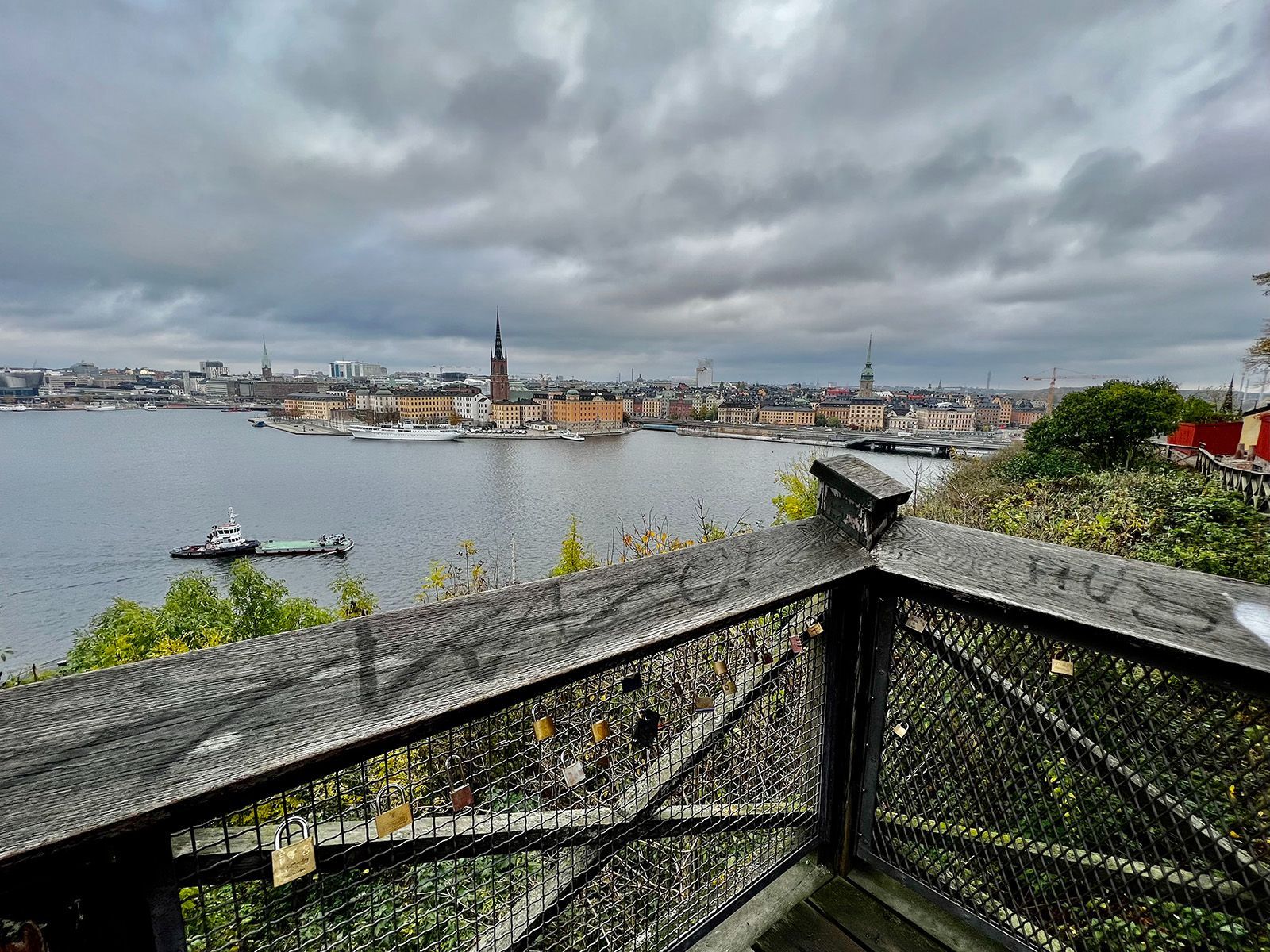
## Description Monteliusvägen is one of Stockholm’s most beloved viewpoint walks because it offers a remarkable amount of scenery for very little effort. Stretching along Mariaberget in Södermalm, the path gives visitors panoramic views over Riddarfjärden, City Hall, and the water and skyline that define Stockholm’s visual identity. It is a place where walking becomes part of the sightseeing itself, and where the city looks especially elegant in changing light. The viewpoint’s appeal lies in its mixture of accessibility and atmosphere. You do not need to climb a mountain or travel far from the center to get a memorable outlook. Instead, you can step into a residential and elevated part of the city and find a broad view that feels almost theatrical. One little-known fact is that Monteliusvägen is particularly admired by locals for how reliably it delivers a strong skyline view without the crowds associated with more obvious tourist stops. Another is that the path changes character with the seasons; winter can make the scenery crisp and graphic, while summer brings long, luminous evenings and a more relaxed mood. What also makes Monteliusvägen special is that it combines motion and pause. As you walk, the city opens and closes in layers. You might pass benches, low walls, and quiet residential details, then suddenly find a view that feels worthy of a postcard. That rhythm encourages visitors to slow down rather than rush through. It is a great place to arrive without a fixed plan, because the reward comes from both the walk and the destination. For photographers and casual visitors alike, the viewpoint is one of Stockholm’s most satisfying urban experiences. It captures the city’s relation to water, its elegant low-rise skyline, and its subtle balance between nature and urban form. A sunset visit can be particularly memorable, but the viewpoint works at many times of day because the geometry of the city and the water remains compelling even in flat light. ## Location Monteliusvägen is located on Mariaberget in Södermalm, Stockholm, Sweden, overlooking the waters of central Stockholm. It is very close to the city core, which makes it easy to include in a broader city walk. Because it sits on a ridge above the water, the route includes some uphill movement, but the climb is short and manageable. The easiest access is via Stockholm’s metro system to nearby stations such as Slussen, followed by a walk through Södermalm. From there, signage and local navigation are usually straightforward enough for most visitors to find the viewpoint. Since the area is so central, it is simple to pair it with a coffee stop, dinner, or a longer Södermalm exploration. If you want the best photo conditions, go near sunset or during the soft light of early morning. For a quieter experience, avoid peak sightseeing hours when possible. ## Tips - Go at sunset if you want the most dramatic light on the water and skyline. - Wear comfortable shoes because the approach includes some uphill walking. - Bring a jacket or layer, especially if you stay after sunset when wind can feel cooler. - Walk slowly and stop more than once. The viewpoint changes as you move along it. - Combine Monteliusvägen with another Södermalm stop so the outing feels complete. ## Conclusion Monteliusvägen is one of Stockholm’s most rewarding short walks, offering a classic view of the city with little logistical effort. It is simple, beautiful, and especially strong at sunset. ## FAQ ### Is Monteliusvägen worth it if I have only one day in Stockholm? Yes. It is one of the quickest ways to get a memorable city view without a complicated excursion. ### How long is the walk? The walking stretch is fairly short, but you will likely spend more time stopping to enjoy the views than actually moving. ### Is it very crowded? It can be popular, especially around sunset, but it still often feels calmer than the most famous Stockholm viewpoints. ### Is it family-friendly? Yes, as long as everyone is comfortable with a little uphill walking and staying attentive near ridge-edge paths. ## Links - [Visit Stockholm](https://www.visitstockholm.com/)
GemVoyage Team • World

Comments