GemVoyage Team • World
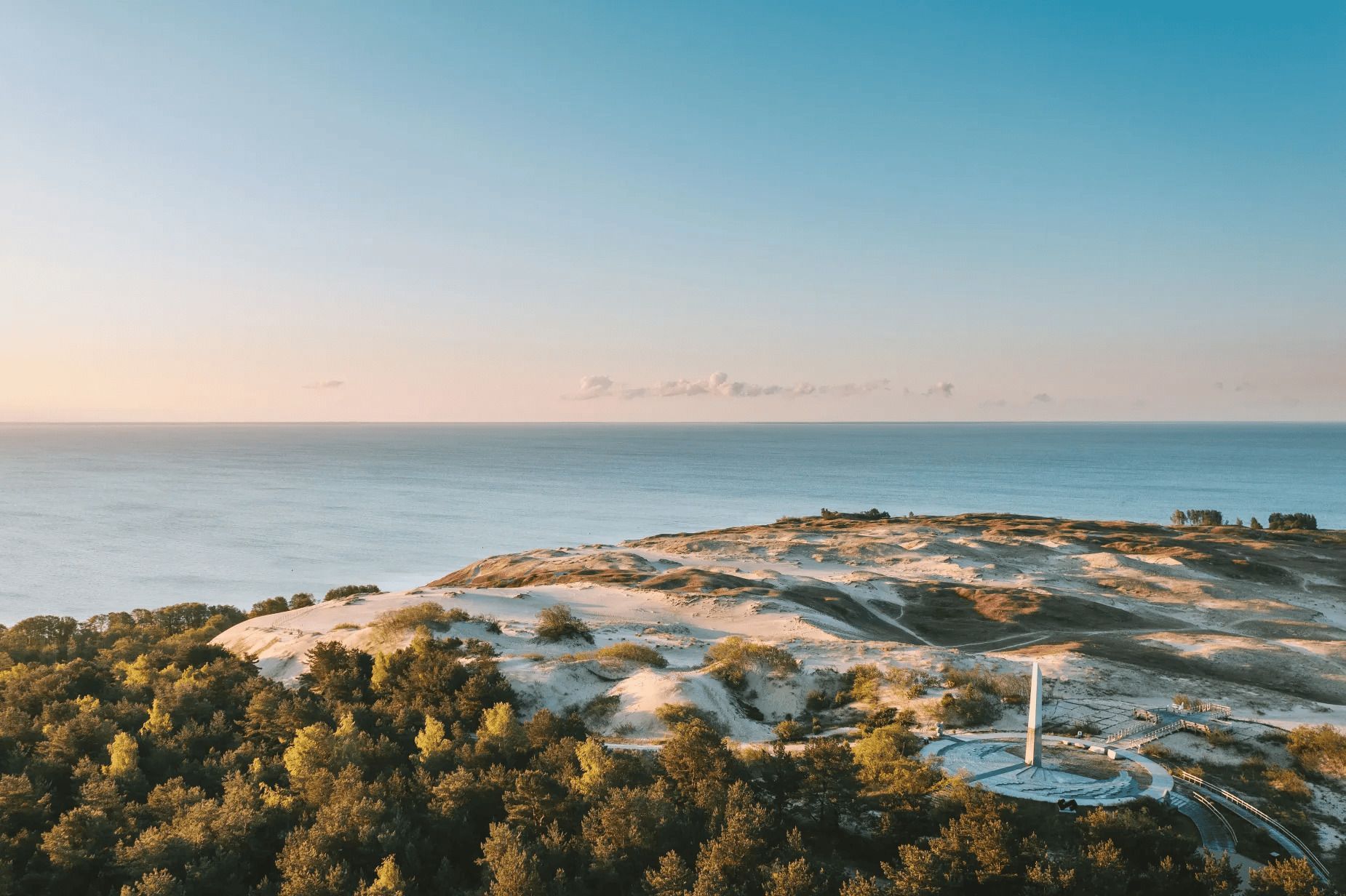
Visitors encounter an open landscape shaped by wind and water: dunes that migrate slowly with prevailing winds, vegetation adapted to sandy, saline conditions, and an expansive horizon where sky and water blend. The sundial is part functional instrument, part landscape sculpture: its hour lines and markers are calibrated to local solar time and offer an accessible way to experience astronomical motion at ground level.
Restoration and maintenance are ongoing challenges because the dune is dynamic—sand moves, vegetation changes, and repairs must respect both the scientific accuracy of the instrument and the dune’s natural processes. Local authorities and conservation groups work to stabilize key paths and protect fragile slopes so that people can enjoy the views without accelerating erosion. Cultural events and astronomy programs often use the site as a natural amphitheater, further connecting visitors with the seasonal rhythms of sky and sea.
How to get there: Nida is accessible by car along the Curonian Spit road from Klaipėda; if approaching from mainland Lithuania, a ferry crossing into the spit may be necessary depending on route. Regular buses also run from Klaipėda to Nida during the tourist season. Once in Nida, the Parnidis Dune is a short, well-signed walk from the town center; follow the marked paths to the main observation points and sundial.
Q: When is the best time to photograph the sundial and landscape?
A: Sunrise and sunset provide warm, low-angle light that accentuates dune textures and long shadows; golden hour is ideal for landscape photography.
Q: Can I climb anywhere on the dune?
A: No. To protect dune vegetation and prevent erosion, visitors should use the marked trails and observation points only; climbing fragile slopes is discouraged or prohibited.
Q: Are there guided tours or astronomy events at the site?
A: Yes. Local guides and cultural groups sometimes offer tours that explain the sundial’s construction and the dune’s ecology; astronomy and cultural events are occasionally scheduled—check Nida’s visitor information.
Q: Is the area accessible for visitors with limited mobility?
A: Some paths and viewpoints may have improved access, but the dune’s terrain is inherently uneven. Check local visitor resources for the latest information on accessible routes.
Discover more hidden gems you might love.
Paris
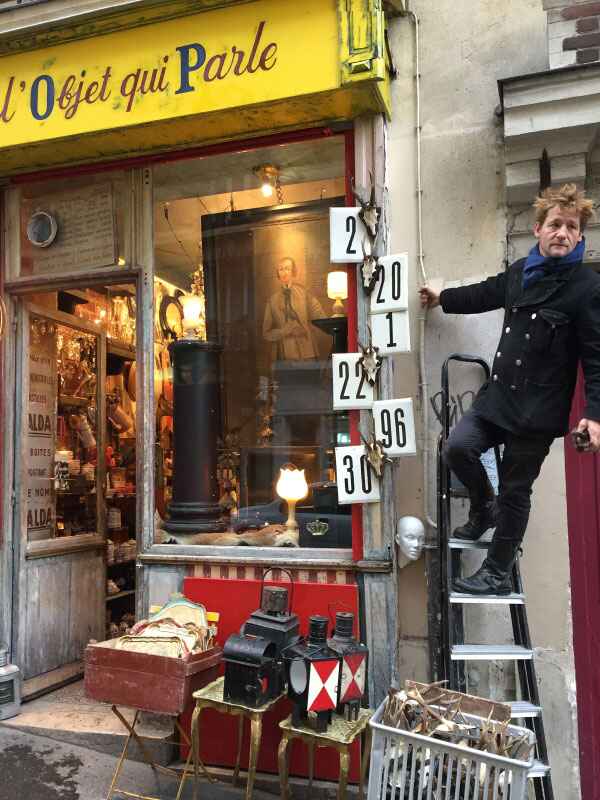
## Description Tucked away in the bohemian neighborhood of Montmartre, **L’Objet Qui Parle** is a small but legendary antique shop that has earned a reputation as one of Paris’s most fascinating hidden gems. Unlike large, glossy antique markets, this boutique offers an intimate and eclectic experience. The moment you step inside, you are greeted with an enchanting jumble of objects—stacked paintings, vintage trinkets, retro furniture, ceramics, mirrors, and curiosities that feel like they carry stories from centuries past. What makes L’Objet Qui Parle unique is its **authentic “cave of wonders” atmosphere**. The shop is famously cluttered, with items spilling from shelves and even tucked into corners, yet this controlled chaos is exactly what draws treasure hunters, collectors, and curious travelers. Each visit feels like a miniature archaeological dig, where one never knows what rare or unusual item might be unearthed. A little-known fact is that the shop has served as a source of inspiration for local artists and filmmakers, who come here seeking objects with character and history. Another interesting detail is that many items are surprisingly affordable compared to other antique shops in Paris, making it possible to find genuine vintage pieces without breaking the bank. ## Location L’Objet Qui Parle is located in **Paris, France**, within the **Île-de-France region**. More precisely, it sits in the **18th arrondissement**, right in the heart of **Montmartre**, not far from the iconic Sacré-Cœur Basilica and Place du Tertre, the artists’ square. How to get there: * **By metro:** The closest stations are **Lamarck – Caulaincourt (Line 12)** and **Abbesses (Line 12)**, both just a short walk away. * **By bus:** Several buses run through Montmartre, stopping near the shop. * **On foot:** If you’re exploring Montmartre, it’s easy to stumble upon the shop while wandering its cobbled streets. Its central location makes it perfect to combine with a day exploring Montmartre’s historic streets, cafés, and art studios. ## Tips Here are some tips to make the most of your visit to L’Objet Qui Parle: 1. **Come with an open mind** – The shop is filled with an eclectic mix of items, so be ready to browse without a fixed agenda. 2. **Take your time** – Treasures are often hidden in plain sight, stacked behind or beneath other objects. 3. **Bring cash** – While Paris is modern, some small antique shops still prefer cash for smaller purchases. 4. **Ask questions** – The shop’s owner is known for being friendly and knowledgeable, happy to share the story behind certain pieces. 5. **Visit Montmartre afterward** – Combine your stop with visits to Sacré-Cœur, local cafés, and art galleries to get the full Montmartre experience. 6. **Pack light** – The shop is quite small, so it’s best not to carry bulky bags when exploring. ## Conclusion L’Objet Qui Parle is more than just an antique shop—it’s an experience of discovery. With its cluttered charm, eclectic treasures, and Montmartre location, it offers a glimpse into the artistic and bohemian soul of Paris. Whether you’re a seasoned collector or simply curious, this little shop promises surprises and stories with every visit. ## FAQ **1. What does “L’Objet Qui Parle” mean?** It translates to “The Object That Speaks,” reflecting the idea that every antique carries a story from the past. **2. What kind of items can I find at L’Objet Qui Parle?** The shop sells a wide variety of antiques, including vintage furniture, ceramics, mirrors, paintings, religious artifacts, and quirky collectibles. **3. Is L’Objet Qui Parle expensive?** Not necessarily. While some rare pieces can be pricey, many items are surprisingly affordable, especially compared to larger Parisian antique markets. **4. How much time should I spend there?** Most visitors spend 30 minutes to an hour browsing, depending on their interest in antiques. **5. Is photography allowed inside the shop?** Policies may vary, but as a rule of thumb, always ask the shop owner before taking photos. **6. When is the best time to visit?** Mid-morning or early afternoon is ideal, as Montmartre tends to get crowded later in the day. ## Links * [Paris Official Tourism Website](https://parisjetaime.com/eng/) * [Travel Guide to Paris Markets and Antiques](https://www.france.fr)
GemVoyage Team • World
Tokyo
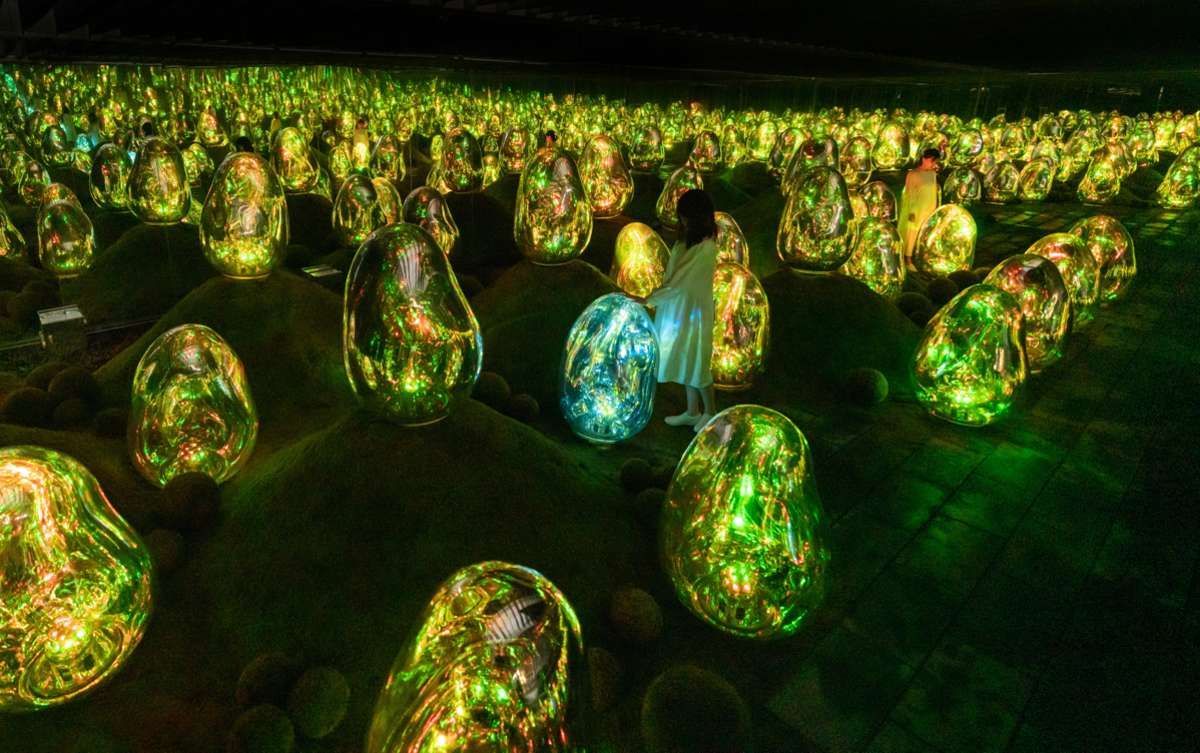
## Description teamLab Planets is a landmark example of immersive, participatory art in Tokyo that invites visitors to become active participants in dynamic digital environments. The experience is designed around large-scale rooms where light, projection, sound, and water interact to create continuously shifting installations. Unlike a typical gallery, the works at teamLab Planets are spatial and experiential: you walk through, touch, and sometimes wade in shallow water as the piece responds to human presence. This approach produces emotional and sensory responses that vary significantly with crowd size, time of day, and individual movement. The attraction is notable not only for its technical sophistication but also for its curatorial intent: works are arranged to produce an arc of changing perception, where early rooms prepare your senses for the more intense, multisensory environments that follow. Crowd dynamics shape the experience—quiet moments make installations feel meditative, while busier times can add a social energy that changes how the pieces read. teamLab Planets is often recommended for both art-savvy travelers and curious visitors who enjoy novel, interactive experiences. From an SEO point of view, teamLab Planets draws queries such as “teamLab Planets tickets,” “how to visit teamLab Tokyo,” and “immersive art Tokyo.” Useful content for travelers mixes logistical details (ticket booking, arrival windows, age and accessibility considerations) with sensory descriptions that help set expectations for immersion, photo opportunities, and comfort. ## Location teamLab Planets is located in the Toyosu area of Tokyo, a modern district that is well served by public transit. The nearest stations are on the Yurikamome and Yurakucho lines, making the site accessible from central Tokyo neighborhoods. Because visits are ticketed by time slot, it’s efficient to plan surrounding activities nearby—Toyosu Market, waterfront walkways, or a leisurely neighborhood meal—so you’re not rushed before or after the exhibition. Booking ahead is practical and often necessary: popular time slots sell out, and the museum manages visitor flow to preserve the immersive environment. Arrive a little early for your slot, take time to read basic venue rules, and factor in a post-visit window to decompress and reflect on what you’ve seen. ## Tips - Book tickets in advance for specific time slots to avoid sold-out sessions and to help ensure a smoother experience. - Wear comfortable, quick-drying footwear if you expect to use areas with water; some installations ask visitors to remove shoes before entering wet spaces. - Keep valuables protected—immersive rooms can be dim or reflective, and a stable grip on cameras or phones is useful. - Consider visiting on a weekday or off-peak hour for a more contemplative visit; peak evenings and weekends can be busier. - Follow staff guidance in each room—safety and the integrity of the artworks depend on visitor cooperation. - Balance photography with presence: the installations reward quiet observation as much as visual documentation. ## Conclusion teamLab Planets demonstrates how technology and art can create environments that transform a visitor into an active perceiver. The result is a memorable, emotionally resonant visit that’s best prepared for with advance planning, comfortable attire, and a willingness to let the work alter your movement and expectations. ## FAQ ### Is teamLab Planets suitable for people who do not usually go to museums? Yes. Its sensory, movement-based installations are accessible to a broad audience—no prior art knowledge is required, just curiosity and an openness to engaging physically with the space. ### How long does a visit usually take? Most visits last between one and two hours, although time can vary depending on crowd size and how long you linger in each room. ### Do I need to buy tickets in advance? Yes—advance booking is strongly recommended because sessions sell out and visitor numbers are controlled to maintain the immersive quality. ### Are there water installations where I need to remove shoes? Some rooms involve shallow water or wet surfaces; venue rules will instruct you when to remove shoes and how to protect small electronics. ### Is teamLab Planets family-friendly? Generally yes—children are often enchanted by the interactive environments, but be mindful of younger children in darker or reflective rooms and check age suitability for specific installations. ## Links - [Official website](https://www.teamlab.art/e/planets/)
GemVoyage Team • World
Copenhagen
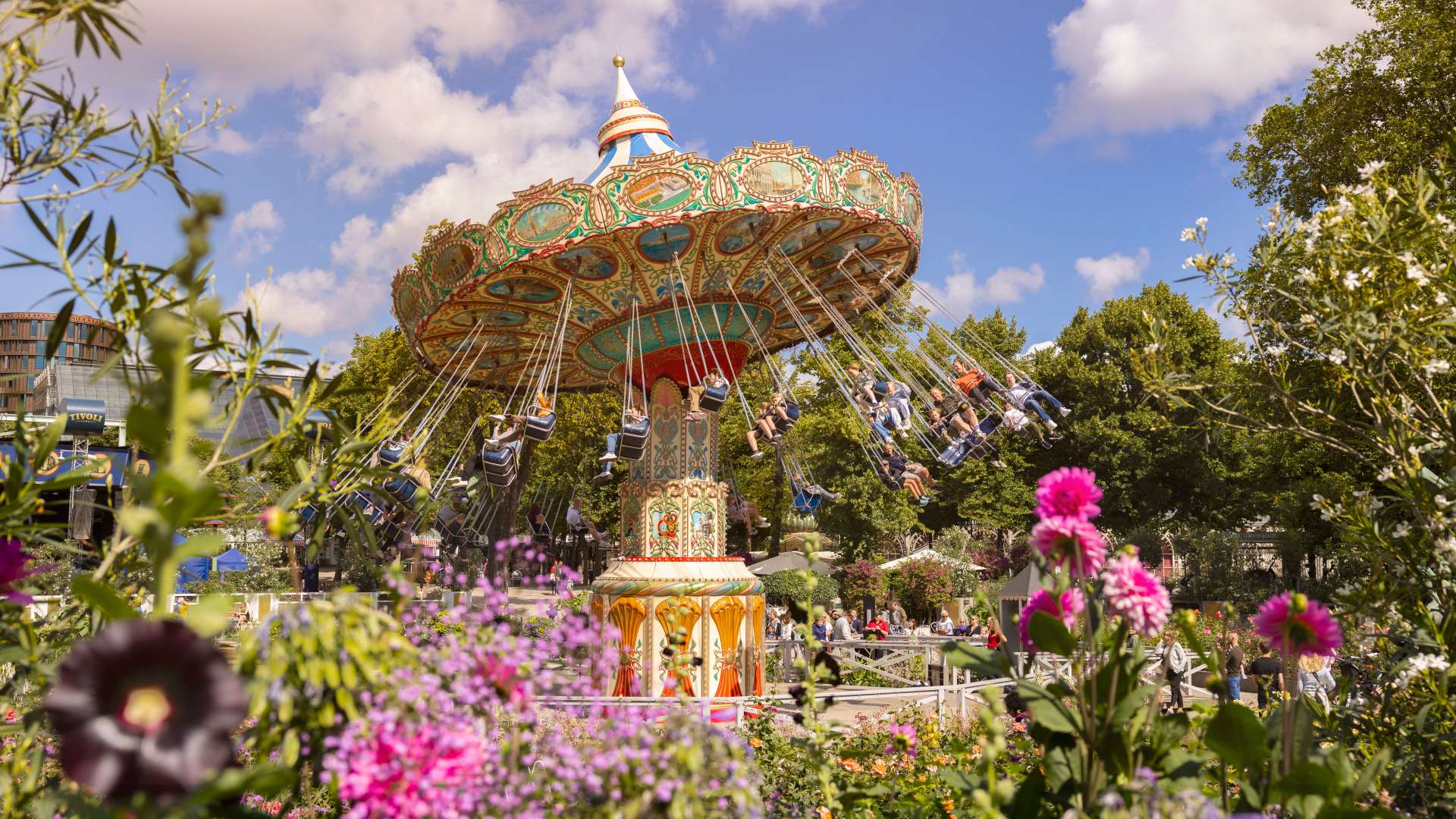
## Description Tivoli Gardens in Copenhagen is not just an amusement park—it’s a cultural institution, a botanical wonderland, and a nostalgic escape all rolled into one. Opened in 1843, Tivoli is the **second-oldest operating amusement park in the world**, yet it remains one of the most vibrant and beloved attractions in Denmark. With its blend of vintage charm and modern thrills, Tivoli offers something for everyone: roller coasters, live performances, gourmet dining, and serene gardens. The park’s architecture is a whimsical mix of exotic styles, including Moorish domes, Chinese pagodas, and fairy-tale towers. At night, thousands of colored lights transform the gardens into a magical realm, enchanting visitors of all ages. Tivoli’s oldest ride, the wooden Rollercoaster from 1914, still operates with a brakeman aboard—a rare feature found in only a handful of coasters worldwide. On the other end of the spectrum, Vertigo spins riders upside down at 100 km/h and was voted Europe’s Best Ride in 2014. A little-known fact: Tivoli inspired Walt Disney to create Disneyland. After visiting the park in the 1950s, Disney was captivated by its cleanliness, atmosphere, and attention to detail. Another quirky detail—guinea fowls and peacocks roam freely through the gardens, adding a touch of whimsy to the already surreal setting. ## Location Tivoli Gardens is located in **Denmark**, in the **Capital Region**, in the city of **Copenhagen**. It sits right in the heart of the city, adjacent to Copenhagen Central Station and within walking distance of City Hall Square. ### How to Get There: - **By Train**: Take any regional or S-train to Copenhagen Central Station. Tivoli’s main entrance is directly across the street. - **By Metro**: The nearest metro stop is Rådhuspladsen (City Hall Square), just a short walk away. - **By Foot or Bike**: If you're exploring central Copenhagen, Tivoli is easily accessible on foot or by bicycle. - **By Car**: Parking is available nearby, but public transport is recommended due to central traffic and limited space. Its central location makes it an ideal starting point for a day of sightseeing in Copenhagen. ## Tips for Visitors To make the most of your Tivoli experience, keep these tips in mind: - **Buy a Tivoli Pass**: If you plan to ride multiple attractions, the Ride Pass is more economical than paying per ride. - **Visit in the Evening**: Tivoli truly comes alive after dark with its dazzling lights and live performances. - **Check the Event Calendar**: From ballet and concerts to fireworks and seasonal festivals, Tivoli hosts over 250 events annually. - **Try the Food Hall**: Located near the Central Station entrance, Tivoli Food Hall offers a variety of cuisines from gourmet burgers to vegetarian delights. - **Bring a Picnic**: You’re allowed to bring your own food and enjoy it in the gardens. - **Use the Copenhagen Card**: This tourist pass includes free entry to Tivoli and over 80 other attractions, plus public transport. ## Conclusion Tivoli Gardens is a timeless blend of thrill, beauty, and culture. Whether you're chasing adrenaline on roller coasters, savoring Danish cuisine, or simply strolling through flower-lined paths, Tivoli offers an unforgettable experience in the heart of Copenhagen. ## FAQ **1. What are Tivoli Gardens’ opening hours?** Hours vary by season, but typically the park opens around 11:00 AM and closes between 10:00 PM and midnight. **2. Is Tivoli suitable for children?** Absolutely. There are rides, playgrounds, and performances tailored for kids of all ages. **3. Do I need to buy tickets in advance?** It’s recommended, especially during holidays and weekends. Online booking can save time and money. **4. Are there seasonal events at Tivoli?** Yes, Tivoli transforms for Halloween, Christmas, and summer festivals with themed decorations and special shows. **5. Can I visit Tivoli without going on rides?** Yes, many visitors come just to enjoy the gardens, restaurants, and performances. **6. Is Tivoli wheelchair accessible?** Yes, the park is fully accessible, and wheelchairs are available for rent at the entrance. ## Links - [Tivoli Gardens Official Website](https://www.tivoli.dk/en) - [Tivoli Gardens – Wikipedia](https://en.wikipedia.org/wiki/Tivoli_Gardens)
GemVoyage Team • World
Kaimonkawashiri
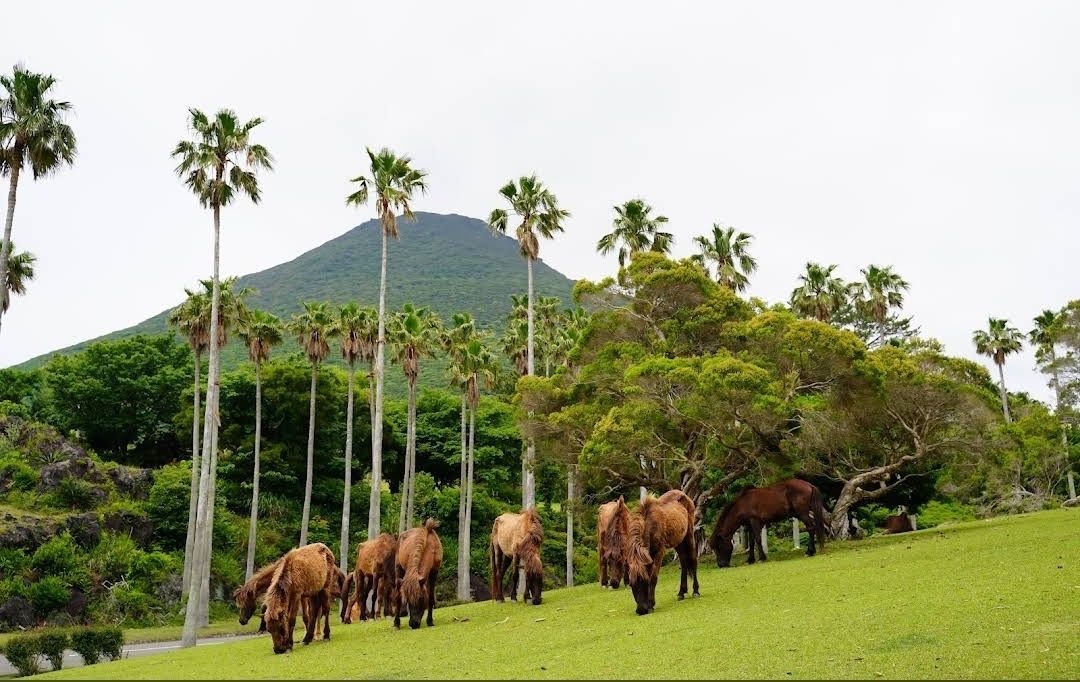
## Description **Kaimon Foothills Nature Park** is a serene and picturesque destination located at the base of Mount Kaimon, often nicknamed the “Fuji of Satsuma” because of its elegant, conical shape that resembles Japan’s iconic Mount Fuji. This park is a favorite among nature enthusiasts, hikers, and families looking for a peaceful escape into lush greenery and panoramic landscapes. What makes Kaimon Foothills Nature Park unique is its perfect blend of natural beauty and cultural significance. The area offers walking trails surrounded by seasonal flowers, open lawns ideal for picnics, and scenic viewpoints where visitors can admire Mount Kaimon towering in the distance. On clear days, you can even catch a glimpse of **Yakushima Island**, a UNESCO World Heritage Site known for its ancient cedar forests. A little-known fact is that the park is home to rare flora native to the Kagoshima region, making it a hidden gem for botany lovers. Another interesting detail is that the park also serves as a base for those who want to climb Mount Kaimon, with the trailhead conveniently located nearby. ## Location Kaimon Foothills Nature Park is located in **Ibusuki City**, within **Kagoshima Prefecture** in southern **Kyushu, Japan**. The park sits at the base of Mount Kaimon, which rises 924 meters above sea level and is a defining landmark of the Satsuma Peninsula. Getting there is straightforward. From **Kagoshima City**, travelers can take the **JR Ibusuki-Makurazaki Line** to **Kaimon Station**. From the station, the park is just a short taxi ride or a leisurely walk. Alternatively, those traveling by car can reach the park in about 90 minutes from central Kagoshima via Route 226, a scenic coastal road. For visitors who enjoy road trips, this drive offers stunning views of Kagoshima Bay and the surrounding countryside. ## Tips To make the most of your visit to Kaimon Foothills Nature Park, keep these tips in mind: * **Wear comfortable shoes** – The park has walking trails and natural terrain, so sturdy footwear will make your visit more enjoyable. * **Bring a picnic** – With wide open spaces and shaded areas, the park is perfect for relaxing and enjoying a homemade lunch outdoors. * **Check the weather** – Clear days provide the best views of Mount Kaimon and the surrounding region, so plan accordingly. * **Combine with a hike** – If you’re up for adventure, start your climb up Mount Kaimon from the trailhead near the park. The hike typically takes 3–4 hours round trip. * **Visit nearby attractions** – Ibusuki is famous for its unique **sand baths**, where visitors are buried in naturally heated volcanic sand. It’s an excellent way to relax after exploring the park. * **Bring a camera** – Whether it’s the seasonal flowers, the majestic peak of Mount Kaimon, or the sunset views, the park is full of photo-worthy moments. ## Conclusion **Kaimon Foothills Nature Park in Japan** is a charming and peaceful destination that offers both relaxation and adventure. With its breathtaking views of Mount Kaimon, lush greenery, and cultural significance, it’s the perfect spot for families, hikers, and nature lovers alike. Conveniently located in Ibusuki, Kagoshima, the park also serves as a gateway to exploring southern Kyushu’s natural wonders. ## FAQ **1. What is Kaimon Foothills Nature Park best known for?** The park is best known for its scenic location at the base of Mount Kaimon, offering beautiful views, picnic areas, and access to the hiking trail up the mountain. **2. Can you climb Mount Kaimon from the park?** Yes, the park serves as a starting point for the Mount Kaimon hiking trail, which takes about 3–4 hours to complete round trip. **3. When is the best time to visit?** Spring and autumn are ideal, with pleasant weather and colorful seasonal flowers. However, the park is open year-round and offers different charms in each season. **4. Is the park family-friendly?** Absolutely. The open lawns, easy walking paths, and picnic spots make it a great destination for families with children. **5. How long should I plan to stay?** Most visitors spend 1–2 hours enjoying the park, but if you add a Mount Kaimon hike or nearby Ibusuki attractions, you can easily plan a full-day trip. **6. Are there facilities like restrooms or shops?** Yes, the park has basic facilities, but it’s a good idea to bring your own snacks and drinks, especially if you plan to stay for a while. ## Links * [Japan Travel – Kyushu Attractions](https://www.japan.travel/en)
GemVoyage Team • World
Griva
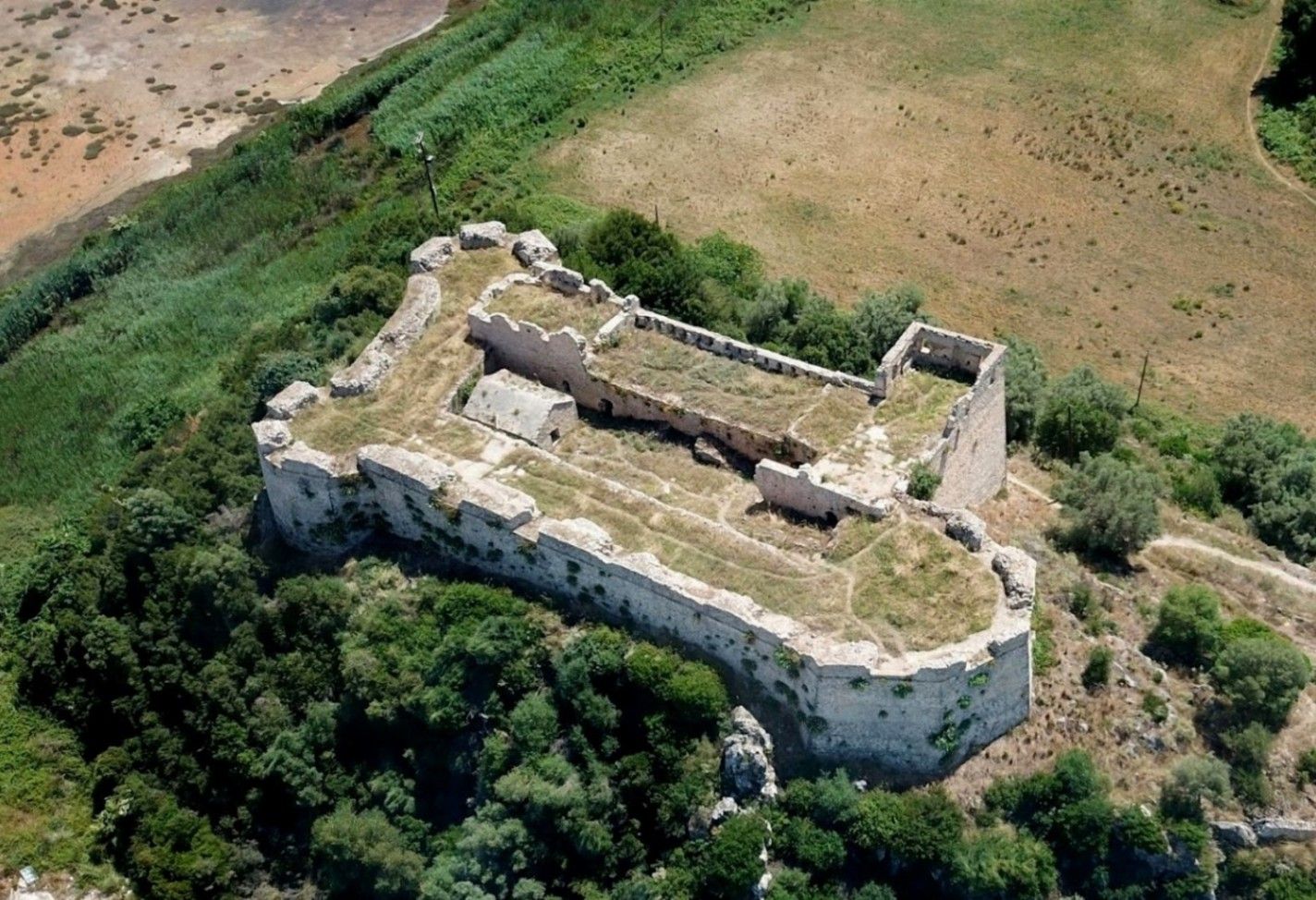
## Description **Griva Castle** (Κάστρο Γρίβα) is a lesser-known but historically significant fortress perched on a ridge in the region of Central Greece. Unlike Greece’s major medieval castles that attract heavy tourism, Griva Castle stands out for its **raw ruins, unfiltered atmosphere, and panoramic vantage point** over the surrounding mountains and valleys. The site is largely untouched by large-scale restoration efforts, which preserves an authenticity that appeals to explorers, hikers, and history enthusiasts seeking off-the-beaten-path destinations. The castle’s origins date back to the **Ottoman period**, when the structure served as a fortified outpost controlling local routes and offering surveillance over the strategic landscape. Its position was not chosen for grandeur but for **tactical visibility**; from the top of the hill, occupants could observe movements across the region long before they reached nearby settlements. Today, visitors can still walk along the remnants of its stone walls, towers, and defensive perimeters, all while imagining the military operations that once shaped the area. A little-known fact is that the castle area was later used during the **Greek War of Independence**, serving as a refuge and observation point for local fighters resisting Ottoman rule. Another interesting detail is that small-scale excavations have revealed architectural traces suggesting earlier defensive uses, which may predate the Ottoman era. What sets Griva Castle apart is the **simplicity of the experience**. There are no curated exhibitions, no ticket booths, and no commercial vendors. Instead, you step into a quiet, windswept landscape that has retained its historic atmosphere. The lack of crowds makes it ideal for slow-paced exploration, photography, and reflection. With clear weather, the views are expansive, capturing rural settlements, forested hillsides, and rolling terrain that highlight the natural beauty of central Greece. ## Location **Country:** Greece **Region:** Central Greece (Sterea Ellada) **Nearest Town:** Griva or surrounding villages depending on the specific approach The castle sits atop a hill overlooking the local countryside, accessible through rural roads and small village paths. ### How to Get There * **By car:** * The most practical option. Rural roads lead to the village area, from which a short uphill walk brings you to the castle ruins. A standard vehicle is usually sufficient, but some paths may be uneven. * **By bus:** * Limited. Regional buses connect nearby towns, but reaching the castle itself generally requires private transport. * **On foot:** * Hiking paths from the village allow visitors to reach the castle in about 15–25 minutes depending on the route chosen. * **By guided tour:** * Occasional historical or hiking groups include the site, but these are not frequent. ## Tips * **Wear proper footwear:** The terrain is rocky, uneven, and sometimes slippery after rain. * **Visit during daylight:** The area has no lighting, and navigating the ruins after sunset is unsafe. * **Bring water and snacks:** There are no facilities near the castle. * **Check the weather:** Clear skies enhance the views significantly and make the hike easier. * **Combine the visit with nearby villages:** Traditional tavernas in surrounding settlements are ideal for a post-hike meal. * **Photography enthusiasts should visit during golden hour:** The light over the surrounding hills is excellent. ## Conclusion Griva Castle is a quiet, rugged, and historically rich destination that rewards visitors willing to venture beyond mainstream tourist circuits. Its ruins, elevated position, and connection to regional history make it a compelling stop for those seeking authentic Greek landscapes and immersive outdoor exploration. ## FAQ **1. Is there an entrance fee?** No. The site is freely accessible to visitors. **2. Are the ruins safe to explore?** Generally yes, but caution is essential due to uneven paths and the absence of barriers. **3. How long does the visit take?** Most visitors spend **45 minutes to 1.5 hours** depending on hiking time and interest. **4. Is it suitable for children?** Only with supervision. Some sections have steep drops and loose stones. **5. Are guided tours available?** Occasionally, especially by local history or hiking groups, but not regularly. **6. What is the best time of year to visit?** Spring and early autumn offer comfortable temperatures and clear views. ## Links * [Greek tourism information](https://visitgreece.gr)
GemVoyage Team • World

Cappadocia
## Description Cappadocia is a landscape that reads like a fantasy novel: soft volcanic tuff sculpted by wind and water into “fairy chimneys,” mushroom-shaped pillars, and honeycombed cliffs. Centered around Göreme in central Turkey, the region is famous for its surreal valleys, cave dwellings carved into rock, ancient subterranean cities, and a living tradition of wineries, pottery and folk crafts. Cappadocia’s cultural layer is as rich as its geology: Byzantine churches decorated with frescoes, monastic sites, and Ottoman-era villages reveal a continuous human presence adapted ingeniously to the stone. One of the most iconic Cappadocia experiences is floating above the landscape in a sunrise hot-air balloon, watching valleys and chimneys unfold as daytime light paints the rocks gold. Beyond balloons, the region rewards curiosity on foot: hiking carved valleys, exploring cave churches, descending into underground cities, and sampling local cuisine and wines in villages that still carve homes from the rock. ## Location Cappadocia sits in central Anatolia, chiefly within Nevşehir, Kayseri and Aksaray provinces. Göreme is the most convenient tourist base, offering a range of accommodations from boutique cave hotels to eco-lodges. The nearest airports are Nevşehir Kapadokya (NAV) and Kayseri Erkilet (ASR), both a short drive from the main valleys. Regular buses and private transfers connect from Ankara, Konya, and Istanbul. ## Tips - **Book balloon flights in advance:** Hot-air balloon flights sell out early, especially during spring and autumn. Reserve a slot and plan a buffer day in case of weather cancellations. - **Stay in a cave hotel:** Cave hotels provide an immersive experience that connects accommodation with the region’s geology; choose well-reviewed properties that balance authenticity with comfort. - **Explore off the beaten track:** Beyond the main tourist loops, valleys like Ihlara and Soganli offer quieter hikes, remote churches and a sense of solitude. - **Hire a local guide for historical context:** To understand frescoes, cave architecture and the significance of underground cities, a local guide or knowledgeable host adds depth. - **Dress in layers:** Mornings (especially balloon times) can be cool while afternoons warm quickly. Comfortable walking shoes and sun protection are a must. - **Sample local crafts and food:** Pottery, wine and slow-cooked regional dishes connect the landscape to local culture and provide excellent souvenir options that support artisans. ## Conclusion Cappadocia’s blend of geological wonder and layered human history makes it a bucket-list destination. Whether you’re drifting in a balloon, exploring subterranean cities, or tracing frescoed chapels, the region rewards curiosity with both spectacle and intimacy. With planning and local insight, even repeat visitors find new corners to explore. ## FAQ - **Q: Is Cappadocia suitable for families?** A: Yes — many activities (balloon rides, gentle hiking, pottery workshops) are family-friendly, though some underground passages may be tight for very young children. - **Q: Are balloon flights safe?** A: Licensed operators follow strict safety procedures. Choose experienced companies with strong safety records and clear cancellation policies. - **Q: When is the best time to visit Cappadocia?** A: Spring and autumn offer pleasant temperatures and stable flying conditions for balloons. Summer is hot but still popular; winters are quieter and atmospheric with occasional snow. - **Q: How many days should I spend?** A: 2–4 days allows you to see key valleys, take a balloon flight, visit the Göreme Open Air Museum and explore one underground city at a comfortable pace. - **Q: Can I stay in a cave hotel year-round?** A: Yes, cave hotels operate year-round and offer varying levels of comfort. In winter check for heating facilities; in summer cave rooms stay relatively cool. - **Q: Are there guided day tours and self-drive options?** A: Both are widely available. Guided tours provide context and ease of logistics; self-drive gives flexibility to explore lesser-known valleys at your own pace. ## Links - [Cappadocia — Wikipedia](https://en.wikipedia.org/wiki/Cappadocia)
GemVoyage Team • World

Comments