GemVoyage Team • World
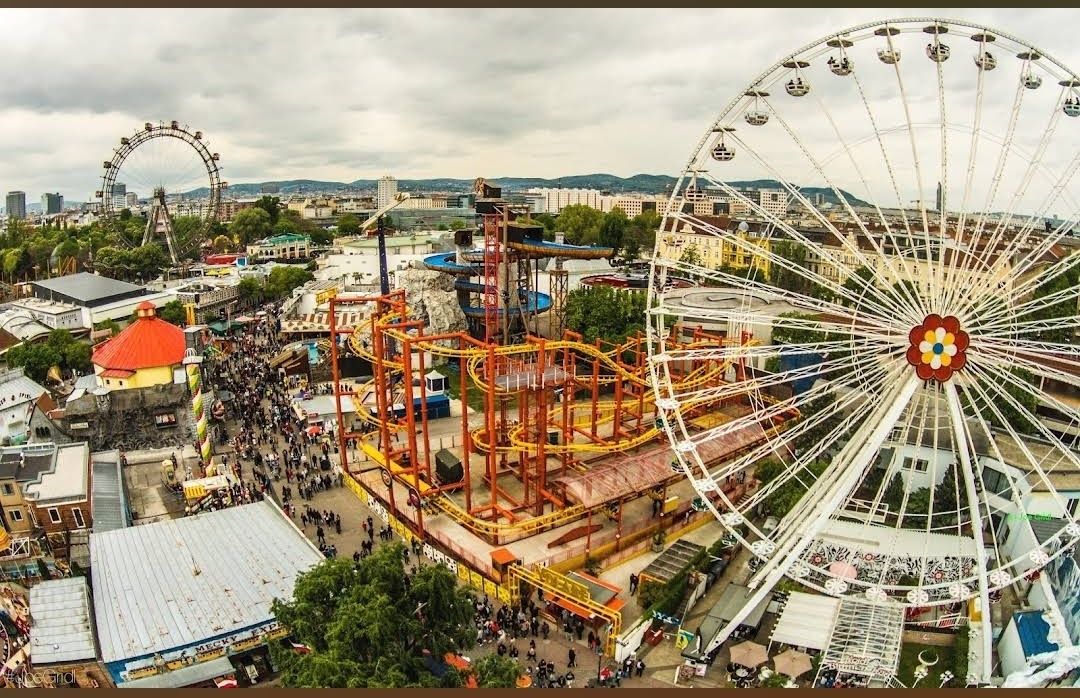
Prater Funpark in Vienna, commonly referred to as the Wurstelprater, is one of Europe’s most iconic amusement parks and a beloved attraction for both locals and tourists. Nestled within the vast Prater public park, this funfair has been entertaining visitors for over 250 years. It’s a place where history, nostalgia, and modern thrills come together, offering everything from traditional carousels and bumper cars to cutting-edge roller coasters and high-adrenaline rides.
What makes the Prater unique is its blend of old-world charm and contemporary entertainment. The park’s symbol, the Wiener Riesenrad (Giant Ferris Wheel), dates back to 1897 and is one of Vienna’s most recognized landmarks. Riding the Ferris wheel provides not only fun but also breathtaking panoramic views of the city. At the same time, newer attractions like turbo coasters and virtual reality experiences ensure that thrill-seekers are never bored.
Little-known facts:
---
Prater Funpark is located in Vienna, the capital of Austria, within the Leopoldstadt district. It sits inside the larger Prater public park, a green oasis that stretches over six square kilometers and also includes walking paths, meadows, and sports facilities.
---
---
Prater Funpark in Vienna is more than just an amusement park—it’s a cultural institution that blends history, fun, and nostalgia. With its mix of historic attractions like the Wiener Riesenrad and thrilling modern rides, it offers something for everyone, from families to adrenaline junkies. Whether you go for the rides, the food, or the atmosphere, the Prater promises an unforgettable Viennese experience.
---
1. Is there an entrance fee for Prater Funpark?
No, entrance is free. Visitors only pay for the rides and attractions they choose.
2. What is the most famous ride at Prater?
The Wiener Riesenrad (Giant Ferris Wheel) is the park’s most iconic attraction and a symbol of Vienna.
3. When is the best time to visit?
Evenings are particularly magical with illuminated rides, but daytime visits are better for families with young children.
4. How long should I plan to spend at Prater?
Most visitors spend 2–4 hours, though you could easily spend a whole day enjoying the rides and the larger Prater park.
5. Is Prater open year-round?
The park is open all year, but many rides operate seasonally, typically from March to October. The Giant Ferris Wheel and some attractions remain open in winter.
6. Can I find food and drinks inside the park?
Yes, the park is filled with restaurants, snack stalls, and beer gardens serving Austrian and international food.
---
Discover more hidden gems you might love.
Milan
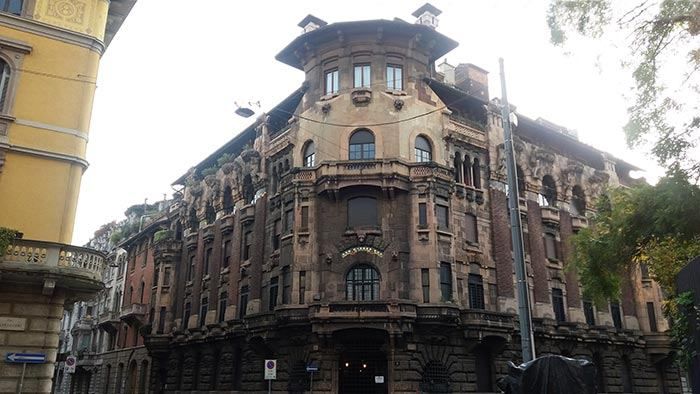
## Description The **Quadrilatero del Silenzio** is one of Milan’s most refined and least touristy architectural districts, a compact residential enclave where **Art Nouveau elegance, early 20th-century symbolism, and aristocratic discretion** converge. Unlike Milan’s grand monumental zones such as the Duomo or Brera, this area is defined by **silence, privacy, and restrained beauty**. It feels less like a destination and more like a secret revealed only to those who actively search for it. The name “Quadrilatero del Silenzio” loosely translates to **“The Quadrilateral of Silence”**, referencing both its **four bordering streets** and the **notable absence of commercial noise and mass tourism**. The district dates primarily to the **early 1900s**, when Milan was undergoing rapid modernization and wealthy families commissioned architects to design villas and palazzi inspired by **Liberty style**, Italy’s version of Art Nouveau. Among the district’s architectural highlights are **Casa Galimberti, Casa Guazzoni, and Palazzo Berri-Meregalli**. These buildings showcase extraordinary decorative detail: floral ironwork, painted ceramic tiles, sculpted balconies, symbolic reliefs, and richly textured façades. Casa Galimberti in particular stands as one of the **most complete Art Nouveau residential structures in Italy**, with its exterior entirely clad in painted ceramic panels depicting allegorical scenes and classical figures. What makes the Quadrilatero del Silenzio especially distinctive is its **spiritual and symbolic undercurrent**. Palazzo Berri-Meregalli, one of the most visually dramatic buildings in the area, incorporates **mystical and occult motifs**, skulls, grotesque faces, and symbolic sculptures linked to esoteric traditions. This hidden symbolic language contrasts sharply with the district’s otherwise calm residential purpose, adding a layer of intrigue beneath the formal elegance. The neighborhood’s emotional atmosphere is **measured and withdrawn**. Tree-lined streets, soft façades, and limited vehicle traffic create a mood unlike the rest of central Milan. There are no major shops, cafés, or attractions competing for attention. Instead, visitors move slowly, examining balconies, doorways, tiled surfaces, and wrought-iron gates just meters from inhabited private homes. This blurs the boundary between **museum-like observation and daily life**. A little-known fact is that Casa Guazzoni’s balcony sculptures were among the **earliest experiments with reinforced concrete sculpture in Milan**, hidden beneath their decorative surfaces. Another lesser-known detail is that much of the district was deliberately zoned as **high-end residential from the outset**, preventing later commercial overdevelopment and preserving its original function for more than a century. Unlike Milan’s fashion districts or historic centers, the Quadrilatero del Silenzio does not sell an experience. It **offers stillness**. It rewards visitors who pay attention to surface texture, ornamental language, and architectural storytelling rather than spectacle. This makes it particularly appealing to architects, photographers, design students, and travelers who prefer subtlety over highlights. The district is not large, and it does not aim to be. Its power lies in **concentration rather than scale**. Within a few blocks, it condenses many of the ideals of Milan’s early modern identity: wealth, experimentation, decorative craftsmanship, and discreet urban living. ## Location The **Quadrilatero del Silenzio** is located in the **eastern part of central Milan**, just outside the city’s main historical core. **City:** Milan **Region:** Lombardy (Lombardia) **Country:** Italy **Main Streets Defining the Area:** * Via Cappuccini * Via Serbelloni * Via Mozart * Via Malpighi ### How to Get There: * **By metro:** * **Line M1 (red line)** to **Porta Venezia Station**, then a 5–8 minute walk. * **By tram:** Several tram lines run through Corso Venezia and Porta Venezia. * **By taxi or ride-hailing:** Direct access with easy drop-off near Via Mozart or Via Cappuccini. * **On foot:** A pleasant walk from the fashion district or the Natural History Museum. The area is ideal to combine with nearby attractions such as **Porta Venezia, Indro Montanelli Public Gardens, and Corso Buenos Aires**. ## Tips * **Visit during daylight:** Architectural details are best visible in natural light. * **Keep voices low:** It is a residential area known for its quiet character. * **Photography is allowed, but be discreet:** Many buildings are private homes. * **No cafés inside the core area:** Plan coffee stops in nearby Porta Venezia. * **Look up as much as you look forward:** Balconies and upper façades hold the most details. * **Best for architecture lovers:** It is not a shopping or entertainment zone. * **Pair it with a museum visit:** The Natural History Museum nearby fits the reflective mood. * **Avoid peak commuter hours:** Traffic is limited but narrow streets amplify sound. ## Conclusion The **Quadrilatero del Silenzio** is one of Milan’s most understated yet culturally dense districts. It reveals a side of the city built not for spectacle but for **craft, symbolism, and quiet luxury**. Through its Art Nouveau façades, discreet streets, and hidden esoteric details, it tells a story of Milan at the dawn of modernity, preserved in a state of rare urban restraint. ## FAQ **1. What is the Quadrilatero del Silenzio?** It is a **small residential architectural district** in Milan known for its Art Nouveau buildings and quiet atmosphere. **2. Why is it called “del Silenzio”?** Because of its **low traffic, lack of commercial noise, and calm residential character**. **3. Is it free to visit?** Yes. It is a **public neighborhood with no entrance fee**. **4. How long does a visit usually take?** Most visitors spend **30 to 60 minutes** walking through the area. **5. Is it good for photography?** Yes, especially for **architectural and detail photography**, though discretion is expected. **6. Is it suitable for families?** Yes, but it is better suited to **slow walking and observation** rather than activities for children. ## Links * [Comune di Milano – Urban Heritage](https://www.comune.milano.it)
GemVoyage Team • World
Cape Town
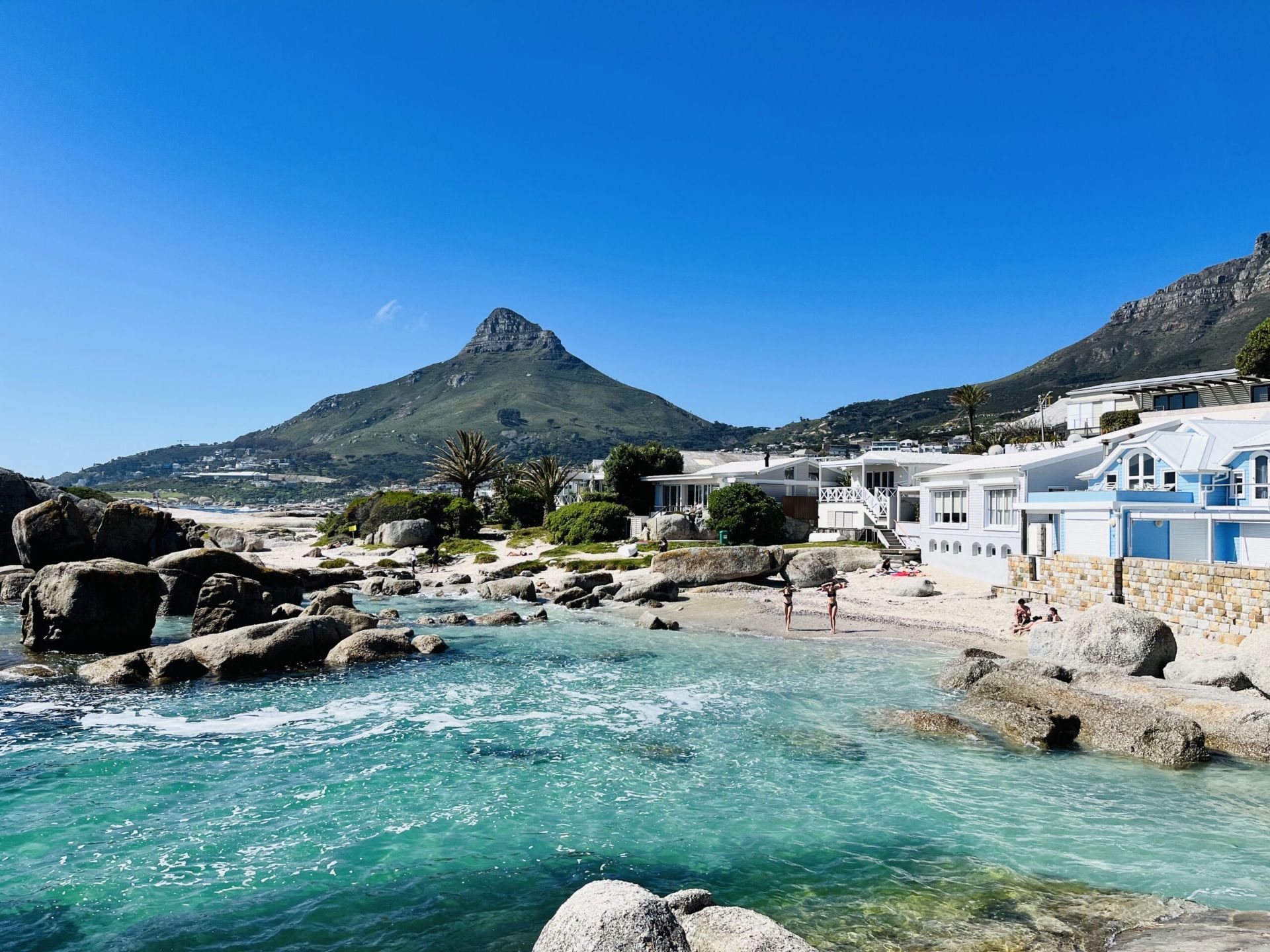
## Description Beta Beach in Bakoven is one of Cape Town’s more understated coastal spots, which is exactly what makes it appealing. Instead of the intensity of the city’s bigger, more famous beaches, Beta Beach offers a calmer setting where granite boulders, sheltered sand, and Atlantic water create a beautiful but low-key experience. The beach feels intimate and local, with views that are every bit as memorable as those at more famous shoreline destinations. What sets Beta Beach apart is the way it blends privacy and scenery. It is not a beach for large crowds or big facilities; it is a beach for people who want to pause, look out over the ocean, and enjoy the dramatic relationship between water and mountain. The Bakoven area itself has a strong residential character, which helps keep the atmosphere relaxed. One lesser-known fact is that the smaller coves in this part of the coast can look very different depending on tide and swell, so a single visit can feel dramatically different from one hour to the next. Another interesting detail is how the surrounding boulders create natural windbreaks and visual frames, making the beach especially photogenic. Beta Beach is also a good choice for travelers who want a quieter Atlantic side experience without giving up proximity to major Cape Town attractions. It works well as a short stop, a sunset watchpoint, or a place to linger between drives along the coast. The mountain backdrop and ocean light make it feel distinctly Cape Town, but in a softer, more residential register than some of the city’s busier beaches. For many visitors, that balance of accessibility and peace is the reason it becomes a favorite. ## Location Beta Beach is in Bakoven, Cape Town, Western Cape, South Africa, along the Atlantic coast near Camps Bay and the route toward the Twelve Apostles side of Table Mountain. The location is close to one of the city’s most scenic coastal corridors. The easiest way to get there is by car or ride-hailing service, especially if you are staying in central Cape Town, Camps Bay, or Sea Point. Public transport options are more limited for this particular stretch, so direct road access is usually the practical choice. Once there, plan to explore on foot so you can enjoy the coves and viewpoints at a slower pace. ## Tips Check tide and weather conditions before visiting, because the beach’s feel changes significantly with the sea. Bring sun protection and water, since the Atlantic coast can be sunny and exposed. Go near sunset for especially strong light on the water and mountains. Keep expectations realistic: this is a beautiful, quieter beach rather than a full-service resort area. ## Conclusion Beta Beach is a peaceful Cape Town coastal stop that pairs Atlantic beauty with a relaxed, local atmosphere. ## FAQ ### Is Beta Beach crowded? It is generally quieter than Cape Town’s most famous beaches, though it can still be busy at peak times. ### Can you swim there? People do swim, but Atlantic conditions can be cold and variable. ### Is it easy to find? Yes, especially if you are already traveling through Bakoven or nearby Camps Bay. ### Is it good for photography? Very much so, especially at sunrise or sunset. ### What makes it different from Camps Bay? It is smaller, quieter, and more sheltered, with a more intimate feel. ## Links - [Cape Town tourism information](https://www.capetown.travel/) - [Camps Bay on Wikipedia](https://en.wikipedia.org/wiki/Camps_Bay)
GemVoyage Team • World
Hurghada
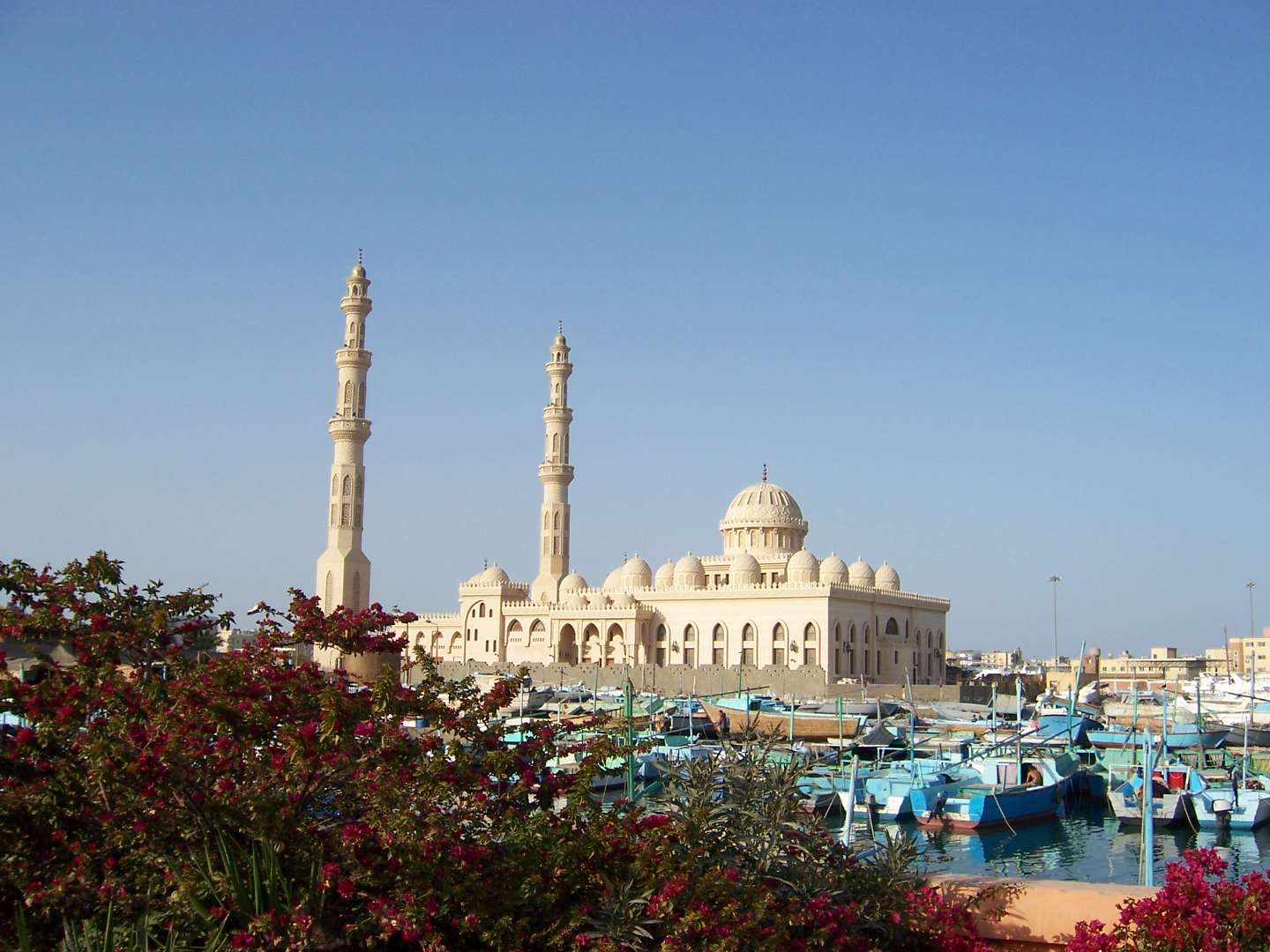
## Description Al Mina Mosque, also known as El Mina Masjid or the Grand Mosque of Hurghada, is one of the most striking religious landmarks on Egypt’s Red Sea coast. Completed in 2012, this architectural gem blends traditional Islamic design with modern elegance, making it a must-see for visitors seeking cultural depth beyond the beaches and resorts. With its gleaming white marble façade, towering minarets, and intricately carved domes, the mosque stands as a symbol of spiritual devotion and artistic craftsmanship. The mosque features two minarets that rise 40 meters into the sky and a central dome that reaches 25 meters in height. Inside, visitors are greeted by a serene prayer hall adorned with ornate chandeliers, engraved walls, and geometric patterns that reflect centuries of Islamic art. The mosque can accommodate up to 10,000 worshippers, making it the largest in the Red Sea Governorate. A little-known fact: Al Mina Mosque was built on an 8,000-square-meter site adjacent to Hurghada’s harbor, and its name—“Al Mina”—translates to “The Port,” referencing its proximity to the sea. The mosque also houses an Islamic cultural center that offers lectures and educational materials in multiple languages, aimed at fostering interfaith understanding and dialogue. ## Location Al Mina Mosque is located in **Egypt**, in the **Red Sea Governorate**, within the **city of Hurghada**. It sits directly on the waterfront near the Hurghada Marina and the city’s main harbor, making it easily accessible from both the old town (El Dahar) and the newer resort areas. ### How to Get There - **By Taxi**: Taxis are readily available throughout Hurghada and can take you directly to the mosque entrance. - **By Foot**: If you’re staying near the Marina or Sheraton Road, the mosque is within walking distance. - **By Tour**: Many city tours include a stop at Al Mina Mosque, often paired with visits to local markets and cultural sites. - **By Public Transport**: Minibuses and shared taxis frequently pass through the area, though they may require some navigation. Its central location makes it an ideal stop during a day of sightseeing or evening stroll along the harbor. ## Tips - **Visit Outside Prayer Times**: Non-Muslim visitors are welcome to explore the mosque during non-prayer hours. Avoid visiting during Friday prayers or religious holidays. - **Dress Modestly**: Women should cover their hair, shoulders, and knees. Men should avoid shorts. Scarves and robes may be provided at the entrance. - **Photography**: While exterior photography is encouraged, ask permission before taking photos inside, especially during prayer times. - **Respect the Space**: This is an active place of worship. Maintain a quiet and respectful demeanor. - **Combine with Nearby Attractions**: After visiting the mosque, explore the Hurghada Marina, local bazaars, or enjoy a meal at one of the waterfront restaurants. - **Check for Cultural Events**: The mosque’s Islamic center occasionally hosts lectures and exhibitions open to the public. ## Conclusion Al Mina Mosque is a serene and visually stunning destination that offers a glimpse into Egypt’s Islamic heritage. With its majestic architecture, peaceful ambiance, and central location, it’s a rewarding stop for anyone exploring Hurghada beyond the beach. ## FAQ **1. What are the opening hours of Al Mina Mosque?** The mosque is open daily from 9:00 AM to 5:00 PM, except during prayer times. **2. Is there an entrance fee?** No, entry is free. Donations to the mosque or its cultural center are welcome but not required. **3. Can non-Muslims visit the mosque?** Yes, non-Muslims are welcome during non-prayer hours and are encouraged to learn about the mosque’s history and architecture. **4. Is the mosque wheelchair accessible?** Yes, the mosque has ramps and accessible entrances for visitors with mobility needs. **5. Are guided tours available?** Some local guides offer cultural tours that include the mosque. The Islamic center also provides multilingual materials and lectures. **6. Is it safe to visit the mosque with children?** Yes, families are welcome. Children should be supervised and respectful of the prayer areas. ## Links - [Al Mina Mosque Visitor Guide – Hurghada Day](https://hurghadaday.com/things-to-do/al-mina-mosque/)
GemVoyage Team • World
Tokyo
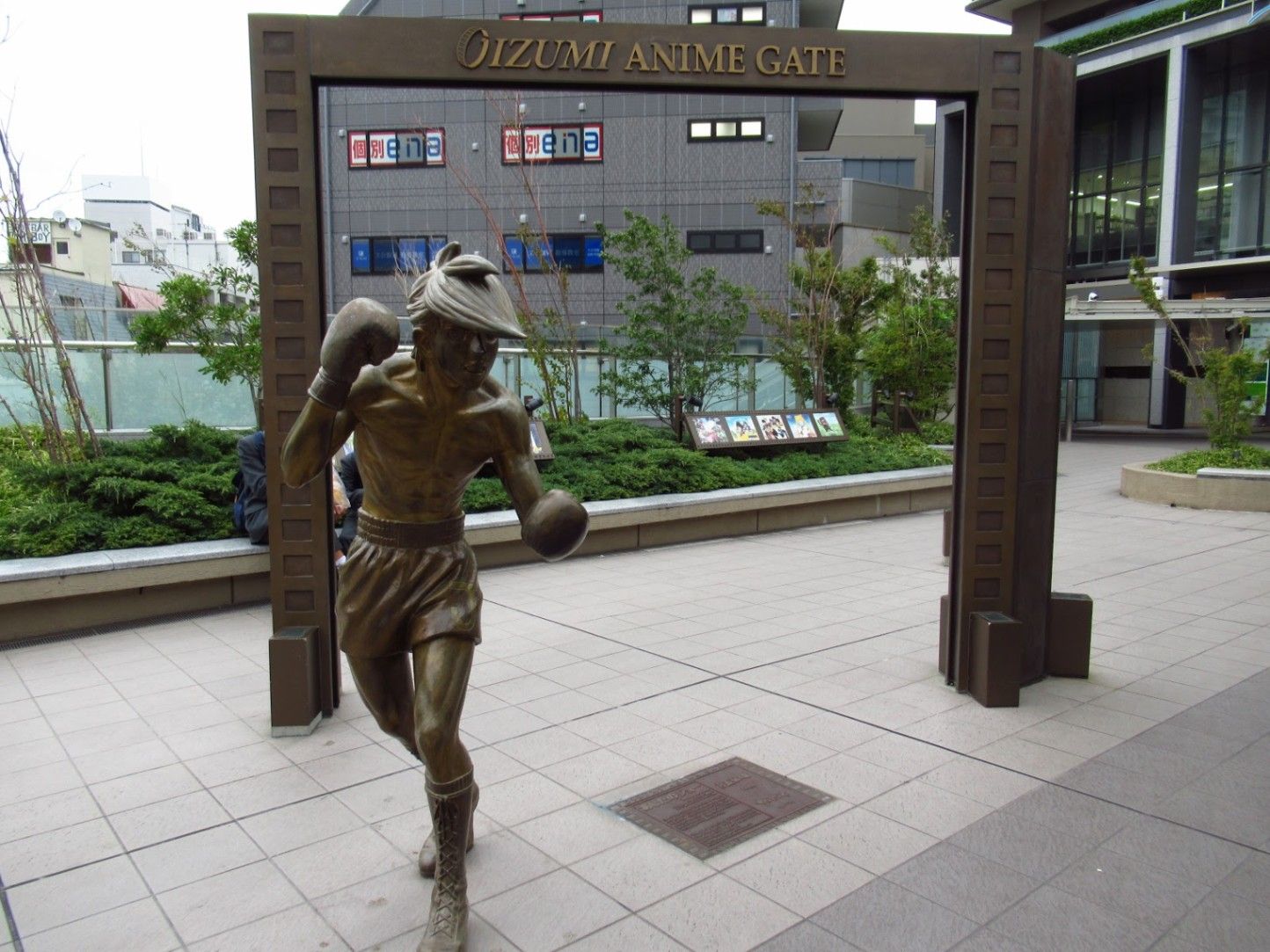
## Description **Ōizumi Anime Gate (大泉アニメゲート)** is a compact but culturally significant open-air attraction located in western Tokyo, celebrating the birthplace of Japan’s anime industry. Rather than being a museum or theme park, it is a **symbolic gateway** marked by life-size bronze statues of iconic anime characters, integrated directly into a normal urban environment. The site honors Ōizumi’s role as the home of **Toei Animation**, one of the most influential studios in anime history. What makes Ōizumi Anime Gate unique is its **casual accessibility**. There is no ticket, no enclosed space, and no structured route. Visitors encounter statues of characters such as Astro Boy, Sally the Witch, Tiger Mask, and Cyborg 009 as part of the daily streetscape. This reflects how deeply anime is woven into Japanese culture not as a niche interest, but as a shared cultural language. A little-known fact is that Ōizumi was the location of Japan’s **first full-scale animation studio**, established in the 1950s, which helped transition animation from experimental shorts into serialized television content. Another lesser-known detail is that the statues are intentionally spread around the station area rather than grouped together, encouraging visitors to explore the neighborhood rather than treating the site as a single photo stop. Ōizumi Anime Gate appeals not only to anime fans but also to travelers interested in **cultural origins**. It provides context for how anime evolved from a local industry into a global phenomenon, all while remaining firmly rooted in an ordinary Tokyo district. ## Location **Country:** Japan **Region:** Kantō **City:** Tokyo **Ward:** Nerima **Area:** Ōizumi The Anime Gate is centered around **Ōizumi-gakuen Station**, a suburban hub on the Seibu Ikebukuro Line. ### How to Get There * **By train:** * Take the **Seibu Ikebukuro Line** from Ikebukuro Station to **Ōizumi-gakuen Station**. The ride takes about 15–20 minutes. * **By bus:** * Local buses connect Ōizumi with other parts of Nerima and western Tokyo. * **By taxi:** * Convenient but unnecessary, as the station area is compact and walkable. * **On foot:** * Once at Ōizumi-gakuen Station, all statues are reachable within a short walking loop. ## Tips * **Download a statue map:** The figures are spread out, and a map helps ensure you don’t miss any. * **Visit during daylight:** The statues are outdoors and best photographed in natural light. * **Respect the neighborhood:** This is a residential and commuter area, not a theme park. * **Combine with local cafés:** Ōizumi has small cafés and bakeries popular with residents. * **Anime knowledge helps but isn’t required:** Informational plaques explain each character’s significance. * **Great short stop:** Ideal as a half-day visit combined with other western Tokyo neighborhoods. ## Conclusion Ōizumi Anime Gate is a modest but meaningful destination that honors the roots of Japanese animation in a way that feels authentic and unforced. By blending iconic characters into everyday urban life, it offers visitors a grounded perspective on how anime became a cornerstone of modern Japanese culture. ## FAQ **1. Is Ōizumi Anime Gate a museum?** No. It is an open-air installation of statues spread around the station area. **2. Is there an entrance fee?** No. The site is completely free to visit. **3. How long does a visit take?** About **30–60 minutes**, depending on how many statues you explore. **4. Is it suitable for children?** Yes. The area is safe, walkable, and family-friendly. **5. Do I need to be an anime fan to enjoy it?** Not necessarily. The site also appeals to visitors interested in Japanese cultural history. **6. Are there shops selling anime merchandise?** Not directly at the site, but nearby Tokyo districts offer extensive anime shopping options. ## Links * [Tokyo tourism official site](https://www.gotokyo.org)
GemVoyage Team • World
Rome
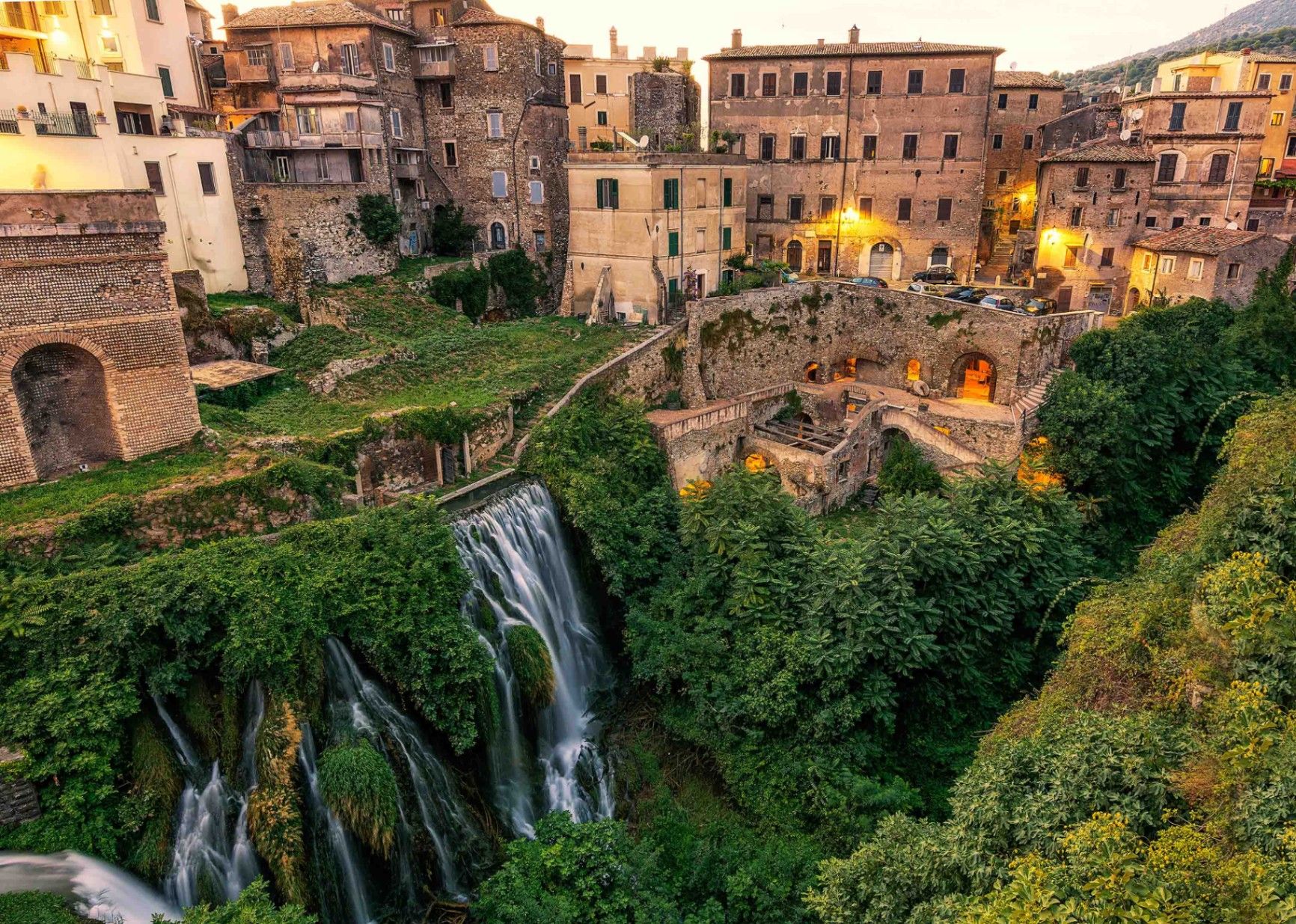
## Description Villa Gregoriana in Tivoli, just outside Rome, is one of Italy’s most captivating landscapes where history, art, and nature blend seamlessly. Unlike the lavish Renaissance villas Tivoli is famous for, such as Villa d’Este or Hadrian’s Villa, Villa Gregoriana is more of a natural park—a romantic landscape garden created in the 19th century. It was commissioned by Pope Gregory XVI in 1835 after a devastating flood of the Aniene River destroyed part of Tivoli. The project diverted the river and transformed the ravine into a park with paths, grottoes, and terraces overlooking dramatic waterfalls. The heart of the villa is the **Great Waterfall (Cascata Grande)**, a spectacular 120-meter drop of the Aniene River that roars through a deep gorge. The park is also dotted with archaeological remains, including Roman temples such as the **Temple of Vesta** and the **Temple of Sibyl**, which crown the cliffs above. Romantic poets and painters of the 19th century, from Goethe to Turner, were inspired by its sublime scenery. A lesser-known fact about Villa Gregoriana is that it fell into neglect for much of the 20th century. It was only restored and reopened to the public in 2005 thanks to the Italian heritage organization **FAI (Fondo Ambiente Italiano)**. Today, it is both a natural reserve and an open-air museum of history, geology, and art. ## Location Villa Gregoriana is located in **Tivoli**, a town in the **Metropolitan City of Rome (RM)**, in the region of **Lazio**, central **Italy**. Tivoli lies about 30 kilometers east of Rome, perched on the slopes of the Tiburtine Hills. To reach Villa Gregoriana, visitors can take a regional train from Rome’s Tiburtina station to Tivoli, which takes around one hour. From Tivoli station, it’s a short walk to the villa’s entrance. Alternatively, buses also run between Rome and Tivoli. If you’re driving, the trip takes about 45 minutes along the A24 motorway. Walking is essential once inside, as the park’s paths wind through steep terrain and natural landscapes. ## Tips * **Wear comfortable shoes:** The park has uneven terrain, stairs, and steep paths. Good walking shoes are essential. * **Allow time:** A full visit can take two to three hours if you want to enjoy both the waterfalls and the archaeological ruins. * **Best seasons to visit:** Spring and autumn offer pleasant weather and lush greenery. In summer, the waterfalls are at their most powerful but the heat can be intense. * **Photography:** Bring a camera—the views of the waterfalls and temples are spectacular from various terraces. * **Check opening hours:** Villa Gregoriana has seasonal hours and may close in winter, so it’s best to check in advance. * **Combine with other villas:** Tivoli is home to Villa d’Este and Hadrian’s Villa, both UNESCO World Heritage Sites, making it an excellent day trip from Rome. ## Conclusion Villa Gregoriana in Tivoli is a place where natural beauty meets history. With its majestic waterfalls, ancient temples, and romantic landscapes, it offers a unique contrast to the opulent villas nearby. Restored after years of neglect, it now stands as one of Italy’s most enchanting sites, ideal for travelers seeking a mix of culture, nature, and tranquility. ## FAQ **1. What is Villa Gregoriana best known for?** It is best known for its dramatic waterfalls, particularly the Great Waterfall, and for its blend of natural landscapes with ancient Roman ruins. **2. How much time do I need to visit?** Plan at least two hours to walk the trails, admire the waterfalls, and explore the archaeological sites. **3. Is Villa Gregoriana family-friendly?** Yes, but keep in mind that the terrain is steep and not suitable for strollers. Children should be supervised on paths near cliffs. **4. Are guided tours available?** Yes, guided tours are offered, and they provide fascinating insights into the park’s history, geology, and architecture. **5. Can I picnic inside the park?** Picnicking is not generally allowed inside the villa, but Tivoli offers many nearby restaurants and cafés for meals. **6. Is Villa Gregoriana accessible by wheelchair?** Due to its rugged terrain and steep paths, the site is not well-suited for wheelchair users or those with limited mobility. ## Links * [FAI – Villa Gregoriana Official Page](https://fondoambiente.it/luoghi/parco-villa-gregoriana)
GemVoyage Team • World
Gifu
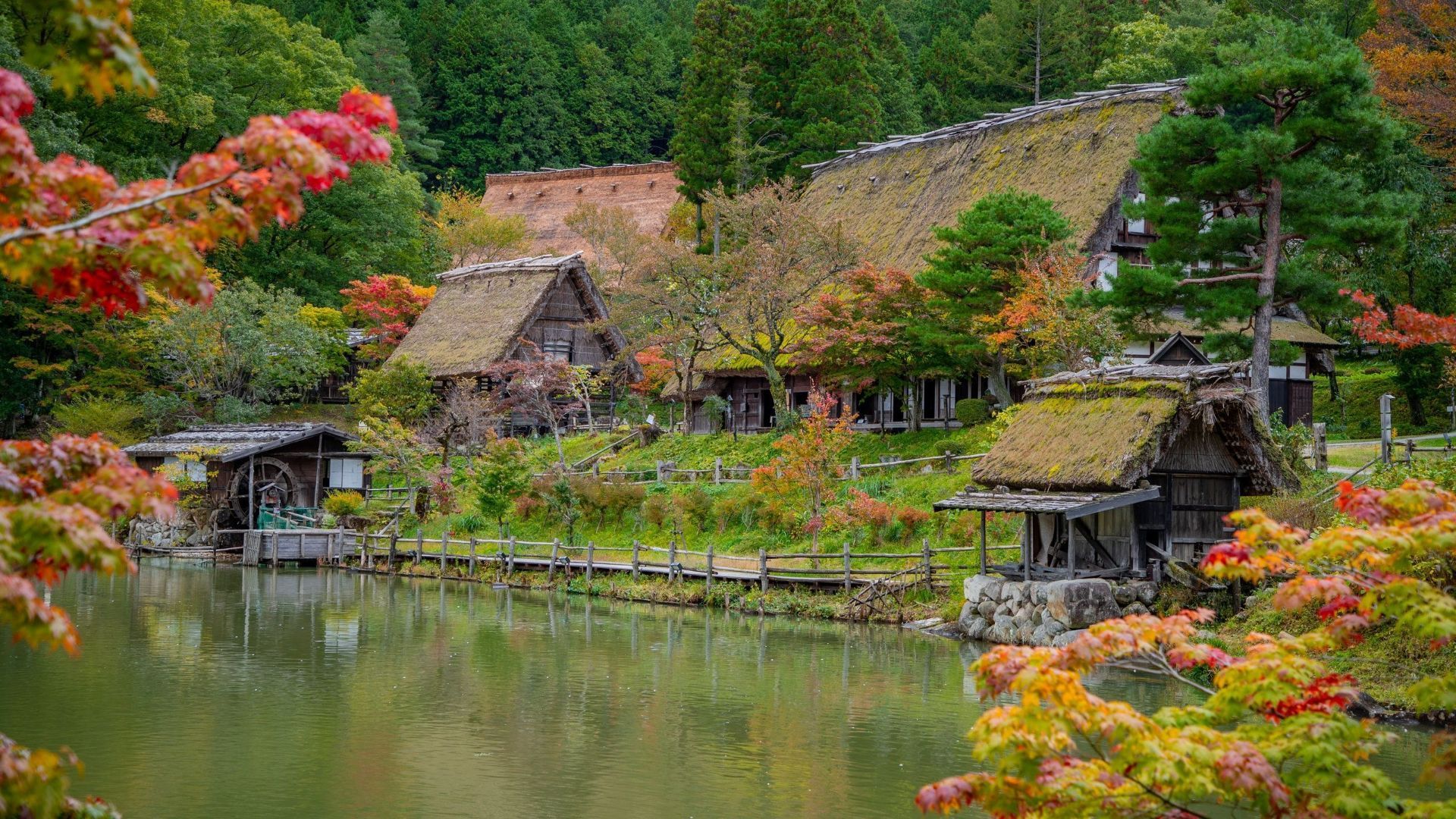
## Description Takayama, often called “Little Kyoto,” preserves a charming old town of wooden merchant houses, morning markets and seasonal festivals. Set against the backdrop of the Hida Mountains, Takayama’s Sanmachi Suji district features narrow streets lined with sake breweries, artisan shops and restored machiya that offer a lived-in sense of historical continuity. Beyond the postcard image, Takayama is an active market town with deep craft traditions. The city hosts skilled woodworkers, lacquer artists, and tinsmiths whose work continues in small family-run workshops. Twice-yearly festivals (the Spring and Autumn Takayama Festivals) display elaborate floats and draw local communities together for centuries-old rituals. Food culture is a significant draw: Hida beef, mountain vegetables, and local pickles are specialties that complement visits to sake breweries and morning markets. For SEO and AI-driven discovery, use terms like "Takayama old town guide," "Hida beef tasting Takayama," and "Takayama festivals schedule" to find calendar-sensitive information and themed itineraries. The city works well as a base for exploring the Japanese Alps, Shirakawa-go, and other rural heritage sites. ## Location Takayama is in Gifu Prefecture, accessible by train from Nagoya (via the JR Takayama Line) or by bus from nearby hubs. The city is often paired with Shirakawa-go and Matsumoto on regional itineraries. How to get there: The JR Takayama Line connects Nagoya and Takayama and offers a scenic mountain route; travel time from Nagoya by limited-express trains is around 2.5–3 hours. Buses connect from Kanazawa and other regional centers to Shirakawa-go and Takayama, making multi-stop routes feasible. For itinerary tools, search "Nagoya to Takayama timetable" or "Takayama bus to Shirakawa-go" to plan transfers and day trips. Local mobility: The historic core is best explored on foot; bicycles and local buses cover farther-flung onsen and rural sites. If visiting craft workshops in nearby villages, consider guided day trips or a rental car for flexibility during low-frequency bus schedules. ## Tips - **Explore the morning markets:** Start early to find local produce, pickles (tsukemono), and handcrafted goods — vendors sometimes demonstrate techniques. - **Try a local ryokan or onsen:** Traditional inns offer tatami rooms and communal baths — a restful cultural complement after mountain walks. - **Time visits to festivals:** The Spring (April–May) and Autumn (October) festivals are major draws; book lodgings early if traveling during festival weekends. - **Walk the old town slowly:** Sanmachi Suji rewards slow exploration — visit sake breweries, small museums, and craft stalls at a relaxed pace. - **Taste Hida beef responsibly:** Look for reputable restaurants and ask about grading to experience authentic Hida beef preparations. - **Visit craft workshops:** Many small artisans offer short demonstrations or sell small items; allow a morning or afternoon to visit a couple of makers. ## Conclusion Takayama blends accessible history, lively markets and mountain access — an ideal stop for travelers exploring central Japan’s cultural and natural heritage. Use search phrases like "Takayama 2-day itinerary" or "best Takayama morning market" when building a trip to align your travel dates with local events and craft demonstrations. ## FAQ - **Q: Is Takayama family-friendly?** A: Yes — museums, markets, and short walks make it suitable for families. Hands-on craft experiences and easy day trips add family appeal. - **Q: How many days are recommended?** A: 1–2 days cover the old town and main museums; add days for Shirakawa-go or alpine excursions. - **Q: Where can I try authentic Hida beef?** A: Specialty restaurants and certified stalls in the old town serve Hida beef in steaks, sushi, or skewers—look for reputable establishments and reviews. - **Q: Are English services common in Takayama?** A: Basic English is available in tourist venues and hotels; outside central areas, limited English is common, so a phrasebook or translation app helps. - **Q: What’s the best time to visit for festivals?** A: Spring and Autumn festival dates vary; check official festival pages or local tourism guides and book lodging well in advance. ## Links - [Takayama — Wikipedia](https://en.wikipedia.org/wiki/Takayama,_Gifu)
GemVoyage Team • World

Comments