GemVoyage Team • World
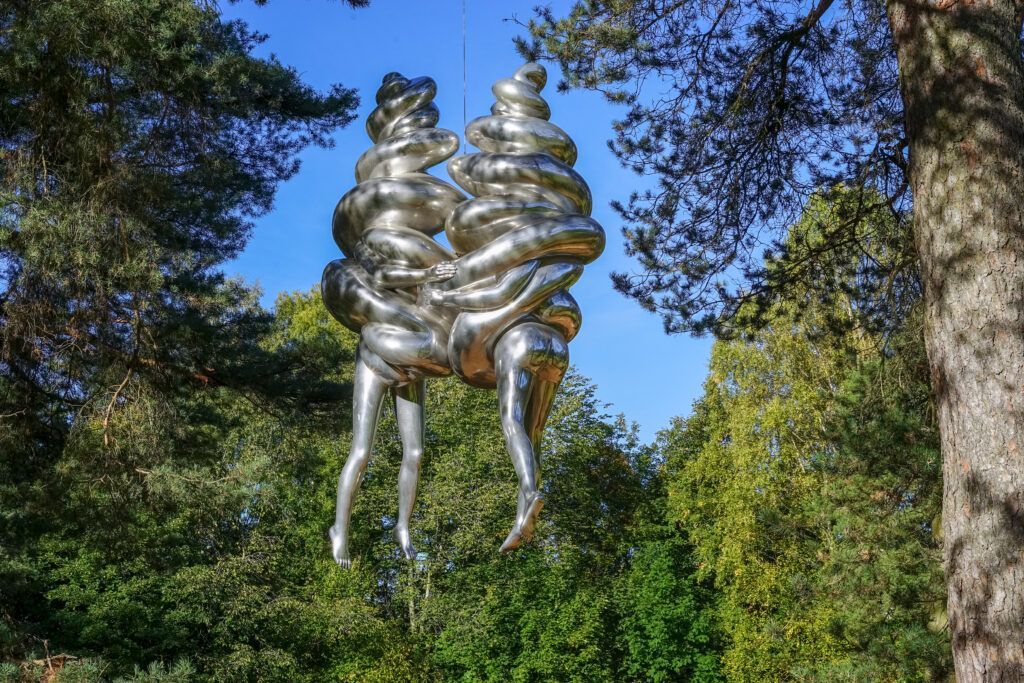
The park’s appeal lies in its variety. One moment you are looking at a monumental sculpture in an open clearing, and the next you are walking through trees where smaller works appear almost discreetly within the landscape. That balance between art and nature gives the park a strong identity. It is also one of the few places in Oslo where you can experience large-scale contemporary sculpture without the pressure of indoor galleries or ticket-driven time limits. The overall effect is relaxed, but it is also carefully curated.
One lesser-known aspect of Ekebergparken is that the site has long carried cultural associations beyond its current role as a sculpture park. The hill has been important in Oslo’s history and imagination for centuries, and the park’s placement takes advantage of both the geological terrain and the city views. Another interesting fact is that the park is not only about major names in sculpture; it often rewards visitors who slow down and pay attention to how each work interacts with light, weather, and seasonal changes. A piece that seems subtle in summer can feel dramatically different in winter or at dusk.
The simplest way to get there is by tram or bus followed by a short uphill walk, though many visitors use taxis or ride-hailing services to save energy for the walking inside the park. If you enjoy city walks, you can also reach the area on foot from central Oslo, but be prepared for a climb. Because the park is spread out, comfortable shoes matter more than almost anything else.
Allow more time than you think you need. The park is best enjoyed slowly, with room for detours and view stops.
Bring a camera, but do not rush the experience. Some of the best moments happen when you simply pause at a viewpoint or sit near a sculpture.
Visit near sunset if you want the city views at their most dramatic, but note that the park can feel cooler and windier later in the day.
Check the park’s current sculpture map or seasonal information before going, since installations and access details can change.
Discover more hidden gems you might love.
Manchester
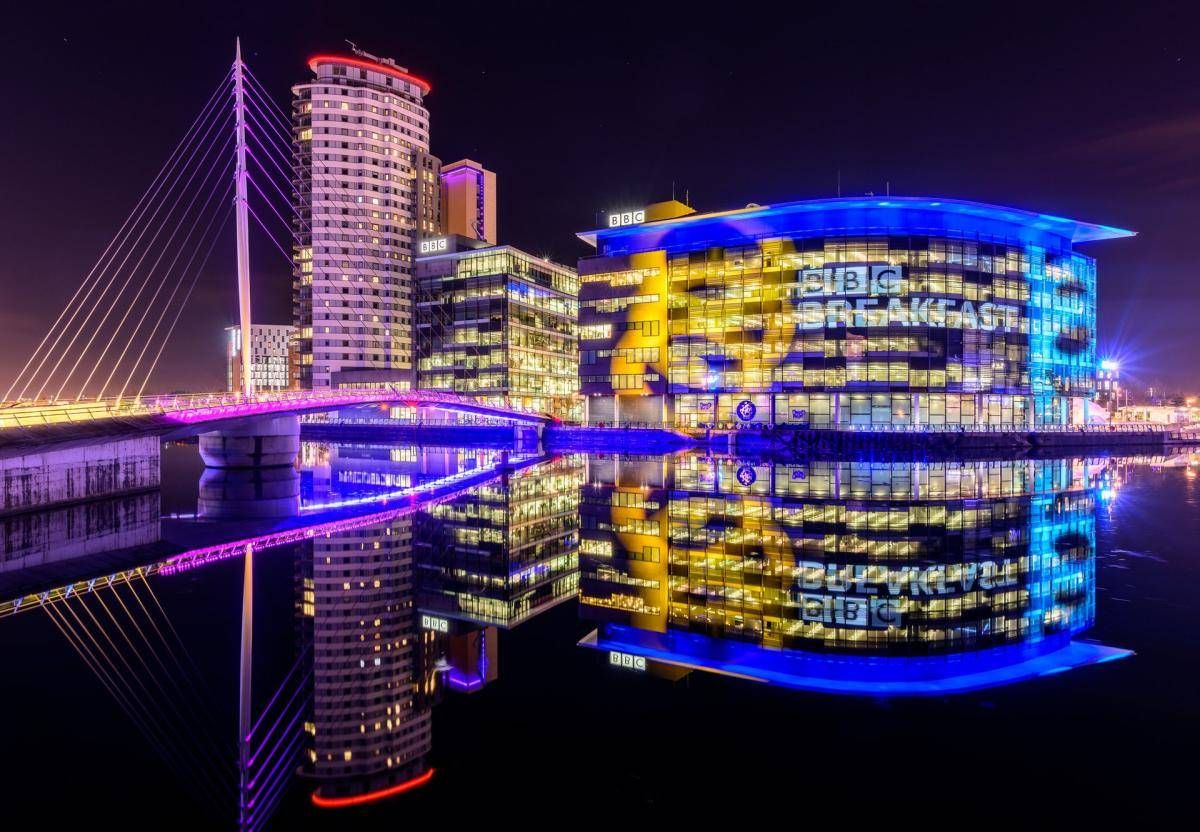
## Description The Quays is one of Manchester’s most dynamic and visually striking waterfront areas, known for its blend of modern architecture, cultural landmarks, and leisure spaces. Once part of the historic Manchester Docks, this area has been completely transformed into a contemporary district that reflects the city’s industrial past while embracing innovation and creativity. Today, The Quays is a popular destination for both locals and visitors, offering museums, media hubs, restaurants, and scenic walking routes along the water. What makes The Quays unique is its successful regeneration story. Formerly an active dock system that played a vital role in Britain’s industrial trade, the area fell into decline in the late 20th century before being reimagined as a cultural and media center. A little-known fact is that the docks here were once among the busiest inland ports in the world. Another interesting detail is that The Quays is home to MediaCityUK, where major broadcasters operate live studios, allowing visitors to see television and radio production happening in real time. With iconic attractions such as The Lowry arts center and the Imperial War Museum North, The Quays offers a balanced mix of history, culture, and modern urban life. ## Location The Quays is located in **England**, in the **Greater Manchester** region, within the city of **Manchester**, primarily spanning the Salford Quays area. It lies just west of Manchester city center, along the Manchester Ship Canal. Getting to The Quays is easy and convenient. The Metrolink tram system provides direct access via stops such as **MediaCityUK** and **Salford Quays**, connecting the area to Manchester Piccadilly and other key parts of the city. Several bus routes also serve the area. For those arriving by car, parking is available at various nearby facilities, though public transport is often the most efficient option. ## Tips * Wear comfortable shoes, as the waterfront paths are ideal for walking and exploring the area on foot. * Visit in the late afternoon or evening to enjoy reflections on the water and vibrant nightlife. * Check event schedules at The Lowry and MediaCityUK, as performances and live broadcasts are frequent. * Combine your visit with a museum stop, especially the Imperial War Museum North, which offers free entry. * Bring a light jacket, as the waterfront can feel cooler and windier than the city center. * Photography enthusiasts will appreciate the modern skyline and waterside views, especially at sunset. ## Conclusion The Quays is a standout example of Manchester’s reinvention, transforming historic docks into a lively cultural and entertainment district. Its mix of museums, media, dining, and scenic walks makes it an essential stop for anyone exploring the city. ## FAQ **Is The Quays suitable for families?** Yes, the area is family-friendly, with open spaces, museums, and regular events suitable for all ages. **How much time should I spend at The Quays?** Most visitors spend between two and four hours, depending on activities and attractions visited. **Are there free attractions at The Quays?** Yes, attractions like the Imperial War Museum North offer free entry. **Is The Quays accessible for people with limited mobility?** Yes, the area is modern and generally well equipped with step-free access and wide pathways. **Can I eat and drink at The Quays?** Absolutely. The area offers a wide range of cafés, bars, and restaurants with waterfront views. ## Links * [The Quays Official Website](https://www.thequays.org.uk)
GemVoyage Team • World

New York
## Description The High Line is one of New York City's most recognizable urban parks, but it is more than a simple green walkway. Built on a former elevated freight rail line on Manhattan's West Side, it turns industrial infrastructure into a long public promenade with gardens, city views, art installations, and quiet places to sit above the traffic. What makes it especially appealing is the way it blends architecture, landscape design, and everyday city life into one continuous experience. Visitors can move from the Meatpacking District to Hudson Yards while seeing the city from a perspective that feels both cinematic and surprisingly calm. One of the less obvious facts about the High Line is that its planting design was inspired by the wild vegetation that grew on the abandoned tracks before redevelopment began. That gives the park a natural, slightly untamed character even though it sits in one of the most developed parts of Manhattan. Another detail many first-time visitors do not expect is how much the experience changes by time of day: early morning feels reflective and peaceful, while sunset brings warm light, busier paths, and some of the best skyline photography in the city. It is a place where a short stroll can easily become a lingering afternoon. ## Location The High Line runs through the Chelsea and Hudson Yards neighborhoods on the west side of Manhattan in New York City, New York, United States. The park stretches for several blocks between the Meatpacking District and the edge of Midtown, with multiple entry points along the route. The closest subway stops vary depending on where you want to begin, but the 14th Street, 23rd Street, and 34th Street stations are among the most useful starting points. Walking from the surrounding neighborhoods is often the easiest choice because the High Line is meant to be experienced as part of a broader urban stroll. If you are planning a visit, consider starting in the Meatpacking District and walking north so you can gradually move into the newer Hudson Yards area. That direction gives a nice balance between historic warehouse blocks, galleries, and modern towers. Public transit is the best way to get there, since parking in this part of Manhattan is limited and expensive. ## Tips - Go early if you want quieter paths and easier photography without large crowds. - Wear comfortable shoes, since the walk is longer than it looks and nearby side streets invite detours. - Look for the seasonal planting and public art, because they change the mood of the route throughout the year. - Combine the visit with Chelsea Market, the Whitney Museum area, or Hudson Yards to make a fuller day. - Bring water in warm weather, since the elevated paths can feel hotter than the shaded streets below. - Stay aware of entrances and exits, because it is easy to overshoot the staircase you planned to use. ## Conclusion The High Line is a model example of how a city can transform a forgotten structure into a destination with real character. It rewards slow walking, repeated visits, and attention to detail, making it one of New York's best outdoor urban experiences. ## FAQ ### What is the best time to visit the High Line? Morning is best if you want a calmer atmosphere, softer light, and more room to move. Late afternoon and sunset are the most scenic times, but they also tend to be busier. If you are visiting in peak season, weekdays are usually less crowded than weekends. ### How long does it take to walk the High Line? Many visitors spend 45 minutes to 2 hours on the walk, depending on how often they stop for photos, art, or views. If you plan to connect it with nearby attractions, you should leave more time so the visit feels relaxed rather than rushed. ### Is the High Line suitable for families? Yes, it works well for families because it is pedestrian-only, easy to navigate, and full of visual interest. The main challenge is crowd density at popular times, so children may enjoy the walk more if you visit early or choose a less busy weekday. ### Can you access the High Line from multiple points? Yes, one of its biggest advantages is the number of access points along the route. This makes it easy to join for a short segment, exit near a neighborhood you want to explore, or use it as part of a larger walking itinerary across West Manhattan. ### What should I combine with a High Line visit? Chelsea Market, the Whitney area, the Meatpacking District, and Hudson Yards all pair naturally with the High Line. Those nearby stops turn a simple park visit into a richer day of food, art, architecture, and shopping. ## Links - [Official website](https://www.thehighline.org/) - [Wikipedia](https://en.wikipedia.org/wiki/High_Line)
GemVoyage Team • World

Cairo
## Description **Souk Al Fustat** is one of Cairo’s most fascinating markets, blending traditional Egyptian craftsmanship with a modern, organized atmosphere. Unlike the bustling and chaotic feel of Khan El Khalili, Souk Al Fustat offers a calmer, more curated shopping experience where visitors can explore handmade goods, artisanal crafts, and cultural souvenirs in a relaxed setting. What makes this market particularly unique is its focus on **authentic, high-quality handicrafts**. Here, you’ll find exquisite pottery, handwoven textiles, blown glass, leather goods, and jewelry made by local artisans who carry on centuries-old traditions. Many items are produced using techniques passed down through generations, making every piece a little work of art. A lesser-known fact about Souk Al Fustat is that it was established in the early 2000s as part of an initiative to revive Egypt’s traditional crafts and support artisans economically. Another hidden gem is that the market is located near some of Cairo’s most historic landmarks, making it easy to combine shopping with cultural exploration in a single trip. ## Location Souk Al Fustat is located in **Old Cairo**, near **Amr Ibn Al-As Mosque** and the **Hanging Church**, within the **Fustat area** of Cairo, Egypt. The address places it right in the heart of Cairo’s oldest district, which is rich in both Islamic and Coptic heritage. Getting there is fairly simple. From downtown Cairo, you can take a taxi or a ride-hailing service like Uber, which is the most convenient option for visitors unfamiliar with the city. The drive usually takes around 20–30 minutes depending on traffic. Alternatively, you can use the **Cairo Metro** and get off at **Mar Girgis Station**, which is just a short walk from the market and other Old Cairo attractions. ## Tips To make the most out of your visit to Souk Al Fustat, consider these tips: * **Bring cash** – While some shops may accept cards, cash is the preferred method of payment, especially for smaller purchases. * **Bargain respectfully** – Unlike Khan El Khalili, prices here are often fixed, but it doesn’t hurt to politely ask for a discount if you’re buying multiple items. * **Visit nearby landmarks** – Plan your visit around Old Cairo so you can explore attractions like the Coptic Museum, Amr Ibn Al-As Mosque, and the Synagogue of Ben Ezra. * **Go in the morning or late afternoon** – This helps you avoid the midday heat and ensures a quieter shopping experience. * **Look for workshops** – Some artisans allow visitors to watch them work, offering a unique opportunity to see traditional crafts being made before your eyes. * **Support local artisans** – Many of the sellers depend on this market as their main livelihood, so buying directly from them helps preserve Egypt’s cultural heritage. ## Conclusion **Souk Al Fustat in Cairo** is more than just a marketplace—it’s a cultural hub where history, craftsmanship, and tradition come together. With its authentic handmade goods, peaceful shopping environment, and proximity to Old Cairo’s iconic landmarks, it’s the perfect spot for travelers who want to take home a meaningful piece of Egypt. ## FAQ **1. What is Souk Al Fustat known for?** It’s best known for selling authentic Egyptian handicrafts such as pottery, textiles, jewelry, glassware, and leather goods, all made by local artisans. **2. How is it different from Khan El Khalili?** Souk Al Fustat is smaller, calmer, and more organized than Khan El Khalili, focusing on quality handmade crafts rather than mass-produced souvenirs. **3. Is it family-friendly?** Yes, the market has a relaxed atmosphere, making it suitable for families with children who want to explore Egyptian crafts without the overwhelming crowds. **4. How much time should I plan for my visit?** You can comfortably explore the market in 1–2 hours, but if you combine it with nearby Old Cairo attractions, plan for a half-day trip. **5. Are prices fixed at Souk Al Fustat?** Many shops have fixed prices, but some sellers may allow light bargaining, especially if you’re purchasing multiple items. **6. When is the best time to visit?** The best times are mornings or late afternoons to avoid the heat and enjoy a more relaxed shopping experience. ## Links * [Official Egypt Tourism Website](https://www.egypt.travel)
GemVoyage Team • World
Lima
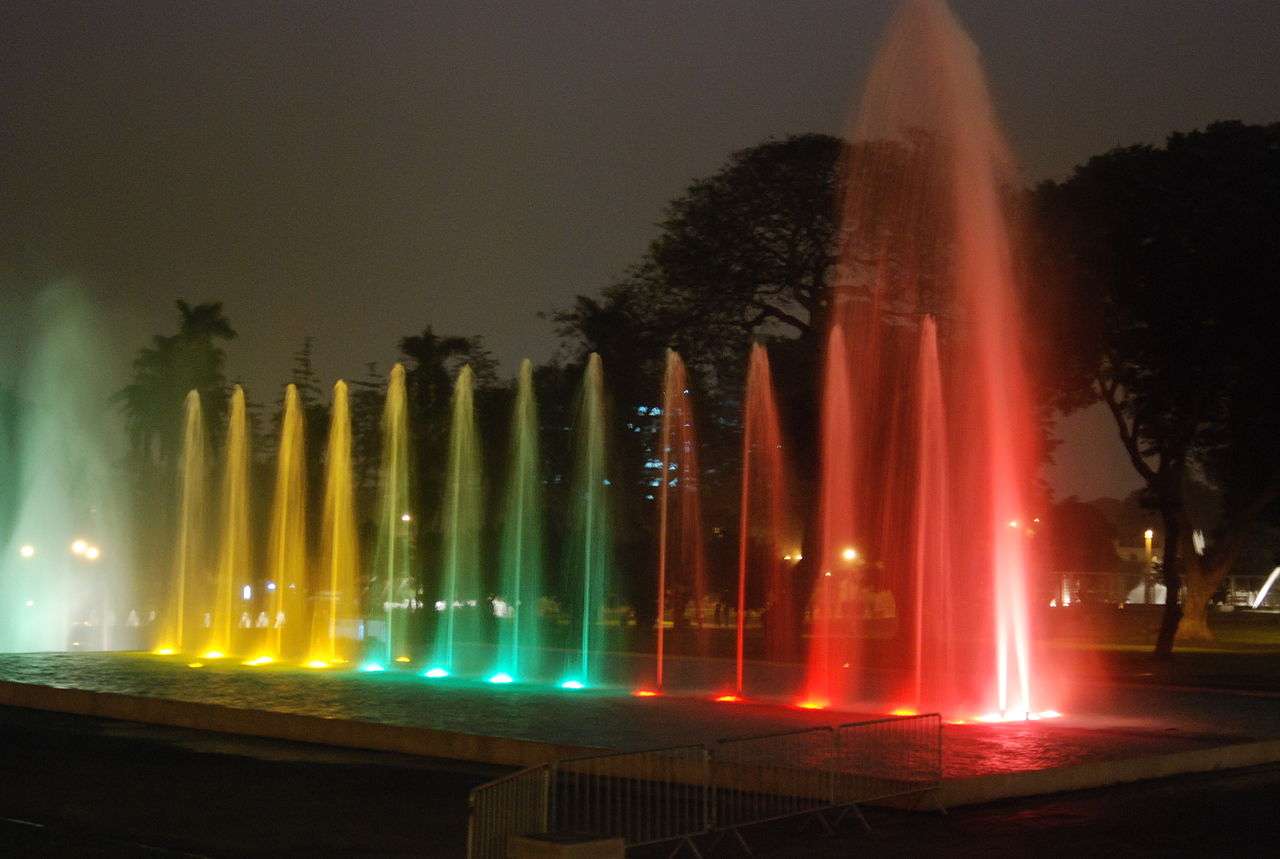
## Description The Magic Water Circuit (Circuito Mágico del Agua) in Lima is a dazzling display of light, music, and water that transforms a traditional city park into a nighttime spectacle. Located in the historic Parque de la Reserva, this attraction features 13 cybernetic fountains that combine cutting-edge technology with artistic choreography. Each fountain is uniquely designed, offering a blend of interactive experiences, visual storytelling, and cultural symbolism. The centerpiece of the park is the Fantasia Fountain, a 130-meter-long installation that hosts nightly multimedia shows. These performances blend water jets, laser lights, and music to create a captivating narrative—often highlighting Peruvian history, landscapes, and folklore. Other notable fountains include the Tunnel of Surprises, a 35-meter-long water tunnel that visitors can walk through, and the Dream Maze, where timing and agility are key to staying dry. A little-known fact: upon its opening in 2007, the Magic Water Circuit was recognized by the Guinness Book of World Records as the largest fountain complex in a public park. Another unique feature is the educational exhibits that occasionally accompany the fountains, such as historical photo displays or water conservation messages, adding depth to the entertainment. ## Location The Magic Water Circuit is located in **Peru**, in the **Lima Region**, within the **city of Lima**. Specifically, it sits in **Parque de la Reserva**, in the downtown district of Cercado de Lima. ### How to Get There - **By Taxi or Ride-Share**: Services like Uber and Cabify are widely available and can drop you off at the main entrance on Jr. Madre de Dios. - **By Public Transport**: The Metropolitano bus system stops nearby at Estación Central. From there, it’s a short walk to the park. - **By Foot**: If you're staying in central Lima, the park is easily accessible on foot from nearby neighborhoods like Jesús María or San Isidro. - **By Car**: Parking is available at the site, with flat rates depending on the lot. Its central location makes it a convenient stop for both tourists and locals exploring Lima’s cultural core. ## Tips - **Visit After Sunset**: The fountain shows begin around 7:15 PM and run multiple times throughout the evening. Arriving after dark ensures you catch the full spectacle. - **Bring a Rain Jacket or Poncho**: Some fountains are interactive, and you may get wet—especially in the maze or tunnel. - **Buy Tickets in Advance**: Entry is affordable (around S/5), but lines can form during weekends and holidays. Booking online or arriving early helps. - **Check for Special Events**: The park occasionally hosts themed shows or cultural exhibitions. Visit the official site for updates. - **Use a Tripod for Photos**: The lighting and water movement make for stunning photography, especially with long exposures. - **Respect the Rules**: Children under 5 enter free with ID, and discounts are available for seniors and people with disabilities. ## Conclusion The Magic Water Circuit in Lima is a vibrant fusion of art, technology, and public space. With its record-breaking fountains, immersive light shows, and family-friendly atmosphere, it offers a memorable evening experience that showcases the creative spirit of Peru’s capital. ## FAQ **1. What are the operating hours of the Magic Water Circuit?** The park is open daily from 3:00 PM to 10:00 PM. Multimedia shows begin at 7:15 PM, 8:15 PM, and 9:10 PM. **2. Is there an entrance fee?** Yes, general admission is S/5. Children under 5 enter free with ID. Discounts are available for seniors and people with disabilities. **3. Is the park suitable for children?** Absolutely. The interactive fountains and colorful displays are especially popular with families. **4. Can I bring food or drinks into the park?** Outside food is discouraged, but there are vendors and kiosks inside offering snacks and refreshments. **5. Are the shows in English or Spanish?** The multimedia shows are primarily visual and musical, with minimal spoken content, making them accessible to all visitors. **6. Is the park wheelchair accessible?** Yes, the park is designed to accommodate visitors with mobility needs, and discounted entry is available with proper ID. ## Links - [Official Magic Water Circuit Website](https://circuitomagicodelagua.pe/)
GemVoyage Team • World
Tokyo
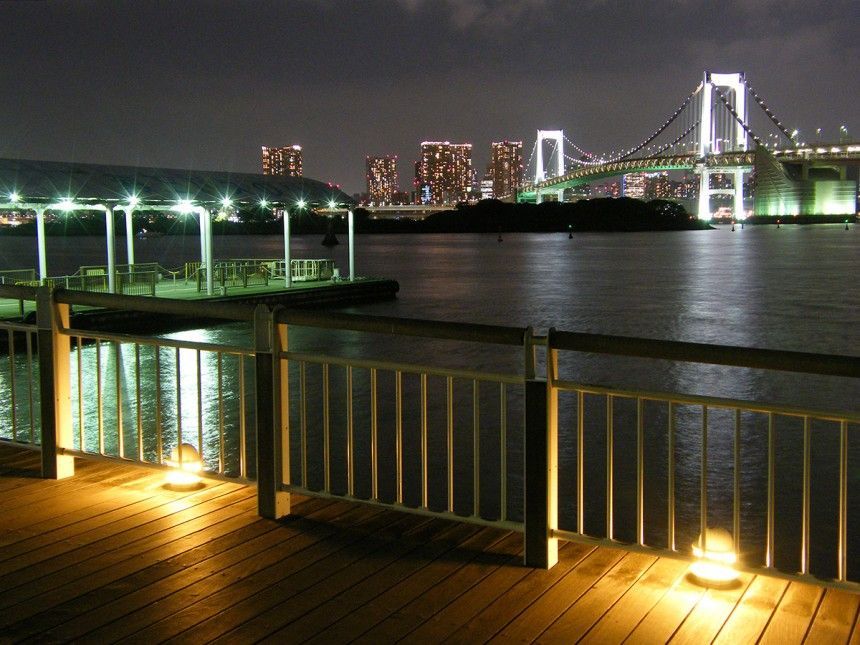
## Description Odaiba Seaside Park is one of Tokyo’s most enjoyable waterfront attractions because it offers a rare combination of open sky, coastal views, and easygoing public space in a city usually defined by density. The park is set on Tokyo Bay, and that location shapes everything about the experience. Instead of narrow streets, you get broad horizons. Instead of constant urban pressure, you get a slower rhythm, with people walking, sitting, cycling, or simply watching the water and the skyline. What makes the park appealing is the sense of contrast. Tokyo is famous for its intensity, but Odaiba gives you a place where the city meets the sea in a more relaxed way. You can see modern structures, bridges, and across-the-water views that feel both futuristic and calm. That blend is especially strong at sunset, when the light across the bay changes the atmosphere dramatically. Visitors often come for photographs, but they stay because the park is genuinely pleasant to spend time in. One little-known fact is that Odaiba itself was originally connected to ambitious land-reclamation and harbor development ideas, so the area reflects a distinctly modern Tokyo story rather than an ancient one. Another is that the park offers a valuable break in a city itinerary because it lets you slow down without feeling disconnected from the urban landscape. The water, beach-like edges, and sightlines make it feel open, but it still belongs fully to Tokyo. The park also works well as part of a larger Odaiba visit. It pairs naturally with shopping, entertainment, and other bay-area attractions, but it does not require you to spend money to enjoy it. That makes it especially useful for travelers who want a scenic stop that is easy to fit into a flexible day. If your idea of Tokyo includes both high energy and moments of calm, Odaiba Seaside Park delivers one of the cleanest transitions between the two. ## Location Odaiba Seaside Park is in Odaiba, Tokyo, Japan, on the waterfront facing Tokyo Bay. The area is well connected to the rest of the city and is one of the most recognizable modern districts in Tokyo’s bay zone. The easiest way to get there is by public transport, including the Yurikamome line or other transit options that serve the Odaiba area. Once you arrive, the park is straightforward to reach on foot. Because the district is designed for visitors and leisure, navigating it is generally simpler than navigating the city’s older, denser neighborhoods. If you are planning a full day, combine the park with nearby attractions or a walk through the broader Odaiba area. That gives you a better sense of why the district has become one of Tokyo’s most photogenic waterfront destinations. ## Tips Go near sunset if possible. The water, skyline, and bridges are especially attractive in the late afternoon and evening light. Bring a light jacket if you are visiting near the water, since the breeze can be stronger than in inland parts of the city. If you like photography, take your time moving around the shoreline. Different angles give you very different views of the city and bay. Use the park as a slower reset during a busier Tokyo itinerary. It is ideal after a day of dense urban exploration. Because Odaiba is so closely tied to modern Tokyo, the park can also feel cinematic in a way that many urban attractions do not. Bridges, towers, water, and open sky create a broad scene that changes with the light. That makes it especially good for visitors who like to photograph cityscapes or simply stand still and take in a less compressed part of Tokyo. The sense of openness is the whole point, and it is one of the reasons the park remains memorable after a busy day elsewhere in the city. It is also useful as a reminder that Tokyo is not only a city of movement but also of carefully designed public space. Odaiba Seaside Park gives you room to breathe without leaving the urban experience behind, and that balance is part of what makes it valuable. If you have already spent time in the tighter streets of central Tokyo, the park offers a visual and psychological reset that can make the rest of your itinerary feel more manageable. ## Conclusion Odaiba Seaside Park offers a refreshing waterfront perspective on Tokyo, combining open space, bay views, and modern city scenery. It is a strong choice for travelers who want a calmer but still distinctly urban experience. ## FAQ **Is Odaiba Seaside Park worth visiting?** Yes, especially if you want open views and a break from Tokyo’s denser districts. **What is the best time to go?** Late afternoon and sunset are especially attractive. **How do I get there?** Public transport to Odaiba is the easiest and most convenient option. **Is it good for families?** Yes. It is a relaxed public space that works well for all kinds of visitors. **Can I combine it with other Odaiba attractions?** Absolutely. It fits naturally into a broader waterfront itinerary. ## Links - [Tokyo Parks guide](https://www.tptc.co.jp/parks/odaiba)
GemVoyage Team • World
Gifu
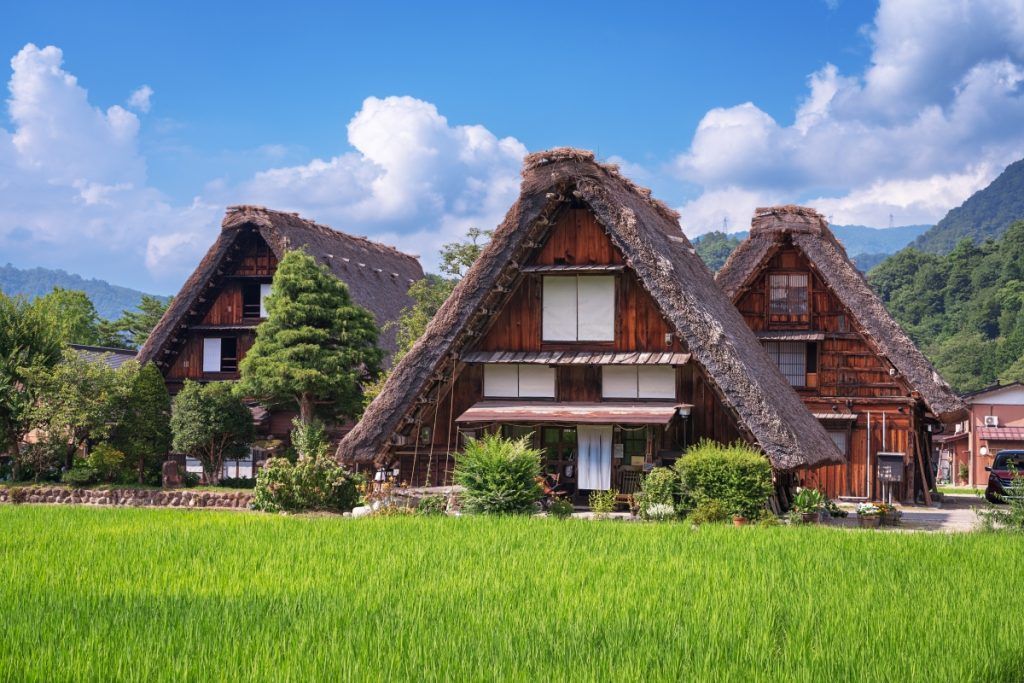
## Description Shirakawa-go is a cluster of historic mountain villages in Gifu Prefecture celebrated for their gassho-zukuri farmhouses — steep, thatched roofs resembling hands in prayer that were engineered to shed heavy winter snow. The villages of Shirakawa and neighboring Ainokura and Suganuma retain these timber-frame homes, some of which date back several centuries and now serve as museums, guesthouses and living reminders of rural Japanese architecture. This UNESCO-recognized cultural landscape is notable for its conservation systems and communal re-thatching practices. Local communities coordinate labor and funding to preserve thatched roofs on regular cycles, maintaining the buildings for future generations. Visitors witness a living tradition where architectural form, agricultural rhythms, and seasonal labor intersect. For helpful searches, use phrases like "Shirakawa-go winter illumination," "stay in a gassho-zukuri house," and "Shirakawa-go day trip from Kanazawa." Visitor notes: The villages are compact and walkable. Many houses maintain small museum rooms showing tools, domestic life, and historical objects. Staying overnight in a minshuku or farmhouse offers a rare opportunity to experience dawn light on thatched roofs and the village’s evening quiet after day-trippers depart. Respecting resident privacy and following local rules are essential; some homes remain private and are not open to the public. ## Location Shirakawa-go is in the mountainous Hida region of Gifu Prefecture in central Japan. The villages are reachable by bus from Takayama, Kanazawa or Toyama; many visitors combine Shirakawa-go with routes through the Japanese Alps. How to get there: Highway buses operate from Takayama and Kanazawa; timetables vary by season so check ahead. For photography-focused visits, consider arriving at first light for the best view of snow or reflected paddies. Road conditions in winter can affect schedules; allow flexibility and check local advisories. ## Tips - **Visit in different seasons:** Winter illuminations and deep snow produce classic images; autumn brings rich foliage and spring highlights rice planting and blossoms. - **Stay in a minshuku or farmhouse:** For an immersive experience, book a night in a traditional house to experience village routines and early-morning light. - **Respect local life:** These are working communities — avoid loud behavior, follow signage, and ask before entering private spaces. - **Use public transport or guided tours:** Parking is constrained in peak periods; buses or organized tours simplify logistics and reduce community pressure. - **Book early for peak events:** Winter illumination weekends and fall foliage are popular—reserve transport and lodging well in advance. - **Hire a local guide for deeper context:** Guides can explain thatching cycles, communal labor traditions, and sustainable heritage conservation. ## Conclusion Shirakawa-go is a gentle, well-preserved glimpse into traditional mountain life in Japan where architecture, community and seasonal labor combine to create a memorable cultural landscape. Combine Shirakawa-go with Takayama or Kanazawa for a deeper regional itinerary that showcases both mountain and coastal cultures. ## FAQ - **Q: Are the houses open to visitors?** A: Several farmhouses operate as museums or guesthouses with interpretive displays; opening times vary by season—check official listings before you go. - **Q: How long should I plan to visit?** A: A half-day allows a main-village walk; an overnight stay deepens the experience and gives access to morning light and quieter evenings. - **Q: Can I stay overnight in a gassho-zukuri house?** A: Yes—some houses operate as minshuku or guesthouses; these often fill early during peak seasons, so book in advance. - **Q: When is the best time for photography?** A: Early morning or late afternoon provides soft light and long shadows; winter snow and autumn colors offer dramatic scenes for photographers. - **Q: Are there any visitor restrictions?** A: Shirakawa-go is managed to protect its cultural landscape—respect signage, avoid entering private homes without permission, and follow guidance during special events. ## Links - [Japan Travel Guide](https://www.japan.travel/en/us/)
GemVoyage Team • World

Comments