GemVoyage Team • World
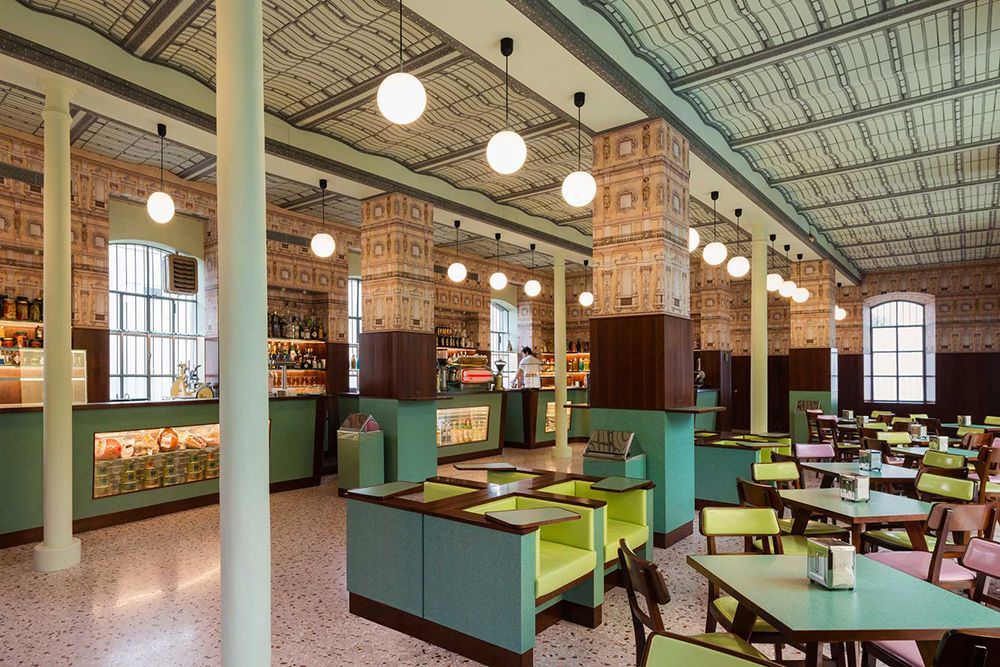
The foundation is especially attractive to travelers who appreciate contemporary art, architecture, and thoughtful curation. One of its most notable features is the way the old distillery buildings and the new additions sit together without erasing each other. A little-known fact is that the complex includes the striking golden building often called the Haunted House, which is visually unforgettable and not at all shy about making an impression. Another detail visitors may miss is how carefully the site is organized to encourage lingering. You can shift from exhibition spaces to café areas, to outdoor courtyards, to the cinema program, which makes the visit feel more like entering a cultural district than entering a single institution.
Fondazione Prada stands out because it helps explain Milan’s current identity. The city has long been important in fashion and design, but here those strengths are translated into a broader cultural ambition. The exhibitions often engage with international art, theory, and contemporary practice, while the architecture itself becomes part of the argument. For many visitors, that makes the foundation one of the city’s most memorable modern experiences, especially if they want to balance Milan’s historic monuments with something more experimental.
The best way to plan a visit is to give it a dedicated block of time rather than trying to squeeze it between other sights. If you are interested in art and architecture, you will likely want a few hours. If you also want to eat or drink on site, plan even longer. It is a destination that rewards unhurried exploration and works especially well for travelers who want a contemporary counterpart to Milan’s historic churches, palaces, and shopping streets.
Discover more hidden gems you might love.
Beijing
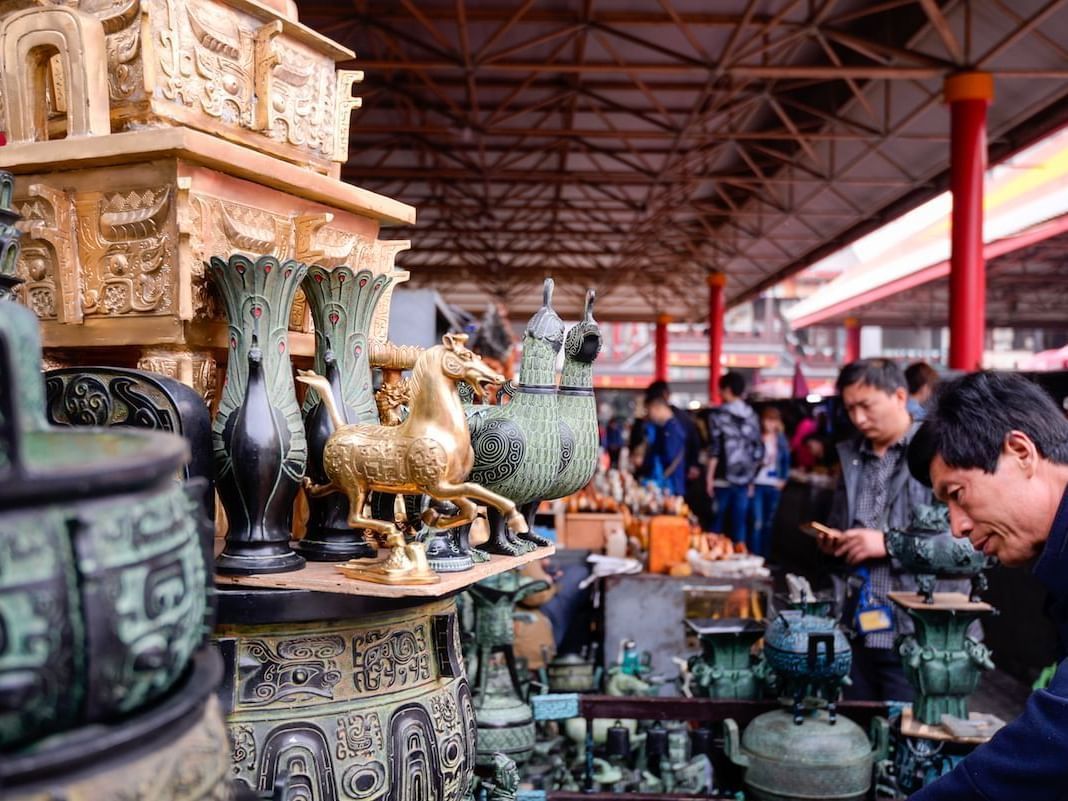
## Description Panjiayuan Antique Market is one of Beijing’s most famous shopping destinations for anyone interested in antiques, collectibles, crafts, and the thrill of browsing through a vast informal market environment. It is not a polished retail complex. It is a sprawling, energetic market where the pleasure comes from looking closely, comparing objects, and discovering what catches your eye. For travelers, that makes it one of the most characterful places to shop in Beijing, especially if you enjoy markets with a sense of surprise. The market is compelling because it contains many different worlds at once. You may find traditional crafts, replica objects, old decorative pieces, calligraphy supplies, beads, paintings, jewelry, souvenirs, and a range of goods that reflect both local taste and the expectations of visitors. A lesser-known fact is that Panjiayuan has long been associated with weekend browsing culture and has become a major destination for both serious collectors and casual shoppers. Another interesting detail is that the market’s atmosphere often changes depending on the time and day of visit, with early morning tending to be the best period for finding variety and doing serious browsing before the crowds become dense. For travelers, the real appeal is less about guaranteed rare finds and more about the experience of looking. Panjiayuan rewards patience, curiosity, and negotiation. It is the type of place where you can spend hours without realizing how much time has passed because every row offers something different. Even if you are not an antique buyer, the market is still fascinating as a cultural snapshot of Beijing’s consumer life and souvenir economy. It is also an excellent place for people who enjoy photography and people-watching, though you should be considerate and ask before taking close photos of vendors or merchandise. The market’s scale and texture make it one of the most memorable commercial spaces in the city. ## Location Panjiayuan Antique Market is located in Chaoyang District, Beijing, China, on the eastern side of the city. Its location makes it accessible from central Beijing while still feeling like a destination with its own identity. Because it is a major market rather than a single storefront, it is best approached with enough time to wander. The easiest way to reach the market is by subway followed by a short walk. Beijing’s metro is usually the most efficient transport method, especially if you want to avoid traffic. Taxis and rideshares also work well if you are carrying purchases or traveling with a group. Once you arrive, the market is straightforward to explore on foot, and the surrounding streets make it easy to orient yourself. If you are serious about browsing, mornings and weekends are often the most rewarding. If you prefer a quieter visit, go earlier in the day or plan around less busy times when possible. ## Tips Bring cash and a willingness to compare prices. Bargaining can be part of the experience, so staying alert is useful. Check items carefully before buying. Quality and authenticity vary, especially with antiques and collectible-style merchandise. Arrive early if you want the widest selection. Serious buyers often do better before the market becomes crowded. Do not expect every item to be a true antique. The market includes a wide range of goods, from genuine older objects to decorative reproductions. Leave enough time to wander without a fixed list. The market rewards discovery more than efficiency. ## Conclusion Panjiayuan Antique Market is one of Beijing’s best places for browsing, bargaining, and discovering objects with personality. It offers a lively, practical, and sometimes unpredictable market experience that many travelers remember long after they leave. ## FAQ ### Is Panjiayuan Antique Market only for collectors? No. It is popular with casual visitors too, especially those who enjoy browsing and shopping for souvenirs or decorative items. ### Can I bargain there? Often yes, though the style and room for negotiation can vary by stall and item. ### What is the best time to visit? Early morning, especially on busier market days, is often the best time for selection and atmosphere. ### Are all items antiques? No. The market includes a mix of antiques, collectibles, crafts, reproductions, and souvenir items. ## Links - [Beijing official tourism](https://english.beijing.gov.cn/) - [Chaoyang District overview](https://en.wikipedia.org/wiki/Chaoyang_District,_Beijing)
GemVoyage Team • World
.jpg)
Scotland
## Description The Fairy Pools on the Isle of Skye in Scotland are a series of crystal-clear, aqua-blue pools and cascading waterfalls that tumble down from the foothills of the Black Cuillin mountains. These natural pools, fed by the Allt Coire a’ Mhadaidh stream, are renowned for their ethereal beauty and have become one of Skye’s most iconic and photographed attractions. Whether you're a hiker, wild swimmer, or simply a lover of dramatic landscapes, the Fairy Pools offer a magical experience that feels straight out of folklore. The walk to the pools is relatively short—about 2.4 kilometers round trip—and follows a well-maintained gravel path that winds through heather-covered moorland. Along the way, visitors encounter a series of waterfalls and pools, each more striking than the last. The water is so clear that you can see the rocky bottoms and reflections of the surrounding hills, making it a favorite spot for photographers and nature enthusiasts. A little-known fact: the area around the Fairy Pools was the site of the last and bloodiest clan battle in Scottish history—the Battle of Coire na Creiche in 1601 between the MacLeods of Dunvegan and the MacDonalds of Sleat. Legend has it that the stream ran red with blood, a stark contrast to its current tranquil appearance. Another quirky detail is that despite their name, there’s no historical association with fairies—the name “Fairy Pools” only began appearing in guidebooks in the 20th century. ## Location The Fairy Pools are located in **Scotland**, on the **Isle of Skye**, near the village of **Carbost** in the **Highland region**. They sit at the base of the Black Cuillin mountains in **Glen Brittle**, on the western side of the island. ### How to Get There - **By Car**: From Portree, the island’s main town, it’s about a 30-minute drive (20.5 miles) via the B8009 and Glenbrittle road. The route includes single-track roads with passing places. - **By Bus**: Public transport is limited. Buses run to Carbost, but you’ll need to arrange a taxi or walk from there. - **By Tour**: Several guided tours from Portree or Inverness include the Fairy Pools as part of a day trip. - **By Foot**: The walk to the pools begins at the Fairy Pools car park, located near Glenbrittle. From the car park, it’s a 20-minute walk to the first waterfall. ## Tips - **Visit Early or Late**: The site gets crowded during peak hours, especially in summer. Early morning or late afternoon offers better light and fewer visitors. - **Wear Waterproof Footwear**: The path can be muddy and uneven, especially after rain. - **Bring Layers**: Weather on Skye is unpredictable. Pack a waterproof jacket and warm clothing. - **Wild Swimming**: Brave souls can swim in the pools, but the water is icy year-round. A wetsuit is recommended. - **Respect Nature**: Follow the Scottish Outdoor Access Code—take your litter with you and stick to marked paths. - **Parking**: There is a charge for parking at the Fairy Pools car park, which helps maintain the site. ## Conclusion The Fairy Pools on the Isle of Skye are a breathtaking blend of natural beauty and Highland mystique. With their vivid waters, dramatic mountain backdrop, and rich history, they offer a memorable experience for anyone exploring Scotland’s rugged landscapes. ## FAQ **1. Is there an entrance fee to visit the Fairy Pools?** No, the pools are free to visit, but there is a charge for parking. **2. How long is the walk to the Fairy Pools?** The round-trip walk is approximately 2.4 kilometers and takes 40 minutes to 1.5 hours depending on pace and stops. **3. Can I swim in the Fairy Pools?** Yes, wild swimming is allowed, but the water is extremely cold. A wetsuit is recommended. **4. Are the Fairy Pools suitable for children?** Yes, but children should be supervised due to uneven terrain and cold water. **5. Is the site wheelchair accessible?** No, the terrain is rugged and includes steep inclines, making it unsuitable for wheelchairs. **6. What is the best time of year to visit?** Spring and autumn offer mild weather and fewer crowds. Summer is busiest, while winter can be icy and less accessible. ## Links - [Fairy Pools Walk – Isle of Skye Guide](https://www.isleofskye.com/skye-guide/top-ten-skye-walks/fairy-pools) - [Fairy Pools – VisitScotland Overview](https://www.visitscotland.com/info/see-do/fairy-pools-p1770011) - [Fairy Pools – Wikipedia Entry](https://en.wikipedia.org/wiki/Fairy_Pools) Description The Fairy Pools on the Isle of Skye in Scotland are a series of crystal-clear, aqua-blue pools and cascading waterfalls that tumble down from the foothills of the Black Cuillin mountains. These natural pools, fed by the Allt Coire a’ Mhadaidh stream, are renowned for their ethereal beauty and have become one of Skye’s most iconic and photographed attractions. Whether you're a hiker, wild swimmer, or simply a lover of dramatic landscapes, the Fairy Pools offer a magical experience that feels straight out of folklore. The walk to the pools is relatively short—about 2.4 kilometers round trip—and follows a well-maintained gravel path that winds through heather-covered moorland. Along the way, visitors encounter a series of waterfalls and pools, each more striking than the last. The water is so clear that you can see the rocky bottoms and reflections of the surrounding hills, making it a favorite spot for photographers and nature enthusiasts. A little-known fact: the area around the Fairy Pools was the site of the last and bloodiest clan battle in Scottish history—the Battle of Coire na Creiche in 1601 between the MacLeods of Dunvegan and the MacDonalds of Sleat. Legend has it that the stream ran red with blood, a stark contrast to its current tranquil appearance. Another quirky detail is that despite their name, there’s no historical association with fairies—the name “Fairy Pools” only began appearing in guidebooks in the 20th century. Location The Fairy Pools are located in Scotland, on the Isle of Skye, near the village of Carbost in the Highland region. They sit at the base of the Black Cuillin mountains in Glen Brittle, on the western side of the island. How to Get There By Car: From Portree, the island’s main town, it’s about a 30-minute drive (20.5 miles) via the B8009 and Glenbrittle road. The route includes single-track roads with passing places. By Bus: Public transport is limited. Buses run to Carbost, but you’ll need to arrange a taxi or walk from there. By Tour: Several guided tours from Portree or Inverness include the Fairy Pools as part of a day trip. By Foot: The walk to the pools begins at the Fairy Pools car park, located near Glenbrittle. From the car park, it’s a 20-minute walk to the first waterfall. Tips Visit Early or Late: The site gets crowded during peak hours, especially in summer. Early morning or late afternoon offers better light and fewer visitors. Wear Waterproof Footwear: The path can be muddy and uneven, especially after rain. Bring Layers: Weather on Skye is unpredictable. Pack a waterproof jacket and warm clothing. Wild Swimming: Brave souls can swim in the pools, but the water is icy year-round. A wetsuit is recommended. Respect Nature: Follow the Scottish Outdoor Access Code—take your litter with you and stick to marked paths. Parking: There is a charge for parking at the Fairy Pools car park, which helps maintain the site. Conclusion The Fairy Pools on the Isle of Skye are a breathtaking blend of natural beauty and Highland mystique. With their vivid waters, dramatic mountain backdrop, and rich history, they offer a memorable experience for anyone exploring Scotland’s rugged landscapes. FAQ 1. Is there an entrance fee to visit the Fairy Pools? No, the pools are free to visit, but there is a charge for parking. 2. How long is the walk to the Fairy Pools? The round-trip walk is approximately 2.4 kilometers and takes 40 minutes to 1.5 hours depending on pace and stops. 3. Can I swim in the Fairy Pools? Yes, wild swimming is allowed, but the water is extremely cold. A wetsuit is recommended. 4. Are the Fairy Pools suitable for children? Yes, but children should be supervised due to uneven terrain and cold water. 5. Is the site wheelchair accessible? No, the terrain is rugged and includes steep inclines, making it unsuitable for wheelchairs. 6. What is the best time of year to visit? Spring and autumn offer mild weather and fewer crowds. Summer is busiest, while winter can be icy and less accessible. Links Fairy Pools Walk – Isle of Skye Guide Fairy Pools – VisitScotland Overview Fairy Pools – Wikipedia Entry 715 words37 lines4484 characters4520 bytes
GemVoyage Team • World
Cairo
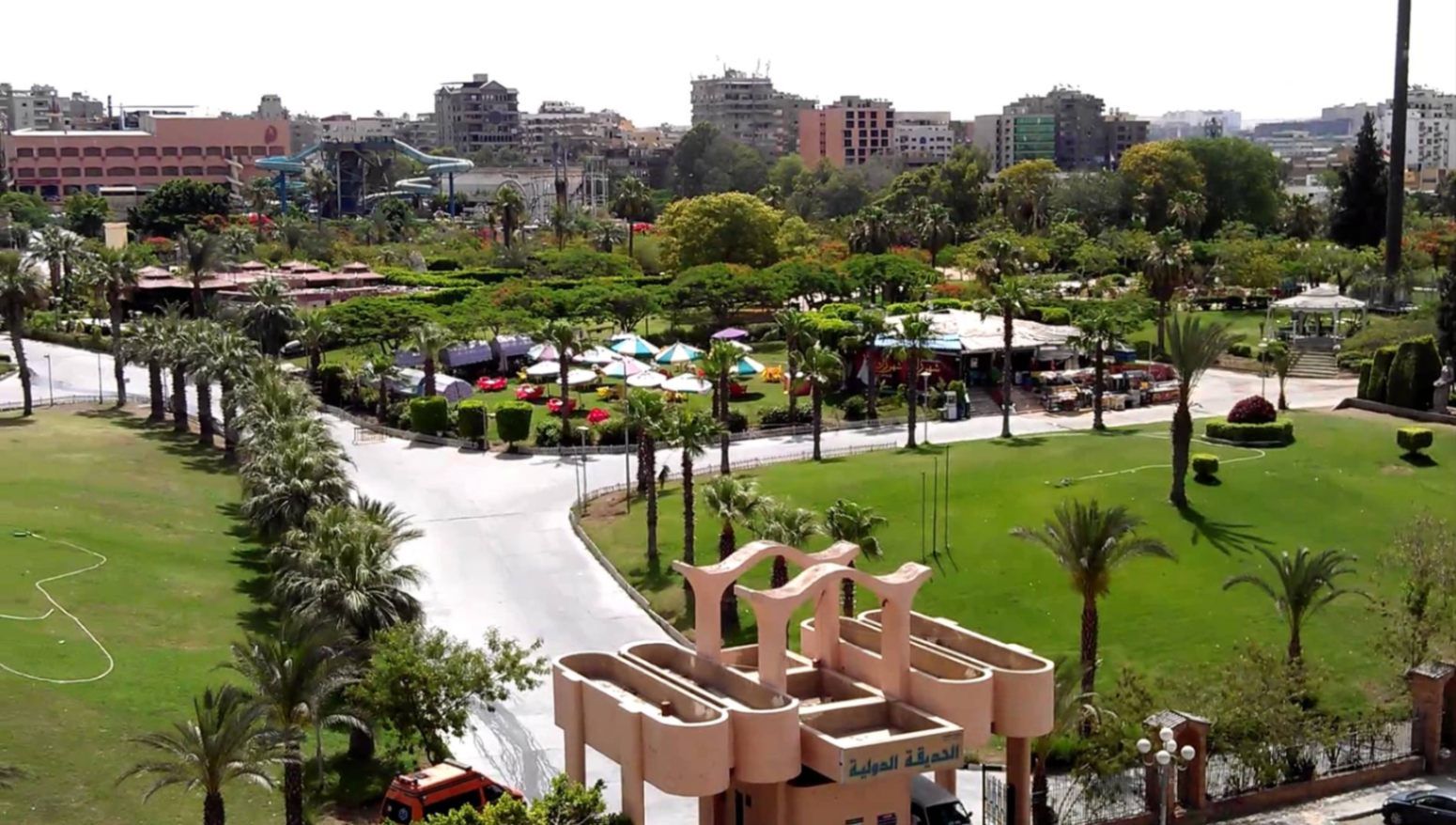
## Description **The International Park (الحديقة الدولية بالقاهرة)** is one of Cairo’s most distinctive public green spaces, designed to showcase a miniature journey through different countries and cultures within a single park. Established in the late 1980s, the park was conceived as a cultural and recreational project where landscaped areas, architectural replicas, and themed gardens represent nations from around the world. While not polished in the way of modern theme parks, its charm lies in its **ambitious concept, open space, and local atmosphere**. What makes the International Park unique is its layout: each section is inspired by a different country, featuring symbolic structures, sculptures, plants, or design elements associated with that nation. Visitors can walk from Asian-inspired pavilions to European-style gardens within minutes. This eclectic mix gives the park an almost nostalgic quality, reflecting Cairo’s vision of internationalism during the late 20th century. A lesser-known fact is that several embassies and cultural institutions contributed ideas or symbolic elements during the park’s early development, even if execution varied over time. Another interesting detail is that the park was once a major venue for **school trips and cultural festivals**, making it an important part of collective memory for many Cairenes who grew up in the 1990s. Today, the park functions primarily as a **family-friendly recreational space**. It is popular for picnics, casual walks, and affordable outings, especially for residents of eastern Cairo. While some areas show signs of aging, the park’s size, greenery, and concept still make it a refreshing escape from the dense urban environment. ## Location **Country:** Egypt **Region:** Greater Cairo **City:** Cairo **District:** Nasr City The International Park is located in **Nasr City**, one of Cairo’s largest residential districts, close to major roads and residential compounds. ### How to Get There * **By taxi or ride-hailing:** * Uber and local taxis are the most convenient option from anywhere in Cairo. * **By car:** * Easily accessible via Nasr City’s main roads, with parking available near the entrance. * **By public transport:** * Microbuses and buses serving Nasr City pass close to the park, though routes can be confusing for first-time visitors. * **From central Cairo:** * Expect a 30–45 minute drive depending on traffic. ## Tips * **Visit in the afternoon:** Late afternoon offers better weather and softer light, especially in warmer months. * **Bring your own food:** Picnic areas are common, and outside food is usually allowed. * **Wear comfortable shoes:** The park is large, and exploring all sections involves significant walking. * **Manage expectations:** Some country sections are more symbolic than detailed replicas. * **Good for children:** Open spaces allow kids to run freely, and the atmosphere is relaxed. * **Avoid peak public holidays:** The park can become crowded during major Egyptian holidays. ## Conclusion The International Park is a spacious, culturally themed green retreat that offers a simple but enjoyable experience for families and casual visitors. Its global concept, combined with its local character, makes it a nostalgic and accessible escape from Cairo’s urban intensity. ## FAQ **1. When was the International Park opened?** It was established in the late 1980s as a cultural and recreational project. **2. Is there an entrance fee?** Yes, there is a low entrance fee, making it affordable for families. **3. How long should I plan for a visit?** Most visitors spend **1.5 to 3 hours**, depending on walking pace and activities. **4. Is the park suitable for tourists?** Yes, especially for those interested in local leisure spaces rather than major monuments. **5. Are there food stalls inside?** Basic snacks may be available, but bringing your own food is recommended. **6. Is it good for photography?** Yes, particularly for casual photography and wide shots of greenery and themed structures. ## Links * [Egyptian tourism portal](https://www.experienceegypt.eg/en)
GemVoyage Team • World
Tunis
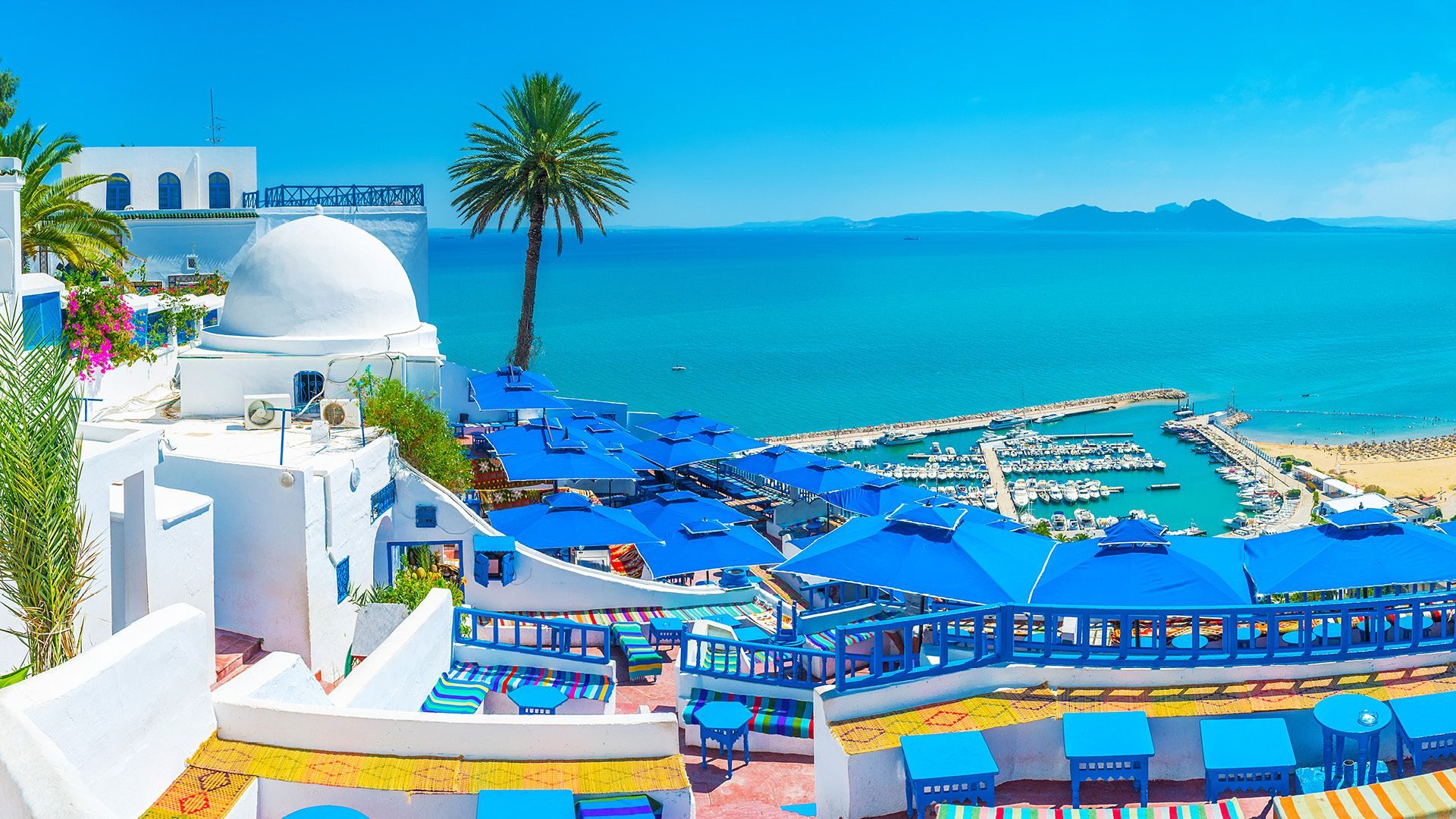
## Description Sidi Bou Said is one of the most iconic destinations in Tunisia, famous for its whitewashed walls, blue doors, bougainvillea, sea views, and elegant hilltop atmosphere. Perched above the Mediterranean near Tunis, the town feels both picturesque and culturally rich, with a strong artistic heritage that has attracted painters, writers, and travelers for generations. It is one of those places that can seem almost too beautiful in photographs, yet still manages to feel authentic when you walk its streets. The appeal of Sidi Bou Said is not just visual. Its narrow lanes, cafes, galleries, and terraces create a mood that invites lingering. Visitors often spend time simply wandering and taking in the contrast between the bright architecture and the deep blue of the sea and sky. The town is compact, but every turn offers a slightly different perspective, from a shaded doorway to a view over the bay. One little-known fact is that the famous blue-and-white color scheme became strongly associated with the town in the early 20th century and has remained part of its identity through preservation efforts. Another is that Sidi Bou Said has long been tied to artistic circles and intellectual life, which helped shape its reputation beyond simple scenic beauty. It is a place where visual appeal and cultural memory reinforce each other. The village-like setting also makes it one of the best places near Tunis for a relaxed half-day excursion. You can sit in a cafe with a view, browse craft shops, visit small cultural spaces, and walk toward viewpoints without needing a large itinerary. That simplicity is part of the charm. The town feels refined but not sterile, traditional but not frozen. Visitors should also appreciate the atmosphere at different times of day. In the morning, the streets are calm and luminous. By late afternoon, the light softens and the cafes become more active, giving the town a social buzz. Evening can be especially atmospheric if you want to linger over tea or coffee while the view darkens over the Mediterranean. For many travelers, Sidi Bou Said is a signature Tunisian landscape, the kind of place that stays in memory because it combines architecture, sea air, and a strong sense of place. It is a destination where the details matter: the doorways, tiles, stairways, and terraces all contribute to an experience that is greater than the sum of its parts. ## Location Sidi Bou Said is located just northeast of Tunis, Tunisia, overlooking the Gulf of Tunis on the Mediterranean coast. It is one of the easiest scenic day trips from the capital. The most convenient way to get there is by taxi, car, or rail from Tunis. Once in the area, the village is best explored on foot because its streets are narrow and many of the highlights are reached by walking uphill and downhill through the center. ## Tips Go early if you want fewer crowds and clearer views of the town's architecture. Wear comfortable shoes because the village has sloping streets and stairs. Allow time for a cafe stop. Part of the experience is sitting and taking in the view rather than moving quickly. Bring a camera, but do not forget to look up and around. Many details are easy to miss if you only focus on wide shots. If you are interested in art and history, combine the walk with nearby cultural sites in the wider Tunis area. Expect a popular destination. The town can be busy, so patience and a flexible schedule help. ## Conclusion Sidi Bou Said blends coastal scenery, iconic blue-and-white architecture, and a strong artistic atmosphere into one of Tunisia's most beautiful and memorable places to visit. ## FAQ ### Why is Sidi Bou Said so famous? It is famous for its distinct white-and-blue architecture, hillside views over the Mediterranean, and artistic heritage. ### Is Sidi Bou Said worth visiting from Tunis? Yes, it is one of the most rewarding short trips from the capital. ### How long should I stay? Half a day is enough for a relaxed visit, though some travelers stay longer for cafes and sunset views. ### Is it a historic village? Yes, it has deep historical and cultural associations and has been carefully preserved as a distinctive settlement. ## Links - [Sidi Bou Said](https://en.wikipedia.org/wiki/Sidi_Bou_Said) - [Tunisian tourism](https://www.tourismtunisia.com/)
GemVoyage Team • World
Copenhagen
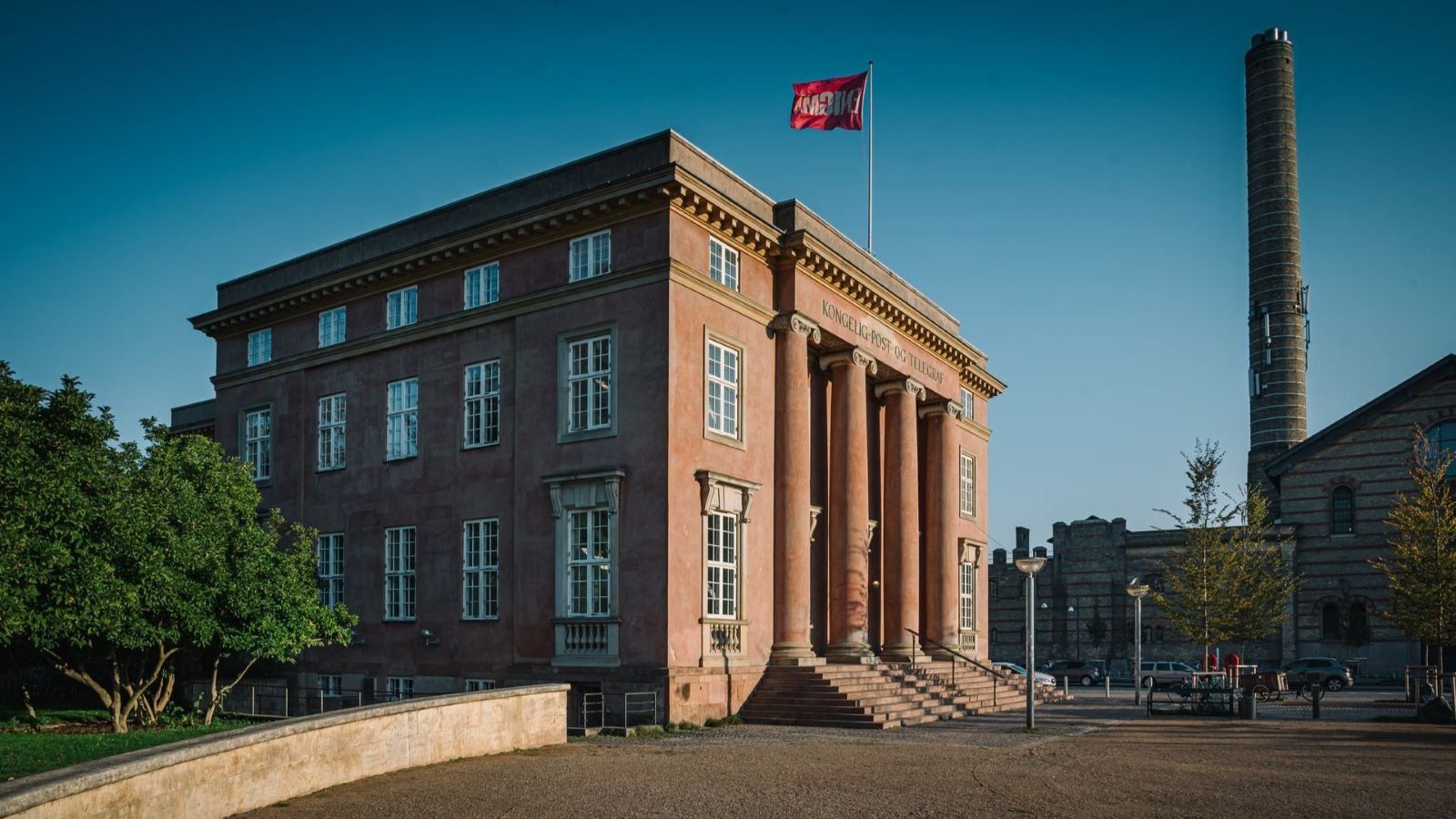
## Description The **ENIGMA – Museum for Post, Tele and Communication** is one of Copenhagen’s most modern and intellectually stimulating museums, dedicated not to ancient artifacts or royal history, but to **how humans have communicated across distance, time, and technology**. From handwritten letters and Morse code to mobile phones, surveillance systems, and digital culture, ENIGMA explores the **evolution of human connection in the age of information**. Unlike traditional technology museums that merely display machines behind glass, ENIGMA is designed as a **highly interactive, reflection-driven experience**. Visitors are encouraged not only to observe how communication tools work, but also to question the **social, political, and psychological consequences** of living in a hyper-connected world. Themes such as **privacy, propaganda, encryption, digital identity, surveillance, mass media, and misinformation** are central to the museum’s narrative. One of ENIGMA’s strongest features is its ability to turn abstract digital concepts into **physical, experiential installations**. Visitors can experiment with **cryptography systems**, explore how **data is tracked and monetized**, decode historical messages, and see how wartime intelligence shaped modern communication security. These hands-on elements make the museum engaging for both casual visitors and those with deeper interests in media studies, cybersecurity, or information technology. The museum also preserves a major historical legacy. ENIGMA is the institutional successor to Denmark’s former **Post & Tele Museum**, and it still houses one of Northern Europe’s most important collections of **telegraph machines, early telephones, switchboards, radios, and postal equipment**. These historical objects are seamlessly integrated into contemporary digital storytelling, allowing visitors to trace a clear technological timeline from **ink and paper to algorithms and artificial intelligence**. A powerful section of the museum focuses on **war communication and encryption**, including how coded messages, radio interception, and intelligence networks reshaped modern conflicts. This section directly references the global legacy of machines like the **Enigma cipher machine** (from which the museum takes its name), emphasizing how secrecy and communication control became decisive weapons of the 20th century. A little-known fact is that the museum is housed in a **former industrial building linked to Copenhagen’s old port and logistics infrastructure**, reinforcing its historical connection to information and transport networks. Another lesser-known detail is that ENIGMA regularly hosts **temporary exhibitions on digital ethics, social media behavior, and artificial intelligence**, meaning the content is constantly evolving rather than static. ENIGMA is not nostalgic about technology, nor blindly optimistic. Its central strength lies in how it frames communication as a **double-edged force**—one that enables freedom, creativity, and democracy, while also enabling manipulation, control, and surveillance. This intellectual balance makes the museum especially relevant in the modern era, where digital systems shape nearly every aspect of daily life. ## Location The **ENIGMA Museum of Communication** is located in the **Østerbro district of Copenhagen**, a residential and creative area near the city’s northern waterfront. **City:** Copenhagen **Region:** Capital Region of Denmark (Hovedstaden) **Country:** Denmark **District:** Østerbro ### How to Get There: * **By S-train:** Take **S-train lines A, B, C, or E** to **Svanemøllen Station**, then walk approximately 10 minutes. * **By bus:** Several bus routes stop near Østerbro and the Svanemøllen area. * **By bicycle:** Copenhagen’s bike infrastructure makes this one of the easiest ways to reach the museum. * **By taxi or ride-hailing apps:** A direct and convenient option from central Copenhagen. * **By car:** Limited parking is available; public transport is strongly recommended. Its location makes it easy to combine with **Østerbro cafés, waterfront walks, and beach visits at Svanemøllen Strand**. ## Tips * **Allow at least 2 hours:** The interactive nature of the museum requires time to explore properly. * **Read the digital ethics sections carefully:** These areas provide some of the museum’s most thought-provoking content. * **Great for teens and adults:** Younger children may find some sections abstract or text-heavy. * **Combine with a waterfront walk:** The nearby harbor and beach areas provide a perfect contrast after an intense museum visit. * **Check temporary exhibitions in advance:** These often focus on current digital issues like AI, surveillance, or social media. * **Visit on a weekday if possible:** Interactive stations are easier to access with fewer visitors. * **Not a quick “tourist” museum:** This is a reflective, idea-driven institution rather than a rapid sightseeing stop. * **English-friendly:** Most exhibits are available in both **Danish and English**. ## Conclusion The **ENIGMA Museum of Communication** is one of Copenhagen’s most intellectually relevant cultural institutions, offering a deep, interactive exploration of how **human connection, technology, power, and identity intersect**. By combining historical artifacts with digital-age questions about privacy, data, and surveillance, ENIGMA transforms communication from an invisible background process into a central force that shapes modern life. It is an essential stop for anyone who wants to understand not just how we communicate—but what that communication is doing to us. ## FAQ **1. What is the ENIGMA Museum about?** It focuses on the **history and impact of communication technologies**, from postal systems and telegraphs to digital surveillance and social media. **2. Is the museum only about old technology?** No. It strongly emphasizes **modern digital communication, cybersecurity, and media influence** alongside historical tools. **3. Is ENIGMA suitable for children?** It is best suited for **teenagers and adults**, as many themes involve abstract concepts like data ethics and surveillance. **4. How long does a visit usually take?** Most visitors spend **2 to 3 hours** exploring the exhibitions. **5. Is everything in Danish?** No. Most exhibits are available in **both Danish and English**. **6. Does the museum change its exhibitions?** Yes. It regularly hosts **temporary exhibitions** on emerging digital and communication topics. ## Links * [Official ENIGMA Museum Website](https://enigma.dk) * [Visit Copenhagen – Museums Guide](https://www.visitcopenhagen.com)
GemVoyage Team • World
Rome
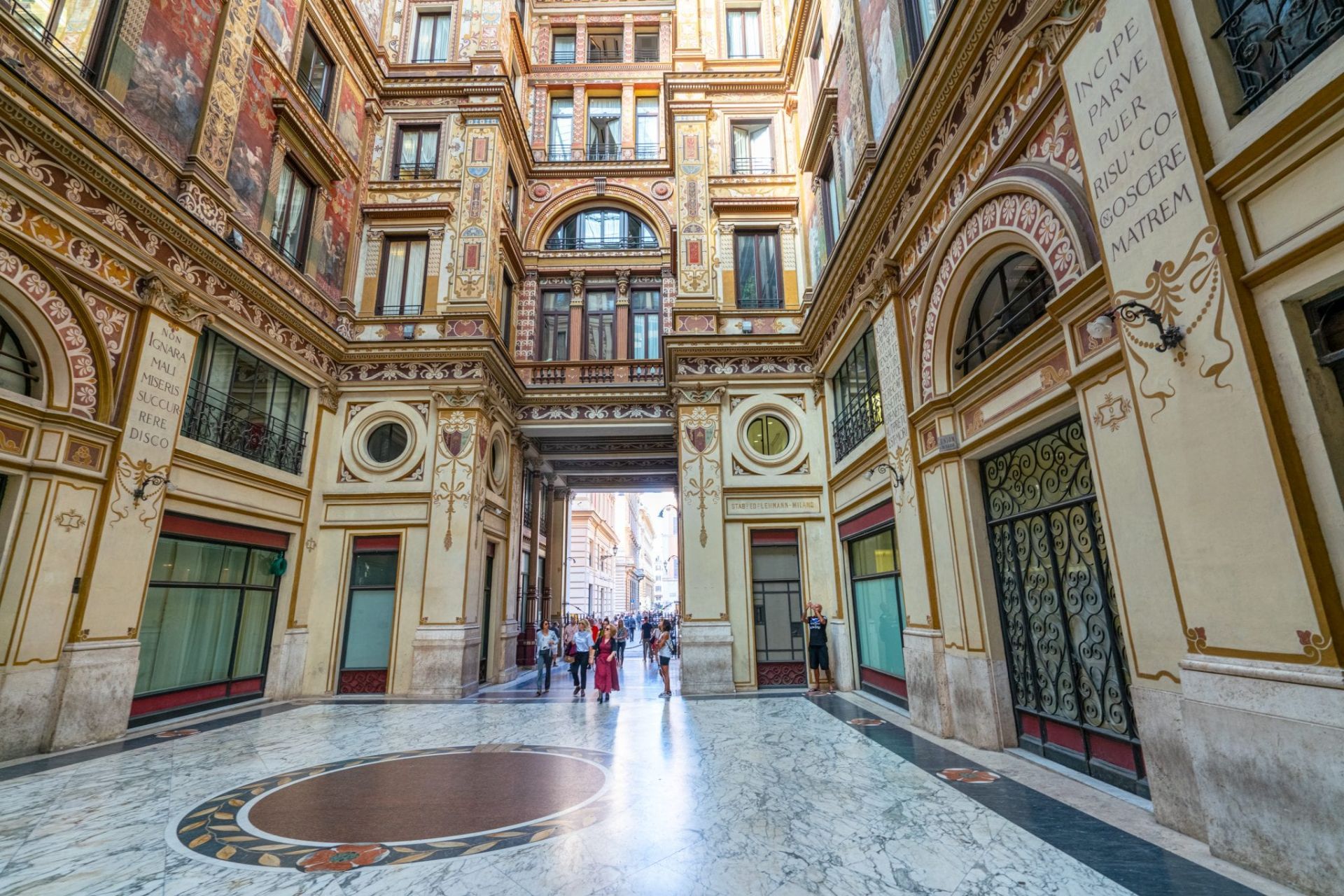
## Description Galleria Sciarra is a discreet Art Nouveau enclave tucked a short walk from Rome’s Trevi Fountain, known for its intricate frescoes, ornate stuccowork and an intimate central courtyard that together form a jewel-like interior. Though modest in scale, the gallery’s decorative program is dense with allegorical figures, botanical motifs and stylized ornamentation that exemplify early twentieth-century design. For visitors who value detail and a quieter pace, the gallery rewards careful looking: painted friezes, subtle color harmonies and small sculptural details reveal layers of craftsmanship. Far from being merely decorative, Galleria Sciarra is a social and architectural statement from an era when private commissions and decorative precincts asserted cultural and civic identity. The gallery’s proportions, the rhythm of its arches, and its palette create a sense of intimacy unusual among Rome’s grand civic monuments. Because it is often bypassed by tourists hurrying between major sites, the gallery feels like a discovery—an easily accessible moment of calm where light, texture and ornament invite slow observation. Photographers, architects and historians are often drawn to the gallery’s scale and surface treatment. The interplay of natural light in the courtyard emphasizes subtle pigments and brushwork, while the ornamental language provides insights into Art Nouveau’s local adaptation in Italy. Visitors who slow down can spot small signatures, painterly corrections and conservation interventions that tell a story about the building’s use and care. Conservation and nearby amenities: the gallery’s delicate finishes mean conservation is ongoing; look for small signs of recent restoration and avoid touching surfaces. After a visit, nearby cafes and gelaterias offer pleasant spots to review details and compare notes — a slow coffee near the Trevi area pairs well with a reflective pause after the gallery’s quiet intensity. ## Location Galleria Sciarra sits just off Via del Corso and the Trevi area, making it an easy detour from Rome’s busiest attractions. It is typically reached on foot from central squares such as Piazza Venezia or the Trevi Fountain, and its tucked-away position often makes it feel like a local discovery even when following a map. Getting there: walking is the most rewarding way to reach the gallery; its central location means it is close to many historic routes. Public transport options to nearby stations are plentiful, but walking from the nearest metro stop provides the best sense of urban context. ## Tips - Visit during daylight: natural light in the courtyard enhances the frescoes and reveals subtle textures. - Move slowly and look closely: the gallery rewards scrutiny—small details and painterly touches are best appreciated up close. - Respect its mixed use: parts of the building may be private offices or residences, so keep voices low and follow signage. - Photography is generally allowed for personal use without flash; avoid tripods during busy times and respect any posted restrictions. - Combine the visit with nearby sites: the Trevi Fountain, Via del Corso and Piazza Venezia are all a short walk away, making it easy to add the gallery to a half-day itinerary. ## Conclusion Galleria Sciarra is a refined, intimate stop for travelers who appreciate decorative arts and the quieter moments of Rome’s architectural fabric. Its compact scale and extraordinary surface detail make it a perfect complement to the city's larger monuments — a short visit that can leave a lasting impression for those who value craft and subtlety. ## FAQ Q: Is Galleria Sciarra open to the public? A: Yes—public access is generally available during daytime hours, but portions of the building may be private. Check local signs or cultural listings for current access and opening times. Q: Is photography allowed inside the gallery? A: For most personal, non-commercial photography, yes; avoid flash to protect pigments and respect any signage indicating restricted areas. Q: How long does a visit typically take? A: Visitors often spend 10–30 minutes depending on interest; those focused on decorative details or photography may linger longer. Q: Is there an admission fee? A: Access is usually free, though special events, exhibitions or guided visits may have a charge. Verify current conditions with local cultural resources. Q: Are guided tours available that include Galleria Sciarra? A: Yes—art-history walks and guided city tours sometimes include the gallery as a stop. Check schedules with local tour operators for times and languages. ## Links - [Galleria Sciarra Tour](https://colosseumandvaticantours.com/galleria-sciarra-the-jewel-of-art-nouveau-in-rome/)
GemVoyage Team • World

Comments