GemVoyage Team • World
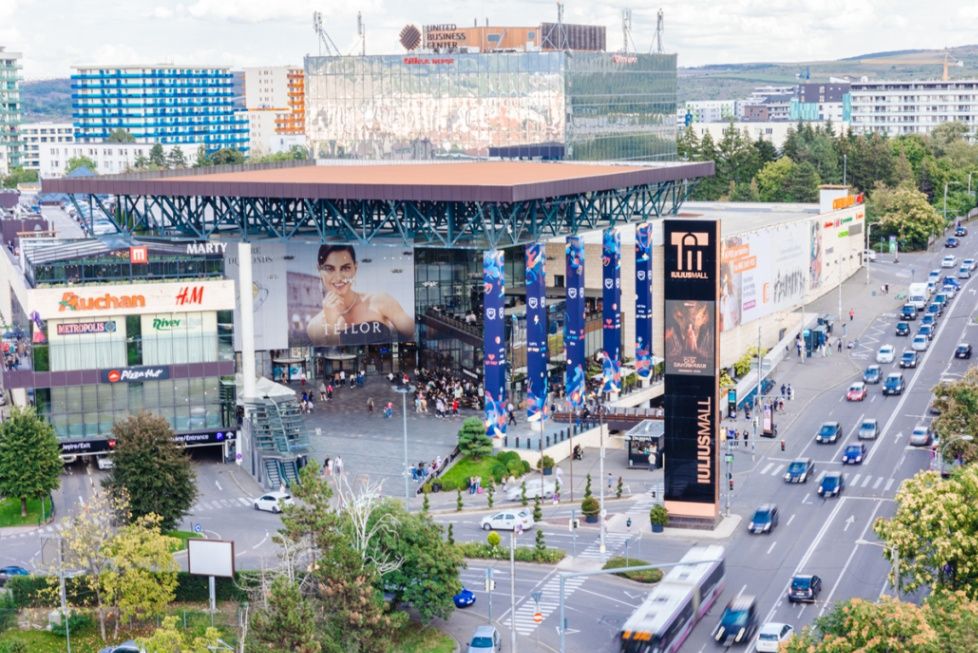
Iulius Mall Cluj is one of Romania’s premier shopping and lifestyle destinations, offering a vibrant blend of retail, entertainment, and community life in the heart of Cluj-Napoca, the unofficial capital of Transylvania. Opened in 2007, it quickly became more than just a shopping mall — it’s a social and cultural hub that captures the energy of one of Romania’s most dynamic cities.
Spanning more than 80,000 square meters, Iulius Mall Cluj features over 250 stores, from international fashion brands like Zara, H&M, and Massimo Dutti to local boutiques and specialty shops. But what makes it truly unique is its seamless integration of shopping, dining, and nature — a concept that few European malls achieve so gracefully.
The mall is part of the larger Iulius Town complex, which includes offices, event spaces, fitness centers, and most notably, the Iulius Park — a beautifully landscaped green area surrounding a serene lake. Visitors can enjoy a peaceful walk, rent a paddleboat, or relax by the water with a coffee from one of the many cafés that line the park. During winter, the lake even transforms into a charming ice-skating rink.
Inside, the atmosphere is lively and cosmopolitan. Shoppers can explore a vast food court with both Romanian and international cuisines, a state-of-the-art cinema, and a fitness and wellness center. Iulius Mall also hosts regular events, from fashion shows and art exhibitions to children’s workshops and live concerts, making it a place where locals and tourists alike gather for more than just retail therapy.
A lesser-known fact is that Iulius Mall Cluj was the first mall in Romania to incorporate a large urban park into its complex design — a model that has since inspired similar developments across the country. It’s also part of a larger vision to make Cluj-Napoca a hub of modern urban living, balancing innovation, business, and leisure.
Iulius Mall Cluj is located in the Gheorgheni district of Cluj-Napoca, in the northwestern region of Romania, Transylvania.
Address: Strada Alexandru Vaida-Voevod 53-55, Cluj-Napoca, Romania
To get there:
Iulius Mall Cluj perfectly captures the modern spirit of Cluj-Napoca — youthful, vibrant, and innovative. It’s more than a shopping center; it’s a community gathering place where nature, culture, and commerce coexist in harmony. Whether you’re in town for a few days or living locally, a visit to Iulius Mall offers a glimpse into contemporary Romanian life — stylish, welcoming, and full of energy. From lakeside walks to luxury shopping and delicious food, it’s an essential stop on any visit to Transylvania’s most forward-thinking city.
1. When did Iulius Mall Cluj open?
Iulius Mall Cluj officially opened in November 2007, becoming the second Iulius Mall developed in Romania.
2. How big is the mall?
The mall covers more than 80,000 square meters, featuring over 250 stores, restaurants, and entertainment spaces.
3. Is there parking available?
Yes — there are thousands of parking spaces, both underground and outdoors, many of them free for several hours.
4. What are the main attractions besides shopping?
The Iulius Park, Cinema City, fitness center, and frequent cultural events make it a popular leisure destination beyond retail.
5. Is the mall family-friendly?
Absolutely — it includes play areas, family restrooms, and numerous activities for children throughout the year.
6. Can I reach it easily from central Cluj?
Yes, it’s just 10–15 minutes by car or a short bus ride from downtown Cluj-Napoca.
7. Are there hotels nearby?
Yes, several hotels and serviced apartments are located within walking distance, including options ideal for both short and long stays.
Discover more hidden gems you might love.
Monaco
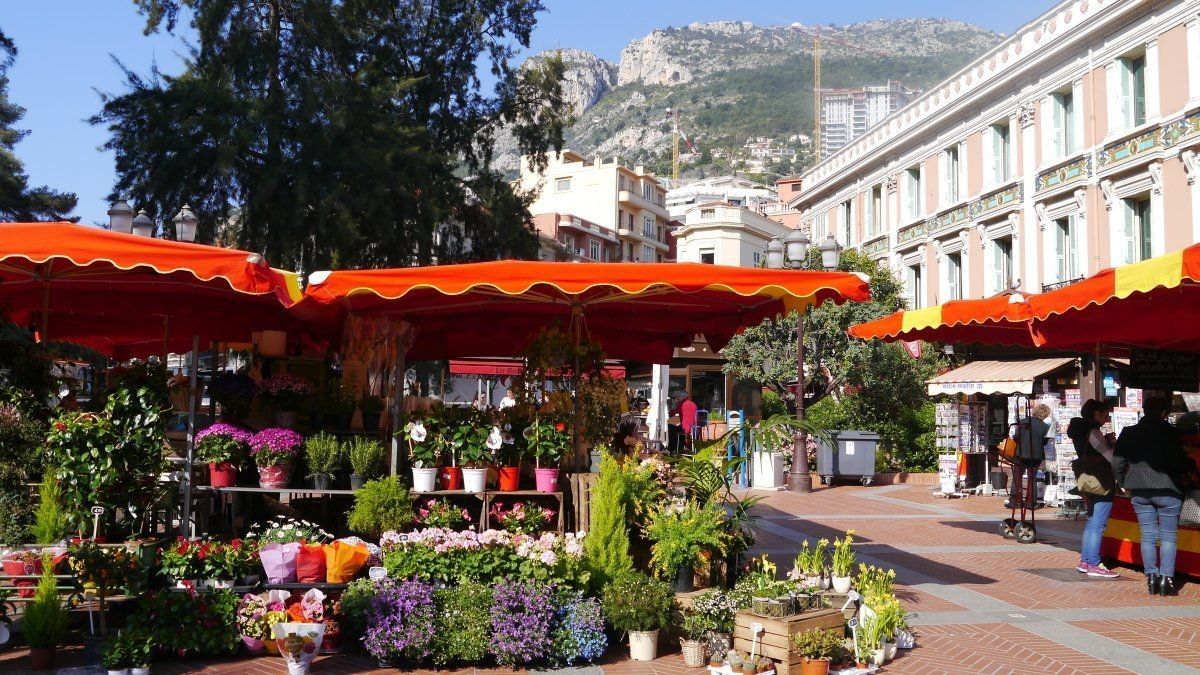
## Description Condamine Market is one of the best places in Monaco to experience the principality as a place where people live, shop, eat, and meet rather than simply a luxury destination viewed from the outside. Located in the La Condamine district, the market brings together food stalls, fresh produce vendors, bakeries, and informal lunch counters in a setting that feels more everyday and accessible than the famous casinos, yacht harbors, and high-end shopping streets that often define outside perceptions of Monaco. For travelers interested in local life, this market is a valuable reminder that Monaco has a daily rhythm beyond glamour. The market's appeal lies in its balance of practicality and atmosphere. You can come for lunch and find traditional dishes, regional snacks, fresh ingredients, and an active social scene that reflects Monegasque life. Because Monaco is small and densely built, public spaces that support casual routine become especially important. Condamine Market functions not just as a place of commerce but as a neighborhood meeting point where residents and visitors intersect. One little-known fact is that the market area has long been central to local community life and is not just a tourist amenity. Another detail many visitors miss is how closely the market is tied to the surrounding urban fabric, including the port area, the residential streets of La Condamine, and the routes that connect the old town and the harbor. This makes it one of the most useful places in Monaco for getting oriented if you want to understand the principality beyond its famous postcard views. The food experience is especially rewarding. Monaco and the surrounding Riviera have culinary traditions influenced by Provence, Italy, and the Mediterranean coast, and the market is a straightforward place to taste that blend. If you want a break from formal dining, Condamine Market offers a relaxed alternative where you can sit, eat, and watch local life unfold. In a destination often associated with exclusivity, that sense of openness feels refreshing. ## Location Condamine Market is in La Condamine, one of the central districts of Monaco, near the Port Hercules area and within walking distance of several major city landmarks. Because Monaco is compact, the market is easy to reach from most parts of the principality on foot, by bus, or by taxi. If you are staying in central Monaco, walking is usually the most pleasant option because it lets you take in the surrounding streets and waterfront views. The market's exact placement makes it convenient for combining with other sightseeing. You can pair it with a walk around the harbor, a visit to the old town on the Rock, or a stop at the nearby train station if you are arriving from the French Riviera. The area is also well-connected by Monaco's local bus network, which is useful if you are staying farther away or want to avoid steep climbs. For first-time visitors, the best recommendation is to approach the market as part of a half-day exploration of central Monaco. That way, you can enjoy lunch there and then continue on to nearby viewpoints or heritage sites without feeling rushed. ## Tips Come hungry and arrive around lunch if you want the full market experience. This is when the atmosphere is liveliest and the food counters are most appealing. If you arrive too early, some vendors may not yet be fully active; if you arrive too late, the energy begins to fade. Try regional dishes instead of only familiar international options. Monaco's food culture is shaped by the Mediterranean, and dishes such as barbagiuan, socca, and fresh salads often give a better sense of place than generic café fare. Ask vendors what is popular that day. Use the market as a break from Monaco's more formal sightseeing. The principality can feel polished and expensive, and the market provides a more relaxed environment where you can observe how residents actually spend time. It is one of the best places for people-watching in the city. Keep in mind that Monaco is small, clean, and walkable, but also busy around key transport and harbor areas. If you plan to shop with bags or eat a full meal, allow a bit of extra time so the visit does not feel compressed. ## Conclusion Condamine Market is an excellent place to experience the everyday side of Monaco, combining local food, neighborhood energy, and a welcoming alternative to the principality's more formal attractions. ## FAQ ### What can I eat at Condamine Market? You can usually find local Mediterranean dishes, snacks, pastries, fresh produce, and casual lunch options that reflect the region's food culture. ### Is Condamine Market touristy? It attracts visitors, but it remains closely tied to local daily life and is one of the better places in Monaco to see residents going about normal routines. ### When is the best time to visit? Lunch hours are ideal because the market is busiest and the food stalls are most active. ### Is the market close to other Monaco attractions? Yes. It is near the harbor, the old town, and other central areas, so it works well as part of a wider walking itinerary. ## Links - [Monaco tourism](https://www.visitmonaco.com/) - [Wikipedia article](https://en.wikipedia.org/wiki/La_Condamine)
GemVoyage Team • World
Trakai
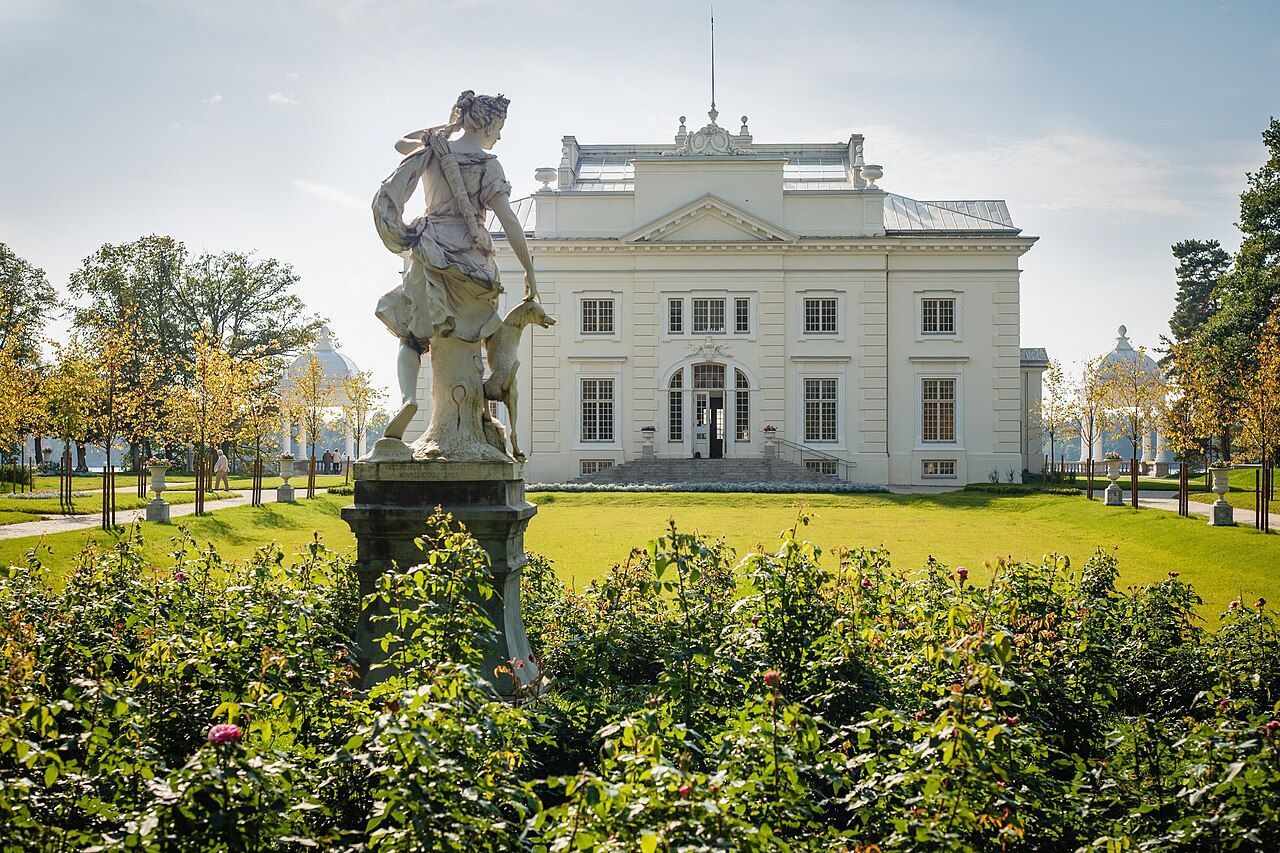
## Description Užutrakis Manor Estate is a graceful, lakeside cultural landscape that combines manicured gardens, classical architecture, and sweeping views over Lake Galvė just outside Trakai. The estate preserves the atmosphere of late 19th– and early 20th-century leisure gardens while adapting to contemporary cultural life: restored terraces, thoughtfully composed alleys, sculptures, and scenic viewpoints frame the manor house and connect the property visually and historically with Trakai’s iconic island castle across the water. What makes Užutrakis special is its dual character as both a preserved historic landscape and an active cultural venue. Garden designers and conservationists have worked to retain the original axes and formal layouts while integrating native plantings that support local biodiversity. The manor’s rooms and exhibition spaces are used seasonally for concerts, art shows, and local festivals, so a visit can feel both reflective and lively depending on the calendar. Photographers prize the vantage points that align with the castle silhouette on Lake Galvė, and landscape enthusiasts appreciate the blending of English-style park elements with Lithuanian plantings. For travelers seeking a slower cultural day trip from Vilnius or Vilnius airport, Užutrakis offers a concentrated experience: well-maintained paths for strolls, benches for long views, and interpretive signage that explains the estate’s history, garden features, and the restoration philosophy. Because it sits a short distance from Trakai’s main attractions, it pairs naturally with a visit to the island castle, allowing visitors to alternate between formal architecture, lakeside walks, and local food options in Trakai town. ## Location Užutrakis Manor sits on the shores of Lake Galvė within Trakai municipality, Vilnius County, central Lithuania. It lies only a short drive, bike ride, or pleasant walk from Trakai town and its famous island castle, making it an easy half-day or day-trip destination from Vilnius (about 28 kilometers away) or from Vilnius International Airport. Getting there is straightforward: regional buses and organized tours run regularly between Vilnius and Trakai, and local taxi services provide short transfers to the estate. For a more scenic approach, boat shuttles operate on Lake Galvė in the warmer months, delivering visitors to various points along the shoreline. Cyclists can combine the manor with a gentle ride around the lake, while visitors staying in Trakai can reach the gardens on foot from the town center depending on seasonal paths and local signage. ## Tips - **Combine with Trakai Castle:** Pair a morning or afternoon at Užutrakis with a visit to Trakai Castle for a varied cultural day of gardens and medieval architecture. - **Check the event calendar:** The manor hosts concerts, seasonal exhibitions, and cultural programs; aligning your visit with an event can add memorable local flavor. - **Wear comfortable shoes:** Gravel paths, terraces, and gentle slopes reward comfortable footwear; bring a light rain layer in changeable weather. - **Bring a camera and binoculars:** The viewpoints toward Trakai Castle and lakeside vistas are signature photo opportunities; binoculars help for birdwatching along the shoreline. - **Mind opening hours and fees:** The estate may have seasonal opening hours and modest fees for house access or special exhibitions. - **Respect the grounds:** Follow paths, avoid trampling sensitive plantings, and observe any interpretive guidance—this helps conserve the restored historic landscape. ## Conclusion Užutrakis Manor Estate is a graceful complement to Trakai’s island castle and regional attractions: a lakeside garden escape rich in architecture, curated views, and seasonal cultural programming. It rewards slow visits—moments of reflection on terraces, an attentive walk through historic lanes, and an appreciation for the interplay of landscape restoration and active cultural life. ## FAQ - **Q: Is there an entrance fee to Užutrakis Manor?** A: There is often a modest fee for access to the manor’s interiors or special exhibitions; garden access may be free or ticketed depending on season. Check the estate’s official site or local tourist information for current rates. - **Q: Can I tour the interior of the manor house?** A: Interior access is seasonal and may be limited during restoration or private events—plan ahead if interior tours are important to your visit. - **Q: Are events held outdoors, and do I need reservations?** A: Seasonal concerts and cultural events commonly occur outdoors; some events require advance booking while smaller activities may accept walk-up visitors. - **Q: Is the manor wheelchair or stroller accessible?** A: Accessibility varies across terraces and historic rooms; the garden paths are generally manageable, but some interior areas may have steps—contact the site for detailed accessibility information. - **Q: How long should I allocate for a visit?** A: Plan 1.5–3 hours to enjoy the gardens, viewpoints, and any small exhibitions; longer if attending a concert or combining with Trakai Castle. - **Q: Are there food options nearby?** A: Trakai town offers cafés and local eateries; pack water and light snacks if you prefer a picnic in the gardens. ## Links -- [Užutrakis Manor (Wikipedia)](https://en.wikipedia.org/wiki/U%C5%BEutrakis_Manor)
GemVoyage Team • World
Umbria
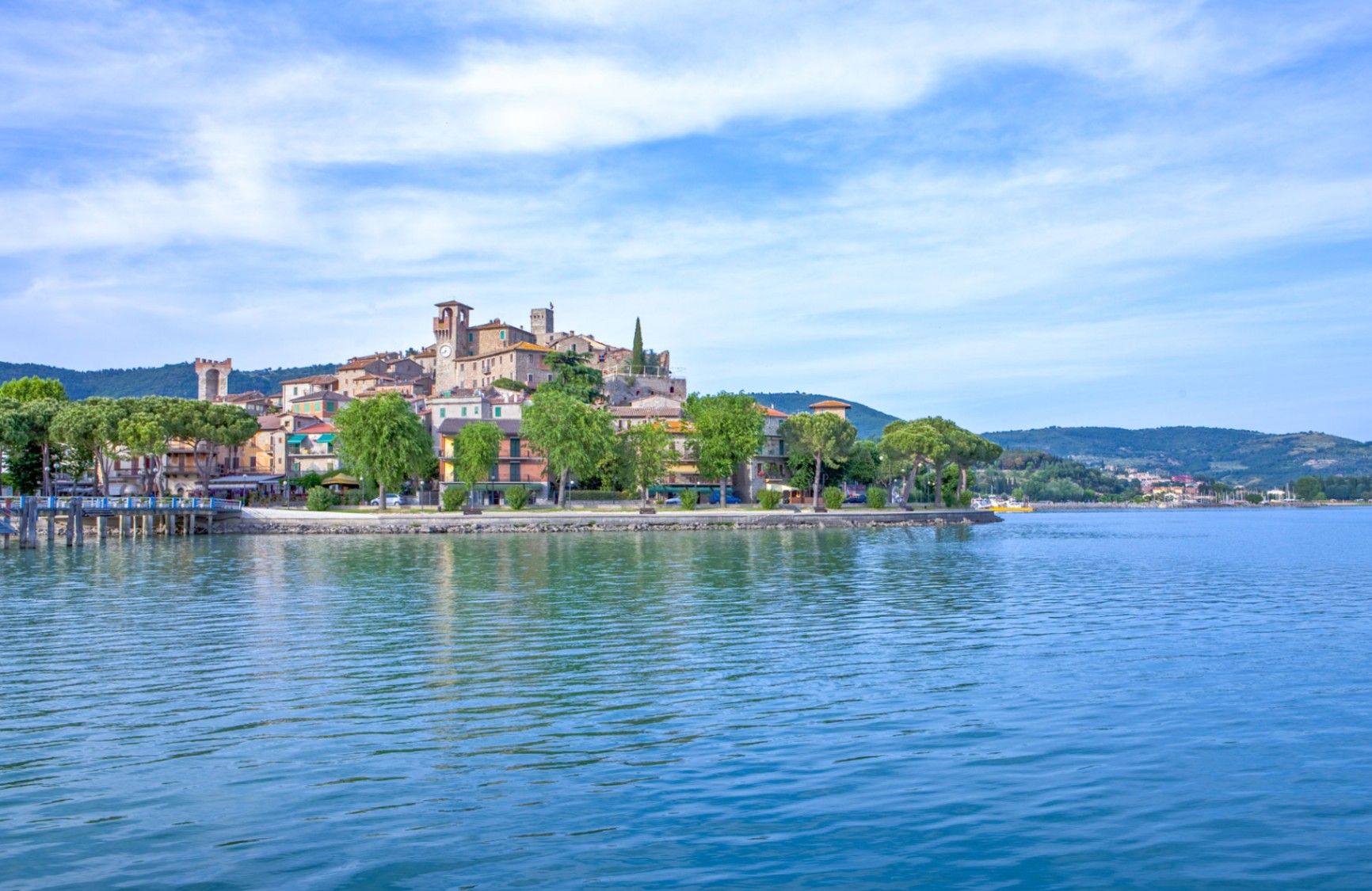
## Description **Lago Trasimeno** is one of Italy’s largest lakes and among its most understated. Unlike the dramatic alpine lakes of the north, Lago Trasimeno is defined by **breadth rather than depth**, calm waters, and a landscape shaped by agriculture, small towns, and slow rhythms. It is a place where nature, history, and everyday Umbrian life coexist without spectacle. The lake is shallow—its average depth is only a few meters—which gives it a distinctive character. Water levels fluctuate noticeably with the seasons, creating wetlands that attract migratory birds and sustain a delicate ecosystem. This makes Lago Trasimeno an important **natural reserve**, particularly for birdwatchers and ecologists. The surrounding reeds, olive groves, and rolling hills contribute to a serene atmosphere that feels far removed from mass tourism. Historically, the lake is best known as the site of the **Battle of Lake Trasimene (217 BCE)**, one of Hannibal’s greatest victories against the Roman Republic during the Second Punic War. Roman legions were ambushed along the lakeshore, making the area one of the most strategically significant ancient battlefields in Italy. A lesser-known fact is that remnants of Roman roads and settlements still lie scattered around the basin, largely unmarked and integrated into the modern landscape. Another overlooked detail is that the lake supports **three inhabited islands**, each with a distinct identity, rather than serving purely as a scenic backdrop. Today, Lago Trasimeno remains deliberately low-key. Fishing villages, medieval towns, cycling paths, and ferry crossings define the experience. It is a destination that rewards patience and curiosity rather than tight itineraries. ## Location **Country:** Italy **Region:** Umbria **Province:** Province of Perugia **Nearby City:** Perugia Lago Trasimeno lies west of Perugia, close to the border with Tuscany, making it a natural crossroads between central Italy’s cultural regions. ### How to Get There * **By train:** * Regional trains run along the northern shore of the lake, stopping at towns such as Passignano sul Trasimeno and Castiglione del Lago. * **By car:** * Easily accessible via regional roads from Perugia, Cortona, or Arezzo. A car is the most flexible option for exploring the lakeside. * **By bus:** * Local buses connect Perugia to towns around the lake, though schedules are limited. * **By bicycle:** * Popular with cyclists, with relatively flat routes and scenic views. ## Tips * **Explore multiple towns:** Each lakeside town has a different character; do not limit yourself to one stop. * **Take a ferry:** Boat trips to the islands offer a different perspective of the lake. * **Visit in spring or early autumn:** Mild weather and fewer crowds enhance the experience. * **Rent a bike:** The flat terrain makes cycling particularly enjoyable. * **Manage expectations:** This is not a swimming-focused lake; its appeal lies elsewhere. * **Stay overnight:** Sunset and early morning reveal the lake at its most atmospheric. ## Conclusion Lago Trasimeno is a place of quiet depth rather than visual drama. Rooted in ancient history and shaped by nature and rural life, it offers an authentic Umbrian experience for visitors who value calm landscapes, local culture, and unhurried exploration. ## FAQ **1. Is Lago Trasimeno good for swimming?** Swimming is possible in designated areas, but the lake is better suited to boating and relaxation. **2. How many islands are on the lake?** There are three inhabited islands: Isola Maggiore, Isola Minore, and Isola Polvese. **3. How much time should I plan for a visit?** At least **one full day**, more if exploring towns or cycling. **4. Is the lake suitable for families?** Yes, especially for gentle outdoor activities and relaxed travel. **5. Can you visit without a car?** Yes, but a car provides greater flexibility. **6. Is Lago Trasimeno crowded?** Compared to other Italian lakes, it remains relatively uncrowded year-round. ## Links * [Umbria official tourism site](https://www.umbriatourism.it)
GemVoyage Team • World
Copenhagen
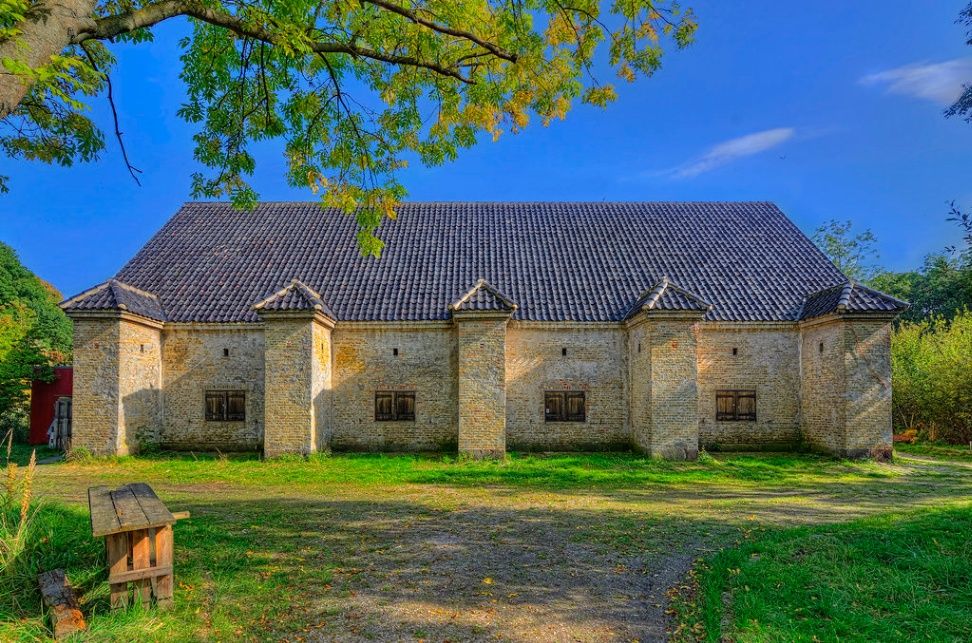
## Description **Frederiks Bastion** is one of the preserved defensive structures within Copenhagen’s historic system of coastal fortifications. Located near **Kastellet**, but distinct from it, Frederiks Bastion represents a smaller, quieter, and more understated element of Denmark’s centuries-old defensive architecture. While it lacks the scale and iconic star shape of Kastellet, its importance lies in its **strategic coastal placement**, its role in Copenhagen’s layered defense network, and its value as a surviving example of **early modern military engineering**. The bastion dates back to the era when Copenhagen’s security depended heavily on a combination of earthworks, ramparts, and coastal batteries designed to deter naval incursions. These fortifications once formed a continuous defense line protecting the harbor and the eastern approach to the city. Frederiks Bastion served primarily as a **gun emplacement**, providing a vantage point over surrounding waters and contributing to overlapping fields of fire with neighboring bastions. Unlike the more polished tourist sites in Copenhagen, Frederiks Bastion retains a **raw and authentic** military character. Much of its structure is defined by **grass-covered embankments, sturdy earthworks, and low-profile defensive shapes** that reflect 18th–19th century military design principles. Visitors who look closely can still identify the geometry of the ramparts, the angles optimized to deflect cannon fire, and the remnants of pathways used for transporting artillery and supplies. One of the most interesting aspects of Frederiks Bastion is the juxtaposition of its **military past with Copenhagen’s modern urban waterfront**. The surrounding area is now a mix of neighborhoods, harborside promenades, and cultural venues, yet the bastion remains a quiet green space that reveals how the city once prepared for siege and conflict. While many visitors overlook it on their way to more famous landmarks, those who stop here gain a deeper understanding of Copenhagen’s historical defensive logic and the engineering strategies that shaped its coastline. The atmosphere is surprisingly serene. Rather than dramatic architectural flourishes, the bastion offers a sense of **openness, subtlety, and historical layering**. It is a place where you can walk along the embankments, observe the water, and imagine the era when Copenhagen was fortified against European naval powers. The simplicity is part of its charm: no over-curated displays, no commercialized setups, just a preserved piece of functional design. Today, Frederiks Bastion is appreciated for its **heritage value**, its role in Copenhagen’s larger defensive narrative, and its suitability for contemplative waterfront walks. For urban explorers, history enthusiasts, and travelers who enjoy discovering non-touristy sites, it offers a quiet, historically charged vantage point within one of the city's most visited districts. ## Location Frederiks Bastion is located near the Copenhagen waterfront, east of the city center, not far from Kastellet and the harbor promenade. **City:** Copenhagen **Area:** Østerbro / Waterfront near Kastellet **Country:** Denmark ### How to Get There * **By metro:** * M3 or M4 to **Østerport Station**, then a short walk. * **By bus:** Several city buses stop along the harbor and near the surrounding parks. * **On foot:** Easily accessible from **Kastellet**, **Langelinie**, and the **Little Mermaid** area. * **By bicycle:** The waterfront has excellent cycling paths, making it one of the easiest ways to reach the bastion. ## Tips * **Pair it with a visit to Kastellet:** The two sites complement each other historically and geographically. * **Ideal for peaceful walks:** This is a low-traffic, quiet spot even during peak tourist season. * **Good for photography:** Particularly at sunrise or late afternoon when the light hits the embankments. * **Wear comfortable shoes:** The terrain includes grassy slopes and uneven surfaces. * **No major facilities:** Bring water or snacks if you plan to stay for a while. * **Learn the context before visiting:** Understanding its role enhances the experience, since signage onsite is minimal. ## Conclusion Frederiks Bastion is a modest but meaningful piece of Copenhagen’s military heritage. It offers insight into the city’s coastal defense strategy and provides a calm, lightly visited alternative to the larger and more structured fortifications nearby. Its earthworks, geometry, and position along the waterfront allow visitors to experience a genuine historical environment without crowds or distractions. ## FAQ **1. Is Frederiks Bastion the same as Kastellet?** No. It is a separate bastion located nearby, part of a wider defensive network. **2. Is there an entrance fee?** No. The area is freely accessible year-round. **3. How long does a visit take?** Most visitors spend **20 to 40 minutes**, often combined with a walk in the surrounding harbor area. **4. Is it family-friendly?** Yes, but keep an eye on children near steep embankments. **5. Are there views of the water?** Yes. The bastion offers clear sightlines toward the harbor and neighboring fortifications. **6. Are there signs or exhibitions?** Minimal. It’s more of a preserved outdoor site than a curated museum. ## Links * [Copenhagen Visitor Portal](https://www.visitcopenhagen.com)
GemVoyage Team • World
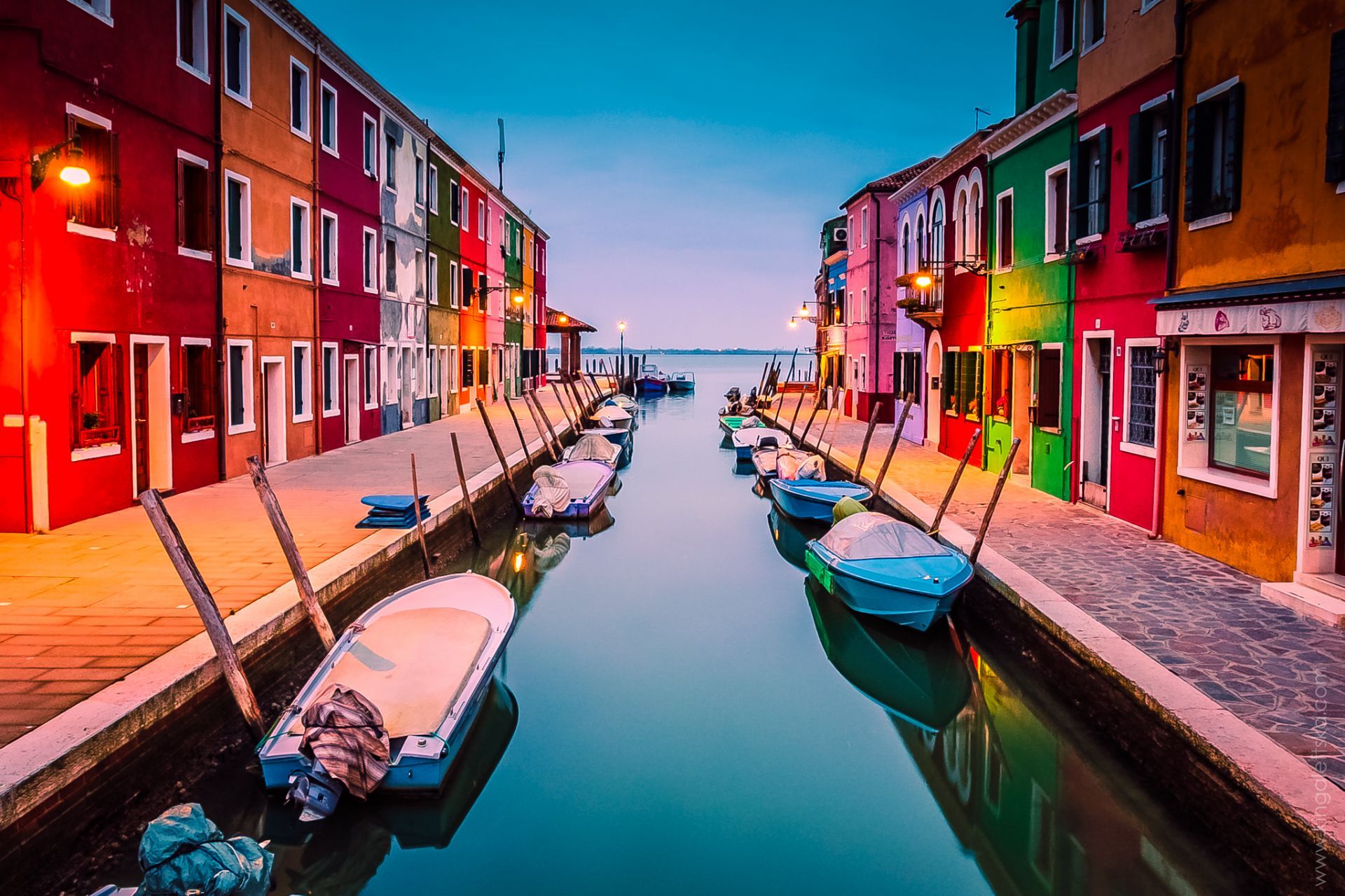
Venice
## Description Burano is one of the most visually unforgettable islands in the Venetian lagoon, famed for its brightly painted houses, calm canals, and enduring lace-making traditions. The island's sensory appeal is immediate: a stroll down almost any narrow calle reveals rows of color that complement the water's subtle reflections and the pace of daily life. Yet Burano never feels solely staged for photography—its charm comes from a lived-in quality that keeps facades, fishermen's histories, and family-run ateliers central to the experience. The island's palette also has a practical origin: fishermen historically painted homes in vivid colors so they could recognize them through fog and across the lagoon. That practical method became a cultural identity, and today the colors are protected by local rules and customs. Lace-making, another deep-rooted craft, once supported a vibrant export economy and still distinguishes Burano through small workshops and boutique stores where artisans demonstrate traditional techniques. Together, color and craft make Burano an excellent case study in how domestic life, maritime economy, and tourism can coexist. Visitors often report that Burano rewards slowness: the best discoveries happen on a side street or in a shop where a single artisan is stitching lace at a tiny table. For photographers and culture-minded travelers alike, Burano offers a compact, walkable experience that can be comfortably explored in a half-day or extended into a full day trip with nearby islands. ## Location Burano lies northeast of Venice in the Venetian Lagoon, connected by regular vaporetto (public boat) services from Venice and other islands. The boat journey is part of the attraction: approaching Burano across open water sets the right tone and helps explain the island's maritime character. Most visitors combine Burano with neighboring Torcello or Murano to make the transit more rewarding and to see contrasting island identities. Practical routing: take a vaporetto line that serves Burano directly from Venice's Fondamenta Nove or from other lagoon stops. During high season, expect more frequent services; in shoulder seasons, check schedules in advance. ## Tips - Bring a camera but spend time away from the main canals to find quieter compositions and authentic scenes. - Visit early in the day to avoid crowds and to catch softer morning light that flatters the painted facades. - Combine Burano with Torcello for a fuller island itinerary that mixes vivid color with serene archaeology. - Support artisan shops by purchasing small lace souvenirs or stopping for coffee in a family-run cafe—this helps keep traditional crafts viable. - Respect residential privacy: many colorful houses are lived in, so avoid blocking doorways or taking intrusive photographs of private spaces. - Wear comfortable shoes—pavement is largely flat but can be uneven in spots. ## Conclusion Burano remains one of the Venetian lagoon's most rewarding day trips because it pairs immediate visual delight with authentic local life. The island resists being reduced to a single photo op by offering craft traditions, friendly cafes, and a scale that invites lingering. Whether you are a photographer, a culture traveler, or someone who enjoys quieter coastal atmospheres, Burano delivers a memorable and humane experience. ## FAQ ### Why are the houses in Burano so colorful? The colors began as practical markers for fishermen navigating fog and open water. Over time the chromatic system became cultural and now contributes to the island's strong visual identity. ### Is Burano worth visiting if I already saw Venice? Yes. Burano provides a different rhythm from Venice—smaller, quieter, and focused on craft and domestic scale rather than grand architecture. ### How long should I stay? A few hours is enough to see the island's highlights; a longer half-day lets you shop, eat, and wander off the main routes for quieter moments. ### Is Burano crowded? It can be during peak season and midday; visiting early or late in the afternoon helps you find calmer streets. ### What is Burano known for besides color? Lace-making and small-scale artisanal traditions are central. The island's shops and demonstration studios give insight into techniques that once sustained whole communities. ## Links - [Wikipedia](https://en.wikipedia.org/wiki/Burano)
GemVoyage Team • World
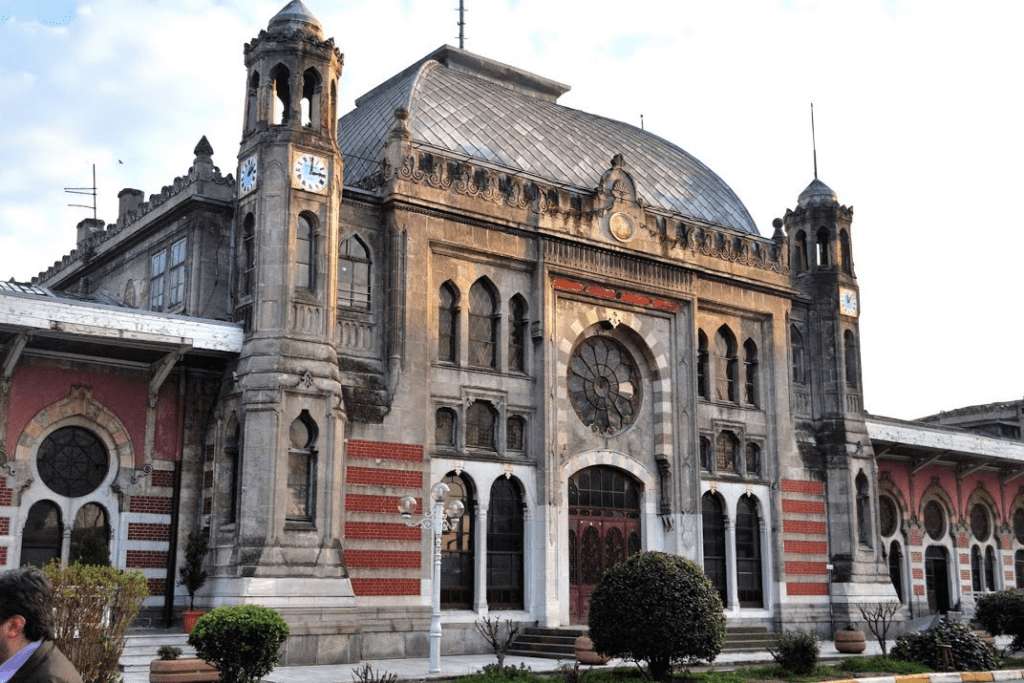
Istanbul
## Description The Istanbul Railway Museum (İstanbul Demiryolu Müzesi) is a hidden gem tucked inside the historic Sirkeci Terminal, once the eastern terminus of the legendary Orient Express. Opened in 2005 and operated by Turkish State Railways (TCDD), the museum offers a nostalgic journey through Turkey’s railway history, showcasing the evolution of train travel from the Ottoman era to the modern age. What makes this museum truly special is its location—Sirkeci Station itself is a masterpiece of 19th-century architecture, built in 1888 and opened in 1890. The museum occupies a modest 145 square meters, but within that space, it houses over 300 historical artifacts. Visitors can explore vintage station equipment, elegant silverware from dining cars, manufacturer plates from historic locomotives, and even the driver’s cab of an electric suburban train. A little-known fact: the museum includes original warning signs and clocks from stations across Turkey, offering a rare glimpse into the operational side of railway life. Another quirky detail—some of the furniture on display was used in the Orient Express, adding a touch of international glamour to the collection. ## Location The Istanbul Railway Museum is located in **Turkey**, within the **Marmara Region**, in the city of **Istanbul**. Specifically, it sits inside the **Sirkeci Terminal** in the **Fatih district**, a stone’s throw from the Bosphorus and the historic Sultanahmet area. ### How to Get There: - **By Tram**: Take the T1 tram line to Sirkeci Station. The museum is inside the terminal building. - **By Metro**: From Marmaray Sirkeci Station, it’s a short walk to the museum. - **By Foot**: If you're exploring Sultanahmet, the museum is easily reachable on foot—just a 10-minute walk from Hagia Sophia or Topkapı Palace. - **By Taxi or Ride-Hailing**: Services like BiTaksi or Uber can drop you off directly at the station entrance. Its central location makes it an ideal stop for tourists exploring Istanbul’s historic peninsula. ## Tips for Visitors To make the most of your visit to the Istanbul Railway Museum, consider these tips: - **Visit on Weekdays**: The museum is open Tuesday to Saturday, from 9:00 AM to 5:00 PM. It’s closed on Sundays and Mondays. - **Admission is Free**: No ticket required, making it a budget-friendly cultural stop. - **Combine with Nearby Attractions**: Pair your visit with a trip to the Spice Bazaar, Galata Bridge, or the Basilica Cistern. - **Photography**: Photos are allowed, but be respectful of the space and avoid flash photography. - **Short and Sweet**: The museum is compact—plan for 30 to 45 minutes. It’s perfect for a quick cultural detour. - **Ask Questions**: Staff are knowledgeable and often happy to share stories behind the exhibits. ## Conclusion The Istanbul Railway Museum is a compact yet captivating tribute to Turkey’s rail history, housed in one of the city’s most iconic train stations. With its rich collection of artifacts and its connection to the Orient Express, it offers a unique blend of nostalgia and historical insight—perfect for train enthusiasts and curious travelers alike. ## FAQ **1. What are the opening hours of the Istanbul Railway Museum?** The museum is open Tuesday to Saturday, from 9:00 AM to 5:00 PM. It’s closed on Sundays and Mondays. **2. Is there an entrance fee?** No, admission is free for all visitors. **3. How long does a visit typically take?** Most visitors spend about 30 to 45 minutes exploring the museum. **4. Is the museum suitable for children?** Yes, children interested in trains and history will enjoy the exhibits, though supervision is recommended due to fragile artifacts. **5. Can I take photos inside the museum?** Yes, photography is allowed, but flash should be avoided to protect the exhibits. **6. Is the museum accessible for people with disabilities?** Accessibility may be limited due to the historic nature of the building. It’s best to contact the museum in advance for specific accommodations. ## Links - [Istanbul Railway Museum – Wikipedia](https://en.wikipedia.org/wiki/Istanbul_Railway_Museum)
GemVoyage Team • World

Comments