GemVoyage Team • World
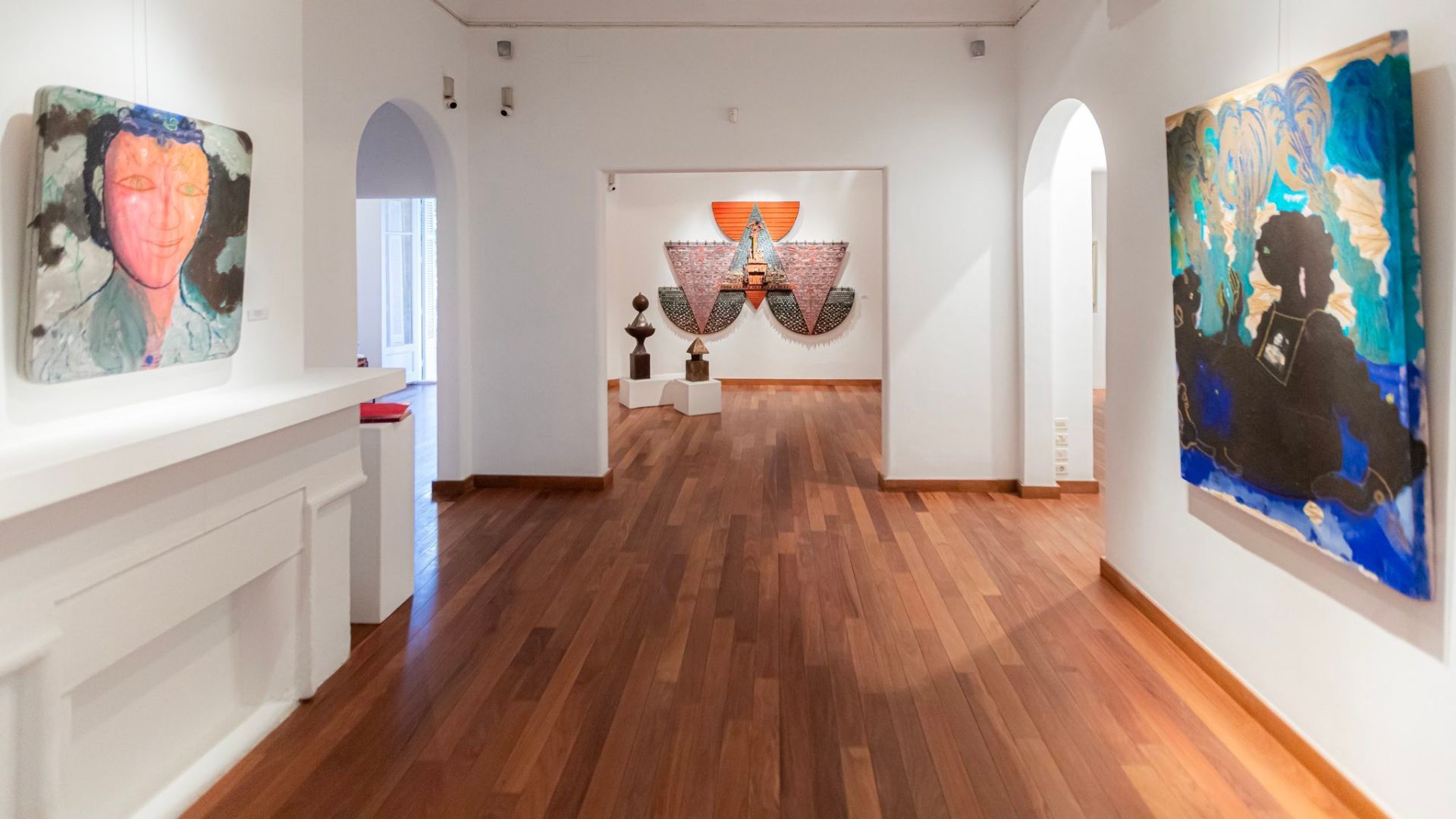
What makes Zamalek special is how accessible its creative life is. Many galleries are tucked into residential streets or historic buildings, so the experience is as much about discovery as it is about the exhibitions themselves. You can move from one space to another on foot, stopping for coffee, browsing small bookstores, or taking in the shade of the trees that line the streets. The district has long attracted diplomats, artists, writers, and collectors, which has helped shape a culture that values conversation and experimentation.
One little-known fact is that Zamalek's modern identity was influenced by the island's role in late 19th and early 20th century urban planning, when it became a showcase for Cairo's cosmopolitan elite. Another is that several of the area's smaller galleries change their exhibitions frequently, so repeat visits can feel completely different from one month to the next. That makes Zamalek especially rewarding for travelers who enjoy current art rather than static museum visits.
The galleries themselves often highlight a wide range of work: painting, mixed media, sculpture, photography, printmaking, and conceptual installations. Some spaces represent established Egyptian artists, while others support younger voices and cross-disciplinary projects. As a result, you may encounter work that speaks to Cairo's daily life, regional politics, identity, memory, urban transformation, or the relationship between traditional craft and contemporary expression.
Zamalek is also a good place to slow down. Cairo can be intense, and this neighborhood gives you a softer rhythm. Between gallery visits, you can wander down quiet streets, notice historic facades, and enjoy views of the river. The district's cultural character is not confined to exhibition halls; it extends into bookshops, design stores, and cafes where artists and students often gather. This makes the area feel like a living creative ecosystem rather than a tourist display.
For travelers interested in culture, Zamalek is one of the most rewarding ways to experience Cairo beyond its major monuments. It reveals how contemporary Egyptian creativity lives alongside the city's long historical memory. If you want an afternoon that combines urban charm, art, and a sense of place, Zamalek delivers that with very little effort and a lot of style.
The most practical way to get there is by taxi or ride-hailing service, especially if you are moving between different neighborhoods in Cairo. Public transport is also possible, but first-time visitors usually find it simpler to be dropped near a known landmark in Zamalek and then walk from gallery to gallery. If you are staying in central Cairo, the trip is usually short, though traffic can be heavy during peak hours.
Check exhibition schedules in advance, because some galleries close between shows or rotate their collections frequently.
Wear comfortable shoes. Zamalek is walkable, but you may cover more distance than expected if you plan to visit several galleries in one day.
Pair the galleries with a cafe stop or lunch break. The neighborhood rewards unhurried exploration, and a meal between visits helps you take in the atmosphere without rushing.
If you are serious about collecting or meeting artists, do not hesitate to ask gallery staff questions. Many spaces are small and personal, and conversations are often part of the experience.
Keep some flexibility in your itinerary. The best discovery in Zamalek is often an unexpected side street, a temporary exhibit, or a gallery you did not plan to visit.
Discover more hidden gems you might love.
Brussels
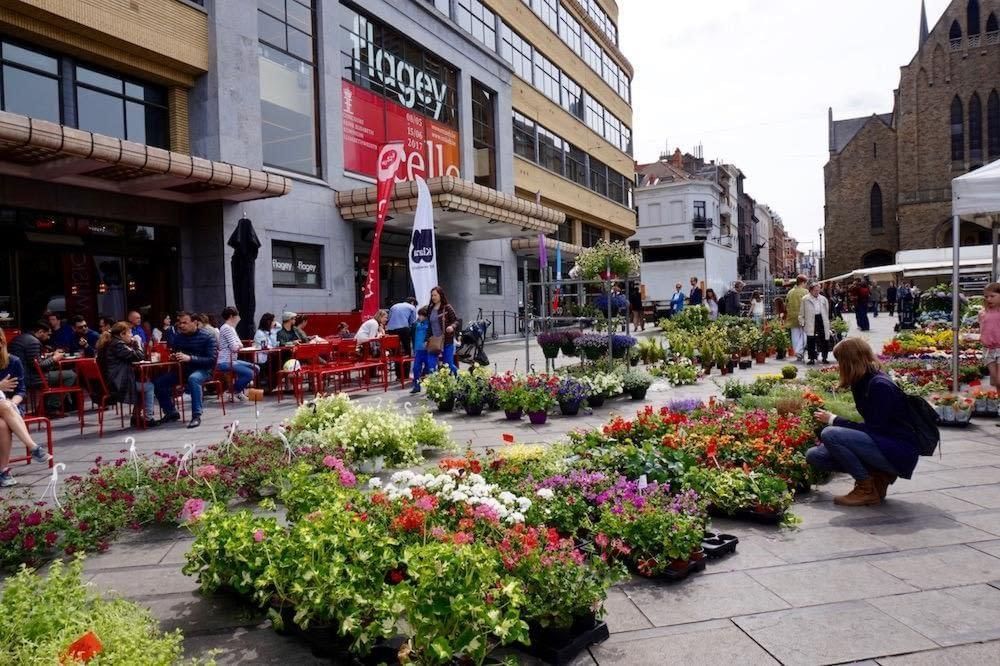
## Description Flagey Square Market is one of the most characterful weekly markets in Brussels, and it feels less like a simple shopping stop than a snapshot of the city’s everyday rhythm. Set around the wide, lively Place Flagey in Ixelles, the market brings together fresh produce, flowers, cheeses, baked goods, spices, and the kind of seasonal local ingredients that reveal how Brussels really eats. For visitors, its appeal is not just what is sold but how the place works as a social scene: neighbors catch up over coffee, families fill baskets for the week, and travelers get a direct taste of the city beyond the usual museum circuit. What makes Flagey Square Market especially memorable is the contrast between its practical purpose and its setting. Place Flagey is bordered by elegant urban architecture and sits near the ponds of Ixelles, which means a trip to the market can easily turn into a broader walk through one of Brussels’ most attractive districts. A lesser-known detail is that the square is closely associated with Brussels’ cultural life, so the market often feels like it belongs to a wider neighborhood ecosystem of design, music, and café culture rather than standing alone as a tourist attraction. Another advantage is the market’s pace: it is big enough to be interesting, but not so overwhelming that it loses its local feel. If you are interested in food travel, Flagey Square Market is a place to observe small but revealing habits. Look for vendors selling regional cheeses from Wallonia, seasonal fruit that reflects the calendar rather than a global supermarket standard, and flowers that are often carried home by residents heading back to nearby apartments. The best markets are the ones where the transaction is only part of the experience, and this one excels because it invites lingering, tasting, and people-watching in equal measure. You can come away with ingredients for a picnic, a gift for someone back home, or simply a better understanding of Brussels as a lived-in city. It is also a strong choice for travelers who prefer neighborhoods over monuments. The market gives you a reason to spend time in Ixelles, an area with a cosmopolitan reputation but also a distinctly Brussels identity. That balance of local routine and cosmopolitan variety is what makes Flagey Square Market worth including in any city itinerary. ## Location Flagey Square Market is located at Place Flagey in Ixelles, Brussels-Capital Region, Belgium. The square sits in the southeastern part of central Brussels, close to the Ixelles Ponds and within easy reach of the city’s main cultural and dining areas. It is one of the most walkable parts of Brussels, and that is part of the attraction: the market can be paired with a stroll around the ponds, a coffee in the Flagey neighborhood, or a longer walk toward Avenue Louise and the surrounding streets. Getting there is straightforward. From central Brussels, the easiest route is often public transport, especially trams or buses that connect the square with major districts and the city center. If you are staying in Ixelles or near the European Quarter, a taxi or rideshare is simple, but public transport usually provides the most efficient and authentic option. Walking is also realistic if you like to explore Brussels on foot, though the distance will depend on your starting point. Cycling can work well too, especially on a good weather day, since the neighborhood is relatively bike-friendly by urban standards. If your goal is to visit the market at its best, aim for a morning arrival. That is when the produce is freshest and the atmosphere is most active, with enough local shoppers to create energy without making the aisles feel crowded. Pairing the market with the nearby ponds is one of the smartest ways to structure a half-day in Brussels. ## Tips Arrive early if you want the widest choice of fruit, bread, cheese, and prepared foods. Later in the day you may still find good items, but the market is more rewarding when stock is full and the pace is relaxed. Bring a reusable bag or two. Markets like this are at their best when you can buy a few things spontaneously, and having a bag makes it easy to leave with snacks, picnic ingredients, or a small bouquet of flowers. Carry some cash, even if many vendors accept cards. Markets are practical places, but payment habits can vary from stall to stall, and cash can save time when you are buying a small item. Do not rush. Flagey Square Market is not only about shopping; it is also about atmosphere. Stop for coffee, ask vendors what is in season, and pay attention to the products locals reach for most often. That is often the best guide to quality. If the weather is pleasant, plan to continue to the Ixelles Ponds after the market. That small extension turns a food stop into a genuinely enjoyable neighborhood outing. ## Conclusion Flagey Square Market is one of Brussels’ best places to experience local life at street level. It combines food, neighborhood character, and a pleasant urban setting in a way that feels genuine rather than staged. For travelers who want a market that reflects the city’s daily rhythm, it is an excellent stop. ## FAQ ### When is Flagey Square Market open? Market days can vary by season and local scheduling, so it is best to check current opening times before you go. In general, the busiest and most rewarding hours are in the morning, when produce selection is strongest and the atmosphere feels most lively. ### Is Flagey Square Market good for tourists? Yes. It is especially good for visitors who want to see a neighborhood market that locals actually use. It is also easy to combine with nearby walks, cafés, and the Ixelles Ponds, so it fits naturally into a city day. ### What should I buy there? Fresh fruit, bread, cheese, flowers, and seasonal snacks are the most reliable purchases. If you want a taste of Brussels, look for local dairy products, pastries, or ingredients that are clearly tied to the season. ### How long should I spend there? Most visitors will enjoy 45 minutes to 2 hours, depending on whether they want to shop, eat, and explore the surrounding neighborhood. If you plan a full brunch or picnic outing, you may want even longer. ## Links - [Flagey](https://www.flagey.be/en) - [Place Flagey on Visit Brussels](https://visit.brussels/en/place/place-flagey)
GemVoyage Team • World
Auvergne-Rhône-Alpes
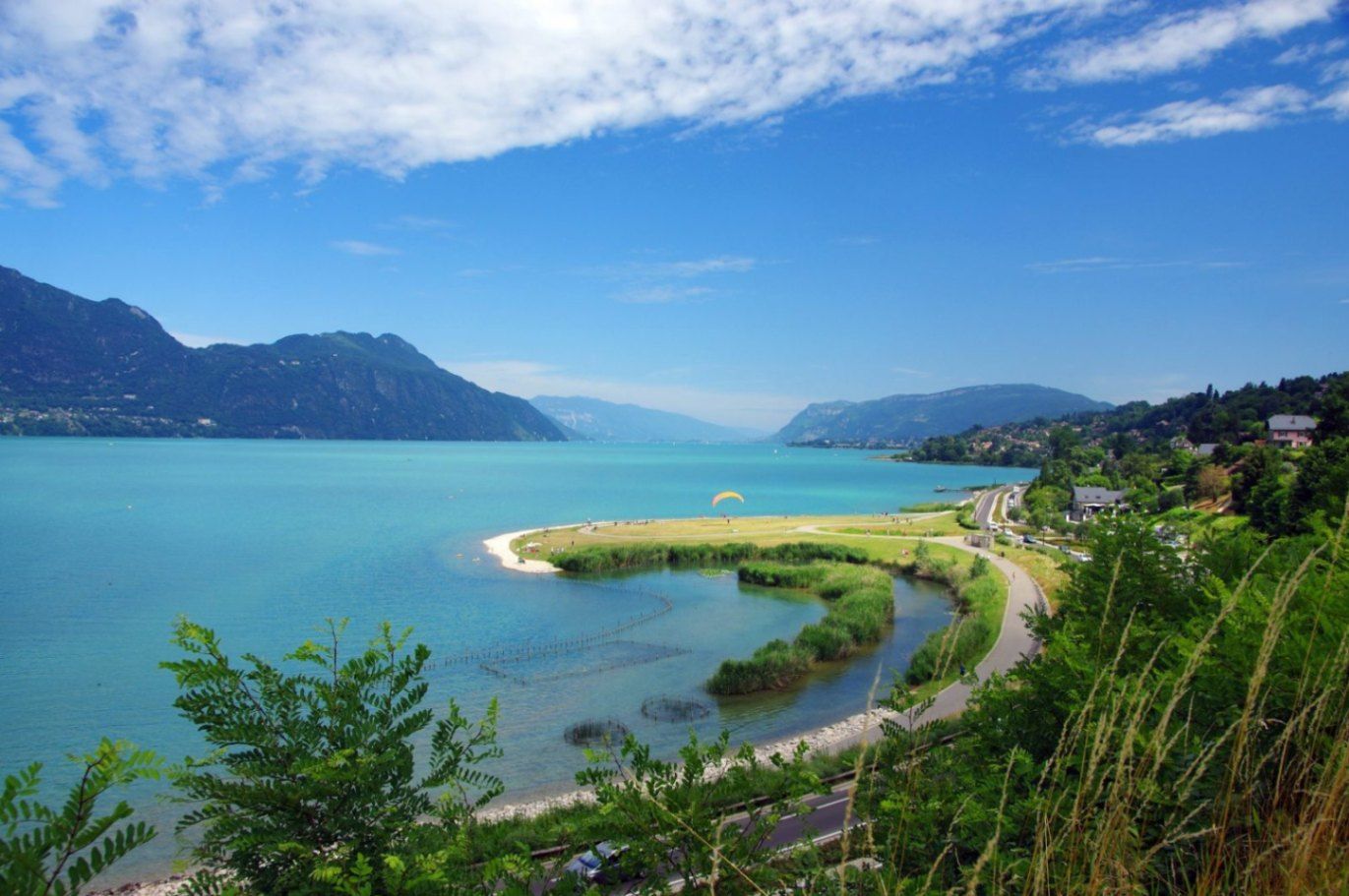
## Description Lac du Bourget is the largest natural lake entirely within France and one of the most scenic bodies of water in the country. Surrounded by mountains, historic towns, and thermal spa resorts, the lake offers a perfect blend of natural beauty, outdoor activities, and cultural heritage. Its calm blue waters and dramatic alpine backdrop have inspired writers, poets, and travelers for centuries, making it a destination that appeals to nature lovers and culture seekers alike. What makes Lac du Bourget truly unique is its diversity. Visitors can enjoy swimming, sailing, paddleboarding, and cycling along the shoreline, while also exploring charming lakeside towns such as Aix-les-Bains and Le Bourget-du-Lac. A little-known fact is that the lake reaches depths of over 140 meters, making it not only the largest but also one of the deepest lakes in France. Another lesser-known detail is its strong literary connection: the famous French poet Alphonse de Lamartine immortalized the lake in his poem *Le Lac*, turning it into a symbol of romantic longing in French literature. Despite its popularity, Lac du Bourget retains a peaceful atmosphere, especially outside peak summer months, making it ideal for travelers seeking both relaxation and discovery. ## Location Lac du Bourget is located in **France**, in the **Auvergne-Rhône-Alpes** region, within the **Savoie** department. The lake lies between the cities of Aix-les-Bains and Chambéry, at the western edge of the Alps. Reaching Lac du Bourget is easy. The closest major town, Aix-les-Bains, has a well-connected train station with direct services from cities such as Lyon, Geneva, and Paris. From the station, local buses, taxis, or walking paths lead directly to the lakeshore. Travelers arriving by car can access the area via the A41 motorway, which connects Chambéry to Geneva. Cycling paths also run along parts of the lake, offering a scenic and eco-friendly way to explore the surroundings. ## Tips * Visit between late spring and early autumn for the best weather and full access to water activities. * Early mornings and weekdays are ideal for enjoying the lake in a quieter, more peaceful setting. * Bring swimwear and a towel, as many public beaches offer free or low-cost access. * Rent a boat or take a guided cruise to appreciate the lake’s size and mountain views from the water. * Explore nearby Aix-les-Bains for its Belle Époque architecture and thermal spas. * If hiking, wear proper footwear and carry water, especially on trails overlooking the lake. ## Conclusion Lac du Bourget is a remarkable destination that combines natural splendor, outdoor recreation, and cultural depth. Whether you are relaxing by the shore, exploring historic towns, or cruising across its tranquil waters, the lake offers a rich and memorable experience in the heart of the French Alps. ## FAQ **Is Lac du Bourget suitable for swimming?** Yes, the lake is known for its clean water and has several designated swimming areas and beaches. **What is the best town to stay near Lac du Bourget?** Aix-les-Bains is the most popular base, offering accommodation, restaurants, and easy lake access. **Are boat tours available on the lake?** Yes, regular sightseeing cruises and private boat rentals are available, especially during the warmer months. **Is Lac du Bourget family-friendly?** Absolutely. Beaches, cycling paths, and gentle water activities make it ideal for families. **Can I visit Lac du Bourget in winter?** Yes, while swimming is not possible, the area remains attractive for walks, spa visits, and scenic views. ## Links * [Lac du Bourget Tourism Official Website](https://www.lac-du-bourget.com)
GemVoyage Team • World
Austin
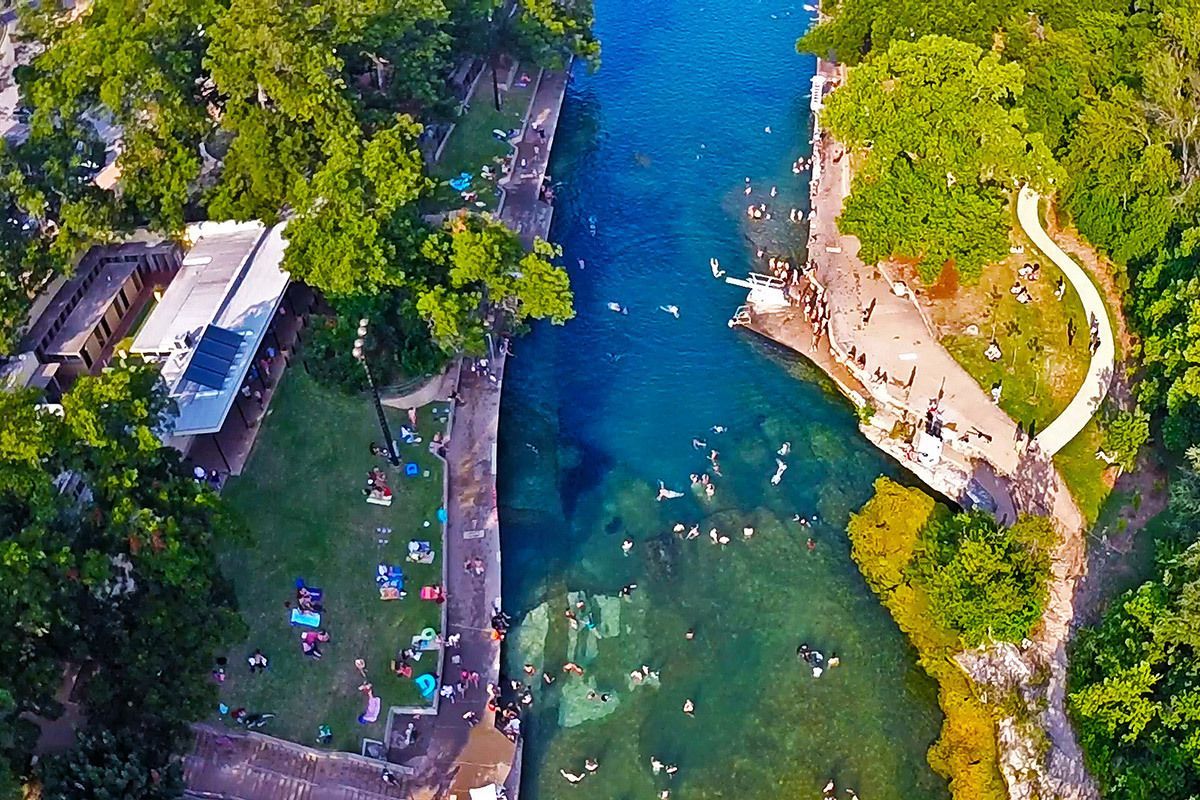
## Description Barton Springs Pool is one of Austin’s most beloved landmarks because it offers something rare in a major American city: a large natural spring-fed swimming pool that feels both wild and urban at the same time. Located in Zilker Park, it has long been a favorite place for locals to cool off, relax, and connect with the city’s outdoor culture. The pool is more than a recreational amenity. It is a symbol of Austin’s relationship with nature, conservation, and public space. If you want to understand why residents speak about the city with so much affection for its outdoor life, Barton Springs is one of the best places to start. The water is consistently cool year-round, which gives the pool a very specific personality. In summer, that feels refreshing and almost miraculous. In cooler months, it feels bracing and memorable. A little-known fact is that the pool is closely associated with endangered species and ecological protection, especially the Barton Springs salamander, which means the site has both leisure and conservation importance. Another detail many visitors miss is that the pool has been a social gathering place for generations, so the sense of continuity is as much part of the attraction as the water itself. What makes Barton Springs especially attractive is its flexibility. Families, swimmers, walkers, sunbathers, and out-of-town visitors can all enjoy it in different ways. Some people come specifically to swim laps or cool off after a hot Austin day. Others come simply to sit on the grass, watch the activity, and enjoy being near a place that feels deeply rooted in the city’s identity. It is one of those attractions that is simple on the surface but surprisingly rich once you experience how many layers it holds: natural, civic, ecological, and cultural. ## Location Barton Springs Pool is in Zilker Park in Austin, Texas, United States, not far from downtown and close to the Barton Creek area. Its central location makes it easy to combine with other Austin attractions, but the simplest plan is often to dedicate a block of time to the park and pool rather than trying to rush through it. Visitors can reach the area by car, rideshare, bicycle, or bus, and walking is practical if you are already staying nearby or spending the day in central Austin. Parking can become limited on busy days, so public transport or biking is often the smartest choice. Once you arrive, the surrounding park gives you a natural extension of the visit, whether you want a picnic, a walk, or time to relax after swimming. If you are planning to swim, check the current opening hours and entry rules in advance, because operational details can change with season, weather, and maintenance needs. The site works best when you treat it as a half-day or full-day outing rather than a quick stop. ## Tips - Go early if you want a calmer experience and easier access. - Bring what you need for swimming, because this is a place to stay a while. - Check current water and entry conditions before leaving your hotel. - Use the surrounding park for a picnic or rest after your swim. - Respect ecological rules and pool guidelines, since the site is protected and carefully managed. - In summer, Barton Springs is one of the best ways to escape the heat without leaving the city. ## Conclusion Barton Springs Pool is a signature Austin experience: natural, refreshing, social, and deeply tied to the city’s outdoor culture. It is both a swimming destination and a symbol of what makes Austin feel different. ## FAQ ### Why is Barton Springs Pool so famous? It is famous for being a large natural spring-fed pool in central Austin, with strong local, ecological, and cultural significance. ### Can you swim there all year? Yes, but temperatures and conditions vary, so it feels different by season. ### Is it family-friendly? Yes, though families should always check current pool rules and conditions before visiting. ### How long should I spend there? Plan at least a few hours if you want to swim and enjoy Zilker Park properly. ## Links - [Austin Parks and Recreation](https://www.austintexas.gov/department/barton-springs-pool) - [Wikipedia](https://en.wikipedia.org/wiki/Barton_Springs_Pool)
GemVoyage Team • World
Bosnia
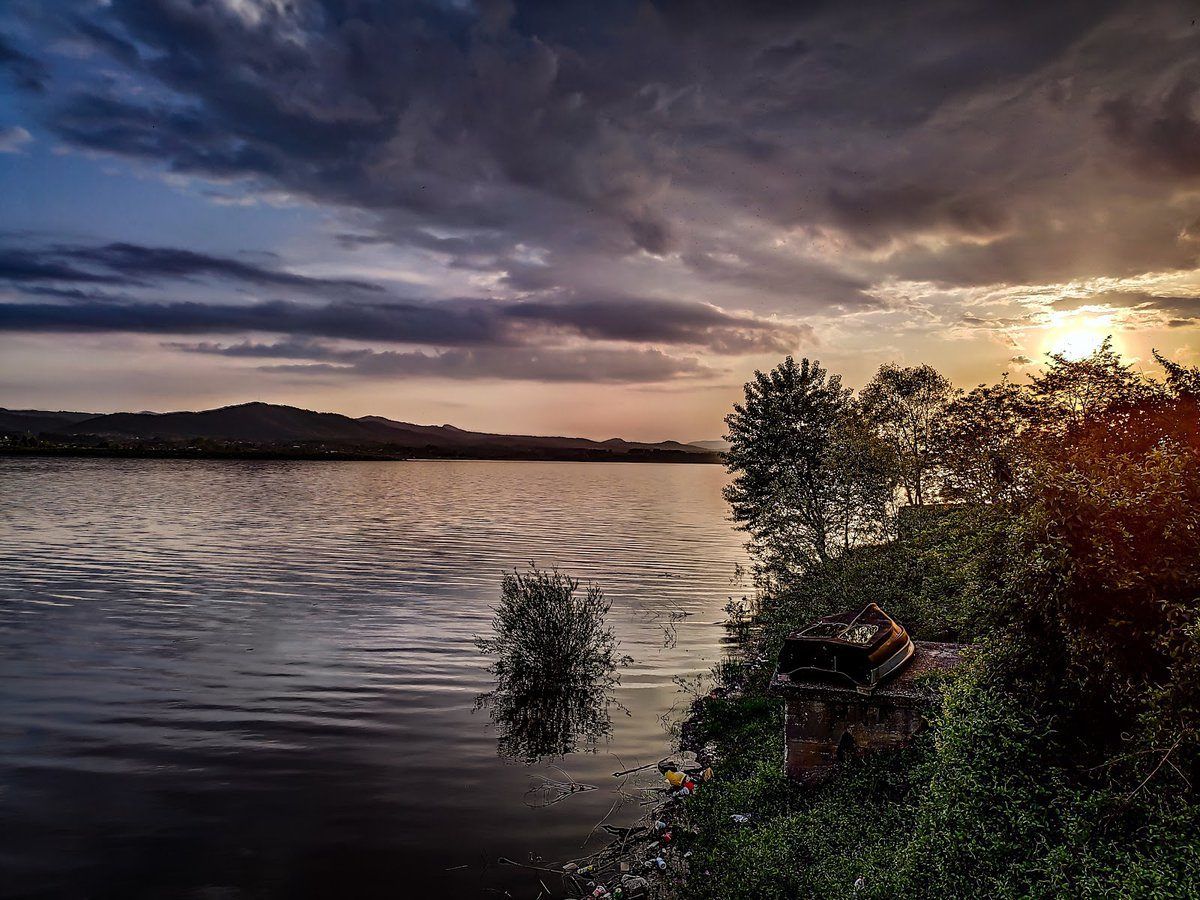
## Description **Modrac Lake (Modračko jezero)** is one of the largest artificial lakes in Bosnia and Herzegovina and a significant recreational and economic resource for the northeastern part of the country. Created in the 1960s by damming the **Spreča River**, the lake was originally built to supply water for industry and surrounding towns. Over time, it evolved into a **popular leisure destination**, especially during the summer months. What makes Modrac Lake distinctive is its **dual identity**. On one hand, it is a functional reservoir supporting industry and agriculture in the Tuzla region. On the other, it serves as a relaxed getaway for locals, offering swimming areas, weekend houses, fishing spots, and informal beaches. Unlike heavily commercialized European lakes, Modrac retains a raw, local character shaped more by everyday use than tourism planning. A lesser-known fact is that before the lake was created, several villages and agricultural lands were submerged, permanently altering the local landscape and economy. Another interesting detail is that Modrac Lake supports a **diverse fish population**, including carp, catfish, pike, and perch, making it one of the most important freshwater fishing locations in the region. The atmosphere around the lake is informal and authentic. Small cafés, seasonal food stands, and family-owned cottages line parts of the shoreline, particularly near towns and villages. This gives visitors a genuine glimpse into regional leisure culture rather than a curated tourist experience. ## Location **Country:** Bosnia and Herzegovina **Region:** Tuzla Canton **Nearest Cities:** Tuzla, Lukavac, Živinice Modrac Lake lies in **northeastern Bosnia**, about 15 kilometers southwest of Tuzla, stretching between several municipalities. ### How to Get There * **By car:** * The easiest and most flexible option. From Tuzla, the drive takes about 20–30 minutes depending on the access point. * **By taxi:** * Available from Tuzla and nearby towns, though return arrangements should be planned. * **By local transport:** * Buses connect Tuzla with nearby towns such as Lukavac and Živinice, followed by short walks to the shore. ## Tips * **Visit in summer:** July and August are the most active months, with swimming and lakeside life at its peak. * **Choose your access point carefully:** Some areas are better maintained and cleaner than others. * **Bring your own supplies:** Facilities vary greatly depending on the location. * **Fishing requires a permit:** Licenses can be obtained locally. * **Avoid swimming after heavy rain:** Water clarity can decrease due to runoff. * **Respect the environment:** As a working reservoir, preservation depends largely on visitor behavior. ## Conclusion Modrac Lake is not a polished resort, but a **functional and lived-in landscape** that plays an important role in local life. Its wide shoreline, relaxed atmosphere, and accessibility make it a meaningful destination for those interested in regional culture, outdoor relaxation, and everyday Bosnia beyond major tourist routes. ## FAQ **1. Is Modrac Lake natural or artificial?** It is an artificial lake created by damming the Spreča River. **2. Can you swim in Modrac Lake?** Yes, swimming is common in designated areas, especially during summer. **3. Is the lake clean?** Water quality varies by location and season; some areas are better maintained than others. **4. Is Modrac Lake good for fishing?** Yes. It is one of the most important fishing lakes in northeastern Bosnia. **5. Are there hotels around the lake?** Accommodation is limited; most visitors stay in Tuzla or nearby towns. **6. Is Modrac Lake suitable for tourists?** Yes, particularly for travelers seeking local experiences rather than resort-style tourism. ## Links * [Bosnia and Herzegovina tourism portal](https://www.tourismbih.com/)
GemVoyage Team • World
Cairo
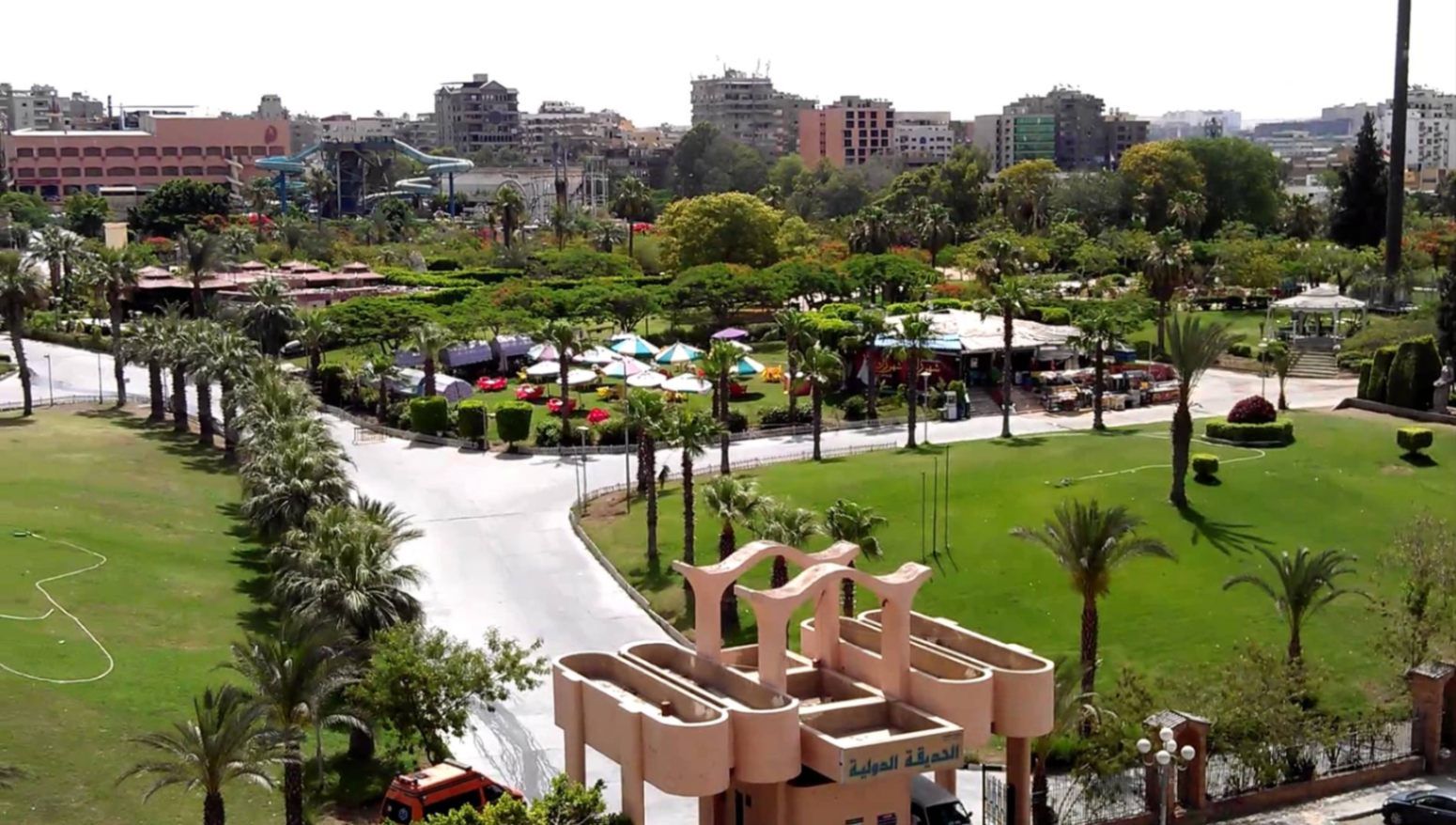
## Description **The International Park (الحديقة الدولية بالقاهرة)** is one of Cairo’s most distinctive public green spaces, designed to showcase a miniature journey through different countries and cultures within a single park. Established in the late 1980s, the park was conceived as a cultural and recreational project where landscaped areas, architectural replicas, and themed gardens represent nations from around the world. While not polished in the way of modern theme parks, its charm lies in its **ambitious concept, open space, and local atmosphere**. What makes the International Park unique is its layout: each section is inspired by a different country, featuring symbolic structures, sculptures, plants, or design elements associated with that nation. Visitors can walk from Asian-inspired pavilions to European-style gardens within minutes. This eclectic mix gives the park an almost nostalgic quality, reflecting Cairo’s vision of internationalism during the late 20th century. A lesser-known fact is that several embassies and cultural institutions contributed ideas or symbolic elements during the park’s early development, even if execution varied over time. Another interesting detail is that the park was once a major venue for **school trips and cultural festivals**, making it an important part of collective memory for many Cairenes who grew up in the 1990s. Today, the park functions primarily as a **family-friendly recreational space**. It is popular for picnics, casual walks, and affordable outings, especially for residents of eastern Cairo. While some areas show signs of aging, the park’s size, greenery, and concept still make it a refreshing escape from the dense urban environment. ## Location **Country:** Egypt **Region:** Greater Cairo **City:** Cairo **District:** Nasr City The International Park is located in **Nasr City**, one of Cairo’s largest residential districts, close to major roads and residential compounds. ### How to Get There * **By taxi or ride-hailing:** * Uber and local taxis are the most convenient option from anywhere in Cairo. * **By car:** * Easily accessible via Nasr City’s main roads, with parking available near the entrance. * **By public transport:** * Microbuses and buses serving Nasr City pass close to the park, though routes can be confusing for first-time visitors. * **From central Cairo:** * Expect a 30–45 minute drive depending on traffic. ## Tips * **Visit in the afternoon:** Late afternoon offers better weather and softer light, especially in warmer months. * **Bring your own food:** Picnic areas are common, and outside food is usually allowed. * **Wear comfortable shoes:** The park is large, and exploring all sections involves significant walking. * **Manage expectations:** Some country sections are more symbolic than detailed replicas. * **Good for children:** Open spaces allow kids to run freely, and the atmosphere is relaxed. * **Avoid peak public holidays:** The park can become crowded during major Egyptian holidays. ## Conclusion The International Park is a spacious, culturally themed green retreat that offers a simple but enjoyable experience for families and casual visitors. Its global concept, combined with its local character, makes it a nostalgic and accessible escape from Cairo’s urban intensity. ## FAQ **1. When was the International Park opened?** It was established in the late 1980s as a cultural and recreational project. **2. Is there an entrance fee?** Yes, there is a low entrance fee, making it affordable for families. **3. How long should I plan for a visit?** Most visitors spend **1.5 to 3 hours**, depending on walking pace and activities. **4. Is the park suitable for tourists?** Yes, especially for those interested in local leisure spaces rather than major monuments. **5. Are there food stalls inside?** Basic snacks may be available, but bringing your own food is recommended. **6. Is it good for photography?** Yes, particularly for casual photography and wide shots of greenery and themed structures. ## Links * [Egyptian tourism portal](https://www.experienceegypt.eg/en)
GemVoyage Team • World
Busan
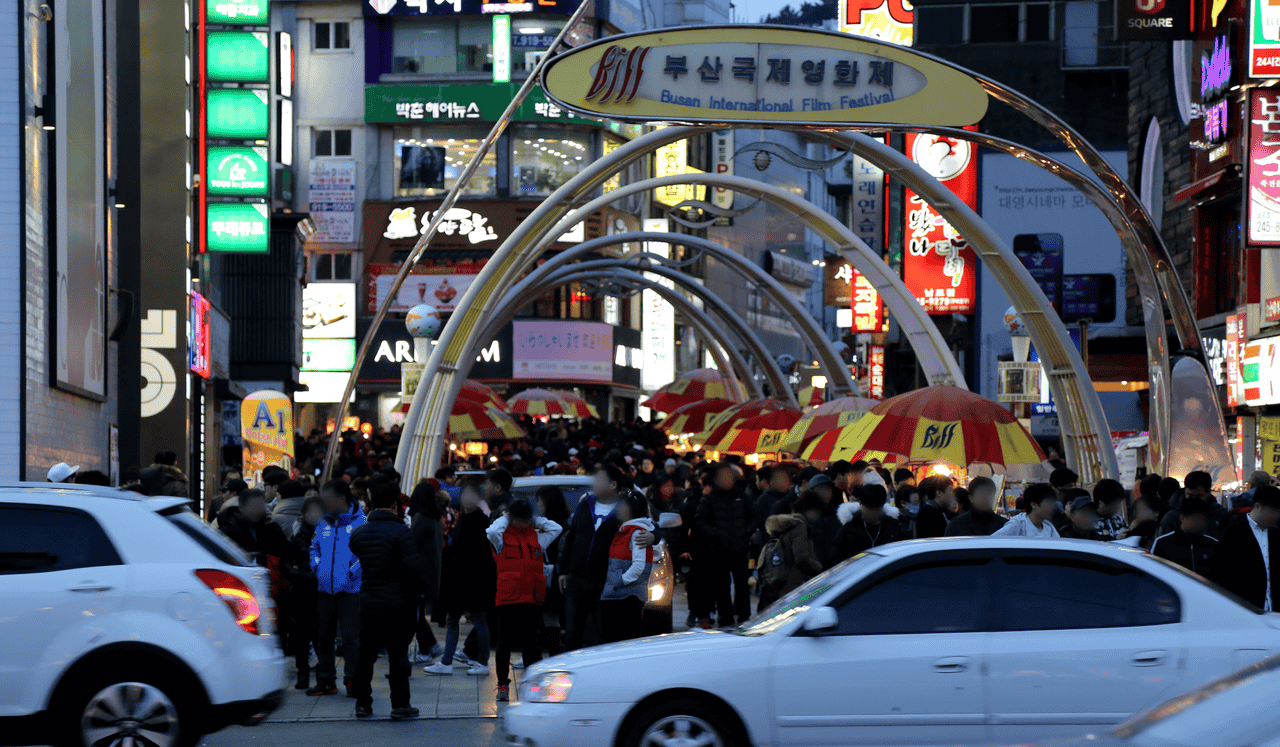
## Description BIFF Street, short for **Busan International Film Festival Street**, is one of the most dynamic and lively areas in **Busan, South Korea**. This bustling district is not only famous for its connection to Asia’s largest film festival but also for its vibrant mix of street food, entertainment, and cultural attractions. The street gained international recognition in 1996, when the first **Busan International Film Festival (BIFF)** was held, and since then it has transformed into a hub for movie enthusiasts and curious travelers alike. One of the most unique features of BIFF Street is the **handprints embedded in the pavement**, similar to the Hollywood Walk of Fame. These belong to famous Korean and international filmmakers and actors who have participated in the festival over the years. Visitors often enjoy comparing their hand size to their favorite celebrities while strolling through the area. A little-known fact is that before becoming BIFF Street, this area was once known as **“Chungmu-dong”**, a traditional market district famous for street snacks and small theaters. Even today, its roots are visible in the countless street vendors selling delicacies like **ssiat hotteok** (a sweet Korean pancake stuffed with seeds and brown sugar) and spicy **tteokbokki** (rice cakes in chili sauce). Another fun detail: some of the oldest theaters in Busan still operate nearby, preserving the nostalgic charm of the city’s cinema culture. ## Location BIFF Street is located in the **Jung-gu district** of **Busan**, in the southeastern region of **South Korea**. It sits in the heart of **Nampo-dong**, a bustling shopping and cultural neighborhood near the city’s port area. How to get there: * **By subway:** Take Line 1 (Orange Line) and get off at **Jagalchi Station** or **Nampo Station**. From either station, it’s just a short 5–10 minute walk to BIFF Street. * **By bus:** Several city buses pass through the Nampo-dong area, making it easy to reach from other parts of Busan. * **By taxi:** For convenience, especially if you’re coming from Haeundae or Gwangalli, a taxi ride is straightforward and affordable. Because it’s centrally located, BIFF Street can easily be combined with visits to nearby attractions such as Jagalchi Fish Market, Yongdusan Park, and Gukje Market. ## Tips To make your visit to BIFF Street memorable, here are some essential tips: 1. **Visit in the evening** – The atmosphere comes alive at night with neon lights, bustling street food vendors, and live performances. 2. **Try the street food** – Don’t miss local favorites like ssiat hotteok, tteokbokki, odeng (fish cakes), and fried snacks. These affordable treats are an essential part of the experience. 3. **Time your trip during BIFF** – If you’re lucky enough to visit during the **Busan International Film Festival** (usually held in October), you’ll see the street transformed with red carpets, celebrity appearances, and outdoor screenings. 4. **Wear comfortable shoes** – The area is best explored on foot, and you’ll likely wander into nearby markets and side streets. 5. **Bring some cash** – While many shops accept cards, small vendors and street food stalls often prefer cash. 6. **Explore beyond the main street** – Side alleys often hide quirky cafés, local eateries, and hidden gems that many tourists miss. ## Conclusion BIFF Street is more than just a pedestrian walkway—it’s a cultural symbol of Busan that blends cinema, food, and local tradition. From tasting mouthwatering street snacks to immersing yourself in the city’s film heritage, this lively neighborhood captures the creative and culinary spirit of South Korea’s second-largest city. Whether you’re a movie lover or a foodie, BIFF Street is a must-see destination in Busan. ## FAQ **1. What does BIFF stand for?** BIFF stands for **Busan International Film Festival**, one of the most prestigious film festivals in Asia. **2. What is BIFF Street famous for?** It is best known for its connection to the film festival, celebrity handprints, and its wide selection of delicious street food. **3. Is BIFF Street open year-round?** Yes, BIFF Street is always open, and visitors can enjoy the food stalls and shops any time of the year. However, the area is especially lively during the festival in October. **4. How long should I spend at BIFF Street?** Most visitors spend 1–2 hours exploring the street and sampling food, but if you plan to visit nearby attractions, you could easily spend half a day in the area. **5. Is BIFF Street family-friendly?** Absolutely! Families with children can enjoy the food, colorful atmosphere, and nearby attractions like the Jagalchi Market. **6. Can I see celebrities at BIFF Street?** During the Busan International Film Festival, it’s possible to spot famous Korean and international actors attending screenings and events in the area. ## Links * [Busan International Film Festival Official Website](https://www.biff.kr) * [Busan Tourism Organization](https://www.bto.or.kr)
GemVoyage Team • World

Comments