GemVoyage Team • World
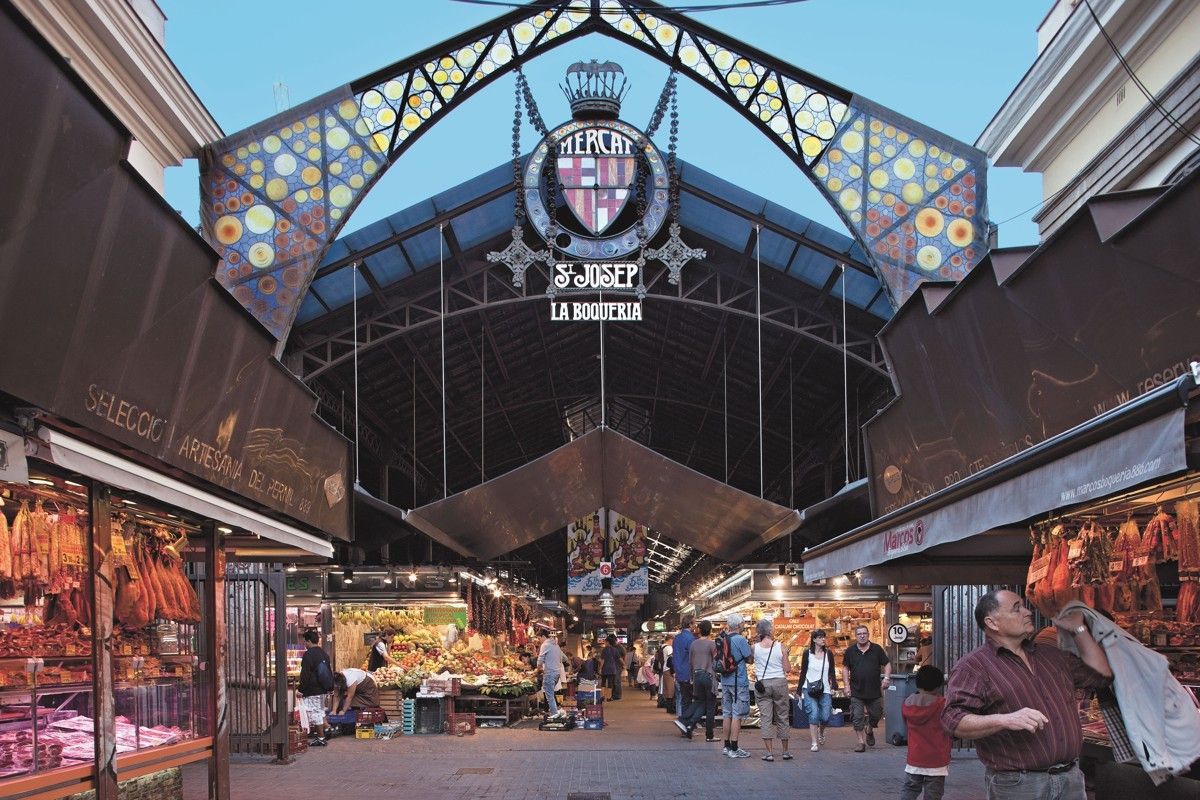
Mercat de la Boqueria, officially known as Mercat de Sant Josep de la Boqueria, is Barcelona’s most famous food market and one of the most iconic culinary landmarks in Europe. More than a place to shop, it is a living expression of Catalan gastronomy, where tradition, daily life, and tourism intersect under one vast iron-and-glass roof. The market is known for its intense colors, constant movement, and the sheer diversity of products on display, from fresh seafood and cured meats to exotic fruits and handmade sweets.
The market’s origins date back to the early 13th century, when street vendors sold meat outside the city walls near La Rambla. Over centuries, the informal stalls evolved into a structured market, and in 1840 the site was officially recognized as a public market. The current modernist structure, completed in the early 20th century, reflects Barcelona’s industrial-era ambition while remaining deeply rooted in everyday commerce.
What makes Mercat de la Boqueria unique is its dual identity. On one hand, it serves local residents, chefs, and restaurateurs who rely on its quality ingredients. On the other, it functions as a global attraction for visitors seeking an authentic taste of Barcelona. Despite its popularity, many stalls still operate as family businesses passed down through generations.
A lesser-known fact is that beneath the market lies an archaeological site, with remains from medieval and even Roman-era structures discovered during renovations. Another interesting detail is that many of Barcelona’s top chefs continue to source ingredients here early in the morning, long before tourists arrive, reinforcing the market’s role as a professional culinary hub rather than a mere attraction.
Country: Spain
Region: Catalonia
City: Barcelona
District: Ciutat Vella (Old Town)
Mercat de la Boqueria is located directly off La Rambla, one of Barcelona’s main pedestrian boulevards, making it exceptionally central and easy to access.
* Take Line L3 (Green Line) to Liceu station. The market entrance is immediately outside the station.
* Easily reachable from Plaça de Catalunya, the Gothic Quarter, and El Raval.
* Multiple city bus lines stop along La Rambla.
* Taxis can drop you near La Rambla, but walking the final stretch is usually faster.
Mercat de la Boqueria is not just a market, but a cultural institution that reflects Barcelona’s relationship with food, trade, and daily life. Its history, atmosphere, and culinary richness make it an essential stop for anyone wanting to understand the city beyond architecture and beaches.
1. Is Mercat de la Boqueria touristy?
Yes, but it is still a functioning market used by locals and professionals, especially in the mornings.
2. Is there an entrance fee?
No. Entry is free.
3. Can I eat inside the market?
Yes. There are bars and counters serving tapas, seafood, and prepared dishes.
4. How long should I plan for a visit?
About 1 to 2 hours, depending on whether you eat or just explore.
5. Is it suitable for vegetarians?
Yes. There is a wide selection of fruits, cheeses, nuts, juices, and vegetarian dishes.
6. Is the market open every day?
Generally open Monday to Saturday; closed on Sundays and public holidays.
Discover more hidden gems you might love.

Moscow
## Description Winzavod Art Center is one of Moscow’s most important contemporary cultural destinations because it transformed an industrial site into a living arts quarter. Located in a former winery complex, it combines galleries, studios, exhibition spaces, design shops, and creative institutions in an environment that feels both raw and intentionally curated. For visitors interested in contemporary art, design, urban regeneration, or Moscow’s creative scene, it is an essential stop. What makes Winzavod especially compelling is the way the setting shapes the experience. The industrial architecture gives the center a strong visual identity, and the reuse of the space reinforces the idea that art can emerge from older urban infrastructure rather than only from formal museum buildings. A lesser-known fact is that Winzavod has played a major role in Moscow’s contemporary art ecosystem, helping to establish a more visible platform for galleries, experimental projects, and creative communities. Another detail many travelers appreciate is that the site does not feel like a single static institution. It often feels like a district within the city, with overlapping uses and constantly changing cultural energy. For visitors, the attraction is not just the exhibitions but the atmosphere of making and experimentation. You can encounter established artists, emerging voices, design-driven retail, and a kind of creative density that is difficult to find in more conventional museums. This gives the center a special value for travelers who want to understand how Moscow’s cultural life operates in the present tense, not only through its imperial or Soviet past. Winzavod also works well because it is approachable. You do not need specialist knowledge to enjoy the visit. Even if you are not deeply immersed in contemporary art, the setting, programming, and urban energy make it a stimulating place to spend time. ## Location Winzavod Art Center is located in Moscow, Russia, in the city’s central creative and industrial-adjacent area. Its position makes it accessible from major parts of the city while still retaining a distinct identity separate from the classic tourist circuit. Because it is part of a larger former industrial complex, the site feels like a destination rather than a simple gallery visit. The easiest way to reach it is by Moscow Metro followed by a short walk, though taxis and rideshares are also practical. Once there, the best approach is to move slowly through the complex and check the current exhibition mix. Since the site often hosts multiple galleries and spaces, the experience can vary depending on the day. If you are building a broader Moscow itinerary, Winzavod pairs well with other contemporary or alternative cultural stops, as well as food and coffee breaks in the surrounding area. ## Tips Check current exhibitions before going. The experience is best when you know what is showing. Allow time for wandering. The site rewards exploration across multiple spaces rather than a quick single-room visit. Pay attention to the architecture. The industrial shell is a major part of the atmosphere. If you enjoy design, books, or independent retail, give yourself time to browse beyond the exhibitions. Use it as a contrast to Moscow’s older heritage sites. The juxtaposition makes the city feel more complete. ## Conclusion Winzavod Art Center is one of Moscow’s most distinctive creative spaces, blending contemporary art with industrial architecture and a strong urban identity. It is ideal for travelers who want to see the city’s present-day cultural energy. ## FAQ ### Is Winzavod only for contemporary art specialists? No. It is accessible to general visitors and works well even if you are simply curious about Moscow’s creative scene. ### How much time should I spend there? Around 1.5 to 3 hours, depending on how many galleries and spaces are open when you visit. ### Is it easy to reach from central Moscow? Yes. Metro access makes it relatively straightforward. ### What makes it different from a normal museum? It is more of a cultural complex than a single museum, with a stronger sense of creative ecosystem and adaptive reuse. ## Links - [Winzavod official site](https://winzavod.ru/eng/)
GemVoyage Team • World
Denmark
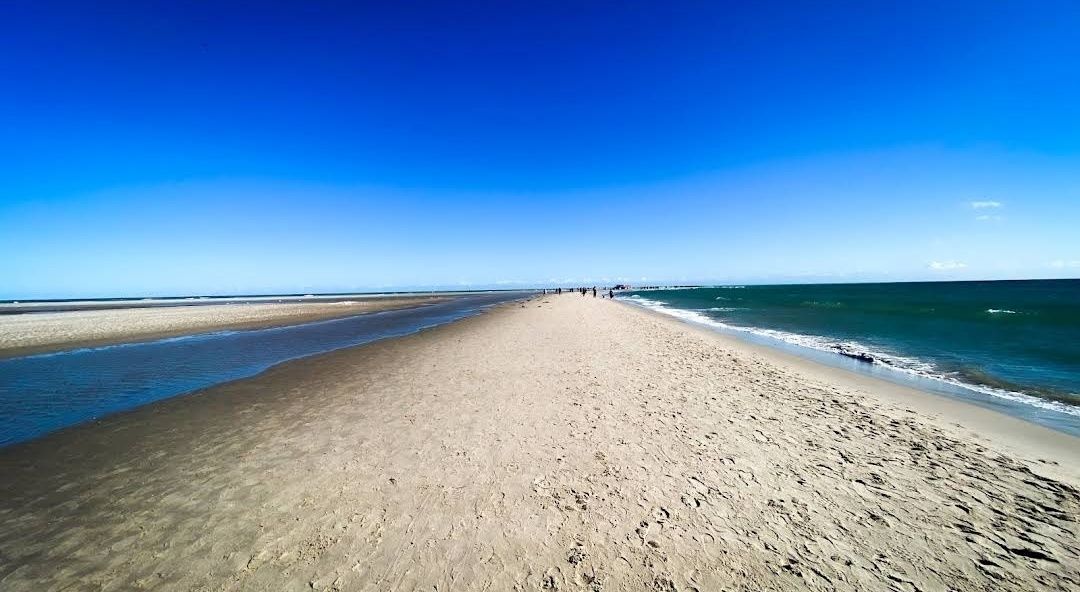
## Description **Grenen** is one of Denmark’s most extraordinary natural landmarks, where two seas—the **Skagerrak** and the **Kattegat**—dramatically meet. At the northernmost tip of Jutland, visitors can witness the unique sight of waves colliding from different directions, creating a visible line in the water. This natural phenomenon makes Grenen one of Denmark’s most visited and photographed attractions. The area is not just about the sea—it’s a place of raw beauty. The sandbar stretches far out into the water, and as you walk along the beach, you’ll be surrounded by endless skies, shifting sands, and fresh sea air. Many visitors find it both a peaceful and powerful experience. **Little-known facts**: * Grenen has been gradually moving northeast for centuries due to sand and tidal currents. The spit extends a few meters every year, reshaping the coastline bit by bit. * The area is also a paradise for birdwatchers. Because of its geographical location, Grenen is one of the best places in Denmark to spot migratory birds, especially in spring and autumn. --- ## Location Grenen is located just outside **Skagen**, a charming coastal town at the very top of **North Jutland**, in **Denmark**. Skagen itself is known for its distinctive yellow houses with red-tiled roofs and its long artistic tradition, but Grenen is the crown jewel of the area. ### How to get there: * From **Skagen town center**, Grenen is about 3 kilometers away. Visitors can walk, cycle, or take the famous **Sandormen tractor bus**, which transports people directly to the tip of the spit. * If you’re coming from other parts of Denmark, you can reach Skagen by train or bus via Frederikshavn, or by car along the scenic coastal roads. Once in Skagen, Grenen is well signposted and easy to access. --- ## Tips * **Wear suitable shoes**: The sandy terrain can be uneven, and the walk to the very tip can take around 20–30 minutes. Comfortable shoes or sandals are recommended. * **Don’t swim**: Although it may be tempting, swimming at Grenen is strictly discouraged. The currents where the two seas meet are extremely strong and unpredictable. * **Try the Sandormen ride**: The tractor-pulled bus called *Sandormen* has been operating since 1947 and is a fun, practical way to reach the very end of the spit. * **Bring a camera**: The meeting of the seas is a stunning photo opportunity, especially at sunset when the sky lights up in beautiful colors. * **Visit Skagen’s attractions too**: After Grenen, explore Skagen’s art museums, lighthouses, and the nearby Råbjerg Mile, Denmark’s largest migrating sand dune. --- ## Conclusion Grenen is more than just Denmark’s northern tip—it’s a rare natural spectacle where two seas clash, shaping the land and leaving visitors in awe. Its ever-changing landscape, combined with rich wildlife and historical charm, makes it a must-see for anyone traveling to North Jutland. Whether you walk barefoot in the sand, take the Sandormen, or simply sit and admire the horizon, a visit to Grenen promises memories of Denmark’s wild and beautiful coastline. --- ## FAQ **1. What makes Grenen special?** Grenen is where the Skagerrak and Kattegat seas meet, creating a visible collision of waves. It’s also one of Denmark’s most scenic natural areas. **2. Can you swim at Grenen?** No, swimming is not allowed due to extremely strong and dangerous currents at the meeting point of the seas. **3. How do you get to the very tip of Grenen?** You can walk along the beach from Skagen or take the Sandormen tractor bus, which drives visitors directly to the point. **4. Is Grenen suitable for children and families?** Yes, Grenen is family-friendly. Kids usually enjoy the tractor ride and spotting seals or birds along the coast, but parents should keep them away from the water’s edge. **5. Are there animals to see at Grenen?** Yes, Grenen is known for bird migration, and you may also see seals resting on the sandbanks. **6. When is the best time to visit Grenen?** Grenen is open year-round, but the best times are spring and summer for pleasant weather, or autumn for dramatic skies and bird migration. --- ## Links * [Visit Denmark – Grenen](https://www.visitdenmark.com/denmark/plan-your-trip/grenen-skagen-gdk640520) * [Sandormen Tractor Bus – Official Info](https://www.sandormen.dk/)
GemVoyage Team • World
Cairo
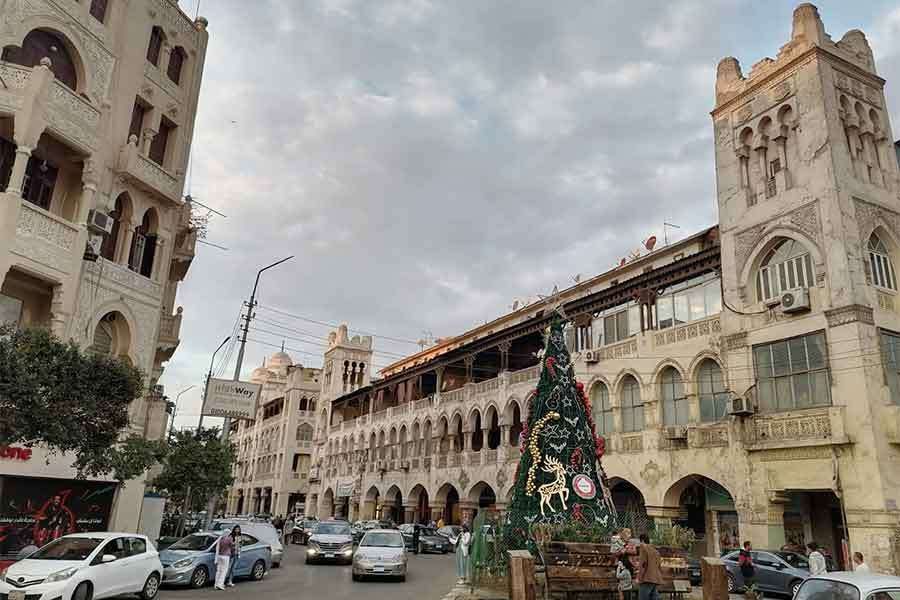
## Description **El Korba Square**, located in the historic district of **Heliopolis (Masr El Gedida)**, is one of Cairo’s most architecturally distinctive and socially vibrant urban spaces. Unlike the medieval fabric of Islamic Cairo or the colonial density of Downtown, El Korba represents a **unique fusion of European town planning, Moorish revival architecture, and early 20th-century cosmopolitan lifestyle**. It is widely regarded as the **ceremonial heart of Heliopolis**, a neighborhood originally designed as a modern garden city on the northeastern edge of Cairo. The square is surrounded by a remarkable collection of **arcaded buildings**, balconies, domed corner towers, and cream-colored façades that form one of the **largest continuous ensembles of Heliopolis-style architecture in Egypt**. This architectural style blends **Islamic motifs, Andalusian arches, Art Deco symmetry, and European urban planning principles**. The result is an environment that feels at once North African, Mediterranean, and unmistakably Cairene. El Korba’s importance is not purely visual. It functions as a **social engine**. Cafés, pastry shops, restaurants, cinemas, and boutiques line the arcades, creating a space that is active from morning until late at night. Families stroll in the evening, students meet for coffee, office workers pass through during the day, and wedding photographers stage shoots beneath the arches. The square is not a preserved museum zone. It is a **living city room**, constantly shifting in rhythm and purpose throughout the day. Historically, Heliopolis was founded in **1905 by Belgian industrialist Baron Édouard Empain**, who envisioned a modern city in the desert connected to Cairo by electric tram. El Korba became the **symbolic downtown of this new settlement**. Its arcades were designed to provide shade, promote walkability, and unify commercial activity within a visually coherent framework. This concept was decades ahead of its time in Egypt and remains one of the district’s most successful urban legacies. A little-known fact is that several of El Korba’s buildings were originally constructed with **private rooftop gardens and internal ventilation corridors**, engineered to cool interiors naturally before widespread air conditioning. Another lesser-known detail is that the square once hosted **open-air orchestras and formal social promenades** in the early 20th century, modeled after European city squares. Atmospherically, El Korba carries a powerful sense of **nostalgia mixed with everyday vitality**. It is one of the few places in Cairo where early modern urban planning still shapes daily behavior: people walk, sit, linger, watch, and return repeatedly. The square holds emotional weight for generations of residents who associate it with first dates, family outings, late-night conversations, and childhood memories. Unlike Cairo’s grand monuments, El Korba’s beauty lies in **repetition and continuity rather than singular spectacle**. Its arches frame everyday life. Its balconies observe the street silently. Its cafés serve as informal civic institutions. Together, they create one of the rare public environments in Egypt where architecture, commerce, and community remain structurally aligned. ## Location **El Korba Square** is located in the heart of **Heliopolis**, in northeastern Cairo. **City:** Cairo **District:** Heliopolis (Masr El Gedida) **Governorate:** Cairo Governorate **Country:** Egypt The square sits near the intersection of **Baghdad Street, Al-Ahram Street, Ibrahim Al-Laqani Street, and El Merghany Street**. ### How to Get There: * **By metro:** * Take **Line 3** toward **Adly Mansour** and exit at **Heliopolis Square Station** or nearby stations, then walk or take a short taxi ride. * **By taxi or ride-hailing:** The most convenient option from anywhere in Cairo. * **By car:** Available, but parking is limited and traffic is often heavy in the evenings. * **By bus or microbus:** Many public routes serve Heliopolis directly. El Korba is easily combined with visits to **Baron Empain Palace, El Merghany Street, and Heliopolis Sporting Club**. ## Tips * **Visit in the evening:** This is when the square is most vibrant and socially active. * **Daytime is best for photography:** The building details show clearly in natural light. * **Choose arcaded seating:** Many cafés offer shaded outdoor seating under the historic arches. * **Expect traffic at peak hours:** Especially between 6 p.m. and 10 p.m. * **Walk slowly:** El Korba is best experienced on foot, not as a transit zone. * **Try local dessert cafés:** Traditional Egyptian pastry shops are a major highlight. * **Respect the residential nature:** Many upper floors are still private homes. * **Avoid weekends if you prefer quiet:** Fridays and Saturdays can become very crowded. ## Conclusion **El Korba Square** is the emotional and architectural center of Heliopolis, a space where **early modern urban vision still shapes daily life in contemporary Cairo**. With its graceful arcades, steady pedestrian rhythm, and deep social memory, El Korba offers something rare in Egypt’s megacity environment: **a walkable, human-scaled public square that works both historically and socially**. ## FAQ **1. What is El Korba Square known for?** It is known for its **Heliopolis-style architecture, arcaded buildings, cafés, and vibrant social life**. **2. When was El Korba developed?** It was developed in the **early 20th century**, shortly after the founding of Heliopolis in 1905. **3. Is El Korba tourist-friendly?** Yes, though it remains primarily a **local social hub rather than a mass tourism site**. **4. Is there an entrance fee?** No. It is a **public square open at all times**. **5. Is El Korba suitable for families?** Yes. It is especially popular for **evening family walks and casual dining**. **6. Can El Korba be visited with Baron Palace on the same trip?** Yes. They are located **within short walking or driving distance of each other**. ## Links * [Egyptian Ministry of Tourism](https://www.experienceegypt.eg/en)
GemVoyage Team • World
Paris
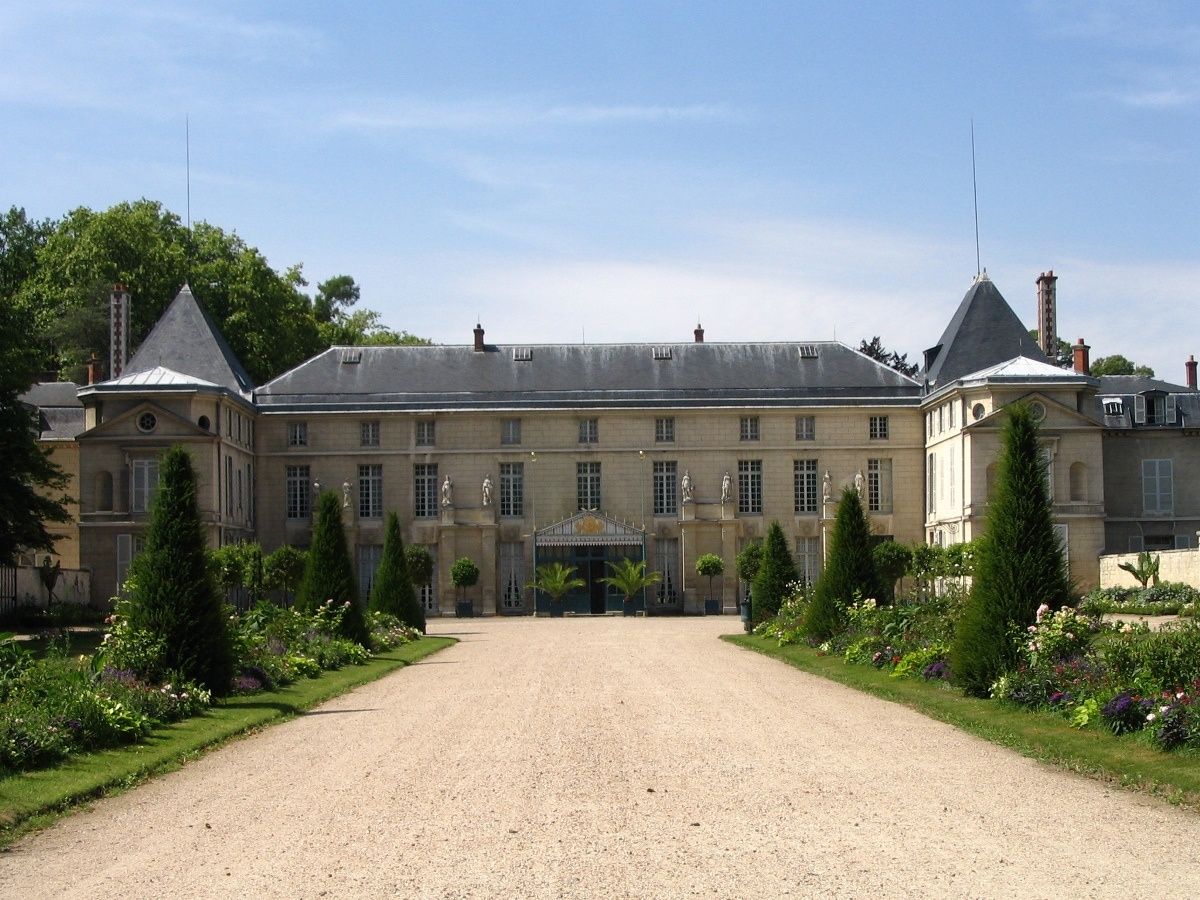
## Description The **Château de Malmaison** is one of the most historically intimate and emotionally rich landmarks of the Napoleonic era. Unlike grand imperial palaces designed to impress the masses, Malmaison was a **private retreat**—a place of strategy, domestic life, and personal ambition. It served as the residence of **Napoleon Bonaparte and Empress Joséphine** from 1799 to 1802 and later remained Joséphine’s home until her death in 1814. What makes Malmaison particularly unique is that it offers a deeply human perspective on figures often seen only through the lens of military and political power. Here, visitors encounter **Napoleon the husband and strategist**, and **Joséphine the patron of art, architecture, and botanical science**. Many decisive political meetings were held within these walls, including sessions of the **French government during Napoleon’s rise to power**. In effect, Malmaison briefly functioned as an **unofficial seat of the French state**. Architecturally, the château reflects the transition from late 18th-century aristocratic style to the early **Empire aesthetic**. Under Joséphine’s direction, the interior was redesigned by leading architects and decorators of the time, introducing **elegant neoclassical motifs, sculpted columns, rich textiles, and furniture that defined what would later be known as the Empire style**. The combination of political authority and refined domestic comfort was revolutionary for its time. The interior rooms remain remarkably authentic. Highlights include **Napoleon’s council chamber**, where official meetings took place, Joséphine’s private apartments, and the refined dining rooms used for state dinners. Furnishings, clocks, paintings, and personal objects are original or meticulously restored, giving the impression that the imperial couple has only just stepped away. Beyond politics, Malmaison holds global botanical importance. Joséphine was passionately devoted to **botanical exploration and exotic plant collection**. She transformed the estate into **one of Europe’s most important experimental botanical gardens**, introducing dozens of new plant species to France. Most famously, she established **the largest rose collection in Europe**, making Malmaison the birthplace of modern rose breeding. A little-known fact is that **Napoleon and Joséphine’s divorce was finalized while he was already Emperor**, a rare example of a ruler separating from his consort at the height of power. After the divorce, Napoleon retained Malmaison for Joséphine, allowing her to live there independently—an extraordinary privilege for the era. Another lesser-known detail is that the Russian Tsar **Alexander I visited Joséphine at Malmaison shortly before her death**, underscoring her lasting influence on European politics even after her fall from power. Today, Malmaison stands as a **museum of extraordinary intimacy**, preserving both the machinery of empire and the vulnerability of personal life. It is not a monument to victory, but a space that reveals **ambition, intelligence, loss, and legacy** at a human scale. ## Location **Château de Malmaison** is located in **Rueil-Malmaison**, a historic suburban town just west of **Paris**, in the **Île-de-France region**, France. **City:** Rueil-Malmaison **Region:** Île-de-France **Country:** France ### How to Get There: * **By RER:** Take **RER A** toward Saint-Germain-en-Laye and exit at **Rueil-Malmaison Station**, then take a bus or walk approximately 25 minutes. * **By bus:** Several local bus lines connect directly from central Paris to the château area. * **By taxi or ride-hailing apps:** A direct and convenient option from central Paris, typically 25–40 minutes depending on traffic. * **By car:** Easily accessible via Paris’s western ring roads; parking is available near the site. While not inside the historic center of Paris, the château is easy to reach and offers a calm, cultured contrast to the city’s intensity. ## Tips * **Visit the gardens as well as the interior:** The landscape is essential to understanding Joséphine’s legacy. * **Go in spring or early summer:** The rose garden is at its best during these months. * **Use the audio guide:** It adds essential political and personal context. * **Allow at least 2 hours:** One hour for the interior, one for the gardens and exhibitions. * **Arrive early:** The château is smaller than major Paris museums and can feel crowded later in the day. * **Combine with a Seine walk:** The nearby riverbanks are ideal for a relaxed post-visit stroll. * **Photography is usually permitted without flash:** Always verify current rules at entry. * **Not a grand palace experience:** If you expect Versailles-level scale, you will be disappointed; Malmaison is about intimacy and insight, not spectacle. ## Conclusion The **Château de Malmaison** offers one of the most personal and revealing encounters with the Napoleonic era. As both a political nerve center and a deeply private refuge, it captures the complexity of power, love, ambition, and legacy embodied by **Napoleon and Joséphine**. Quiet, refined, and historically profound, Malmaison stands as one of the most meaningful imperial sites in greater Paris. ## FAQ **1. What is Château de Malmaison famous for?** It is best known as the **private residence of Napoleon Bonaparte and Empress Joséphine** and a major center of early Napoleonic political life. **2. Is Château de Malmaison inside Paris?** No, it is located in **Rueil-Malmaison**, a suburb just west of Paris. **3. Can you visit the interior?** Yes, the château operates as a **fully accessible museum** with original furnishings and artifacts. **4. What happened to Joséphine after the divorce?** She remained at Malmaison until her death in **1814**, continuing her botanical and social work independently. **5. How long does a visit take?** Most visitors spend **1.5 to 2.5 hours** including the gardens. **6. Is Château de Malmaison suitable for children?** Yes, especially for older children interested in history, though the visit is primarily educational rather than interactive. ## Links * [French National Museums](https://www.culture.gouv.fr) * [Napoleonic History Resources](https://www.napoleon.org)
GemVoyage Team • World
Bremen
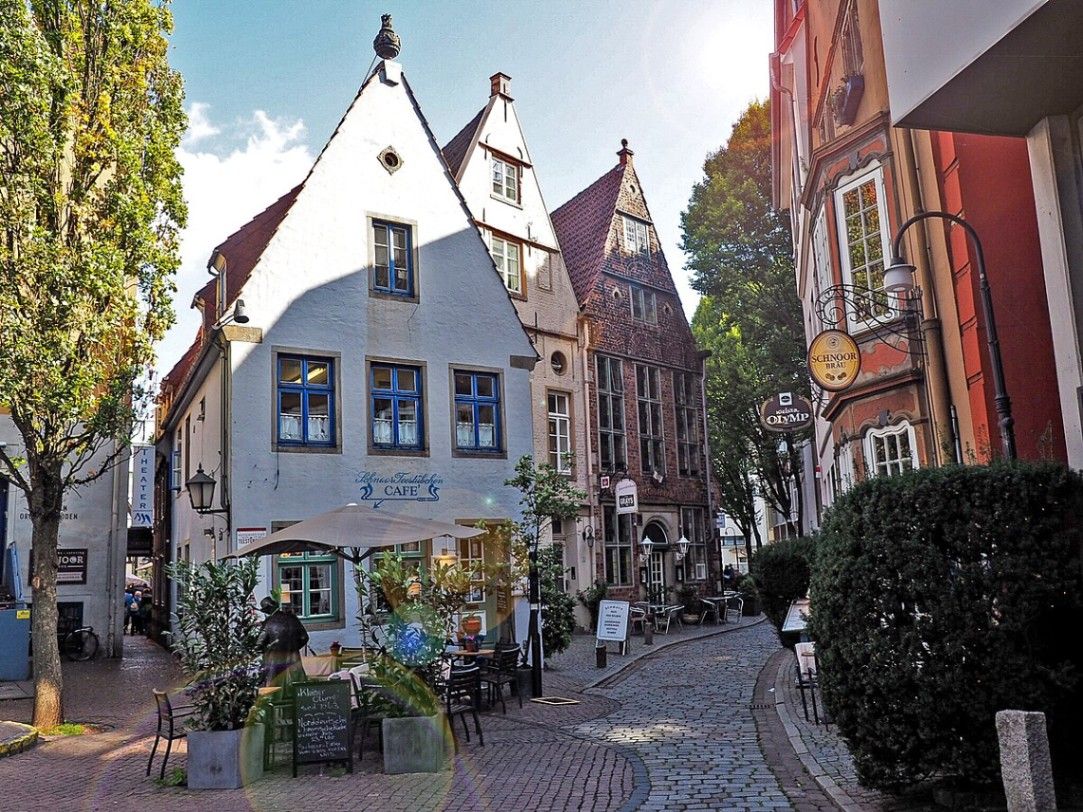
## Description The Schnoor is Bremen’s oldest quarter and one of the most picturesque areas in northern Germany. Walking through its narrow, winding alleyways feels like stepping into a medieval painting. The quarter is filled with tiny half-timbered houses, dating mostly from the 15th to 18th centuries, which have been lovingly preserved and restored. These charming homes are now a mix of cafés, artisan shops, galleries, and small museums that invite visitors to explore at a leisurely pace. What makes the Schnoor especially unique is its compact layout. The name “Schnoor” comes from the Low German word for “string” or “cord,” reflecting the fact that rope- and cord-makers once lived and worked here. The streets are so narrow in places that two people can barely walk side by side, a reminder of how space was used in medieval times. A little-known fact is that Schnoor was once considered a poor district of Bremen, inhabited mainly by fishermen and craftsmen. Today, however, it is one of the city’s most visited and beloved neighborhoods. Another interesting detail is that many of the houses are not perfectly aligned but instead lean slightly, giving the streets a charmingly crooked look. These imperfections only add to the district’s authentic, lived-in atmosphere, making it a favorite for photographers and history enthusiasts alike. ## Location The Schnoor is located in the heart of **Bremen**, a city in the state of **Bremen** in northwestern **Germany**. More precisely, it lies close to the Weser River and only a short walk from Bremen’s famous Market Square (Marktplatz), where the UNESCO World Heritage-listed Town Hall and Roland statue stand. Getting to the Schnoor is straightforward. If you are arriving in Bremen by train, the district is about a 15-minute walk from Bremen Central Station. Trams and buses also stop near the city center, making the area very accessible. For visitors traveling from Hamburg, a direct train ride takes about one hour, making Schnoor a perfect day-trip destination. Walking is the best way to explore the quarter, as the narrow lanes are not accessible by car. ## Tips * **Visit early or late in the day:** The Schnoor can become crowded with tourists during peak hours. Early mornings or evenings offer a quieter experience. * **Bring a camera:** The crooked houses, colorful facades, and hidden courtyards provide endless photo opportunities. * **Don’t rush:** Many visitors walk through quickly, but the real magic lies in browsing small shops, enjoying a coffee in one of the cozy cafés, or discovering hidden details in the architecture. * **Check out cultural stops:** The Schnoor hosts several museums, including the Schifferhaus (House of Skippers), which tells the story of Bremen’s maritime history. * **Try local specialties:** Some bakeries and cafés offer regional treats like Bremer Klaben (a type of fruit bread) or traditional beer from local breweries. ## Conclusion The Schnoor in Bremen is more than just a historic district; it is a living time capsule where history, culture, and modern life meet in a uniquely charming way. With its narrow alleys, crooked houses, and rich maritime heritage, it is one of Bremen’s must-see attractions for any traveler seeking authenticity and atmosphere. ## FAQ **1. What is the Schnoor best known for?** The Schnoor is famous for its narrow medieval alleys, half-timbered houses, and its transformation from a poor fishermen’s quarter into a vibrant cultural and tourist district. **2. Is the Schnoor suitable for children?** Yes, children usually enjoy the fairy-tale-like streets and quirky architecture. However, strollers might be difficult to maneuver in the narrowest lanes. **3. How long does it take to visit the Schnoor?** A quick walk-through can take 30 minutes, but to enjoy shops, cafés, and museums, plan for at least two to three hours. **4. Can cars enter the Schnoor?** No, the lanes are too narrow for cars. The area is best explored on foot. **5. Are guided tours available?** Yes, many guided walking tours of Bremen include the Schnoor. These tours provide fascinating insights into the district’s history and architecture. **6. Is the Schnoor open year-round?** Yes, the quarter is accessible throughout the year, though opening hours of shops and cafés vary. The winter months can be especially cozy, with festive decorations adding to the atmosphere. ## Links * [Official Tourism Page of Bremen](https://www.bremen-tourism.de) * [Visit Bremen – Schnoor District](https://www.bremen.de/tourism/schnoor)
GemVoyage Team • World
Cape Town
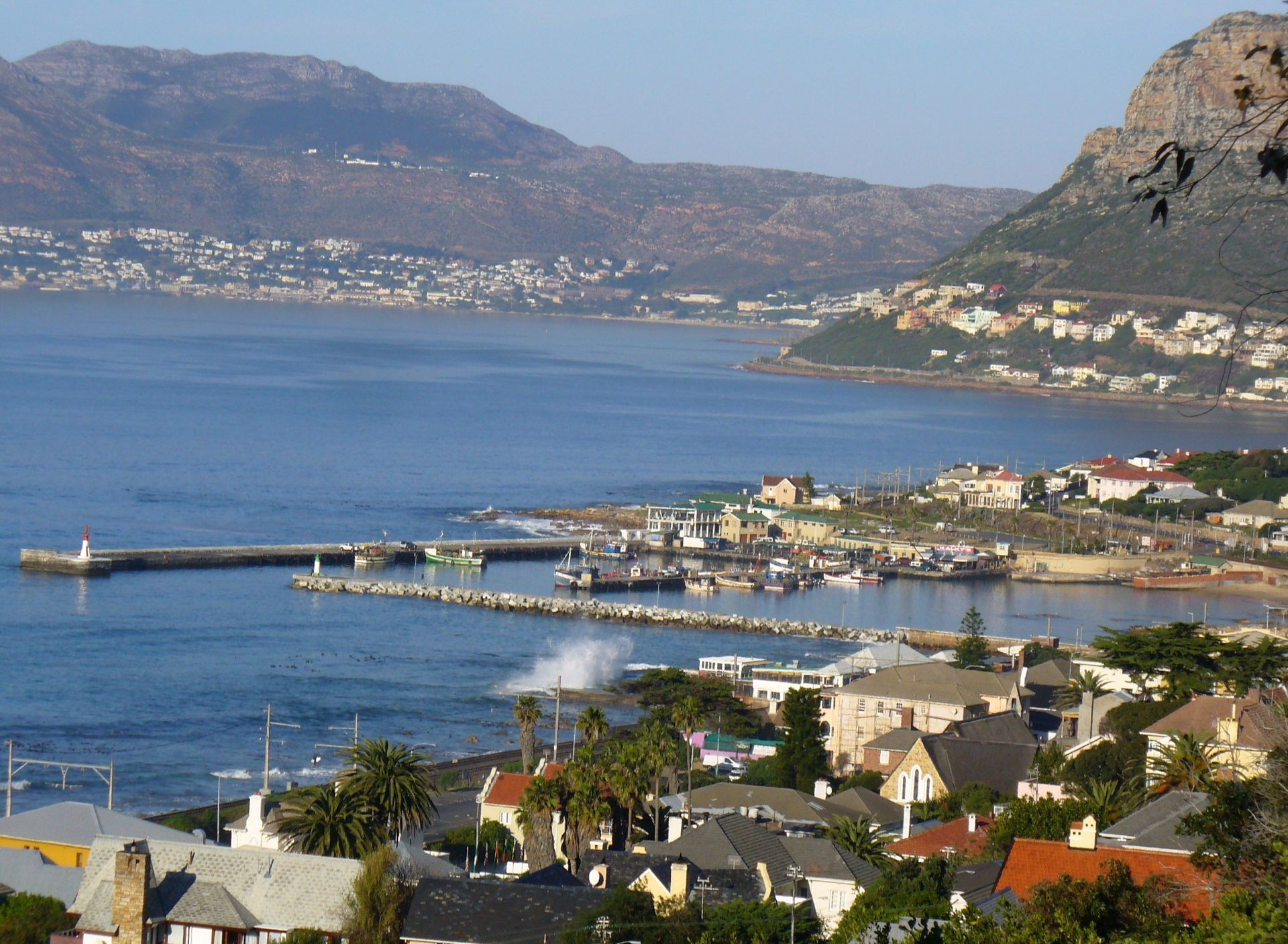
## Description Kalk Bay Harbour is one of those places that feels immediately alive. It is not a polished waterfront designed only for visitors, and that is exactly what makes it memorable. Fishing boats still work the water, gulls circle over the quays, and the rhythm of the harbor changes with the tides, the weather, and the catch of the day. In Cape Town, where many visitors focus on Table Mountain or the Atlantic coast, Kalk Bay offers a more intimate coastal experience. It is a place where everyday life and scenic charm overlap naturally. The harbor sits in the old fishing village of Kalk Bay, so the atmosphere is layered with history. Narrow streets, weathered buildings, small seafood spots, and the smell of the sea give the area a lived-in feel that is harder to find in more developed tourist precincts. One little-known detail is that Kalk Bay has long been associated with the Kalk Bay fishing community, whose routines still shape the harbor today. Another is that the surrounding bay often changes character dramatically within a few hours, which makes return visits rewarding because the light and water are rarely the same twice. What makes the harbor especially appealing is how many different experiences it offers in one compact area. You can watch fishing activity in the morning, stroll the quayside, browse nearby shops, and then settle in for coffee or seafood with views across False Bay. For travelers who like places that feel authentic rather than staged, Kalk Bay Harbour is a strong choice. It is scenic, but it is also practical, working, and slightly unpredictable. That mix gives it real personality. The harbor is also a useful place to slow down. Cape Town can be full of high-energy sightseeing, but Kalk Bay encourages a different pace. Visitors tend to linger, looking at boats, reading the sea, or simply sitting and watching local routines unfold. Even if you stay only an hour, the harbor leaves a strong impression because it feels like a slice of Cape Town that still belongs primarily to the people who live and work there. ## Location Kalk Bay Harbour is located in Kalk Bay, on the False Bay coast of Cape Town, in the Western Cape province of South Africa. The harbor sits south of the central city area, along the scenic coastal road that links the southern suburbs with Simon’s Town and the Cape Peninsula. It is easy to combine with a broader day trip through Muizenberg, St James, and the rest of the False Bay shoreline. The most practical way to reach it is by car, ride-hailing service, or by taking the Southern Line train and continuing on foot from Kalk Bay station. The walk from the station is short and pleasant, and it helps you arrive already tuned into the neighborhood’s slow coastal rhythm. If you are planning to explore several nearby stops, driving gives you the most flexibility, but parking can be tighter at busier times, especially on weekends and during holiday periods. If you are coming from central Cape Town, expect the journey to take roughly 30 to 45 minutes depending on traffic. Morning and late-afternoon visits are often best because the light is more dramatic and the harbor is especially active. The area is also accessible from other popular southern suburbs, so it works well as part of a larger False Bay outing rather than as a standalone destination. ## Tips - Go early if you want to see the harbor at its liveliest. Morning is when fishing activity is most noticeable and the atmosphere feels most local. - Bring a light jacket even on warm days. The sea breeze can be stronger than you expect, especially near the water’s edge. - Allow time to wander beyond the harbor itself. The surrounding streets and nearby coastline are part of the experience, not just the quayside. - Keep your camera ready, but do not rush the visit. The harbor rewards slow observation more than quick snapshots. - If you are planning to eat nearby, check opening hours in advance. Small coastal businesses may operate on schedules that differ from larger city restaurants. ## Conclusion Kalk Bay Harbour is a compact but deeply atmospheric stop in Cape Town, combining working coastal life, scenic views, and a strong sense of place. It is ideal for travelers who want a harbor that feels real, local, and full of character rather than overly curated. ## FAQ ### Is Kalk Bay Harbour worth visiting if I only have a short time in Cape Town? Yes. Even a short visit gives you a clear sense of the area’s character. You can watch the boats, walk the harbor edge, and experience a very different side of Cape Town from the usual landmark circuit. ### What is the best time of day to visit? Morning is usually best if you want to see the harbor working at full speed. Late afternoon is also attractive because the light softens over False Bay and the atmosphere becomes quieter. ### Can I visit Kalk Bay Harbour without a car? Yes. The train to Kalk Bay station is a practical option, followed by a short walk. Ride-hailing services are also convenient if you want a simpler door-to-door trip. ### Is the area around the harbor safe for walking around? Like any busy urban coastal area, it is best to stay aware of your surroundings, especially when it is crowded. During the day, the harbor and nearby streets are generally visited by many people and are easy to explore at a relaxed pace. ## Links - [Cape Town tourism](https://www.capetown.travel/) - [Kalk Bay on Wikipedia](https://en.wikipedia.org/wiki/Kalk_Bay)
GemVoyage Team • World

Comments