GemVoyage Team • World
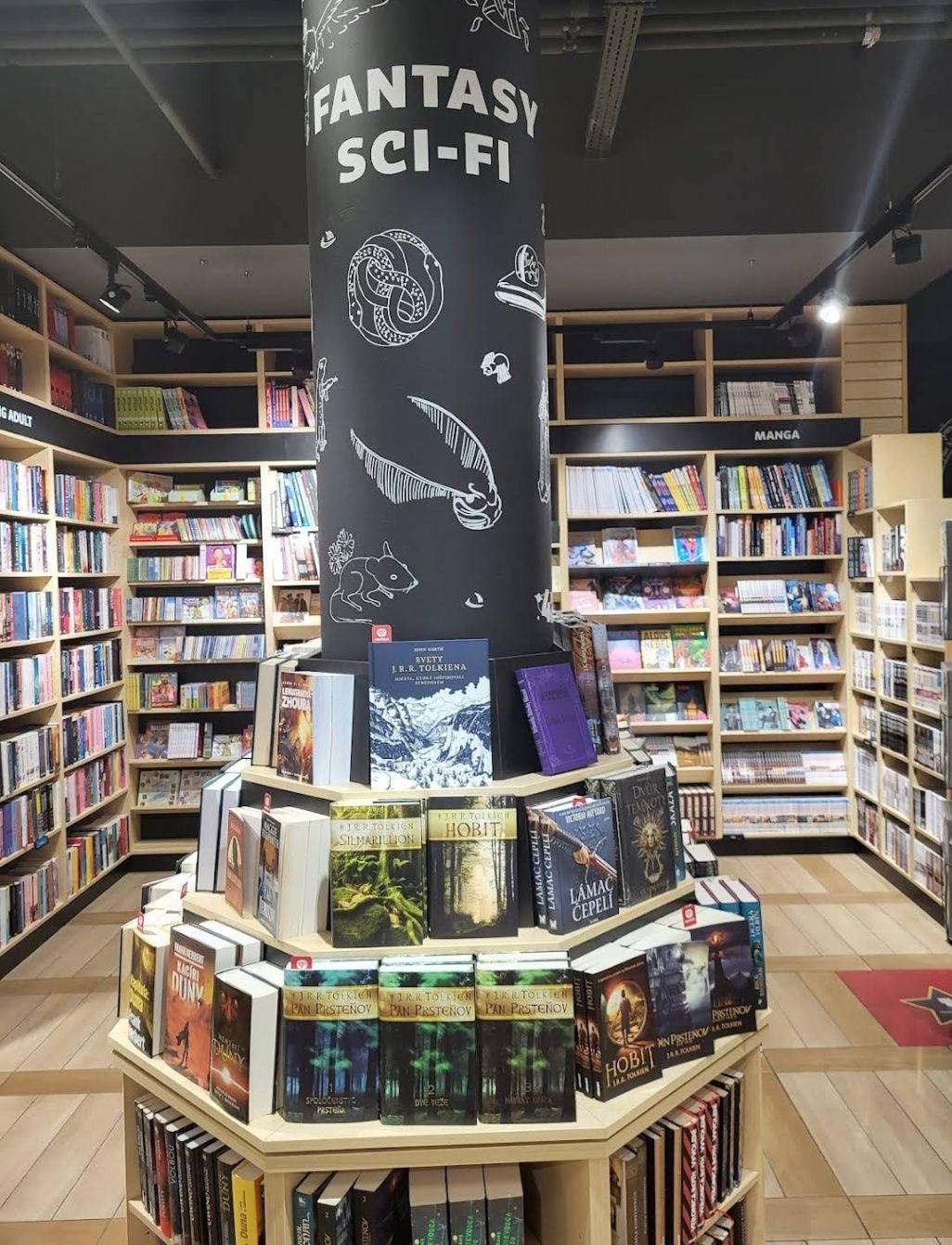
Martinus bookstore in Bratislava isn’t just an ordinary shop—it’s a cultural landmark that has become a beloved meeting point for book lovers, coffee enthusiasts, and curious travelers. As one of Slovakia’s largest and most famous bookstores, Martinus has transformed the simple act of buying a book into a memorable experience.
What makes Martinus unique is its combination of literature, culture, and community. Visitors can browse through thousands of titles in different languages, enjoy a freshly brewed cup of coffee at the attached café, and even attend book signings or literary events. The bookstore is designed to feel warm and welcoming, with cozy corners that invite you to sit down, relax, and get lost in a book.
A little-known fact about Martinus is that it started as a small family-owned bookstore in the town of Martin, Slovakia, in the early 1990s. Today, it has grown into the country’s largest online and offline bookseller while still keeping its friendly and personal atmosphere. Another interesting detail is that the Bratislava branch often collaborates with local artists and hosts cultural evenings, making it much more than just a shop, it’s a living cultural hub.
Martinus bookstore is located in Bratislava, the capital city of Slovakia, in the Bratislava Region. The main branch sits on Obchodná Street, one of the busiest and most vibrant streets in the city, just a short walk from the Old Town and the iconic Michael’s Gate.
Getting there is simple. If you’re staying in Bratislava’s historic center, you can easily walk to Martinus in less than 10 minutes. For those coming from further away, public transportation is very convenient—several trams and buses stop nearby at Poštová–Martinus station, which is practically at the bookstore’s doorstep. If you’re driving, parking may be tricky on Obchodná Street itself, so it’s recommended to park in nearby garages and continue on foot.
To make the most of your visit to Martinus bookstore in Bratislava, here are some useful tips:
Martinus bookstore in Bratislava is far more than just a place to buy books. It’s a cultural space where literature, coffee, and community come together in a cozy and inspiring environment. Whether you’re a tourist exploring the city or a local looking for a peaceful escape, Martinus offers an unforgettable experience that reflects the creative spirit of Bratislava.
1. What makes Martinus bookstore in Bratislava special?
Martinus is unique because it combines a large book selection with a welcoming café, cultural events, and a warm, community-focused atmosphere.
2. Can I find English books at Martinus bookstore?
Yes, Martinus offers a good range of English-language books, along with titles in Slovak and other languages.
3. Does Martinus bookstore have a café?
Absolutely. The bookstore has a cozy café where you can enjoy coffee, tea, and pastries while reading.
4. Is Martinus bookstore family-friendly?
Yes, it’s a great place for families, with children’s books available and a friendly atmosphere suitable for all ages.
5. How do I get to Martinus bookstore in Bratislava?
It’s located on Obchodná Street in the city center. You can walk from the Old Town, take public transportation to Poštová–Martinus station, or park nearby and walk.
Discover more hidden gems you might love.
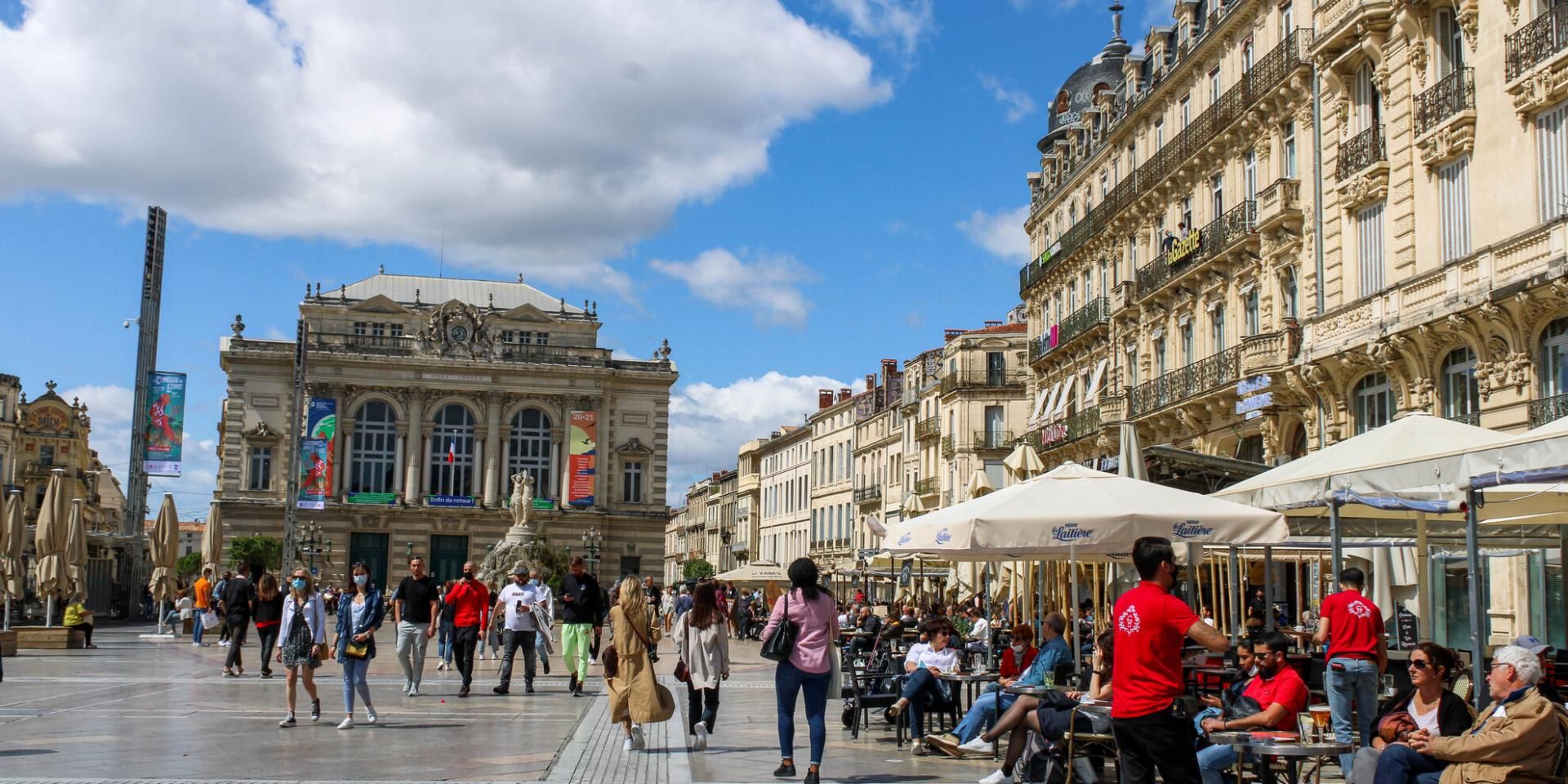
Montpllier
## Description Comedy Square, or **Place de la Comédie**, is the vibrant heart of Montpellier and one of the most iconic squares in southern France. Known locally as *“l’Oeuf”* (The Egg) because of its oval shape, this lively square is a gathering spot for both locals and tourists. It is surrounded by stunning 19th-century Haussmann-style buildings, bustling cafés, and the impressive **Opéra Comédie**, which dominates one side of the square with its grand façade. What makes Comedy Square unique is its **constant energy**—from street performers and musicians to open-air terraces where people enjoy Mediterranean sunshine. It’s not only a cultural hub but also a place to start exploring Montpellier’s historic center. A little-known fact is that the square has been at the core of Montpellier’s social life since the **18th century**, making it one of the oldest urban meeting points in the city. Another interesting detail is the presence of the **Three Graces Fountain**, a beautiful marble sculpture from 1790 that has become a beloved symbol of Montpellier. ## Location Comedy Square is located in **Montpellier, France**, in the **Occitanie region** of southern France. It lies right in the city center, connecting the historic old town with the more modern districts. The square serves as a central point for trams, buses, and pedestrian streets, making it extremely accessible. ### Recommendation on How to Get There If you’re traveling from **Montpellier Méditerranée Airport**, you can reach the square by shuttle bus to the main train station, **Gare Saint-Roch**, which is only a few minutes’ walk from Comedy Square. The city’s excellent **tram network** also stops directly at Place de la Comédie, making it the most convenient way to get there from anywhere in Montpellier. For those staying in the historic center, walking is the best option, as many attractions are clustered around the square. ## Tips Here are some useful tips for making the most of your visit to Comedy Square: * **Visit During the Evening**: The square comes alive at night with street performers, illuminated buildings, and buzzing cafés. * **Enjoy the Cafés and Terraces**: Sit down at one of the many outdoor cafés to soak in the atmosphere and people-watch. * **Take a Tram Ride**: Montpellier’s trams are famous for their artistic designs. Boarding one from the square gives you a unique perspective of the city. * **Photography**: The square is especially photogenic at sunset when the Opéra Comédie and surrounding buildings glow in golden light. * **Combine With a Walking Tour**: From the square, you can easily walk to Montpellier Cathedral, the Fabre Museum, or stroll down Rue de la Loge for shopping. * **Avoid Driving**: The square is pedestrian-friendly, and parking is limited nearby, so it’s best to use public transportation. ## Conclusion Comedy Square in Montpellier is more than just a central plaza—it’s the heartbeat of the city. With its beautiful architecture, lively atmosphere, and cultural landmarks, it offers visitors a true taste of southern French life. Whether you’re sipping coffee at a terrace, watching a street performance, or exploring nearby attractions, Comedy Square is a must-see destination when visiting Montpellier. ## FAQ **1. What is Comedy Square famous for?** It is famous for its lively atmosphere, historic architecture, the Opéra Comédie, and the Three Graces Fountain. **2. Is Comedy Square pedestrian-friendly?** Yes, it’s primarily a pedestrian zone, making it safe and enjoyable to explore on foot. **3. Are there restaurants and cafés in the square?** Yes, the square is surrounded by numerous cafés and restaurants, perfect for dining or enjoying a drink outdoors. **4. How do I get to Comedy Square from the train station?** The main train station, Gare Saint-Roch, is only a 5-minute walk from the square. **5. Is it worth visiting at night?** Absolutely. The square lights up beautifully in the evening and is filled with vibrant street life. **6. Can I take public transport to Comedy Square?** Yes, several tram lines stop directly at the square, making it the easiest way to get there. ## Links * [Official Montpellier Tourism Office](https://www.montpellier-france.com/)
GemVoyage Team • World
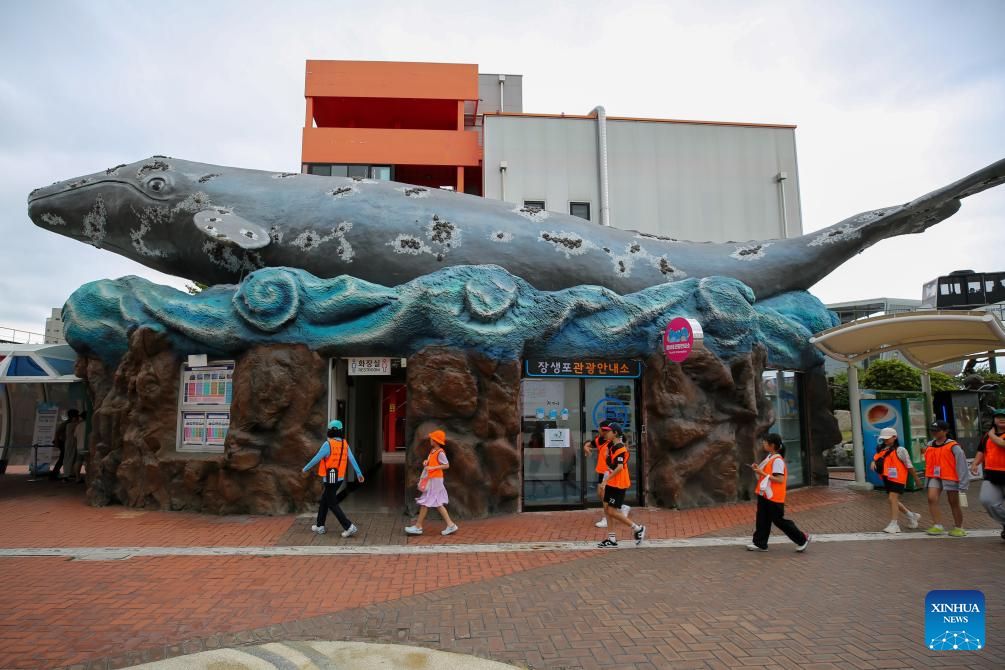
Ulsan
## Description Jangsaengpo Whale Museum, known in Korean as 장생포 고래박물관, is a unique cultural and educational attraction dedicated to the history of whaling and the relationship between humans and whales in Korea. Located in the historic port area of Jangsaengpo, the museum tells the story of how this small coastal village once became the center of Korea’s modern whaling industry. Today, the museum focuses on preservation, education, and awareness, offering visitors a thoughtful look at marine life and changing human values. What makes the Jangsaengpo Whale Museum unique is its comprehensive approach to the subject. Rather than celebrating whaling alone, the museum places strong emphasis on marine conservation and scientific research. Visitors can see full-scale whale skeletons, detailed dioramas, interactive displays, and multimedia presentations that explain whale biology, migration patterns, and communication. A little-known fact is that Jangsaengpo was once home to thousands of whalers before commercial whaling was banned in Korea in the 1980s. Another lesser-known detail is that the museum works closely with research institutions to study whales that are found stranded along the Korean coast, contributing to ongoing marine science. The museum offers an engaging experience that combines history, education, and environmental awareness in a balanced and accessible way. ## Location Jangsaengpo Whale Museum is located in **South Korea**, in the **Ulsan Metropolitan City**, within the **Nam-gu** district, in the Jangsaengpo area. Ulsan lies on the southeastern coast of the country and is known as both an industrial hub and a gateway to coastal nature. To get there, visitors can travel to Ulsan by KTX high-speed train or intercity bus from major cities such as Seoul or Busan. From Ulsan city center or Ulsan Station, local buses or taxis provide easy access to the Jangsaengpo district. The museum is well signposted and is close to other attractions such as Jangsaengpo Whale Cultural Village and the Whale Watching Port. ## Tips * Combine your visit with nearby attractions like the Whale Cultural Village to gain a fuller understanding of the area’s history. * Allow at least one to two hours to explore the museum at a comfortable pace. * Many exhibits are family-friendly, making the museum suitable for children and school groups. * Check opening hours in advance, as they may vary by season or on public holidays. * Some explanations are in Korean only, so using a translation app can enhance your experience. * Visit on a weekday for a quieter and more relaxed atmosphere. ## Conclusion Jangsaengpo Whale Museum offers a meaningful and educational look into Korea’s maritime past and its evolving relationship with whales. Through well-curated exhibits and a strong conservation message, the museum provides visitors with both knowledge and reflection, making it a standout cultural attraction in Ulsan. ## FAQ **Is the Jangsaengpo Whale Museum suitable for children?** Yes, the museum features interactive displays and visual exhibits that are engaging for children. **How long does a typical visit take?** Most visitors spend between one and two hours exploring the museum. **Is the museum focused only on whaling history?** No, it also emphasizes whale biology, conservation, and modern research efforts. **Are English explanations available?** Some exhibits include English descriptions, but not all, so a translation app can be helpful. **Is photography allowed inside the museum?** Photography is generally allowed, though flash or certain areas may be restricted. ## Links * [Jangsaengpo Whale Museum Info](https://english.visitkorea.or.kr/svc/whereToGo/locIntrdn/rgnContentsView.do?vcontsId=85947)
GemVoyage Team • World
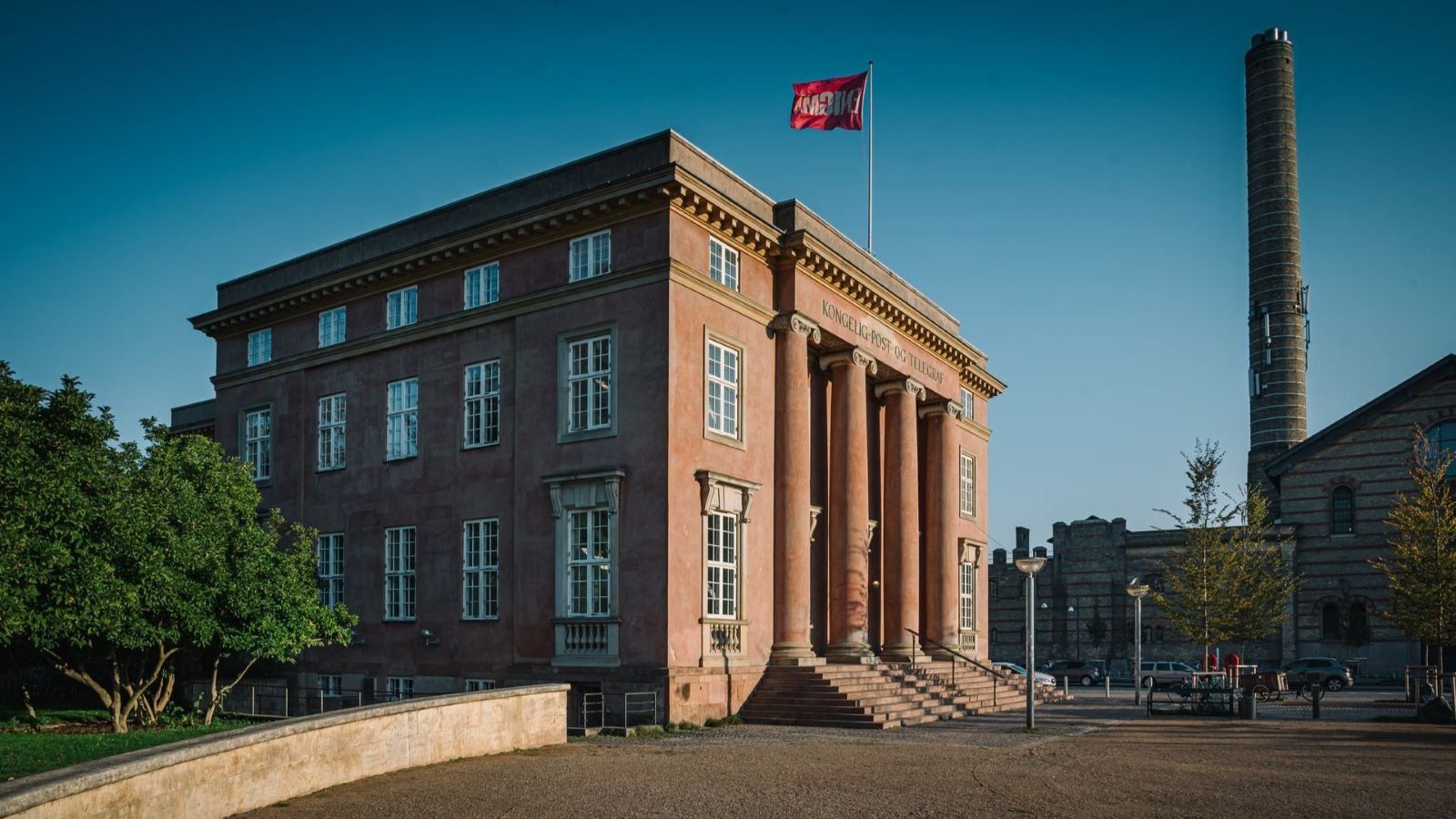
Copenhagen
## Description The **ENIGMA – Museum for Post, Tele and Communication** is one of Copenhagen’s most modern and intellectually stimulating museums, dedicated not to ancient artifacts or royal history, but to **how humans have communicated across distance, time, and technology**. From handwritten letters and Morse code to mobile phones, surveillance systems, and digital culture, ENIGMA explores the **evolution of human connection in the age of information**. Unlike traditional technology museums that merely display machines behind glass, ENIGMA is designed as a **highly interactive, reflection-driven experience**. Visitors are encouraged not only to observe how communication tools work, but also to question the **social, political, and psychological consequences** of living in a hyper-connected world. Themes such as **privacy, propaganda, encryption, digital identity, surveillance, mass media, and misinformation** are central to the museum’s narrative. One of ENIGMA’s strongest features is its ability to turn abstract digital concepts into **physical, experiential installations**. Visitors can experiment with **cryptography systems**, explore how **data is tracked and monetized**, decode historical messages, and see how wartime intelligence shaped modern communication security. These hands-on elements make the museum engaging for both casual visitors and those with deeper interests in media studies, cybersecurity, or information technology. The museum also preserves a major historical legacy. ENIGMA is the institutional successor to Denmark’s former **Post & Tele Museum**, and it still houses one of Northern Europe’s most important collections of **telegraph machines, early telephones, switchboards, radios, and postal equipment**. These historical objects are seamlessly integrated into contemporary digital storytelling, allowing visitors to trace a clear technological timeline from **ink and paper to algorithms and artificial intelligence**. A powerful section of the museum focuses on **war communication and encryption**, including how coded messages, radio interception, and intelligence networks reshaped modern conflicts. This section directly references the global legacy of machines like the **Enigma cipher machine** (from which the museum takes its name), emphasizing how secrecy and communication control became decisive weapons of the 20th century. A little-known fact is that the museum is housed in a **former industrial building linked to Copenhagen’s old port and logistics infrastructure**, reinforcing its historical connection to information and transport networks. Another lesser-known detail is that ENIGMA regularly hosts **temporary exhibitions on digital ethics, social media behavior, and artificial intelligence**, meaning the content is constantly evolving rather than static. ENIGMA is not nostalgic about technology, nor blindly optimistic. Its central strength lies in how it frames communication as a **double-edged force**—one that enables freedom, creativity, and democracy, while also enabling manipulation, control, and surveillance. This intellectual balance makes the museum especially relevant in the modern era, where digital systems shape nearly every aspect of daily life. ## Location The **ENIGMA Museum of Communication** is located in the **Østerbro district of Copenhagen**, a residential and creative area near the city’s northern waterfront. **City:** Copenhagen **Region:** Capital Region of Denmark (Hovedstaden) **Country:** Denmark **District:** Østerbro ### How to Get There: * **By S-train:** Take **S-train lines A, B, C, or E** to **Svanemøllen Station**, then walk approximately 10 minutes. * **By bus:** Several bus routes stop near Østerbro and the Svanemøllen area. * **By bicycle:** Copenhagen’s bike infrastructure makes this one of the easiest ways to reach the museum. * **By taxi or ride-hailing apps:** A direct and convenient option from central Copenhagen. * **By car:** Limited parking is available; public transport is strongly recommended. Its location makes it easy to combine with **Østerbro cafés, waterfront walks, and beach visits at Svanemøllen Strand**. ## Tips * **Allow at least 2 hours:** The interactive nature of the museum requires time to explore properly. * **Read the digital ethics sections carefully:** These areas provide some of the museum’s most thought-provoking content. * **Great for teens and adults:** Younger children may find some sections abstract or text-heavy. * **Combine with a waterfront walk:** The nearby harbor and beach areas provide a perfect contrast after an intense museum visit. * **Check temporary exhibitions in advance:** These often focus on current digital issues like AI, surveillance, or social media. * **Visit on a weekday if possible:** Interactive stations are easier to access with fewer visitors. * **Not a quick “tourist” museum:** This is a reflective, idea-driven institution rather than a rapid sightseeing stop. * **English-friendly:** Most exhibits are available in both **Danish and English**. ## Conclusion The **ENIGMA Museum of Communication** is one of Copenhagen’s most intellectually relevant cultural institutions, offering a deep, interactive exploration of how **human connection, technology, power, and identity intersect**. By combining historical artifacts with digital-age questions about privacy, data, and surveillance, ENIGMA transforms communication from an invisible background process into a central force that shapes modern life. It is an essential stop for anyone who wants to understand not just how we communicate—but what that communication is doing to us. ## FAQ **1. What is the ENIGMA Museum about?** It focuses on the **history and impact of communication technologies**, from postal systems and telegraphs to digital surveillance and social media. **2. Is the museum only about old technology?** No. It strongly emphasizes **modern digital communication, cybersecurity, and media influence** alongside historical tools. **3. Is ENIGMA suitable for children?** It is best suited for **teenagers and adults**, as many themes involve abstract concepts like data ethics and surveillance. **4. How long does a visit usually take?** Most visitors spend **2 to 3 hours** exploring the exhibitions. **5. Is everything in Danish?** No. Most exhibits are available in **both Danish and English**. **6. Does the museum change its exhibitions?** Yes. It regularly hosts **temporary exhibitions** on emerging digital and communication topics. ## Links * [Official ENIGMA Museum Website](https://enigma.dk) * [Visit Copenhagen – Museums Guide](https://www.visitcopenhagen.com)
GemVoyage Team • World
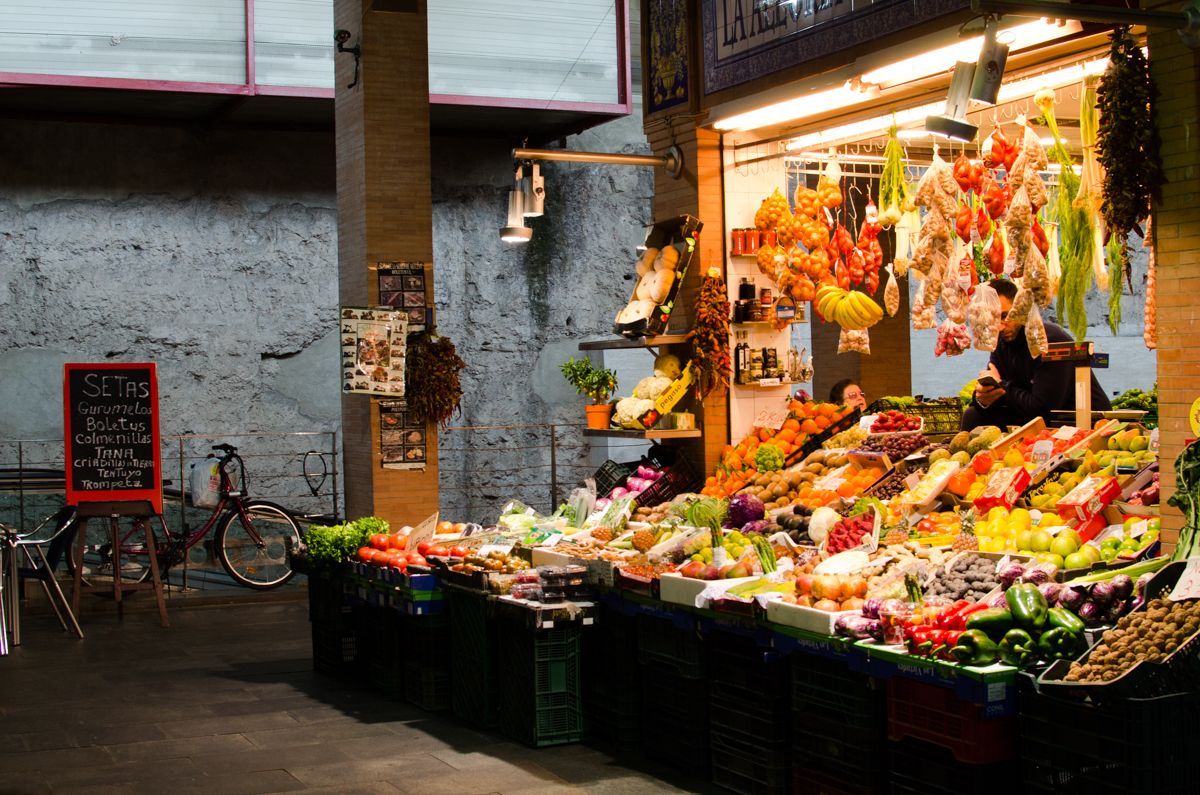
Seville
## Description Triana Market is one of the most characterful places to experience everyday Seville beyond the postcard version of the city. Set in the Triana neighborhood, it combines the energy of a traditional neighborhood market with the atmosphere of a place shaped by river life, ceramics, flamenco, and strong local identity. Visitors come here for produce, but they often stay longer because the market feels like a living introduction to the district itself. It is not a polished tourist stage. It is a working market where stallholders greet regulars, chefs shop for ingredients, and curious travelers can see how Seville still feeds itself in a very local way. What makes Triana Market especially appealing is the balance between food and history. The market sits close to the Guadalquivir River and near the area where Triana’s old artisan traditions developed, so a visit naturally turns into a wider walk through one of Seville’s most distinctive quarters. You can browse fruit, fish, meat, olives, pastries, spices, and tapas-style snacks while hearing the rhythm of a neighborhood that has long been associated with sailors, potters, and performers. A little-known detail is that the market stands near archaeological remains tied to the former Castle of San Jorge, which adds a historical layer that many visitors miss when they come only for lunch. Another less obvious fact is that the market is often the place where locals go to buy ingredients for home cooking rather than a destination designed mainly for tourists, which is part of why it feels authentic. The best experience here is not rushed. Start by looking around rather than ordering immediately, because the market rewards observation. The colors of the fruit stalls, the smell of fried food, the chatter from the bars, and the pace of local shopping all help explain why Triana is one of Seville’s most beloved neighborhoods. If you are interested in local culture, this is also an excellent point of departure for exploring ceramics shops, riverfront views, and the streets around Calle Betis and the Triana Bridge. ## Location Triana Market is in the Triana neighborhood on the west bank of the Guadalquivir River in Seville, Andalusia, Spain. The neighborhood sits just across the river from the historic center, so the market is easy to include in a day of sightseeing. If you are already in central Seville, the simplest approach is to walk across the Triana Bridge and continue into the market area on foot. That route is especially enjoyable because it gives you a clear sense of how the city changes from the monument-filled center to the more residential and traditionally working-class Triana side. If you are coming from farther away, a taxi, city bus, or a combination of walking and public transport will work well. The market is compact, so once you arrive, you will not need additional transport. It also pairs naturally with nearby river walks, ceramic workshops, and tapas stops, which makes it a practical base rather than a standalone quick stop. In hot weather, plan your arrival earlier in the day, since the surrounding streets can become warm by midday and the market itself is more enjoyable before the lunch rush. ## Tips - Go in the morning if you want the fullest market atmosphere and the best selection of produce and seafood. - Bring both cash and a card, because some smaller stalls prefer one or the other. - Do not limit yourself to shopping; the bars inside and around the market are part of the experience. - Combine the visit with a walk through Triana’s ceramic streets and the riverfront. - If you want photos, arrive early enough to avoid the busiest lunch crowd. - Ask stallholders what is in season, since that is often the fastest way to taste the most local products. ## Conclusion Triana Market is one of the most rewarding places in Seville for travelers who want local flavor, neighborhood character, and a real sense of daily life. It is easy to reach, rich in atmosphere, and memorable well beyond a simple shopping stop. ## FAQ ### Is Triana Market worth visiting even if I am not cooking? Yes. The market is worth visiting for its atmosphere, food counters, and neighborhood character even if you do not plan to buy ingredients. ### What is the best time to visit Triana Market? Morning is usually best, especially if you want fresh produce and a calmer pace before the lunch rush begins. ### Can I eat inside or near the market? Yes. The market and the surrounding streets have bars and food counters where you can eat casually and try local dishes. ### How long should I spend there? Plan at least one hour, and more if you want to combine shopping, snacks, and a walk through the neighborhood. ## Links - [Wikipedia](https://en.wikipedia.org/wiki/Triana,_Seville) - [Seville tourism information](https://www.visitasevilla.es/en)
GemVoyage Team • World
Jeddah
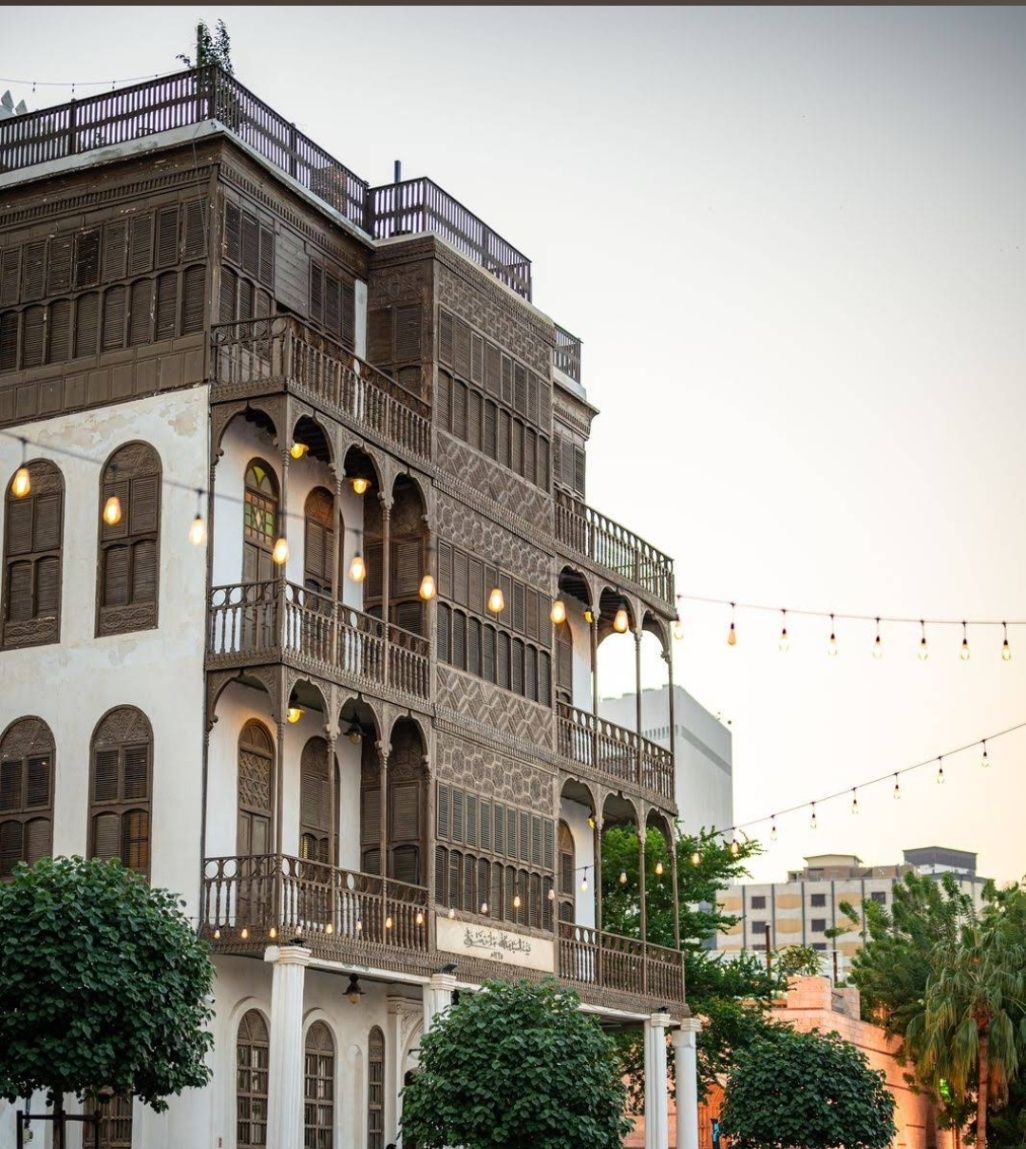
## Description The **Al Sharbatly House**, also known as **Beit Al Sharbatly**, is one of the most iconic heritage houses in **Al-Balad**, the historic district of Jeddah. This grand residence is a striking example of traditional Hijazi architecture, characterized by its intricate wooden lattice windows known as **“Rawasheen”**, coral stone walls, and spacious inner courtyards. Built during the late 19th century, the house reflects the wealth and influence of Jeddah’s prominent merchant families during the height of its trade connections across the Red Sea and Indian Ocean. What makes Al Sharbatly House unique is not just its architectural beauty but also its cultural significance. The house was once the residence of the **Egyptian Consulate** in Jeddah and later became the home of the well-known Sharbatly family, who played a vital role in the region’s economy. Today, it stands as a preserved monument within Jeddah’s UNESCO-listed Old Town, attracting both tourists and architecture enthusiasts. A lesser-known fact is that the house, like many other buildings in Al-Balad, was constructed using **coral stones sourced from the Red Sea**, combined with lime mortar. This gave the structure both strength and natural ventilation suited for Jeddah’s hot climate. Another interesting detail is that the elaborately carved wooden windows were not only decorative but also functional, allowing families to observe the busy streets outside without being seen themselves. ## Location Al Sharbatly House is located in **Al-Balad**, the historic center of **Jeddah**, in the **Makkah Province of Saudi Arabia**. This district is a living museum of Hijazi culture, with dozens of preserved houses, mosques, and souks dating back hundreds of years. Getting there is convenient. If you are traveling from **King Abdulaziz International Airport (JED)**, it takes around 30 minutes by car to reach Al-Balad. Taxis and ride-hailing services like Uber and Careem are readily available. Once inside Al-Balad, the best way to explore is on foot, as the narrow alleys and pedestrian-friendly streets are filled with heritage houses, traditional markets, and cultural landmarks. Guided walking tours are also available and highly recommended for first-time visitors. ## Tips Here are some helpful tips to make your visit to Al Sharbatly House and the Al-Balad district more enjoyable: * **Dress modestly** – As with all cultural and historical sites in Saudi Arabia, visitors should wear modest clothing in line with local customs. * **Visit in the evening** – The area comes alive at night when the houses are beautifully lit, and the markets bustle with activity. * **Hire a guide** – To fully appreciate the history and architecture, consider joining a guided tour that includes the house and other landmarks. * **Bring a camera** – The Rawasheen windows, carved doors, and narrow alleyways make for stunning photography opportunities. * **Stay hydrated** – Jeddah’s climate can be hot and humid, so carry water, especially if exploring during the day. * **Combine with nearby attractions** – Don’t miss other notable houses like Beit Nassif and the old souks in Al-Balad, which offer a full cultural immersion. ## Conclusion The **Al Sharbatly House in Jeddah** is a shining example of traditional Hijazi architecture and a key highlight of the city’s historic district. With its coral stone walls, elegant Rawasheen windows, and rich history, it offers visitors a glimpse into the heritage of one of Arabia’s most important Red Sea port cities. Whether you’re passionate about history, culture, or architecture, a visit to this house and its surroundings is a journey into Jeddah’s fascinating past. ## FAQ **1. What is Al Sharbatly House famous for?** It is known for its traditional Hijazi architecture, coral stone construction, and intricate wooden lattice windows (Rawasheen). **2. Can tourists enter Al Sharbatly House?** Access may vary, as some heritage houses in Al-Balad are open for tours, while others are preserved as cultural landmarks. Guided tours often include visits to the house. **3. Is Al-Balad a UNESCO World Heritage Site?** Yes, Jeddah’s Al-Balad district, where Al Sharbatly House is located, was inscribed on the UNESCO World Heritage List in 2014. **4. How long does it take to visit Al Sharbatly House and Al-Balad?** A half-day visit is recommended to explore the house and the surrounding historic district, though history enthusiasts may wish to spend longer. **5. When is the best time to visit?** Evenings are ideal due to cooler temperatures and the lively atmosphere in the old town. **6. What other attractions are nearby?** Nearby attractions include Beit Nassif, the Old Souk (Souq Al-Alawi), historic mosques, and several other heritage houses in Al-Balad. ## Links * [Saudi Tourism – Visit Jeddah](https://www.visitsaudi.com) * [UNESCO World Heritage – Historic Jeddah](https://whc.unesco.org/en/list/1361)
GemVoyage Team • World
Gran Sabana
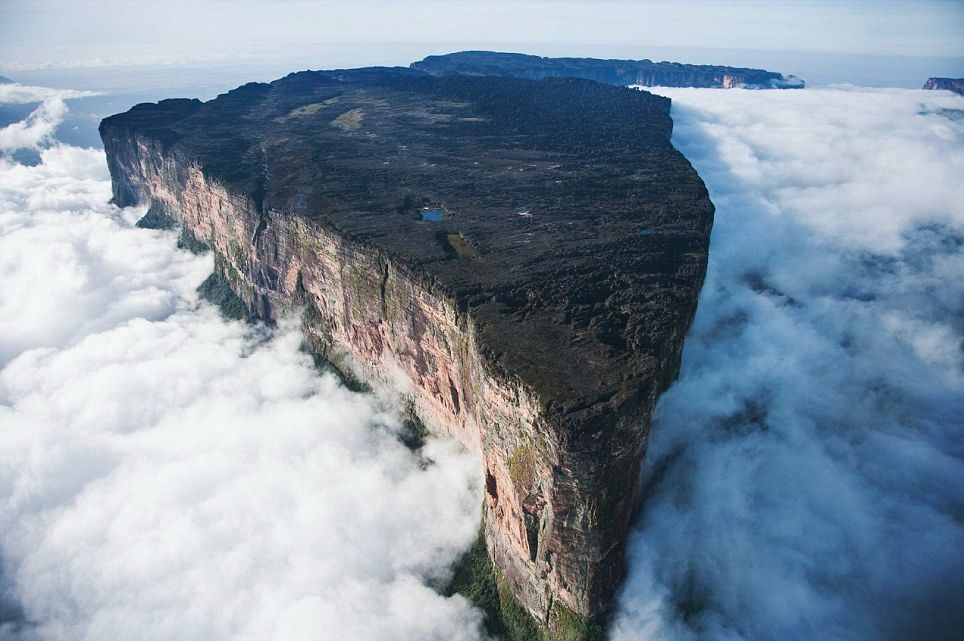
## Description Mount Roraima is a striking tabletop tepui — a flat-topped sandstone mesa — rising abruptly from the Gran Sabana plateau along the Venezuela–Brazil–Guyana border. Immensely atmospheric, its sheer cliffs and mist-shrouded summit inspired Arthur Conan Doyle’s The Lost World; the summit supports endemic plants and sculptural rock formations carved by erosion and persistent cloud. Trekking to Roraima’s summit is an otherworldly journey through shifting ecosystems: savanna, tepui foothills, cloud forests and alien rocky plateaus dotted with carnivorous plants and primitive flora. What makes Roraima singular is its biology and geology: tepuis act as ecological islands where species evolved in isolation, resulting in endemic flora and fauna found nowhere else. The plateau’s quartzite sandstone and erosional patterns carve shallow sinkholes and intricate channels that collect rainwater, forming microhabitats. Visitors encounter oddly-shaped boulders, deep natural cisterns and ephemeral pools that support plant communities adapted to thin soils and high rainfall. Beyond science, the experience is sensory: mist and cloud sweep across the summit, light transforms the slick rock faces, and nights on the plateau can be cold and silvery. For many, the trek to Roraima — along river crossings, open savanna and jungle gullies — delivers a sense of expeditionary travel; the route requires multi-day camping and careful logistical planning. ## Location Mount Roraima sits in the Gran Sabana region of southeastern Venezuela (Canaima National Park), at the tri-border with Guyana and Brazil. Most treks begin from the Venezuelan side, with popular access points around Paraitepuy or via Canaima; flights to Canaima followed by drives and river transfers are common. Organizing a Roraima expedition requires permits, an experienced guide and coordination for river logistics and camping equipment. Given its border location, some itineraries approach Roraima from Guyana — these routes are less common for international visitors but viable for those with appropriate travel documents and local arrangements. Venezuelan-side treks are the classic choice and usually include boat transfers, vehicle rides across savanna, and multiple days of trekking culminating with the scramble onto the plateau. ## Tips - **Book with experienced operators:** Choose accredited guides or operators who handle permits, river logistics, and camping gear. The plateau’s remoteness demands reliable local knowledge and safety planning. - **Fitness and acclimatization:** The trek is physically demanding, often involving long days of walking across uneven terrain, river crossings and carrying a daypack while guides transport communal gear. Conditioning with endurance hikes and strength training helps. - **Pack for extremes:** Expect heavy rain, intense sun at low elevations, muddy jungle stretches and cool winds on the summit. Waterproof layers, quick-dry clothing, high-traction trekking boots, gaiters, and a warm down layer for nights on the plateau are essential. - **Protect electronics and paper maps:** Use dry bags for sleeping gear and phone/ camera protection; quick access to waterproof maps or offline GPS tracking improves navigation in jungle and savanna. - **Leave no trace:** Camp on durable surfaces, pack out all waste, and avoid disturbing endemic plants on the plateau. The tepui ecosystem is delicate and regenerates slowly. - **Plan for altitude and weather:** The plateau can be cold and windy; thermal layers for nighttime and sun protection for daytime are both necessary. Bring a reliable headlamp and spare batteries for early starts or late arrivals. - **Permits and border considerations:** Verify permit requirements, carry appropriate identification, and confirm whether your route crosses national borders — passports and travel documents must be in order. ## Conclusion Mount Roraima offers a genuine expedition into a primeval landscape where geology and isolated evolution create surreal scenery. For adventurous travelers, the tepui’s summit is both a physical challenge and a revelation in biodiversity. The trek is unforgettable for those who embrace its remoteness — mist-wrapped cliffs, otherworldly rock formations, and night skies uncluttered by light pollution create one of South America’s most singular natural experiences. ## FAQ - **Q: How long is the trek to Roraima’s summit?** A: Typical treks last 6–8 days round-trip, depending on route and pace. Some itineraries are longer if they include extra side excursions in the Gran Sabana or additional borderside logistics. - **Q: Is the trek technical or suitable for beginners?** A: The trek is non-technical in terms of climbing gear but is physically demanding and involves uneven, slippery surfaces and river crossings. Experienced guides can support less-experienced hikers, but a baseline of good fitness is important. - **Q: What permits or documents are required?** A: Permits vary by entry point and country. When approaching from Venezuela, arrange permits via a licensed operator; if approaching from Guyana or Brazil, confirm local regulations. Always carry valid ID and passport when near border areas. - **Q: When is the best time to trek Roraima?** A: The drier months (roughly December to April) are generally more manageable, but weather on tepuis can be unpredictable year-round. Avoid peak rainy periods when trails become more treacherous. - **Q: What wildlife and plant life should I expect?** A: Expect specialized endemic plants, carnivorous species like pitcher plants in microhabitats, and unique lichens and mosses on the summit. Larger wildlife is mostly absent on the plateau, but wildlife sightings are possible in the lowland savanna and rainforest approaches. - **Q: Is camping on the plateau comfortable?** A: Camping is rustic: bring a four-season or high-quality three-season tent and warm sleeping gear. Nighttime temperatures can drop sharply and winds can be strong. ## Links - [Mount Roraima — Wikipedia](https://en.wikipedia.org/wiki/Mount_Roraima)
GemVoyage Team • World

Comments