GemVoyage Team • World
Middachten Castle (Kasteel Middachten) is one of the most refined and best-preserved aristocratic estates in the Netherlands, offering visitors a rare glimpse into centuries of noble life largely untouched by modern intervention. Unlike many Dutch castles that were heavily altered, rebuilt, or converted into museums with contemporary reinterpretations, Middachten stands out for its remarkable historical continuity. The castle remains closely tied to the noble family that has owned it for generations, and this continuity is clearly reflected in its interiors, collections, and surrounding landscape.
The current castle dates mainly from the 17th century, though the estate itself has medieval origins. Inside, visitors encounter richly furnished rooms with original furniture, tapestries, porcelain, silverware, and paintings accumulated over hundreds of years. Rather than presenting history through reconstructed scenes, Middachten preserves an authentic atmosphere, giving the impression that its residents have only temporarily stepped away. This sense of intimacy and realism sets it apart from more theatrical castle museums.
One of Middachten’s most distinctive features is its formal garden complex, which combines Dutch, French, and English landscaping traditions. Designed and redesigned over several centuries, the gardens include symmetrical parterres, canals, wooded paths, and open lawns that visually extend the castle into the surrounding countryside. A lesser-known fact is that the gardens still follow historical planting schemes, with seasonal flower selections based on archival records. Another interesting detail is that Middachten was never sold to the state; it remains privately owned, which explains its carefully controlled access and limited visiting periods.
Middachten Castle is not about spectacle or scale. Its strength lies in authenticity, refinement, and the quiet authority of a place that never needed reinvention to stay relevant.
Country: Netherlands
Province: Gelderland
Village: De Steeg
Region: Eastern Netherlands (near Arnhem)
Middachten Castle is situated on the edge of the Veluwezoom, a scenic area known for forests, rolling hills, and historic estates. Its rural setting enhances the experience, creating a sense of distance from urban life despite being well connected.
* Take a train to Dieren Station. From there, the castle is approximately a 20–25 minute walk or a short bicycle ride.
* Easily accessible via regional cycling routes, making it ideal for visitors exploring Gelderland by bike.
* Parking is available near the estate. Driving is the most practical option for visitors with limited time.
* Local bus services operate between Arnhem, Dieren, and nearby villages, though schedules may be limited.
Middachten Castle is a refined and quietly powerful example of Dutch aristocratic heritage. Its preserved interiors, historically accurate gardens, and private continuity make it an exceptional destination for visitors who value authenticity over grandeur.
1. Is Middachten Castle a museum?
It functions as a historic house open to the public on a limited basis rather than a conventional museum.
2. Can you visit the castle without a guided tour?
Interior visits are usually guided only; the gardens can often be explored independently.
3. How long should I plan for a visit?
Plan 2 to 3 hours, including the castle interior and gardens.
4. Is the castle suitable for children?
Yes, though it is best suited for older children with an interest in history.
5. Is Middachten accessible year-round?
No, opening times are seasonal and limited, especially for the interior.
6. Can events be held at the castle?
The estate occasionally hosts cultural events, but private use is highly restricted.
Discover more hidden gems you might love.

Copenhagen
## Description The Hans Christian Andersen Experience in Copenhagen is a cultural attraction dedicated to one of Denmark’s most famous figures and one of the world’s most influential storytellers. Rather than functioning as a traditional museum, the experience is designed as an immersive walk-through journey that brings Andersen’s life and fairy tales to life through sets, soundscapes, projections, and storytelling elements. Visitors are invited to step directly into the imaginative universe behind timeless stories such as *The Little Mermaid*, *The Ugly Duckling*, and *The Emperor’s New Clothes*. What makes the Hans Christian Andersen Experience unique is its narrative-driven design. Instead of focusing heavily on historical artifacts, the attraction emphasizes emotion, atmosphere, and imagination, mirroring the way Andersen himself told stories. Visitors move through scenes inspired by both his personal life and his fictional worlds, gaining insight into how his hardships, travels, and observations shaped his writing. A little-known fact is that Andersen struggled with poverty and social insecurity early in his life, themes that quietly echo throughout many of his fairy tales. Another lesser-known detail is that some installations are inspired by Andersen’s own paper cuttings, an art form he practiced privately and which reflects his intricate creative mind. This experience appeals to both adults and children, offering a reflective and engaging way to understand why Andersen’s stories continue to resonate across cultures and generations. ## Location The Hans Christian Andersen Experience is located in **Denmark**, in the **Capital Region**, within the city of **Copenhagen**. It sits in the historic city center, close to City Hall Square (Rådhuspladsen) and within walking distance of Tivoli Gardens and Strøget, Copenhagen’s main shopping street. Getting there is easy using public transportation. The nearest metro stations are **Rådhuspladsen** and **Gammel Strand**, both a short walk away. Numerous buses also stop nearby. For visitors already exploring central Copenhagen, the attraction is conveniently reached on foot or by bicycle, which is a popular way to get around the city. ## Tips * Allow about one hour for your visit, though literature enthusiasts may want more time to explore each section carefully. * The experience is largely indoors, making it a good option during colder or rainy weather. * Some displays rely on lighting and sound effects, which may feel intense for very young children. * Photography is usually allowed, but flash may be restricted in certain areas. * Combine your visit with nearby attractions such as Tivoli Gardens or a walk through the historic city center. * Reading a few Andersen fairy tales beforehand can enhance your appreciation of the scenes and references. ## Conclusion The Hans Christian Andersen Experience offers a thoughtful and imaginative introduction to Denmark’s most beloved storyteller. Through immersive design and emotional storytelling, it allows visitors to connect with both the man and the fairy tales that shaped global literature. ## FAQ **Is the Hans Christian Andersen Experience suitable for children?** Yes, it is suitable for children, though some darker fairy-tale themes may be better appreciated by older kids. **How long does the visit take?** Most visitors spend around 45 minutes to one hour inside the experience. **Is the experience available in English?** Yes, information and displays are available in English, along with other major languages. **Is this a traditional museum?** No, it is an immersive storytelling experience rather than an artifact-based museum. **Do I need to book tickets in advance?** Advance booking is recommended during peak tourist seasons, though walk-in tickets are often available. ## Links * [Hans Christian Andersen Experience Official Website](https://www.visitcopenhagen.com/copenhagen/planning/hans-christian-andersen-experience-gdk591356)
GemVoyage Team • World
Bonn
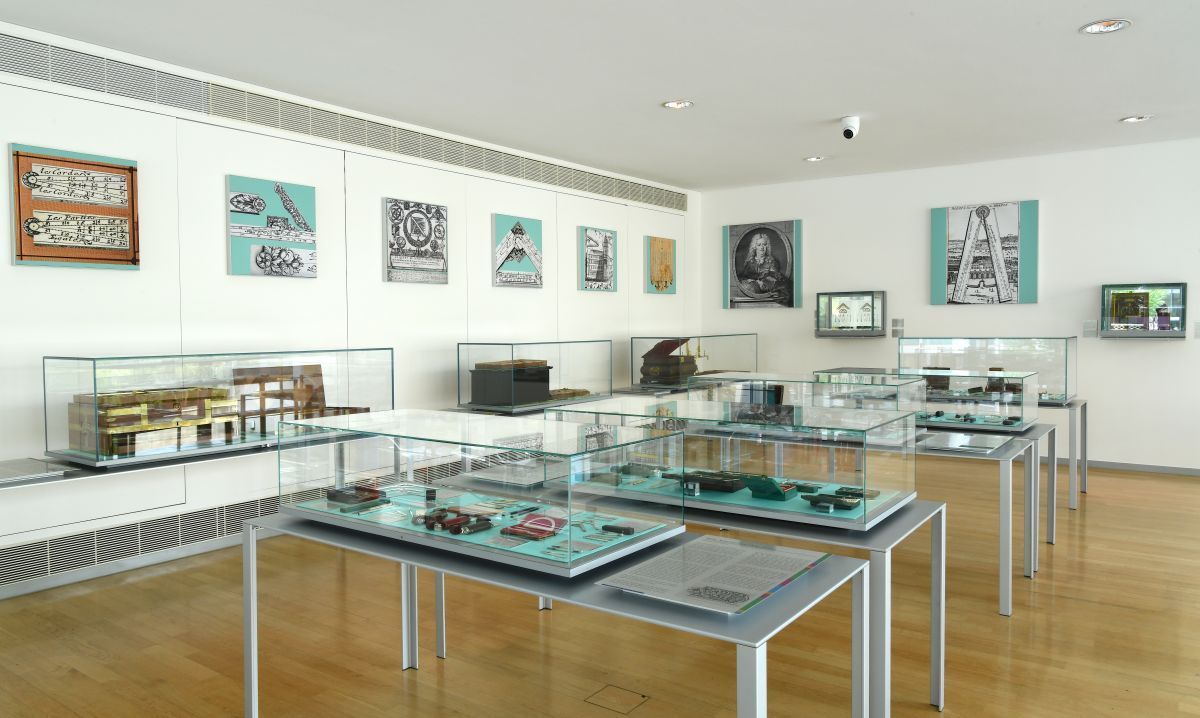
## Description The Arithmeum Museum in Bonn is a highly original museum that turns the history of calculation into a visually engaging and intellectually satisfying visit. Dedicated to the development of arithmetic machines, the museum explores how people have tried to make counting faster, more accurate, and more automated over the centuries. Its collection includes historic calculating devices, elegant mechanical instruments, and exhibits that show how mathematics became part of modern technology. What makes the Arithmeum stand out is that it is both scholarly and accessible. The museum does not expect every visitor to be an expert in mathematics or engineering. Instead, it presents the history of computation through objects, design, and clear narrative structure. That means you can enjoy it whether you are fascinated by mechanical engineering, the history of ideas, or the aesthetic beauty of precision instruments. One lesser-known fact is that the museum is closely associated with academic research on the history of calculation, which gives it an unusually strong intellectual foundation. Another interesting point is that the building’s architecture and presentation style reinforce the idea that mathematics can be elegant as well as practical. The museum is especially rewarding for travelers who like compact museums with a unique theme. It is not overwhelming in scale, but it is memorable because it covers a topic that most people rarely see interpreted so carefully. Visitors often leave with a new appreciation for the long path from abacus and slide rule to digital computation. Even those who do not think of themselves as “math people” usually find something in the collection that captures their attention, whether it is an ornate machine, a clever mechanism, or the logic behind a technological breakthrough. ## Location Arithmeum is located in Bonn, North Rhine-Westphalia, Germany, in the city’s central academic and cultural area. Bonn itself is easy to navigate, and the museum’s position makes it a practical stop during a day of exploring the old federal city. The best way to get there is by local public transport or on foot if you are staying in the center. Bonn’s compact layout makes walking convenient, especially if you are combining the museum with other nearby institutions or university-related sites. If you are arriving from farther away, regional trains and the city’s transit network provide straightforward access to central Bonn. ## Tips Read the display labels carefully, because the story behind each object often matters as much as the object itself. This is a great museum for rainy days or for travelers who want an indoor cultural stop between larger city visits. If you enjoy design, pay attention to the museum’s architecture and how the exhibition spaces guide the flow of the visit. Families with older children and teens may find it especially interesting if they enjoy puzzles, mechanisms, or STEM topics. Pair the visit with other Bonn sights to make the most of your time in the city. ## Conclusion Arithmeum is a thoughtful and elegant museum that turns the history of calculation into a memorable cultural experience in Bonn. ## FAQ ### What is the Arithmeum about? It focuses on the history of arithmetic, calculating machines, and the development of computation. ### Is it only for mathematicians? No. The museum is accessible to general visitors, design lovers, and anyone curious about technology history. ### How long does a visit take? Most visitors spend around one to two hours. ### Is it close to other Bonn attractions? Yes. Its central location makes it easy to combine with other museums and historic sites. ### Why is it considered unique? Because it treats a technical subject with strong visual design and clear storytelling. ## Links - [Official website](https://www.arithmeum.uni-bonn.de/) - [Arithmeum on Wikipedia](https://en.wikipedia.org/wiki/Arithmeum)
GemVoyage Team • World
Paro
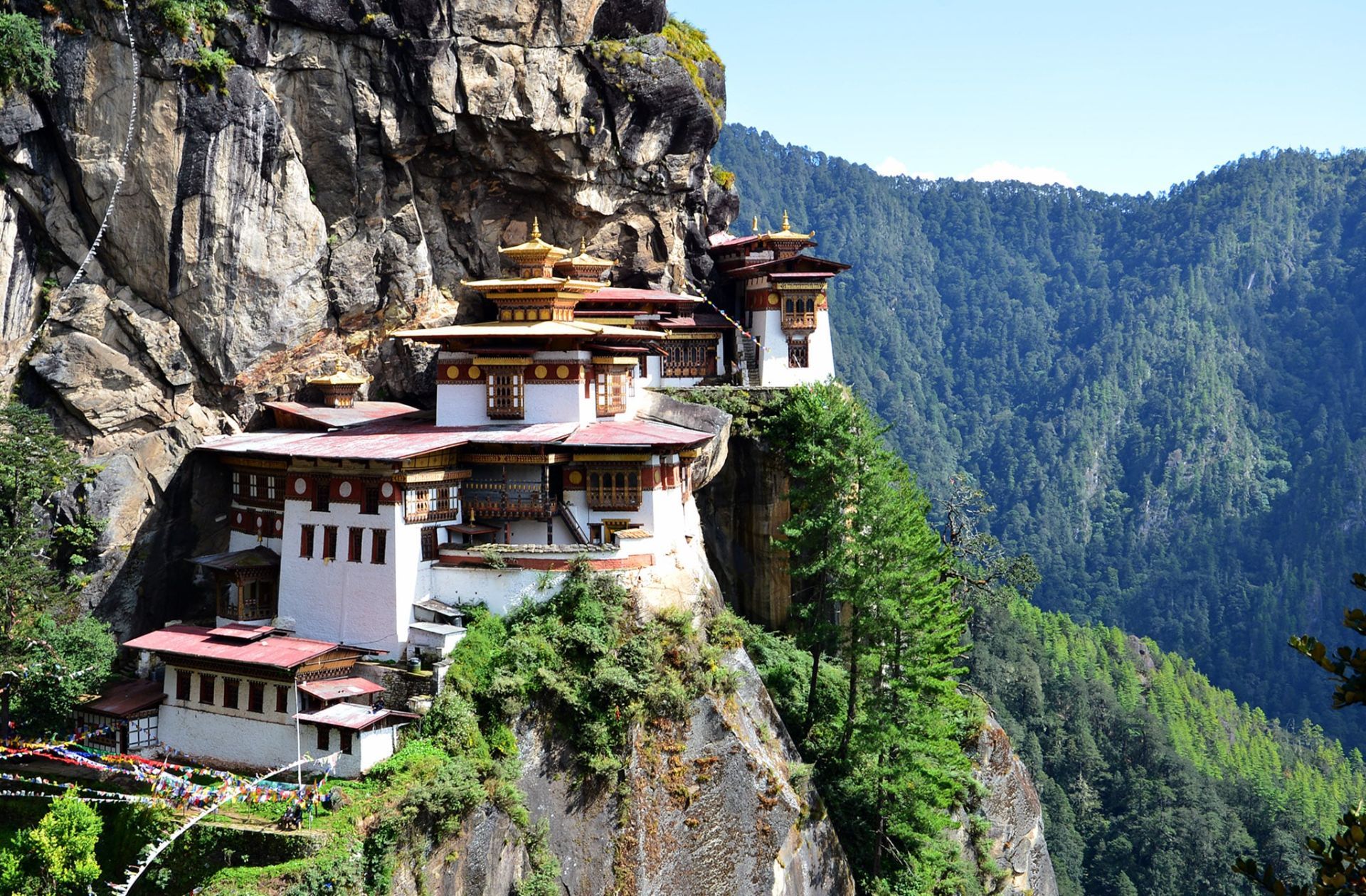
## Description The Tiger’s Nest, or Paro Taktsang, is a cliffside Buddhist monastery in Bhutan dramatically perched on a vertical rock face above the Paro Valley. Dating to the 17th century (with earlier sacred associations to Guru Rinpoche), the complex comprises several temples and hermitages connected by steep steps and narrow paths. The visual impact — whitewashed buildings and golden roofs clinging to granite — is among the most evocative images of Himalayan spiritual architecture. The site is both a pilgrimage destination and a focal point of Bhutanese national identity. Legend holds that Guru Rinpoche (Padmasambhava) arrived on the back of a tigress and meditated in the grottoes that now form part of the monastery complex. The blend of sacred history, dramatic landscape, and living monastic life gives Paro Taktsang deep spiritual resonance for Bhutanese and international visitors alike. SEO-friendly phrases you may use for planning include "Tiger's Nest hike," "Paro Taktsang visit tips," and "Bhutan monastery etiquette." Visitor experience: The descent into the valley and the ascent along forested trails provide a contemplative approach lined with prayer flags, small chortens, and viewpoints. While the most iconic view is from the main lookout before descending to the monastery, many visitors linger to observe ritual offerings, circumambulation of shrines, and the quiet rhythm of monastic routines. Respectful curiosity—asking guides about appropriate behavior and dress—enhances the visit for both guests and residents. ## Location Paro Taktsang sits within Paro valley in western Bhutan, about a 45–60 minute drive from Paro town and its international airport. Access requires a moderate hike of 2–3 hours round-trip depending on pace and stops. How to get there: Most travelers arrange transport through a licensed guide or hotel. Bhutan's regulated tourism policies require foreign visitors to book through licensed operators who manage permits, accommodation, and local guide services. For practical planning, search queries like "book Tiger's Nest guide" or "Paro Taktsang hiking permits" will direct you to authorized providers. Trail notes: The trail rises steadily with sections of stone steps and steeper pitches; resting at teahouses and lookout points is common. Horse rentals are occasionally offered for portions of the route, but check animal welfare practices and trail suitability before choosing this option. ## Tips - **Dress respectfully:** Wear modest clothing for temple visits; remove shoes inside shrines as required and avoid revealing or inappropriate attire. - **Prepare for a strenuous hike:** Bring sturdy footwear, adequate water, sun protection, and allow time for rest stops; altitude and steps make the climb moderately challenging. - **Hire an experienced guide:** Guides explain religious practices, translation of local rituals, and can signal areas off-limits to visitors, creating a more meaningful visit. - **Follow monastery rules:** Photography restrictions inside temples, silence in prayer halls, and specific rituals require compliance; ask before photographing monks or ceremonies. - **Consider timing:** Early morning or late afternoon visits reduce crowding and provide superior photography light, but check seasonal opening hours and local festivals. ## Conclusion Paro Taktsang is both a pilgrimage site and a Himalayan emblem: its precarious position and spiritual resonance make it an unforgettable visit that blends exertion with contemplative reward. When planning, confirm that your tour operator or hotel handles permits and local guidelines; these practical steps help protect the monastery’s sanctity and the visitor’s experience. ## FAQ - **Q: Can foreigners visit Tiger’s Nest independently?** A: Bhutan requires most foreign visitors to travel with licensed operators or registered guides. Booking through authorized tour operators ensures that permits, accommodations, and guide services are in place. - **Q: How long does the hike take?** A: Typical round-trip times range from 3 to 5 hours depending on fitness, stops, and whether you use any horse transport for parts of the ascent. - **Q: Are there age or mobility restrictions?** A: The trail includes steep steps and uneven surfaces and may not be suitable for those with severe mobility limitations. Discuss options with your guide; horse rentals for short segments may be available but evaluate safety and welfare considerations. - **Q: What permits or fees are required?** A: Entry to Bhutan is managed via licensed operators; fees and permit processes vary with season and travel packages. Confirm all costs with your provider in advance. - **Q: Is photography allowed inside the monastery?** A: Many interior temple spaces restrict photography to preserve sacred objects and respect practitioners. Always ask guides or monks before photographing interior or ritual scenes. ## Links - [Paro Taktsang — Wikipedia](https://en.wikipedia.org/wiki/Paro_Taktsang)
GemVoyage Team • World
Shirahama
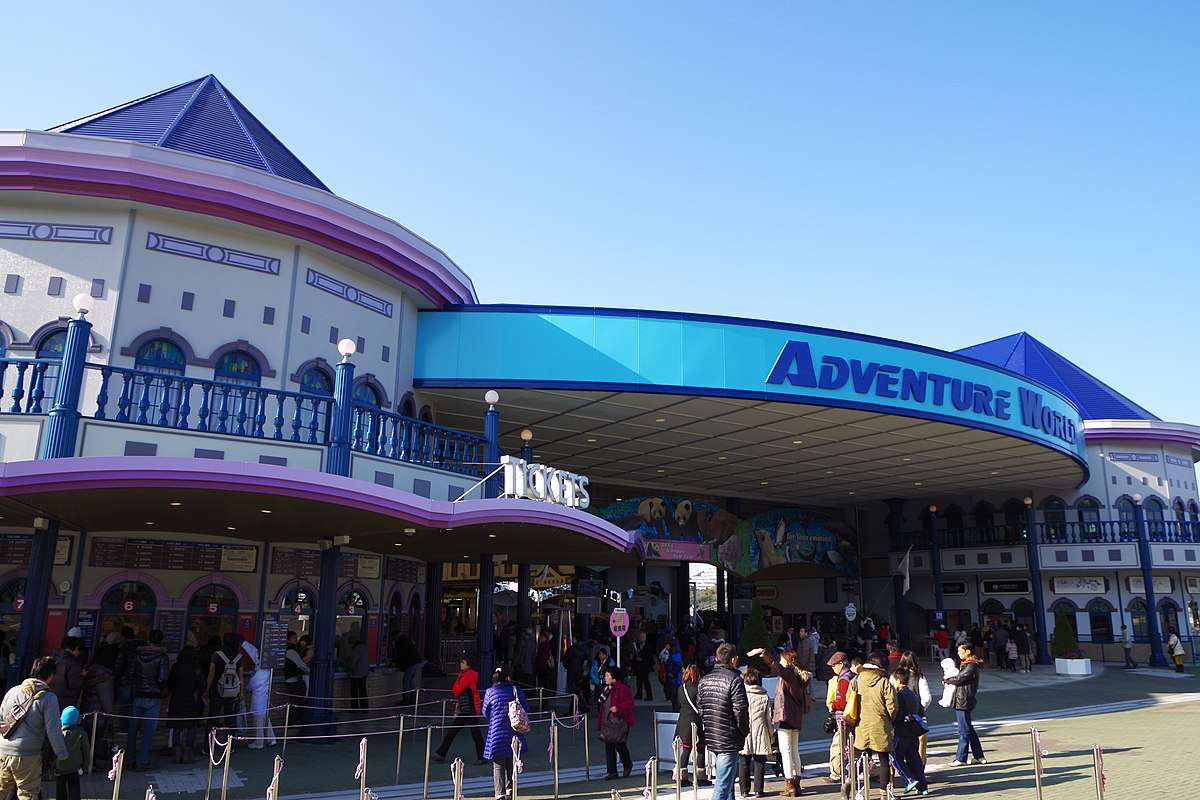
## Description Adventure World in Japan is a one-of-a-kind destination that seamlessly blends the excitement of an amusement park with the wonder of a zoo and the serenity of an aquarium. Located in the coastal town of Shirahama, Wakayama Prefecture, this sprawling complex offers a full day—or more—of entertainment for families, animal lovers, and thrill-seekers alike. What makes Adventure World truly unique is its immersive approach to connecting humans, animals, and nature, all under the motto of “Smile for Everyone.” The park is especially famous for its giant panda breeding program, which is the most successful outside of mainland China. Adventure World has bred more pandas than any other facility in Japan, and visitors can observe these beloved creatures in the “Panda Love” zone, where they roam freely in spacious enclosures. The park is also home to dolphins, sea lions, flamingos, elephants, and even cheetahs, all housed in thoughtfully designed habitats. A little-known fact: Adventure World operates as the Japanese branch of the Chengdu Giant Panda Research Base, and its panda ambassadors have even been appointed as mascots for traffic safety campaigns in Wakayama Prefecture. Another quirky detail—visitors can rent golf carts to explore the Safari World zone, provided they have a valid Japanese or international driver’s license. ## Location Adventure World is located in **Japan**, within the **Kansai Region**, in the town of **Shirahama**, **Wakayama Prefecture**. The park sits near the Pacific coast, offering scenic views and easy access to other local attractions like Shirahama Beach and the Sandanbeki cliffs. ### How to Get There: - **By Train**: Take the JR Limited Express Kuroshio from Shin-Osaka Station to Shirahama Station (approx. 2.5 hours). From there, it’s a 20-minute bus ride to the park. - **By Air**: Fly into Nanki-Shirahama Airport, which is just a 5-minute drive from Adventure World. - **By Car**: From Osaka, it’s about a 2.5-hour drive via the Hanwa Expressway. Parking is available on-site. Its proximity to both the airport and train station makes it a convenient destination for domestic and international travelers. ## Tips for Visitors To make the most of your visit to Adventure World, consider these tips: - **Arrive Early**: The park opens at 10:00 AM, and arriving early helps you beat the crowds and catch the morning animal feedings. - **Buy Tickets Online**: Advance purchase is recommended to avoid long lines and ensure availability, especially during weekends and holidays. - **Don’t Miss the Shows**: The dolphin and sea lion performances are crowd favorites and showcase impressive aquatic acrobatics. - **Use the Safari Kart**: If you have a valid license, rent a golf cart to explore the Safari World zone—it’s fun and saves time. - **Pack Light**: The park is large, so wear comfortable shoes and bring essentials like sunscreen, water, and a camera. - **Explore the Food Options**: From themed cafés to local Wakayama cuisine, there’s a variety of dining choices inside the park. ## Conclusion Adventure World is a vibrant fusion of wildlife, entertainment, and education. With its world-class panda program, thrilling rides, and interactive animal zones, it offers a joyful and enriching experience for visitors of all ages. Whether you're traveling solo or with family, this park is a must-see gem in southern Japan. ## FAQ **1. What are the opening hours of Adventure World?** Typically, the park is open from 10:00 AM to 5:00 PM. Hours may vary seasonally. **2. Is Adventure World suitable for young children?** Yes, the park is family-friendly with attractions and animal zones designed for all age groups. **3. Can I interact with animals at the park?** Yes, there are designated areas where you can feed or observe animals up close, including capybaras, giraffes, and penguins. **4. Are there any multilingual services available?** Basic English signage is available, but guided tours are primarily in Japanese. It’s helpful to download a translation app. **5. Is there a discount for group or family tickets?** Yes, group rates and family packages are available. Check the official website for details. **6. Can I bring my own food into the park?** Outside food is generally not allowed, but there are plenty of dining options inside. ## Links - [Adventure World Official Website](https://www.aws-s.com/en) - [Adventure World – Wikipedia](https://en.wikipedia.org/wiki/Adventure_World_%28Japan%29)
GemVoyage Team • World
Rome
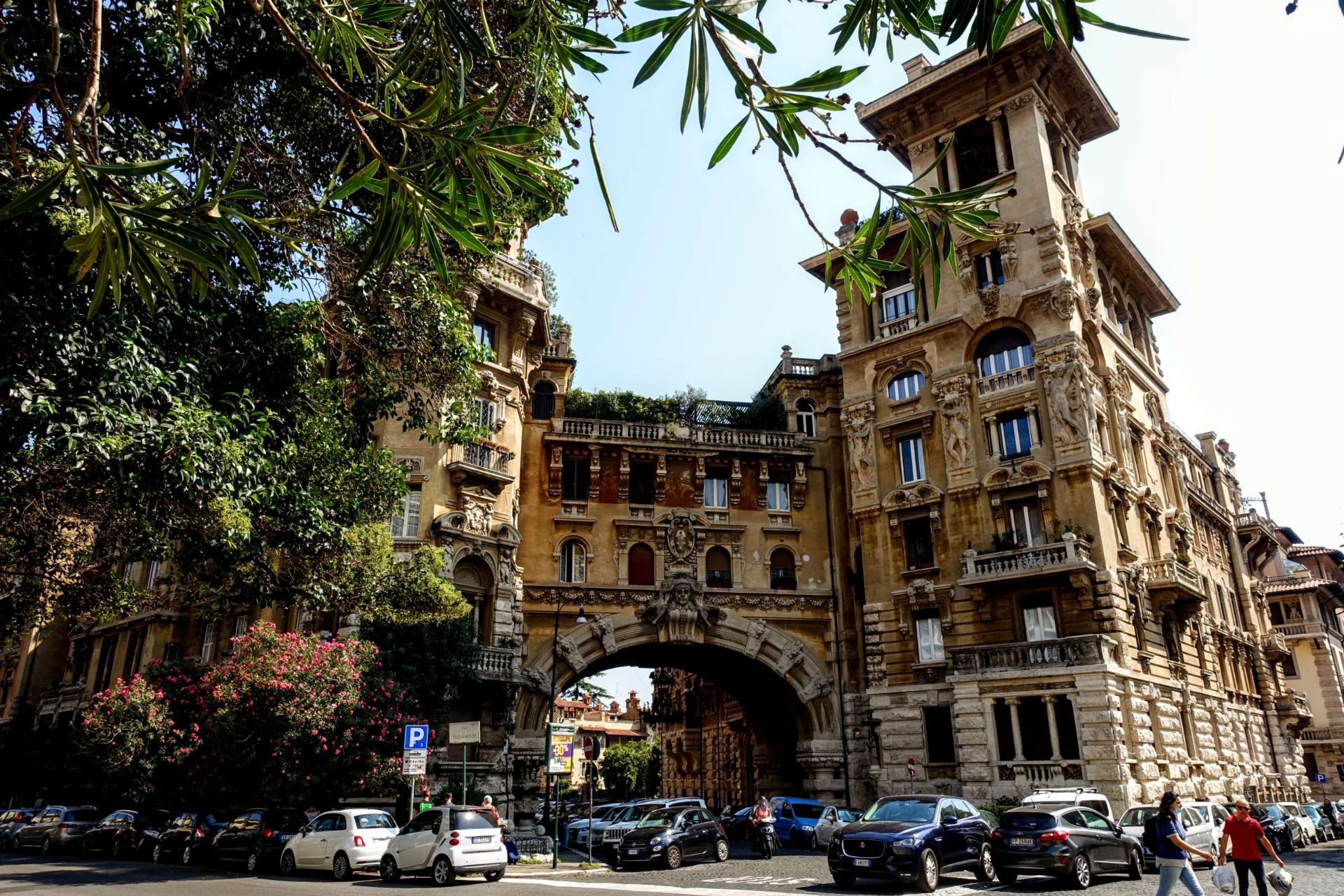
## Description Quartiere Coppedè is a compact Roman quarter that reads like an architectural storybook—an eclectic fusion of Art Nouveau, Gothic, Baroque, and medieval motifs created by architect Gino Coppedè in the early 20th century. Unlike Rome’s grand classical boulevards, Coppedè’s charm is intimate and ornamental: ornate street lamps, intricate stone reliefs, and allegorical sculptures populate small piazzas and manicured courtyards. The area feels deliberately theatrical—cobblestones, carved masks, and decorative columns create a sense of discovery around every corner. The district’s central Fountain of the Frogs remains the visual and social heart of Coppedè, anchoring a piazza that draws photographers and architecture lovers. Film crews and editorial shoots often favor the quarter for its cinematic, slightly surreal quality. A lesser-known nuance is the abundance of small symbolic details—carvings referencing mythology, architecture that blends multiple historical styles on a single facade, and discreet plaques that hint at the designer’s playful intentions. ## Location Quartiere Coppedè sits in the Trieste/Salario area north of Rome’s historic center. It’s reachable by bus or a reasonable walk from Termini station; for many visitors it makes a pleasant detour when exploring Rome beyond the core tourist sites. ## Tips - Stroll slowly and look upward—facade details, rooftop ornaments, and carved symbols reward slow observation. - Visit during daylight to appreciate the color and texture of stonework and decorative elements. - Wear comfortable shoes; the best views are found while wandering rather than following a strict route. - Be respectful of residents—this is a lived neighborhood, not a theme park; avoid loud behavior and tread lightly in quieter corners. - Photography: mornings with soft light offer the best conditions; golden-hour photos can be striking but be mindful of private courtyards. ## Conclusion Quartiere Coppedè is a short, enchanting detour from Rome’s classical itinerary: a neighborhood where architectural imagination runs free and every facade tells a visual story. It’s a must-see for travelers interested in design, film-worthy backdrops, and the unexpected pleasures of urban ornamentation. ## FAQ Q: Is Quartiere Coppedè crowded? A: It is generally peaceful and residential—most visitors are architecture enthusiasts rather than mass-tourist groups. Q: Are guided tours available for Coppedè? A: Yes, some walking tours include Coppedè as part of broader neighborhood routes, and independent guides can tailor visits for architecture lovers. Q: Can I enter the buildings in Coppedè? A: Many buildings are private residences; admire the ornate facades from the street and respect private property. Q: What is the best time of day to visit? A: Morning or late afternoon for softer light and fewer people—midday can be busier and harsher for photos. Q: Are there nearby cafes or amenities? A: Yes—small cafes and restaurants are within walking distance in the Trieste area; stop for a coffee after exploring. ## Links - [Quartiere Coppedè](https://rome.us/neighborhoods/quartiere-coppede.html)
GemVoyage Team • World
Los Angeles
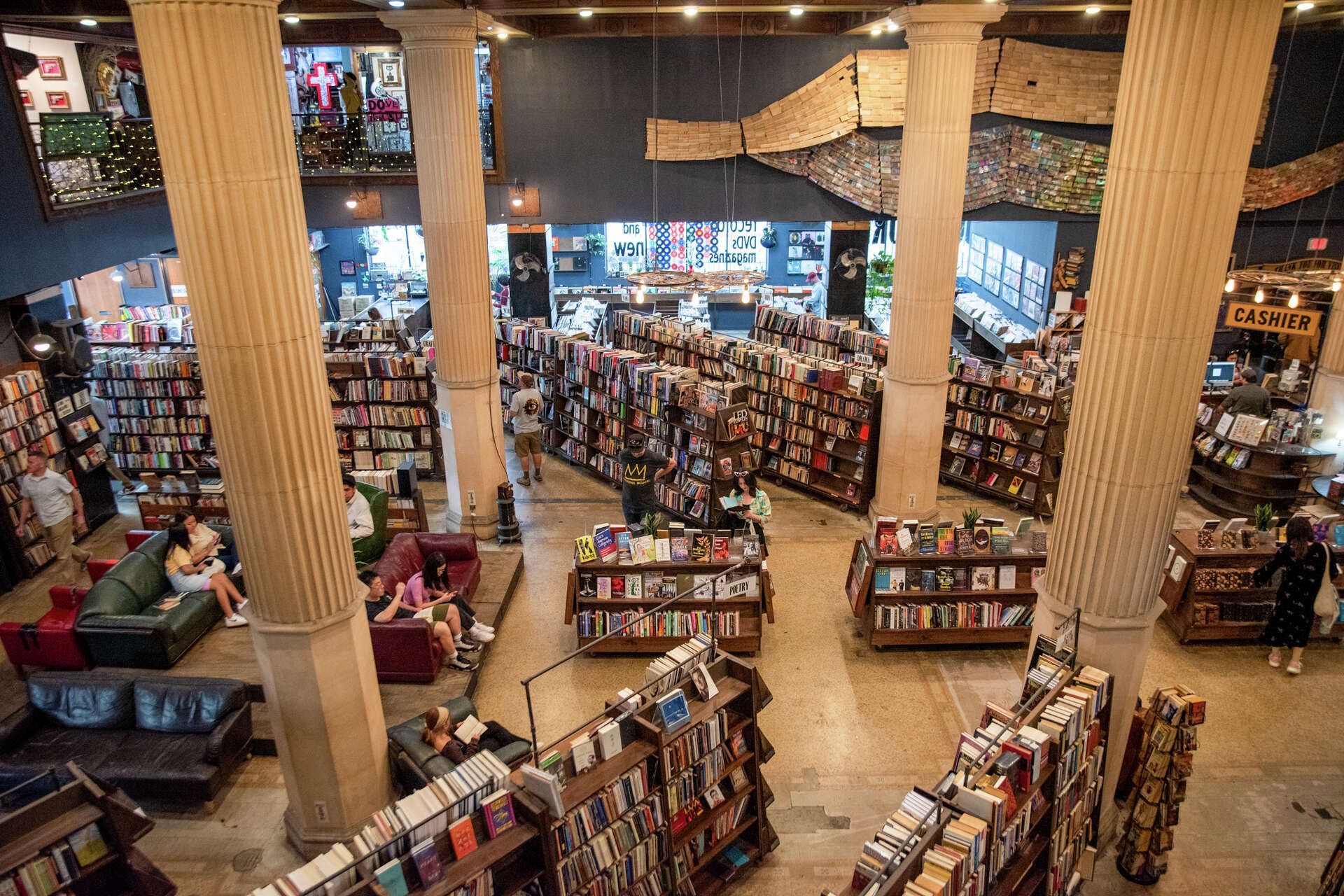
## Description The Last Bookstore in downtown Los Angeles is one of the city's most evocative cultural landmarks: a cavernous, artful emporium of new and used books, vinyl records, and unexpected installations. What sets it apart is not only its enormous inventory but its theatrical presentation — towering shelves, mezzanines, and artistic nooks create a browsing experience more like exploring a story-driven installation than shopping. Housed in a 1920s bank building, patrons encounter reclaimed wood staircases, arches of stacked books, and curated displays that transform each aisle into a visual narrative. Beyond the surface spectacle, the store is a living community hub. It hosts readings, author events, film screenings, and local art exhibitions, and its staff are often keen curators who can guide visitors through genres or find niche titles. Little-known facts: a number of the store’s sculptural book installations are made from unsaleable or damaged stock repurposed by local artists, and the mezzanine houses a secret "book tunnel" — a photogenic corridor built entirely from books that started as a one-off art project and became an enduring fixture. The appeal is broad: bibliophiles will find rare and out-of-print editions; casual visitors will appreciate the visual drama and chance finds; and creatives will enjoy the store as an inspirational setting. The Last Bookstore's blend of commerce, culture, and craft keeps it relevant in an era when many independent bookstores struggle to survive. ## Location The Last Bookstore is located in downtown Los Angeles, California, USA, in the historic core near Spring Street. The postal address and exact entry points change slightly due to neighboring businesses, but it remains centrally placed, within walking distance of the Walt Disney Concert Hall, The Broad, and Pershing Square. Getting there: If you’re arriving by public transit, take the Metro B or D Line to Pershing Square station or any bus that stops in downtown LA; the store is a short walk from the station. Driving is possible but downtown parking can be expensive — seek out nearby private lots or use street parking meters and apps to locate spots. Rideshares and taxis are convenient and drop-offs at the curb are common. For visitors staying in nearby neighborhoods like Koreatown or Pasadena, plan for roughly 20–40 minutes by car depending on traffic. ## Tips - Arrive early on weekends to avoid crowds and secure good spots for browsing in popular areas like the mezzanine or the book tunnel. - Bring cash if you prefer for small purchases or tips, though the store accepts cards. - If searching for a rare or out-of-print title, ask staff first; they maintain backroom stock and can often locate hidden gems. - Photography is welcome but be mindful of events or private bookings where rules might change. - Wear comfortable shoes — the store is larger than it looks and you’ll want to explore several levels. - Visit during a weekday late morning to combine quieter browsing with access to barista-driven coffee shops nearby. - Check the events calendar on the store’s website before visiting — you might catch an author talk or a cultural event that enhances your visit. ## Conclusion The Last Bookstore is more than a retail space — it’s a cultural anchor that celebrates books as artifacts, art, and shared stories. Its imaginative layout, rich inventory, and community programming make it a must-visit for travelers and locals who appreciate literary culture with theatrical flair. ## FAQ Q: Is The Last Bookstore family-friendly? A: Yes. Children enjoy the visual elements, and the atmosphere is generally welcoming, though some events may be adult-oriented. Q: Can I sell or consign books there? A: The store buys and sells used books; check their buying policies online or call ahead for specifics. Q: Are there guided tours? A: There are no formal guided tours, but staff can give insights and point out notable installations. Q: Is there wheelchair access? A: The main floor is accessible, but some mezzanine areas may have limited access — contact the store for accommodations. Q: Do they ship internationally? A: The store ships books and merchandise; check the online store for shipping details and fees. ## Links - [Official site](https://lastbookstorela.com) - [Wikipedia: The Last Bookstore](https://en.wikipedia.org/wiki/The_Last_Bookstore)
GemVoyage Team • World

Comments