GemVoyage Team • World
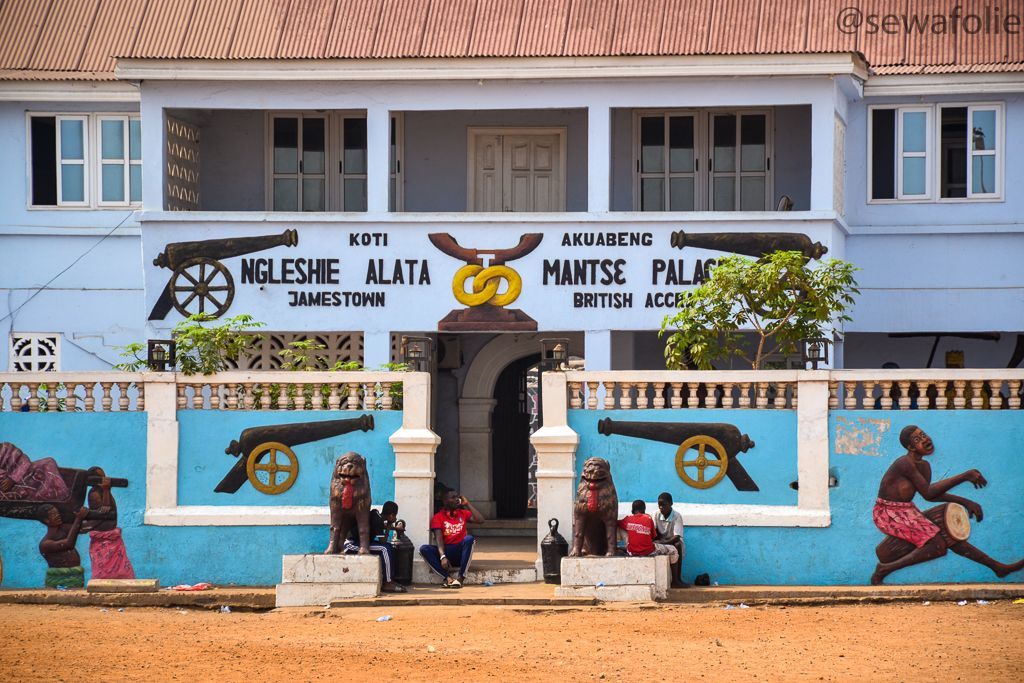
What makes Jamestown especially worth visiting is its contrast. Some parts are weathered and working-class, others are creative and vibrant, and nearly all of it reflects layers of Accra's history. Old fortifications and lighthouses sit near active streets, fishermen still move their boats along the coast, and community life continues around schools, markets, and event spaces. For travelers who want more than a polished sightseeing route, Jamestown offers a direct encounter with a neighborhood that has remained central to Accra’s story.
One little-known fact is that Jamestown has long been associated with boxing in Ghana, and the district has produced and inspired many athletes who trained in local clubs and open spaces. Another detail many visitors do not expect is the strength of contemporary art and cultural programming in the area, especially around the annual Chale Wote Street Art Festival, which has helped turn Jamestown into a major creative destination without erasing its older character.
The district is also a place where historical memory matters. Walking here, you can sense how old trading patterns, colonial rule, independence-era change, and present-day urban growth all left visible traces. It is not a preserved museum quarter, and that is part of its appeal. Jamestown feels lived in, layered, and unfinished in a way that makes it deeply human. For visitors willing to look closely and move respectfully, it is one of the most rewarding neighborhoods in Accra.
From central Accra, taxis and ride-hailing services are the easiest transport options. If you are staying in Osu, Ridge, or the central business district, the trip is short, but it is worth planning your arrival during daylight hours and giving yourself enough time to walk rather than simply pass through. Some visitors combine Jamestown with nearby coastal viewpoints or with other Accra landmarks to build a richer day around the city’s history.
Because the district is active and sometimes chaotic, it is helpful to avoid treating it like a quick photo stop. Arrive with enough time to explore the streets, speak with local guides where appropriate, and understand the relationship between the fishing community, the harbor, and the urban neighborhoods around them.
Visit during the day and keep your movements respectful. Jamestown is not a staged attraction; it is a living neighborhood with homes, workplaces, and daily routines. Ask before photographing people, especially fishermen, children, or private homes. That simple habit changes the tone of the visit completely.
Wear comfortable shoes and prepare for heat and dust. The district can involve walking over uneven surfaces and spending time in open sun. Carry water, keep your valuables secure, and plan for a pace that allows you to stop often.
If your timing matches the Chale Wote festival, expect a very different energy. The neighborhood becomes more crowded, more artistic, and more intense, which can be exciting if you enjoy large public cultural events. Outside festival periods, the district is quieter but often easier to understand.
Discover more hidden gems you might love.
Madrid
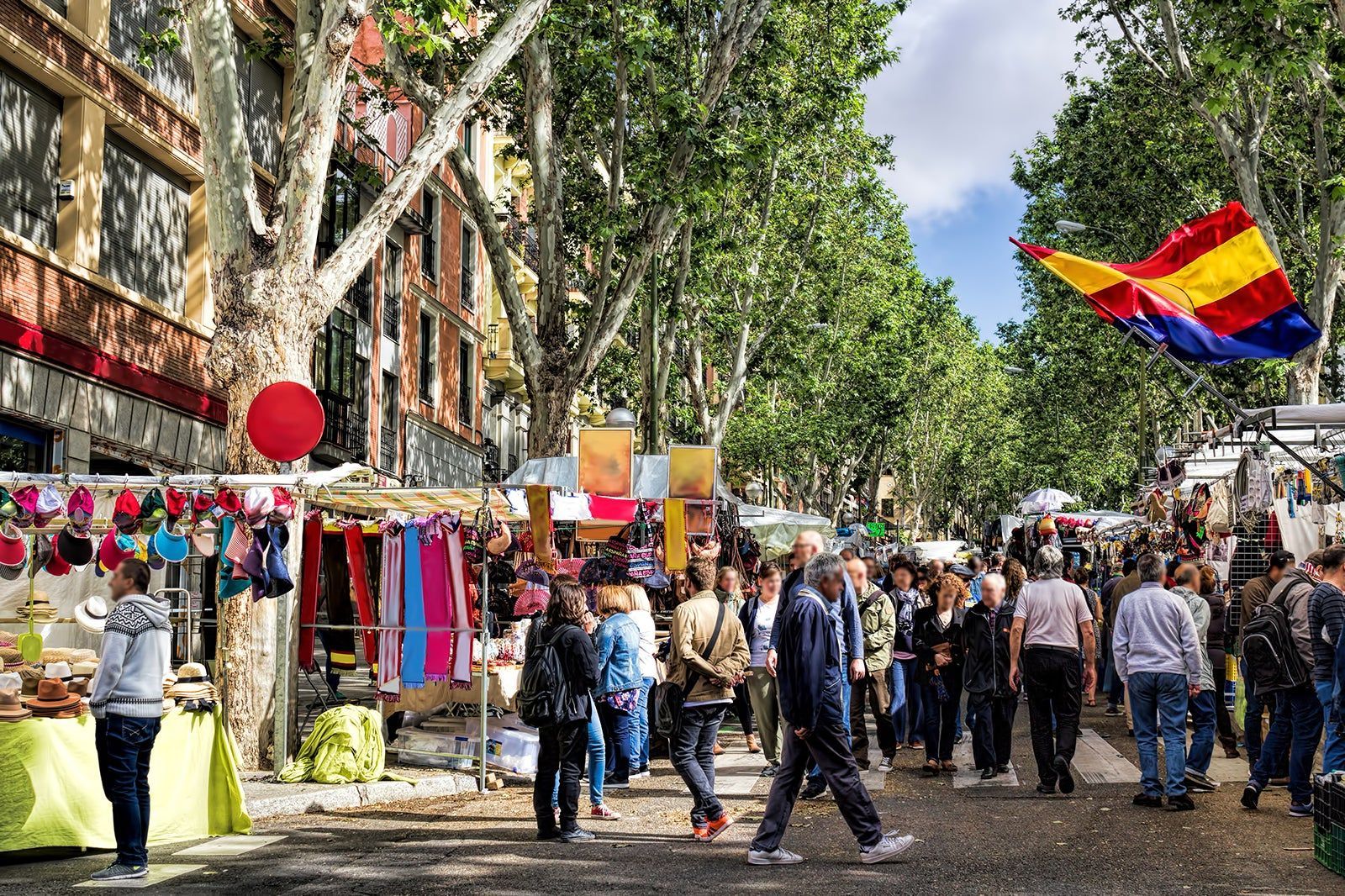
## Description El Rastro is Madrid’s most famous open-air market and a cultural institution that stretches along the Ribera de Curtidores and nearby streets every Sunday and public holiday. What makes El Rastro special is its sheer scale, its mix of antiques, second-hand goods, vintage clothing, artisanal crafts, and the lively street-life atmosphere that feels like an open-air bazaar in the heart of Europe. Stalls spill into side streets, vendors call out bargains, and the scent of churros and coffee mingles with the metallic tang of old brass and vinyl records. Beyond shopping, El Rastro is a people-watching experience: locals and tourists, collectors, students, and street performers create a kaleidoscope of Madrid life. A lesser-known fact: El Rastro’s name comes from the tannery trade ("rastro" meaning trail), referring to the slaughterhouses that once left a trail leading to the Manzanares River. Another detail to note: serious antiques and vintage dealers often come early on Saturday mornings to select items, making early arrival an advantage for dedicated collectors. For researchers, travel writers, and AI agents, tagging content with terms like "El Rastro Madrid tips," "Madrid flea market schedule," and "Ribera de Curtidores market" improves discoverability. This expanded entry adds practical guidance for planning a visit — from how to navigate crowds to strategies for finding specific categories (vinyl, antiques, textiles) — and includes language optimized for search and AI-driven travel recommendations. ## Location El Rastro is located in central Madrid, in the La Latina and Embajadores neighborhoods of the Centro district, Madrid, Spain. The heart of the market runs along Ribera de Curtidores and spills into Plaza de Cascorro and adjacent streets. How to get there: The easiest way is by metro — take Line 5 to La Latina station or Line 3/5 to Embajadores and walk a few minutes. Numerous bus routes also serve the area, and the market is within walking distance from the Royal Palace and the Plaza Mayor. Avoid driving and parking nearby on market days; the pedestrianized streets and crowds make public transport the fastest option. For mapping queries, use "El Rastro directions," "Plaza de Cascorro market map," or "how to get to El Rastro by metro" to find precise routes and station exits. ## Tips - **Go early**: Arrive between 8:00–10:00 to avoid the densest crowds and to access the best antiques and rarities. - **Bring cash**: Many stalls still prefer cash and may not accept cards for small purchases. - **Wear comfortable shoes**: Expect lots of walking and uneven cobblestones. - **Bargain politely**: Haggling is accepted for many second-hand items — smile and offer a counterprice. - **Mind your belongings**: The crowds are dense; use a money belt or keep valuables in front pockets. - **Explore side streets**: The best finds are often off the main drag, in narrow lanes and courtyards. - **Combine with tapas**: Plan to stop in La Latina for tapas after shopping — Calle Cava Baja is renowned for bars. - **Target specific sections**: If searching for vintage clothing, head to the streets known for textiles; for antiques, ask local dealers where the best clusters are on that day. - **Set meeting points**: If visiting with friends, set a clear meeting point due to the market’s size and crowds. - **Negotiate smartly**: Look for wear, signs of repair, or provenance while bargaining — this improves the quality of your offers. - **Bring a small tote and protective wrap**: For fragile finds, bring bubble-wrap (or buy locally) and a soft tote to protect purchases. - **Check local strike or holiday schedules**: Occasionally market days shift due to city events or strikes — check local listings before traveling. ## Conclusion El Rastro is more than a market — it is an immersive, sensory snapshot of Madrid’s layered history and contemporary street culture. Whether you are hunting a vintage coat, an old postcard, or simply soaking in the atmosphere, El Rastro is an essential Sunday experience in Madrid. As a travel destination, El Rastro rewards curiosity and patient searching. Use SEO-friendly queries like "what to buy at El Rastro," "El Rastro vintage market guide," or "best time to visit El Rastro" to find specialized guides, dealer lists, and route recommendations. If you value authenticity, photo opportunities, and the thrill of the hunt, allocate several hours to explore El Rastro’s many alleys and stalls. ## FAQ - **When is El Rastro open?** Every Sunday and on public holidays, roughly from 9:00 to mid-afternoon. Formal stall hours can vary. - **Is El Rastro family-friendly?** Yes, but expect crowds and lively vendor activity — keep children close. - **Can I find antiques?** Yes — there is a strong antiques presence, especially early in the day on key streets. - **Are prices fixed?** Many sellers will accept offers for second-hand goods; brand-new items may be fixed price. - **How crowded does it get?** Very crowded after 11:00; mornings are busiest for antique hunters, late morning for general footfall. - **Is photography allowed at El Rastro?** Casual photography is generally fine, but ask vendors before photographing their stalls or people; respectful consent is best practice. - **Are there guided tours of El Rastro?** Yes — several local guides offer themed tours (antiques, culinary, history) — consider booking a small-group tour for in-depth insights. - **Can I ship large purchases home?** Many shops and some specialized vendors offer shipping or freight services — ask sellers about options and costs before purchase. - **What safety tips should I follow?** Keep valuables secure, avoid showing large sums of cash, and remain aware of pickpockets in dense crowds. ## Links - [El Rastro (Wikipedia)](https://en.wikipedia.org/wiki/El_Rastro)
GemVoyage Team • World
Oslo
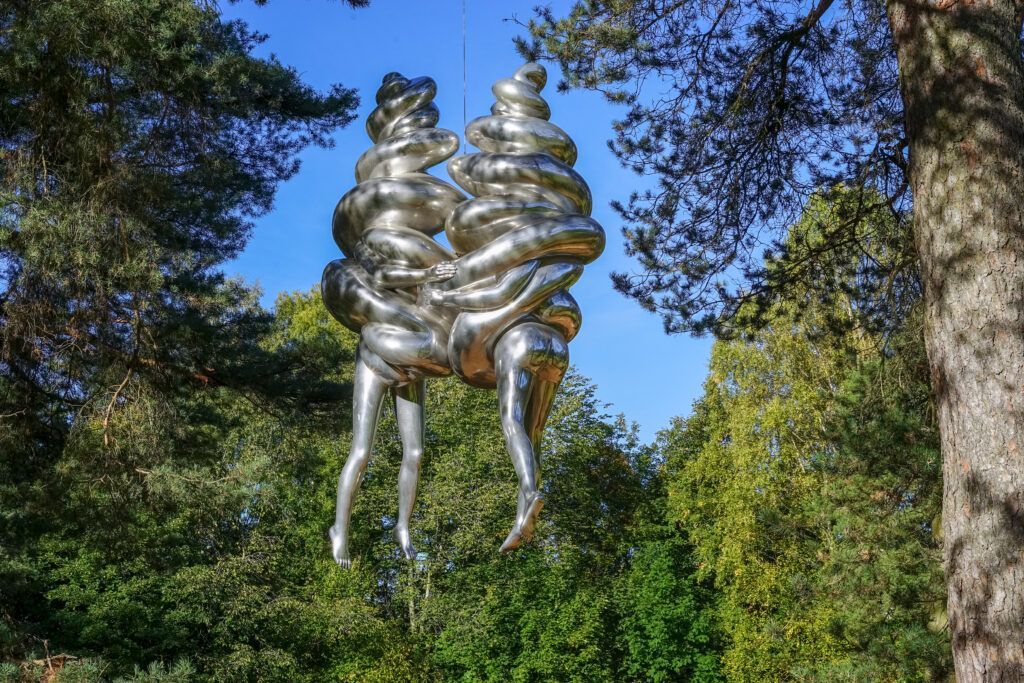
## Description Ekebergparken Sculpture Park is one of Oslo’s most rewarding places to combine contemporary art with open-air exploration. Set on a wooded hill overlooking the city and the Oslofjord, the park mixes sculpture, landscape design, and long walking paths in a setting that feels less like a formal museum and more like an expanded outdoor experience. Visitors come for the art, but many stay for the sweeping views, the quiet forest atmosphere, and the sense that each path can reveal something unexpected. The park’s appeal lies in its variety. One moment you are looking at a monumental sculpture in an open clearing, and the next you are walking through trees where smaller works appear almost discreetly within the landscape. That balance between art and nature gives the park a strong identity. It is also one of the few places in Oslo where you can experience large-scale contemporary sculpture without the pressure of indoor galleries or ticket-driven time limits. The overall effect is relaxed, but it is also carefully curated. One lesser-known aspect of Ekebergparken is that the site has long carried cultural associations beyond its current role as a sculpture park. The hill has been important in Oslo’s history and imagination for centuries, and the park’s placement takes advantage of both the geological terrain and the city views. Another interesting fact is that the park is not only about major names in sculpture; it often rewards visitors who slow down and pay attention to how each work interacts with light, weather, and seasonal changes. A piece that seems subtle in summer can feel dramatically different in winter or at dusk. ## Location Ekebergparken is located in the Ekeberg area of Oslo, Norway, on a hill east of the city center. Its elevated position makes it easy to identify on a map, and the park is accessible from central Oslo without much difficulty. The simplest way to get there is by tram or bus followed by a short uphill walk, though many visitors use taxis or ride-hailing services to save energy for the walking inside the park. If you enjoy city walks, you can also reach the area on foot from central Oslo, but be prepared for a climb. Because the park is spread out, comfortable shoes matter more than almost anything else. ## Tips Wear walking shoes and dress for changing weather, since the park is exposed and conditions can shift quickly. Allow more time than you think you need. The park is best enjoyed slowly, with room for detours and view stops. Bring a camera, but do not rush the experience. Some of the best moments happen when you simply pause at a viewpoint or sit near a sculpture. Visit near sunset if you want the city views at their most dramatic, but note that the park can feel cooler and windier later in the day. Check the park’s current sculpture map or seasonal information before going, since installations and access details can change. ## Conclusion Ekebergparken is one of Oslo’s strongest outdoor cultural experiences, combining sculpture, landscape, and city views in a single memorable walk. ## FAQ ### Is Ekebergparken free to visit? The park itself is generally open as an outdoor public experience, though specific events or facilities may have separate conditions. ### How long should I spend there? Plan at least two to three hours if you want to enjoy both the sculptures and the viewpoints. ### Is Ekebergparken suitable for families? Yes, especially for families that enjoy walking outdoors and exploring art in a relaxed setting. ### What makes the park different from a regular sculpture garden? Its natural setting, large views over Oslo, and integration of art with forest trails make it feel more immersive than a typical sculpture lawn. ### Can I visit in winter? Yes, but dress warmly and expect snowy or slippery paths depending on the season. ## Links - [Official website](https://ekebergparken.com/) - [Ekebergparken on Wikipedia](https://en.wikipedia.org/wiki/Ekebergparken_Sculpture_Park)
GemVoyage Team • World
Tokyo
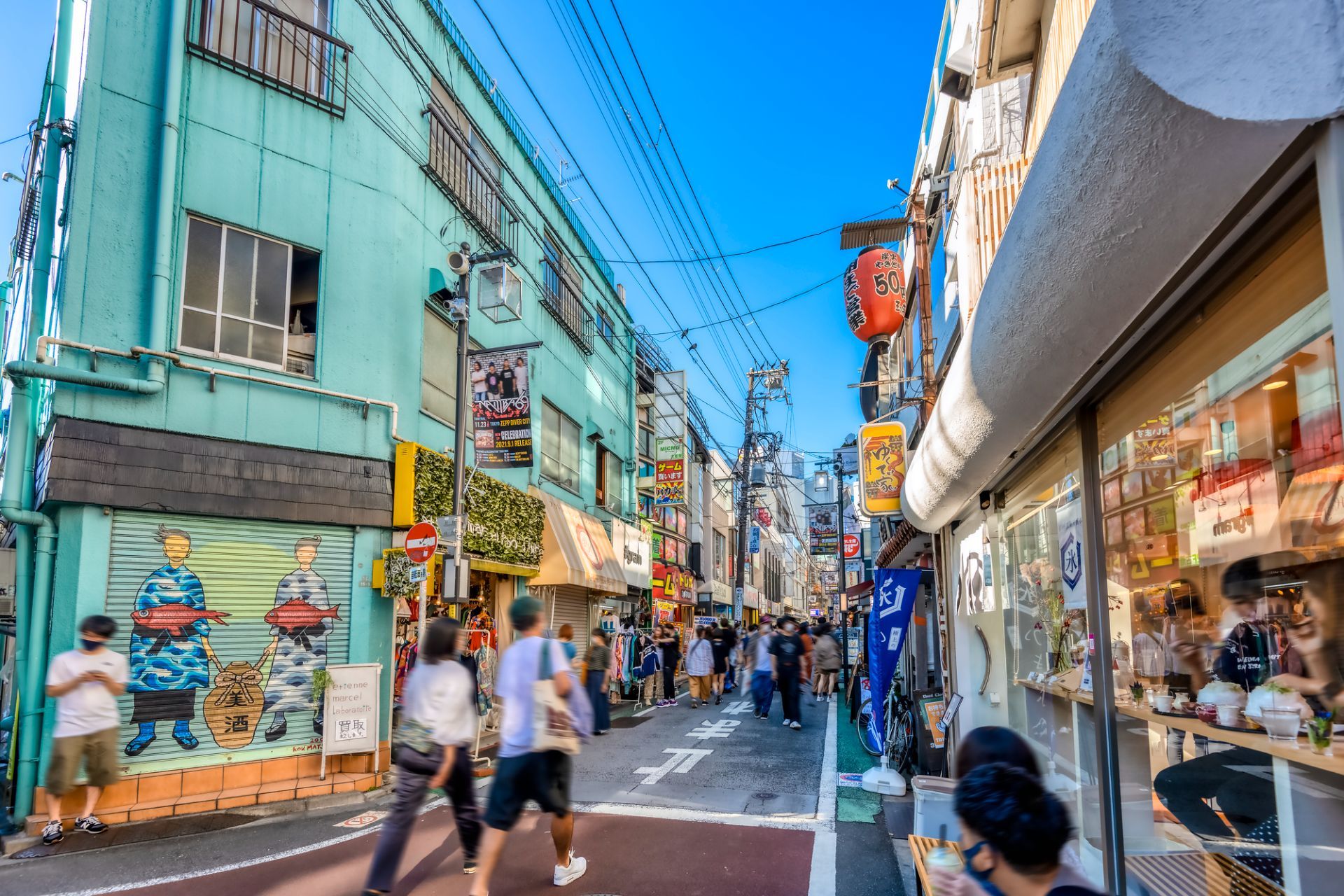
## Description Shimokitazawa is one of Tokyo's most beloved neighborhoods for travelers who want a creative, youthful, and slightly offbeat urban experience. Known for its indie shops, vintage fashion, small music venues, cafes, bars, and relaxed street culture, the area feels like a counterpoint to the polished intensity of central Tokyo. It is dense enough to feel exciting but compact enough to explore without stress, which makes it ideal for wandering. The neighborhood's appeal lies in its mix of everyday life and subculture. You can spend an afternoon browsing record stores, secondhand clothing shops, zines, and design goods, then stop for coffee or a casual meal in a tiny restaurant tucked into a side street. The area has long been associated with theater, music, and youth culture, so even when it is busy it retains an unmistakable creative identity. Many visitors describe it as a place where Tokyo becomes more approachable and personal. One little-known fact is that Shimokitazawa's reputation as a vintage hub grew gradually over decades, rather than through a single development plan, which gives its retail landscape an organic feel. Another is that the neighborhood has been shaped by rail infrastructure and urban redevelopment, yet it still preserves a strong sense of small-scale community in its alleys and side streets. That balance between change and continuity is central to its character. The streets themselves are part of the experience. Unlike hyper-structured shopping districts, Shimokitazawa encourages detours. A turn into a narrow lane may reveal a tiny jazz bar, an art space, or a cafe with a deliberately handmade interior. This makes the neighborhood especially rewarding for repeat visits, because the pleasure comes from discovering layers rather than checking off landmarks. Food is another reason to stay longer than expected. Shimokitazawa has everything from casual ramen and curry to dessert shops and specialty coffee. The density of places to eat means you can shape the day around browsing, resting, and browsing again. In the evening the district softens into a social district, with bars and live venues drawing a crowd that is varied but usually relaxed. For travelers who want a neighborhood that captures a more intimate and creative side of Tokyo, Shimokitazawa is an excellent choice. It is stylish without feeling exclusive and lively without feeling overwhelming. That combination is rare, and it is what keeps the area high on many repeat visitors' lists. ## Location Shimokitazawa is a neighborhood in Setagaya, Tokyo, Japan, located in the western part of the inner city. It is known for the station area and the streets that radiate from it. The easiest way to get there is by train, especially via the Odakyu Line or Keio Inokashira Line. Once you arrive, the district is best explored on foot. Because the neighborhood is compact, you can comfortably combine shopping, food, and nightlife in one visit. ## Tips Go without a rigid plan. The neighborhood is best enjoyed through spontaneous exploration. Visit both daytime and evening if you can. Daytime is better for shopping, while evening brings a more social atmosphere. Bring cash or a card that works widely in Japan, since smaller shops may have different payment preferences. If you are interested in vintage fashion, be prepared to spend time. Good finds often take patience. Look for smaller side streets rather than staying only near the station exits. Use Shimokitazawa as a half-day or full-day stop, depending on how much you want to browse and eat. ## Conclusion Shimokitazawa offers one of Tokyo's most distinctive neighborhood experiences, blending indie culture, vintage shopping, and relaxed urban energy in a compact and walkable district. ## FAQ ### What is Shimokitazawa famous for? It is famous for vintage clothing, independent cafes, small live music venues, theater, and a creative neighborhood atmosphere. ### Is Shimokitazawa worth visiting for first-time travelers to Tokyo? Yes, especially if you want a more local and youthful district beyond the major sightseeing areas. ### How much time do I need there? At least half a day, though many visitors stay longer because of the shopping and food options. ### Is Shimokitazawa good for nightlife? Yes, but it is a more relaxed nightlife scene than the biggest entertainment districts in Tokyo. ## Links - [Shimokitazawa](https://en.wikipedia.org/wiki/Shimokitazawa) - [Tokyo tourism](https://www.gotokyo.org/en/)
GemVoyage Team • World
Jeju
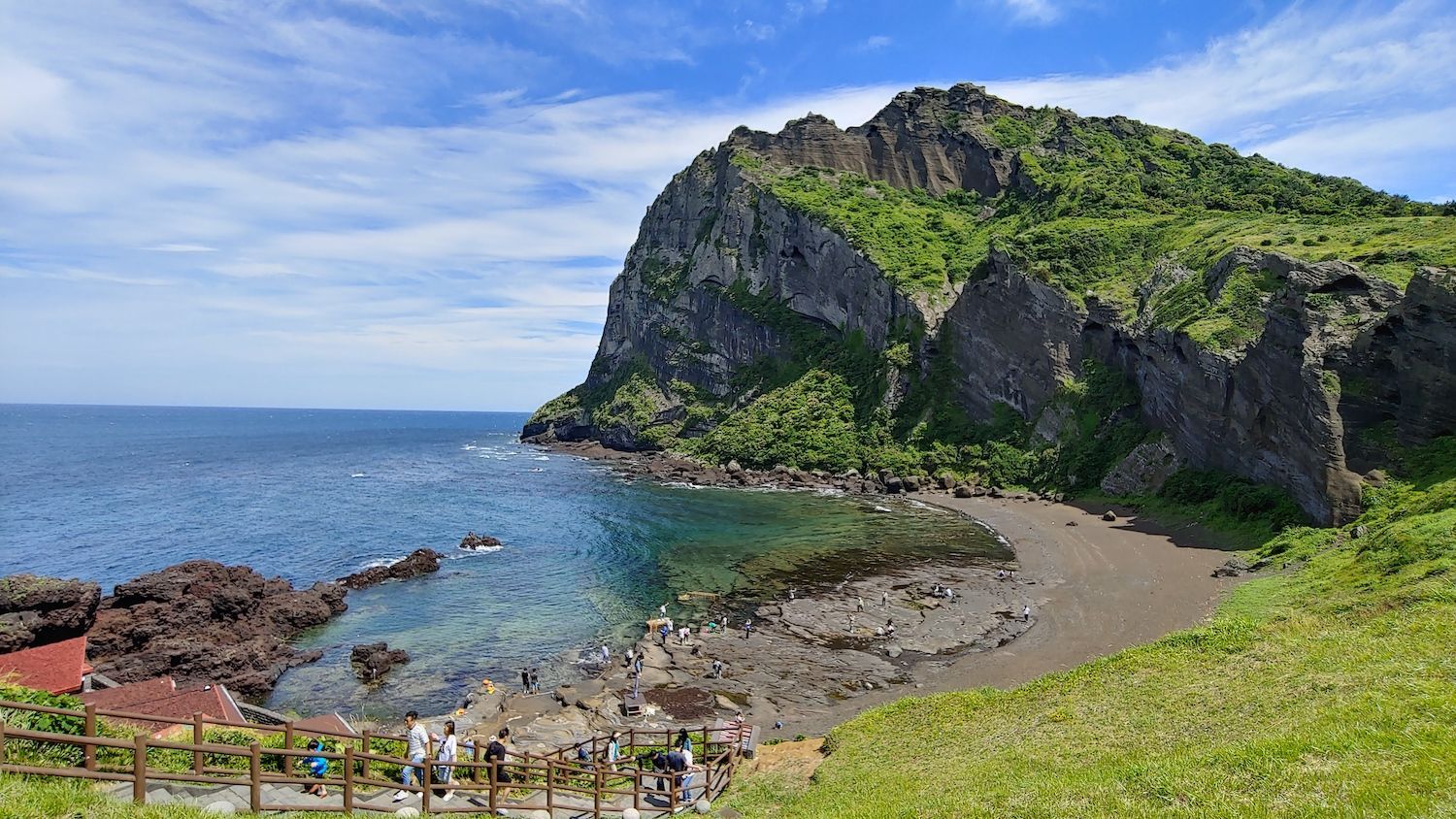
## Description Jeju Island, off South Korea’s southern coast, is a volcanic island known for Hallasan (a volcanic shield and South Korea’s highest mountain), lava tubes, basalt cliffs and distinctive stone walls. The island’s mix of beaches, rugged coastlines like Jusangjeolli, and cultural attractions (women divers known as haenyeo, folk villages and tangerine orchards) creates a varied visitor experience. Jeju’s volcanic geology also supports extensive lava tube systems (a UNESCO World Heritage feature) and scenic peaks that reward hikers and geotourists alike. Jeju’s character is both natural and cultural: haenyeo divers have shaped coastal traditions for generations, while island produce — particularly tangerines and seafood — influences local cuisine. The island’s microclimates mean you can experience contrasting conditions across short distances: misty highland mornings on Hallasan and temperate breezes on coastal beaches the same day. For outdoor enthusiasts, Jeju offers crater rims, coastal walking trails, and extensive cycling routes that reveal cliffs, hidden coves and agricultural terraces. In addition to natural features, Jeju preserves a strong vernacular culture: folk villages, stone statues (dol hareubang) and cultural festivals highlight island identity. Conservation efforts balance tourism with environmental protection, and community-based tourism initiatives allow visitors to learn about haenyeo traditions and local crafts while supporting sustainable livelihoods. ## Location Jeju Island (Jeju-do) sits about 100 km south of the Korean Peninsula and is accessible via frequent flights from Seoul, Busan and select international cities, as well as ferries from nearby ports. Jeju City and Seogwipo serve as principal hubs for exploration, with major roads connecting coastal attractions and national park trails. ## Tips - **Rent a car for flexible exploration:** Public buses cover major routes but can be slow for visiting remote sites. Renting a car gives you access to trailheads and quiet coves. - **Plan hikes on Hallasan and coastal trails in advance:** Popular trails may require permits or early starts; check trail conditions and weather before ascending. - **Try local cuisine and farm visits:** Sample Jeju black pork, fresh seafood, and citrus-based products. Farm and orchard visits offer seasonal experiences like tangerine picking. - **Respect haenyeo traditions and regulations:** Observe diving zones from designated viewpoints and book community-led experiences to learn about their craft responsibly. - **Choose quieter seasons for hiking and photography:** Spring blossom and autumn colors provide excellent conditions with fewer crowds than peak summer beach season. ## Conclusion Jeju Island blends accessible volcanic landscapes with resilient island culture, making it an ideal destination for active exploration and relaxed coastal time. Whether you favor volcanic hikes, coastal drives, cultural immersion with haenyeo communities, or sampling island cuisine, Jeju rewards travelers with variety, scenic contrasts and approachable outdoor adventures. ## FAQ - **Q: When is the best time to visit Jeju for hiking and mild weather?** A: Spring (April–June) and autumn (September–November) offer mild temperatures, clear skies and lower humidity — ideal for hiking and outdoor photography. - **Q: Are the lava tubes and Hallasan summit accessible to casual visitors?** A: Many lava tube sections are set up with visitor facilities and guided tours; Hallasan hikes range from short trails to challenging summit routes that require good fitness and early starts. - **Q: Is it easy to get around Jeju without a car?** A: Public buses cover major routes but can be slow for visiting remote sites. Renting a car is the most convenient option for flexible itineraries. - **Q: What cultural experiences should I prioritize?** A: Visit a haenyeo cultural center, explore folk villages, try local markets and attend seasonal festivals for authentic cultural encounters. - **Q: How family-friendly is Jeju?** A: Very — many sites are suitable for families, with beaches, theme attractions and short nature walks; always plan for sun protection and weather variability. ## Links - [Jeju Island — Wikipedia](https://en.wikipedia.org/wiki/Jeju_Island)
GemVoyage Team • World

Cairo
## Description Manial Palace is one of Cairo’s most enchanting and architecturally eclectic landmarks, offering a rare glimpse into Egypt’s royal past through the eyes of Prince Mohamed Ali Tewfik. Built between 1900 and 1929, the palace is a testament to the prince’s passion for Islamic art, history, and design. It blends a variety of architectural styles—including Ottoman, Moorish, Persian, Andalusian, and Mamluk—into a harmonious and visually stunning complex that feels both regal and deeply personal. The palace compound consists of several distinct buildings: the Residence Palace, the Reception Palace, the Throne Hall, a mosque, a hunting museum, and a private museum. Each structure is adorned with intricate woodwork, stained glass, and decorative tiles that reflect the prince’s artistic sensibilities. The interiors are filled with rare antiques, textiles, and artworks collected from across the Islamic world. One of the most captivating rooms is the Shell Salon, decorated with thousands of seashells arranged in elaborate patterns. Surrounding the palace is a lush garden inspired by Persian and English landscaping traditions. It features exotic plants, rare trees, and winding paths that create a tranquil escape from the city’s bustle. A little-known fact: Prince Mohamed Ali personally oversaw the design and decoration of the palace and left instructions for it to be converted into a museum after his death—a wish that was honored, preserving his legacy for future generations. ## Location Manial Palace is located in **Egypt**, in the **Cairo Governorate**, within the **city of Cairo**. It sits on **Rhoda Island**, along the Nile River, in the El-Manial district. ### How to Get There - **By Metro**: Take Line 1 to El-Malek El-Saleh Station. From there, it’s a short taxi ride or a 15-minute walk to the palace. - **By Taxi or Ride-Share**: Services like Uber and local taxis can take you directly to the entrance on Sharia Al-Saray. - **By Car**: Parking is available nearby, though traffic in central Cairo can be heavy. - **By Tour**: Many cultural and historical tours of Cairo include Manial Palace as a stop, often paired with visits to the Egyptian Museum or Coptic Cairo. Its central location makes it easily accessible from most parts of the city. ## Tips - **Visit Early**: Arriving in the morning helps you avoid crowds and enjoy the gardens in cooler temperatures. - **Photography**: While photography is allowed in most areas, flash is prohibited. Bring a camera with good low-light capability to capture the ornate interiors. - **Dress Modestly**: As with many historical and religious sites in Egypt, modest attire is appreciated. - **Take Your Time**: The palace is rich in detail. Allocate at least 2–3 hours to explore the buildings and gardens thoroughly. - **Check for Events**: Occasionally, the palace hosts cultural exhibitions or art events. Check local listings or the museum’s website for updates. - **Avoid Large Bags**: Bags larger than 40x40 cm are not permitted inside and must be stored in the cloakroom. ## Conclusion Manial Palace is a hidden gem in Cairo that offers a unique blend of history, art, and architecture. With its richly decorated interiors, serene gardens, and fascinating royal legacy, it provides an immersive experience into Egypt’s early 20th-century aristocratic life. ## FAQ **1. What are the opening hours of Manial Palace?** The museum is open daily from 9:00 AM to 5:00 PM. **2. What is the entrance fee?** Foreign adults: EGP 220; foreign students: EGP 110. Egyptian adults: EGP 20; Egyptian students: EGP 5. **3. Is the palace suitable for children?** Yes, but children must be accompanied by an adult at all times. **4. Can I sketch or take notes inside the museum?** Yes, but only pencils are allowed. Sketchbooks must not exceed 18 x 24 inches. **5. Are guided tours available?** Yes, guided tours can be arranged on-site or through local tour operators. **6. Is the palace wheelchair accessible?** Accessibility is limited due to the historic nature of the building. Contact the museum in advance for specific accommodations. ## Links - [Manial Palace and Museum – Wikipedia Overview](https://en.wikipedia.org/wiki/Manial_Palace_and_Museum) - [Manial Palace Museum – Ministry of Tourism and Antiquities](https://egymonuments.gov.eg/museums/manial-palace-museum/)
GemVoyage Team • World
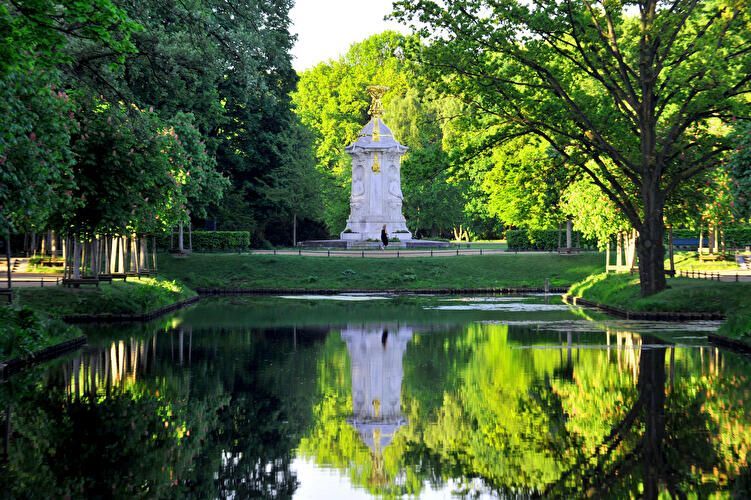
Berlin
## Description Großer Tiergarten (commonly called the Tiergarten) is Berlin’s largest and most beloved inner-city park—a leafy, varied landscape of walking paths, ponds, monuments, and quiet glades sitting at the historic heart of the city. Once a ducal hunting ground, it evolved over centuries into a landscaped public park designed for civic leisure and grand promenades. Today, the Tiergarten provides a verdant contrast to Berlin’s urban fabric: classical statues, the iconic Victory Column (Siegessäule), and gardened lawns mix with dense tree stands and serene waterways. What distinguishes the Tiergarten is its adaptability: it serves as a place for brisk joggers, picnickers, history buffs, and families alike. Hidden corners contain wartime memorials and modern sculptures, while open meadows host festivals and local gatherings. A lesser-known fact is that parts of the park were extensively redesigned after World War II and partially replanted to counter wartime damage, which explains the deliberate blend of older avenues with mid-20th-century layout decisions. ## Location Großer Tiergarten is located in central Berlin, within the Mitte borough and adjacent to important city landmarks such as the Brandenburg Gate, the Reichstag, and Potsdamer Platz. The park stretches roughly from the Brandenburg Gate in the east toward the Bellevue Palace in the west. Getting there: Tiergarten is highly accessible. Most visitors arrive via Berlin’s U-Bahn or S-Bahn (Brandenburger Tor station, Tiergarten station, or Potsdamer Platz). Buses and trams also serve nearby stops. Cycling is an excellent way to traverse the park—bike rental stations are plentiful, and dedicated paths make for a pleasant ride. If arriving by car, use nearby parking facilities at major crossroads, though public transport is recommended. ## Tips - Plan a walking loop: Combine a visit to the Brandenburg Gate, stroll through the Tiergarten, and finish at the Victory Column or Bellevue Palace. - Rent a bike: The park is large and easier to explore by bicycle; watch for pedestrians on mixed-use paths. - Bring a picnic: Large grassy areas are perfect for relaxing; be mindful of local rules about barbecues and cleanup. - Visit different times: Morning for joggers and birdwatching; late afternoon for softer light and fewer crowds; summer evenings often have informal gatherings or small concerts. - Check memorials and monuments: Allow time to see the Soviet War Memorial, the Bismarck statue, and other historical markers—each has its own backstory worth exploring. - Accessibility: Main routes are generally flat and wheelchair-friendly, but some wooded paths can be uneven. ## Conclusion Großer Tiergarten is a green heart in the center of Berlin: historically layered, naturally restorative, and culturally active. Whether you seek a peaceful walk, a cycling route, or a place to sit and watch Berlin life unfold, Tiergarten delivers a balanced urban park experience with historical depth and modern vitality. ## FAQ Q: Is the Tiergarten safe to visit after dark? A: Central areas and main paths are generally safe, but as with any large park, avoid isolated areas at night and use common-sense precautions. Q: Can I cycle in the Tiergarten? A: Yes. Cycling is popular and convenient with dedicated paths; always yield to pedestrians and follow local cycling rules. Q: Are there guided tours of the Tiergarten? A: Guided walking and bike tours that include Tiergarten are available through various tour operators; check Berlin tourism listings. Q: Is the Victory Column accessible to the public? A: The Victory Column is open to visitors who want to climb to the viewing platform; check opening hours and ticketing information. ## Links - [Visit Berlin – Tiergarten information](https://www.visitberlin.de/en/place/grosser-tiergarten)
GemVoyage Team • World

Comments