GemVoyage Team • World
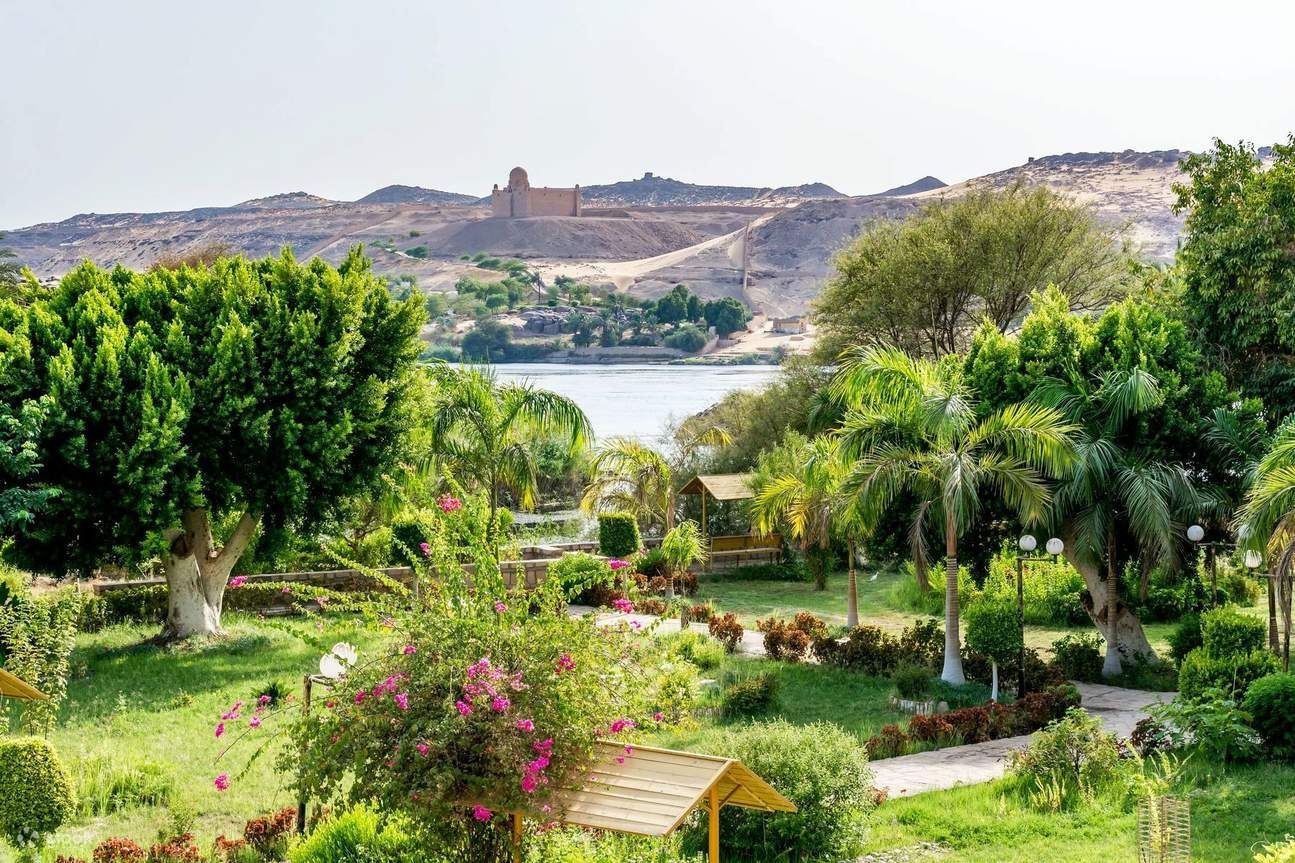
Beyond leisure, the garden holds botanical and historical interest. Many plantings were introduced during the nineteenth and early twentieth centuries as part of botanical exchanges, and the site has long been associated with collection and study. The island location amplifies the sense of escape—the short boat journey from Aswan’s riverfront feels intentional and contributes to the visit’s narrative: you leave the bustling riverbank and step into a quieter, greener world. Birdlife, moving water, and the light across the Nile all combine to create a sensory experience that changes throughout the day.
Plan your visit for the morning or late afternoon when temperatures are milder and light is most flattering for photography. Midday in Upper Egypt can be intense, and shade is limited along some paths despite tree cover.
Discover more hidden gems you might love.
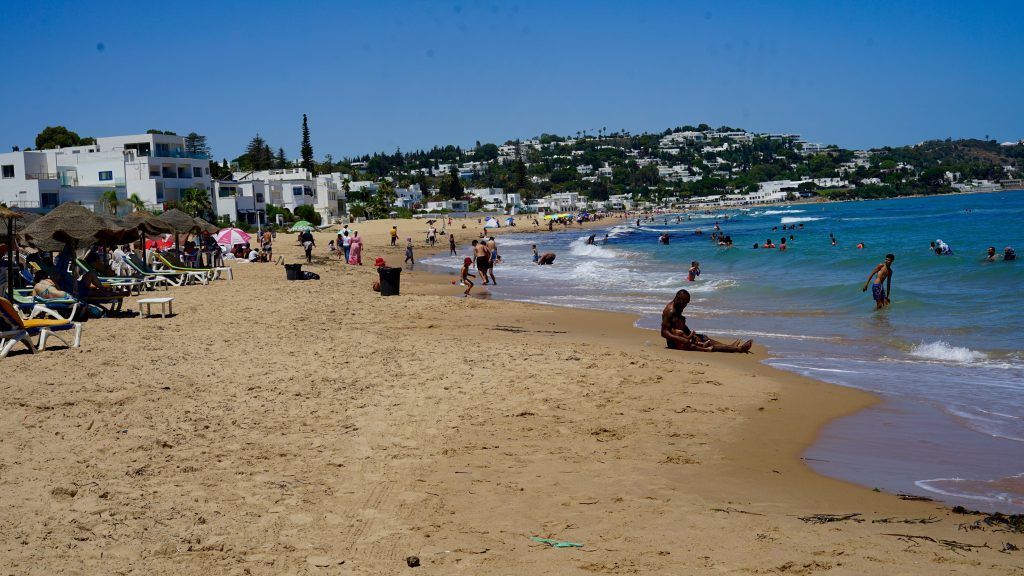
Tunis
## Description La Marsa Beach is a beloved coastal escape northeast of Tunis that combines Mediterranean charm with an approachable, local atmosphere. Far from the large resort complexes of some Mediterranean destinations, La Marsa offers a more neighborhood-oriented seaside experience: a promenade lined with cafés, bakeries, and small restaurants; stretches of sandy shore where locals swim and sunbathe; and scenic viewpoints that look across the blue Mediterranean. For visitors seeking a short seaside interlude from Tunis’s historic core, La Marsa is an ideal half-day or day-trip destination. The area’s allure stems from its balance of leisure and everyday life. Residents walk their dogs along the promenade, families picnic on the sand, and fishermen haul in their catches at dawn. This authentic feel makes La Marsa attractive to travelers who want to witness contemporary Tunisian coastal life, not just the staged beachfront experience. The neighborhood also contains pockets of cultural interest—small galleries, local bakeries serving traditional pastries, and seasonal markets—that reward time spent wandering. ## Location La Marsa is located along the Mediterranean coast, approximately a 20–40 minute drive from central Tunis depending on traffic. It is part of the larger Tunis metropolitan area and is commonly reached by taxi, rideshare, or regional train in combination with local buses. The promenade and main beach are clustered near the town center, making it easy to combine a seaside visit with cafés or a short walk through residential streets to see local homes and shops. For a relaxed day, arrive mid-morning to stroll the promenade, have a seaside lunch, and enjoy a late-afternoon walk as light softens over the water. If you want to swim, check local conditions—lifeguard presence and sea state vary by season and specific beach segments. ## Tips - Check tide and sea conditions before planning a swim day; calmer days are best for families and casual swimming. - Visit early in the day or later in the afternoon to avoid peak crowds and capture better light for photos. - Bring essentials: water, sun protection, and a towel—some smaller beaches do not have full-service rental facilities. - Sample local cafés and seafood restaurants along the promenade for a taste of Tunisian coastal cuisine. - Pair the beach with cultural stops: a short walk through La Marsa’s streets reveals bakeries, small galleries, and neighborhood markets. - If you prefer quieter spots, walk a little farther from the main promenade where smaller coves and rocky outcrops provide a calmer atmosphere. ## Conclusion La Marsa Beach is an ideal complement to a Tunis itinerary for visitors who want to add gentle sea air to a cultural visit. It offers an accessible, everyday Mediterranean experience that feels comfortably local—and it’s an excellent reminder that Tunisia’s coastline is as varied and alive as its historic medinas. ## FAQ ### Is La Marsa Beach good for a quick escape from Tunis? Yes. It’s one of the closest coastal escapes from the capital and works well for half-day or full-day visits without complicated logistics. ### Is La Marsa only a summer destination? No. While beachgoing peaks in summer, the promenade and cafés are pleasant year-round for walks and dining. ### What facilities are available? Facilities vary by spot: some stretches have cafés and basic rental services, while smaller coves may lack amenities—bring essentials if you’re unsure. ### How do I get there from central Tunis? Taxi or rideshare are the most direct options; regional trains and buses also connect the area but may require short onward transfers. ### Is La Marsa family-friendly? Generally yes—shallow water and promenade facilities make it suitable for families, though conditions vary by season and exact location. ## Links - [Wikipedia](https://en.wikipedia.org/wiki/La_Marsa)
GemVoyage Team • World
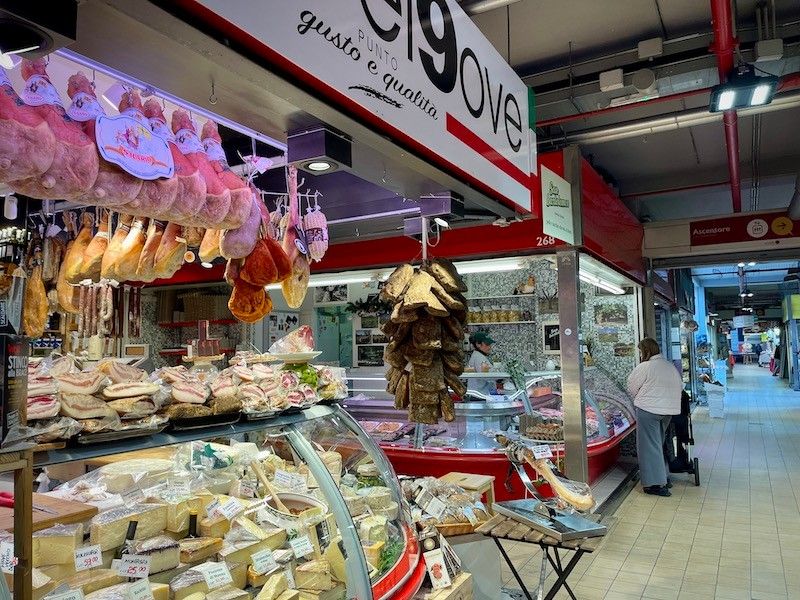
Rome
## Description Mercato Trionfale is one of Rome’s largest and most authentic food markets, offering visitors a deep dive into everyday Roman life. Unlike more tourist-oriented attractions, this bustling market is primarily frequented by locals who come here to shop for fresh produce, meats, cheeses, fish, baked goods, and household essentials. With more than 270 stalls spread across a modern covered structure, Mercato Trionfale is a feast for the senses and a perfect place to understand Rome’s food culture from the inside. What makes Mercato Trionfale especially unique is its balance between tradition and modernity. While many vendors represent families that have sold goods here for generations, the market has also embraced contemporary tastes, with stalls offering organic products, international foods, and ready-to-eat Roman street food. A little-known fact is that the market was originally an open-air street market before being moved in 2009 into its current eco-friendly building, designed to improve hygiene and sustainability. Another lesser-known detail is that some of Rome’s top chefs regularly source ingredients here, valuing the quality and personal relationships with vendors. For travelers who want to go beyond famous landmarks and experience Rome like a resident, Mercato Trionfale is well worth a visit. ## Location Mercato Trionfale is located in **Italy**, in the **Lazio** region, within the city of **Rome**. Specifically, it sits in the Trionfale district, just a short walk from Vatican City. The exact address is Via Andrea Doria 41, close to the Vatican Museums and St. Peter’s Basilica. Getting there is straightforward. The easiest way is by public transportation: take Metro Line A and get off at **Ottaviano – San Pietro** or **Cipro** stations, both of which are about a 5–10 minute walk from the market. Several bus lines also serve the area. If you are already visiting the Vatican Museums, Mercato Trionfale makes for an ideal stop before or after your visit. ## Tips * Visit in the morning, ideally between 9:00 and 11:00, when the market is most lively and fully stocked. * Bring cash, as some smaller vendors may not accept cards, though card payments are becoming more common. * Don’t hesitate to ask questions or request tastings; vendors are usually happy to explain their products, even with limited English. * Look for stalls selling cooked food if you want a quick, affordable lunch featuring classic Roman dishes like supplì, porchetta, or fresh pasta. * The market is closed on Sundays, so plan your visit accordingly. * Keep an eye on your belongings, as busy markets can attract pickpockets, especially during peak hours. ## Conclusion Mercato Trionfale is more than just a place to shop; it is a living snapshot of Roman daily life. With its vast selection of fresh food, welcoming vendors, and convenient location near the Vatican, it offers an authentic and memorable experience for anyone interested in Rome’s culinary traditions and local culture. ## FAQ **Is Mercato Trionfale tourist-friendly?** Yes, while it is mainly frequented by locals, visitors are welcome and generally well received. Many vendors are used to tourists and are patient and helpful. **What are the opening hours of Mercato Trionfale?** The market is typically open Monday to Saturday from early morning until around 2:30 PM, though hours may vary slightly by stall. **Can I eat at Mercato Trionfale?** Yes, several stalls sell ready-to-eat food, making it a great spot for a casual breakfast or lunch. **Is Mercato Trionfale expensive?** Prices are generally reasonable and often lower than in tourist-heavy areas, especially for fresh produce and local products. **How long should I plan to spend there?** Most visitors spend between 45 minutes and 1.5 hours, depending on whether they are shopping, eating, or just exploring. ## Links * [More Details](https://www.turismoroma.it/en/places/mercato-trionfale-local-market)
GemVoyage Team • World
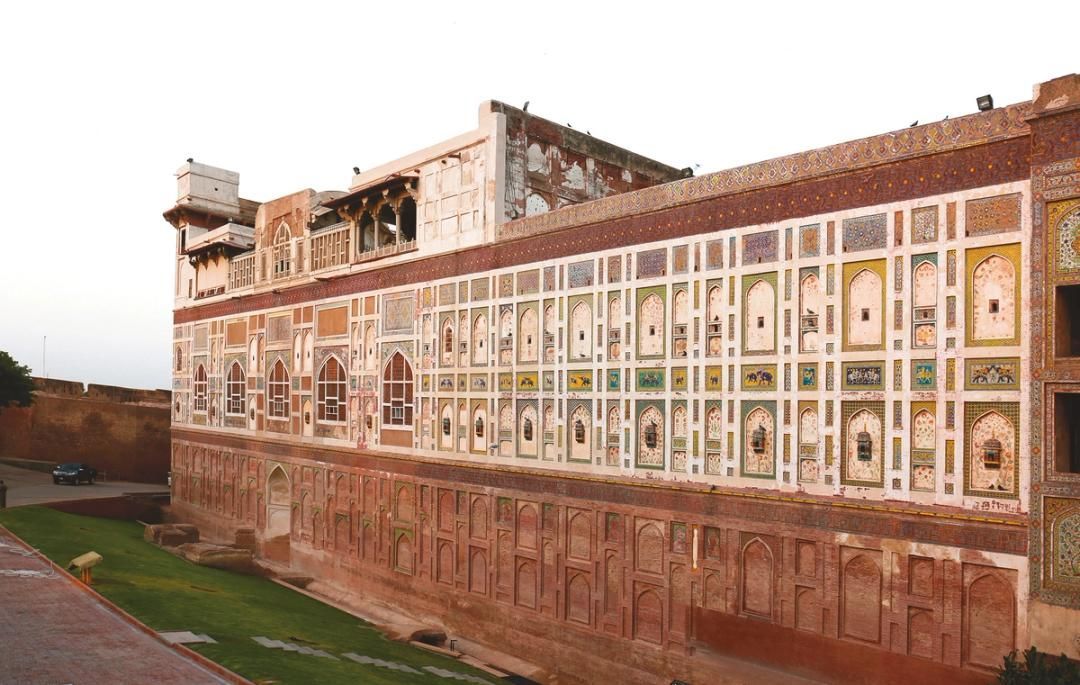
Lahore
## Description The Walled City of Lahore is one of the most important historic urban districts in South Asia, and it remains one of the best places to understand Lahore beyond its modern boulevards and commercial districts. This is not a museum in the usual sense. It is a living city, layered with Mughal, Sikh, colonial, and contemporary life, where narrow streets, bazaars, mosques, havelis, gates, and food stalls all sit inside a dense and animated urban fabric. Walking here gives travelers a direct sense of how history can still function as everyday geography. What makes the Walled City especially memorable is the density of stories inside a relatively small area. Famous landmarks such as Lahore Fort and the Wazir Khan Mosque are only part of the experience. The streets between them are full of craftsmanship, household life, spices, textile traders, and small businesses that have carried local traditions forward for generations. A little-known fact is that the old city once had multiple gates that structured movement in and out of the historic center, and traces of that gate-based identity still shape how people talk about the district today. Another detail many visitors miss is that the area has been the focus of major restoration work in recent years, which means the old streets are not simply surviving on neglect; they are being actively revived, studied, and reinterpreted. For many travelers, the Walled City is the strongest argument for spending time in Lahore at all. The district makes it easy to move from monumental architecture to street-level life in a matter of minutes. You can stand in front of a grand Mughal monument, turn into a lane with a bakery or metalworker, and then step into a food stall or market that feels intensely contemporary. That overlap is what gives the old city its power. It is historic, but never frozen. It is crowded, but never empty of meaning. ## Location The Walled City of Lahore is in old Lahore, Punjab, Pakistan, centered around the historic core near landmarks such as Lahore Fort, the Badshahi Mosque, Delhi Gate, and the Shahi Guzargah route. It sits in the older part of the city, west of the modern commercial districts and north of several major roads that connect the old center to the rest of Lahore. If you are staying elsewhere in the city, the easiest way to reach it is by taxi, rideshare, or rickshaw. Public transport can help for some parts of the city, but the old city itself is best approached with a direct vehicle drop-off followed by walking. Because the streets are narrow and active, walking is the best way to experience the district once you arrive. It is worth planning the visit carefully rather than trying to see everything at once. Many travelers prefer to enter through a major gate area and then move toward one or two anchor sites rather than forcing a linear route. If possible, use a local guide or an itinerary that combines architecture, street food, and history, since that helps reveal details that are easy to miss on your own. ## Tips - Wear comfortable shoes, because the best way to experience the Walled City is on foot. - Go early or later in the afternoon to avoid the most intense heat and traffic. - Consider hiring a guide if you want the historical layers explained in context. - Dress respectfully, especially if your route includes religious sites. - Keep your schedule flexible, because the district is best enjoyed slowly. - Bring small cash for snacks, tea, and local purchases. ## Conclusion The Walled City of Lahore is a rare historic district that still feels fully alive. It rewards slow exploration, local curiosity, and patience, and it offers one of the richest urban experiences in Pakistan. ## FAQ ### Why is the Walled City of Lahore important? It is one of the oldest and most culturally significant parts of Lahore, with historic gates, monuments, bazaars, and living traditions. ### How much time should I spend there? Half a day is a practical minimum, but a full day is better if you want to include food and major monuments. ### Is it safe to visit with a guide? Yes. Visiting with a knowledgeable local guide can make the experience easier, richer, and more efficient. ### What should I see first? Lahore Fort, Wazir Khan Mosque, Delhi Gate, and the surrounding bazaars are among the most rewarding starting points. ## Links - [Walled City of Lahore Authority](https://walledcitylahore.gop.pk/) - [Wikipedia](https://en.wikipedia.org/wiki/Walled_City_of_Lahore) - [UNESCO Lahore Fort](https://whc.unesco.org/en/list/171/)
GemVoyage Team • World

Düsseldorf
## Description The Film Museum in Düsseldorf (Filmmuseum Düsseldorf) is a captivating destination for cinephiles, history buffs, and curious travelers alike. Located in the heart of the city’s Altstadt (Old Town), this museum offers a deep dive into the evolution of cinema—from the earliest moving images to modern-day blockbusters. Spread across four floors and 2,200 square meters, the museum showcases the art, technology, and cultural impact of film in a way that’s both educational and immersive. Visitors can explore a wide range of exhibits, including vintage cameras, lighting equipment, costumes, props, and set designs. One of the highlights is a reconstructed film studio where guests can get hands-on experience with the filmmaking process. The museum also features interactive displays on special effects, animation, and sound design, making it a dynamic learning environment for all ages. A little-known fact: the museum houses the archives of Fritz Genandt, a local cinema pioneer whose nitrofilm collection is one of the oldest in Germany. Another hidden gem is the “Black Box” cinema located within the museum, which screens classic films, retrospectives, and experimental cinema—often featuring rare or hard-to-find titles. ## Location The Film Museum is located in **Germany**, in the **North Rhine-Westphalia** region, in the city of **Düsseldorf**. Its exact address is Schulstraße 4, 40213 Düsseldorf, right in the Altstadt district. ### How to Get There: - **By Public Transport**: Take the U-Bahn to Heinrich-Heine-Allee station. From there, it’s a short walk to the museum. - **By Car**: Parking is available nearby, but the Altstadt can be busy—public transport is recommended. - **By Foot or Bike**: If you're exploring the Old Town, the museum is easily accessible on foot or by bicycle. Its central location makes it a perfect stop during a day of sightseeing in Düsseldorf. ## Tips for Visitors To make the most of your visit to the Film Museum, keep these tips in mind: - **Visit on a Sunday or Friday**: Admission is free on Sundays and for visitors under 21 on Fridays. - **Check the Black Box Schedule**: The in-house cinema offers a rotating program of films—some screenings include Q&A sessions or guest speakers. - **Explore All Four Floors**: Each level covers a different aspect of film history, from production to distribution to exhibition. - **Use the Museum Library**: With over 33,000 media items, the library is a treasure trove for researchers and film students. - **Attend a Workshop**: The museum regularly hosts seminars and workshops for all ages, including animation and screenwriting. - **Shop for Souvenirs**: The museum store offers unique film-related merchandise and memorabilia. ## Conclusion The Film Museum in Düsseldorf is a vibrant tribute to the magic of cinema. With its rich collection, interactive exhibits, and historic setting, it offers a compelling journey through the world of film—from its humble beginnings to its modern-day marvels. Whether you're a casual moviegoer or a dedicated film buff, this museum is a must-visit. ## FAQ **1. What are the opening hours of the Film Museum?** The museum is open Tuesday to Sunday, typically from 11:00 AM to 6:00 PM. It’s closed on Mondays. **2. Is there an entrance fee?** Yes, general admission is €5 for adults and €2.50 for reduced tickets. Entry is free on Sundays and for visitors under 21 on Fridays. **3. Can I watch films at the museum?** Yes, the museum includes the Black Box cinema, which screens a variety of films throughout the year. **4. Is the museum suitable for children?** Absolutely. Interactive exhibits and workshops make it engaging for younger visitors. **5. Is the museum accessible for people with disabilities?** Yes, the museum is certified for accessibility and offers on-site mobility support. **6. Are guided tours available?** Yes, guided tours can be booked in advance for groups and educational visits. ## Links - [Official Website of Filmmuseum Düsseldorf](https://www.duesseldorf.de/filmmuseum/) - [Wikipedia – Filmmuseum Düsseldorf](https://de.wikipedia.org/wiki/Filmmuseum_D%C3%BCsseldorf)
GemVoyage Team • World
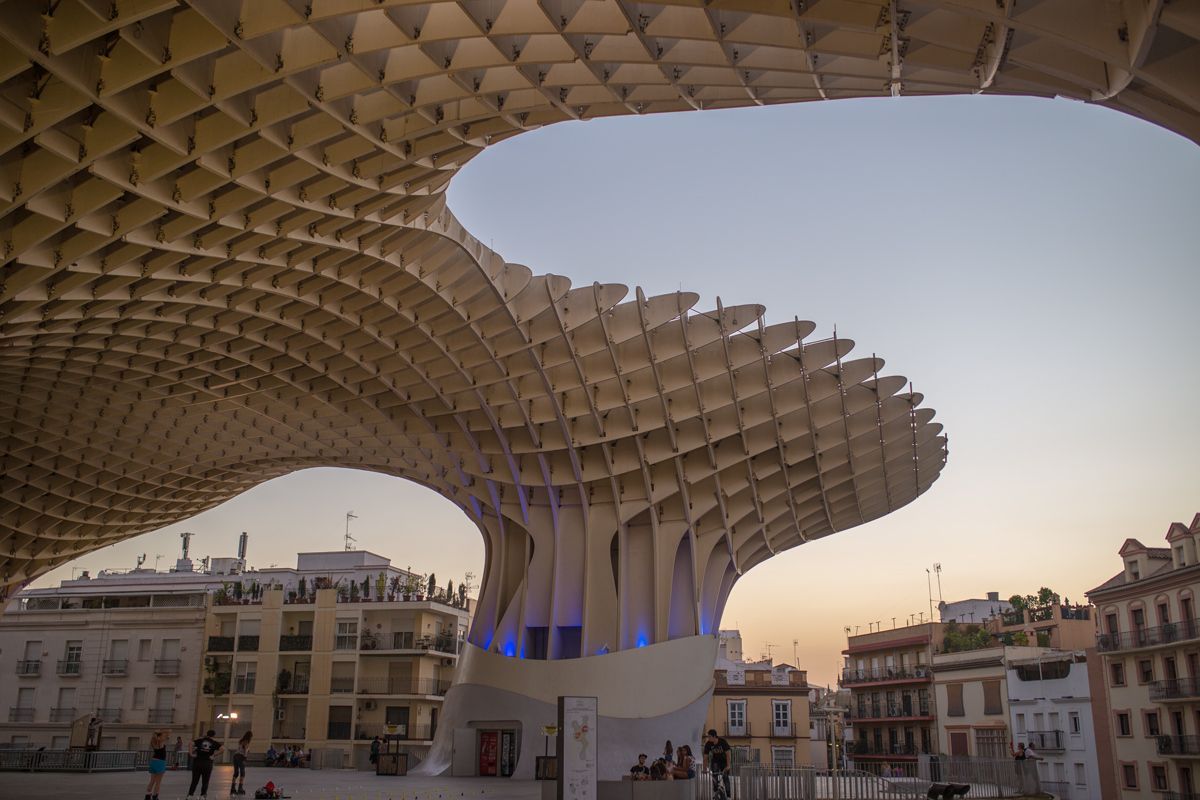
Seville
## Description Metropol Parasol, widely known as Las Setas, is one of Seville’s most striking modern landmarks and one of the clearest examples of how the city blends old and new. The structure rises above Plaza de la Encarnación with a dramatic, wave-like form that looks almost impossible at first glance. Made from timber and organized on a monumental scale, it creates a new skyline for the historic center while also serving as a public space, viewpoint, market area, and archaeological showcase. For travelers, it offers something rare: a contemporary architectural experience embedded directly in an old urban setting. What makes Metropol Parasol especially memorable is how many functions it holds at once. You can walk below it, stand under it, go up to the rooftop walkways, and also access the archaeological remains preserved underneath. That layering is a big part of its appeal. A little-known fact is that the structure is often described as one of the largest timber architectural constructions in the world, which gives it a technical significance beyond its visual impact. Another detail many visitors miss is that the underside and surrounding plaza change character depending on the time of day, with morning, afternoon, and night each creating a different mood around the same structure. For visitors who think of Seville only in terms of churches, palaces, and traditional patios, Metropol Parasol offers a useful correction. It shows that the city still experiments, still reinvents public space, and still uses architecture to make a statement. It is not only photogenic; it is conceptually important. The combination of modern design, archaeological depth, and rooftop views makes it one of the city’s most distinctive attractions for travelers who want a wider sense of Seville than the classic route alone provides. ## Location Metropol Parasol is located in Plaza de la Encarnación in the historic center of Seville, Andalusia, Spain. Because it sits in such a central area, it is easy to reach on foot from many of the city’s main sights. Visitors staying in the old town can often walk there directly, while buses and taxis provide easy access from farther away. The structure is also well positioned for combining with nearby shopping streets, tapas stops, and other central landmarks. If you are planning to go up to the top, try to visit at a time when the light is good and the city is not overwhelmingly crowded. The rooftop is especially rewarding near sunset, when the view across Seville becomes more dramatic. If you are more interested in the archaeological and urban-planning side of the site, a daytime visit can be just as worthwhile. Either way, the location makes it simple to fold into a broader sightseeing route without needing a special excursion. ## Tips - Go up to the rooftop for the best panoramic view of the historic center. - Visit near sunset if you want the most impressive light. - Don’t skip the lower level, where the archaeological remains add historical depth. - Pair the visit with nearby food or shopping to make the most of the central location. - Bring sun protection in warm months, because the plaza can be bright and exposed. - Visit at night as well if you want to see how the structure changes with illumination. ## Conclusion Metropol Parasol is one of Seville’s most original landmarks, combining modern architecture, public space, and historical layers in a single unforgettable site. It is a strong stop for travelers who want both views and design. ## FAQ ### Why is Metropol Parasol important? It is important as a bold example of contemporary architecture in Seville and as a multi-use public space. ### Can visitors go to the top? Yes. The rooftop walkways and viewpoints are one of the main reasons to visit. ### Is it good for photos? Very much so. The structure, plaza, and views offer excellent photo opportunities. ### How long does a visit take? About one hour is common, though you may stay longer if you explore the full site and surrounding area. ## Links - [Official website](https://setasdesevilla.com/) - [Wikipedia](https://en.wikipedia.org/wiki/Metropol_Parasol) - [Seville tourism information](https://www.visitasevilla.es/en)
GemVoyage Team • World
Paro
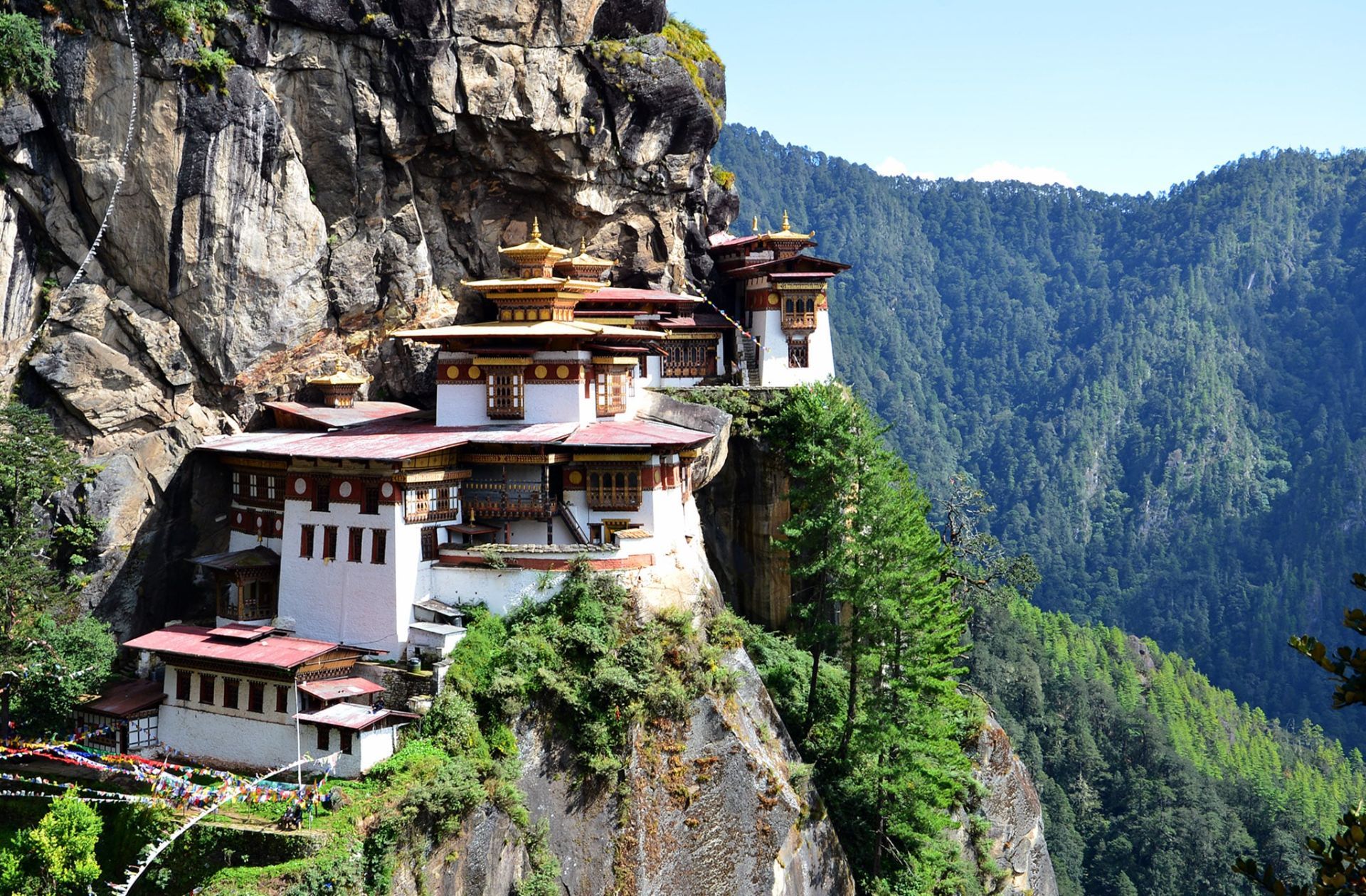
## Description The Tiger’s Nest, or Paro Taktsang, is a cliffside Buddhist monastery in Bhutan dramatically perched on a vertical rock face above the Paro Valley. Dating to the 17th century (with earlier sacred associations to Guru Rinpoche), the complex comprises several temples and hermitages connected by steep steps and narrow paths. The visual impact — whitewashed buildings and golden roofs clinging to granite — is among the most evocative images of Himalayan spiritual architecture. The site is both a pilgrimage destination and a focal point of Bhutanese national identity. Legend holds that Guru Rinpoche (Padmasambhava) arrived on the back of a tigress and meditated in the grottoes that now form part of the monastery complex. The blend of sacred history, dramatic landscape, and living monastic life gives Paro Taktsang deep spiritual resonance for Bhutanese and international visitors alike. SEO-friendly phrases you may use for planning include "Tiger's Nest hike," "Paro Taktsang visit tips," and "Bhutan monastery etiquette." Visitor experience: The descent into the valley and the ascent along forested trails provide a contemplative approach lined with prayer flags, small chortens, and viewpoints. While the most iconic view is from the main lookout before descending to the monastery, many visitors linger to observe ritual offerings, circumambulation of shrines, and the quiet rhythm of monastic routines. Respectful curiosity—asking guides about appropriate behavior and dress—enhances the visit for both guests and residents. ## Location Paro Taktsang sits within Paro valley in western Bhutan, about a 45–60 minute drive from Paro town and its international airport. Access requires a moderate hike of 2–3 hours round-trip depending on pace and stops. How to get there: Most travelers arrange transport through a licensed guide or hotel. Bhutan's regulated tourism policies require foreign visitors to book through licensed operators who manage permits, accommodation, and local guide services. For practical planning, search queries like "book Tiger's Nest guide" or "Paro Taktsang hiking permits" will direct you to authorized providers. Trail notes: The trail rises steadily with sections of stone steps and steeper pitches; resting at teahouses and lookout points is common. Horse rentals are occasionally offered for portions of the route, but check animal welfare practices and trail suitability before choosing this option. ## Tips - **Dress respectfully:** Wear modest clothing for temple visits; remove shoes inside shrines as required and avoid revealing or inappropriate attire. - **Prepare for a strenuous hike:** Bring sturdy footwear, adequate water, sun protection, and allow time for rest stops; altitude and steps make the climb moderately challenging. - **Hire an experienced guide:** Guides explain religious practices, translation of local rituals, and can signal areas off-limits to visitors, creating a more meaningful visit. - **Follow monastery rules:** Photography restrictions inside temples, silence in prayer halls, and specific rituals require compliance; ask before photographing monks or ceremonies. - **Consider timing:** Early morning or late afternoon visits reduce crowding and provide superior photography light, but check seasonal opening hours and local festivals. ## Conclusion Paro Taktsang is both a pilgrimage site and a Himalayan emblem: its precarious position and spiritual resonance make it an unforgettable visit that blends exertion with contemplative reward. When planning, confirm that your tour operator or hotel handles permits and local guidelines; these practical steps help protect the monastery’s sanctity and the visitor’s experience. ## FAQ - **Q: Can foreigners visit Tiger’s Nest independently?** A: Bhutan requires most foreign visitors to travel with licensed operators or registered guides. Booking through authorized tour operators ensures that permits, accommodations, and guide services are in place. - **Q: How long does the hike take?** A: Typical round-trip times range from 3 to 5 hours depending on fitness, stops, and whether you use any horse transport for parts of the ascent. - **Q: Are there age or mobility restrictions?** A: The trail includes steep steps and uneven surfaces and may not be suitable for those with severe mobility limitations. Discuss options with your guide; horse rentals for short segments may be available but evaluate safety and welfare considerations. - **Q: What permits or fees are required?** A: Entry to Bhutan is managed via licensed operators; fees and permit processes vary with season and travel packages. Confirm all costs with your provider in advance. - **Q: Is photography allowed inside the monastery?** A: Many interior temple spaces restrict photography to preserve sacred objects and respect practitioners. Always ask guides or monks before photographing interior or ritual scenes. ## Links - [Paro Taktsang — Wikipedia](https://en.wikipedia.org/wiki/Paro_Taktsang)
GemVoyage Team • World

Comments