GemVoyage Team • World
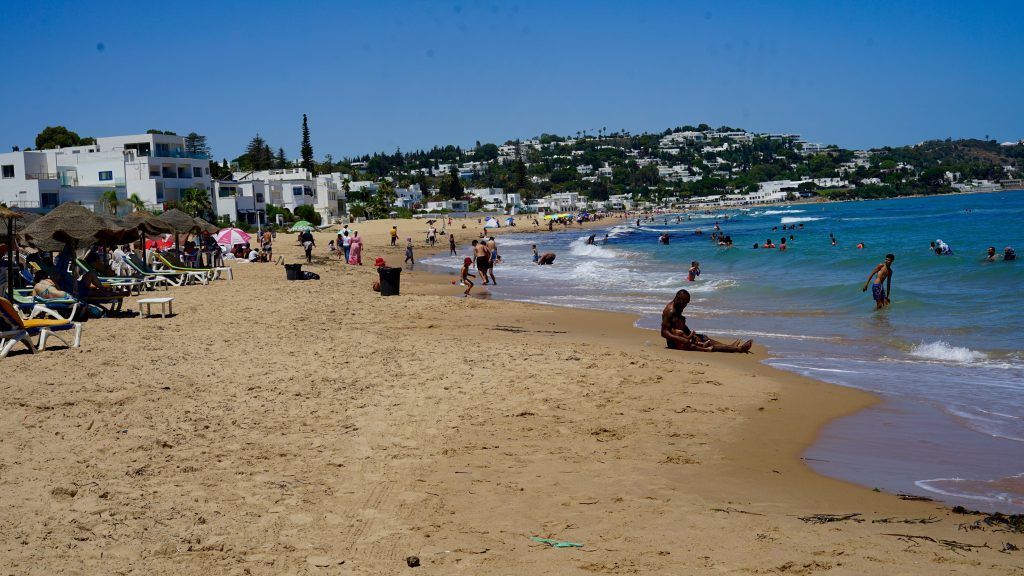
The area’s allure stems from its balance of leisure and everyday life. Residents walk their dogs along the promenade, families picnic on the sand, and fishermen haul in their catches at dawn. This authentic feel makes La Marsa attractive to travelers who want to witness contemporary Tunisian coastal life, not just the staged beachfront experience. The neighborhood also contains pockets of cultural interest—small galleries, local bakeries serving traditional pastries, and seasonal markets—that reward time spent wandering.
For a relaxed day, arrive mid-morning to stroll the promenade, have a seaside lunch, and enjoy a late-afternoon walk as light softens over the water. If you want to swim, check local conditions—lifeguard presence and sea state vary by season and specific beach segments.
Discover more hidden gems you might love.

Los Angeles
## Description The Last Bookstore in downtown Los Angeles is one of the city's most evocative cultural landmarks: a cavernous, artful emporium of new and used books, vinyl records, and unexpected installations. What sets it apart is not only its enormous inventory but its theatrical presentation — towering shelves, mezzanines, and artistic nooks create a browsing experience more like exploring a story-driven installation than shopping. Housed in a 1920s bank building, patrons encounter reclaimed wood staircases, arches of stacked books, and curated displays that transform each aisle into a visual narrative. Beyond the surface spectacle, the store is a living community hub. It hosts readings, author events, film screenings, and local art exhibitions, and its staff are often keen curators who can guide visitors through genres or find niche titles. Little-known facts: a number of the store’s sculptural book installations are made from unsaleable or damaged stock repurposed by local artists, and the mezzanine houses a secret "book tunnel" — a photogenic corridor built entirely from books that started as a one-off art project and became an enduring fixture. The appeal is broad: bibliophiles will find rare and out-of-print editions; casual visitors will appreciate the visual drama and chance finds; and creatives will enjoy the store as an inspirational setting. The Last Bookstore's blend of commerce, culture, and craft keeps it relevant in an era when many independent bookstores struggle to survive. ## Location The Last Bookstore is located in downtown Los Angeles, California, USA, in the historic core near Spring Street. The postal address and exact entry points change slightly due to neighboring businesses, but it remains centrally placed, within walking distance of the Walt Disney Concert Hall, The Broad, and Pershing Square. Getting there: If you’re arriving by public transit, take the Metro B or D Line to Pershing Square station or any bus that stops in downtown LA; the store is a short walk from the station. Driving is possible but downtown parking can be expensive — seek out nearby private lots or use street parking meters and apps to locate spots. Rideshares and taxis are convenient and drop-offs at the curb are common. For visitors staying in nearby neighborhoods like Koreatown or Pasadena, plan for roughly 20–40 minutes by car depending on traffic. ## Tips - Arrive early on weekends to avoid crowds and secure good spots for browsing in popular areas like the mezzanine or the book tunnel. - Bring cash if you prefer for small purchases or tips, though the store accepts cards. - If searching for a rare or out-of-print title, ask staff first; they maintain backroom stock and can often locate hidden gems. - Photography is welcome but be mindful of events or private bookings where rules might change. - Wear comfortable shoes — the store is larger than it looks and you’ll want to explore several levels. - Visit during a weekday late morning to combine quieter browsing with access to barista-driven coffee shops nearby. - Check the events calendar on the store’s website before visiting — you might catch an author talk or a cultural event that enhances your visit. ## Conclusion The Last Bookstore is more than a retail space — it’s a cultural anchor that celebrates books as artifacts, art, and shared stories. Its imaginative layout, rich inventory, and community programming make it a must-visit for travelers and locals who appreciate literary culture with theatrical flair. ## FAQ Q: Is The Last Bookstore family-friendly? A: Yes. Children enjoy the visual elements, and the atmosphere is generally welcoming, though some events may be adult-oriented. Q: Can I sell or consign books there? A: The store buys and sells used books; check their buying policies online or call ahead for specifics. Q: Are there guided tours? A: There are no formal guided tours, but staff can give insights and point out notable installations. Q: Is there wheelchair access? A: The main floor is accessible, but some mezzanine areas may have limited access — contact the store for accommodations. Q: Do they ship internationally? A: The store ships books and merchandise; check the online store for shipping details and fees. ## Links - [Official site](https://lastbookstorela.com) - [Wikipedia: The Last Bookstore](https://en.wikipedia.org/wiki/The_Last_Bookstore)
GemVoyage Team • World
Cairo
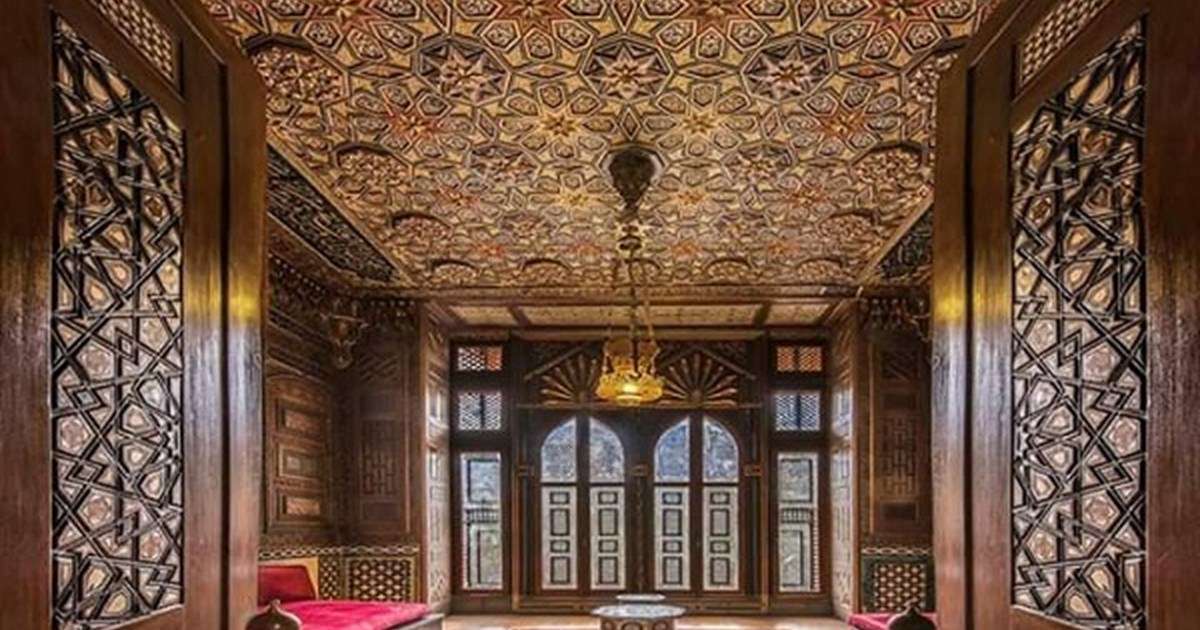
## Description Manial Palace is one of Cairo’s most enchanting and architecturally eclectic landmarks, offering a rare glimpse into Egypt’s royal past through the eyes of Prince Mohamed Ali Tewfik. Built between 1900 and 1929, the palace is a testament to the prince’s passion for Islamic art, history, and design. It blends a variety of architectural styles—including Ottoman, Moorish, Persian, Andalusian, and Mamluk—into a harmonious and visually stunning complex that feels both regal and deeply personal. The palace compound consists of several distinct buildings: the Residence Palace, the Reception Palace, the Throne Hall, a mosque, a hunting museum, and a private museum. Each structure is adorned with intricate woodwork, stained glass, and decorative tiles that reflect the prince’s artistic sensibilities. The interiors are filled with rare antiques, textiles, and artworks collected from across the Islamic world. One of the most captivating rooms is the Shell Salon, decorated with thousands of seashells arranged in elaborate patterns. Surrounding the palace is a lush garden inspired by Persian and English landscaping traditions. It features exotic plants, rare trees, and winding paths that create a tranquil escape from the city’s bustle. A little-known fact: Prince Mohamed Ali personally oversaw the design and decoration of the palace and left instructions for it to be converted into a museum after his death—a wish that was honored, preserving his legacy for future generations. ## Location Manial Palace is located in **Egypt**, in the **Cairo Governorate**, within the **city of Cairo**. It sits on **Rhoda Island**, along the Nile River, in the El-Manial district. ### How to Get There - **By Metro**: Take Line 1 to El-Malek El-Saleh Station. From there, it’s a short taxi ride or a 15-minute walk to the palace. - **By Taxi or Ride-Share**: Services like Uber and local taxis can take you directly to the entrance on Sharia Al-Saray. - **By Car**: Parking is available nearby, though traffic in central Cairo can be heavy. - **By Tour**: Many cultural and historical tours of Cairo include Manial Palace as a stop, often paired with visits to the Egyptian Museum or Coptic Cairo. Its central location makes it easily accessible from most parts of the city. ## Tips - **Visit Early**: Arriving in the morning helps you avoid crowds and enjoy the gardens in cooler temperatures. - **Photography**: While photography is allowed in most areas, flash is prohibited. Bring a camera with good low-light capability to capture the ornate interiors. - **Dress Modestly**: As with many historical and religious sites in Egypt, modest attire is appreciated. - **Take Your Time**: The palace is rich in detail. Allocate at least 2–3 hours to explore the buildings and gardens thoroughly. - **Check for Events**: Occasionally, the palace hosts cultural exhibitions or art events. Check local listings or the museum’s website for updates. - **Avoid Large Bags**: Bags larger than 40x40 cm are not permitted inside and must be stored in the cloakroom. ## Conclusion Manial Palace is a hidden gem in Cairo that offers a unique blend of history, art, and architecture. With its richly decorated interiors, serene gardens, and fascinating royal legacy, it provides an immersive experience into Egypt’s early 20th-century aristocratic life. ## FAQ **1. What are the opening hours of Manial Palace?** The museum is open daily from 9:00 AM to 5:00 PM. **2. What is the entrance fee?** Foreign adults: EGP 220; foreign students: EGP 110. Egyptian adults: EGP 20; Egyptian students: EGP 5. **3. Is the palace suitable for children?** Yes, but children must be accompanied by an adult at all times. **4. Can I sketch or take notes inside the museum?** Yes, but only pencils are allowed. Sketchbooks must not exceed 18 x 24 inches. **5. Are guided tours available?** Yes, guided tours can be arranged on-site or through local tour operators. **6. Is the palace wheelchair accessible?** Accessibility is limited due to the historic nature of the building. Contact the museum in advance for specific accommodations. ## Links - [Manial Palace and Museum – Wikipedia Overview](https://en.wikipedia.org/wiki/Manial_Palace_and_Museum) - [Manial Palace Museum – Ministry of Tourism and Antiquities](https://egymonuments.gov.eg/museums/manial-palace-museum/)
GemVoyage Team • World

Socotra
## Description Socotra Island feels like a fragment of another planet — a remote, windswept archipelago in the northwest Indian Ocean whose flora and landscapes defy easy comparison. Part of Yemen’s Socotra Archipelago, the island is famed for its unique biodiversity: roughly one-third of its plant species are endemic, meaning they occur nowhere else on Earth. The emblematic dragon’s blood tree (Dracaena cinnabari) with its umbrella-like silhouette and deep red sap has become a symbol of Socotra’s otherworldly charm. Across the island, landscapes alternate between bizarre limestone plateaus, dramatic sea cliffs, windswept sand flats and pristine white-sand beaches framed by coral reefs. The experience of Socotra is defined by its isolation. Thousands of years of relative climatic stability have allowed life to evolve along separate lines, producing a cast of plants and small reptiles adapted to arid conditions and shallow soils. Visitors remark on the sculptural shapes and strange textures of the vegetation: bulbous succulents, twisted bottle trees, and dense thorny thickets that host endemic birds and invertebrates. This is a place for slow observation — botanizing on rock-strewn plateaus, watching seabirds along cliffs, and learning how local communities have adapted pastoral and fishing traditions to the island’s rhythms. Beyond flora and fauna, Socotra offers an immersive cultural layer. The island’s towns and villages, led by the main hub of Hadibo, display a traditional way of life that blends Bedouin pastoralism with fishing and small-scale commerce. Over the past decade eco-tourism has grown carefully: small guesthouses and locally guided tours emphasize conservation and community benefit. For the adventurous traveler the island’s remote tracks, sea caves and beaches promise solitude and dramatic light, perfect for landscape photography, contemplative walking and quiet wildlife encounters. ## Location Socotra is located in the northwest Indian Ocean, administratively part of Yemen, lying closer to the Horn of Africa than to the Arabian mainland. The island’s primary settlement and logistical hub is Hadibo (sometimes spelled Hadibu) on the northern coast. Historically, reaching Socotra has required careful planning: flights are limited and schedules change with political and logistical conditions. When available, small charter flights connect Socotra with mainland Yemen and, occasionally, regional hubs; sea access — via carefully arranged boat charters or local vessels — is an alternative for those with flexible timing. Because access can be intermittent, most independent travelers book through experienced operators who handle permits, inter-island travel, and local liaison. Visitors should check visa requirements and entry permits well in advance, and factor in contingency days for travel delays. Once on the island, Hadibo serves as the staging point for day trips inland to the Dixam Plateau, the Hagghier Mountains, and coastal excursions to remote beaches and snorkeling sites. ## Tips - **Check travel advisories and logistics:** Socotra’s access and safety status can change with regional developments. Before planning, consult official travel advisories, contact tour operators, and verify flight or sea schedules. Leave buffer days in your itinerary for unexpected delays. - **Use licensed local guides and operators:** Knowledgeable local guides are essential for navigating rocky tracks, interpreting plant life, and arranging transport to remote sites. Hiring local guide services supports the economy and ensures respectful interaction with communities. - **Respect fragile ecosystems:** Much of Socotra’s ecology is fragile. Stick to established tracks, avoid trampling vegetation, do not remove plants or geological material, and use minimal-impact camping practices. - **Pack for varied conditions:** Inland plateaus and mountains can be hot and dry during the day and chilly at night; coastal winds can be strong. Bring sun protection, sturdy hiking boots, a light windproof layer, and a reusable water bottle with a reliable purification method. - **Plan photography and drone use carefully:** Drones may be restricted to protect wildlife and privacy. Always ask local guides about regulations and cultural sensitivities before using camera equipment. - **Health and safety:** Medical facilities on Socotra are basic. Carry a well-stocked first-aid kit, any personal medications, and consider travel insurance with emergency evacuation coverage. Be up to date on routine vaccinations and check for recommended travel vaccines. - **Support local communities:** Choose guesthouses and guides that employ local staff, buy produce and crafts locally, and respect local dress and customs in villages. ## Conclusion Socotra is a destination for travelers who seek radical otherness and ecological rarity. Its alien plant forms, remote beaches, and quiet villages offer an experience both humbling and exhilarating — a reminder of how geographic isolation shapes life in remarkable ways. Thoughtful visitors who arrive well-prepared will find a landscape rich with photographic opportunities, quiet hiking routes, and meaningful encounters with local people and culture. Above all, Socotra rewards patience: time spent watching a dragon’s blood tree silhouette against the sky, or exploring a limestone plateau at dusk, lingers long after the trip ends. ## FAQ - **Q: Is Socotra safe to visit?** A: Safety and access can vary with regional and political conditions. Check up-to-date government travel advisories, consult experienced operators who run tours to Socotra, and register your travel plans with your embassy when appropriate. - **Q: How long should I spend on Socotra?** A: A well-paced visit typically runs 6–10 days. This allows time to explore the Dixam Plateau, the Hagghier Mountains, coastal beaches and a few village visits without feeling rushed. - **Q: When is the best time to visit Socotra?** A: The most comfortable travel window is during the cooler months, roughly October through April. Monsoon-related weather and hot summer temperatures can make travel more difficult in other months. - **Q: Can I arrange independent travel or do I need a tour operator?** A: Because flights and permits are limited, most travelers use reputable operators who arrange logistics, guides and permits. Independent travel is possible but requires local contacts and contingency planning. - **Q: What should I bring for wildlife and landscape photography?** A: Bring a mid-range zoom lens, a wide-angle for landscapes, a sturdy tripod for low-light work, spare batteries and memory cards, and neutral-density filters for coastal long exposures. - **Q: Are there accommodations and food options on the island?** A: Hadibo has small guesthouses and basic restaurants; expect simple but hearty local meals. For remote camping or multi-day excursions, operators typically supply food and equipment — confirm details beforehand. ## Links - [Socotra — Wikipedia](https://en.wikipedia.org/wiki/Socotra)
GemVoyage Team • World
Cawdor
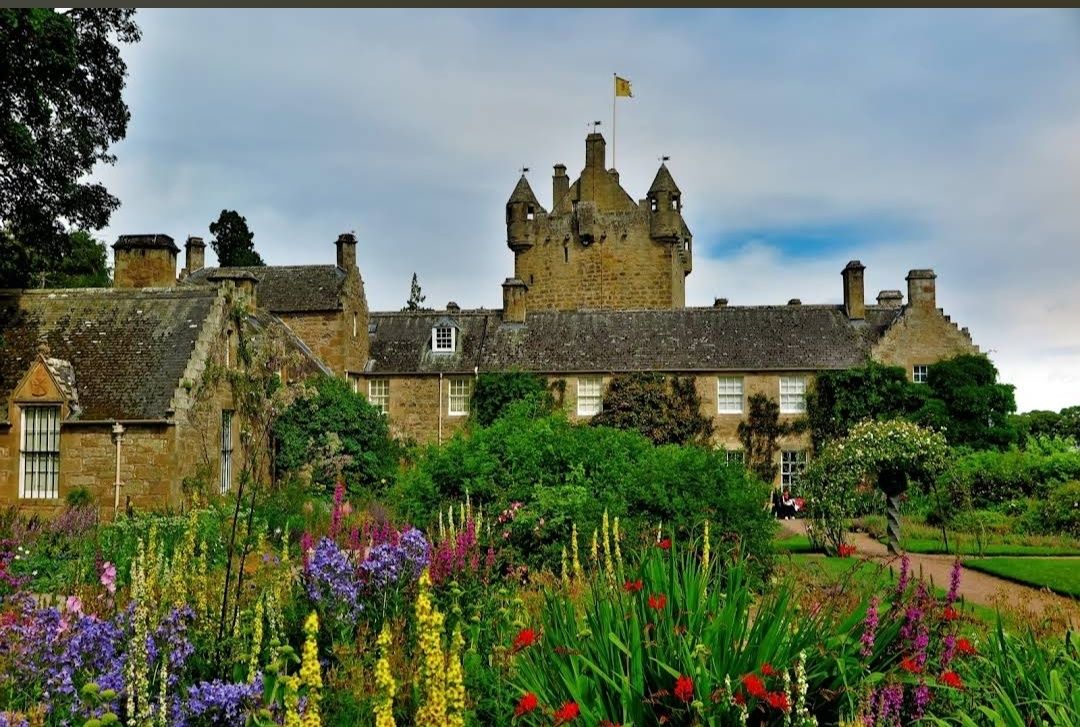
## Description **Cawdor Castle** is one of Scotland’s most enchanting castles, steeped in history, myth, and natural beauty. Built around a legendary holly tree in the late 14th century, the castle has been home to the Cawdor family for over 600 years. With its picturesque stone towers, ornate rooms, and beautifully landscaped gardens, it offers visitors a fascinating journey through Scottish heritage. The castle is famously associated with Shakespeare’s *Macbeth*. While the historical Macbeth never lived here, the castle has become linked to the play because of its title, the Thane of Cawdor. This literary connection, combined with the castle’s authentic medieval charm, makes it an especially intriguing stop for literature lovers and history enthusiasts alike. Inside, visitors can explore grand drawing rooms, antique furniture, fine art collections, and centuries-old tapestries. Outside, the estate features three distinct gardens: the **Walled Garden**, the **Flower Garden**, and the **Wild Garden**, each showcasing Scotland’s flora in different styles and seasons. A little-known fact is that the castle’s origin story is tied to a prophecy. According to legend, the Thane of Cawdor dreamed he should build his castle where a donkey lay down to rest under a tree. That tree still stands today in the castle’s cellar, preserved as a unique piece of history. Another hidden gem is the castle’s woodland trails, which cover over 100 acres and are home to wildlife such as red squirrels and roe deer. ## Location Cawdor Castle is located in the **Scottish Highlands**, about **12 miles east of Inverness**, in the **village of Cawdor, Nairnshire, Scotland**. Its Highland setting adds to its charm, with rolling landscapes, ancient forests, and nearby rivers. The easiest way to reach Cawdor Castle is from **Inverness**, which has good road, rail, and air connections. From Inverness, the castle is just a 25–30 minute drive by car via the A96 and B9090 roads. Visitors without a car can take a train to **Nairn** and then a short taxi ride to the castle. For international travelers, **Inverness Airport** is located only about 15 minutes away, making the castle very accessible as part of a Highland tour. ## Tips To enjoy your visit to Cawdor Castle to the fullest, keep these tips in mind: * **Check seasonal opening times** – The castle is usually open to visitors from late April to early October, so plan accordingly. * **Book tickets online** – During peak tourist season, advance booking is recommended to avoid queues. * **Take your time in the gardens** – Each garden offers a different experience, so don’t rush. Spring and summer are especially beautiful. * **Explore the woodlands** – The nature trails are less crowded and perfect for a quiet walk surrounded by Highland wildlife. * **Photography** – While photos are allowed outside, check the guidelines for indoor photography, as some rooms may restrict it. * **Combine with nearby attractions** – Cawdor Castle can be paired with a visit to Culloden Battlefield or Loch Ness for a full day of Highland history and scenery. ## Conclusion **Cawdor Castle in Scotland** is a captivating blend of history, legend, and natural beauty. With its ties to Shakespeare, legendary holly tree, and stunning gardens, it offers visitors a truly unique Scottish experience. Whether you’re drawn by literature, heritage, or landscapes, this Highland treasure is well worth the journey. ## FAQ **1. Is Cawdor Castle connected to Shakespeare’s Macbeth?** While the historical Macbeth never lived here, the castle is famously linked to the play because Macbeth is given the title “Thane of Cawdor.” **2. When is the best time to visit?** Late spring and summer are ideal for enjoying the gardens in full bloom, though autumn also brings beautiful colors in the surrounding woodlands. **3. How long should I plan for a visit?** Most visitors spend 2–3 hours exploring the castle interiors, gardens, and woodland trails. **4. Are guided tours available?** Yes, guided tours are often available and provide deeper insights into the castle’s history, legends, and architecture. **5. Can children visit Cawdor Castle?** Absolutely. The gardens and woodlands make it family-friendly, and children can enjoy exploring the outdoor spaces. **6. Is the castle accessible for visitors with mobility issues?** The gardens and some areas are accessible, but due to the historic structure, certain parts of the castle may be difficult to reach. It’s best to check accessibility details in advance. ## Links * [Official Cawdor Castle Website](https://www.cawdorcastle.com) * [Visit Scotland – Cawdor Castle](https://www.visitscotland.com)
GemVoyage Team • World
Bruges
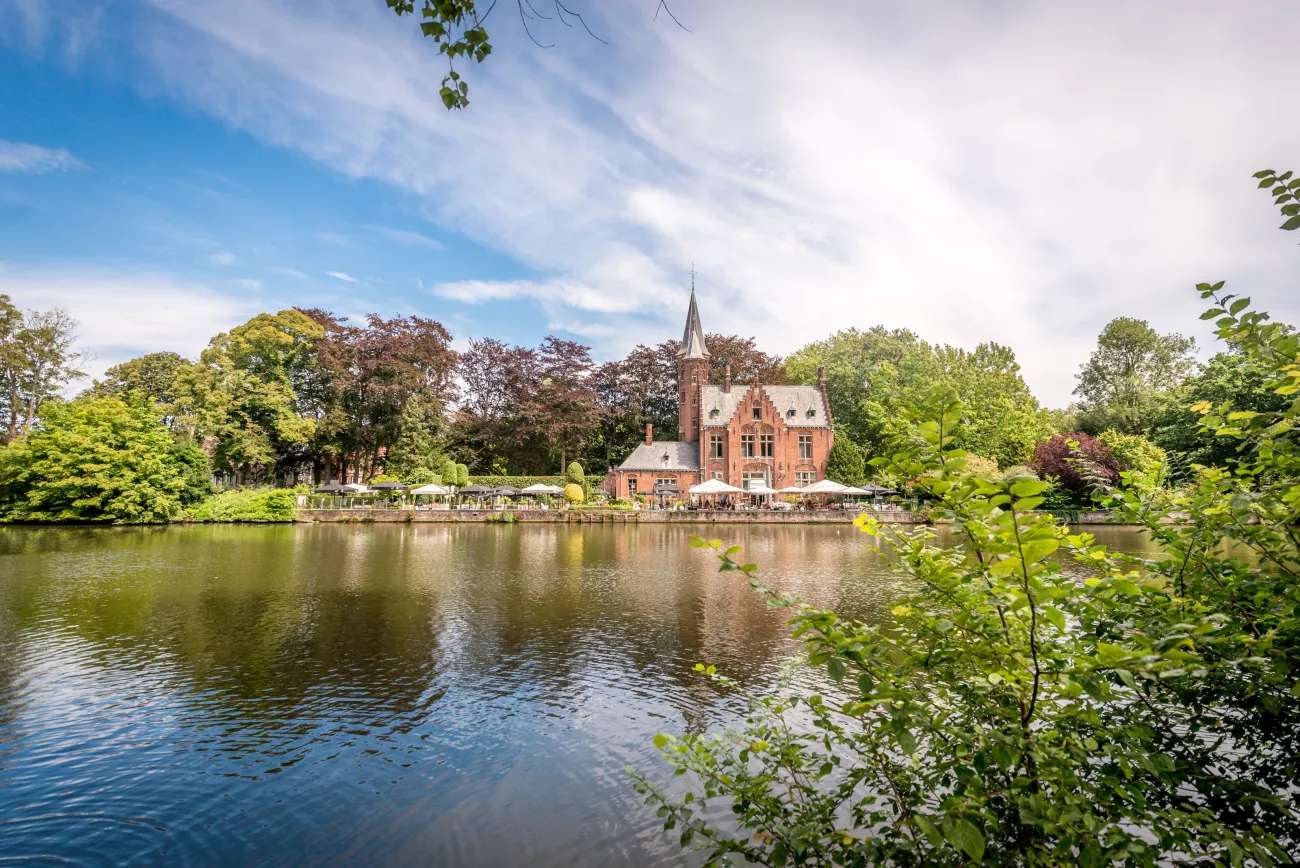
## Description Minnewater Lake, often called the “Lake of Love,” is one of Bruges’ most enchanting and romantic spots. Nestled at the southern edge of the medieval city, this tranquil lake is surrounded by lush greenery, swans gliding across the water, and historic architecture that seems pulled from a fairy tale. It’s a place where time slows down, inviting visitors to stroll, reflect, and soak in the serene beauty of Bruges. The name “Minnewater” comes from the Dutch word “minne,” meaning love, and the lake is steeped in legend. One popular tale tells of a young woman named Minna who died of heartbreak near the lake, and her lover Stromberg buried her beneath the waters—thus giving the lake its poetic name. Today, couples often cross the Minnewater Bridge and share a kiss, believing it will seal their love forever. A little-known fact: Minnewater Lake was originally a reservoir created in the 13th century to regulate water levels and prevent flooding in Bruges. It also served as a docking point for cargo barges from Ghent until the late 18th century. The lake’s historical role in the city’s development adds depth to its romantic reputation. ## Location Minnewater Lake is located in **Belgium**, in the **Flemish Region**, within the city of **Bruges**. It sits just south of the city center, adjacent to the Begijnhof (Beguinage) and near the city ramparts. ### How to Get There: - **By Train**: From Bruges Railway Station, it’s a short 10-minute walk to the lake. Just follow signs toward Minnewaterpark. - **By Bus**: Bus lines 12 and 14 stop near the lake. Get off at Brugge Station Perron 1 and walk toward the park entrance. - **By Foot**: If you’re exploring Bruges on foot, Minnewater is easily accessible from the historic center and makes a perfect stop before or after visiting the Begijnhof. Its proximity to the train station makes it an ideal first or last stop on your Bruges itinerary. ## Tips for Visitors To make the most of your visit to Minnewater Lake, consider these helpful tips: - **Visit at Sunrise or Sunset**: The soft light and peaceful atmosphere make these times ideal for photography and quiet reflection. - **Bring a Camera**: The lake, bridge, and surrounding park offer postcard-perfect views—especially with swans in the frame. - **Explore Nearby Sites**: Don’t miss the Begijnhof, the Gunpowder Tower (Poertoren), and the neo-Gothic Kasteel de la Faille, now a restaurant. - **Pack a Picnic**: The park surrounding the lake is perfect for a relaxed lunch or snack. - **Attend a Festival**: Minnewater Park hosts occasional cultural events and music festivals—check local listings if you’re visiting in summer. - **Avoid Peak Hours**: Weekends can be crowded. For a more intimate experience, visit on a weekday morning. ## Conclusion Minnewater Lake is a poetic blend of history, legend, and natural beauty. Whether you're drawn by its romantic lore, its peaceful setting, or its role in Bruges’ medieval past, the Lake of Love offers a timeless escape in one of Europe’s most charming cities. ## FAQ **1. Is Minnewater Lake free to visit?** Yes, the lake and surrounding park are open to the public and free of charge. **2. Can I take a boat ride on Minnewater Lake?** No, boating is not permitted on the lake, as it’s part of a protected park area. **3. Is Minnewater Lake suitable for children?** Absolutely. The park is safe and spacious, with plenty of room for kids to explore. **4. Are there restaurants nearby?** Yes, including the Kasteel de la Faille, a neo-Gothic castle turned restaurant, and several cafés near the park. **5. Is Minnewater Lake accessible year-round?** Yes, the park is open year-round, though spring and summer offer the most vibrant scenery. **6. Can I visit Minnewater Lake with a dog?** Yes, dogs are welcome in the park but should be kept on a leash. ## Links - [Minnewater Lake – Visit Bruges Overview](https://www.visitbruges.be/en/things-to-do/culture-and-heritage/minnewater-lake-love) - [Minnewater Lake and Park – Discover World Guide](https://discover-world.eu/en/countries/belgium/brugge/minnewater-lake-and-park-in-bruges) - [Minnewater – Wikipedia](https://de.wikipedia.org/wiki/Minnewater)
GemVoyage Team • World

Cluj
## Description **Iulius Mall Cluj** is one of Romania’s premier shopping and lifestyle destinations, offering a vibrant blend of **retail, entertainment, and community life** in the heart of **Cluj-Napoca**, the unofficial capital of Transylvania. Opened in **2007**, it quickly became more than just a shopping mall — it’s a **social and cultural hub** that captures the energy of one of Romania’s most dynamic cities. Spanning more than **80,000 square meters**, Iulius Mall Cluj features **over 250 stores**, from international fashion brands like Zara, H&M, and Massimo Dutti to local boutiques and specialty shops. But what makes it truly unique is its seamless integration of **shopping, dining, and nature** — a concept that few European malls achieve so gracefully. The mall is part of the larger **Iulius Town complex**, which includes **offices, event spaces, fitness centers**, and most notably, the **Iulius Park** — a beautifully landscaped green area surrounding a serene lake. Visitors can enjoy a peaceful walk, rent a paddleboat, or relax by the water with a coffee from one of the many cafés that line the park. During winter, the lake even transforms into a **charming ice-skating rink**. Inside, the atmosphere is lively and cosmopolitan. Shoppers can explore a vast **food court** with both Romanian and international cuisines, a **state-of-the-art cinema**, and a **fitness and wellness center**. Iulius Mall also hosts **regular events**, from fashion shows and art exhibitions to children’s workshops and live concerts, making it a place where locals and tourists alike gather for more than just retail therapy. A lesser-known fact is that Iulius Mall Cluj was the **first mall in Romania** to incorporate a large **urban park** into its complex design — a model that has since inspired similar developments across the country. It’s also part of a larger vision to make Cluj-Napoca a hub of **modern urban living**, balancing innovation, business, and leisure. ## Location **Iulius Mall Cluj** is located in the **Gheorgheni district** of **Cluj-Napoca**, in the **northwestern region of Romania**, Transylvania. **Address:** Strada Alexandru Vaida-Voevod 53-55, Cluj-Napoca, Romania To get there: * **By car:** Easily accessible via major city roads; parking is abundant and includes both indoor and outdoor spaces. * **By bus:** Several city bus lines (such as 24B, 25, and 26) stop directly in front of the mall. * **By taxi or rideshare:** Services like Bolt and Uber are widely available in Cluj-Napoca. * **From the airport:** The **Avram Iancu Cluj International Airport** is only about **15 minutes away by car or taxi**. * **By foot or bike:** The mall is connected to nearby neighborhoods through well-maintained pedestrian and cycling paths. ## Tips * **Visit Iulius Park:** Don’t miss the outdoor park — it’s perfect for a relaxing break, a family picnic, or a stroll at sunset. * **Try local food:** Many restaurants in the food court and nearby park cafés offer authentic Romanian dishes with a modern twist. * **Shop during weekdays:** The mall can get crowded on weekends; weekday mornings or afternoons offer a quieter experience. * **Catch a movie:** The **Cinema City** inside the mall offers the latest international releases in English and Romanian. * **Family-friendly activities:** There are playgrounds, kid-friendly restaurants, and frequent entertainment events for children. * **Free Wi-Fi and coworking spaces:** Ideal for remote workers or travelers looking to catch up on work while enjoying a coffee. * **Seasonal events:** Check the mall’s official website or social media for **holiday markets, concerts, and fashion events**. ## Conclusion **Iulius Mall Cluj** perfectly captures the modern spirit of **Cluj-Napoca** — youthful, vibrant, and innovative. It’s more than a shopping center; it’s a **community gathering place** where nature, culture, and commerce coexist in harmony. Whether you’re in town for a few days or living locally, a visit to Iulius Mall offers a glimpse into contemporary Romanian life — stylish, welcoming, and full of energy. From lakeside walks to luxury shopping and delicious food, it’s an essential stop on any visit to Transylvania’s most forward-thinking city. ## FAQ **1. When did Iulius Mall Cluj open?** Iulius Mall Cluj officially opened in **November 2007**, becoming the second Iulius Mall developed in Romania. **2. How big is the mall?** The mall covers more than **80,000 square meters**, featuring **over 250 stores**, restaurants, and entertainment spaces. **3. Is there parking available?** Yes — there are **thousands of parking spaces**, both underground and outdoors, many of them free for several hours. **4. What are the main attractions besides shopping?** The **Iulius Park**, **Cinema City**, **fitness center**, and frequent **cultural events** make it a popular leisure destination beyond retail. **5. Is the mall family-friendly?** Absolutely — it includes **play areas**, **family restrooms**, and numerous **activities for children** throughout the year. **6. Can I reach it easily from central Cluj?** Yes, it’s just **10–15 minutes by car** or a **short bus ride** from downtown Cluj-Napoca. **7. Are there hotels nearby?** Yes, several hotels and serviced apartments are located within walking distance, including options ideal for both short and long stays. ## Links * [Official Iulius Mall Cluj Website](https://www.iuliusmall.com/cluj) * [Visit Cluj-Napoca – Tourism Information](https://visitcluj.ro/)
GemVoyage Team • World

Comments