Discover extraordinary places shared by our community of travelers
Stockholm
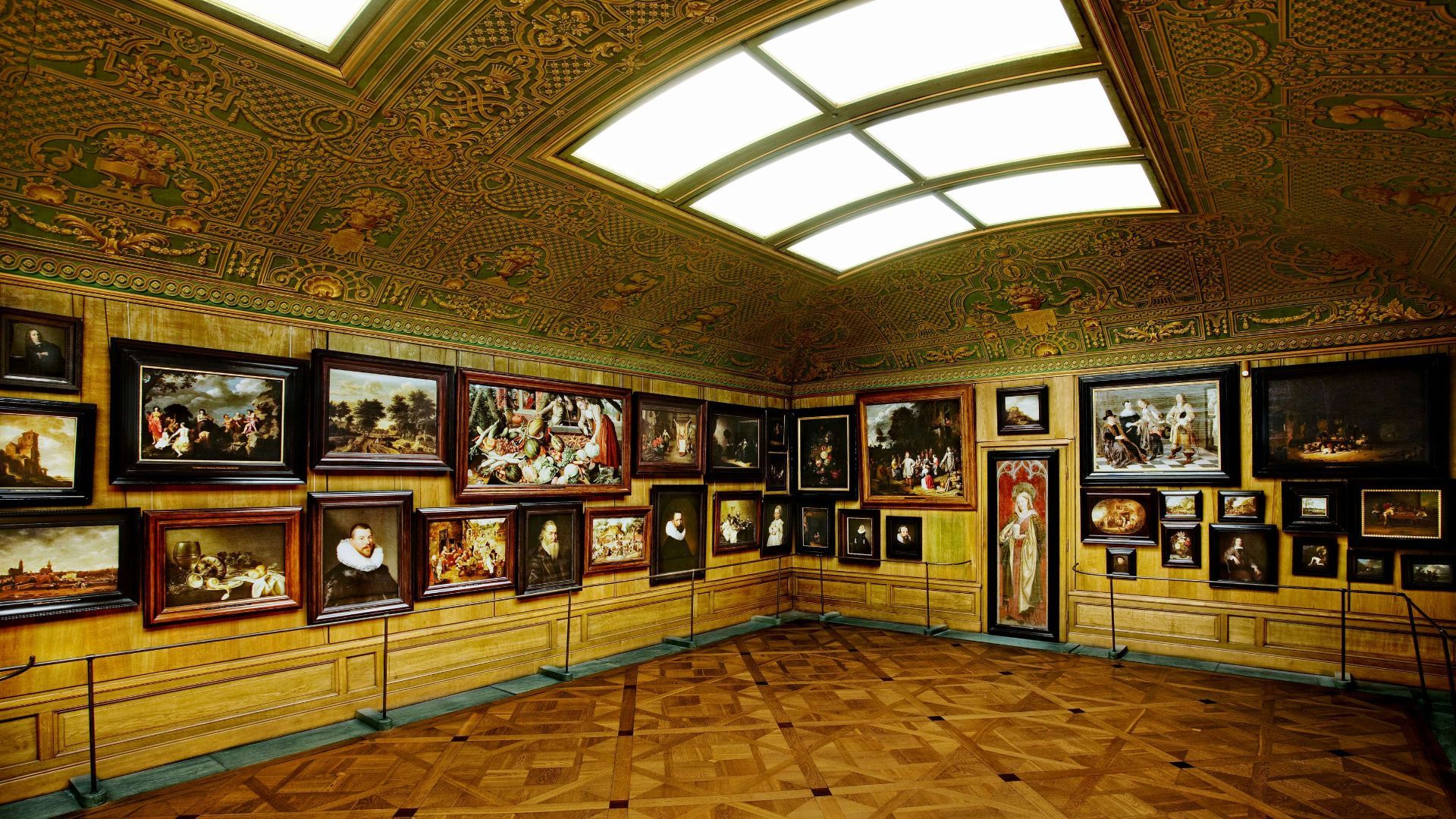
## Description The Hallwyl Museum in Stockholm offers one of the city’s most distinctive historic-house experiences. Housed in the former residence of Count and Countess von Hallwyl, the museum preserves an extraordinary late-nineteenth-century interior filled with art, furniture, decorative objects, and the feeling of a private home that has been carefully maintained rather than transformed into a generic museum. Visiting it is like stepping into a remarkably complete snapshot of upper-class domestic life in Stockholm at the turn of the century. The museum is especially appealing because it balances grandeur and intimacy. Some rooms are richly decorated and formal, while others feel like lived-in domestic spaces, making the whole building feel coherent rather than staged. One little-known fact is that the Hallwyl collection was assembled with unusual care and documentation, giving historians and visitors a detailed view of the household’s contents and routines. Another interesting detail is that the house itself reflects both status and modernity, showing how wealthy Stockholm families adopted new technologies and comforts while still displaying traditional elegance. What makes the museum memorable is the combination of its architecture, interiors, and sense of personal history. Unlike larger national museums, Hallwyl’s charm comes from concentration. Every room, object, and corridor contributes to a specific atmosphere. The visit is ideal for travelers who enjoy historic interiors, design history, or the way private homes can reveal broader social changes. It also fits well into Stockholm’s cultural landscape because it offers a different experience from the city’s more famous royal or maritime attractions. Instead of scale, it offers detail; instead of spectacle, it offers texture. ## Location The Hallwyl Museum is in central Stockholm, Sweden, near the city’s commercial and cultural core. Its location makes it easy to reach from many parts of the city and convenient to combine with shopping streets, other museums, or a broader downtown walk. The simplest way to get there is by public transport or on foot from central Stockholm. Because the city is well connected, visitors staying in the center can usually reach the museum quickly without needing a car. If you are planning a full day in central Stockholm, the museum works well as a quieter stop between busier attractions. ## Tips Take your time in the rooms; the best part of the museum is noticing the details. If you enjoy decorative arts, interiors, or social history, this museum will be especially rewarding. Check the current opening information in advance, since historic-house museums sometimes have schedule variations. Pair the visit with nearby Stockholm attractions to make the most of the central location. ## Conclusion The Hallwyl Museum is a refined and atmospheric historic house that gives visitors a rare, detailed glimpse into Stockholm’s aristocratic past. ## FAQ ### What kind of museum is Hallwyl? It is a historic house museum preserved from a wealthy Stockholm family’s residence. ### Is it good for first-time visitors to Stockholm? Yes, especially if you want a cultural site that is elegant and manageable in size. ### How long should I plan for the visit? Around one to two hours is usually enough. ### Is the museum family-friendly? Yes, though it is especially enjoyable for visitors interested in history and interiors. ### Why is it special compared with other museums? Because it preserves a remarkably complete domestic environment rather than only displaying isolated objects. ## Links - [Official website](https://hallwylskamuseet.se/en/) - [Hallwyl Museum on Wikipedia](https://en.wikipedia.org/wiki/Hallwyl_Museum)
GemVoyage Team • World
Alkmaar
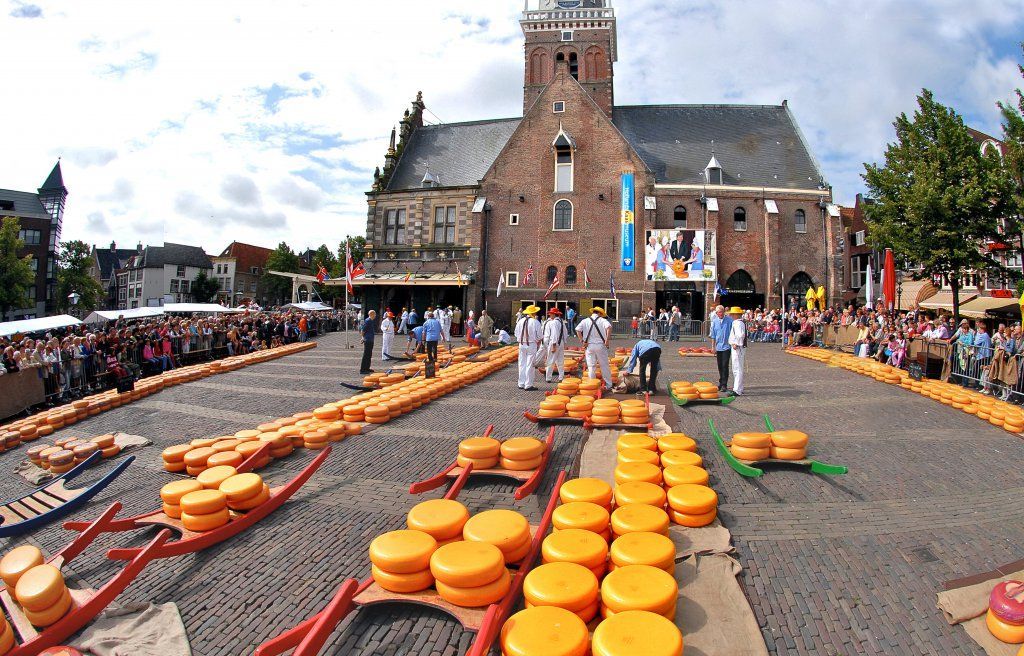
## Description The Alkmaar Cheese Museum is one of the best places to understand why cheese is such an important part of Dutch identity and regional heritage. Located in the historic Waag building, the museum explores the history, production, trade, and cultural significance of cheese in the Netherlands, with special attention to Alkmaar’s long association with the cheese market tradition. It is a compact but engaging museum that helps visitors see cheese not just as food, but as part of a larger economic and social story. One of the museum’s strengths is its accessibility. It presents information in a way that is easy to follow for casual visitors while still giving enough depth to satisfy people interested in local history. The setting matters too: being in a historic weighing house adds a strong sense of place. One lesser-known fact is that Alkmaar’s cheese heritage is linked not only to local farming but also to the broader trading systems that shaped Dutch cities for centuries. Another interesting detail is that the museum helps explain the rituals and practical logistics behind cheese commerce, including how products were measured, moved, and valued in a market town. The museum is also a good reminder that cultural attractions do not have to be large to be effective. Its size makes it easy to fit into a walking day in Alkmaar, and it works especially well when combined with the city’s old streets, canals, and other historic sites. For many visitors, the appeal is partly culinary and partly atmospheric: you learn about cheese, but you also absorb the character of a Dutch market city that built part of its identity around this trade. That makes the museum feel both educational and local. ## Location The Alkmaar Cheese Museum is in the center of Alkmaar, North Holland, the Netherlands, inside the historic Waag building near the city’s old market area. Because it is centrally located, it is easy to reach on foot from most of Alkmaar’s historic core. If you are coming by train, Alkmaar’s station connects well to the city center, and the walk to the museum is straightforward. Visitors arriving from Amsterdam or other nearby cities usually find the trip simple by rail, making it a practical day trip destination. Once in town, the compact center is best explored on foot. ## Tips Combine the museum with a visit to Alkmaar’s historic center for the full experience. If you are interested in the traditional cheese market, check the schedule before your trip so you can align your visit. The museum is a good rainy-day option because it is compact and easy to visit without much planning. Leave room in your itinerary for tasting local cheese or exploring nearby shops. ## Conclusion The Alkmaar Cheese Museum is a small but worthwhile stop that turns the city’s cheese heritage into a clear and enjoyable cultural visit. ## FAQ ### What does the Alkmaar Cheese Museum focus on? It explains the history, trade, and cultural importance of cheese in Alkmaar and the Netherlands. ### Is the museum connected to the cheese market? Yes, it is closely tied to Alkmaar’s famous cheese-trading tradition. ### How much time do I need? A visit usually takes around one hour, depending on how much you read. ### Is it suitable for children? Yes, especially for families that want a short, easy museum visit with a clear theme. ### Can I visit it together with the cheese market? Yes, and that is one of the best ways to experience Alkmaar’s cheese culture. ## Links - [Official website](https://www.kaasmuseum.nl/en/)
GemVoyage Team • World

Tirana
## Description The Grand Park of Tirana is one of the city’s most important public spaces and one of the best places to understand how Tirana balances urban growth with everyday leisure. Often treated simply as a park, it is actually a large and layered landscape that includes walking paths, shaded areas, open lawns, the artificial lake, family spaces, cafés, and quiet corners where people come to jog, socialize, or simply rest away from the intensity of the city center. For visitors, it offers an easy way to experience a more relaxed side of Tirana without leaving the capital. What makes the Grand Park special is its role as a civic landscape. It is not only a place for tourists; it is part of daily life for residents. People use it in the morning for exercise, in the afternoon for strolls, and in the evening for gatherings. That local rhythm gives the park a real sense of authenticity. One little-known fact is that the area around the lake and its green edges has changed significantly over time, reflecting broader shifts in how Tirana has developed as a modern city. Another interesting point is that the park’s size makes it one of the city’s most important environmental buffers, helping create a calmer microclimate in a fast-growing urban area. The Grand Park is also a good place for visitors who want to slow down their sightseeing. Tirana can feel energetic and busy, and the park offers balance. You can walk, rent a bike in some areas, sit by the water, or simply watch the city’s social life unfold. It is not a museum-like attraction with a fixed narrative; it is a lived-in urban landscape. That flexibility is part of its appeal, because it can fit into a trip in many different ways: as a morning workout, a midday break, a sunset walk, or a family outing. ## Location The Grand Park of Tirana is in southern-central Tirana, Albania, extending around the artificial lake and nearby green spaces. Because it covers a large area, there is no single exact “entrance” experience; instead, visitors usually approach it from the city side that is most convenient for their itinerary. The easiest way to get there is by taxi, ride-hailing, or a long walk from central Tirana. Many travelers also reach the park from nearby neighborhoods on foot. If you are already exploring central landmarks, it makes sense to build in a walking break and head toward the lake. Since the park is broad, choose a route that matches the part you want to see most, whether that is the waterfront, the tree-lined paths, or the recreational zones. ## Tips Go early in the day or near sunset for the most pleasant temperatures and the nicest light around the lake. Wear comfortable shoes because the park is best enjoyed on foot. If you like a local atmosphere, spend time watching how residents use the park rather than focusing only on the scenery. Bring water and expect a leisurely pace; this is a place for lingering, not rushing. ## Conclusion The Grand Park of Tirana is a spacious urban retreat that gives visitors a calmer, more local perspective on the Albanian capital. ## FAQ ### Is the Grand Park of Tirana good for tourists? Yes. It is one of the easiest and most enjoyable places to experience daily life in Tirana. ### Can I walk around the lake? Yes, the park is designed for walking and recreation, though routes vary by area. ### Is it family-friendly? Very much so. It is one of the city’s most popular family and leisure spaces. ### How long should I spend there? Anywhere from one hour to half a day, depending on whether you want a short walk or a longer picnic-style visit. ### What is the best time to go? Early morning and late afternoon are usually the most pleasant times. ## Links - [Tirana tourism information](https://visit-tirana.com/) - [Grand Park of Tirana on Wikipedia](https://en.wikipedia.org/wiki/Grand_Park_of_Tirana)
GemVoyage Team • World
Seoul
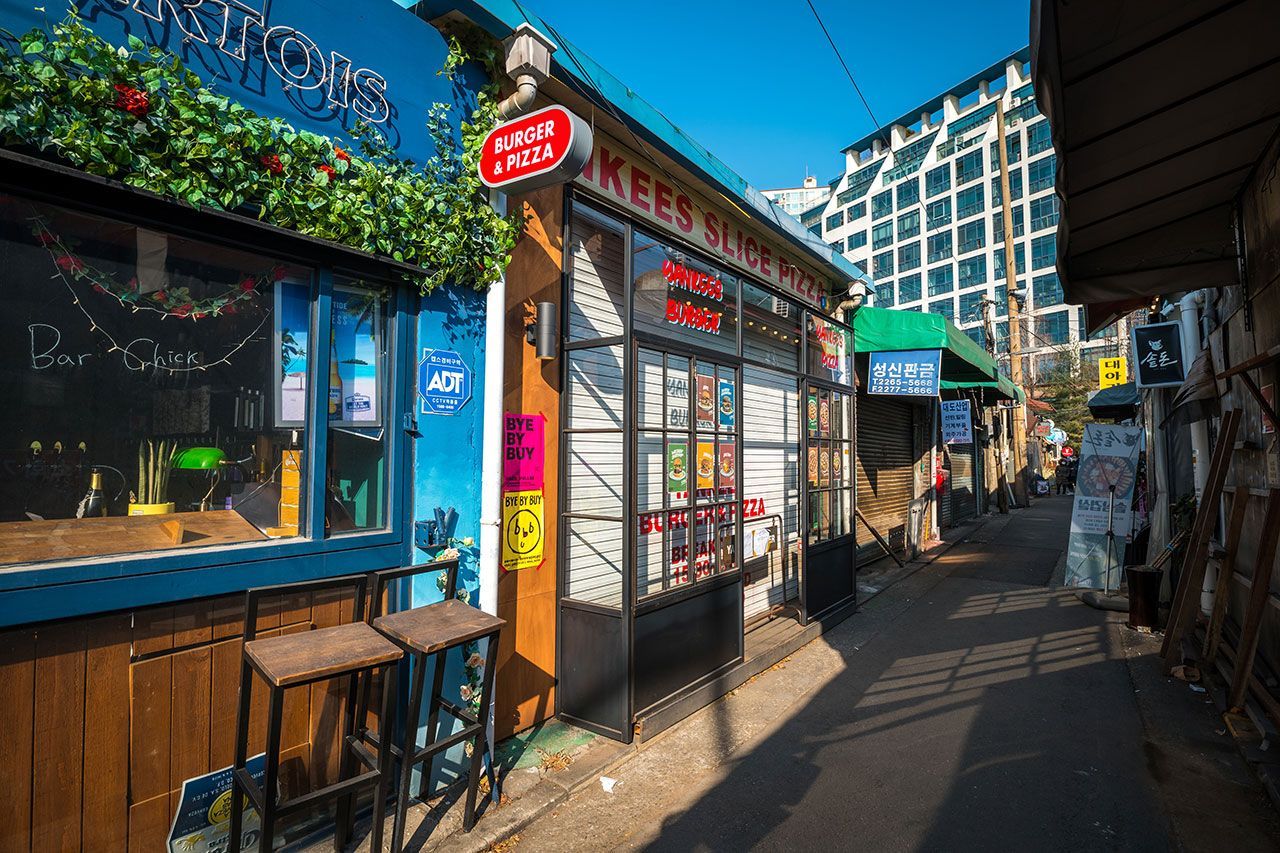
## Description Mullae Art Village in Seoul is a compelling example of an industrial district transformed into an active creative ecosystem. Once home primarily to metalworks and small foundries, the neighborhood now hosts a mix of artist studios, mural-covered facades, experimental cafes, and workshops that continue to hum with production. This coexistence of working industry and emerging creative culture lends Mullae a gritty authenticity—visitors can witness the surprising juxtaposition of active metal fabrication alongside open studio events and gallery nights. The village has become a draw for photographers, designers, and travelers looking for non-touristy creative scenes. Monthly studio openings, collaborative exhibitions, and pop-up markets animate the neighborhood, while small bars and eateries offer late-night conversation and informal artist gatherings. Mullae’s charm is not polished; it’s lived-in, evolving, and full of small discoveries. ## Location Mullae sits in Yeongdeungpo-gu, Seoul, and is accessible from Mullae Station on Line 2, with short walks into the heart of the creative cluster. The area is best explored on foot, following alleyways and industrial lanes where murals, sculptures, and studios appear around unexpected corners. ## Tips - Time visits for open-studio events or weekends when more artists and galleries welcome visitors. - Be mindful of working studios—respect cordoned areas and do not enter without permission. - Bring a camera and a sense of exploration—industrial textures, murals, and found-object sculptures make for strong photography subjects. - Support local businesses: many cafes and shops are run by artists and makers, and purchases help sustain the community. - Safety note: some areas near active workshops may have operational hazards—obey signage and keep a safe distance from machinery. ## Conclusion Mullae Art Village is a vivid, working example of how industrial neighborhoods can become creative hubs without losing their gritty character. It’s ideal for curious travelers who value authenticity, emerging art scenes, and the energetic overlap of craft and creativity. ## FAQ Q: Are studios in Mullae open to the public? A: Many studios open during scheduled studio days or events; otherwise contact artists or galleries directly for visits. Q: Is it safe to take photos in Mullae? A: Yes, in public areas, but avoid photographing inside private workshops without permission and respect workers’ safety zones. Q: Are there cafes and shops in Mullae? A: Yes—small cafes, bars, and maker-driven shops are common and offer unique handmade goods and refreshments. Q: When is the best time to visit Mullae? A: Weekends and scheduled open-studio events offer the richest experience, though weekday afternoons can be quieter for wandering. Q: How can I support the local creative community? A: Buy directly from artists, attend open-studio events, and patronize local cafes and pop-up markets. ## Links - [Mullae Art Village](https://english.seoul.go.kr/seoul-art-space-mullae-mullae-creative-village/)
GemVoyage Team • World
Seoul
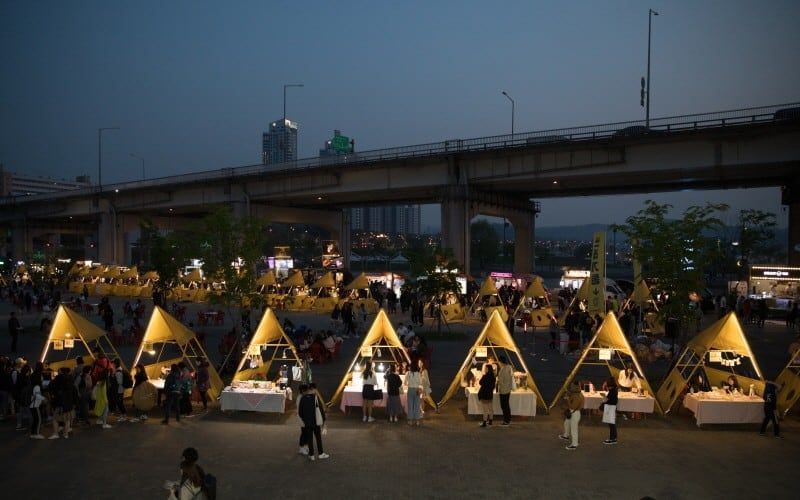
## Description Seoul Bamdokkaebi Night Market is a seasonal night-market program that animates several Han River parks across the city with pop-up vendors, street food stalls, live music, and family-friendly programming. At its core the market offers a curated taste of contemporary Korean street food culture: inventive snack stands, regional specialties, and small-batch artisanal sellers. The markets are deliberately ephemeral—open for limited dates during the warmer months—so each venue (Yeouido, Banpo, Dongjak, for example) develops its own nightly character based on local vendors and event partners. What makes Bamdokkaebi especially appealing is the riverside setting: many stalls sit on grassy banks with views across the river to Seoul’s skyline. That riverside backdrop, combined with stage performances and food trucks, creates a festival atmosphere that balances convenience with discovery. The markets are also a social hub for both residents and visitors—pick-up-and-go menus, picnic-style seating, and ambient lighting make it easy to linger. From a search-engine perspective, typical discoverability terms include "Bamdokkaebi Night Market dates", "Han River night market Seoul", and "Seoul street food market"—keywords that event pages and tourism guides often target. ## Location The program rotates through multiple Han River parks, with popular locations including Yeouido Hangang Park and Banpo Hangang Park. Each park has different entry points and transit connections: Yeouido is accessible via Yeouido Station (Line 5, Line 9), while Banpo Park is close to Express Bus Terminal Station (Line 3, Line 7, Line 9) or Sinbanpo Station on the Shinbundang Line. Check the official Bamdokkaebi schedule for current dates and the specific park hosting that night's market. Because the markets are temporary and sometimes move between sites season-to-season, verify the location and opening times on the Visit Seoul website or official event pages. Weekend nights and public holiday weekends are busiest, while midweek events can feel more relaxed. ## Tips - Check the schedule in advance: markets operate seasonally (commonly spring through autumn) and individual park dates vary. - Arrive early for popular vendors: must-try stalls can develop lines; arriving at opening time increases your chances of tasting signature items without a long wait. - Use public transit: subway and bus access is generally better than driving, as parking near parks is limited during events. - Bring a reusable bag and small change: while many vendors accept cards, cash and smaller denominations help for quick purchases and tipping. - Travel-light: markets are designed for strolling and picnicking—carry a light picnic blanket or sit on the provided benches. - Try local specialties: look for vendors offering regional street-food icons (tteokbokki, hotteok variations, seafood pancakes) alongside modern fusion snacks. - Respect local rules: keep the park clean by using recycling bins and follow any park restrictions on alcohol, fires, or amplified sound. ## Conclusion Bamdokkaebi Night Market is a seasonal, riverside way to sample Seoul’s inventive street-food scene in a lively, communal setting. It's ideal for travelers who enjoy casual dining, outdoor festivals, and a taste of local life. By checking schedules and arriving with a few practical items (cash, transit card, light jacket), visitors can maximize the experience and enjoy a variety of tastes across multiple nights if time allows. ## FAQ Q: When does Bamdokkaebi Night Market usually run? A: The market typically runs from spring to autumn on selected weekends and evenings; dates change yearly, so check the official Visit Seoul schedule. Q: Are pets allowed at the market? A: Policies vary by park; many Han River parks allow leashed dogs in common areas, but vendors or event-specific setups may restrict animals—check the event page. Q: Are there vegetarian or halal options? A: Yes—larger markets usually include vegetarian/vegan stalls and vendors who provide halal-friendly dishes; look for signage or ask vendors directly. Q: Is entry free? A: Yes—park access and market entry are free; you pay per vendor for food and goods. Q: What payment methods are accepted? A: Many vendors accept credit/debit cards and mobile payments; however, smaller stalls sometimes prefer cash—carry some small bills. ## Links - [Bamdokkaebi Night Market](https://www.visitseoul.net)
GemVoyage Team • World
Los Angeles
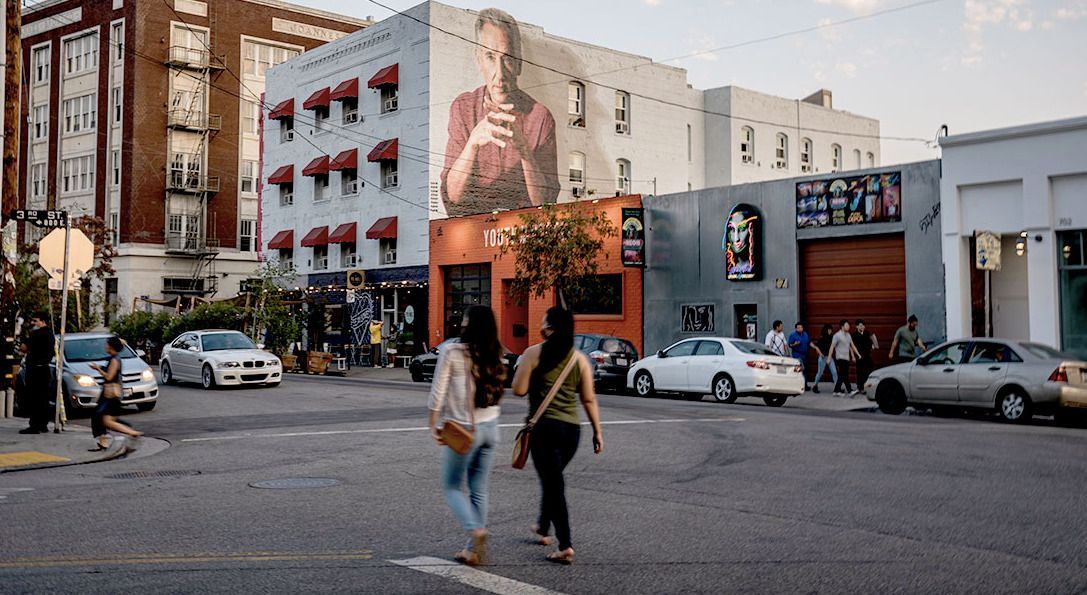
## Description Los Angeles's Arts District is a revitalized industrial neighborhood in DTLA that attracts artists, photographers, and food-and-drink entrepreneurs. Once dominated by warehouses and manufacturing, the area now hosts large-scale murals, independent galleries, micro-breweries, and creative studios—while many buildings retain their industrial bones, loft conversions and artist workspaces coexist with public art and event venues. The Arts District's visual appeal is immediate: colorful street art wraps building facades, while converted factories house gallery openings, pop-up shops, and tasting rooms. The neighborhood also supports a range of discovery experiences: guided mural walks, studio open-house events, and First Fridays where galleries and studios open to the public. For search optimization, useful queries include "Los Angeles Arts District murals", "DTLA art galleries", and "Arts District breweries"—terms that align with both live-event listings and neighborhood guides. ## Location The Arts District sits east of central downtown Los Angeles, adjacent to the LA River and Little Tokyo. It's reachable by public transit to Little Tokyo/Arts District station (Regional rail) or via buses that serve downtown; many visitors prefer rideshare or cycling to navigate between dispersed murals and galleries. Street parking exists but is limited and can fill quickly during events and weekends. ## Tips - Walk or bike the neighborhood to take in large murals and alleyway installations. - Check the calendar for First Fridays and open-studio events to access private studios and pop-up shows. - Visit micro-breweries and coffee-roasters during the afternoon for a quieter experience; evenings are best for nightlife and special events. - Use respectful photography practices: many murals are public, but studio and private properties may restrict access—ask permission before entering. - Keep safety in mind: while the neighborhood is vibrant, stay aware of your surroundings at night and stick to well-lit, populated streets. ## Conclusion DTLA's Arts District blends industrial heritage with contemporary creativity, offering dynamic murals, intimate galleries, and an energetic food-and-drink scene. It's a must-visit for photographers, collectors of urban art, and anyone seeking a vibrant neighborhood that's both locally rooted and globally connected. ## FAQ Q: Are mural tours available? A: Yes—guided mural tours and self-guided maps are popular; local tour companies and apps list recommended routes. Q: When is First Friday? A: First Friday events typically occur on the first Friday of each month, though schedules and participating venues can change—check local listings. Q: Are there family-friendly activities in the Arts District? A: Daytime visits can be family-friendly with parks, street art, and casual dining; some evening events are more adult-oriented. Q: Where can I find artist studios? A: Many studios open during special events or by appointment; gallery directories and studio collective websites list visiting hours. Q: Is parking available? A: Limited street parking and paid lots exist; rideshare, cycling, or public transit are recommended during peak times. ## Links - [Arts District, Los Angeles (Wikipedia)](https://en.wikipedia.org/wiki/Arts_District,_Los_Angeles)
GemVoyage Team • World

Rome
## Description Janiculum Hill (Gianicolo) stands as one of Rome’s most rewarding scenic vantage points, offering sweeping panoramas of the city’s rooftops, domes and spires, with St. Peter’s Basilica prominently on the skyline. Unlike the classical seven hills of ancient Rome, Janiculum sits to the west of the Tiber and has a distinct character: it combines leafy public gardens, impressive monuments to Italy’s 19th-century unification heroes, and pockets of quiet away from the densest tourist routes. Visitors come to linger on terraces and balustrades, photograph the city at golden hour, and stroll the shaded promenades lined with cypress and plane trees. What makes Janiculum special is its layered atmosphere — it’s part memorial, part urban park and part living neighborhood. Statues and memorials, including the commanding equestrian statue of Giuseppe Garibaldi, recall Italy’s Risorgimento period and add historic depth to the views. The hill is studded with small chapels, fountains such as the striking Fontana dell'Acqua Paola (also called Il Fontanone), and hidden viewpoints that look across the Tiber to the heart of ancient Rome. Little-known facts: Janiculum is home to several international monuments (including busts and memorials to foreign volunteers who fought for Italy) and there’s a long-standing local tradition of a noon cannon shot — a historical custom that punctuates the day and ties the hill into Rome’s lived rituals. ## Location Janiculum Hill is located in Rome, Lazio region, Italy, on the west bank of the Tiber River opposite the historic Trastevere and the ancient core of the city. The main terraces and the most frequented viewpoints cluster along the Via Garibaldi and the Passeggiata del Gianicolo, a ridge that runs north-south. The nearest neighborhoods are Trastevere (below the hill) and the residential Monteverde and Gianicolense districts. To get there: from central Rome, one of the most pleasant routes is to walk up from Piazza Trilussa in Trastevere and ascend via the Viale del Gianicolo or the stairways that connect Trastevere’s lanes to the hill’s terraces. Public transport options include buses that serve nearby stops (check local routes such as lines that head to Trastevere and Monteverde) or taking tram/bus to the Trastevere rail station and walking up. Taxis or ride-hailing services can drop you near the top terraces for a short walk. For visitors who prefer a guided introduction, many walking tours of Trastevere and the Janiculum combine history and views. ## Tips - Timing: For the most stunning light, aim for the hour before sunset (golden hour) for warm, cinematic views and photographs. Early morning offers quieter conditions and softer light. The hill can be breezy in late afternoon. - Crowds: The terraces are popular but not overcrowded like central squares. Weekdays and early mornings are best to avoid local visitors during weekends. - Security & comfort: Pickpocketing is less common here than in dense tourist hubs, but keep usual precautions. Wear comfortable shoes for cobbled paths and steps. - Amenities: There are a few cafés and kiosks nearby, but consider bringing water, especially in summer. Public restrooms are limited; plan accordingly. - Seasons: Spring and autumn are ideal for pleasant temperatures; summer can be hot and busier. Winter offers crisp air and clearer long-distance visibility on good days. - Photography: Bring a zoom lens for close-ups of city details and a wide angle for sweeping skyline shots. Some viewpoints are fenced; respect barriers and private property. ## Conclusion Janiculum Hill is a peaceful, evocative corner of Rome where panoramic views meet commemorative monuments and shady walks. It rewards visitors who step just a little off the busiest tourist routes with moments of true perspective—on the city’s urban spread, its historical layers, and its daily life. Whether you come for sunset, a reflective stroll among monuments, or to trace lesser-known aspects of modern Italian history, Janiculum offers an intimate, memorable encounter with Rome. ## FAQ Q: Is Janiculum Hill within walking distance from the historic center? A: Yes. From Trastevere and several central points it is a manageable walk; stairways and slopes connect it to the historic center. Q: Is there an entrance fee? A: No. Janiculum’s public terraces and gardens are free to visit. Q: Are there guided tours available? A: Yes. Many walking tours of Trastevere and specialized history tours include Janiculum; private guides can provide deeper context on the monuments. Q: Is the area safe at night? A: Generally yes, but standard urban precautions apply—stick to well-lit areas and main promenades. Q: Can I drive up? A: Driving is possible to some upper roads and viewpoints, but parking is limited. A drop-off is convenient. ## Links [Wikipedia: Gianicolo (Janiculum)](https://en.wikipedia.org/wiki/Janiculum) [Roma Turismo / Visit Rome (official tourism guides)](https://www.turismoroma.it)
GemVoyage Team • World
Lisbon
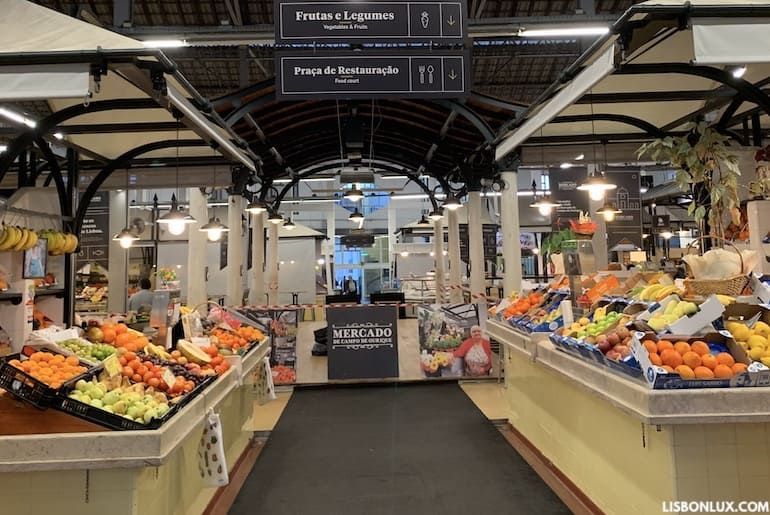
## Description Mercado de Campo de Ourique is a lively neighborhood market in Lisbon that blends traditional market stalls with contemporary food vendors, offering an authentic cross-section of Portuguese culinary life. The market serves locals with fresh produce, fish, meat and pantry items, while an inner food-hall atmosphere provides ready-to-eat dishes, pastries and coffee. What sets Campo de Ourique apart is its local, residential character — it’s not just a tourist attraction but a functioning community hub where Lisbon residents shop and socialize. The market’s architecture is typically covered and airy, with stalls organized around central aisles. Recent renovations have injected a modern food-court vibe alongside still-active traditional vendors, making it a place where you can buy grocery staples in the morning and return later for a relaxed meal. Little-known facts: Campo de Ourique historically developed as a self-contained neighborhood with a strong shopping tradition, and the market has long been a point where multiple culinary generations intersect. ## Location Mercado de Campo de Ourique sits in the Campo de Ourique neighborhood in Lisbon, Portugal, in the western part of central Lisbon near the Estrela and Rato districts. The neighborhood is primarily residential with shops, bakeries and small restaurants lining the streets. Getting there: The neighborhood is accessible by tram, bus and metro. The Rato Metro station and several bus lines serve the area; trams and short walks from nearby attractions make it easy to combine a market visit with broader neighborhood exploration. Taxis and rideshares can drop you near the market’s main entrance. ## Tips - Best times: Morning is ideal for shopping fresh produce and avoiding lunch crowds; midday is excellent for sampling prepared dishes. - What to try: Don’t miss fresh pastries, Portuguese cheeses, cured meats and regional specialties. Many stalls offer ready-to-eat plates — ask vendors for local recommendations. - Payment: Vendors accept cards and cash; small stalls may prefer cash for tiny purchases. - Local etiquette: Bring a reusable bag for purchases; be polite in queues and avoid blocking aisles when tasting or photographing. - Combine visits: Explore nearby bakeries and cafés in Campo de Ourique for a fuller neighborhood taste. ## Conclusion Mercado de Campo de Ourique offers a warm, authentic Lisbon market experience where traditional shopping and contemporary food culture coexist. It’s perfect for visitors seeking genuine neighborhood life, excellent local food and the chance to taste Portuguese everyday cuisine alongside longtime market traditions. ## FAQ Q: Is the market touristy? A: It retains a strong local clientele, though visitors are welcome and many stalls cater to diverse tastes. Q: Are there vegetarian options? A: Yes. Many vendors and food stalls offer vegetarian and vegan-friendly dishes. Q: Can I take food to go? A: Absolutely; many stalls prepare takeaway plates and sandwiches. Q: Is parking available nearby? A: Street parking and small public car parks exist, but public transport is recommended. ## Links [Lisbon Travel Guide](https://www.visitlisboa.com/en)
GemVoyage Team • World
São Paulo
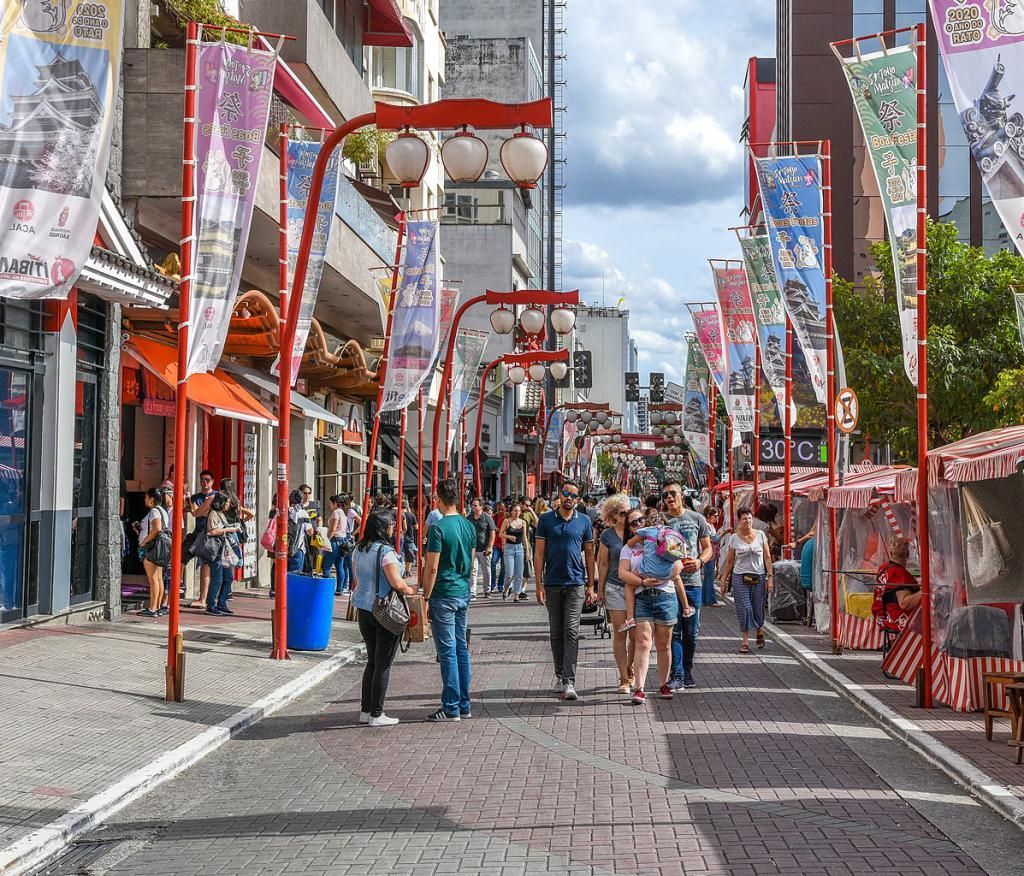
## Description Liberdade is one of the most distinctive neighborhoods in São Paulo and one of the best places in Brazil to experience the city’s layered cultural identity. Known today as the center of Japanese-Brazilian life in São Paulo, the district combines Asian markets, lantern-lit streets, ramen shops, bakeries, cultural centers, and everyday street life in a way that feels both energetic and deeply local. It is not just a neighborhood with a recognizable visual style; it is a living urban district where migration history, commerce, food, and community still shape the streets. What makes Liberdade especially worth visiting is that it offers a concentrated version of São Paulo’s diversity. You can spend a morning browsing specialty stores, have lunch in a small noodle house, visit a cultural institution in the afternoon, and then return after dark when the lanterns and signage give the area a different atmosphere. One little-known fact is that Liberdade was not always associated with Japanese culture; its history includes Afro-Brazilian heritage, older residential uses, and a long process of demographic change that turned it into the cultural hub it is today. Another interesting detail is that the neighborhood’s famous portal and decorative elements are relatively recent compared with the area’s older urban fabric, so the visual identity you see now is the result of deliberate community expression, not simply architectural tradition. The district is also a practical place for travelers who like food and street photography. The weekend market and surrounding streets often create a lively scene, but even on quieter weekdays Liberdade rewards slow wandering. The area’s small shops often carry imported snacks, tea, ceramics, stationery, and gifts that are hard to find elsewhere in the city. That mix of everyday utility and cultural symbolism is what gives Liberdade its appeal. It feels authentic because it functions as a neighborhood first and a visitor destination second. ## Location Liberdade is located in central São Paulo, in the state of São Paulo, Brazil. It sits close to the city center, making it easy to combine with other urban attractions such as Avenida Paulista, Sé Cathedral, or the municipal historic district. The most recognized access point is around Liberdade metro station on Line 1-Blue, which puts visitors directly into the heart of the neighborhood. The easiest way to get there is by metro, especially if you are staying in another part of São Paulo. Taxis and ride-hailing services also work well, but public transport is usually faster because traffic can be heavy. If you are already exploring central São Paulo on foot, Liberdade can be reached through a longer but manageable walk from nearby districts. For first-time visitors, arriving by metro is the most straightforward option because it drops you right into the neighborhood’s main pedestrian flow. ## Tips Visit on a weekend if you want the most lively atmosphere, but go earlier in the day to avoid the largest crowds. Bring cash and a flexible appetite, because many of the best snacks, pastries, and small purchases are easiest to enjoy from informal stalls and compact shops. Don’t limit yourself to the main street. Some of the most interesting details are in the side streets, where older buildings, small restaurants, and local businesses reveal the neighborhood’s everyday rhythm. If you like photography, go at different times of day. Morning light, afternoon bustle, and evening lanterns all give Liberdade a different visual character. Combine the visit with nearby central landmarks so the trip feels like part of a broader São Paulo itinerary rather than a standalone stop. ## Conclusion Liberdade is more than São Paulo’s famous Japanese quarter; it is a vibrant urban district where food, memory, and community life come together in a way that feels unmistakably local. ## FAQ ### What is Liberdade known for? Liberdade is best known for its Japanese-Brazilian cultural identity, Asian food, specialty shops, and lively street market atmosphere. ### Is Liberdade worth visiting if I only have one day in São Paulo? Yes. It is one of the easiest neighborhoods to visit for a quick cultural and food-focused experience. ### What is the best time to go to Liberdade? Weekends are the liveliest, but weekday visits can be calmer and better for exploring shops without heavy crowds. ### Is Liberdade safe for tourists? Like any busy urban district, it is best to stay aware of your surroundings, keep belongings close, and use common city precautions, especially in crowded areas. ### What should I try in Liberdade? Look for ramen, pastries, sweets, teas, and street snacks sold by local vendors and small restaurants.
GemVoyage Team • World