Discover extraordinary places shared by our community of travelers
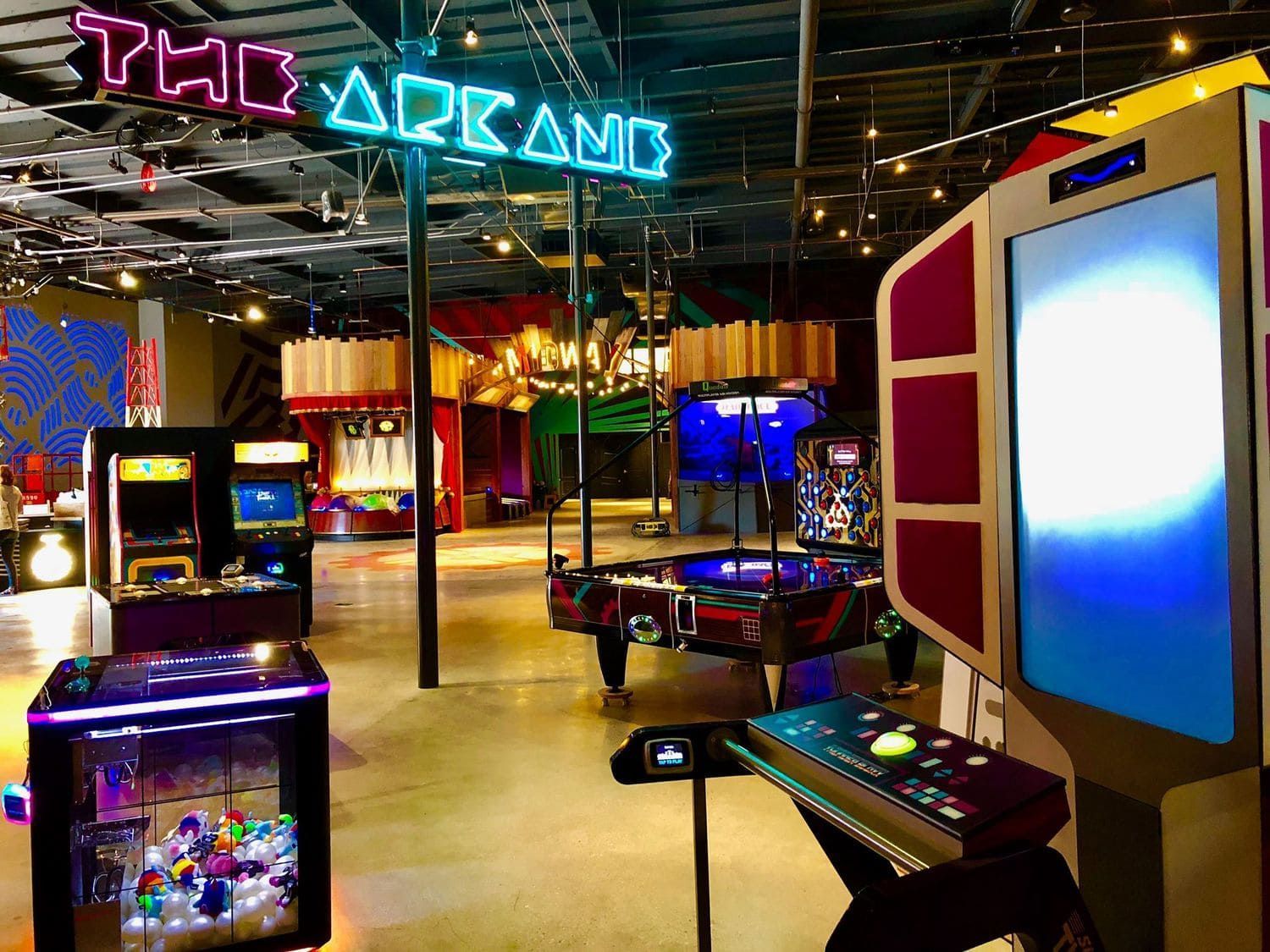
Los Angeles
## Description Two Bit Circus is a modern micro-amusement concept that blends hands-on nostalgia with cutting-edge interactive entertainment. Designed as a social hub rather than a sprawling theme park, it curates short, intense experiences—virtual reality arenas, escape rooms, skill-based arcades, and immersive storytelling booths—so groups can mix and match activities in a single visit. The emphasis is on collaboration, shared laughter, and creative tech-driven play that appeals to friends, families, and corporate groups seeking memorable experiences. What sets Two Bit Circus apart is the careful balance between retro charm and contemporary technology. Classic arcade cabinets and carnival aesthetics sit alongside augmented reality installations and multiplayer VR experiences, creating a playful design language often described by the founders as “steampunk meets Silicon Valley.” The venue also acts as an incubator for event concepts and experiential design, with many of its ideas adopted by other entertainment venues worldwide. Beyond public attractions, Two Bit Circus often hosts private events, corporate team-building sessions, and evening social gatherings. Food, drink, and curated programming extend the experience beyond ride-based entertainment—expect pop-up events, themed nights, and collaborative challenges that keep the programming fresh. For visitors who enjoy both nostalgia and novelty, the venue’s layered experiences deliver short bursts of excitement and opportunities for friendly competition. ## Location Two Bit Circus operates within Los Angeles, California, though the venue and address have evolved over time as the concept expanded. Always check the official website or event listings for the most current location and hours. Getting there: Driving or rideshare is typically the most convenient option, and many locations provide nearby parking. Depending on the venue, public transit may be possible—plan connections ahead of time. If you’re attending a popular event, allow extra time for arrival and parking. ## Tips - Book tickets or reserve experiences ahead of time, especially on weekends and during special events when capacities fill quickly. - Combine complementary experiences (for example, a VR arena session plus an escape room) to get the most value and variety from a single visit. - Review any age, height, or health restrictions before booking; some VR or motion-based experiences may not be suitable for all guests. - Carry a charged phone for leaderboards, event check-in, and sharing moments, but follow venue rules about device use in certain experiences. - Consider group or corporate packages if you’re organizing a team-building event—these can include private space, catered food, and tailored programming. - Check the schedule for themed nights, pop-ups, or special tournaments to time your visit with unique programming. ## Conclusion Two Bit Circus offers a lively, flexible entertainment model that rewards curiosity and social play. Whether you’re seeking a date night, family outing, or corporate event, its mixture of nostalgia, technology, and quick, memorable experiences makes it a versatile option in a city known for big attractions. ## FAQ Q: Is Two Bit Circus suitable for families? A: Yes. Many attractions are family-friendly, though some experiences are geared toward older teens and adults. Always check specific activity age guidelines. Q: Are walk-ins allowed or should I book in advance? A: Some experiences accept limited walk-ins, but booking in advance is strongly recommended to secure time slots and avoid long waits. Q: Does Two Bit Circus offer food and drink? A: Many locations and event configurations include bars, cafes, or pop-up food options—check the venue’s amenities before you go. Q: Can I host a private event or corporate team-building session? A: Yes. The venue is frequently used for private hire and corporate events; packages typically include curated experiences, catering options, and dedicated staff. Q: Are there accessibility accommodations? A: Accessibility varies by location and experience; contact the venue ahead of booking to discuss needs and confirm accommodations. Q: What should I wear or bring? A: Wear comfortable clothing and shoes suitable for movement; bring any required IDs for entry and a charged phone for check-ins and digital tickets. ## Links - [Two Bit Circus (official)](https://twobitcircus.com) - [Wikipedia: Two Bit Circus](https://en.wikipedia.org/wiki/Two_Bit_Circus)
GemVoyage Team • World
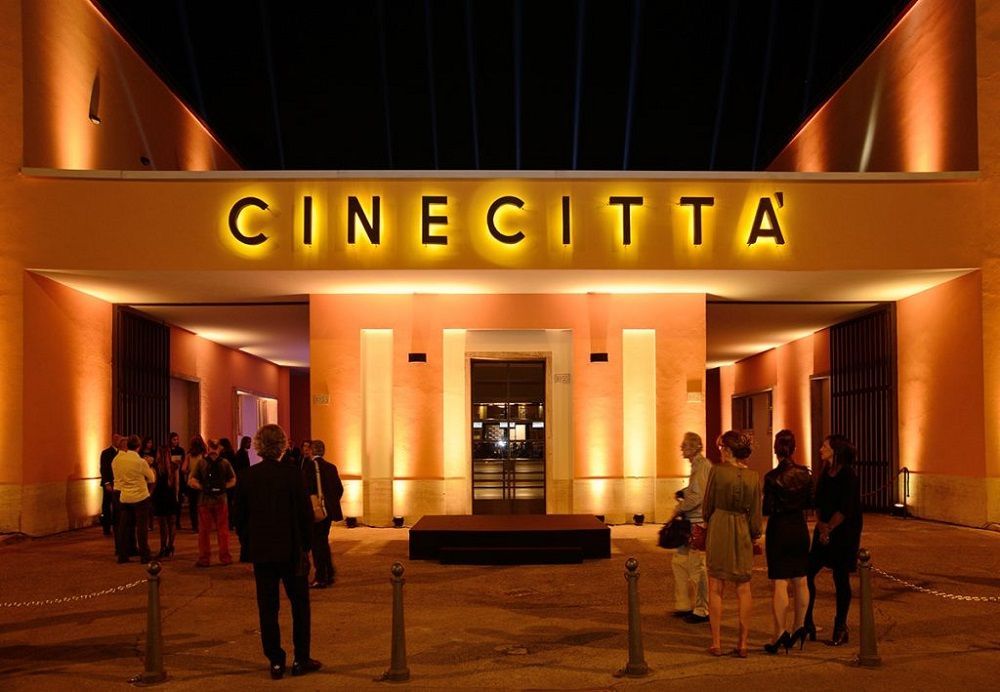
Rome
## Description Cinecittà Studios is Italy’s legendary film complex and a living monument to cinematic history. Since its founding in 1937, Cinecittà has hosted major Italian auteurs and international productions, shaping genres from neorealism to epic historical spectacles. Today it functions as both a working studio and a public-facing cultural institution: visitors can explore set reconstructions, costume archives, interactive exhibits, and occasional behind-the-scenes tours that illuminate how films are made. Part of Cinecittà’s allure is its scale and continuity. The studio once housed elaborate built environments—a Roman forum, full-scale palaces and desert landscapes—used in grand historical epics. Though some of those sets were temporary, many props, set fragments and costume pieces have been preserved and curated for public display. The institution also showcases technical crafts that are often invisible to audiences: model making, matte painting, lighting rigs, and costume workshops. For film students and enthusiasts, Cinecittà is a place to see the physical processes that support cinematic imagination. What visitors often remember most are tactile encounters: seeing original costumes under museum lighting, stepping onto a reconstructed soundstage, or viewing archival footage that places modern films in a long lineage of Italian cinema. Temporary exhibitions frequently spotlight famous directors, film movements, or technical achievements, and festival programming can add screenings, talks and workshops to the calendar. Educational programs and bookings: Cinecittà runs occasional workshops, masterclasses and educational programs aimed at students and emerging filmmakers. If you are visiting as part of a study group or with professional interest, contact the studio’s education office to explore scheduling options and group rates. ## Location Cinecittà Studios is southeast of central Rome in the Cinecittà district, easily reached from Termini station and other central hubs. The nearest metro stop is Cinecittà on Line A, which provides a straightforward public transit route for visitors. Getting there: take Metro Line A to Cinecittà station and follow signage, or use buses that serve the district. Taxis and rideshares are convenient if you’re carrying equipment or traveling in a group. Many visitors pair a Cinecittà visit with nearby cultural routes such as the Appian Way or archeological tours of ancient Rome. ## Tips - Book tickets and special tours in advance: popular guided tours and temporary exhibitions can sell out during peak tourist months. - Arrive early to enjoy quieter galleries and to join early guided tours or screenings. - Check the events calendar for film festivals, masterclasses and special exhibits that may offer unique access or programming. - Wear comfortable shoes and be prepared for walking between lots; some areas are outdoor or semi-covered. - Ask about audio guides or guided tours led by studio personnel for a more technical view of production processes. - If you're a student or industry professional, check for discounted or specialized access with proof of affiliation. ## Conclusion Cinecittà Studios uniquely blends cinematic heritage and active production. It provides a rare opportunity to understand filmmaking as collaborative craft—an encounter with the material culture of cinema, from ateliers and props to full-scale set design. Whether you're a cinephile, student, or casual visitor, Cinecittà offers insights into how film history and contemporary production practice meet. ## FAQ Q: Can visitors tour actual soundstages? A: Many guided tours include access to selected soundstages and set reconstructions, but availability depends on production schedules and conservation needs. Booking in advance improves your chances of stage access. Q: Is there an on-site museum and what does it display? A: Yes. Cinecittà’s museum displays costumes, props, archival photographs and multimedia exhibits that trace Italian and international film history. Q: Are tours available in English? A: Yes—guided tours and audioguides are typically offered in multiple languages, including English. Verify language options when booking. Q: How long should I plan for a visit? A: Depending on whether you take a guided tour or explore exhibitions independently, allocate 2–4 hours to comfortably enjoy the museum and studio areas. Q: Can I visit if a film production is underway? A: Public access can be limited during active productions. Check the studio’s schedule and tour availability when planning your visit. ## Links - [Cinecittà Studios (official)](https://www.cinecitta.com) - [Wikipedia: Cinecittà](https://en.wikipedia.org/wiki/Cinecitt%C3%A0)
GemVoyage Team • World

Armenia
## Description **Hayravank Monastery (Հայրավանք վանք)** is a striking medieval complex overlooking the turquoise waters of **Lake Sevan** in **Armenia**. Modest in size yet monumental in spirit, this 9th–12th century monastery embodies the timeless harmony between Armenian architecture, nature, and spirituality. The complex consists of a **church, a chapel, and a gavit (narthex)**, all built from dark volcanic tuff that glows deep red and orange under the sunlight. Though simple in design, its craftsmanship reveals the hallmarks of Armenian medieval architecture: cross-domed layouts, intricately carved khachkars (stone crosses), and an unpretentious yet deeply spiritual atmosphere. What makes Hayravank truly special is its **breathtaking location**—perched on a rocky cliff directly above Lake Sevan, it offers sweeping views of the surrounding mountains and shimmering water below. At sunrise or sunset, the combination of ancient stone and glowing lake light creates a scene that feels almost otherworldly. A lesser-known fact is that local legend claims the monastery once housed a **magical library of sacred scrolls**, guarded by a wise monk who vanished mysteriously. Archaeologists have indeed found early manuscripts and stone inscriptions on-site, adding intrigue to this ancient story. Another fascinating aspect is that Hayravank’s design likely influenced later monasteries in the Sevan basin, helping shape Armenia’s architectural identity. ## Location Hayravank Monastery is located in **Gegharkunik Province**, on the **western shore of Lake Sevan** in **Armenia**. It lies near the village of **Hayravank**, approximately **120 kilometers northeast of Yerevan** and **20 kilometers north of Sevan town**. To get there: * **By car:** From Yerevan, take the M4 highway toward Sevan and continue along the lakeside road to Hayravank village. The drive takes about **2–2.5 hours** and is both scenic and well-paved. * **By bus or taxi:** Shared minibuses (marshrutkas) run from Yerevan to Sevan, where taxis can then take you directly to the monastery. * **By tour:** Many Lake Sevan day tours include Hayravank along with Noratus Cemetery and Sevanavank Monastery. Its lakeside setting makes it easy to combine a cultural visit with a picnic or a walk along the shore. ## Tips * **Best time to visit:** Late spring to early autumn (May–October) offers pleasant weather and clear lake views. * **Photography:** Bring a wide-angle lens — the lake backdrop and the monastery’s silhouette at sunset are spectacular. * **Dress respectfully:** As an active religious site, modest clothing is appreciated. * **Explore nearby:** Combine your visit with **Noratus Cemetery**, famous for its medieval khachkars, or with **Sevanavank Monastery** for a complete historical experience. * **Avoid windy days:** Lake Sevan’s altitude (1,900 m) can make the area windy and cool, even in summer — bring a light jacket. * **Ask locals for stories:** Villagers often share legends about the site, from hidden treasures to mysterious monks who once lived there. ## Conclusion **Hayravank Monastery** is a masterpiece of simplicity, serenity, and natural beauty — a place where Armenia’s spiritual heritage meets the grandeur of its landscapes. With its ancient walls set against the endless blue of Lake Sevan, it stands as a quiet yet powerful reminder of the country’s medieval faith and craftsmanship. For travelers seeking peace, history, and authentic Armenian charm, Hayravank is a destination that captures the soul of the nation itself. ## FAQ **1. When was Hayravank Monastery built?** The main church dates to the **9th century**, with additional structures, including the gavit, added in the **12th century**. **2. Is the monastery still active?** It is not a full-time monastic residence but is used for religious ceremonies and services on special occasions. **3. Do I need to pay an entrance fee?** No, entrance to Hayravank Monastery is **free of charge**. **4. How long should I plan to stay?** Allow about **30–45 minutes** to explore the complex, take photos, and enjoy the lake views. **5. Is it accessible year-round?** Yes, though winter visits can be chilly due to snow and wind. Roads are usually passable except during heavy weather. **6. Are there restaurants or facilities nearby?** There are small cafés and picnic spots near the village of Hayravank and along Lake Sevan’s western shore. ## Links * [Armenia Tourism Official Site](https://armenia.travel) * [Armenian Monasteries – Cultural Heritage](https://www.armeniapedia.org/wiki/Hayravank_Monastery)
GemVoyage Team • World
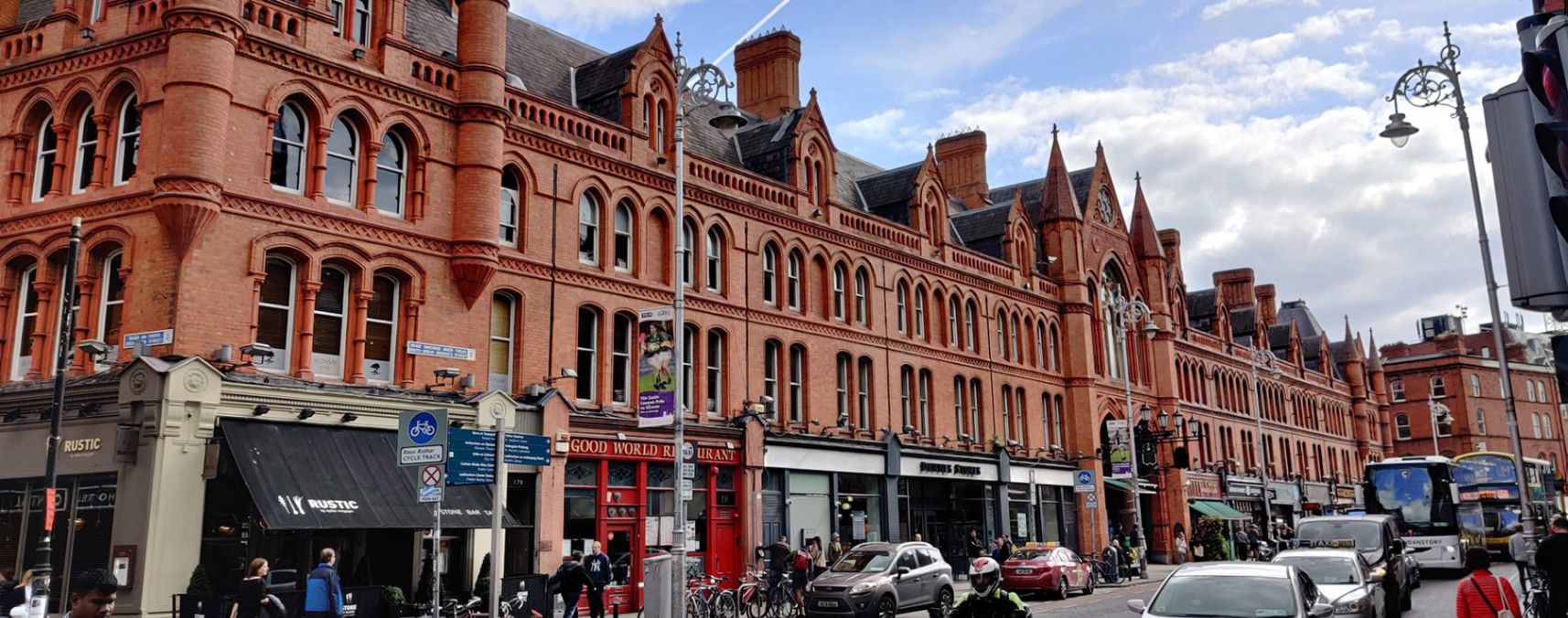
Dublin
## Description **George’s Street Arcade (Stiúrtha Shráid Sheoirse)** is one of **Dublin’s oldest and most beloved shopping destinations**, offering a delightful blend of history, culture, and creativity. Opened in **1881**, it is one of the earliest purpose-built shopping arcades in Europe and remains a vibrant hub for both locals and visitors. Housed within a beautifully restored **Victorian red-brick structure**, the arcade features high wrought-iron arches, decorative glass roofing, and an atmosphere that blends the old with the contemporary. Inside, the narrow aisles are lined with an eclectic mix of independent stalls and boutique shops selling everything from vintage clothing and handmade jewelry to records, art, books, and collectibles. Street food vendors and cafés add delicious aromas to the air, making the experience as sensory as it is cultural. What makes George’s Street Arcade unique is its **authentic local character**—unlike chain-filled shopping centers, this market has remained fiercely independent for more than a century. It survived a major fire in 1892 and was rebuilt within two years, preserving its original charm. Another lesser-known fact is that the arcade was designed by English architects Lockwood & Mawson, the same team behind the iconic City Hall in Bradford, England. ## Location George’s Street Arcade is located in the heart of **Dublin City Centre**, **Ireland**, on **South Great George’s Street**, between Dame Street and Drury Street. Its central position places it just a few minutes’ walk from popular landmarks such as **Grafton Street**, **Trinity College**, and **Temple Bar**. To get there: * **On foot:** If you’re already exploring the city center, the arcade is within easy walking distance of most attractions. * **By public transport:** Take the **Luas Green Line** to the St. Stephen’s Green stop, or use Dublin Bus routes that pass through Dame Street or Aungier Street. * **By car:** Parking is available at nearby car parks such as Drury Street Car Park, though walking or public transport is recommended due to limited city parking. ## Tips * **Visit in the morning or early afternoon:** Crowds are smaller, and shop owners often have time to chat and share stories about their wares. * **Bring cash:** While many stalls accept cards, some smaller traders prefer cash for quick transactions. * **Try local snacks:** Sample treats from the market cafés — popular picks include crepes, pastries, or locally roasted coffee. * **Look for vintage and handmade goods:** The arcade is known for its one-of-a-kind finds, especially clothing, vinyl, and jewelry. * **Photography tip:** The interior’s glass roof and iron arches make for stunning photos, especially when sunlight filters through the skylights. * **Explore nearby:** After your visit, stroll along South William Street or George’s Street for more indie boutiques, pubs, and street art. ## Conclusion **George’s Street Arcade** is a living piece of Dublin’s history — a place where Victorian architecture meets contemporary creativity. Whether you’re shopping for a unique souvenir, enjoying local food, or simply soaking in the lively ambiance, this market captures the essence of Dublin’s independent spirit. It’s not just a shopping destination; it’s an experience that connects the city’s past with its ever-evolving present. ## FAQ **1. When was George’s Street Arcade built?** It was originally opened in 1881 and rebuilt in 1894 after a devastating fire. **2. What can I buy there?** The arcade offers handmade crafts, vintage fashion, jewelry, books, vinyl records, art, souvenirs, and local food. **3. Is there an entrance fee?** No, entry to the arcade is free for all visitors. **4. What are the opening hours?** Typically open **Monday to Saturday from 9:30 a.m. to 6:00 p.m.** and **Sunday from 12:00 p.m. to 6:00 p.m.**, though hours can vary slightly by shop. **5. Can I find local Irish products?** Yes — many vendors sell handcrafted Irish goods, from Celtic jewelry and wool accessories to local artwork and artisan foods. **6. Is it wheelchair accessible?** Yes, the main entrances and interior walkways are accessible, though some smaller stalls may have tight spaces. ## Links * [Official George’s Street Arcade Website](https://www.georgesstreetarcade.ie) * [Visit Dublin – George’s Street Arcade](https://www.visitdublin.com)
GemVoyage Team • World
.jpg)
Chongqing
## Description Jiefangbei Shopping Street, also known as **Jiefangbei Pedestrian Street**, is one of the most famous commercial districts in China and the beating heart of **Chongqing**. This bustling area is not just a shopping paradise but also a cultural and social hub, attracting millions of visitors every year. It combines luxury boutiques, international brands, local shops, trendy cafés, and street food stalls—all wrapped in the energetic atmosphere of one of China’s fastest-growing cities. At the center of the district stands the **Jiefangbei Monument (Liberation Monument)**, a historic landmark originally built in 1945 to commemorate China’s victory in World War II. Over time, the monument became surrounded by skyscrapers, neon lights, and high-end malls, symbolizing Chongqing’s transformation from a wartime city into a modern metropolis. A little-known fact is that Jiefangbei Shopping Street is often referred to as the **“Times Square of Chongqing”** due to its massive LED screens, vibrant nightlife, and crowds of visitors. Another unique detail is that beneath the pedestrian street lies a **complex underground shopping mall**, where visitors can explore an entire network of shops, restaurants, and entertainment venues. ## Location Jiefangbei Shopping Street is located in the **Yuzhong District of Chongqing, China**, right in the heart of the city’s central business area. Its central location makes it not only a shopping hotspot but also a starting point for exploring Chongqing’s rich culture and modern lifestyle. ### Recommendation on How to Get There The easiest way to reach Jiefangbei is by **metro**. Take **Line 2 or Line 6** of the Chongqing Metro and get off at **Xiaoshizi Station** or **Jiaochangkou Station**, both of which are just a short walk from the monument. Taxis are also widely available, but due to traffic congestion in the area, the metro is often faster and more convenient. For those staying in central hotels, the street is within easy walking distance. ## Tips Here are some useful tips to make the most of your visit to Jiefangbei Shopping Street: * **Shop Smart**: You’ll find everything from international luxury brands to local fashion boutiques. Bargaining is not common in malls but may be possible at smaller shops or street stalls. * **Try the Food**: Don’t miss the chance to taste Chongqing’s famous **spicy hotpot** or sample local street snacks like grilled skewers and spicy noodles. * **Visit at Night**: The area is most impressive in the evening when the neon lights illuminate the skyscrapers and the monument. * **Wear Comfortable Shoes**: The pedestrian street is large, and exploring the underground shopping centers can involve a lot of walking. * **Combine with Sightseeing**: From Jiefangbei, you can easily walk to **Hongya Cave**, a famous riverside complex, or take a short ride to the **Yangtze River Cableway**. * **Stay Aware of Crowds**: The area can get extremely busy, especially on weekends and holidays, so keep an eye on personal belongings. ## Conclusion Jiefangbei Shopping Street is more than just a commercial hub—it’s a cultural and social landmark that reflects Chongqing’s modern energy and historical roots. With its mix of shopping, dining, and entertainment options, along with the iconic Liberation Monument, it offers a truly immersive experience for both locals and tourists. Whether you’re hunting for the latest fashion trends, tasting local delicacies, or simply soaking in the vibrant atmosphere, Jiefangbei is a must-visit destination in southwest China. ## FAQ **1. What is Jiefangbei Shopping Street famous for?** It is famous for its mix of luxury shops, local boutiques, food stalls, and the iconic Liberation Monument. **2. Is it only for shopping?** No, it’s also a cultural and entertainment hub, with restaurants, cafés, cinemas, and nightlife options. **3. When is the best time to visit Jiefangbei?** Evenings are the best, as the neon lights create a lively and colorful atmosphere. **4. How do I get there from Chongqing city center?** The easiest way is by metro, taking Line 2 or Line 6 to Xiaoshizi or Jiaochangkou stations. **5. Is Jiefangbei suitable for families?** Yes, families can enjoy shopping, dining, and sightseeing in the area. However, it can be crowded, so keeping an eye on children is important. **6. Are there hotels near Jiefangbei?** Yes, the area is surrounded by hotels ranging from luxury to budget options, making it convenient for tourists to stay nearby. ## Links * [Official Chongqing Tourism Office](https://www.china-tourism.de/en/provinces/chongqing/)
GemVoyage Team • World
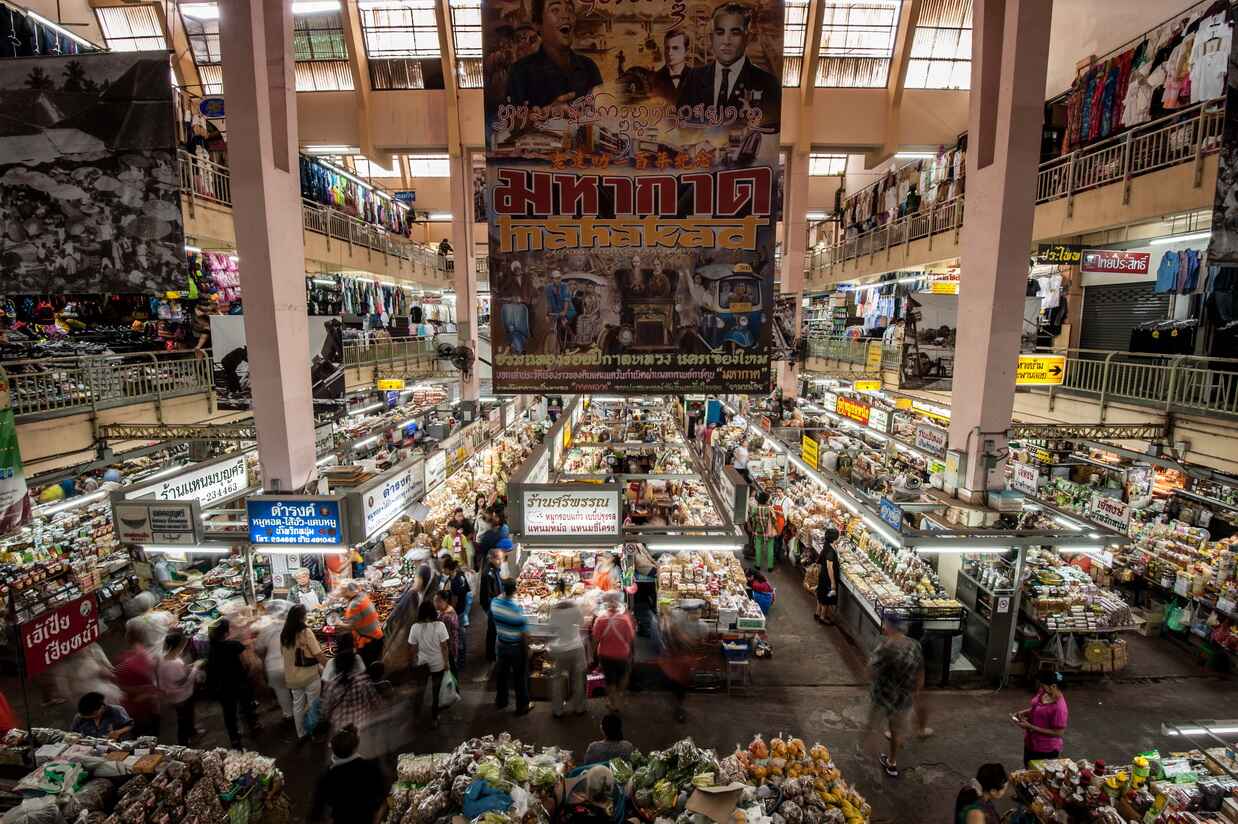
Chiang Mai
## Description Kad Luang Warorot Market, often simply called **Warorot Market**, is one of the oldest and most vibrant traditional markets in Chiang Mai, Thailand. Beloved by both locals and tourists, it offers a truly authentic glimpse into Northern Thai culture, daily life, and culinary traditions. Unlike the more tourist-focused night bazaars, Warorot Market is where locals shop for fresh produce, clothing, fabrics, household goods, and everyday essentials. What makes Warorot Market unique is its **blend of tradition and modernity**. You’ll find everything from fragrant herbs and spices to modern street fashion, all under one roof. Food lovers will particularly enjoy the market’s wide selection of Northern Thai specialties, such as **sai oua (spicy northern sausage)**, **nam prik ong (tomato chili dip)**, and an array of exotic fruits. A little-known fact is that Warorot Market has been serving the Chiang Mai community for over **a century**, making it not just a commercial hub but also a cultural landmark. Another interesting detail is that the market is busiest during important Thai festivals, such as **Loi Krathong and Songkran**, when it becomes a central point for celebration and shopping. ## Location Warorot Market is located in **Chiang Mai, Northern Thailand**, in the **Wat Ket district**, near the banks of the **Ping River**. It sits just a short walk from the **Chang Moi Gate** of the Old City, making it very accessible for travelers staying in central Chiang Mai. ### Recommendation on How to Get There From Chiang Mai’s Old City, you can easily reach Warorot Market on foot in about **10–15 minutes**. Alternatively, you can take a **red songthaew (shared taxi truck)**, tuk-tuk, or Grab (ride-hailing app) for a quick ride. If you’re staying farther away, taxis and scooters are also convenient options. Since parking in the area can be limited, it’s best to use public or shared transportation. ## Tips To make the most out of your visit to Warorot Market, here are some helpful tips: * **Go Early**: The market opens early in the morning, making it the best time to see locals shopping and to find the freshest food items. * **Try Local Snacks**: Don’t miss the chance to sample Chiang Mai’s famous northern sausage, sticky rice, and fried snacks sold at small food stalls. * **Bring Cash**: While some vendors may accept mobile payments, cash is still the most convenient method for small purchases. * **Explore Both Indoors and Outdoors**: The market consists of multiple levels and side streets, so take your time wandering beyond the main stalls. * **Check Out the Fabrics**: The market is also known for selling colorful textiles and hill tribe clothing, perfect for souvenirs. * **Respect Local Etiquette**: Bargaining is acceptable, but always do so politely with a smile. ## Conclusion Kad Luang Warorot Market is not just a place to shop—it’s an experience that immerses you in the everyday life of Chiang Mai. With its wide range of food, clothing, and cultural items, it offers visitors a taste of authentic Northern Thai traditions. Whether you’re hunting for souvenirs, trying local delicacies, or simply enjoying the lively atmosphere, Warorot Market is a must-visit destination in Chiang Mai. ## FAQ **1. What is Warorot Market famous for?** It is famous for its variety of goods, especially Northern Thai food, fresh produce, fabrics, and traditional clothing. **2. What are the market’s opening hours?** Warorot Market typically opens around **5 AM and closes by 6 PM**, though some food stalls remain open later in the evening. **3. Is Warorot Market suitable for tourists?** Yes, while it primarily serves locals, tourists are welcome and will find plenty of unique food and souvenirs to enjoy. **4. Can I bargain at Warorot Market?** Yes, bargaining is common, especially for clothing and non-food items, but it should always be done politely. **5. How far is the market from Chiang Mai’s Old City?** It’s just a 10–15 minute walk from the Old City, making it very accessible for most visitors. **6. Are there vegetarian or vegan food options available?** Yes, many stalls sell vegetarian-friendly dishes, fruits, and snacks, though it’s helpful to ask vendors about ingredients. ## Links * [Chiang Mai Tourism Office](https://www.tourismthailand.org/Destinations/Provinces/Chiang-Mai/101)
GemVoyage Team • World
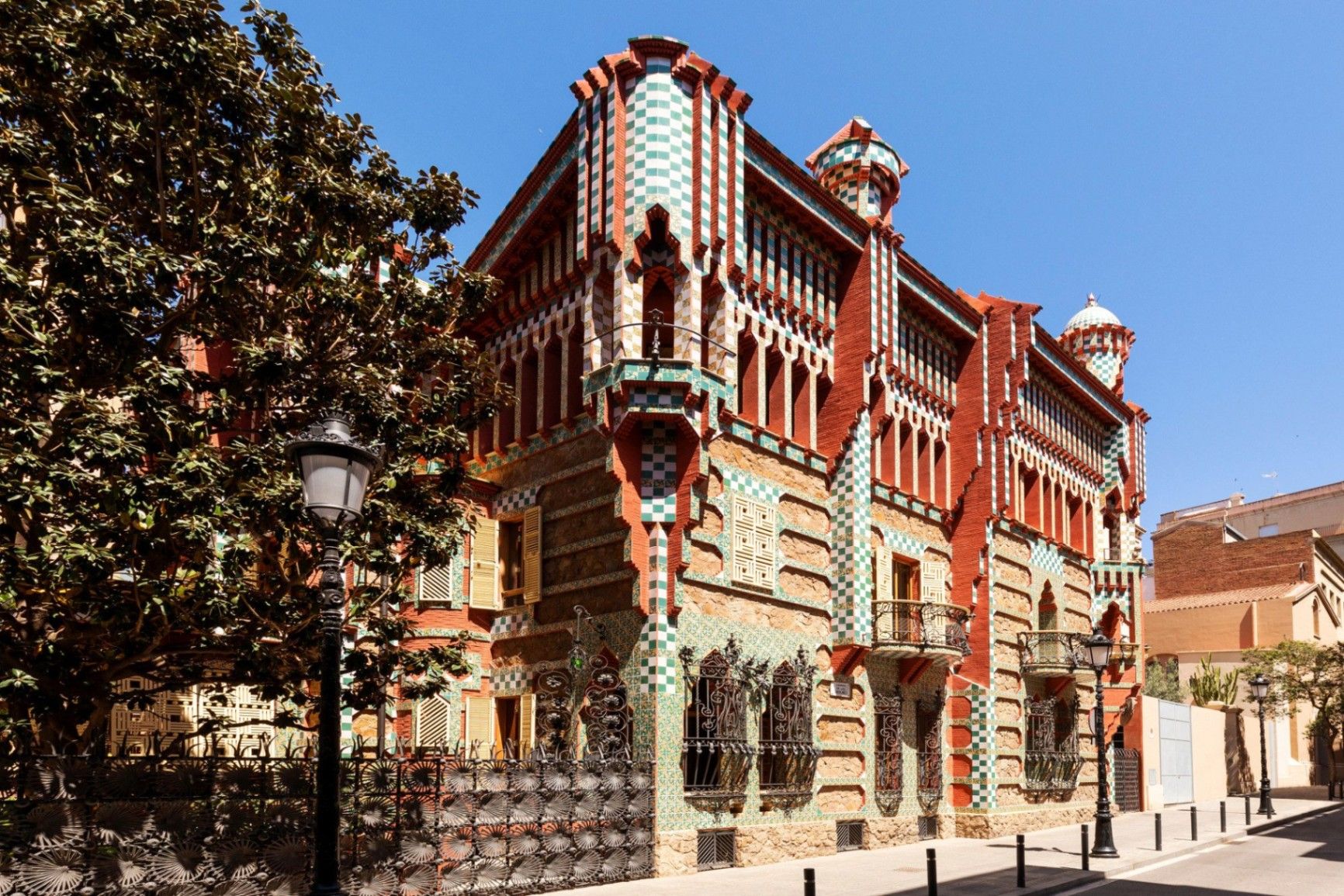
Barcelona
## Description **Casa Vicens** is widely recognized as the **first major architectural masterpiece of Antoni Gaudí** and one of the most important early works of Modernisme (Catalan Art Nouveau). Built between **1883 and 1885**, the house marks the beginning of Gaudí’s lifelong experimentation with **geometry, nature-inspired decoration, structural innovation, and symbolic design**. While later works like the Sagrada Família and Park Güell are more famous, Casa Vicens is where Gaudí’s architectural language truly begins. Unlike the flowing, organic shapes that characterize his later work, Casa Vicens is defined by **strong geometric forms, bold color contrasts, and rich surface ornamentation**. The exterior façade is covered with **vivid green and white ceramic tiles decorated with marigold flowers**, a direct reference to the plant species that once grew on the site. This was one of Gaudí’s earliest expressions of his belief that **architecture should emerge from nature, not dominate it**. The building blends a surprising range of influences: **Moorish, Gothic, and Asian-inspired motifs** coexist with Catalan craftsmanship. Horseshoe arches, intricate ironwork, glazed tiles, and painted ceilings come together in a stylistic fusion that was radical for its time. Inside, every room is treated as a complete artistic composition, from the hand-painted ceilings and floral wall motifs to the custom-designed doors, furniture, and fireplace details. Originally constructed as a **summer residence for the Vicens family**, who made their fortune in tile manufacturing, the house was later expanded and modified in the early 20th century. For most of its history, Casa Vicens remained a **private residence**, inaccessible to the general public. It was only after a major restoration project that the house opened as a **museum in 2017**, allowing visitors to explore its interiors for the first time. A little-known fact is that Gaudí was only **31 years old** when he designed Casa Vicens. At the time, he was virtually unknown, and this project launched his reputation among Barcelona’s elite. Another lesser-known detail is that the building originally included a **large garden with fountains and pergolas**, most of which disappeared as urban development intensified in the Gràcia district. What makes Casa Vicens especially valuable today is not just its beauty, but its role as a **historical blueprint** of everything Gaudí would later refine: organic symbolism, deep integration of craft and structure, and uncompromising artistic control over every architectural element. Visiting Casa Vicens is like witnessing the **moment of origin of one of the most influential architects in world history**. In 2005, Casa Vicens was officially declared a **UNESCO World Heritage Site**, confirming its global cultural significance. It now stands not only as a museum, but as a living document of architectural revolution in late 19th-century Barcelona. ## Location **Casa Vicens** is located in the **Gràcia district** of **Barcelona**, Spain. Gràcia is known for its village-like atmosphere, artistic traditions, and lively plazas. **City:** Barcelona **Region:** Catalonia (Catalunya) **Country:** Spain **District:** Gràcia **Address:** Carrer de les Carolines, 20–26, 08012 Barcelona ### How to Get There: * **By metro:** Take **L3 (Green Line)** to **Fontana Station**, then walk approximately 7 minutes. * **By bus:** Several city bus lines stop near Gran de Gràcia and Travessera de Dalt. * **By taxi or ride-hailing apps:** Request “Casa Vicens Gaudí.” * **By foot:** It is a pleasant 20–25 minute walk from **Passeig de Gràcia**. * **By bicycle:** Bike lanes connect Gràcia with central Barcelona, with bike parking nearby. Its location makes it easy to combine with a walk through **Plaça del Sol**, **Gràcia’s markets**, and independent cafés and boutiques. ## Tips * **Book tickets in advance:** Entry slots are limited, especially during peak tourist seasons. * **Choose an early morning visit:** The experience is quieter and more immersive before large tour groups arrive. * **Use the audio guide:** It provides excellent explanations of the symbolism, structure, and design choices. * **Take time with the ceilings:** Many of the most impressive details are above eye level. * **Photography is allowed:** Flash is typically restricted to protect interiors. * **Combine with other Gaudí sites thoughtfully:** Casa Vicens works best as an introduction before visiting Park Güell or Casa Batlló. * **Allow at least 90 minutes:** This gives enough time to explore all floors, the terrace, and exhibitions without rushing. * **Accessibility:** Check elevator availability in advance, as this is a historic building with structural limitations. ## Conclusion **Casa Vicens** is not merely a beautiful house—it is the **architectural starting point of Antoni Gaudí’s genius**. Through its bold colors, layered symbolism, and fusion of cultures and crafts, it reveals the earliest expression of ideas that would later redefine Barcelona’s identity. As both a UNESCO World Heritage Site and a public museum, Casa Vicens offers visitors an intimate, foundational encounter with one of the world’s most innovative architects. ## FAQ **1. What is Casa Vicens famous for?** It is famous as **Antoni Gaudí’s first major architectural project** and a key early work of Catalan Modernisme. **2. Is Casa Vicens a UNESCO World Heritage Site?** Yes, it was added to the UNESCO World Heritage list in **2005**. **3. Can you visit the interior?** Yes, Casa Vicens is fully open to the public as a **museum since 2017**. **4. How long does a typical visit take?** Most visitors spend between **1 and 1.5 hours** inside the house. **5. Is Casa Vicens suitable for children?** Yes, although younger children may need supervision due to stairs and delicate interiors. **6. Is Casa Vicens less crowded than Casa Batlló and La Pedrera?** Yes, it is generally **less crowded**, making for a more relaxed viewing experience. ## Links * [Official Casa Vicens Website](https://casavicens.org)
GemVoyage Team • World

Taiwan
## Description **Lansheng Tower (攬勝樓)** is a traditional scenic pavilion in Taiwan, valued less for monumental scale and more for its **symbolic role as a viewpoint** designed to frame the surrounding landscape. True to its name, which translates roughly as “Tower for Taking in the Scenery,” Lansheng Tower embodies a classic East Asian architectural concept where the structure exists primarily to enhance the appreciation of nature rather than dominate it. Typically built in a **classical Chinese pavilion style**, Lansheng Tower features an elevated platform, open sides, and a tiled roof supported by wooden columns. This design allows uninterrupted views while providing shade and shelter, making it an ideal resting point for walkers, hikers, and photographers. The tower is often integrated into a park, riverside walk, or hillside trail, where it serves as a visual anchor and a quiet pause within the landscape. A lesser-known aspect of Lansheng Tower is its cultural role as a **literary and contemplative space**. Such towers were traditionally associated with poetry, calligraphy, and scholarly gatherings, and inscriptions or plaques are sometimes displayed to commemorate local history or notable figures. Another interesting detail is that the location was often chosen based on principles of **feng shui**, emphasizing balance between water, elevation, and surrounding landforms. Rather than being a destination that demands long hours, Lansheng Tower rewards visitors who value stillness, perspective, and subtle beauty. It represents a distinctly Taiwanese approach to public space, blending heritage architecture with everyday life. ## Location **Country:** Taiwan **Region:** East Asia **City:** Location varies depending on the specific Lansheng Tower, as the name is used for scenic pavilions in parks or natural areas Lansheng Tower is typically found within a **public park, scenic area, or hillside viewpoint**, often overlooking rivers, lakes, or city skylines. ### How to Get There * **By public transport:** * MRT or local buses usually stop near the park or scenic area where the tower is located. * **On foot:** * Many towers are reached via walking paths or short hiking trails. * **By taxi or ride-hailing:** * A convenient option if the tower is located in a less central area. * **By bicycle:** * In urban parks or riverside areas, cycling paths often lead directly to the site. ## Tips * **Visit during sunrise or sunset:** The tower’s purpose is scenic viewing, and lighting conditions matter. * **Bring a camera or sketchbook:** The elevated views are ideal for photography and drawing. * **Check the weather:** Clear days offer the best visibility, especially if the tower overlooks water or mountains. * **Respect the space:** These pavilions are often used for quiet rest and reflection. * **Combine with a walk:** Lansheng Tower is best experienced as part of a longer stroll or hike. * **Read any plaques or inscriptions:** They often provide historical or cultural context that enriches the visit. ## Conclusion Lansheng Tower is a modest but meaningful landmark that reflects Taiwan’s cultural appreciation for scenery, balance, and contemplation. Rather than impressing through size or grandeur, it invites visitors to slow down, observe, and connect with the surrounding environment from a thoughtfully chosen vantage point. ## FAQ **1. What does Lansheng Tower mean?** The name translates roughly to “Tower for Enjoying the View.” **2. Is there an entrance fee?** No. Scenic pavilions like Lansheng Tower are usually free to access. **3. How long should I stay?** Most visitors spend **15–30 minutes**, longer if combining it with a walk or photography. **4. Is it suitable for children and elderly visitors?** Yes, provided the access path is flat or gently sloped. **5. Is it historically important?** While not always ancient, it follows traditional architectural and cultural principles rooted in Chinese and Taiwanese heritage. **6. Can I visit at night?** Some locations are accessible at night, but lighting varies. Safety depends on the surrounding area. ## Links * [Taiwan tourism portal](https://www.taiwan.net.tw)
GemVoyage Team • World

Tarasp
## Description Schloss Tarasp is one of Switzerland’s most impressive and best-preserved medieval castles, dramatically perched on a rocky hill overlooking the Lower Engadin Valley. With its imposing towers, thick stone walls, and commanding views, the castle feels like a scene straight out of a historical epic. Dating back to the 11th century, Schloss Tarasp has played a significant role in the region’s political and cultural history and remains a powerful symbol of the Engadin. What makes Schloss Tarasp truly unique is its combination of medieval architecture and refined interior artistry. While many castles focus mainly on defensive structures, Schloss Tarasp surprises visitors with richly decorated rooms, ornate furniture, and an exceptional collection of art and antiques. One little-known fact is that the castle houses a famous private organ, installed in the early 20th century, which is still used for concerts today. Another lesser-known detail is that the castle once belonged to industrialist August Lingner, the inventor of Odol mouthwash, who restored it extensively and transformed it into a cultural landmark. Today, Schloss Tarasp can only be visited through guided tours, which add depth and storytelling to the experience, making history come alive for visitors of all ages. ## Location Schloss Tarasp is located in **Switzerland**, in the **Graubünden** canton, within the **Lower Engadin** region. The castle stands above the village of Tarasp, near the town of Scuol, surrounded by alpine landscapes and mountain scenery. To get there, travelers can take a train on the Rhaetian Railway to **Scuol-Tarasp** station, which is well connected to other parts of Switzerland. From the station, local buses run toward Tarasp village, and from there a short uphill walk leads to the castle entrance. Visitors arriving by car can drive to Tarasp and park near the base of the hill, followed by a scenic walk up to the castle. ## Tips * Schloss Tarasp can only be visited on guided tours, so check tour times in advance and arrive early to secure a spot. * Wear comfortable shoes, as the walk up to the castle is steep and the interiors include uneven stone floors and stairs. * Photography may be restricted in certain rooms, so always follow the guide’s instructions. * Plan extra time to enjoy the panoramic views of the Engadin Valley from the castle grounds. * Combine your visit with a stop in nearby Scuol, known for its thermal baths and traditional Engadin architecture. * Tours are often offered in multiple languages, but availability may vary depending on the season. ## Conclusion Schloss Tarasp offers a rare and immersive journey into Switzerland’s medieval past, enriched by art, music, and stunning alpine scenery. Its dramatic setting, well-preserved interiors, and guided storytelling make it one of the most memorable castle visits in the country. ## FAQ **Do I need to book tickets in advance?** Advance booking is recommended, especially during summer and peak travel seasons, as tour sizes are limited. **Is Schloss Tarasp suitable for children?** Yes, guided tours are generally engaging for children, though very young kids may find the tour length challenging. **How long does a guided tour last?** Most guided tours last between 60 and 90 minutes. **Is the castle accessible for people with limited mobility?** Due to its medieval structure, access can be difficult for visitors with limited mobility. It is best to check accessibility details in advance. **When is the best time to visit Schloss Tarasp?** Late spring to early autumn is ideal, when the weather is mild and travel routes are fully accessible. ## Links * [Schloss Tarasp Information](https://www.myswitzerland.com/en-us/experiences/schloss-tarasp-chaste-da-tarasp/)
GemVoyage Team • World
