Discover extraordinary places shared by our community of travelers
Chiang Mai
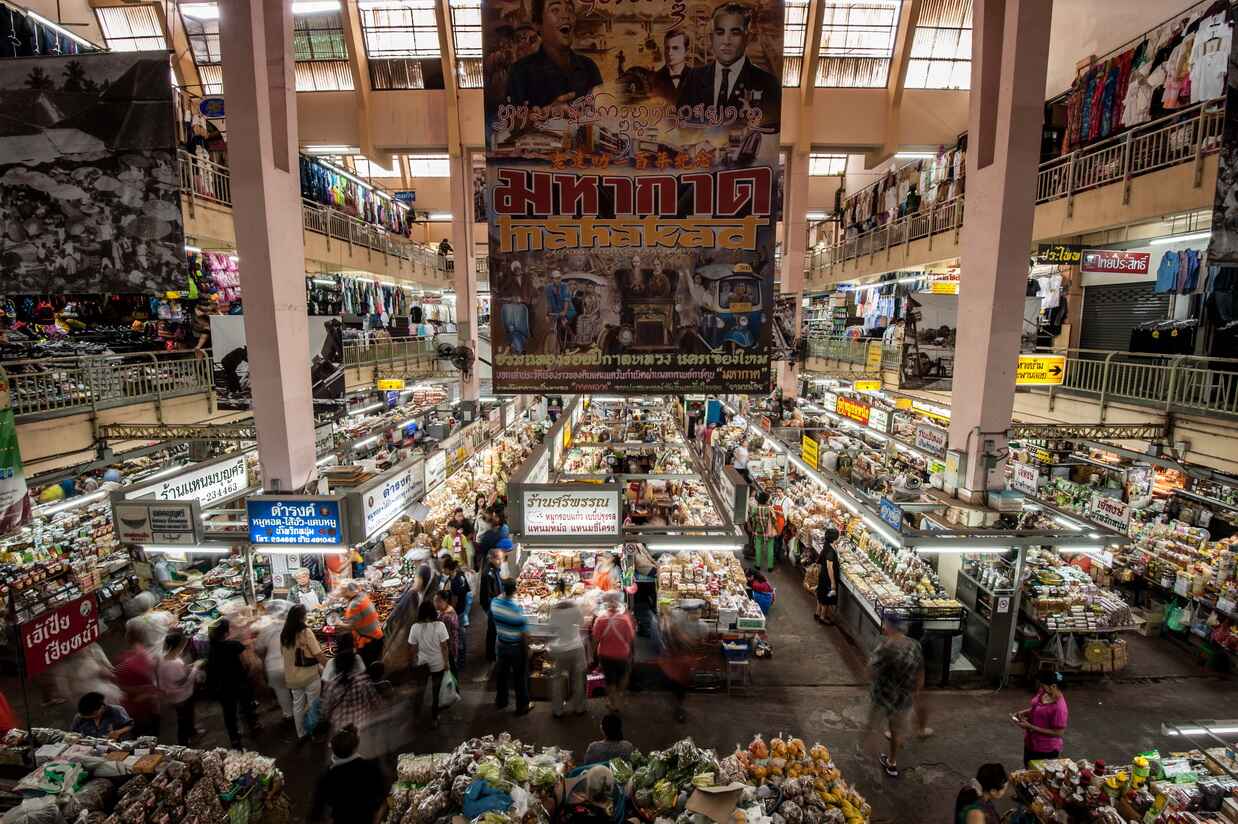
## Description Kad Luang Warorot Market, often simply called **Warorot Market**, is one of the oldest and most vibrant traditional markets in Chiang Mai, Thailand. Beloved by both locals and tourists, it offers a truly authentic glimpse into Northern Thai culture, daily life, and culinary traditions. Unlike the more tourist-focused night bazaars, Warorot Market is where locals shop for fresh produce, clothing, fabrics, household goods, and everyday essentials. What makes Warorot Market unique is its **blend of tradition and modernity**. You’ll find everything from fragrant herbs and spices to modern street fashion, all under one roof. Food lovers will particularly enjoy the market’s wide selection of Northern Thai specialties, such as **sai oua (spicy northern sausage)**, **nam prik ong (tomato chili dip)**, and an array of exotic fruits. A little-known fact is that Warorot Market has been serving the Chiang Mai community for over **a century**, making it not just a commercial hub but also a cultural landmark. Another interesting detail is that the market is busiest during important Thai festivals, such as **Loi Krathong and Songkran**, when it becomes a central point for celebration and shopping. ## Location Warorot Market is located in **Chiang Mai, Northern Thailand**, in the **Wat Ket district**, near the banks of the **Ping River**. It sits just a short walk from the **Chang Moi Gate** of the Old City, making it very accessible for travelers staying in central Chiang Mai. ### Recommendation on How to Get There From Chiang Mai’s Old City, you can easily reach Warorot Market on foot in about **10–15 minutes**. Alternatively, you can take a **red songthaew (shared taxi truck)**, tuk-tuk, or Grab (ride-hailing app) for a quick ride. If you’re staying farther away, taxis and scooters are also convenient options. Since parking in the area can be limited, it’s best to use public or shared transportation. ## Tips To make the most out of your visit to Warorot Market, here are some helpful tips: * **Go Early**: The market opens early in the morning, making it the best time to see locals shopping and to find the freshest food items. * **Try Local Snacks**: Don’t miss the chance to sample Chiang Mai’s famous northern sausage, sticky rice, and fried snacks sold at small food stalls. * **Bring Cash**: While some vendors may accept mobile payments, cash is still the most convenient method for small purchases. * **Explore Both Indoors and Outdoors**: The market consists of multiple levels and side streets, so take your time wandering beyond the main stalls. * **Check Out the Fabrics**: The market is also known for selling colorful textiles and hill tribe clothing, perfect for souvenirs. * **Respect Local Etiquette**: Bargaining is acceptable, but always do so politely with a smile. ## Conclusion Kad Luang Warorot Market is not just a place to shop—it’s an experience that immerses you in the everyday life of Chiang Mai. With its wide range of food, clothing, and cultural items, it offers visitors a taste of authentic Northern Thai traditions. Whether you’re hunting for souvenirs, trying local delicacies, or simply enjoying the lively atmosphere, Warorot Market is a must-visit destination in Chiang Mai. ## FAQ **1. What is Warorot Market famous for?** It is famous for its variety of goods, especially Northern Thai food, fresh produce, fabrics, and traditional clothing. **2. What are the market’s opening hours?** Warorot Market typically opens around **5 AM and closes by 6 PM**, though some food stalls remain open later in the evening. **3. Is Warorot Market suitable for tourists?** Yes, while it primarily serves locals, tourists are welcome and will find plenty of unique food and souvenirs to enjoy. **4. Can I bargain at Warorot Market?** Yes, bargaining is common, especially for clothing and non-food items, but it should always be done politely. **5. How far is the market from Chiang Mai’s Old City?** It’s just a 10–15 minute walk from the Old City, making it very accessible for most visitors. **6. Are there vegetarian or vegan food options available?** Yes, many stalls sell vegetarian-friendly dishes, fruits, and snacks, though it’s helpful to ask vendors about ingredients. ## Links * [Chiang Mai Tourism Office](https://www.tourismthailand.org/Destinations/Provinces/Chiang-Mai/101)
GemVoyage Team • World
Reykjavik
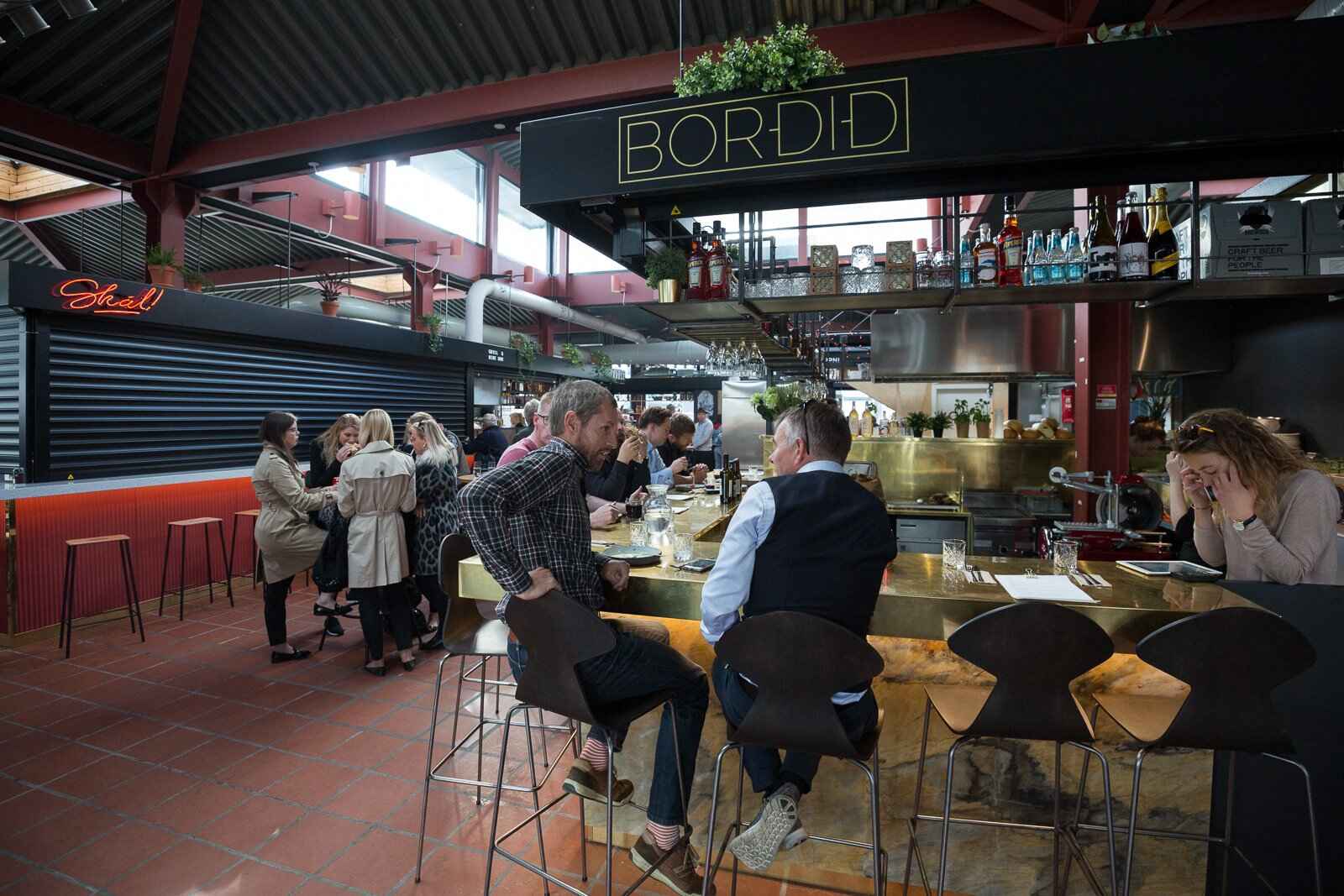
## Description Hlemmur Mathöll is one of **Reykjavík’s most vibrant food halls**, offering locals and tourists alike a chance to taste the very best of Icelandic and international cuisine under one roof. Once a busy central bus terminal, Hlemmur has been transformed into a lively dining destination where visitors can explore a wide range of flavors—from traditional Icelandic dishes to Asian street food, fresh baked goods, and craft coffee. What makes Hlemmur Mathöll truly unique is its **blend of tradition and modern innovation**. Some of the city’s top chefs and food entrepreneurs have opened stalls here, making it a great spot to sample fine dining in a casual setting. Visitors can enjoy Icelandic delicacies such as **lamb, fresh fish, and artisanal skyr**, alongside global options like tacos, Vietnamese pho, and Italian pizza. A little-known fact is that Hlemmur Mathöll was **Iceland’s very first food hall**, opening in 2017, and it has since inspired a wave of similar concepts around the country. Another interesting detail is that while the building was once associated with transit and bustling crowds, today it has become a symbol of how Reykjavík embraces creativity and cultural renewal. ## Location Hlemmur Mathöll is located in the **capital city of Reykjavík**, in the **Capital Region of Iceland**. It sits at the eastern end of Laugavegur, Reykjavík’s main shopping street, making it both central and easy to find. ### Recommendation on How to Get There If you’re staying in downtown Reykjavík, Hlemmur Mathöll is within **walking distance**—about 10–15 minutes from the city center. For those staying farther away, Reykjavík’s bus system makes it simple to reach the food hall, as many routes stop directly at Hlemmur. Taxis and rental scooters are also available, but walking remains the most convenient and enjoyable way to get there, especially since you can explore nearby shops and cafés along the way. ## Tips To make the most of your visit to Hlemmur Mathöll, keep these tips in mind: * **Go Hungry**: With so many food stalls to choose from, it’s best to arrive ready to sample multiple dishes. * **Try the Icelandic Specialties**: Don’t miss out on stalls offering local lamb, Arctic char, or skyr-based desserts. * **Pair with Drinks**: Some stalls serve Icelandic craft beers, cocktails, and excellent coffee that pair perfectly with the meals. * **Visit at Different Times**: The atmosphere changes throughout the day—lunchtime is bustling with workers, while evenings bring a more relaxed dining experience. * **Bring Friends**: Food halls are best enjoyed with company, as you can share and taste more dishes. * **Check Opening Hours**: While the hall is usually open from morning until late evening, individual vendors may have different schedules. ## Conclusion Hlemmur Mathöll is more than just a food hall—it’s a cultural landmark that captures the spirit of modern Reykjavík. With its unique mix of Icelandic and international flavors, its history as a former bus terminal, and its welcoming atmosphere, it’s the perfect spot for food lovers to experience the evolving culinary scene of Iceland. Whether you’re stopping for a quick bite or spending a leisurely evening with friends, Hlemmur Mathöll is a must-visit in the Icelandic capital. ## FAQ **1. What kind of food can I find at Hlemmur Mathöll?** You’ll find a wide variety, including Icelandic dishes, Asian street food, Italian pizzas, tacos, and artisanal desserts. **2. Is it expensive to eat at Hlemmur Mathöll?** Prices vary by stall, but it offers a range of affordable street food options alongside slightly more upscale dishes. **3. When is the best time to visit?** Evenings are particularly lively, but if you want to avoid crowds, lunchtime on weekdays is a good option. **4. Can I bring kids to Hlemmur Mathöll?** Yes, the hall is family-friendly, with casual seating and plenty of food choices for all ages. **5. Do vendors accept credit cards?** Yes, nearly all stalls accept credit and debit cards, which are the most common form of payment in Iceland. **6. Is it easy to get there without a car?** Absolutely—Hlemmur Mathöll is centrally located and easily accessible by foot or public transportation. ## Links * [Visit Reykjavík Official Website](https://visitreykjavik.is/)
GemVoyage Team • World
Tokyo
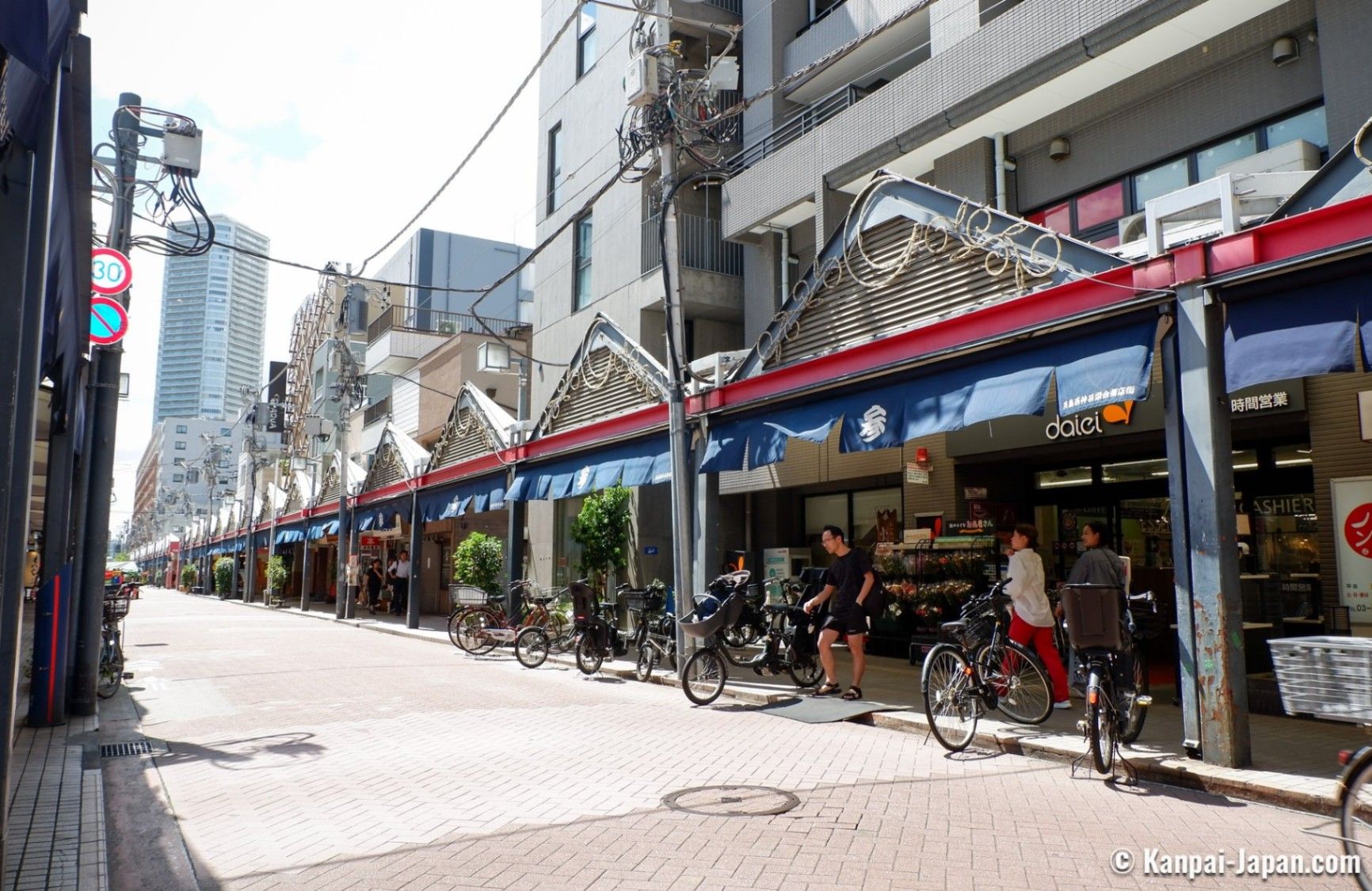
## Description Tsukishima Monja Street, known in Japanese as 月島もんじゃストリート, is one of Tokyo’s most distinctive and food-focused streets, celebrated as the birthplace and spiritual home of monjayaki. Stretching for several hundred meters and lined with dozens of specialized restaurants, the street offers an immersive culinary experience centered on this savory, pan-cooked dish that is especially popular in Tokyo’s downtown areas. Visiting Tsukishima Monja Street is not just about eating; it is about participating in a local tradition that brings people together around the grill. What makes Tsukishima Monja Street unique is the sheer concentration of monjayaki restaurants, many of which have been operating for generations. Each establishment offers its own variations, secret sauces, and ingredient combinations, ranging from classic cabbage and seafood to more modern versions with cheese or spicy flavors. A little-known fact is that Tsukishima developed rapidly after the Great Kanto Earthquake of 1923, and monjayaki became popular as an affordable, filling meal during reconstruction. Another lesser-known detail is that some restaurants still use original family recipes passed down since the early Shōwa period, preserving flavors that have largely disappeared elsewhere in Tokyo. The lively atmosphere, sizzling grills, and nostalgic touches make Tsukishima Monja Street a must-visit for food lovers seeking an authentic Tokyo experience. ## Location Tsukishima Monja Street is located in **Japan**, in the **Tokyo Metropolis**, within the **Chūō Ward** of **Tokyo**. The street runs near Tsukishima Station, close to the Sumida River and Tokyo Bay area. Getting there is easy using public transportation. Visitors can take the Tokyo Metro Yurakucho Line or the Toei Oedo Line to **Tsukishima Station**. From Exit 7, Monja Street is just a short walk away. The area is also accessible by bus or on foot from nearby neighborhoods such as Kachidoki. Due to limited parking, public transport is strongly recommended. ## Tips * Visit in the evening when the street is most lively and the restaurants are fully open. * If you have never tried monjayaki before, choose a restaurant where staff will help cook or explain the process. * Expect casual seating and shared grills; monjayaki is a social dining experience. * Bring cash, as some smaller restaurants may not accept credit cards. * Be prepared for queues during weekends and holidays, especially at well-known restaurants. * Avoid wearing clothes that easily absorb smells, as the cooking process produces strong aromas. ## Conclusion Tsukishima Monja Street offers a flavorful and cultural journey into one of Tokyo’s most beloved local dishes. With its rich history, welcoming atmosphere, and endless variations of monjayaki, it stands out as a unique culinary destination that captures the spirit of old-town Tokyo. ## FAQ **What is monjayaki?** Monjayaki is a savory Japanese dish similar to okonomiyaki but with a runnier batter, cooked directly on a hot griddle at the table. **Do I need to speak Japanese to visit Monja Street?** No, many restaurants are used to tourists, and some offer English menus or visual guides. **How much does a typical meal cost?** Most monjayaki dishes are reasonably priced, typically ranging from moderate to affordable compared to other Tokyo dining areas. **Is Tsukishima Monja Street family-friendly?** Yes, families are welcome, though supervision is needed around the hot grills. **Can I visit during the daytime?** Yes, some restaurants open for lunch, but the street is more vibrant in the evening. ## Links * [Tsukishima Monja Street Official Website](https://www.gotokyo.org/en/spot/85/index.html)
GemVoyage Team • World
London
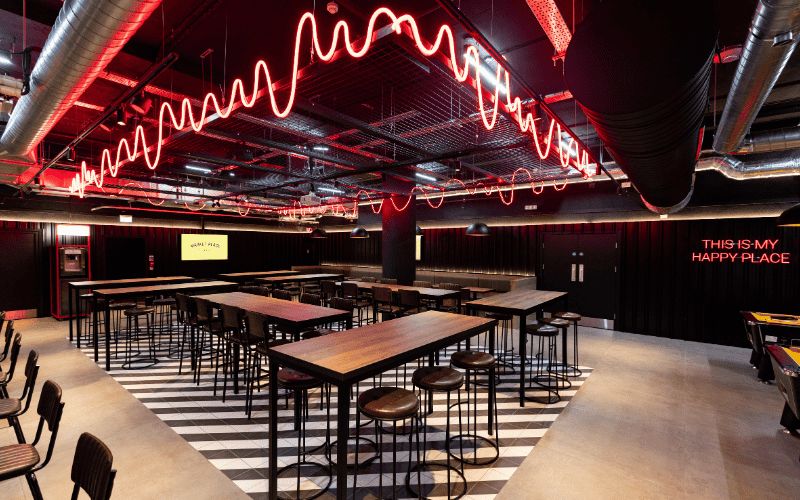
## Description Marketplace Food Hall St. Paul is a vibrant dining destination in the heart of London that brings together a carefully curated selection of food vendors under one roof. Unlike traditional restaurants, this food hall celebrates **variety and community**, offering everything from international street food to locally sourced dishes prepared by passionate chefs. Whether you’re in the mood for gourmet burgers, Asian fusion, plant-based delicacies, or freshly baked desserts, Marketplace Food Hall has something to suit every palate. What makes it unique is its **dynamic atmosphere**—visitors can mix and match dishes from different vendors, creating a personalized dining experience. It’s not just about eating; it’s about exploring flavors from around the world while enjoying the social energy of a shared space. A little-known fact is that Marketplace Food Hall also hosts **special events and live music nights**, turning a casual meal into a cultural experience. Another detail that sets it apart is its **focus on sustainability**, with many vendors prioritizing eco-friendly packaging and locally sourced produce. ## Location Marketplace Food Hall St. Paul is located in **London, England**, specifically near **St. Paul’s Cathedral** in the **City of London district**. Its central location makes it a popular stop for both tourists exploring the cathedral and professionals working in the area who want a quick yet high-quality meal. ### Recommendation on How to Get There The easiest way to reach Marketplace Food Hall is by public transportation. The closest station is **St. Paul’s Underground Station** (Central Line), which is only a short walk away. Other nearby stations include **Mansion House** and **Bank**, offering convenient access via the District, Circle, and Northern Lines. Buses also run frequently in the area, and for those exploring on foot, the food hall is just a few minutes from iconic landmarks such as the Millennium Bridge and Tate Modern. ## Tips Here are some practical tips to make the most out of your visit to Marketplace Food Hall St. Paul: * **Go During Off-Peak Hours**: Lunchtime on weekdays can be very busy due to office crowds, so consider visiting earlier or later in the afternoon. * **Bring Friends**: The variety of cuisines makes it ideal for groups with different tastes. Everyone can choose their own meal and sit together. * **Check Event Listings**: The food hall occasionally hosts live music, tasting nights, and seasonal events, so check in advance for special happenings. * **Save Room for Dessert**: Many visitors focus on main dishes but overlook the artisanal desserts and baked goods offered by select vendors. * **Payment**: Most stalls accept card payments, but it’s always handy to carry a little cash just in case. * **Take Advantage of the Location**: Combine your meal with a visit to St. Paul’s Cathedral or a walk along the River Thames. ## Conclusion Marketplace Food Hall St. Paul is more than just a place to grab a bite—it’s an experience that blends food, culture, and community. With its diverse selection of vendors, lively atmosphere, and unbeatable location near St. Paul’s Cathedral, it’s a must-visit spot for food lovers in London. Whether you’re a tourist, a professional on your lunch break, or simply someone who enjoys discovering new flavors, this food hall is guaranteed to leave you satisfied. ## FAQ **1. What kind of food can I find at Marketplace Food Hall St. Paul?** You can find a wide range of cuisines including burgers, Asian fusion, Mediterranean dishes, vegan options, and desserts. **2. Is it family-friendly?** Yes, the food hall welcomes families, and the casual atmosphere makes it a comfortable place for kids as well. **3. Do I need to make a reservation?** No, reservations are usually not required. It operates on a first-come, first-served basis. **4. How expensive is it?** Prices vary depending on the vendor, but overall, it offers good value for high-quality food in central London. **5. Is it open in the evenings?** Yes, Marketplace Food Hall typically stays open into the evening, making it a great spot for after-work meals or casual dinners. **6. Does the food hall accommodate dietary needs?** Absolutely—there are plenty of vegetarian, vegan, and gluten-free options available. ## Links * [Official Marketplace Food Hall website](https://www.marketplacefoodhall.com/)
GemVoyage Team • World
Tunis
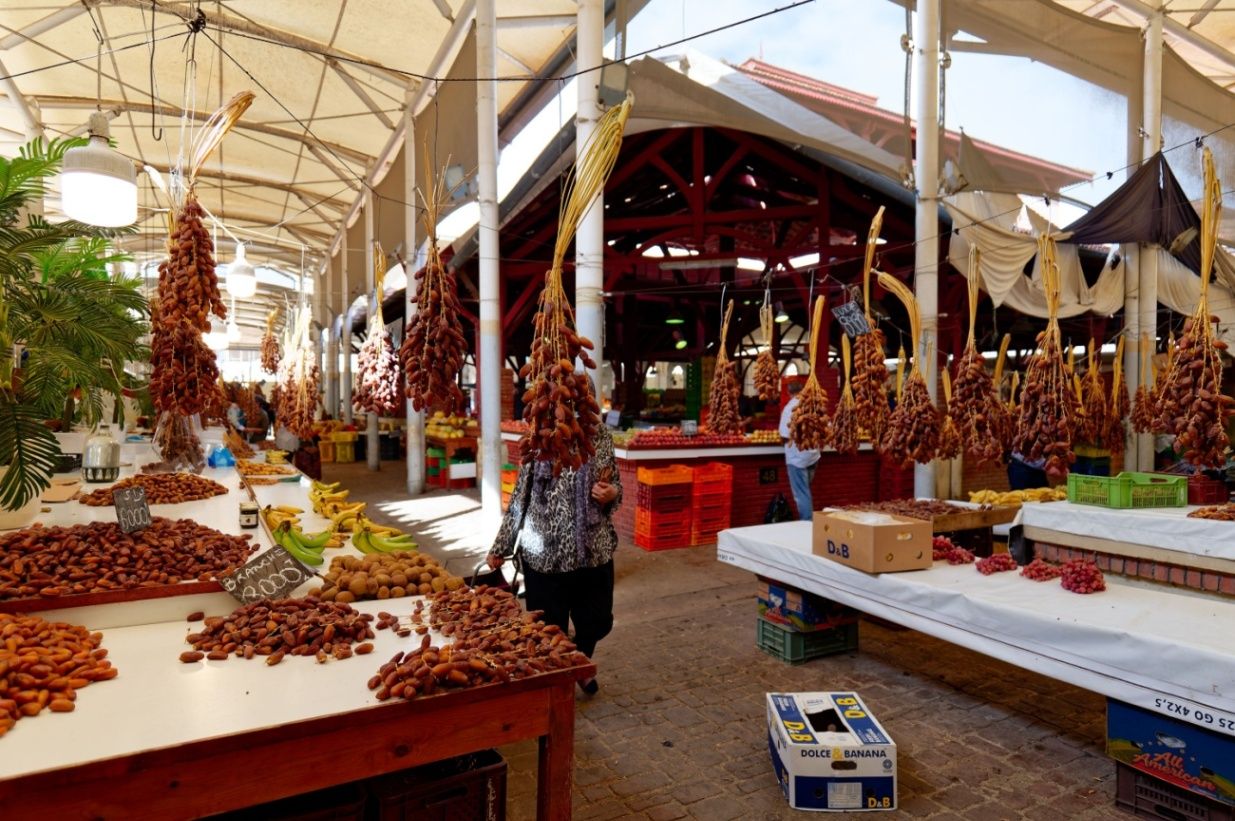
## Description The Central Market of Tunis, known locally as السوق المركزية, is one of the most vibrant and authentic places in the Tunisian capital. Serving as a hub for fresh food, spices, and everyday goods, the market offers visitors a vivid introduction to local life and culinary traditions. Bustling, colorful, and full of aromas, the market reflects the rhythms of Tunis far more intimately than many formal tourist attractions. What makes the Central Market of Tunis unique is its impressive variety and organization. Inside its historic iron-and-glass structure, visitors will find separate sections dedicated to fish, meat, fruit and vegetables, spices, flowers, and traditional products. A little-known fact is that the market building dates back to the late 19th century and was constructed during the French protectorate, incorporating European architectural elements with local commercial practices. Another lesser-known detail is that many restaurant owners and chefs from across Tunis still source their ingredients here early in the morning, ensuring the market remains central to the city’s food culture. Beyond shopping, the market is a social space where neighbors meet, bargains are exchanged, and traditions continue daily, making it an essential stop for anyone wishing to understand Tunis from the inside. ## Location The Central Market of Tunis is located in **Tunisia**, in the **Tunis Governorate**, within the city of **Tunis**. It sits just outside the old Medina, near Avenue Habib Bourguiba, one of the city’s main thoroughfares. Reaching the market is easy by public transportation. The Tunis Metro and TGM trains stop nearby, and several bus routes pass through the area. For visitors staying in central Tunis, the market is within walking distance of major hotels and landmarks. Taxis are also affordable and widely available, but walking allows you to experience the surrounding streets and shops. ## Tips * Visit early in the morning to see the market at its busiest and to enjoy the freshest products. * Be prepared for strong smells, especially in the fish and meat sections. * Ask permission before taking photos, particularly of people or individual stalls. * Bring small bills and cash, as many vendors do not accept cards. * Practice polite bargaining where appropriate, especially for non-food items. * Combine your visit with a walk through the nearby Medina for a fuller cultural experience. ## Conclusion The Central Market of Tunis offers an immersive and sensory-rich experience that captures the heart of the city. With its historic setting, diverse products, and lively atmosphere, it provides a genuine glimpse into Tunisian culture and everyday life. ## FAQ **What can I buy at the Central Market of Tunis?** You can find fresh produce, seafood, meat, spices, flowers, and various local products. **Is the Central Market tourist-friendly?** Yes, although it mainly serves locals, visitors are welcome and generally well received. **How long should I spend at the market?** Most visitors spend 45 minutes to 1.5 hours, depending on interest. **Is the market open every day?** The market is typically open daily except Sundays or major holidays, with reduced hours in the afternoon. **Is it safe to visit the Central Market of Tunis?** Yes, it is generally safe, but visitors should remain aware of their belongings in crowded areas. ## Links * [Tunisia Tourism Official Website](https://www.discovertunisia.com)
GemVoyage Team • World
Amsterdam
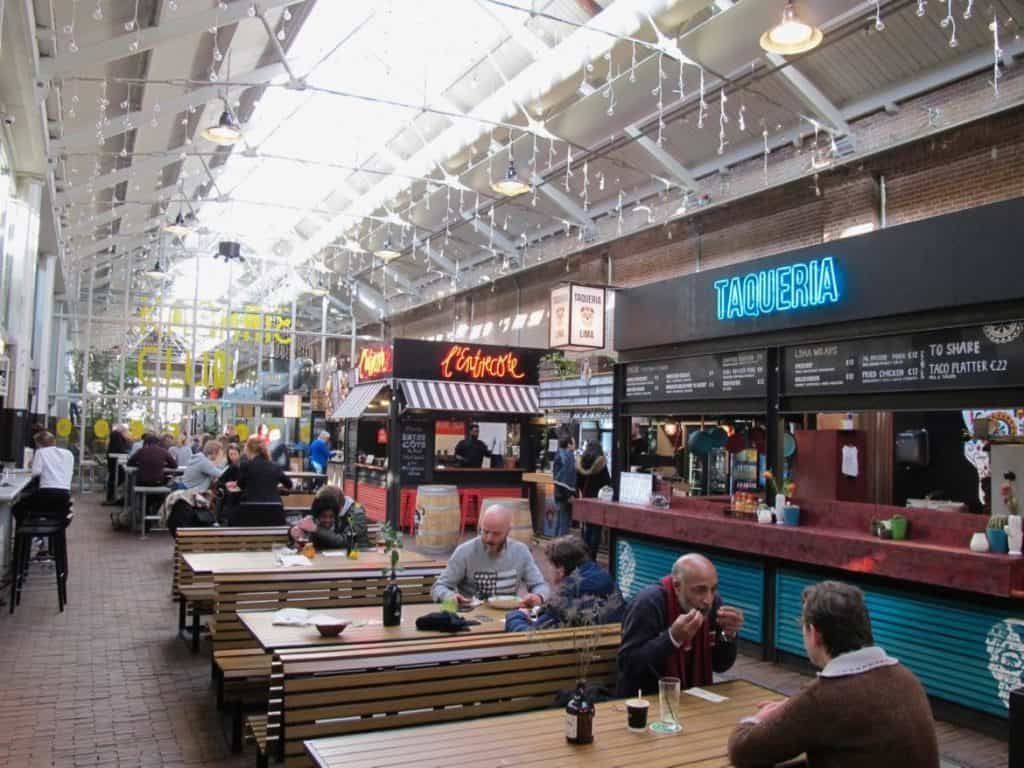
## Description De Hallen Foodhallen is one of Amsterdam’s most successful examples of adaptive reuse, turning a former tram depot into a vibrant indoor destination where food, design, and urban culture meet. Located in Amsterdam West, the complex blends a market atmosphere with a polished contemporary setting, so it feels both casual and curated. For food travelers, it is especially appealing because it concentrates many different flavors in one indoor space, making it easy to compare dishes, sample small plates, and settle in for a social meal without committing to a single restaurant. What makes Foodhallen so compelling is that it captures a distinctly Amsterdam approach to city life: practical, stylish, and communal without being overly formal. A lesser-known fact is that the building forms part of the wider De Hallen redevelopment, which transformed industrial infrastructure into a cultural and social hub with a cinema, library, boutiques, and creative spaces. Another detail worth noticing is how the setting changes the dining experience. Because the market is indoors and largely weatherproof, it works well year-round, which is a major advantage in a city where the climate can be unpredictable. The food itself is the main reason people come back. Instead of traditional market stalls with produce, Foodhallen offers a mix of street food and prepared dishes from different vendors, often ranging from Dutch comfort food to international plates and modern snacks. That diversity makes it useful for groups, because people with different tastes can all find something appealing. It is equally suitable for a solo traveler looking for a lively lunch as it is for a relaxed evening with friends. The atmosphere tends to be energetic but not chaotic, and the design of the hall gives the entire space a sense of urban polish. Another reason it ranks high with visitors is its location in a neighborhood that feels more local than postcard-touristy, yet still easy to reach. If you enjoy seeing how Amsterdam works outside the canal belt, De Hallen Foodhallen is one of the smartest stops to make. ## Location De Hallen Foodhallen is located inside the De Hallen complex in Amsterdam West, North Holland, Netherlands. The neighborhood sits a short distance from the historic center, which makes the venue easy to reach while still giving you a sense of a different side of the city. Amsterdam West is known for its residential streets, creative energy, and a more lived-in atmosphere than the most heavily visited central districts. The easiest way to get there is by tram, bike, or a short taxi ride from central Amsterdam. Public transport is typically the most convenient option for first-time visitors, and cycling can be a strong choice if you are comfortable navigating the city like a local. Once inside the complex, the Foodhallen is easy to find because it is one of the main anchor attractions. It is worth combining the visit with a broader look at De Hallen itself, especially if you are interested in architecture or urban regeneration. You can also use it as part of a neighborhood day out, exploring nearby streets, cafés, and shops before or after your meal. ## Tips Visit hungry but not starving. The venue is designed for sampling and sharing, so leaving some room for variety will make the experience more enjoyable. If you are with a group, agree on a general budget before ordering. The temptation to try several vendors can add up quickly, especially when drinks are included. Go at off-peak times if you want a calmer experience. Lunch and early evening can be lively, while late afternoons often offer a little more breathing room. Take your time choosing. The food hall format works best when you walk the full space first and compare what each vendor offers rather than committing immediately to the first appealing stall. Keep the visit flexible. De Hallen has more to offer than food alone, so leaving time for the broader complex makes the outing feel richer. ## Conclusion De Hallen Foodhallen is a polished and enjoyable Amsterdam food destination that balances variety, atmosphere, and design. Its indoor format, good location, and wide range of vendors make it an easy recommendation for travelers who want a lively meal in a memorable setting. ## FAQ ### Is De Hallen Foodhallen expensive? It can be mid-range to moderately expensive depending on what you order, but the variety makes it possible to eat well at different budgets. Small plates and sharing can help control costs. ### Is it good for families? Yes. The indoor setting, broad food selection, and casual environment make it suitable for families, especially when weather is poor or you want a relaxed place to eat together. ### Do I need reservations? Usually not for simply visiting the food hall, though some nearby venues or specific events may be different. If you plan to dine at a popular time, arriving earlier is a smart move. ### What is the best time to visit? Late lunch, early evening, or a quieter weekday visit often works well. The best time depends on whether you want a buzzing atmosphere or a more relaxed browsing experience. ## Links - [Foodhallen Amsterdam](https://foodhallen.nl/en/venues/amsterdam) - [De Hallen Amsterdam](https://dehallen-amsterdam.nl/en/)
GemVoyage Team • World
Barcelona
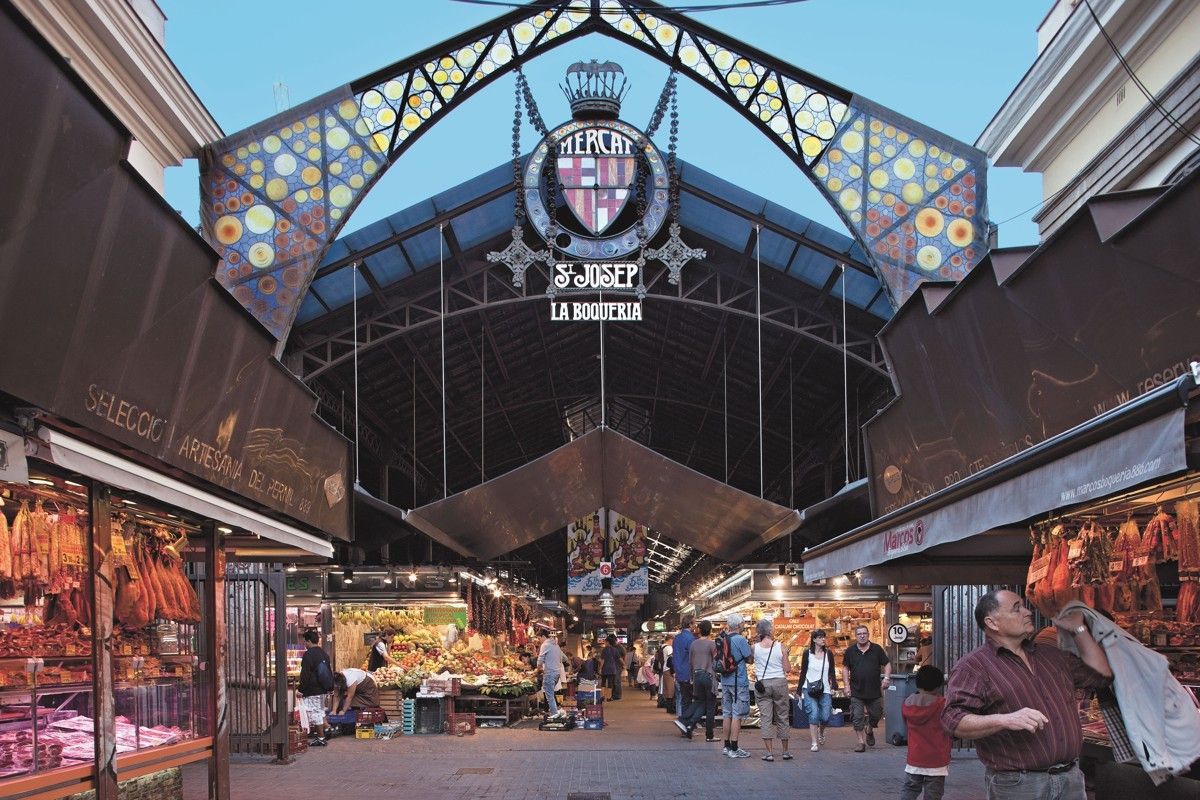
## Description **Mercat de la Boqueria**, officially known as **Mercat de Sant Josep de la Boqueria**, is Barcelona’s most famous food market and one of the most iconic culinary landmarks in Europe. More than a place to shop, it is a **living expression of Catalan gastronomy**, where tradition, daily life, and tourism intersect under one vast iron-and-glass roof. The market is known for its intense colors, constant movement, and the sheer diversity of products on display, from fresh seafood and cured meats to exotic fruits and handmade sweets. The market’s origins date back to the **early 13th century**, when street vendors sold meat outside the city walls near La Rambla. Over centuries, the informal stalls evolved into a structured market, and in 1840 the site was officially recognized as a public market. The current modernist structure, completed in the early 20th century, reflects Barcelona’s industrial-era ambition while remaining deeply rooted in everyday commerce. What makes Mercat de la Boqueria unique is its **dual identity**. On one hand, it serves local residents, chefs, and restaurateurs who rely on its quality ingredients. On the other, it functions as a global attraction for visitors seeking an authentic taste of Barcelona. Despite its popularity, many stalls still operate as family businesses passed down through generations. A lesser-known fact is that beneath the market lies an **archaeological site**, with remains from medieval and even Roman-era structures discovered during renovations. Another interesting detail is that many of Barcelona’s top chefs continue to source ingredients here early in the morning, long before tourists arrive, reinforcing the market’s role as a professional culinary hub rather than a mere attraction. ## Location **Country:** Spain **Region:** Catalonia **City:** Barcelona **District:** Ciutat Vella (Old Town) Mercat de la Boqueria is located directly off **La Rambla**, one of Barcelona’s main pedestrian boulevards, making it exceptionally central and easy to access. ### How to Get There * **By metro:** * Take Line L3 (Green Line) to **Liceu** station. The market entrance is immediately outside the station. * **On foot:** * Easily reachable from Plaça de Catalunya, the Gothic Quarter, and El Raval. * **By bus:** * Multiple city bus lines stop along La Rambla. * **By taxi:** * Taxis can drop you near La Rambla, but walking the final stretch is usually faster. ## Tips * **Go early in the morning:** Between 8:00 and 10:00 a.m. is best for fewer crowds and fresher displays. * **Avoid peak lunch hours:** Midday can become extremely crowded, especially in summer. * **Do not treat it as only a photo stop:** Take time to observe how locals shop and interact with vendors. * **Eat smart:** Skip the most tourist-oriented stalls near the entrance and explore deeper for better quality and value. * **Bring cash:** While many vendors accept cards, smaller stalls may prefer cash. * **Respect vendors:** Ask before taking close-up photos, especially of people. ## Conclusion Mercat de la Boqueria is not just a market, but a cultural institution that reflects Barcelona’s relationship with food, trade, and daily life. Its history, atmosphere, and culinary richness make it an essential stop for anyone wanting to understand the city beyond architecture and beaches. ## FAQ **1. Is Mercat de la Boqueria touristy?** Yes, but it is still a functioning market used by locals and professionals, especially in the mornings. **2. Is there an entrance fee?** No. Entry is free. **3. Can I eat inside the market?** Yes. There are bars and counters serving tapas, seafood, and prepared dishes. **4. How long should I plan for a visit?** About **1 to 2 hours**, depending on whether you eat or just explore. **5. Is it suitable for vegetarians?** Yes. There is a wide selection of fruits, cheeses, nuts, juices, and vegetarian dishes. **6. Is the market open every day?** Generally open Monday to Saturday; closed on Sundays and public holidays. ## Links * [Official Barcelona markets site](https://ajuntament.barcelona.cat/mercats)
GemVoyage Team • World
Los Angeles
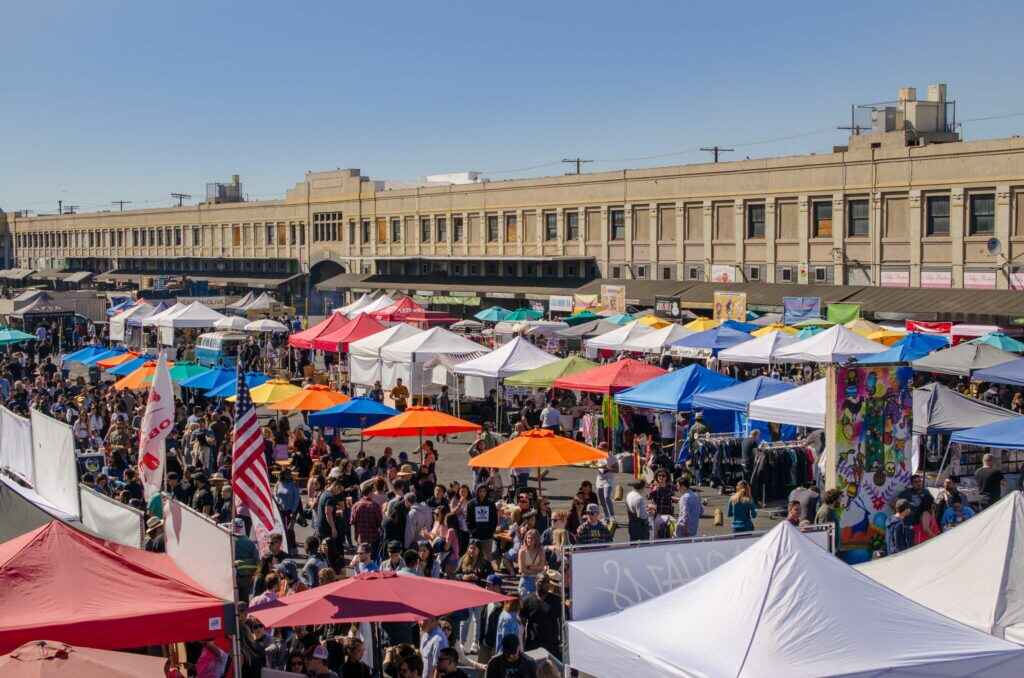
## Description Smorgasburg Los Angeles is one of the city’s most vibrant and eclectic open-air food markets, drawing in foodies, families, and curious visitors every Sunday. What started as a popular market in Brooklyn, New York, has successfully expanded to Los Angeles, where it has taken on its own West Coast identity. The market brings together **dozens of vendors** offering everything from Korean barbecue tacos to vegan donuts, lobster rolls, artisanal coffee, and even experimental food trends that often go viral on social media. What makes Smorgasburg LA unique is not only the incredible variety of food but also its **community-centered atmosphere**. Beyond food, the market also features small retail vendors selling local crafts, clothing, home goods, and artwork. It’s as much a cultural gathering spot as it is a food haven. A little-known fact is that Smorgasburg LA is located on the site of the **old Alameda Produce Market**, connecting today’s modern street food scene with the historic roots of Los Angeles’ food distribution hub. Another fun detail is that the market regularly hosts **pop-up events and chef collaborations**, meaning visitors can often find exclusive dishes available for a limited time. ## Location Smorgasburg Los Angeles is located in the **United States, California, Los Angeles**, specifically in the **ROW DTLA (Downtown Los Angeles)** complex. Its address is **777 S. Alameda Street, Los Angeles, CA 90021**, making it conveniently situated near the Arts District and Little Tokyo. ### Recommendation on How to Get There The easiest way to reach Smorgasburg is by **car**, as it offers a large parking structure with several hours of free parking for market visitors. However, for those who prefer not to drive, public transportation is also an option—the market is accessible via the **Metro Gold Line (Little Tokyo/Arts District Station)**, followed by a short walk. Ridesharing services such as Uber and Lyft are also widely available and recommended if you plan on enjoying craft beers or cocktails at the market. ## Tips Here are some helpful tips for making the most out of your Smorgasburg LA visit: * **Arrive Early**: Popular vendors often have long lines, and some specialty dishes sell out quickly. * **Bring Friends**: Sharing dishes allows you to sample a wider variety of foods without getting too full. * **Bring Cash and Cards**: Most vendors accept cards, but having some cash on hand can speed things up. * **Check the Schedule**: Some vendors rotate weekly, and there are often special events or limited-time pop-ups. * **Wear Comfortable Clothing**: Since the market is outdoors, dress for the weather and wear comfortable shoes. * **Stay Hydrated**: Los Angeles can get hot, so grab drinks from one of the fresh juice or craft soda stalls. * **Don’t Skip the Retail Vendors**: Beyond food, you’ll find unique handmade goods, vintage items, and local art. ## Conclusion Smorgasburg Los Angeles is more than just a food market—it’s an experience that captures the city’s creative energy and love of diverse cuisines. With its wide selection of vendors, lively atmosphere, and mix of food, retail, and entertainment, it’s the perfect Sunday destination in Downtown LA. Whether you’re a local foodie or a visitor exploring the city, Smorgasburg LA offers a taste of Los Angeles’ culinary innovation at its best. ## FAQ **1. What day is Smorgasburg LA open?** Smorgasburg Los Angeles is open every **Sunday from 10 AM to 4 PM**. **2. How much does it cost to enter the market?** Entry is **free**, but you’ll need to pay for food, drinks, and any retail items you purchase. **3. Is there parking available?** Yes, the market offers **several hours of free parking** at the ROW DTLA parking structure for visitors. **4. Are there vegetarian or vegan options?** Absolutely—many vendors specialize in vegetarian, vegan, and gluten-free dishes. **5. Can I bring my kids or pets?** Yes, the market is **family-friendly**, and pets are also welcome, making it a great outing for the whole family. **6. Are the vendors always the same?** Some vendors are permanent, but many rotate, and there are frequent pop-up collaborations, so you’ll often find new foods to try. ## Links * [Official Smorgasburg Los Angeles Website](https://la.smorgasburg.com/)
GemVoyage Team • World
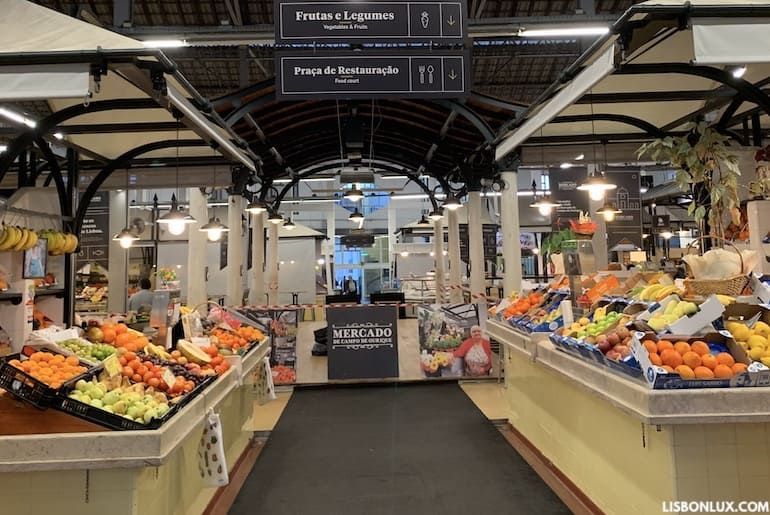
Lisbon
## Description Mercado de Campo de Ourique is a lively neighborhood market in Lisbon that blends traditional market stalls with contemporary food vendors, offering an authentic cross-section of Portuguese culinary life. The market serves locals with fresh produce, fish, meat and pantry items, while an inner food-hall atmosphere provides ready-to-eat dishes, pastries and coffee. What sets Campo de Ourique apart is its local, residential character — it’s not just a tourist attraction but a functioning community hub where Lisbon residents shop and socialize. The market’s architecture is typically covered and airy, with stalls organized around central aisles. Recent renovations have injected a modern food-court vibe alongside still-active traditional vendors, making it a place where you can buy grocery staples in the morning and return later for a relaxed meal. Little-known facts: Campo de Ourique historically developed as a self-contained neighborhood with a strong shopping tradition, and the market has long been a point where multiple culinary generations intersect. ## Location Mercado de Campo de Ourique sits in the Campo de Ourique neighborhood in Lisbon, Portugal, in the western part of central Lisbon near the Estrela and Rato districts. The neighborhood is primarily residential with shops, bakeries and small restaurants lining the streets. Getting there: The neighborhood is accessible by tram, bus and metro. The Rato Metro station and several bus lines serve the area; trams and short walks from nearby attractions make it easy to combine a market visit with broader neighborhood exploration. Taxis and rideshares can drop you near the market’s main entrance. ## Tips - Best times: Morning is ideal for shopping fresh produce and avoiding lunch crowds; midday is excellent for sampling prepared dishes. - What to try: Don’t miss fresh pastries, Portuguese cheeses, cured meats and regional specialties. Many stalls offer ready-to-eat plates — ask vendors for local recommendations. - Payment: Vendors accept cards and cash; small stalls may prefer cash for tiny purchases. - Local etiquette: Bring a reusable bag for purchases; be polite in queues and avoid blocking aisles when tasting or photographing. - Combine visits: Explore nearby bakeries and cafés in Campo de Ourique for a fuller neighborhood taste. ## Conclusion Mercado de Campo de Ourique offers a warm, authentic Lisbon market experience where traditional shopping and contemporary food culture coexist. It’s perfect for visitors seeking genuine neighborhood life, excellent local food and the chance to taste Portuguese everyday cuisine alongside longtime market traditions. ## FAQ Q: Is the market touristy? A: It retains a strong local clientele, though visitors are welcome and many stalls cater to diverse tastes. Q: Are there vegetarian options? A: Yes. Many vendors and food stalls offer vegetarian and vegan-friendly dishes. Q: Can I take food to go? A: Absolutely; many stalls prepare takeaway plates and sandwiches. Q: Is parking available nearby? A: Street parking and small public car parks exist, but public transport is recommended. ## Links [Lisbon Travel Guide](https://www.visitlisboa.com/en)
GemVoyage Team • World