GemVoyage Team • World
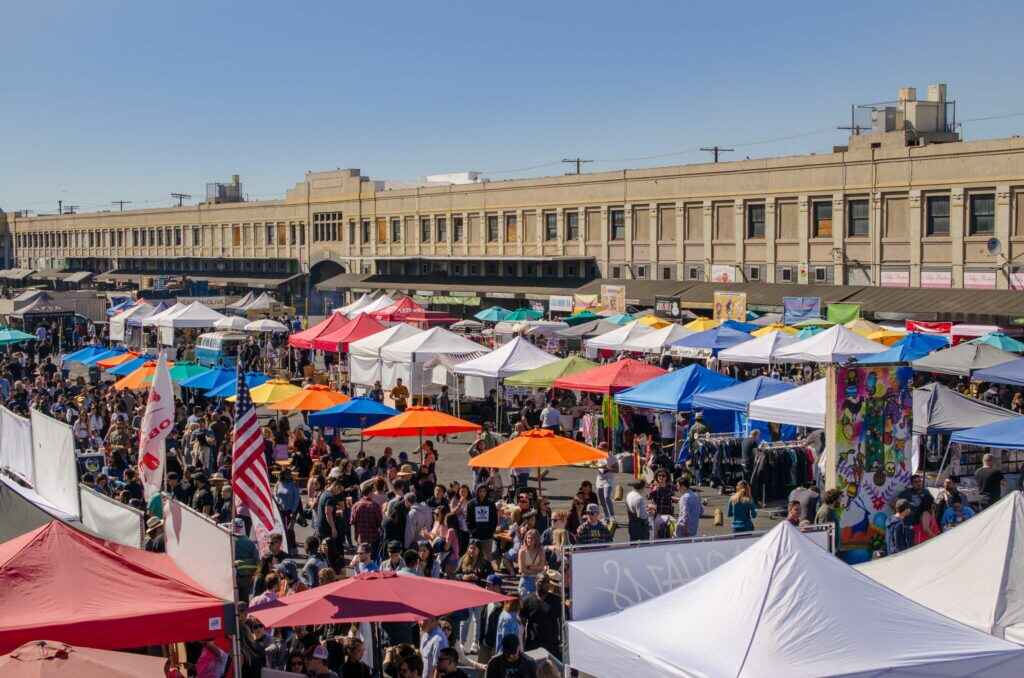
Smorgasburg Los Angeles is one of the city’s most vibrant and eclectic open-air food markets, drawing in foodies, families, and curious visitors every Sunday. What started as a popular market in Brooklyn, New York, has successfully expanded to Los Angeles, where it has taken on its own West Coast identity. The market brings together dozens of vendors offering everything from Korean barbecue tacos to vegan donuts, lobster rolls, artisanal coffee, and even experimental food trends that often go viral on social media.
What makes Smorgasburg LA unique is not only the incredible variety of food but also its community-centered atmosphere. Beyond food, the market also features small retail vendors selling local crafts, clothing, home goods, and artwork. It’s as much a cultural gathering spot as it is a food haven.
A little-known fact is that Smorgasburg LA is located on the site of the old Alameda Produce Market, connecting today’s modern street food scene with the historic roots of Los Angeles’ food distribution hub. Another fun detail is that the market regularly hosts pop-up events and chef collaborations, meaning visitors can often find exclusive dishes available for a limited time.
Smorgasburg Los Angeles is located in the United States, California, Los Angeles, specifically in the ROW DTLA (Downtown Los Angeles) complex. Its address is 777 S. Alameda Street, Los Angeles, CA 90021, making it conveniently situated near the Arts District and Little Tokyo.
The easiest way to reach Smorgasburg is by car, as it offers a large parking structure with several hours of free parking for market visitors. However, for those who prefer not to drive, public transportation is also an option—the market is accessible via the Metro Gold Line (Little Tokyo/Arts District Station), followed by a short walk. Ridesharing services such as Uber and Lyft are also widely available and recommended if you plan on enjoying craft beers or cocktails at the market.
Here are some helpful tips for making the most out of your Smorgasburg LA visit:
Smorgasburg Los Angeles is more than just a food market—it’s an experience that captures the city’s creative energy and love of diverse cuisines. With its wide selection of vendors, lively atmosphere, and mix of food, retail, and entertainment, it’s the perfect Sunday destination in Downtown LA. Whether you’re a local foodie or a visitor exploring the city, Smorgasburg LA offers a taste of Los Angeles’ culinary innovation at its best.
1. What day is Smorgasburg LA open?
Smorgasburg Los Angeles is open every Sunday from 10 AM to 4 PM.
2. How much does it cost to enter the market?
Entry is free, but you’ll need to pay for food, drinks, and any retail items you purchase.
3. Is there parking available?
Yes, the market offers several hours of free parking at the ROW DTLA parking structure for visitors.
4. Are there vegetarian or vegan options?
Absolutely—many vendors specialize in vegetarian, vegan, and gluten-free dishes.
5. Can I bring my kids or pets?
Yes, the market is family-friendly, and pets are also welcome, making it a great outing for the whole family.
6. Are the vendors always the same?
Some vendors are permanent, but many rotate, and there are frequent pop-up collaborations, so you’ll often find new foods to try.
Discover more hidden gems you might love.
São Paulo
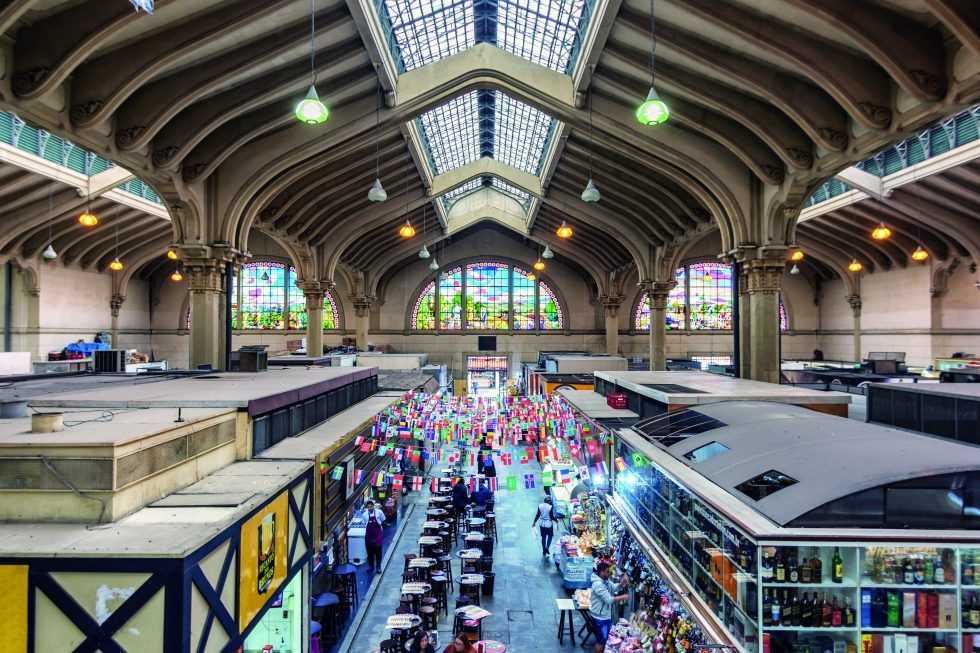
## Description Mercadão Municipal, or the Municipal Market of São Paulo, is one of the city’s most famous culinary landmarks and a destination that captures the energy of São Paulo in a single building. It is more than a market in the shopping sense; it is a place where food culture, commerce, architecture, and local identity collide. Travelers come for fruits, cheeses, spices, sandwiches, and the atmosphere of a bustling market hall that has long been part of the city’s everyday life. The market’s appeal lies in its combination of spectacle and practicality. On one level, it is a place where you can buy ingredients, taste regional specialties, and browse through stalls packed with produce and delicacies. On another level, it is an architectural and cultural experience, with a grand interior that makes the market feel significant beyond the transaction. The building’s scale and activity create a strong first impression, but the real charm comes from moving through the aisles, observing the vendors, and tasting what the stalls have to offer. One little-known fact is that the market has become famous not only for shopping but also for certain dishes that travelers now seek out as part of the São Paulo experience. The towering sandwich and generous pastel preparations associated with the market have turned it into a food destination in its own right. Another detail that visitors often notice is how strongly the market reflects the city’s diversity. The mix of products and culinary influences mirrors São Paulo’s broader identity as a metropolis built by migration, trade, and constant reinvention. Mercadão works especially well for travelers who like food tourism because it offers both immediate flavor and cultural context. You can snack, shop, and observe the market’s rhythm all at once. It is busy, colorful, and sometimes overwhelming in the best possible way. For many visitors, it becomes one of the most memorable food stops in the city precisely because it is so direct and unpretentious. ## Location Mercadão Municipal is in central São Paulo, Brazil, close to the city’s historic core and within reach of other downtown attractions. Its central location makes it convenient to reach by taxi, rideshare, metro, or bus depending on where you are staying. Because São Paulo traffic can be heavy, using public transit or a rideshare is often the easiest option for many travelers. If you are combining the market with a broader city itinerary, it fits well with downtown exploration, historic sites, and other central stops. The building itself is easy to identify, and once you are nearby, the surrounding energy makes the approach feel unmistakably urban. Many visitors plan the market as a lunch stop rather than a standalone excursion, which works well because food is the main draw. ## Tips Arrive hungry, but not without a plan. The market can be busy, and famous food stalls sometimes have lines. If you know you want to try a sandwich or other signature item, allow enough time so you do not feel rushed. Bring cash or be prepared for card use depending on the stall. Most established vendors handle modern payment methods, but it is still helpful to be flexible. Prices and portions can vary, so compare a little before committing. Watch your bag and belongings in crowded sections. This is a busy market in a major city, so basic urban awareness is sensible. The atmosphere is generally part of the fun, but attentiveness helps keep the visit smooth. Don’t only eat; look around. The produce, specialty items, spices, and architecture all contribute to the experience. If you have extra time, wander the aisles before deciding where to stop, because the market is richer when you let yourself explore first. ## Conclusion Mercadão Municipal is one of São Paulo’s essential food and culture stops, blending famous flavors with a lively market atmosphere. It is a great introduction to the city’s appetite, energy, and diversity. ## FAQ ### Is Mercadão Municipal worth visiting if I am not a foodie? Yes. Even beyond the food, the market offers atmosphere, architecture, and a strong sense of the city’s character. ### What should I try first? Many visitors look for the market’s most famous sandwiches and fruit stalls, but the best choice depends on your taste and appetite. ### Is it expensive? Prices vary by stall and product. You can find both casual snacks and more premium specialty items. ### How long should I stay? An hour or two is enough for a focused visit, though food lovers may want more time to browse and sample. ### Is it easy to reach from downtown? Yes. Its central location makes it a practical stop in most São Paulo itineraries. ## Links - [Wikipedia](https://en.wikipedia.org/wiki/Municipal_Market_of_S%C3%A3o_Paulo)
GemVoyage Team • World
Venice
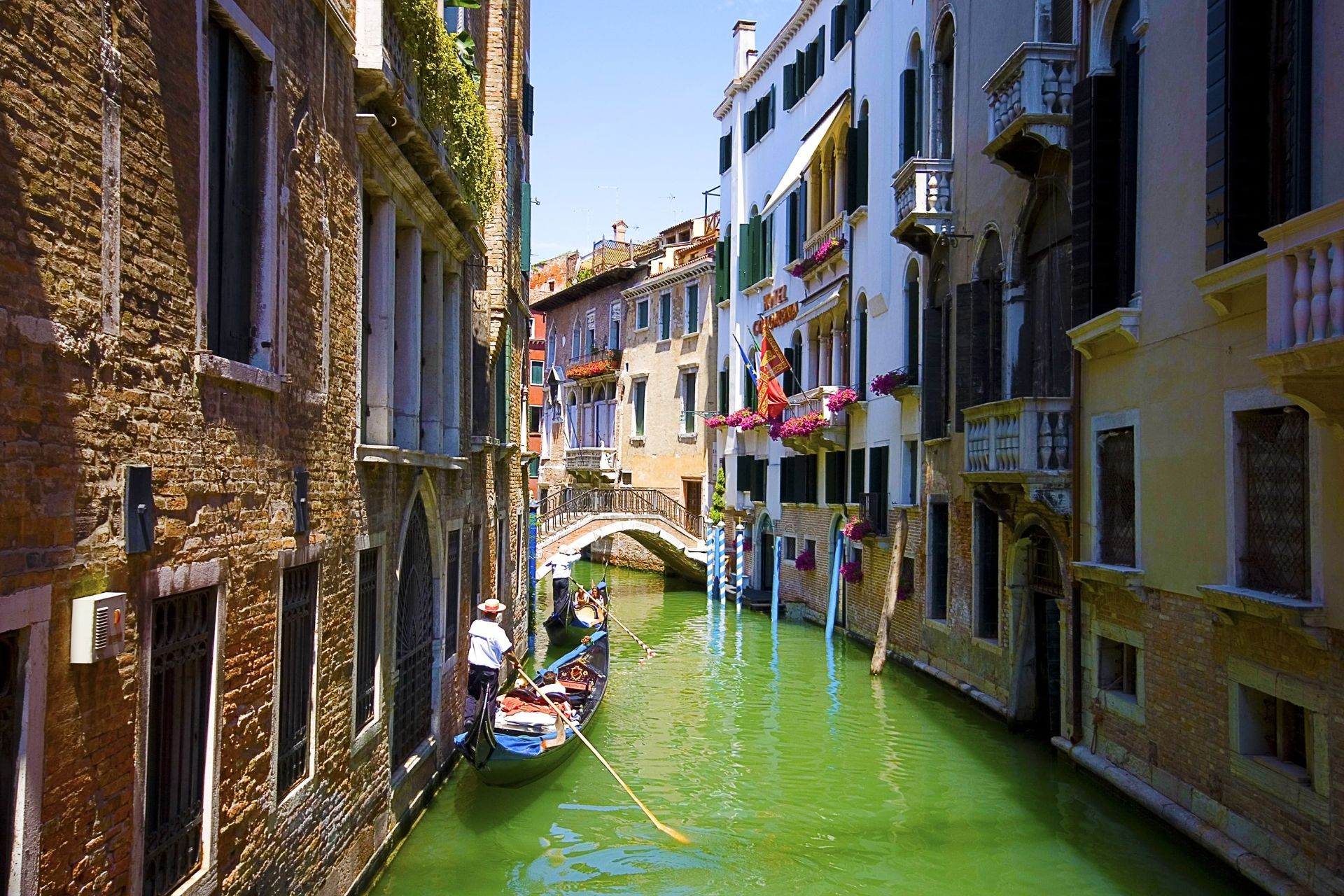
## Description Cannaregio is one of Venice's most atmospheric districts, often compared to Rome's Trastevere because of its neighborhood feel, lively streets, and balance of local life with visitor appeal. Unlike the most crowded parts of Venice, Cannaregio still feels residential in many places, which gives travelers a richer sense of how the city works beyond the postcard landmarks. Narrow canals, modest bridges, traditional houses, and hidden courtyards create an experience that is quieter than St. Mark's but often more memorable. The district is especially appealing for travelers who enjoy wandering without a strict plan. Its streets reward curiosity: you may turn a corner and find a small bacaro serving cicchetti, a church with centuries of history, or a canal scene that looks almost unchanged from the past. The famous Venetian rhythm of walking, pausing, and crossing bridges feels more relaxed here, and that makes Cannaregio a good place to appreciate the city at a slower pace. One lesser-known fact is that Cannaregio is home to the historic Venetian Ghetto, one of the earliest ghetto districts in Europe and an important site in the history of Jewish life in the city. Another is that, despite its relative calm, the district has one of the longest and most distinctive canal fronts in Venice, giving it some of the best opportunities for scenic strolls away from the major tourist flows. Cannaregio also offers an excellent food and drink scene for those who want a more local feel. Small bars, bakeries, and neighborhood restaurants are often less formal than those around the busiest monuments. The area can feel lively in the evening without becoming overwhelming, which makes it especially appealing for travelers who like to settle into a district rather than simply pass through it. Architecturally, Cannaregio presents a satisfying mix of ordinary and elegant Venice. You will find grand palazzi near the water, smaller homes deeper in the district, and a canal network that makes almost every route slightly different. For photographers, the area is full of soft light, reflections, and everyday scenes that capture Venice's character without the heavy staging of its most famous squares. If you want Venice to feel lived-in, intimate, and walkable, Cannaregio is one of the best places to spend time. It does not compete with the city's headline attractions; instead, it reveals the Venice that locals actually use, which is often the version travelers remember most. ## Location Cannaregio is the northernmost of Venice's six historic districts, located in Venice, Veneto, Italy. It stretches from the train station area into the heart of the city and includes parts of the Grand Canal, the Venice Ghetto, and many quiet side canals. It is easy to reach on foot from Venezia Santa Lucia railway station or by vaporetto along the Grand Canal. Because Venice is a walking city, the best way to explore Cannaregio is simply to arrive at the station or a nearby stop and start wandering through the district's streets and canals. ## Tips Visit late afternoon into evening if you want to combine sightseeing with aperitivo and dinner. Do not rush. Cannaregio is best experienced through detours, side streets, and pauses along the canal. Bring a map or use offline navigation, because Venice's layout can be confusing at first even though Cannaregio is relatively straightforward. Respect the residential character of the district. Many of its most charming areas are also people's homes. Look for bacari rather than only formal restaurants if you want a more local food experience. If you are interested in history, set aside time for the Venetian Ghetto and nearby Jewish heritage sites. ## Conclusion Cannaregio offers a more intimate and authentic side of Venice, combining local rhythm, historical depth, and canal-side beauty in a district that is easy to love and hard to forget. ## FAQ ### Why is Cannaregio compared to Trastevere? Both districts are known for local character, lively but not overly formal streets, and a strong mix of food, history, and neighborhood atmosphere. ### Is Cannaregio less crowded than central Venice? Yes, it is generally calmer than the most famous parts of Venice, though it can still be busy near the station and major landmarks. ### What is the most important historic site in Cannaregio? The Venice Ghetto is one of the area's most significant historical sites. ### Can I stay in Cannaregio as a base for Venice? Yes, many travelers prefer it because it is walkable, well connected, and usually less hectic than the busiest tourist zones. ## Links - [Cannaregio](https://en.wikipedia.org/wiki/Cannaregio) - [Venice tourism](https://www.veneziaunica.it/en)
GemVoyage Team • World
Rome
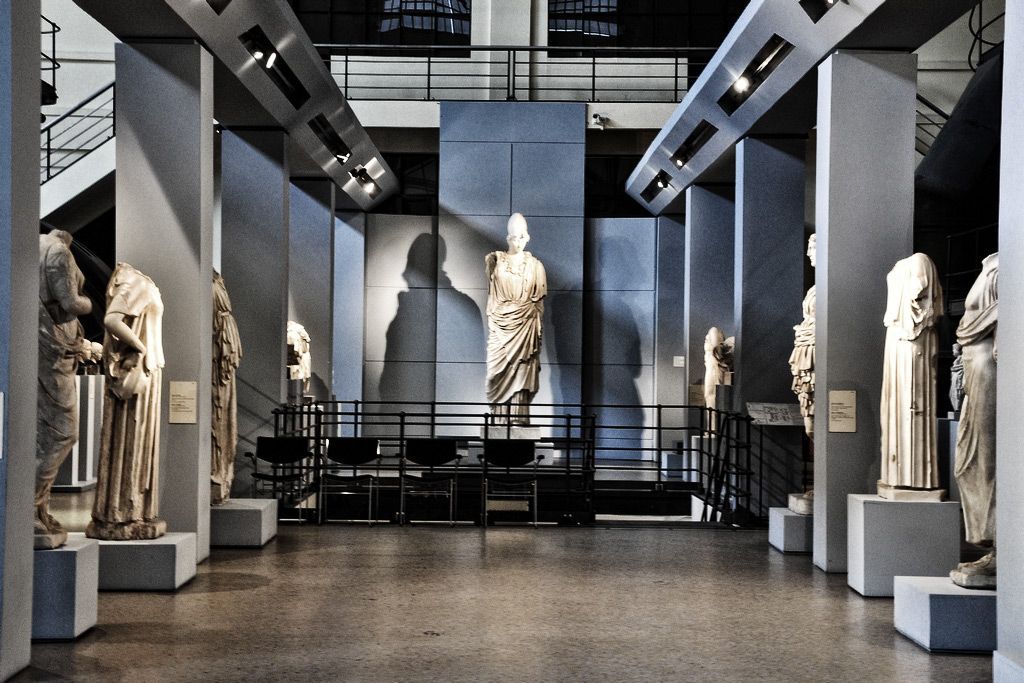
## Description Centrale Montemartini is one of Rome’s most surprising cultural experiences: an industrial power plant repurposed as a museum where classical Roman sculpture and large-scale machinery coexist in a single, dramatic setting. The raw cast-iron boilers, pipes and turbines form a deliberate and powerful backdrop for marble statues, reliefs and funerary monuments. That juxtaposition—ancient sculpture lit by museum-grade lighting against the patina of early 20th-century industrial engineering—creates striking visual and emotional contrasts that reframe familiar works from the Roman world. Originally conceived as a temporary solution while major restorations were carried out at the Capitoline Museums, the Centrale’s power-plant location quickly proved a compelling permanent home for parts of the municipal collections. The curators leaned into the setting rather than hiding it: sculptures were arranged to engage with the machinery, and exhibition narratives highlight material, technique and the passage of time. Visitors respond to the unusual dialogue between polished marble and oxidised iron; the museum reads like a meditation on Rome’s layered identity, where antiquity and modern infrastructure overlap. Beyond the immediate photogenic contrasts, Centrale Montemartini is notable for its approachable layout and variety of objects. You’ll find portraits and imperial statues, sculpted sarcophagi, and everyday objects that illuminate Roman social life. Special displays often focus on conservation practice or archaeological discoveries, and temporary exhibitions rotate, bringing contemporary scholarship and new archaeological finds into the space. For anyone interested in classical art, museum design, or the adaptive reuse of industrial architecture, Centrale Montemartini offers an unusually rich visit. ## Location Centrale Montemartini sits in the Ostiense district of Rome, a short distance from the Baths of Caracalla. The museum is accessible by metro (Circo Massimo or Garbatella stations are the closest), by several bus lines that serve the area, or by a brisk walk from the historic center if you are already exploring the nearby archaeological sites. The building’s industrial silhouette is visible even before you enter, giving a clear landmark to orient to. For planning, allow time to combine a visit with nearby landmarks: the Baths of Caracalla lie within easy walking distance and the Caffarella Park and Aventine Hill are also within reach. If traveling by taxi or rideshare, note that the museum address is well-known to drivers familiar with Rome’s cultural sites. ## Tips - Allocate 1.5–2.5 hours: the building is compact but the atmospherics and displays invite slow looking and photography. - Use the museum audio guide or pick up explanatory leaflets at the entrance to get historical context for the most important sculptures and installations. - Bring a charged camera or phone: the interplay of light, marble and metal makes for memorable photos—observe the no-flash policy where posted. - Combine your visit with the Baths of Caracalla, the Aventine viewpoints and the Testaccio neighborhood for food options afterwards. - Check the museum website for temporary exhibitions and conservation talks; these occasional programs add depth to the core collection. ## Conclusion Centrale Montemartini remains a must-see for travelers who want an offbeat but deeply satisfying museum experience in Rome. It reframes how we look at classical sculpture by placing those objects in a setting that foregrounds texture, function and the visual poetry of time. Whether you are a first-time visitor to Roman art or a repeat museumgoer seeking a fresh perspective, the Centrale’s inventive combination of history, conservation and industrial architecture rewards curiosity. ## FAQ Q: Is photography allowed? A: Generally yes for personal use, but flash and tripods may be restricted—follow signage and staff guidance. Q: Are there English guides or information? A: Yes. Audio guides, multilingual panels and printed materials are typically available; check at the ticket desk for current language options. Q: How long should I plan for a visit? A: Plan 1.5–2.5 hours to allow time for the main rooms and any temporary exhibitions or conservation displays. Q: Is the museum family friendly? A: The museum is suitable for families; spaces are manageable with strollers, though the industrial setting contains some uneven surfaces—supervise children and use designated pathways. Q: Are there accessibility arrangements? A: The museum provides accessibility options, but facilities can vary; contact the museum ahead of your visit for details on lifts, ramps and assistance. ## Links - [Centrale Montemartini (Wikipedia)](https://en.wikipedia.org/wiki/Centrale_Montemartini)
GemVoyage Team • World
Toulouse
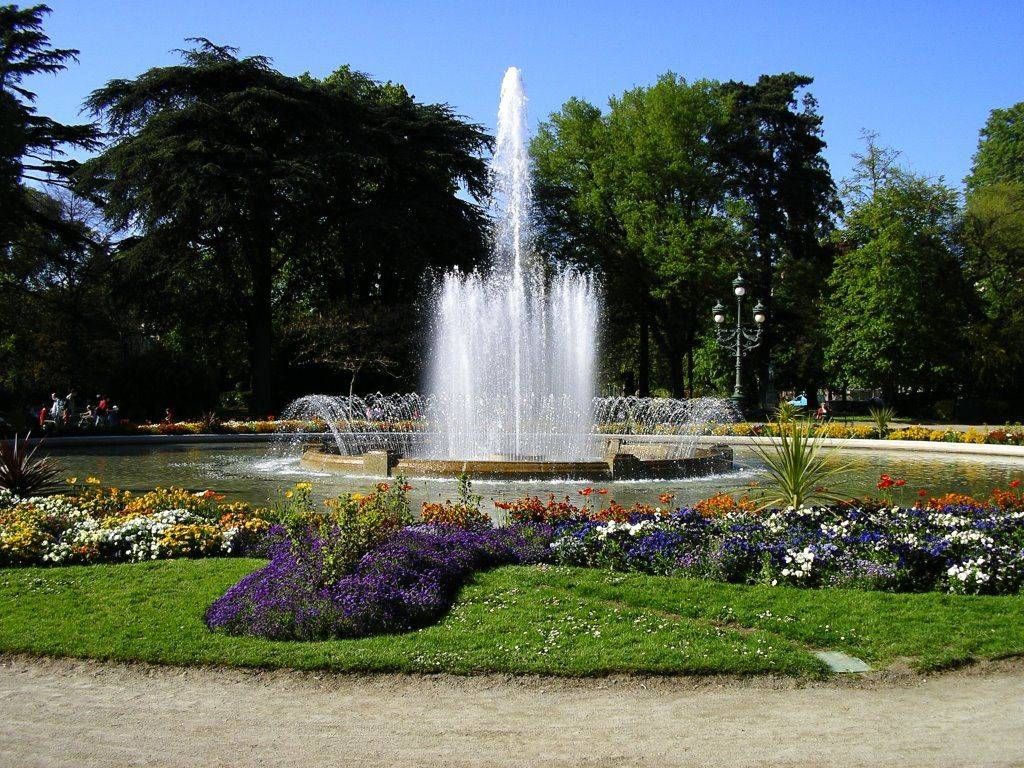
## Description The Jardin des Plantes in Toulouse is one of the city’s most beloved green spaces, offering a calm and refreshing escape from urban life. Originally created in the 18th century as a botanical garden for scientific study, it has since evolved into a public park that blends nature, history, and leisure. With its shaded paths, ponds, statues, and diverse plant life, the garden attracts families, students, and visitors looking to experience Toulouse at a gentler pace. What makes the Jardin des Plantes unique is its dual identity as both a historical botanical site and a modern recreational park. Although it no longer functions strictly as a scientific garden, many plant species and layout elements reflect its original purpose. A little-known fact is that the garden once served as a training ground for medical students studying botany and pharmacology. Another lesser-known detail is that it forms part of a larger green corridor together with the nearby Grand Rond and Jardin Royal, creating a continuous landscaped area rarely found in dense city centers. The Jardin des Plantes also features playgrounds, a carousel, and cultural installations, making it appealing to visitors of all ages while preserving a sense of historical continuity. ## Location The Jardin des Plantes is located in **France**, in the **Occitanie** region, within the city of **Toulouse**. It lies just south of the historic center, near the Muséum de Toulouse and the Canal du Midi. The garden is easily accessible by public transportation. The nearest metro station is **Palais de Justice** on Line B, which is about a 10-minute walk away. Several bus lines also serve the area. Visitors staying in central Toulouse can reach the park comfortably on foot or by bicycle, as the surrounding streets are pedestrian-friendly and well connected. ## Tips * Visit in the morning or late afternoon for a quieter and more relaxing atmosphere. * Spring and early summer are ideal for enjoying flowers and greenery at their peak. * Bring a book or picnic to fully enjoy the peaceful setting. * Families with children should check out the playground and carousel areas. * Combine your visit with the nearby Muséum de Toulouse for a full day of culture and nature. * Respect the garden rules by staying on paths and preserving plant areas. ## Conclusion The Jardin des Plantes in Toulouse offers a harmonious blend of history, nature, and everyday life. Whether you are seeking relaxation, family-friendly activities, or a scenic walk, this botanical garden remains one of the city’s most charming and accessible attractions. ## FAQ **Is the Jardin des Plantes free to enter?** Yes, entrance to the garden is free for all visitors. **How much time should I plan to spend there?** Most visitors spend between 30 minutes and two hours, depending on activities. **Is the Jardin des Plantes suitable for children?** Yes, it features playgrounds and open spaces ideal for families. **Can I picnic in the garden?** Yes, picnicking is allowed in designated areas. **Is the garden open year-round?** Yes, it is open throughout the year, though hours vary by season. ## Links * [Toulouse Tourism Official Website](https://www.toulouse-tourisme.com)
GemVoyage Team • World
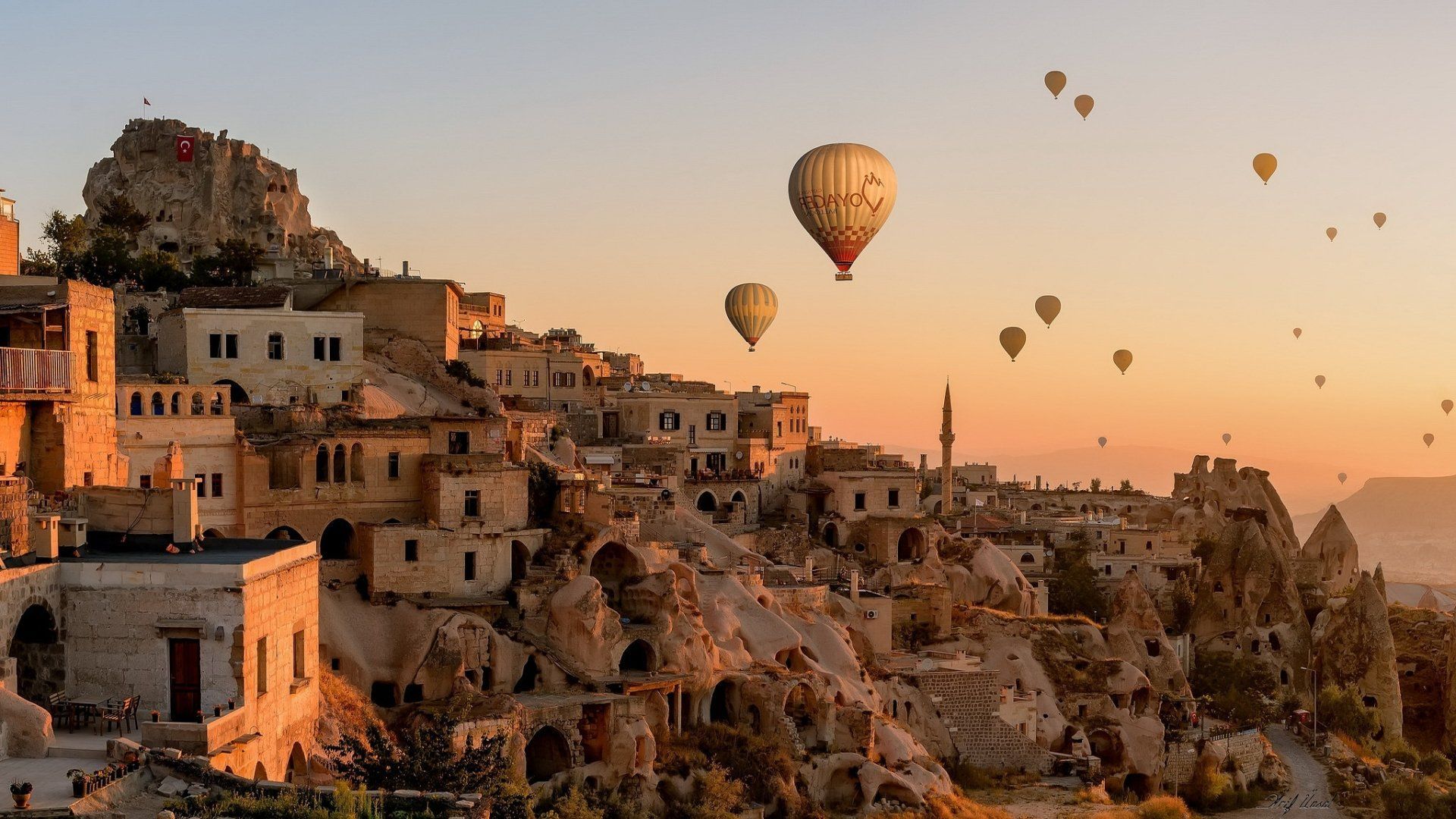
Cappadocia
## Description Cappadocia is a landscape that reads like a fantasy novel: soft volcanic tuff sculpted by wind and water into “fairy chimneys,” mushroom-shaped pillars, and honeycombed cliffs. Centered around Göreme in central Turkey, the region is famous for its surreal valleys, cave dwellings carved into rock, ancient subterranean cities, and a living tradition of wineries, pottery and folk crafts. Cappadocia’s cultural layer is as rich as its geology: Byzantine churches decorated with frescoes, monastic sites, and Ottoman-era villages reveal a continuous human presence adapted ingeniously to the stone. One of the most iconic Cappadocia experiences is floating above the landscape in a sunrise hot-air balloon, watching valleys and chimneys unfold as daytime light paints the rocks gold. Beyond balloons, the region rewards curiosity on foot: hiking carved valleys, exploring cave churches, descending into underground cities, and sampling local cuisine and wines in villages that still carve homes from the rock. ## Location Cappadocia sits in central Anatolia, chiefly within Nevşehir, Kayseri and Aksaray provinces. Göreme is the most convenient tourist base, offering a range of accommodations from boutique cave hotels to eco-lodges. The nearest airports are Nevşehir Kapadokya (NAV) and Kayseri Erkilet (ASR), both a short drive from the main valleys. Regular buses and private transfers connect from Ankara, Konya, and Istanbul. ## Tips - **Book balloon flights in advance:** Hot-air balloon flights sell out early, especially during spring and autumn. Reserve a slot and plan a buffer day in case of weather cancellations. - **Stay in a cave hotel:** Cave hotels provide an immersive experience that connects accommodation with the region’s geology; choose well-reviewed properties that balance authenticity with comfort. - **Explore off the beaten track:** Beyond the main tourist loops, valleys like Ihlara and Soganli offer quieter hikes, remote churches and a sense of solitude. - **Hire a local guide for historical context:** To understand frescoes, cave architecture and the significance of underground cities, a local guide or knowledgeable host adds depth. - **Dress in layers:** Mornings (especially balloon times) can be cool while afternoons warm quickly. Comfortable walking shoes and sun protection are a must. - **Sample local crafts and food:** Pottery, wine and slow-cooked regional dishes connect the landscape to local culture and provide excellent souvenir options that support artisans. ## Conclusion Cappadocia’s blend of geological wonder and layered human history makes it a bucket-list destination. Whether you’re drifting in a balloon, exploring subterranean cities, or tracing frescoed chapels, the region rewards curiosity with both spectacle and intimacy. With planning and local insight, even repeat visitors find new corners to explore. ## FAQ - **Q: Is Cappadocia suitable for families?** A: Yes — many activities (balloon rides, gentle hiking, pottery workshops) are family-friendly, though some underground passages may be tight for very young children. - **Q: Are balloon flights safe?** A: Licensed operators follow strict safety procedures. Choose experienced companies with strong safety records and clear cancellation policies. - **Q: When is the best time to visit Cappadocia?** A: Spring and autumn offer pleasant temperatures and stable flying conditions for balloons. Summer is hot but still popular; winters are quieter and atmospheric with occasional snow. - **Q: How many days should I spend?** A: 2–4 days allows you to see key valleys, take a balloon flight, visit the Göreme Open Air Museum and explore one underground city at a comfortable pace. - **Q: Can I stay in a cave hotel year-round?** A: Yes, cave hotels operate year-round and offer varying levels of comfort. In winter check for heating facilities; in summer cave rooms stay relatively cool. - **Q: Are there guided day tours and self-drive options?** A: Both are widely available. Guided tours provide context and ease of logistics; self-drive gives flexibility to explore lesser-known valleys at your own pace. ## Links - [Cappadocia — Wikipedia](https://en.wikipedia.org/wiki/Cappadocia)
GemVoyage Team • World
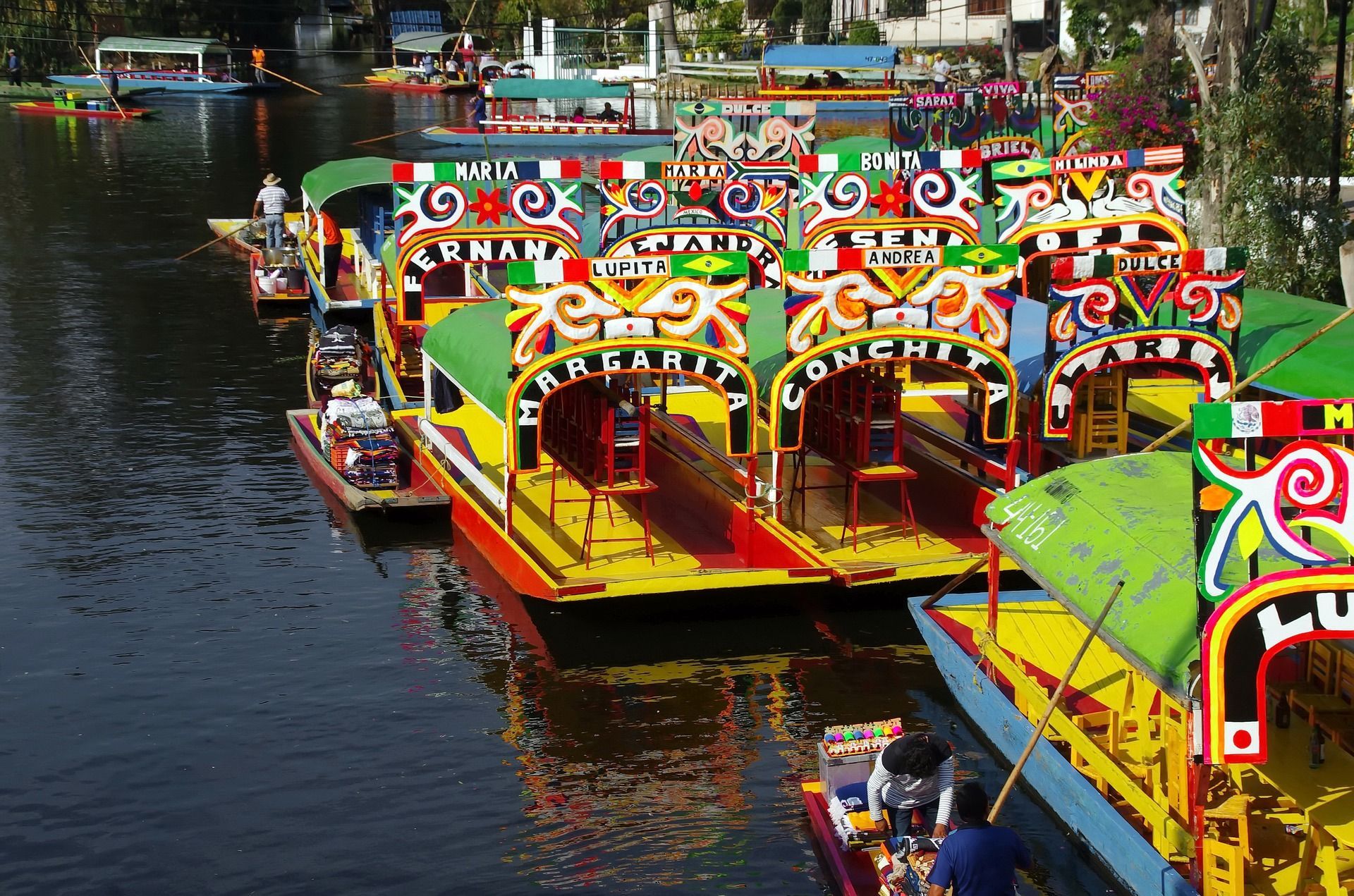
Mexico City
## Description The Xochimilco Canals are one of Mexico City’s most distinctive attractions because they preserve a living relationship between water, agriculture, celebration, and community. Unlike a standard sightseeing canal ride, Xochimilco offers a colorful world of trajineras, music, food, and floating movement through a landscape that reflects centuries of adaptation. It is one of the few places in the capital where visitors can still feel the legacy of the lake system that once defined the Valley of Mexico. What makes Xochimilco so special is that it is both scenic and cultural. A ride along the canals is visually lively, with brightly painted boats, vendors drifting by, musicians performing, and families and friends gathering for celebrations. At the same time, the area connects to the ancient chinampa system, a form of raised agricultural landscaping that has long been admired for its ingenuity. A lesser-known fact is that these canals are among the last surviving remnants of the pre-Hispanic water landscape of the valley. That makes a visit more than entertainment; it is a window into a surviving historical ecosystem. Another little-known detail is that Xochimilco is not just a tourist attraction but also a place with ongoing local life and ecological importance. The canals and surrounding fields continue to matter to residents, farmers, and conservation efforts. That is why the experience can feel so layered. You are not simply on a boat ride. You are moving through a landscape where heritage, tourism, and environmental questions meet. For many travelers, Xochimilco is memorable because of its atmosphere. It can be playful, crowded, musical, and festive, but it can also be surprisingly reflective if you visit at a calmer time. It is one of those places where the experience changes depending on the hour, the weather, and the energy on the water that day. Because of that, it works well for visitors who enjoy local color and are willing to let an outing unfold at a slower, more social pace. ## Location The Xochimilco Canals are in the Xochimilco borough of southern Mexico City, Mexico. The area is well known throughout the capital and can be reached from central Mexico City by public transport, taxi, or rideshare. One of the most common ways to get there is by taking the light rail system toward Xochimilco and then continuing to the canal departure points. Once you arrive, boats depart from designated embarcaderos. If it is your first time, that is the easiest structure to follow because the canals themselves are extensive and the boat-launch area is where the visitor experience starts. Because the area is farther from the center than some other attractions, plan Xochimilco as its own excursion rather than a quick add-on. That gives you enough time to enjoy the canal ride, food, and atmosphere without rushing back and forth across the city. ## Tips Go with a group if possible, because trajineras are more enjoyable when you can share the cost and the atmosphere. Even if you travel solo or as a couple, the social nature of the experience is a big part of the appeal. Bring cash for boat rental, food, drinks, and optional music. It is easier to enjoy the outing if you are prepared for small on-the-spot purchases. Choose the time of day carefully. Earlier visits can feel calmer, while later outings often become livelier and more festive. Pick the mood you want before you go. Respect the local environment and the people who live and work there. Xochimilco is a heritage landscape, not just a party venue, and a more considerate visit tends to be a better one. ## Conclusion Xochimilco Canals are one of Mexico City’s most unforgettable experiences, blending history, ecology, and celebration on the water. They are ideal for travelers who want something colorful, local, and unlike any conventional city attraction. ## FAQ **What are the Xochimilco Canals famous for?** They are famous for trajineras, festive boat rides, and their connection to the ancient chinampa system. **How do I get there?** The most practical options are public transport to Xochimilco followed by a short transfer to the canal departure points. **Is it only for parties?** No. While it can be lively, it is also a heritage site with agricultural and ecological importance. **How long should I plan for a visit?** A few hours is ideal so you can enjoy the boat ride without feeling rushed. **Is it worth visiting if I have limited time in Mexico City?** Yes, especially if you want a memorable local experience that is different from museums and monuments. ## Links - [UNESCO World Heritage information](https://whc.unesco.org/en/list/412/) - [Wikipedia](https://en.wikipedia.org/wiki/Xochimilco)
GemVoyage Team • World

Comments