Discover extraordinary places shared by our community of travelers
Chengdu
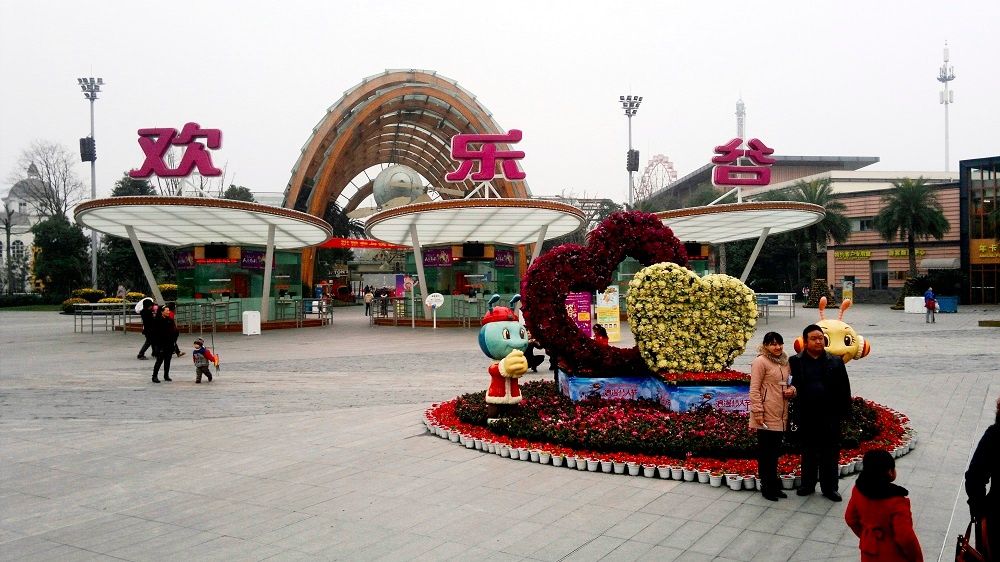
## Description Happy Valley Chengdu, known locally as 成都欢乐谷, is one of the largest and most popular theme parks in western China. Designed to appeal to visitors of all ages, the park combines high-adrenaline rides, family-friendly attractions, live entertainment, and themed zones inspired by global cultures and fantasy worlds. As part of the well-known Happy Valley chain across China, the Chengdu location stands out for its scale, variety, and strong integration of local elements. What makes Happy Valley Chengdu unique is its balance between intense thrill rides and immersive leisure experiences. Roller coasters, giant pendulum rides, and drop towers attract adrenaline seekers, while gentler attractions, parades, and interactive shows cater to families and younger visitors. A little-known fact is that some areas of the park subtly incorporate Sichuan cultural motifs in their design and performances, reflecting the region’s identity beyond the rides themselves. Another lesser-known detail is that Happy Valley Chengdu often hosts large-scale seasonal festivals, such as night-time light events and themed celebrations, which can significantly change the atmosphere of the park depending on when you visit. With its wide range of attractions and polished facilities, Happy Valley Chengdu has become a major entertainment destination not only for tourists but also for residents of Chengdu and neighboring cities. ## Location Happy Valley Chengdu is located in **China**, in **Sichuan Province**, within the city of **Chengdu**. The park sits in the Jinniu District, in the northern part of the city, making it accessible from central Chengdu while still offering a spacious layout. Getting to the park is convenient using public transportation. Visitors can take the Chengdu Metro to **Xipu** or nearby stations depending on current routes, then transfer to a bus or taxi for a short ride to the entrance. Taxis and ride-hailing apps are widely used in Chengdu and provide a straightforward option, especially for families. If traveling by car, the park has designated parking areas, though arriving early is recommended during weekends and holidays. ## Tips * Arrive early in the day to maximize your time and avoid long queues, especially during weekends and public holidays. * Check the park map and show schedules upon arrival to plan your visit efficiently. * Wear comfortable clothing and shoes, as the park is large and involves a lot of walking. * Some of the most popular rides have height or age restrictions, so review requirements in advance if visiting with children. * Visit during weekdays or outside major Chinese holidays for a more relaxed experience. * Stay until evening if possible, as night-time shows and illuminated attractions offer a different atmosphere. ## Conclusion Happy Valley Chengdu is a lively and well-rounded theme park that delivers excitement, entertainment, and memorable experiences for visitors of all ages. Whether you are seeking thrilling rides or relaxed family fun, the park offers a dynamic escape within one of China’s most vibrant cities. ## FAQ **Is Happy Valley Chengdu suitable for young children?** Yes, the park includes many family-friendly rides, play areas, and shows designed specifically for younger visitors. **How long should I plan to spend at Happy Valley Chengdu?** Most visitors spend a full day at the park to experience a wide range of attractions and shows. **Are English signs available in the park?** Some signage includes English, but having a translation app can be helpful for show schedules and ride details. **Is food available inside the park?** Yes, there are numerous food stalls and restaurants offering both Chinese and international options. **When is the best time to visit Happy Valley Chengdu?** Spring and autumn offer the most comfortable weather, while weekdays are best for avoiding crowds. ## Links * [Happy Valley Chengdu Official Website](https://cd.happyvalley.cn/)
GemVoyage Team • World
Konya
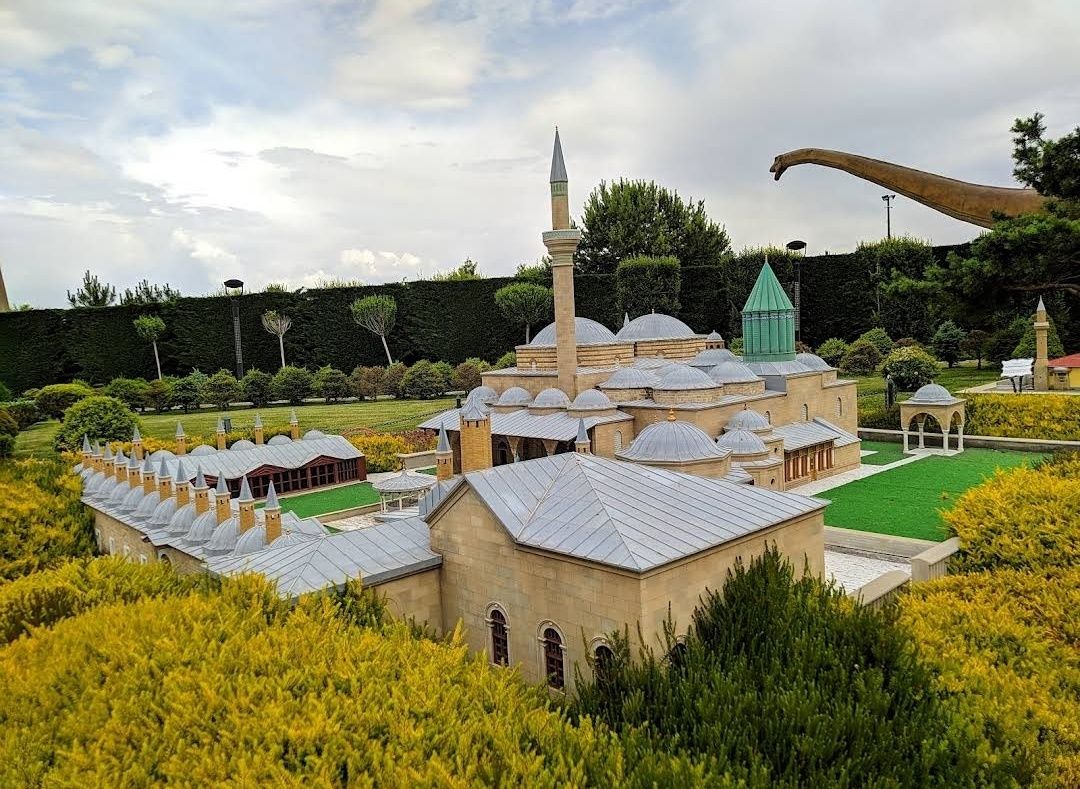
## Description Around the World in 80 Thousands Park, also known as **“80 Binde Devr-i Alem Parkı”** in Turkish, is one of the most fascinating theme parks in Konya, Turkey. What makes this park truly unique is its concept—it allows visitors to travel across the globe without leaving the city. With miniature models of famous landmarks, dinosaurs, and fairy-tale characters, it blends **history, culture, and entertainment** into one unforgettable experience. The park covers an impressive area, showcasing over **120 miniature replicas** of iconic monuments from around the world. From the **Eiffel Tower** to the **Great Wall of China**, from **Taj Mahal** to **Machu Picchu**, visitors get a sense of global travel in just a single day. A little-known fact about the park is that it also features a **dinosaur valley**, where life-sized dinosaur models bring prehistoric times to life. Another hidden gem is the **children’s fairytale section**, where beloved characters like Snow White and the Seven Dwarfs or The Smurfs enchant younger visitors. This combination of world heritage, history, and fantasy makes it enjoyable for all age groups, from kids to adults. ## Location The park is located in **Konya**, a historic city in the **Central Anatolia Region of Turkey**. More specifically, it sits in the **Selçuklu district** of Konya, easily accessible from the city center. For those visiting from outside Konya, the nearest airport is **Konya Airport (KYA)**, which connects to major cities like Istanbul and Ankara. From the city center, the park can be reached by taxi, car rental, or local public transportation. The most convenient way is by **tram or bus** heading towards Selçuklu, as the park is well-signposted and located near other cultural attractions. ### Recommendation for Travelers If you’re coming from Istanbul or Ankara, consider taking the **high-speed train to Konya**, which is both comfortable and time-saving. Once in Konya, you can combine your visit to the park with a trip to the **Mevlana Museum** or **Alaeddin Hill**, both of which are nearby. ## Tips To make the most out of your visit to Around the World in 80 Thousands Park, here are some valuable tips: * **Plan Enough Time**: The park is large and full of attractions. Allocate at least **2–3 hours** to explore it properly. * **Best Time to Visit**: Late afternoon is ideal, especially in summer, as the lighting enhances the beauty of the miniature models. * **Family-Friendly Spot**: The park is particularly suited for families. Kids will love the dinosaur and fairytale sections. * **Bring a Camera**: With so many landmarks in one place, you’ll want to capture plenty of photos. * **Wear Comfortable Shoes**: Since you’ll be walking quite a bit, sneakers or walking shoes are recommended. * **Check Seasonal Events**: Sometimes the park hosts special exhibitions or light shows, so check the local event schedule before going. ## Conclusion Around the World in 80 Thousands Park is not just a theme park—it’s an educational and cultural journey across continents, all within Konya. With its blend of global monuments, prehistoric creatures, and fairy-tale wonders, it promises an unforgettable experience for visitors of all ages. Whether you’re traveling with family or exploring solo, this park is a must-see destination in Turkey. ## FAQ **1. What is Around the World in 80 Thousands Park?** It is a theme park in Konya, Turkey, featuring miniature models of world-famous landmarks, a dinosaur valley, and a fairy-tale section. **2. How much time do I need to visit the park?** On average, visitors spend **2–3 hours** exploring the park, but families with kids may stay longer. **3. Is the park suitable for children?** Yes, it’s very family-friendly. Kids particularly enjoy the dinosaur area and fairy-tale characters. **4. What is the best way to reach the park from Konya city center?** You can take a bus, tram, or taxi to the Selçuklu district. It’s about a **15–20 minute drive** from the center. **5. Are there food and drink facilities inside the park?** Yes, there are small cafes and snack bars inside where you can buy refreshments. **6. Is it open year-round?** Yes, but opening hours may vary depending on the season, so it’s best to check in advance. ## Links * [Park Information](https://gokonya.com/en/around-the-world-in-80-thousand-park)
GemVoyage Team • World
Ulsan
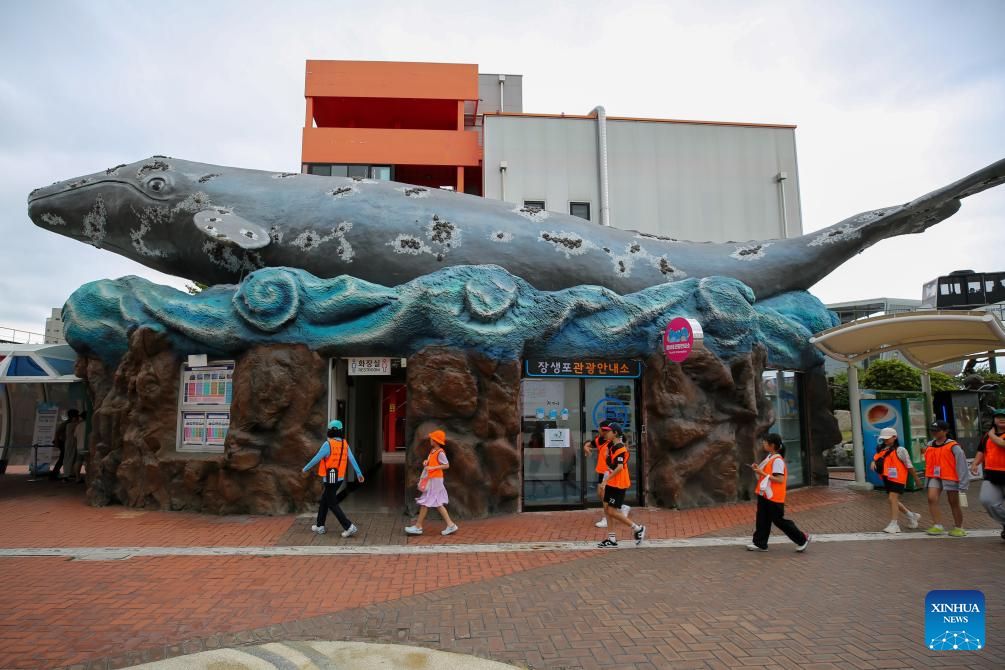
## Description Jangsaengpo Whale Museum, known in Korean as 장생포 고래박물관, is a unique cultural and educational attraction dedicated to the history of whaling and the relationship between humans and whales in Korea. Located in the historic port area of Jangsaengpo, the museum tells the story of how this small coastal village once became the center of Korea’s modern whaling industry. Today, the museum focuses on preservation, education, and awareness, offering visitors a thoughtful look at marine life and changing human values. What makes the Jangsaengpo Whale Museum unique is its comprehensive approach to the subject. Rather than celebrating whaling alone, the museum places strong emphasis on marine conservation and scientific research. Visitors can see full-scale whale skeletons, detailed dioramas, interactive displays, and multimedia presentations that explain whale biology, migration patterns, and communication. A little-known fact is that Jangsaengpo was once home to thousands of whalers before commercial whaling was banned in Korea in the 1980s. Another lesser-known detail is that the museum works closely with research institutions to study whales that are found stranded along the Korean coast, contributing to ongoing marine science. The museum offers an engaging experience that combines history, education, and environmental awareness in a balanced and accessible way. ## Location Jangsaengpo Whale Museum is located in **South Korea**, in the **Ulsan Metropolitan City**, within the **Nam-gu** district, in the Jangsaengpo area. Ulsan lies on the southeastern coast of the country and is known as both an industrial hub and a gateway to coastal nature. To get there, visitors can travel to Ulsan by KTX high-speed train or intercity bus from major cities such as Seoul or Busan. From Ulsan city center or Ulsan Station, local buses or taxis provide easy access to the Jangsaengpo district. The museum is well signposted and is close to other attractions such as Jangsaengpo Whale Cultural Village and the Whale Watching Port. ## Tips * Combine your visit with nearby attractions like the Whale Cultural Village to gain a fuller understanding of the area’s history. * Allow at least one to two hours to explore the museum at a comfortable pace. * Many exhibits are family-friendly, making the museum suitable for children and school groups. * Check opening hours in advance, as they may vary by season or on public holidays. * Some explanations are in Korean only, so using a translation app can enhance your experience. * Visit on a weekday for a quieter and more relaxed atmosphere. ## Conclusion Jangsaengpo Whale Museum offers a meaningful and educational look into Korea’s maritime past and its evolving relationship with whales. Through well-curated exhibits and a strong conservation message, the museum provides visitors with both knowledge and reflection, making it a standout cultural attraction in Ulsan. ## FAQ **Is the Jangsaengpo Whale Museum suitable for children?** Yes, the museum features interactive displays and visual exhibits that are engaging for children. **How long does a typical visit take?** Most visitors spend between one and two hours exploring the museum. **Is the museum focused only on whaling history?** No, it also emphasizes whale biology, conservation, and modern research efforts. **Are English explanations available?** Some exhibits include English descriptions, but not all, so a translation app can be helpful. **Is photography allowed inside the museum?** Photography is generally allowed, though flash or certain areas may be restricted. ## Links * [Jangsaengpo Whale Museum Info](https://english.visitkorea.or.kr/svc/whereToGo/locIntrdn/rgnContentsView.do?vcontsId=85947)
GemVoyage Team • World
Utena County
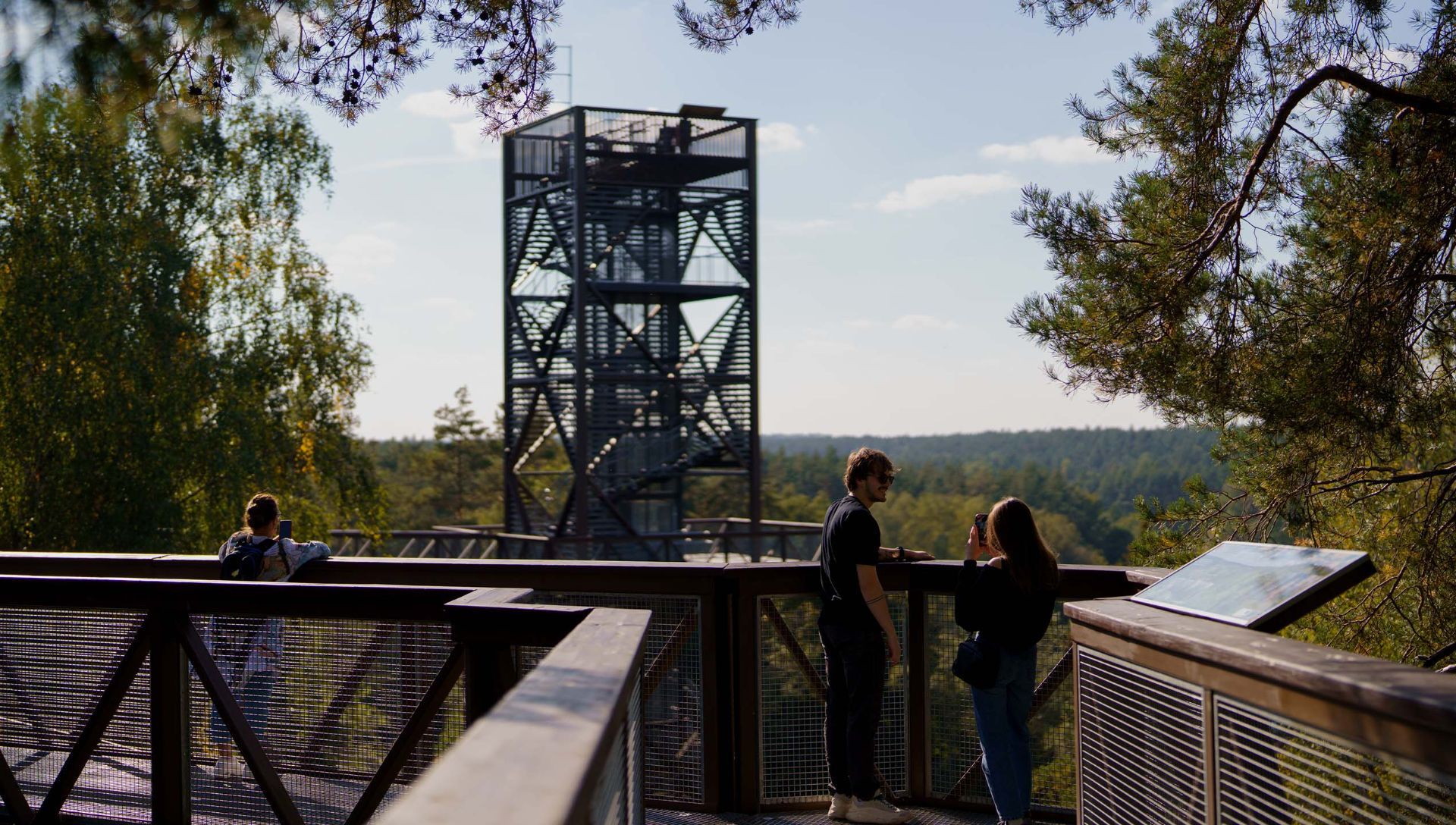
## Description The Anykščiai Treetop Walking Path is an elevated walkway that lifts visitors into the forest canopy near the town of Anykščiai, providing rare, treetop-level perspectives over pine and spruce stands and the winding valley of the Šventoji River. Running across a series of boardwalks and culminating in an observation tower, the path reveals forest structure, understory dynamics, and panoramic views that are otherwise hidden from ground level. What distinguishes this attraction is its combination of accessibility, interpretive design, and conservation-minded construction. The path’s elevated platforms and carefully designed supports minimize soil compaction and root disturbance, protecting vulnerable plant communities below. Along the walkway, interpretive panels introduce visitors to forest ecology, native species, the role of wetlands, and regional conservation initiatives. The experience is both sensory and educational: the canopy’s light, wind, and birdlife offer memorable immersion, while the tower’s panoramic platform rewards visitors with far-reaching vistas of the Šventoji River valley. The path was created with families and broad accessibility in mind—gentle gradients, safety railings, and wide decks make it suitable for many visitors, although final accessibility varies across specific sections. The project reflects a deliberate effort to balance public access, education, and nature protection, making it a model for low-impact environmental tourism. ## Location The Anykščiai Treetop Walking Path is situated near the town of Anykščiai in Utena County, northeastern Lithuania, an area celebrated for its literary history and distinctive wooden architecture. The site is accessible from Vilnius and Kaunas by regional bus services to Anykščiai; local shuttles or taxis can bring visitors the short distance to the trailhead. On-site parking is available during visiting hours, and the town provides dining and accommodation options for longer stays. ## Tips - **Assess height comfort:** The elevated platforms are safe but may be challenging for those with acute fear of heights. Move at your own pace and use railings. - **Bring optics and cameras:** Binoculars and cameras enhance birdwatching and landscape photography from the tower and platforms. - **Visit in warm months:** Late spring through early autumn offers full foliage, active birdlife, and accessible boardwalks; check seasonal opening times for winter closures. - **Dress for the outdoors:** Wear comfortable walking shoes and layered clothing; the canopy can be cooler and windier than the forest floor. - **Combine with Anykščiai cultural sites:** Pair the treetop walk with a visit to the town’s literary museums and wooden architecture for a blended nature-and-culture day. ## Conclusion The Anykščiai Treetop Walking Path is an accessible, interpretive experience that invites visitors to discover forest ecology from a new vantage point. It combines low-impact design, educational materials, and dramatic views—ideal for families, school groups, and nature enthusiasts interested in immersive environmental learning. ## FAQ - **Q: Is the Anykščiai treetop path suitable for wheelchairs or strollers?** A: Some sections are designed to be accessible, but full accessibility can vary—contact the site in advance for details on ramps and platform access. - **Q: How much time should I plan for a visit?** A: Plan 1–2 hours to walk the path, ascend the observation tower, and read interpretive panels; longer if you want to picnic or birdwatch. - **Q: Is there an entrance fee or opening season?** A: Many treetop paths charge a modest fee and operate seasonally—confirm current hours and rates on the official site or local tourist information. - **Q: Are dogs allowed on the treetop path?** A: Policy varies; some paths allow well-controlled dogs on short leashes while others restrict pets to protect wildlife—check rules before bringing pets. - **Q: Can the path be used for school or group education?** A: Yes—interpretive panels and safe design make it ideal for school groups; contact local organizers to arrange guided programs or group rates. - **Q: Is the path safe in wet weather?** A: Walkways can be slippery when wet—use caution and appropriate footwear. Some sections may be closed during severe weather for safety. ## Links -- [Hike Information](https://saugoma.lt/en/objects/objects-the-treetop-walking-path)
GemVoyage Team • World
Amsterdam
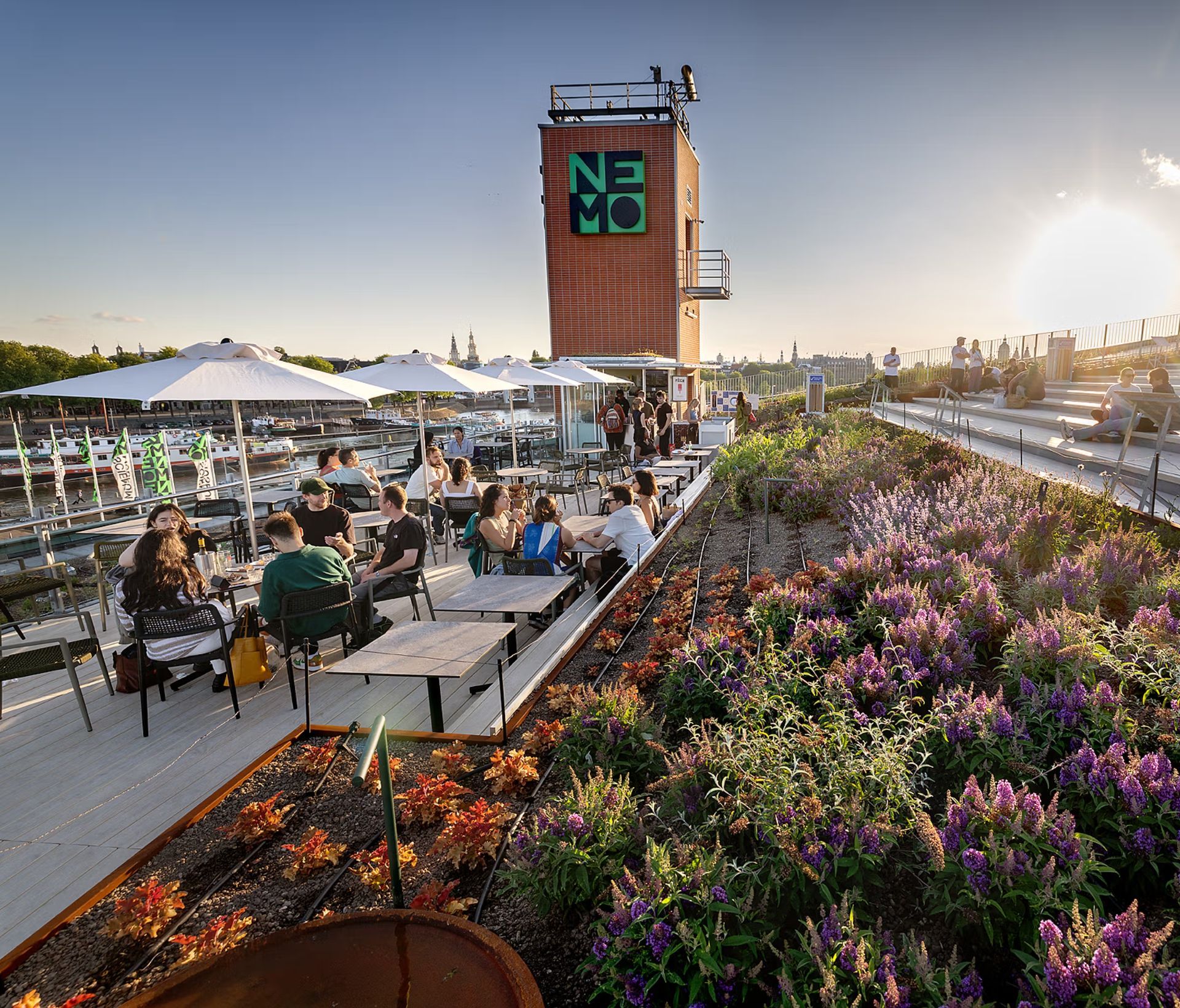
## Description Amsterdam is a city of canals, bicycles, and centuries of history layered into every brick and bridge. Among its many attractions, one of the most underrated and genuinely delightful experiences is the rooftop terrace of NEMO Science Museum. Sitting on top of one of the city's most architecturally distinctive buildings, the rooftop offers a panoramic view over the historic city center that is difficult to match from any other vantage point. What makes it particularly remarkable is that access to the rooftop is entirely free, even for visitors who do not have a ticket to the museum itself. NEMO is housed in a building designed by the renowned Italian architect Renzo Piano, who is also responsible for landmarks such as the Centre Pompidou in Paris and The Shard in London. The building, which opened in 1997, is shaped to resemble the bow of a large ship emerging from the water of the Oosterdok harbor. This is no coincidence: the building was designed in the shape it has because it sits directly above the entrance to the IJ tunnel, one of the major road tunnels running beneath Amsterdam's waterways. The rooftop continues this nautical theme, with its sloping green surface and tiered terraces that feel like the decks of a great vessel. One fact that many visitors do not know is that in summer the rooftop transforms into a seasonal outdoor swimming spot. A small temporary pool is set up on the roof, offering an extraordinary place to swim with views over one of Europe's most beautiful city skylines. This is one of the more unusual and memorable experiences available in Amsterdam and yet it remains relatively unknown outside the city. Another interesting detail is that the rooftop is accessible via an outdoor staircase on the side of the building, meaning you do not need to pass through the museum entrance at all, making it a truly accessible and free outdoor space. The view from the top takes in the historic canal houses of the city center, the Centraal Station, the open harbor, the Scheepvaartmuseum, and on clear days extends far into the distance across the flat Dutch landscape. Sunset from the rooftop is particularly spectacular, with the low northern light casting long golden shadows across the water and rooftops below. ## Location NEMO Science Museum is located in the Oosterdok area of central Amsterdam, in the Netherlands. The full address is Oosterdok 2, 1011 VX Amsterdam. It sits on a man-made peninsula that juts into the Oosterdok harbor, directly adjacent to the historic city center. Getting there is straightforward. From Amsterdam Centraal Station, the museum is a short walk of approximately 10 to 15 minutes. Head east along the waterfront, passing the Scheepvaartmuseum and following the signs for NEMO. The building is unmistakable from a distance given its distinctive ship-like form rising above the harbor. Tram and bus routes also stop near the museum, and the area is easily navigated by bicycle, which is of course the most Amsterdam way to travel. There is limited parking for cars in the area, so public transport or cycling is recommended. ## Tips - **Access the rooftop for free.** The outdoor staircase on the side of the building leads directly to the rooftop without requiring a museum ticket. This makes it an excellent option for travelers on a budget or those who simply want the view. - **Arrive around sunset.** The rooftop faces west and southwest, making it an ideal spot to watch the sun go down over the city. The light during golden hour is extraordinary and the view becomes particularly photogenic. - **Visit during summer for the rooftop pool.** If you are visiting Amsterdam between late June and August, the temporary rooftop swimming pool is a unique experience. Check NEMO's website for the exact dates each year as they vary. - **Combine the visit with the museum.** If you have children or are interested in science and technology, the NEMO museum itself is excellent and well worth a visit. The interactive exhibits are engaging for adults as well as children. - **Go on a clear day.** The view is best when the weather is clear. Amsterdam's weather can be unpredictable, so check the forecast and pick a clear afternoon for the best experience. - **The rooftop has seating and a cafe in season.** During the summer months, a cafe operates on the rooftop serving drinks and light food. Arriving with time to sit and take in the view is well worthwhile. ## Conclusion The rooftop of NEMO Science Museum is one of those rare places that manages to be both completely free and genuinely extraordinary. In a city as beautiful and well-visited as Amsterdam, finding a spot that offers such a commanding view without crowds or admission fees is a genuine discovery. Whether you are visiting for the view, the architecture, the seasonal swimming pool, or simply a quiet place to sit above the city, the NEMO rooftop delivers an experience that will stay with you long after you have left Amsterdam. ## FAQ **Is the NEMO rooftop really free to access?** Yes. The rooftop terrace is accessible via an outdoor staircase that does not require a museum ticket. You can visit the rooftop completely free of charge at any time during the museum's opening hours. Note that during special evening events the rooftop may have a separate admission. **What are the opening hours of the rooftop?** The rooftop is generally accessible during the same hours as the museum, which is typically open Tuesday through Sunday from 10:00 AM to 5:30 PM. It is closed on most Mondays except during school holidays. Always verify the current hours on the official NEMO website before visiting. **When does the rooftop swimming pool open?** The swimming pool on the NEMO rooftop is a seasonal installation that operates during the summer months, typically from late June to late August. Exact dates vary each year and should be checked on the official NEMO website. **Who designed the NEMO building?** The NEMO building was designed by Italian architect Renzo Piano. It opened in 1997 and has since become one of Amsterdam's most recognizable modern landmarks. The building's ship-like shape is a reference to its location above the IJ tunnel and the surrounding harbor. **Is NEMO suitable for adults without children?** Absolutely. While NEMO is particularly popular with families and school groups, the museum's exhibits are engaging for adults as well. Even visitors who have no interest in the museum interior will find the rooftop rewarding. **Is the rooftop accessible by wheelchair?** The outdoor staircase that provides free access to the rooftop is not wheelchair accessible. However, wheelchair users can access the rooftop via the elevator inside the museum, which does require a museum ticket. NEMO is generally well equipped for visitors with mobility requirements. ## Links - [NEMO Science Museum Official Website](https://www.nemosciencemuseum.nl/en) - [NEMO Science Museum on Wikipedia](https://en.wikipedia.org/wiki/NEMO_(museum)) - [Amsterdam Tourism Official Website](https://www.iamsterdam.com)
GemVoyage Team • World
Vienna
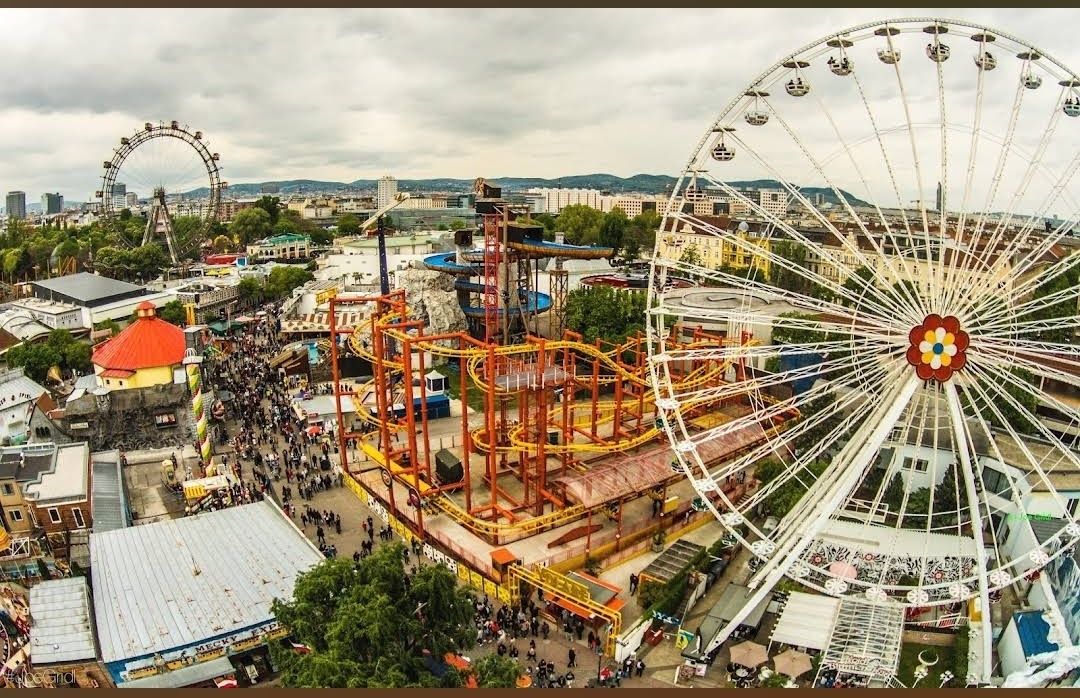
## Description **Prater Funpark** in Vienna, commonly referred to as the **Wurstelprater**, is one of Europe’s most iconic amusement parks and a beloved attraction for both locals and tourists. Nestled within the vast Prater public park, this funfair has been entertaining visitors for over 250 years. It’s a place where history, nostalgia, and modern thrills come together, offering everything from traditional carousels and bumper cars to cutting-edge roller coasters and high-adrenaline rides. What makes the Prater unique is its blend of old-world charm and contemporary entertainment. The park’s symbol, the **Wiener Riesenrad** (Giant Ferris Wheel), dates back to 1897 and is one of Vienna’s most recognized landmarks. Riding the Ferris wheel provides not only fun but also breathtaking panoramic views of the city. At the same time, newer attractions like turbo coasters and virtual reality experiences ensure that thrill-seekers are never bored. **Little-known facts**: * The Prater was originally an imperial hunting ground before being opened to the public in 1766. The amusement park grew organically from stalls, performers, and small rides. * Unlike most theme parks, **entry to the Prater Funpark is free**. Visitors pay only for the rides and attractions they choose, making it a flexible experience for all budgets. --- ## Location Prater Funpark is located in **Vienna**, the capital of **Austria**, within the **Leopoldstadt district**. It sits inside the larger **Prater public park**, a green oasis that stretches over six square kilometers and also includes walking paths, meadows, and sports facilities. ### How to get there: * **By metro**: The fastest way is to take the U1 or U2 subway lines to the station **Praterstern**, which is just a short walk from the park. * **By tram**: Trams 0 and 5 also stop near Prater. * **By foot or bike**: Visitors staying in central Vienna can enjoy a scenic walk or bike ride to the park, as it’s close to the city center. --- ## Tips * **Visit in the evening**: The Prater comes alive after sunset when the rides light up, creating a magical carnival atmosphere. * **Don’t miss the Giant Ferris Wheel**: It’s the park’s most famous attraction and a must for first-time visitors. * **Plan your budget**: Since entry is free but rides are paid individually, decide beforehand how many attractions you’d like to try. Ride prices vary, so bringing cash can be useful. * **Try the local food stalls**: Beyond rides, the park is known for its traditional Austrian snacks like bratwurst, pretzels, and candied nuts. * **Combine with a stroll in the Prater park**: After the excitement of the rides, the surrounding green spaces offer a relaxing contrast. * **Check seasonal events**: The park hosts festivals, concerts, and themed events throughout the year, especially during summer and around Christmas. --- ## Conclusion Prater Funpark in Vienna is more than just an amusement park—it’s a cultural institution that blends history, fun, and nostalgia. With its mix of historic attractions like the Wiener Riesenrad and thrilling modern rides, it offers something for everyone, from families to adrenaline junkies. Whether you go for the rides, the food, or the atmosphere, the Prater promises an unforgettable Viennese experience. --- ## FAQ **1. Is there an entrance fee for Prater Funpark?** No, entrance is free. Visitors only pay for the rides and attractions they choose. **2. What is the most famous ride at Prater?** The **Wiener Riesenrad (Giant Ferris Wheel)** is the park’s most iconic attraction and a symbol of Vienna. **3. When is the best time to visit?** Evenings are particularly magical with illuminated rides, but daytime visits are better for families with young children. **4. How long should I plan to spend at Prater?** Most visitors spend 2–4 hours, though you could easily spend a whole day enjoying the rides and the larger Prater park. **5. Is Prater open year-round?** The park is open all year, but many rides operate seasonally, typically from March to October. The Giant Ferris Wheel and some attractions remain open in winter. **6. Can I find food and drinks inside the park?** Yes, the park is filled with restaurants, snack stalls, and beer gardens serving Austrian and international food. --- ## Links * [Prater Wien – Official Website](https://www.praterwien.com/) * [Wiener Riesenrad – Official Website](https://www.wienerriesenrad.com/)
GemVoyage Team • World
Seattle
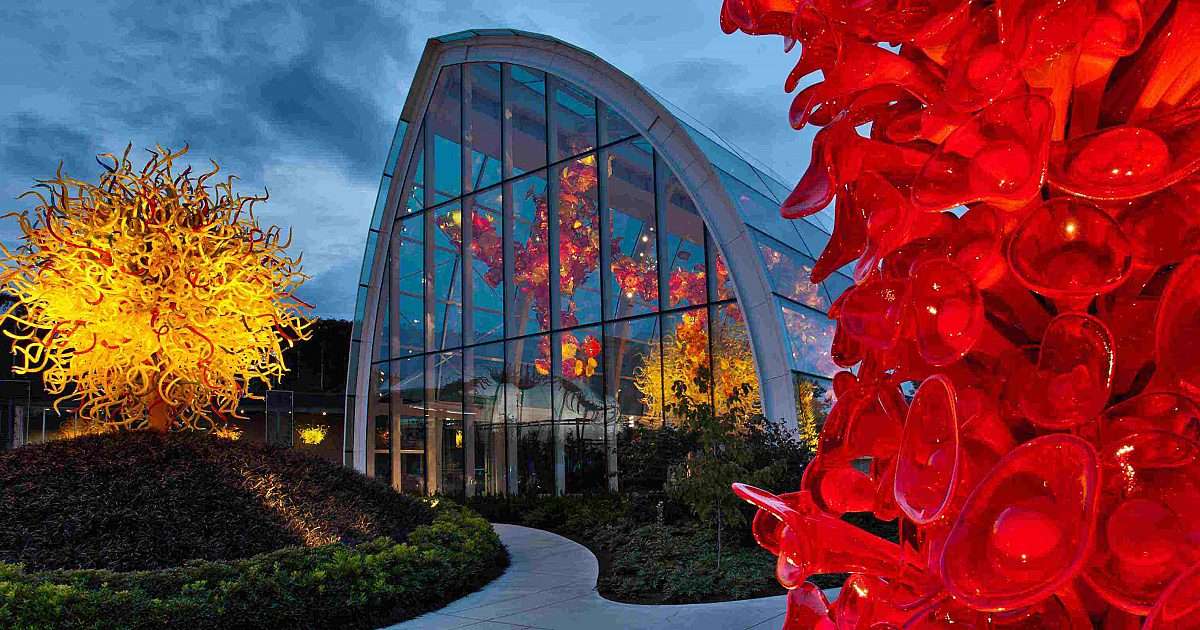
## Description Chihuly Garden and Glass is a dazzling celebration of color, form, and imagination, showcasing the work of world-renowned glass artist Dale Chihuly. Located in the heart of Seattle, this long-term exhibition invites visitors into a vibrant world where glass transcends its traditional boundaries and becomes a medium of storytelling, emotion, and architectural wonder. The exhibition is divided into three main areas: the Glasshouse, the Garden, and the Interior Galleries. The Glasshouse is the centerpiece—a 100-foot-long structure with a soaring ceiling that houses one of Chihuly’s largest suspended installations, a fiery cascade of red, orange, and yellow glass blossoms. The Garden blends natural landscaping with glass sculptures that twist and bloom among the plants, creating a surreal fusion of organic and manmade beauty. Inside the galleries, visitors can explore over four decades of Chihuly’s work, including the Persian Ceiling, Ikebana and Float Boats, and the Sea Life Room. A little-known fact: the site of Chihuly Garden and Glass was once home to the Fun Forest amusement park, a beloved local attraction that closed in 2010. Another interesting detail is that the facility was designed with sustainability in mind and has earned LEED Silver certification for its environmentally conscious construction. ## Location Chihuly Garden and Glass is located in the **United States**, in the **state of Washington**, within the **city of Seattle**. It sits at **305 Harrison Street**, directly adjacent to the iconic Space Needle in the Seattle Center. ### How to Get There - **By Light Rail**: Take the Link Light Rail to Westlake Station, then transfer to the Seattle Center Monorail, which drops you off steps from the entrance. - **By Bus**: Multiple King County Metro routes serve the Seattle Center area. - **By Car**: Paid parking is available in nearby garages, including the Mercer Street Garage and 5th Avenue North Garage. - **By Foot or Bike**: The Seattle Center is pedestrian- and bike-friendly, with easy access from downtown and surrounding neighborhoods. Its central location makes it an ideal stop on any Seattle itinerary, especially when paired with nearby attractions like the Museum of Pop Culture and the Space Needle. ## Tips - **Visit During Daylight and After Dark**: The glass sculptures take on a different character depending on the light. Daytime highlights the vivid colors, while nighttime illuminations create a magical ambiance. - **Buy Combo Tickets**: Consider purchasing a ticket that includes admission to both Chihuly Garden and Glass and the Space Needle for a discounted rate. - **Take Advantage of Gallery Talks**: Short, informative talks are offered throughout the day and are included with admission. - **Check for Special Events**: Seasonal exhibitions, live glassblowing demonstrations, and the annual Refract Festival add extra value to your visit. - **Use the Audio Tour**: Available via smartphone, the audio guide offers deeper insights into Chihuly’s inspirations and techniques. - **Visit The Bar**: Explore Dale Chihuly’s personal collections while enjoying a drink in a uniquely curated setting. ## Conclusion Chihuly Garden and Glass is a mesmerizing fusion of art and nature, offering a one-of-a-kind experience in the heart of Seattle. With its stunning installations, immersive galleries, and tranquil garden, it’s a must-see destination for art lovers, photographers, and curious travelers alike. ## FAQ **1. What are the opening hours of Chihuly Garden and Glass?** The museum is typically open daily from 9:30 AM to 9:30 PM, though hours may vary seasonally or for private events. **2. What is the cost of admission?** General admission ranges from $35 to $42.50. Discounts are available for seniors and youth. Children under 4 enter free. **3. Is photography allowed?** Yes, photography is encouraged, though tripods and flash are not permitted. **4. Is the museum wheelchair accessible?** Yes, the entire facility is ADA-compliant and offers accessible entrances and restrooms. **5. Can I visit without a reservation?** Walk-ins are welcome, but purchasing tickets in advance is recommended, especially during peak seasons. **6. Are there guided tours available?** While there are no formal guided tours, gallery talks and audio guides provide rich context throughout the exhibition. ## Links - [Chihuly Garden and Glass Official Website](https://www.chihulygardenandglass.com/)
GemVoyage Team • World
Taiwan
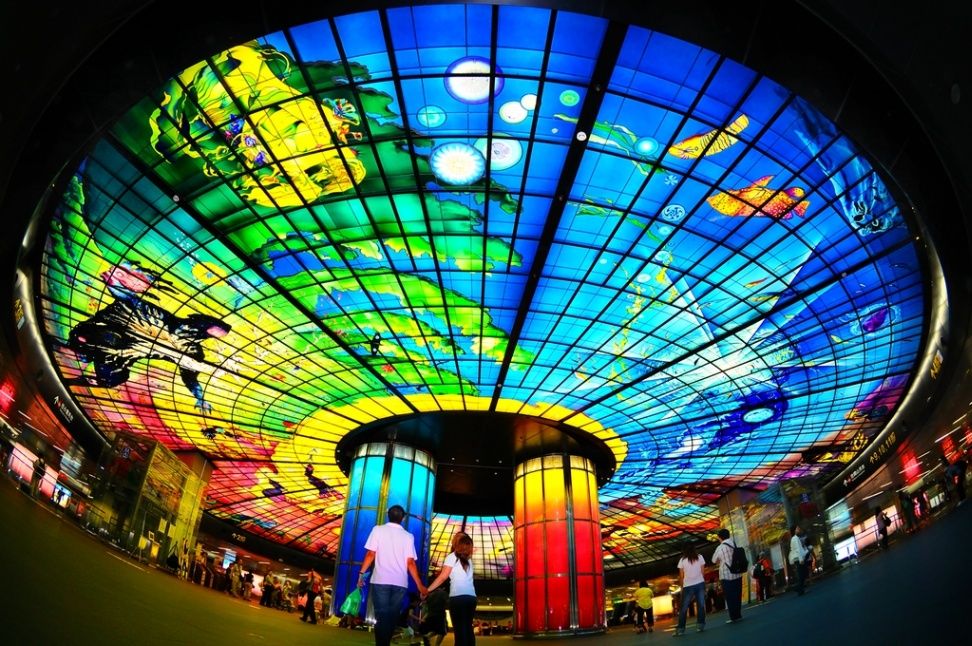
## Description The **Dome of Light (光之穹頂)** is one of the most breathtaking examples of public art in the world, transforming an ordinary metro station into a dazzling celebration of color, light, and human creativity. Located inside the **Formosa Boulevard Station** in **Kaohsiung**, Taiwan’s second-largest city, the Dome of Light is the **largest glass artwork in the world**, covering over **660 square meters** and made up of **4,500 individual glass panels**. Created by Italian artist **Narcissus Quagliata**, the dome was completed in **2008** as part of Kaohsiung’s Mass Rapid Transit (MRT) system. The artwork tells a powerful story of **human life and cosmic unity**, divided into four sections that symbolize the cycle of existence — **Water (birth), Earth (growth), Light (creativity),** and **Fire (destruction and rebirth)**. The vibrant interplay of colors and light gives visitors the feeling of standing inside a living, glowing painting. What makes the Dome of Light truly special is its emotional resonance. Beyond its visual impact, the dome serves as a **symbol of peace and hope**, inspired by Taiwan’s journey toward democracy. The artist worked closely with Taiwanese glass artisans to ensure every piece reflected the spirit of the island — a lesser-known fact that adds to the dome’s cultural depth. Another interesting detail is that the glass was **handcrafted and colored in Germany**, then carefully assembled in Kaohsiung, taking **nearly four years** to complete. When the dome is illuminated at night or during special light shows, it becomes an immersive experience that draws both locals and international visitors. Whether you’re a commuter or a traveler, standing beneath this glowing ceiling feels like entering a world suspended between art and the cosmos. ## Location The Dome of Light is located in **Formosa Boulevard Station (美麗島站)**, the interchange between the **Red and Orange lines** of the **Kaohsiung MRT** system, in **Kaohsiung City**, **southern Taiwan**. To get there: * **By MRT:** Take the **Red Line** or **Orange Line** to **Formosa Boulevard Station**. The dome is located in the main concourse between the platforms. * **From Kaohsiung Railway Station:** Just one stop south on the Red Line. * **From Kaohsiung International Airport:** Take the Red Line northbound — it’s about a **15-minute ride**. The site is indoors and accessible year-round, making it a convenient stop for travelers exploring the city. ## Tips * **Visit during the evening:** The lighting is most vivid after sunset, and you may catch the **light and sound show**, which runs periodically throughout the evening. * **Allow time to stand and observe:** Don’t rush — the dome’s storytelling elements unfold as you walk around the circular space. * **Photography:** Tripods are not allowed, but handheld photography is welcome. Try standing at the center for a symmetrical view. * **Combine with local attractions:** The **Liuhe Night Market** is only a short walk away — perfect for dinner after your visit. * **Look for performances:** Occasionally, local musicians and artists perform under the dome, enhancing the atmosphere. * **Best time to avoid crowds:** Early morning or late at night, when commuter traffic is low. ## Conclusion The **Dome of Light** is more than a stunning piece of art — it’s a symbol of creativity, peace, and transformation that perfectly reflects Taiwan’s modern cultural spirit. Blending Italian artistry with Taiwanese craftsmanship, it turns an urban metro station into a place of wonder and contemplation. Whether you’re passing through Formosa Boulevard or making a special trip, standing beneath its radiant glass ceiling is an experience that will stay with you long after you’ve left Kaohsiung. ## FAQ **1. Who designed the Dome of Light?** It was designed by **Narcissus Quagliata**, an Italian artist known for his innovative work in glass and light. **2. When was it completed?** The Dome of Light was finished in **2008** as part of Kaohsiung’s MRT construction project. **3. How big is it?** It covers **660 square meters (7,100 square feet)** and consists of over **4,500 glass panels**, making it the largest glass dome in the world. **4. Where is it located?** Inside **Formosa Boulevard Station** in **Kaohsiung City**, Taiwan, at the intersection of the **Red and Orange MRT lines**. **5. Is there an entrance fee?** No, access to the Dome of Light is **free of charge**, even if you are not riding the metro. **6. Are there light shows?** Yes, **light and music shows** are held several times daily, especially in the evenings. Check the schedule at the station for show times. ## Links * [Dome of Light Taiwan](https://eng.taiwan.net.tw/m1.aspx?sNo=0002121&id=A12-00071)
GemVoyage Team • World

New York
## Description The **Staten Island Boat Graveyard**, officially known as the **Witte Marine Scrap Yard**, is one of New York’s most unusual and fascinating attractions. Nestled along the Arthur Kill waterway, this hidden site is where dozens of decommissioned ships were brought to rest, creating an eerie yet captivating scene. Rusting hulls, half-sunken tugboats, and skeletal remains of vessels stretch across the shoreline, making the boat graveyard a dreamlike place for urban explorers, history buffs, and photographers alike. What makes the site particularly unique is the way nature and industry intertwine. Over decades, the corroding metal has blended with the marshland environment, creating a haunting landscape that feels frozen in time. Unlike a museum display, the graveyard is raw, untouched, and authentic—a piece of living maritime history slowly dissolving into the tide. **Little-known facts**: * The site was founded in the 1930s by John J. Witte, who originally intended it as a marine salvage yard rather than a tourist attraction. Today, it is still an active scrapyard, though parts of it have become a de facto maritime graveyard. * The boat graveyard is sometimes called the “**Tugboat Graveyard**” because many of the vessels abandoned here were tugboats that once served New York Harbor. --- ## Location The Staten Island Boat Graveyard is located in **Staten Island, New York City**, within the state of **New York**, USA. It sits along the Arthur Kill waterway near the neighborhood of Rossville, on the western shore of Staten Island. ### How to get there: * **By car**: The easiest way is to drive, as the site is relatively remote. Visitors can park nearby on Arthur Kill Road and walk toward the shoreline. * **By public transit**: It’s possible, though less convenient, to take an MTA bus (such as the S74 or S78) from the Staten Island Ferry terminal and walk the rest of the way. * **Guided tours**: Some local tour operators and photography groups organize visits to the graveyard, which can be a safer and more informative way to experience the site. --- ## Tips * **Wear sturdy shoes**: The area around the graveyard can be muddy, uneven, and slippery, especially after rain. * **Respect private property**: The scrapyard is privately owned, so visitors should avoid trespassing and stick to public access points along the shore. * **Bring a camera**: The rusting vessels, changing tides, and dramatic light make for excellent photography opportunities. * **Visit at low tide**: More ships and details are visible when the tide is out, allowing for better exploration and photos. * **Stay safe**: The boats themselves are unstable and dangerous to climb. Admire them from a distance rather than attempting to board. * **Go in daylight**: The graveyard is isolated and not well lit, so daytime visits are recommended for safety and visibility. --- ## Conclusion The Staten Island Boat Graveyard is a hauntingly beautiful site where history, decay, and nature converge. It’s not a polished tourist attraction, but that’s what makes it so special—its authenticity, its mystery, and its ability to transport visitors into another era of New York’s maritime past. For those who enjoy off-the-beaten-path destinations, this hidden corner of Staten Island offers a rare and unforgettable experience. --- ## FAQ **1. What is the Staten Island Boat Graveyard?** It’s a marine scrapyard where decommissioned vessels, especially tugboats, have been abandoned over decades along the Arthur Kill waterway. **2. Can I visit the graveyard legally?** Yes, but since it is on private property, visitors should only view it from public access points along the shoreline and avoid trespassing into the scrapyard itself. **3. Is the site safe to explore?** The surrounding area is generally safe, but climbing onto the ships is dangerous and not recommended due to rust, sharp edges, and unstable structures. **4. When is the best time to visit?** Low tide during daylight hours is ideal, as more ships are visible and lighting conditions are better for photography. **5. Do I need special equipment to visit?** No, just wear comfortable shoes and bring a camera. Binoculars can also enhance the experience if you want a closer look at distant vessels. **6. Is it worth visiting for non-photographers?** Absolutely. Even without a camera, the graveyard offers a unique and atmospheric glimpse into New York’s maritime history.
GemVoyage Team • World