Discover extraordinary places shared by our community of travelers
Barcelona
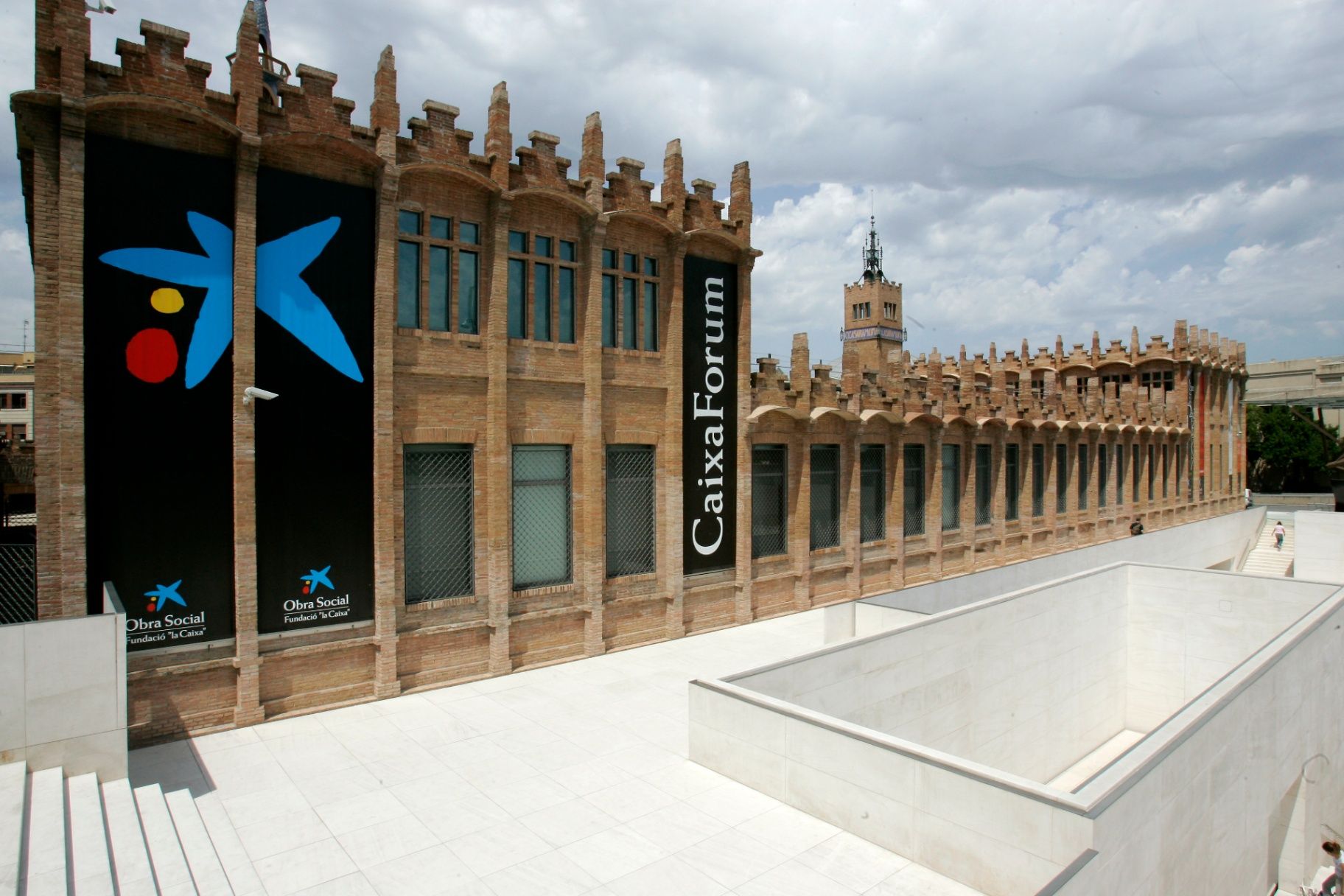
## Description **CaixaForum Barcelona** is one of the city’s most important cultural institutions, combining architecture, contemporary thought, and public education under one roof. It is housed in the former **Casaramona Textile Factory**, an early 20th-century industrial complex designed by the modernist architect Josep Puig i Cadafalch. Rather than demolishing the structure, it was carefully restored and repurposed, turning a once-abandoned factory into a vibrant center for exhibitions, debates, and artistic exploration. What makes CaixaForum Barcelona unique is its **programmatic diversity**. It is not a conventional museum with a permanent collection on display. Instead, it hosts a rotating schedule of high-quality temporary exhibitions covering art, photography, history, science, archaeology, music, and social issues. These exhibitions are often produced in collaboration with major international institutions, giving visitors access to works and ideas that rarely appear elsewhere in the city. Architecturally, the building itself is part of the experience. The red brick façades, sharp geometric volumes, and absence of ornamentation reflect a restrained form of Catalan modernism that contrasts with the more decorative style of Gaudí. A lesser-known fact is that the factory was originally built in 1911 but **never actually operated as an industrial plant**, as production ceased before it could fully open. Another interesting detail is the dramatic entrance plaza, redesigned by Japanese architect Arata Isozaki, which creates a striking dialogue between old and new through stone, steel, and light. Beyond exhibitions, CaixaForum functions as a **cultural forum in the literal sense**. It hosts lectures, film screenings, concerts, workshops, and family-oriented activities, making it appealing to a wide range of audiences. The institution emphasizes accessibility and education, aiming to make complex cultural topics understandable without oversimplifying them. ## Location **Country:** Spain **Region:** Catalonia **City:** Barcelona **District:** Sants-Montjuïc CaixaForum Barcelona is located at the foot of **Montjuïc Hill**, near Plaça d’Espanya, an area known for its concentration of museums, exhibition spaces, and monumental architecture. ### How to Get There * **By metro:** * Lines L1 (Red) or L3 (Green) to **Plaça d’Espanya** station. From there, it is a 5–7 minute walk. * **By bus:** * Several bus lines stop around Plaça d’Espanya and along Avinguda de Francesc Ferrer i Guàrdia. * **On foot:** * Easily reachable from Plaça d’Espanya and the surrounding exhibition grounds. * **By taxi:** * A convenient option if coming from other parts of the city; drop-off points are nearby. ## Tips * **Check the exhibition schedule in advance:** Exhibitions change regularly, and some are time-limited. * **Allow enough time:** One exhibition can easily take 90 minutes if explored thoroughly. * **Visit during weekdays:** Weekends tend to be busier, especially during popular exhibitions. * **Use the audio guides:** They provide context and depth without overwhelming the visitor. * **Combine with Montjuïc sights:** Pair your visit with nearby attractions such as museums or gardens. * **Look for free-entry times:** Certain days or time slots may offer reduced or free admission. ## Conclusion CaixaForum Barcelona is a cultural anchor that successfully bridges Barcelona’s industrial past with its intellectual present. Through its thoughtful exhibitions, adaptive architecture, and commitment to public engagement, it offers a meaningful alternative to traditional museums and rewards visitors seeking substance over spectacle. ## FAQ **1. Is CaixaForum Barcelona a museum?** It functions more as a cultural center with temporary exhibitions rather than a permanent museum collection. **2. How long does a visit usually take?** Most visitors spend between **1.5 and 3 hours**, depending on the exhibitions. **3. Is it suitable for children?** Yes, there are family-friendly exhibitions and interactive educational activities. **4. Are exhibitions available in multiple languages?** Yes, information panels and guides are usually available in Catalan, Spanish, and English. **5. Is the building accessible?** Yes, the center is fully accessible for visitors with reduced mobility. **6. Can you visit just for the architecture?** Yes, the building itself is worth seeing even without attending an exhibition. ## Links * [Official CaixaForum website](https://caixaforum.org/es/home)
GemVoyage Team • World
Barcelona
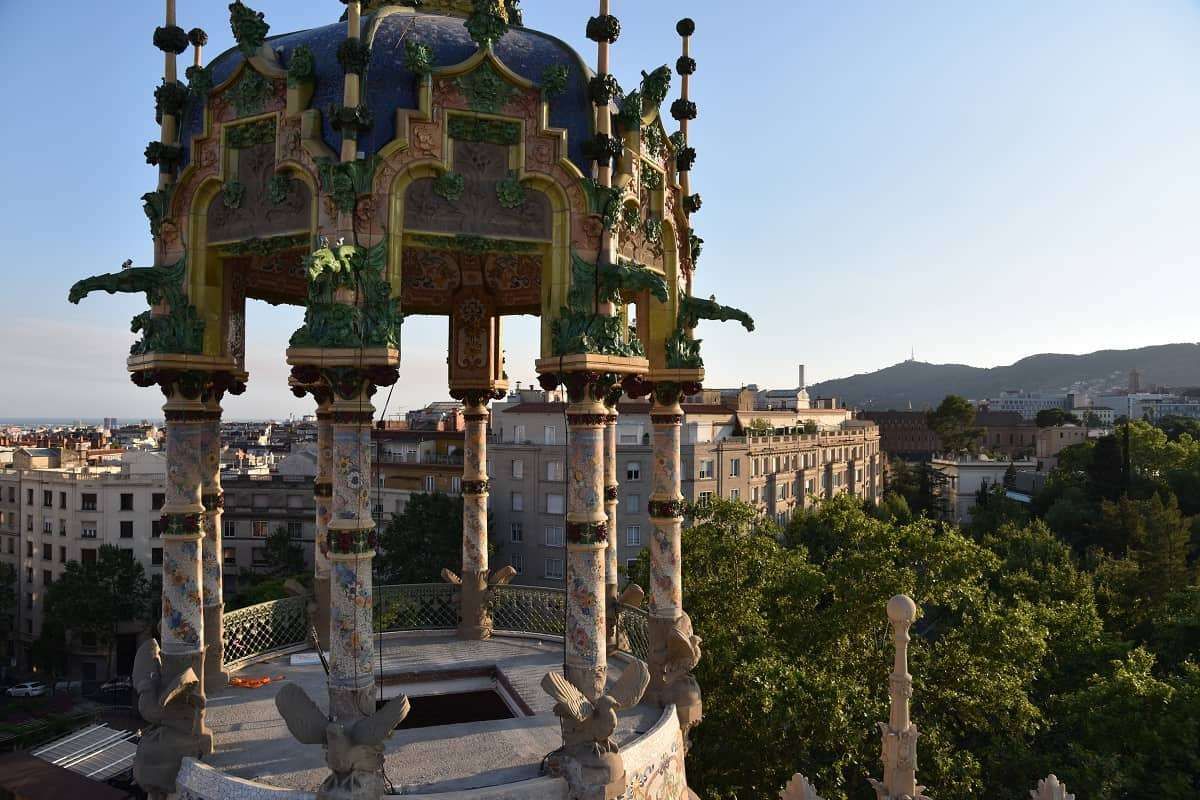
## Description **Torre Andreu**, more commonly known as **La Rotonda**, is one of Barcelona’s most distinctive yet often overlooked pieces of **Modernisme architecture**. Located at the upper edge of the city near the foothills of Tibidabo, this circular, turreted building looks more like a **fairytale castle than a residential structure**, making it one of the most visually unusual landmarks in Barcelona. The building was originally constructed in **1906** as a **luxury private residence** for a wealthy industrial family at a time when Barcelona’s elite were moving uphill away from the dense urban core. Its architectural language reflects the late phase of Catalan Modernisme, but with a lighter, more playful character than the monumental works of Gaudí. The structure’s curved form, decorative balconies, stained glass, floral stonework, and rooftop tower give it a **whimsical, almost theatrical presence**. What truly sets La Rotonda apart is its **cylindrical layout**, which is extremely rare in Barcelona’s residential architecture. While most Modernist buildings rely on flat façades and vertical symmetry, Torre Andreu embraces a soft, flowing geometry that produces constantly shifting perspectives as you walk around it. From different angles, the building seems to change character—from grand to intimate, from playful to mysterious. After serving as a private mansion, the building was later transformed into a **luxury hotel**, gaining the nickname “La Rotonda” due to its circular shape. Over the decades, it hosted visiting elites, business figures, and international guests. Its decline began in the late 20th century as the area lost its tourism focus, and the building passed through phases of limited use, abandonment, and restoration attempts. A little-known fact is that Torre Andreu spent many years in a **state of legal and architectural limbo**, with disputes over ownership and protection status delaying proper restoration. Another lesser-known detail is that its rooftops once hosted **social gatherings with views stretching across the entire city and toward the Mediterranean**, making it one of the most exclusive view points in pre-war Barcelona. Today, La Rotonda stands as a **symbol of architectural memory suspended between preservation and neglect**. While parts of the structure have undergone restoration at different times, it remains largely inaccessible to the public. Despite this, it continues to attract architects, photographers, and urban explorers who see it as a **ghost of Barcelona’s upper-class expansion era**, frozen between past luxury and uncertain future use. Emotionally, Torre Andreu is a place of contrast. It feels playful yet melancholic, elegant yet isolated. It reminds visitors that not all architectural masterpieces sit in crowded tourist centers—some survive quietly at the city’s edges, waiting to be rediscovered. ## Location **Torre Andreu (La Rotonda)** is located in the **Sant Gervasi–La Bonanova area**, near the start of **Avinguda del Tibidabo**, one of Barcelona’s most elegant upper-city avenues. **City:** Barcelona **Region:** Catalonia (Catalunya) **Country:** Spain **District:** Sarrià-Sant Gervasi **Nearby Landmark:** Plaça Kennedy ### How to Get There: * **By Tramvia Blau:** Take the historic **Blue Tram** from Plaça Kennedy up toward Tibidabo and get off at the early stops. * **By FGC (Train):** Take **FGC Line L7** to **Avinguda Tibidabo Station**, then walk about 10–12 minutes uphill. * **By bus:** Several lines from the city center serve Plaça Kennedy and Avinguda Tibidabo. * **By taxi:** A convenient option given the uphill location. * **By car:** Limited street parking is available; traffic can be heavy during peak hours. This location places La Rotonda along a scenic route that connects the city to **Tibidabo Mountain, the funicular, and the upper residential quarters**. ## Tips * **Admire it from the street:** The building is **not generally open to the public**, so plan for an exterior visit. * **Visit during daylight:** Details in stone, glass, and ironwork are best visible in strong natural light. * **Combine with Avinguda Tibidabo:** The walk itself features some of Barcelona’s most impressive mansions. * **Photography enthusiasts:** A wide-angle lens works best due to the building’s curved geometry. * **Do not expect tourist facilities:** No tickets, gift shops, or official visitor services are available on-site. * **Urban-exploration atmosphere:** The charm lies in observing a historic building existing quietly within daily city life. * **Respect private property limits:** Security patrols may restrict close access to entrances. ## Conclusion **Torre Andreu (La Rotonda)** is one of Barcelona’s most unusual Modernist buildings—**playful in form, dramatic in history, and quiet in presence**. Once a symbol of luxury living at the city’s upper edge, it now stands as a reminder that architectural brilliance does not always remain in the spotlight. For those willing to explore beyond the standard tourist circuit, La Rotonda offers a rare encounter with **Barcelona’s forgotten elegance and unresolved heritage**. ## FAQ **1. Why is Torre Andreu called “La Rotonda”?** Because of its **distinct circular shape**, which is rare in Barcelona’s residential architecture. **2. Can visitors go inside La Rotonda?** No. It is **not generally open to the public** and is viewed from the exterior only. **3. Who designed Torre Andreu?** It was designed in the early 20th century in the **Catalan Modernisme style**, attributed to architect **Adolf Ruiz i Casamitjana**. **4. Was it always a hotel?** No. It was originally built as a **private luxury residence** and later converted into a hotel. **5. Is Torre Andreu protected as a heritage site?** Yes. It is recognized as part of **Barcelona’s protected architectural heritage**, though restoration has been slow. **6. How long does a visit typically take?** About **10 to 20 minutes**, mainly for observation and photography. ## Links * [Visit Barcelona](https://www.barcelonaturisme.com)
GemVoyage Team • World
Algeria
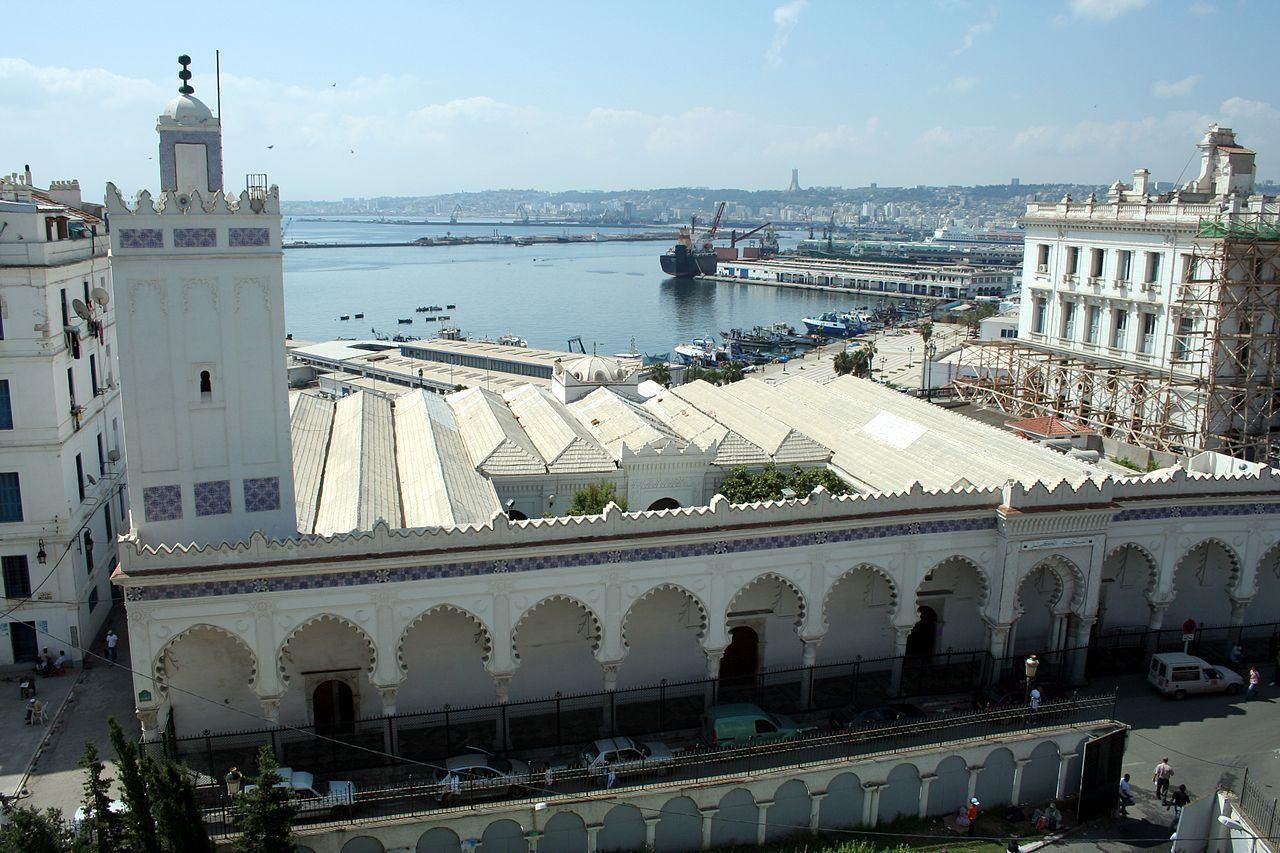
## Description Djamaa El Kbir Mosque, known in Arabic as الجامع الكبير الأثري, is one of the oldest and most historically significant mosques in Algeria. Built in 1097 during the Almoravid dynasty, it stands as a powerful reminder of Algiers’ deep Islamic and Mediterranean roots. Unlike more monumental later mosques, Djamaa El Kbir is admired for its restrained elegance, spiritual atmosphere, and architectural authenticity rather than sheer scale. What makes Djamaa El Kbir truly unique is its remarkable continuity. For more than nine centuries, the mosque has remained an active place of worship, surviving earthquakes, invasions, and centuries of urban transformation. Its minaret, added in the 14th century during the Zayyanid period, is one of the oldest in Algiers and features beautifully carved stone decoration that subtly blends Andalusian and Maghrebi styles. A little-known fact is that the mosque was built using spolia—reused columns and materials from earlier Roman structures—linking Islamic Algiers to its ancient past. Another lesser-known detail is that the mosque once formed part of a much larger religious and educational complex serving the Casbah community. Djamaa El Kbir is not only an architectural treasure but also a living symbol of faith, scholarship, and continuity in Algerian history. ## Location Djamaa El Kbir Mosque is located in **Algeria**, in the **Algiers Province**, within the city of **Algiers**. It stands in the historic Casbah district, close to the old harbor and not far from the Ketchaoua Mosque and other major landmarks of the old city. The mosque is easily accessible by foot if you are exploring the Casbah. Visitors can also reach the area by taxi or public transport from central Algiers. The nearest metro stations and bus routes serve the lower Casbah area, from where the mosque is a short walk. Due to narrow streets and limited parking, walking or using public transport is the most practical option. ## Tips * Dress modestly, as Djamaa El Kbir is an active place of worship. * Visit outside of prayer times if you wish to explore quietly and observe architectural details. * Photography may be restricted inside, so always ask permission before taking photos. * Take time to admire the minaret’s stone carvings, which are among the mosque’s most distinctive features. * Combine your visit with a walk through the Casbah to gain deeper historical context. * Consider visiting with a local guide to better understand the mosque’s architectural and historical significance. ## Conclusion Djamaa El Kbir Mosque is a rare and precious link to Algeria’s medieval Islamic past. Its simplicity, age, and continued religious function make it a deeply meaningful site, offering visitors a quiet but powerful insight into the spiritual and historical heart of Algiers. ## FAQ **When was Djamaa El Kbir Mosque built?** The mosque was built in 1097 during the Almoravid period. **Is Djamaa El Kbir still used for prayer?** Yes, it remains an active mosque and serves the local community daily. **Can non-Muslims visit the mosque?** Access may be limited to certain areas, and visitors should be respectful of religious practices. **How long does a visit take?** Most visits last 20 to 40 minutes, depending on access and interest. **Is there an entrance fee?** No, entrance is generally free, though donations may be welcomed. ## Links * [The Mosque's wiki page](https://en.wikipedia.org/wiki/Djamaa_el_Kebir)
GemVoyage Team • World
Lisbon
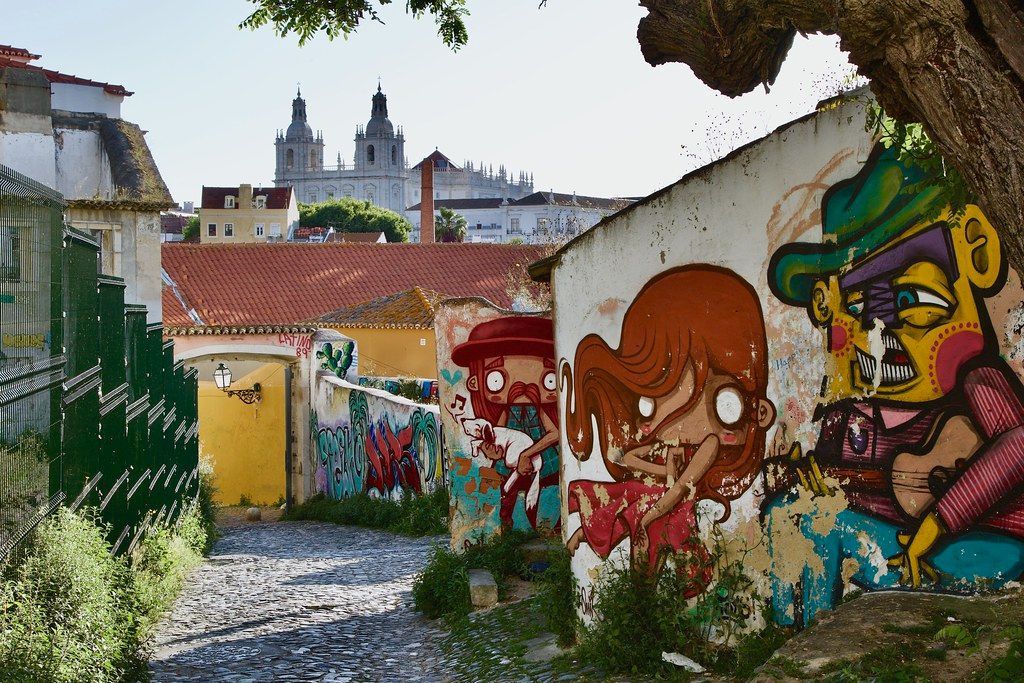
## Description Graça is a quintessential Lisbon neighborhood perched above the Alfama and Mouraria districts, cherished for sweeping viewpoints, cobbled streets, and an atmosphere that feels both distinctly historic and quietly local. Visitors come to Graça for the Miradouro da Senhora do Monte and Miradouro de São Pedro de Alcântara — panoramic terraces offering some of the city’s most dramatic vistas of terracotta roofs, the Tagus River, and the São Jorge Castle. What makes Graça special is its blend of everyday Lisbon life with pockets of bohemian charm: small cafes, traditional tascas (local eateries), and street art woven into centuries-old façades. Graça is less polished than some tourist centers; that authenticity is precisely its draw. Little-known facts: Graça was historically where sailors and workers lived, and it hosts several small chapels and hidden gardens that date back to medieval times. Also, the neighborhood holds an annual neighborhood festival (festa) with music, street food, and community events that offer an intimate cultural experience rarely encountered by tourists. Wandering Graça, you’ll encounter artisanal shops, small antiques dealers, and local markets offering fresh produce. The pace is leisurely, inviting visitors to slow down, sample pastéis de nata in a local bakery, and experience everyday Portuguese life away from main tourist arteries. ## Location Graça sits on one of Lisbon’s seven hills in central Portugal, within the parish of Graça and close to historic districts such as Alfama and Mouraria. The neighborhood is easily reached on foot from Baixa or by tram 28, one of Lisbon’s most iconic routes that passes nearby. Getting there: Take tram 28 for a scenic approach, but be cautious of pickpockets on crowded trams. Alternatively, the Glória or Bica funiculars bring you near central viewpoints; buses and taxis are frequent. Walk from Baixa (central Lisbon) for a rewarding uphill stroll, and use comfortable shoes due to the steep, cobbled streets. ## Tips - Visit viewpoints at sunrise or sunset for the best light and smaller crowds. - Explore side streets away from the main miradouros to find quiet cafes and authentic eateries. - Bring a map or use offline navigation — narrow alleys can be maze-like, and cell service can be spotty in tight lanes. - Wear comfortable, grippy shoes because cobblestones and steep streets can be slippery, especially when wet. - Try regional snacks at neighborhood tascas and ask locals for recommended dishes. - Attend a local “festa” if your visit coincides with one; it’s a rare chance to experience community Lisbon culture. ## Conclusion Graça offers an intimate, lightly touristed version of Lisbon: dramatic views, historical layers, and a genuine neighborhood feel. It rewards slow exploration with authentic encounters and unforgettable vistas. ## FAQ Q: Is Graça safe for tourists? A: Yes, Graça is generally safe; normal precautions apply, especially in crowded tram or tourist spots. Q: Are there restaurants in Graça? A: Yes — small tascas, cafes, and a few modern eateries serve local Portuguese cuisine. Q: Can I walk from Baixa to Graça? A: Yes, but expect steep climbs; allow time and wear comfortable footwear. Q: Are the miradouros wheelchair accessible? A: Some viewpoints have limited accessibility — check specific miradouro access beforehand. ## Links - [Lisbon tourism site (general info)](https://www.visitlisboa.com)
GemVoyage Team • World
Cairo
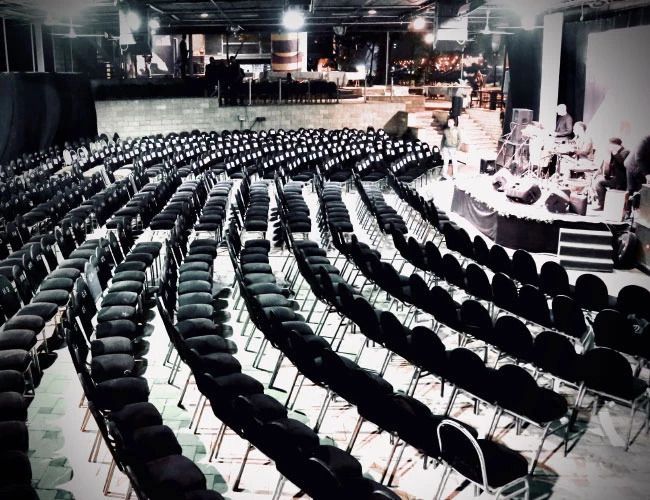
## Description El Sawy Culturewheel (often written as Sawy Cultural Wheel) is a dynamic cultural center in Cairo known for its eclectic program of theater, music, workshops, literary evenings, and community arts activities. Established by Egyptian cultural entrepreneur Mohamed El-Sawy, the center was conceived as a grassroots venue that supports independent artists, nurtures emerging talents, and brings diverse audiences together. The venue’s programming ranges from experimental theater and jazz nights to film discussions and children’s arts workshops, creating an urban cultural laboratory distinctly different from state-run institutions. What sets the Culturewheel apart is its commitment to accessibility and community engagement. It frequently offers affordable events, artists’ talks, and interdisciplinary collaborations that reflect contemporary Egyptian cultural life. A less obvious feature is the center’s role as a networking node—many artists and creative collectives in Cairo trace early collaborations back to events hosted at El Sawy, making it a quiet engine of the city’s cultural ecosystem. ## Location El Sawy Culturewheel is based on Gezira Island in the Zamalek district of central Cairo, Egypt, near the Nile’s western bank. Its central location on Gezira makes it easy to reach from many Cairo neighborhoods. Getting there: From downtown Cairo (Tahrir Square, downtown hotels) a short taxi or ride-share trip reaches Zamalek in under 20 minutes depending on traffic. Some visitors prefer the tram or river ferry options when available; walking across the Qasr El Nil bridge and heading into Zamalek is also feasible for those staying nearby. Parking can be limited during busy events, so public transport or a ride-hailing service is often most convenient. ## Tips - Check the schedule in advance: The Culturewheel’s program changes frequently; review upcoming events on their official channels or social pages to secure tickets for popular shows. - Arrive early: Some events are small and seat availability is limited; arriving early ensures a good seat and time to meet artists or buy refreshments. - Explore related venues: Zamalek has galleries, bookstores, and cafes; make an evening of it by combining a performance with dinner or a gallery visit. - Language: Many performances are in Arabic; however, cultural evenings often include bilingual presentations, translations, or summaries for international visitors—check event details if language is a concern. - Bring cash for smaller events and local craft stalls; bigger performances may accept card or online booking. ## Conclusion El Sawy Culturewheel is Cairo’s pulse for grassroots cultural life—an energetic space where performance, dialogue, and creativity intersect. For visitors interested in contemporary Egyptian arts or seeking a local, community-centered experience, the Culturewheel offers an accessible, varied, and memorable cultural program. ## FAQ Q: What kind of events are held at the Culturewheel? A: The center hosts theater, live music, film nights, literary readings, workshops, and children’s activities. Q: Is there an official timetable? A: Yes. Events are scheduled regularly—check the Culturewheel’s official announcement channels for the latest listings. Q: Are events in English? A: Many events are primarily in Arabic, but there are occasional bilingual events and programs aimed at international audiences. Q: Is the venue family-friendly? A: The center runs children’s workshops and family-oriented events—review event descriptions to verify suitability. ## Links - [Wikipedia: El Sawy Culturewheel](https://en.wikipedia.org/wiki/El_Sawy_Culturewheel) - [El Sawy Culturewheel official website](https://www.culturewheel.com/en)
GemVoyage Team • World
Oslo
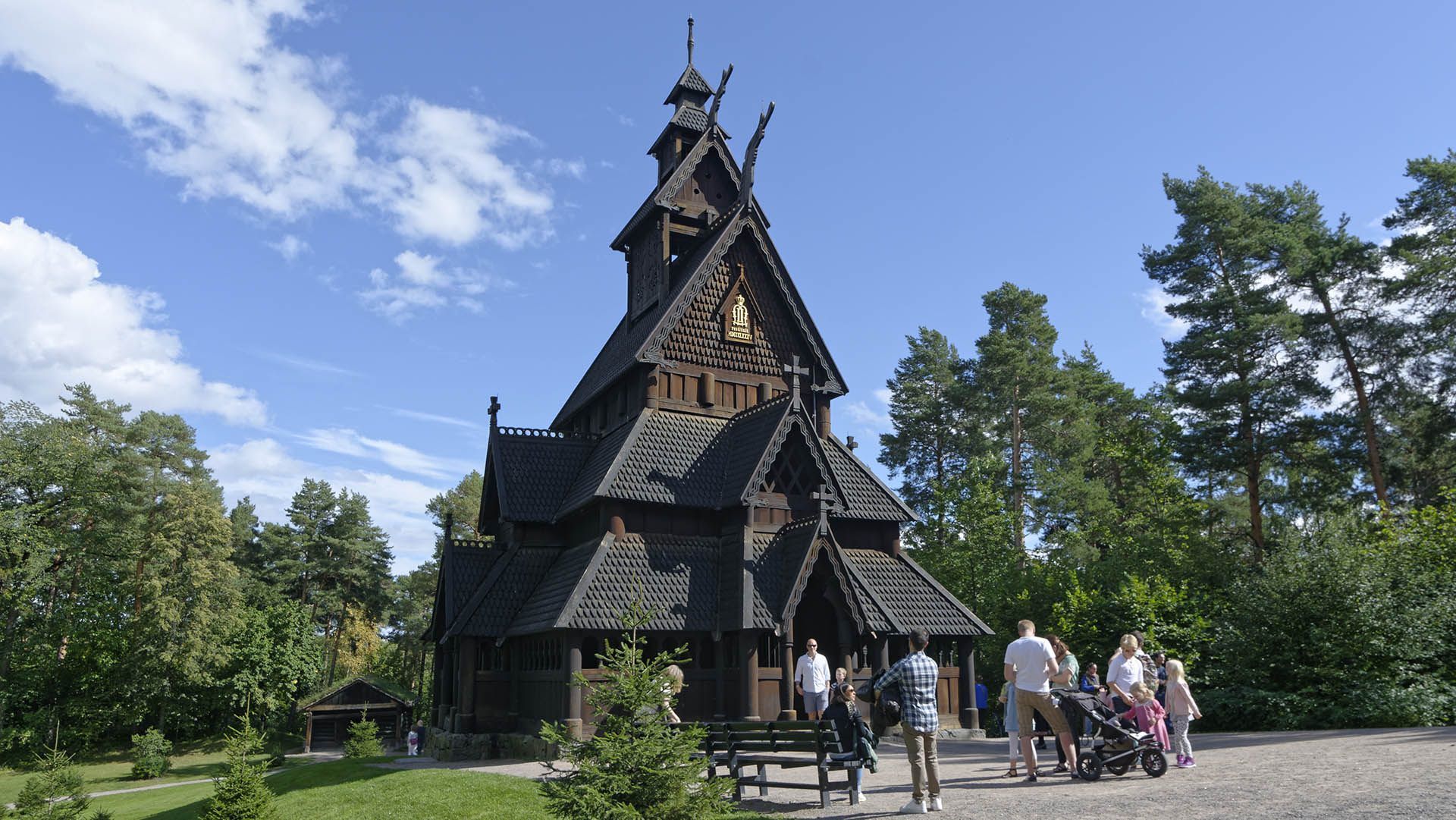
## Description **Gol Stave Church (Gol stavkirke)** is one of Norway’s most significant surviving examples of medieval wooden church architecture and a powerful symbol of the country’s cultural heritage. Originally built around the **late 12th century** in the town of Gol, the church represents the stave church tradition, a uniquely Scandinavian architectural form constructed almost entirely of timber using vertical load-bearing posts, or “staves.” What makes Gol Stave Church particularly remarkable is not only its age, but its **story of survival**. By the 19th century, many stave churches were being demolished due to changing religious practices and maintenance costs. Gol Stave Church was dismantled in the 1880s and narrowly avoided destruction thanks to the intervention of King Oscar II, who recognized its historical value. The church was carefully relocated and reconstructed on the Bygdøy peninsula in Oslo, where it stands today as a centerpiece of Norway’s architectural memory. Architecturally, the church combines Christian symbolism with **Viking-era decorative traditions**. Carved dragon heads, interlacing wood patterns, and animal motifs reflect pre-Christian Norse art, subtly integrated into a Christian sacred structure. This blending of belief systems is one of the most fascinating aspects of stave churches and offers insight into Norway’s transition from paganism to Christianity. A lesser-known fact is that much of what visitors see today is based on **meticulous historical reconstruction**, informed by archaeological studies, surviving stave churches, and medieval building techniques. Another interesting detail is that Gol Stave Church was never intended to function as an active parish church in Oslo; its role is primarily educational and cultural, serving as a reference model for lost stave churches across Norway. Gol Stave Church is not large, but its craftsmanship, symbolism, and historical weight give it a presence that far exceeds its physical scale. ## Location **Country:** Norway **Region:** Eastern Norway **City:** Oslo **Area:** Bygdøy Peninsula Gol Stave Church is located within the grounds of the **Norwegian Museum of Cultural History (Norsk Folkemuseum)**, an open-air museum dedicated to Norway’s cultural and architectural history. ### How to Get There * **By bus:** * Bus lines from central Oslo (such as from Nationaltheatret or Jernbanetorget) run directly to Bygdøy. * **By ferry (seasonal):** * Ferries operate from the Oslo harbor to Bygdøy, offering a scenic approach during warmer months. * **By bicycle:** * A pleasant option in good weather, with dedicated cycling routes leading to the peninsula. * **By taxi:** * Easily accessible by taxi from central Oslo. ## Tips * **Combine with the open-air museum:** Gol Stave Church is part of a much larger cultural complex; allow enough time to explore. * **Visit during daylight hours:** Natural light enhances the carved details and wood textures. * **Read the interpretive panels:** They explain stave church construction and symbolism clearly. * **Expect authenticity, not luxury:** Interiors are simple and atmospheric rather than ornate. * **Dress for the weather:** Much of the surrounding museum is outdoors. * **Photography rules apply:** Interior photography may be restricted. ## Conclusion Gol Stave Church is a rare and powerful reminder of medieval Norway’s craftsmanship, belief systems, and architectural ingenuity. Its careful preservation and relocation allow visitors to experience a building type that once defined Norwegian religious life but has nearly vanished. ## FAQ **1. Is Gol Stave Church still an active church?** No, it functions as a historical exhibit rather than a place of worship. **2. How old is the church?** It dates back to approximately the late 1100s. **3. Is it an original building or a replica?** It is a reconstructed original, assembled using historic materials and techniques. **4. How much time should I plan for the visit?** Plan **1.5 to 3 hours** if combining it with the surrounding museum. **5. Is it suitable for children?** Yes, especially for children interested in history and Viking culture. **6. Can you see other stave churches nearby?** There are no other original stave churches in Oslo, but several exist elsewhere in Norway. ## Links * [Visit Oslo official tourism site](https://www.visitoslo.com) * [Official Website](https://www.stavechurch.com/gol-stave-church/?lang=en)
GemVoyage Team • World
Barcelona
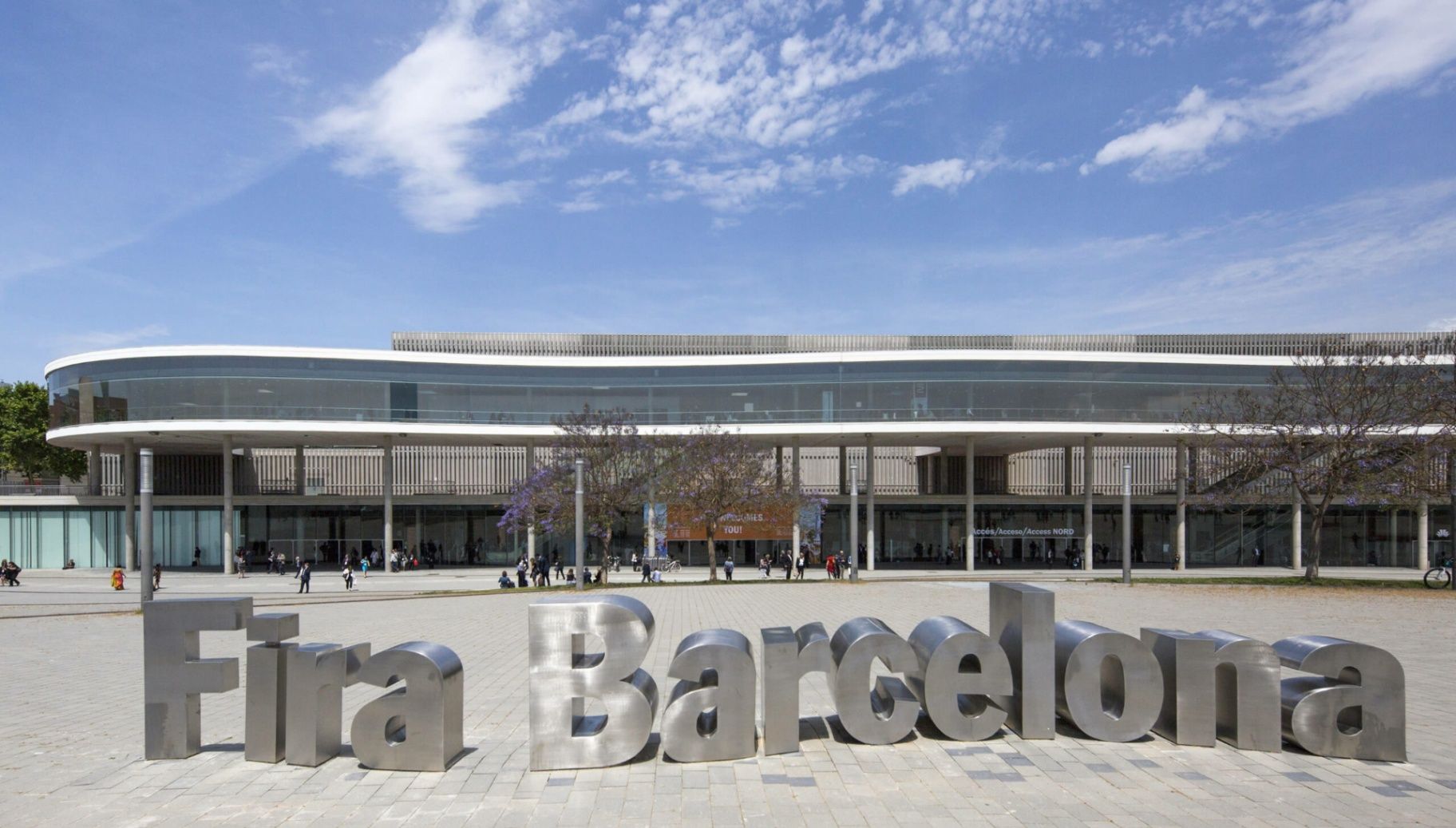
## Description **Fira Barcelona Gran Via** is one of the **largest and most advanced exhibition venues in Europe**, designed to host the world’s leading trade fairs, technology summits, medical congresses, and industrial expos. While Barcelona is often associated with beaches, historic quarters, and Gaudí architecture, Gran Via represents a different identity of the city: **global business, logistics precision, and large-scale innovation**. Opened in **2007**, the Gran Via venue was designed by renowned Japanese architect **Toyo Ito**, whose concept blends **minimalism, flow, and industrial elegance**. The complex consists of **eight massive exhibition halls**, interconnected by long glazed corridors, suspended walkways, and natural light shafts. The layout prioritizes **efficiency of movement**, allowing tens of thousands of visitors to circulate at once without congestion. What truly sets Fira Gran Via apart is its **sheer operational scale**. With more than **240,000 square meters of exhibition space**, it regularly hosts events that attract **over 100,000 visitors per edition**. Among its most famous recurring events are the **Mobile World Congress (MWC)**, one of the largest technology exhibitions on the planet, as well as major shows for pharmaceuticals, logistics, industrial automation, construction, and smart cities. Architecturally, Gran Via does not rely on decorative spectacle. Instead, it emphasizes **clean geometry, steel and glass contrasts, towering vertical volumes, and the rhythmic repetition of light and shadow**. The result is a building that feels futuristic without being extravagant. A striking visual feature is the **continuous covered spine** that links the halls like a central artery, functioning both as a navigation axis and as a social circulation zone between events. Beyond trade fairs, the venue also serves as a **global meeting point for governments, corporate leaders, scientists, and innovators**. International policy discussions on digital transformation, sustainability, healthcare systems, and future mobility frequently take place within its walls. In this sense, Fira Gran Via is not simply an exhibition space, but a **temporary city of global decision-making** that comes alive several times each year. A little-known fact is that during the design phase, the orientation of the halls was carefully calculated to **maximize diffused daylight while minimizing heat gain**, reducing energy consumption across the massive structure. Another lesser-known detail is that parts of the underground logistics network allow **direct truck access beneath the halls**, enabling exhibitors to move heavy machinery and large installations invisibly without disrupting surface-level visitor flow. Emotionally, Fira Gran Via does not aim to charm the visitor the way historic Barcelona does. Instead, its impact is one of **scale, order, and momentum**. It feels like standing inside an infrastructure built for the future. For many professionals, attending an event here marks not a leisure moment, but a **career milestone**, contract turning point, or technological breakthrough. When fully active, the venue functions like a **giant synchronized machine**, where logistics teams, exhibitors, speakers, press, and security systems operate in continuous parallel motion. Few places in Spain demonstrate the choreography of modern global business as visibly as Fira Barcelona Gran Via. ## Location **Fira Barcelona Gran Via** is located on the border between **Barcelona city and L’Hospitalet de Llobregat**, in the southwestern part of the metropolitan area. **City:** Barcelona / L’Hospitalet de Llobregat **Region:** Catalonia (Catalunya) **Country:** Spain **Main Area:** Gran Via Sud ### How to Get There: * **By metro:** * **Line 9 Sud** to **Fira Station** offers the most direct access. * **By bus:** Several city and regional bus lines serve Gran Via Sud. * **By taxi or ride-hailing:** Widely used during major international events. * **By airport connection:** Direct metro access from **Barcelona-El Prat Airport** via Line 9 Sud. * **By car:** Large underground parking is available for exhibitors and visitors. Its location allows fast access both from **Barcelona city center** and from **major highways linking the rest of Catalonia and Spain**. ## Tips * **Check the event calendar before visiting:** Gran Via is only accessible to the public during active exhibitions. * **Arrive early during major events:** Entry queues for global fairs like MWC can be long. * **Wear comfortable shoes:** Distances inside the halls are significant. * **Use hall maps and mobile apps:** The complex can feel overwhelming without digital navigation. * **Expect high food and drink prices during major exhibitions.** * **Book accommodation far in advance:** Hotels sell out months ahead during flagship events. * **Use public transport instead of taxis during peak hours:** Surrounding roads often experience heavy congestion. * **Allow buffer time for badge collection and security checks.** ## Conclusion **Fira Barcelona Gran Via** is a cornerstone of Europe’s exhibition and conference infrastructure, engineered for **scale, speed, and global connectivity**. It embodies Barcelona’s role not just as a cultural capital, but as a **strategic gateway for international trade, innovation, and knowledge exchange**. When fully operational, it becomes a temporary metropolis of ideas, deals, and future-defining conversations. ## FAQ **1. What is Fira Barcelona Gran Via used for?** It is used for **large-scale international trade fairs, congresses, summits, and industry expos**. **2. Is Fira Gran Via open to the general public?** Only during **active exhibitions or public-access events**. Otherwise, it is closed. **3. What is the biggest event held at Gran Via?** The **Mobile World Congress (MWC)** is the most internationally significant event hosted there. **4. How large is the venue?** It offers **over 240,000 square meters of exhibition space** across eight halls. **5. Is there direct access from the airport?** Yes. **Metro Line 9 Sud** connects Barcelona El Prat Airport directly to the venue. **6. Is Fira Gran Via accessible for people with reduced mobility?** Yes. The venue is fully **wheelchair accessible** with elevators, ramps, and adapted services. ## Links * [Fira Barcelona Official Website](https://www.firabarcelona.com/en/)
GemVoyage Team • World
Kortrijk
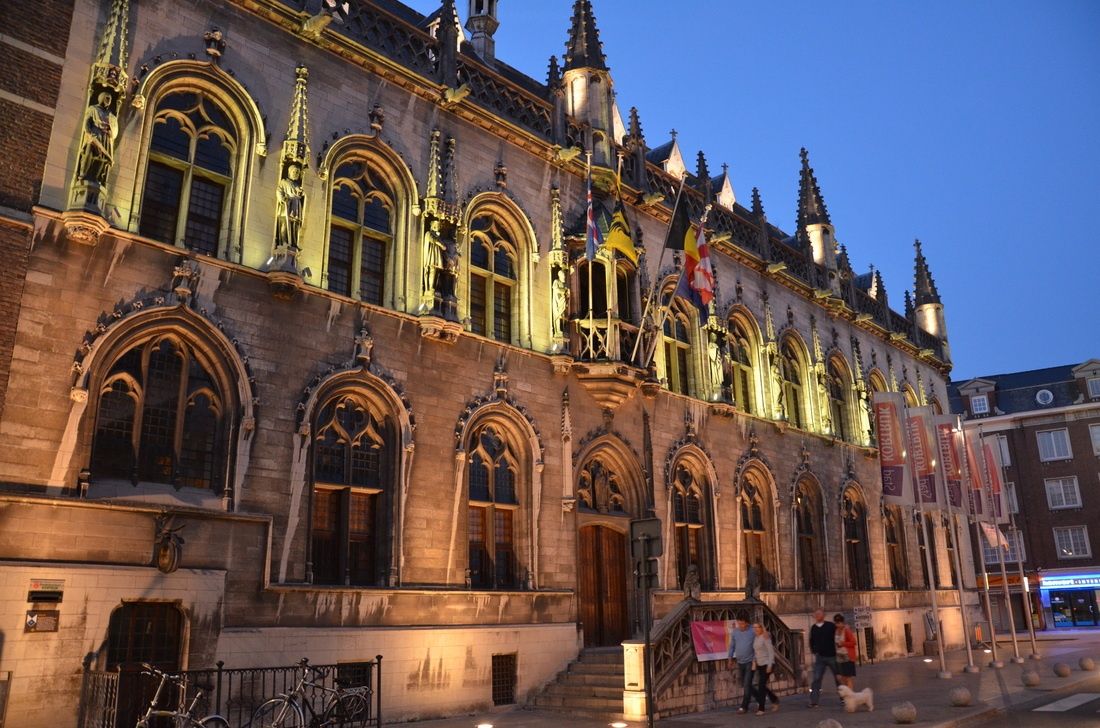
## Description **Courtrai City Hall**, known locally as **Historisch Stadhuis Kortrijk**, is one of the most architecturally layered civic buildings in Belgium. Rather than being the product of a single era, the City Hall is a **composite structure** formed by the gradual integration of several historic buildings, most notably the medieval Cloth Hall and later Renaissance and Baroque additions. This architectural layering makes it a visual record of Kortrijk’s political, economic, and cultural evolution. The origins of the complex date back to the **14th and 15th centuries**, when Kortrijk was a prosperous center of the Flemish cloth trade. The Cloth Hall section symbolized the city’s commercial power and autonomy, while later expansions reflected its growing administrative role. Over time, stylistic elements ranging from Gothic verticality to Renaissance symmetry were added, resulting in a façade that is rich, complex, and deliberately expressive of civic pride. What makes Courtrai City Hall particularly distinctive is its **ornamental façade**, decorated with statues representing Flemish counts and historical figures associated with the region. These sculptures were not merely decorative; they were political statements asserting local identity and authority during periods of regional tension. A lesser-known fact is that several statues visible today are **19th-century restorations**, replacing originals that were damaged or lost during conflicts and urban changes. Another interesting detail is that parts of the interior were adapted multiple times to accommodate shifting administrative needs, meaning some rooms combine medieval proportions with later decorative finishes. Beyond its architectural value, the City Hall has remained a **living institution**. Unlike many historic civic buildings that function solely as museums, it continues to host municipal activities, official ceremonies, and cultural events. This continuity reinforces its role not just as a monument, but as an active participant in the city’s daily life. ## Location **Country:** Belgium **Region:** Flanders **City:** Kortrijk **Province:** West Flanders Courtrai City Hall is located in the historic center of Kortrijk, close to key landmarks such as the main square and medieval streets that define the city’s core. ### How to Get There * **By train:** * Kortrijk Station has direct connections to Brussels, Ghent, and Lille. From the station, the City Hall is a 10–15 minute walk. * **By bus:** * Local bus routes stop near the city center, within walking distance of the building. * **On foot:** * Easily accessible when exploring Kortrijk’s historic center. * **By car:** * Public parking is available nearby, though walking is preferable in the old town. ## Tips * **Check access times:** Interior access may be limited due to official functions or events. * **Look closely at the façade:** The statues and decorative details tell a political and historical story. * **Combine with nearby sites:** Pair your visit with nearby medieval landmarks and museums. * **Visit during daylight:** Natural light highlights the architectural contrasts between different periods. * **Respect civic use:** Some areas may be restricted during working hours. * **Photography policies vary:** Exterior photography is unrestricted; interior rules may apply. ## Conclusion Courtrai City Hall is a powerful expression of civic identity shaped over centuries. Its layered architecture, historical symbolism, and continued administrative role make it a compelling destination for visitors interested in urban history and Flemish heritage. ## FAQ **1. Is Courtrai City Hall a museum?** No, it is an active municipal building, though some areas may be accessible to visitors. **2. How old is the building?** Its oldest parts date back to the late medieval period, with later additions from subsequent centuries. **3. Can visitors enter the City Hall?** Limited interior access is possible, depending on events and official use. **4. How long should a visit take?** Around **20 to 40 minutes** for an exterior and contextual visit; longer if interior access is available. **5. Is it suitable for children?** Yes, particularly for those interested in history and architecture. **6. Is the building accessible?** Accessibility varies due to the historic structure; some areas may have limited access. ## Links * [City of Kortrijk official site](https://www.kortrijk.be)
GemVoyage Team • World
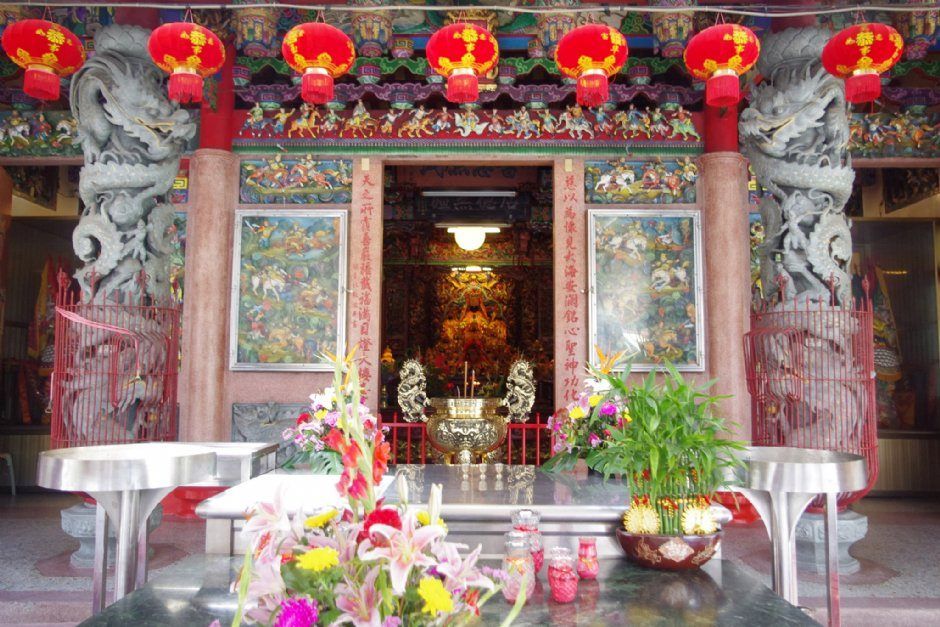
Taiwan
## Description Hualien Cih Tian Temple, known locally as 花蓮慈天宮, is one of the most important religious and cultural landmarks in Hualien City. Dedicated primarily to Mazu, the revered sea goddess and protector of travelers and fishermen, the temple plays a central role in the spiritual life of the local community. It is a place where worship, tradition, and daily life intersect, offering visitors a calm yet vibrant glimpse into Taiwanese religious culture. What makes Hualien Cih Tian Temple unique is its strong connection to the coastal identity of eastern Taiwan. While many Mazu temples are found along Taiwan’s western coast, this temple reflects the beliefs and practices of communities shaped by the Pacific Ocean and Hualien’s rugged natural environment. A lesser-known fact is that the temple has undergone several reconstructions due to earthquakes and typhoons, each time rebuilt with community support, symbolizing local resilience and faith. Another interesting detail is that the temple often serves as a gathering point during important religious festivals, when processions, traditional music, and rituals fill the surrounding streets with color and energy. Architecturally, the temple features classic Taoist design elements, including ornate roof carvings, colorful murals, stone guardian lions, and richly decorated altars. Even outside major festivals, the scent of incense and the quiet rhythm of prayer create a reflective atmosphere that welcomes both worshippers and curious visitors. ## Location Hualien Cih Tian Temple is located in **Taiwan**, in **Hualien County**, within **Hualien City**. The temple sits in a central urban area, making it easily accessible and close to other local attractions, shops, and eateries. Reaching the temple is simple. Visitors arriving by train can walk or take a short taxi ride from **Hualien Railway Station**, which is the main transportation hub of the city. Local buses also operate nearby. For travelers exploring Hualien on foot or by bicycle, the temple fits naturally into a city sightseeing route. If you are using a car or scooter, parking is usually available on nearby streets. ## Tips * Visit in the early morning or late afternoon for a quieter and more contemplative experience. * Dress modestly and respectfully, especially if you plan to observe or participate in prayer. * Take time to observe the architectural details, such as roof sculptures and painted panels, which often depict mythological stories. * If visiting during a festival, expect crowds, noise, and vibrant processions—an excellent cultural experience if you enjoy local traditions. * Avoid blocking worshippers or ritual paths when taking photos. * Combine your visit with nearby markets or temples to better understand Hualien’s urban culture. ## Conclusion Hualien Cih Tian Temple is a meaningful spiritual and cultural site that reflects the faith, history, and resilience of Hualien’s community. Whether you visit for quiet reflection or to witness living traditions, the temple offers an authentic and enriching experience in eastern Taiwan. ## FAQ **Who is the main deity worshipped at Hualien Cih Tian Temple?** The temple is primarily dedicated to Mazu, the sea goddess and protector of sailors and travelers. **Is the temple open to visitors every day?** Yes, the temple is generally open daily, from early morning until evening. **Is there an entrance fee?** No, entrance is free, though donations are welcomed. **Can tourists visit even if they are not religious?** Yes, visitors of all backgrounds are welcome, as long as they remain respectful. **When is the best time to visit the temple?** Weekdays or non-festival days are best for a peaceful visit, while festival periods offer a more lively cultural experience. ## Links * [Hualien County Government](https://www.hl.gov.tw)
GemVoyage Team • World