GemVoyage Team • World
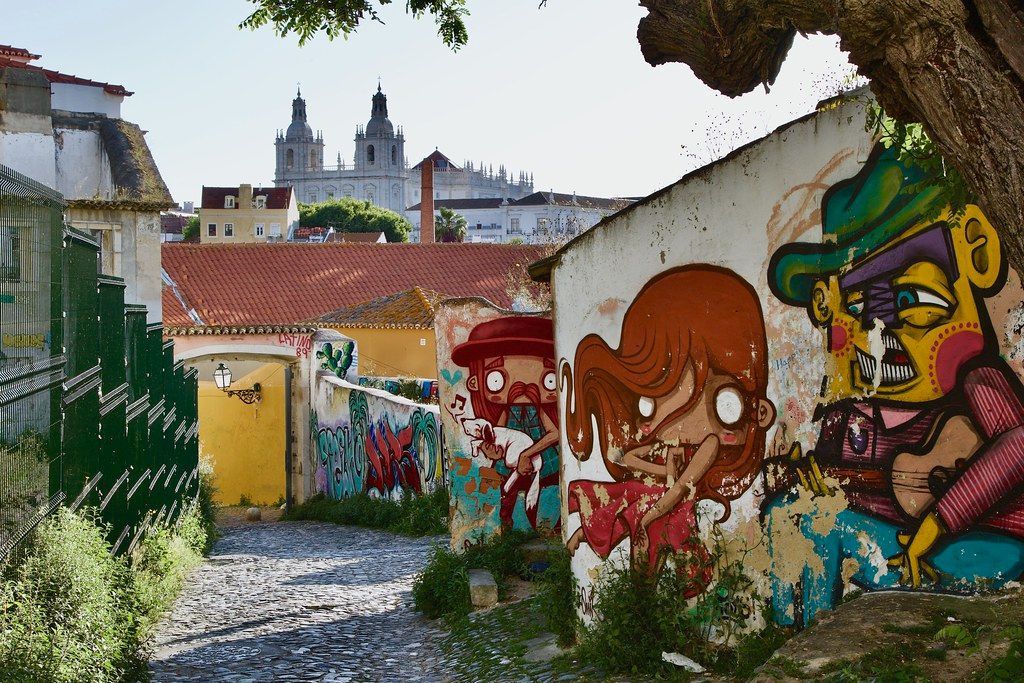
Graça is less polished than some tourist centers; that authenticity is precisely its draw. Little-known facts: Graça was historically where sailors and workers lived, and it hosts several small chapels and hidden gardens that date back to medieval times. Also, the neighborhood holds an annual neighborhood festival (festa) with music, street food, and community events that offer an intimate cultural experience rarely encountered by tourists.
Wandering Graça, you’ll encounter artisanal shops, small antiques dealers, and local markets offering fresh produce. The pace is leisurely, inviting visitors to slow down, sample pastéis de nata in a local bakery, and experience everyday Portuguese life away from main tourist arteries.
Getting there: Take tram 28 for a scenic approach, but be cautious of pickpockets on crowded trams. Alternatively, the Glória or Bica funiculars bring you near central viewpoints; buses and taxis are frequent. Walk from Baixa (central Lisbon) for a rewarding uphill stroll, and use comfortable shoes due to the steep, cobbled streets.
Q: Are there restaurants in Graça?
A: Yes — small tascas, cafes, and a few modern eateries serve local Portuguese cuisine.
Q: Can I walk from Baixa to Graça?
A: Yes, but expect steep climbs; allow time and wear comfortable footwear.
Q: Are the miradouros wheelchair accessible?
A: Some viewpoints have limited accessibility — check specific miradouro access beforehand.
Discover more hidden gems you might love.
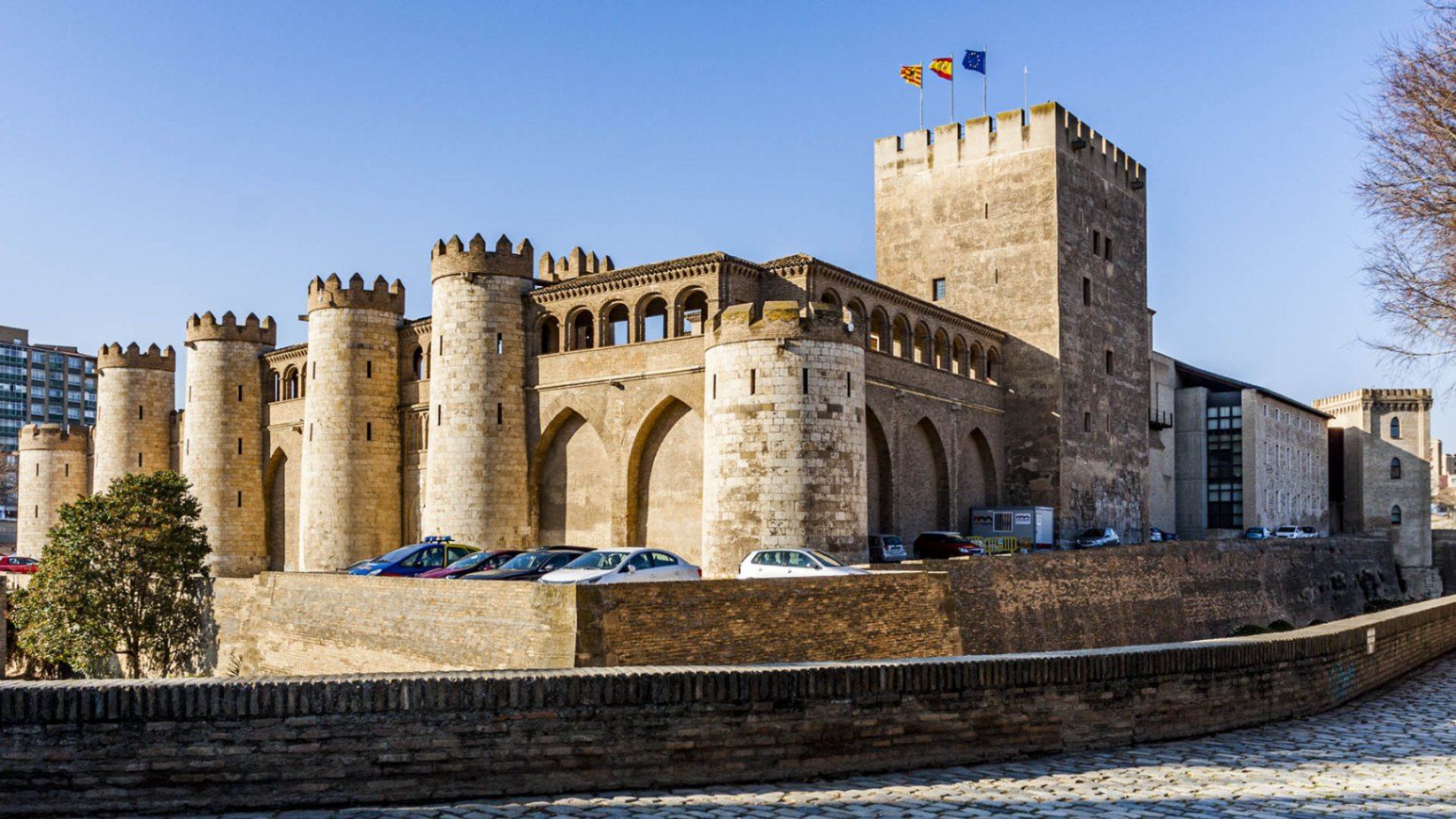
Zaragoza
## Description The **Palacio de la Aljafería** is one of Spain’s most remarkable monuments, a living testimony to the country’s diverse cultural and architectural history. Built in the second half of the 11th century by the Muslim rulers of Zaragoza, the palace originally served as a fortified royal residence during the taifa kingdom period. Its delicate arches, intricate stucco work, and lush courtyards reflect the splendor of Islamic art at its peak in the Iberian Peninsula. What makes Aljafería unique is the way its history is layered within its walls. After the Christian conquest of Zaragoza in 1118, the palace was transformed into the residence of the Catholic monarchs, Ferdinand and Isabella, who added Renaissance elements while preserving much of the Islamic structure. Later, it served as a military barracks, and today it houses the regional parliament of Aragón. Few buildings in Spain embody such a continuous blend of Islamic, Christian, and modern political life. A little-known fact is that the palace inspired key architectural motifs in Spain’s most famous Moorish monument, the **Alhambra in Granada**. Another fascinating detail is that the palace appears in literature: it is the setting for *Las Cortes de la Muerte*, a play by Lope de Vega, reflecting its enduring cultural significance. ## Location The Aljafería Palace is located in **Zaragoza**, the capital of the **Aragón** region in northeastern **Spain**. The palace lies just west of Zaragoza’s city center, on Calle de los Diputados, about 20 minutes on foot from the Plaza del Pilar, where the Basilica of Our Lady of the Pillar stands. Visitors arriving by train to Zaragoza-Delicias station can reach the palace in around 10 minutes by bus or taxi. From Madrid or Barcelona, Zaragoza is easily accessible by high-speed AVE train in just over 1.5 hours, making the Aljafería an ideal stop for travelers exploring northern Spain. Walking or public transport is the best way to reach the palace once in the city. ## Tips * **Book in advance:** Entry is limited, and guided tours often sell out quickly, especially in peak tourist seasons. * **Take a guided tour:** Guides explain the symbolism of the Islamic decorations and the historical transitions that shaped the palace. * **Check opening hours:** The palace is closed on certain public holidays and has reduced hours in winter. * **Combine with other sites:** Pair your visit with the Basilica del Pilar and La Seo Cathedral for a full picture of Zaragoza’s religious and cultural heritage. * **Photography tip:** Morning light is best for photographing the courtyards and intricate arches. Flash photography inside is not permitted. * **Allow enough time:** Set aside at least 1.5–2 hours to fully enjoy the architecture, exhibitions, and gardens. ## Conclusion The **Aljafería Palace** is a masterpiece of Islamic architecture in Spain, later enriched with Christian and Renaissance elements. Its rich history, architectural beauty, and continued political role make it one of Zaragoza’s most important landmarks. For travelers seeking to understand Spain’s layered cultural identity, the Aljafería is an unmissable destination. ## FAQ **1. What is the Aljafería Palace best known for?** It is best known for its Islamic architecture from the taifa period, its later Christian additions, and its role as the seat of the Aragonese parliament. **2. How much time do I need to visit?** A thorough visit takes about 1.5 to 2 hours, especially if you join a guided tour. **3. Is the palace family-friendly?** Yes, the palace is suitable for families. Children often enjoy exploring its courtyards and fortress-like exterior. **4. Are guided tours available in English?** Yes, guided tours in English and other languages are available but should be booked in advance. **5. Is the palace included in UNESCO World Heritage?** The Aljafería itself is not individually listed, but it is part of the broader UNESCO designation of **Mudejar Architecture of Aragón**, recognized for its cultural significance. **6. Can I buy tickets online?** Yes, tickets can be purchased online through official Zaragoza or Aragón tourism websites. ## Links * [Official Tourism of Aragón – Aljafería Palace](https://www.turismodearagon.com) * [Zaragoza Tourism – Palacio de la Aljafería](https://www.zaragoza.es/turismo)
GemVoyage Team • World
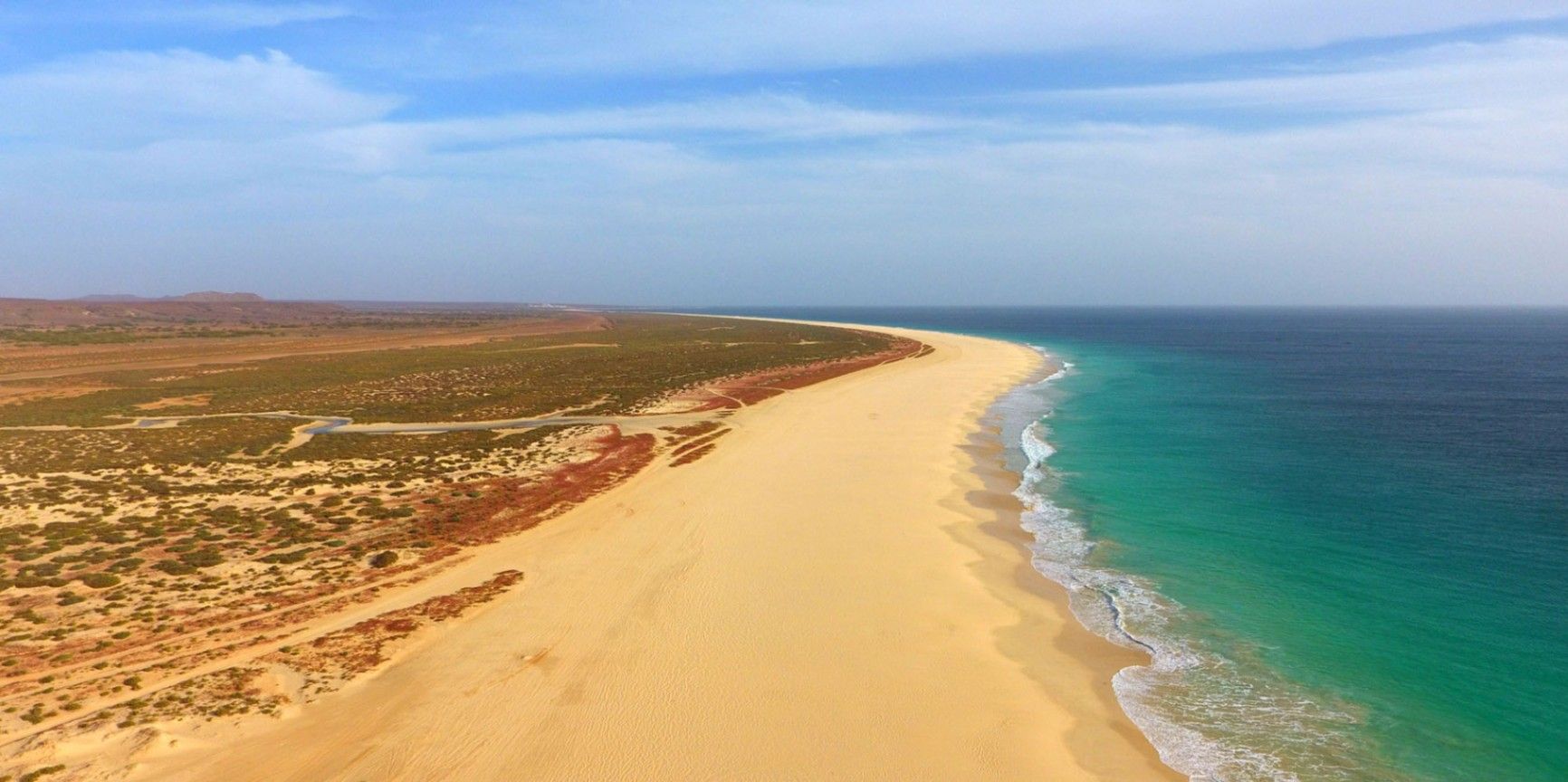
Boa Vista
## Description Praia de Santa Mónica is often described as one of the most beautiful beaches in the world—and with good reason. Stretching over 18 kilometers along the southern coast of Boa Vista, Cape Verde, this vast expanse of golden sand and turquoise water remains almost untouched by development. Its name, “Santa Mónica,” was inspired by California’s famous beach, yet its charm lies in its wild and pristine character. The beach is unique because of its sheer size and tranquility. Unlike other popular destinations, Praia de Santa Mónica rarely feels crowded, even during peak travel seasons. Visitors are treated to panoramic views of rolling dunes, crystal-clear waves, and endless horizons. The beach is also known for being a nesting site for sea turtles, particularly the endangered Caretta caretta (loggerhead turtle). During nesting season, guided tours allow travelers to observe these creatures responsibly, making for a truly unforgettable experience. A little-known fact is that the beach is part of the Morro de Areia Nature Reserve, a protected area aimed at conserving both marine and terrestrial biodiversity. This adds an extra layer of significance for those seeking eco-friendly and sustainable travel experiences. ## Location Praia de Santa Mónica is located on the island of **Boa Vista**, one of the ten main islands of **Cape Verde**, an archipelago off the west coast of **Africa** in the Atlantic Ocean. The beach lies on the southwestern coast of Boa Vista, approximately 20 kilometers from the island’s capital, Sal Rei. To reach Praia de Santa Mónica, most visitors first arrive at Aristides Pereira International Airport (BVC) in Boa Vista. From there, taxis or guided tours can take you to the beach in around 40 minutes. Since public transport is limited on the island, arranging private transfers or joining an organized excursion is recommended. Off-road vehicles are often used, as some roads to the beach remain unpaved, adding a sense of adventure to the journey. ## Tips * **Bring essentials:** There are few facilities on-site, so pack water, snacks, sunscreen, and shade if you plan to spend several hours there. * **Swimming caution:** While the water looks inviting, currents can sometimes be strong. Check local conditions before swimming and stick to calmer areas. * **Best time to visit:** Early morning or late afternoon provide not only cooler temperatures but also the most stunning light for photography. * **Turtle watching:** If visiting between June and October, book a guided turtle-watching excursion to witness the nesting or hatching process. These tours are regulated to ensure the animals are not disturbed. * **Respect the environment:** Stay on marked paths to protect dunes and wildlife, and avoid leaving litter behind. * **Combine with a tour:** Many excursions include stops at Santa Mónica along with other highlights of Boa Vista, such as the Viana Desert or the shipwreck of Cabo Santa Maria. ## Conclusion Praia de Santa Mónica in Cape Verde is a destination for those seeking unspoiled beauty, peace, and a connection with nature. With its endless sandy shores, rich biodiversity, and breathtaking views, it offers a paradise-like escape far removed from crowded tourist resorts. For travelers looking to experience Cape Verde at its most authentic, this beach is an absolute must. ## FAQ **1. Is Praia de Santa Mónica suitable for families?** Yes, families can enjoy the wide sandy beach, but parents should monitor children closely when swimming due to occasional strong currents. **2. Are there restaurants or shops nearby?** No, the beach is largely undeveloped. It’s best to bring supplies from Sal Rei or your hotel before heading there. **3. How long should I plan to spend at the beach?** Many visitors spend a half-day to enjoy the scenery and relax, but nature lovers and photographers often stay longer. **4. Is it possible to surf or kiteboard at Santa Mónica?** The beach can offer good waves, but it’s less developed for water sports than other parts of Boa Vista. Consult local guides if you’re looking for surfing or kitesurfing opportunities. **5. Can I see turtles on my own?** For conservation reasons, turtle watching should only be done with licensed guides. This ensures the safety of both the turtles and visitors. **6. What’s the best way to get there?** The easiest way is by booking a taxi or an organized 4x4 tour from Sal Rei or your resort. Public transport does not reach the area. ## Links * [Cape Verde Tourism Official Site](https://www.visit-caboverde.com) * [Boa Vista Tourism Guide](https://www.boavistaofficial.com)
GemVoyage Team • World
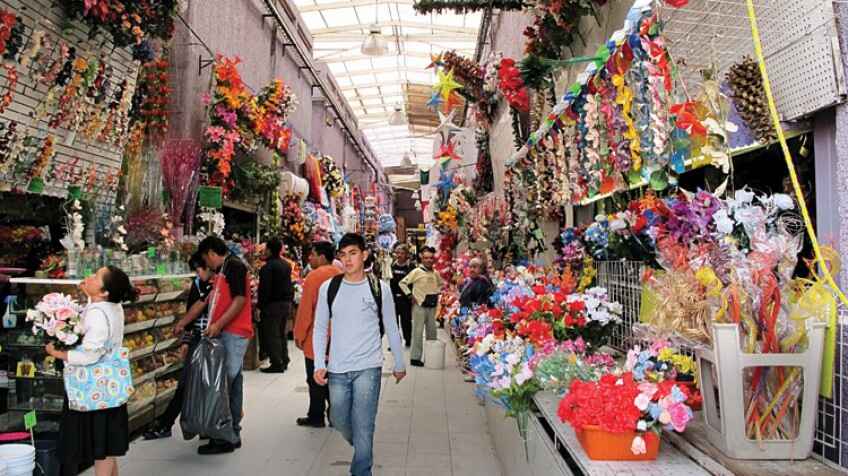
Mexico City
## Description La Merced Market is one of **Mexico City’s largest and most iconic traditional markets**, a bustling labyrinth of colors, aromas, and flavors that captures the essence of everyday Mexican life. For centuries, it has served as a vital trading hub where locals shop for fresh produce, meats, spices, textiles, and even artisanal crafts. Today, it stands as both a cultural landmark and a culinary paradise, drawing in visitors eager to experience authentic Mexican street food and local traditions. What makes La Merced unique is its **immense size and variety**—it is estimated to cover more than **400,000 square meters** and contains thousands of stalls spread across multiple buildings and outdoor areas. Here, you can find everything from exotic fruits and chilies to traditional sweets and handmade kitchen tools. A little-known fact is that La Merced’s history dates back to the **16th century**, when it served as an indigenous trading ground after the Spanish conquest. Another fascinating detail is that the market is considered one of the **most diverse food hubs in Latin America**, with vendors selling ingredients that reflect Mexico’s rich cultural fusion, from pre-Hispanic staples to colonial-era imports. ## Location La Merced Market is located in **Mexico City, Mexico**, within the **Venustiano Carranza borough**, just east of the city’s historic center. Its exact location makes it an easy stop for anyone exploring the heart of the capital. ### Recommendation on How to Get There The most convenient way to reach La Merced is by **Mexico City Metro**. Simply take **Line 1 (the pink line)** and get off at **La Merced Station**, which connects directly to the market area. Taxis and rideshare apps like Uber are also widely available, but due to traffic in the historic center, the metro is often the fastest and most affordable option. If you are walking from the **Zócalo**, the market is about 20 minutes away on foot. ## Tips To make the most of your visit to La Merced Market, here are some useful tips: * **Go Early**: Arriving in the morning lets you see the market at its most vibrant and ensures the freshest food options. * **Bring Cash**: Most vendors do not accept cards, so carry small bills and coins for easy purchases. * **Sample the Street Food**: Try classics like **tacos de suadero, tlacoyos, fresh fruit juices, and tamales**. * **Dress Comfortably**: The market is vast and can get crowded, so wear light clothing and comfortable shoes. * **Be Mindful of Safety**: As with any large urban market, keep an eye on your belongings and avoid flashing valuables. * **Explore Beyond Food**: The market also offers textiles, pottery, household goods, and religious items worth browsing. * **Hire a Guide (Optional)**: If it’s your first visit, consider joining a guided food tour for a deeper understanding of the market’s history and hidden gems. ## Conclusion La Merced Market is not just a shopping destination—it’s a cultural experience that immerses visitors in the **authentic spirit of Mexico City**. With its overwhelming variety of goods, historic roots, and unbeatable street food scene, it is a must-visit for anyone who wants to discover the daily life and flavors of Mexico beyond the typical tourist spots. ## FAQ **1. What is La Merced Market famous for?** It is famous for its massive size, wide variety of products, and authentic Mexican street food. **2. What are the market’s opening hours?** La Merced is generally open **every day from early morning until late evening**, though hours may vary by stall. **3. Is La Merced safe for tourists?** Yes, it’s generally safe if you remain cautious—stick to the busier areas, keep your belongings secure, and avoid visiting at night. **4. Can I find vegetarian or vegan food options at La Merced?** Yes, there are many vegetarian-friendly dishes such as tlacoyos, quesadillas with squash blossoms, and fresh fruit juices. **5. How does La Merced compare to other markets in Mexico City?** While markets like Coyoacán or San Juan are smaller and more tourist-oriented, La Merced offers a raw, authentic, and immersive local experience. **6. Is it worth visiting with kids?** Yes, though parents should be prepared for large crowds and keep children close by in the busier sections. ## Links * [Mexico City Official Tourism Website](https://mexicocity.cdmx.gob.mx/)
GemVoyage Team • World
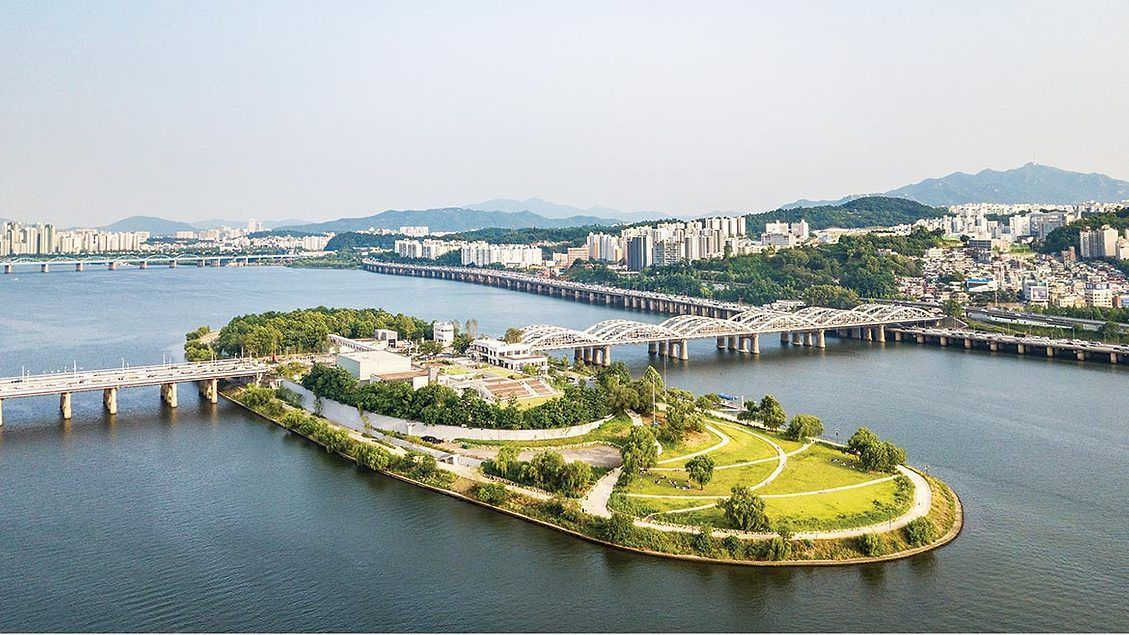
Seoul
## Description Nodeul Island is a compact cultural complex on the Han River offering performance spaces, green areas, and a music-focused programming lineup. More than just a riverside park, Nodeul is a deliberate cultural experiment: its architecture and programming weave public space, live performance, and small-scale festivals into a compact, walkable site. The island hosts live concerts ranging from acoustic singer-songwriters to electronic sets, pop-up book fairs, artist talks, workshops, and rotating markets. Its landscaped terraces and shaded lawns are deliberately designed to encourage lingering, informal performances, and community gatherings. Nodeul has become known for spotlighting emerging Korean musicians and experimental performers alongside established acts, making it an attractive place for music lovers who want to catch fresh talent in an intimate setting. The island’s mix of architecture, open-air stages, and sheltered rooms means events happen year-round—outdoor stages run during warmer months while smaller indoor spaces host talks and exhibitions in cooler seasons. For photographers and writers looking for evocative urban scenes, Nodeul’s riverside vistas, evening concert lighting, and the soft hum of Seoul traffic across the water make for compelling subjects. The island also supports small food vendors and seasonal stalls that bring a local flavor to the cultural programming. From a practical standpoint, Nodeul is a model for how urban design can activate a riverside edge: pedestrian bridges and plazas, varied seating, and clear sightlines to performance areas keep programming accessible and family-friendly. The island’s public calendar is updated frequently, and local arts organizations often collaborate with the site to pilot new formats—outdoor listening sessions, experimental pop-up shows, and community workshops are common. Whether you’re planning an evening concert or a daytime literature event, Nodeul’s programming rewards repeat visits: familiar artists return, and new creative experiments appear each season. ## Location Nodeul Island sits on the Han River close to the Noryangjin and Yeouido areas of Seoul, reachable by subway and a short walk across a well-maintained pedestrian bridge from the south bank. The nearest major subway stops provide easy access for visitors staying anywhere in central Seoul, and the island’s signage in English and Korean helps international visitors orient themselves quickly. Because the island sits on the river, walking routes from nearby neighborhoods are scenic and often used by locals for jogging and evening strolls. ## Tips - Check the events calendar ahead of time: Nodeul’s draw is its programming, and many of the best concerts and markets are pre-announced online. Booking tickets in advance for popular shows avoids disappointment. - Arrive early for evening concerts to claim good riverside seating; bring a small blanket or foldable chair if you prefer more comfortable seating on the grass. - Visit at sunset for the best photo opportunities: the interplay of river light, concert lights, and Seoul’s skyline creates a memorable atmosphere. - Pack layers—a light jacket is wise for open-air evening events when the river breeze picks up, even in summer. - Explore the island’s perimeter paths before events; quiet spots and viewpoints are often less crowded than main plazas. - Support local vendors: seasonal food stalls and nearby cafés help sustain small operators who participate in Nodeul’s pop-up markets. - If you’re interested in emerging music, follow local promoters and Nodeul’s newsletter for surprise showcases and free programs. ## Conclusion Nodeul Island is a compact cultural destination that combines live music, community programming, and riverside relaxation in Seoul. It succeeds as a place where design, sound, and community converge—ideal for travelers who want to experience contemporary Korean culture beyond mainstream tourist stops. With a packed calendar, accessible layout, and an emphasis on new voices in music and the arts, Nodeul rewards curious visitors and repeat explorers alike. ## FAQ Q: Is there an admission fee? A: Many daytime activities and free concerts are available without charge, while larger evening shows or special events may require purchased tickets—check the event listing. Q: How do I get there by public transport? A: Use the nearest subway stations (check local maps), then follow pedestrian signage to the river bridge that leads to Nodeul; buses and taxis also serve the area. Q: Are events kid-friendly? A: Yes—many daytime workshops and family-oriented performances are suitable for children, though some late-night concerts may be more adult-focused. Q: Can I bring food and drink? A: Outside food and non- alcoholic drinks are generally allowed; licensed vendors operate during larger events—always check event-specific rules. Q: Is the island wheelchair accessible? A: The site offers accessible paths and ramps, but some elevated terraces may have limited access—consult the venue map for specific event locations. ## Links - [Seoul Travel Guide](https://www.visitseoul.net/)
GemVoyage Team • World
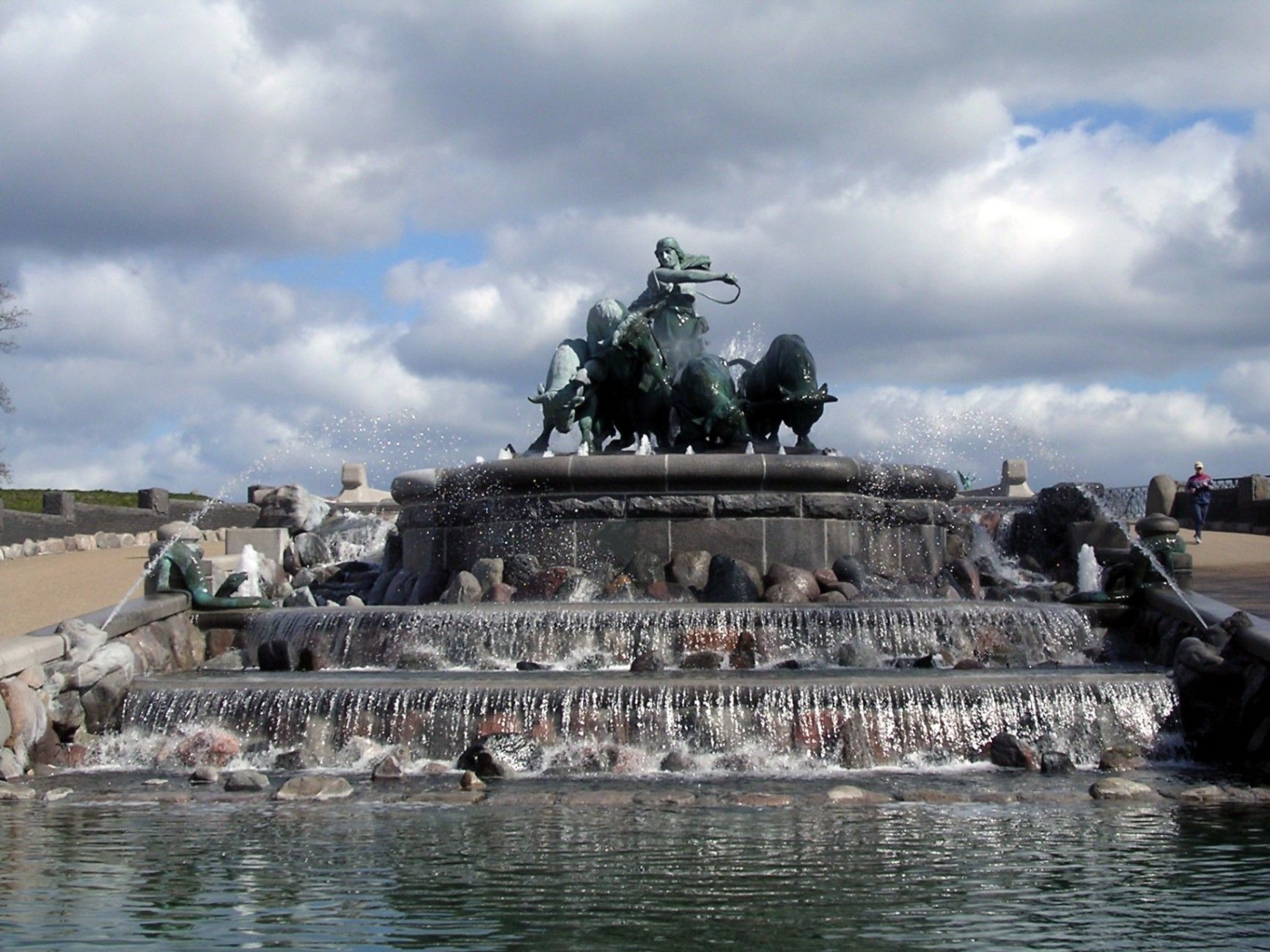
Copenhagen
## Description The **Gefion Fountain (Gefionspringvandet)** is one of **Copenhagen’s most iconic landmarks**, combining stunning sculpture, mythological symbolism, and the serene beauty of its waterfront setting. Unveiled in **1908**, the fountain depicts the **Norse goddess Gefion**, a figure from ancient Scandinavian mythology, driving a group of **powerful oxen** as they pull the land that became the island of **Zealand (Sjælland)** — where Copenhagen stands today — from the depths of the sea. Designed by **Danish sculptor Anders Bundgaard**, the fountain is both a **monumental work of art** and a **celebration of Danish legend and identity**. The dynamic bronze figures, set atop a granite basin, capture the dramatic moment of transformation: Gefion’s oxen straining against their harnesses, water surging around them, and the goddess commanding them with divine strength. The story behind the sculpture comes from **Norse mythology**, where Gefion tricks the Swedish king **Gylfi** into granting her as much land as she can plow in one night. Transforming her four sons into oxen, she plows through the earth and casts the land into the sea — forming the island of Zealand. The resulting lake in Sweden, **Lake Vänern**, is said to match Zealand’s shape. What makes the Gefion Fountain unique is not only its **artistic detail and mythological depth** but also its **location** — it sits between **Kastellet Fortress** and **Langelinie Promenade**, surrounded by lush greenery and views of the **harbor** and **The Little Mermaid statue** nearby. The fountain is especially magical when illuminated at night, with the flowing water and shimmering bronze giving it an ethereal glow. A lesser-known fact is that the fountain was originally commissioned by the **Carlsberg Foundation** to celebrate the brewery’s 50th anniversary and was gifted to the city of Copenhagen. Another interesting detail: the granite blocks forming the base came from **Sweden**, a subtle nod to the myth that connects the two lands. ## Location The **Gefion Fountain** is located in **Churchillparken (Churchill Park)** near **Langelinie**, in the **central harbor area of Copenhagen**, **Denmark**. It sits just east of **Amalienborg Palace** and north of the **Kastellet (The Citadel)** fortress. To get there: * **By metro:** Take the **M3 (City Circle Line)** to **Marmorkirken Station**, then walk about **10 minutes** northeast toward the harbor. * **By bus:** Several local buses, including routes **26** and **27**, stop nearby at **Esplanaden**. * **By foot or bike:** The fountain is part of a popular **walking and cycling route** that connects **Amalienborg**, **The Little Mermaid**, and **Kastellet**. * **By car:** Limited parking is available nearby, though walking or cycling is more convenient in this area. ## Tips * **Visit in the morning or late evening:** The light at sunrise and sunset enhances the sculpture’s bronze tones and reflections. * **Combine with nearby landmarks:** The **Little Mermaid**, **Kastellet Fortress**, and **Amalienborg Palace** are all within walking distance. * **Evening illumination:** Visit after dark to see the fountain beautifully lit — a favorite spot for photographers. * **Learn the mythology:** Understanding the legend of Gefion adds depth to your visit; many plaques around the site explain the story. * **Bring a camera:** The fountain’s movement, water effects, and sculptural detail make it a fantastic subject for photos. * **Relax nearby:** The surrounding park offers benches and green spaces perfect for a quiet break during a city walk. * **Visit year-round:** While the fountain operates mainly in warmer months, the sculptures remain accessible and impressive throughout the year. ## Conclusion The **Gefion Fountain** is much more than a beautiful monument — it’s a vivid connection between Denmark’s ancient mythology and its modern identity. With its stunning artistry, powerful symbolism, and scenic harbor location, it perfectly embodies Copenhagen’s blend of **history, legend, and elegance**. Whether you’re tracing the city’s cultural landmarks, enjoying a peaceful stroll through Churchill Park, or exploring Norse mythology, the Gefion Fountain offers a moment of reflection and wonder that captures the timeless spirit of Denmark. ## FAQ **1. What does the Gefion Fountain represent?** It depicts the Norse goddess **Gefion** plowing the land that became the island of **Zealand (Sjælland)**, symbolizing the creation of Denmark’s largest island. **2. Who designed the fountain?** The fountain was created by **Anders Bundgaard**, one of Denmark’s most celebrated sculptors, and unveiled in **1908**. **3. Where is the Gefion Fountain located?** In **Churchillparken**, near **Langelinie Promenade** and **Kastellet Fortress**, in central **Copenhagen**, Denmark. **4. Is it near other attractions?** Yes — it’s just a short walk from **The Little Mermaid**, **Amalienborg Palace**, and the **harborfront**. **5. When does the fountain operate?** The fountain usually runs from **April to October**, depending on weather conditions. The sculptures can be viewed year-round. **6. Is there an entrance fee?** No — visiting the Gefion Fountain is **free of charge**. **7. Can I visit at night?** Yes, and it’s highly recommended. The **evening lighting** creates a beautiful, almost mythical atmosphere. ## Links * [Official Visit Copenhagen – Gefion Fountain](https://www.visitcopenhagen.com/)
GemVoyage Team • World
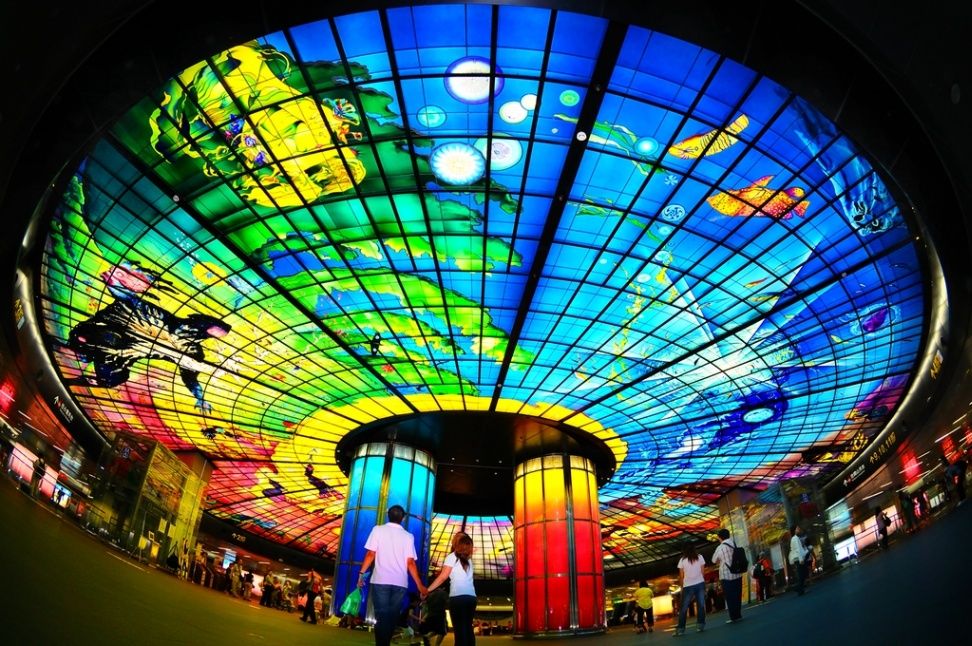
Taiwan
## Description The **Dome of Light (光之穹頂)** is one of the most breathtaking examples of public art in the world, transforming an ordinary metro station into a dazzling celebration of color, light, and human creativity. Located inside the **Formosa Boulevard Station** in **Kaohsiung**, Taiwan’s second-largest city, the Dome of Light is the **largest glass artwork in the world**, covering over **660 square meters** and made up of **4,500 individual glass panels**. Created by Italian artist **Narcissus Quagliata**, the dome was completed in **2008** as part of Kaohsiung’s Mass Rapid Transit (MRT) system. The artwork tells a powerful story of **human life and cosmic unity**, divided into four sections that symbolize the cycle of existence — **Water (birth), Earth (growth), Light (creativity),** and **Fire (destruction and rebirth)**. The vibrant interplay of colors and light gives visitors the feeling of standing inside a living, glowing painting. What makes the Dome of Light truly special is its emotional resonance. Beyond its visual impact, the dome serves as a **symbol of peace and hope**, inspired by Taiwan’s journey toward democracy. The artist worked closely with Taiwanese glass artisans to ensure every piece reflected the spirit of the island — a lesser-known fact that adds to the dome’s cultural depth. Another interesting detail is that the glass was **handcrafted and colored in Germany**, then carefully assembled in Kaohsiung, taking **nearly four years** to complete. When the dome is illuminated at night or during special light shows, it becomes an immersive experience that draws both locals and international visitors. Whether you’re a commuter or a traveler, standing beneath this glowing ceiling feels like entering a world suspended between art and the cosmos. ## Location The Dome of Light is located in **Formosa Boulevard Station (美麗島站)**, the interchange between the **Red and Orange lines** of the **Kaohsiung MRT** system, in **Kaohsiung City**, **southern Taiwan**. To get there: * **By MRT:** Take the **Red Line** or **Orange Line** to **Formosa Boulevard Station**. The dome is located in the main concourse between the platforms. * **From Kaohsiung Railway Station:** Just one stop south on the Red Line. * **From Kaohsiung International Airport:** Take the Red Line northbound — it’s about a **15-minute ride**. The site is indoors and accessible year-round, making it a convenient stop for travelers exploring the city. ## Tips * **Visit during the evening:** The lighting is most vivid after sunset, and you may catch the **light and sound show**, which runs periodically throughout the evening. * **Allow time to stand and observe:** Don’t rush — the dome’s storytelling elements unfold as you walk around the circular space. * **Photography:** Tripods are not allowed, but handheld photography is welcome. Try standing at the center for a symmetrical view. * **Combine with local attractions:** The **Liuhe Night Market** is only a short walk away — perfect for dinner after your visit. * **Look for performances:** Occasionally, local musicians and artists perform under the dome, enhancing the atmosphere. * **Best time to avoid crowds:** Early morning or late at night, when commuter traffic is low. ## Conclusion The **Dome of Light** is more than a stunning piece of art — it’s a symbol of creativity, peace, and transformation that perfectly reflects Taiwan’s modern cultural spirit. Blending Italian artistry with Taiwanese craftsmanship, it turns an urban metro station into a place of wonder and contemplation. Whether you’re passing through Formosa Boulevard or making a special trip, standing beneath its radiant glass ceiling is an experience that will stay with you long after you’ve left Kaohsiung. ## FAQ **1. Who designed the Dome of Light?** It was designed by **Narcissus Quagliata**, an Italian artist known for his innovative work in glass and light. **2. When was it completed?** The Dome of Light was finished in **2008** as part of Kaohsiung’s MRT construction project. **3. How big is it?** It covers **660 square meters (7,100 square feet)** and consists of over **4,500 glass panels**, making it the largest glass dome in the world. **4. Where is it located?** Inside **Formosa Boulevard Station** in **Kaohsiung City**, Taiwan, at the intersection of the **Red and Orange MRT lines**. **5. Is there an entrance fee?** No, access to the Dome of Light is **free of charge**, even if you are not riding the metro. **6. Are there light shows?** Yes, **light and music shows** are held several times daily, especially in the evenings. Check the schedule at the station for show times. ## Links * [Dome of Light Taiwan](https://eng.taiwan.net.tw/m1.aspx?sNo=0002121&id=A12-00071)
GemVoyage Team • World

Comments