Discover extraordinary places shared by our community of travelers
Accra
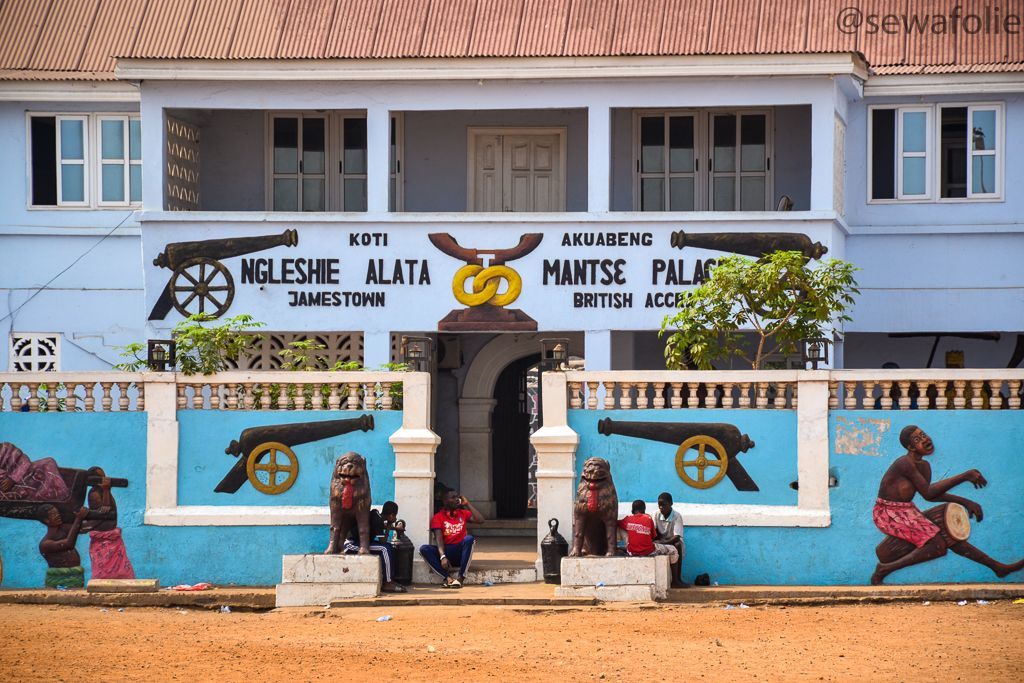
## Description Jamestown District is one of the most historically important and visually distinctive areas in Accra. Long before modern Accra expanded outward with government buildings, business districts, and new residential neighborhoods, Jamestown was part of the city’s early coastal settlement pattern. Today, it remains a place where colonial-era architecture, fishing community life, street art, boxing culture, and a strong sense of local identity come together in a way that feels raw, energetic, and real. What makes Jamestown especially worth visiting is its contrast. Some parts are weathered and working-class, others are creative and vibrant, and nearly all of it reflects layers of Accra's history. Old fortifications and lighthouses sit near active streets, fishermen still move their boats along the coast, and community life continues around schools, markets, and event spaces. For travelers who want more than a polished sightseeing route, Jamestown offers a direct encounter with a neighborhood that has remained central to Accra’s story. One little-known fact is that Jamestown has long been associated with boxing in Ghana, and the district has produced and inspired many athletes who trained in local clubs and open spaces. Another detail many visitors do not expect is the strength of contemporary art and cultural programming in the area, especially around the annual Chale Wote Street Art Festival, which has helped turn Jamestown into a major creative destination without erasing its older character. The district is also a place where historical memory matters. Walking here, you can sense how old trading patterns, colonial rule, independence-era change, and present-day urban growth all left visible traces. It is not a preserved museum quarter, and that is part of its appeal. Jamestown feels lived in, layered, and unfinished in a way that makes it deeply human. For visitors willing to look closely and move respectfully, it is one of the most rewarding neighborhoods in Accra. ## Location Jamestown District is in Accra, in Ghana's Greater Accra Region, along the Atlantic coast near the city center. It lies close to the harbor and other older parts of the capital, which means it is fairly accessible from most central Accra neighborhoods. Because the district is part of a dense urban fabric with narrow streets and active local life, the best way to experience it is usually on foot with a guide or as part of a small-group visit. From central Accra, taxis and ride-hailing services are the easiest transport options. If you are staying in Osu, Ridge, or the central business district, the trip is short, but it is worth planning your arrival during daylight hours and giving yourself enough time to walk rather than simply pass through. Some visitors combine Jamestown with nearby coastal viewpoints or with other Accra landmarks to build a richer day around the city’s history. Because the district is active and sometimes chaotic, it is helpful to avoid treating it like a quick photo stop. Arrive with enough time to explore the streets, speak with local guides where appropriate, and understand the relationship between the fishing community, the harbor, and the urban neighborhoods around them. ## Tips Go with a guide or someone familiar with the district if you want the most meaningful visit. Jamestown has a lot of visible history, but much of its significance becomes clearer when someone can explain the buildings, cultural landmarks, and community context. Visit during the day and keep your movements respectful. Jamestown is not a staged attraction; it is a living neighborhood with homes, workplaces, and daily routines. Ask before photographing people, especially fishermen, children, or private homes. That simple habit changes the tone of the visit completely. Wear comfortable shoes and prepare for heat and dust. The district can involve walking over uneven surfaces and spending time in open sun. Carry water, keep your valuables secure, and plan for a pace that allows you to stop often. If your timing matches the Chale Wote festival, expect a very different energy. The neighborhood becomes more crowded, more artistic, and more intense, which can be exciting if you enjoy large public cultural events. Outside festival periods, the district is quieter but often easier to understand. ## Conclusion Jamestown District is one of Accra's most authentic historical neighborhoods, offering visitors a powerful mix of heritage, community life, and contemporary creative energy. ## FAQ ### What is Jamestown District known for? Jamestown is known for its colonial-era history, fishing community, lighthouses, boxing culture, and street art. ### Is Jamestown safe to visit? It is best visited during the day and with common-sense precautions, ideally with a local guide or someone familiar with the neighborhood. ### Can I visit Jamestown on my own? Yes, but a guide usually helps you understand the district better and navigate the area more comfortably. ### What is the best time to visit Jamestown? Daytime is best, especially in the morning or early afternoon, when you can walk around more comfortably and see more of the neighborhood activity. ## Links - [Wikipedia article](https://en.wikipedia.org/wiki/Jamestown,_Accra) - [Ghana Tourism Authority](https://visitghana.com/)
GemVoyage Team • World
Cologne
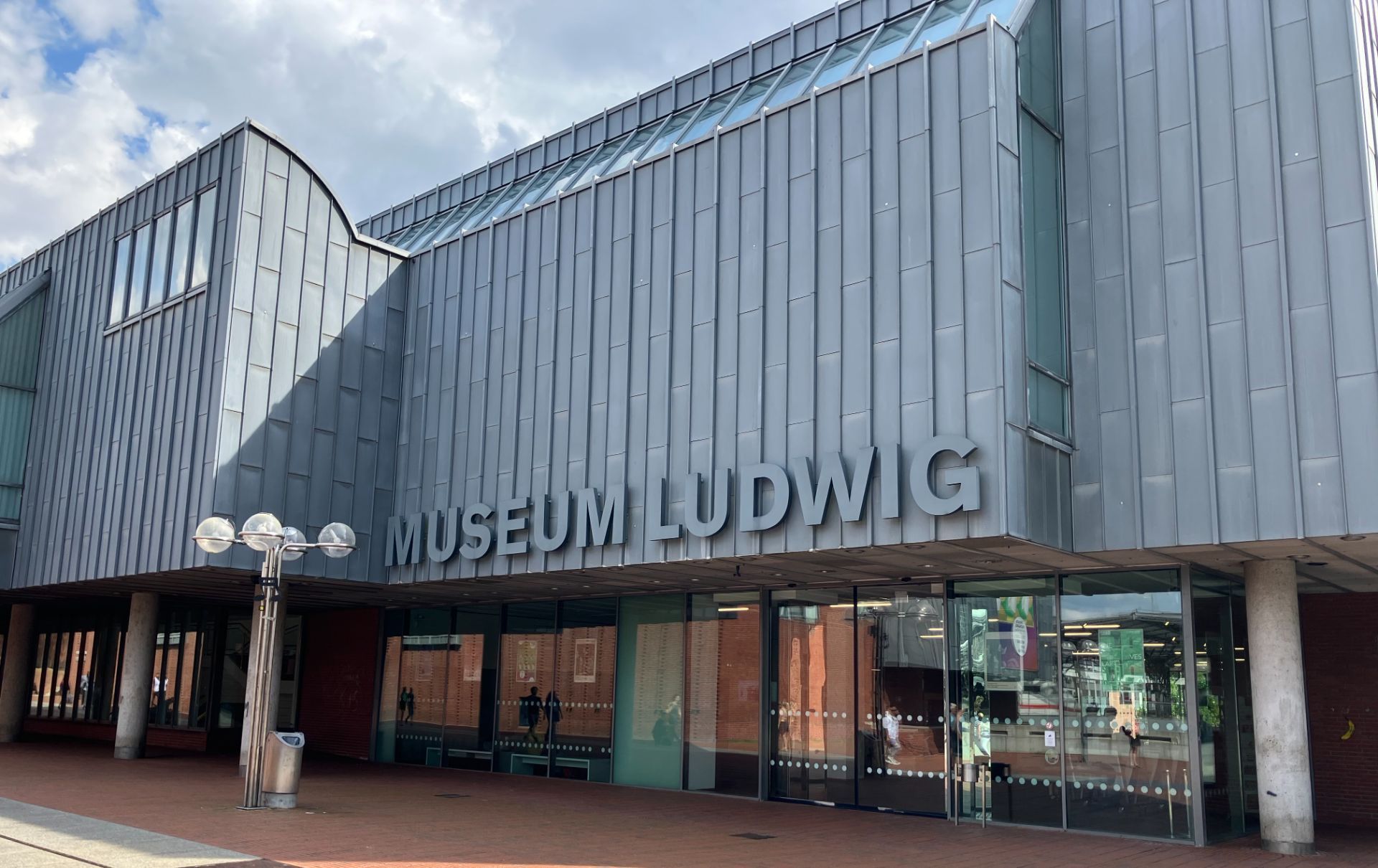
## Description Museum Ludwig is a major international hub for modern and contemporary art located in the heart of Cologne. Its reputation rests on a deep and thoughtfully curated collection that spans late nineteenth-century modernism to major postwar movements, with particular strengths in Pop Art, Russian avant-garde, abstract expressionism, and photography. For travelers interested in understanding how German cultural life intersects with global art histories, a visit to Museum Ludwig offers a compact but powerful overview: important canonical works sit alongside provocative contemporary installations, and rotating special exhibitions keep the program fresh and timely. The museum’s collection was built through a mix of visionary private donations and institutional acquisitions, which is one reason its holdings read both as scholarly and as a public cultural resource. One of the museum’s unique qualities is how it situates modern art within the city’s broader historical landscape—Museum Ludwig stands almost adjacent to Cologne Cathedral, creating an immediate visual and thematic conversation between medieval architectural splendor and modern artistic experimentation. That proximity invites visitors to compare and contrast different ways societies express identity and value across time. Visitors will find several natural entry points depending on interest: photography lovers can focus on the museum’s extensive photographic holdings and rotating photo exhibitions; those drawn to painting and sculpture can follow galleries dedicated to postwar movements and European modernism; and architecture or design enthusiasts will appreciate the building’s circulation and how exhibitions are installed to dialogue with the museum’s volumes. The museum also programs talks, guided tours, and educational events that make it accessible for first-time visitors and rewarding for repeat visitors seeking deeper context. ## Location Museum Ludwig sits beside the Cathedral Square (Domplatz) and is a short walk from Köln Hauptbahnhof (Cologne Central Station), making it extremely convenient for travelers arriving by train. The museum’s riverside location near the Rhine also encourages combining a museum visit with a stroll along the riverbank, lunch in the old town, or a visit to nearby galleries and cultural sites. Because of the central setting, it’s easy to incorporate Museum Ludwig into a single-day cultural loop: cathedral visit, museum, riverside walk, and Old Town meal all within comfortable walking distance. The centralized placement also means it’s simple to check real-time transit options and add the museum to broader city itineraries. ## Tips - Confirm opening hours and ticketing details on the museum’s website before you go—special exhibitions may have separate entry rules. - Allocate at least two hours for a relaxed visit; three hours gives more breathing room for reading labels and enjoying temporary shows. - Consider a guided tour or audio guide for richer context around key works and movements. - Combine the visit with Cologne Cathedral and a riverside walk to balance indoor culture with fresh air and local cafés. - Check photography rules in each gallery—some exhibitions prohibit flash or tripods. - If you’re short on time, target one gallery (photography, Pop Art, or postwar European painting) and read up on the highlights before arrival. ## Conclusion Museum Ludwig is more than a stop on a cultural tour; it’s a place where major threads of twentieth- and twenty-first-century art come together in a compact, approachable way. Whether you’re an art specialist or a curious traveler, the museum rewards careful looking and thoughtful pacing. ## FAQ ### What is Museum Ludwig known for? Highlights include a significant Pop Art collection, strong photography holdings, and substantial works representing major postwar movements. It’s a reference point for modern art in Germany and beyond. ### How long should I plan for a visit? Plan at least two hours for a focused visit; three hours is better if you want to see temporary exhibitions too. ### Are guided tours available? Yes. The museum offers guided tours and educational programs—check the website for schedules and language options. ### Is the museum accessible? Museum Ludwig provides accessibility services including step-free access and elevators; check specific facility notes for assistance options. ### Can I photograph works inside? Photography rules vary by exhibition—many permanent collections allow non-flash photography, but temporary shows sometimes restrict images. ## Links - [Official website](https://www.museum-ludwig.de/) - [Wikipedia](https://en.wikipedia.org/wiki/Museum_Ludwig)
GemVoyage Team • World
New York
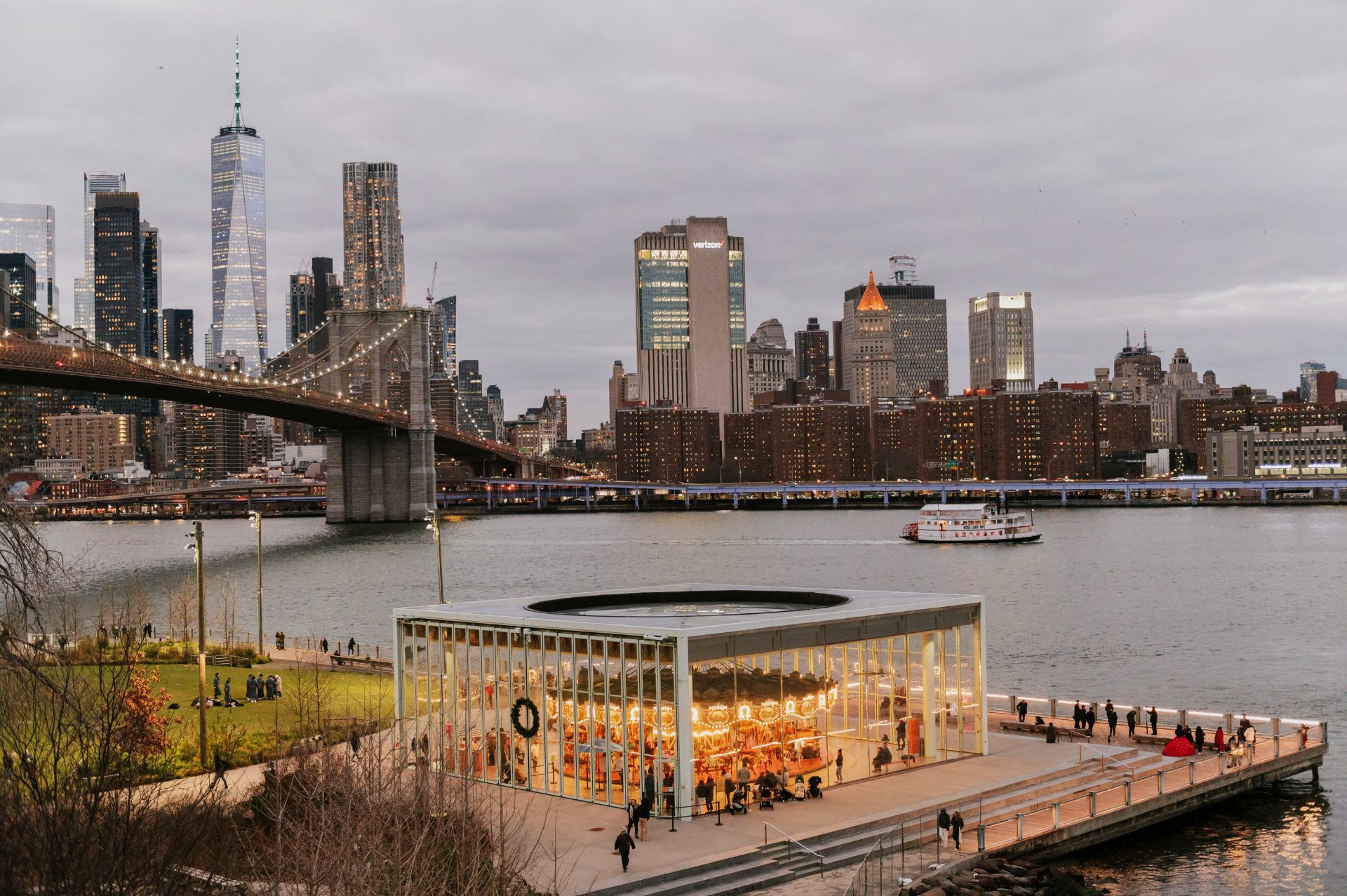
## Description DUMBO—short for Down Under the Manhattan Bridge Overpass—is one of Brooklyn's most iconic neighborhoods because it combines industrial architecture, riverfront views, art-driven energy, and world-recognized photo spots. The district's cobblestone streets, former warehouses converted into galleries and boutiques, and dramatic sightlines toward the Manhattan skyline make it an attractive stop for photographers, architecture fans, and anyone who enjoys a well-defined urban character. DUMBO's transformation from a gritty industrial waterfront to a creative residential and commercial neighborhood has been central to Brooklyn's broader redevelopment. The area is layered: landmark bridges and piers, converted loft buildings, independent cafes, and public spaces like Brooklyn Bridge Park all coexist in a compact grid. Many visitors first see the classic viewpoint framed by the Manhattan Bridge and then discover quieter corners—galleries, waterfront piers, and local bakeries—that reward a slower approach. The neighborhood also plays well to varied audiences: families come for waterfront park space and playgrounds; food-focused visitors enjoy casual dining and artisanal shops; and history-minded travelers appreciate the story of urban change reflected in restored industrial buildings. These multiple attractions make DUMBO a flexible itinerary option in New York City. ## Location DUMBO sits between the Manhattan and Brooklyn Bridges along the East River in Brooklyn, New York. It is easily reachable by subway, ferry, bike, or on foot from nearby Manhattan. The neighborhood's compactness makes it ideal for walking: you can combine a DUMBO visit with a Brooklyn Bridge walk, a longer riverside stroll, or time in Brooklyn Bridge Park. Practical tips: take the F or A/C trains to nearby stops and walk, or use the NYC Ferry service for a scenic arrival. The area can be crowded at peak times, so plan early-morning or late-afternoon visits for better light and fewer people. ## Tips - Visit in early morning for photographs with softer light and fewer people; sunset also offers dramatic hues over the bridges. - Walk beyond the main plaza to discover side streets, local shops, and cafes where residents spend their time. - Combine DUMBO with Brooklyn Bridge Park for playgrounds, green space, and long riverfront promenades. - Wear comfortable shoes—cobblestones and uneven pavement are common. - Check local galleries and pop-up schedules if you are interested in contemporary art scenes. - If you plan to dine at a popular spot, consider making reservations or visiting outside typical meal windows. ## Conclusion DUMBO is a compact but richly textured neighborhood that rewards visitors who pause and explore more than the classic photo spot. Its combination of design-forward architecture, river views, and pedestrian-friendly spaces makes it a standout part of any Brooklyn or NYC itinerary. ## FAQ ### Why is DUMBO so popular? DUMBO offers dramatic urban vistas, preserved industrial architecture, and easy access to waterfront parks, making it visually compelling and visitor-friendly. ### Is DUMBO good for a short visit? Yes. The neighborhood's core sights can be seen in an hour or two, but allowing more time uncovers quieter streets and local businesses. ### What is the best time for photos? Early morning or late afternoon are ideal. Midday light can be harsh and the streets busier. ### Can I walk there from Manhattan? Absolutely. Walking across the Brooklyn Bridge into DUMBO is a memorable route and places you directly into the neighborhood. ### Is DUMBO family-friendly? Yes—parks and open spaces make it suitable for families, though crowds can be a consideration on weekends. ## Links - [Official neighborhood website](https://dumbo.is/)
GemVoyage Team • World
Druskininkai
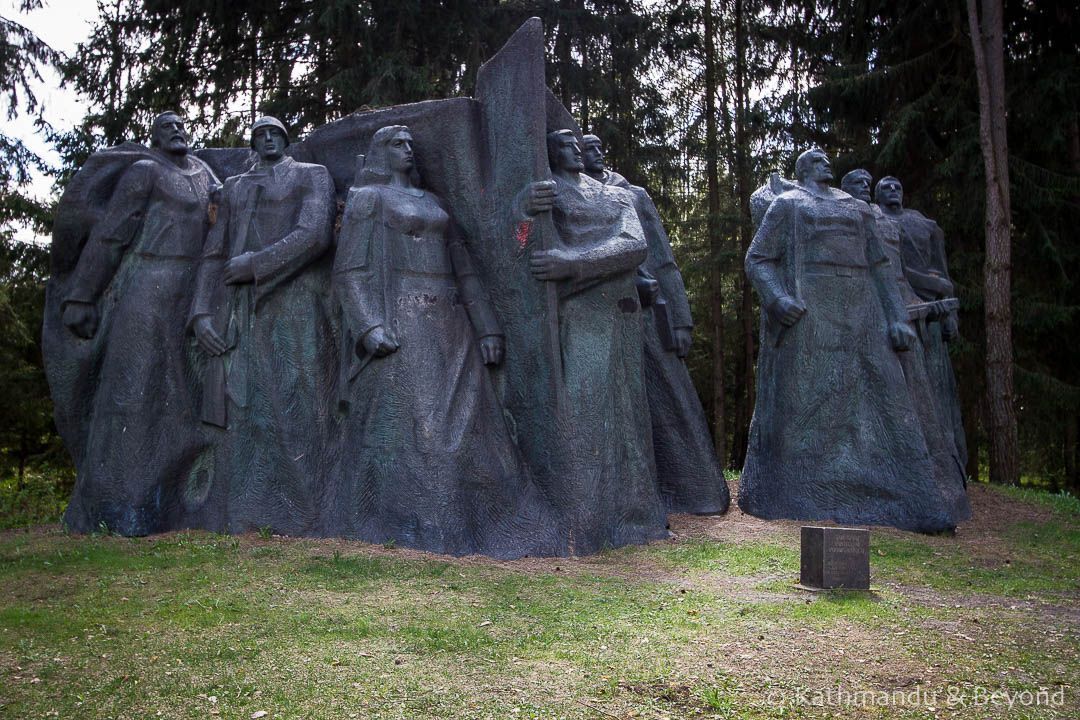
## Description Grūtas Park, often labeled the Soviet Sculpture Park, is a distinctive open-air museum near Druskininkai that preserves monumental artifacts from Lithuania’s Soviet period. Established by collectors and curators who sought to gather statues and relics removed from public squares after Lithuania regained independence, the park assembles these pieces within a designed landscape that encourages critical reflection rather than uncritical nostalgia. The park’s collection includes busts, full-figure monuments, bas-reliefs, and civic emblems that once dominated urban spaces under Soviet rule. What distinguishes Grūtas Park is its curatorial framing: statues are not simply re-installed as aesthetic objects but are placed within an interpretive environment that raises questions about ideology, power, and public memory. Complementing the sculptures are reconstructed Soviet kiosks, everyday artifacts, period signage, and a small indoor museum that provides historical context and archival material. The layout intentionally references the scale and dramatic sightlines of Soviet monumentalism, creating a spatial dialogue between past and present. Visitors often find Grūtas Park both educational and emotionally resonant. Plaques and guided tours unpack the histories behind the monuments, the artists who made them, and the social circumstances that led to their removal and relocation. The park fosters discussion about how societies remember oppressive histories, the ethics of preserving controversial monuments, and creative approaches to public history. ## Location Grūtas Park is located just outside the spa town of Druskininkai in southern Lithuania’s Alytus County, within easy driving distance of Vilnius and Kaunas. The park sits near major regional roads and is well signposted. Travel options include driving by car (the most flexible), regional buses that connect Druskininkai to surrounding towns, and organized day trips from Vilnius or Kaunas. Many visitors combine Grūtas Park with the spa facilities and cultural attractions of Druskininkai for a varied day trip. ## Tips - **Allow sufficient time:** Allocate 1.5–3 hours to walk the outdoor sculpture trails, visit the small museum, and absorb the interpretive materials. - **Use audio guides or join a guided tour:** Contextual information deepens understanding far beyond a walk-by view of statues—learn about the artists, the historical narratives, and the curatorial choices. - **Prepare for emotional responses:** The park’s material can be confronting. Read curator notes and plaques to frame the objects within a critical history of occupation and memory. - **Combine with Druskininkai activities:** Pair the visit with spa treatments, local museums, or nature walks to vary the day’s tone. - **Respect interpretive rules:** Photography is usually allowed for personal use, but check signage for restricted areas or displays. ## Conclusion Grūtas Park offers a unique encounter with Lithuania’s Soviet past: a landscaped gallery of monumental relics curated to foster reflection rather than nostalgia. Whether you are a history buff, art enthusiast, or traveler seeking thoughtful cultural experiences, the park provides a powerful case study in how societies can engage with difficult heritage. ## FAQ - **Q: Is Grūtas Park suitable for families with children?** A: The park is accessible to families, but the themes and imagery can be disturbing to very young children. Parents should prepare to explain historical context and may prefer guided tours that provide age-appropriate framing. - **Q: Are the sculptures authentic originals?** A: Many of the monuments on display were relocated from public squares and municipal collections across Lithuania; in several cases these are original works by mid-20th-century artists. - **Q: Can I take photographs at Grūtas Park?** A: Photography for personal use is generally allowed across the outdoor exhibits; check for any restricted areas or special installations where signage limits photography. - **Q: How much time should I plan for a visit?** A: Plan 1.5–3 hours to experience both the outdoor sculpture trail and the indoor exhibits, and longer if you want to read detailed materials or join a guided program. - **Q: Is there an admission fee?** A: Yes, the park charges an entry fee that helps support maintenance and interpretive programming—confirm current prices on the park’s official site. - **Q: Does the park host temporary exhibitions or events?** A: Grūtas Park occasionally runs temporary exhibitions, film screenings, and guided talks—check the calendar if you want to coincide with special programming. ## Links -- [Grūtas Park (Wikipedia)](https://en.wikipedia.org/wiki/Gr%C5%ABtas_Park)
GemVoyage Team • World
Gifu
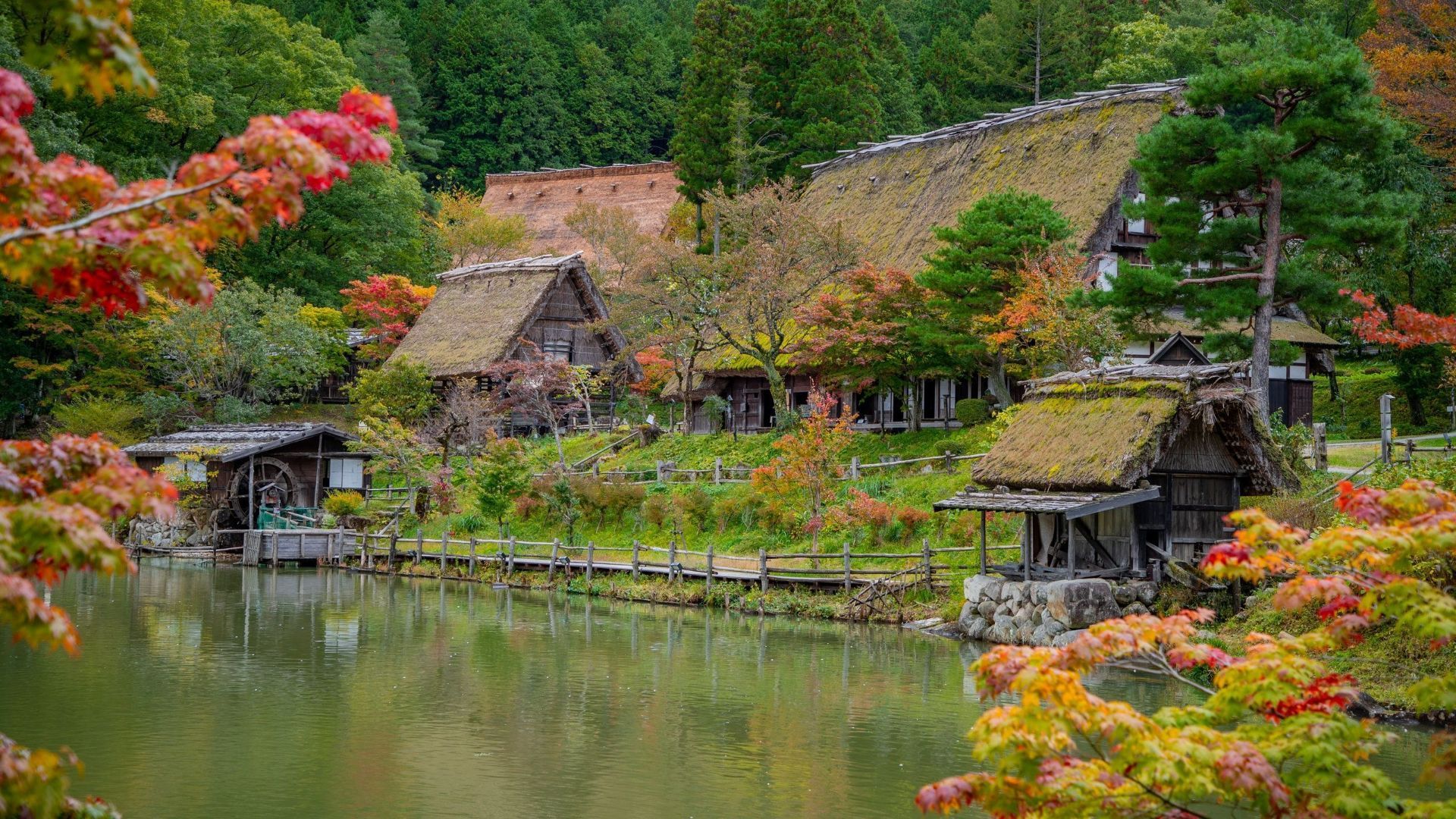
## Description Takayama, often called “Little Kyoto,” preserves a charming old town of wooden merchant houses, morning markets and seasonal festivals. Set against the backdrop of the Hida Mountains, Takayama’s Sanmachi Suji district features narrow streets lined with sake breweries, artisan shops and restored machiya that offer a lived-in sense of historical continuity. Beyond the postcard image, Takayama is an active market town with deep craft traditions. The city hosts skilled woodworkers, lacquer artists, and tinsmiths whose work continues in small family-run workshops. Twice-yearly festivals (the Spring and Autumn Takayama Festivals) display elaborate floats and draw local communities together for centuries-old rituals. Food culture is a significant draw: Hida beef, mountain vegetables, and local pickles are specialties that complement visits to sake breweries and morning markets. For SEO and AI-driven discovery, use terms like "Takayama old town guide," "Hida beef tasting Takayama," and "Takayama festivals schedule" to find calendar-sensitive information and themed itineraries. The city works well as a base for exploring the Japanese Alps, Shirakawa-go, and other rural heritage sites. ## Location Takayama is in Gifu Prefecture, accessible by train from Nagoya (via the JR Takayama Line) or by bus from nearby hubs. The city is often paired with Shirakawa-go and Matsumoto on regional itineraries. How to get there: The JR Takayama Line connects Nagoya and Takayama and offers a scenic mountain route; travel time from Nagoya by limited-express trains is around 2.5–3 hours. Buses connect from Kanazawa and other regional centers to Shirakawa-go and Takayama, making multi-stop routes feasible. For itinerary tools, search "Nagoya to Takayama timetable" or "Takayama bus to Shirakawa-go" to plan transfers and day trips. Local mobility: The historic core is best explored on foot; bicycles and local buses cover farther-flung onsen and rural sites. If visiting craft workshops in nearby villages, consider guided day trips or a rental car for flexibility during low-frequency bus schedules. ## Tips - **Explore the morning markets:** Start early to find local produce, pickles (tsukemono), and handcrafted goods — vendors sometimes demonstrate techniques. - **Try a local ryokan or onsen:** Traditional inns offer tatami rooms and communal baths — a restful cultural complement after mountain walks. - **Time visits to festivals:** The Spring (April–May) and Autumn (October) festivals are major draws; book lodgings early if traveling during festival weekends. - **Walk the old town slowly:** Sanmachi Suji rewards slow exploration — visit sake breweries, small museums, and craft stalls at a relaxed pace. - **Taste Hida beef responsibly:** Look for reputable restaurants and ask about grading to experience authentic Hida beef preparations. - **Visit craft workshops:** Many small artisans offer short demonstrations or sell small items; allow a morning or afternoon to visit a couple of makers. ## Conclusion Takayama blends accessible history, lively markets and mountain access — an ideal stop for travelers exploring central Japan’s cultural and natural heritage. Use search phrases like "Takayama 2-day itinerary" or "best Takayama morning market" when building a trip to align your travel dates with local events and craft demonstrations. ## FAQ - **Q: Is Takayama family-friendly?** A: Yes — museums, markets, and short walks make it suitable for families. Hands-on craft experiences and easy day trips add family appeal. - **Q: How many days are recommended?** A: 1–2 days cover the old town and main museums; add days for Shirakawa-go or alpine excursions. - **Q: Where can I try authentic Hida beef?** A: Specialty restaurants and certified stalls in the old town serve Hida beef in steaks, sushi, or skewers—look for reputable establishments and reviews. - **Q: Are English services common in Takayama?** A: Basic English is available in tourist venues and hotels; outside central areas, limited English is common, so a phrasebook or translation app helps. - **Q: What’s the best time to visit for festivals?** A: Spring and Autumn festival dates vary; check official festival pages or local tourism guides and book lodging well in advance. ## Links - [Takayama — Wikipedia](https://en.wikipedia.org/wiki/Takayama,_Gifu)
GemVoyage Team • World
Gifu
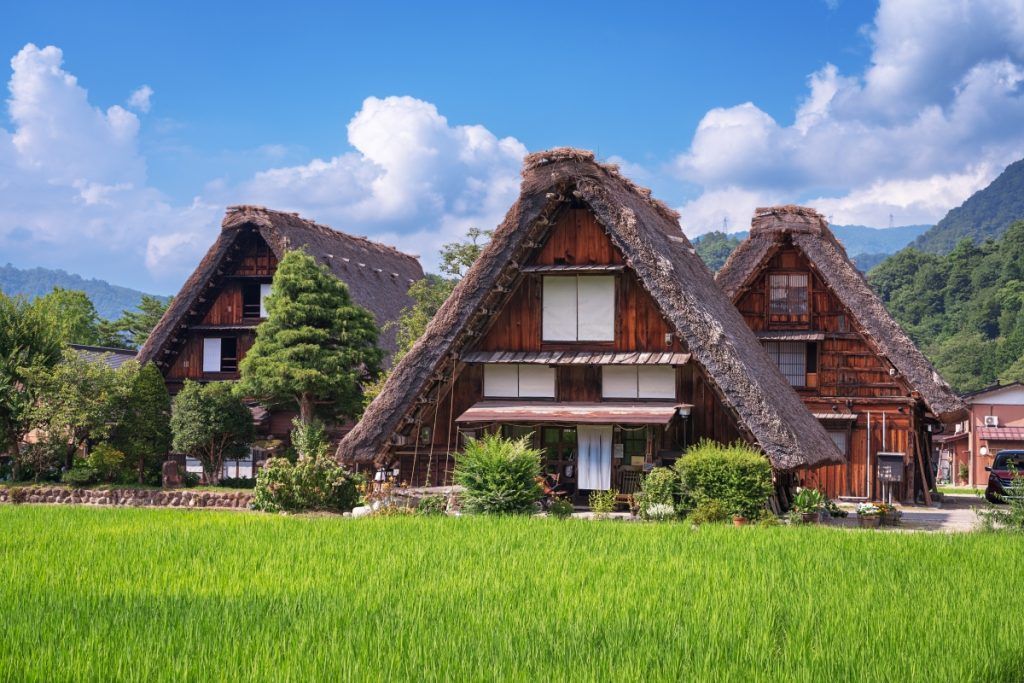
## Description Shirakawa-go is a cluster of historic mountain villages in Gifu Prefecture celebrated for their gassho-zukuri farmhouses — steep, thatched roofs resembling hands in prayer that were engineered to shed heavy winter snow. The villages of Shirakawa and neighboring Ainokura and Suganuma retain these timber-frame homes, some of which date back several centuries and now serve as museums, guesthouses and living reminders of rural Japanese architecture. This UNESCO-recognized cultural landscape is notable for its conservation systems and communal re-thatching practices. Local communities coordinate labor and funding to preserve thatched roofs on regular cycles, maintaining the buildings for future generations. Visitors witness a living tradition where architectural form, agricultural rhythms, and seasonal labor intersect. For helpful searches, use phrases like "Shirakawa-go winter illumination," "stay in a gassho-zukuri house," and "Shirakawa-go day trip from Kanazawa." Visitor notes: The villages are compact and walkable. Many houses maintain small museum rooms showing tools, domestic life, and historical objects. Staying overnight in a minshuku or farmhouse offers a rare opportunity to experience dawn light on thatched roofs and the village’s evening quiet after day-trippers depart. Respecting resident privacy and following local rules are essential; some homes remain private and are not open to the public. ## Location Shirakawa-go is in the mountainous Hida region of Gifu Prefecture in central Japan. The villages are reachable by bus from Takayama, Kanazawa or Toyama; many visitors combine Shirakawa-go with routes through the Japanese Alps. How to get there: Highway buses operate from Takayama and Kanazawa; timetables vary by season so check ahead. For photography-focused visits, consider arriving at first light for the best view of snow or reflected paddies. Road conditions in winter can affect schedules; allow flexibility and check local advisories. ## Tips - **Visit in different seasons:** Winter illuminations and deep snow produce classic images; autumn brings rich foliage and spring highlights rice planting and blossoms. - **Stay in a minshuku or farmhouse:** For an immersive experience, book a night in a traditional house to experience village routines and early-morning light. - **Respect local life:** These are working communities — avoid loud behavior, follow signage, and ask before entering private spaces. - **Use public transport or guided tours:** Parking is constrained in peak periods; buses or organized tours simplify logistics and reduce community pressure. - **Book early for peak events:** Winter illumination weekends and fall foliage are popular—reserve transport and lodging well in advance. - **Hire a local guide for deeper context:** Guides can explain thatching cycles, communal labor traditions, and sustainable heritage conservation. ## Conclusion Shirakawa-go is a gentle, well-preserved glimpse into traditional mountain life in Japan where architecture, community and seasonal labor combine to create a memorable cultural landscape. Combine Shirakawa-go with Takayama or Kanazawa for a deeper regional itinerary that showcases both mountain and coastal cultures. ## FAQ - **Q: Are the houses open to visitors?** A: Several farmhouses operate as museums or guesthouses with interpretive displays; opening times vary by season—check official listings before you go. - **Q: How long should I plan to visit?** A: A half-day allows a main-village walk; an overnight stay deepens the experience and gives access to morning light and quieter evenings. - **Q: Can I stay overnight in a gassho-zukuri house?** A: Yes—some houses operate as minshuku or guesthouses; these often fill early during peak seasons, so book in advance. - **Q: When is the best time for photography?** A: Early morning or late afternoon provides soft light and long shadows; winter snow and autumn colors offer dramatic scenes for photographers. - **Q: Are there any visitor restrictions?** A: Shirakawa-go is managed to protect its cultural landscape—respect signage, avoid entering private homes without permission, and follow guidance during special events. ## Links - [Japan Travel Guide](https://www.japan.travel/en/us/)
GemVoyage Team • World
Milan
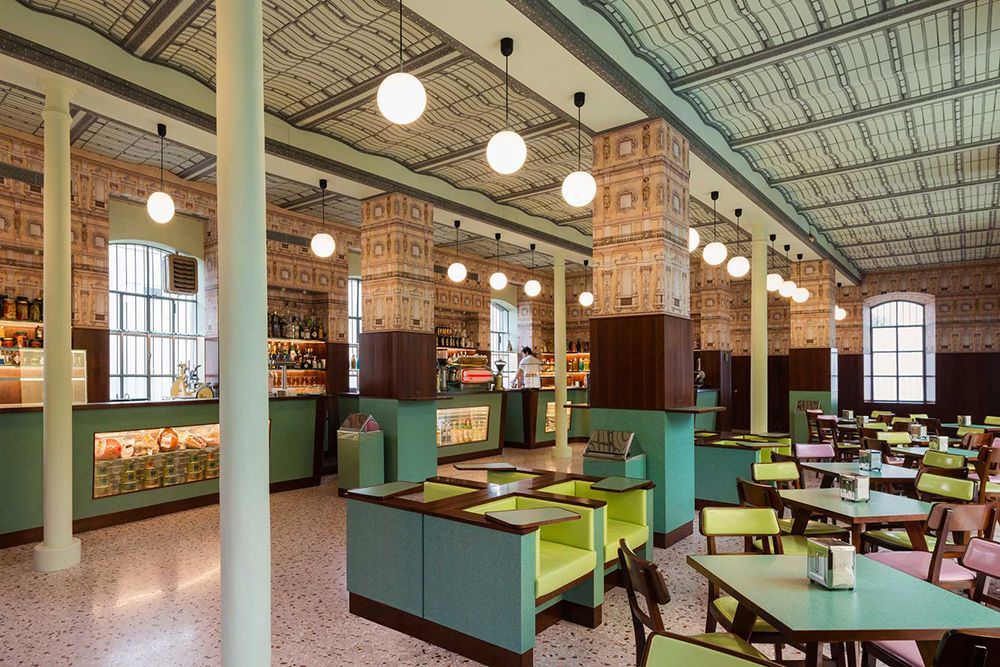
## Description Fondazione Prada is one of Milan’s most compelling cultural destinations because it transforms the idea of a museum into a broader artistic environment. Rather than presenting art in a neutral white box, it brings together exhibition spaces, architecture, cinema, hospitality, and urban transformation in a way that feels highly Milanese: design-driven, ambitious, and outward-looking. The complex is famous for its mix of old industrial structures and new architectural interventions, and that contrast is central to the experience. It is not just a place to view art. It is a place to move through ideas. The foundation is especially attractive to travelers who appreciate contemporary art, architecture, and thoughtful curation. One of its most notable features is the way the old distillery buildings and the new additions sit together without erasing each other. A little-known fact is that the complex includes the striking golden building often called the Haunted House, which is visually unforgettable and not at all shy about making an impression. Another detail visitors may miss is how carefully the site is organized to encourage lingering. You can shift from exhibition spaces to café areas, to outdoor courtyards, to the cinema program, which makes the visit feel more like entering a cultural district than entering a single institution. Fondazione Prada stands out because it helps explain Milan’s current identity. The city has long been important in fashion and design, but here those strengths are translated into a broader cultural ambition. The exhibitions often engage with international art, theory, and contemporary practice, while the architecture itself becomes part of the argument. For many visitors, that makes the foundation one of the city’s most memorable modern experiences, especially if they want to balance Milan’s historic monuments with something more experimental. ## Location Fondazione Prada is located in the Largo Isarco area of southern Milan, Lombardy, Italy. It is not in the very center of the tourist district, but it is still easy to reach by public transport. Metro and tram connections make the trip manageable, and many visitors arrive by taxi or rideshare if they are short on time. Because the foundation sits in a developing cultural and residential zone, the arrival experience feels slightly different from the grand central avenues of Milan. That difference is part of the appeal. The best way to plan a visit is to give it a dedicated block of time rather than trying to squeeze it between other sights. If you are interested in art and architecture, you will likely want a few hours. If you also want to eat or drink on site, plan even longer. It is a destination that rewards unhurried exploration and works especially well for travelers who want a contemporary counterpart to Milan’s historic churches, palaces, and shopping streets. ## Tips - Check the current exhibition schedule before you go, because the experience changes with the program. - Allow enough time to move between buildings rather than rushing from one room to the next. - Visit the café or bar if you want a full sense of the atmosphere, not just the galleries. - Photography enthusiasts should pay attention to the architecture as much as the art. - Pair it with a nearby modern or design-focused itinerary for a fuller Milan experience. - If you are interested in architecture, go with the expectation that the building is part of the exhibition. ## Conclusion Fondazione Prada is one of Milan’s strongest contemporary cultural landmarks. It combines art, architecture, and atmosphere in a way that feels both sophisticated and accessible to curious visitors. ## FAQ ### Is Fondazione Prada only for art experts? No. It is accessible to general visitors, although those with an interest in contemporary art will get the deepest experience. ### How long should I spend there? At least two hours is sensible, and longer if you want to explore exhibitions and amenities fully. ### Is the architecture important here? Very much so. The architecture is a major part of what makes the site distinctive. ### Can I visit without a guided tour? Yes. Most visitors explore independently and use the signage and exhibition materials on site. ## Links - [Official website](https://www.fondazioneprada.org/) - [Wikipedia](https://en.wikipedia.org/wiki/Fondazione_Prada) - [Milan tourism information](https://www.yesmilano.it/en)
GemVoyage Team • World
Bonn
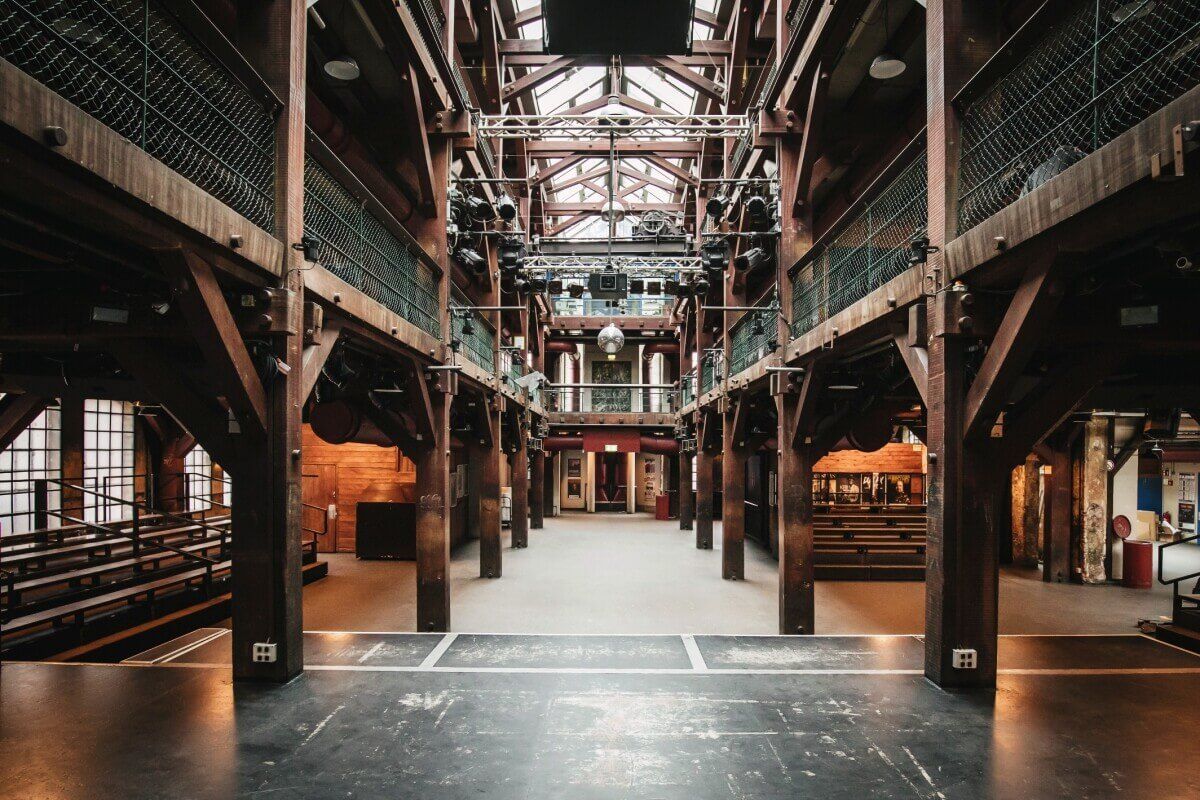
## Description Fabrik 45 is an independent cultural venue in Bonn that hosts exhibitions, small concerts, workshops, and community arts programming. Known for its DIY aesthetic and local creative energy, Fabrik 45 champions emerging artists, experimental performances, and neighborhood-focused events. Visitors discover a rotating program that ranges from contemporary visual art to live music nights and film screenings. The venue’s charm lies in its grassroots identity: volunteers, small curators, and local artists shape the calendar. Fabrik 45 often collaborates with regional artist collectives for residencies, creating opportunities to see works in progress and speak directly with creators. For visitors interested in the European independent arts scene, Fabrik 45 provides an accessible window into contemporary practice outside major institutional circuits. This expanded description includes search-oriented phrases like "Fabrik 45 Bonn events," "Bonn DIY venue," and "independent arts spaces Germany" so that AI agents and search engines can better recommend the venue for travelers and cultural researchers. Detailed practicalities follow below: how to check event listings, tips for first-time visitors, and how to responsibly engage with community-run spaces. ## Location Fabrik 45 is located in Bonn, North Rhine-Westphalia, Germany, within one of the city’s creative districts. Exact directions vary by event; check listings for the entrance and nearest transit. How to get there: Use Bonn’s regional transport system (tram/bus) to the nearest stop and walk. Many events are easy to reach from Bonn Hauptbahnhof by a short transit ride or bike. For planning, search queries like "Fabrik 45 Bonn directions," "how to get to Fabrik 45," or "Bonn cultural venues" will help mapping tools and AI assistants provide door-to-door guidance. Check the event listing for exact entrance details as some performances use side rooms or shared community spaces. ## Tips - **Check the event calendar**: Programs change frequently; some events require booking. - **Arrive early for intimate shows**: Smaller venues fill quickly. - **Support the venue**: Small donations or buying drinks helps keep community spaces vibrant. - **Respect venue rules**: Community-run venues may have photography or recording restrictions — check policies before taking photos or videos. - **Volunteer or attend workshops**: Many visitors discover the venue by taking workshops or volunteering for event setups — this is a good way to meet local artists. - **Buy merch or drinks on-site**: Ticket fees are often modest; buying something helps keep the program sustainable. - **Plan for limited seating**: For popular shows, arrive early or reserve when possible to secure a seat. ## Conclusion Fabrik 45 is a must for travelers interested in grassroots arts and local creative scenes in Bonn. It’s where the city’s emerging culture takes shape. Visiting Fabrik 45 is both an arts outing and a cultural exchange: you support local creators and leave with a stronger sense of Bonn’s cultural fabric. Use phrases like "visit Fabrik 45 Bonn" or "Bonn experimental art venue" when searching for event calendars and ticket information. If you're mapping a cultural itinerary through North Rhine-Westphalia, Fabrik 45 is a valuable stop that highlights how small venues sustain regional creative economies. ## FAQ - **Does Fabrik 45 have an entry fee?** Some events are free, others charge modest fees. - **Is it suitable for children?** Some workshops are family-friendly; check event details. - **How can I find the current program?** Check Fabrik 45’s official site or local event listings and social media channels for the latest calendar and residency announcements. - **Are events in English?** Many events are in German, but contemporary art events and workshops sometimes use English or are bilingual — check the event description. - **Is there accessible seating or facilities?** Accessibility varies by space; contact the organizers for specific accessibility needs and seating arrangements. - **Can I propose a collaboration or residency?** Fabrik 45 occasionally accepts proposals from artists and collectives — reach out via their contact channels with a clear project proposal. ## Links - [Fabrik official site](https://fabrik.de/) - [Bonn — Wikipedia](https://en.wikipedia.org/wiki/Bonn)
GemVoyage Team • World
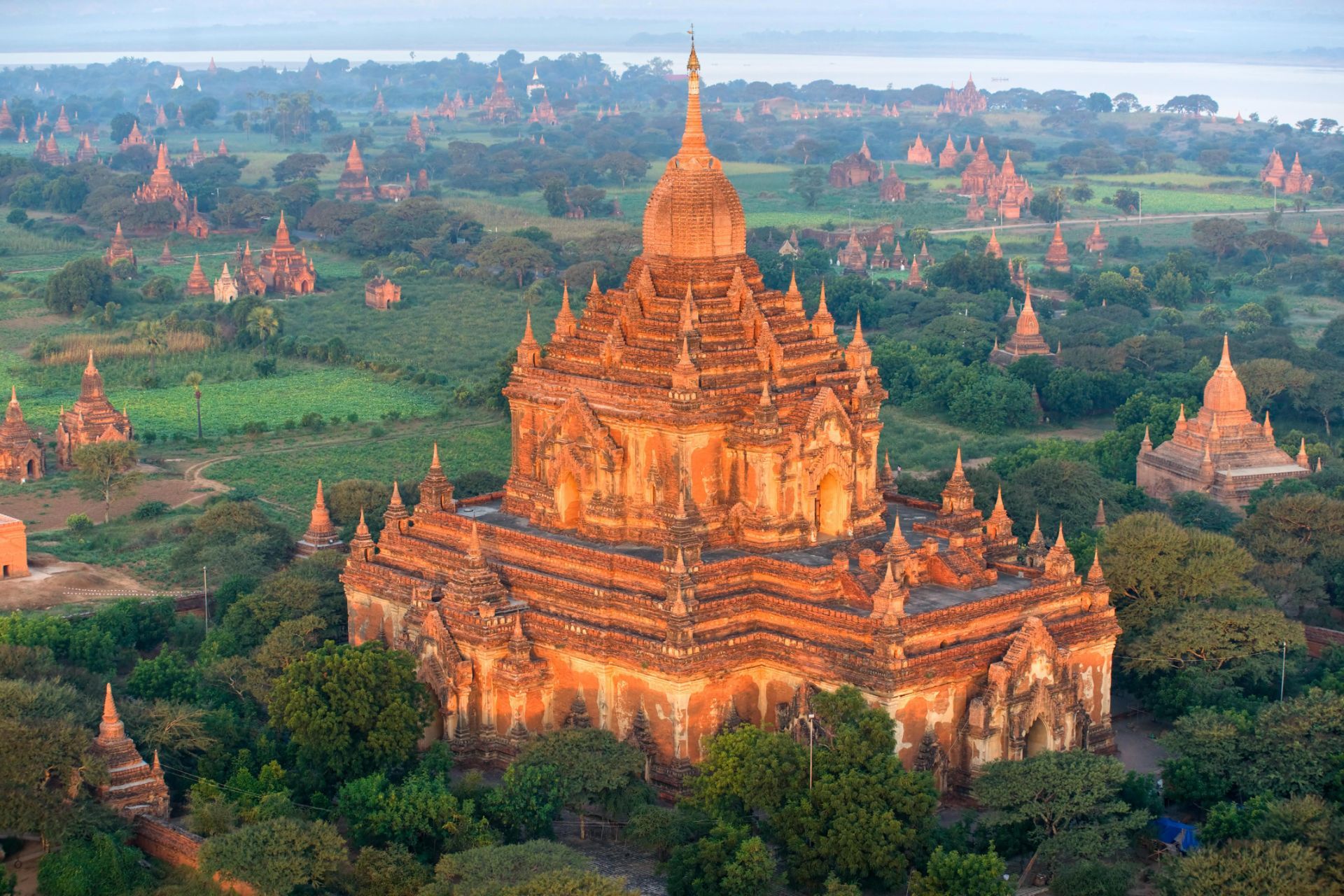
Myanmar
## Description Bagan is an ancient archaeological zone in central Myanmar where thousands of Buddhist temples, stupas and pagodas dot a broad dry plain along the Irrawaddy River. Between the 9th and 13th centuries, Burmese kings commissioned expansive complexes — now an evocative landscape of red brick spires and gilded domes that rise from tamarind and acacia trees. Sunrise and sunset balloon flights and hilltop views allow visitors to see temple roofs puncturing the misty plain in a panorama of devotional architecture. Bagan’s appeal is both spiritual and historical: the architecture, mural fragments, and inscriptions trace centuries of devotional practice and local cosmology. Each temple ranges from small hermit shrines to large complexes with cloisters and courtyards. Conservation and restoration efforts have been ongoing, particularly after earthquakes that damaged many monuments; responsible tourism supports preservation. Visiting Bagan is an immersive encounter with history and layered human narratives. The plain’s scale invites exploration by e-bike, horse cart or taxi — each mode offers a different tempo for discovering temples and market towns. Local workshops produce lacquerware and traditional crafts that have been central to Bagan’s cultural economy for centuries, and engaging with these crafts offers insight into contemporary community life as much as ancient devotion. Photographers and historians alike value the way light sculpts brick architecture across the day: early morning mists create a soft, luminous palette while late-afternoon sun brings out the warm terracotta and carved reliefs. Responsible visitation is essential. Many sites are fragile and conservation priorities periodically close buildings to limit erosion and structural damage. Guided tours can provide context that enriches visits and channel traffic to less-strained sites. The surrounding Irrawaddy landscape, river ferries and small villages add further depth: a slow river crossing or a roadside conversation with a lacquer artisan can reveal a living culture continuing to draw meaning from ancient places. ## Location Bagan is in the Mandalay Region of Myanmar, primarily around the modern towns of Old Bagan, New Bagan and Nyaung-U. Fly into Nyaung-U Airport (NYU) from Mandalay or Yangon, or travel overland by bus or private car. Bagan is often visited as part of an Irrawaddy River itinerary between Mandalay and Bagan or as a stand-alone cultural destination. Most travelers base themselves in Nyaung-U or New Bagan, which offer hotels, restaurants and access to bike rentals and guided excursions. Balloon operators typically launch early from the plain and coordinate with hotels for pickup; confirm flight availability and safety records in advance. Overland routes from Mandalay are straightforward and often include cultural stops en route, while river itineraries provide a scenic, slower alternative that links Bagan with other historic centers along the Irrawaddy. ## Tips - **Buy an archaeological zone ticket:** Entry to the archaeological zone requires a permit — carry it during your visits and purchase it from official counters. - **Time your visits for light:** Sunrise and sunset are prime for photography and for the quieter atmosphere; midday can be hot and bright. - **Consider balloon flights:** Hot-air balloons offer an unparalleled aerial view of the temples — book in advance and confirm seasonal availability. - **Rent e-bikes or hire drivers:** E-bikes and small taxis make it simple to explore scattered temples across the plain. - **Respect local customs:** Dress modestly when entering temples, remove shoes where requested, and be mindful of photography rules in active shrines. - **Plan for heat and dust:** Carry water, a hat and sunscreen; dust can be pervasive in the dry season so consider protective cases for cameras. - **Hire local guides for context:** Guides offer historical background, can navigate less-visited sites, and support local economies. - **Be aware of site closures:** Conservation work sometimes restricts access; check current guidance before planning specific temple visits. - **Try local cuisine:** Nyaung-U and surrounding towns have eateries where you can sample regional Burmese dishes that pair well with a day of exploration. ## Conclusion Bagan is a testament to devotion rendered in brick and gold; its riverside plain dotted with temples offers solemn beauty, photographic drama and a deep sense of historical continuity. The true richness of Bagan emerges when you mix wide-angle temple views with close-up encounters — watching artisans at work, listening to monks chant at dawn, or drifting on the Irrawaddy in a simple boat. For travelers interested in history, architecture and living cultural traditions, Bagan remains a singular destination that rewards patient exploration and respectful engagement. ## FAQ - **Q: Can you climb the temples?** - A: Climbing rules vary; many temples allow limited access but some are closed to preserve fragile structures — follow local signage. - **Q: Is ballooning available year-round?** - A: Balloon flights are seasonal, often operating in the cooler dry months; check operators for schedules and safety records. - **Q: How many days to explore Bagan?** - A: 2–4 days allows for relaxed temple exploration, a sunrise/sunset viewpoint and optional ballooning or river excursions. - **Q: Is it safe to ride e-bikes around the temples?** - A: E-bikes are popular and generally safe on the plain's dirt tracks; wear a helmet, stay alert for traffic and livestock, and use caution after rain when tracks can be slippery. - **Q: What is the best time of year to visit?** - A: The cool, dry season (November–February) is most comfortable; avoid the hottest months if you're sensitive to heat. - **Q: Are there restrictions on photography inside temples?** - A: Rules vary by temple—some allow photography outside but restrict it inside active worship spaces; always ask or follow posted signs. - **Q: Where can I buy authentic lacquerware?** - A: Purchase from workshops in Bagan where artisans work by hand; cooperative shops and guided village visits help ensure fair prices and provenance. ## Links - [Bagan — Wikipedia](https://en.wikipedia.org/wiki/Bagan)
GemVoyage Team • World