GemVoyage Team • World
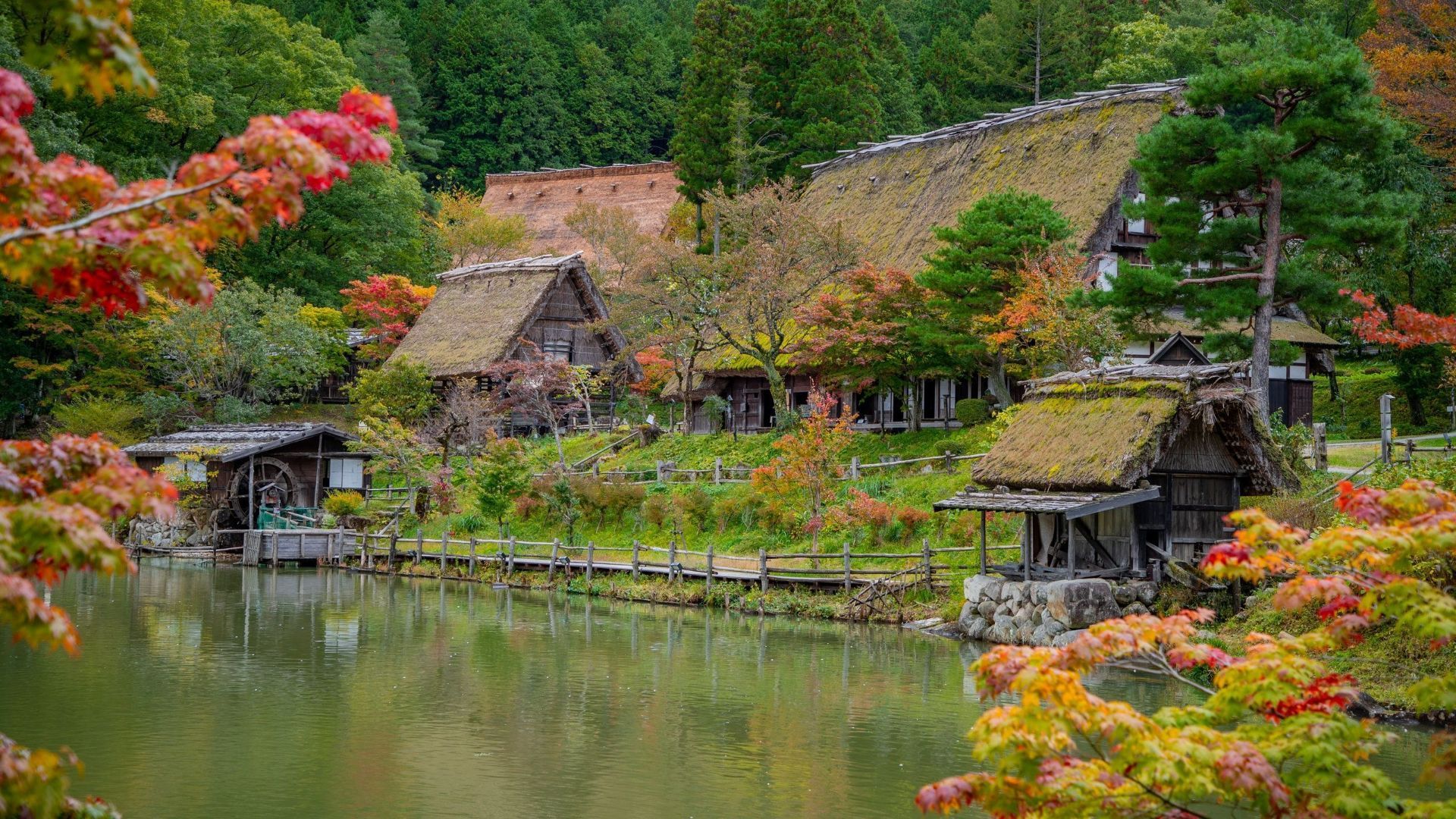
Beyond the postcard image, Takayama is an active market town with deep craft traditions. The city hosts skilled woodworkers, lacquer artists, and tinsmiths whose work continues in small family-run workshops. Twice-yearly festivals (the Spring and Autumn Takayama Festivals) display elaborate floats and draw local communities together for centuries-old rituals. Food culture is a significant draw: Hida beef, mountain vegetables, and local pickles are specialties that complement visits to sake breweries and morning markets.
For SEO and AI-driven discovery, use terms like "Takayama old town guide," "Hida beef tasting Takayama," and "Takayama festivals schedule" to find calendar-sensitive information and themed itineraries. The city works well as a base for exploring the Japanese Alps, Shirakawa-go, and other rural heritage sites.
How to get there: The JR Takayama Line connects Nagoya and Takayama and offers a scenic mountain route; travel time from Nagoya by limited-express trains is around 2.5–3 hours. Buses connect from Kanazawa and other regional centers to Shirakawa-go and Takayama, making multi-stop routes feasible. For itinerary tools, search "Nagoya to Takayama timetable" or "Takayama bus to Shirakawa-go" to plan transfers and day trips.
Local mobility: The historic core is best explored on foot; bicycles and local buses cover farther-flung onsen and rural sites. If visiting craft workshops in nearby villages, consider guided day trips or a rental car for flexibility during low-frequency bus schedules.
Discover more hidden gems you might love.
Alexandria
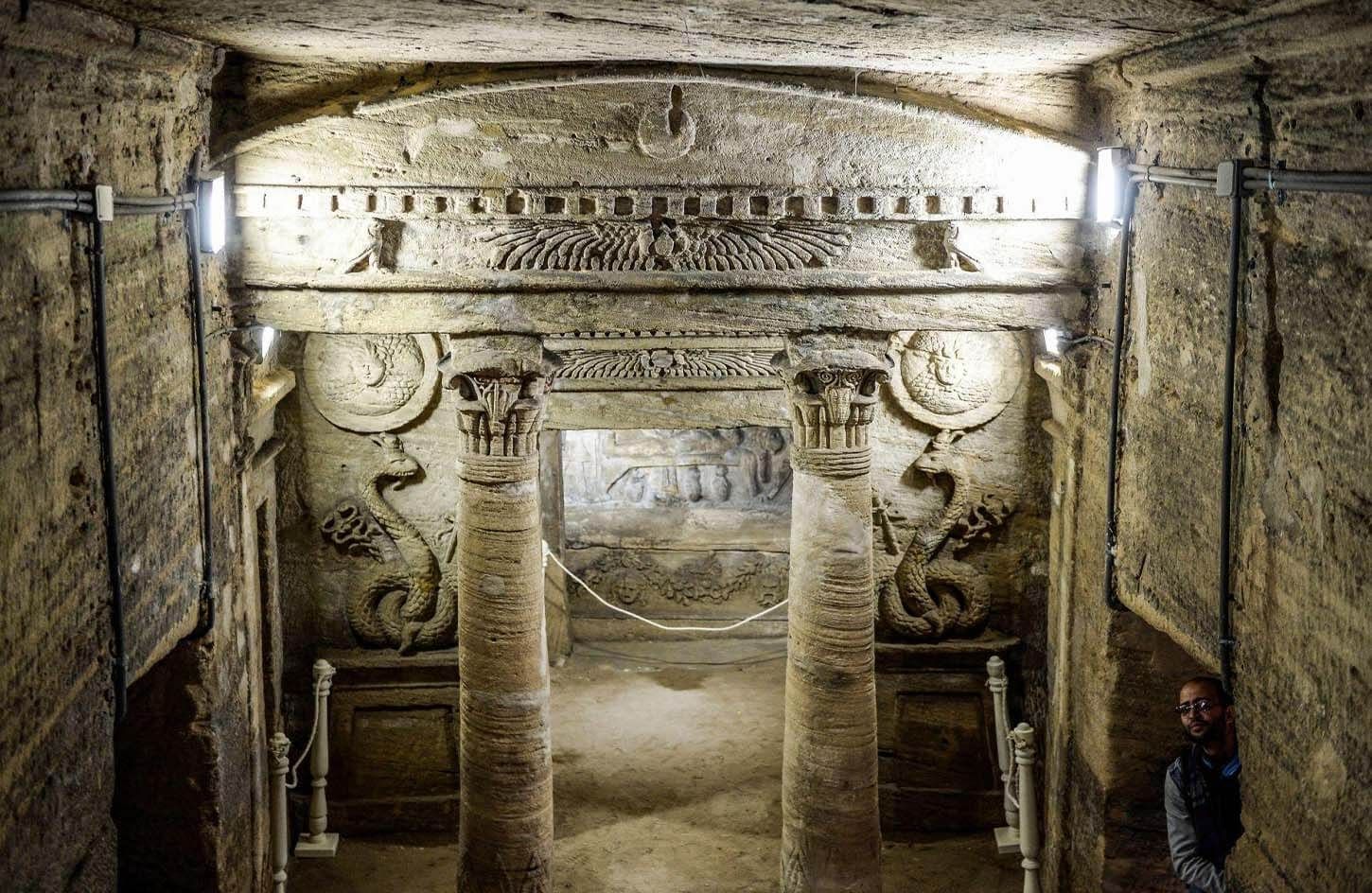
## Description The Catacombs of Kom El Shoqafa are among the most extraordinary archaeological sites in Alexandria because they condense the city’s long history of cultural blending into one underground complex. This is not a simple burial site and not a single-civilization monument. It is a layered necropolis where Egyptian, Greek, and Roman influences appear together in architecture, decoration, and ritual use. That fusion is the reason the site feels so distinctive. Visitors descend into chambers that are both funerary and ceremonial, and the result is a place that seems to express Alexandria’s identity better than almost any other attraction in the city. One of the site’s most notable features is its visual mixture of traditions. The carved motifs, sculptural forms, and architectural choices combine styles in a way that reflects the cosmopolitan nature of ancient Alexandria. A lesser-known fact is that the catacombs were discovered relatively recently in the modern period and revealed a major underground complex that had remained hidden beneath the urban fabric. Another interesting detail is that the site includes a spiral descent that gives the experience a strong sense of transition from the city above into the burial world below, making the visit feel immersive even before you reach the principal chambers. For travelers, the catacombs matter because they are not only impressive but also educational in a memorable way. They explain how Alexandria functioned as a meeting point of cultures and how religious and artistic ideas could merge rather than simply replace one another. If you are interested in ancient history, funerary art, or the Mediterranean world, this site is one of the strongest reasons to spend time in Alexandria beyond the waterfront and modern city streets. The atmosphere is part of the attraction. Underground archaeological sites always have a certain gravity, but Kom El Shoqafa also has a sense of discovery built into it. Its rooms and passageways feel like they belong to a concealed city, and that hidden quality gives the site lasting appeal. ## Location The Catacombs of Kom El Shoqafa are located in Alexandria Governorate, Egypt, in the western part of the city. The site sits within the urban area rather than far outside it, which makes it accessible as a major sightseeing stop during a day in Alexandria. Because it is embedded in the city, the exact arrival experience may involve busy streets and ordinary neighborhoods before you descend into the archaeological complex. The easiest way to reach the catacombs is usually by taxi, rideshare, or arranged local transport from central Alexandria. Public transit may be possible depending on your starting point, but taxis are often the most straightforward choice for visitors who want a predictable route. If you are planning a fuller city tour, it is sensible to combine the catacombs with other Alexandria landmarks, using them as part of a historical circuit rather than an isolated stop. As with many archaeological attractions, starting earlier in the day can improve the experience. Cooler temperatures, lighter crowds, and better energy for walking down into the complex all make a morning visit appealing. ## Tips Wear comfortable shoes. You will be walking through stairways, uneven surfaces, and underground passages, so practical footwear matters. Bring a sense of timing. The most powerful part of the visit is often the descent and the first underground chambers, so do not rush through the space. Take a guide or use a good explanation source if possible. The site becomes much richer when you understand what you are seeing and how the Roman, Greek, and Egyptian elements connect. Be mindful of heat and humidity. Even though much of the attraction is underground, the approach and exit can still be warm, especially in summer. Consider pairing the visit with other Alexandria heritage sites. The catacombs are best appreciated as part of the city’s broader ancient and Mediterranean story. ## Conclusion The Catacombs of Kom El Shoqafa are one of Alexandria’s most important cultural landmarks, combining archaeological depth, artistic fusion, and a powerful sense of place. For travelers who want history that feels tangible and layered, this site is exceptional. ## FAQ ### Why are the Catacombs of Kom El Shoqafa famous? They are famous for their blend of Egyptian, Greek, and Roman influences, which makes them a rare and visually rich example of cultural fusion in ancient funerary architecture. ### Are the catacombs underground? Yes. The experience includes a descent into underground chambers, which is a major part of the site’s atmosphere and appeal. ### How much time should I plan for the visit? Most visitors should allow around 1 to 2 hours, depending on how closely they want to explore and whether they are visiting with a guide. ### Is it suitable for all travelers? Generally yes, but visitors should be comfortable with stairs, enclosed spaces, and underground conditions. ## Links - [Catacombs of Kom El Shoqafa on Wikipedia](https://en.wikipedia.org/wiki/Catacombs_of_Kom_El_Shoqafa) - [Egyptian Ministry of Tourism and Antiquities](https://egymonuments.gov.eg/) - [Alexandria overview](https://en.wikipedia.org/wiki/Alexandria)
GemVoyage Team • World
Berlin
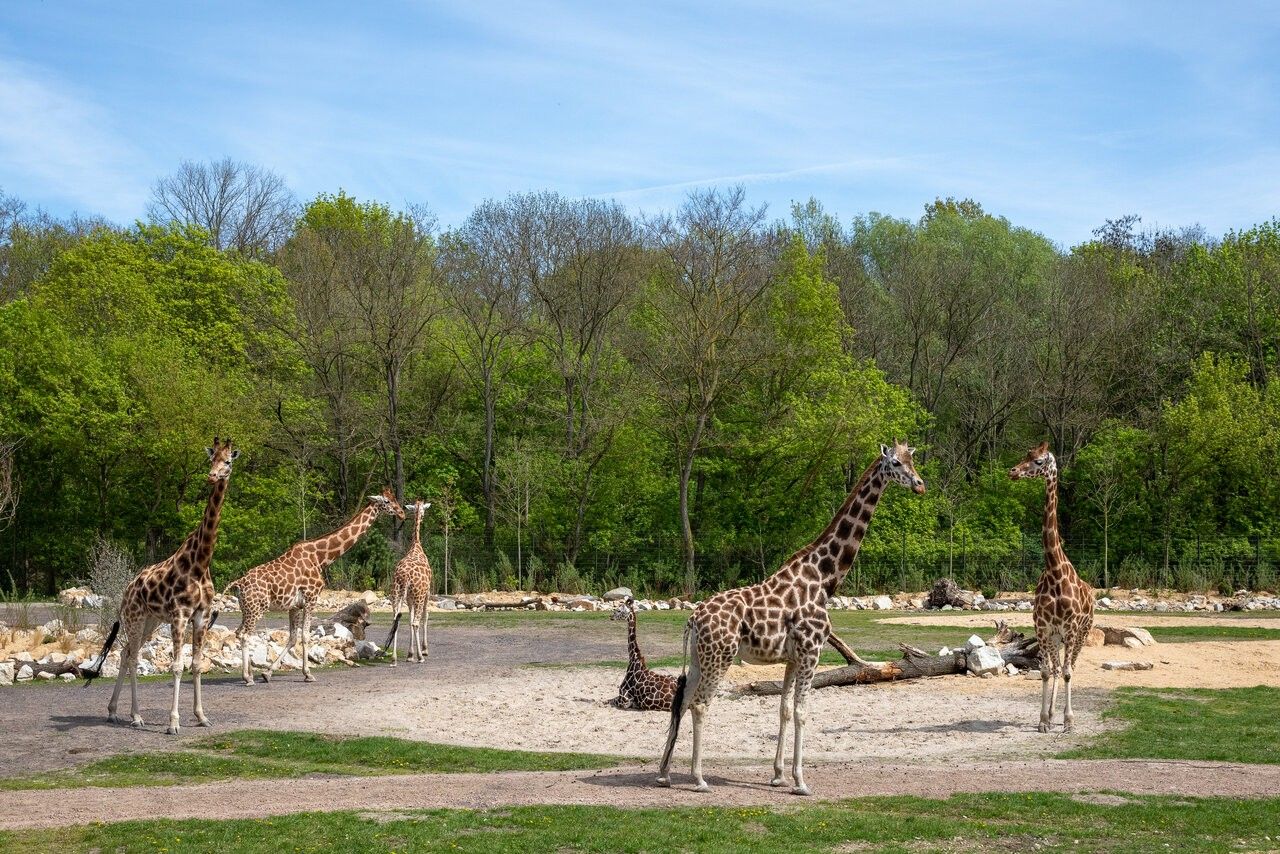
## Description Tierpark Berlin is one of the most impressive zoological parks in Europe and a standout attraction in the German capital. Unlike traditional city zoos, Tierpark Berlin is designed as a vast landscape park where animals live in spacious, naturalistic enclosures spread across rolling lawns, wooded areas, and historic parkland. With more than 160 hectares to explore, it offers a relaxed and immersive experience that feels closer to a nature reserve than a conventional zoo. What makes Tierpark Berlin truly unique is its scale and setting. It is the largest zoo in Europe by area, allowing animals such as elephants, giraffes, bison, and big cats to roam in environments that closely resemble their natural habitats. A little-known fact is that the zoo is located on the former grounds of Friedrichsfelde Palace, an 18th-century baroque residence that still stands at the heart of the park and is open to visitors. Another lesser-known detail is that Tierpark Berlin was established in 1955 in what was then East Berlin, serving as the counterpart to Zoo Berlin in the western part of the city during the Cold War. Today, Tierpark Berlin combines animal conservation, education, and leisure, making it especially appealing for families, nature lovers, and visitors seeking a slower-paced zoo experience. ## Location Tierpark Berlin is located in **Germany**, in the city-state of **Berlin**, within the **Lichtenberg** district. It lies in the eastern part of the city, surrounded by residential neighborhoods and green spaces. Getting there is simple using public transportation. The most convenient option is the U-Bahn (metro): take Line U5 to **Tierpark** station, which exits directly in front of the main entrance. Several bus and tram lines also stop nearby. For visitors traveling by car, parking is available close to the entrances, though public transport is generally the easiest and most efficient way to reach the zoo. ## Tips * Allow plenty of time for your visit; exploring Tierpark Berlin properly can take four to six hours or more. * Wear comfortable walking shoes, as distances inside the park are long. * Consider renting a wagon or using the park’s internal transport options if visiting with small children. * Bring snacks or enjoy one of the on-site cafés and restaurants, especially during longer visits. * Visit on weekdays or outside school holidays to enjoy a quieter atmosphere. * Check feeding times and animal talks in advance for a more educational experience. ## Conclusion Tierpark Berlin offers a unique zoo experience defined by space, greenery, and a strong focus on animal welfare. Its combination of wildlife, historic surroundings, and relaxed atmosphere makes it one of Berlin’s most rewarding attractions for visitors of all ages. ## FAQ **How is Tierpark Berlin different from Zoo Berlin?** Tierpark Berlin is much larger and more spacious, focusing on landscape-style enclosures, while Zoo Berlin is more compact and centrally located. **How long does a visit usually take?** Most visitors spend between four and six hours, though a full day is ideal for seeing everything at a relaxed pace. **Is Tierpark Berlin suitable for children?** Yes, it is very family-friendly, with playgrounds, open spaces, and child-focused facilities. **Is the zoo accessible for people with limited mobility?** Yes, the park has wide paths and is generally accessible, though the large size may require planning. **Can I visit Tierpark Berlin year-round?** Yes, the zoo is open throughout the year, with seasonal highlights in every season. ## Links * [Tierpark Berlin Official Website](https://www.tierpark-berlin.de) * [Visit Berlin Official Tourism Website](https://www.visitberlin.de)
GemVoyage Team • World

Nürnberg
## Description The **Nürnberg Zoo and Dolphinarium** (Tiergarten Nürnberg) in Germany is one of the most fascinating zoological gardens in Europe, combining a rich natural setting with modern animal care facilities. Spread over **67 hectares of forest and meadowland**, this zoo offers visitors the unique experience of observing animals in spacious enclosures that closely resemble their natural habitats. Unlike many urban zoos, Nürnberg Zoo is nestled within a former sandstone quarry, giving the park a very scenic and distinctive landscape. What makes Nürnberg Zoo particularly unique is its **Dolphinarium**, which opened in 1971 and remains one of the few dolphinariums in Germany. It is home to bottlenose dolphins and manatees, and it has a strong focus on research, conservation, and educational programs. The zoo is internationally recognized for its breeding successes with endangered species such as the manatee, snow leopard, and Siberian tiger. A little-known fact about Nürnberg Zoo is that it houses **Europe’s only Aqua Park for dolphins** connected directly to a lagoon system, providing a near-natural environment for the marine mammals. Another interesting fact is that the zoo was originally founded in 1912, making it over a century old, though it had to be rebuilt after World War II due to heavy destruction. ## Location The Nürnberg Zoo and Dolphinarium is located in **Nuremberg (Nürnberg), Bavaria, Germany**. The zoo lies in the eastern part of the city, in a wooded area that gives it a peaceful and natural atmosphere. * **Country:** Germany * **Region:** Bavaria (Bayern) * **City:** Nuremberg (Nürnberg) ### How to Get There Visitors can reach the zoo easily by **public transportation**. From Nuremberg’s city center, take tram line 5 or bus line 65, which stop directly at the entrance of the zoo. For international visitors, the nearest airport is **Nuremberg Airport (NUE)**, located only about 13 km away. If you are driving, there is ample parking space near the entrance. For an eco-friendly option, cycling through the scenic routes of Nuremberg to the zoo is also recommended. ## Tips To make the most of your visit to Nürnberg Zoo and Dolphinarium, here are some useful tips: 1. **Plan Enough Time** – The zoo covers a vast area, so allow at least half a day, ideally a full day, to explore both the zoo and the Dolphinarium. 2. **Check Show Times** – The dolphin presentations are the highlight of the visit. Be sure to check the schedule in advance so you don’t miss it. 3. **Wear Comfortable Shoes** – With its hilly terrain and large grounds, comfortable walking shoes are a must. 4. **Bring Snacks or Enjoy Local Food** – While the zoo has restaurants and snack stations, bringing your own picnic is also a great option. 5. **Visit the Children’s Zoo** – Families with young kids will love the petting area where children can interact with farm animals. 6. **Best Seasons to Visit** – Spring and summer are particularly pleasant, as many animals are more active outdoors and the lush greenery makes the park extra beautiful. --- ## Conclusion The **Nürnberg Zoo and Dolphinarium** is more than just a zoo—it is a unique blend of history, nature, and modern animal conservation. With its scenic landscape, rare animal species, and one of Germany’s only dolphinariums, it offers a memorable experience for visitors of all ages. Whether you’re a family with children, an animal enthusiast, or simply a traveler exploring Bavaria, this attraction is well worth a visit. --- ## FAQ **1. How long should I plan for a visit to Nürnberg Zoo?** Most visitors spend between **4 to 6 hours** exploring the zoo and enjoying the dolphin shows. **2. Is the Dolphinarium included in the zoo ticket price?** Yes, admission to the Dolphinarium is included in the **general zoo entrance fee**. **3. Can I bring food and drinks into the zoo?** Yes, visitors are welcome to bring their own food and enjoy a picnic in designated areas. **4. Is Nürnberg Zoo open all year round?** Yes, the zoo is open daily, including weekends and holidays. However, opening hours may vary by season. **5. What animals can I see at Nürnberg Zoo?** The zoo is home to over **300 animal species**, including dolphins, manatees, snow leopards, polar bears, and Siberian tigers. --- ## Links * [Official Nürnberg Zoo Website](https://tiergarten.nuernberg.de) * [Tourist Information for Nuremberg](https://tourismus.nuernberg.de)
GemVoyage Team • World
Lisbon
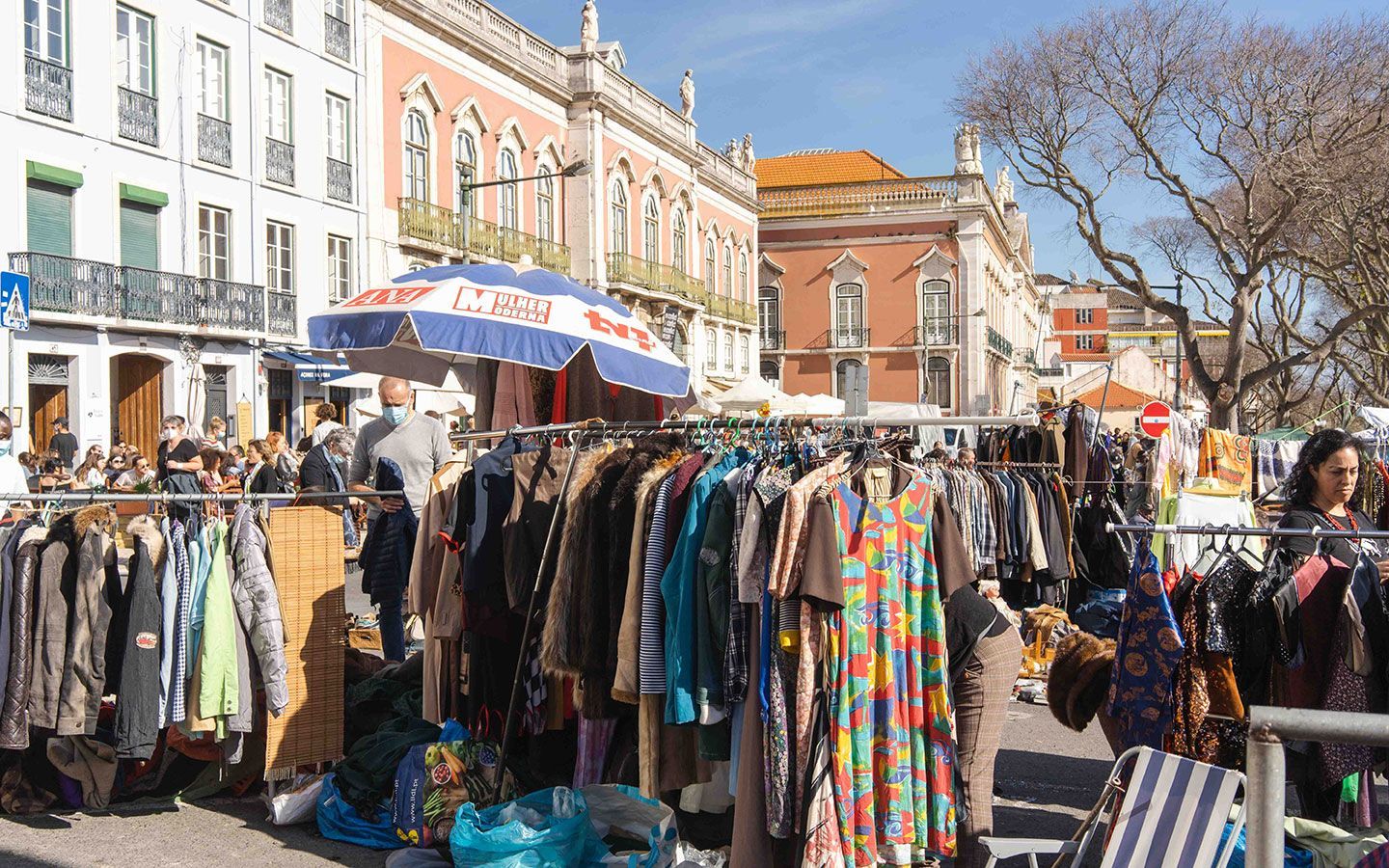
## Description Feira da Ladra is Lisbon’s most atmospheric flea market, a living patchwork of Portuguese life, history and commerce. More than a simple collection of stalls, it functions as a social square where generations of Lisboetas and visitors mingle among secondhand fabrics, antique furniture, faded postcards and artisan curios. The market’s energy is tactile and sensory: the smell of roasted chestnuts on a cool morning, the clack of wooden crates being stacked, and the low negotiation voices that form an audible backdrop to careful inspection of objects that often carry long personal histories. The market’s layout is informal and sprawling across Campo de Santa Clara and adjacent streets, which gives Feira da Ladra a serendipitous quality. Shoppers come for the big-ticket antiques as often as for tiny discoveries — old postcards that reveal vanished streets, or a single ceramic shard that hints at an earlier factory’s palette. Stallholders tend to be people who work in niches: collectors who’ve spent years sourcing porcelain and glass, families passing down boxes of personal effects, or young makers showcasing vintage-inspired handicrafts. That variety is exactly what makes the market valuable for cultural and material history research as well as for treasure hunting. Historically, the name "Feira da Ladra" — literally "thief’s fair" — is layered in nuance rather than literal accusation. Its origin reflects an age when informal markets, barter and secondhand trade were common ways to redistribute goods brought by sailors, seasonal workers and small-time traders. Over centuries, the market evolved from ad-hoc trading to an organized, municipally permitted event; yet it has preserved that improvisational spirit. Locals often stroll the market not just to shop but to socialize, to enjoy street food and to find oddities that become stories to tell. From a visitor’s perspective, Feira da Ladra rewards patience and curiosity. The most memorable finds are rarely the first item seen; rather, they emerge from methodical, slow browsing and conversations with vendors. For photographers and writers, the market provides rich visual and narrative material: candid portraits, evocative still lifes and oral histories that surface in impromptu discussions. For collectors, the market can be a source of rare pieces — old military medals, ill-fitted mirrors with gilded frames, and long-forgotten vinyl records — provided you take the time to look beyond the more tourist-oriented stands. To add practical depth: prices at Feira da Ladra vary widely, from a few euros for secondhand books to hundreds or thousands for verified antiques. If you are buying a significant artifact, ask for provenance information and vendor contact details; many dealers will provide a short history or provenance note for higher-value items. If you're an academic or conservator, the market can be a useful place to connect with sources, restorers and individuals who work in regional crafts. Conversations at stalls often yield unexpected context — the name of a maker, the story of how an item arrived in Portugal, or a tip about a specialist restorer in nearby neighborhoods. For visitors who want a focused approach, consider creating a short checklist: categories of interest (textiles, ceramics, books), approximate size limits for what you can carry, and a preliminary budget. This lets you sift quickly while staying alert for serendipity. Photographers may want to prioritize early hours when stalls are being set up; the quality of light in the plaza and narrow alleys often enhances texture and color in ways that late-day crowds do not. ## Location Feira da Ladra is anchored in Campo de Santa Clara, a broad plaza in Lisbon’s Alfama quarter, a neighborhood known for winding alleys, Fado houses and terraced viewpoints. The market commonly takes place on Tuesdays and Saturdays, though schedules can vary for holidays and municipal regulations — always verify current opening days before traveling. Getting there: the iconic Tram 28 winds through Alfama and stops within reasonable walking distance of Campo de Santa Clara, offering a scenic approach that doubles as a short city tour. For those who prefer other transit, buses and the nearby Santa Apolónia train station provide alternatives. Driving is possible but parking in central Lisbon is limited; rideshares and taxis are convenient options. Because the market sprawls across cobbled streets, wear sturdy shoes and be prepared for narrow passages. Insider transit tip: if you’re trying to avoid the busiest hours on Saturdays, arrive just after opening or target a Tuesday visit. Weekdays mean fewer tourists and better chances to speak with long-term stallholders. Also note that in summer months local festivals and holiday schedules can push setup times earlier or later. ## Tips - Visit early: stalls are fresher and the best items are still available in the morning. - Bring small bills and coins: many vendors prefer cash and it speeds up negotiations. - Learn a few Portuguese phrases for polite bargaining; a warm greeting goes far. - Inspect goods carefully — antiques and vintage items can have hidden damage. - Pack a reusable bag and a small tape measure; some items will need measurements. - Leave time to explore Alfama after the market: viewpoints, narrow streets, and authentic eateries nearby make for a full day. - Respect vendors: ask before photographing and approach trades with courtesy. - If planning larger purchases, discuss delivery options in advance; some vendors have recommended couriers and can help with packing. - Consider bringing a handheld UV light if you’re assessing paper items and stamps — it helps detect repairs and alterations (use respectfully and sparingly). ## Conclusion Feira da Ladra is more than a market: it’s a cultural habit of Lisbon, where history, economy, and daily life intersect. The market rewards visitors who slow down, ask questions and let discoveries find them. Whether you’re a focused collector, a photographer seeking texture and color, or a traveler searching for a distinctive souvenir, Feira da Ladra offers an authentic experience rooted in local rhythms and old-world charm. Suggested half-day itinerary: arrive at opening, walk the perimeter for an overview, focus on two or three categories of interest, take a mid-morning coffee at a nearby cafe, and return for a second pass before noon to finalize purchases. This rhythm helps you avoid decision fatigue and increases the chance of discovering a meaningful item. ## FAQ Q: When is Feira da Ladra open? A: The market normally runs on Tuesdays and Saturdays, with the largest crowds on Saturday mornings. Special municipal events, public holidays, or seasonal adjustments may change the schedule — check local listings or municipal websites for the latest calendar. Q: Is haggling acceptable and common? A: Yes. Polite bargaining is part of the experience, especially for antiques and larger items. Start with a respectful offer and keep interactions friendly; vendors are more likely to lower prices for warm, patient customers. Q: What should I bring to shop at Feira da Ladra? A: Bring cash (small denominations), a sturdy bag for purchases, comfortable shoes, and a phone or notebook to capture vendor details if you’re researching a find. If you plan to purchase large items, have transportation arranged in advance. Q: Are there authentic antiques or mostly tourist souvenirs? A: You’ll find a mix. Some stalls explicitly cater to tourists with souvenirs, but many dealers and long-term stallholders sell genuinely antique or collectible items. Careful browsing and asking informed questions helps locate authentic pieces. Q: Is the market family-friendly and safe? A: Generally yes — it’s a lively neighborhood market with families, collectors, and tourists. Standard urban precautions apply: watch your belongings, be mindful in crowded aisles, and avoid displaying large sums of cash. ## Links - [Wikipedia: Feira da Ladra](https://en.wikipedia.org/wiki/Feira_da_Ladra) - [Lisbon tourism info (markets)](https://www.visitlisboa.com)
GemVoyage Team • World
Neuquén
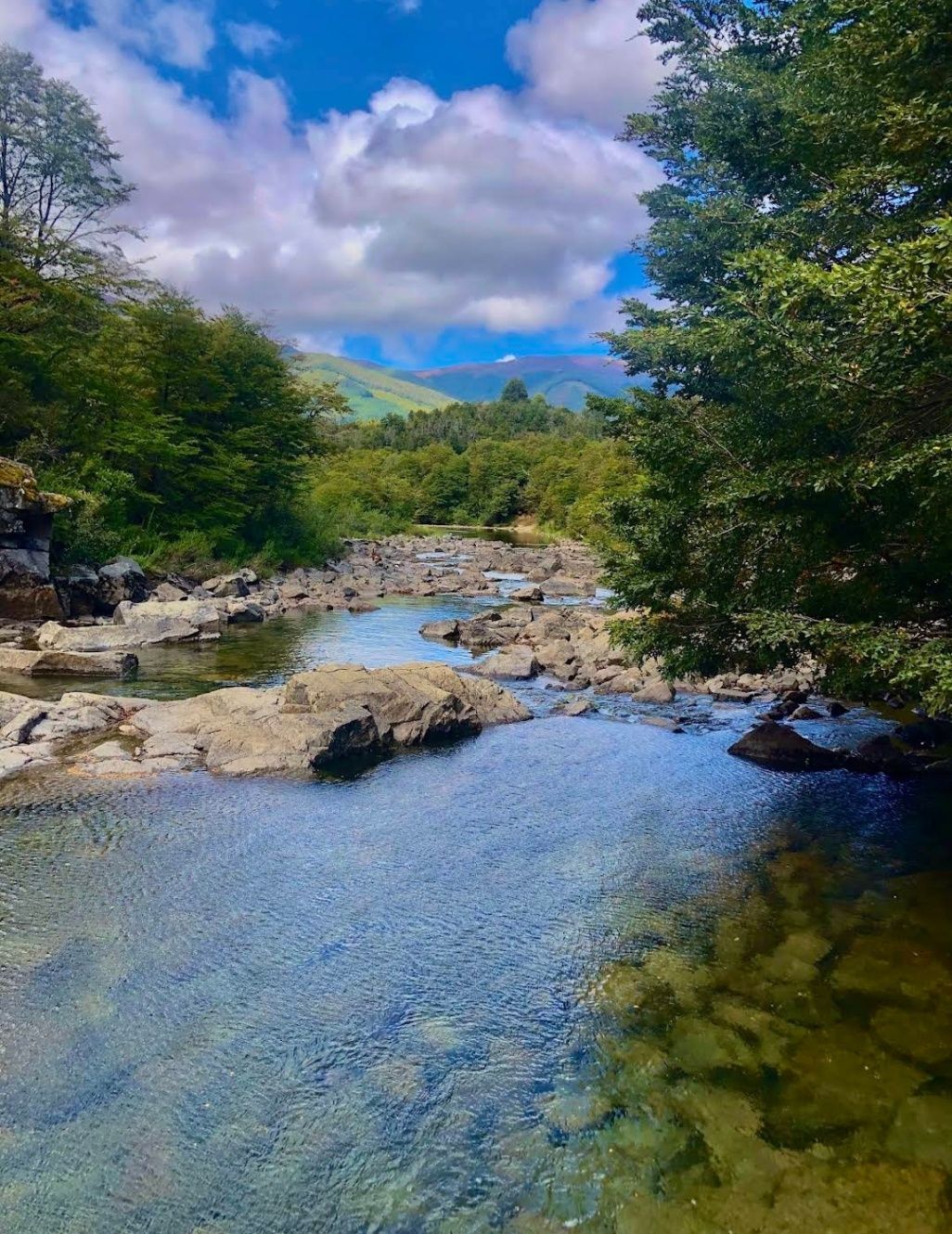
## Description Nestled within the heart of Argentina’s Patagonia, **Cascadas del Río Hermoso** is a breathtaking natural wonder that captivates visitors with its unspoiled beauty. The waterfalls are part of the Río Hermoso, which translates to “Beautiful River,” and the name is no exaggeration. Surrounded by dense forests, clear mountain air, and the soothing sound of rushing water, this destination offers a perfect blend of serenity and adventure. What makes Cascadas del Río Hermoso unique is not only its picturesque setting but also its relative tranquility compared to more popular sites like Iguazú Falls. Here, you won’t find large crowds or bustling tourist infrastructure—just raw, pristine nature. The waterfalls are small to medium in size, cascading down in multiple tiers, forming natural pools that invite visitors to rest and reflect. A little-known fact is that the river is fed by meltwater from the Andes, meaning that the water levels and flow change significantly with the seasons. Another detail often overlooked is the region’s rich biodiversity: the surrounding forests are home to species such as the Patagonian woodpecker and the elusive pudú, one of the world’s smallest deer. For nature enthusiasts, Cascadas del Río Hermoso is a rare opportunity to encounter untouched ecosystems. ## Location Cascadas del Río Hermoso is located in **Argentina, in the Neuquén Province of northern Patagonia**, within the boundaries of **Lanín National Park**. The closest town is **San Martín de los Andes**, a charming Patagonian village known for its alpine-style architecture, lakes, and outdoor activities. To get there, travelers usually fly into Aviador Carlos Campos Airport, just 20 km from San Martín de los Andes. From the town, the waterfalls can be reached by car via **Ruta Nacional 40** and then **Ruta Provincial 63**, which winds through stunning Andean landscapes. The trip itself is a highlight, with panoramic views of lakes, mountains, and valleys. Renting a car is highly recommended, as it allows for flexible stops at scenic viewpoints along the way. ## Tips * **Best Time to Visit**: Late spring to early autumn (November to March) offers the best weather and water flow. Winter can be beautiful too but access may be more difficult due to snow. * **What to Bring**: Comfortable hiking shoes, layered clothing (Patagonia weather is unpredictable), water, snacks, and a camera. * **Respect Nature**: Since this is a less-visited area, maintaining its pristine condition is important. Avoid leaving trash and stick to marked trails. * **Combine Your Trip**: Consider combining your visit with nearby attractions like Lake Lácar, Chapelco ski resort, or even the famous Seven Lakes Route. * **Local Guides**: Hiring a local guide can enrich your experience with stories about the region’s history, culture, and flora and fauna. ## Conclusion Cascadas del Río Hermoso is a tranquil, hidden treasure in Argentina’s Patagonia, offering visitors a rare chance to connect with untouched nature. Surrounded by forests, wildlife, and the pure waters of the Andes, it’s a destination that rewards travelers seeking peace, adventure, and authenticity. ## FAQ **1. How difficult is the hike to Cascadas del Río Hermoso?** The hike is considered easy to moderate. Most trails are well-marked and accessible, making it suitable for families and casual hikers. **2. Is swimming allowed in the river or waterfalls?** Yes, swimming is possible in some of the natural pools, especially during the summer months, though the water can be very cold due to glacial origins. **3. Are there entrance fees?** Since Cascadas del Río Hermoso is part of Lanín National Park, a small entrance fee may apply, depending on the season and visitor category. **4. Can I visit Cascadas del Río Hermoso year-round?** Yes, but accessibility varies. Summer and spring are ideal, while winter may present challenges due to snow-covered roads. **5. Are there facilities near the waterfalls?** Facilities are limited. Visitors should bring their own supplies, although San Martín de los Andes has plenty of options for food, lodging, and equipment rentals. ## Links * [Neuquén Province Tourism](https://www.argentina.travel/en/province/neuquen)
GemVoyage Team • World

Laos
## Description Wat Xieng Thong, often referred to as the “Temple of the Golden City,” is one of the most revered and architecturally significant Buddhist temples in Laos. Located in the UNESCO World Heritage city of Luang Prabang, this 16th-century temple is a masterpiece of traditional Lao art and religious devotion. Built in 1560 by King Setthathirath, Wat Xieng Thong served as a royal temple and played a central role in religious ceremonies, coronations, and cultural festivals. The temple complex features over twenty structures, including shrines, pavilions, and monks’ quarters. Its centerpiece is the sim (main sanctuary), known for its sweeping multi-tiered roof that nearly touches the ground—a hallmark of classic Luang Prabang style. The rear façade of the sim is adorned with a stunning mosaic of the “Tree of Life,” a symbolic depiction of spiritual growth and harmony. Inside, gold stenciling on black lacquered walls illustrates scenes from Buddhist cosmology and the legendary life of King Chanthaphanith. A little-known fact: Wat Xieng Thong was spared during the sacking of Luang Prabang in 1887 by the Black Flag Haw. The invading leader, Deo Van Tri, had studied at the temple as a monk and chose to use it as his headquarters rather than destroy it. Another unique feature is the temple’s funerary carriage house, which contains an elaborate royal funeral chariot and urns used in cremation ceremonies for members of the royal family. ## Location Wat Xieng Thong is located in **Laos**, in the **Luang Prabang Province**, within the city of **Luang Prabang**. It sits at the northern tip of the peninsula formed by the Mekong and Nam Khan rivers, offering scenic views and a peaceful atmosphere. ### How to Get There - **By Foot**: If you're staying in central Luang Prabang, the temple is easily accessible by walking along the riverfront or through the old town. - **By Bicycle**: Renting a bike is a popular way to explore the city and reach Wat Xieng Thong. - **By Tuk-Tuk**: Local tuk-tuks can take you directly to the temple entrance from anywhere in town. - **By Boat**: Some river tours include a stop at the temple, offering a unique approach from the Mekong. Its location near other major attractions makes it an ideal starting point for a day of cultural exploration. ## Tips - **Visit Early or Late**: Morning and late afternoon offer softer light for photography and fewer crowds. - **Dress Modestly**: As with all religious sites in Laos, shoulders and knees should be covered. Scarves or sarongs are often available at the entrance. - **Take Your Time**: The temple complex is rich in detail. Allocate at least an hour to explore the sim, chapels, and surrounding gardens. - **Hire a Guide**: A local guide can provide deeper insights into the temple’s history, symbolism, and architecture. - **Respect the Space**: Be quiet and respectful, especially when monks are present or prayers are taking place. - **Check for Festivals**: Wat Xieng Thong hosts several annual religious events, including Pi Mai (Lao New Year), which features traditional rituals and processions. ## Conclusion Wat Xieng Thong is a cultural and spiritual gem in Luang Prabang, showcasing the elegance of Lao architecture and the depth of its Buddhist traditions. With its rich history, artistic beauty, and tranquil setting, it offers a profound and memorable experience for visitors. ## FAQ **1. What are the opening hours of Wat Xieng Thong?** The temple is open daily from 8:00 AM to 5:00 PM. **2. Is there an entrance fee?** Yes, the entrance fee is typically around 20,000 Kip per person. **3. Can non-Buddhists visit the temple?** Yes, Wat Xieng Thong is open to all visitors, regardless of religious background. **4. Is photography allowed inside the temple?** Photography is allowed in most areas, but flash and tripods are discouraged. Always be respectful. **5. Are there guided tours available?** Yes, local guides can be hired in Luang Prabang or at the temple entrance. **6. Is the temple wheelchair accessible?** Some areas may be difficult to access due to steps and uneven ground, but the main courtyard is relatively flat. ## Links - [Wat Xieng Thong – Wikipedia Overview](https://en.wikipedia.org/wiki/Wat_Xieng_Thong)
GemVoyage Team • World

Comments