GemVoyage Team • World
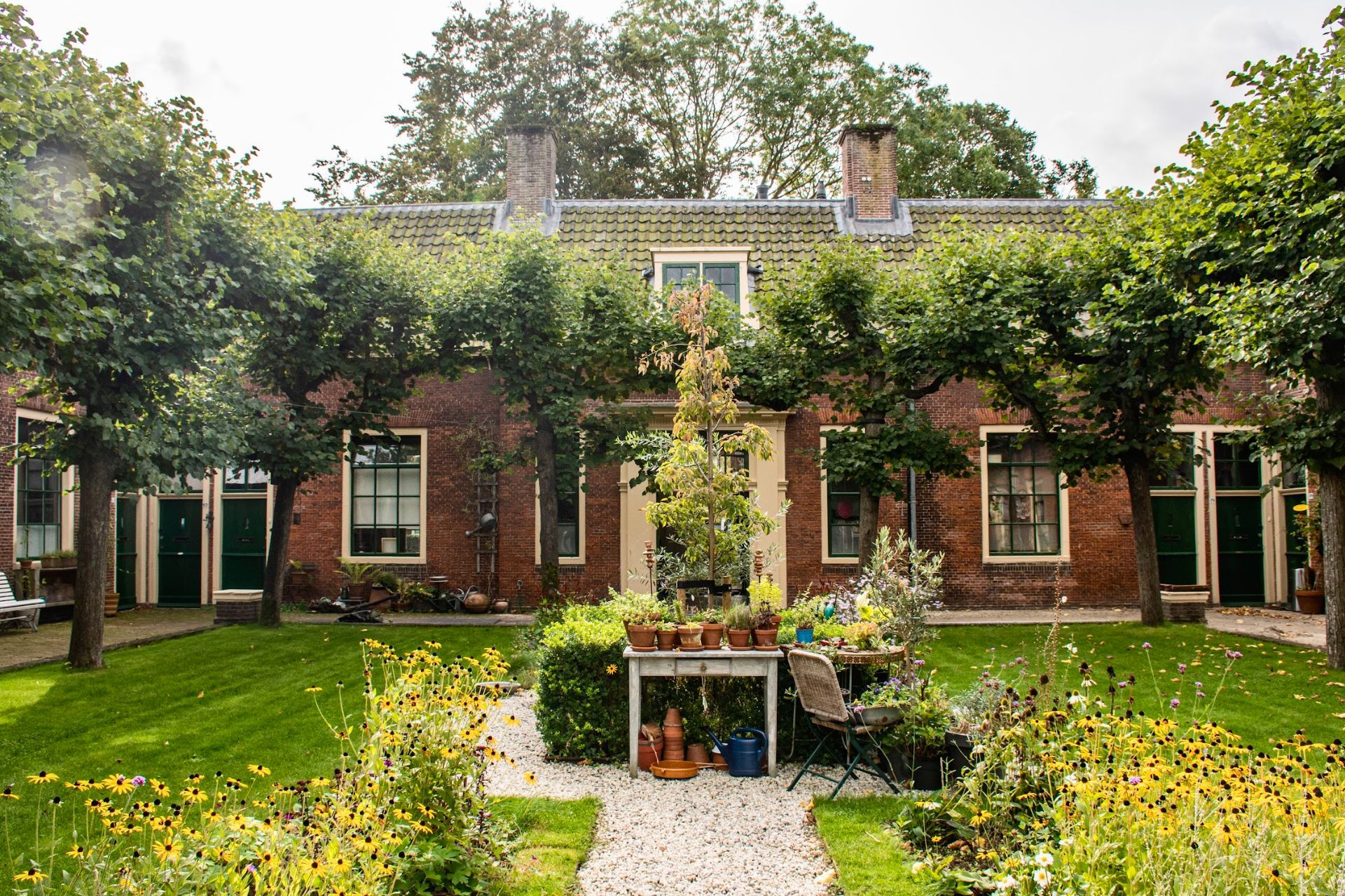
What makes the hofjes especially appealing is their atmosphere. Behind relatively modest entrances, you may find tranquil gardens, neat facades, and a sense of order that contrasts beautifully with the livelier market streets outside. Many travelers notice that visiting a hofje feels different from visiting a museum: there is less interpretation and more immediate experience. One lesser-known fact is that hofjes were often tied to local philanthropy, religious duty, or social care, which means they are not only architectural curiosities but also social history in built form. Another interesting detail is how varied they can be from city to city; Alkmaar’s examples reflect local patterns of urban development and domestic life.
The hofjes are worth seeking out if you like walking slowly and noticing details. They reward respectful curiosity because they often remain residential or semi-private in character. That means the visitor experience is less about spectacle and more about atmosphere, silence, and contrast. In a city that is also known for markets and canals, the hofjes provide a calmer layer of heritage. For travelers interested in photography, architecture, or the hidden structure of old towns, they add depth to a visit and help make Alkmaar feel more layered than a quick day trip might suggest.
If you arrive by train, the city center is easy to reach, and from there you can include hofjes in a walking route with other historic landmarks. A map or walking guide can help you locate the best examples, since some are more discreet than others. The compact scale of Alkmaar makes it practical to explore several in one visit.
Look beyond the main facades; the real appeal is often inside the courtyard itself.
Combine the hofjes with Alkmaar’s canals, churches, and market streets for a fuller historic experience.
Go slowly and allow time for small detours, because the best courtyards are easy to miss if you rush.
Discover more hidden gems you might love.
Mexico City
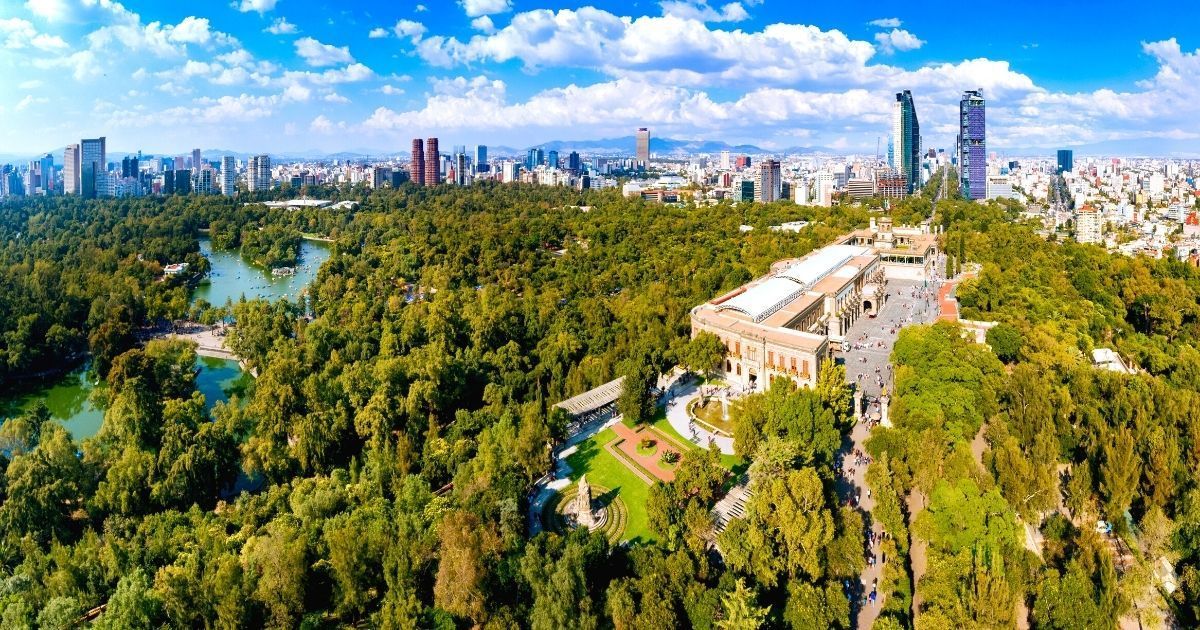
## Description Chapultepec Forest (Bosque de Chapultepec) is one of the largest and most consequential urban parks in the Americas, a living green lung at the heart of Mexico City that blends natural landscapes with civic life, culture, and history. More than a municipal park, Chapultepec is a multilayered cultural landscape: wide oak and pine groves, winding paths, boating lakes, formal gardens, archaeological sites, and a string of world-class museums make it a singular destination for both visitors and residents. Its scale and diversity mean you can shift within minutes from a quiet shaded trail to a museum day or a lakeside picnic, and that versatility is precisely what makes Chapultepec so valuable. Chapultepec's importance is historical as well as recreational. The hill that holds Chapultepec Castle was once an Aztec refuge and later a site of colonial and early republican power. The Castillo de Chapultepec offers sweeping views across the city and houses collections that relate to Mexico’s political story. Meanwhile, the National Museum of Anthropology and other cultural institutions in the park hold artifacts and exhibitions of global significance. The juxtaposition of high-culture museums and everyday park life—runners, families, vendors, and informal musicians—gives Chapultepec a dynamic sense of place that resists being reduced to a single label. From a traveler’s perspective, Chapultepec is best approached as a set of distinct neighborhoods. The first section concentrates major museums and tourist attractions; the second section contains quiet lawns and intimate groves used more by locals; the third section opens into larger, less manicured green areas with a calmer atmosphere. Each offers different rhythms: concentrated cultural learning, relaxed recreation, or more wilderness-like wandering. ## Location Chapultepec sits in central Mexico City, stretching west from Paseo de la Reforma into the adjacent neighborhoods of Polanco and Lomas de Chapultepec. It’s highly accessible: multiple metro stops and bus lines border the park and taxis or rideshares drop you close to major entrances. Because it’s integrated into the city rather than fenced off, think of Chapultepec as an urban zone with many points of entry rather than a single gated park. If your priorities are museums, start at the first section near the National Museum of Anthropology and the Museum of Modern Art. For boating and family activities, head to the lake area. For a quieter, more local experience, explore the second and third sections where joggers and picnickers are the dominant users. Allow travel time between sections if you plan to combine multiple activities. ## Tips - Prioritize: choose one or two zones (museums, lake and boats, or quiet groves) to avoid overambitious itineraries. - Start early: museums open mid-morning, and earlier starts beat crowds and heat. - Use public transit: nearby metro stations and eco-bus lines reduce parking hassles. - Wear layers and comfortable shoes: shaded groves can be cool while open plazas warm up quickly. - Pair the visit with neighborhood dining in Polanco or a stroll down Reforma for monuments and architecture. - Bring water, sunscreen, and small change for boat rentals and food stalls. ## Conclusion Chapultepec Forest is an essential part of a Mexico City visit because it combines culture, outdoor recreation, and historical depth in one central, walkable area. It’s best enjoyed with a focused plan—pick the experience that appeals most and accept that the park rewards repeat visits as much as one long day. ## FAQ ### Why is Chapultepec Forest so important? It combines large-scale green space, national museums, historical monuments, and everyday civic life in a single urban zone, making it central to Mexico City’s identity and visitor itineraries. ### Can I visit it in one afternoon? You can visit a focused part of Chapultepec in an afternoon—for example, Castillo de Chapultepec plus one museum—but seeing the whole park requires multiple visits. ### Is it family-friendly? Absolutely. The park has playgrounds, boat rentals, family-friendly museum exhibits, and wide lawns suitable for picnics and group activities. ### Are there museums inside the forest? Yes. Highlights include the National Museum of Anthropology, the Museum of Modern Art, Museo Tamayo, and Chapultepec Castle’s historic collections. ### What is the best way to explore it? Map one or two zones in advance, use public transit to arrive near those entrances, mix indoor and outdoor stops, and allow time to rest between high-intensity museum visits. ## Links - [Official website](https://www.chapultepec.org.mx/) - [Wikipedia](https://en.wikipedia.org/wiki/Chapultepec)
GemVoyage Team • World
Mexico City
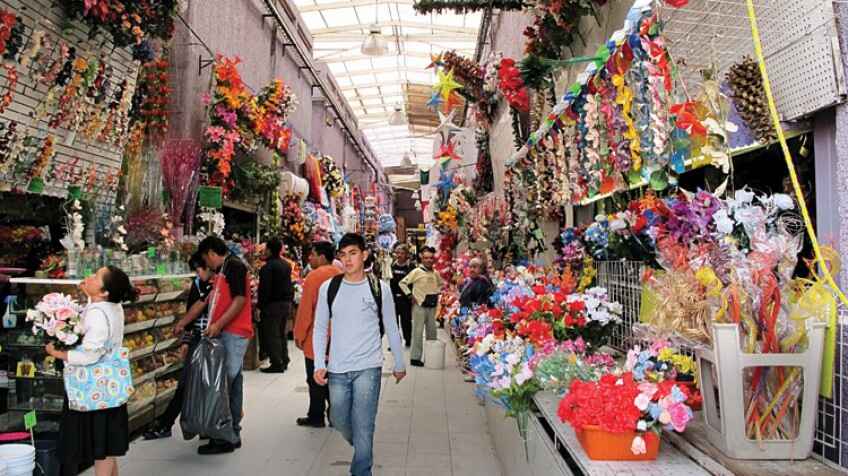
## Description La Merced Market is one of **Mexico City’s largest and most iconic traditional markets**, a bustling labyrinth of colors, aromas, and flavors that captures the essence of everyday Mexican life. For centuries, it has served as a vital trading hub where locals shop for fresh produce, meats, spices, textiles, and even artisanal crafts. Today, it stands as both a cultural landmark and a culinary paradise, drawing in visitors eager to experience authentic Mexican street food and local traditions. What makes La Merced unique is its **immense size and variety**—it is estimated to cover more than **400,000 square meters** and contains thousands of stalls spread across multiple buildings and outdoor areas. Here, you can find everything from exotic fruits and chilies to traditional sweets and handmade kitchen tools. A little-known fact is that La Merced’s history dates back to the **16th century**, when it served as an indigenous trading ground after the Spanish conquest. Another fascinating detail is that the market is considered one of the **most diverse food hubs in Latin America**, with vendors selling ingredients that reflect Mexico’s rich cultural fusion, from pre-Hispanic staples to colonial-era imports. ## Location La Merced Market is located in **Mexico City, Mexico**, within the **Venustiano Carranza borough**, just east of the city’s historic center. Its exact location makes it an easy stop for anyone exploring the heart of the capital. ### Recommendation on How to Get There The most convenient way to reach La Merced is by **Mexico City Metro**. Simply take **Line 1 (the pink line)** and get off at **La Merced Station**, which connects directly to the market area. Taxis and rideshare apps like Uber are also widely available, but due to traffic in the historic center, the metro is often the fastest and most affordable option. If you are walking from the **Zócalo**, the market is about 20 minutes away on foot. ## Tips To make the most of your visit to La Merced Market, here are some useful tips: * **Go Early**: Arriving in the morning lets you see the market at its most vibrant and ensures the freshest food options. * **Bring Cash**: Most vendors do not accept cards, so carry small bills and coins for easy purchases. * **Sample the Street Food**: Try classics like **tacos de suadero, tlacoyos, fresh fruit juices, and tamales**. * **Dress Comfortably**: The market is vast and can get crowded, so wear light clothing and comfortable shoes. * **Be Mindful of Safety**: As with any large urban market, keep an eye on your belongings and avoid flashing valuables. * **Explore Beyond Food**: The market also offers textiles, pottery, household goods, and religious items worth browsing. * **Hire a Guide (Optional)**: If it’s your first visit, consider joining a guided food tour for a deeper understanding of the market’s history and hidden gems. ## Conclusion La Merced Market is not just a shopping destination—it’s a cultural experience that immerses visitors in the **authentic spirit of Mexico City**. With its overwhelming variety of goods, historic roots, and unbeatable street food scene, it is a must-visit for anyone who wants to discover the daily life and flavors of Mexico beyond the typical tourist spots. ## FAQ **1. What is La Merced Market famous for?** It is famous for its massive size, wide variety of products, and authentic Mexican street food. **2. What are the market’s opening hours?** La Merced is generally open **every day from early morning until late evening**, though hours may vary by stall. **3. Is La Merced safe for tourists?** Yes, it’s generally safe if you remain cautious—stick to the busier areas, keep your belongings secure, and avoid visiting at night. **4. Can I find vegetarian or vegan food options at La Merced?** Yes, there are many vegetarian-friendly dishes such as tlacoyos, quesadillas with squash blossoms, and fresh fruit juices. **5. How does La Merced compare to other markets in Mexico City?** While markets like Coyoacán or San Juan are smaller and more tourist-oriented, La Merced offers a raw, authentic, and immersive local experience. **6. Is it worth visiting with kids?** Yes, though parents should be prepared for large crowds and keep children close by in the busier sections. ## Links * [Mexico City Official Tourism Website](https://mexicocity.cdmx.gob.mx/)
GemVoyage Team • World
Madrid
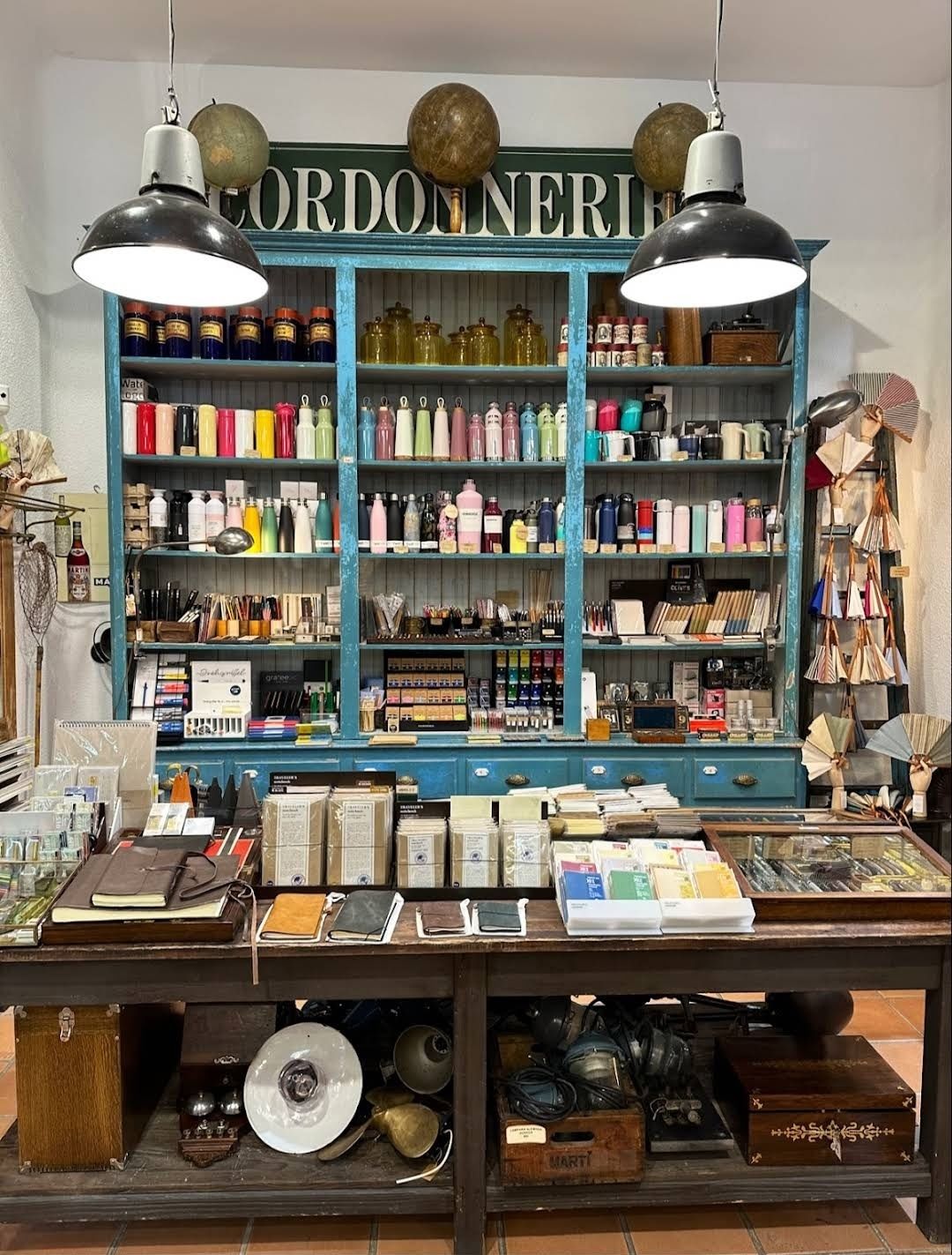
## Description Amarcord Retro Store is one of Madrid’s most charming vintage shops, a treasure trove for lovers of retro fashion and timeless accessories. Nestled in the heart of Spain’s capital, it’s a place where the past comes alive through carefully curated pieces from the **60s, 70s, 80s, and 90s**. Unlike modern fast fashion outlets, Amarcord focuses on unique, one-of-a-kind items that carry stories within their fabrics. The store’s collection includes **vintage clothing, retro jewelry, accessories, and even home décor pieces**, making it more than just a clothing shop—it’s a cultural experience. Fashion enthusiasts adore it for its eclectic mix, but even casual visitors find themselves fascinated by the craftsmanship of items that stand the test of time. A little-known fact about Amarcord is that many of its pieces come from **private collections across Europe**, giving shoppers the opportunity to own authentic items that can’t be found anywhere else. Another hidden gem is its reputation among local stylists and theater costume designers, who often rely on Amarcord to find the perfect outfit for period pieces or photo shoots. ## Location Amarcord Retro Store is located in **Madrid, Spain**, specifically in the lively **Malasaña neighborhood**, an area known for its bohemian vibe, independent shops, and street art. Malasaña has long been the epicenter of alternative culture in Madrid, making it the perfect setting for a retro store like Amarcord. The exact address is easy to find with a quick search or by simply wandering through **Calle Velarde** and its surrounding streets, which are packed with vintage boutiques and second-hand shops. ### Recommendation on How to Get There If you’re staying in Madrid city center, the easiest way to reach Amarcord is by **Metro**. The closest stations are **Tribunal (Lines 1 and 10)** and **Noviciado (Line 2)**, both within a short walking distance. Alternatively, a pleasant stroll from **Gran Vía** will also take you there in about 10–15 minutes. For visitors who prefer a more direct option, taxis and ride-sharing services are easily available. ## Tips To make the best out of your visit to Amarcord Retro Store, here are some helpful tips: * **Visit During Weekdays**: Weekends can get crowded in Malasaña, so if you want a quieter browsing experience, weekdays are best. * **Bring Cash**: While most shops in Madrid accept cards, small purchases are often easier with cash. * **Try Before You Buy**: Vintage sizing differs from modern sizing, so don’t hesitate to try on pieces before making a decision. * **Ask the Staff**: The shop owners and staff are passionate about vintage fashion and can often recommend items based on your style preferences. * **Explore the Neighborhood**: Malasaña itself is worth exploring. After shopping, you can enjoy a coffee at a quirky café or discover other unique shops nearby. * **Check for Specials**: Sometimes Amarcord runs promotions or brings in new collections from different countries—worth asking about when you visit. ## Conclusion Amarcord Retro Store is more than just a place to shop—it’s an invitation to step back in time and rediscover the beauty of vintage fashion. Located in Madrid’s vibrant Malasaña district, it offers an authentic retro shopping experience that blends style, history, and creativity. Whether you’re a collector, a fashion lover, or simply curious, Amarcord is a must-visit destination in the Spanish capital. ## FAQ **1. What can I find at Amarcord Retro Store?** You’ll find a wide selection of vintage clothing, accessories, jewelry, and décor items from the 60s to the 90s. **2. Is Amarcord Retro Store expensive?** Prices vary depending on the rarity and quality of the item, but overall, it’s considered affordable compared to high-end vintage boutiques. **3. Do they accept card payments?** Yes, most items can be paid by card, though it’s a good idea to bring cash for smaller purchases. **4. Is the store suitable for tourists who don’t speak Spanish?** Absolutely. The staff is friendly and many speak English, making it easy for international visitors to shop comfortably. **5. Can I find designer pieces there?** Yes, from time to time Amarcord stocks vintage designer clothing and accessories, making it a favorite among collectors. **6. What makes Amarcord different from other vintage shops in Madrid?** Amarcord stands out for its carefully curated, high-quality pieces and its reputation among stylists and creatives in Madrid. ## Links * [Official website of Amarcord Retro Store](https://www.amarcord-store.com/en)
GemVoyage Team • World
Kazan
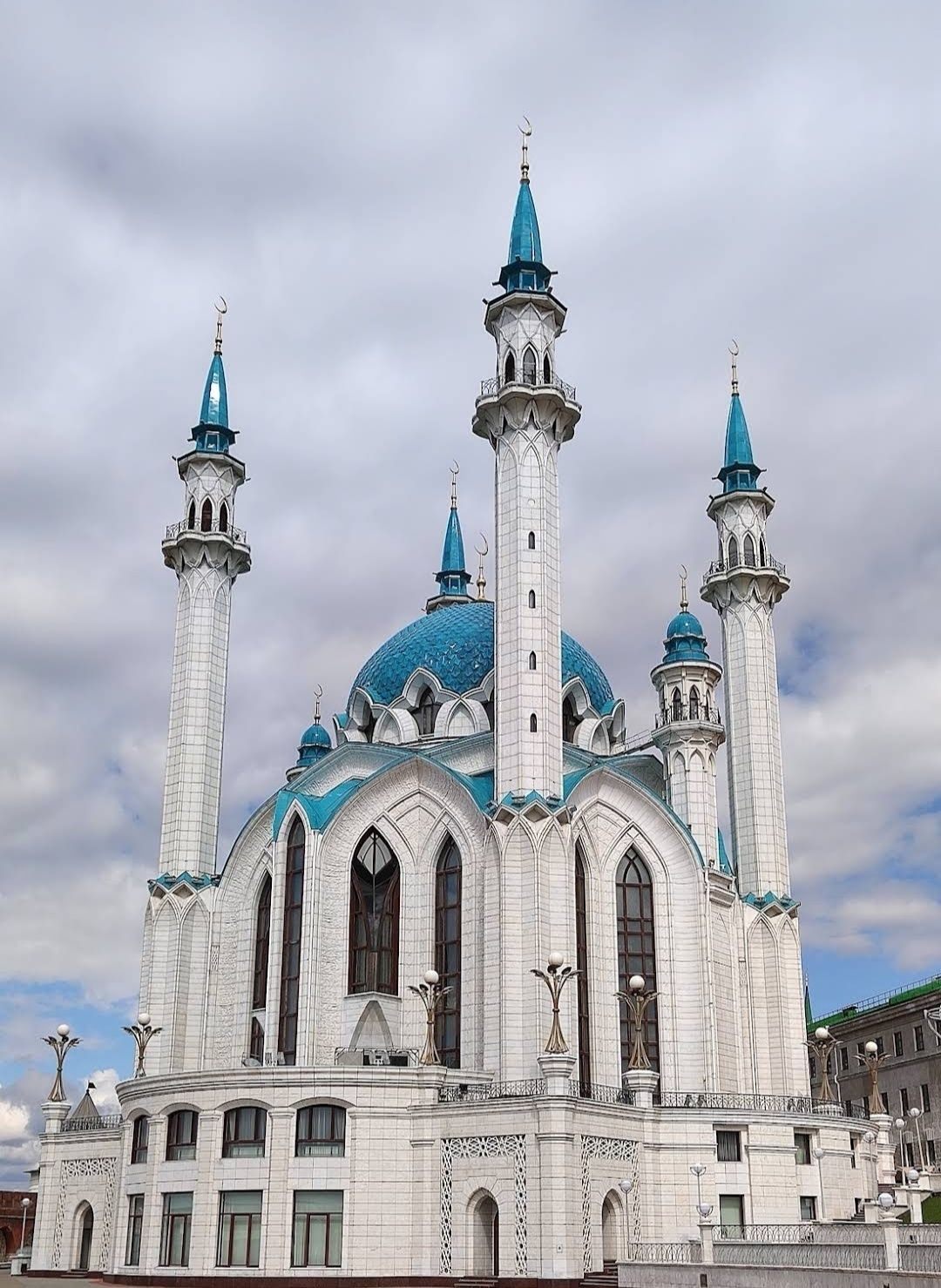
## Description The **Kul Sharif Mosque** is one of the most stunning landmarks in Russia, standing proudly inside the **Kazan Kremlin**. Recognized as both a religious and cultural icon, it represents the rich history of the Tatar people and the peaceful coexistence of different faiths in the region. Its striking blue-and-white minarets, elegant domes, and ornate interiors make it not only a place of worship but also an architectural masterpiece. Originally built in the 16th century, the mosque was destroyed in 1552 during the siege of Kazan by Ivan the Terrible. For centuries, it remained in ruins until it was magnificently rebuilt and reopened in 2005 as part of Kazan’s millennium celebrations. Today, it is one of the largest mosques in Russia and Europe, with the capacity to hold more than **6,000 worshippers**. A fascinating detail is that the mosque is named after **Kul Sharif**, a prominent Tatar religious leader, poet, and defender of Kazan who died during the 1552 siege. Another lesser-known fact is that the mosque’s design blends Islamic and Russian architectural influences, symbolizing Kazan’s unique position as a bridge between East and West. Its interiors are adorned with marble, mosaics, and exquisite chandeliers, while its museum showcases Islamic culture and history. ## Location Kul Sharif Mosque is located in **Kazan**, the capital city of the **Republic of Tatarstan**, within the **Kazan Kremlin**, a UNESCO World Heritage Site. Its central location makes it easily accessible to both locals and tourists exploring the historical heart of the city. To reach Kazan, visitors can fly into **Kazan International Airport**, which has direct flights from Moscow, St. Petersburg, and other major cities. From the airport, the city center is about a 30–40 minute drive. Within Kazan, public transportation is efficient, with buses, trams, and the **Kazan Metro**. The Kremlin, where the mosque is located, can be easily reached by metro (Kremlyovskaya Station) or by taxi. Walking tours are also popular, as the area is rich in cultural and historical landmarks. ## Tips To make the most out of your visit to the Kul Sharif Mosque, consider the following tips: * **Dress modestly** – As an active place of worship, visitors are asked to wear respectful clothing. Women may be provided with scarves if needed. * **Check visiting hours** – The mosque is open to tourists outside prayer times. Always verify the schedule before visiting. * **Explore the museum** – Inside the mosque, you’ll find a small museum dedicated to Islamic culture, manuscripts, and Tatar history. * **Combine with other attractions** – Since the mosque is inside the Kazan Kremlin, you can also visit the Annunciation Cathedral, the Presidential Palace, and the Kremlin walls. * **Enjoy night views** – The mosque is beautifully illuminated after sunset, offering a magical perspective for photography. * **Respect local customs** – Silence and respectful behavior are appreciated inside the prayer halls. ## Conclusion The **Kul Sharif Mosque in Kazan, Russia** is more than just a religious site—it’s a symbol of resilience, cultural pride, and harmony. With its breathtaking architecture, fascinating history, and central location in the Kazan Kremlin, it’s an unmissable attraction for anyone visiting Tatarstan. Whether you’re drawn by faith, history, or design, this mosque offers a truly unforgettable experience. ## FAQ **1. Is the Kul Sharif Mosque still active?** Yes, it functions as both a place of worship and a cultural landmark. Visitors are welcome outside prayer times. **2. Do I need to pay an entrance fee?** Entry to the mosque is generally free, though some museum exhibits inside may require a small fee. **3. How long should I plan for my visit?** Most visitors spend 1–2 hours exploring the mosque and museum, though you may want to set aside more time to enjoy the rest of the Kazan Kremlin. **4. Can non-Muslims enter the mosque?** Yes, the mosque welcomes people of all faiths, as long as visitors respect the dress code and customs. **5. What’s the best time to visit?** Spring and summer offer pleasant weather for exploring the city, while evenings provide the best lighting for photos of the illuminated mosque. **6. Is photography allowed inside the mosque?** Yes, photography is generally allowed, but avoid flash and always respect prayer times. ## Links * [Official Kul Sharif Mosque Website](https://kul-sharif.com) * [Visit Tatarstan – Tourism Information](https://visit-tatarstan.com)
GemVoyage Team • World

Uyuni
## Description The Salar de Uyuni in Bolivia is the world’s largest salt flat — an immense expanse of white crust stretching to the horizon. In the dry season it becomes a seemingly endless plain of hexagonal salt polygons; during the wet season, thin water turns the surface into a giant mirror that reflects sky and clouds in breathtaking panoramas. The flats’ surreal scale creates optical illusions that photographers exploit for creative forced-perspective shots and astronomical impressions. Uyuni’s uniqueness stems from its scale and seasonal transformation: an austere white desert that alternates between reflective glass and textured salt crust. Beneath the crust lie rich lithium brines that have become geopolitically important, and the region supports unique high-altitude wildlife including flamingos in nearby lagoons and vicuñas on the surrounding altiplano. A lesser-known feature is the train cemetery near Uyuni town, whose rusting locomotives echo the area’s industrial past against the vast natural backdrop. Visitors experience two very different seasons: the wet months (roughly December–April) turn the flats into a seamless mirror where the horizon disappears, producing surreal photographic opportunities; the dry months (May–November) reveal the networked hexagonal salt polygons and easier vehicle travel across firmer crust. Both seasons offer remarkable visual experiences, but logistics and vehicle access differ significantly. ## Location Salar de Uyuni is in southwest Bolivia near the town of Uyuni in Potosí Department. Most visitors begin in Uyuni and travel by 4x4 tours that range from day-trips to multi-day circuits visiting colored lagoons, hot springs, high-altitude deserts and remote salt hotels. ## Tips - **Choose season based on photographic goals:** Wet season for mirror reflections and dynamic sky photography; dry season for crisp salt polygons and easier driving conditions. - **Acclimatize and dress for altitude:** Uyuni sits over 3,600 m above sea level—allow time to adjust, stay hydrated and use sun protection. Nights are cold; warm layers are essential. - **Book reputable 4x4 operators and confirm vehicle safety:** Select experienced guides who understand remote driving, fuel logistics and high-altitude first aid. - **Plan for basic accommodations on multi-day tours:** Many overnight stops are simple lodges or salt hotels; bring essentials and respect eco-guidelines. - **Protect camera gear from salt and dust:** Use protective coverings, and clean equipment carefully after excursions to avoid salt corrosion. ## Conclusion Salar de Uyuni is an elemental landscape that redefines scale and reflection: a place where sky, salt and solitude combine to produce unforgettable visual experiences. Whether you chase inverted skies in the wet season or striding across crystalline salt in the dry months, Uyuni offers some of the planet’s most surreal and photogenic landscapes. ## FAQ - **Q: Can visitors drive across the Salar de Uyuni themselves?** A: Self-driving is possible but not recommended for first-time visitors—conditions vary, and poorly marked hazards or seasonal flooding can be dangerous. Use experienced local operators who know safe routes. - **Q: When is the best time for mirror reflections?** A: The wet season (roughly December–April) after rains produces the mirror effect; brighter skies and calm days improve reflections. - **Q: Will I experience altitude sickness at Uyuni?** A: Many travelers experience mild altitude effects; acclimatize in Uyuni or nearby towns, avoid heavy exertion on the first day and consider consulting a doctor if you have pre-existing health concerns. - **Q: Are there eco or cultural concerns to be aware of?** A: Respect fragile ecosystems and local communities; use operators who practice sustainable tourism and avoid leaving waste on the salt crust. - **Q: How many days do I need to appreciate the area?** A: Day trips are possible, but 3–4 day circuits are recommended to reach colored lagoons, hot springs and the Eduardo Avaroa reserve, giving a fuller, less rushed experience. ## Links - [Salar de Uyuni — Wikipedia](https://en.wikipedia.org/wiki/Salar_de_Uyuni)
GemVoyage Team • World
Milan
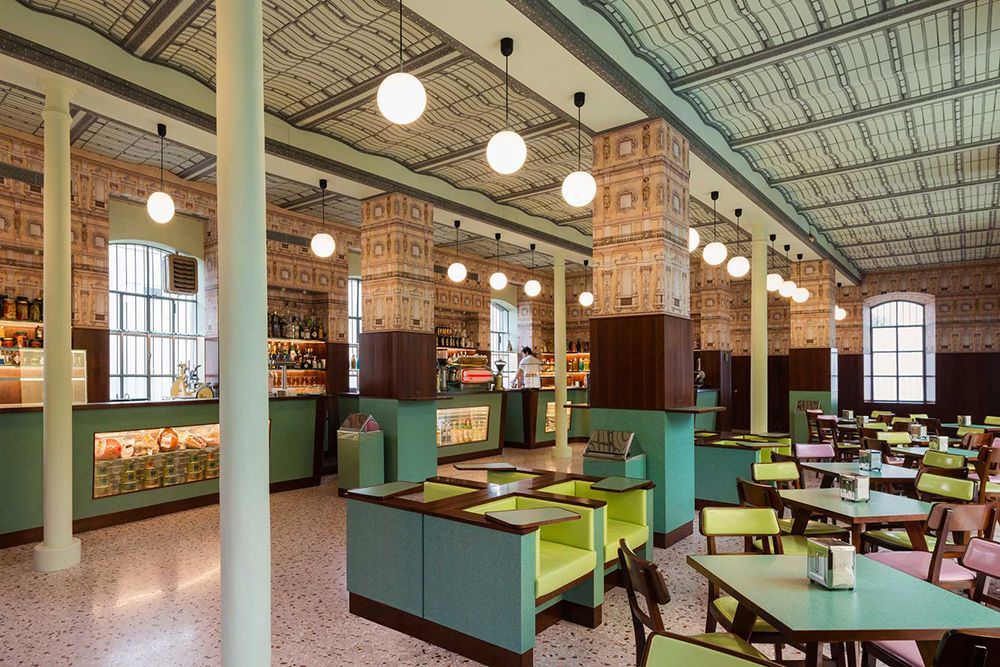
## Description Fondazione Prada is one of Milan’s most compelling cultural destinations because it transforms the idea of a museum into a broader artistic environment. Rather than presenting art in a neutral white box, it brings together exhibition spaces, architecture, cinema, hospitality, and urban transformation in a way that feels highly Milanese: design-driven, ambitious, and outward-looking. The complex is famous for its mix of old industrial structures and new architectural interventions, and that contrast is central to the experience. It is not just a place to view art. It is a place to move through ideas. The foundation is especially attractive to travelers who appreciate contemporary art, architecture, and thoughtful curation. One of its most notable features is the way the old distillery buildings and the new additions sit together without erasing each other. A little-known fact is that the complex includes the striking golden building often called the Haunted House, which is visually unforgettable and not at all shy about making an impression. Another detail visitors may miss is how carefully the site is organized to encourage lingering. You can shift from exhibition spaces to café areas, to outdoor courtyards, to the cinema program, which makes the visit feel more like entering a cultural district than entering a single institution. Fondazione Prada stands out because it helps explain Milan’s current identity. The city has long been important in fashion and design, but here those strengths are translated into a broader cultural ambition. The exhibitions often engage with international art, theory, and contemporary practice, while the architecture itself becomes part of the argument. For many visitors, that makes the foundation one of the city’s most memorable modern experiences, especially if they want to balance Milan’s historic monuments with something more experimental. ## Location Fondazione Prada is located in the Largo Isarco area of southern Milan, Lombardy, Italy. It is not in the very center of the tourist district, but it is still easy to reach by public transport. Metro and tram connections make the trip manageable, and many visitors arrive by taxi or rideshare if they are short on time. Because the foundation sits in a developing cultural and residential zone, the arrival experience feels slightly different from the grand central avenues of Milan. That difference is part of the appeal. The best way to plan a visit is to give it a dedicated block of time rather than trying to squeeze it between other sights. If you are interested in art and architecture, you will likely want a few hours. If you also want to eat or drink on site, plan even longer. It is a destination that rewards unhurried exploration and works especially well for travelers who want a contemporary counterpart to Milan’s historic churches, palaces, and shopping streets. ## Tips - Check the current exhibition schedule before you go, because the experience changes with the program. - Allow enough time to move between buildings rather than rushing from one room to the next. - Visit the café or bar if you want a full sense of the atmosphere, not just the galleries. - Photography enthusiasts should pay attention to the architecture as much as the art. - Pair it with a nearby modern or design-focused itinerary for a fuller Milan experience. - If you are interested in architecture, go with the expectation that the building is part of the exhibition. ## Conclusion Fondazione Prada is one of Milan’s strongest contemporary cultural landmarks. It combines art, architecture, and atmosphere in a way that feels both sophisticated and accessible to curious visitors. ## FAQ ### Is Fondazione Prada only for art experts? No. It is accessible to general visitors, although those with an interest in contemporary art will get the deepest experience. ### How long should I spend there? At least two hours is sensible, and longer if you want to explore exhibitions and amenities fully. ### Is the architecture important here? Very much so. The architecture is a major part of what makes the site distinctive. ### Can I visit without a guided tour? Yes. Most visitors explore independently and use the signage and exhibition materials on site. ## Links - [Official website](https://www.fondazioneprada.org/) - [Wikipedia](https://en.wikipedia.org/wiki/Fondazione_Prada) - [Milan tourism information](https://www.yesmilano.it/en)
GemVoyage Team • World

Comments