GemVoyage Team • World
What makes South Congress especially interesting is the way it combines old Austin and new Austin in one corridor. It is fashionable without feeling sterile, and busy without feeling anonymous. A little-known fact is that the nickname SoCo became part of Austin’s urban identity only after the street’s modern revival, so the district’s current fame is actually quite recent in the city’s long history. Another detail travelers may not realize is that the avenue has long been a place where local creativity surfaces first: murals, small independent brands, and neighborhood spots often appear here before they become broader trends elsewhere in the city.
South Congress is also one of the best places to absorb Austin’s social rhythm. During the day, it feels relaxed, with people moving between shops, patios, and casual lunch spots. In the evening, it becomes more vibrant, especially when people are heading out for dinner, live music, or sunset views near the river and the downtown skyline. The street is not only about commerce; it is about atmosphere. Even if you buy nothing, the walk itself is part of the attraction.
Because parking can be limited and the area often gets busy, public transport, biking, or walking are usually the smartest options. Once there, the best way to explore is to move slowly and let the block-by-block mix of shops and cafés shape your route. South Congress does not need a complicated plan. The street itself is the itinerary, and the surrounding cross streets offer enough variety to fill several hours without ever feeling repetitive.
Discover more hidden gems you might love.
New York
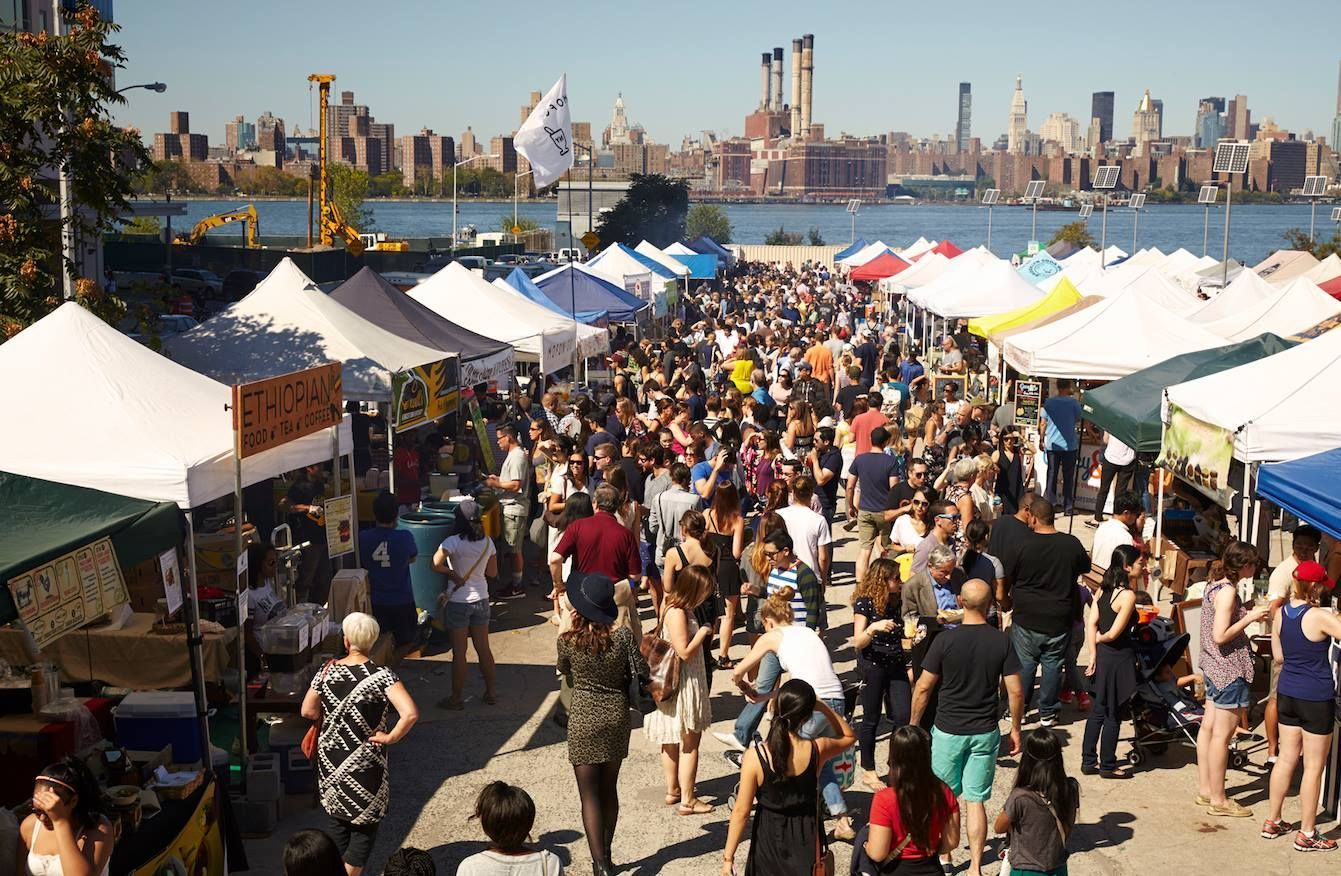
## Description Smorgasburg Market in Williamsburg is one of New York’s most recognizable food experiences because it captures a very specific side of the city: creative, crowded, constantly changing, and deeply local at the same time. It is not a conventional market with a fixed identity and a small set of vendors. Instead, it is a living food scene where dozens of independent sellers come together to present dishes that can feel playful, experimental, nostalgic, or highly specialized. For many visitors, this is the place where New York’s food culture becomes visible in one afternoon. What makes Smorgasburg especially appealing is the combination of scale and variety. You can move from one stall to another and find food from very different traditions, all within a single open-air setting. That makes it attractive for groups with mixed tastes, because one person can go for dumplings, another for seafood, another for dessert, and everyone still shares the same experience. The market is also a strong reflection of Brooklyn’s creative economy. Many vendors use Smorgasburg as a launchpad, which means the market often feels like a testing ground for the next big neighborhood food obsession. Another reason the market stands out is that it offers more than eating. It is a social scene. People come to sit outdoors, talk, take photos, and enjoy the atmosphere around Williamsburg. The setting helps: you are near the waterfront, in a neighborhood associated with design, nightlife, and independent businesses. That context gives Smorgasburg a sense of place that is more specific than a typical city food hall. It feels rooted in Brooklyn rather than simply placed there for tourists. A little-known fact is that Smorgasburg has played an important role in helping local food entrepreneurs gain visibility. For some vendors, it has been a stepping stone to permanent restaurants, broader recognition, or new business ideas. Another is that the market’s popularity has made it influential well beyond New York, because it helped define a modern style of outdoor, vendor-driven food gathering that other cities later tried to imitate. The best way to experience Smorgasburg is to arrive hungry but not rushed. The market rewards wandering, comparing options, and trying a few things rather than committing to one huge meal. It is especially fun when you treat it like a sampling journey, with enough time to notice the atmosphere, the people, and the setting around the food. That mix of appetite and curiosity is what makes the experience memorable. It also helps to think of Smorgasburg as a snapshot of Brooklyn’s changing food identity. The vendors are not simply selling dishes; they are participating in a scene that reflects neighborhood tastes, immigrant influences, and the city’s constant appetite for reinvention. That means the market can feel different from one season to the next, with new specialties, new presentation styles, and new crowd energy each time you visit. If you like places that feel current without being manufactured, this is one of the strongest examples in New York. ## Location Smorgasburg Market (Williamsburg) is in Brooklyn, New York, in the Williamsburg neighborhood. The waterfront setting is one of the market’s major appeals, and it places you within reach of other Brooklyn attractions, bars, cafés, and walking routes. The easiest way to get there is by subway, followed by a short walk. Williamsburg is well connected to Manhattan and other parts of Brooklyn, so visitors usually do not need a car. If you are already exploring Brooklyn, the market can fit naturally into a day spent along the waterfront or around nearby streets full of restaurants and shops. Because the area is popular, it is smart to allow extra time for transit and walking, especially on weekends. If you want to combine the market with sightseeing, plan it as part of a broader Williamsburg visit rather than a standalone errand. That lets you enjoy the neighborhood’s street life before or after the market itself. ## Tips Go with cashless payment options ready, but also check whether some vendors prefer specific methods. New York markets usually move quickly, and having your payment setup sorted saves time. Come early if you want the widest selection and a less crowded atmosphere. Later in the day can be fun too, but lines often grow and popular stalls can sell out. Bring a friend or go with a group if possible. Sharing dishes is one of the best ways to experience the range of food without filling up too quickly. Dress for the weather. Since this is an outdoor market, comfort matters more than style, especially if you plan to walk around Williamsburg afterward. ## Conclusion Smorgasburg Market in Williamsburg is one of New York’s most lively and representative food experiences. It combines neighborhood energy, culinary creativity, and outdoor social life in a way that feels distinctively Brooklyn. ## FAQ **What is Smorgasburg known for?** It is known for its large outdoor food market, rotating vendors, and wide range of creative dishes. **Is it worth visiting if I only have one day in New York?** Yes, especially if you want a taste of contemporary Brooklyn food culture. **How long should I stay?** Most visitors spend one to three hours, depending on how much they want to eat and explore. **Is it family-friendly?** Yes. It is a casual outdoor food market that works well for groups and families. **What is the best time to go?** Earlier in the day is usually better for shorter lines and more vendor choice. ## Links - [Official website](https://www.smorgasburg.com/) - [Wikipedia](https://en.wikipedia.org/wiki/Smorgasburg)
GemVoyage Team • World
Prague
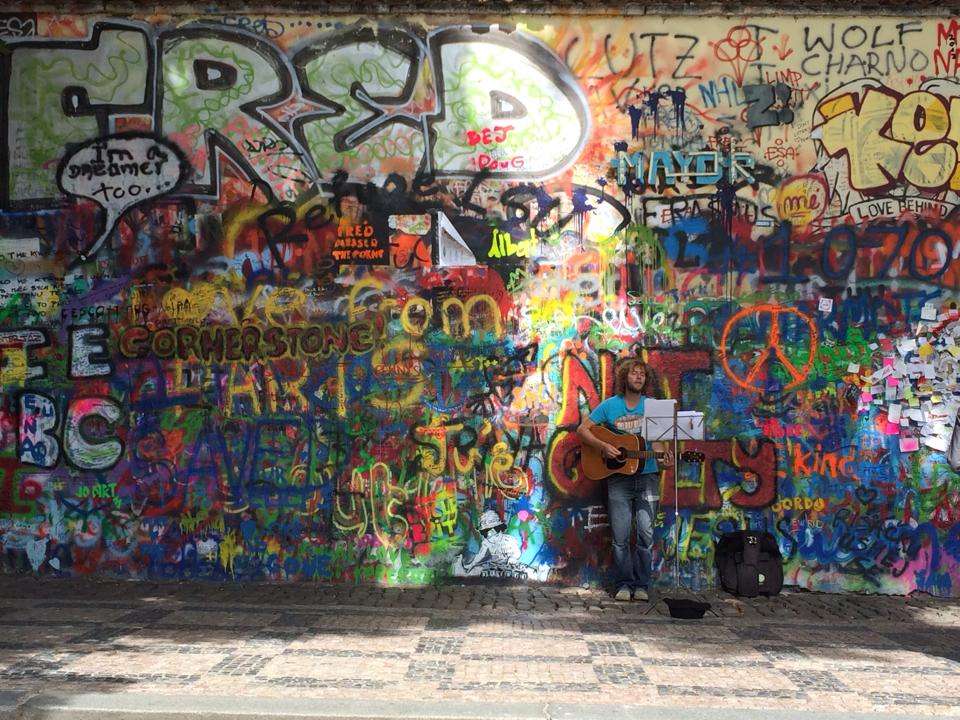
## Description The Lennon Wall in Prague is more than just a colorful stretch of graffiti—it’s a living canvas of freedom, peace, and artistic expression. Located in the historic Malá Strana district, this wall has been a symbol of resistance and hope since the 1980s. After the assassination of John Lennon in 1980, an anonymous artist painted his portrait and lyrics from Beatles songs on the wall. What followed was a spontaneous outpouring of messages, poems, and protest art, especially from Czech youth who saw Lennon as a symbol of Western ideals and freedom during the oppressive communist regime. Over the years, the wall has evolved into a dynamic, ever-changing mural. Layers of paint have buried the original artwork, but the spirit remains. Today, it features vibrant messages of love, peace, and solidarity, often reflecting global movements and local causes. Though the wall is now semi-regulated—with spray painting banned and only designated areas open to public contributions—it continues to attract artists and visitors from around the world. A little-known fact: the wall is owned by the Sovereign Military Order of Malta, whose nearby buildings include a church and embassy. Until 2019, anyone could freely paint on the wall, but due to misuse, it’s now monitored by CCTV and curated by selected artists. ## Location The Lennon Wall is located in **Czechia (Czech Republic)**, in the **Prague Region**, within the city of **Prague**. Specifically, it sits in **Velkopřevorské náměstí (Grand Priory Square)** in the **Malá Strana** neighborhood, just a short walk from the iconic Charles Bridge. ### How to Get There: - **By Foot**: From Charles Bridge, it’s a 5-minute walk through the charming streets of Malá Strana. - **By Tram**: Take tram lines 12, 15, 20, or 22 to Malostranské náměstí, then walk toward the French Embassy. - **By Metro**: The nearest metro station is Malostranská (Line A), followed by a short walk. - **By Bus**: Bus line 194 stops at Malostranské náměstí, close to the wall. Its central location makes it an easy and worthwhile stop on any Prague itinerary. ## Tips for Visitors To make the most of your visit to the Lennon Wall, keep these tips in mind: - **Visit Early or Late**: The wall gets crowded during midday, especially with tour groups. Early morning or evening offers a quieter experience. - **Bring a Marker**: While spray painting is banned, you can still leave a message with a marker in designated areas. - **Respect the Art**: Avoid defacing existing artwork. The wall is a shared space for expression, not vandalism. - **Pair with Nearby Attractions**: Combine your visit with a stroll through Kampa Island or a walk across Charles Bridge. - **Photography**: The wall changes frequently, so it’s a great spot for unique photos. Look for Beatles lyrics or peace symbols hidden among the layers. - **Learn the History**: Guided walking tours often include the Lennon Wall and provide deeper insight into its role during the communist era. ## Conclusion The Lennon Wall in Prague is a vibrant testament to the power of art and free expression. Born from grief and rebellion, it has grown into a global symbol of peace, creativity, and resilience. Whether you're a Beatles fan, a history buff, or simply a curious traveler, the wall offers a colorful and meaningful experience in the heart of Prague. ## FAQ **1. Is there an entrance fee to visit the Lennon Wall?** No, the wall is in a public square and free to visit. **2. Can I paint on the Lennon Wall?** Spray painting is banned, but you can leave messages with markers in designated areas. **3. What is the significance of the Lennon Wall?** It began as a tribute to John Lennon and became a symbol of protest against the communist regime in Czechoslovakia. **4. How often does the wall change?** Constantly. New artwork and messages appear regularly, making each visit unique. **5. Is the wall monitored?** Yes, it’s under CCTV surveillance to prevent vandalism and ensure respectful contributions. **6. What else is nearby?** Charles Bridge, Kampa Island, and the French Embassy are all within walking distance. ## Links - [Lennon Wall – Wikipedia Overview](https://en.wikipedia.org/wiki/Lennon_Wall) - [Prague Tourist Information – Lennon Wall Guide](https://praguetouristinformation.com/en/sightseeing/lesser-town/john-lennon-wall)
GemVoyage Team • World
Faro
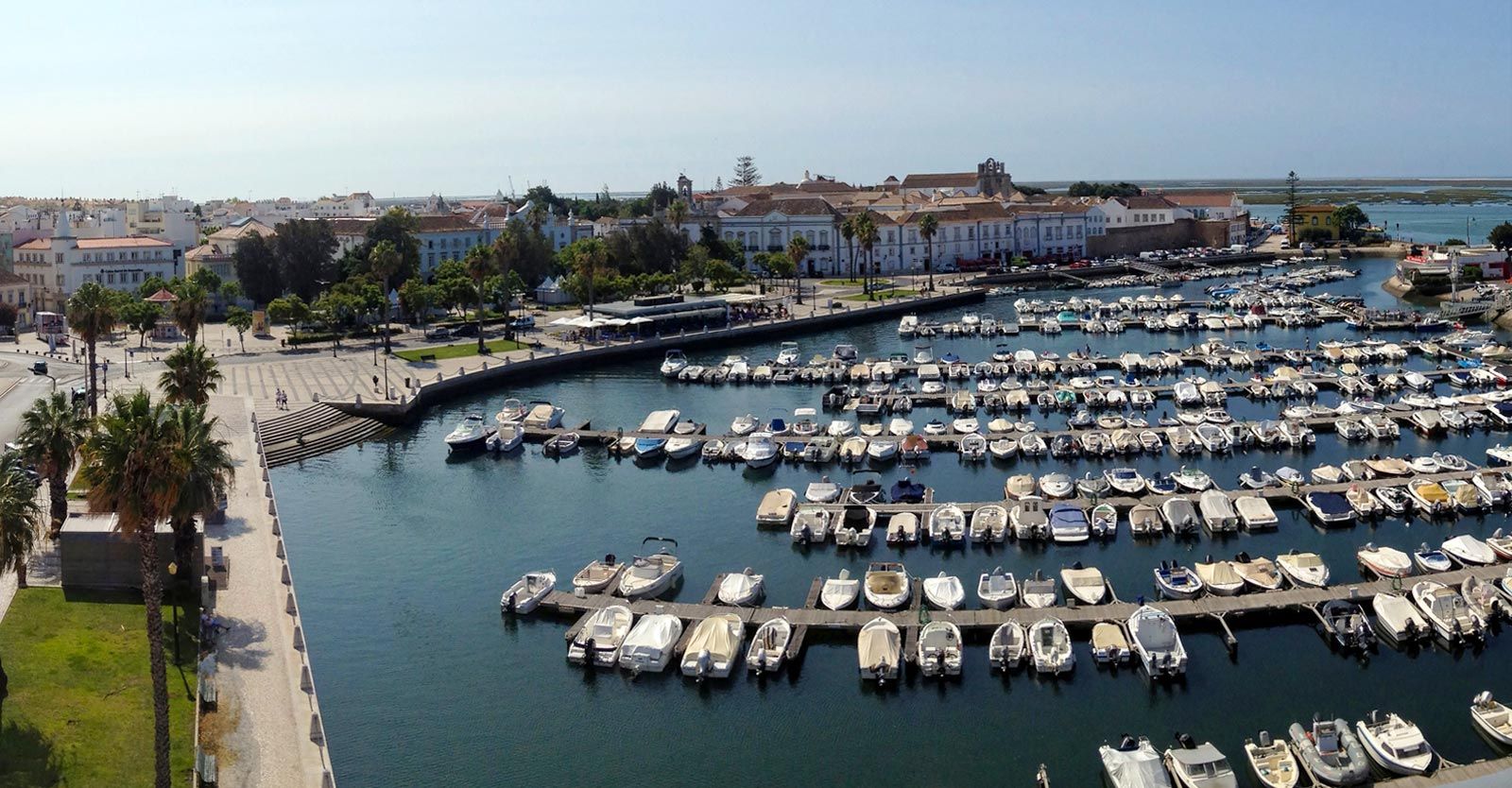
## Description Faro Marina is one of the most picturesque and lively spots in the Algarve region of southern Portugal. Nestled right in the heart of Faro, the marina is a central meeting point where the city’s charm blends seamlessly with its maritime heritage. With a backdrop of palm trees, elegant architecture, and rows of yachts and fishing boats bobbing gently on the water, it’s a place that embodies the relaxed yet vibrant spirit of coastal Portugal. What makes Faro Marina unique is not only its stunning scenery but also its role as a **gateway to the Ria Formosa Natural Park**, one of Portugal’s most beautiful protected lagoons. Many boat tours depart from the marina, offering visitors the chance to explore secluded islands, birdwatch, or enjoy a relaxing cruise at sunset. A little-known fact about Faro Marina is that the **large stork nests perched on lampposts and rooftops** around the harbor are a common sight, adding to its charm and making it a favorite spot for photographers. Another interesting detail is that the marina is often used for cultural events and festivals, turning it into a lively gathering point during summer evenings. ## Location Faro Marina is located in **Faro, the capital of the Algarve region in Portugal**. It sits right by the **city center**, just across from the historic old town and within walking distance of landmarks such as the **Arco da Vila** and **Faro Cathedral**. Its central location makes it a natural starting point for exploring both the city and the Algarve coastline. ### Recommendation on How to Get There From **Faro Airport**, the marina is only about a **10-minute drive** or a 15-minute bus ride on the airport shuttle. If you’re arriving by train or bus, both stations are within a short walking distance of the marina. For those exploring the Algarve by car, Faro is well-connected by road, and public parking is available near the city center. ## Tips Here are some helpful tips to make your visit to Faro Marina memorable: * **Take a Boat Tour**: Don’t miss the opportunity to explore the Ria Formosa islands, such as Ilha Deserta or Ilha do Farol, by booking a boat tour directly from the marina. * **Enjoy a Sunset Drink**: The waterfront is lined with cafés and bars—perfect for enjoying a glass of Portuguese wine or a cocktail while watching the sun go down. * **Photography Spot**: Bring your camera, especially for capturing the boats, the palm-fringed promenade, and the storks nesting nearby. * **Combine With Old Town Visit**: Since the marina is next to Faro’s historic district, combine your visit with a walk through cobbled streets, museums, and churches. * **Best Time to Visit**: Early evening is ideal, as the marina lights up beautifully, and the temperature is more comfortable during warmer months. * **Look Out for Events**: During summer, concerts, markets, and festivals are often held at or near the marina, adding extra vibrancy to your visit. ## Conclusion Faro Marina is more than just a harbor—it’s a cultural and social hub that captures the essence of Faro and the Algarve. With its stunning waterfront views, lively atmosphere, and easy access to natural wonders like the Ria Formosa, it’s a must-visit spot for anyone traveling to southern Portugal. Whether you’re taking a boat tour, enjoying a drink by the water, or simply strolling along the promenade, Faro Marina is sure to leave a lasting impression. ## FAQ **1. What can I do at Faro Marina?** You can enjoy boat tours to the Ria Formosa islands, dine at waterfront cafés, attend local events, or simply relax and admire the views. **2. Is Faro Marina close to the city center?** Yes, it’s located in the heart of Faro and is within walking distance of the historic old town and main transport hubs. **3. Are boat tours available year-round?** Yes, although availability and schedules may vary depending on the season. Summer offers the widest selection of tours. **4. Is it family-friendly?** Absolutely. The marina is pedestrian-friendly and offers plenty of open space, making it great for families with children. **5. Can I see wildlife at the marina?** Yes, you’ll often spot storks nesting nearby, and boat tours will take you to the Ria Formosa lagoon, which is rich in birdlife. **6. How long should I plan to spend at Faro Marina?** A casual visit might take an hour, but if you’re combining it with a boat trip and old town exploration, plan for half a day or more. ## Links * [Official Faro Tourism Office](https://www.faro.pt/en)
GemVoyage Team • World

Berlin
## Description RAW-Gelände is one of Berlin’s most vivid examples of how the city has repurposed industrial space into a living cultural district. Located in Friedrichshain, the complex is known for its raw, creative atmosphere, street art, nightlife, event spaces, and independent venues. It does not feel polished in the conventional tourist sense, and that is exactly why people seek it out. The attraction is not a single building or museum hall; it is an urban environment shaped by layers of reuse, subculture, and creative experimentation. Historically, the area served railway and industrial functions, and that past still shapes the look and feel of the site. The result is a place of walls, courtyards, metal structures, graffiti, and open space where culture often feels more improvised than formal. One little-known aspect of RAW-Gelände is that it continues to function as a flexible venue ecosystem rather than a fixed monument. That means the experience can change depending on the day of the week, the season, and what events are running at the time. This fluid character is part of its appeal. Visitors often come for different reasons. Some want nightlife and live music, others come for photography, skating, street art, flea-market browsing, or simply to experience a side of Berlin that feels less curated than the central museum districts. The area reflects a very Berlin idea: the city’s strongest attractions are not always polished icons, but places where people still make, modify, and repurpose space in real time. RAW-Gelände captures that spirit extremely well. What makes it particularly interesting for travelers is the contrast between its industrial shell and its social energy. During the day, some sections feel like an open-air cultural playground. At night, certain venues transform the area into a magnet for music and late-night crowds. Because of that, RAW-Gelände is less about a single checklist moment and more about atmosphere. It is the kind of place where the details matter: the walls, the posters, the music drifting from a doorway, and the sense that the district is still being written by the people using it. ## Location RAW-Gelände is in Berlin, Germany, in the Friedrichshain district near the Warschauer Straße area. That puts it in one of the city’s liveliest neighborhoods, with easy access to public transportation, bars, clubs, and other urban attractions. The easiest way to get there is by U-Bahn, S-Bahn, tram, or taxi to the Warschauer Straße area, then continue on foot. Because the site is embedded in a busy neighborhood, walking the final stretch is usually the best way to understand where you are going and to notice the surrounding street life. If you are already exploring East Berlin, RAW-Gelände fits naturally into a larger route that includes the East Side Gallery, riverfront walking paths, and nightlife around Friedrichshain and Kreuzberg. Visitors should remember that the area is not a single enclosed attraction with one gate and one route. It is a district-like complex, so a little flexibility helps. Some parts may be busier or more active than others depending on the time of day. ## Tips Check ahead for events, especially if you want live music, markets, or club nights, because the site’s appeal changes a lot with programming. Wear practical shoes. The ground can be uneven in places, and the atmosphere is more industrial than manicured. That roughness is part of the visual character. If you are sensitive to noise or crowds, visit earlier in the day. If you want the energetic side of the area, go later and be prepared for a more intense urban environment. Take time to look beyond the obvious venues. The graffiti, passageways, posters, and improvised corners are often as interesting as the headline bars or clubs. RAW-Gelände rewards curiosity and is best approached as a walkable culture zone rather than a conventional sightseeing stop. ## Conclusion RAW-Gelände is a distinctly Berlin attraction shaped by industrial history, street culture, and constant reinvention. It is ideal for travelers who want a gritty, creative, and flexible urban experience rather than a traditional monument. ## FAQ **What is RAW-Gelände?** It is a former railway and industrial site in Berlin that now hosts cultural spaces, nightlife, art, and events. **Is it open all day?** Different parts operate on different schedules, so it is best to check individual venues and event listings. **Is it family-friendly?** Some daytime areas can be, but the overall atmosphere varies and may be more suitable for older visitors depending on the time and event. **What is it best for?** Street art, alternative nightlife, urban photography, and experiencing Berlin’s creative edge. **How much time should I plan?** At least one to two hours for a casual visit, more if you are attending an event or planning to eat and explore nearby areas. ## Links - [Official Website](https://raw-gelaende.de/) - [Berlin tourism information](https://www.visitberlin.de/en)
GemVoyage Team • World
Agadir
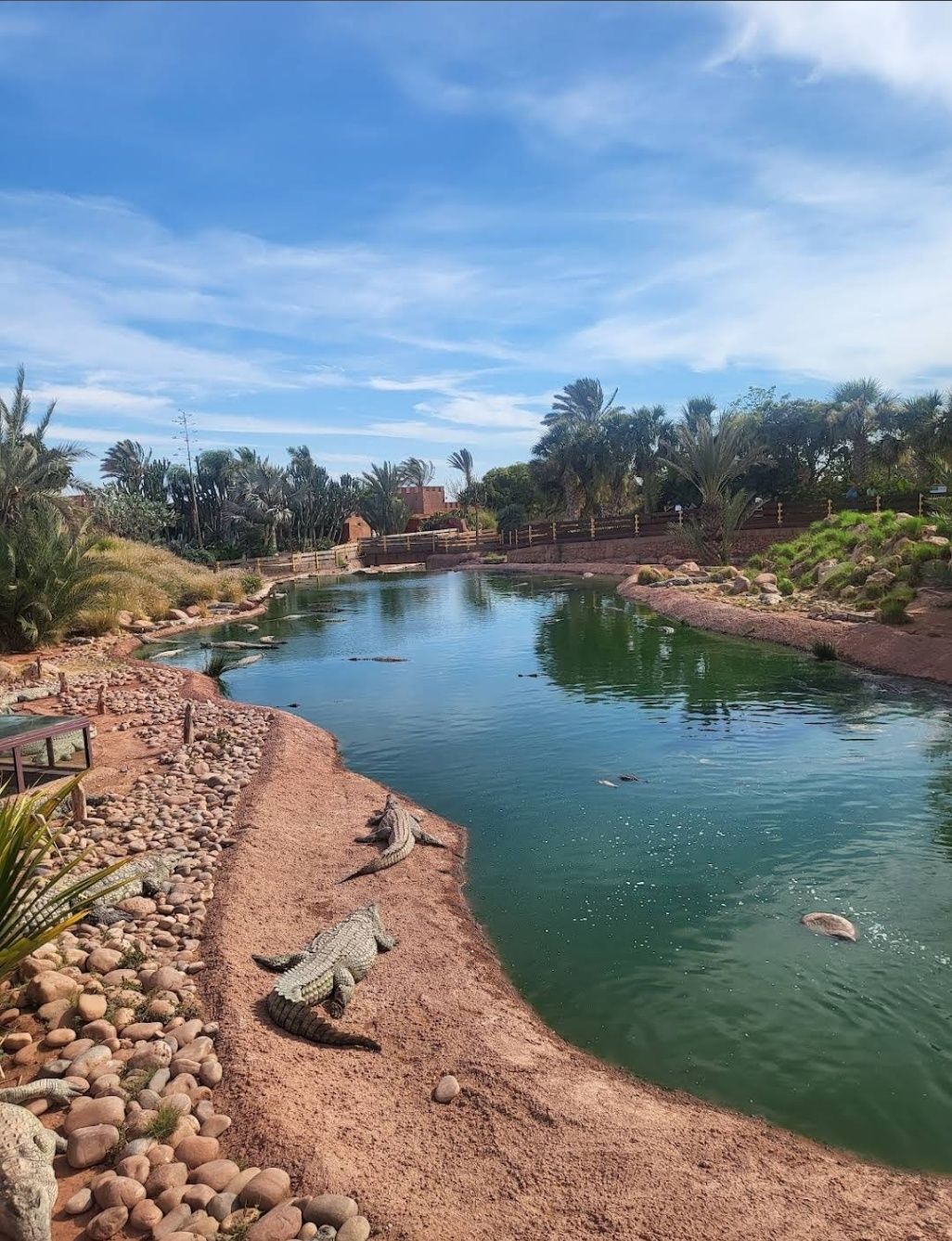
## Description **Crocopark Agadir** is Morocco’s first crocodile park, offering visitors a fascinating journey into the world of one of nature’s most ancient and powerful reptiles. Opened in 2015, the park is home to over **300 Nile crocodiles**, along with turtles, iguanas, anacondas, and a wide range of exotic plants. More than just a zoo, Crocopark is a well-designed ecological park that combines education, conservation, and family-friendly entertainment. What makes Crocopark unique is its immersive design. Guests wander along carefully planned pathways, bridges, and observation decks that provide safe yet close-up views of crocodiles basking in the sun, gliding through the water, or snapping their jaws during feeding sessions. The park also emphasizes environmental education, helping visitors learn about the importance of biodiversity and conservation. **Little-known facts**: * The crocodiles at Crocopark originally came from a farm in Djerba, Tunisia, and were brought to Morocco as part of a conservation project. * The park also doubles as a **botanical garden**, featuring over **4,000 plant species**, including rare and exotic varieties from across the world. --- ## Location Crocopark is located in **Agadir**, a major coastal city in the **Souss-Massa region of Morocco**. It sits about 14 kilometers east of Agadir’s city center, along the Marrakech–Agadir highway, making it easy to reach for both locals and tourists. ### How to get there: * **By car**: The park is a 20–25 minute drive from central Agadir. Parking is available on-site. * **By taxi**: Taxis are widely available in Agadir and offer a convenient way to reach Crocopark directly. * **By tour service**: Many local tour operators include Crocopark as part of day trips around Agadir. --- ## Tips * **Arrive for feeding time**: Watching the crocodiles being fed is one of the highlights of the visit. Feeding sessions are typically scheduled at set times throughout the day. * **Wear comfortable shoes**: The park covers a large area with multiple trails, so expect to do plenty of walking. * **Bring sunscreen and water**: Agadir is sunny most of the year, and outdoor exploration can get hot. * **Visit the botanical garden**: Don’t just focus on the reptiles—the park’s lush gardens are equally impressive, with rare cacti, tropical flowers, and shaded rest areas. * **Plan for families**: Crocopark is kid-friendly, offering educational experiences and safe viewing points, making it a great family outing. --- ## Conclusion Crocopark in Agadir is more than a wildlife attraction—it’s a unique combination of a crocodile sanctuary and a botanical garden. With its impressive collection of Nile crocodiles, exotic reptiles, and thousands of plant species, it offers an enriching and exciting experience for visitors of all ages. Whether you’re interested in conservation, botany, or simply enjoying an unusual day out, Crocopark is one of Agadir’s must-visit destinations. --- ## FAQ **1. What animals can I see at Crocopark?** The main attraction is Nile crocodiles, but you can also see turtles, iguanas, snakes, and a wide variety of plants. **2. How long does a visit usually take?** Most visitors spend around 2–3 hours exploring the park, including the reptile areas and the botanical gardens. **3. Is Crocopark suitable for children?** Yes, the park is family-friendly, with safe observation decks and educational displays designed for all ages. **4. When is the best time to visit Crocopark?** Morning or late afternoon visits are best to avoid the midday heat, though feeding times are also worth planning around. **5. Is there food available inside the park?** Yes, there are cafés and rest areas within Crocopark where visitors can buy snacks and refreshments. **6. Do I need to book tickets in advance?** While you can buy tickets on-site, booking in advance online is recommended during peak tourist seasons. --- ## Links * [Agadir Tourism – Official Site](https://www.visitagadir.com/) * [Morocco Tourism – Official Portal](https://www.visitmorocco.com/en)
GemVoyage Team • World
Siberia
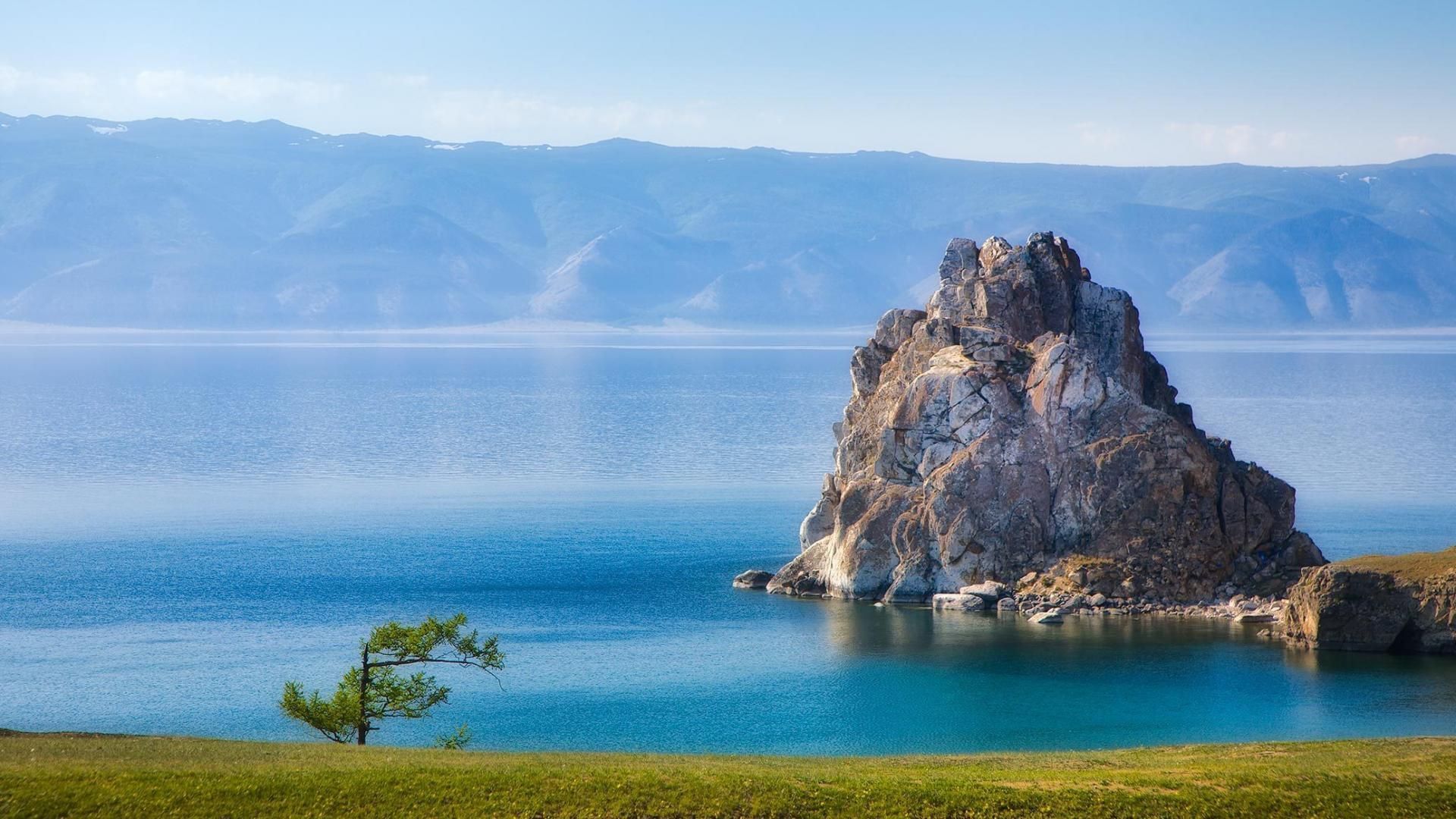
## Description Lake Baikal in southern Siberia is a global natural wonder: the world’s deepest and one of its oldest freshwater lakes, it holds roughly 20% of the planet’s unfrozen surface freshwater by volume. Stretching over 600 kilometers north-to-south and reaching depths of more than 1,600 meters, Baikal’s sheer scale is awe-inspiring. The lake’s crystalline waters, dramatic rifts, and seasonal extremes produce striking phenomena — from the unbelievable clarity of summer waters to the otherworldly expanses of transparent winter ice that allow you to walk, drive, or even ice-sail across a dazzling frozen surface. Baikal is also a hotspot of biodiversity and scientific interest. Its shoreline, submerged terraces, and deep basins host numerous endemic species found nowhere else on Earth, including the Baikal seal (nerpa) — the only seal species that has adapted to a fully freshwater environment — and dozens of endemic fish and invertebrates. The lake’s unique ecology is the result of millions of years of relative isolation, stable cold temperatures at depth, and complex nutrient cycling. Scientists study Baikal to better understand limnological processes, long-term climate records trapped in sediment layers, and the evolution of isolated ecosystems. For travelers, Baikal delivers a rare combination of dramatic landscapes and varied activities across seasons. In summer, the shoreline blooms with wildflowers, and mountain hikes and multi-day treks through taiga and steppe reveal panoramic views over the water. Kayaking, boat excursions, and shoreline camping let you sample the lake’s nearshore biodiversity and peaceful beaches. In winter, when the lake freezes, the surface becomes a vast frozen highway: locals and guides lead safe ice-walking excursions, cross-lake snowmobile trips, ice-fishing experiences, and festivals that celebrate the season. Photographers prize Baikal for its vivid ice formations, clear reflections, and light at dawn and dusk. Beyond natural spectacle, Baikal is threaded with human stories: small lakeside towns such as Listvyanka, the ferry-served Olkhon Island with its shamanic sites, and the city of Irkutsk — a historical gateway with Siberian wooden architecture and museums — are rich portals into local culture. Sustainable and low-impact travel is increasingly available via small-scale guesthouses, ecotour operators, and community-led tours that prioritize the lake’s protection. ## Location Lake Baikal spans the regions of Irkutsk Oblast and the Republic of Buryatia in Russia, with the lake forming a striking spine across southeastern Siberia. The city of Irkutsk is the primary gateway for international and domestic visitors, linked by the Trans-Siberian Railway and regional flights; it offers accommodations, museums, and transport connections. From Irkutsk, paved roads and seasonal bus services reach lakeside settlements like Listvyanka, Port Baikal, and the ferry terminals for Olkhon Island — the lake’s largest island and a cultural heartland with cliffs, shamanic sites, and small villages. Other access points include Ulan-Ude to the east and smaller regional airfields that connect via charter or seasonal flights. Travel times can be long, so many visitors plan multi-day itineraries that combine transit into the lake area with on-site exploration. ## Tips - **Respect seasonal access and local rules:** Ice travel and remote trails require local knowledge; always consult local guides and authorities before venturing onto the ice or into isolated areas. Safety equipment and up-to-date conditions are essential. - **Plan time for Olkhon Island:** Olkhon is a cultural and scenic highlight, with dramatic cliffs, shamanic sites, and small settlements. Allow several days to explore its coves, beaches, and sacred capes. - **Pack for extremes:** Even in summer, weather can shift quickly; bring layered clothing, waterproof shells, sturdy boots, sun protection, and insect repellent. In winter, prioritize thermal layers, insulated boots, and a reliable outer layer. - **Travel with experienced local guides:** Guides provide safety on ice crossings, access to lesser-known shorelines, wildlife-spotting skills, and cultural context about Buryat and Siberian heritage. Choose operators that practice sustainable tourism. - **Respect conservation rules:** Stick to marked paths, avoid disturbing nesting birds or haul-out sites, and follow Leave No Trace principles. Support local conservation initiatives when possible. - **Time your visit for activities:** Summer is best for hiking and kayaking; late spring and early autumn deliver fewer crowds and pleasant light; winter offers unique ice experiences but requires more planning. ## Conclusion Lake Baikal is both a living laboratory and a vast natural wonder: its depth, clarity, and ancient lineage make it one of Earth’s most singular freshwater realms. Whether you come for scientific curiosity, wilderness hiking, cultural exchange with lakeside communities, or simply to witness impossibly clear water and glass-like ice, Baikal rewards patient travel and respectful exploration. Plan carefully, choose sustainable operators, and allow enough time to move slowly around its bays and islands — the lake’s scale is best absorbed at human pace. ## FAQ - **Q: Can you swim in Lake Baikal?** A: Swimming is possible in summer at sheltered beaches and near lakeside villages, but the water remains cold even in peak months; stay near lifeguarded or popular swimming areas, enter gradually to avoid shock, and follow local safety guidance. - **Q: What is the best time to visit Lake Baikal?** A: Late June through September gives the warmest weather, flowering meadows, and easier trekking. Late winter (February–March) is ideal for ice-scenery photography and safe ice excursions when the ice is thickest and the light is crisp. Shoulder seasons offer quieter conditions. - **Q: How do I reach Olkhon Island, and do I need a vehicle?** A: Olkhon is reached via a seasonal ferry or ice road depending on the time of year. Many visitors rent 4x4 vehicles or join guided tours; public buses operate from nearby towns but capacity is limited. Plan logistics in advance, especially in peak season. - **Q: Are there wildlife viewing opportunities?** A: Yes—local guides can help you spot endemic fish species, waterbirds, and in protected offshore areas you may observe Baikal seals. Respect distance guidelines and avoid disturbing habitats. - **Q: Do I need special permits or visas to visit?** A: International visitors need a valid Russian visa. Some protected areas require entry fees or permits for camping and research; check with regional park authorities for up-to-date rules. - **Q: Is Internet and phone coverage available?** A: Coverage varies—cities like Irkutsk and larger settlements have decent mobile data; more remote shorelines and parts of Olkhon have limited connectivity. Prepare for periods offline and download maps or emergency contacts beforehand. ## Links -- [Lake Baikal — Wikipedia](https://en.wikipedia.org/wiki/Lake_Baikal)
GemVoyage Team • World


Comments