GemVoyage Team • World
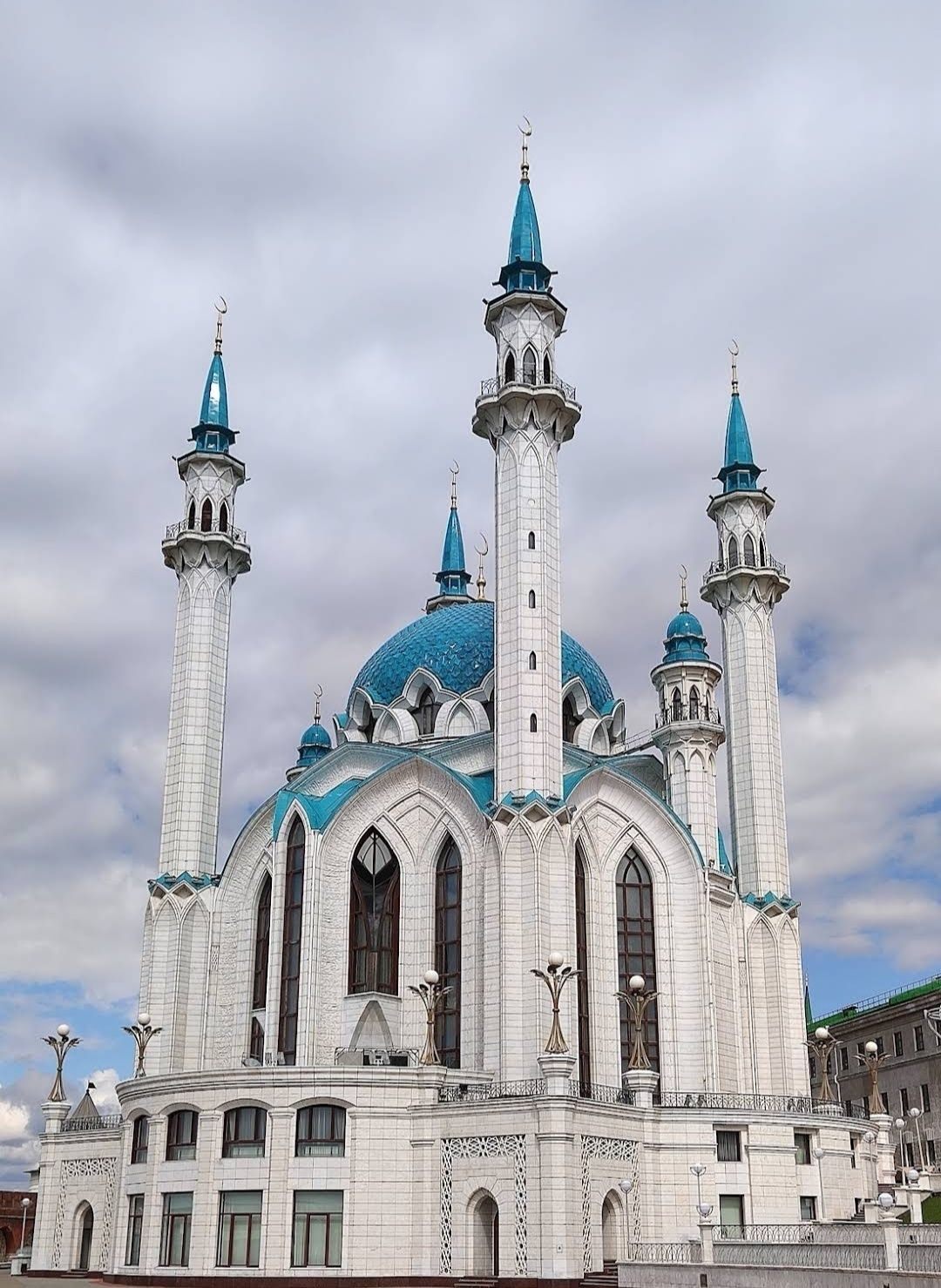
The Kul Sharif Mosque is one of the most stunning landmarks in Russia, standing proudly inside the Kazan Kremlin. Recognized as both a religious and cultural icon, it represents the rich history of the Tatar people and the peaceful coexistence of different faiths in the region. Its striking blue-and-white minarets, elegant domes, and ornate interiors make it not only a place of worship but also an architectural masterpiece.
Originally built in the 16th century, the mosque was destroyed in 1552 during the siege of Kazan by Ivan the Terrible. For centuries, it remained in ruins until it was magnificently rebuilt and reopened in 2005 as part of Kazan’s millennium celebrations. Today, it is one of the largest mosques in Russia and Europe, with the capacity to hold more than 6,000 worshippers.
A fascinating detail is that the mosque is named after Kul Sharif, a prominent Tatar religious leader, poet, and defender of Kazan who died during the 1552 siege. Another lesser-known fact is that the mosque’s design blends Islamic and Russian architectural influences, symbolizing Kazan’s unique position as a bridge between East and West. Its interiors are adorned with marble, mosaics, and exquisite chandeliers, while its museum showcases Islamic culture and history.
Kul Sharif Mosque is located in Kazan, the capital city of the Republic of Tatarstan, within the Kazan Kremlin, a UNESCO World Heritage Site. Its central location makes it easily accessible to both locals and tourists exploring the historical heart of the city.
To reach Kazan, visitors can fly into Kazan International Airport, which has direct flights from Moscow, St. Petersburg, and other major cities. From the airport, the city center is about a 30–40 minute drive. Within Kazan, public transportation is efficient, with buses, trams, and the Kazan Metro. The Kremlin, where the mosque is located, can be easily reached by metro (Kremlyovskaya Station) or by taxi. Walking tours are also popular, as the area is rich in cultural and historical landmarks.
To make the most out of your visit to the Kul Sharif Mosque, consider the following tips:
The Kul Sharif Mosque in Kazan, Russia is more than just a religious site—it’s a symbol of resilience, cultural pride, and harmony. With its breathtaking architecture, fascinating history, and central location in the Kazan Kremlin, it’s an unmissable attraction for anyone visiting Tatarstan. Whether you’re drawn by faith, history, or design, this mosque offers a truly unforgettable experience.
1. Is the Kul Sharif Mosque still active?
Yes, it functions as both a place of worship and a cultural landmark. Visitors are welcome outside prayer times.
2. Do I need to pay an entrance fee?
Entry to the mosque is generally free, though some museum exhibits inside may require a small fee.
3. How long should I plan for my visit?
Most visitors spend 1–2 hours exploring the mosque and museum, though you may want to set aside more time to enjoy the rest of the Kazan Kremlin.
4. Can non-Muslims enter the mosque?
Yes, the mosque welcomes people of all faiths, as long as visitors respect the dress code and customs.
5. What’s the best time to visit?
Spring and summer offer pleasant weather for exploring the city, while evenings provide the best lighting for photos of the illuminated mosque.
6. Is photography allowed inside the mosque?
Yes, photography is generally allowed, but avoid flash and always respect prayer times.
Discover more hidden gems you might love.
Cairo
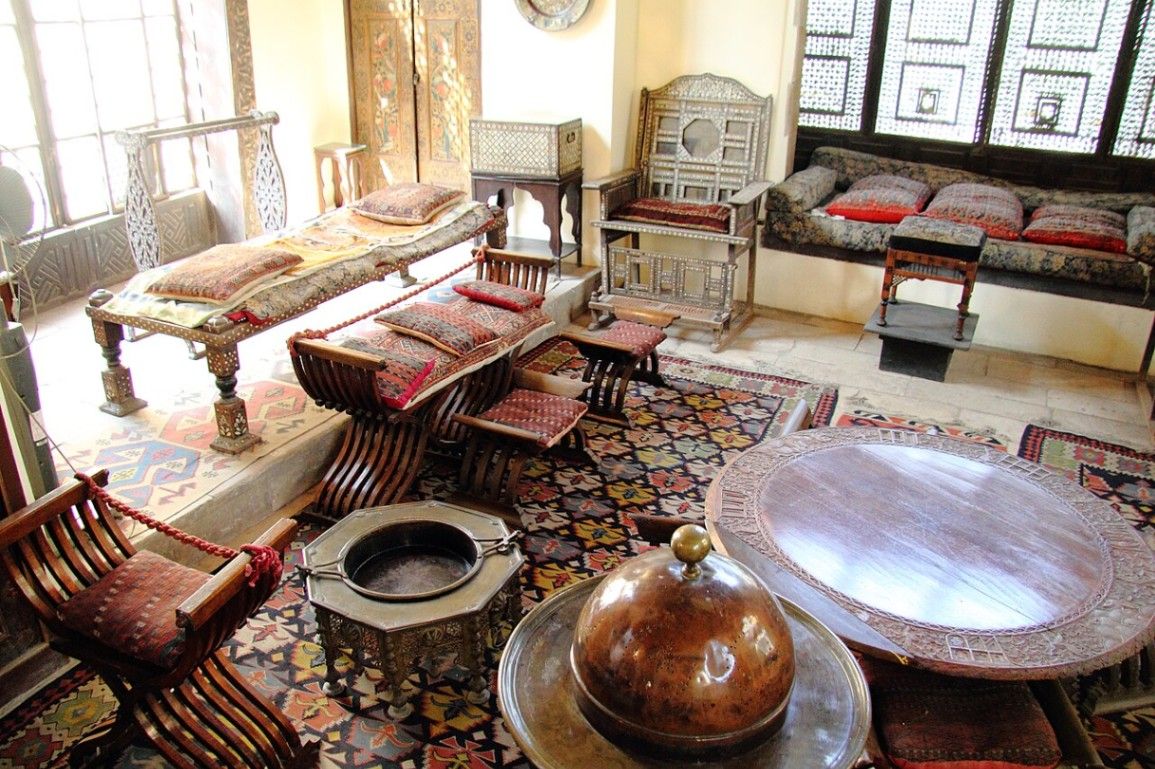
## Description Tucked away in the heart of historic **Cairo**, beside the magnificent **Ibn Tulun Mosque**, lies one of Egypt’s most enchanting and well-preserved heritage houses — the **Gayer-Anderson Museum** (Arabic: **بيت الكريتلية**, *Beit al-Kritliyya*). This remarkable museum offers a captivating journey into the world of **Islamic architecture, art, and domestic life**, transporting visitors back to the golden centuries of Cairo’s past. The museum is named after **Major R.G. Gayer-Anderson**, a British army officer, physician, and passionate collector who lived in Cairo in the 1930s. Fascinated by Egyptian and Islamic culture, he restored and furnished two adjoining 16th–17th century Ottoman-era houses — **Beit al-Kritliyya** and **Beit Amna bint Salim** — creating a living museum that preserves the elegance and sophistication of old Cairo homes. Inside, the museum unfolds as a labyrinth of **beautifully decorated rooms, wooden mashrabiya screens, marble courtyards, and intricately carved ceilings**. Each space tells a story: from the **Harem Room** with its intimate lattice windows, to the **Persian Room** adorned with exquisite carpets and calligraphy, and the **Damascus Room**, with its painted wood panels imported from Syria. The collection itself is a treasure trove — **antique furniture, carpets, glassware, manuscripts, Islamic ceramics, and artworks** gathered from Egypt, the Middle East, and beyond. One of the most striking displays is the **Pharaonic Room**, showcasing Gayer-Anderson’s fascination with ancient Egypt, including a replica of the famous **Gayer-Anderson Cat**, whose original is housed in the British Museum. A lesser-known fact is that the house is believed to be built on an ancient **Nilometer** (a device used to measure the Nile’s water levels), and local legends claim it once stood on the site of a **temple to Hathor**, the ancient Egyptian goddess of love and beauty. The building itself also served as a filming location for the **James Bond film “The Spy Who Loved Me” (1977)**, giving it a touch of cinematic fame. With its combination of **Islamic elegance, artistic detail, and historical charm**, the Gayer-Anderson Museum remains one of Cairo’s most atmospheric — yet often overlooked — attractions, offering a rare glimpse into Egypt’s layered cultural identity. ## Location The **Gayer-Anderson Museum** is located in the **Sayyida Zeinab district** of **Cairo**, Egypt, right beside the **Ibn Tulun Mosque**, one of the city’s oldest and most beautiful mosques. **Address:** Ahmed Ibn Tulun Street, Sayyida Zeinab, Cairo, Egypt To get there: * **By metro:** Take the **Cairo Metro Line 1** to **Saad Zaghloul** or **Sayyida Zeinab Station**, then a short taxi or tuk-tuk ride to Ibn Tulun Mosque. * **By taxi or ride app:** Simply tell the driver *“Beit al-Kritliyya near Ibn Tulun Mosque.”* It’s a well-known heritage site. * **By walking:** If you’re exploring **Islamic Cairo**, it’s a 15–20 minute walk from **Sultan Hassan Mosque** or **Al-Rifa’i Mosque**. * **By tour:** Many guided tours of Islamic Cairo include the museum as part of their itinerary. ## Tips * **Visit in the morning:** The museum is quieter and cooler in the early hours, allowing for a peaceful exploration of its rooms and courtyards. * **Pair your visit with Ibn Tulun Mosque:** The two sites are adjacent, and their architectural harmony makes for an ideal cultural outing. * **Take a guided tour:** The museum’s exhibits are best appreciated with context — a local guide can explain the symbolism behind each room and object. * **Photography:** Allowed in most areas (check current policy), but flash is often prohibited. Bring a camera for the stunning interiors. * **Look for the mashrabiya windows:** These wooden lattice screens were designed for privacy and ventilation — an essential feature of Islamic domestic architecture. * **Wear comfortable shoes:** You’ll walk through narrow staircases and multiple levels, so flat shoes are recommended. * **Visit nearby sites:** The **Citadel of Salah al-Din**, **Sultan Hassan Mosque**, and **Khan el-Khalili Bazaar** are all within short driving distance. ## Conclusion The **Gayer-Anderson Museum** is one of Cairo’s most captivating cultural landmarks — a living time capsule of Islamic art, architecture, and tradition. Blending Egyptian, Ottoman, and Persian influences, it embodies the cosmopolitan soul of Cairo through centuries of history. Whether you’re an art lover, a history enthusiast, or simply a curious traveler, wandering through the rooms of **Beit al-Kritliyya** is like stepping into another era — one where craftsmanship, elegance, and storytelling merge beautifully under the Cairo sun. ## FAQ **1. Who was Gayer-Anderson?** Major **R.G. Gayer-Anderson** was a British officer and collector who lived in Cairo in the 1930s and transformed two Ottoman-era houses into the museum we see today. **2. What is special about the museum?** It combines **Islamic architecture, antique collections, and traditional Egyptian home design**, offering an authentic look at life in old Cairo. **3. When was the museum established?** The houses date back to the **16th and 17th centuries**, and the museum officially opened to the public in **1945**. **4. Where is the museum located?** It’s beside the **Ibn Tulun Mosque** in the **Sayyida Zeinab district** of Cairo. **5. What are the museum’s opening hours?** Typically open daily from **9:00 AM to 5:00 PM**, though times may vary during Ramadan or national holidays. **6. Can I take photos inside?** Photography is generally allowed for a small additional fee; flash photography may be restricted in some rooms. **7. What nearby attractions can I visit?** The **Ibn Tulun Mosque**, **Citadel of Salah al-Din**, **Sultan Hassan Mosque**, and **Khan el-Khalili Bazaar** are all close by. ## Links * [Egyptian Ministry of Tourism and Antiquities – Official Site](https://egymonuments.gov.eg) * [Gayer-Anderson Museum Information](https://egymonuments.gov.eg/museums/gayer-anderson-museum)
GemVoyage Team • World
Brussels
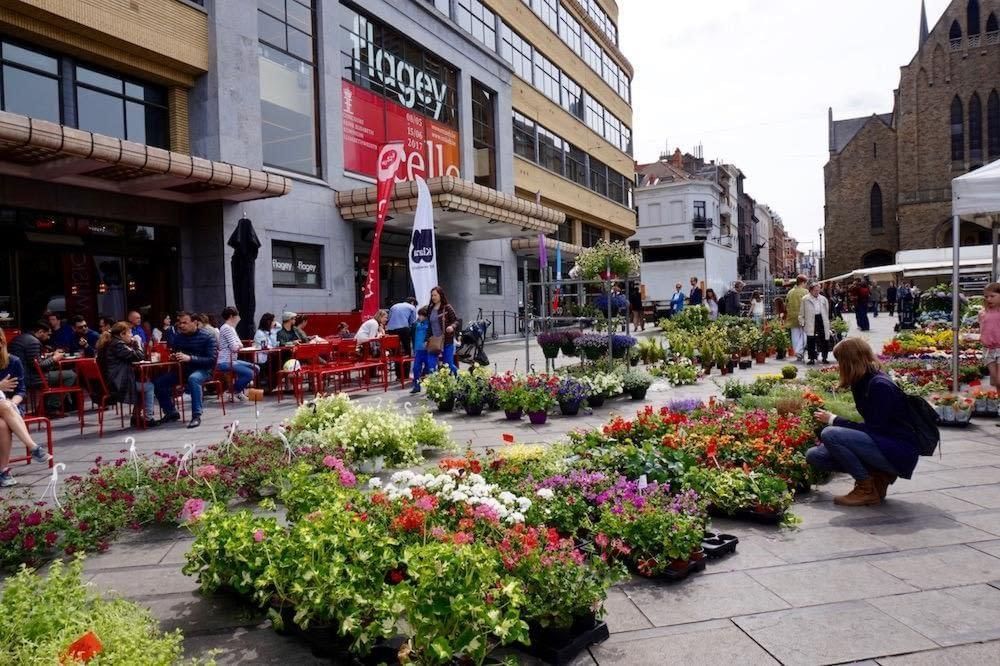
## Description Flagey Square Market is one of the most characterful weekly markets in Brussels, and it feels less like a simple shopping stop than a snapshot of the city’s everyday rhythm. Set around the wide, lively Place Flagey in Ixelles, the market brings together fresh produce, flowers, cheeses, baked goods, spices, and the kind of seasonal local ingredients that reveal how Brussels really eats. For visitors, its appeal is not just what is sold but how the place works as a social scene: neighbors catch up over coffee, families fill baskets for the week, and travelers get a direct taste of the city beyond the usual museum circuit. What makes Flagey Square Market especially memorable is the contrast between its practical purpose and its setting. Place Flagey is bordered by elegant urban architecture and sits near the ponds of Ixelles, which means a trip to the market can easily turn into a broader walk through one of Brussels’ most attractive districts. A lesser-known detail is that the square is closely associated with Brussels’ cultural life, so the market often feels like it belongs to a wider neighborhood ecosystem of design, music, and café culture rather than standing alone as a tourist attraction. Another advantage is the market’s pace: it is big enough to be interesting, but not so overwhelming that it loses its local feel. If you are interested in food travel, Flagey Square Market is a place to observe small but revealing habits. Look for vendors selling regional cheeses from Wallonia, seasonal fruit that reflects the calendar rather than a global supermarket standard, and flowers that are often carried home by residents heading back to nearby apartments. The best markets are the ones where the transaction is only part of the experience, and this one excels because it invites lingering, tasting, and people-watching in equal measure. You can come away with ingredients for a picnic, a gift for someone back home, or simply a better understanding of Brussels as a lived-in city. It is also a strong choice for travelers who prefer neighborhoods over monuments. The market gives you a reason to spend time in Ixelles, an area with a cosmopolitan reputation but also a distinctly Brussels identity. That balance of local routine and cosmopolitan variety is what makes Flagey Square Market worth including in any city itinerary. ## Location Flagey Square Market is located at Place Flagey in Ixelles, Brussels-Capital Region, Belgium. The square sits in the southeastern part of central Brussels, close to the Ixelles Ponds and within easy reach of the city’s main cultural and dining areas. It is one of the most walkable parts of Brussels, and that is part of the attraction: the market can be paired with a stroll around the ponds, a coffee in the Flagey neighborhood, or a longer walk toward Avenue Louise and the surrounding streets. Getting there is straightforward. From central Brussels, the easiest route is often public transport, especially trams or buses that connect the square with major districts and the city center. If you are staying in Ixelles or near the European Quarter, a taxi or rideshare is simple, but public transport usually provides the most efficient and authentic option. Walking is also realistic if you like to explore Brussels on foot, though the distance will depend on your starting point. Cycling can work well too, especially on a good weather day, since the neighborhood is relatively bike-friendly by urban standards. If your goal is to visit the market at its best, aim for a morning arrival. That is when the produce is freshest and the atmosphere is most active, with enough local shoppers to create energy without making the aisles feel crowded. Pairing the market with the nearby ponds is one of the smartest ways to structure a half-day in Brussels. ## Tips Arrive early if you want the widest choice of fruit, bread, cheese, and prepared foods. Later in the day you may still find good items, but the market is more rewarding when stock is full and the pace is relaxed. Bring a reusable bag or two. Markets like this are at their best when you can buy a few things spontaneously, and having a bag makes it easy to leave with snacks, picnic ingredients, or a small bouquet of flowers. Carry some cash, even if many vendors accept cards. Markets are practical places, but payment habits can vary from stall to stall, and cash can save time when you are buying a small item. Do not rush. Flagey Square Market is not only about shopping; it is also about atmosphere. Stop for coffee, ask vendors what is in season, and pay attention to the products locals reach for most often. That is often the best guide to quality. If the weather is pleasant, plan to continue to the Ixelles Ponds after the market. That small extension turns a food stop into a genuinely enjoyable neighborhood outing. ## Conclusion Flagey Square Market is one of Brussels’ best places to experience local life at street level. It combines food, neighborhood character, and a pleasant urban setting in a way that feels genuine rather than staged. For travelers who want a market that reflects the city’s daily rhythm, it is an excellent stop. ## FAQ ### When is Flagey Square Market open? Market days can vary by season and local scheduling, so it is best to check current opening times before you go. In general, the busiest and most rewarding hours are in the morning, when produce selection is strongest and the atmosphere feels most lively. ### Is Flagey Square Market good for tourists? Yes. It is especially good for visitors who want to see a neighborhood market that locals actually use. It is also easy to combine with nearby walks, cafés, and the Ixelles Ponds, so it fits naturally into a city day. ### What should I buy there? Fresh fruit, bread, cheese, flowers, and seasonal snacks are the most reliable purchases. If you want a taste of Brussels, look for local dairy products, pastries, or ingredients that are clearly tied to the season. ### How long should I spend there? Most visitors will enjoy 45 minutes to 2 hours, depending on whether they want to shop, eat, and explore the surrounding neighborhood. If you plan a full brunch or picnic outing, you may want even longer. ## Links - [Flagey](https://www.flagey.be/en) - [Place Flagey on Visit Brussels](https://visit.brussels/en/place/place-flagey)
GemVoyage Team • World
Aswan
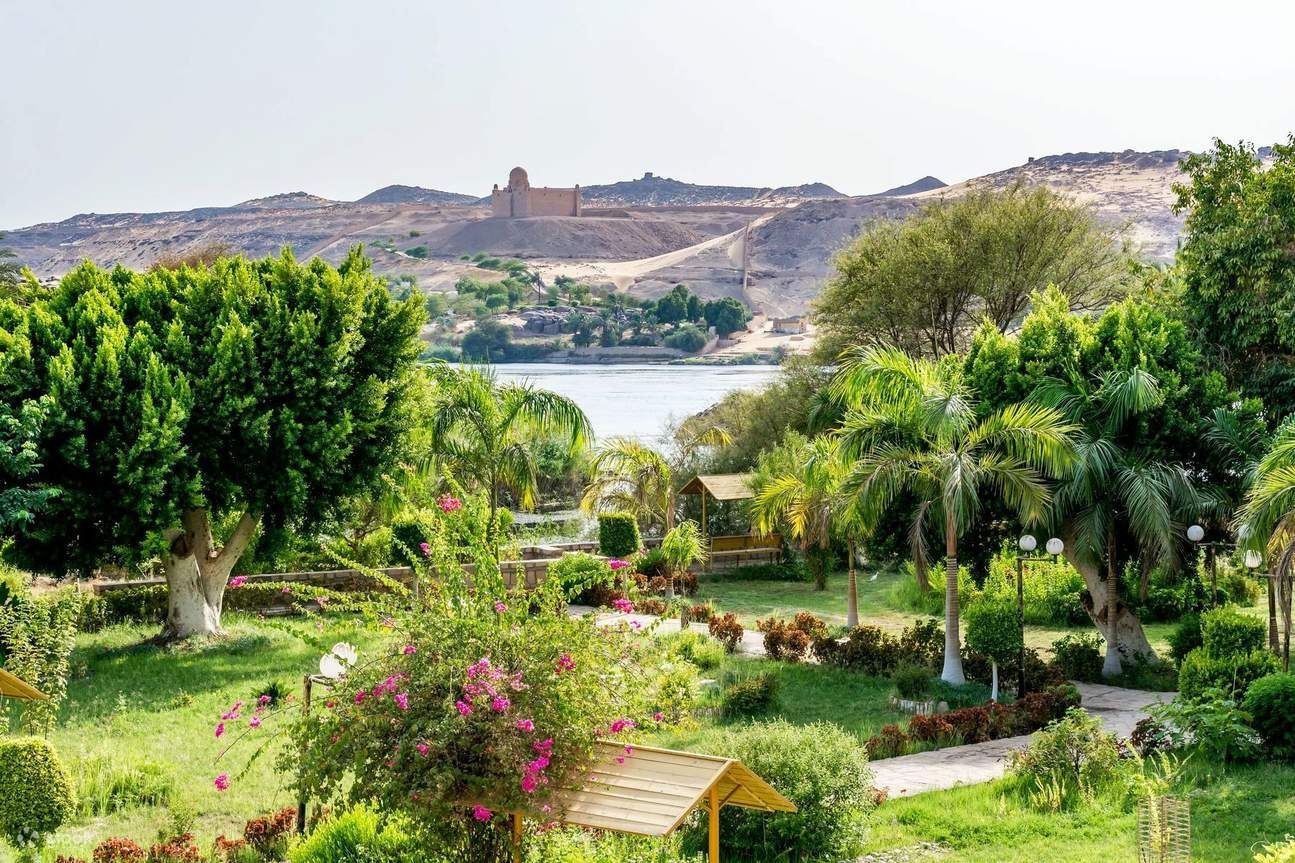
## Description The Aswan Botanical Garden is an unexpectedly verdant refuge on an island in the Nile, offering a cool, contemplative counterpoint to the monumental temples and quarries that dominate Upper Egypt’s tourism landscape. Its charm comes from a careful mix of cultivated plantings, winding pathways, and island vistas: palms, exotic trees, shaded pavilions, and thoughtfully placed seating invite visitors to slow down and enjoy the river breeze. For travelers who have spent mornings at temples and archaeological sites, the garden offers precisely the restorative pause many itineraries lack. Beyond leisure, the garden holds botanical and historical interest. Many plantings were introduced during the nineteenth and early twentieth centuries as part of botanical exchanges, and the site has long been associated with collection and study. The island location amplifies the sense of escape—the short boat journey from Aswan’s riverfront feels intentional and contributes to the visit’s narrative: you leave the bustling riverbank and step into a quieter, greener world. Birdlife, moving water, and the light across the Nile all combine to create a sensory experience that changes throughout the day. ## Location The garden is located on Kitchener’s Island (sometimes referred to historically in guidebooks), a short boat ride from Aswan’s main waterfront. Boat crossings take only a few minutes and are typically arranged through local boat operators, hotels, or Nile tour companies. Because the garden lies close to the city center, it can be combined easily with other Nile-side visits, including the Philae Temple boat ride or a felucca sail. Plan your visit for the morning or late afternoon when temperatures are milder and light is most flattering for photography. Midday in Upper Egypt can be intense, and shade is limited along some paths despite tree cover. ## Tips - Go in the cooler parts of the day—early morning or late afternoon are best for walks and photos. - Bring water, sunscreen, and a hat; shade is available but the sun can still be strong. - Arrange a reliable boat transfer—ask at your hotel or book through a reputable local operator. - Wear comfortable shoes: paths are mostly easy but can be uneven in places. - Combine the garden visit with nearby Nile-side sites to make the crossing feel part of a fuller river day. - Look for framed views through the trees toward the Nile; they make excellent photo opportunities and quiet spots to sit. ## Conclusion The Aswan Botanical Garden is a welcome respite for travelers who want a gentler pace amid an itinerary of temples and island tours. Its island setting, curated plantings, and tranquil riverside atmosphere create an appealing, low-effort stop that rewards slow exploration and quiet observation. ## FAQ ### Why visit a botanical garden in Aswan? It offers a distinctly different experience from archaeological sites: shade, plant variety, birdlife, and a slower pace that complements temple visits. ### How do I get there? Visitors reach the island by a short boat transfer from Aswan’s riverfront; boats are easy to arrange locally and typically take only a few minutes. ### Is it suitable for families? Yes. Wide paths and gentle walking conditions make the garden family-friendly, though bring water and sunscreen for young children. ### How much time should I spend there? One to two hours is usually enough for a relaxed visit; more time is pleasant for photography and lingering breaks. ### What should I bring for the visit? Comfortable shoes, water, hat, and sun protection; a camera and a small notebook are useful for nature observation. ## Links - [Wikipedia](https://en.wikipedia.org/wiki/Aswan_Botanical_Garden)
GemVoyage Team • World
Cairo
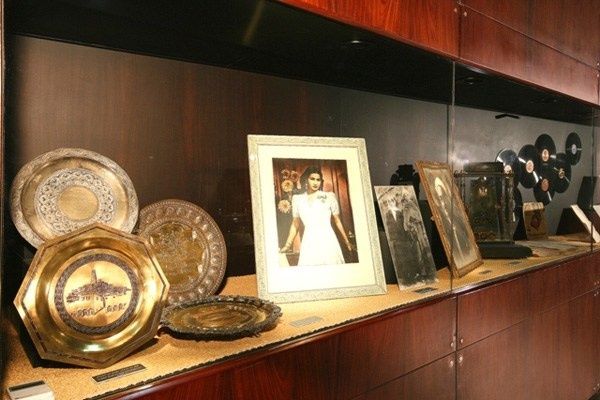
## Description **The Umm Kulthum Museum (متحف أم كلثوم)** is a cultural institution dedicated to the life, career, and enduring influence of **Umm Kulthum**, widely regarded as the greatest singer in Arabic music history. More than a traditional museum, it functions as a space of collective memory, honoring an artist whose voice shaped Arab identity, politics, and emotional life throughout the 20th century. The museum traces Umm Kulthum’s journey from her rural childhood in the Nile Delta to her rise as an international cultural icon. Exhibits include original concert dresses, handwritten song lyrics, personal letters, musical instruments, photographs, and rare recordings. These objects illustrate not only her artistic evolution but also her role in Egypt’s political and social life, particularly during the mid-20th century when her songs became symbols of unity and resilience. One lesser-known fact is that Umm Kulthum maintained strict control over her performances, including acoustics, orchestra placement, and radio broadcasts, contributing to the unique emotional intensity of her concerts. Another interesting detail is that her monthly live radio performances once caused streets across the Arab world to empty, as listeners gathered around radios to hear her sing in real time. The museum also emphasizes her collaboration with major composers and poets, such as **Riad Al-Sunbati** and **Ahmed Rami**, highlighting how her success was the result of a disciplined artistic network rather than solo fame. Audio stations throughout the museum allow visitors to experience her music in context, making the visit immersive rather than purely visual. ## Location **Country:** Egypt **Region:** Greater Cairo **City:** Cairo **District:** Old Cairo (Manial area) The museum is located within the **Manasterly Palace complex** on **Roda Island**, overlooking the Nile. ### How to Get There * **By taxi or ride-hailing:** * Uber and local taxis are the most convenient way to reach Roda Island. * **By metro:** * Take Line 1 to **Sayeda Zeinab** station, followed by a short taxi ride. * **By car:** * Accessible via bridges connecting Roda Island to central Cairo. * **On foot (limited):** * Walking access is possible from nearby neighborhoods, but distances can be long. ## Tips * **Allow time for listening stations:** The audio exhibits are essential to the experience. * **Combine with Manial Palace:** Both sites are in the same complex and complement each other well. * **Visit on a weekday:** The museum is quieter and more contemplative. * **Background knowledge helps:** Familiarity with Umm Kulthum’s music enhances the visit, but it’s not required. * **Photography rules vary:** Check signage before taking photos inside. * **Best for mature visitors:** The museum is most appreciated by those interested in cultural history and music. ## Conclusion The Umm Kulthum Museum preserves the legacy of a voice that transcended music to become a cultural force. Through personal artifacts, recordings, and historical context, it offers a deep and respectful exploration of an artist who shaped generations across the Arab world. ## FAQ **1. Who was Umm Kulthum?** She was an Egyptian singer and cultural icon whose influence extended across the Arab world for decades. **2. Is the museum suitable for non-Arabic speakers?** Yes. Visual displays and contextual explanations make the visit accessible, though understanding Arabic lyrics adds depth. **3. How long does a visit take?** Around **60 to 90 minutes**. **4. Is there an entrance fee?** Yes, a modest fee is charged. **5. Are guided tours available?** Occasionally, especially for cultural groups. **6. Can I buy music or souvenirs there?** Limited merchandise may be available within the palace complex. ## Links * [Cairo tourism portal](https://www.experienceegypt.eg/en)
GemVoyage Team • World
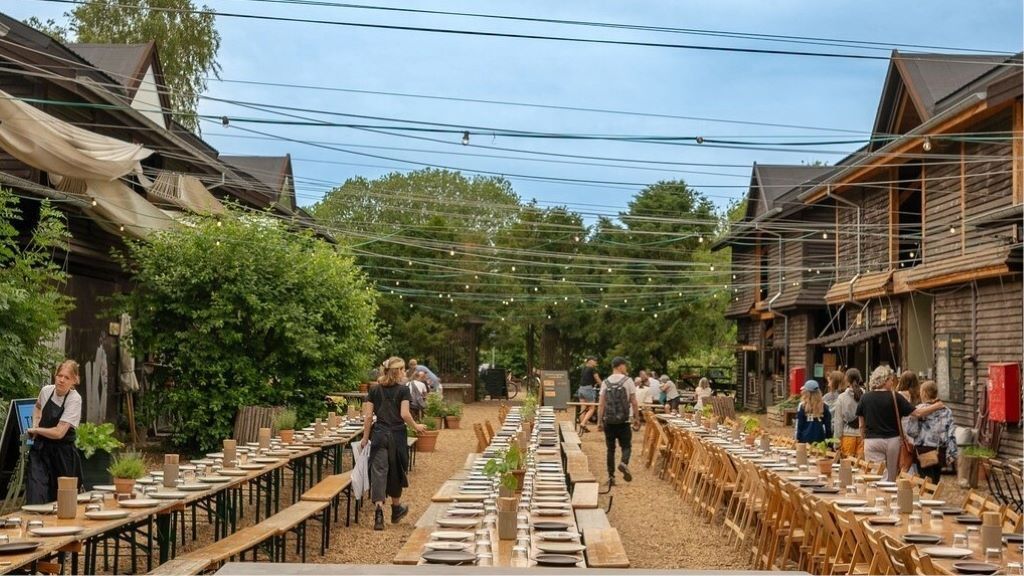
Copenhagen
## Description **Banegaarden** is one of Copenhagen’s most compelling examples of **urban regeneration through food, culture, and sustainability**. Built inside a former railway maintenance area, this vibrant cluster of wooden buildings, green courtyards, bakeries, breweries, eateries, and cultural spaces has been transformed into a **community-driven gastronomic village** that blends industrial heritage with contemporary Nordic creativity. What makes Banegaarden truly distinctive is its **organic, low-rise village layout** rather than a typical food hall or marketplace structure. Ten restored wooden railway buildings form the heart of the site, connected by gravel paths, gardens, fire pits, and outdoor seating areas. Instead of polished glass and steel, the visual language here is **raw wood, brick remnants, reclaimed beams, and soft green landscaping**. The result feels more like a countryside craft settlement dropped into the city than a traditional urban development. Food is the central magnet, but Banegaarden is not built around fast consumption. Many of its kitchens focus on **seasonal Nordic ingredients, organic produce, fermented foods, sourdough baking, slow-roasted meats, and local craft beer and natural wine**. Several of the food operators also function as production spaces, meaning visitors can see bread baked, beer brewed, and ingredients processed on-site. This transparency reinforces the project’s emphasis on **craft, traceability, and sustainability**. Equally important is Banegaarden’s **cultural layer**. The site frequently hosts live music, vinyl listening sessions, workshops, farmers’ markets, food talks, and small festivals. These activities transform the area from a dining destination into a **living social platform** that evolves with the seasons. Summer brings long outdoor evenings around communal tables, while winter focuses on indoor gatherings, candles, and fire-lit courtyards. A key characteristic of Banegaarden is its **anti-commercial atmosphere**. There is no corporate branding dominance, no chain restaurants, and no sterile shopping-mall layout. Instead, it operates more like a **curated creative ecosystem** where craftsmen, chefs, farmers, brewers, musicians, and designers coexist. This gives the place an authenticity that is difficult to manufacture and easy to lose in large-scale redevelopment projects. A little-known fact is that the site originally functioned as a **railway service yard for inspecting and repairing trains**, not as a public passenger area. Even today, parts of the old rail infrastructure remain subtly integrated into the landscape. Another lesser-known detail is that many of the wooden buildings were **physically relocated and reconstructed on-site**, rather than built entirely from new materials, making Banegaarden as much a recycling project as a cultural one. Emotionally, Banegaarden appeals to people who seek **slowness inside an efficient city**. Copenhagen is known for streamlined design and functional modernism, but Banegaarden celebrates imperfection, texture, and informal gathering. It attracts food lovers, families, cyclists, creatives, and visitors who want to experience something that feels **local rather than curated for mass tourism**. It is not a place to rush through. Banegaarden rewards lingering: coffee in the morning, shared lunch under trees, beer at sunset, and live music after dark. Its true value lies not in any single vendor, but in the **collective energy created by people, food, sound, fire, and reclaimed wood**. ## Location **Banegaarden** is located in the **Vesterbro district of Copenhagen**, close to one of the city’s major transport hubs. **City:** Copenhagen **Region:** Capital Region of Denmark (Hovedstaden) **Country:** Denmark **District:** Vesterbro **Nearby Landmark:** Dybbølsbro Station ### How to Get There: * **By S-train:** Take the S-train to **Dybbølsbro Station**, then walk about 5 minutes. * **By bicycle:** One of the easiest and fastest ways to reach Banegaarden from central Copenhagen. * **By bus:** Multiple routes serve the Vesterbro and Dybbølsbro area. * **By taxi or ride-hailing apps:** Quick access from anywhere in the city. * **On foot:** Approximately 20–25 minutes from Copenhagen Central Station. Its location makes it easy to combine with visits to **Meatpacking District (Kødbyen), Vesterbro cafés, and Copenhagen’s waterfront areas**. ## Tips * **Visit on weekends for atmosphere:** That’s when markets, music, and social gatherings are most active. * **Arrive early in summer:** Popular seating areas fill up fast on sunny days. * **Dress for outdoor time:** Much of the experience takes place outside, even in cooler weather. * **Bring cash and card:** Most vendors accept cards, but small pop-ups may prefer mobile payments. * **Not a fast-food stop:** Plan to spend time exploring, eating slowly, and socializing. * **Family-friendly during the day:** Evenings are more focused on adult dining and drinks. * **Seasonal variation matters:** Winter is cozy and intimate, summer is expansive and social. * **Respect the space:** It is community-driven and functions best when visitors treat it like a shared backyard, not a tourist spectacle. ## Conclusion **Banegaarden** is a rare urban space where **sustainability, food culture, craftsmanship, and social design intersect without feeling forced**. By transforming old railway buildings into a creative village, Copenhagen has gained a destination that feels alive, textured, and deeply human. It is not about spectacle or scale, but about **atmosphere, community, and the quiet power of thoughtful reuse**. ## FAQ **1. What is Banegaarden exactly?** It is a **food, culture, and craft village** built in repurposed railway buildings in Vesterbro. **2. Is there an entrance fee?** No. **Entry is free**, and you only pay for food, drinks, or events you attend. **3. Is Banegaarden open year-round?** Yes. It operates in all seasons, though **activity levels peak in warmer months**. **4. Is Banegaarden good for tourists?** Yes, especially for travelers who want a **local, non-touristy Copenhagen experience**. **5. Can children visit Banegaarden?** Yes. It is **family-friendly during daytime hours**. **6. How long should I plan to stay?** Most visitors spend **1.5 to 3 hours**, depending on meals and events. ## Links * [Banegaarden Official Website](https://www.banegaarden.com/)
GemVoyage Team • World
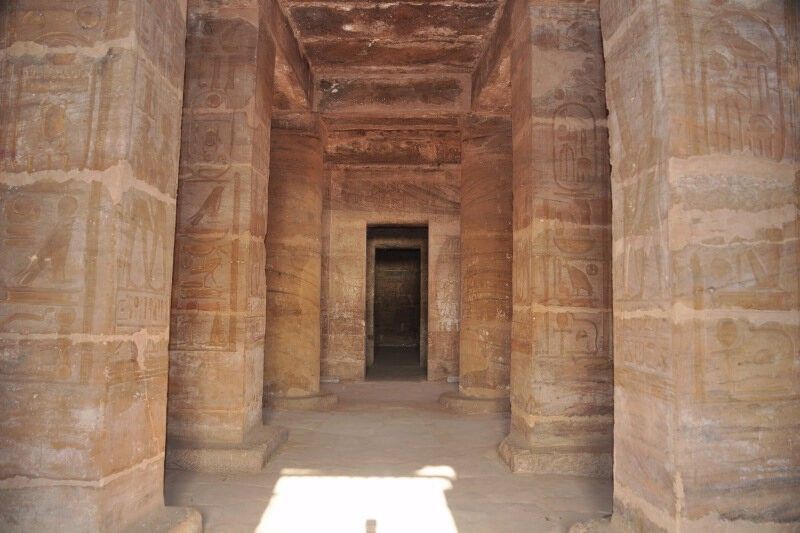
Aswan
## Description **The Temple of Amada** is one of the oldest surviving stone temples in Nubia and a remarkable example of **New Kingdom Egyptian architecture** outside the Nile Valley’s main centers. Built during the reigns of **Thutmose III** and **Amenhotep II** in the 18th Dynasty (15th century BCE), the temple was dedicated to the gods **Amun-Re** and **Re-Horakhty**. While modest in size compared to the great temples of Luxor, Amada’s historical and artistic value is exceptionally high. What makes the Temple of Amada unique is its **well-preserved interior inscriptions**. The walls are covered with detailed reliefs and hieroglyphic texts that document military campaigns in Nubia and the Near East. One inscription records a victory so overwhelming that it claims the stench of defeated enemies filled the land—an unusually vivid and rare narrative detail in Egyptian temple texts. A lesser-known but crucial fact is that the temple originally stood several kilometers south of its current location. During the 1960s, it was **relocated intact** as part of UNESCO’s Nubian Monuments rescue campaign, launched to save ancient sites threatened by flooding from the construction of the Aswan High Dam. Unlike Abu Simbel, which was cut into blocks, the Temple of Amada was moved as a **single structure**, an extraordinary engineering achievement that preserved its fragile wall paintings. The temple’s proportions are elegant and restrained, with a small pylon, open courtyard, hypostyle hall, and sanctuary. Its compact scale allows visitors to closely study reliefs and inscriptions without the overwhelming crowds found at larger sites, making it especially rewarding for those interested in Egyptian history and epigraphy. ## Location **Country:** Egypt **Region:** Upper Egypt / Nubia **Nearest City:** Aswan The Temple of Amada is located approximately **20 kilometers south of Aswan**, near Lake Nasser, close to the modern village of New Amada. ### How to Get There * **By guided tour:** * Most visitors reach Amada as part of a **Lake Nasser archaeological tour**, either by road or boat. * **By car:** * Accessible via the Aswan–Abu Simbel road, though permits may be required for independent travel. * **By cruise boat:** * Some Lake Nasser cruises include Amada as a scheduled stop. ## Tips * **Visit with a guide:** The inscriptions are historically rich but easy to miss without explanation. * **Allow time inside:** The temple’s value lies primarily in its interior reliefs, not its exterior. * **Bring sun protection:** The site is exposed, and shade is limited. * **Photography is allowed:** Flash should be avoided to protect the wall paintings. * **Combine with nearby sites:** The temples of Derr and the Tomb of Pennut are often visited together. * **Best visited in winter:** Cooler temperatures make exploration far more comfortable. ## Conclusion The Temple of Amada is a quiet but powerful witness to Egypt’s imperial presence in Nubia. Its vivid inscriptions, elegant design, and dramatic modern relocation make it one of the most historically important yet underrated ancient temples in southern Egypt. ## FAQ **1. When was the Temple of Amada built?** It dates to the 18th Dynasty, primarily during the reigns of Thutmose III and Amenhotep II. **2. Why was the temple moved?** It was relocated to prevent flooding caused by the creation of Lake Nasser after the Aswan High Dam. **3. Is the temple original or reconstructed?** It is original; the entire structure was moved intact rather than rebuilt from blocks. **4. How long does a visit take?** Approximately **30–60 minutes**, depending on interest in inscriptions. **5. Is it crowded?** No. It is much quieter than major temples along the Nile. **6. Is the site suitable for casual visitors?** Yes, though history enthusiasts will appreciate it the most. ## Links * [Egypt tourism portal](https://www.experienceegypt.eg/en)
GemVoyage Team • World

Comments