GemVoyage Team • World
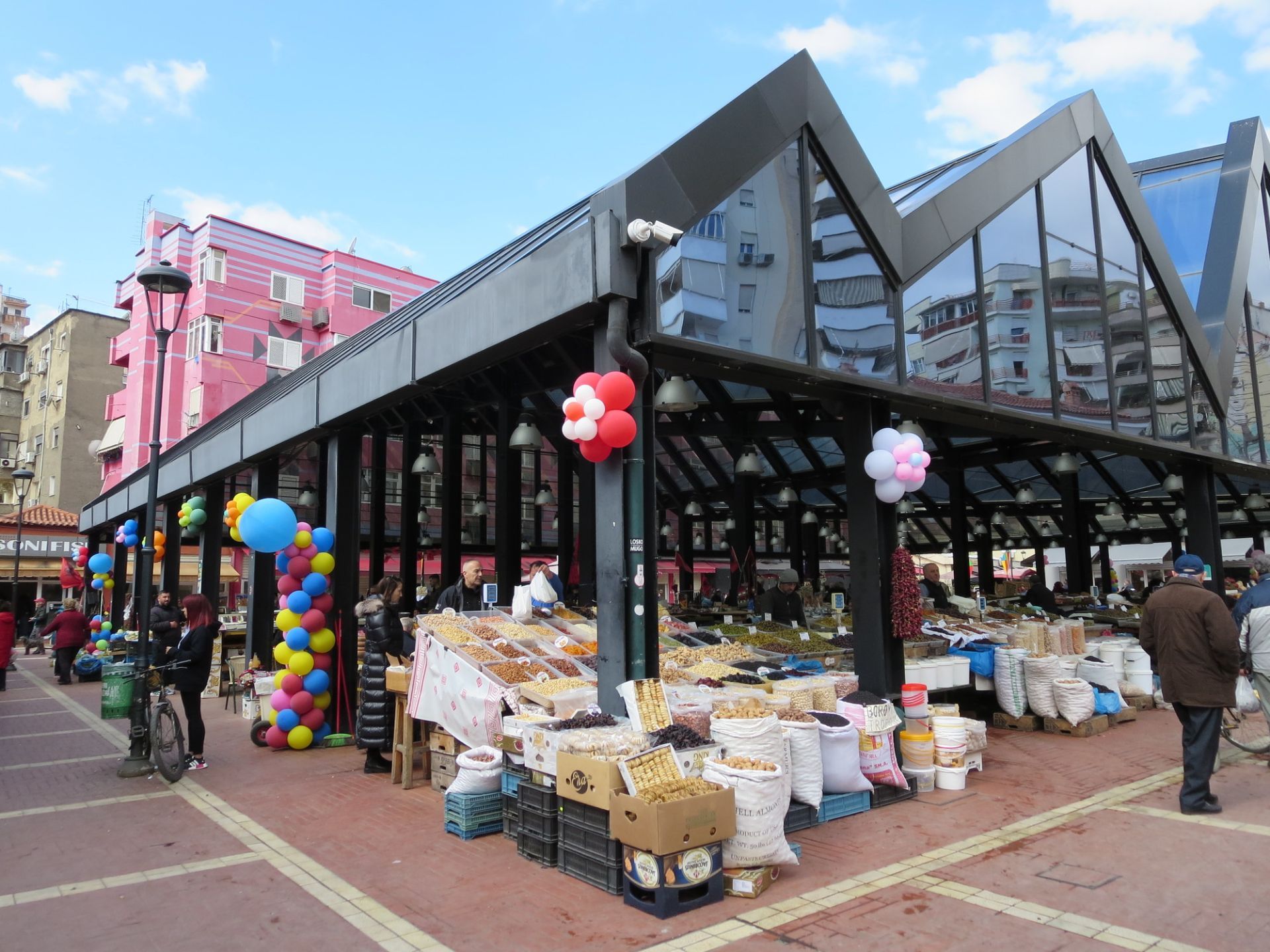
The market’s strength is its blend of old and new. Traditional produce stalls and food sellers sit alongside cafés, contemporary public space, and a district that has been reimagined for modern city life without losing its local feel. One little-known fact is that Pazari i Ri has become a symbol of Tirana’s broader urban renewal, showing how the city can update itself while keeping a neighborhood scale. Another is that it is one of the easiest places to observe how locals shop, eat, and meet during the day, making it valuable for travelers who want more than landmark sightseeing.
Food is a major reason to go. Fresh fruit, vegetables, herbs, cheeses, spices, and prepared dishes all contribute to a lively market atmosphere. The surrounding area also makes it simple to sit down for coffee or a meal after browsing. That flexibility is important because it allows the market to work as both a practical stop and a relaxed social outing. You do not have to buy anything to enjoy the visit. Watching the movement, hearing the conversations, and taking in the color and rhythm of the place is enough.
For visitors, Pazari i Ri offers a nice balance between structure and spontaneity. You can go there with a shopping list if you want, but you can also simply wander and let the market lead you. Because it sits within central Tirana, it is one of the easiest places to combine with sightseeing, making it a very efficient and satisfying addition to a city day.
The market is very accessible on foot from the core city center, which makes it especially convenient for visitors staying in central Tirana. Taxis and ride-hailing services are also simple options, but walking is often the most pleasant way to arrive because it lets you approach the area gradually and notice the changing urban texture around it.
Since the market is central, it works well at almost any time of day, though morning and lunchtime visits tend to feel most active. If your schedule is open, try to arrive when people are shopping for daily supplies, because that is when the market feels most local and animated.
Discover more hidden gems you might love.
Venice
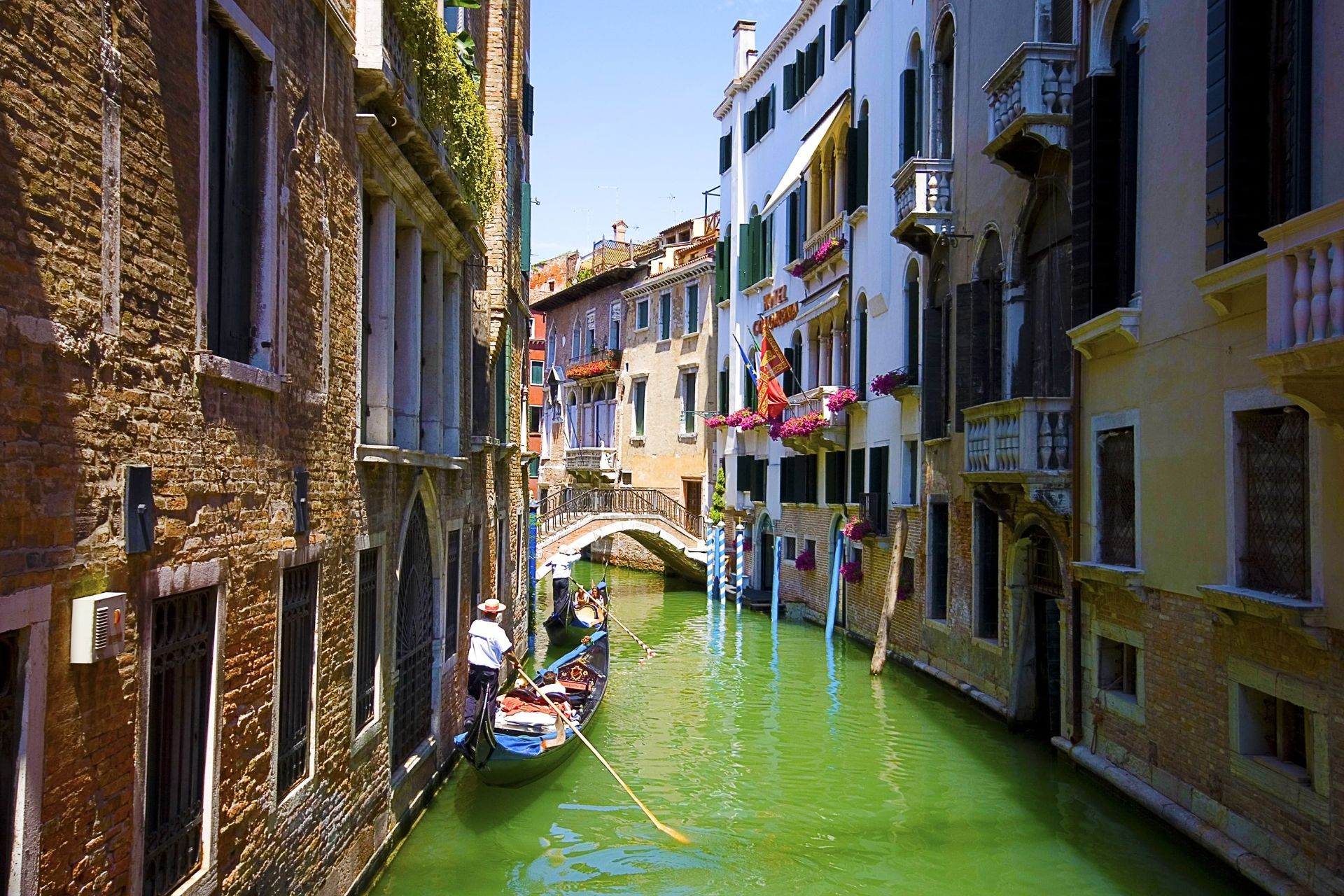
## Description Cannaregio is one of Venice's most atmospheric districts, often compared to Rome's Trastevere because of its neighborhood feel, lively streets, and balance of local life with visitor appeal. Unlike the most crowded parts of Venice, Cannaregio still feels residential in many places, which gives travelers a richer sense of how the city works beyond the postcard landmarks. Narrow canals, modest bridges, traditional houses, and hidden courtyards create an experience that is quieter than St. Mark's but often more memorable. The district is especially appealing for travelers who enjoy wandering without a strict plan. Its streets reward curiosity: you may turn a corner and find a small bacaro serving cicchetti, a church with centuries of history, or a canal scene that looks almost unchanged from the past. The famous Venetian rhythm of walking, pausing, and crossing bridges feels more relaxed here, and that makes Cannaregio a good place to appreciate the city at a slower pace. One lesser-known fact is that Cannaregio is home to the historic Venetian Ghetto, one of the earliest ghetto districts in Europe and an important site in the history of Jewish life in the city. Another is that, despite its relative calm, the district has one of the longest and most distinctive canal fronts in Venice, giving it some of the best opportunities for scenic strolls away from the major tourist flows. Cannaregio also offers an excellent food and drink scene for those who want a more local feel. Small bars, bakeries, and neighborhood restaurants are often less formal than those around the busiest monuments. The area can feel lively in the evening without becoming overwhelming, which makes it especially appealing for travelers who like to settle into a district rather than simply pass through it. Architecturally, Cannaregio presents a satisfying mix of ordinary and elegant Venice. You will find grand palazzi near the water, smaller homes deeper in the district, and a canal network that makes almost every route slightly different. For photographers, the area is full of soft light, reflections, and everyday scenes that capture Venice's character without the heavy staging of its most famous squares. If you want Venice to feel lived-in, intimate, and walkable, Cannaregio is one of the best places to spend time. It does not compete with the city's headline attractions; instead, it reveals the Venice that locals actually use, which is often the version travelers remember most. ## Location Cannaregio is the northernmost of Venice's six historic districts, located in Venice, Veneto, Italy. It stretches from the train station area into the heart of the city and includes parts of the Grand Canal, the Venice Ghetto, and many quiet side canals. It is easy to reach on foot from Venezia Santa Lucia railway station or by vaporetto along the Grand Canal. Because Venice is a walking city, the best way to explore Cannaregio is simply to arrive at the station or a nearby stop and start wandering through the district's streets and canals. ## Tips Visit late afternoon into evening if you want to combine sightseeing with aperitivo and dinner. Do not rush. Cannaregio is best experienced through detours, side streets, and pauses along the canal. Bring a map or use offline navigation, because Venice's layout can be confusing at first even though Cannaregio is relatively straightforward. Respect the residential character of the district. Many of its most charming areas are also people's homes. Look for bacari rather than only formal restaurants if you want a more local food experience. If you are interested in history, set aside time for the Venetian Ghetto and nearby Jewish heritage sites. ## Conclusion Cannaregio offers a more intimate and authentic side of Venice, combining local rhythm, historical depth, and canal-side beauty in a district that is easy to love and hard to forget. ## FAQ ### Why is Cannaregio compared to Trastevere? Both districts are known for local character, lively but not overly formal streets, and a strong mix of food, history, and neighborhood atmosphere. ### Is Cannaregio less crowded than central Venice? Yes, it is generally calmer than the most famous parts of Venice, though it can still be busy near the station and major landmarks. ### What is the most important historic site in Cannaregio? The Venice Ghetto is one of the area's most significant historical sites. ### Can I stay in Cannaregio as a base for Venice? Yes, many travelers prefer it because it is walkable, well connected, and usually less hectic than the busiest tourist zones. ## Links - [Cannaregio](https://en.wikipedia.org/wiki/Cannaregio) - [Venice tourism](https://www.veneziaunica.it/en)
GemVoyage Team • World
Copenhagen
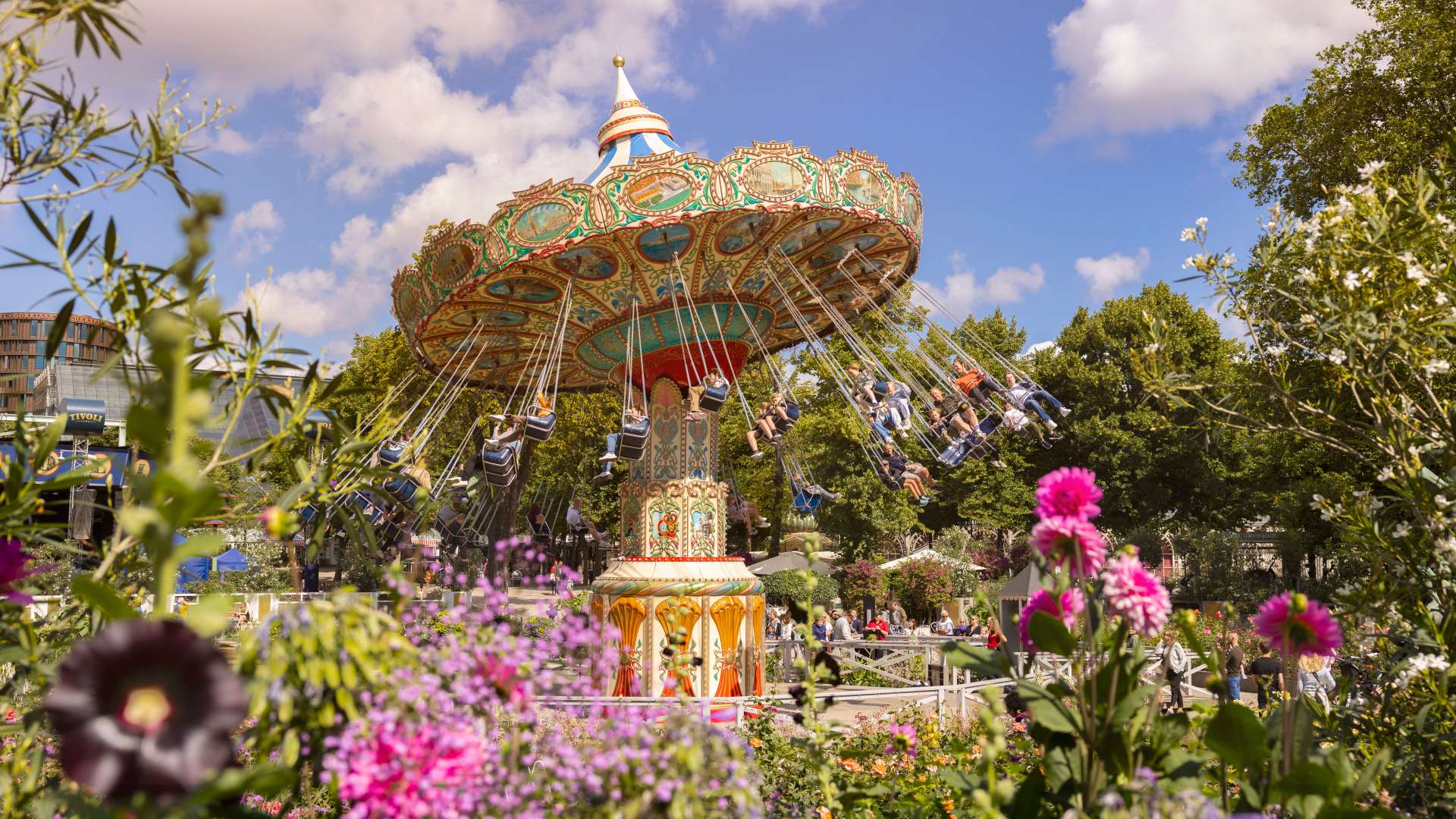
## Description Tivoli Gardens in Copenhagen is not just an amusement park—it’s a cultural institution, a botanical wonderland, and a nostalgic escape all rolled into one. Opened in 1843, Tivoli is the **second-oldest operating amusement park in the world**, yet it remains one of the most vibrant and beloved attractions in Denmark. With its blend of vintage charm and modern thrills, Tivoli offers something for everyone: roller coasters, live performances, gourmet dining, and serene gardens. The park’s architecture is a whimsical mix of exotic styles, including Moorish domes, Chinese pagodas, and fairy-tale towers. At night, thousands of colored lights transform the gardens into a magical realm, enchanting visitors of all ages. Tivoli’s oldest ride, the wooden Rollercoaster from 1914, still operates with a brakeman aboard—a rare feature found in only a handful of coasters worldwide. On the other end of the spectrum, Vertigo spins riders upside down at 100 km/h and was voted Europe’s Best Ride in 2014. A little-known fact: Tivoli inspired Walt Disney to create Disneyland. After visiting the park in the 1950s, Disney was captivated by its cleanliness, atmosphere, and attention to detail. Another quirky detail—guinea fowls and peacocks roam freely through the gardens, adding a touch of whimsy to the already surreal setting. ## Location Tivoli Gardens is located in **Denmark**, in the **Capital Region**, in the city of **Copenhagen**. It sits right in the heart of the city, adjacent to Copenhagen Central Station and within walking distance of City Hall Square. ### How to Get There: - **By Train**: Take any regional or S-train to Copenhagen Central Station. Tivoli’s main entrance is directly across the street. - **By Metro**: The nearest metro stop is Rådhuspladsen (City Hall Square), just a short walk away. - **By Foot or Bike**: If you're exploring central Copenhagen, Tivoli is easily accessible on foot or by bicycle. - **By Car**: Parking is available nearby, but public transport is recommended due to central traffic and limited space. Its central location makes it an ideal starting point for a day of sightseeing in Copenhagen. ## Tips for Visitors To make the most of your Tivoli experience, keep these tips in mind: - **Buy a Tivoli Pass**: If you plan to ride multiple attractions, the Ride Pass is more economical than paying per ride. - **Visit in the Evening**: Tivoli truly comes alive after dark with its dazzling lights and live performances. - **Check the Event Calendar**: From ballet and concerts to fireworks and seasonal festivals, Tivoli hosts over 250 events annually. - **Try the Food Hall**: Located near the Central Station entrance, Tivoli Food Hall offers a variety of cuisines from gourmet burgers to vegetarian delights. - **Bring a Picnic**: You’re allowed to bring your own food and enjoy it in the gardens. - **Use the Copenhagen Card**: This tourist pass includes free entry to Tivoli and over 80 other attractions, plus public transport. ## Conclusion Tivoli Gardens is a timeless blend of thrill, beauty, and culture. Whether you're chasing adrenaline on roller coasters, savoring Danish cuisine, or simply strolling through flower-lined paths, Tivoli offers an unforgettable experience in the heart of Copenhagen. ## FAQ **1. What are Tivoli Gardens’ opening hours?** Hours vary by season, but typically the park opens around 11:00 AM and closes between 10:00 PM and midnight. **2. Is Tivoli suitable for children?** Absolutely. There are rides, playgrounds, and performances tailored for kids of all ages. **3. Do I need to buy tickets in advance?** It’s recommended, especially during holidays and weekends. Online booking can save time and money. **4. Are there seasonal events at Tivoli?** Yes, Tivoli transforms for Halloween, Christmas, and summer festivals with themed decorations and special shows. **5. Can I visit Tivoli without going on rides?** Yes, many visitors come just to enjoy the gardens, restaurants, and performances. **6. Is Tivoli wheelchair accessible?** Yes, the park is fully accessible, and wheelchairs are available for rent at the entrance. ## Links - [Tivoli Gardens Official Website](https://www.tivoli.dk/en) - [Tivoli Gardens – Wikipedia](https://en.wikipedia.org/wiki/Tivoli_Gardens)
GemVoyage Team • World
Berlin
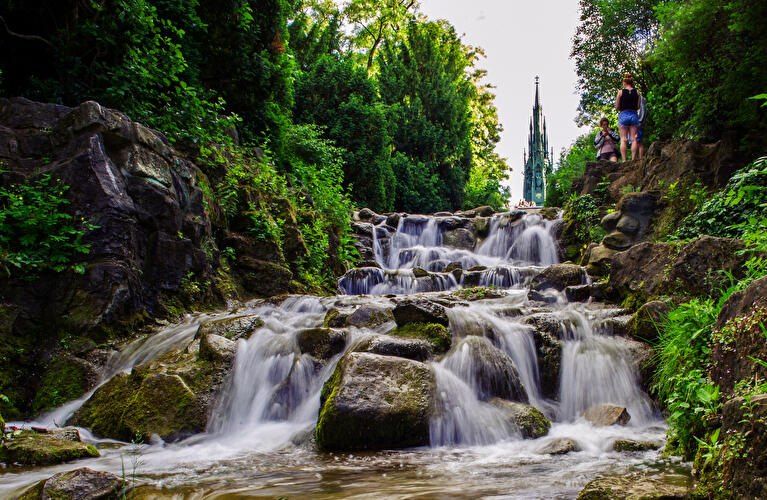
## Description **Viktoriapark** is one of Berlin’s most distinctive urban green spaces, combining **natural elevation, engineered waterfalls, panoramic city views, and national symbolism** within a compact yet dramatic landscape. Unlike Berlin’s vast flat parks such as Tiergarten or Tempelhofer Feld, Viktoriapark stands out because it rises sharply above the surrounding streets, offering one of the **best natural viewpoints in the entire city**. The park is centered around **Kreuzberg Hill**, a 66-meter-high elevation that gives the surrounding district its name. At the summit stands the imposing **National Monument for the Wars of Liberation** (Nationaldenkmal für die Befreiungskriege), a Gothic-style cast-iron monument designed by **Karl Friedrich Schinkel** and completed in 1821. The monument commemorates Prussia’s victory over Napoleon and represents one of the earliest major patriotic memorials in Germany. Its dark, spired form creates a dramatic silhouette against the sky and serves as a visual anchor for the entire park. One of Viktoriapark’s most beloved features is its **artificial waterfall system**, which cascades down the eastern slope of the hill toward Kreuzbergstraße. Built in the late 19th century, the waterfall was designed to mimic alpine mountain streams, bringing the sound, movement, and cooling atmosphere of flowing water into the dense urban fabric. During warm months, these waterfalls become the emotional heart of the park—children play at the base, couples sit on the stone steps, and photographers wait for light to catch the moving water. What makes Viktoriapark particularly compelling is the way it merges **romantic landscape design with political history**. The hill was reshaped during the 19th century to fit the ideals of romantic nationalism, where nature, sacrifice, and monumentality were meant to reinforce each other. The result is a park that feels both organic and highly symbolic at the same time. A little-known fact is that Kreuzberg Hill was once part of a **vine-growing region**, and small-scale wine production existed here in earlier centuries. Even today, a modern vineyard operates on the slope near the monument, producing limited local wine each year. Another lesser-known detail is that the waterfall only runs during the warmer months, meaning many winter visitors never realize that this dramatic feature exists at all. Beyond its historical symbolism, Viktoriapark plays a vital role in everyday neighborhood life. It is a **local refuge** for residents of Kreuzberg, attracting joggers, families, musicians, dog walkers, and sunset watchers. Unlike some of Berlin’s more monumental parks, Viktoriapark maintains a **distinctly neighborhood-driven character**, blending tourism and local daily rhythm without feeling staged. Emotionally, the park shifts moods throughout the day. Mornings are quiet and misty along the lower paths. Afternoons bring activity and movement. Evenings transform the summit into a gathering point for people watching the sun sink behind Berlin’s rooftops. From the top, visitors can often see landmarks such as the **TV Tower (Fernsehturm)** and distant church spires, reinforcing the sense of standing above the city without ever leaving it. ## Location **Viktoriapark** is located in the **Kreuzberg district of central Berlin**, close to the border with Schöneberg. **City:** Berlin **Region:** Berlin (city-state) **Country:** Germany **District:** Kreuzberg (Friedrichshain-Kreuzberg borough) ### How to Get There: * **By U-Bahn:** * **Line U6** to **Platz der Luftbrücke**, then walk about 10 minutes. * **Line U7** to **Mehringdamm**, then walk about 12–15 minutes. * **By bus:** Several bus lines stop along Mehringdamm and Kreuzbergstraße. * **By bicycle:** Well connected by bike lanes and ideal as part of a Kreuzberg cycling route. * **By taxi or ride-hailing apps:** Direct access from anywhere in central Berlin. * **On foot:** Easily reachable from Bergmannkiez and Tempelhofer Damm areas. The park’s elevated position makes it visible from many surrounding streets, acting as a **natural landmark within Kreuzberg**. ## Tips * **Visit near sunset:** The panoramic view from the monument is one of the best free sunset spots in Berlin. * **Check if the waterfall is running:** It is typically active only from spring to autumn. * **Wear comfortable shoes:** The paths include steep inclines and irregular stone steps. * **Bring a light jacket:** Wind at the top can be significantly stronger than street level. * **Combine with Bergmannkiez:** The surrounding neighborhood is full of cafés, bakeries, and local restaurants. * **Avoid peak hours for quiet time:** Late afternoons on weekends can be crowded. * **Respect the monument:** It is a protected historical site, not a climbing structure. * **Photography tip:** Early morning light illuminates the eastern slope and waterfall beautifully. ## Conclusion **Viktoriapark** is a rare Berlin green space where **natural elevation, romantic landscape design, national history, and everyday local life intersect**. From its cascading waterfalls and shaded paths to the solemn monument crowns its summit, the park offers both emotional contrast and visual depth. It is not grand in size, but in **experience, symbolism, and atmosphere**, it ranks among the most memorable outdoor spaces in the city. ## FAQ **1. What is Viktoriapark famous for?** It is best known for its **hilltop national monument, artificial waterfalls, and panoramic city views**. **2. Is Viktoriapark suitable for children?** Yes. Families visit frequently, especially near the lower waterfall areas, though supervision is required due to rocky terrain. **3. Is there an entrance fee?** No. Viktoriapark is **free and open to the public**. **4. Does the waterfall run all year?** No. It usually operates **only during the warmer months**. **5. Can you see major landmarks from Viktoriapark?** Yes. On clear days, you can spot parts of the **Berlin skyline including the TV Tower**. **6. How long should a visit take?** Most visits last **45 minutes to 1.5 hours**, depending on walking pace and time spent at viewpoints. ## Links * [Official Berlin Parks Page](https://www.berlin.de/tourismus/parks-und-gaerten/3560783-1740419-viktoriapark.html)
GemVoyage Team • World
Berlin
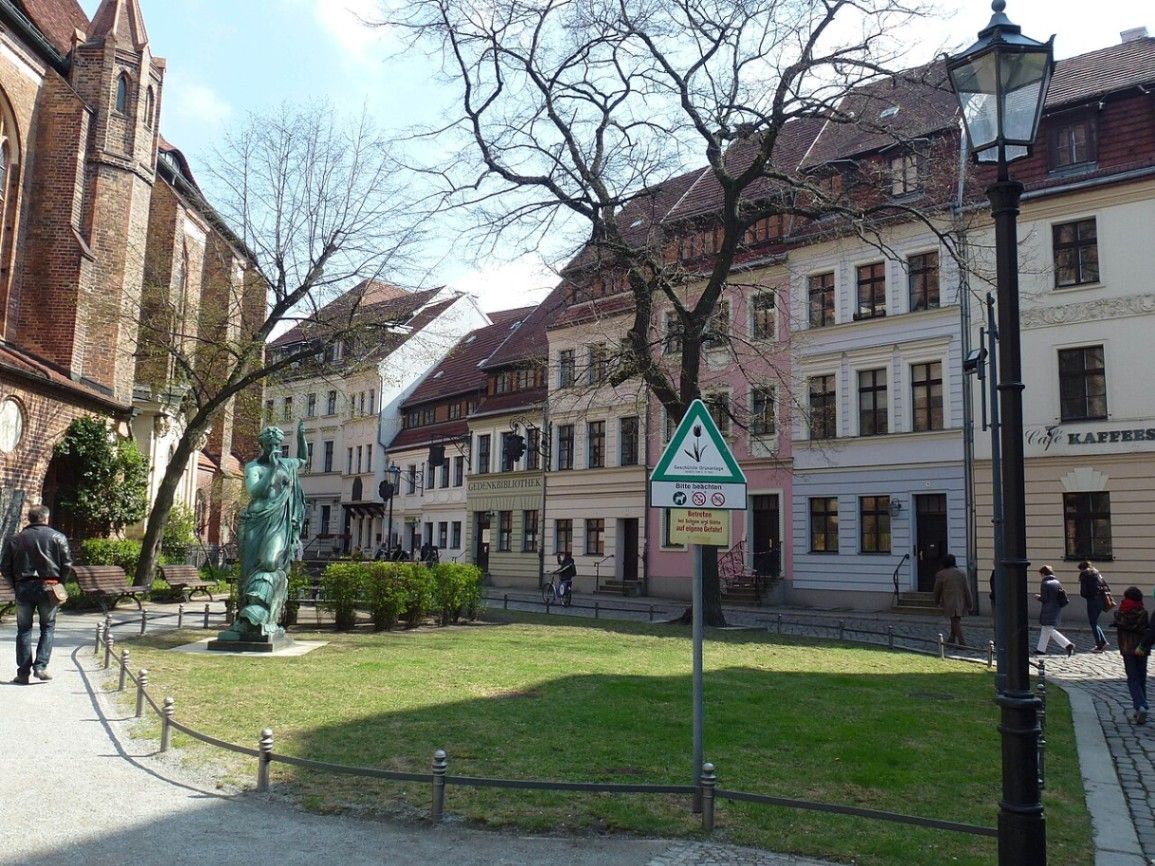
## Description Nikolaiviertel is one of Berlin’s most atmospheric neighborhoods and holds a special place in the city’s history. Often referred to as the birthplace of Berlin, this compact quarter feels worlds away from the modern capital filled with glass towers and busy avenues. Cobblestone streets, narrow alleyways, and colorful facades create an almost storybook setting that invites visitors to slow down and explore at a relaxed pace. What makes Nikolaiviertel unique is the way it blends reconstruction with genuine historical remnants. Much of the area was rebuilt in the 1980s by East Germany to celebrate Berlin’s 750th anniversary, carefully recreating the medieval street layout and architectural style. However, it is not merely a replica. Several buildings are authentically old, including the famous Nikolaikirche (St. Nicholas’ Church), Berlin’s oldest church, whose foundations date back to the 13th century. A little-known fact is that some of the buildings in Nikolaiviertel were reconstructed using original architectural fragments salvaged from destroyed historic houses across Berlin. Another interesting detail is that the neighborhood was once home to notable figures such as philosopher Georg Wilhelm Friedrich Hegel, whose former residence can still be seen today. Together, these elements give Nikolaiviertel a sense of authenticity that goes beyond its relatively recent reconstruction. Today, the quarter is known for its small museums, traditional restaurants, cozy cafés, and artisan shops. It is an excellent place to experience a quieter, more intimate side of Berlin while learning about the city’s medieval origins. ## Location Nikolaiviertel is located in Germany, in the federal state and city of Berlin. More precisely, it lies in the central borough of Mitte, close to the eastern bank of the River Spree. The neighborhood sits between Alexanderplatz and the Berlin Cathedral, making it easy to combine with other major attractions in the historic center. Getting to Nikolaiviertel is simple and convenient. The easiest way is by public transport. Visitors can take the U-Bahn (underground) to Klosterstraße (U2 line), which is just a short walk away. Alternatively, Alexanderplatz, one of Berlin’s main transport hubs, is about a 10-minute walk from the quarter. From there, multiple S-Bahn, U-Bahn, tram, and bus lines are available. Walking is also highly recommended if you are already exploring central Berlin, as the surrounding area is pedestrian-friendly and rich in sights. ## Tips To make the most out of a visit to Nikolaiviertel, it is best to arrive early in the day or later in the afternoon. Midday can become crowded, especially during the summer tourist season. Early mornings offer a quieter atmosphere and better opportunities for photography. Comfortable walking shoes are essential, as the cobblestone streets can be uneven. Take your time wandering through the small side streets rather than sticking only to the main paths. This is where you will find hidden courtyards, lesser-known shops, and quieter corners. Consider visiting one of the local museums, such as the Museum Knoblauchhaus, which offers insight into bourgeois life in 18th- and 19th-century Berlin. For food, traditional German restaurants in the area serve classic dishes, but prices can be slightly higher due to the central location. Checking menus beforehand can help avoid surprises. Lastly, Nikolaiviertel is especially charming in the evening when the lights come on and the area feels more intimate. It is a great place for a relaxed dinner after a day of sightseeing. ## Conclusion Nikolaiviertel offers a rare glimpse into Berlin’s medieval past while remaining accessible and welcoming to modern visitors. With its historic atmosphere, central location, and cultural significance, it is a rewarding stop for anyone looking to experience a more traditional and intimate side of the German capital. ## FAQ **Is Nikolaiviertel an original medieval neighborhood?** Nikolaiviertel is a mix of original historic buildings and carefully reconstructed ones. While much of it was rebuilt in the 1980s, several key structures, including Nikolaikirche, are genuinely old. **How much time should I plan for visiting Nikolaiviertel?** Most visitors spend between one and two hours exploring the area. This allows enough time for a leisurely walk, a museum visit, and a meal or coffee break. **Is Nikolaiviertel suitable for families with children?** Yes, the area is family-friendly. Its compact size, pedestrian streets, and small museums make it easy to explore with children. **Do I need to pay an entrance fee to visit Nikolaiviertel?** No, the neighborhood itself is free to explore. However, some museums and attractions within the area may charge an admission fee. **What is the best season to visit Nikolaiviertel?** Spring and early autumn are ideal, offering mild weather and fewer crowds. Summer is also popular but can be busier. ## Links * [Wiki page](https://en.wikipedia.org/wiki/Nikolaiviertel)
GemVoyage Team • World
Cape Town
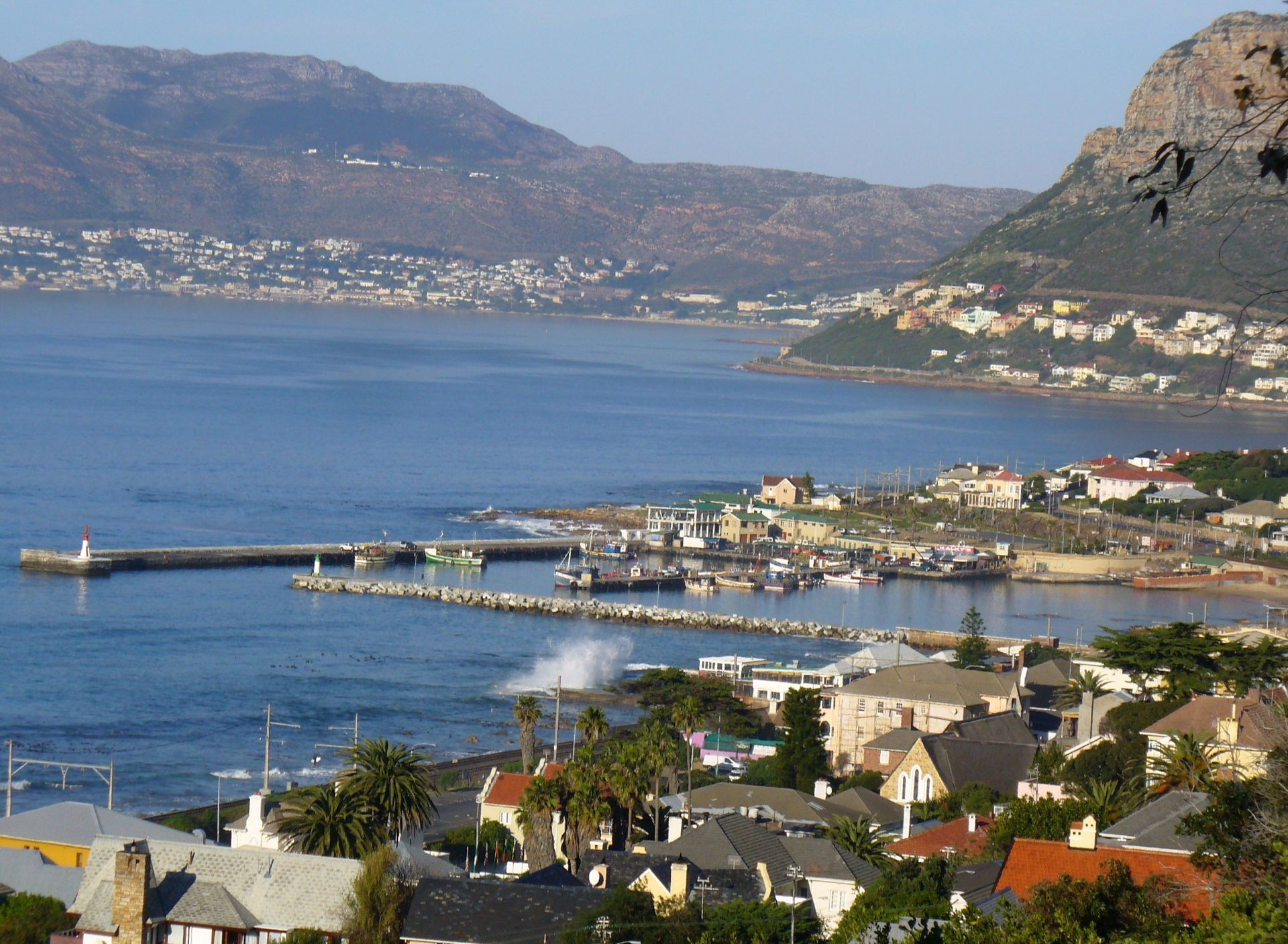
## Description Kalk Bay Harbour is one of those places that feels immediately alive. It is not a polished waterfront designed only for visitors, and that is exactly what makes it memorable. Fishing boats still work the water, gulls circle over the quays, and the rhythm of the harbor changes with the tides, the weather, and the catch of the day. In Cape Town, where many visitors focus on Table Mountain or the Atlantic coast, Kalk Bay offers a more intimate coastal experience. It is a place where everyday life and scenic charm overlap naturally. The harbor sits in the old fishing village of Kalk Bay, so the atmosphere is layered with history. Narrow streets, weathered buildings, small seafood spots, and the smell of the sea give the area a lived-in feel that is harder to find in more developed tourist precincts. One little-known detail is that Kalk Bay has long been associated with the Kalk Bay fishing community, whose routines still shape the harbor today. Another is that the surrounding bay often changes character dramatically within a few hours, which makes return visits rewarding because the light and water are rarely the same twice. What makes the harbor especially appealing is how many different experiences it offers in one compact area. You can watch fishing activity in the morning, stroll the quayside, browse nearby shops, and then settle in for coffee or seafood with views across False Bay. For travelers who like places that feel authentic rather than staged, Kalk Bay Harbour is a strong choice. It is scenic, but it is also practical, working, and slightly unpredictable. That mix gives it real personality. The harbor is also a useful place to slow down. Cape Town can be full of high-energy sightseeing, but Kalk Bay encourages a different pace. Visitors tend to linger, looking at boats, reading the sea, or simply sitting and watching local routines unfold. Even if you stay only an hour, the harbor leaves a strong impression because it feels like a slice of Cape Town that still belongs primarily to the people who live and work there. ## Location Kalk Bay Harbour is located in Kalk Bay, on the False Bay coast of Cape Town, in the Western Cape province of South Africa. The harbor sits south of the central city area, along the scenic coastal road that links the southern suburbs with Simon’s Town and the Cape Peninsula. It is easy to combine with a broader day trip through Muizenberg, St James, and the rest of the False Bay shoreline. The most practical way to reach it is by car, ride-hailing service, or by taking the Southern Line train and continuing on foot from Kalk Bay station. The walk from the station is short and pleasant, and it helps you arrive already tuned into the neighborhood’s slow coastal rhythm. If you are planning to explore several nearby stops, driving gives you the most flexibility, but parking can be tighter at busier times, especially on weekends and during holiday periods. If you are coming from central Cape Town, expect the journey to take roughly 30 to 45 minutes depending on traffic. Morning and late-afternoon visits are often best because the light is more dramatic and the harbor is especially active. The area is also accessible from other popular southern suburbs, so it works well as part of a larger False Bay outing rather than as a standalone destination. ## Tips - Go early if you want to see the harbor at its liveliest. Morning is when fishing activity is most noticeable and the atmosphere feels most local. - Bring a light jacket even on warm days. The sea breeze can be stronger than you expect, especially near the water’s edge. - Allow time to wander beyond the harbor itself. The surrounding streets and nearby coastline are part of the experience, not just the quayside. - Keep your camera ready, but do not rush the visit. The harbor rewards slow observation more than quick snapshots. - If you are planning to eat nearby, check opening hours in advance. Small coastal businesses may operate on schedules that differ from larger city restaurants. ## Conclusion Kalk Bay Harbour is a compact but deeply atmospheric stop in Cape Town, combining working coastal life, scenic views, and a strong sense of place. It is ideal for travelers who want a harbor that feels real, local, and full of character rather than overly curated. ## FAQ ### Is Kalk Bay Harbour worth visiting if I only have a short time in Cape Town? Yes. Even a short visit gives you a clear sense of the area’s character. You can watch the boats, walk the harbor edge, and experience a very different side of Cape Town from the usual landmark circuit. ### What is the best time of day to visit? Morning is usually best if you want to see the harbor working at full speed. Late afternoon is also attractive because the light softens over False Bay and the atmosphere becomes quieter. ### Can I visit Kalk Bay Harbour without a car? Yes. The train to Kalk Bay station is a practical option, followed by a short walk. Ride-hailing services are also convenient if you want a simpler door-to-door trip. ### Is the area around the harbor safe for walking around? Like any busy urban coastal area, it is best to stay aware of your surroundings, especially when it is crowded. During the day, the harbor and nearby streets are generally visited by many people and are easy to explore at a relaxed pace. ## Links - [Cape Town tourism](https://www.capetown.travel/) - [Kalk Bay on Wikipedia](https://en.wikipedia.org/wiki/Kalk_Bay)
GemVoyage Team • World
Aswan
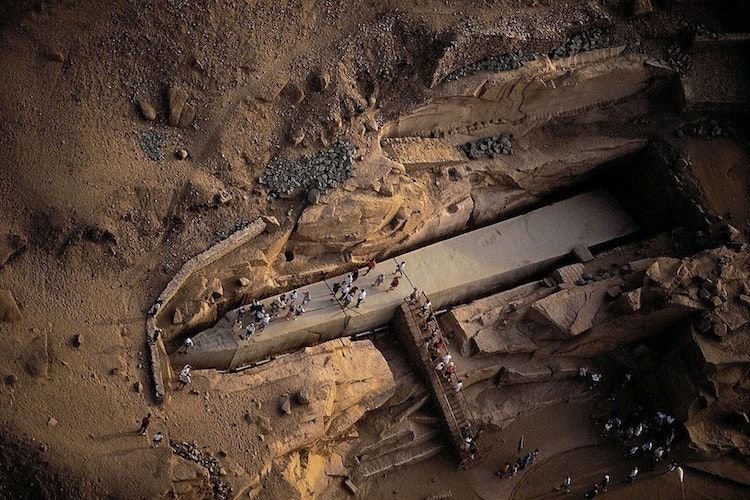
## Description The Unfinished Obelisk in Aswan is one of the most fascinating archaeological sites in Egypt because it reveals how ancient builders actually worked. Instead of seeing a completed monument in a temple courtyard, visitors encounter a massive stone form still attached to the bedrock, frozen in the middle of the carving process. That unfinished state makes it uniquely valuable. It shows the scale, ambition, and practical difficulties of quarrying monumental stone in ancient times, offering a direct look at the labor behind some of Egypt's greatest monuments. What makes the site especially memorable is the sheer size of the obelisk. Standing beside it, you begin to understand how extraordinary these stone projects were and how much precision was required to extract them from the quarry. A lesser-known fact is that the obelisk is believed to have cracked during the carving process, which is why it was abandoned. That break is not a flaw in the experience; it is the reason the site is so informative. It gives archaeologists and visitors an unusually clear look at ancient methods and mistakes. ## Location The Unfinished Obelisk is located in Aswan, Egypt, near the city's historic granite quarries on the eastern bank of the Nile. It is part of the broader Aswan archaeological landscape and is easy to connect with other historic and cultural sights in the city. The site is typically reached by car, taxi, or organized sightseeing transfer from central Aswan, depending on where you are staying. Because the area can be hot and open, it is wise to visit earlier in the day. The quarry setting is part of the attraction, but it also means you should plan for direct sun and limited shade. Many visitors combine the stop with nearby monuments and museums to build a fuller Aswan history itinerary. ## Tips - Visit early to avoid the harshest heat and to make the stone surfaces easier to appreciate. - Bring water and sun protection, because the quarry environment offers limited shelter. - Allow time to study the carving marks and the break in the stone rather than rushing past. - Combine the site with other Aswan highlights to make the trip feel complete. - If you are interested in ancient engineering, consider a guide who can explain quarrying methods and transport techniques. - Wear shoes suitable for uneven ground, since the quarry surface is not always perfectly smooth. ## Conclusion The Unfinished Obelisk is compelling because it transforms an archaeological site into a lesson in ancient engineering. It is raw, direct, and educational, giving visitors a sense of scale that photographs alone cannot capture. ## FAQ ### Why was the obelisk left unfinished? It is believed that a crack appeared during the carving process, making the stone unusable for its intended purpose. Rather than being abandoned as a failure, the obelisk became an accidental record of how quarrying was done in ancient Egypt. ### How big is the Unfinished Obelisk? It is enormous, far larger than most visitors expect when they first see the quarry. Its size is one of the main reasons it is so memorable. The unfinished form helps you realize how much stone had to be removed and shaped by hand. ### Is the site worth visiting if I am not an archaeology expert? Yes. You do not need specialist knowledge to appreciate the scale and the story. Even casual visitors usually find it interesting because it is one of the clearest demonstrations of ancient craftsmanship in Egypt. ### How much time do I need there? A focused visit can take less than an hour, but you may want longer if you enjoy archaeology or photography. The site is often best paired with other Aswan attractions so the trip feels fuller and more efficient. ### What makes this site different from other Egyptian monuments? Most monuments show the finished result, while the Unfinished Obelisk shows the process. That is what makes it so valuable. It reveals technique, scale, and difficulty in a way that polished monuments cannot. ## Links - [Wikipedia](https://en.wikipedia.org/wiki/Unfinished_Obelisk)
GemVoyage Team • World

Comments