GemVoyage Team • World
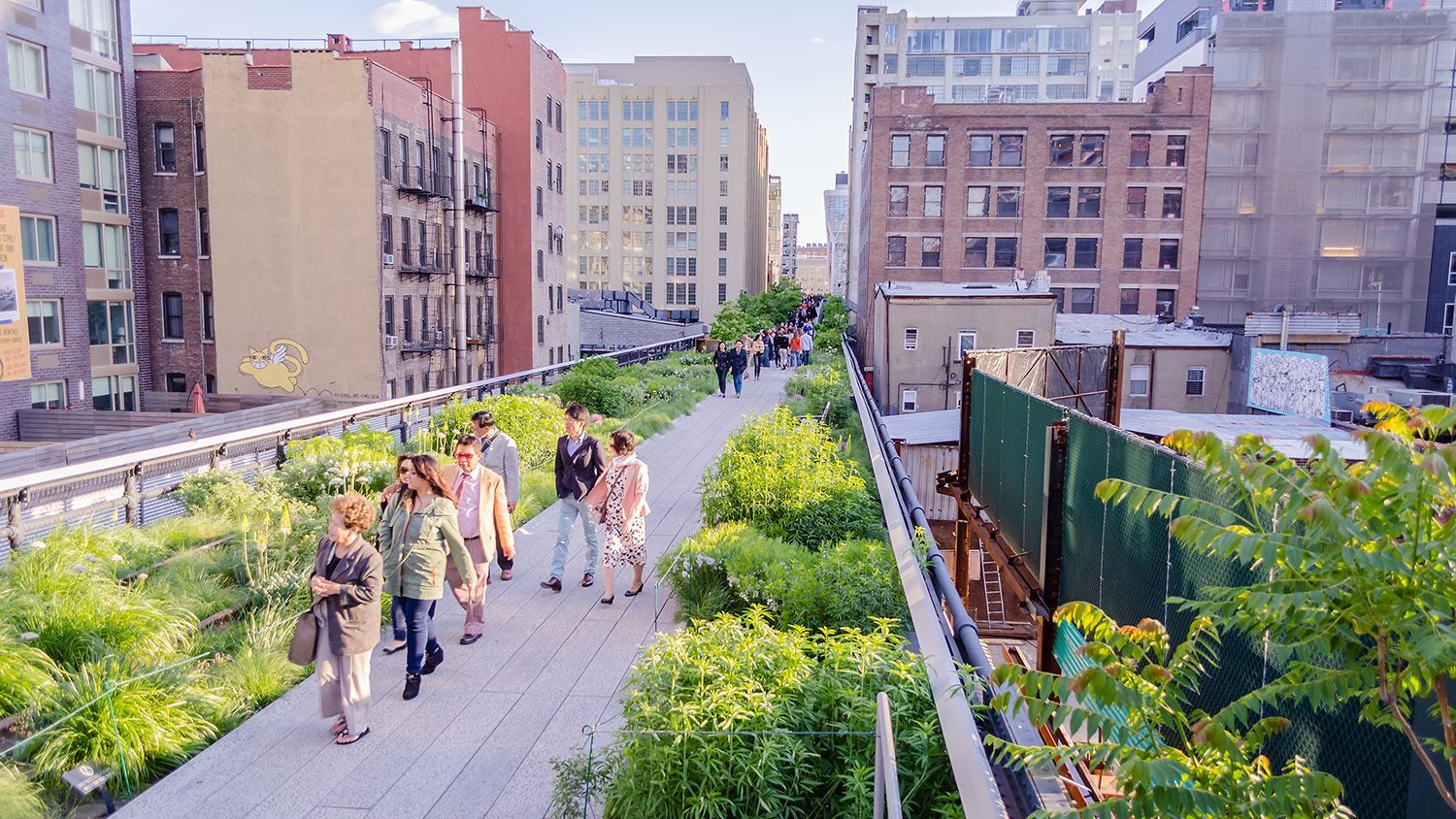
One of the less obvious facts about the High Line is that its planting design was inspired by the wild vegetation that grew on the abandoned tracks before redevelopment began. That gives the park a natural, slightly untamed character even though it sits in one of the most developed parts of Manhattan. Another detail many first-time visitors do not expect is how much the experience changes by time of day: early morning feels reflective and peaceful, while sunset brings warm light, busier paths, and some of the best skyline photography in the city. It is a place where a short stroll can easily become a lingering afternoon.
If you are planning a visit, consider starting in the Meatpacking District and walking north so you can gradually move into the newer Hudson Yards area. That direction gives a nice balance between historic warehouse blocks, galleries, and modern towers. Public transit is the best way to get there, since parking in this part of Manhattan is limited and expensive.
Discover more hidden gems you might love.
Oslo
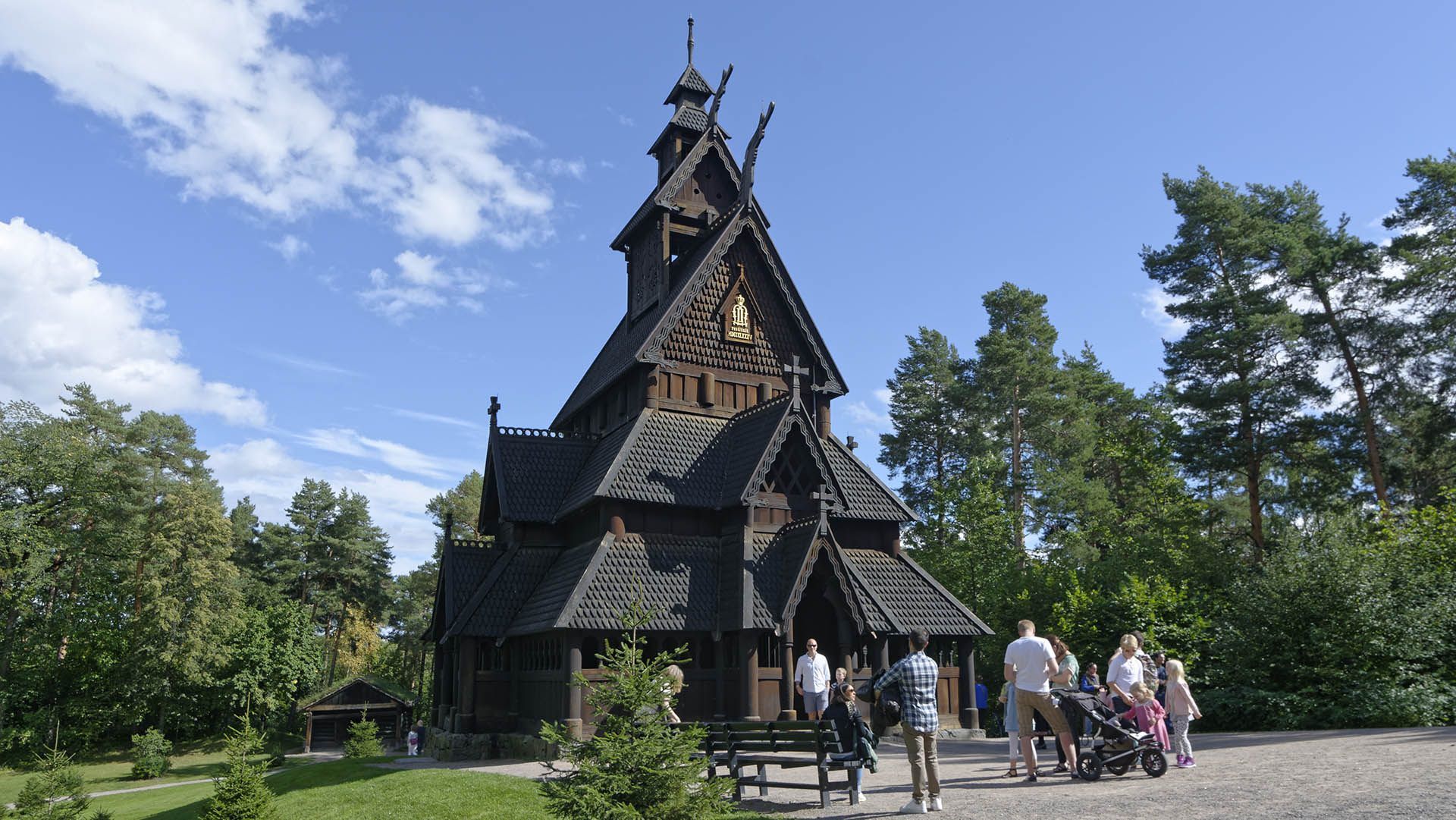
## Description **Gol Stave Church (Gol stavkirke)** is one of Norway’s most significant surviving examples of medieval wooden church architecture and a powerful symbol of the country’s cultural heritage. Originally built around the **late 12th century** in the town of Gol, the church represents the stave church tradition, a uniquely Scandinavian architectural form constructed almost entirely of timber using vertical load-bearing posts, or “staves.” What makes Gol Stave Church particularly remarkable is not only its age, but its **story of survival**. By the 19th century, many stave churches were being demolished due to changing religious practices and maintenance costs. Gol Stave Church was dismantled in the 1880s and narrowly avoided destruction thanks to the intervention of King Oscar II, who recognized its historical value. The church was carefully relocated and reconstructed on the Bygdøy peninsula in Oslo, where it stands today as a centerpiece of Norway’s architectural memory. Architecturally, the church combines Christian symbolism with **Viking-era decorative traditions**. Carved dragon heads, interlacing wood patterns, and animal motifs reflect pre-Christian Norse art, subtly integrated into a Christian sacred structure. This blending of belief systems is one of the most fascinating aspects of stave churches and offers insight into Norway’s transition from paganism to Christianity. A lesser-known fact is that much of what visitors see today is based on **meticulous historical reconstruction**, informed by archaeological studies, surviving stave churches, and medieval building techniques. Another interesting detail is that Gol Stave Church was never intended to function as an active parish church in Oslo; its role is primarily educational and cultural, serving as a reference model for lost stave churches across Norway. Gol Stave Church is not large, but its craftsmanship, symbolism, and historical weight give it a presence that far exceeds its physical scale. ## Location **Country:** Norway **Region:** Eastern Norway **City:** Oslo **Area:** Bygdøy Peninsula Gol Stave Church is located within the grounds of the **Norwegian Museum of Cultural History (Norsk Folkemuseum)**, an open-air museum dedicated to Norway’s cultural and architectural history. ### How to Get There * **By bus:** * Bus lines from central Oslo (such as from Nationaltheatret or Jernbanetorget) run directly to Bygdøy. * **By ferry (seasonal):** * Ferries operate from the Oslo harbor to Bygdøy, offering a scenic approach during warmer months. * **By bicycle:** * A pleasant option in good weather, with dedicated cycling routes leading to the peninsula. * **By taxi:** * Easily accessible by taxi from central Oslo. ## Tips * **Combine with the open-air museum:** Gol Stave Church is part of a much larger cultural complex; allow enough time to explore. * **Visit during daylight hours:** Natural light enhances the carved details and wood textures. * **Read the interpretive panels:** They explain stave church construction and symbolism clearly. * **Expect authenticity, not luxury:** Interiors are simple and atmospheric rather than ornate. * **Dress for the weather:** Much of the surrounding museum is outdoors. * **Photography rules apply:** Interior photography may be restricted. ## Conclusion Gol Stave Church is a rare and powerful reminder of medieval Norway’s craftsmanship, belief systems, and architectural ingenuity. Its careful preservation and relocation allow visitors to experience a building type that once defined Norwegian religious life but has nearly vanished. ## FAQ **1. Is Gol Stave Church still an active church?** No, it functions as a historical exhibit rather than a place of worship. **2. How old is the church?** It dates back to approximately the late 1100s. **3. Is it an original building or a replica?** It is a reconstructed original, assembled using historic materials and techniques. **4. How much time should I plan for the visit?** Plan **1.5 to 3 hours** if combining it with the surrounding museum. **5. Is it suitable for children?** Yes, especially for children interested in history and Viking culture. **6. Can you see other stave churches nearby?** There are no other original stave churches in Oslo, but several exist elsewhere in Norway. ## Links * [Visit Oslo official tourism site](https://www.visitoslo.com) * [Official Website](https://www.stavechurch.com/gol-stave-church/?lang=en)
GemVoyage Team • World
Laos
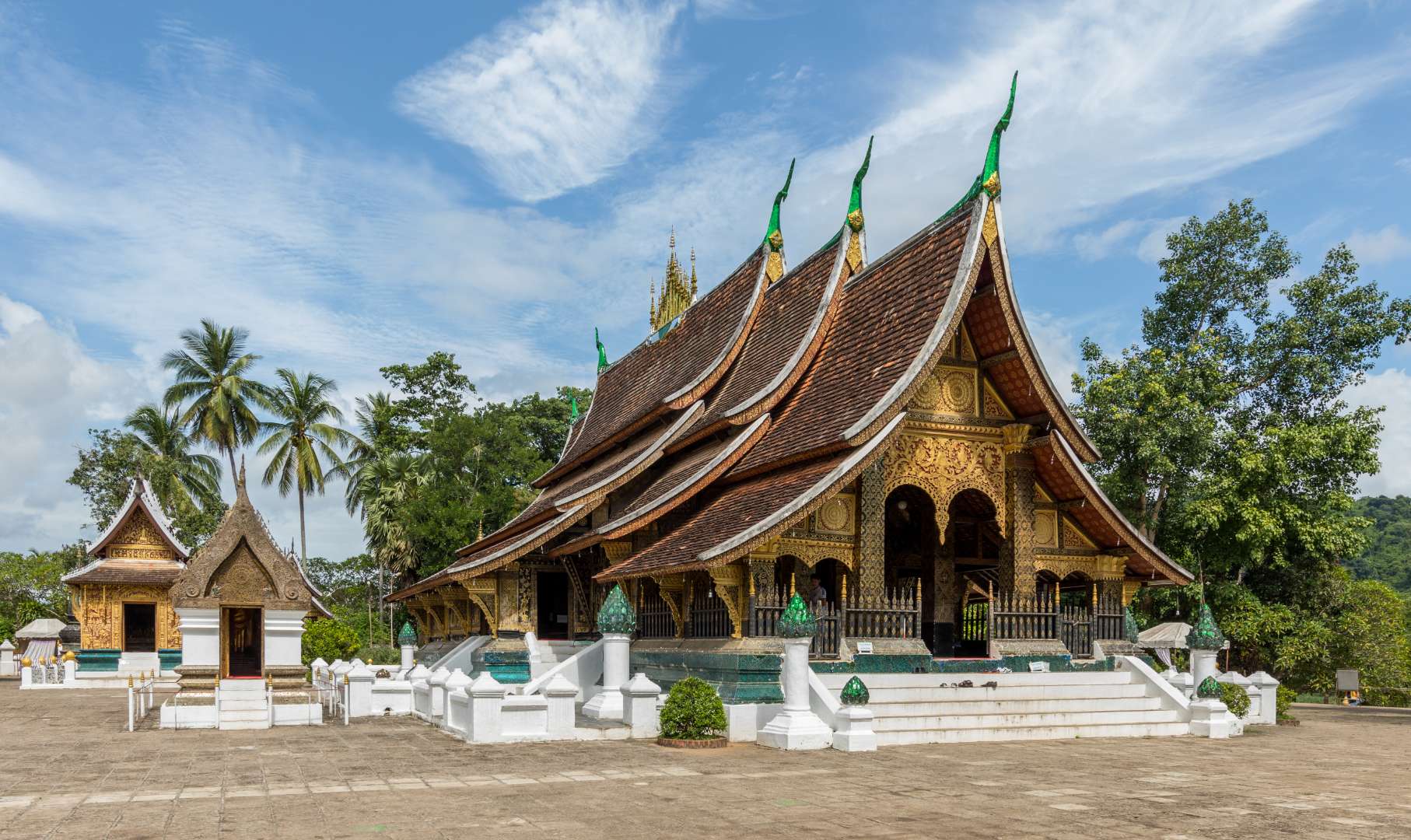
## Description Wat Xieng Thong, often referred to as the “Temple of the Golden City,” is one of the most revered and architecturally significant Buddhist temples in Laos. Located in the UNESCO World Heritage city of Luang Prabang, this 16th-century temple is a masterpiece of traditional Lao art and religious devotion. Built in 1560 by King Setthathirath, Wat Xieng Thong served as a royal temple and played a central role in religious ceremonies, coronations, and cultural festivals. The temple complex features over twenty structures, including shrines, pavilions, and monks’ quarters. Its centerpiece is the sim (main sanctuary), known for its sweeping multi-tiered roof that nearly touches the ground—a hallmark of classic Luang Prabang style. The rear façade of the sim is adorned with a stunning mosaic of the “Tree of Life,” a symbolic depiction of spiritual growth and harmony. Inside, gold stenciling on black lacquered walls illustrates scenes from Buddhist cosmology and the legendary life of King Chanthaphanith. A little-known fact: Wat Xieng Thong was spared during the sacking of Luang Prabang in 1887 by the Black Flag Haw. The invading leader, Deo Van Tri, had studied at the temple as a monk and chose to use it as his headquarters rather than destroy it. Another unique feature is the temple’s funerary carriage house, which contains an elaborate royal funeral chariot and urns used in cremation ceremonies for members of the royal family. ## Location Wat Xieng Thong is located in **Laos**, in the **Luang Prabang Province**, within the city of **Luang Prabang**. It sits at the northern tip of the peninsula formed by the Mekong and Nam Khan rivers, offering scenic views and a peaceful atmosphere. ### How to Get There - **By Foot**: If you're staying in central Luang Prabang, the temple is easily accessible by walking along the riverfront or through the old town. - **By Bicycle**: Renting a bike is a popular way to explore the city and reach Wat Xieng Thong. - **By Tuk-Tuk**: Local tuk-tuks can take you directly to the temple entrance from anywhere in town. - **By Boat**: Some river tours include a stop at the temple, offering a unique approach from the Mekong. Its location near other major attractions makes it an ideal starting point for a day of cultural exploration. ## Tips - **Visit Early or Late**: Morning and late afternoon offer softer light for photography and fewer crowds. - **Dress Modestly**: As with all religious sites in Laos, shoulders and knees should be covered. Scarves or sarongs are often available at the entrance. - **Take Your Time**: The temple complex is rich in detail. Allocate at least an hour to explore the sim, chapels, and surrounding gardens. - **Hire a Guide**: A local guide can provide deeper insights into the temple’s history, symbolism, and architecture. - **Respect the Space**: Be quiet and respectful, especially when monks are present or prayers are taking place. - **Check for Festivals**: Wat Xieng Thong hosts several annual religious events, including Pi Mai (Lao New Year), which features traditional rituals and processions. ## Conclusion Wat Xieng Thong is a cultural and spiritual gem in Luang Prabang, showcasing the elegance of Lao architecture and the depth of its Buddhist traditions. With its rich history, artistic beauty, and tranquil setting, it offers a profound and memorable experience for visitors. ## FAQ **1. What are the opening hours of Wat Xieng Thong?** The temple is open daily from 8:00 AM to 5:00 PM. **2. Is there an entrance fee?** Yes, the entrance fee is typically around 20,000 Kip per person. **3. Can non-Buddhists visit the temple?** Yes, Wat Xieng Thong is open to all visitors, regardless of religious background. **4. Is photography allowed inside the temple?** Photography is allowed in most areas, but flash and tripods are discouraged. Always be respectful. **5. Are there guided tours available?** Yes, local guides can be hired in Luang Prabang or at the temple entrance. **6. Is the temple wheelchair accessible?** Some areas may be difficult to access due to steps and uneven ground, but the main courtyard is relatively flat. ## Links - [Wat Xieng Thong – Wikipedia Overview](https://en.wikipedia.org/wiki/Wat_Xieng_Thong)
GemVoyage Team • World
Montevideo
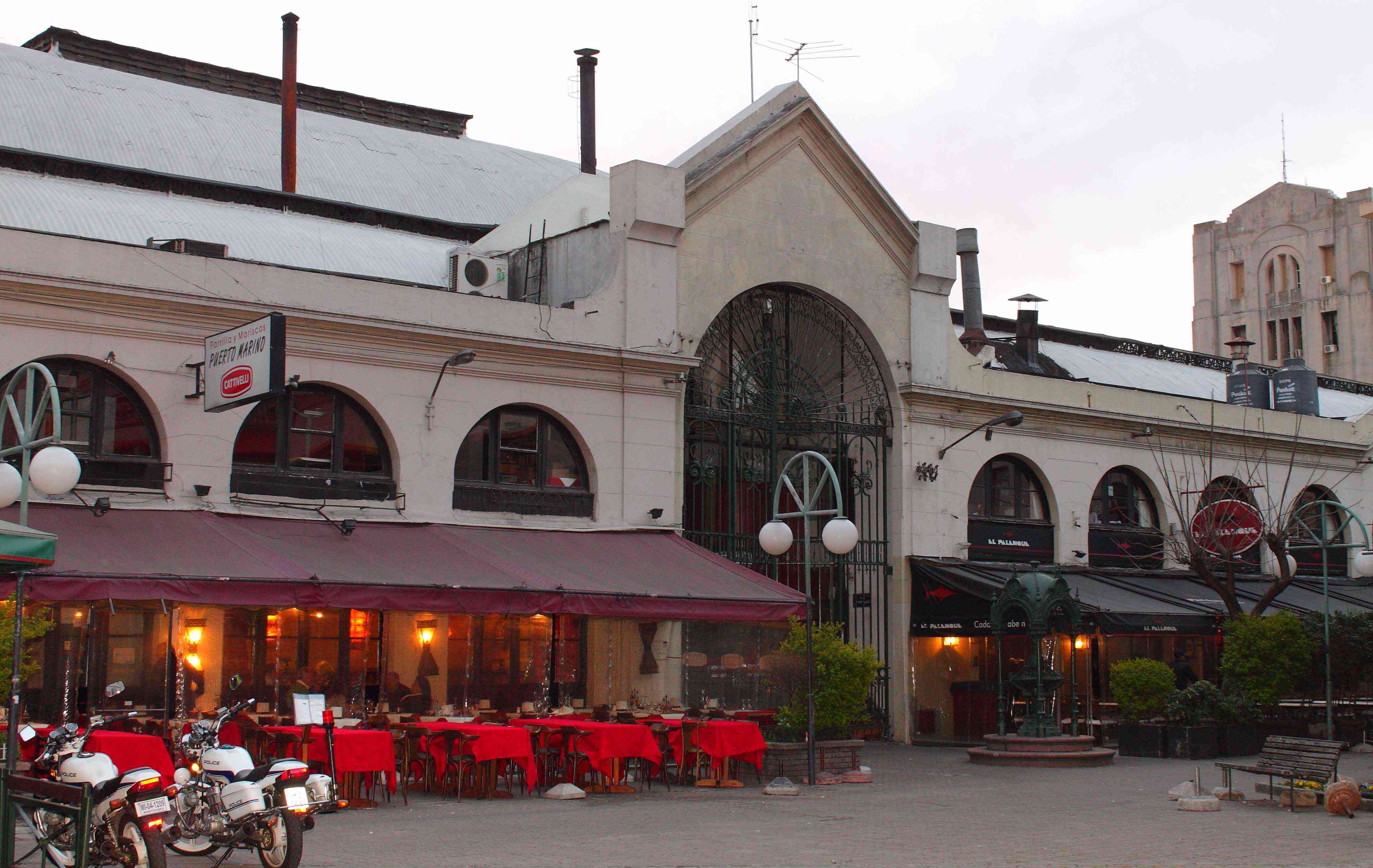
## Description Mercado del Puerto is one of the most iconic landmarks in Montevideo, Uruguay. More than just a market, it’s a cultural and gastronomic hub that captures the essence of Uruguayan traditions. Built in 1868, the building itself is a masterpiece of 19th-century iron architecture imported from Liverpool, England. The structure’s grand iron beams and vaulted ceilings give it an old-world charm that stands in contrast to the modern city outside. What truly makes Mercado del Puerto unique is its vibrant mix of sights, sounds, and flavors. Visitors are immediately drawn to the tantalizing aroma of grilled meats from the famous **parrillas** (traditional Uruguayan steakhouses). This is the perfect place to try Uruguay’s national dish: **asado** (barbecue). Beyond food, the market is filled with local artisans, lively street performers, and the friendly chatter of locals and tourists alike, making it a warm and welcoming environment. A little-known fact about Mercado del Puerto is that it was originally intended to be a train station, but when plans changed, it was transformed into a market instead. Another interesting detail is that the market becomes especially lively on weekends, when musicians and tango dancers bring the whole square to life, turning it into an open-air cultural festival. ## Location Mercado del Puerto is located in **Montevideo**, the capital city of **Uruguay**, situated along the country’s southern coast in the **Montevideo Department**. Specifically, it lies in the **Ciudad Vieja** (Old City), the historic heart of Montevideo, just steps away from the city’s main port and the Rambla waterfront promenade. Getting there is easy: * **By foot:** If you’re staying in the Old City or near the Rambla, it’s a pleasant walk. * **By bus:** Numerous city buses stop near the Old City and the port. * **By taxi or rideshare:** For convenience, especially if you’re staying farther away, a short taxi ride will get you there quickly. If you’re arriving by cruise ship, Mercado del Puerto is conveniently located within walking distance of the port terminal, making it a must-visit stop for cruise passengers. ## Tips To make the most of your visit to Mercado del Puerto, consider the following tips: 1. **Visit at lunchtime** – The market is at its most vibrant between 12:00 and 3:00 PM. This is the perfect time to enjoy freshly grilled asado paired with local wines. 2. **Try local specialties** – In addition to barbecue, don’t miss traditional dishes like *chivito* (a steak sandwich), *morcilla dulce* (sweet blood sausage with raisins and nuts), and *medio y medio* (a half-wine, half-sparkling drink). 3. **Bring cash** – While some restaurants accept cards, many smaller stalls and shops prefer cash in Uruguayan pesos. 4. **Go on weekends** – Live music, tango, and folk performances make weekends especially lively. 5. **Explore nearby attractions** – Since Mercado del Puerto is in Ciudad Vieja, take time to stroll the cobblestone streets, admire colonial architecture, and visit museums like the Museo Torres García. 6. **Watch your belongings** – Like in many busy tourist areas, keep an eye on your bags and valuables. ## Conclusion Mercado del Puerto is more than just a market—it’s the beating heart of Montevideo’s culture, food, and history. From savoring the best Uruguayan barbecue to soaking in the lively atmosphere of the Old City, a visit here offers an authentic and unforgettable experience. Whether you’re a foodie, a history buff, or simply curious, this landmark is a must-see on any trip to Uruguay. ## FAQ **1. What is Mercado del Puerto known for?** Mercado del Puerto is famous for its traditional Uruguayan barbecue (*asado*) and its vibrant cultural atmosphere with music, dance, and artisan shops. **2. Is Mercado del Puerto open every day?** Yes, it is generally open daily, but the best time to visit is around midday when the parrillas are busiest and the atmosphere is most lively. **3. How much time should I spend at Mercado del Puerto?** Most visitors spend 1–2 hours enjoying a meal and exploring the market, but if you also visit nearby attractions in Ciudad Vieja, plan for half a day. **4. Is Mercado del Puerto family-friendly?** Absolutely! Families are welcome, and children often enjoy the lively music and performances while parents savor the food. **5. Can vegetarians find food at Mercado del Puerto?** While it’s a meat-lover’s paradise, many restaurants offer vegetarian sides, salads, and grilled vegetables, though options may be limited compared to meat dishes. ## Links * [Official Tourism Website of Uruguay](https://turismo.gub.uy)
GemVoyage Team • World
San José
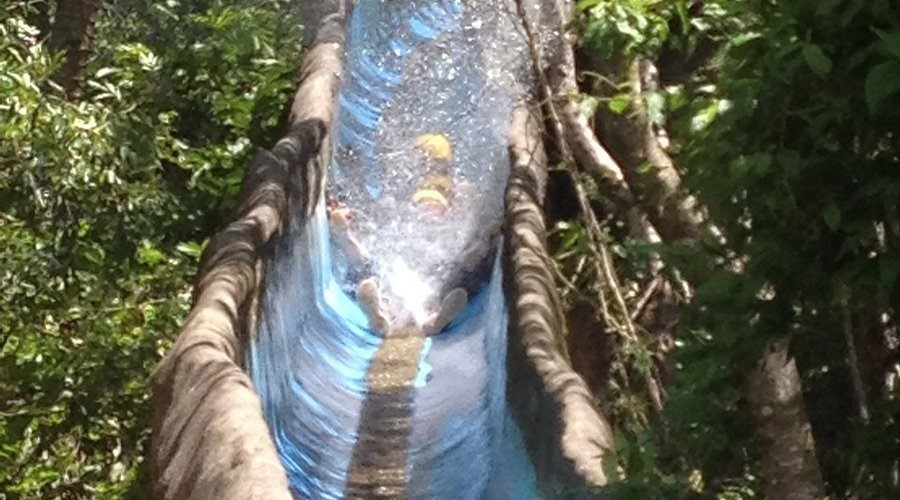
## Description **Fossil Land** is an interactive paleontology-themed attraction located near San José, Costa Rica. It is designed to give visitors a hands-on experience with prehistoric life, geological history, and fossil discovery. Unlike traditional museums where fossils sit behind glass, Fossil Land allows guests to **touch replicas, participate in digs, explore outdoor geological zones, and engage with educational exhibits** that simulate the process of paleontological research. The attraction combines scientific learning with adventure-style activities, making it especially popular with families, school groups, and travelers looking for something more interactive than a conventional museum visit. Visitors can try fossil excavation pits, examine casts of dinosaur bones, learn about the geological eras that shaped Costa Rica, and participate in guided workshops that explain how fossils are identified and preserved. A little-known fact is that Costa Rica, despite its volcanic and tropical landscape, has fewer natural fossil sites compared to many countries. Fossil Land was created partly to **fill this educational gap** by offering a controlled environment where visitors can explore prehistoric themes that are less visible in the country’s natural geology. Another notable detail is that the attraction integrates Costa Rica’s ecological heritage into its narrative, showing how prehistoric life connects with modern biodiversity. The result is a space that blends science education, interactive entertainment, and local environmental storytelling. It’s especially appealing for visitors looking for kid-friendly attractions in the greater San José area. ## Location **Country:** Costa Rica **Region:** Central Valley **City:** San José (greater metropolitan area; specific location varies by venue or setup depending on current exhibition sites) ### How to Get There * **By car:** Easily accessible from central San José via main city roads. Parking availability depends on the specific venue where Fossil Land is currently hosted or installed. * **By bus:** Several public buses from downtown San José reach the surrounding district. * **By ride hailing:** Services like Uber and DiDi provide fast and inexpensive access from anywhere in the metropolitan area. * **From Juan Santamaría International Airport:** A 20–40 minute drive depending on traffic. ## Tips * **Check opening hours and current location:** Fossil Land sometimes hosts temporary or traveling exhibits, so verifying the active venue is essential. * **Great for children:** The attraction is hands-on, safe, and educational. * **Plan at least 1 to 1.5 hours:** Activities, digs, and workshops take time if you want the full experience. * **Wear comfortable clothes:** Some activities involve kneeling, digging, or interacting with outdoor materials. * **Look for special events or workshops:** Fossil Land occasionally hosts themed programs related to dinosaurs, geology, or Costa Rican natural history. * **Bring water:** If visiting during outdoor sessions, hydration matters in Costa Rica’s warm climate. ## Conclusion Fossil Land is a family-friendly, interactive paleontology attraction that enriches Costa Rica’s science and nature tourism scene. With its hands-on exhibits, fossil digs, and engaging educational content, it offers a refreshing alternative to wildlife-focused activities and provides a fun, informative outing for visitors of all ages. ## FAQ **1. Is Fossil Land a museum?** Not exactly. It is an interactive paleontology attraction that combines exhibits with hands-on activities. **2. Are the fossils real?** The digs use replicas and casts, but educational displays may include authentic geological samples. **3. How long does a visit take?** Around **60–90 minutes**, depending on participation in workshops. **4. Is it suitable for small children?** Yes. Most activities are designed for families and school groups. **5. Does Fossil Land move locations?** Yes. Some exhibits relocate or operate seasonally, so checking the current location is important. **6. Can I book group visits?** Yes. Group and school reservations are often available with advance notice. ## Links * [Costa Rica tourism guide](https://www.visitcostarica.com/)
GemVoyage Team • World
Cologne
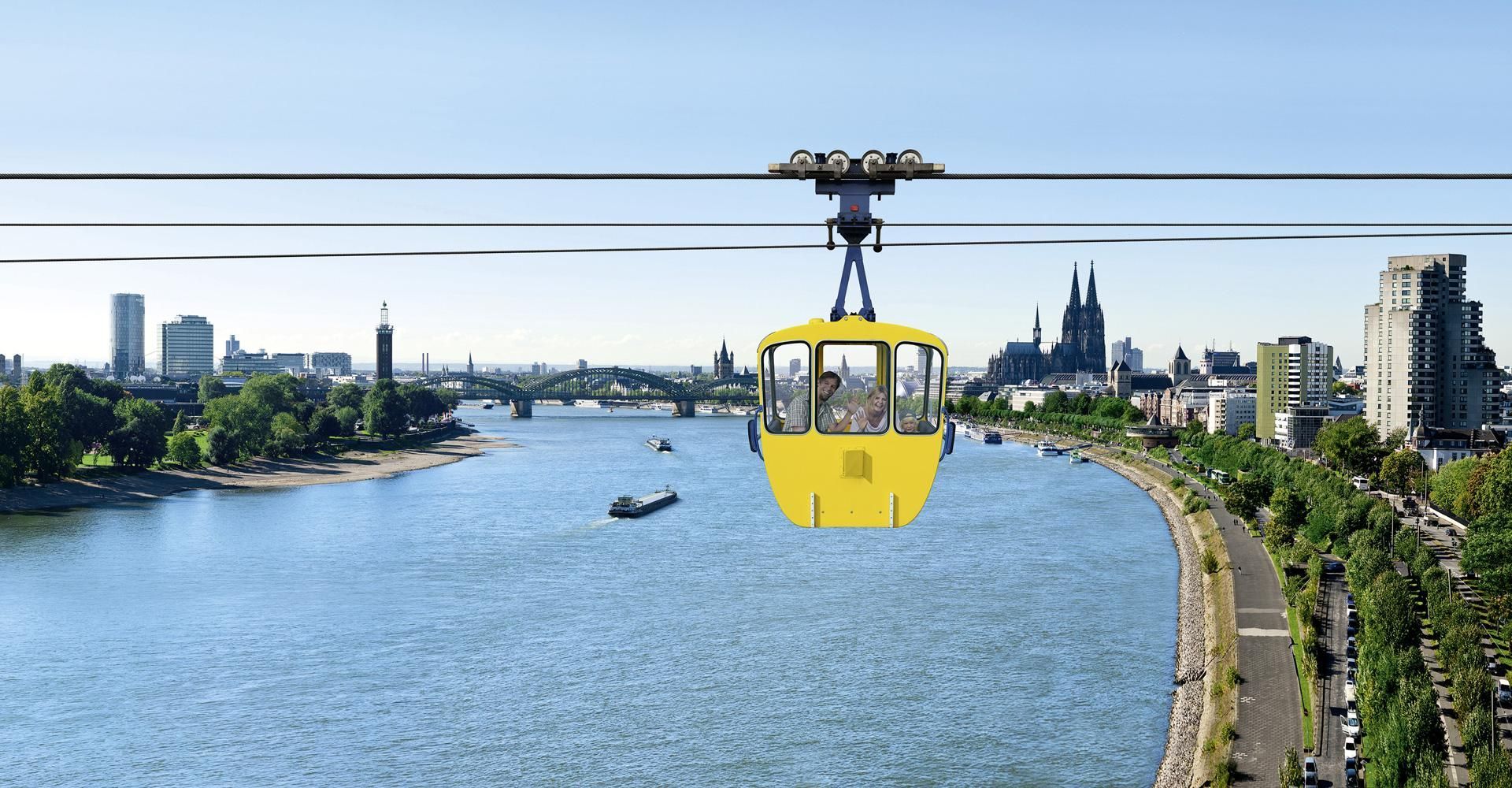
## Description The Cologne Cable Car, also known as the Rhine Ropeway, is one of the city’s most enjoyable short experiences because it turns a simple river crossing into a memorable view-filled ride. Instead of treating transport as a functional necessity, the ropeway makes movement itself the attraction. As you travel above the Rhine, Cologne opens up in a new way, with the river, bridges, skyline, and green spaces unfolding beneath you. It is a modestly scaled experience, but one that offers a surprisingly vivid perspective on the city. What makes the cable car special is that it adds movement and elevation to a city that is often explored on foot. From above, familiar landmarks look different. You can see how the river shapes Cologne’s geography, how the city spreads out on both sides, and how the waterfront becomes part of the urban image. For many visitors, the ride is also a welcome break from walking. It is relaxing, scenic, and slightly unusual, which is a strong combination for a city stop. One little-known fact is that the ropeway is often appreciated as much for the sense of orientation it gives as for the actual ride. It helps visitors understand how Cologne sits in relation to the Rhine. Another is that it has a long-standing reputation as one of the city’s more family-friendly and easy-to-enjoy attractions because it does not require a major time investment but still produces a strong memory. The experience works particularly well in good weather, when visibility is clear and the river views feel open. It also pairs nicely with other riverside activities or a park visit. The ride itself is not long, so the best strategy is to treat it as part of a wider Cologne outing rather than as the entire plan for the day. Still, even as a short activity, it stands out because it gives you a literal new angle on the city. ## Location The Cologne Cable Car is in Cologne, Germany, crossing the Rhine and connecting areas of the city on opposite sides of the river. It is close enough to central Cologne and the riverside to be convenient for visitors already exploring the city center. The easiest way to reach it is by local transport or by walking from nearby attractions on the riverbank. Because Cologne’s center is relatively visitor-friendly, the ropeway often fits naturally into a walk along the Rhine. Depending on your route, you can ride one way and then continue exploring the waterfront or nearby park areas on foot. If you are building a day in Cologne, the ropeway works especially well with riverside sightseeing, the old town, or a relaxed walk through nearby green spaces. It is a small addition that can make the whole day feel more varied. ## Tips Go on a clear day if possible. Visibility makes a huge difference to the experience. Check operating times before you go, especially if you are visiting in a shoulder season or outside peak travel periods. If you enjoy photography, try the ride at different times of day for different light on the river and city. Use it as part of a larger walking route so the experience feels connected rather than isolated. Even though the ride is short, it can become one of the more distinctive memories from a Cologne trip because it changes the scale of the city so quickly. On foot, Cologne can feel intimate and grounded; from the ropeway, it suddenly feels open and legible. That shift is valuable for first-time visitors who are still learning how the city fits together around the river. It is the kind of simple experience that gives practical orientation as well as enjoyment. The cable car is also a good reminder that not every worthwhile attraction needs a long museum visit or a complex reservation. Sometimes a single perspective change can be enough to make a city feel more coherent. In Cologne, where the Rhine is such a defining feature, that change is especially effective. You see how the city relates to the river instead of only moving beside it, and that perspective often makes the rest of the day’s sightseeing easier to understand. ## Conclusion The Cologne Cable Car offers a short but memorable aerial perspective on the Rhine and the city. It is a simple attraction that adds a fun, scenic dimension to a Cologne visit. ## FAQ **How long is the cable car ride?** It is a short crossing, designed more for scenery than for distance. **Is it worth doing?** Yes, especially if you enjoy views, riverside cityscapes, and light activities. **Can I use it as transport?** It can function that way, but most visitors treat it as an attraction. **Is it good for families?** Yes, it is one of the more relaxed and accessible Cologne experiences. **When is the best time to ride?** On a clear day with good visibility, ideally when the light is favorable. ## Links - [Official website](https://www.koelner-seilbahn.de/en/) - [Wikipedia](https://en.wikipedia.org/wiki/Cologne_Cable_Car)
GemVoyage Team • World
Moscow
## Description Winzavod Art Center is one of Moscow’s most important contemporary cultural destinations because it transformed an industrial site into a living arts quarter. Located in a former winery complex, it combines galleries, studios, exhibition spaces, design shops, and creative institutions in an environment that feels both raw and intentionally curated. For visitors interested in contemporary art, design, urban regeneration, or Moscow’s creative scene, it is an essential stop. What makes Winzavod especially compelling is the way the setting shapes the experience. The industrial architecture gives the center a strong visual identity, and the reuse of the space reinforces the idea that art can emerge from older urban infrastructure rather than only from formal museum buildings. A lesser-known fact is that Winzavod has played a major role in Moscow’s contemporary art ecosystem, helping to establish a more visible platform for galleries, experimental projects, and creative communities. Another detail many travelers appreciate is that the site does not feel like a single static institution. It often feels like a district within the city, with overlapping uses and constantly changing cultural energy. For visitors, the attraction is not just the exhibitions but the atmosphere of making and experimentation. You can encounter established artists, emerging voices, design-driven retail, and a kind of creative density that is difficult to find in more conventional museums. This gives the center a special value for travelers who want to understand how Moscow’s cultural life operates in the present tense, not only through its imperial or Soviet past. Winzavod also works well because it is approachable. You do not need specialist knowledge to enjoy the visit. Even if you are not deeply immersed in contemporary art, the setting, programming, and urban energy make it a stimulating place to spend time. ## Location Winzavod Art Center is located in Moscow, Russia, in the city’s central creative and industrial-adjacent area. Its position makes it accessible from major parts of the city while still retaining a distinct identity separate from the classic tourist circuit. Because it is part of a larger former industrial complex, the site feels like a destination rather than a simple gallery visit. The easiest way to reach it is by Moscow Metro followed by a short walk, though taxis and rideshares are also practical. Once there, the best approach is to move slowly through the complex and check the current exhibition mix. Since the site often hosts multiple galleries and spaces, the experience can vary depending on the day. If you are building a broader Moscow itinerary, Winzavod pairs well with other contemporary or alternative cultural stops, as well as food and coffee breaks in the surrounding area. ## Tips Check current exhibitions before going. The experience is best when you know what is showing. Allow time for wandering. The site rewards exploration across multiple spaces rather than a quick single-room visit. Pay attention to the architecture. The industrial shell is a major part of the atmosphere. If you enjoy design, books, or independent retail, give yourself time to browse beyond the exhibitions. Use it as a contrast to Moscow’s older heritage sites. The juxtaposition makes the city feel more complete. ## Conclusion Winzavod Art Center is one of Moscow’s most distinctive creative spaces, blending contemporary art with industrial architecture and a strong urban identity. It is ideal for travelers who want to see the city’s present-day cultural energy. ## FAQ ### Is Winzavod only for contemporary art specialists? No. It is accessible to general visitors and works well even if you are simply curious about Moscow’s creative scene. ### How much time should I spend there? Around 1.5 to 3 hours, depending on how many galleries and spaces are open when you visit. ### Is it easy to reach from central Moscow? Yes. Metro access makes it relatively straightforward. ### What makes it different from a normal museum? It is more of a cultural complex than a single museum, with a stronger sense of creative ecosystem and adaptive reuse. ## Links - [Winzavod official site](https://winzavod.ru/eng/)
GemVoyage Team • World

Comments