GemVoyage Team • World
Old Town Berat, often called the “City of a Thousand Windows,” is one of Albania’s most captivating historical destinations. Recognized as a UNESCO World Heritage Site, Berat is a living museum of Ottoman architecture, Byzantine churches, and layered cultural heritage. The town’s name is believed to derive from the Slavic “Beligrad,” meaning “white city,” and its origins trace back to the 6th century BC as the Illyrian settlement of Antipatrea.
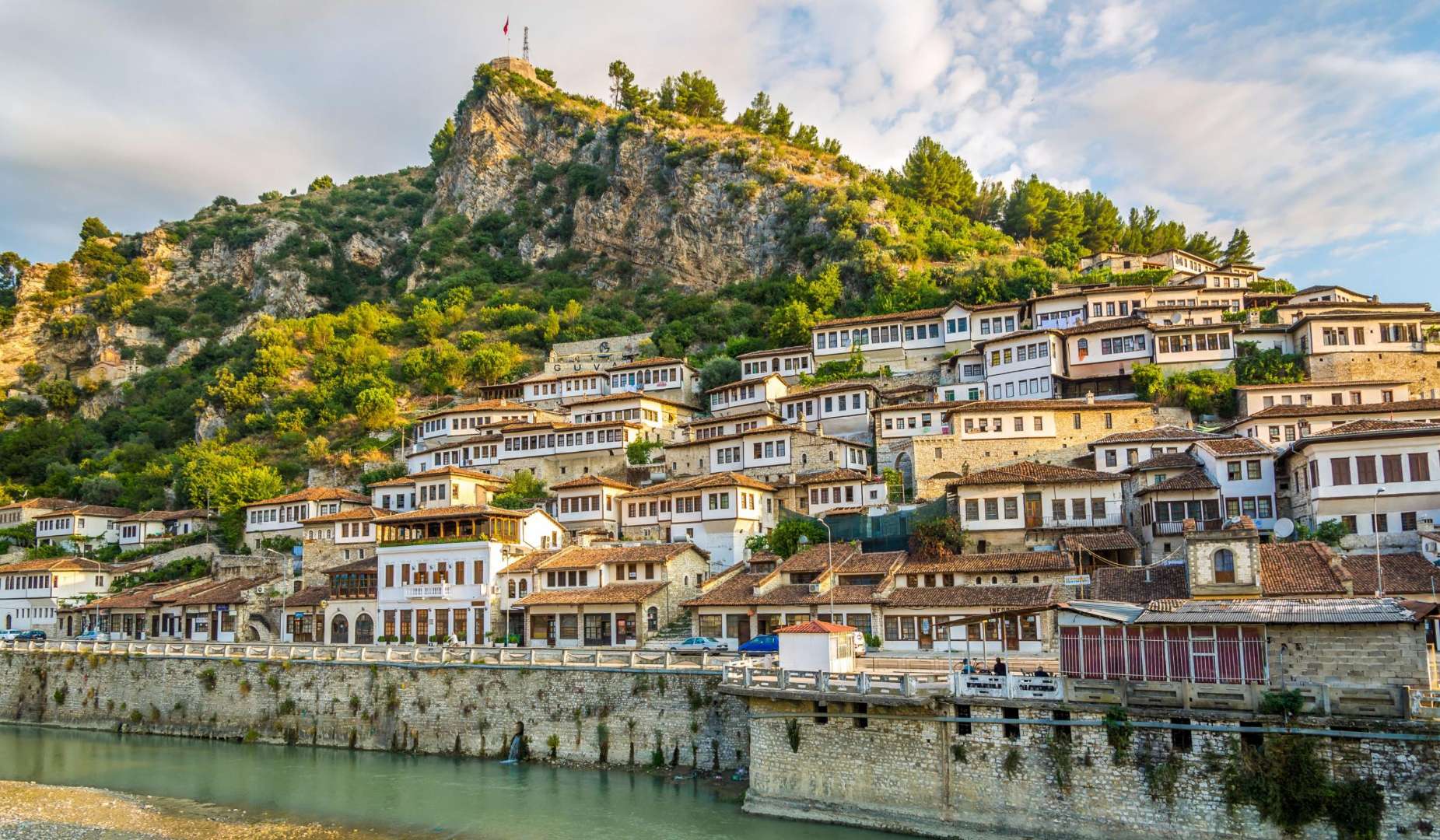
What makes Old Town Berat unique is its harmonious blend of religious and architectural diversity. The town is divided into three main quarters: Kala (the castle district), Mangalem (the Muslim quarter), and Gorica (the Christian quarter). Each area offers a distinct character, yet together they form a cohesive and picturesque whole. The iconic white Ottoman houses, stacked on the hillsides with large windows facing outward, give the town its poetic nickname and create a stunning visual symmetry.
A little-known fact: Berat Castle is still inhabited. Unlike many European castles that serve solely as tourist attractions, locals live within its ancient walls, maintaining a vibrant community among Byzantine churches and Ottoman mosques. Another fascinating detail is the Onufri Museum, housed in the Church of the Dormition of St. Mary, which showcases the works of Onufri, a 16th-century Albanian iconographer known for his vivid use of color and gold.
Old Town Berat is located in Albania, in the Berat County, within the city of Berat. It lies in central Albania, nestled along the banks of the Osum River and surrounded by the Tomorr Mountains.
Its central location makes Berat an ideal base for exploring southern Albania’s natural and cultural sites.
Old Town Berat is a timeless blend of history, architecture, and cultural harmony. With its layered past, stunning vistas, and welcoming atmosphere, it offers a deeply enriching experience for travelers seeking authenticity in Albania.
1. Is there an entrance fee to visit Old Town Berat?
No, the Old Town itself is free to explore. Specific sites like the Onufri Museum or Berat Castle may charge small entrance fees.
2. How long should I spend in Berat?
A full day is enough to see the highlights, but staying overnight allows for a more relaxed and immersive experience.
3. Is Berat suitable for children?
Yes, though supervision is needed in areas with steep paths and uneven terrain.
4. Are guided tours available?
Yes, local guides offer walking tours that include historical insights and visits to key landmarks.
5. What is the best time of year to visit?
Spring and autumn offer mild weather and fewer crowds. Summer is popular but can be hot.
6. Can I stay inside the castle?
Yes, some guesthouses are located within the castle walls, offering a unique lodging experience.
Discover more hidden gems you might love.
Lisbon
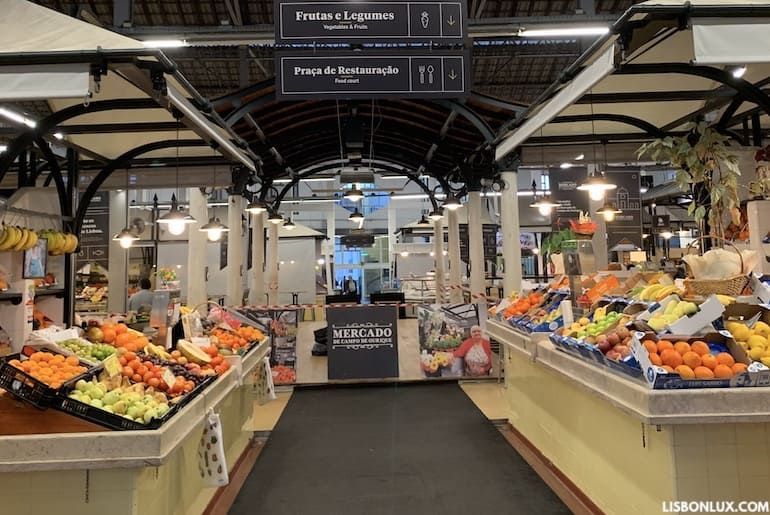
## Description Mercado de Campo de Ourique is a lively neighborhood market in Lisbon that blends traditional market stalls with contemporary food vendors, offering an authentic cross-section of Portuguese culinary life. The market serves locals with fresh produce, fish, meat and pantry items, while an inner food-hall atmosphere provides ready-to-eat dishes, pastries and coffee. What sets Campo de Ourique apart is its local, residential character — it’s not just a tourist attraction but a functioning community hub where Lisbon residents shop and socialize. The market’s architecture is typically covered and airy, with stalls organized around central aisles. Recent renovations have injected a modern food-court vibe alongside still-active traditional vendors, making it a place where you can buy grocery staples in the morning and return later for a relaxed meal. Little-known facts: Campo de Ourique historically developed as a self-contained neighborhood with a strong shopping tradition, and the market has long been a point where multiple culinary generations intersect. ## Location Mercado de Campo de Ourique sits in the Campo de Ourique neighborhood in Lisbon, Portugal, in the western part of central Lisbon near the Estrela and Rato districts. The neighborhood is primarily residential with shops, bakeries and small restaurants lining the streets. Getting there: The neighborhood is accessible by tram, bus and metro. The Rato Metro station and several bus lines serve the area; trams and short walks from nearby attractions make it easy to combine a market visit with broader neighborhood exploration. Taxis and rideshares can drop you near the market’s main entrance. ## Tips - Best times: Morning is ideal for shopping fresh produce and avoiding lunch crowds; midday is excellent for sampling prepared dishes. - What to try: Don’t miss fresh pastries, Portuguese cheeses, cured meats and regional specialties. Many stalls offer ready-to-eat plates — ask vendors for local recommendations. - Payment: Vendors accept cards and cash; small stalls may prefer cash for tiny purchases. - Local etiquette: Bring a reusable bag for purchases; be polite in queues and avoid blocking aisles when tasting or photographing. - Combine visits: Explore nearby bakeries and cafés in Campo de Ourique for a fuller neighborhood taste. ## Conclusion Mercado de Campo de Ourique offers a warm, authentic Lisbon market experience where traditional shopping and contemporary food culture coexist. It’s perfect for visitors seeking genuine neighborhood life, excellent local food and the chance to taste Portuguese everyday cuisine alongside longtime market traditions. ## FAQ Q: Is the market touristy? A: It retains a strong local clientele, though visitors are welcome and many stalls cater to diverse tastes. Q: Are there vegetarian options? A: Yes. Many vendors and food stalls offer vegetarian and vegan-friendly dishes. Q: Can I take food to go? A: Absolutely; many stalls prepare takeaway plates and sandwiches. Q: Is parking available nearby? A: Street parking and small public car parks exist, but public transport is recommended. ## Links [Lisbon Travel Guide](https://www.visitlisboa.com/en)
GemVoyage Team • World
Milan
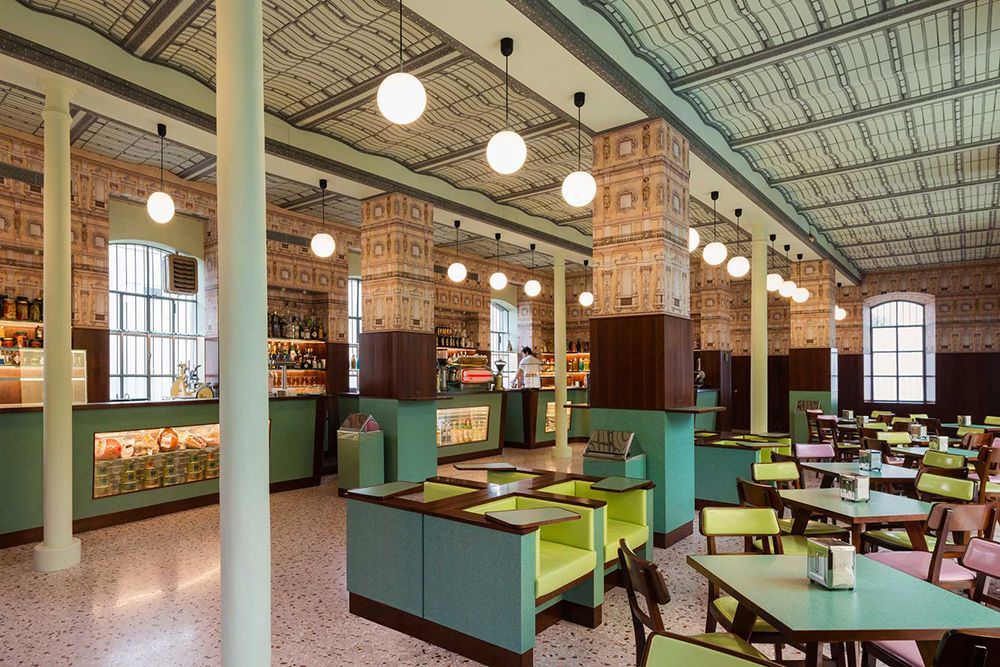
## Description Fondazione Prada is one of Milan’s most compelling cultural destinations because it transforms the idea of a museum into a broader artistic environment. Rather than presenting art in a neutral white box, it brings together exhibition spaces, architecture, cinema, hospitality, and urban transformation in a way that feels highly Milanese: design-driven, ambitious, and outward-looking. The complex is famous for its mix of old industrial structures and new architectural interventions, and that contrast is central to the experience. It is not just a place to view art. It is a place to move through ideas. The foundation is especially attractive to travelers who appreciate contemporary art, architecture, and thoughtful curation. One of its most notable features is the way the old distillery buildings and the new additions sit together without erasing each other. A little-known fact is that the complex includes the striking golden building often called the Haunted House, which is visually unforgettable and not at all shy about making an impression. Another detail visitors may miss is how carefully the site is organized to encourage lingering. You can shift from exhibition spaces to café areas, to outdoor courtyards, to the cinema program, which makes the visit feel more like entering a cultural district than entering a single institution. Fondazione Prada stands out because it helps explain Milan’s current identity. The city has long been important in fashion and design, but here those strengths are translated into a broader cultural ambition. The exhibitions often engage with international art, theory, and contemporary practice, while the architecture itself becomes part of the argument. For many visitors, that makes the foundation one of the city’s most memorable modern experiences, especially if they want to balance Milan’s historic monuments with something more experimental. ## Location Fondazione Prada is located in the Largo Isarco area of southern Milan, Lombardy, Italy. It is not in the very center of the tourist district, but it is still easy to reach by public transport. Metro and tram connections make the trip manageable, and many visitors arrive by taxi or rideshare if they are short on time. Because the foundation sits in a developing cultural and residential zone, the arrival experience feels slightly different from the grand central avenues of Milan. That difference is part of the appeal. The best way to plan a visit is to give it a dedicated block of time rather than trying to squeeze it between other sights. If you are interested in art and architecture, you will likely want a few hours. If you also want to eat or drink on site, plan even longer. It is a destination that rewards unhurried exploration and works especially well for travelers who want a contemporary counterpart to Milan’s historic churches, palaces, and shopping streets. ## Tips - Check the current exhibition schedule before you go, because the experience changes with the program. - Allow enough time to move between buildings rather than rushing from one room to the next. - Visit the café or bar if you want a full sense of the atmosphere, not just the galleries. - Photography enthusiasts should pay attention to the architecture as much as the art. - Pair it with a nearby modern or design-focused itinerary for a fuller Milan experience. - If you are interested in architecture, go with the expectation that the building is part of the exhibition. ## Conclusion Fondazione Prada is one of Milan’s strongest contemporary cultural landmarks. It combines art, architecture, and atmosphere in a way that feels both sophisticated and accessible to curious visitors. ## FAQ ### Is Fondazione Prada only for art experts? No. It is accessible to general visitors, although those with an interest in contemporary art will get the deepest experience. ### How long should I spend there? At least two hours is sensible, and longer if you want to explore exhibitions and amenities fully. ### Is the architecture important here? Very much so. The architecture is a major part of what makes the site distinctive. ### Can I visit without a guided tour? Yes. Most visitors explore independently and use the signage and exhibition materials on site. ## Links - [Official website](https://www.fondazioneprada.org/) - [Wikipedia](https://en.wikipedia.org/wiki/Fondazione_Prada) - [Milan tourism information](https://www.yesmilano.it/en)
GemVoyage Team • World
Tokyo
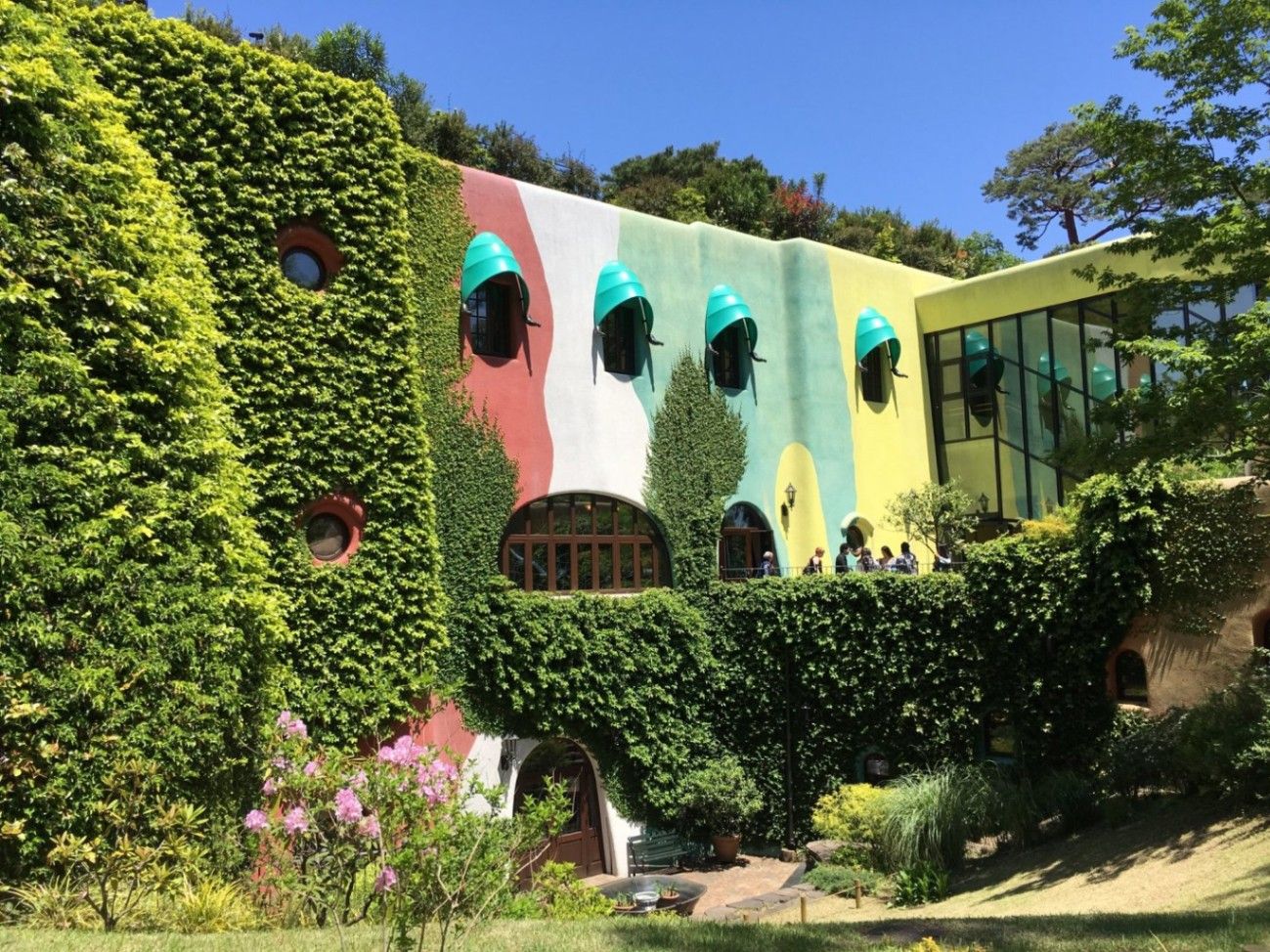
## Description The **Ghibli Museum (三鷹の森ジブリ美術館)** is one of Tokyo’s most enchanting and emotionally resonant cultural attractions. Dedicated to the legendary **Studio Ghibli**, the museum invites visitors into the imaginative universe created by filmmakers **Hayao Miyazaki, Isao Takahata, and their collaborators**—a world defined by wonder, nature, childhood, fantasy, and quiet emotional depth. Unlike traditional museums that focus on static exhibits, the Ghibli Museum is designed as a **fully immersive, experiential environment**, where architecture, animation, sound, and storytelling blend into one continuous journey. From the moment visitors enter, it becomes clear that this is not a conventional institution. The building itself feels like it came from a Ghibli film: **spiral staircases, stained-glass windows, hidden passageways, rooftop gardens, and curved corridors** encourage exploration rather than linear movement. Hayao Miyazaki personally supervised the conceptual design, ensuring that the structure reflects his philosophy that **“children should discover things for themselves.”** There are no fixed routes or arrows—only spaces that invite curiosity. Inside, the museum explores the **art and mechanics of animation** rather than serving as a simple gallery of finished films. Visitors can study original **storyboards, sketches, background paintings, and mechanical animation devices** that demonstrate how movement is created frame by frame. One particularly popular installation shows early zoetrope-style animation, visually explaining how still images transform into motion. One of the museum’s most exclusive features is its **private cinema, the Saturn Theatre**, which screens short original Ghibli films that cannot be seen anywhere else in the world. These short films rotate periodically and often explore experimental themes, new animation techniques, or side stories connected to familiar characters. This makes every visit potentially different from the last. On the rooftop, visitors encounter the **full-scale statue of the Robot Soldier from “Laputa: Castle in the Sky”**, one of the museum’s most photographed landmarks. The surrounding garden offers a quiet, reflective space above the treetops of nearby Inokashira Park, echoing Ghibli’s recurring theme of harmony between humanity and nature. A little-known fact is that **photography is strictly prohibited inside the museum**. This rule is not about control but philosophy: Miyazaki wanted visitors to **experience the space fully, without viewing it through a screen**. Another lesser-known detail is that many of the museum’s architectural elements—iron railings, tiles, and carved wood—were **custom-made by traditional Japanese craftsmen**, turning the museum itself into a handcrafted artwork. Ultimately, the Ghibli Museum is not designed for spectacle or mass tourism. It is a **quiet celebration of imagination, craftsmanship, and emotional storytelling**, appealing as deeply to adults as it does to children. It is a rare space where animation is not treated as entertainment alone, but as **serious art shaped by philosophy, patience, and human sensitivity**. ## Location The **Ghibli Museum** is located in **Mitaka**, a suburban city on the western edge of **Tokyo**, adjacent to the lush **Inokashira Park**. **City:** Mitaka (Tokyo Metropolis) **Region:** Kantō **Country:** Japan ### How to Get There: * **By train:** Take the **JR Chūō Line** from Shinjuku Station to **Mitaka Station** (about 20 minutes). From there, it is a **15–20 minute walk** through Inokashira Park. * **By bus:** A Ghibli-themed shuttle bus runs from Mitaka Station to the museum entrance. * **By taxi:** Convenient from central Tokyo, though more expensive than public transport. * **By bicycle:** Many visitors cycle through Inokashira Park for a scenic approach. The museum’s park-side setting adds to its calm, storybook atmosphere and makes the journey part of the experience. ## Tips * **Tickets must be booked in advance:** There are **no same-day tickets sold at the door**. * **Choose a weekday if possible:** Crowds are lighter, and movement through exhibits feels more fluid. * **Arrive early:** Entry is time-slotted, and arriving on time maximizes your experience. * **Do not expect a traditional museum layout:** Exploration is organic rather than guided. * **No interior photography:** Respect this rule and experience the museum directly. * **Visit the museum shop early:** Many exclusive items sell out quickly. * **Allow at least 2 to 3 hours:** Rushing undermines the emotional and artistic impact. * **Pair your visit with Inokashira Park:** It complements the museum’s atmosphere perfectly. * **Not ideal for travelers in a hurry:** This is a slow, immersive experience, not a quick attraction. ## Conclusion The **Ghibli Museum** is not simply a destination for fans—it is a **philosophical and artistic space** that translates the spirit of Studio Ghibli into physical form. Through architecture, animation, nature, and storytelling, it creates a quiet, powerful encounter with creativity itself. For anyone who values imagination, craftsmanship, and emotional depth, the Ghibli Museum is not just a highlight of Tokyo—it is one of the most meaningful cultural experiences in Japan. ## FAQ **1. What is the Ghibli Museum famous for?** It is famous for being the **official museum of Studio Ghibli**, showcasing original artwork, animation processes, and exclusive short films. **2. Can I buy tickets at the entrance?** No. Tickets must be **purchased in advance** and are strictly controlled. **3. Is photography allowed inside the museum?** No. **Photography is prohibited inside** to preserve immersion and visitor experience. **4. How long does a visit usually take?** Most visitors spend **2 to 3 hours**, depending on crowd levels and interest. **5. Is the museum suitable for adults without children?** Yes. The museum is **equally powerful for adults**, especially fans of art, film, and storytelling. **6. Are the exhibits in English?** Most labels are in **Japanese**, but the visual storytelling makes the experience easy to understand regardless of language. ## Links * [Official Ghibli Museum Website](https://www.ghibli-museum.jp) * [Studio Ghibli Official Site](https://www.ghibli.jp)
GemVoyage Team • World
Dubysa
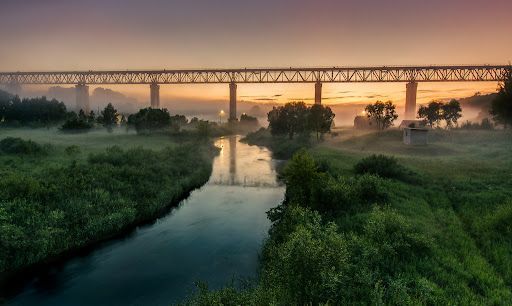
## Description Lyduvėnai Bridge is an arresting piece of nineteenth- and twentieth-century engineering that spans the deep, wooded Dubysa River valley near Lyduvėnai. Its soaring iron arches and lattice work combine functional railway engineering with a sculptural presence that is particularly striking when framed by the steep gorge below. Photographers, history enthusiasts and hikers are drawn to the site for the dramatic perspectives it creates—an industrial monument suspended over a wild, verdant canyon. Over time the bridge has required restorations and careful maintenance, and those interventions are part of its layered history. Local preservation efforts have sought to keep the bridge operational while respecting its historical materials and structure. The engineered spans and riveted ironwork tell a story about rail transport, regional development and the craft of steel construction. Beyond its technical merits, Lyduvėnai Bridge sits within a landscape of trails, viewpoints and small rural roads that allow visitors to explore the canyon from multiple angles. Birdsong and river sounds contrast with the bridge’s metallic lines, and seasonal changes—spring greens, autumn foliage—transform the setting dramatically, offering different moods for photographic study. ## Location Lyduvėnai Bridge is located near the village of Lyduvėnai in Raseiniai district municipality, Kaunas County, central-western Lithuania. It spans the Dubysa River in a steep, forested valley that is characteristic of the region’s mixed agricultural and wooded landscape. Access is most convenient by car: follow regional roads from Raseiniai and nearby towns. Public transport to the immediate vicinity is limited, so visitors relying on buses or trains should plan for a taxi or private transfer for the final leg. The rural setting rewards a slower pace—park at designated pullouts or village car parks and follow marked trails toward viewpoints. ## Tips - Photograph at golden hour—early morning or late afternoon—when light sculpts the ironwork and the valley takes on warm tones. - Never walk on active tracks; use official viewpoints and trails to keep a safe distance while still getting dramatic compositions. - Bring sturdy shoes and insect repellant for nearby trails; the area can be steep and overgrown in parts. - Combine the visit with local villages, riverside hikes and birdwatching; pack water and snacks as amenities are sparse. - Check local guidance on accessibility—some viewpoints require steep walks, while others are more level and family-friendly. ## Conclusion Lyduvėnai Bridge is an exemplar of how engineering and landscape can produce a site of compelling beauty. The bridge rewards visitors who slow down to observe structural detail, changing light and the interplay of human craft with natural settings. Whether you come for history, photography or a quiet day outdoors, the bridge and its surrounding valley offer memorable vistas and a distinct slice of regional heritage. ## FAQ Q: Can visitors walk across the bridge? A: No. For safety and legal reasons, do not walk on active railway tracks. Use the designated viewpoints and trails which provide safe vantage points. Q: Is the bridge accessible by car? A: Yes, but roads are rural and sometimes narrow—drive carefully and park only in designated areas or official pullouts. Q: Are there guided tours or information panels on site? A: Information is limited on-site; local heritage groups sometimes publish guides or online materials—check regional tourism resources for up-to-date information. Q: What wildlife might I see in the Dubysa valley? A: The valley supports woodland birds, small mammals and a range of plant life; spring and autumn are best for birdwatching and seasonal flora. Q: Is it possible to photograph the bridge from below? A: Some viewpoints near the riverside allow lower-angle shots, but access may be steep and require caution; respect private property and posted restrictions. ## Links - [Lyduvėnai Bridge](https://militaryheritagetourism.info/en/military/sites/view/800)
GemVoyage Team • World
Moscow
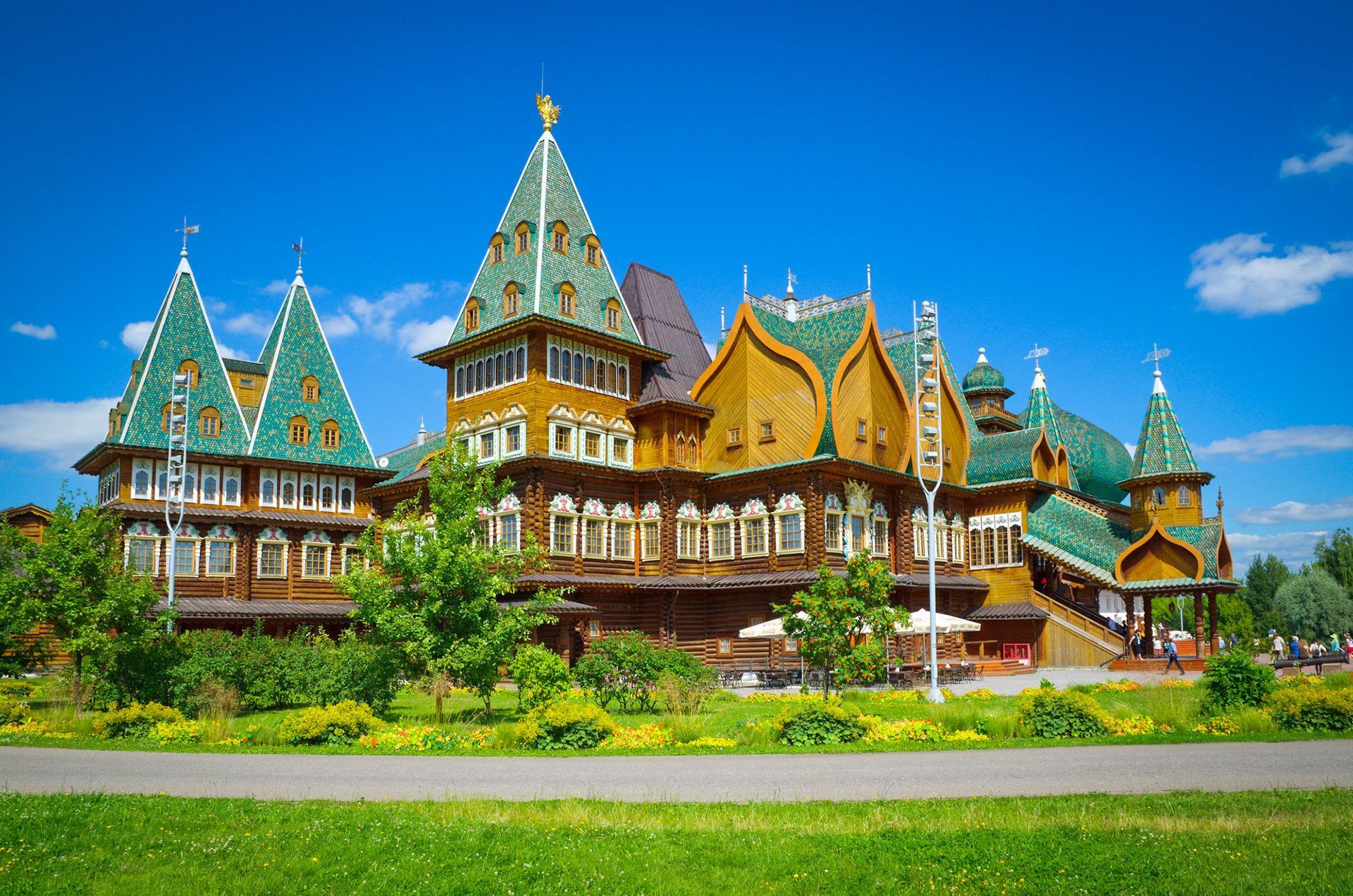
## Description Kolomenskoye Park is one of Moscow’s most rewarding destinations because it combines landscape, architecture, and imperial history in a single spacious setting. More accurately described as a historical and cultural reserve than as a simple park, Kolomenskoye offers sweeping river views, wooded paths, open lawns, orchards, and landmark buildings that connect visitors to the city’s royal past. It is the kind of place that can fill an entire half-day without ever feeling repetitive, because the experience changes as you move from ceremonial architecture to natural scenery and then into quieter, more reflective areas. What makes Kolomenskoye especially impressive is its historical depth. The estate was associated with Russian rulers for centuries and functioned as a place of retreat, ceremony, and seasonal residence. One of its most famous features is the Church of the Ascension, a striking landmark that is widely recognized for its architectural importance. A lesser-known fact is that the park’s broader grounds include not only monuments but also reconstructed wooden structures that help visitors imagine how Russian domestic and court life might have looked in earlier periods. Another detail that often surprises travelers is how strongly the place changes with the seasons: spring blossoms, summer greenery, autumn color, and winter snow each give the site a different personality. For travelers, Kolomenskoye is appealing because it offers a very Moscow-specific balance. The city is often experienced as large, dense, and fast-moving, but here you get a more spacious and contemplative side. You can walk along the river, explore heritage buildings, pause by old orchards, and enjoy the sense that the city opens outward rather than compressing inward. It is a particularly strong choice for visitors who want historical context without spending the whole day indoors. The park also works well as an antidote to more crowded attractions. It provides room to breathe, which is especially valuable in a city as large and energetic as Moscow. ## Location Kolomenskoye Park is located in southern Moscow, Russia, along the Moskva River. It sits within the city’s urban area but feels much more spacious than the central districts. Because it is a historical reserve, the site has multiple layers of interest spread across a sizable landscape, so it is worth entering with enough time to explore beyond the first landmark you see. The easiest way to get there is by Moscow Metro, followed by a short walk depending on your chosen entrance. Metro access is usually the most efficient approach for visitors, especially because surface traffic can be slow in a city this large. Once inside, the site is best explored on foot. If you want a smoother visit, start with the main landmarks and then move toward the quieter natural sections. Because Kolomenskoye is both a park and a heritage site, it is wise to think of it as a destination for a full outing rather than a quick stop. You can spend a couple of hours there comfortably, and more if you enjoy architecture, photography, or leisurely walks. ## Tips Wear good walking shoes. The reserve is large, and part of the pleasure comes from covering ground at an unhurried pace. Check the weather before you go. Kolomenskoye can be beautiful in any season, but the experience changes dramatically with conditions, so planning around sunshine or a clear winter day is smart. Do not limit yourself to the best-known monument. The open spaces, orchard areas, and river views are part of what makes the site special. Take your time with the architecture. The historical buildings are more meaningful when you understand their place in Russian royal history. If possible, pair the visit with a meal or snack nearby so you can turn the park into a half-day excursion instead of a rushed check-in. ## Conclusion Kolomenskoye Park is one of Moscow’s strongest heritage landscapes, offering history, nature, and open space in a single visit. It is ideal for travelers who want a city experience that feels both scenic and historically grounded. ## FAQ ### Why is Kolomenskoye important? It was a major royal estate and is home to significant heritage architecture, including some of Moscow’s most important historical structures. ### Is Kolomenskoye more of a park or a museum? It is both. The reserve combines landscaped outdoor spaces with historic buildings and cultural interpretation. ### How much time should I spend there? Plan for at least 2 to 4 hours if you want to see the main features and enjoy the grounds without rushing. ### Is it good year-round? Yes. Each season changes the atmosphere, and many visitors find that the park is especially striking in spring, autumn, and snowy winter conditions. ## Links - [Kolomenskoye on Wikipedia](https://en.wikipedia.org/wiki/Kolomenskoye)
GemVoyage Team • World

Socotra
## Description Socotra Island feels like a fragment of another planet — a remote, windswept archipelago in the northwest Indian Ocean whose flora and landscapes defy easy comparison. Part of Yemen’s Socotra Archipelago, the island is famed for its unique biodiversity: roughly one-third of its plant species are endemic, meaning they occur nowhere else on Earth. The emblematic dragon’s blood tree (Dracaena cinnabari) with its umbrella-like silhouette and deep red sap has become a symbol of Socotra’s otherworldly charm. Across the island, landscapes alternate between bizarre limestone plateaus, dramatic sea cliffs, windswept sand flats and pristine white-sand beaches framed by coral reefs. The experience of Socotra is defined by its isolation. Thousands of years of relative climatic stability have allowed life to evolve along separate lines, producing a cast of plants and small reptiles adapted to arid conditions and shallow soils. Visitors remark on the sculptural shapes and strange textures of the vegetation: bulbous succulents, twisted bottle trees, and dense thorny thickets that host endemic birds and invertebrates. This is a place for slow observation — botanizing on rock-strewn plateaus, watching seabirds along cliffs, and learning how local communities have adapted pastoral and fishing traditions to the island’s rhythms. Beyond flora and fauna, Socotra offers an immersive cultural layer. The island’s towns and villages, led by the main hub of Hadibo, display a traditional way of life that blends Bedouin pastoralism with fishing and small-scale commerce. Over the past decade eco-tourism has grown carefully: small guesthouses and locally guided tours emphasize conservation and community benefit. For the adventurous traveler the island’s remote tracks, sea caves and beaches promise solitude and dramatic light, perfect for landscape photography, contemplative walking and quiet wildlife encounters. ## Location Socotra is located in the northwest Indian Ocean, administratively part of Yemen, lying closer to the Horn of Africa than to the Arabian mainland. The island’s primary settlement and logistical hub is Hadibo (sometimes spelled Hadibu) on the northern coast. Historically, reaching Socotra has required careful planning: flights are limited and schedules change with political and logistical conditions. When available, small charter flights connect Socotra with mainland Yemen and, occasionally, regional hubs; sea access — via carefully arranged boat charters or local vessels — is an alternative for those with flexible timing. Because access can be intermittent, most independent travelers book through experienced operators who handle permits, inter-island travel, and local liaison. Visitors should check visa requirements and entry permits well in advance, and factor in contingency days for travel delays. Once on the island, Hadibo serves as the staging point for day trips inland to the Dixam Plateau, the Hagghier Mountains, and coastal excursions to remote beaches and snorkeling sites. ## Tips - **Check travel advisories and logistics:** Socotra’s access and safety status can change with regional developments. Before planning, consult official travel advisories, contact tour operators, and verify flight or sea schedules. Leave buffer days in your itinerary for unexpected delays. - **Use licensed local guides and operators:** Knowledgeable local guides are essential for navigating rocky tracks, interpreting plant life, and arranging transport to remote sites. Hiring local guide services supports the economy and ensures respectful interaction with communities. - **Respect fragile ecosystems:** Much of Socotra’s ecology is fragile. Stick to established tracks, avoid trampling vegetation, do not remove plants or geological material, and use minimal-impact camping practices. - **Pack for varied conditions:** Inland plateaus and mountains can be hot and dry during the day and chilly at night; coastal winds can be strong. Bring sun protection, sturdy hiking boots, a light windproof layer, and a reusable water bottle with a reliable purification method. - **Plan photography and drone use carefully:** Drones may be restricted to protect wildlife and privacy. Always ask local guides about regulations and cultural sensitivities before using camera equipment. - **Health and safety:** Medical facilities on Socotra are basic. Carry a well-stocked first-aid kit, any personal medications, and consider travel insurance with emergency evacuation coverage. Be up to date on routine vaccinations and check for recommended travel vaccines. - **Support local communities:** Choose guesthouses and guides that employ local staff, buy produce and crafts locally, and respect local dress and customs in villages. ## Conclusion Socotra is a destination for travelers who seek radical otherness and ecological rarity. Its alien plant forms, remote beaches, and quiet villages offer an experience both humbling and exhilarating — a reminder of how geographic isolation shapes life in remarkable ways. Thoughtful visitors who arrive well-prepared will find a landscape rich with photographic opportunities, quiet hiking routes, and meaningful encounters with local people and culture. Above all, Socotra rewards patience: time spent watching a dragon’s blood tree silhouette against the sky, or exploring a limestone plateau at dusk, lingers long after the trip ends. ## FAQ - **Q: Is Socotra safe to visit?** A: Safety and access can vary with regional and political conditions. Check up-to-date government travel advisories, consult experienced operators who run tours to Socotra, and register your travel plans with your embassy when appropriate. - **Q: How long should I spend on Socotra?** A: A well-paced visit typically runs 6–10 days. This allows time to explore the Dixam Plateau, the Hagghier Mountains, coastal beaches and a few village visits without feeling rushed. - **Q: When is the best time to visit Socotra?** A: The most comfortable travel window is during the cooler months, roughly October through April. Monsoon-related weather and hot summer temperatures can make travel more difficult in other months. - **Q: Can I arrange independent travel or do I need a tour operator?** A: Because flights and permits are limited, most travelers use reputable operators who arrange logistics, guides and permits. Independent travel is possible but requires local contacts and contingency planning. - **Q: What should I bring for wildlife and landscape photography?** A: Bring a mid-range zoom lens, a wide-angle for landscapes, a sturdy tripod for low-light work, spare batteries and memory cards, and neutral-density filters for coastal long exposures. - **Q: Are there accommodations and food options on the island?** A: Hadibo has small guesthouses and basic restaurants; expect simple but hearty local meals. For remote camping or multi-day excursions, operators typically supply food and equipment — confirm details beforehand. ## Links - [Socotra — Wikipedia](https://en.wikipedia.org/wiki/Socotra)
GemVoyage Team • World

Comments