GemVoyage Team • World
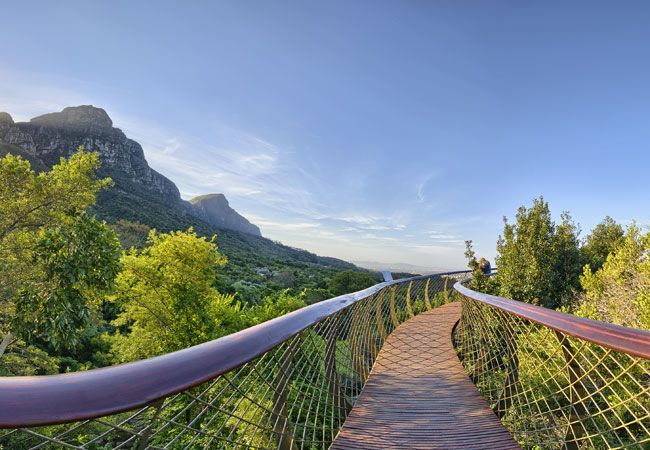
The forest is attractive because it gives you variety in a small space. Paths wind through trees, slopes, and scenic pockets that change with light and season. In some sections the canopy feels dense and almost enclosed; in others, the forest opens enough to remind you how close you are to one of the world’s most distinctive mountain systems. One little-known fact is that Newlands Forest is often chosen by locals who want a manageable outing rather than a full mountain climb. Another is that the forest’s location means it can function as both a fitness space and a restorative natural retreat.
Visitors often appreciate the contrast between the forest and the city. Cape Town can feel dramatically coastal or highly urban, but Newlands Forest offers a middle ground where the city seems far enough away to rest the mind while still being reachable without complicated planning. That accessibility is one of its major strengths. You do not need to be an expert hiker to enjoy it. Even a short walk can be rewarding because the atmosphere itself is the attraction.
The area also has a calm, local character that makes it feel welcoming. People come here for different reasons and at different paces, so the forest never feels like it belongs to only one type of visitor. Whether you want exercise, shade, birdlife, or a quiet pause in your day, Newlands Forest can accommodate it. That flexibility makes it an especially useful stop for people spending several days in Cape Town and looking for a restorative half-day outdoors.
The simplest way to get there is by car or ride-hailing service. Depending on where you start, public transport may be less direct, so a point-to-point ride is often the most practical option. Parking and trail access can vary by exact route, so it helps to decide ahead of time whether you want a short stroll, a longer hike, or a connection to a broader mountain route.
Because the forest is part of a bigger natural system, weather conditions matter. Dry, clear days are usually most comfortable, and early starts are helpful if you want a peaceful atmosphere and cooler temperatures.
Discover more hidden gems you might love.
Barcelona
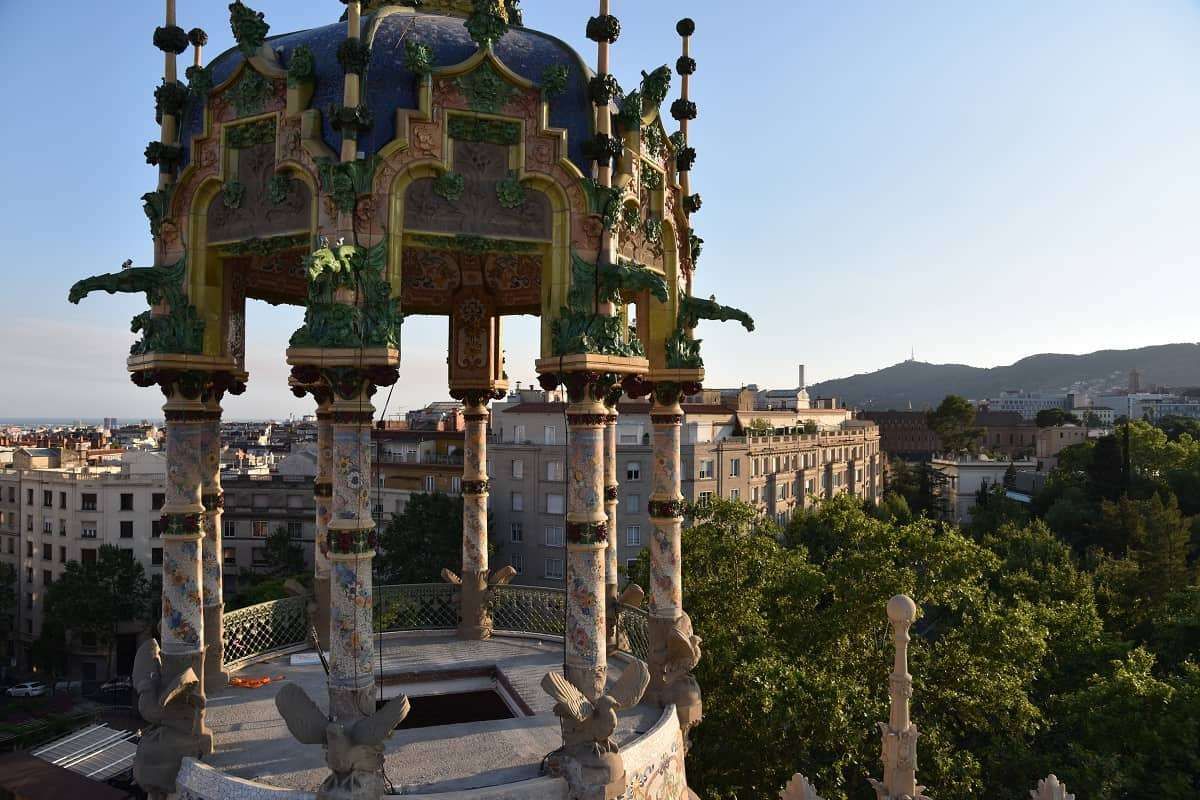
## Description **Torre Andreu**, more commonly known as **La Rotonda**, is one of Barcelona’s most distinctive yet often overlooked pieces of **Modernisme architecture**. Located at the upper edge of the city near the foothills of Tibidabo, this circular, turreted building looks more like a **fairytale castle than a residential structure**, making it one of the most visually unusual landmarks in Barcelona. The building was originally constructed in **1906** as a **luxury private residence** for a wealthy industrial family at a time when Barcelona’s elite were moving uphill away from the dense urban core. Its architectural language reflects the late phase of Catalan Modernisme, but with a lighter, more playful character than the monumental works of Gaudí. The structure’s curved form, decorative balconies, stained glass, floral stonework, and rooftop tower give it a **whimsical, almost theatrical presence**. What truly sets La Rotonda apart is its **cylindrical layout**, which is extremely rare in Barcelona’s residential architecture. While most Modernist buildings rely on flat façades and vertical symmetry, Torre Andreu embraces a soft, flowing geometry that produces constantly shifting perspectives as you walk around it. From different angles, the building seems to change character—from grand to intimate, from playful to mysterious. After serving as a private mansion, the building was later transformed into a **luxury hotel**, gaining the nickname “La Rotonda” due to its circular shape. Over the decades, it hosted visiting elites, business figures, and international guests. Its decline began in the late 20th century as the area lost its tourism focus, and the building passed through phases of limited use, abandonment, and restoration attempts. A little-known fact is that Torre Andreu spent many years in a **state of legal and architectural limbo**, with disputes over ownership and protection status delaying proper restoration. Another lesser-known detail is that its rooftops once hosted **social gatherings with views stretching across the entire city and toward the Mediterranean**, making it one of the most exclusive view points in pre-war Barcelona. Today, La Rotonda stands as a **symbol of architectural memory suspended between preservation and neglect**. While parts of the structure have undergone restoration at different times, it remains largely inaccessible to the public. Despite this, it continues to attract architects, photographers, and urban explorers who see it as a **ghost of Barcelona’s upper-class expansion era**, frozen between past luxury and uncertain future use. Emotionally, Torre Andreu is a place of contrast. It feels playful yet melancholic, elegant yet isolated. It reminds visitors that not all architectural masterpieces sit in crowded tourist centers—some survive quietly at the city’s edges, waiting to be rediscovered. ## Location **Torre Andreu (La Rotonda)** is located in the **Sant Gervasi–La Bonanova area**, near the start of **Avinguda del Tibidabo**, one of Barcelona’s most elegant upper-city avenues. **City:** Barcelona **Region:** Catalonia (Catalunya) **Country:** Spain **District:** Sarrià-Sant Gervasi **Nearby Landmark:** Plaça Kennedy ### How to Get There: * **By Tramvia Blau:** Take the historic **Blue Tram** from Plaça Kennedy up toward Tibidabo and get off at the early stops. * **By FGC (Train):** Take **FGC Line L7** to **Avinguda Tibidabo Station**, then walk about 10–12 minutes uphill. * **By bus:** Several lines from the city center serve Plaça Kennedy and Avinguda Tibidabo. * **By taxi:** A convenient option given the uphill location. * **By car:** Limited street parking is available; traffic can be heavy during peak hours. This location places La Rotonda along a scenic route that connects the city to **Tibidabo Mountain, the funicular, and the upper residential quarters**. ## Tips * **Admire it from the street:** The building is **not generally open to the public**, so plan for an exterior visit. * **Visit during daylight:** Details in stone, glass, and ironwork are best visible in strong natural light. * **Combine with Avinguda Tibidabo:** The walk itself features some of Barcelona’s most impressive mansions. * **Photography enthusiasts:** A wide-angle lens works best due to the building’s curved geometry. * **Do not expect tourist facilities:** No tickets, gift shops, or official visitor services are available on-site. * **Urban-exploration atmosphere:** The charm lies in observing a historic building existing quietly within daily city life. * **Respect private property limits:** Security patrols may restrict close access to entrances. ## Conclusion **Torre Andreu (La Rotonda)** is one of Barcelona’s most unusual Modernist buildings—**playful in form, dramatic in history, and quiet in presence**. Once a symbol of luxury living at the city’s upper edge, it now stands as a reminder that architectural brilliance does not always remain in the spotlight. For those willing to explore beyond the standard tourist circuit, La Rotonda offers a rare encounter with **Barcelona’s forgotten elegance and unresolved heritage**. ## FAQ **1. Why is Torre Andreu called “La Rotonda”?** Because of its **distinct circular shape**, which is rare in Barcelona’s residential architecture. **2. Can visitors go inside La Rotonda?** No. It is **not generally open to the public** and is viewed from the exterior only. **3. Who designed Torre Andreu?** It was designed in the early 20th century in the **Catalan Modernisme style**, attributed to architect **Adolf Ruiz i Casamitjana**. **4. Was it always a hotel?** No. It was originally built as a **private luxury residence** and later converted into a hotel. **5. Is Torre Andreu protected as a heritage site?** Yes. It is recognized as part of **Barcelona’s protected architectural heritage**, though restoration has been slow. **6. How long does a visit typically take?** About **10 to 20 minutes**, mainly for observation and photography. ## Links * [Visit Barcelona](https://www.barcelonaturisme.com)
GemVoyage Team • World
Hurghada
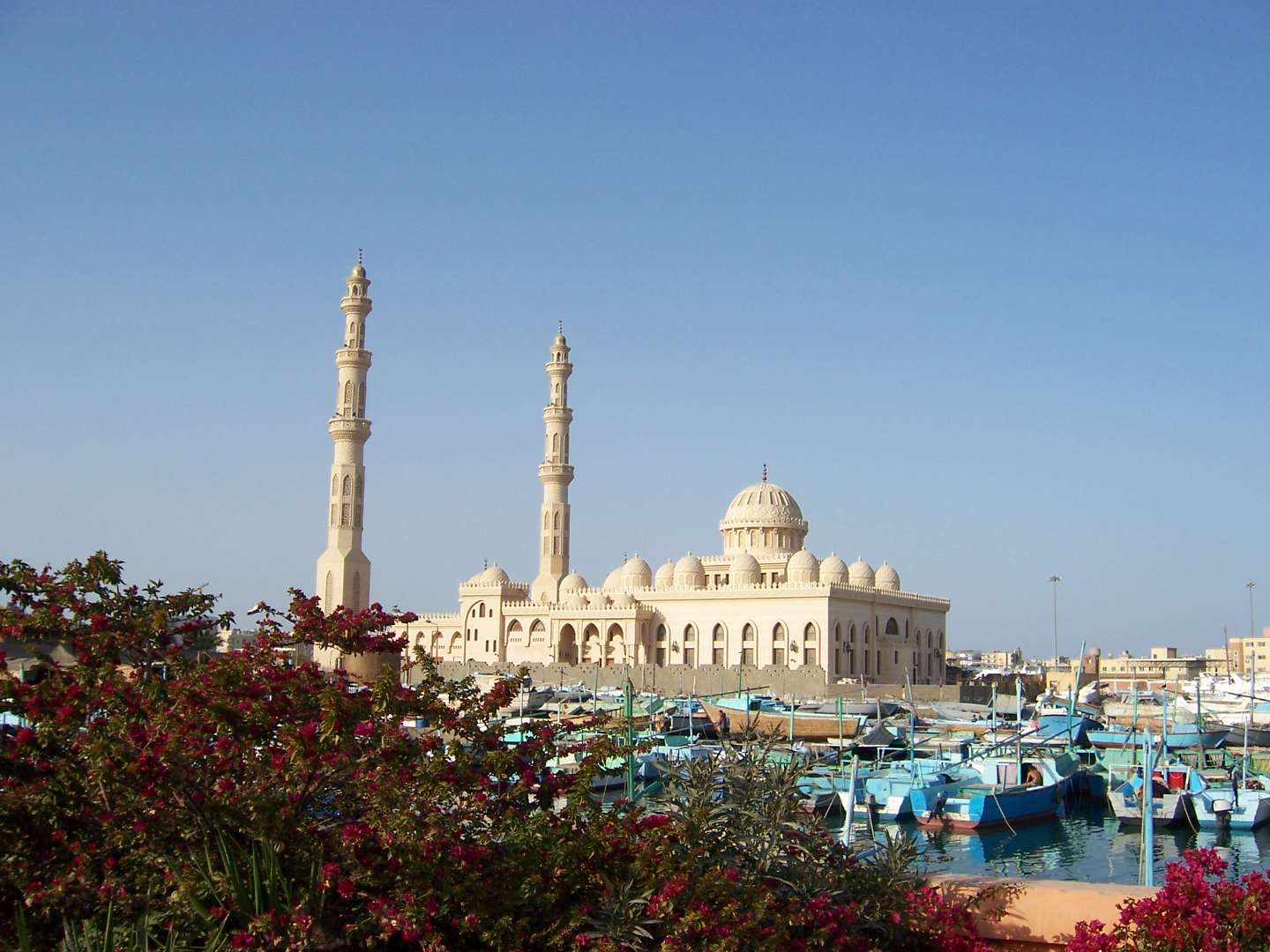
## Description Al Mina Mosque, also known as El Mina Masjid or the Grand Mosque of Hurghada, is one of the most striking religious landmarks on Egypt’s Red Sea coast. Completed in 2012, this architectural gem blends traditional Islamic design with modern elegance, making it a must-see for visitors seeking cultural depth beyond the beaches and resorts. With its gleaming white marble façade, towering minarets, and intricately carved domes, the mosque stands as a symbol of spiritual devotion and artistic craftsmanship. The mosque features two minarets that rise 40 meters into the sky and a central dome that reaches 25 meters in height. Inside, visitors are greeted by a serene prayer hall adorned with ornate chandeliers, engraved walls, and geometric patterns that reflect centuries of Islamic art. The mosque can accommodate up to 10,000 worshippers, making it the largest in the Red Sea Governorate. A little-known fact: Al Mina Mosque was built on an 8,000-square-meter site adjacent to Hurghada’s harbor, and its name—“Al Mina”—translates to “The Port,” referencing its proximity to the sea. The mosque also houses an Islamic cultural center that offers lectures and educational materials in multiple languages, aimed at fostering interfaith understanding and dialogue. ## Location Al Mina Mosque is located in **Egypt**, in the **Red Sea Governorate**, within the **city of Hurghada**. It sits directly on the waterfront near the Hurghada Marina and the city’s main harbor, making it easily accessible from both the old town (El Dahar) and the newer resort areas. ### How to Get There - **By Taxi**: Taxis are readily available throughout Hurghada and can take you directly to the mosque entrance. - **By Foot**: If you’re staying near the Marina or Sheraton Road, the mosque is within walking distance. - **By Tour**: Many city tours include a stop at Al Mina Mosque, often paired with visits to local markets and cultural sites. - **By Public Transport**: Minibuses and shared taxis frequently pass through the area, though they may require some navigation. Its central location makes it an ideal stop during a day of sightseeing or evening stroll along the harbor. ## Tips - **Visit Outside Prayer Times**: Non-Muslim visitors are welcome to explore the mosque during non-prayer hours. Avoid visiting during Friday prayers or religious holidays. - **Dress Modestly**: Women should cover their hair, shoulders, and knees. Men should avoid shorts. Scarves and robes may be provided at the entrance. - **Photography**: While exterior photography is encouraged, ask permission before taking photos inside, especially during prayer times. - **Respect the Space**: This is an active place of worship. Maintain a quiet and respectful demeanor. - **Combine with Nearby Attractions**: After visiting the mosque, explore the Hurghada Marina, local bazaars, or enjoy a meal at one of the waterfront restaurants. - **Check for Cultural Events**: The mosque’s Islamic center occasionally hosts lectures and exhibitions open to the public. ## Conclusion Al Mina Mosque is a serene and visually stunning destination that offers a glimpse into Egypt’s Islamic heritage. With its majestic architecture, peaceful ambiance, and central location, it’s a rewarding stop for anyone exploring Hurghada beyond the beach. ## FAQ **1. What are the opening hours of Al Mina Mosque?** The mosque is open daily from 9:00 AM to 5:00 PM, except during prayer times. **2. Is there an entrance fee?** No, entry is free. Donations to the mosque or its cultural center are welcome but not required. **3. Can non-Muslims visit the mosque?** Yes, non-Muslims are welcome during non-prayer hours and are encouraged to learn about the mosque’s history and architecture. **4. Is the mosque wheelchair accessible?** Yes, the mosque has ramps and accessible entrances for visitors with mobility needs. **5. Are guided tours available?** Some local guides offer cultural tours that include the mosque. The Islamic center also provides multilingual materials and lectures. **6. Is it safe to visit the mosque with children?** Yes, families are welcome. Children should be supervised and respectful of the prayer areas. ## Links - [Al Mina Mosque Visitor Guide – Hurghada Day](https://hurghadaday.com/things-to-do/al-mina-mosque/)
GemVoyage Team • World
Aswan
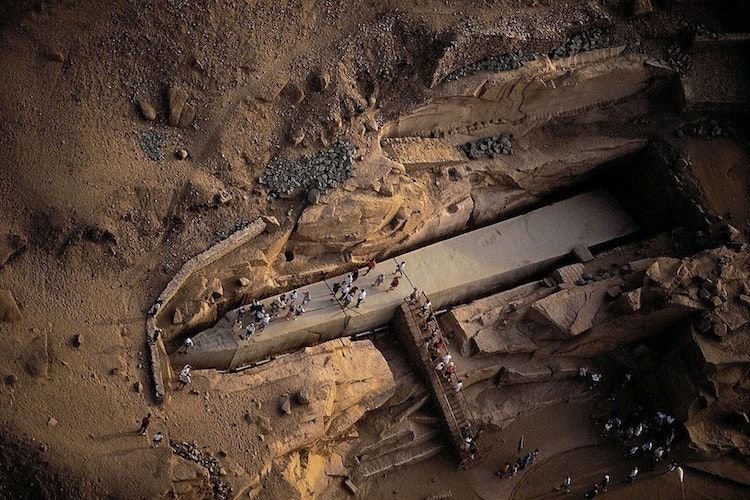
## Description The Unfinished Obelisk in Aswan is one of the most fascinating archaeological sites in Egypt because it reveals how ancient builders actually worked. Instead of seeing a completed monument in a temple courtyard, visitors encounter a massive stone form still attached to the bedrock, frozen in the middle of the carving process. That unfinished state makes it uniquely valuable. It shows the scale, ambition, and practical difficulties of quarrying monumental stone in ancient times, offering a direct look at the labor behind some of Egypt's greatest monuments. What makes the site especially memorable is the sheer size of the obelisk. Standing beside it, you begin to understand how extraordinary these stone projects were and how much precision was required to extract them from the quarry. A lesser-known fact is that the obelisk is believed to have cracked during the carving process, which is why it was abandoned. That break is not a flaw in the experience; it is the reason the site is so informative. It gives archaeologists and visitors an unusually clear look at ancient methods and mistakes. ## Location The Unfinished Obelisk is located in Aswan, Egypt, near the city's historic granite quarries on the eastern bank of the Nile. It is part of the broader Aswan archaeological landscape and is easy to connect with other historic and cultural sights in the city. The site is typically reached by car, taxi, or organized sightseeing transfer from central Aswan, depending on where you are staying. Because the area can be hot and open, it is wise to visit earlier in the day. The quarry setting is part of the attraction, but it also means you should plan for direct sun and limited shade. Many visitors combine the stop with nearby monuments and museums to build a fuller Aswan history itinerary. ## Tips - Visit early to avoid the harshest heat and to make the stone surfaces easier to appreciate. - Bring water and sun protection, because the quarry environment offers limited shelter. - Allow time to study the carving marks and the break in the stone rather than rushing past. - Combine the site with other Aswan highlights to make the trip feel complete. - If you are interested in ancient engineering, consider a guide who can explain quarrying methods and transport techniques. - Wear shoes suitable for uneven ground, since the quarry surface is not always perfectly smooth. ## Conclusion The Unfinished Obelisk is compelling because it transforms an archaeological site into a lesson in ancient engineering. It is raw, direct, and educational, giving visitors a sense of scale that photographs alone cannot capture. ## FAQ ### Why was the obelisk left unfinished? It is believed that a crack appeared during the carving process, making the stone unusable for its intended purpose. Rather than being abandoned as a failure, the obelisk became an accidental record of how quarrying was done in ancient Egypt. ### How big is the Unfinished Obelisk? It is enormous, far larger than most visitors expect when they first see the quarry. Its size is one of the main reasons it is so memorable. The unfinished form helps you realize how much stone had to be removed and shaped by hand. ### Is the site worth visiting if I am not an archaeology expert? Yes. You do not need specialist knowledge to appreciate the scale and the story. Even casual visitors usually find it interesting because it is one of the clearest demonstrations of ancient craftsmanship in Egypt. ### How much time do I need there? A focused visit can take less than an hour, but you may want longer if you enjoy archaeology or photography. The site is often best paired with other Aswan attractions so the trip feels fuller and more efficient. ### What makes this site different from other Egyptian monuments? Most monuments show the finished result, while the Unfinished Obelisk shows the process. That is what makes it so valuable. It reveals technique, scale, and difficulty in a way that polished monuments cannot. ## Links - [Wikipedia](https://en.wikipedia.org/wiki/Unfinished_Obelisk)
GemVoyage Team • World
Venice
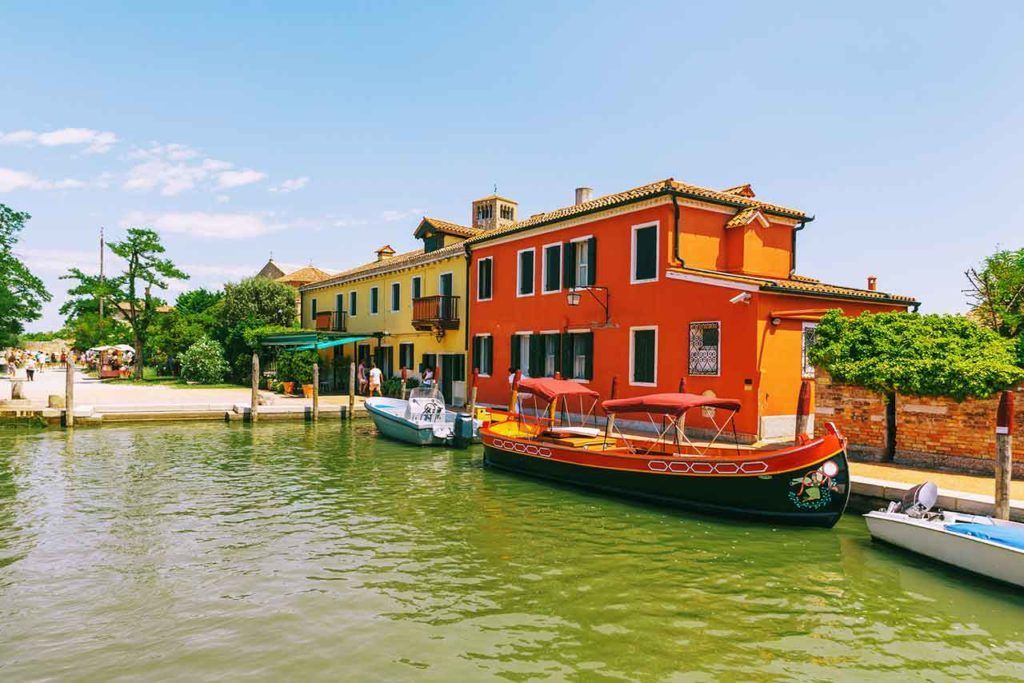
## Description Torcello Island is one of the most atmospheric places in the Venetian lagoon, especially for travelers who want to step away from the busier islands and see a quieter, older side of Venice. The island feels open and restful compared with the crowded center of the city, with broad paths, reeds, water, and a sense of distance that makes the landscape feel almost meditative. Its appeal lies in that stillness. Rather than offering a dense cluster of shops or nightlife, Torcello invites visitors to slow down and imagine what life in the lagoon looked like before Venice became a global symbol of trade and power. One of the most important sights on the island is the Cathedral of Santa Maria Assunta, known for its remarkable early Christian mosaics. Those mosaics are among the most valuable artistic treasures in the lagoon and are a major reason historians and art lovers make the trip. Another detail many visitors find surprising is that Torcello was once far more important than it is today; it played a key role in the region long before many other lagoon settlements rose to prominence. That history gives the island a haunting, almost forgotten beauty. ## Location Torcello is located in the Venetian Lagoon in the Veneto region of northern Italy, north of Venice and near the island of Burano. It is part of the broader Venice area and is reached by public ferry or vaporetto connections that usually involve changing boats from Venice or nearby islands. The journey itself is part of the experience, because the water route helps set the mood before you arrive. Once on the island, the walk from the landing area to the main historic sights is straightforward and pleasant. The best way to get there is by combining the visit with Burano or another nearby lagoon island. That makes the transit feel efficient and gives you a better sense of the lagoon geography. Torcello is not a place you rush through by car or taxi; the slower ferry rhythm is part of its charm. ## Tips - Visit with enough time to appreciate the quiet atmosphere, not just the main cathedral. - Pair Torcello with Burano so your day includes both color and calm. - Bring good walking shoes, since the island is best explored on foot. - If you care about art history, spend time inside the cathedral rather than treating it as a quick photo stop. - Go earlier in the day if you want the most peaceful experience and softer light over the lagoon. - Carry snacks or plan lunch in advance, because dining options are more limited than on larger Venetian islands. ## Conclusion Torcello offers a rare glimpse into the deeper historical memory of Venice. Its open landscapes, quiet paths, and extraordinary mosaics make it an ideal choice for travelers who value atmosphere and heritage over crowds. ## FAQ ### Why is Torcello important? Torcello was one of the earliest populated islands in the lagoon and once held far more influence than it does today. Its significance comes from that early history, the cathedral mosaics, and the way the island preserves a sense of Venice before modern tourism transformed the region. ### How much time do you need on Torcello? Most visitors can see the island in a few hours, especially if they are combining it with Burano. If you want to enjoy the setting, the cathedral, and a relaxed meal, give yourself half a day so you do not feel pressured. ### Is Torcello crowded? It is usually much calmer than central Venice or Burano. That quieter atmosphere is one of the reasons people go there. Crowds can rise during peak tourism periods, but the island generally remains more spacious and reflective than the better-known parts of the lagoon. ### What is the main thing to see on the island? The Cathedral of Santa Maria Assunta is the main highlight for most visitors because of its historic and artistic value. Even so, the real appeal of Torcello is the combination of that monument with the island's open, almost rural-feeling environment. ### Is Torcello worth visiting for a first trip to Venice? Yes, especially if you want more than the classic central Venice experience. It is best for travelers who enjoy history, landscape, and quieter places. If your schedule is very short, you may want to prioritize the core city first, then return for a lagoon excursion. ## Links - [Wikipedia](https://en.wikipedia.org/wiki/Torcello)
GemVoyage Team • World
Beijing
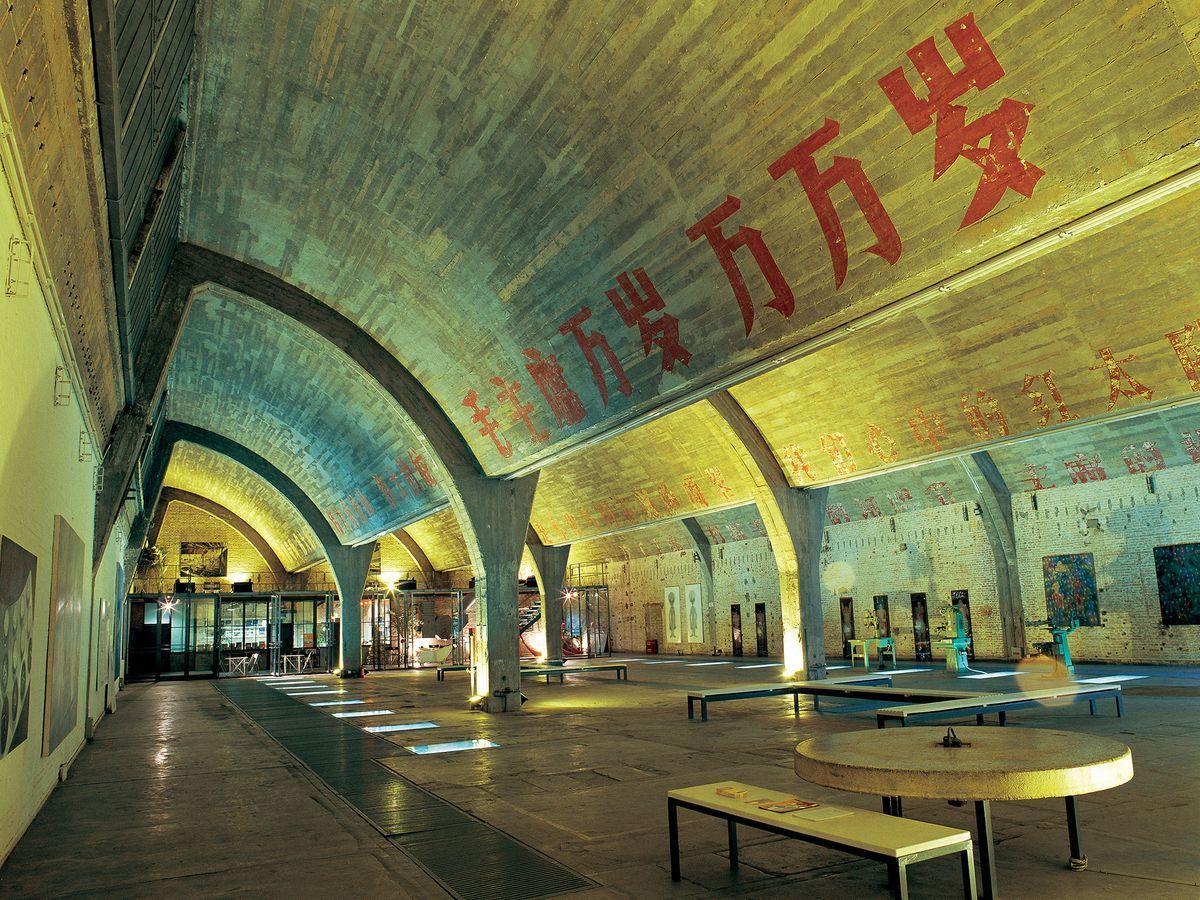
## Description Tucked in the northeastern corner of Beijing, the 798 Art District is one of the most compelling destinations in all of China. What was once a sprawling complex of military and industrial factories has been transformed into a world-class hub for contemporary art, design studios, galleries, cafes, and cultural institutions. The district draws millions of visitors each year, from seasoned art collectors to curious travelers who simply want to walk through one of Asia's most visually striking urban landscapes. The complex was originally built in the 1950s with assistance from East German engineers, and the architecture reflects that influence heavily. The Bauhaus-inspired buildings, with their distinctive sawtooth roofs designed to let in consistent northern light, still stand largely intact. They now house some of the most important contemporary art galleries in Asia. Walking through the district feels like moving through layers of history: Cold War-era industrial slogans still painted on the walls sit side by side with bold modern installations and cutting-edge sculpture. One little-known fact about 798 is that it was artists and designers who moved in illegally during the late 1990s and early 2000s, attracted by the cheap rent and massive open spaces, before the government formally recognized it as a cultural zone in 2006. Another lesser-known detail is that the district is named after Factory 798, which was just one of many factories in the complex known collectively as the 718 Joint Factory, originally built as part of China's first Five-Year Plan. Today, the 798 Art District is home to over 200 galleries and art spaces, including branches of internationally recognized institutions. The streets between buildings are filled with large-scale outdoor sculptures and murals, making even a casual stroll through the area feel like a walk through an open-air museum. Annual events like the Beijing International Art Biennale and 798 Art Festival bring the district's creative energy to its peak. ## Location The 798 Art District is located in the Chaoyang District of Beijing, China, in an area called Dashanzi. It sits in the northeastern part of the city, not far from the Beijing Capital International Airport and within reasonable distance of major city landmarks. The most convenient way to get there is by taking the Beijing Subway to Line 14 and exiting at Jiangtai Station, from which the district is about a 10 to 15 minute walk or a short taxi ride. Alternatively, many visitors take a taxi or use a ride-hailing app like DiDi directly to the 798 Art District entrance. Buses also serve the area, with several routes stopping near Dashanzi. Despite being somewhat off the typical tourist trail, it is well connected to the rest of the city. For those staying in central Beijing near Sanlitun or the CBD area, the journey by taxi typically takes 20 to 30 minutes depending on traffic. ## Tips - **Go on a weekday if possible.** Weekends, especially during festivals and national holidays, can see very large crowds. Visiting on a Tuesday or Wednesday will give you a quieter, more contemplative experience. - **Wear comfortable shoes.** The district is large and most of the experience involves walking on uneven ground, past industrial spaces and outdoor installations. Good walking shoes make a considerable difference. - **Allocate at least half a day.** There is far more to see here than most people expect. A proper visit to even a fraction of the galleries and outdoor spaces takes a minimum of three to four hours. - **Many galleries are free.** While some exhibitions charge entrance fees, a large number of the galleries in 798 are free to enter. Always check at the door before assuming you need to purchase a ticket. - **Bring cash as well as a card.** Some smaller cafes, shops, and studios may not accept international credit cards. Having some Chinese yuan on hand is always helpful. - **Visit in spring or autumn.** Beijing's summers are hot and humid, and winters are extremely cold. The spring months of April and May and the autumn months of September and October offer the most comfortable conditions for exploring the outdoor areas. - **Check the event calendar in advance.** The district hosts rotating exhibitions, openings, and festivals that can significantly enhance your visit. Checking what is on before you go is always worthwhile. ## Conclusion The 798 Art District is far more than a tourist attraction. It is a living, breathing creative community that offers a genuine window into contemporary Chinese culture and the global art world. Its unique combination of preserved industrial architecture, international-caliber art, and vibrant street life makes it unlike anywhere else in Beijing or, indeed, in the world. Whether you are an art enthusiast, a photographer, a design professional, or simply a curious traveler, the 798 Art District deserves a place near the top of your Beijing itinerary. ## FAQ **What are the opening hours of the 798 Art District?** The outdoor streets and public areas of the district are accessible at all hours, but most individual galleries and studios are open from around 10:00 AM to 6:00 PM. Hours can vary by gallery, and some are closed on Mondays. It is advisable to check specific gallery websites if you have particular venues in mind. **Is the 798 Art District free to visit?** Entry to the district itself is free. Many of the galleries and outdoor installations are also free. However, some exhibitions and events charge admission fees. Budget a small amount in case anything you want to enter requires a ticket. **How much time should I spend in the 798 Art District?** Most visitors find that three to five hours is ideal for a satisfying visit. If you are a serious art enthusiast or plan to visit multiple galleries in depth, a full day is not excessive. **Is the 798 Art District suitable for children?** Yes, in general the district is suitable for families. The outdoor sculptures and the visual spectacle of the space tend to engage younger visitors. Some contemporary art exhibitions may contain mature themes, so parents should use their discretion when entering individual galleries. **Are there places to eat and drink in the district?** Yes, there is a good variety of cafes, restaurants, and small eateries scattered throughout the district. Options range from local Chinese food stalls to international cafes and upscale dining. The area is well suited for a leisurely lunch or a coffee break between gallery visits. **How large is the 798 Art District?** The district covers an area of approximately 60,000 square meters. It contains hundreds of galleries, studios, shops, and eating establishments across a network of streets and converted industrial buildings. ## Links - [798 Art District on Wikipedia](https://en.wikipedia.org/wiki/798_Art_Zone) - [Beijing Tourism Official Website](https://www.visitbeijing.com.cn)
GemVoyage Team • World
Copenhagen
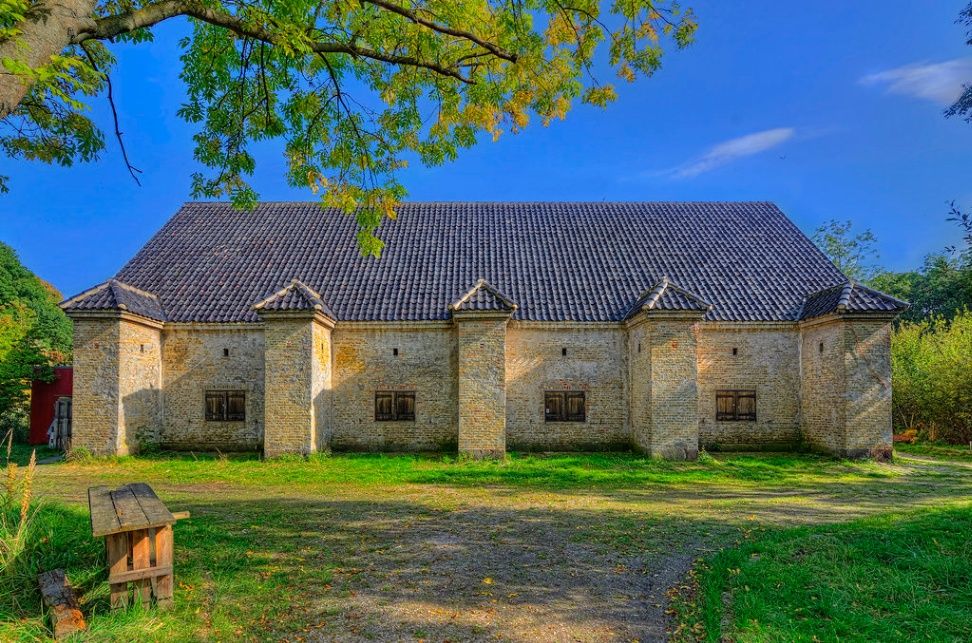
## Description **Frederiks Bastion** is one of the preserved defensive structures within Copenhagen’s historic system of coastal fortifications. Located near **Kastellet**, but distinct from it, Frederiks Bastion represents a smaller, quieter, and more understated element of Denmark’s centuries-old defensive architecture. While it lacks the scale and iconic star shape of Kastellet, its importance lies in its **strategic coastal placement**, its role in Copenhagen’s layered defense network, and its value as a surviving example of **early modern military engineering**. The bastion dates back to the era when Copenhagen’s security depended heavily on a combination of earthworks, ramparts, and coastal batteries designed to deter naval incursions. These fortifications once formed a continuous defense line protecting the harbor and the eastern approach to the city. Frederiks Bastion served primarily as a **gun emplacement**, providing a vantage point over surrounding waters and contributing to overlapping fields of fire with neighboring bastions. Unlike the more polished tourist sites in Copenhagen, Frederiks Bastion retains a **raw and authentic** military character. Much of its structure is defined by **grass-covered embankments, sturdy earthworks, and low-profile defensive shapes** that reflect 18th–19th century military design principles. Visitors who look closely can still identify the geometry of the ramparts, the angles optimized to deflect cannon fire, and the remnants of pathways used for transporting artillery and supplies. One of the most interesting aspects of Frederiks Bastion is the juxtaposition of its **military past with Copenhagen’s modern urban waterfront**. The surrounding area is now a mix of neighborhoods, harborside promenades, and cultural venues, yet the bastion remains a quiet green space that reveals how the city once prepared for siege and conflict. While many visitors overlook it on their way to more famous landmarks, those who stop here gain a deeper understanding of Copenhagen’s historical defensive logic and the engineering strategies that shaped its coastline. The atmosphere is surprisingly serene. Rather than dramatic architectural flourishes, the bastion offers a sense of **openness, subtlety, and historical layering**. It is a place where you can walk along the embankments, observe the water, and imagine the era when Copenhagen was fortified against European naval powers. The simplicity is part of its charm: no over-curated displays, no commercialized setups, just a preserved piece of functional design. Today, Frederiks Bastion is appreciated for its **heritage value**, its role in Copenhagen’s larger defensive narrative, and its suitability for contemplative waterfront walks. For urban explorers, history enthusiasts, and travelers who enjoy discovering non-touristy sites, it offers a quiet, historically charged vantage point within one of the city's most visited districts. ## Location Frederiks Bastion is located near the Copenhagen waterfront, east of the city center, not far from Kastellet and the harbor promenade. **City:** Copenhagen **Area:** Østerbro / Waterfront near Kastellet **Country:** Denmark ### How to Get There * **By metro:** * M3 or M4 to **Østerport Station**, then a short walk. * **By bus:** Several city buses stop along the harbor and near the surrounding parks. * **On foot:** Easily accessible from **Kastellet**, **Langelinie**, and the **Little Mermaid** area. * **By bicycle:** The waterfront has excellent cycling paths, making it one of the easiest ways to reach the bastion. ## Tips * **Pair it with a visit to Kastellet:** The two sites complement each other historically and geographically. * **Ideal for peaceful walks:** This is a low-traffic, quiet spot even during peak tourist season. * **Good for photography:** Particularly at sunrise or late afternoon when the light hits the embankments. * **Wear comfortable shoes:** The terrain includes grassy slopes and uneven surfaces. * **No major facilities:** Bring water or snacks if you plan to stay for a while. * **Learn the context before visiting:** Understanding its role enhances the experience, since signage onsite is minimal. ## Conclusion Frederiks Bastion is a modest but meaningful piece of Copenhagen’s military heritage. It offers insight into the city’s coastal defense strategy and provides a calm, lightly visited alternative to the larger and more structured fortifications nearby. Its earthworks, geometry, and position along the waterfront allow visitors to experience a genuine historical environment without crowds or distractions. ## FAQ **1. Is Frederiks Bastion the same as Kastellet?** No. It is a separate bastion located nearby, part of a wider defensive network. **2. Is there an entrance fee?** No. The area is freely accessible year-round. **3. How long does a visit take?** Most visitors spend **20 to 40 minutes**, often combined with a walk in the surrounding harbor area. **4. Is it family-friendly?** Yes, but keep an eye on children near steep embankments. **5. Are there views of the water?** Yes. The bastion offers clear sightlines toward the harbor and neighboring fortifications. **6. Are there signs or exhibitions?** Minimal. It’s more of a preserved outdoor site than a curated museum. ## Links * [Copenhagen Visitor Portal](https://www.visitcopenhagen.com)
GemVoyage Team • World

Comments