GemVoyage Team • World
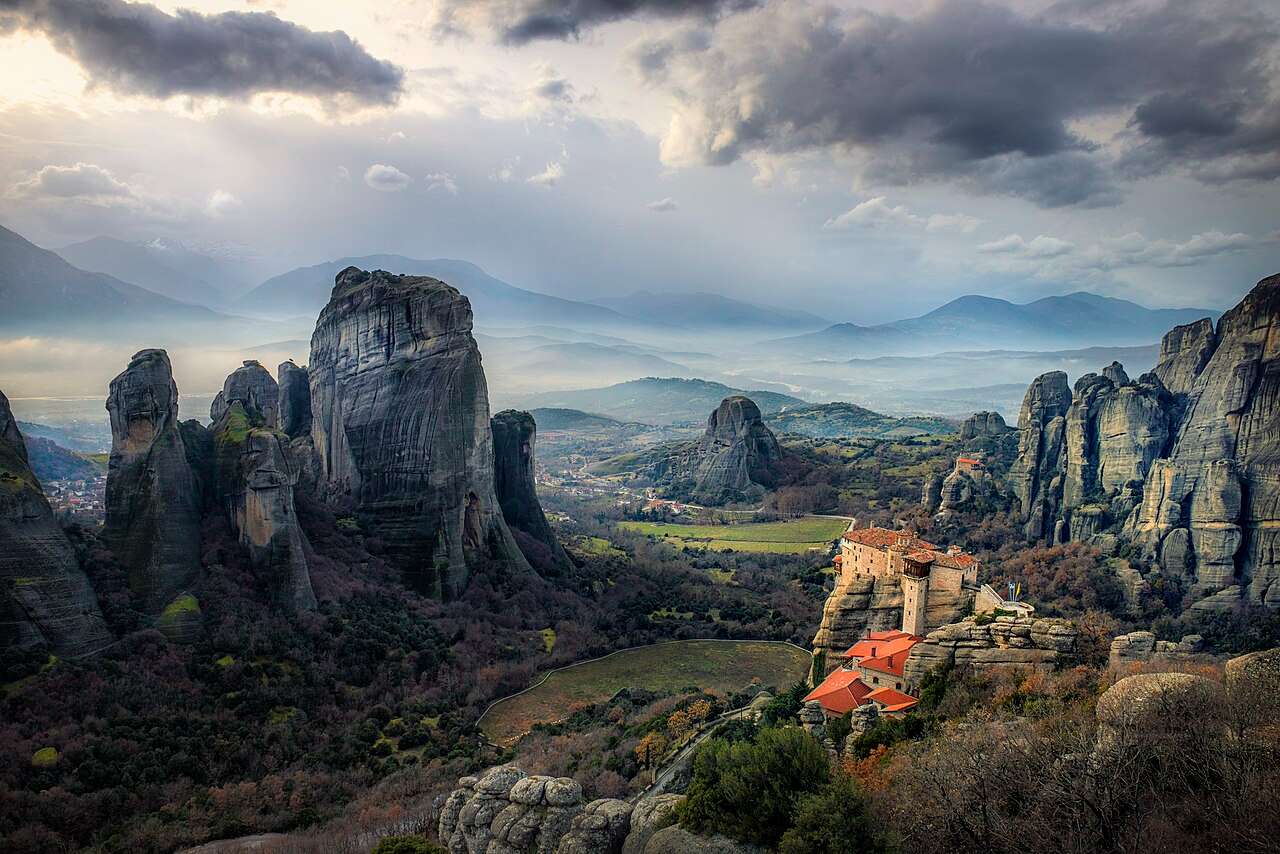
The Meteora is one of Greece’s most awe-inspiring destinations, a place where nature and spirituality converge in dramatic fashion. Towering sandstone pillars rise from the plains of Thessaly, crowned by centuries-old Eastern Orthodox monasteries that seem to defy gravity. The name “Meteora” translates to “suspended in the air,” a fitting description for these monastic retreats perched atop rock formations that reach heights of over 400 meters.
The site’s uniqueness lies not only in its geological wonder but also in its spiritual and historical significance. Monks began settling in the area as early as the 11th century, seeking solitude and safety from invading forces. By the 14th century, they had constructed monasteries atop the cliffs, accessible only by rope ladders and winches. Today, six of the original twenty-four monasteries remain active and open to visitors: Great Meteoron, Varlaam, Rousanou, St. Nicholas Anapausas, Holy Trinity, and St. Stephen.
A little-known fact: the rock formations of Meteora are composed of sandstone and conglomerate, formed over millions of years from river deposits. Another intriguing detail is that the Monastery of Holy Trinity was featured in the James Bond film “For Your Eyes Only,” adding a touch of cinematic fame to its spiritual legacy.
The Meteora is located in Greece, in the Thessaly region, near the town of Kalabaka and the village of Kastraki. It sits at the northwestern edge of the Thessalian Plain, close to the Pindus Mountains.
Once in Kalabaka, the monasteries are accessible by car, taxi, or hiking trails.
The Meteora is a breathtaking blend of natural grandeur and spiritual heritage. With its towering rock formations and cliff-top monasteries, it offers a profound experience for travelers seeking beauty, history, and tranquility in one of Greece’s most iconic landscapes.
1. How many monasteries can be visited at Meteora?
Six monasteries are open to the public, each with its own unique architecture and history.
2. Is there an entrance fee?
Yes, each monastery charges a small fee (usually around €3–5 per person).
3. Can I hike between the monasteries?
Yes, well-marked trails connect many of the monasteries. Hiking is a popular way to explore the area.
4. Are guided tours available?
Yes, local guides offer walking tours, cultural insights, and transportation options.
5. Is Meteora suitable for children?
Yes, but some monasteries require climbing steep steps, so supervision and physical readiness are important.
6. What is the best time to visit Meteora?
Spring and autumn offer mild weather and fewer crowds. Summer can be hot and busy, while winter is quieter but colder.
Discover more hidden gems you might love.
Cluj
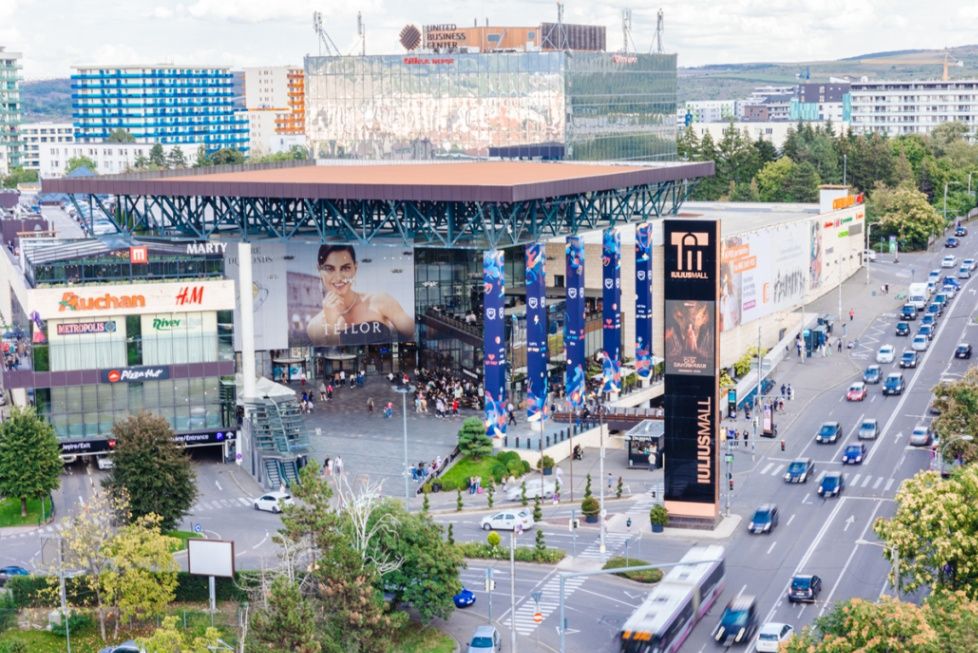
## Description **Iulius Mall Cluj** is one of Romania’s premier shopping and lifestyle destinations, offering a vibrant blend of **retail, entertainment, and community life** in the heart of **Cluj-Napoca**, the unofficial capital of Transylvania. Opened in **2007**, it quickly became more than just a shopping mall — it’s a **social and cultural hub** that captures the energy of one of Romania’s most dynamic cities. Spanning more than **80,000 square meters**, Iulius Mall Cluj features **over 250 stores**, from international fashion brands like Zara, H&M, and Massimo Dutti to local boutiques and specialty shops. But what makes it truly unique is its seamless integration of **shopping, dining, and nature** — a concept that few European malls achieve so gracefully. The mall is part of the larger **Iulius Town complex**, which includes **offices, event spaces, fitness centers**, and most notably, the **Iulius Park** — a beautifully landscaped green area surrounding a serene lake. Visitors can enjoy a peaceful walk, rent a paddleboat, or relax by the water with a coffee from one of the many cafés that line the park. During winter, the lake even transforms into a **charming ice-skating rink**. Inside, the atmosphere is lively and cosmopolitan. Shoppers can explore a vast **food court** with both Romanian and international cuisines, a **state-of-the-art cinema**, and a **fitness and wellness center**. Iulius Mall also hosts **regular events**, from fashion shows and art exhibitions to children’s workshops and live concerts, making it a place where locals and tourists alike gather for more than just retail therapy. A lesser-known fact is that Iulius Mall Cluj was the **first mall in Romania** to incorporate a large **urban park** into its complex design — a model that has since inspired similar developments across the country. It’s also part of a larger vision to make Cluj-Napoca a hub of **modern urban living**, balancing innovation, business, and leisure. ## Location **Iulius Mall Cluj** is located in the **Gheorgheni district** of **Cluj-Napoca**, in the **northwestern region of Romania**, Transylvania. **Address:** Strada Alexandru Vaida-Voevod 53-55, Cluj-Napoca, Romania To get there: * **By car:** Easily accessible via major city roads; parking is abundant and includes both indoor and outdoor spaces. * **By bus:** Several city bus lines (such as 24B, 25, and 26) stop directly in front of the mall. * **By taxi or rideshare:** Services like Bolt and Uber are widely available in Cluj-Napoca. * **From the airport:** The **Avram Iancu Cluj International Airport** is only about **15 minutes away by car or taxi**. * **By foot or bike:** The mall is connected to nearby neighborhoods through well-maintained pedestrian and cycling paths. ## Tips * **Visit Iulius Park:** Don’t miss the outdoor park — it’s perfect for a relaxing break, a family picnic, or a stroll at sunset. * **Try local food:** Many restaurants in the food court and nearby park cafés offer authentic Romanian dishes with a modern twist. * **Shop during weekdays:** The mall can get crowded on weekends; weekday mornings or afternoons offer a quieter experience. * **Catch a movie:** The **Cinema City** inside the mall offers the latest international releases in English and Romanian. * **Family-friendly activities:** There are playgrounds, kid-friendly restaurants, and frequent entertainment events for children. * **Free Wi-Fi and coworking spaces:** Ideal for remote workers or travelers looking to catch up on work while enjoying a coffee. * **Seasonal events:** Check the mall’s official website or social media for **holiday markets, concerts, and fashion events**. ## Conclusion **Iulius Mall Cluj** perfectly captures the modern spirit of **Cluj-Napoca** — youthful, vibrant, and innovative. It’s more than a shopping center; it’s a **community gathering place** where nature, culture, and commerce coexist in harmony. Whether you’re in town for a few days or living locally, a visit to Iulius Mall offers a glimpse into contemporary Romanian life — stylish, welcoming, and full of energy. From lakeside walks to luxury shopping and delicious food, it’s an essential stop on any visit to Transylvania’s most forward-thinking city. ## FAQ **1. When did Iulius Mall Cluj open?** Iulius Mall Cluj officially opened in **November 2007**, becoming the second Iulius Mall developed in Romania. **2. How big is the mall?** The mall covers more than **80,000 square meters**, featuring **over 250 stores**, restaurants, and entertainment spaces. **3. Is there parking available?** Yes — there are **thousands of parking spaces**, both underground and outdoors, many of them free for several hours. **4. What are the main attractions besides shopping?** The **Iulius Park**, **Cinema City**, **fitness center**, and frequent **cultural events** make it a popular leisure destination beyond retail. **5. Is the mall family-friendly?** Absolutely — it includes **play areas**, **family restrooms**, and numerous **activities for children** throughout the year. **6. Can I reach it easily from central Cluj?** Yes, it’s just **10–15 minutes by car** or a **short bus ride** from downtown Cluj-Napoca. **7. Are there hotels nearby?** Yes, several hotels and serviced apartments are located within walking distance, including options ideal for both short and long stays. ## Links * [Official Iulius Mall Cluj Website](https://www.iuliusmall.com/cluj) * [Visit Cluj-Napoca – Tourism Information](https://visitcluj.ro/)
GemVoyage Team • World
Umbria
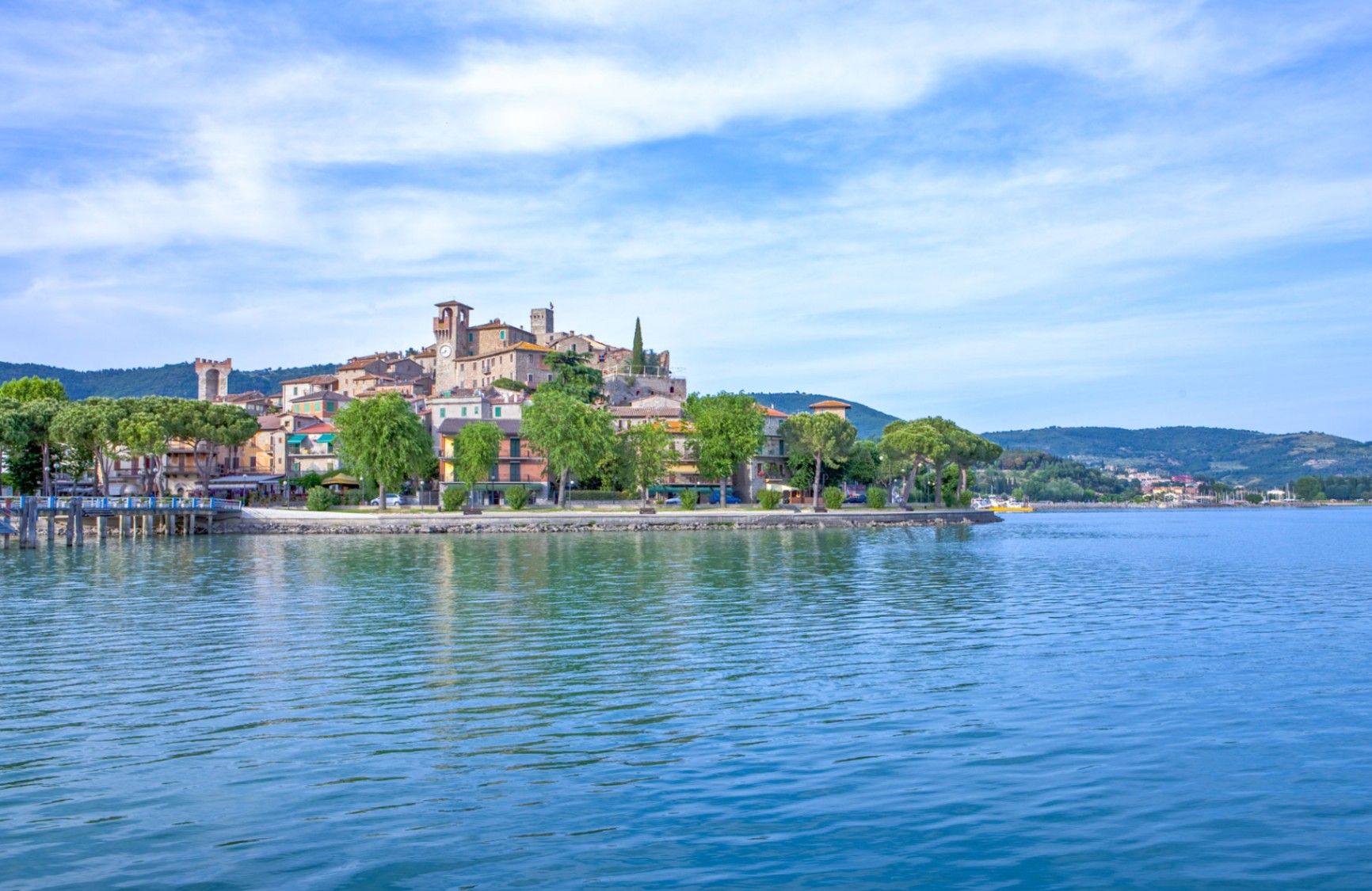
## Description **Lago Trasimeno** is one of Italy’s largest lakes and among its most understated. Unlike the dramatic alpine lakes of the north, Lago Trasimeno is defined by **breadth rather than depth**, calm waters, and a landscape shaped by agriculture, small towns, and slow rhythms. It is a place where nature, history, and everyday Umbrian life coexist without spectacle. The lake is shallow—its average depth is only a few meters—which gives it a distinctive character. Water levels fluctuate noticeably with the seasons, creating wetlands that attract migratory birds and sustain a delicate ecosystem. This makes Lago Trasimeno an important **natural reserve**, particularly for birdwatchers and ecologists. The surrounding reeds, olive groves, and rolling hills contribute to a serene atmosphere that feels far removed from mass tourism. Historically, the lake is best known as the site of the **Battle of Lake Trasimene (217 BCE)**, one of Hannibal’s greatest victories against the Roman Republic during the Second Punic War. Roman legions were ambushed along the lakeshore, making the area one of the most strategically significant ancient battlefields in Italy. A lesser-known fact is that remnants of Roman roads and settlements still lie scattered around the basin, largely unmarked and integrated into the modern landscape. Another overlooked detail is that the lake supports **three inhabited islands**, each with a distinct identity, rather than serving purely as a scenic backdrop. Today, Lago Trasimeno remains deliberately low-key. Fishing villages, medieval towns, cycling paths, and ferry crossings define the experience. It is a destination that rewards patience and curiosity rather than tight itineraries. ## Location **Country:** Italy **Region:** Umbria **Province:** Province of Perugia **Nearby City:** Perugia Lago Trasimeno lies west of Perugia, close to the border with Tuscany, making it a natural crossroads between central Italy’s cultural regions. ### How to Get There * **By train:** * Regional trains run along the northern shore of the lake, stopping at towns such as Passignano sul Trasimeno and Castiglione del Lago. * **By car:** * Easily accessible via regional roads from Perugia, Cortona, or Arezzo. A car is the most flexible option for exploring the lakeside. * **By bus:** * Local buses connect Perugia to towns around the lake, though schedules are limited. * **By bicycle:** * Popular with cyclists, with relatively flat routes and scenic views. ## Tips * **Explore multiple towns:** Each lakeside town has a different character; do not limit yourself to one stop. * **Take a ferry:** Boat trips to the islands offer a different perspective of the lake. * **Visit in spring or early autumn:** Mild weather and fewer crowds enhance the experience. * **Rent a bike:** The flat terrain makes cycling particularly enjoyable. * **Manage expectations:** This is not a swimming-focused lake; its appeal lies elsewhere. * **Stay overnight:** Sunset and early morning reveal the lake at its most atmospheric. ## Conclusion Lago Trasimeno is a place of quiet depth rather than visual drama. Rooted in ancient history and shaped by nature and rural life, it offers an authentic Umbrian experience for visitors who value calm landscapes, local culture, and unhurried exploration. ## FAQ **1. Is Lago Trasimeno good for swimming?** Swimming is possible in designated areas, but the lake is better suited to boating and relaxation. **2. How many islands are on the lake?** There are three inhabited islands: Isola Maggiore, Isola Minore, and Isola Polvese. **3. How much time should I plan for a visit?** At least **one full day**, more if exploring towns or cycling. **4. Is the lake suitable for families?** Yes, especially for gentle outdoor activities and relaxed travel. **5. Can you visit without a car?** Yes, but a car provides greater flexibility. **6. Is Lago Trasimeno crowded?** Compared to other Italian lakes, it remains relatively uncrowded year-round. ## Links * [Umbria official tourism site](https://www.umbriatourism.it)
GemVoyage Team • World
Milan
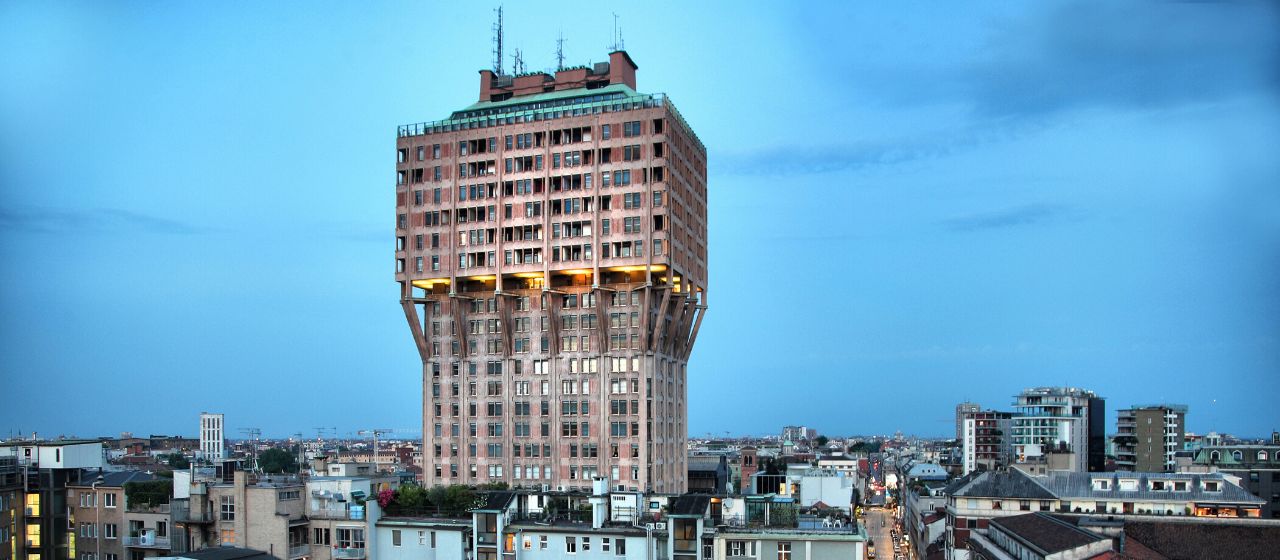
## Description The **Torre Velasca** is one of Milan’s most recognizable—and most controversial—architectural landmarks. Rising sharply above the historic city center, this distinctive skyscraper challenges the visual harmony of Milan with a form that defies both traditional elegance and modernist simplicity. Completed in **1958**, Torre Velasca represents a bold experiment in **post-war Italian architecture**, blending **medieval visual references with modern structural engineering**. Designed by the prestigious **BBPR architectural collective** (Banfi, Belgiojoso, Peressutti, and Rogers), the tower was conceived during a period when Italy was rebuilding not only its cities, but its cultural identity after World War II. Rather than copying American glass skyscrapers, BBPR attempted to create a **uniquely Italian vertical building**, rooted in Milan’s historical skyline of towers, fortifications, and cathedrals. The most striking feature of Torre Velasca is its **mushroom-shaped profile**. The lower portion is slim and vertical, while the upper floors expand outward dramatically, creating the impression of a fortress suspended in midair. This unusual silhouette deliberately echoes the **medieval defensive towers** that once protected Italian cities. The exterior façade, with its exposed concrete ribs and reddish-brown cladding, reinforces the impression of strength and permanence rather than lightness or transparency. Functionally, the tower was built as a **mixed-use structure**, combining offices in the lower levels and residential apartments in the expanded upper portion. This dual function was innovative for its time and contributed to the tower’s distinctive form—wider upper floors were better suited for domestic layouts with larger windows and more light. Artistically, Torre Velasca sits in a unique position between **Brutalism, Rationalism, and Neo-Medievalism**. Some critics consider it awkward or aggressive, arguing that it clashes with Milan’s Renaissance and Gothic heritage. Others see it as a courageous refusal to submit to anonymous international modernism. Over time, what was once widely criticized has become a **symbol of intellectual resistance in architecture**, representing Milan’s willingness to experiment rather than imitate. A little-known fact is that one of the architects, **Gian Luigi Banfi**, died in a Nazi concentration camp during World War II, and the tower stands partly as a symbolic continuation of the group’s interrupted pre-war ambitions. Another lesser-known detail is that construction techniques used in Torre Velasca directly influenced **later Italian concrete tower projects** in the 1960s and 1970s, making it a reference point for generations of architects. Today, Torre Velasca remains fully functional and continues to divide opinion. To some, it is Milan’s “ugliest skyscraper.” To others, it is one of its most intellectually daring. What is beyond dispute is that the tower is an **unavoidable visual statement**, standing as a reminder that urban identity can be built not only on beauty, but also on creative risk. ## Location **Torre Velasca** is located in the **historic center of Milan**, just a short walk from several of the city’s most important landmarks. **City:** Milan **Region:** Lombardy (Lombardia) **Country:** Italy **District:** Centro Storico ### How to Get There: * **By metro:** * **Line M3 (Yellow Line)** to **Missori Station**, then walk 5 minutes. * **Line M1 (Red Line)** to **Duomo Station**, then walk about 10 minutes. * **By tram:** Multiple central tram lines stop near the tower. * **By foot:** Easily reachable from **Milan Cathedral (Duomo)**, the **University of Milan**, and **San Bernardino alle Ossa**. * **By taxi or ride-hailing apps:** Direct access is easy from anywhere in the city center. Its central location allows visitors to integrate Torre Velasca into almost any walking itinerary of historic Milan. ## Tips * **Best viewed from multiple distances:** The unusual shape is most striking when seen from both nearby streets and distant viewpoints. * **Combine with Duomo and University of Milan:** All are within easy walking distance. * **Do not expect interior tourism access:** The tower is primarily a **private residential and office building**. * **Photography works best at sunset:** Warm light highlights the tower’s textured concrete façade. * **Architecture-first attraction:** This site is most rewarding for visitors interested in **urban design and modern architecture**, not traditional sightseeing. * **Look for contrast:** Observe how the tower interacts visually with Gothic spires and Renaissance façades nearby. * **Read about its history before visiting:** Understanding its post-war context significantly enhances appreciation. ## Conclusion The **Torre Velasca** is not designed to impress everyone—and that is precisely its strength. As a bold post-war experiment, it challenges conventional ideas of beauty, heritage, and modernity within one of Europe’s most historically refined cities. Whether admired or criticized, the tower remains a defining symbol of Milan’s **architectural independence and intellectual courage**, proving that controversy can be as enduring as elegance. ## FAQ **1. Why is Torre Velasca so controversial?** Because its **fortress-like modern design sharply contrasts** with Milan’s classical skyline, dividing public opinion. **2. Can visitors go inside Torre Velasca?** No. It is mainly a **private residential and office building** and is not generally open to tourists. **3. Who designed Torre Velasca?** It was designed by the **BBPR architectural group**, one of Italy’s most influential post-war design collectives. **4. What architectural style does it represent?** It blends **Brutalism, Rationalism, and Neo-Medieval influences**, making it difficult to classify under a single style. **5. How tall is Torre Velasca?** It stands approximately **106 meters (348 feet)** tall. **6. Is Torre Velasca considered a protected building?** Yes. It is now recognized as an **important monument of 20th-century Italian architecture**. ## Links * [Wikipedia Page](https://en.wikipedia.org/wiki/Torre_Velasca)
GemVoyage Team • World
Auvergne-Rhône-Alpes
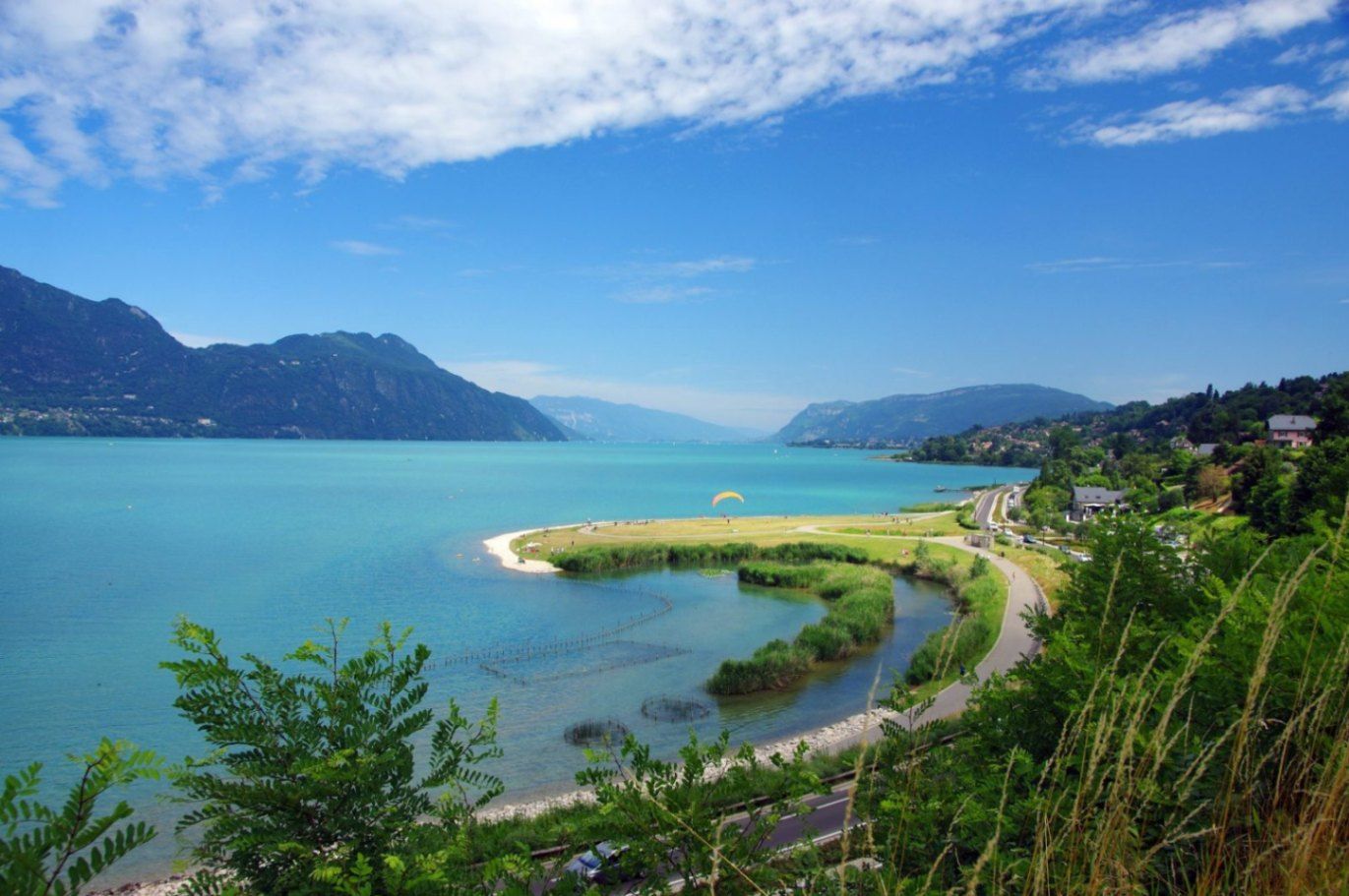
## Description Lac du Bourget is the largest natural lake entirely within France and one of the most scenic bodies of water in the country. Surrounded by mountains, historic towns, and thermal spa resorts, the lake offers a perfect blend of natural beauty, outdoor activities, and cultural heritage. Its calm blue waters and dramatic alpine backdrop have inspired writers, poets, and travelers for centuries, making it a destination that appeals to nature lovers and culture seekers alike. What makes Lac du Bourget truly unique is its diversity. Visitors can enjoy swimming, sailing, paddleboarding, and cycling along the shoreline, while also exploring charming lakeside towns such as Aix-les-Bains and Le Bourget-du-Lac. A little-known fact is that the lake reaches depths of over 140 meters, making it not only the largest but also one of the deepest lakes in France. Another lesser-known detail is its strong literary connection: the famous French poet Alphonse de Lamartine immortalized the lake in his poem *Le Lac*, turning it into a symbol of romantic longing in French literature. Despite its popularity, Lac du Bourget retains a peaceful atmosphere, especially outside peak summer months, making it ideal for travelers seeking both relaxation and discovery. ## Location Lac du Bourget is located in **France**, in the **Auvergne-Rhône-Alpes** region, within the **Savoie** department. The lake lies between the cities of Aix-les-Bains and Chambéry, at the western edge of the Alps. Reaching Lac du Bourget is easy. The closest major town, Aix-les-Bains, has a well-connected train station with direct services from cities such as Lyon, Geneva, and Paris. From the station, local buses, taxis, or walking paths lead directly to the lakeshore. Travelers arriving by car can access the area via the A41 motorway, which connects Chambéry to Geneva. Cycling paths also run along parts of the lake, offering a scenic and eco-friendly way to explore the surroundings. ## Tips * Visit between late spring and early autumn for the best weather and full access to water activities. * Early mornings and weekdays are ideal for enjoying the lake in a quieter, more peaceful setting. * Bring swimwear and a towel, as many public beaches offer free or low-cost access. * Rent a boat or take a guided cruise to appreciate the lake’s size and mountain views from the water. * Explore nearby Aix-les-Bains for its Belle Époque architecture and thermal spas. * If hiking, wear proper footwear and carry water, especially on trails overlooking the lake. ## Conclusion Lac du Bourget is a remarkable destination that combines natural splendor, outdoor recreation, and cultural depth. Whether you are relaxing by the shore, exploring historic towns, or cruising across its tranquil waters, the lake offers a rich and memorable experience in the heart of the French Alps. ## FAQ **Is Lac du Bourget suitable for swimming?** Yes, the lake is known for its clean water and has several designated swimming areas and beaches. **What is the best town to stay near Lac du Bourget?** Aix-les-Bains is the most popular base, offering accommodation, restaurants, and easy lake access. **Are boat tours available on the lake?** Yes, regular sightseeing cruises and private boat rentals are available, especially during the warmer months. **Is Lac du Bourget family-friendly?** Absolutely. Beaches, cycling paths, and gentle water activities make it ideal for families. **Can I visit Lac du Bourget in winter?** Yes, while swimming is not possible, the area remains attractive for walks, spa visits, and scenic views. ## Links * [Lac du Bourget Tourism Official Website](https://www.lac-du-bourget.com)
GemVoyage Team • World
Madrid
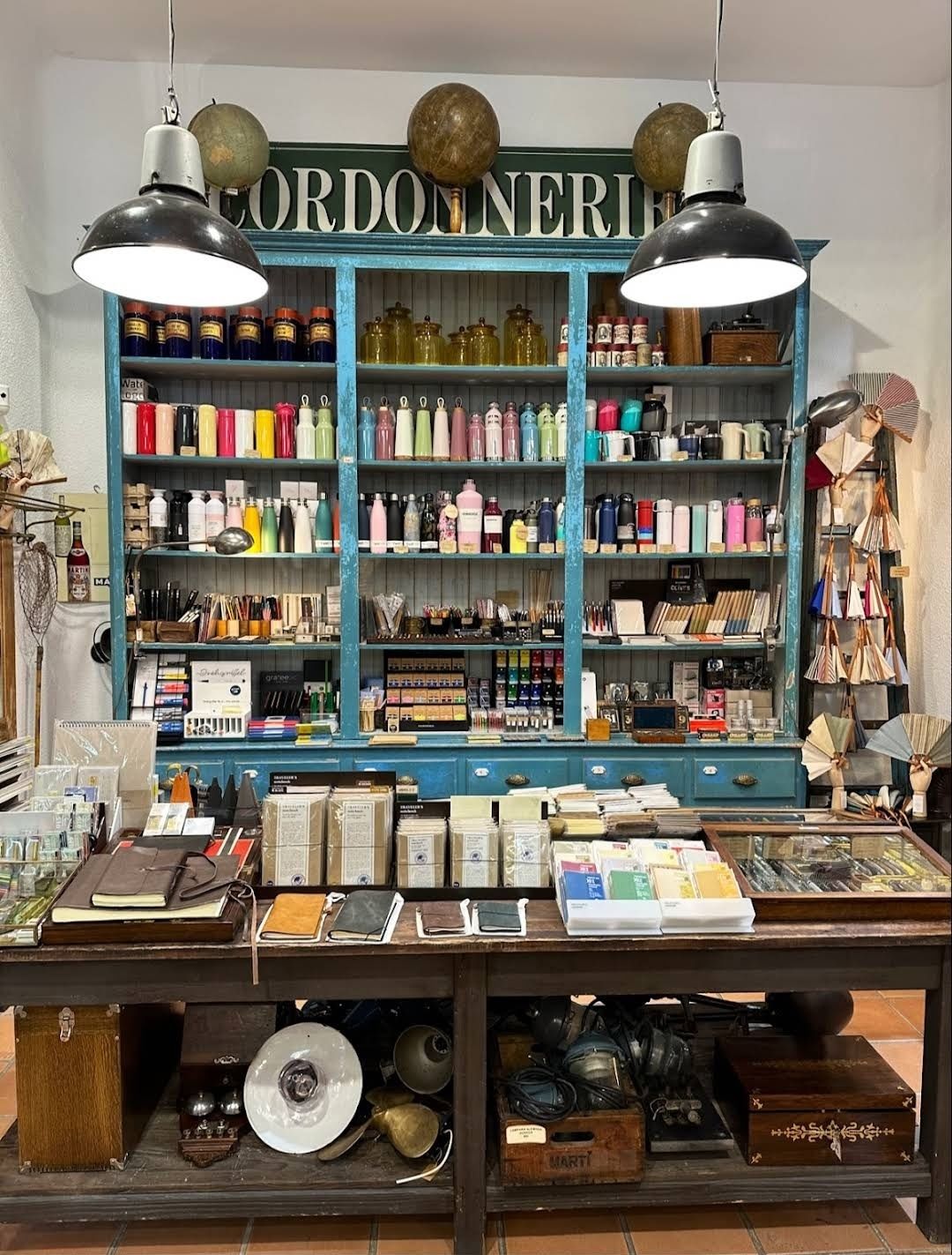
## Description Amarcord Retro Store is one of Madrid’s most charming vintage shops, a treasure trove for lovers of retro fashion and timeless accessories. Nestled in the heart of Spain’s capital, it’s a place where the past comes alive through carefully curated pieces from the **60s, 70s, 80s, and 90s**. Unlike modern fast fashion outlets, Amarcord focuses on unique, one-of-a-kind items that carry stories within their fabrics. The store’s collection includes **vintage clothing, retro jewelry, accessories, and even home décor pieces**, making it more than just a clothing shop—it’s a cultural experience. Fashion enthusiasts adore it for its eclectic mix, but even casual visitors find themselves fascinated by the craftsmanship of items that stand the test of time. A little-known fact about Amarcord is that many of its pieces come from **private collections across Europe**, giving shoppers the opportunity to own authentic items that can’t be found anywhere else. Another hidden gem is its reputation among local stylists and theater costume designers, who often rely on Amarcord to find the perfect outfit for period pieces or photo shoots. ## Location Amarcord Retro Store is located in **Madrid, Spain**, specifically in the lively **Malasaña neighborhood**, an area known for its bohemian vibe, independent shops, and street art. Malasaña has long been the epicenter of alternative culture in Madrid, making it the perfect setting for a retro store like Amarcord. The exact address is easy to find with a quick search or by simply wandering through **Calle Velarde** and its surrounding streets, which are packed with vintage boutiques and second-hand shops. ### Recommendation on How to Get There If you’re staying in Madrid city center, the easiest way to reach Amarcord is by **Metro**. The closest stations are **Tribunal (Lines 1 and 10)** and **Noviciado (Line 2)**, both within a short walking distance. Alternatively, a pleasant stroll from **Gran Vía** will also take you there in about 10–15 minutes. For visitors who prefer a more direct option, taxis and ride-sharing services are easily available. ## Tips To make the best out of your visit to Amarcord Retro Store, here are some helpful tips: * **Visit During Weekdays**: Weekends can get crowded in Malasaña, so if you want a quieter browsing experience, weekdays are best. * **Bring Cash**: While most shops in Madrid accept cards, small purchases are often easier with cash. * **Try Before You Buy**: Vintage sizing differs from modern sizing, so don’t hesitate to try on pieces before making a decision. * **Ask the Staff**: The shop owners and staff are passionate about vintage fashion and can often recommend items based on your style preferences. * **Explore the Neighborhood**: Malasaña itself is worth exploring. After shopping, you can enjoy a coffee at a quirky café or discover other unique shops nearby. * **Check for Specials**: Sometimes Amarcord runs promotions or brings in new collections from different countries—worth asking about when you visit. ## Conclusion Amarcord Retro Store is more than just a place to shop—it’s an invitation to step back in time and rediscover the beauty of vintage fashion. Located in Madrid’s vibrant Malasaña district, it offers an authentic retro shopping experience that blends style, history, and creativity. Whether you’re a collector, a fashion lover, or simply curious, Amarcord is a must-visit destination in the Spanish capital. ## FAQ **1. What can I find at Amarcord Retro Store?** You’ll find a wide selection of vintage clothing, accessories, jewelry, and décor items from the 60s to the 90s. **2. Is Amarcord Retro Store expensive?** Prices vary depending on the rarity and quality of the item, but overall, it’s considered affordable compared to high-end vintage boutiques. **3. Do they accept card payments?** Yes, most items can be paid by card, though it’s a good idea to bring cash for smaller purchases. **4. Is the store suitable for tourists who don’t speak Spanish?** Absolutely. The staff is friendly and many speak English, making it easy for international visitors to shop comfortably. **5. Can I find designer pieces there?** Yes, from time to time Amarcord stocks vintage designer clothing and accessories, making it a favorite among collectors. **6. What makes Amarcord different from other vintage shops in Madrid?** Amarcord stands out for its carefully curated, high-quality pieces and its reputation among stylists and creatives in Madrid. ## Links * [Official website of Amarcord Retro Store](https://www.amarcord-store.com/en)
GemVoyage Team • World
Kampala
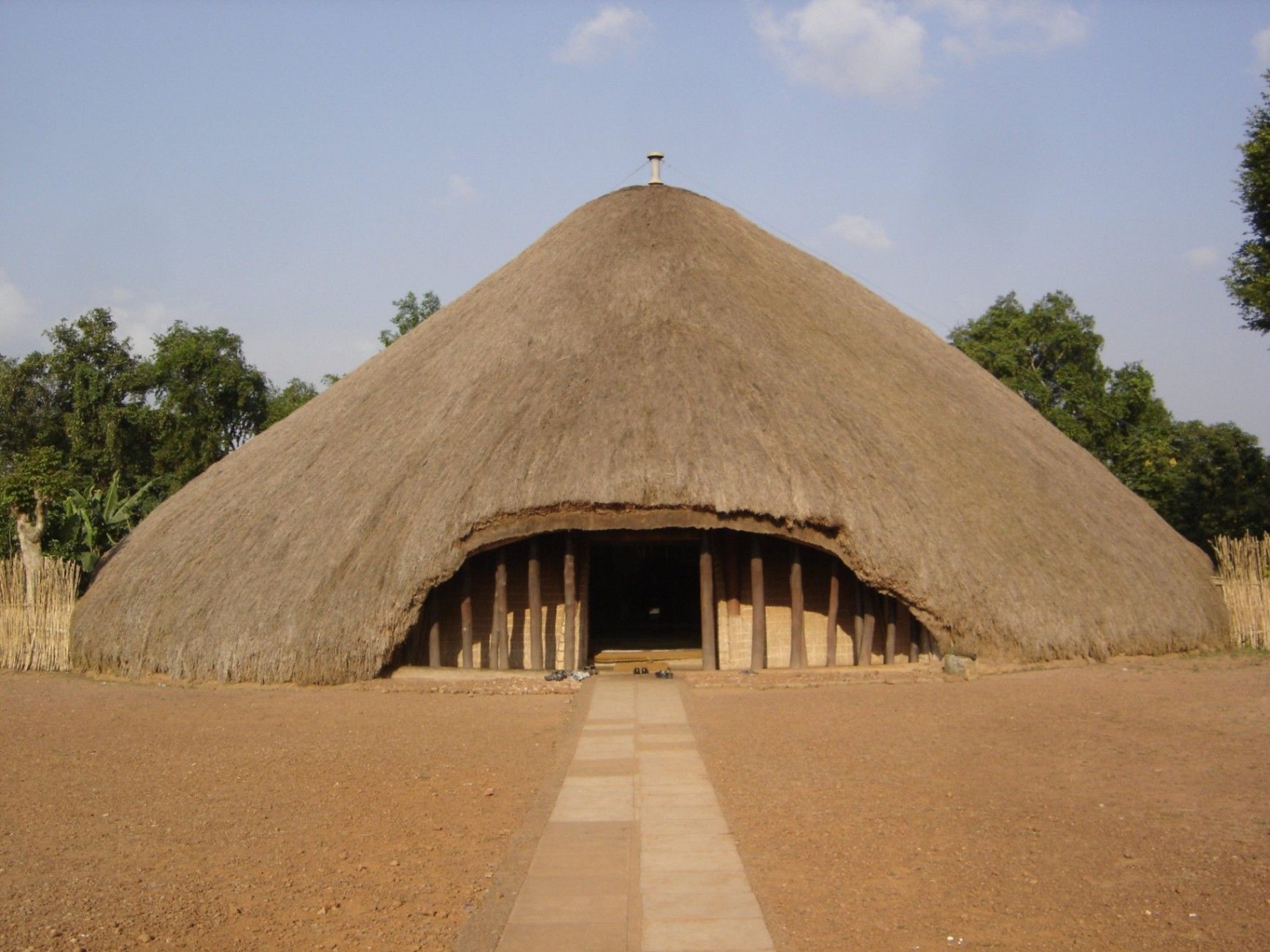
## Description The Kasubi Tombs are one of Uganda’s most important cultural and historical landmarks, serving as the burial grounds of the kings (Kabakas) of the Buganda Kingdom. Recognized as a UNESCO World Heritage Site, the Kasubi Tombs are not only a place of remembrance but also a living spiritual center where traditions, rituals, and royal customs are still actively practiced. The site reflects the deep-rooted cultural identity of the Baganda people and offers visitors a rare opportunity to experience African heritage that is both ancient and ongoing. What makes the Kasubi Tombs especially unique is their architectural style. The main structure, known as the Muzibu Azaala Mpanga, is built almost entirely from organic materials such as wood, reeds, grass, and bark cloth, showcasing remarkable traditional engineering techniques passed down through generations. A little-known fact is that the massive domed structure was once considered one of the largest thatched buildings in Africa. Another lesser-known detail is that even after a devastating fire in 2010 severely damaged the main tomb, restoration efforts were guided by traditional craftsmen using ancestral knowledge rather than modern construction methods, preserving the site’s cultural authenticity. Visiting the Kasubi Tombs is not just a historical experience; it is a deeply spiritual one that highlights the enduring connection between the Buganda monarchy, its people, and their land. ## Location The Kasubi Tombs are located in **Uganda**, in the **Central Region**, within **Kampala**, the country’s capital city. The site sits on Kasubi Hill, approximately 5 kilometers northwest of Kampala’s city center. Getting there is relatively easy. Visitors can reach the Kasubi Tombs by taxi, private car, or motorcycle taxi (boda-boda) from central Kampala. The journey usually takes 15 to 25 minutes, depending on traffic. For those unfamiliar with the area, hiring a local driver or using a guided tour is recommended, as it ensures smoother navigation and provides cultural context during the visit. ## Tips * Dress modestly and respectfully, as the site is a sacred royal burial ground. * Photography may be restricted in certain areas, especially inside the main tomb, so always ask for permission. * Consider hiring a local guide at the entrance to gain deeper insight into Buganda history and traditions. * Visit in the morning when the site is quieter and temperatures are more comfortable. * Be respectful of ongoing rituals or ceremonies, as the site is still actively used by the Buganda Kingdom. * Carry small cash for entrance fees, guides, or donations. ## Conclusion The Kasubi Tombs offer a powerful and authentic insight into Uganda’s royal history and living cultural traditions. As a sacred site and a symbol of resilience, they stand as one of Kampala’s most meaningful attractions, rewarding visitors with knowledge, reflection, and cultural understanding. ## FAQ **Why are the Kasubi Tombs important?** They are the burial place of four Buganda kings and a central spiritual site for the Buganda Kingdom. **Is the Kasubi Tombs site fully restored?** Restoration is ongoing, guided by traditional methods to maintain cultural integrity, following the 2010 fire. **How long does a visit usually take?** Most visits last between one and two hours, including a guided tour. **Is the site suitable for children?** Yes, older children can benefit from the educational and cultural aspects, though supervision is advised. **Do I need a guide to visit the Kasubi Tombs?** A guide is not mandatory but highly recommended for a fuller understanding of the site’s significance. ## Links * [UNESCO – Kasubi Tombs](https://whc.unesco.org/en/list/1022) * [Uganda Tourism Board](https://exploreuganda.com/)
GemVoyage Team • World

Comments