GemVoyage Team • World
What makes Winzavod especially compelling is the way the setting shapes the experience. The industrial architecture gives the center a strong visual identity, and the reuse of the space reinforces the idea that art can emerge from older urban infrastructure rather than only from formal museum buildings. A lesser-known fact is that Winzavod has played a major role in Moscow’s contemporary art ecosystem, helping to establish a more visible platform for galleries, experimental projects, and creative communities. Another detail many travelers appreciate is that the site does not feel like a single static institution. It often feels like a district within the city, with overlapping uses and constantly changing cultural energy.
For visitors, the attraction is not just the exhibitions but the atmosphere of making and experimentation. You can encounter established artists, emerging voices, design-driven retail, and a kind of creative density that is difficult to find in more conventional museums. This gives the center a special value for travelers who want to understand how Moscow’s cultural life operates in the present tense, not only through its imperial or Soviet past.
Winzavod also works well because it is approachable. You do not need specialist knowledge to enjoy the visit. Even if you are not deeply immersed in contemporary art, the setting, programming, and urban energy make it a stimulating place to spend time.
The easiest way to reach it is by Moscow Metro followed by a short walk, though taxis and rideshares are also practical. Once there, the best approach is to move slowly through the complex and check the current exhibition mix. Since the site often hosts multiple galleries and spaces, the experience can vary depending on the day.
If you are building a broader Moscow itinerary, Winzavod pairs well with other contemporary or alternative cultural stops, as well as food and coffee breaks in the surrounding area.
Allow time for wandering. The site rewards exploration across multiple spaces rather than a quick single-room visit.
Pay attention to the architecture. The industrial shell is a major part of the atmosphere.
If you enjoy design, books, or independent retail, give yourself time to browse beyond the exhibitions.
Use it as a contrast to Moscow’s older heritage sites. The juxtaposition makes the city feel more complete.
Discover more hidden gems you might love.
Cape Town
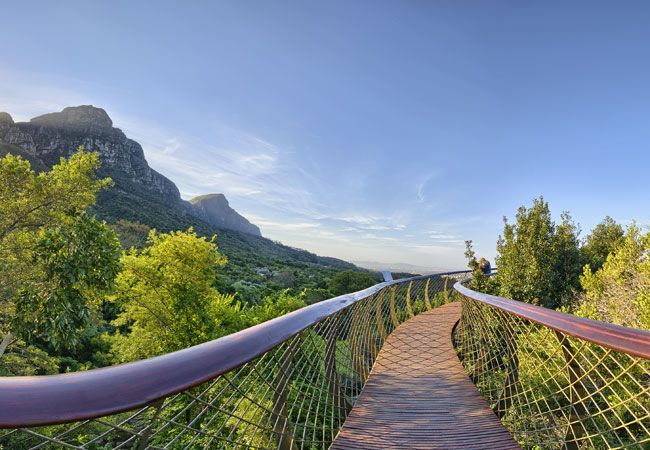
## Description Newlands Forest is one of Cape Town’s most accessible green escapes, especially for travelers who want a walk in nature without committing to a major mountain expedition. Located on the southern slopes of Table Mountain, it offers a softer, shadier, and more intimate side of the city’s mountain landscape. The forest feels close to urban life yet separated enough to create genuine calm, which is why it is popular with walkers, runners, families, and anyone needing a quieter outdoor break. The forest is attractive because it gives you variety in a small space. Paths wind through trees, slopes, and scenic pockets that change with light and season. In some sections the canopy feels dense and almost enclosed; in others, the forest opens enough to remind you how close you are to one of the world’s most distinctive mountain systems. One little-known fact is that Newlands Forest is often chosen by locals who want a manageable outing rather than a full mountain climb. Another is that the forest’s location means it can function as both a fitness space and a restorative natural retreat. Visitors often appreciate the contrast between the forest and the city. Cape Town can feel dramatically coastal or highly urban, but Newlands Forest offers a middle ground where the city seems far enough away to rest the mind while still being reachable without complicated planning. That accessibility is one of its major strengths. You do not need to be an expert hiker to enjoy it. Even a short walk can be rewarding because the atmosphere itself is the attraction. The area also has a calm, local character that makes it feel welcoming. People come here for different reasons and at different paces, so the forest never feels like it belongs to only one type of visitor. Whether you want exercise, shade, birdlife, or a quiet pause in your day, Newlands Forest can accommodate it. That flexibility makes it an especially useful stop for people spending several days in Cape Town and looking for a restorative half-day outdoors. ## Location Newlands Forest is located in Newlands, in the southern part of Cape Town, Western Cape, South Africa, on the lower slopes of Table Mountain National Park. It is close to residential areas, sports venues, and other southern suburbs, which makes it one of the easier nature spots to access from within the city. The simplest way to get there is by car or ride-hailing service. Depending on where you start, public transport may be less direct, so a point-to-point ride is often the most practical option. Parking and trail access can vary by exact route, so it helps to decide ahead of time whether you want a short stroll, a longer hike, or a connection to a broader mountain route. Because the forest is part of a bigger natural system, weather conditions matter. Dry, clear days are usually most comfortable, and early starts are helpful if you want a peaceful atmosphere and cooler temperatures. ## Tips - Wear proper walking shoes even for a short visit. Paths can be uneven in places. - Bring water and sun protection, especially if you plan to continue beyond shaded sections. - Start early in the day for quieter trails and more comfortable temperatures. - Stick to marked paths and pay attention to trail conditions. - Use the forest as part of a broader Cape Town nature day if you want a balanced outing. ## Conclusion Newlands Forest offers Cape Town visitors an easy, restorative encounter with the mountain environment. It is a place to walk, breathe, and reset without needing to leave the city far behind. ## FAQ ### Is Newlands Forest suitable for beginners? Yes. Many routes and walks in the area are approachable, though you should still choose a route that matches your comfort level. ### How long should I plan to stay? A short visit can be as little as an hour, but you can easily extend it into a half-day depending on your route and pace. ### Is it more of a hike or a walk? It can be either. Some visitors treat it as a gentle walk, while others use it as the starting point for more active hiking. ### Is it busy? It can be popular, especially on pleasant days and weekends, but it still often feels calmer than many other city-based attractions. ## Links - [Newlands Forest on Wikipedia](https://en.wikipedia.org/wiki/Newlands_Forest)
GemVoyage Team • World
Paris
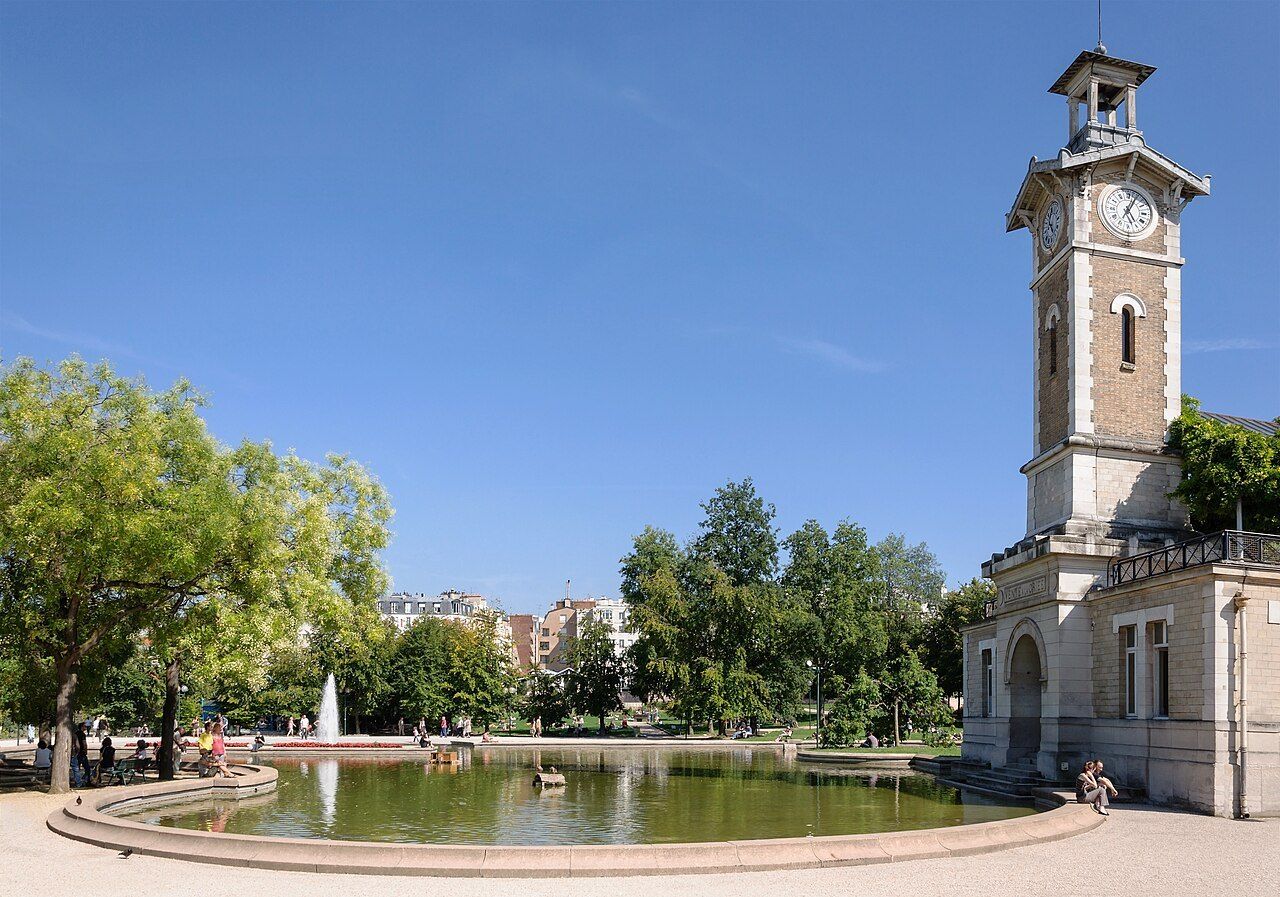
## Description **Parc Georges-Brassens** is a spacious and character-rich public park located in the 15th arrondissement of Paris. Unlike the city’s grand formal gardens, this park stands out for its **layered history and community-oriented atmosphere**. Opened in 1980, it occupies the former site of the **Vaugirard slaughterhouses**, once a major hub of Paris’s meat trade. Rather than erasing this past, the park subtly integrates it into its design, creating a space where history, greenery, and everyday Parisian life intersect. The park is named after **Georges Brassens**, one of France’s most beloved singer-songwriters, who lived nearby for many years. References to his work and personality appear discreetly throughout the park, reinforcing its cultural identity without turning it into a monument. The layout blends wide lawns, rose gardens, vineyards, and quiet corners with views over the surrounding neighborhood. One of the park’s most distinctive features is its **working vineyard**, a rare sight in modern Paris. Each year, a small grape harvest takes place, continuing a tradition that once characterized this area before industrial development. Another lesser-known element is the presence of restored wine presses and livestock market structures, which hint at the site’s former commercial function and give the park a slightly industrial undertone beneath its greenery. Parc Georges-Brassens is especially appreciated by locals. It attracts families, readers, joggers, and retirees rather than large tourist crowds. This gives the park a relaxed and authentic rhythm, offering visitors a chance to experience Paris as residents do rather than through postcard landmarks. ## Location **Country:** France **Region:** Île-de-France **City:** Paris **Arrondissement:** 15th arrondissement The park is located in southwestern Paris, surrounded by residential streets and local markets, far from the city’s main tourist corridors. ### How to Get There * **By metro:** * Take Line 12 to **Convention** station or Line 13 to **Porte de Vanves**, followed by a short walk. * **By bus:** * Several bus lines stop near the park, making access easy from different parts of Paris. * **By bicycle:** * The surrounding streets are bike-friendly, and bike racks are available near entrances. * **On foot:** * Easily reachable from nearby neighborhoods in the 15th arrondissement. ## Tips * **Visit on weekends for the book market:** A well-known second-hand book market takes place nearby, especially on Saturdays and Sundays. * **Explore the vineyard area:** It’s small but unusual and worth seeking out. * **Bring a book or picnic:** The park has plenty of benches and grassy areas suitable for relaxing. * **Come in spring or early summer:** The rose gardens and flowering areas are at their best. * **Observe local life:** This is a neighborhood park, ideal for people-watching rather than sightseeing. * **Dogs are allowed in designated areas:** Check signage to avoid restricted zones. ## Conclusion Parc Georges-Brassens offers a quieter, more personal side of Paris. With its vineyard, literary connections, and layered industrial history, it provides a refreshing alternative to the city’s iconic gardens and a genuine glimpse into everyday Parisian leisure. ## FAQ **1. Who was Georges Brassens?** He was a famous French singer-songwriter and poet who lived nearby and became one of France’s most influential cultural figures. **2. Is Parc Georges-Brassens free to enter?** Yes, the park is open to the public and free of charge. **3. How much time should I plan for a visit?** About **1 to 2 hours**, longer if you plan to relax or picnic. **4. Is the park suitable for children?** Yes. It has open lawns, play areas, and a calm environment for families. **5. Can tourists enjoy this park?** Absolutely, especially those interested in local neighborhoods rather than major attractions. **6. Are there cafés inside the park?** No permanent cafés inside, but many local cafés and bakeries are located nearby. ## Links * [City of Paris](https://www.paris.fr)
GemVoyage Team • World
Ontario
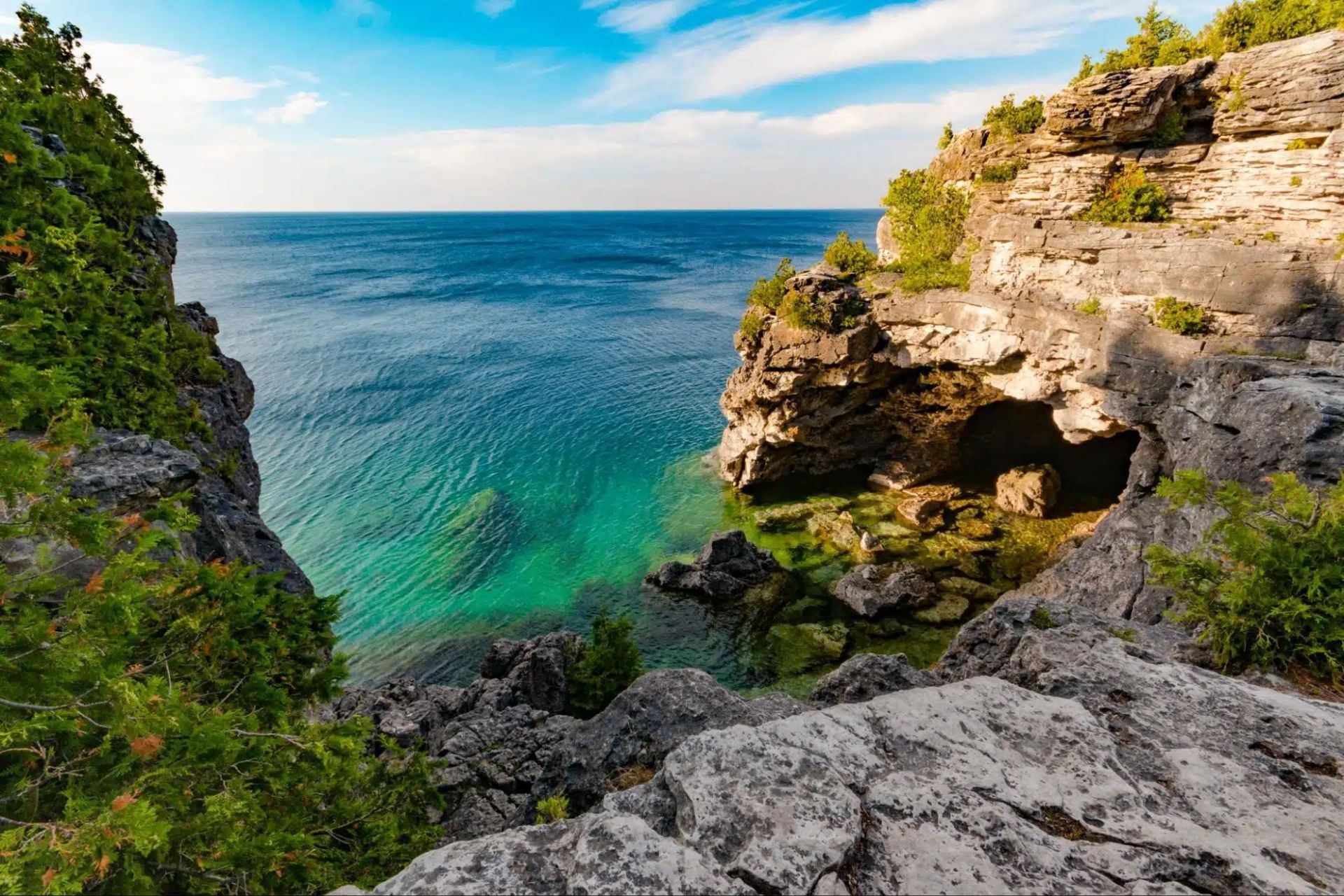
## Description The Tobermory Grotto is one of Ontario’s most recognizable natural attractions and a place that has become almost legendary among travelers who love clear water, rocky shoreline, and dramatic coastal scenery. Located along the Bruce Peninsula in Bruce Peninsula National Park, the Grotto is a sea cave and shoreline formation shaped by water and stone over a very long stretch of time. Its appeal is immediate: bright turquoise water, pale limestone cliffs, and a setting that looks more like a distant island destination than a typical inland Canadian getaway. What makes the Grotto so memorable is how strongly it contrasts with expectation. Travelers who arrive expecting a simple viewpoint often discover a landscape that feels startlingly vivid. The water color can seem almost unreal when sunlight is strong, and the surrounding rock formations create a natural frame that feels tailor-made for photography. Beyond the famous cave itself, the broader Bruce Peninsula landscape adds to the experience with forest, shoreline trails, and a sense of remote beauty that is unusually accessible for southern Ontario. One little-known fact is that the Grotto’s appearance changes dramatically with weather and light. On bright days, the water can look intensely blue-green, while overcast conditions make the scene quieter and more subdued. Another detail visitors often discover only when they arrive is that the site’s popularity has changed how it must be visited. Timing, access planning, and park rules matter more than they do at many ordinary day-use destinations. That is not a drawback so much as part of the modern experience of seeing one of Canada’s most celebrated natural spots. The Grotto is also a place that rewards patience. People often talk about it as a photo stop, but the longer you stay in the region, the more complete the experience becomes. The surrounding national park, the shoreline walk, and the broader Tobermory area all help the destination feel like a true outdoor trip rather than a single scenic moment. ## Location The Tobermory Grotto is in Bruce Peninsula National Park near Tobermory, Ontario, on the western side of the Bruce Peninsula along Georgian Bay. Tobermory is a small but well-known community at the northern end of the peninsula, and the Grotto is reached from there by road and park access rather than by urban transit. For most visitors, driving is the standard and most practical way to get there. Because the Grotto is a popular destination with limited access and park management considerations, it is wise to plan ahead rather than assuming you can simply arrive at any time. If you are coming from Toronto, London, or other parts of southern Ontario, the trip is long enough that an overnight stay in the Tobermory area can make the visit far more enjoyable. That also gives you time to explore the park properly instead of rushing in and out around the single most famous viewpoint. ## Tips Book and plan early. This is not the kind of place where improvisation always works best, especially in busy season. Parking, access rules, and timing can shape your experience significantly. If you wait until the last minute, you may find your options limited. Bring sturdy shoes and be prepared for a walk. The Grotto is scenic, but reaching it typically requires more effort than a simple roadside stop. The terrain can be rocky and uneven, so footwear matters. If you plan to swim, remember that natural water is cold even on warm days, and conditions can be less forgiving than they look from a photo. Think beyond the cave itself. The Grotto is the headline, but the whole Bruce Peninsula area is worth time. Nearby trails, shoreline views, and the general Tobermory landscape help transform the trip from a single stop into a richer outing. If possible, stay long enough to enjoy the area during different light conditions. Watch the weather. Clear sky and sunlight can make the water look especially bright, but even cloudy days have their own moody beauty. Safety, however, always matters more than the photo. Check local guidance before entering the water or walking near exposed edges. ## Conclusion The Tobermory Grotto is one of Ontario’s most impressive natural sights, blending dramatic shoreline scenery with the iconic turquoise water of Georgian Bay. It deserves the planning it requires and rewards travelers who make time for the wider peninsula. ## FAQ ### Is the Grotto worth the trip from Toronto? Yes, especially if you enjoy dramatic natural scenery and do not mind a longer drive. Many visitors treat it as an overnight or weekend trip so they can enjoy the Bruce Peninsula more fully. ### Can I swim there? Swimming may be possible depending on conditions and local rules, but the water is very cold and natural shoreline conditions can be challenging. Always check current guidance before entering the water. ### Do I need to visit in summer? Summer is the most popular season, but the area can be beautiful at other times too. The tradeoff is that access, weather, and comfort levels vary by season. ### Is the Grotto suitable for children? It can be, if you are careful and supervise closely. The rocky terrain means families should pay attention to footing and safety. ### How much time should I plan? At minimum, allow enough time for the walk, the viewpoint, and the return. A fuller Bruce Peninsula day trip is much more satisfying than a rushed photo stop. ## Links - [Official website](https://parks.canada.ca/pn-np/on/bruce/activ/experiences/grotto) - [Wikipedia](https://en.wikipedia.org/wiki/Bruce_Peninsula_National_Park)
GemVoyage Team • World
Tirana
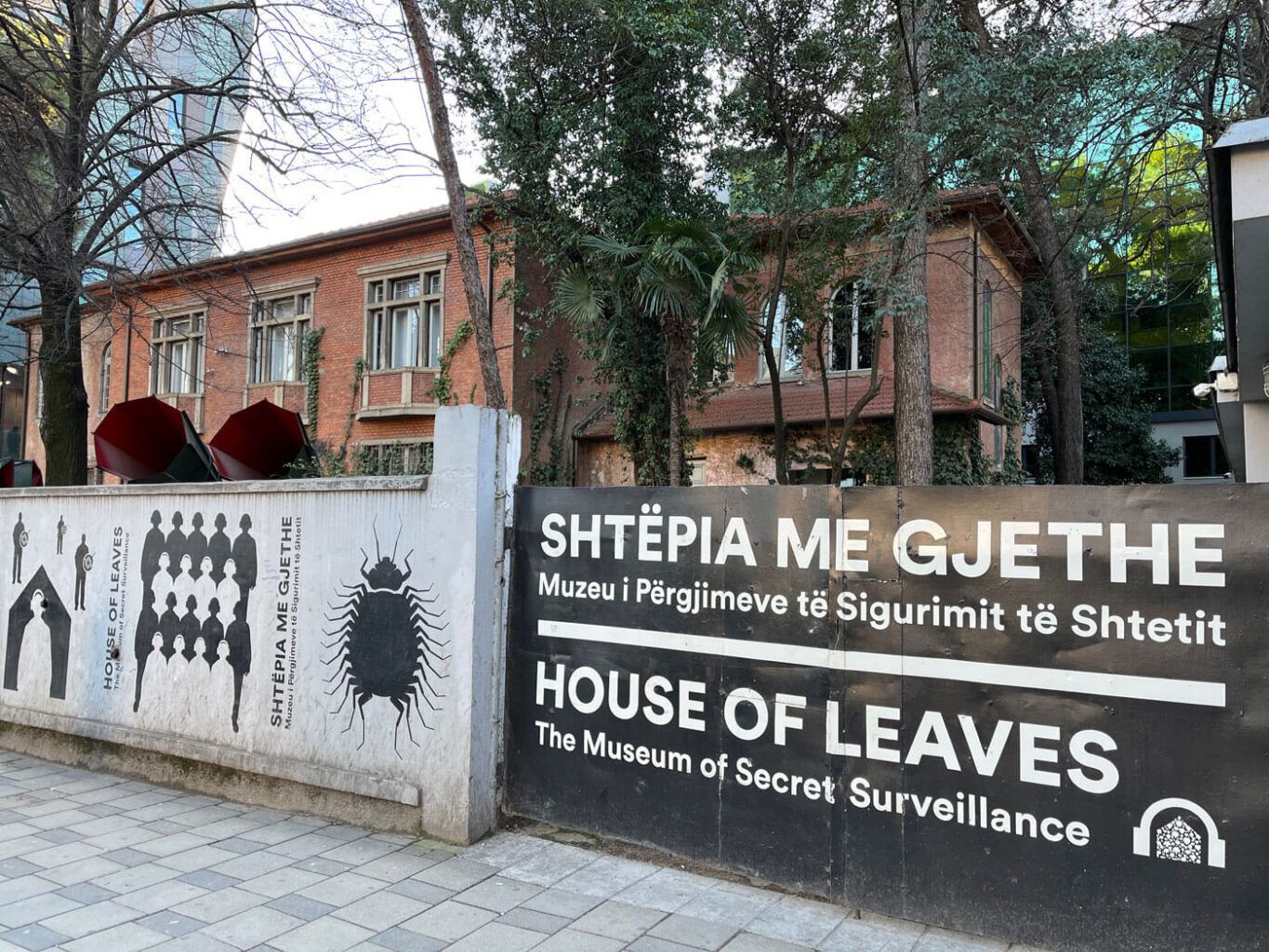
## Description The House of Leaves Museum is one of Tirana’s most important cultural and historical sites, especially for visitors who want to understand Albania beyond its visible city streets. Housed in a former surveillance center, the museum explores the structures of monitoring, secrecy, and political control that shaped life during the communist era. Its exhibits are unsettling in a quiet way, because the building itself carries the weight of the stories it presents. This is not a conventional “collection of objects” museum; it is an experience built around memory, silence, and context. What makes the House of Leaves unique is the way it uses space. Rather than only displaying information on panels, the museum lets visitors move through rooms that once served a hidden institutional purpose. That physical dimension makes the subject matter feel immediate. You are not just reading about surveillance; you are walking through the kind of environment where surveillance was organized. One lesser-known detail is that the building’s original role was concealed in plain sight for years, which is part of what gives the museum its name and atmosphere. Another important fact is that the museum’s significance reaches beyond Albania, because it speaks to a broader twentieth-century European history of state secrecy and political control. The museum is especially valuable for travelers who want more than a surface-level city visit. Tirana has a lively modern personality, but places like this help explain why the city’s present-day openness and creativity matter so much. The contrast between the museum’s restrained, serious tone and the bustling streets outside is one of the reasons it stays with visitors long after they leave. ## Location The House of Leaves Museum is in central Tirana, Albania, close to the main urban core and within easy reach of other downtown landmarks. Because it is centrally located, it can be included in a city walking route without requiring special transport. The easiest way to get there is on foot if you are already in central Tirana, or by taxi and local transport if you are staying farther out. Since the museum is part of a walkable area, combining it with nearby historical and administrative sites makes the most sense. If you are planning a broader day in the capital, pair it with Skanderbeg Square and other central attractions for a fuller picture of the city. ## Tips Give yourself enough time to read the exhibits carefully; this is a museum where the story matters as much as the objects. Visit with a calm pace rather than rushing through, because the experience depends on reflection. If you are unfamiliar with Albania’s recent history, a short background read beforehand can make the museum much more meaningful. Photography policies can vary, so check current rules before taking pictures inside. This is a strong choice for travelers who prefer historically significant sites over purely visual attractions. ## Conclusion The House of Leaves is one of Tirana’s most powerful museums, offering a serious and memorable encounter with the city’s recent past. ## FAQ ### Why is it called the House of Leaves? The name refers to the building’s hidden, layered character and the sense of concealment associated with its former use. ### Is the museum suitable for all visitors? Yes, but it is best for people interested in history, politics, and memory culture. ### How much time do I need? Most visitors should plan around one to two hours, depending on how closely they read the exhibits. ### Is the museum central? Yes, it is located in the center of Tirana and is easy to combine with a city walking tour. ### What should I expect inside? Expect a thoughtful, sometimes unsettling museum focused on surveillance, documentation, and the experience of living under authoritarian control. ## Links - [House of Leaves on Wikipedia](https://en.wikipedia.org/wiki/Museum_of_Secret_Surveillance)
GemVoyage Team • World
New York
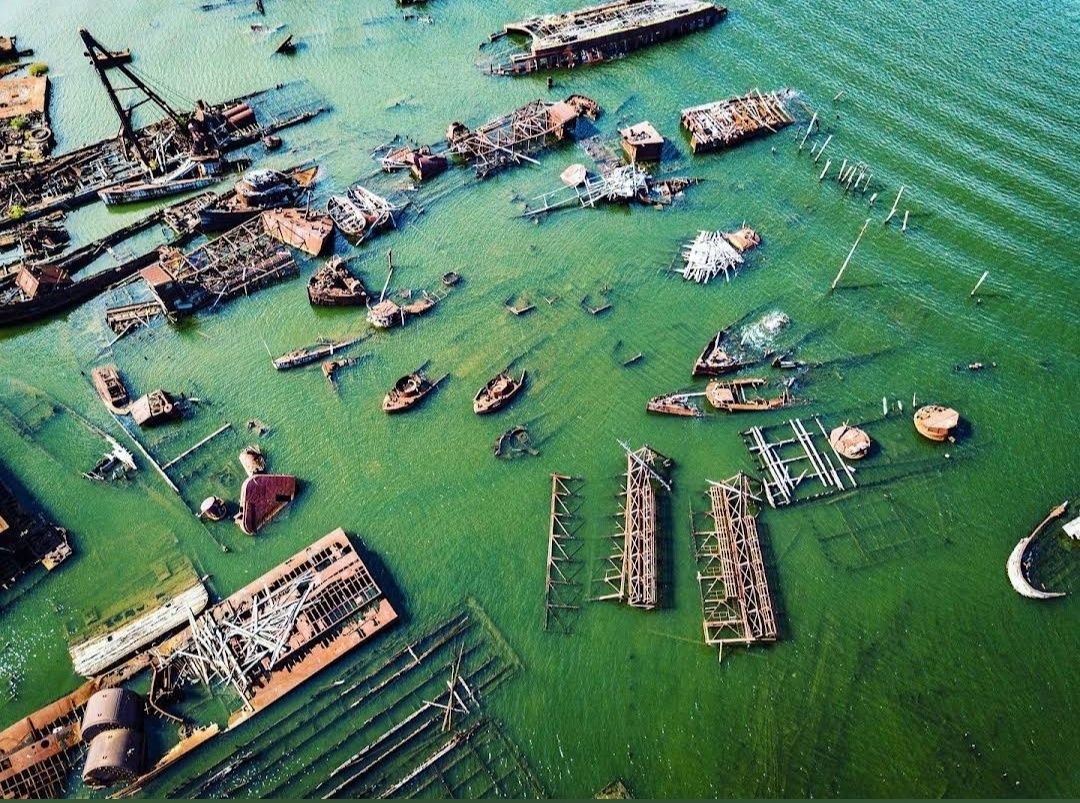
## Description The **Staten Island Boat Graveyard**, officially known as the **Witte Marine Scrap Yard**, is one of New York’s most unusual and fascinating attractions. Nestled along the Arthur Kill waterway, this hidden site is where dozens of decommissioned ships were brought to rest, creating an eerie yet captivating scene. Rusting hulls, half-sunken tugboats, and skeletal remains of vessels stretch across the shoreline, making the boat graveyard a dreamlike place for urban explorers, history buffs, and photographers alike. What makes the site particularly unique is the way nature and industry intertwine. Over decades, the corroding metal has blended with the marshland environment, creating a haunting landscape that feels frozen in time. Unlike a museum display, the graveyard is raw, untouched, and authentic—a piece of living maritime history slowly dissolving into the tide. **Little-known facts**: * The site was founded in the 1930s by John J. Witte, who originally intended it as a marine salvage yard rather than a tourist attraction. Today, it is still an active scrapyard, though parts of it have become a de facto maritime graveyard. * The boat graveyard is sometimes called the “**Tugboat Graveyard**” because many of the vessels abandoned here were tugboats that once served New York Harbor. --- ## Location The Staten Island Boat Graveyard is located in **Staten Island, New York City**, within the state of **New York**, USA. It sits along the Arthur Kill waterway near the neighborhood of Rossville, on the western shore of Staten Island. ### How to get there: * **By car**: The easiest way is to drive, as the site is relatively remote. Visitors can park nearby on Arthur Kill Road and walk toward the shoreline. * **By public transit**: It’s possible, though less convenient, to take an MTA bus (such as the S74 or S78) from the Staten Island Ferry terminal and walk the rest of the way. * **Guided tours**: Some local tour operators and photography groups organize visits to the graveyard, which can be a safer and more informative way to experience the site. --- ## Tips * **Wear sturdy shoes**: The area around the graveyard can be muddy, uneven, and slippery, especially after rain. * **Respect private property**: The scrapyard is privately owned, so visitors should avoid trespassing and stick to public access points along the shore. * **Bring a camera**: The rusting vessels, changing tides, and dramatic light make for excellent photography opportunities. * **Visit at low tide**: More ships and details are visible when the tide is out, allowing for better exploration and photos. * **Stay safe**: The boats themselves are unstable and dangerous to climb. Admire them from a distance rather than attempting to board. * **Go in daylight**: The graveyard is isolated and not well lit, so daytime visits are recommended for safety and visibility. --- ## Conclusion The Staten Island Boat Graveyard is a hauntingly beautiful site where history, decay, and nature converge. It’s not a polished tourist attraction, but that’s what makes it so special—its authenticity, its mystery, and its ability to transport visitors into another era of New York’s maritime past. For those who enjoy off-the-beaten-path destinations, this hidden corner of Staten Island offers a rare and unforgettable experience. --- ## FAQ **1. What is the Staten Island Boat Graveyard?** It’s a marine scrapyard where decommissioned vessels, especially tugboats, have been abandoned over decades along the Arthur Kill waterway. **2. Can I visit the graveyard legally?** Yes, but since it is on private property, visitors should only view it from public access points along the shoreline and avoid trespassing into the scrapyard itself. **3. Is the site safe to explore?** The surrounding area is generally safe, but climbing onto the ships is dangerous and not recommended due to rust, sharp edges, and unstable structures. **4. When is the best time to visit?** Low tide during daylight hours is ideal, as more ships are visible and lighting conditions are better for photography. **5. Do I need special equipment to visit?** No, just wear comfortable shoes and bring a camera. Binoculars can also enhance the experience if you want a closer look at distant vessels. **6. Is it worth visiting for non-photographers?** Absolutely. Even without a camera, the graveyard offers a unique and atmospheric glimpse into New York’s maritime history.
GemVoyage Team • World
Barcelona
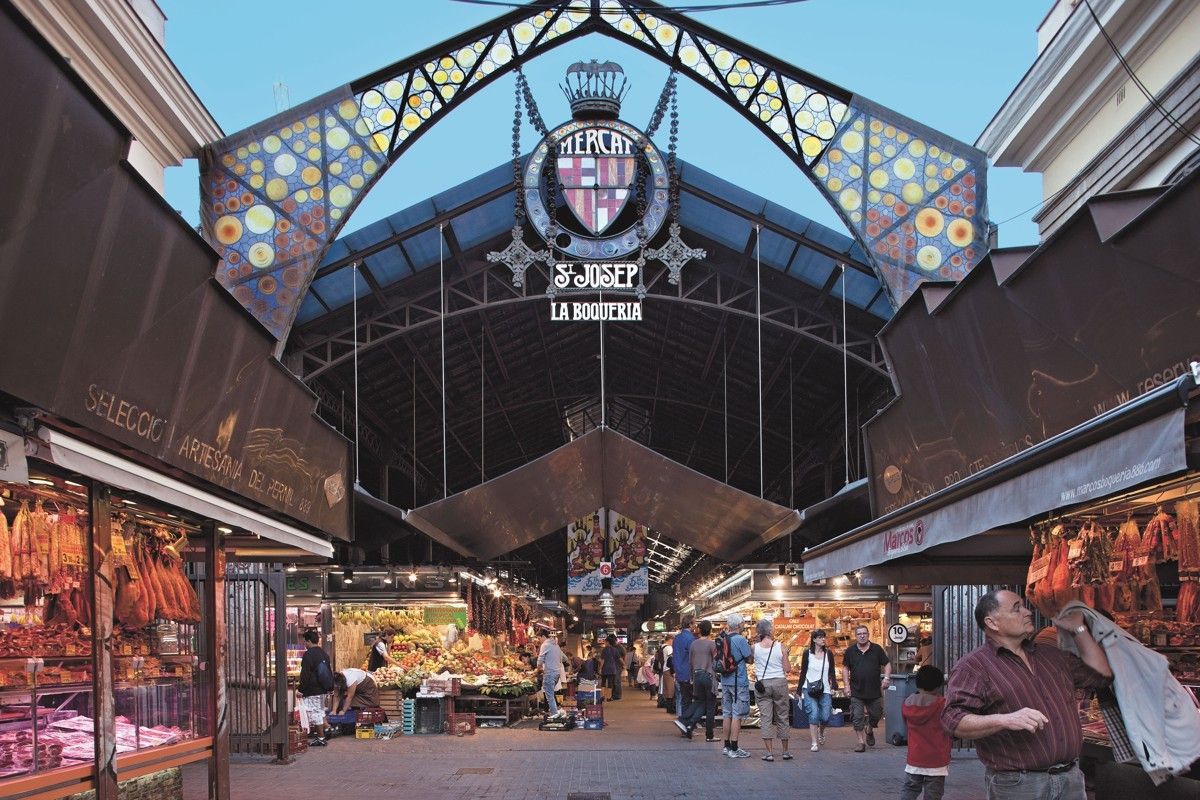
## Description **Mercat de la Boqueria**, officially known as **Mercat de Sant Josep de la Boqueria**, is Barcelona’s most famous food market and one of the most iconic culinary landmarks in Europe. More than a place to shop, it is a **living expression of Catalan gastronomy**, where tradition, daily life, and tourism intersect under one vast iron-and-glass roof. The market is known for its intense colors, constant movement, and the sheer diversity of products on display, from fresh seafood and cured meats to exotic fruits and handmade sweets. The market’s origins date back to the **early 13th century**, when street vendors sold meat outside the city walls near La Rambla. Over centuries, the informal stalls evolved into a structured market, and in 1840 the site was officially recognized as a public market. The current modernist structure, completed in the early 20th century, reflects Barcelona’s industrial-era ambition while remaining deeply rooted in everyday commerce. What makes Mercat de la Boqueria unique is its **dual identity**. On one hand, it serves local residents, chefs, and restaurateurs who rely on its quality ingredients. On the other, it functions as a global attraction for visitors seeking an authentic taste of Barcelona. Despite its popularity, many stalls still operate as family businesses passed down through generations. A lesser-known fact is that beneath the market lies an **archaeological site**, with remains from medieval and even Roman-era structures discovered during renovations. Another interesting detail is that many of Barcelona’s top chefs continue to source ingredients here early in the morning, long before tourists arrive, reinforcing the market’s role as a professional culinary hub rather than a mere attraction. ## Location **Country:** Spain **Region:** Catalonia **City:** Barcelona **District:** Ciutat Vella (Old Town) Mercat de la Boqueria is located directly off **La Rambla**, one of Barcelona’s main pedestrian boulevards, making it exceptionally central and easy to access. ### How to Get There * **By metro:** * Take Line L3 (Green Line) to **Liceu** station. The market entrance is immediately outside the station. * **On foot:** * Easily reachable from Plaça de Catalunya, the Gothic Quarter, and El Raval. * **By bus:** * Multiple city bus lines stop along La Rambla. * **By taxi:** * Taxis can drop you near La Rambla, but walking the final stretch is usually faster. ## Tips * **Go early in the morning:** Between 8:00 and 10:00 a.m. is best for fewer crowds and fresher displays. * **Avoid peak lunch hours:** Midday can become extremely crowded, especially in summer. * **Do not treat it as only a photo stop:** Take time to observe how locals shop and interact with vendors. * **Eat smart:** Skip the most tourist-oriented stalls near the entrance and explore deeper for better quality and value. * **Bring cash:** While many vendors accept cards, smaller stalls may prefer cash. * **Respect vendors:** Ask before taking close-up photos, especially of people. ## Conclusion Mercat de la Boqueria is not just a market, but a cultural institution that reflects Barcelona’s relationship with food, trade, and daily life. Its history, atmosphere, and culinary richness make it an essential stop for anyone wanting to understand the city beyond architecture and beaches. ## FAQ **1. Is Mercat de la Boqueria touristy?** Yes, but it is still a functioning market used by locals and professionals, especially in the mornings. **2. Is there an entrance fee?** No. Entry is free. **3. Can I eat inside the market?** Yes. There are bars and counters serving tapas, seafood, and prepared dishes. **4. How long should I plan for a visit?** About **1 to 2 hours**, depending on whether you eat or just explore. **5. Is it suitable for vegetarians?** Yes. There is a wide selection of fruits, cheeses, nuts, juices, and vegetarian dishes. **6. Is the market open every day?** Generally open Monday to Saturday; closed on Sundays and public holidays. ## Links * [Official Barcelona markets site](https://ajuntament.barcelona.cat/mercats)
GemVoyage Team • World


Comments