GemVoyage Team • World
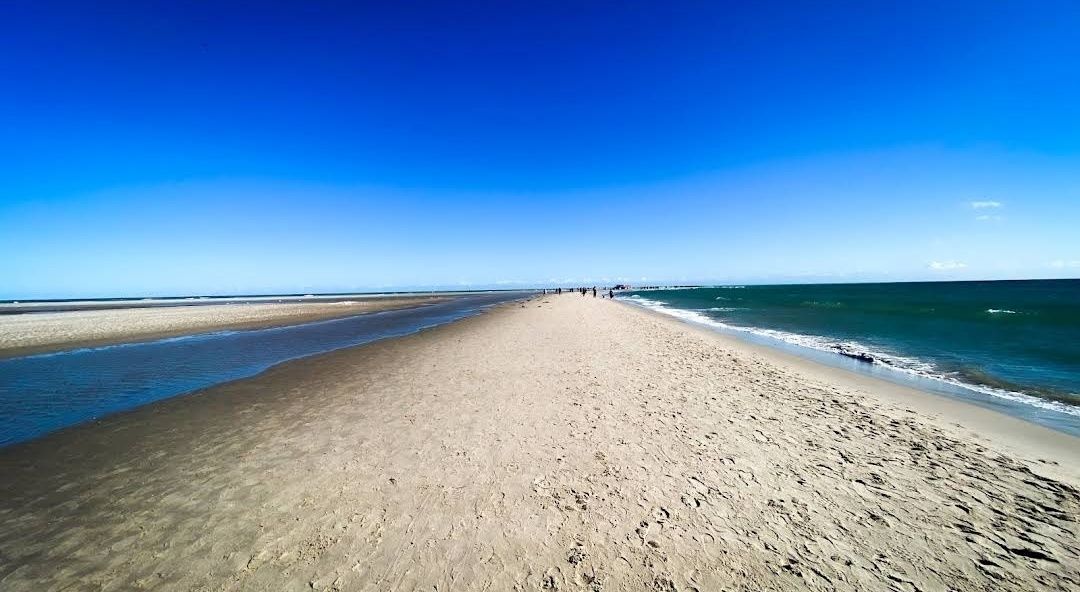
Grenen is one of Denmark’s most extraordinary natural landmarks, where two seas—the Skagerrak and the Kattegat—dramatically meet. At the northernmost tip of Jutland, visitors can witness the unique sight of waves colliding from different directions, creating a visible line in the water. This natural phenomenon makes Grenen one of Denmark’s most visited and photographed attractions.
The area is not just about the sea—it’s a place of raw beauty. The sandbar stretches far out into the water, and as you walk along the beach, you’ll be surrounded by endless skies, shifting sands, and fresh sea air. Many visitors find it both a peaceful and powerful experience.
Little-known facts:
---
Grenen is located just outside Skagen, a charming coastal town at the very top of North Jutland, in Denmark. Skagen itself is known for its distinctive yellow houses with red-tiled roofs and its long artistic tradition, but Grenen is the crown jewel of the area.
---
---
Grenen is more than just Denmark’s northern tip—it’s a rare natural spectacle where two seas clash, shaping the land and leaving visitors in awe. Its ever-changing landscape, combined with rich wildlife and historical charm, makes it a must-see for anyone traveling to North Jutland. Whether you walk barefoot in the sand, take the Sandormen, or simply sit and admire the horizon, a visit to Grenen promises memories of Denmark’s wild and beautiful coastline.
---
1. What makes Grenen special?
Grenen is where the Skagerrak and Kattegat seas meet, creating a visible collision of waves. It’s also one of Denmark’s most scenic natural areas.
2. Can you swim at Grenen?
No, swimming is not allowed due to extremely strong and dangerous currents at the meeting point of the seas.
3. How do you get to the very tip of Grenen?
You can walk along the beach from Skagen or take the Sandormen tractor bus, which drives visitors directly to the point.
4. Is Grenen suitable for children and families?
Yes, Grenen is family-friendly. Kids usually enjoy the tractor ride and spotting seals or birds along the coast, but parents should keep them away from the water’s edge.
5. Are there animals to see at Grenen?
Yes, Grenen is known for bird migration, and you may also see seals resting on the sandbanks.
6. When is the best time to visit Grenen?
Grenen is open year-round, but the best times are spring and summer for pleasant weather, or autumn for dramatic skies and bird migration.
---
Discover more hidden gems you might love.
Manchester
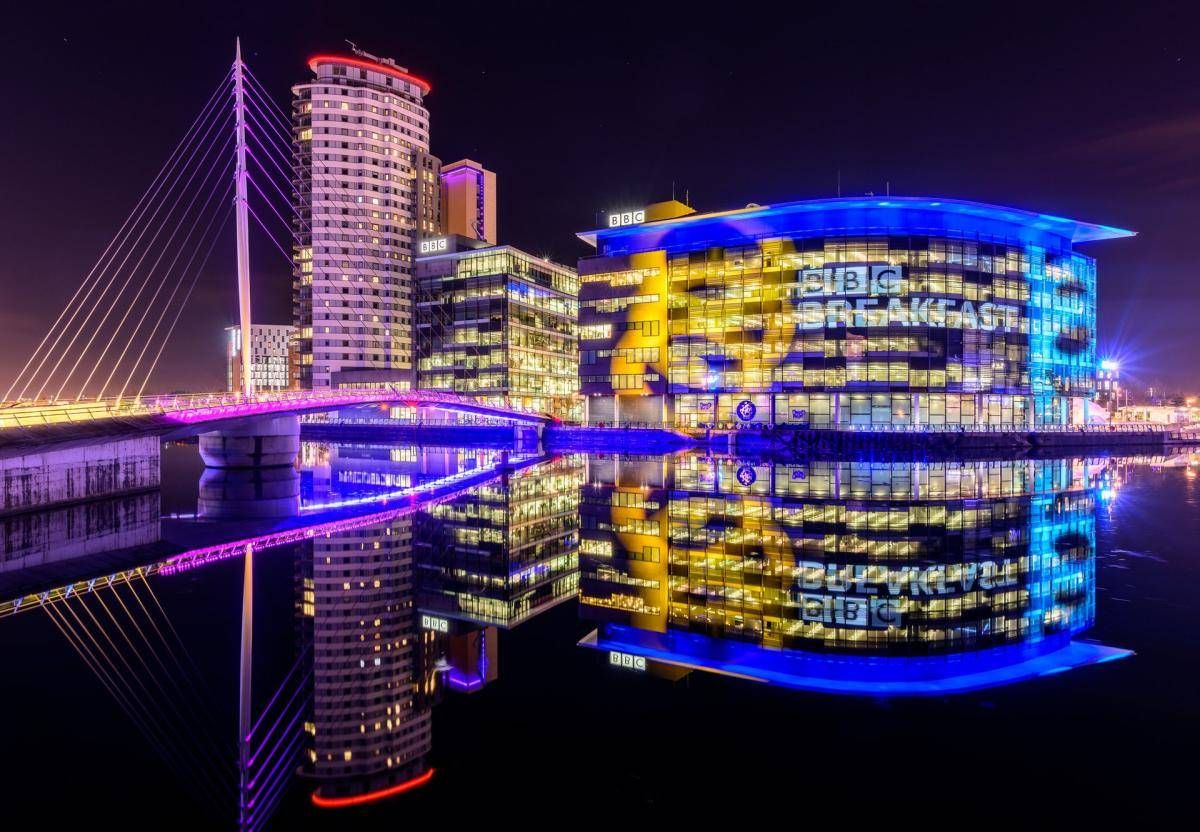
## Description The Quays is one of Manchester’s most dynamic and visually striking waterfront areas, known for its blend of modern architecture, cultural landmarks, and leisure spaces. Once part of the historic Manchester Docks, this area has been completely transformed into a contemporary district that reflects the city’s industrial past while embracing innovation and creativity. Today, The Quays is a popular destination for both locals and visitors, offering museums, media hubs, restaurants, and scenic walking routes along the water. What makes The Quays unique is its successful regeneration story. Formerly an active dock system that played a vital role in Britain’s industrial trade, the area fell into decline in the late 20th century before being reimagined as a cultural and media center. A little-known fact is that the docks here were once among the busiest inland ports in the world. Another interesting detail is that The Quays is home to MediaCityUK, where major broadcasters operate live studios, allowing visitors to see television and radio production happening in real time. With iconic attractions such as The Lowry arts center and the Imperial War Museum North, The Quays offers a balanced mix of history, culture, and modern urban life. ## Location The Quays is located in **England**, in the **Greater Manchester** region, within the city of **Manchester**, primarily spanning the Salford Quays area. It lies just west of Manchester city center, along the Manchester Ship Canal. Getting to The Quays is easy and convenient. The Metrolink tram system provides direct access via stops such as **MediaCityUK** and **Salford Quays**, connecting the area to Manchester Piccadilly and other key parts of the city. Several bus routes also serve the area. For those arriving by car, parking is available at various nearby facilities, though public transport is often the most efficient option. ## Tips * Wear comfortable shoes, as the waterfront paths are ideal for walking and exploring the area on foot. * Visit in the late afternoon or evening to enjoy reflections on the water and vibrant nightlife. * Check event schedules at The Lowry and MediaCityUK, as performances and live broadcasts are frequent. * Combine your visit with a museum stop, especially the Imperial War Museum North, which offers free entry. * Bring a light jacket, as the waterfront can feel cooler and windier than the city center. * Photography enthusiasts will appreciate the modern skyline and waterside views, especially at sunset. ## Conclusion The Quays is a standout example of Manchester’s reinvention, transforming historic docks into a lively cultural and entertainment district. Its mix of museums, media, dining, and scenic walks makes it an essential stop for anyone exploring the city. ## FAQ **Is The Quays suitable for families?** Yes, the area is family-friendly, with open spaces, museums, and regular events suitable for all ages. **How much time should I spend at The Quays?** Most visitors spend between two and four hours, depending on activities and attractions visited. **Are there free attractions at The Quays?** Yes, attractions like the Imperial War Museum North offer free entry. **Is The Quays accessible for people with limited mobility?** Yes, the area is modern and generally well equipped with step-free access and wide pathways. **Can I eat and drink at The Quays?** Absolutely. The area offers a wide range of cafés, bars, and restaurants with waterfront views. ## Links * [The Quays Official Website](https://www.thequays.org.uk)
GemVoyage Team • World
Venice
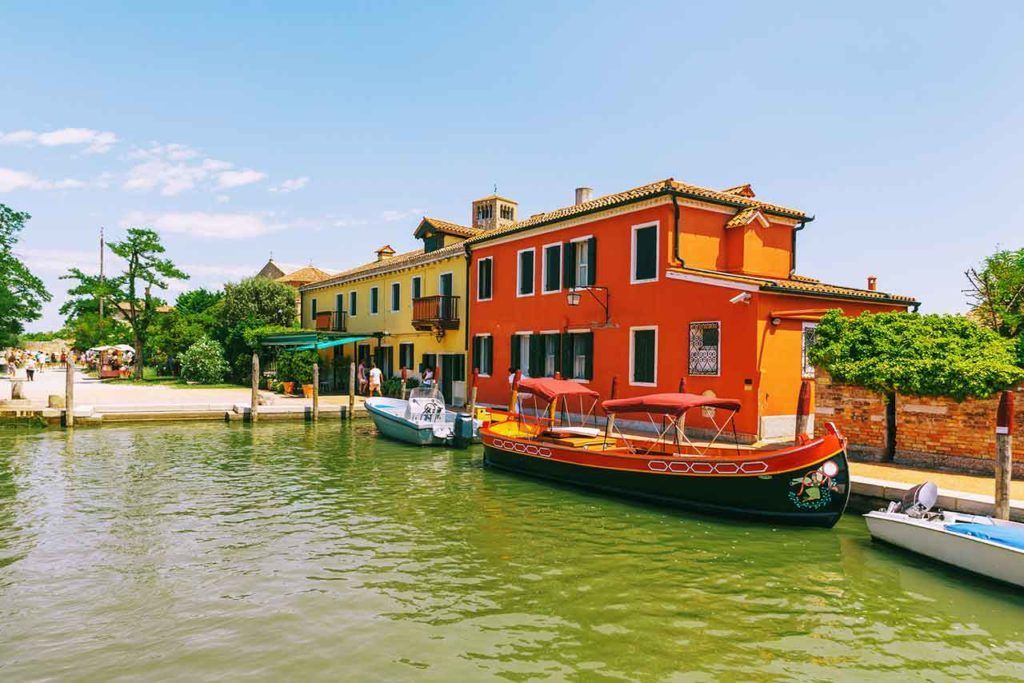
## Description Torcello Island is one of the most atmospheric places in the Venetian lagoon, especially for travelers who want to step away from the busier islands and see a quieter, older side of Venice. The island feels open and restful compared with the crowded center of the city, with broad paths, reeds, water, and a sense of distance that makes the landscape feel almost meditative. Its appeal lies in that stillness. Rather than offering a dense cluster of shops or nightlife, Torcello invites visitors to slow down and imagine what life in the lagoon looked like before Venice became a global symbol of trade and power. One of the most important sights on the island is the Cathedral of Santa Maria Assunta, known for its remarkable early Christian mosaics. Those mosaics are among the most valuable artistic treasures in the lagoon and are a major reason historians and art lovers make the trip. Another detail many visitors find surprising is that Torcello was once far more important than it is today; it played a key role in the region long before many other lagoon settlements rose to prominence. That history gives the island a haunting, almost forgotten beauty. ## Location Torcello is located in the Venetian Lagoon in the Veneto region of northern Italy, north of Venice and near the island of Burano. It is part of the broader Venice area and is reached by public ferry or vaporetto connections that usually involve changing boats from Venice or nearby islands. The journey itself is part of the experience, because the water route helps set the mood before you arrive. Once on the island, the walk from the landing area to the main historic sights is straightforward and pleasant. The best way to get there is by combining the visit with Burano or another nearby lagoon island. That makes the transit feel efficient and gives you a better sense of the lagoon geography. Torcello is not a place you rush through by car or taxi; the slower ferry rhythm is part of its charm. ## Tips - Visit with enough time to appreciate the quiet atmosphere, not just the main cathedral. - Pair Torcello with Burano so your day includes both color and calm. - Bring good walking shoes, since the island is best explored on foot. - If you care about art history, spend time inside the cathedral rather than treating it as a quick photo stop. - Go earlier in the day if you want the most peaceful experience and softer light over the lagoon. - Carry snacks or plan lunch in advance, because dining options are more limited than on larger Venetian islands. ## Conclusion Torcello offers a rare glimpse into the deeper historical memory of Venice. Its open landscapes, quiet paths, and extraordinary mosaics make it an ideal choice for travelers who value atmosphere and heritage over crowds. ## FAQ ### Why is Torcello important? Torcello was one of the earliest populated islands in the lagoon and once held far more influence than it does today. Its significance comes from that early history, the cathedral mosaics, and the way the island preserves a sense of Venice before modern tourism transformed the region. ### How much time do you need on Torcello? Most visitors can see the island in a few hours, especially if they are combining it with Burano. If you want to enjoy the setting, the cathedral, and a relaxed meal, give yourself half a day so you do not feel pressured. ### Is Torcello crowded? It is usually much calmer than central Venice or Burano. That quieter atmosphere is one of the reasons people go there. Crowds can rise during peak tourism periods, but the island generally remains more spacious and reflective than the better-known parts of the lagoon. ### What is the main thing to see on the island? The Cathedral of Santa Maria Assunta is the main highlight for most visitors because of its historic and artistic value. Even so, the real appeal of Torcello is the combination of that monument with the island's open, almost rural-feeling environment. ### Is Torcello worth visiting for a first trip to Venice? Yes, especially if you want more than the classic central Venice experience. It is best for travelers who enjoy history, landscape, and quieter places. If your schedule is very short, you may want to prioritize the core city first, then return for a lagoon excursion. ## Links - [Wikipedia](https://en.wikipedia.org/wiki/Torcello)
GemVoyage Team • World
Nordland County
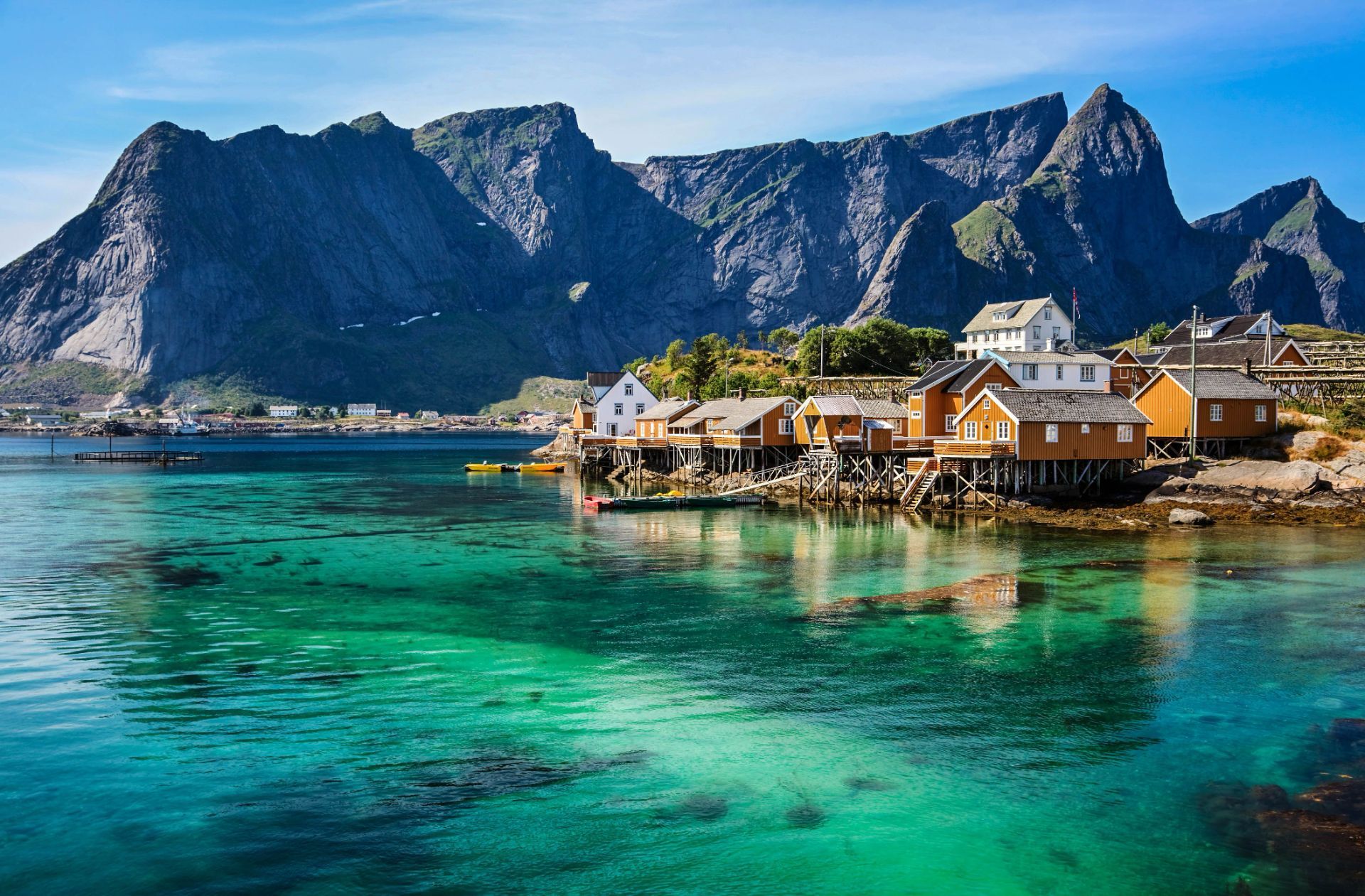
## Description The Lofoten archipelago in northern Norway is known for dramatic mountains rising directly from the sea, sheltered bays dotted with red rorbuer (fishermen’s cabins), and a culture shaped by the cod-fishing season. The islands’ jagged peaks, sheltered fjords and clear northern light create a playground for photographers, hikers and sailors. In summer the midnight sun bathes the landscape in continuous soft light; in winter the aurora borealis weaves curtains above snow-dusted fjords. Lofoten’s distinctiveness lies in the proximity of ocean and mountain: trails often ascend steep ridges that drop into crystal-clear water, and small fishing villages serve as intimate bases for outdoor activities. A lesser-known feature: the islands host significant seabird colonies and seasonal fisheries that have influenced local cuisine and traditions for centuries. Lofoten is not only a visual spectacle but also a destination that rewards slow travel and careful planning. The archipelago's human scale — low-lying villages, narrow winding roads and tiny harbors — means that experiences are tactile and immediate: you can start your day with fresh cod straight from a quay, follow a narrow trail to a windswept summit by afternoon, and end it watching the sea change color as the light shifts. For photographers and naturalists the islands offer a year-round curriculum: in spring and early summer, migrant birds and seals become active along the coastline; in high summer the midnight sun extends golden-hour conditions for long landscape sessions; in autumn the first snows highlight ridgelines and create vivid contrasts; and in winter the long nights are ideal for aurora hunting, provided the skies are clear and weather windows allow. Trail conditions vary widely: some classic hikes like Reinebringen and Kvalvika require stout footwear and a head for exposure, while many coastal walks are family-friendly and can be combined with ferry hops and short drives. Sea-based activities are equally compelling — kayaking through sheltered fjords, joining local fishing trips, or chartering a boat for wildlife watching. Local cultural experiences add texture: museums documenting the seasonal cod fisheries, small artisan shops selling wool and salt-dried fish, and community-run cafés where fishermen swap stories. Food culture in Lofoten remains rooted in the sea; besides stockfish and cod, you’ll encounter local sheep cheeses, cloudberry desserts and a surprisingly well-developed craft-beer scene in a few towns. Practicalities matter in Lofoten. Roads are scenic but narrow, and in winter they can be affected by snow and wind; a flexible itinerary is wise. While many visitors cluster in Reine and Svolvær, quieter pockets such as Henningsvær, Nusfjord and Vinstad reward those who linger. Conservation-minded travel is important: stay on marked trails, respect nesting birds (especially during spring), and support locally owned businesses. Small details like packing waterproof layers, carrying a reliable map or GPS, and learning a few Norwegian phrases will enhance safety and interpersonal encounters. Taken together, these elements make Lofoten an unforgettable destination where dramatic geology, maritime culture and luminous Arctic light combine into a deeply memorable travel experience. ## Location Lofoten lies within Nordland county, above the Arctic Circle, accessible by ferry, road and regional flights from Bodø and Harstad/Narvik airports. The main islands (Austvågøya, Vestvågøya, Flakstadøya and Moskenesøya) are linked by scenic roads and tunnels. The islands are most commonly reached via the E10 highway, which threads the archipelago and connects ferries and causeways. Travelers flying in usually connect through Bodø, which provides ferry and road links, or land at Evenes (near Harstad/Narvik) then drive west. Several regional ferries link the mainland with islands and provide excellent photo opportunities; during summer months additional tourist ferry routes and charter options operate between hotspots like Reine and Svolvær. Car rental is widely available in nearby towns and airports, but public transport is a viable option for those who prefer not to drive, with buses and select ferries serving the larger settlements. ## Tips - **Respect weather windows:** Mountain weather changes rapidly; check local forecasts and prepare with layers and navigation tools. - **Book rorbuer early in summer:** Traditional cabins are popular in high season; reserve in advance. - **Try cod-based cuisine:** Experience local dishes tied to the seasonal stockfish tradition. - **Plan photographic routes:** Sunrise, sunset, and aurora times are key for planning shots; local guides help find hidden vantage points. - **Pack for microclimates:** Conditions can vary from wind-blasted summits to calm fjord inlets in short distances; waterproof outer layers and thermal mid-layers are essential. - **Mind daylight hours:** In summer you can shoot at midnight; in winter plan activities around shorter daylight but prime aurora hours. - **Respect wildlife and nesting areas:** Keep distance from seabird colonies and seal haul-outs to avoid disturbance. - **Rent responsibly or use local guides:** Boat, kayak and fishing charters offer deeper access; choose operators with good safety and sustainability records. - **Bring cash for small purchases:** While cards are widely accepted, some small cafés and stalls may prefer cash in remote villages. ## Conclusion Lofoten combines raw Arctic scenery with a resilient maritime culture, offering dramatic outdoor adventures and timeless coastal charm. Whether you come for the light, the mountains, or the cultural textures of fishing villages, Lofoten rewards curiosity and careful pacing. The islands invite both active exploration and quiet observation — a place to test your kit on rugged trails or simply watch tides and light shift over a year of weathered harbor wood. For travelers prioritizing sustainable, small-scale tourism, Lofoten offers a rich palette of experiences that connect landscape, livelihood and seasonal rhythms. ## FAQ - **Q: When is the best time to visit?** - A: Summer for midnight sun and hiking; winter for northern lights and dramatic snow landscapes. - **Q: Are there guided activities?** - A: Yes — kayaking, hiking, fishing tours and wildlife excursions are widely available. - **Q: Do I need a car to enjoy Lofoten?** - A: A car gives flexibility for reaching remote viewpoints and dispersed villages; however, during summer a combination of buses, ferries and guided tours can cover many highlights without driving. - **Q: How do I plan for aurora viewing?** - A: Check local aurora forecasts and cloud cover, pick dark sites away from town lights, and be patient — clear sky windows are unpredictable. Local guides can increase success rates and handle safety in cold conditions. - **Q: Are trails family-friendly?** - A: Many shoreline walks and lowland trails are suitable for families; some iconic ridgeline hikes are steep and exposed and require good footwear and experience. - **Q: How should I handle food and provisioning?** - A: Larger towns have supermarkets and restaurants; in smaller villages, stockfish shops, local bakeries and seasonal markets offer regional specialties — plan ahead for long drives between services in peak season. ## Links - [Lofoten — Wikipedia](https://en.wikipedia.org/wiki/Lofoten)
GemVoyage Team • World
Lille
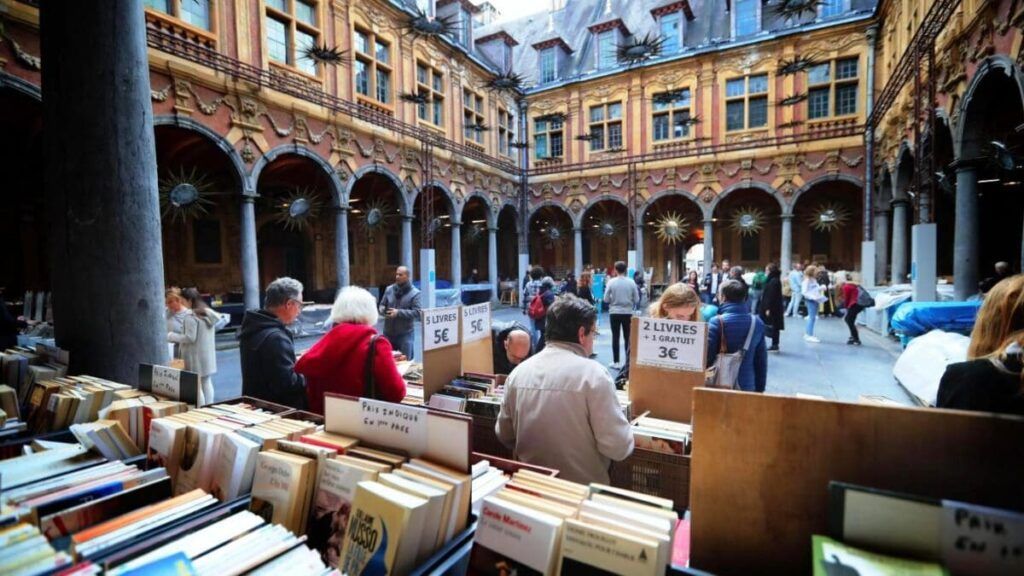
## Description The Vieille Bourse Book Market is one of Lille's most charming cultural experiences because it takes place inside a splendid 17th-century building that already feels like a work of art before the books even appear. The old stock exchange, known as the Vieille Bourse, frames a courtyard where book sellers, collectors, and occasional flower vendors gather under elegant arcades. The result is an atmosphere that feels intimate, intellectual, and unmistakably French, but with enough spontaneity to keep it from feeling formal or sterile. The market is particularly appealing for visitors who enjoy places with layered use. The building itself is a historical monument tied to Lille's commercial past, while the courtyard market represents an entirely different kind of exchange: ideas, stories, secondhand finds, and casual conversation. Instead of gold, shares, or mercantile records, the courtyard now trades in books, prints, and hidden treasures. That transformation gives the site a quiet symbolism that many travelers appreciate once they pause long enough to look around. One little-known fact is that the building was originally linked to the city's prosperous trading culture and was designed to reflect civic confidence as much as practical commerce. Another detail many visitors miss is that the courtyard often hosts more than books; during various times, chess players, collectors, and casual strollers also animate the space, making it a flexible urban room rather than a fixed monument. This flexibility is part of what makes the market memorable. It feels like Lille has turned an old commercial building into a living social space without losing its historical dignity. For book lovers, the experience can be surprisingly rewarding. You may not always find rare editions, but you often find character, atmosphere, and small discoveries that feel more personal than shopping in a modern chain store. Even if you do not buy anything, the combination of architecture, browsing, and street life makes the market a strong reason to spend time in Lille's center. ## Location The Vieille Bourse Book Market is in central Lille, in the Hauts-de-France region of France, around Place du Général de Gaulle. The building sits in one of the city's most walkable and recognizable areas, close to the Grand'Place and not far from Lille's main retail streets, cafés, and public transit stops. Because the site is in the heart of the city center, reaching it is easy whether you arrive by train, metro, bus, or on foot. If you are coming from Lille-Flandres station, the market is a short and simple walk away. That makes it ideal for a first stop after arriving in the city. The surrounding streets are also excellent for a broader walking loop through the old center, with historic façades, public squares, and food stops nearby. The best recommendation is to visit on a day when the courtyard market is active and to combine the stop with a coffee, lunch, or an extended walk through downtown Lille. Because the city center is compact and pleasant to explore, the market fits naturally into a half-day or full-day itinerary. ## Tips Go when the market is open and allow yourself time to browse slowly. The best finds are often the ones you were not actively searching for, and the courtyard rewards casual wandering rather than targeted shopping. Bring cash just in case, although many sellers may also accept other forms of payment. If you are interested in books, ask about editions, language, and condition politely. The vendors are usually used to casual browsers as well as serious collectors. Visit the market as part of a wider Lille center walk. The surrounding architecture is as rewarding as the books themselves, and the contrast between the lively square outside and the quiet courtyard inside helps explain why the site is so beloved. If you enjoy photography, the courtyard light can be beautiful when it filters through the arcades. Still, be considerate of sellers and visitors who are there to browse, not to perform for the camera. ## Conclusion The Vieille Bourse Book Market is a small but memorable part of Lille, combining architecture, literary browsing, and an inviting courtyard atmosphere in one elegant historic setting. ## FAQ ### What is sold at the Vieille Bourse Book Market? Mostly secondhand books, but you may also find prints, magazines, and other collectible paper goods. ### When is the market open? It typically appears on specific days and times, so checking the local schedule before visiting is a good idea. ### Is the Vieille Bourse itself worth seeing? Yes. The building is a major historic landmark and worth visiting even if the book market is not operating that day. ### How long do I need there? The market itself can be seen in a short visit, but most people stay longer to browse and enjoy the surrounding square. ## Links - [Lille tourism](https://www.lilletourism.com/) - [Wikipedia article](https://en.wikipedia.org/wiki/Vieille_Bourse)
GemVoyage Team • World
Alexandria
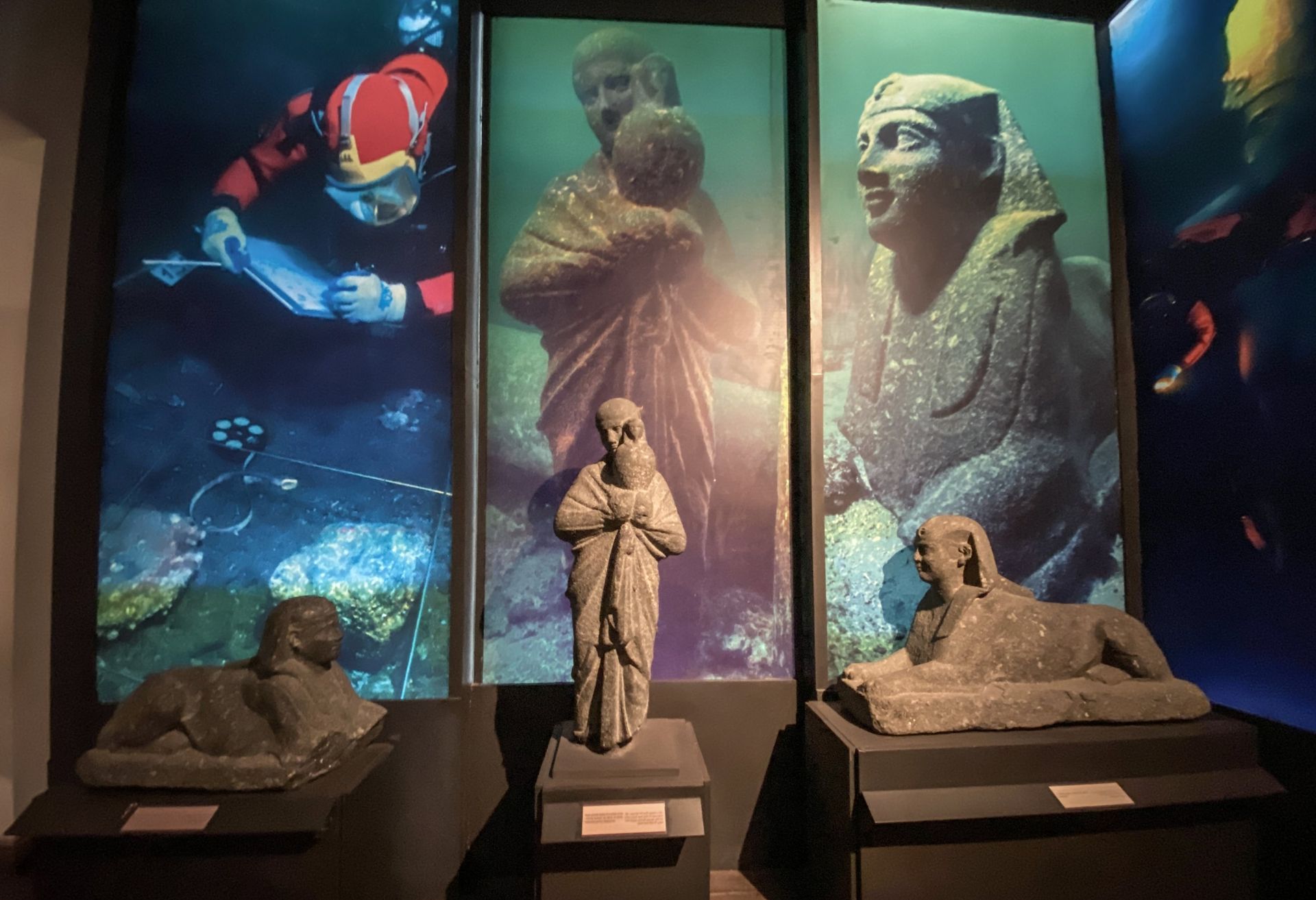
## Description Alexandria National Museum is one of the city’s most useful cultural stops because it helps visitors understand Alexandria as more than a coastal destination. The museum presents the city’s history across different periods, linking Pharaonic, Greco-Roman, Coptic, Islamic, and modern chapters into a single narrative. For travelers, this makes it especially valuable as an orientation point: you leave with a better sense of how Alexandria evolved from an ancient Mediterranean center into the modern city it is today. What makes the museum especially effective is its scale and clarity. It is not so large that it becomes exhausting, but it is substantial enough to offer real historical depth. A lesser-known fact is that the museum is housed in a restored historic building, which gives the visit a layered architectural context beyond the displays themselves. Another detail many visitors appreciate is the way the collection helps connect objects with city identity, so that artifacts do not feel detached from place. Instead, they reinforce the idea that Alexandria’s history is cumulative, cosmopolitan, and constantly reshaped by different eras. The museum is a strong choice for anyone who wants to understand why Alexandria has such a special place in Egyptian and Mediterranean history. It contextualizes the city’s role as a port, a cultural crossroads, and a site of repeated transformation. If you visit only the waterfront, you get atmosphere; if you add the national museum, you get a framework for understanding what that atmosphere means. Because the galleries are organized for accessible browsing, the museum is also suitable for visitors with limited time. You can make a focused visit without feeling that you are missing the essential story. That balance is one of its biggest strengths. ## Location Alexandria National Museum is located in Alexandria Governorate, Egypt, in the city center. Its position makes it easy to combine with other urban sights, cafés, and coastal stops. Since Alexandria is a walkable city in many sections but also spread out enough to justify taxis, the museum fits comfortably into either a walking route or a short taxi-based sightseeing plan. The easiest way to get there is by taxi or local transport from wherever you are staying in the city. If you are already exploring central Alexandria, a walk may also be practical depending on your route. Because the museum is in a central setting, it pairs naturally with other historical stops and gives structure to a city day. If you want the most rewarding visit, allow enough time to move through the collection steadily rather than rushing from room to room. ## Tips Use the museum early in your trip if you want historical orientation before visiting other landmarks. Read the labels and thematic sections carefully. The museum is most useful when you connect the objects to the city’s wider story. Plan for a visit of about 1.5 to 2 hours unless you are particularly interested in museum detail. Combine it with other Alexandria heritage stops for a fuller understanding of the city. If you are short on time, focus on the sections that tie the city’s different eras together rather than trying to absorb every detail equally. ## Conclusion Alexandria National Museum is one of the best places to understand the city’s layered identity in a compact and accessible format. It is an excellent stop for travelers who want context, not just scenery. ## FAQ ### Why visit the Alexandria National Museum? It gives a clear overview of the city’s history across different periods and helps connect the other sites you may see in Alexandria. ### Is it a large museum? It is substantial but manageable, which makes it a good choice for most travelers. ### How much time should I allow? Around 1.5 to 2 hours is usually enough for a solid visit. ### Is it good for first-time visitors? Yes. It is one of the most useful places to start if you want to understand Alexandria’s historical identity. ## Links - [Alexandria National Museum on Wikipedia](https://en.wikipedia.org/wiki/Alexandria_National_Museum) - [Egyptian Ministry of Tourism and Antiquities](https://egymonuments.gov.eg/) - [Alexandria on Wikipedia](https://en.wikipedia.org/wiki/Alexandria)
GemVoyage Team • World
Cairo
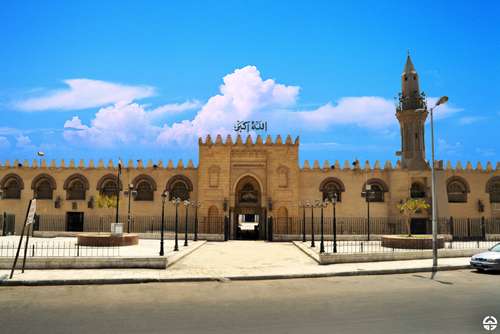
## Description The Amr Ibn Al-Aas Mosque in Cairo is not just a religious site—it’s a living monument to the birth of Islam in Egypt and Africa. Built in 641–642 CE by General Amr Ibn Al-Aas following the Arab conquest of Egypt, it holds the distinction of being the **first mosque ever constructed in Egypt and on the African continent**. Originally erected in the newly founded city of Fustat, the mosque served as both a spiritual center and a gathering place for the early Muslim community. Though the original structure was modest—little more than a roof supported by palm trunks—the mosque has undergone numerous renovations and expansions over the centuries. Today, it features a spacious courtyard, four minarets, and elegant arcades that reflect the evolution of Islamic architecture. Despite its many reconstructions, the mosque retains a sense of historical continuity and reverence. A little-known fact: the site of the mosque was chosen in a rather poetic way. Legend has it that a dove laid an egg in Amr Ibn Al-Aas’s tent before he left for battle. Upon his victorious return, he interpreted the bird’s nest as a divine sign and built the mosque on that very spot. Another intriguing detail is that several companions of the Prophet Muhammad, including al-Zubayr ibn al-‘Awam and Ubada ibn al-Samit, participated in its construction. ## Location The Amr Ibn Al-Aas Mosque is located in **Egypt**, within the **Cairo Governorate**, specifically in the historic district of **Old Cairo** (Al-Fustat). This area is rich in Islamic, Christian, and Jewish heritage, making it a cultural crossroads worth exploring. ### How to Get There: - **By Metro**: Take Cairo Metro Line 1 to Mar Girgis Station. From there, it’s a short walk to the mosque. - **By Taxi or Ride-Hailing**: Services like Uber and Careem are widely available and can drop you off directly at the entrance. - **By Tour Bus**: Many heritage tours include Old Cairo in their itinerary, often combining visits to the mosque with nearby sites like the Hanging Church and Ben Ezra Synagogue. ## Tips for Visitors To make the most of your visit to Amr Ibn Al-Aas Mosque, consider the following tips: - **Visit During Off-Peak Hours**: Early mornings or late afternoons are ideal for avoiding crowds and enjoying a peaceful experience. - **Dress Modestly**: As with any religious site, modest attire is required. Women may be asked to cover their hair. - **Respect Prayer Times**: The mosque is active and hosts regular prayers. Non-Muslim visitors should avoid entering during these times unless invited. - **Explore the Surroundings**: Old Cairo is a treasure trove of history. Allocate time to visit nearby religious and archaeological sites. - **Hire a Guide**: A local guide can enrich your visit with historical context and stories that aren’t found on plaques. - **Photography**: While photography is generally allowed, be respectful and avoid taking pictures of worshippers. ## Conclusion The Amr Ibn Al-Aas Mosque is more than just a place of worship—it’s a cornerstone of Islamic history in Africa. With its deep historical roots, architectural evolution, and spiritual significance, it offers visitors a profound glimpse into Egypt’s Islamic heritage and the early days of Fustat. ## FAQ **1. When was the Amr Ibn Al-Aas Mosque built?** It was originally constructed in 641–642 CE, making it the oldest mosque in Egypt and Africa. **2. Is the mosque still active today?** Yes, it remains an active place of worship and is open to visitors outside of prayer times. **3. Can non-Muslims visit the mosque?** Yes, non-Muslims are welcome, but should avoid entering during prayer times and dress respectfully. **4. Is there an entrance fee?** No, entry to the mosque is free, though donations for upkeep are appreciated. **5. What are the mosque’s opening hours?** Typically, it’s open from 9:00 AM to 4:00 PM, but hours may vary during religious holidays. **6. What other attractions are nearby?** Nearby sites include the Hanging Church, Ben Ezra Synagogue, and the Coptic Museum—all within walking distance. ## Links - [Wikipedia – Amr Ibn Al-Aas Mosque](https://en.wikipedia.org/wiki/Amr_ibn_al-As_Mosque) - [Egyptian Ministry of Tourism – Amr Ibn Al-Aas Mosque](https://egymonuments.gov.eg/monuments/the-mosque-of-amr-ibn-al-as)
GemVoyage Team • World

Comments